Field work for the Wildlife and Energy Programme

Field work for the Wildlife and Energy Programme


Field work for the Wildlife and Energy Programme

 One of the field officers of the Endangered Wildlife Trusts’ Wildlife and Energy Programme, Ronelle Visagie, travels a lot through the Northern Cape, Eastern Cape and the western and southern Free State to investigate powerline incidents. 

Ronelle recently travelled to a powerline 100 km southwest of Kakamas for an investigation, and also surveyed  seven powerlines in the Eastern Cape and one in the southern Free State.  Driving around our beautiful country does have its advantages and grants us as EWTers an opportunity to visit and experience different parts of our beautiful country.  

This month we share with you a few photographs of Ronelle’s recent journey to investigate powerlines.
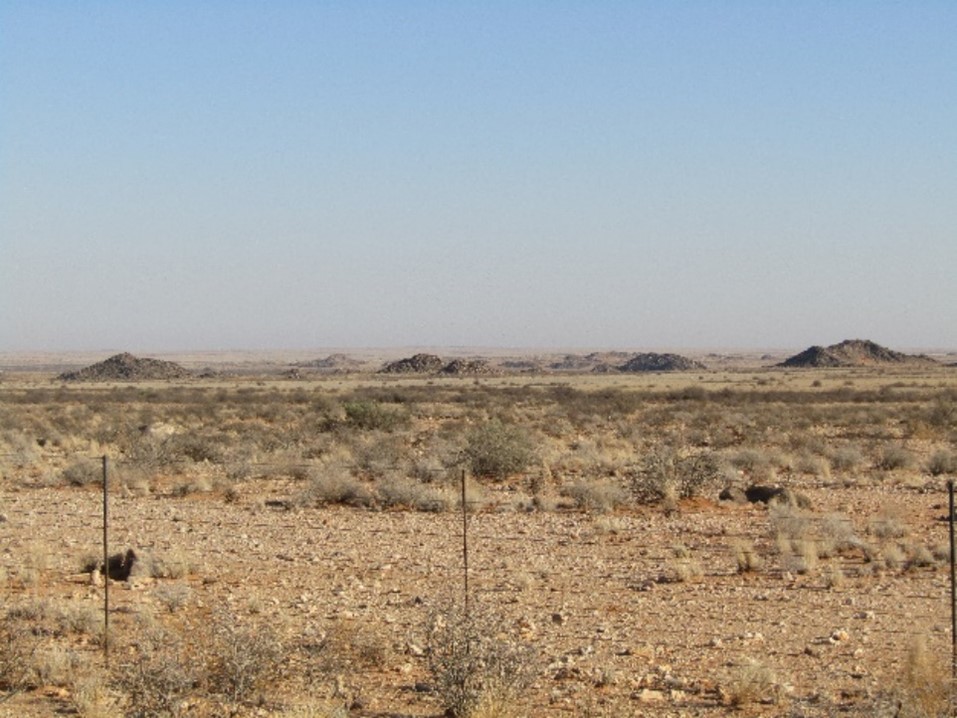
 

Kakamas is in Namaqualand, a desolate part of the Northern Cape. Despite being situated on the banks of the Orange River, this area is typically very dry. Most people only ever pass this area en route to Namibia or the Kgalagadi Transfrontier Park.

Believe it or not, there are White-Backed vultures in Namaqualand. This picture of three vultures sitting on an electricity pylon was taken 100 km southwest of Kakamas.

Ronelle also passed two Cape Griffon Vulture roosting sites on her journey through the Eastern Cape and Free State. The one is near Zastron in the Free State. The other was seen between Burgersdorp and Jamestown.
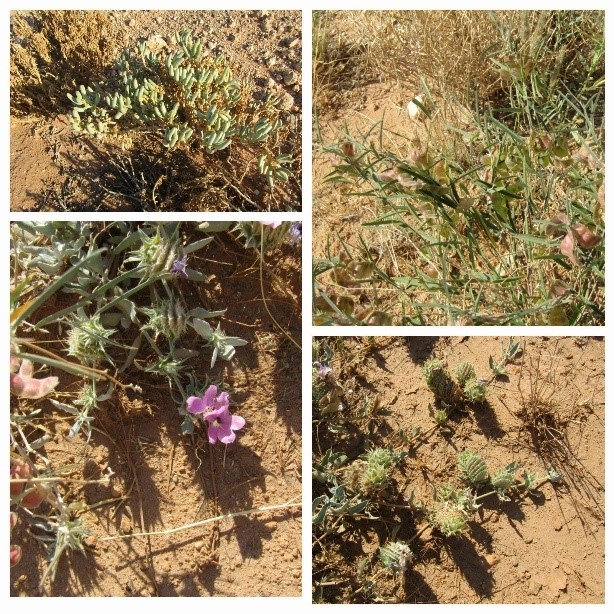
The plants in this region are something special, especially because most are unique to this part of our coutry. Even though winter was approaching, some of the veld plants in this dry habitat were flowering making this visit colourful.
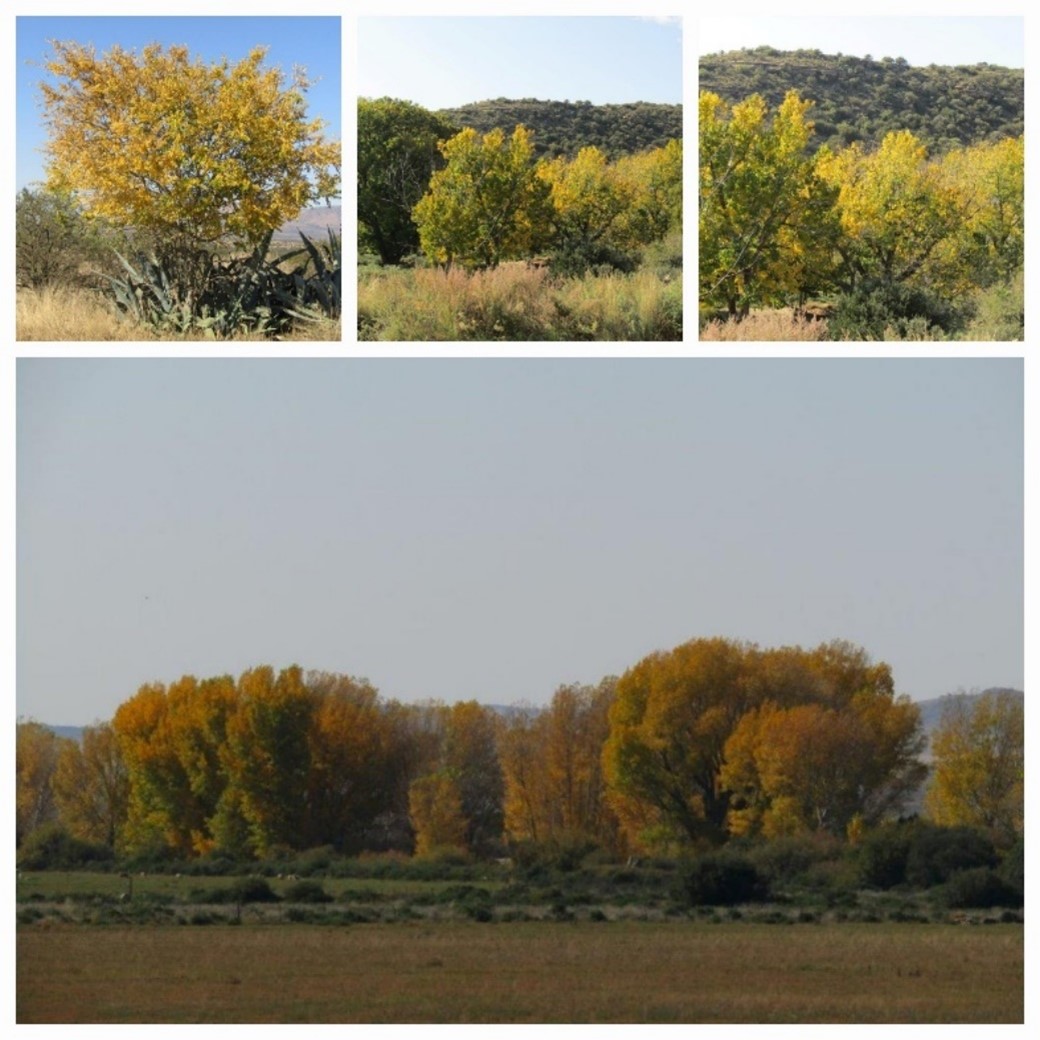
Because it was late in autumn, the Eastern Cape and Free State were beautiful. All the trees were showing off their autumn leaves, and the Orange Charmer shrubs (Pyracantha coccinia or Fire Thorn) were covered in berries. Unfortunately, the Orange Charmers are an exotic species.

A picture can tell a thousand words. Even though it was not very hot, this picture shows the importance of one tree. A flock of sheep gathered under it in the midday Sun for some shade
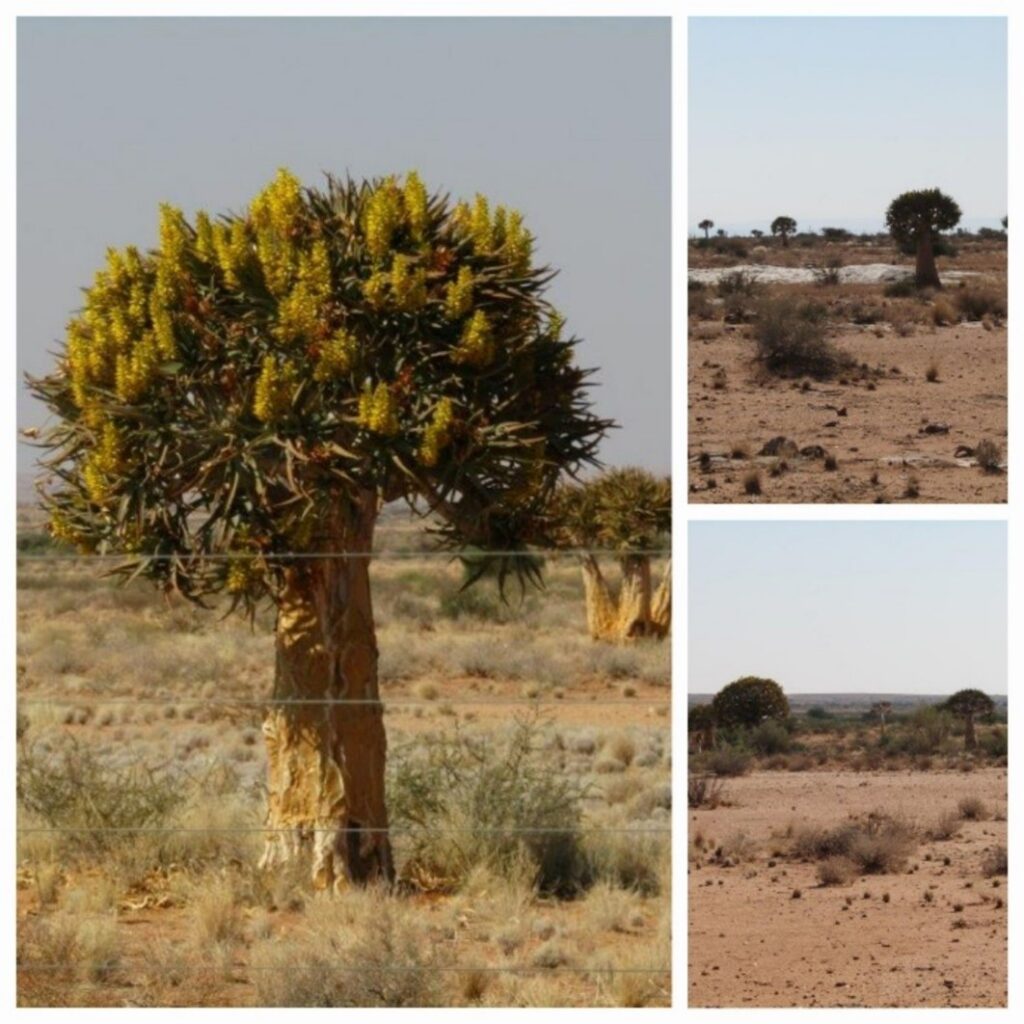
Namaqualand is well known for its Quiver Trees, which had started their annual bloom. Seeing these critically endangered giant trees flowering is a special experience, especially because they are one of South Africa’s most spectacular and rare aloe species.
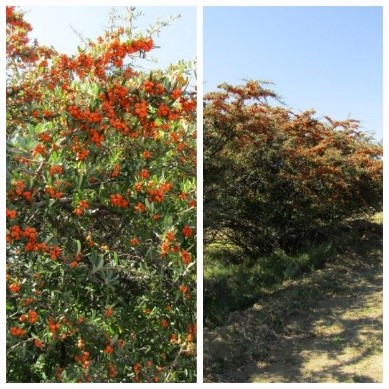
The Orange Charmers were spread out in the Free State and Eastern Cape.
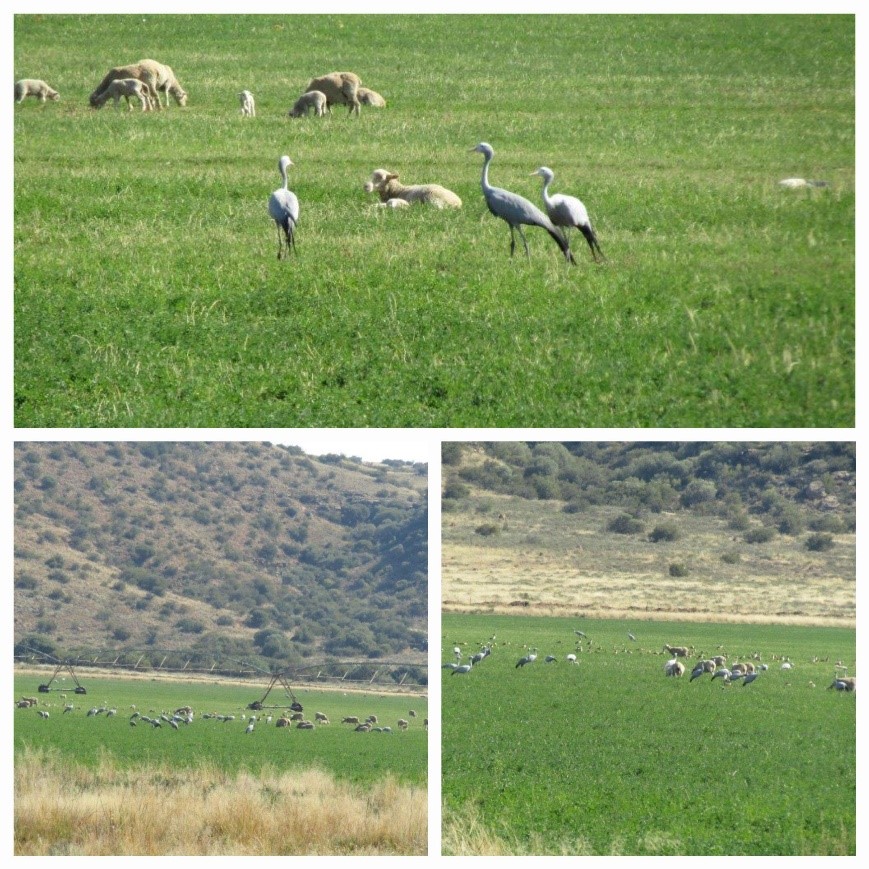
South Africa’s national bird, the Blue Crane, is the world’s most range-restricted crane. Although Ronelle did not see many Blue or Grey Crowned Cranes during her survey of the powerlines, she did come across this flock of more than 330 Blue Cranes on agricultural land near Venterstad in the Eastern Cape on her trip home.
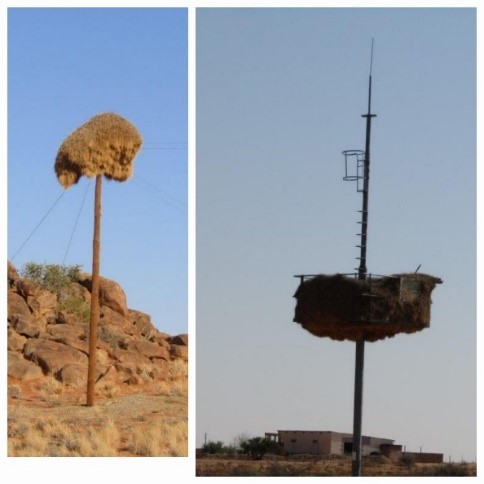
The drier western part of the Northern Cape is also very well known for its characteristic Sociable Weaver nests. Social Weavers typically build their nests in Camel Thorn trees, but also have a preference for bare manmade structures, such as telephone and electric poles. These huge nests of straw and grass can be seen for miles and are often home to colonies of more than 100 birds.
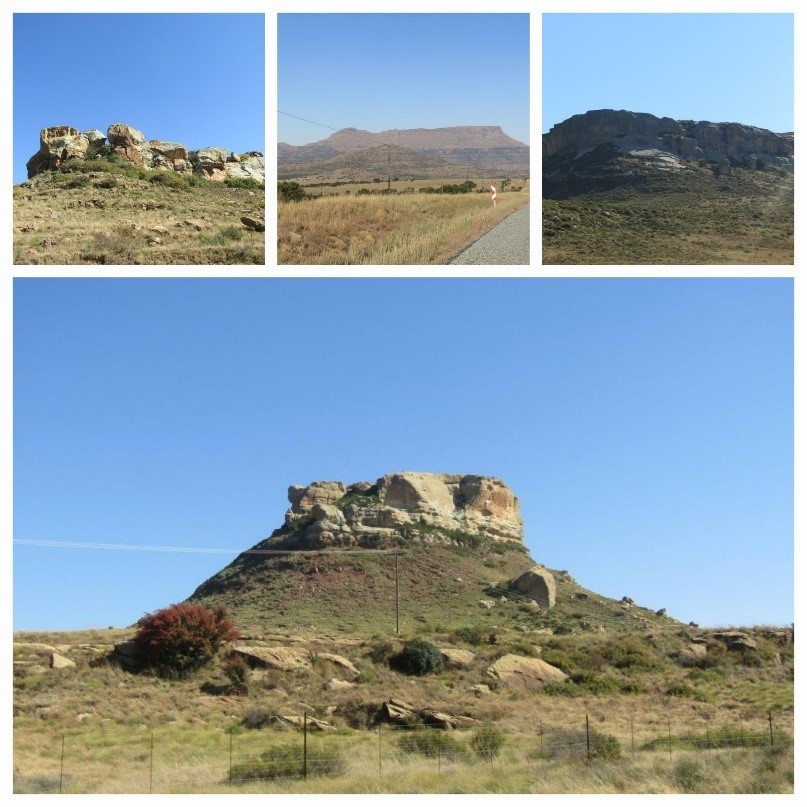
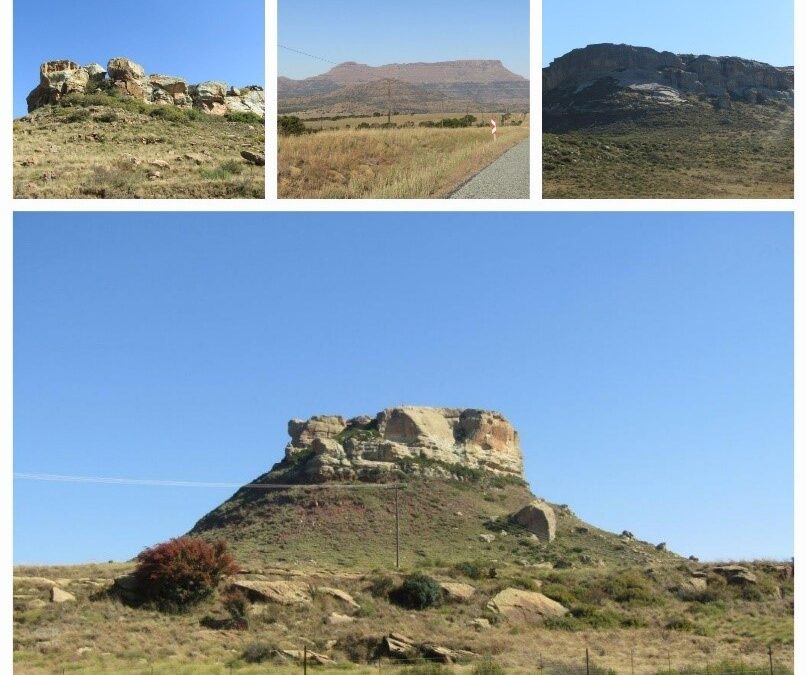
Travelling through the Eastern Cape you are able to view beautiful mountains and rock formations.
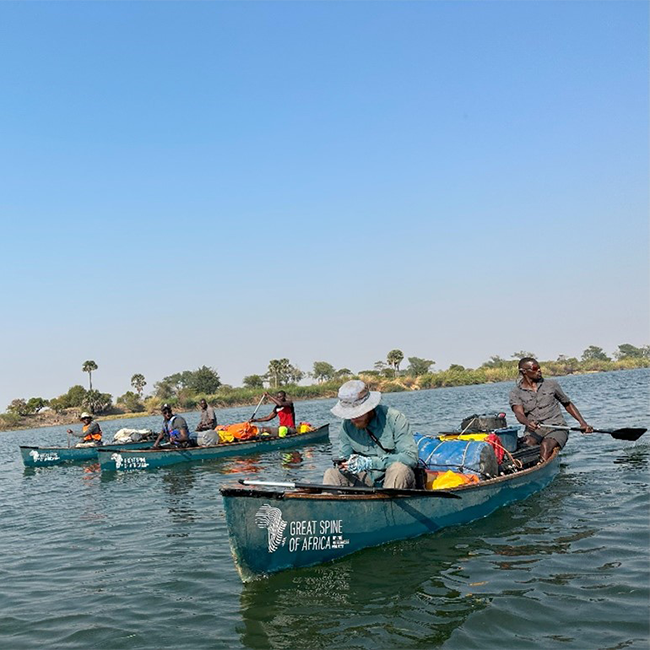
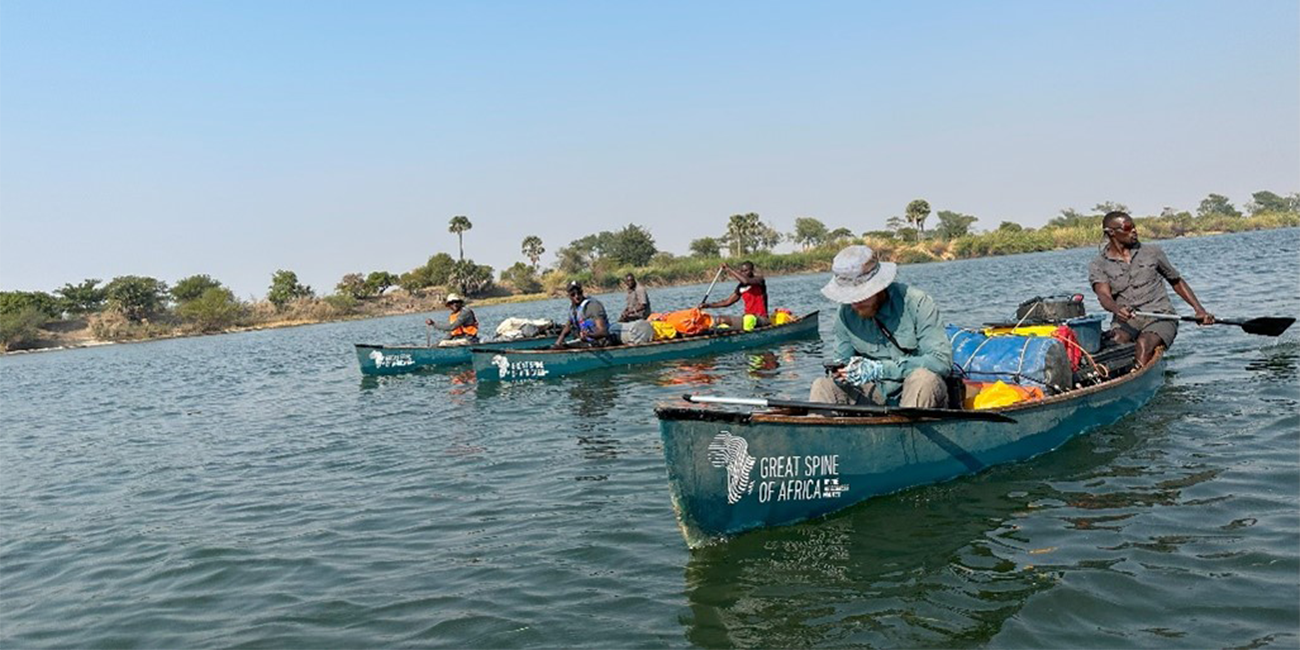
Canoeing the Kafue River for research

Canoeing the Kafue River for research


Canoeing the Kafue River for research

Kelvin Steven Floyd, Restoration Ecologist in Zambia, African Crane Conservation Programme


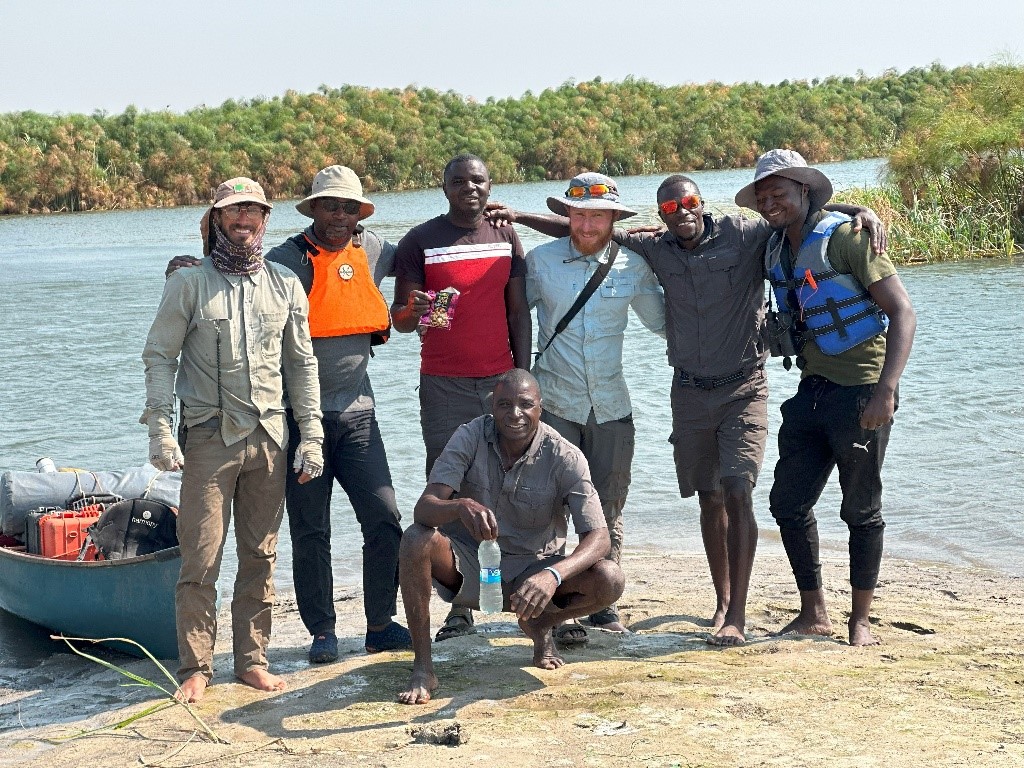
The World Bird Foundation of America has a project called the Wilderness Project to explore major rivers in Africa including the Congo, Zambezi, Luangwa, Kafue River. I was recently privileged to join one of their team exploring the Kafue River from its source to the confluence with the Zambezi River.

I joined the team led by Dr. Joseph Cutler, who is also a National Geographic Explorer, from Zambia’s bird-watching paradise at Itezhi-Tezhi to the Kafue bridge covering the Kafue Flats stretch of the journey.

We paddled over 350kms in 13 days enduring strong winds and huge waves which almost tipped our canoes over, this expedition had everything, it was tiring, exciting, frightening, adrenaline filling but most of all a great opportunity for knowledge generation.

Throughout the transect, we recorded all the waterbirds, herbivores, collected water samples for analysis of heavy metals, human activities, invasive species, Environmental DNA, invertebrates which will be key for our JRS Biodiversity Foundation project, which is part of our work within the International Crane Foundation/EWT Parthership focusing on research and monitoring under the Kafue Flats Restoration Partnership. The aim of the JRS project is to fully design and implement the much-needed ecological monitoring, assessment, and management plan for the Kafue Flats wetlands in Southern Zambia. 

The objective of this plan is to monitor important freshwater biodiversity indicators including threatened and endangered species (Wattled and Grey Crowned Crane), large mammals, waterbirds, wetland vegetation, and other wetland parameters, and human threats/ management challenges such as invasive species, fire, water, and livestock density. The results from the monitoring and assessment will inform and drive the adaptive management of the Kafue Flats, especially the conservation of vital wetland biodiversity in this globally important ecosystem. 

Lions roaming Phalaborwa darted and sent back to the Kruger National Park

Lions roaming Phalaborwa darted and sent back to the Kruger National Park


Lions roaming Phalaborwa darted and sent back to the Kruger National Park

by Marnus Roodbol, lion conservation senior field officer, CCP

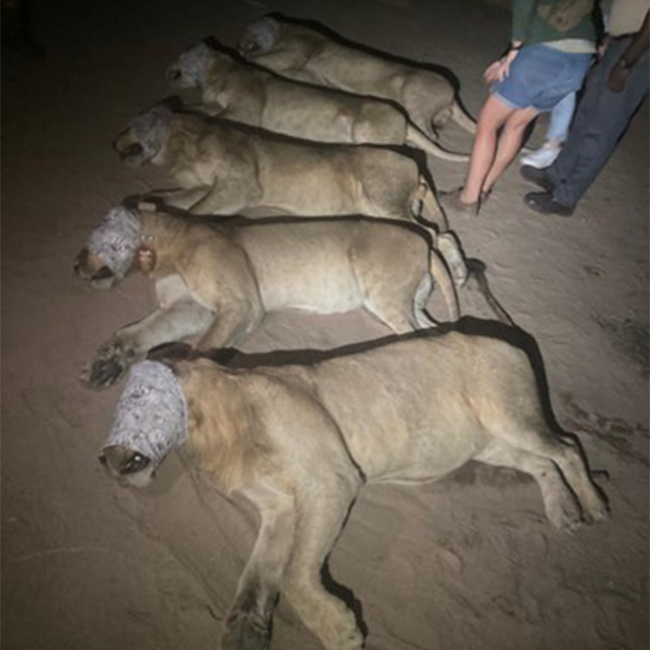
On Monday, 3 June, 2024, five young lions were spotted roaming Villa Luso in Phalaborwa. The  same lions were later spotted by the Phalaborwa horse patrols along the western boundary of the Kruger National Park, south of the Phalaborwa gate.

Later in the they moved onto the Hans Merensky Golf Course before returning to the greater Kruger area.

Although the community and stakeholders assumed that the lions had left the town and  returned to the safety of the greater Kruger, the pride was again seen in town later that night.

That was when we all sprang into action to ensure that the five lions were removed from the town limits and moved to the Kruger National Park.

Following a consultation between the Limpopo department of Economic Development, Environment and Tourism (LEDET), the Phalaborwa Heritage Foundation (PNHF), the Endangered Wildlife Trust (EWT), and the regional and section rangers of the Kruger National Park,  it was decided to capture the lions and to move them back into the safety, and security, of the greater Kruger area.

The EWT Carnivore Conservation team on site assisted in the capture and darting of the five lions – two adult females and three young males.  One of the lionesses was fitted with a GPS tracker by the EWT so that we can continue to monitor the pride’s movements.  This will also assist stakeholders should further assistance for this pride be needed in future.


The darted lions, of which one was collared, before being transported back into the Greater Kruger area.

Wild Dogs rescued from snares

Wild Dogs rescued from snares


Wild Dogs rescued from snares

By Ronja Haring, field officer, Carnivore Conservation Programme


The dangers emanating from snaring for bushmeat and the importance of monitoring wildlife for threat mitigating was again highlighted during the most recent call-out by the EWT’s Carnivore Conservation Programme’s field officers.

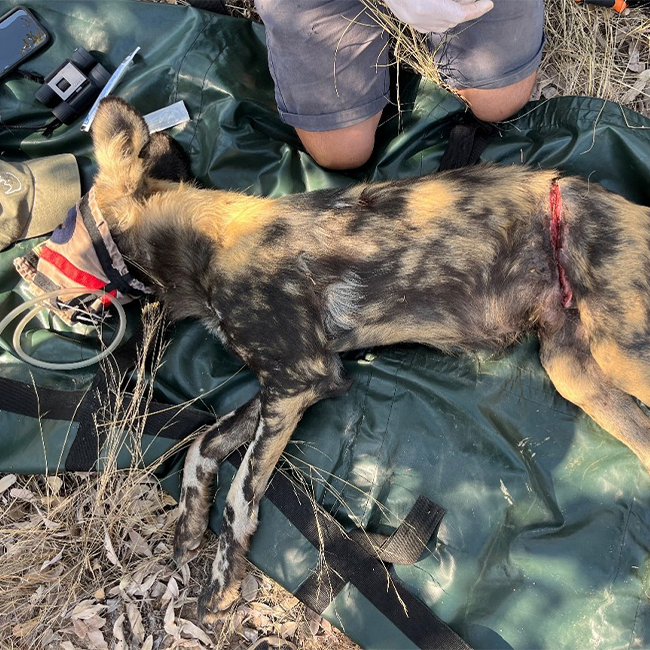
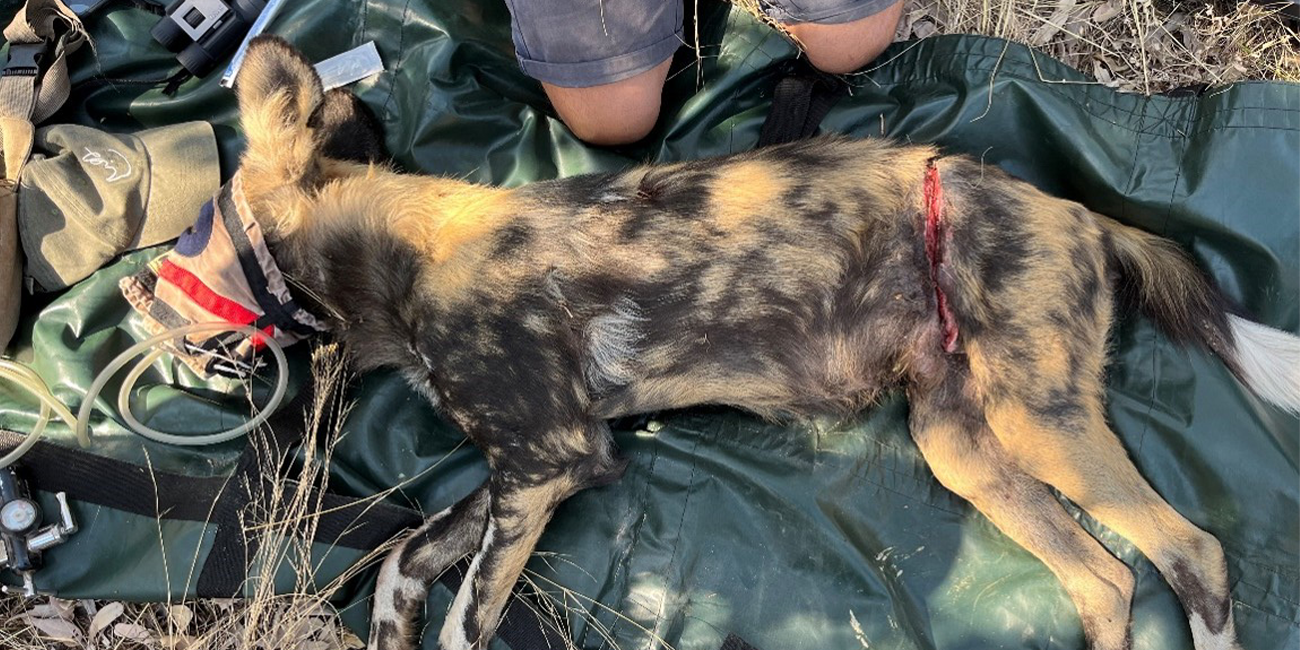
We were informed that a Wild Dog with a snare around its waist had been spotted outside the western boundary of the Kruger National Park. The dog is from one of the dispersal packs that we monitor closely and due to the GPS collar, we were able to track them down without delays.

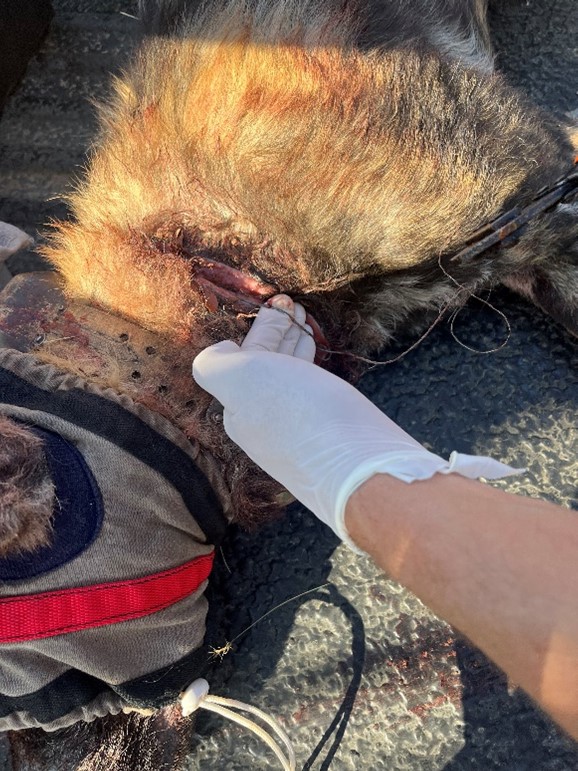
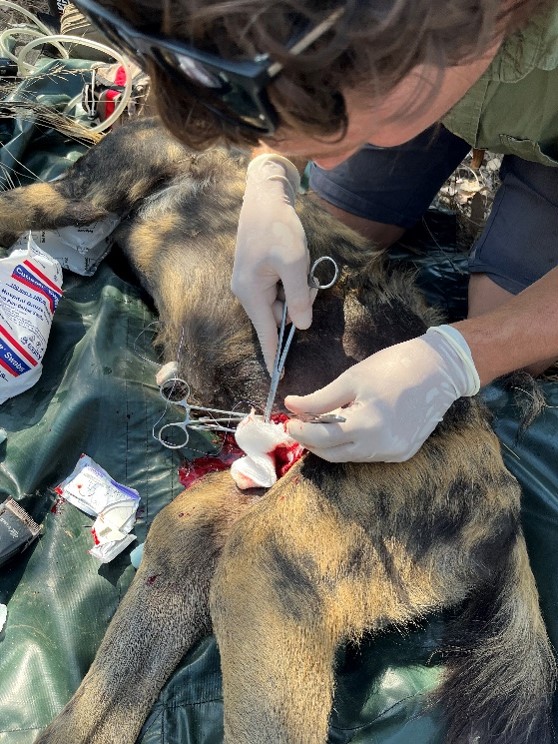
Fortunately, we could dart and free him of the snare. Although the snare cut deep and some stitches had to be put in place, no vital organs were injured.

Alarmingly though, we realised that he was not the only dog with a snare. We struggled to make out how many of the five dogs in this pack were affected as our window to act was closing. So we promised to return soon to treat the remaining dogs. 

Shortly after, we were back in the field to continue where we had left off. Once we located the dogs, we grabbed our binoculars and had a close look at each individual. It is easy to spot the big, slashing wounds. But in the beginning fresh wounds from snares are difficult to sport because they are sometimes so subtle, even though they rarely stay that way. Often, once the snare has broken through the skin, which serves as a natural protective barrier, severe damage is caused in a short time. 

We were soon facing the fact that this mission wouldn’t be an easy one because three  more dogs had to be caught and treated. Strategically and with enormous patience, we managed to dart all three of them in one go.  

Considering that 4 of the 5 dogs were affected, the entire pack could have easily been wiped out. Dedicated to protecting our endangered wildlife, we will do everything in our power to mitigate these threats and respond to emergencies.

The dogs treated by a veterinarian in the veld are all recovering well.


EWT celebrates the International Day for Biological Diversity with a business summit

EWT celebrates the International Day for Biological Diversity with a business summit


EWT celebrates the International Day for Biological Diversity with a business summit

By Catherine Kühn, EWT National Biodiversity and Business Network.

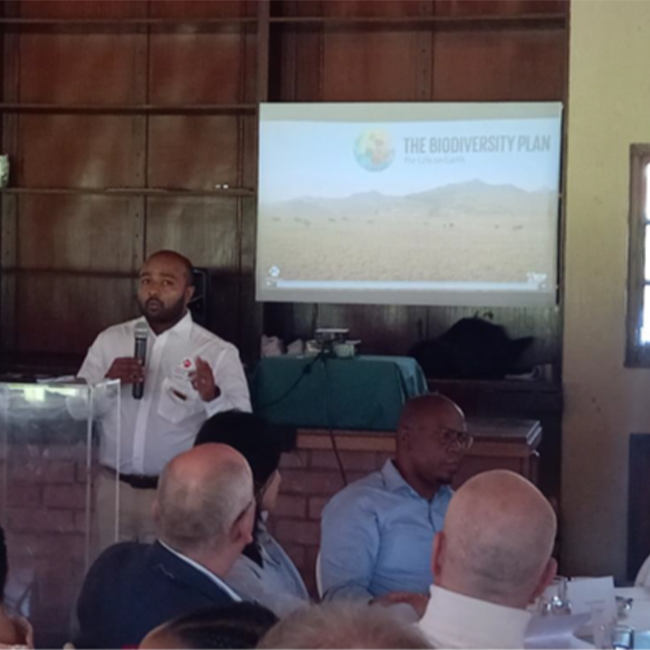
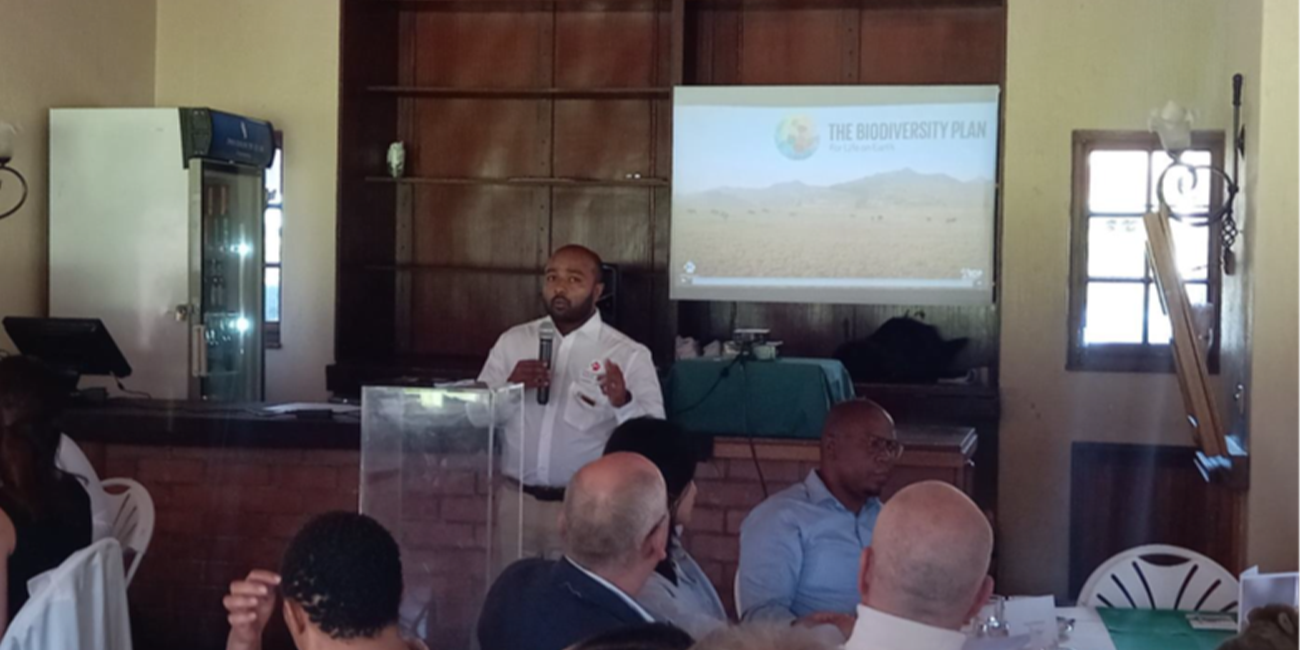
EWT Senior Manager Sustainable Financing, Kishaylin Chetty, sharing information biodiversity planning


In recognition of the International Day for Biological Diversity (IBD) on 22 May 2024, the Endangered Wildlife Trust’s (EWT) National Biodiversity and Business Network (NBBN) hosted the first of four workshops for 2024 for its Business Advisory Group (BAG) members.

This summit is part of a project spearheaded by the NBBN and supported by the international policy and advocacy group, Business for Nature (BfN).

South Africa is one of four countries to receive support from BfN as part of their Business Action and Advocacy for the Planet project, with the aim being to provide guidance to the Department of Forestry, Fisheries and the Environment (DFFE) on Biodiversity and Business-related topics. This includes how to effectively incorporate the private sector in the implementation of the goals of the Global Biodiversity Framework in South Africa.

Working with Malaysia, South Africa, Columbia and Chile, BfN supports business-government dialogues to ensure the role of business and financial institutions is fully recognised in their updated National Biodiversity Strategies and Action Plans (NBSAPs). The NBSAPs are the policy tool to ensure successful and effective implementation of the CBD. South Africa’s NBSAP currently covers 2015-2025 and is under review.

Dr Gabi Teren, Programme Manager of the NBBN, says:  “South Africa, has in many ways, an opportunity to demonstrate leadership in this space”. Because all businesses depend on biodiversity in some way, the responsibility is on business and government to ensure that transformative policy measures required for this sector to make a positive contribution to the natural world, are in place.

It is hoped that through the BAG, businesses and financial institutions will be able to contribute effectively, and meaningfully, to the 30×30 biodiversity targets which state that 30% of terrestrial and marine areas need to be formally conserved by 2030. According to South Africa’s Land Audit report, 2017, estimates suggest that about 79% of South Africa’s land is privately owned. This includes agricultural lands, game reserves, and other types of private property.

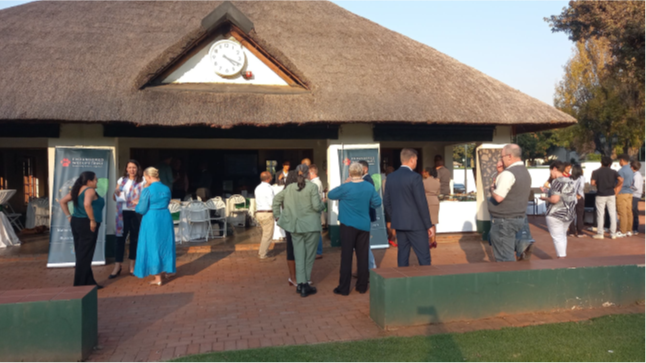
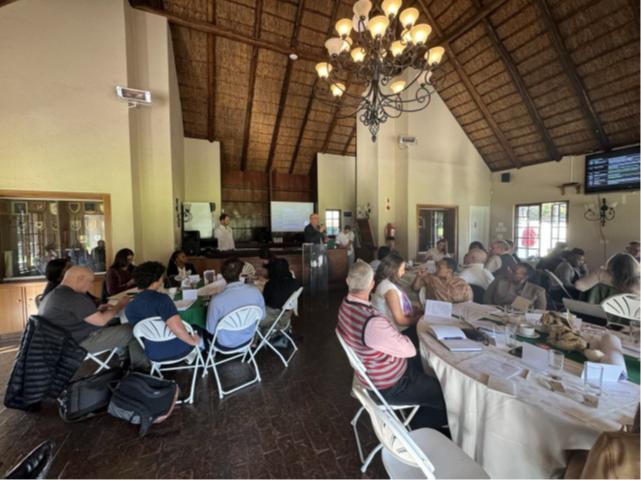
The event on International Biodiversity Day unpacked the challenges and gaps for South African businesses to successfully mainstream biodiversity into their business practices.  Around 40 delegates representing 27 businesses, State-Owned Enterprises, and advisory organisations, including SANBI and several financial institutions, participated in the BAG meeting held at the Country Club Johannesburg in Auckland Park.  The turnout was heartening as it conveyed a clear message that businesses are willing and keen to learn more about biodiversity mainstreaming and what this means for their industries.

Taking the form of an interactive dialogue, the workshop focused on Target 15 of the United Nations Convention on Biological Diversity’s Kunming-Montreal Global Biodiversity Framework which encourages businesses to assess, disclose and reduce biodiversity-related risks and negative impacts in their field of operation. This means that businesses are being urged to ensure they comply with the  Frameworks’ targets  to help them increase their positive impacts and reduce their negative impacts on the environment.


EWT Senior Manager Sustainable Financing, Kishaylin Chetty, sharing information biodiversity planning


One of the key insights that emerged at the workshop was that biodiversity often takes a back seat to climate change in business strategies.  This highlighted the role that organisations like the EWT have in helping to guide businesses in South Africa to incorporate biodiversity decision-making into their business practices. Unlike climate change, where some disclosure requirements are  mandatory, biodiversity-related disclosure practices are not. Through the awareness raising work that the EWT’s Biodiversity Disclosure Project has been undertaking with their biodiversity performance ratings of South African companies, this is beginning to change. We are also hoping that through the BAG dialogues there will be awareness raising around this very issue.

During the workshop delegates provided feedback on the outcome of breakaway sessions noting, amongst others, that there is a strong need for capacity building, training, and awareness initiatives tailored for businesses that have chosen to embark on a biodiversity mainstreaming journey. They also commented that the numerous tools available are overwhelming for many businesses, hence the need for more training on how to use these tools effectively and appropriately.  

There was a collective narrative that called for more clarity in South African policy frameworks, as well as more comprehensive enforcement of South Africa’s robust legislation. A noteworthy comment that also came out of the BAG was that Civil society, financial institutions, and investors need to realise the power-key they hold in steering the achievement of the sustainability goals through their influence.

What this means is that these stakeholders (consumers, investors, finance) should be asking for information about companies’ sustainability risk and impact management to make informed decisions. This information will help hold companies accountable, and drive demand for products and services with more positive and less negative impacts on nature.  

The in-person workshop, which was pivotal in highlighting the challenges, gaps and the needs still hindering the way forward in the biodiversity mainstreaming journey for businesses in South Africa, is to be followed by three hybrid workshops in the coming months.  One attendee pointed to the importance of the event as it provided perspective of what other industries were doing and the various approaches to biodiversity in the broad sense.

Other delegates noted that “they’ve never felt so engaged in a workshop like this before” and many agreed that the outcomes of this workshop would ultimately assist in informing national policy aligned to the GBF and ignite further conversations and actions that will pave the way towards a healthier and more positive relationship with nature.

If you feel your company should add their voice to this important dialogue, please contact Catherine at CatherineK@ewt.org.za and follow www.nbbnbdp.org for project updates.


Ntakadzeni Tshidada addressing the group on behalf of the South African National Biodiversity Institute (SANBI).