CAREERS IN CONSERVATION – Caitlin Smith

CAREERS IN CONSERVATION – Caitlin Smith

Caitlin is an Intern with the EWT’s Conservation Planning & Science Unit. Here is a little bit about Caitlin’s journey to a career in conservation.

Job title:  Conservation Planning & Science Intern

What do you do in your day-day work? I will be assisting in the Mammal Red List project

Location: Cape Town

Where did you grow up? Cape Town

What are your hobbies/things you like to do in your spare time? Reading and baking

Any pets? None

Favourite animal and why: Giraffes, they are so beautiful and unique!

Favourite food? Chocolate

Pet peeve? Loud chewing

Why did you want to work for the EWT? Zoology is my first love, and getting a chance to learn more about mammals while assisting with Mammal Red List assessments is something I am very excited about.

What excites you about this new position? Learning how to put together Red List assessments

What are you passionate about? Many things; giraffes, chocolate, reading/watching Harry Potter

What’s the best advice you’ve ever received, and who did it come from? Just be yourself, my Mom

What is your go-to feel-good song? Any ABBA song!
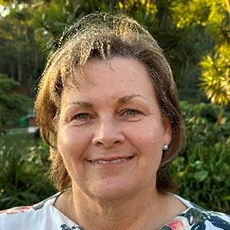
CAREERS IN CONSERVATION – Jacquie Van der Westhuizen

CAREERS IN CONSERVATION – Jacquie Van der Westhuizen

CAREERS IN CONSERVATION – Jacquie Van der Westhuizen

Jacquie is a Field Officer in the Drakensberg. Here is a little bit about Jacquie’s journey to a career in conservation.

Job title: Drakensberg Field Officer

What do you do in your day-day work?  My day to day work takes me to the most beautiful locations looking for cranes, checking on the nests, connecting and building relationships with farmers and creating awareness about the cranes and their habitats

Location: I am based in the KZN Midlands and Drakensberg but I will travel to find cranes anywhere between here and Timbuktooooo.

Where did you grow up? I was born and grew up in Zimbabwe on a cattle ranch, where I had an idyllic childhood and where my love for conservation began.

What are your hobbies/things you like to do in your spare time? I love being outdoors and will take any opportunity to be in a game park or looking for cranes.  I also love taking photos.

Any pets? We have two very needy dogs – a German short haired pointer and a Hungarian Visla.

Favourite animal and why: My favourite animal is an elephant, reminds me of my mom who was the matriarch of our family.

Favourite food? Prawns

Pet peeve? When people put their plates next to the dishwasher instead of inside the dishwasher.

Why did you want to work for the EWT? Because I feel like I could contribute to making the environment a better place.

What excites you about this new position? Making a difference to the environment and being part of a team of like minded people.

What are you passionate about? I love my family!

What’s the best advice you’ve ever received, and who did it come from? Whatever you do in life, do it properly, don’t do a half job because life is short and you only live once!

What is your go-to feel-good song? Summer of ’69

Fired up for conservation

Fired up for conservation


News from the field:

Fired up for conservation

By Darren Pietersen, Ecology Manager, Soutpansberg Protected Area

Globally, “wildfires” are seen as terrifying, destructive, unnatural, and something to be stopped at all costs. This sentiment is understandable when the effects of runaway fires are seen – for instance the large-scale fires in Australia, and those in the Northern Cape province in the past few years that resulted in thousands of hectares of grazing being lost, countless livestock burning to death, and infrastructure being lost.

But fire is, in fact, an integral part of the ecosystem. Savannahs and grasslands rely on fire (and herbivory) for their maintenance by preventing bush encroachment, and many plant species, including many fynbos species, rely on fire to germinate their seeds. In his study comparing historical and contemporary photographs of the Soutpansberg, Dr Norbert Hahn established that the Soutpansberg overall has become much denser in the past 150 years, with the loss of most of the Soutpansberg grasslands (and their associated species) through the removal of large grazers and fire from the ecosystem. We cannot reintroduce bulk grazers to the majority of the Soutpansberg (yet), but we can ‘reintroduce’ fire.

The EWT Medike Reserve is in the process of reintroducing fire as a management tool on the Soutpansberg range. Like many properties on the Soutpansberg area, most of Medike Reserve has not burnt in a very long time – in the region of three decades, whereas historically the Soutpansberg would have probably burnt every five to ten years.

This absence of fire has resulted in the build-up of a vast quantity of moribund material such as dead grass and other plant debris, resulting in unnaturally high fuel loads and poor grazing for animals. This build-up of dead plant material can result in intense, difficult to manage wildfires – as we experienced last year when a lightning strike resulted in a fire that burnt for two weeks on farms neighbouring Medike.

In an effort to start restoring natural ecosystem functions, Medike is implementing management burns – purposefully burning a section of veld under appropriate ecological conditions, but also under conditions where the fire can be safely managed. Rangeland burns can legally only be set between September and November in Limpopo province (and only with the necessary permits), whereas all firebreaks need to legally be burnt before the end of June.


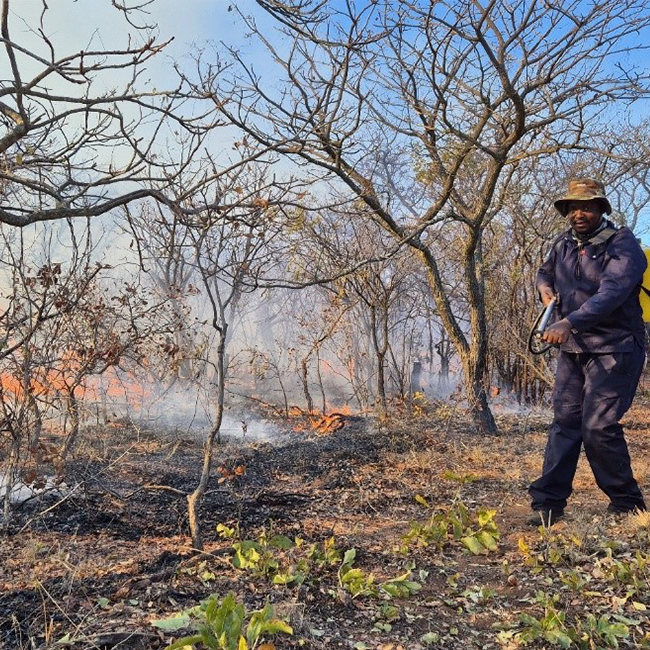
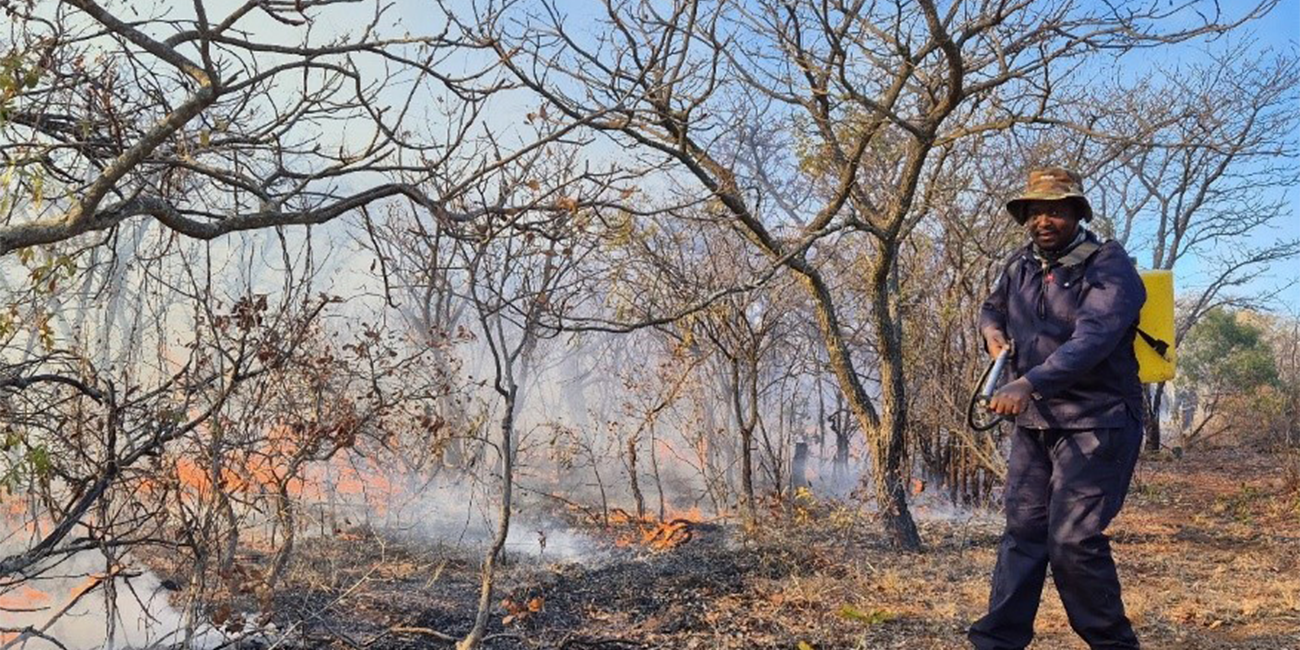
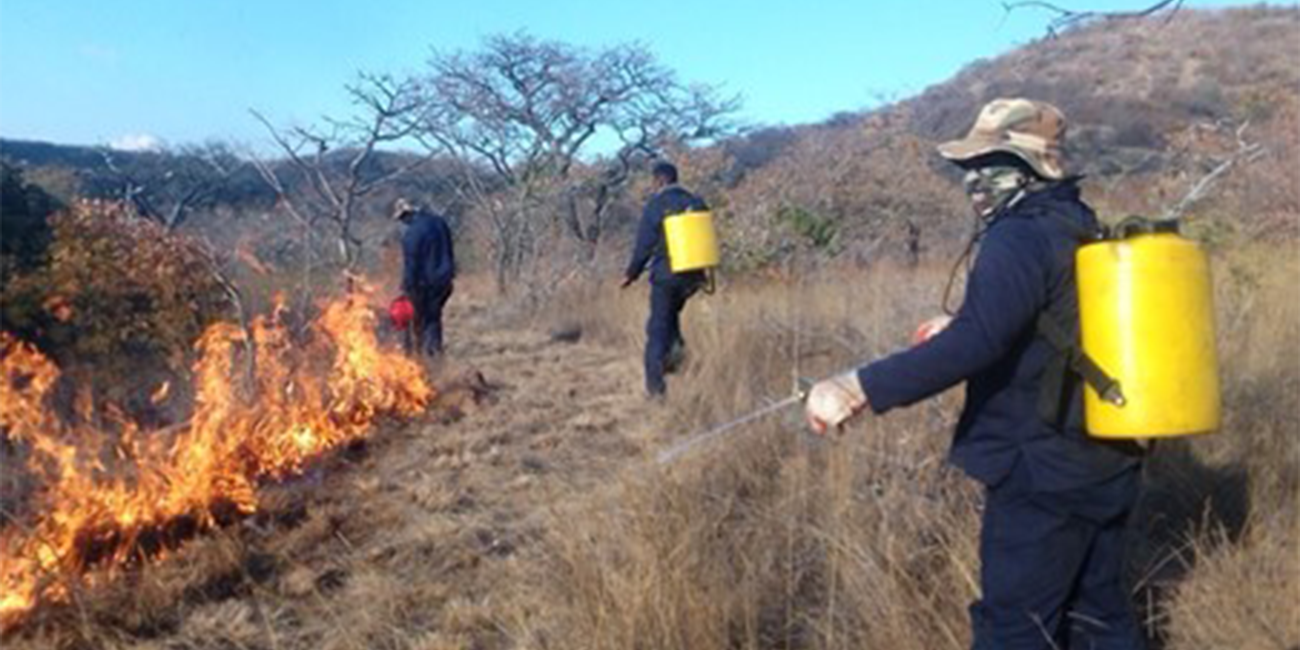
In preparation for a large (~600 ha) management burn planned for September this year, the Medike team burnt a 12 km long firebreak (with an average width of 20 m) around the block earmarked to be burnt. Firebreaks are not only a legal requirement, but will also allow us to burn the main block much more safely, posing a lower risk to the remainder of the reserve and neighbouring properties.

The management burn intends to provide improved grazing, converting the current moribund grass – which is probably about as nutritious as cardboard – into fresh, nutritious grass. In addition, the burn is also intended to open up the vegetation in general, returning its structure to a more natural, more open habitat by the remedying of bush encroachment. This will also provide additional habitat for grazers and a myriad of other species that require more open habitats. The intention is to burn the entire Medike Reserve in sections over the next four to five years, mimicking the natural fire cycle.

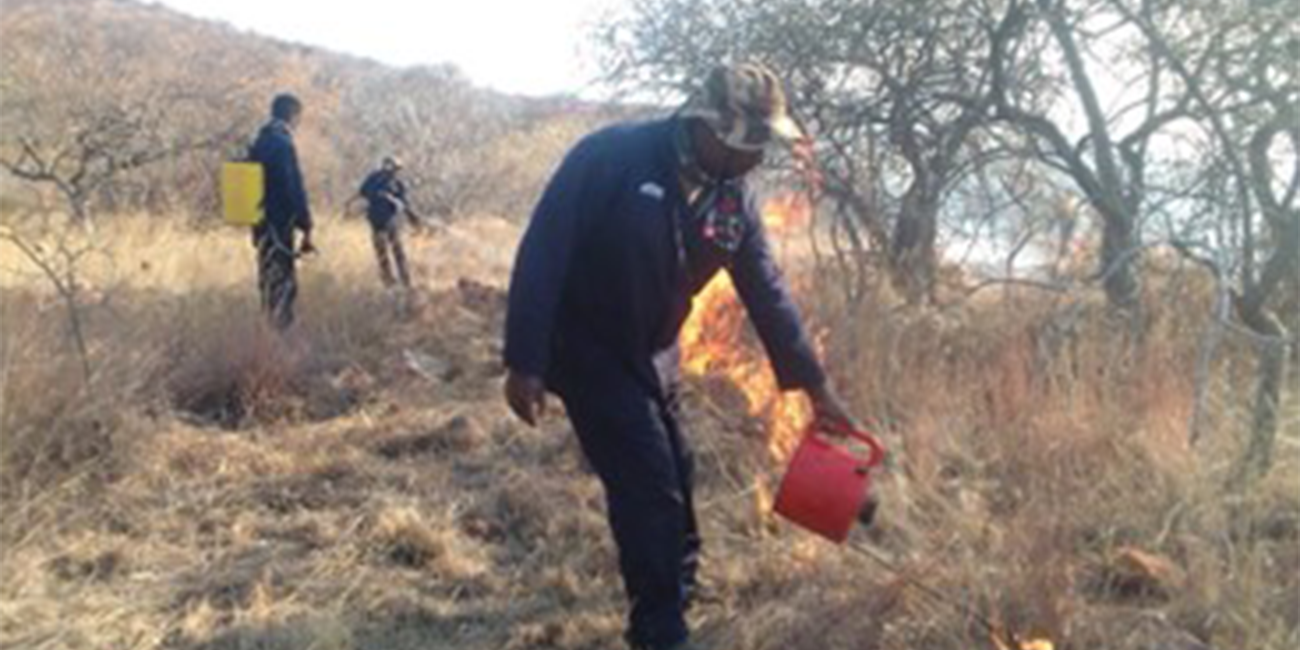
The SPA team burning firebreaks on Medike to safeguard vulnerable infrastructure against potential unplanned fires, and to prepare for a large management burn planned for later this year. The team did exceptionally well under often very difficult circumstances, and are now all accomplished firefighters.

  • We are grateful to Jonsson for sponsoring the fire-resistant overalls, which were tested to their max.
A familiar face greets the Endangered Wildlife Trust team during field monitoring for vulture threats

A familiar face greets the Endangered Wildlife Trust team during field monitoring for vulture threats

News from the field:

A familiar face greets the Endangered Wildlife Trust team during field monitoring for vulture threats

By John Davies, Bird of Prey Programme

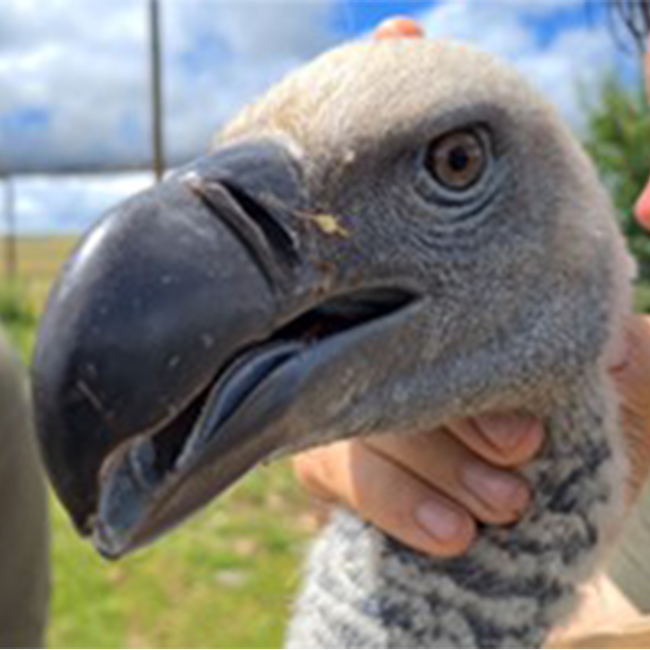
The Endangered Wildlife Trust’s Lowveld Birds of Prey team had a remarkable encounter in the Timbavati Private Nature Reserve recently. During their fieldwork, they trapped a stunning adult Cape Vulture they had previously rescued, an event made even more special given the low probability of re-trapping a ringed and GPS-tracked bird. This vulture, part of the Cape Vulture colony on the cliffs of Manoutsa west of Hoedspruit, which comprises approximately 760 breeding pairs, reconnected with the team in a significant way.

In collaboration with the University of Pretoria, the EWT team was supporting a PhD student investigating various aspects of vulture health. The student’s research focuses on diseases affecting vultures, such as Avian Influenza, Newcastle Disease, West Nile Virus, ectoparasites, haemoparasites, and cloacal microbiomes. This study is crucial as African vulture populations are rapidly declining, and smaller population sizes increase the threat of disease, a relatively understudied danger.

During this fieldwork, EWT Birds of Prey field worker Kyle Walker spotted a ring on a Cape Vulture and immediately recognized it as one of their tracked birds, named Dr Mike after the veterinarian who saved its life. Dr Mike was discovered in late 2021 at Lissataba Nature Reserve with a broken wing from a powerline collision. Thanks to Murray and Robin Reid, who managed the property, the bird was rushed to White River Animal Hospital for emergency surgery. Following months of rehabilitation at the Dullstroom Birds of Prey Centre, Dr Mike was ringed, fitted with a tracking unit, and released back into the wild on February 2, 2022.

Since his release, Dr Mike has travelled an astonishing distance of over 94,000 km, averaging 110 km a day, highlighting the vast ranges these birds cover and the space they need to thrive. Our tracking data shows he is now breeding on the Manoutsa cliffs, marking a true conservation success story.

Dr Mike’s story underscores the importance of collaboration between protected area management and conservation organizations like the EWT, alongside the invaluable rehabilitation centres in the Lowveld. Every bird counts, and without intervention, this vulture would have perished. The state-of-the-art GPS tracker fitted to Dr Mike allows us to monitor his behavior and identify threats as he soars through the African skies. It is incredible to see the data from his tracking unit as he breeds again on the cliffs of Manoutsa.

To learn more about Dr Mike’s story, visit: Cape Vulture (ewt.org.za)

African Conservation Forum in Kenya an ideal opportunity to visit EWT projects

African Conservation Forum in Kenya an ideal opportunity to visit EWT projects


News from the field: 

African Conservation Forum in Kenya an ideal opportunity to visit EWT projects


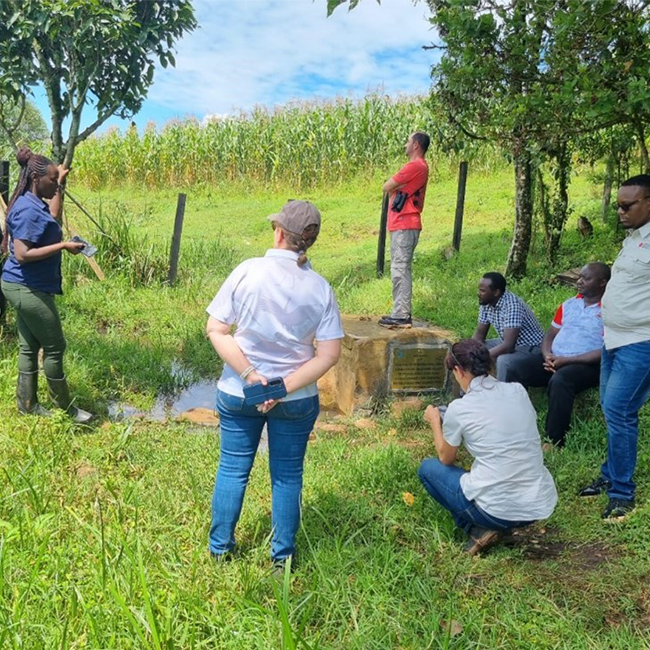
The hosting of the African Conservation Forum in Kenya at the end of June provided the ideal opportunity for the Endangered Wildlife Trust’s CEO, Yolan Friedmann, and senior officials based outside the East African country to visit some of the projects being undertaken under the banner of the International Crane Foundation / EWT Partnership.

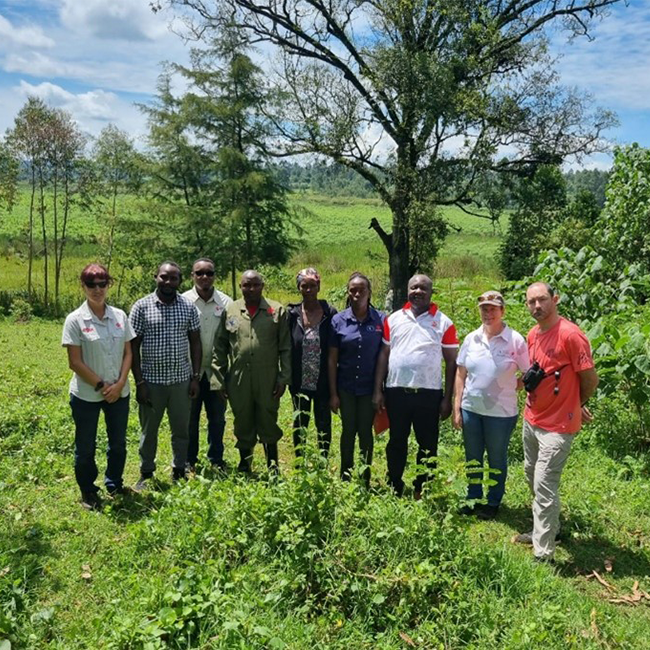
Yolan was accompanied by head of the EWT’s African Crane Conservation Programme Kerryn Morrison and Head of Conservation for the EWT, Dr Ian Little, Charles Kayijamahe, Rwanda country manager and East Africa regional Director, Dr Adalbert Aine-omucunguzi.

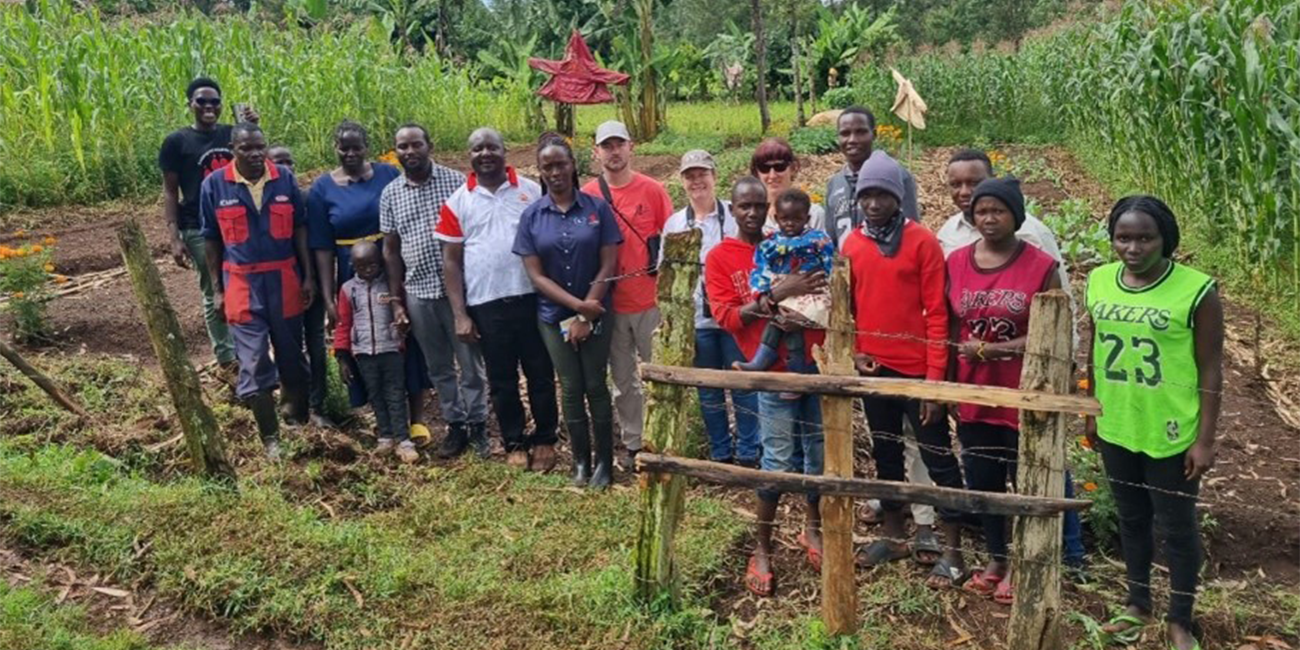
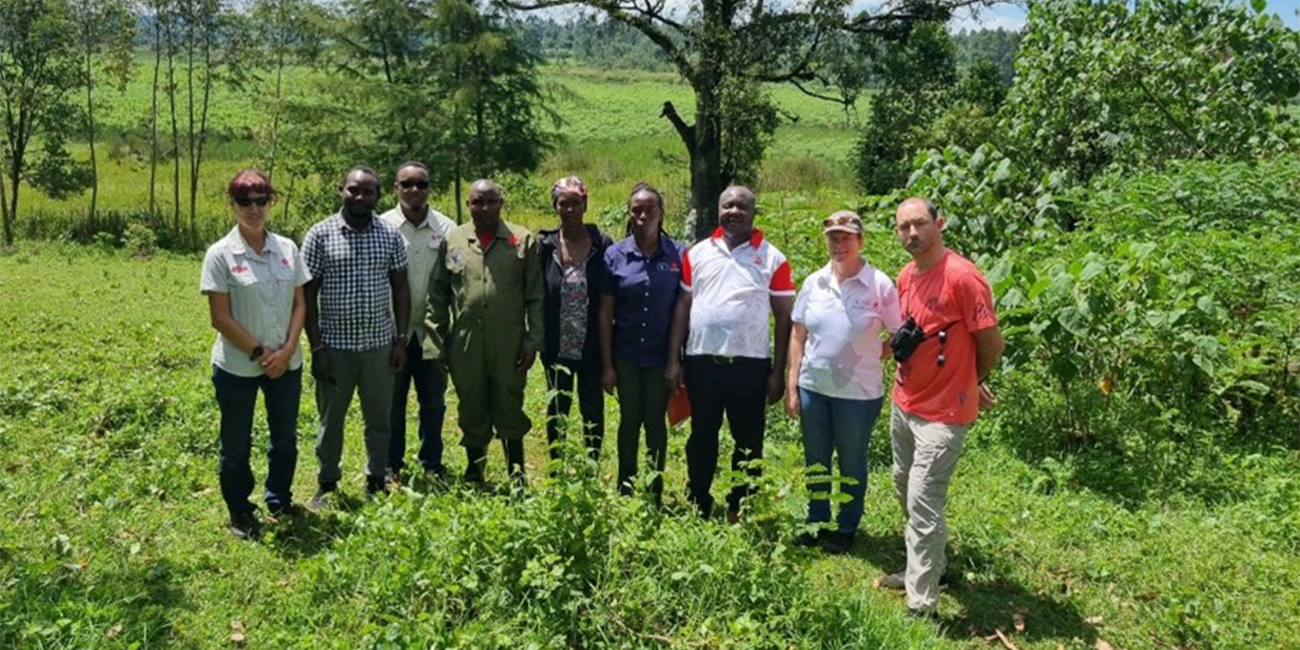
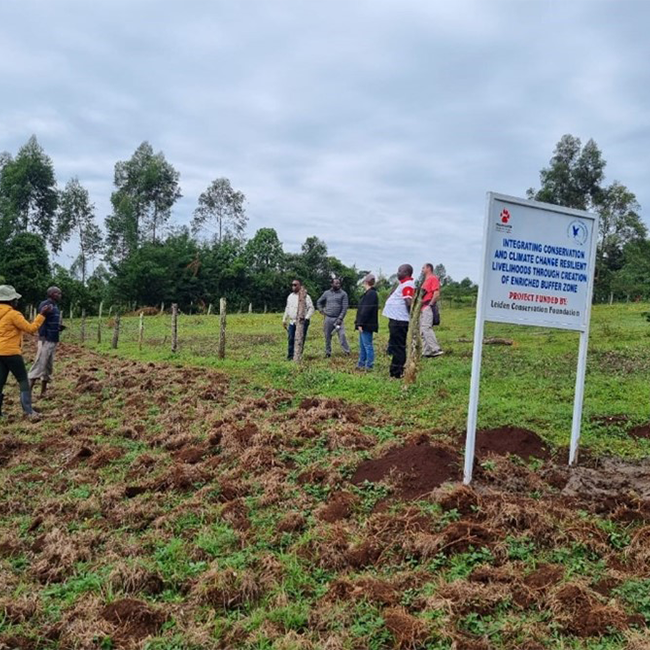
Despite the chilly Sunday morning, Yolan, Ian, Kerryn, Charles and Adalbert visited our intervention sites in Nandi County, Kenya. It was amazing to host them as they walked through the Enriched Buffer Zone, Climate Smart Agriculture and Spring Protection Sites.

They unknowingly interacted with 28 community members and 6 young kids who were excited to see them. We almost had a community Baraza quorum.

ICF/EWT is a movement that is well known in that area of Nandi,and visitors are greatly welcomed with a glass of ‘Mursik’ (fermented milk).

The team also visited Homa Bay on Lake Victoria and landscapes in and around the city of Kisumu.

It was impressive to see the work being done on the ground and to speak to the teams working in these areas. It is nice to see our strategies being implemented and coming into place. The scale of work does have a massive impact on communities who are benefiting in various ways. Recent reports show that farming productivity is now seven times more productive than mono-culture and farming within the wetlands. Because it is now easier for communities to farm, they are earning an income and are healthier because of improved nutrition.

One of our meetings with community members was at the Manor House Agricultural Centre which specialises in regenerative agriculture and they have offered free slots for community members to be trained. One of the members we visited graduated last year and is now training other farmers in his community.

On a conservation note: Kerryn managed to spot a pair of Banded Cranes booming in a flock in Baratton University. This is the first record we have in Nandi and possibly in Kenya.


Following the African Conservation Forum, senior EWT and ACCP not based in Kenya were shown several projects by in-country managers and teams to highlight the work being done to enhance sustainable agriculture, conserve water resources and restore buffer zones and, ultimately, save threatened crane populations.

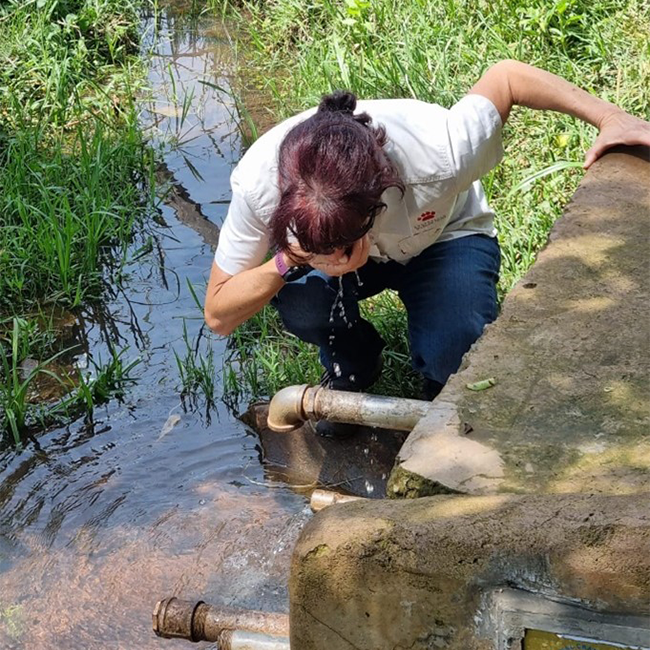
EWT CEO Yolan Friedmann quenches her thirst at a Spring Protection Site

Buffer zone being created by the EWT/ICF

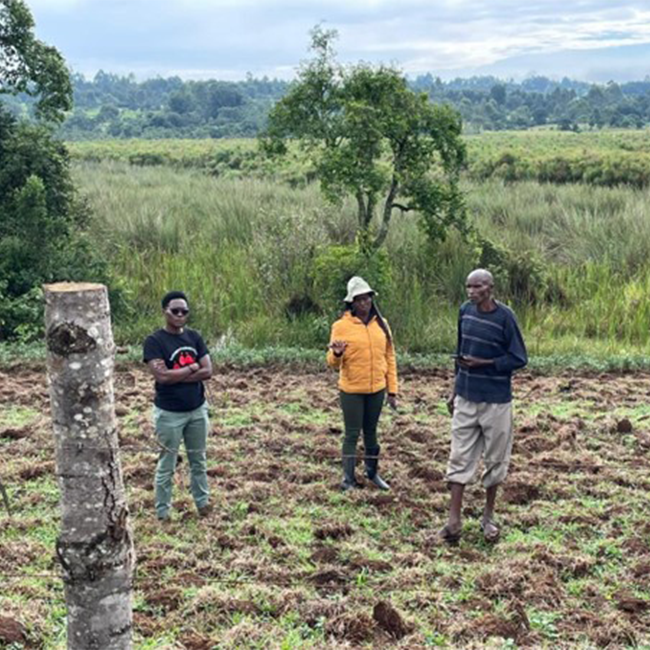
Fantastic work being done by the ICF-EWT team in Nandi county, western Kenya. Restoring wetlands for cranes and the environment

Visiting protected protected sites