WHO LET THE DOGS OUT?
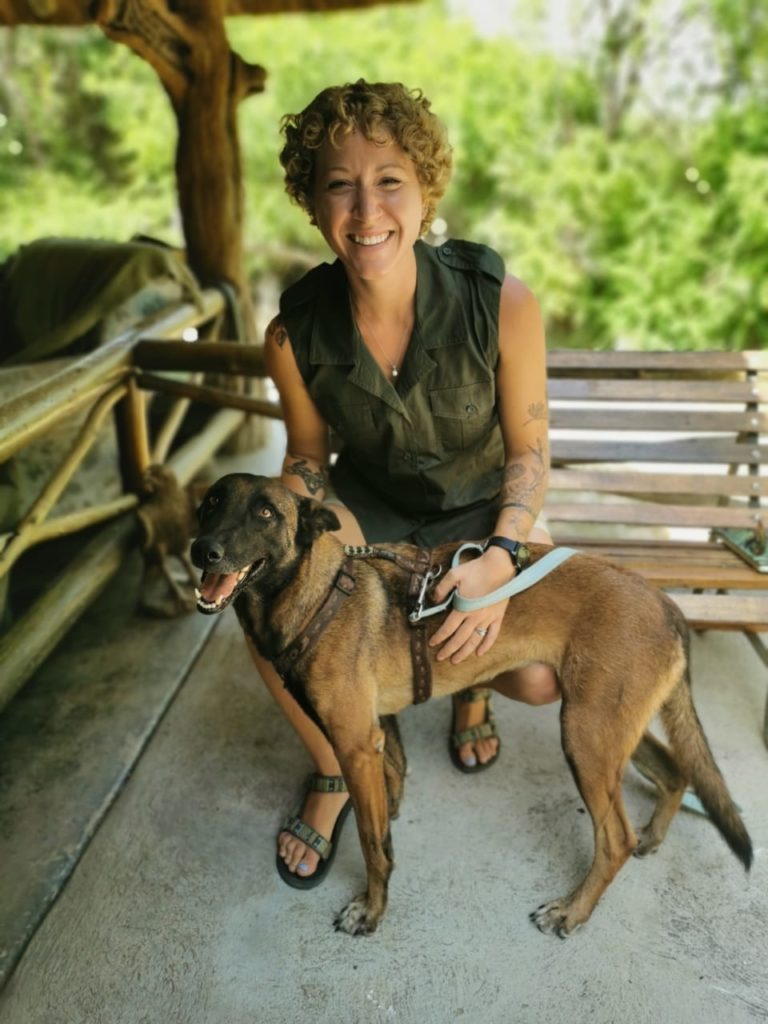
Annie Dupre-Reynolds, Manager, EWT Wildlife in Trade Programme
AnnieD@ewt.org.za
The EWT Conservation Canines are sniffing and tracking their way into a busy 2020! From screening vehicles for wildlife products, to tracking in game reserves, to anti-poaching initiatives, our canines support the conservation sector in well-structured security plans.
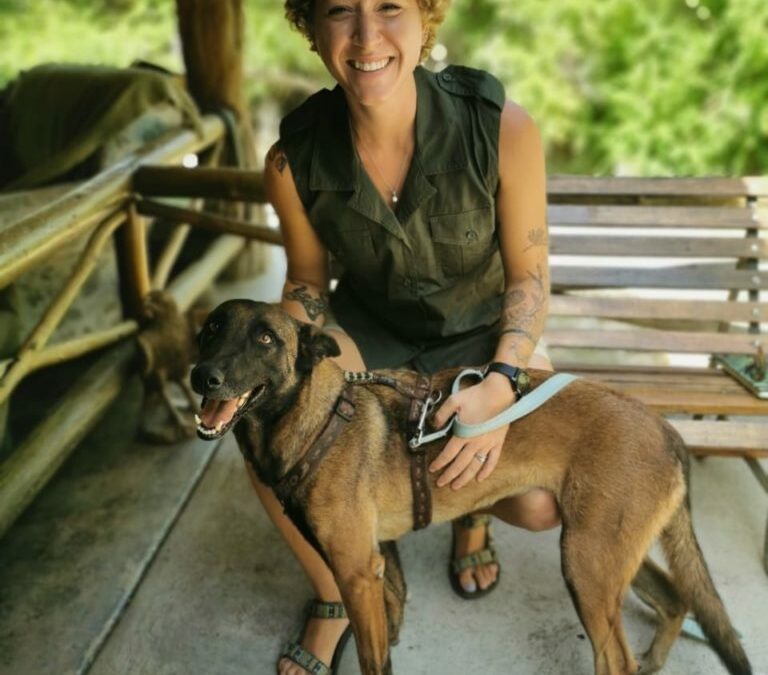
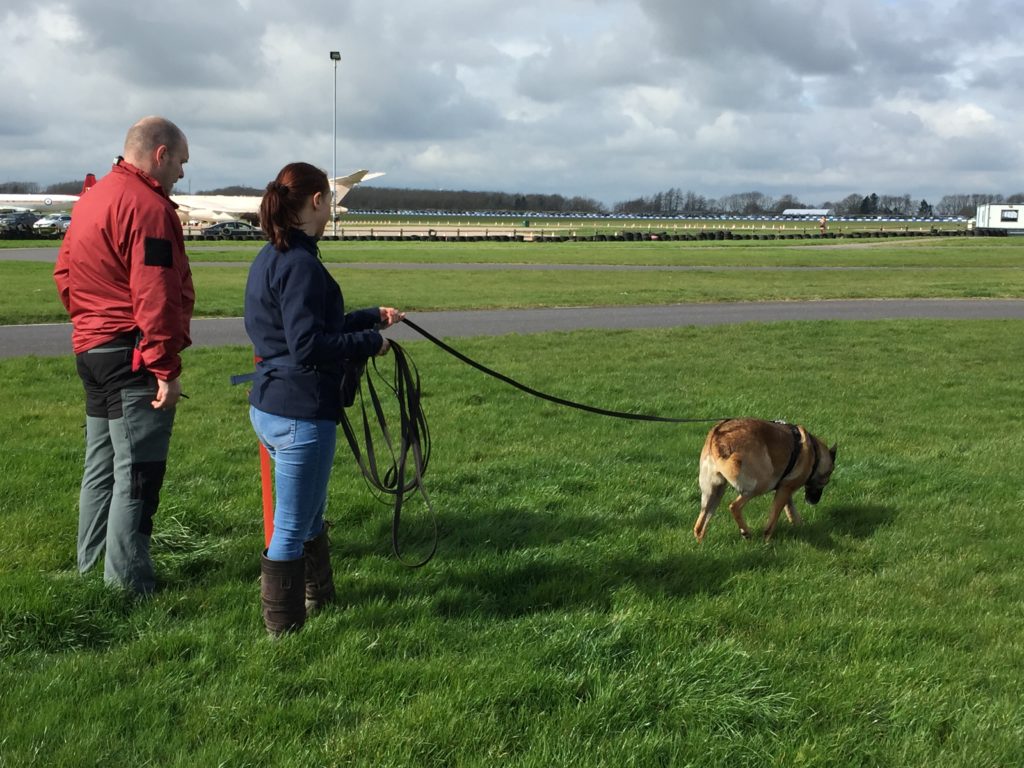
This January, Annie DuPre-Reynolds, the new Wildlife in Trade Programme Manager, got a chance to visit some of our canines in the field. Her first stop was to see Conservation Canine Annie (see photo). Annie (a Belgian Malinois) works in the lowveld where she is an integral part of an anti-poaching unit. One of our other canines, Fury, does detection work in KZN with his handler, Shay. Since their deployment in early January, Shay and Fury have screened over 375 vehicles.
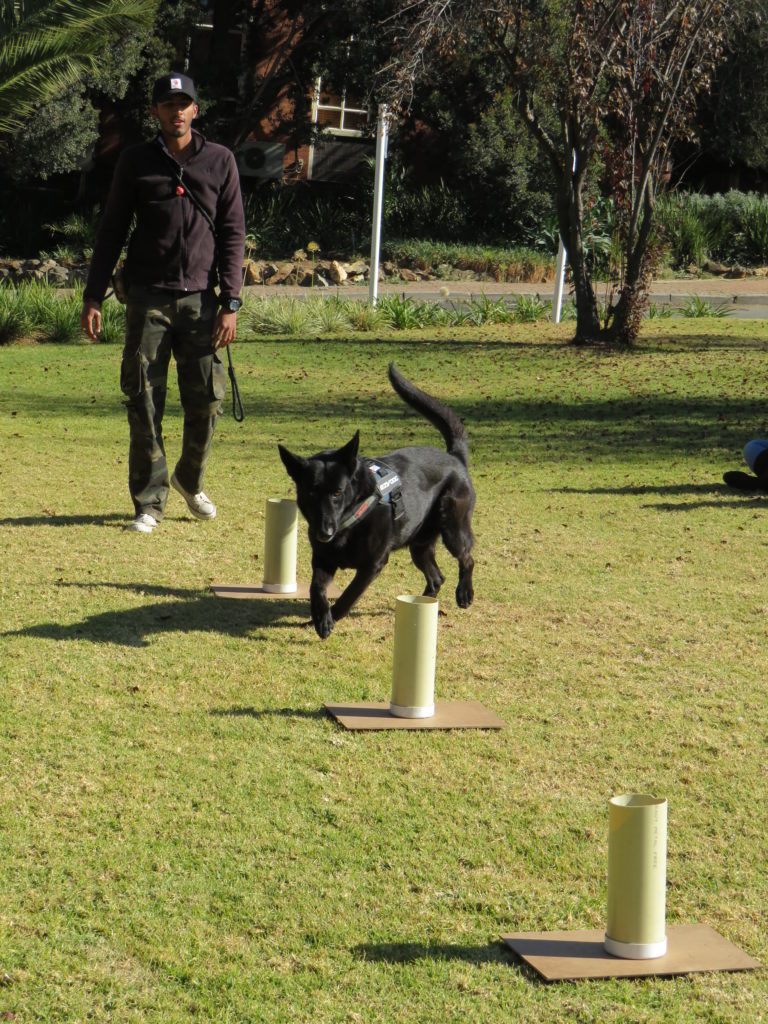
We have big plans for our Conservation Canines. Our beautiful new kennels are up and running at the new EWT Conservation Campus in Midrand. We train our canines on-site and our detection dogs can identify key wildlife products, including rhino horn, elephant ivory, and pangolin scales, among others. Our Conservation Canines Hitsch and Pirate (in training), can also identify arms and ammunition. Our Conservation Canines are strategically placed across South Africa’s private, provincial and national parks, where they can have the most impact on anti-poaching and anti-smuggling operations.
This work is made possible by U.S. Fish and Wildlife Service, Tourvest, Royal Canin, Boehringer-Ingelheim, Relate Trust and Platinum Life.
PUPPY POWER
Derek van der Merwe, Limpopo Regional Coordinator, EWT Carnivore Conservation Programme
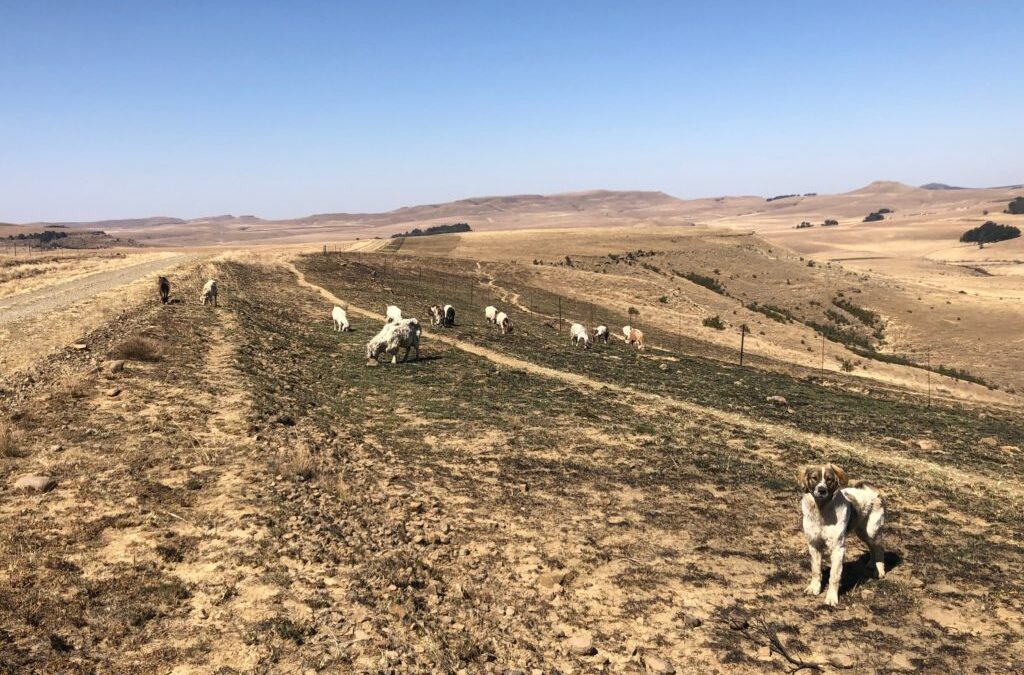
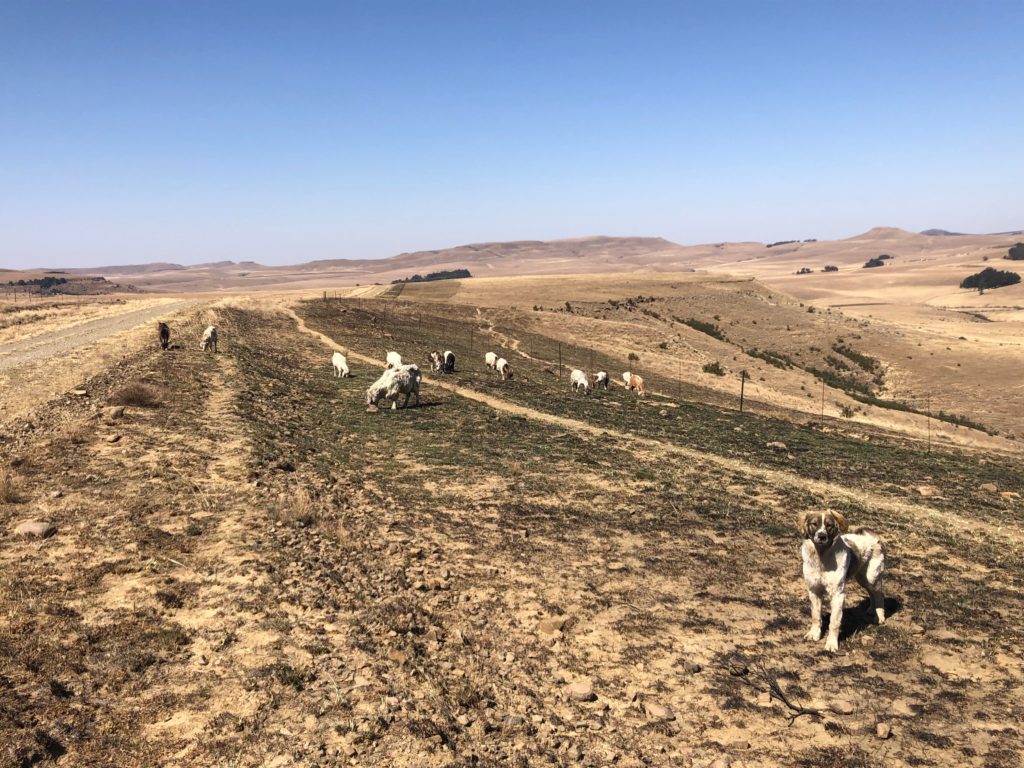
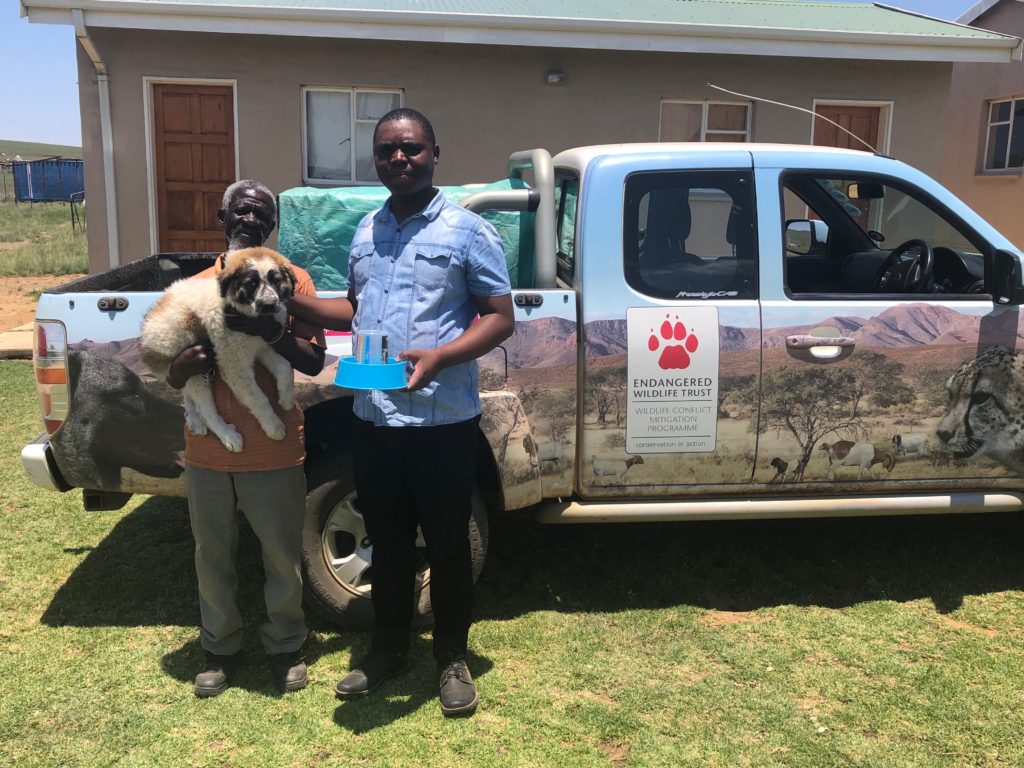
DerekV@ewt.org.za When Eskom was confronted with human-carnivore conflict issues at the flagship Ingula Pumped Storage Scheme in KZN South Africa, they approached the EWT to work together to find a solution. In January 2019, a massive step was taken to address human-carnivore conflict on the reserve due to the livestock losses resulting from carnivore predation. In order to minimise stock losses and maintain good community relations, Eskom and the EWT placed five livestock guarding dogs at five selected families residing on the Ingula site. These community members are subsistence farmers living in homesteads created by Eskom on various parcels of land surrounding the Pumped Storage Scheme.
The Ingula community was experiencing considerable losses of livestock to predation, which was affecting their livelihoods. There had been no attempt to utilise any proactive conflict mitigation measures to reduce livestock predation with this community. Moreover, very few measures have been adopted in other rural communities in South Africa. This has provided us with a unique opportunity to introduce an effective non-lethal conflict control measure into a community and to up skill community members to implement the measure themselves.
An intact carnivore guild is fundamental for healthy ecosystems. Carnivores are an important part of a healthy ecosystem, by predating on vulnerable prey, such as the old, injured, sick, or very young, leaving more food for the survival and prosperity of healthy prey animals, decreasing the chances of the spread of disease. Carnivores help limit the growth of prey populations and prevent overgrazing of ranges ensuring that other negative impacts will be negated from the Ingula offset.
Worldwide, human-carnivore conflict is a leading threat to carnivores and the EWT is dedicated to resolving this. On South African agricultural land, conflict between humans and carnivores is rife and arises mainly from carnivore predation or the perception of predation on livestock. This usually leads to retaliatory killing of the suspected predators. Livestock predation can undoubtedly have a serious economic impact on livestock owners, and a wider impact on agricultural production and rural development. This conflict often takes the form of carnivores predating upon livestock, which was seen on site wherein members of the Ingula homestead project found dead livestock and the presence of carnivore predation. As such, it was imperative to ensure that both the community on site as well as the carnivores gain a solution to foster co-existence. Our project is assisting the community to live in harmony with carnivores and make livelihoods more profitable.
The Livestock Guarding Dog Project at Ingula has been a major success thus far. The project offers a long-term solution to secure valuable habitat for carnivore populations on Ingula Nature Reserve including leopards, Brown Hyaenas, Spotted Hyaenas, Black-backed Jackals, Serval and Caracal. Since the implementation of our first five puppies in January this year only one sheep has been lost to carnivore predation. Some farmers at Ingula were losing over 20 livestock per annum to predation events before the project started. This has increased the tolerance levels of farmers towards carnivores, thus expanding the areas where these carnivores can safely roam. A win-win for both predators occurring on the Ingula reserve as well as community members who were experiencing unsustainable losses.
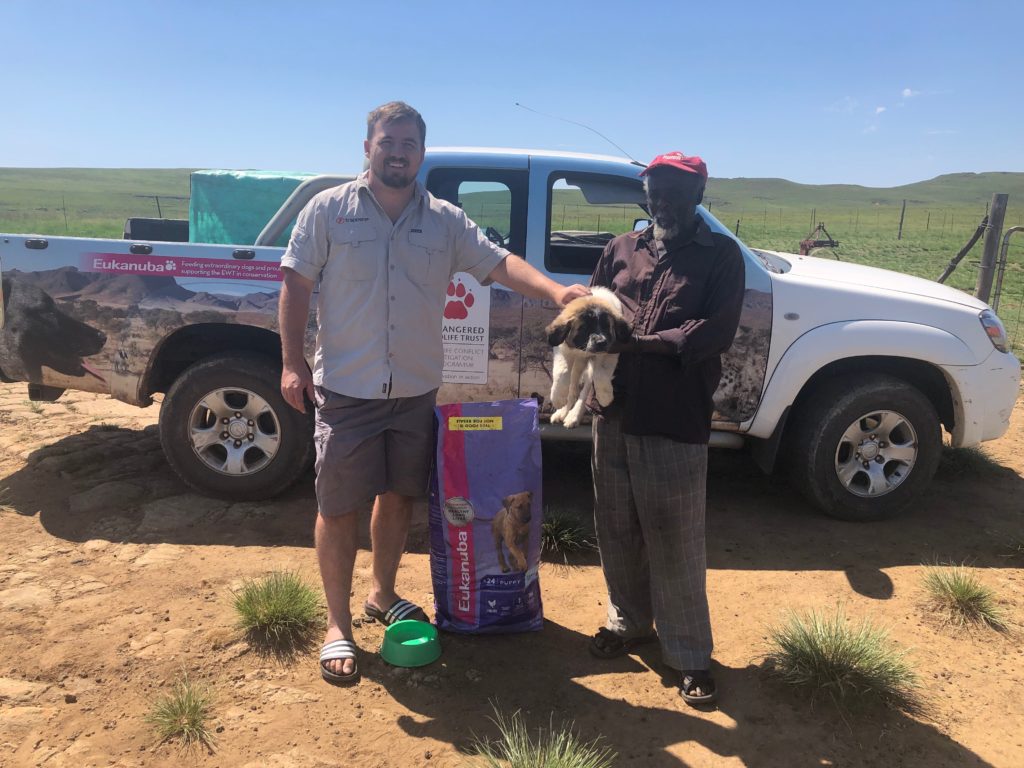
Going forward we will place another five Maluti livestock guardian dogs as well as five Alpacas to address livestock losses with community members as well as test the efficacy of these mitigation measures to determine what measures work best at Ingula. Community links are important to Eskom, as is the protection of biodiversity. This is especially important on sites such as Ingula, which was formally declared as a nature reserve in April 2018. By giving community members access to a resource such as the livestock guarding dogs as well as alpacas in the future, impacts on wildlife at the Ingula nature reserve will be greatly reduced..
This work is made possible by Eskom and Eukanuba
About the EWT’s Livestock Guarding Dog Project
The EWT has been dealing with carnivore conflict and farmers for the past 40 years and has learned valuable lessons in the arena of preventing human-wildlife conflict. The EWT believes that prevention is better than cure and the solution that evolved from this realisation was the EWT’s Livestock Guarding Dog Project which deploys livestock guarding dogs such as the indigenous Maluti (Lesotho Highland dogs) and the Turkish Anatolian Shepherd, as well as more recently Alpacas onto farms in order to prevent loss of stock. The EWT enters into a 12-month partnership agreement with the farmer that ensures the farmer’s compliance with the advice and assistance supplied by the EWT’s LGD Project staff and the health and wellbeing of the livestock guarding dog. This means that the canines are raised and integrated within the livestock herds according to proven protocols, which guarantees the success of the project.
Puppies from these breeds are taken to the farm and placed into a sheep, goat or cattle herd from a young age, where they interact and bond directly with the livestock. This introduction allows the herd to accept the puppy as one of their own and for the puppy, in turn, to grow up as a member of the flock. As the puppies grow up, they begin to fulfil their duty of protecting the herd against predator attacks by warning of predators in the vicinity and herding the animals away from the threat. These canines move and live with the grazing livestock as they traverse the farm. The dog is placed as a deterrent and guardian and not an attack dog. The majority of predators, when faced with a worthy adversary, will not hesitate to back down and leave and this is the livestock guarding dog’s key strength. Through pure size, protectiveness of its livestock, and intimidation, he is able to passively defend his herd from being the next meal.

FIGHTING FOR OUR RHINOS
Ashleigh Dore, Manager, EWT Wildlife in Trade Programme
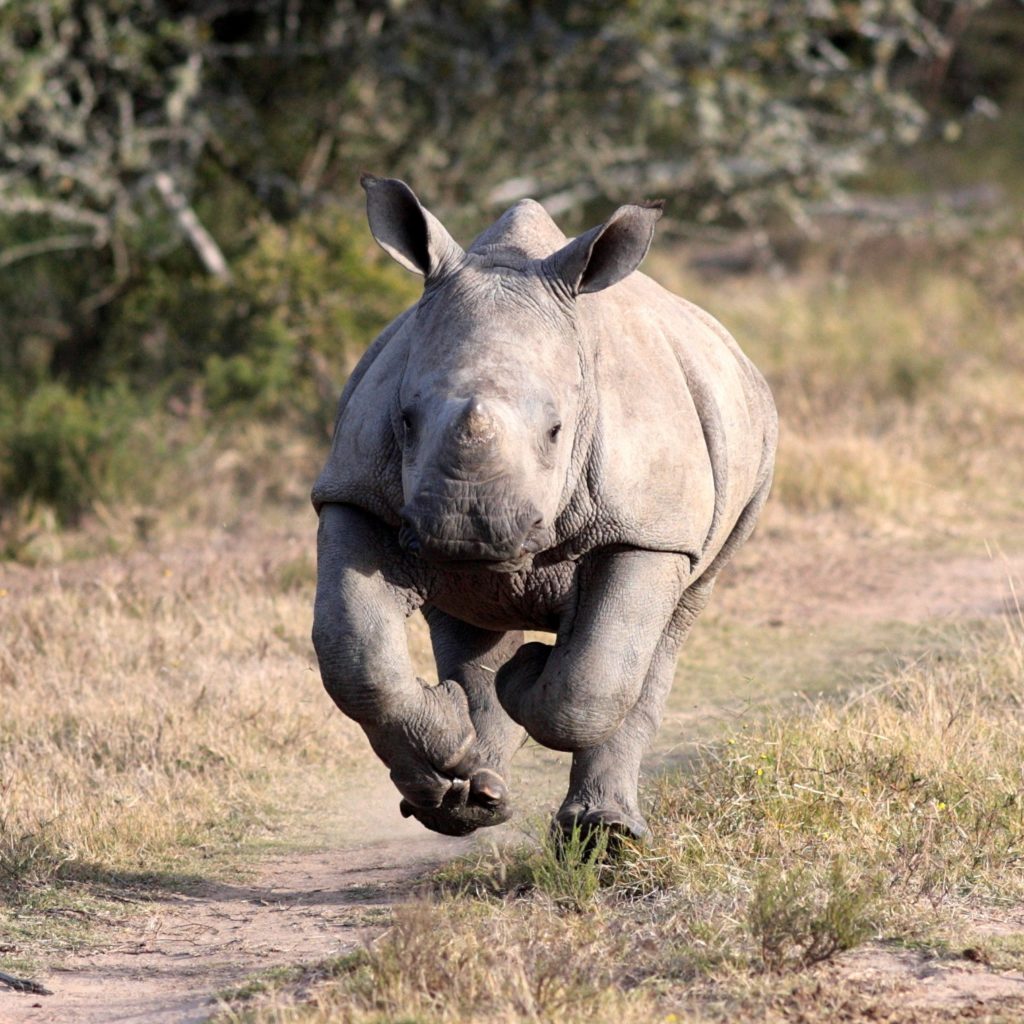
ashleighd@ewt.org.zaFew people are unaware of the rhino poaching crisis which persists in South Africa. 7,900 rhinos have been poached in South Africa since 2008 for their horns. These horns are then smuggled out of South Africa to demand countries, primarily in Asia. In an effort to combat the illegal trade and smuggling of rhino horn, the EWT will be partnering with the Department of Environment, Forestry and Fisheries to enhance detection capabilities at ports of entry and exit through the use of highly trained canines. These canines will screen cargo and luggage for wildlife products like rhino horn.
The EWT has been actively involved in addressing the scourge of rhino poaching since 2010, and this partnership is the latest of these efforts. Others include:
Patrol optimisation
Observations made by patrol teams are pivotal for monitoring poaching trends and identifying patterns. With proper analysis, these data provide enforcement decision makers with invaluable information for patrol deployments or reallocation of other resources. We have undertaken projects to enhance capacity to prevent wildlife crimes within private and state-owned protected areas through the collection of data (using CMore or other relevant platforms) and analysis of the same, thereby generating valuable information and facilitating more intelligence-driven investigations. Further, these projects facilitate the creation of predictive models that will enable law enforcement to take a proactive approach towards targeting illicit networks.
Prevention and detection
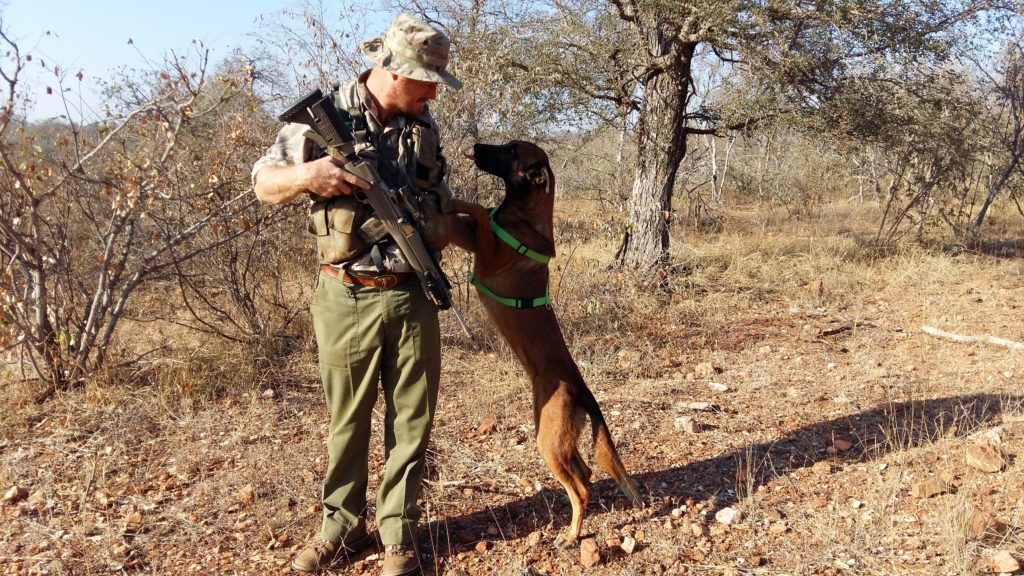
Our Conservation Canine Project continues to grow from strength to strength. Conservation Canines play a vital role in the protection of South Africa’s wildlife and offer critical support to anti-poaching efforts. The Conservation Canine Project provides three different types of service to combat wildlife crimes involving rhino including poaching and smuggling:
- Tracking Conservation Canines: these Conservation Canines are trained to follow humans through the bush. These dogs follow tracks when breaches in the reserve boundaries have been noticed or to track poachers from poaching scenes to apprehend them. Our trackers include EWT Conservation Canines Annie, Blacky Grizzly, Puk and Basil.
- Detection Conservation Canines: these Conservation Canines are trained to detect and indicate various wildlife contraband such as rhino horn and elephant ivory as well as ammunition. The dogs are used at reserve gates to search vehicles and people, to search luggage and crime scenes. Our detection canines include EWT Conservation Canines Condor, Fury, Hitsch, Heddie, Vito, Bullet, Spike and Fly.
- Conservation Patrol Dogs: The Conservation Patrol Dogs are used to support anti-poaching units such as the Black Mambas with visible policing and as a first alert system to dangerous game in the area. EWT Conservation Canine Alice is currently our only conservation patrol dog.
We have worked closely with law enforcement agencies over many years to build capacity to combat wildlife crimes, including the poaching of rhino and the smuggling of their horns. We also have undertaken dedicated awareness raising with prosecutors from the National Prosecuting Authority as to the seriousness of rhino related crimes.
We are also commencing with a new project, utilising restorative justice approaches. Restorative justice is a holistic approach to justice that aims to involve the parties to a dispute and others affected by the harm (such as the victim, the offender and the community) in collectively identifying harms, needs and obligations through accepting responsibilities, making restitution and taking measures to prevent a recurrence of the incident and promoting reconciliation. Restorative justice is a well-established approach to justice that can and will have very meaningful impacts on rhino related crimes in South Africa. It will promote enhanced community engagement, provide an opportunity to the victim to be properly heard and will contribute to a change in mind-set and reduce recidivism on the part of the offender. The Restorative Justice Pilot Project will facilitate the application of restorative justice processes to inter alia rhino related crimes in key sites in South Africa.
Governance.
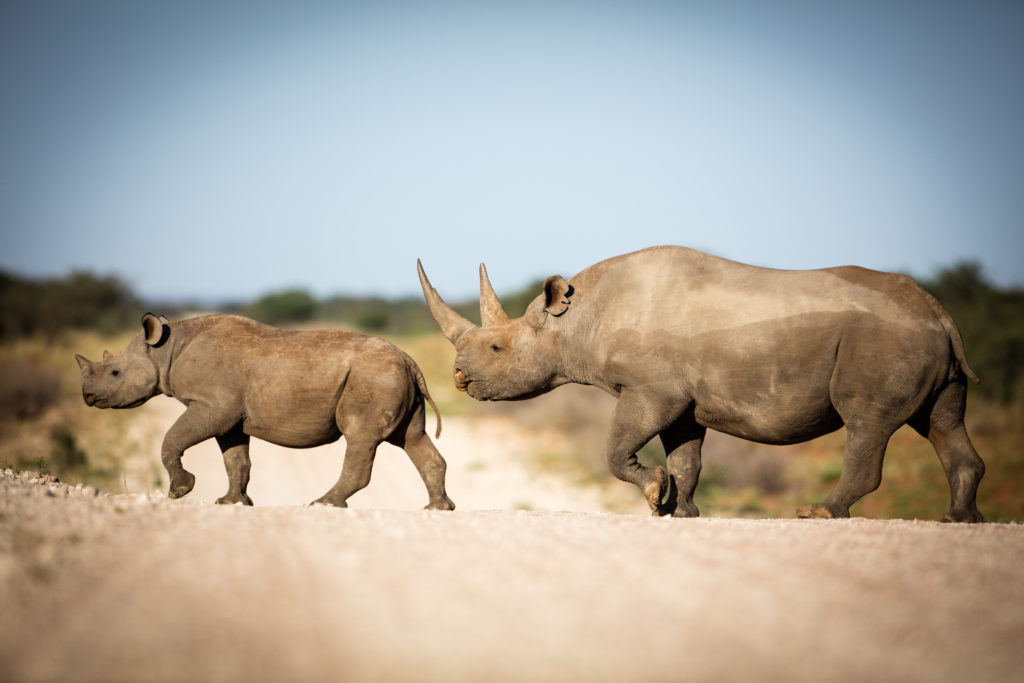
We participated in both the Commission of Inquiry to potentially legalise the trade in rhino horn and the 2016 Rhino Lab. We are also commencing a rhino horn trade analysis project. Continuous analysis of trade trends of rhino horn is vital to ensure compliance with the legal framework. Through improved monitoring of legal domestic trade, illegal trade (both domestic and international) and historic trade in rhino horn, we will be able to ensure that key threats to rhino from trade – both current and emerging –are fully unpacked and reported, thereby facilitating informed decision making and proper accountability.
This work is made possible by US Fish and Wildlife Service, Tourvest, Hans Hoheisen Charitable Trust, Greef Properties, Relate Trust, MyPlanetRhino, Platinum Life, and Royal Canin.
GIRL POWER!
This Women’s Month, we’re celebrating EWT Specialist Conservation Officer, Esther Matthew’s recent achievements!
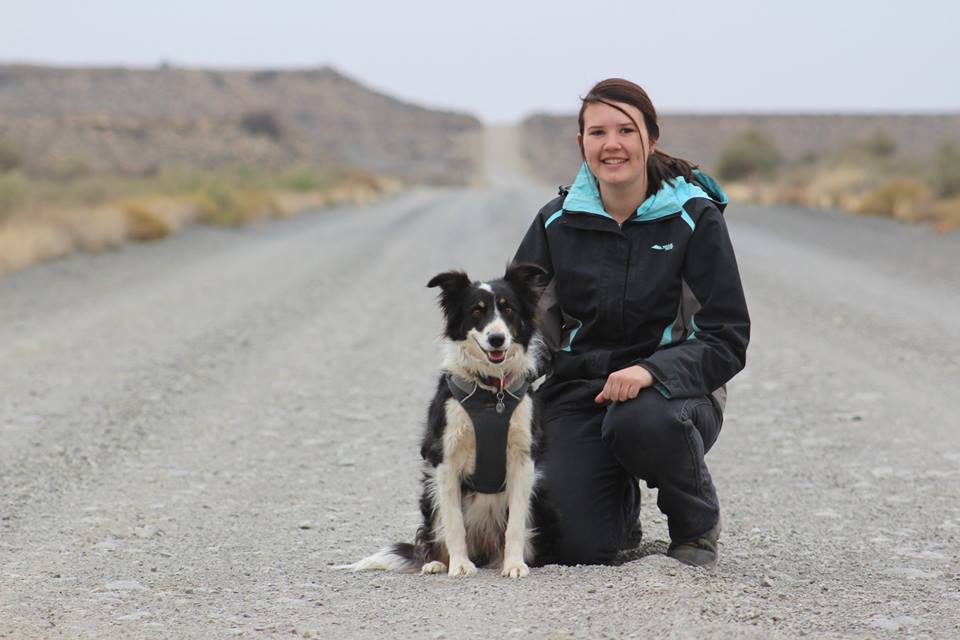
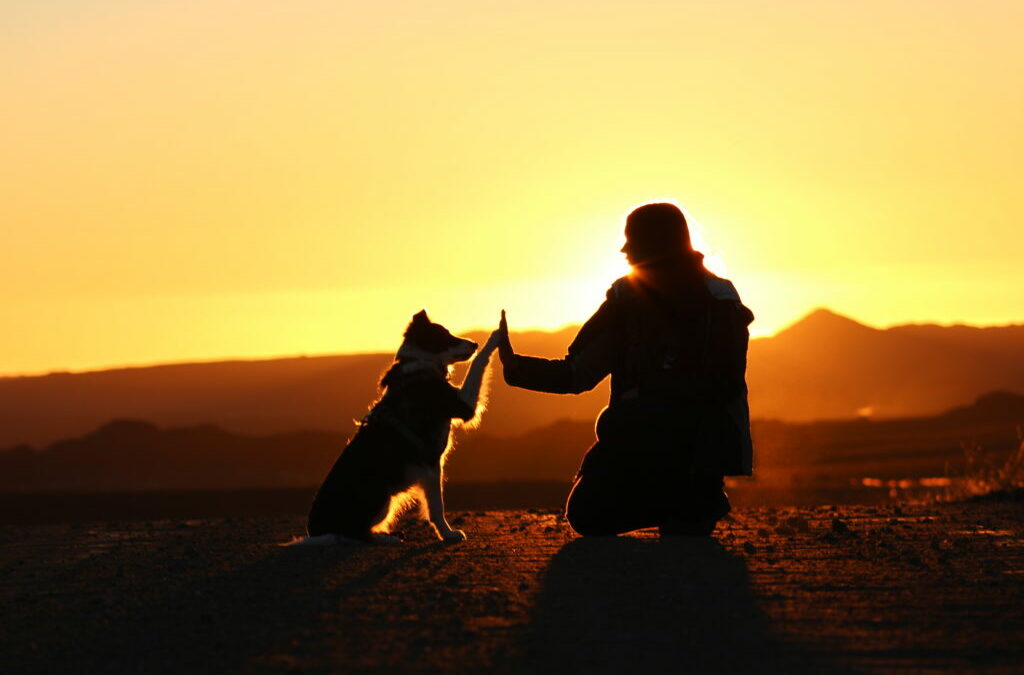
Esther Matthew is a highly dedicated and motivated conservationist, who aims to become a leader in conservation canine research. She has an aptitude for the application of novel approaches in her work, and has successfully trained Jessie, a Border Collie, to indicate on Riverine Rabbit scent in controlled conditions, and to ignore the scent of other lagomorphs, including Red Rock Rabbits and hares.
Recently, Esther completed a Level 3 Canine Behaviour diploma through the British College of Canine Studies. She also received an Expand the Field women’s skills development grant from National Geographic Society. The grant allowed her the opportunity to successfully complete a five-day Tracking Instructor course, in March, and a Detection Dog Handler Accreditation course in April 2019. The courses were held at the UK College of Scent Dogs Ltd. in the United Kingdom. The grant was used to enhance her skill sets in the training and practical implementation of conservation scent detection dogs. The courses were hosted by the college’s head instructor Dr Robert Hewings. Dr Hewings has over 30 years’ experience in scent dog training, ranging from explosive detection dogs to training diabetic alert dogs, and many more. During both training courses she had the honour of training Rupert, a rescue Cockerpoo dog, from scratch. Using only positive reinforcement, she was able to train Rupert successfully to track human scent and to detect gun oil, providing a sit-indication for the target scent. Preceding the opportunity, Esther only had informal training from professional trainers, mostly South African. Much of her work has been self-taught and experimental. Receiving accreditation at the UK College of Scent Dogs, through the Open Network College,, helps her to be recognised as a legitimate trainer and handler. Esther says, “Obtaining training abroad at this particular college gave me exposure to international thinking and methodology, and created a unique opportunity to network with the international dog training community of experts. I am so grateful for the opportunity!”

When Esther returned from the UK, she started conducting fieldwork with Jessie, both in areas where Riverine Rabbits are currently known to occur, and in areas where historical sightings were reported, to determine the current distribution of the species. On 20 July 2019, Jessie the Border Collie, Esther, and volunteers Hannah Edwards and Frik-Jan de Lange, conducted fieldwork at a site where Riverine Rabbits are known to be found. Jessie picked up the scent of the Riverine Rabbit and directed Esther to the bush under which the rabbit was hiding. Jessie moved around behind the bush and lay down, which is how she indicates that she has located a Riverine Rabbit. The Riverine Rabbit then ran out of the bush, past Esther, and disappeared. Jessie did not pursue the rabbit, instead returning to the bush where she had found the rabbit, and again indicating the location in which the rabbit had been hiding. During this session, Esther and Hannah managed to obtain video footage of Jessie locating the Riverine Rabbit, the first footage of its kind. This exciting footage is evidence that Esther’s training techniques are successful, and that it is possible to train a scent detection dog to locate an endangered species using scent from only roadkill specimens.