PAINTING A BETTER FUTURE FOR AFRICAN WILD DOGS
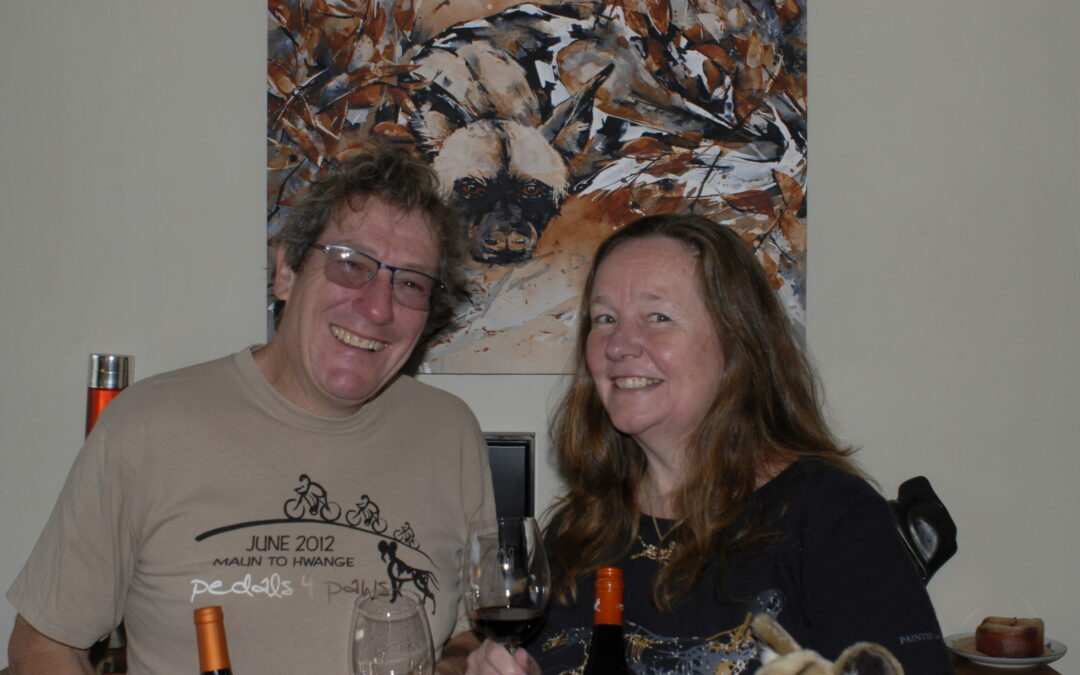
Painted Wolf Wines is based in Paarl, South Africa and was founded in 2007 by Emma and Jeremy Borg, with conservation at the core of the company. PWW is dedicated to the production of authentic, distinct, and delicious wines, and to the conservation of painted wolves (African Wild Dogs) and their natural habitat. The company donates 4–5% of their turnover to the Endangered Wildlife Trust (EWT).[/vc_column_text][vc_single_image image=”6006″ img_size=”full” add_caption=”yes” alignment=”center”][vc_column_text]The Painted Wolf Wines pack lives by the mantra ‘Remarkably persistent, persistently remarkable’. And they have once again lived up to their mantra during a very difficult time, particularly for wine makers in South Africa.
PWW received enormous support from the public during the phase four lock down period, with a significant number of orders being placed for delivery in June. Through these sales, they were able to donate R20,000 to the EWT and specifically towards our African Wild Dog project headed up by Cole du Plessis. Cole is the Wild Dog Range Expansion Project Coordinator and KZN Regional Carnivore Coordinator.[/vc_column_text][vc_single_image image=”6007″ img_size=”full” add_caption=”yes” alignment=”center”][vc_column_text]Painted Wolf Wines has been donating to conservation in southern Africa since the establishment of the company in 2007. For the past 11 years, their sales in southern and east Africa have helped to support the EWT. As a major supplier to the safari lodges and the hospitality sector, they were faced with the potential of having to reduce their donations. However, with any sales direct to the public, they were able to increase their per bottle donation, and this will be ongoing.
Cole du Plessis says “Painted Wolves (African Wild Dogs) have written their very own underdog story. A history of deliberate persecution, habitat fragmentation, snaring and disease are some of the threats that have certainly knocked away at the species, but they keep fighting back. The EWT and Painted Wolf Wines continue to work together in this fight. There are however no short-term solutions. We have to mitigate the ongoing threats, raise their profile, and expand their range to increase the population numbers. If we can create this platform for them, then we can leave it to South Africa’s most endangered carnivore to do the rest. Their intelligence, resilience and pack cohesion certainly make them capable of that. Thank you, Painted Wolf Wines, for your support in sticking by the Painted Wolves and for doing your part in saving the species.”
BIOLOGISTS COLLABORATE TO TEACH COMPUTERS TO IDENTIFY DOLPHINS
Shanan Atkins
shananatkins@gmail.com
Marine biologists from South Africa are participating in an international collaboration to improve our understanding of the conservation biology of the endangered Indian Ocean Humpback Dolphin (Sousa plumbea). They are working together to expedite and automate the process of recognising individual dolphins to facilitate a better understanding of their movements and population dynamics, and to contribute to conservation efforts.
Indian Ocean Humpback Dolphins can be found from the southern tip of Africa to the southern tip of India in a very narrow strip of shallow coastal water. This restricted distribution makes them particularly vulnerable to the negative impact of human activities on the land and in the sea. For example, they die in the large number of gillnets set in this zone to catch fish, while pollution and overfishing are degrading the quality of their habitat.
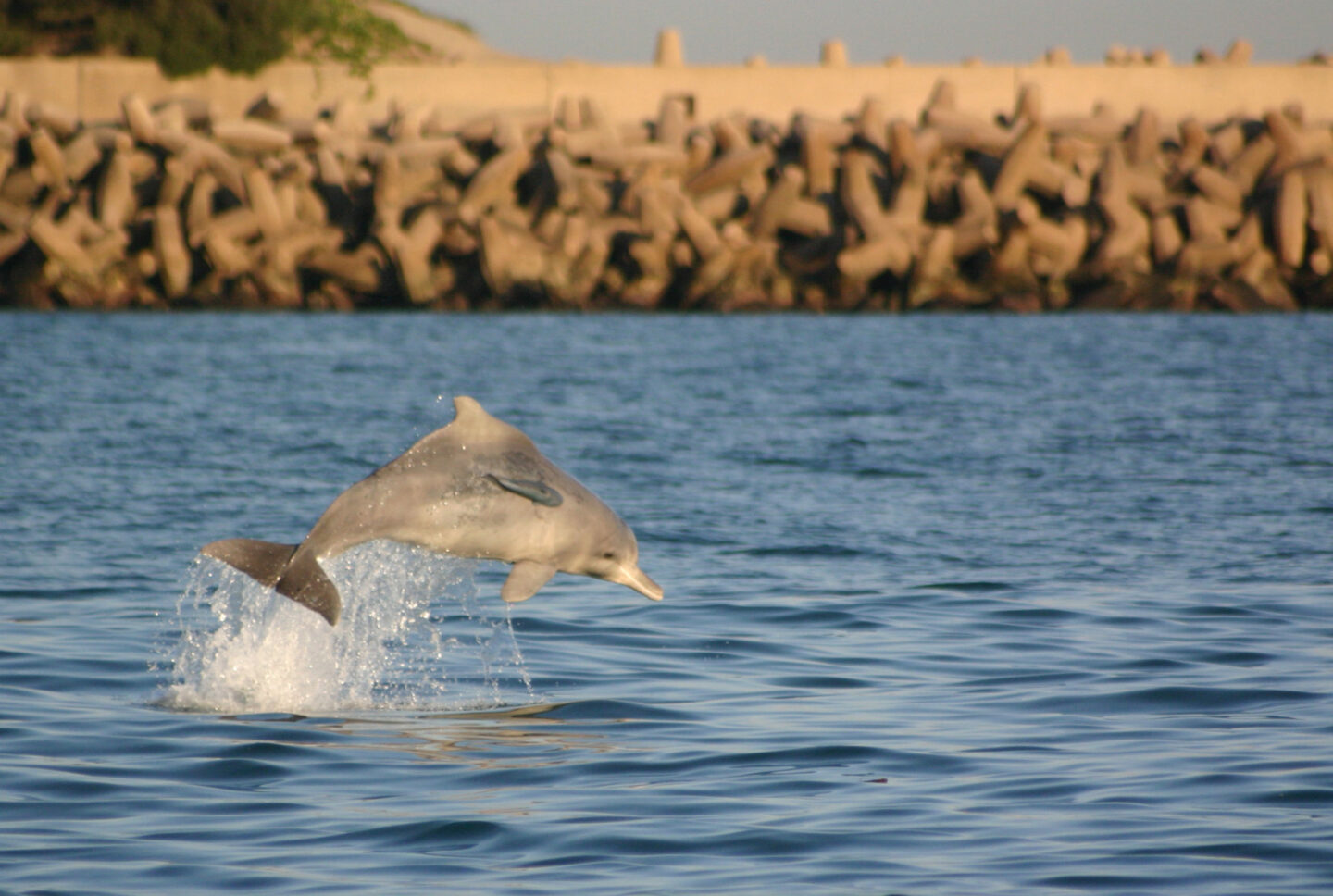
Dolphin researchers throughout their range are concerned about the extinction rate of this species and are working to understand and reverse the situation. They study the behaviour and population dynamics of these dolphins in order to contribute to the design, implementation and monitoring of conservation interventions. To do this, the biologists often need to identify individual dolphins and use a research tool called photo-ID (short for photographic-identification). They take photographs of the dolphins’ dorsal fins and use the nicks and notches, scars and colour patterns on the dorsal fin and body to tell distinctive individuals apart. Once identified, individuals like Zipper, La Linea and Finley Quaid (pictured below) who were photographed at Richards Bay can be recognised over time along the coast.
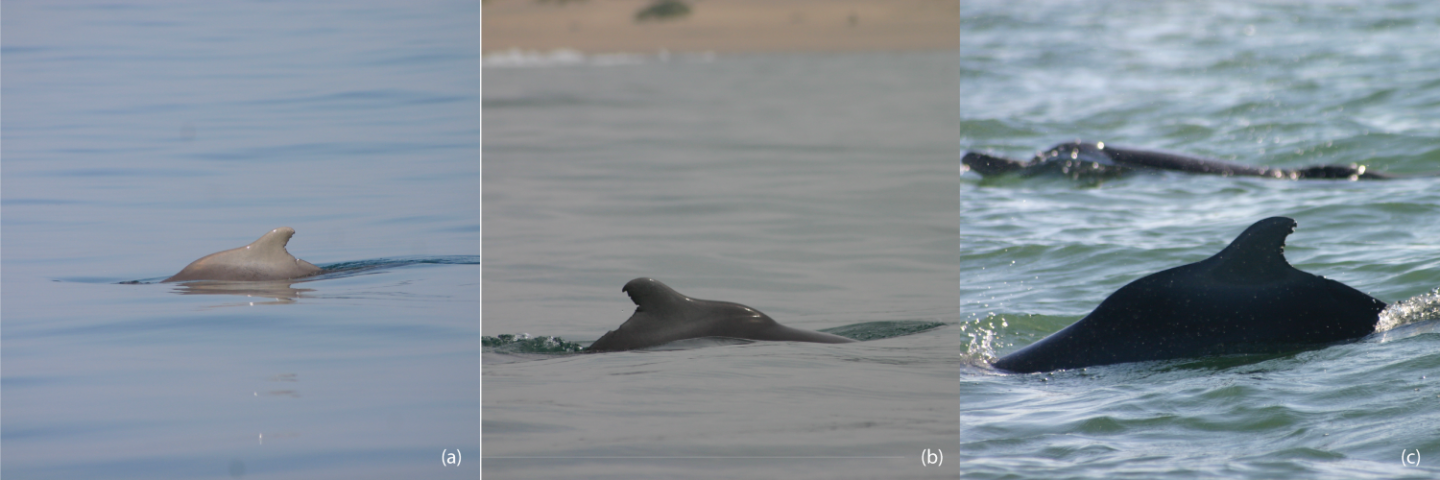
The process of photo-ID is time consuming. In recent years, photo-ID of various species, including zebras, has been automated. An automation front-runner is WildMe, a non-profit, wildlife conservation organisation, uniquely comprised of software and machine learning engineers. They have been working with leading marine mammal biologists from the Indian Ocean Network for Cetacean Research (Indocet) and the Arabian Sea Whale Network to develop Flukebook, a platform to host and match the ID photos of humpback whales, bottlenose dolphins and whale sharks. They use algorithms that examine the distinctive features of individual animals to assess similarity and identify if that particular individual has been photographed before. Humpback dolphin researchers are keen to use this platform too but for a variety of reasons, it is not so simple.
To expedite the process, they gathered all the Humpback Dolphin researchers together to share their photo-ID images. This collaboration involves 35 biologists, from 8 countries (South Africa, Madagascar, Tanzania, Kenya, Abu Dhabi, Dubai, Iran and India), who submitted more than 1,200 photographs of almost 300 distinctive humpback dolphins. This is one of the largest collaborations of its kind.
South Africa’s SouSA Consortium, a network of dolphin researchers who study Humpback Dolphins at various sites along our coastline, submitted 569 of those images (141 distinctive Humpback Dolphins). One of the dolphin research projects, the Richards Bay Humpback Dolphin Project, was initiated by the Endangered Wildlife Trust in 1998. Some of the distinctive dolphins that were photographed in that first year are still being photographed now, 22 years later.
Details of the collaboration were discussed at the recent International Whaling Commission by the Scientific Committee. They welcomed these efforts to automate photo-ID of Humpback Dolphins because they recognise the dire situation that Humpback Dolphins are in and they acknowledge the critical role that identifying individuals plays in conservation biology. They encourage funding agencies and individuals to provide support for this project.
FOSTERING SUSTAINABILITY AND SECURITY FOR BOTH CONSERVATION AND COMMUNITIES IN THE SOUTPANSBERG MOUNTAIN RANGE
Judy van Schalkwyk, Enterprise and Skills Development Officer, EWT Soutpansberg Protected Area
judithvs@ewt.org.za
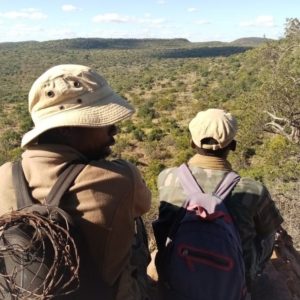
The Endangered Wildlife Trust (EWT) is at the forefront of habitat protection in northern Limpopo, purchasing and managing 2,733 ha of the Soutpansberg Mountain Range. The brave and passionate EWT field and water rangers protect this biodiversity hotspot, vital water catchment, and safe haven for solitary animals such Leopard. The field rangers perform anti-poaching activities such as the location and removal of snares, preventing illegal collection of plants, removing illegal fishing nets in the Sand River Gorge, and patrolling vast areas of mountainous terrain. The rangers also regularly conduct snare patrols of the neighbouring communal land, which protects the wildlife but also helps to safeguard the community’s cattle from being caught in snares. The water rangers clear thirsty alien and invasive plants such as eucalyptus and Black Wattle trees out of the crystal-clear mountain streams and wetlands. This increases the flow of water and life to the streams and replenishes the groundwater supply to boreholes that provide the only source of clean water for surrounding communities.
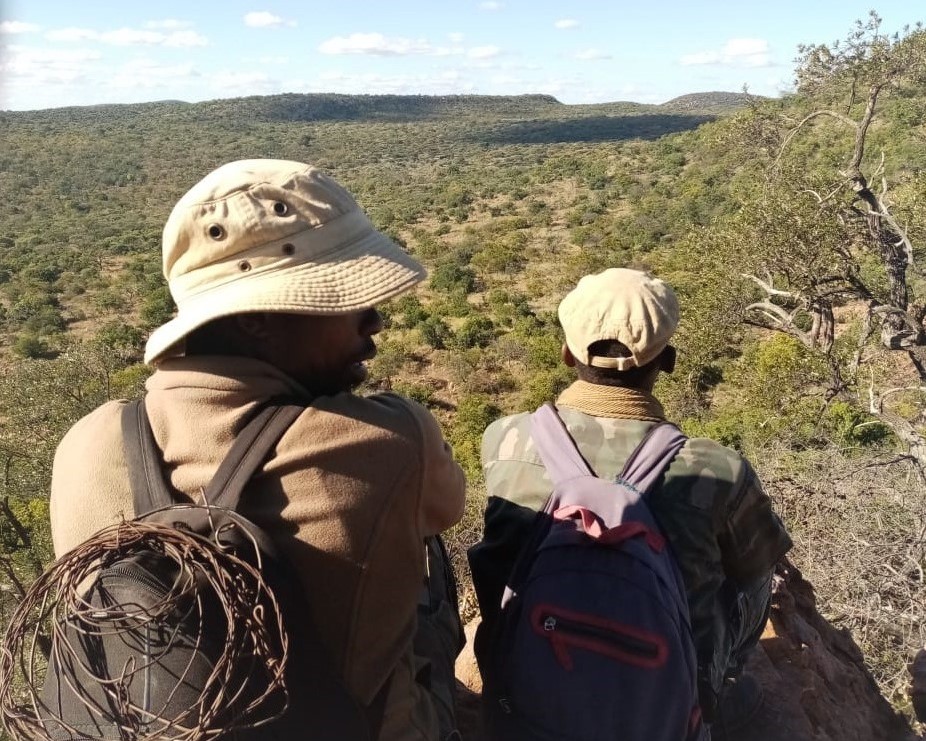
The rugged cliffs and valleys of this little-known mountain range call to the adventurous, and those who love to discover remote and mysterious wilderness. In support of the sustainability and economic growth within this protected area and surrounds, the EWT is planning the development of an epic multi-day guided trail, spanning the length of the western Soutpansberg. The EWT, with generous funding from the FE van Pletzen and L Steynberg trusts, started a pilot project in 2020, training two SPA Field Rangers and two Water Rangers to obtain the Field Guide Association of South Africa’s (FGASA) Apprentice Field Guide qualification. This course consists of 17 teaching modules, covering a broad range of topics required for creating interesting and meaningful guided experiences, and for helping to conserve the area and the wildlife within. Examples of topics include geology, climate, wildlife, ecology, conservation management, and historical human habitation. Once qualified and registered with the National Department of Tourism (NDT), the rangers will be able to operate legally as competent guides to conduct guided nature experiences in the Soutpansberg Protected Area for clients. The remainder of the nine rangers attend some of the sessions, subject to the completion of their reserve management duties, to supplement their knowledge of the environment in which they work, and better equip them to complete the course themselves at a later stage.
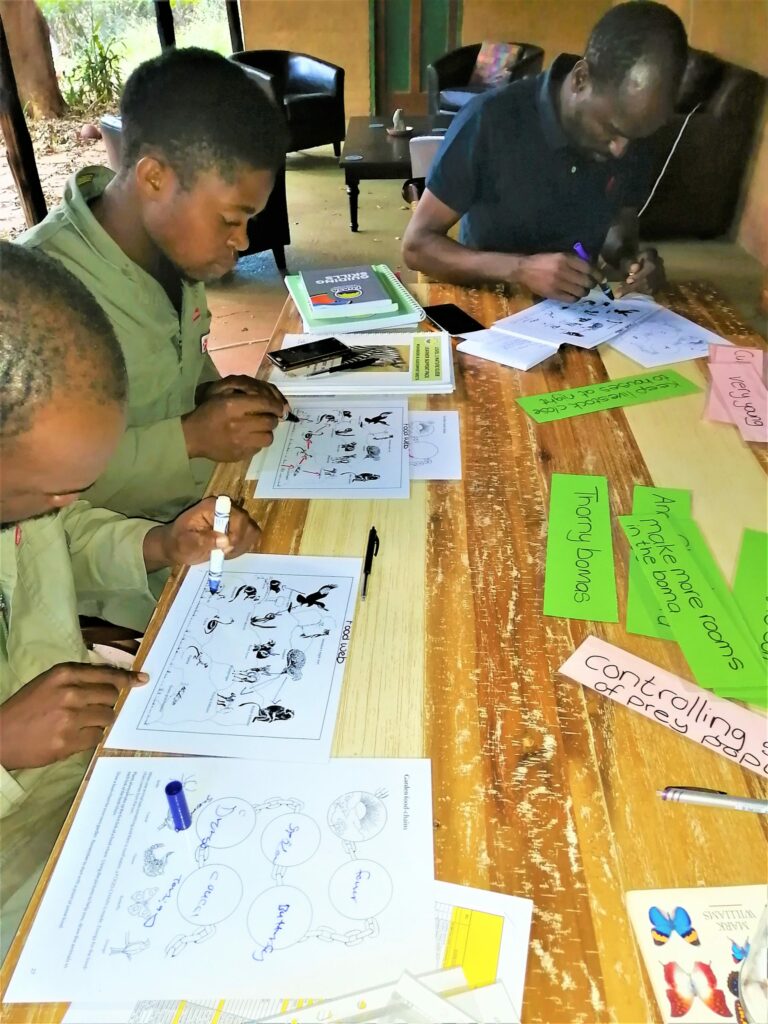
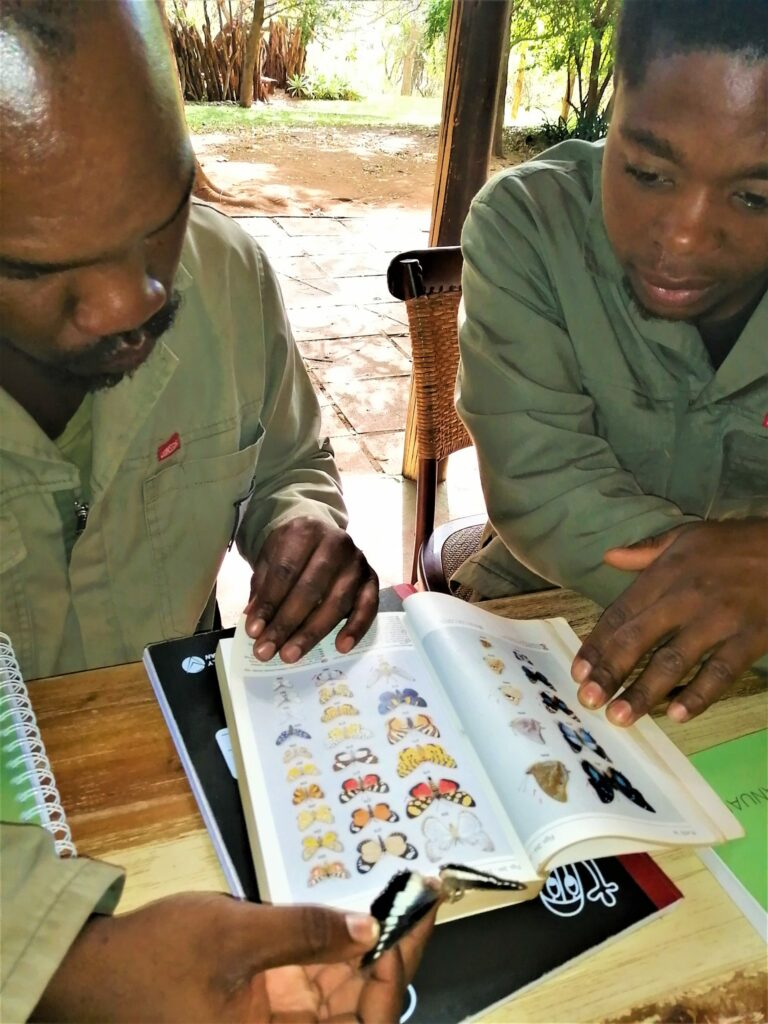
The EWT is committed to developing our field staff, as they are the face of conservation in the area. The establishment of the protected area, on Medike Nature Reserve, by the EWT and its partners created 18 new job opportunities for local community members. The employment of rangers from local communities is one of the most effective and sustainable ways to invest in the livelihoods of these communities. This investment enables the rangers to build reputable careers, support their families, and put their children through school; and the EWT continues to achieve our conservation goals of saving species, saving habitats, and benefiting people.
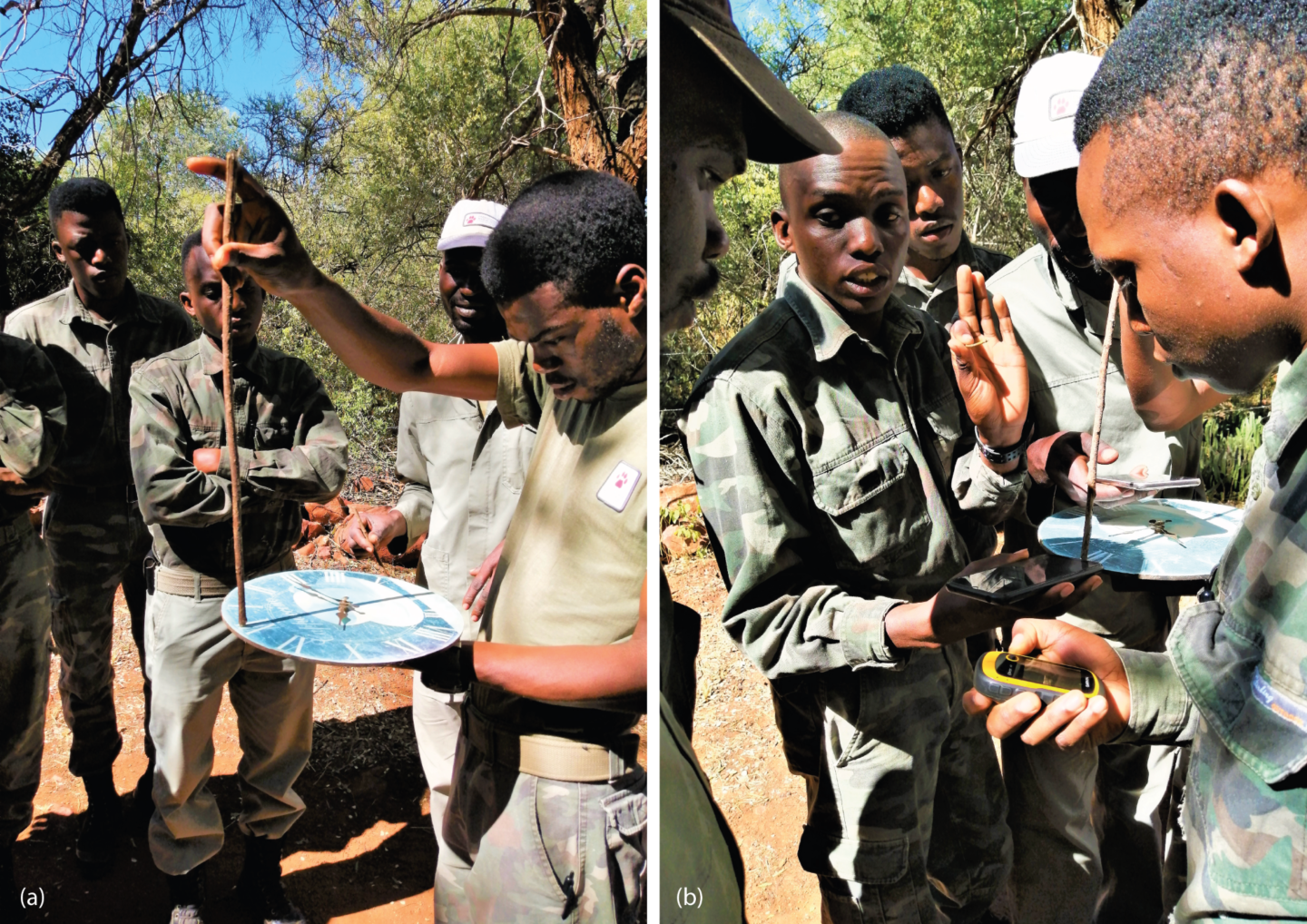
This multifaceted project was made possible by the financial support of (in alphabetical order) the Coca Cola Foundation’s Replenish Africa Initiative (RAIN), FE van Pletzen and L Steynberg Trusts (RSA), Fondation Franklinia (Switzerland), J. Douglas Wilson (USA), Nissan South Africa, Rainforest Trust (USA), the Roberts family (Australia) and the Weeden Foundation’s Quick Response Biodiversity Fund.
If you wish to make a lasting impact for conservation and communities, consider supporting the expansion of our protected areas. You are welcome to contact Oldrich van Schalkwyk, manager of the EWT Soutpansberg Protected Area at oldrichvs@ewt.org.za or on WhatsApp at 078 373 0288.
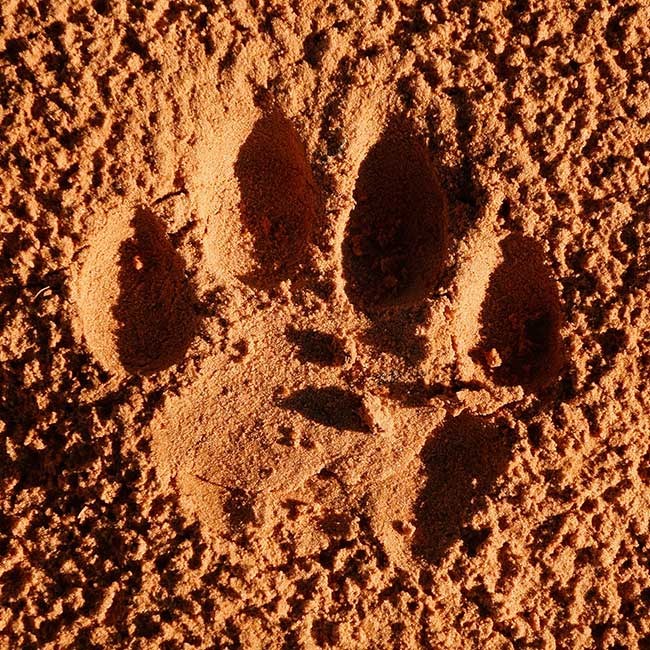
FORD WILDLIFE FOUNDATION COMMITS TO CONSERVATION THROUGH ONGOING SUPPORT OF THE ENDANGERED WILDLIFE TRUST
Alison Janicke, EWT Head of Resource Development
alisonj@ewt.org.za
For over 30 years, Ford Motor Company of Southern Africa (FMCSA) has been actively involved in the conservation of wildlife and ecosystems in South Africa and Sub-Saharan Africa. To date FMCSA has invested almost R40 million to support more than 170 conservation projects. Generously sponsored Ford Rangers make it possible for EWT field officers to get where they need to be and make a real impact for conservation, and the communities they work with. FWF is funded by the Ford Motor Company of Southern Africa and supported by its nationwide network of Ford Dealers. The EWT would like to thank FWF for their incredible support over the years. FWF currently supports our Cheetah, Wild Dog, Amphibian, Crane and Wildlife and Roads projects, all of which require our field staff to be on the open road and driving through rough terrain for hours on end. These projects would not be as successful as they have been without the support of the FWF and their Ford Rangers.On top of their incredible vehicle support, Ford donated 120 face shields for our staff to use in the field, so that even when they are not in their Rangers, they can continue with their critical conservation work. Thank you, Ford, for keeping the EWT field officers in the field doing what they do best.
PROACTIVE CONSERVATION IN AN ERA OF DAMAGE CONTROL
Dr Ian Little, EWT Senior Manager: Habitats
ianl@ewt.org.za
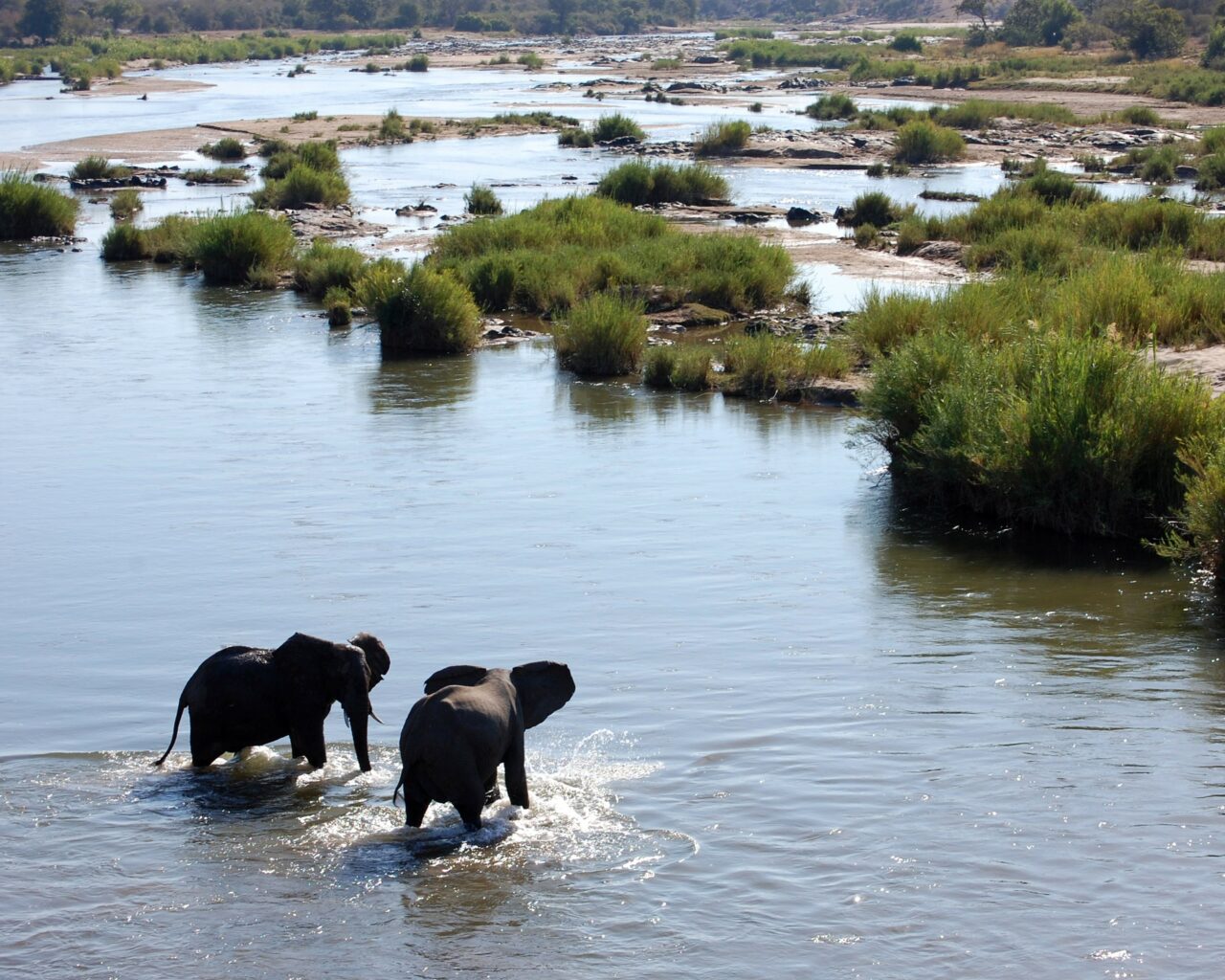
We are certainly living in unusual and unprecedented times. People all over the world are rethinking their lives, their routines, and their values as a result of the current global COVID-19 pandemic. This is no different for conservationists, but it is not limited to the impacts of COVID-19. Even without the devastating impacts of this pandemic, the Earth is going through a dramatic and unprecedented crisis. Competition for resources to support the increasing human population in the concurrent fourth industrial revolution, and the unpredictable impacts of climate change make this a critical time for the conservation of threatened species, threatened ecosystems, and the resources which are the foundation for our very existence.
Many conservationists, young and old, have reached a point of questioning their roles, and potentially even “shifting from prevention to damage control”. While this is a sobering and frightening concept, it is real and we need to all realise that our natural heritage and for us Africans, our natural identity, is at serious risk. A large proportion of our conservation work today is focused on damage control and we are doing this on an absolute shoestring. The only thing limiting the amount of work and impact that we could have is the resources to do it, there is no lack of dedication, passion, or commitment. The financial resources afforded to the conservation sector allow us to barely scratch the surface of the conservation challenges we face. At the EWT we use what resources we have to tackle three key strategic imperatives: saving species, saving habitats, and benefiting people. In most instances, we achieve the third imperative through the targeted protection of the natural resources most needed by people. We are working hard to proactively secure large parts of Africa’s intact and threatened habitats for the benefit of the species and the people that they support. In many instances, these are priority catchment areas, critical for the protection of freshwater, without which people will suffer tremendously. Recent droughts provide a stark reminder of how important protecting our natural water factories is, but typically humans tend to forget this as soon the climate cycle reverts back to a wet period. If the transformation and degradation of our water catchments continues unabated, and climate change increases the intensity of droughts and floods, we will be in serious trouble when future drought cycles hit us.
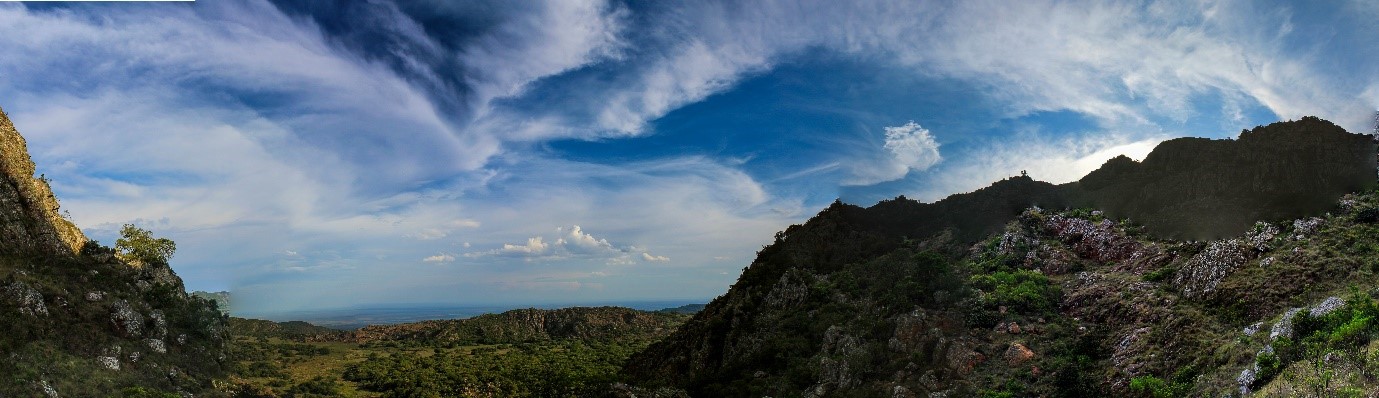
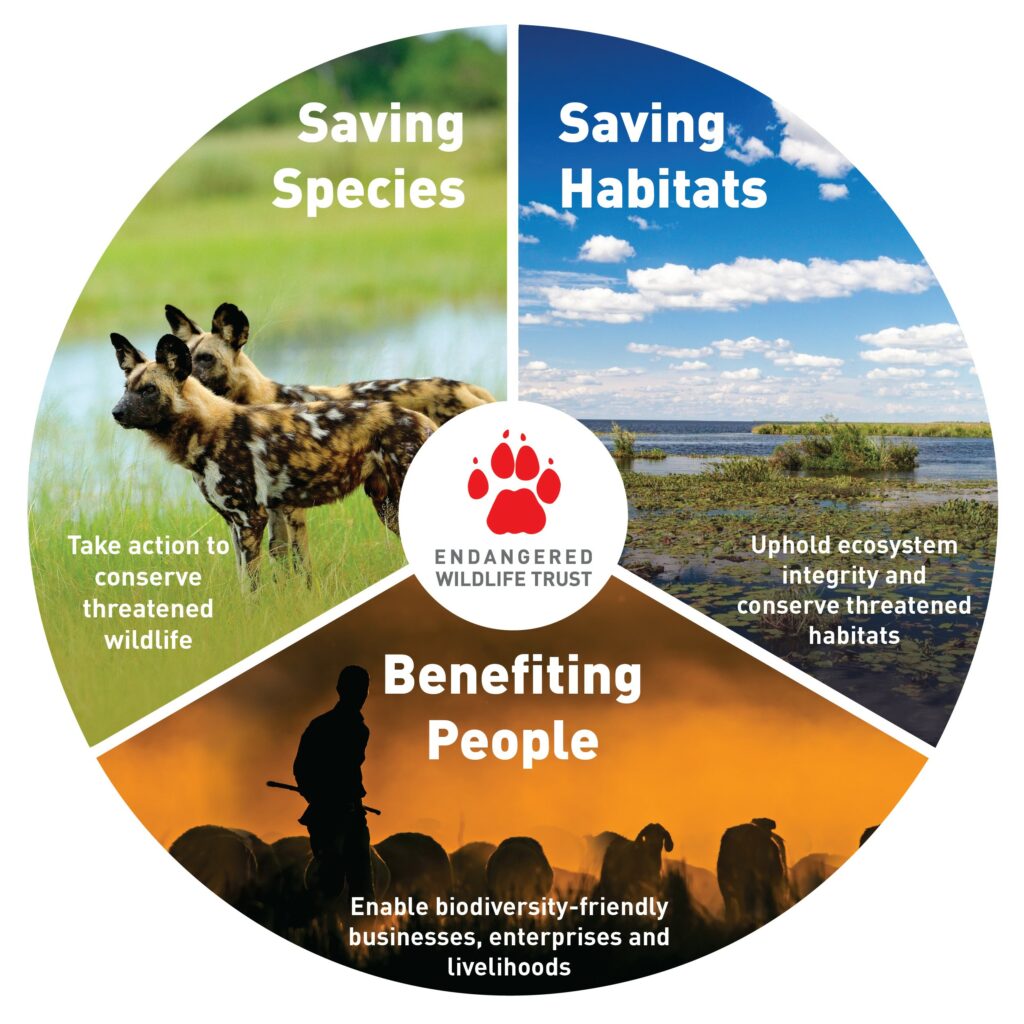
The EWT feels strongly that protecting remaining intact wilderness areas, as well as strategic agricultural areas, is a critical and urgent objective at this stage in the Earth’s battle to maintain a balance of life. To ensure that we reduce these impacts, the EWT, , has managed to formally secure more than 5,100 hectares of Nature Reserves and over 100,000 hectares of Protected Environments in priority areas over the last five years. These strategically selected protected areas secure threatened habitats, threatened species and critical ecosystem services. They fall within the nationally identified Strategic Water and Groundwater Source Areas and contribute to the National Protected Area Expansion Strategy. We are also in the process of securing a further 45,000 hectares of Nature Reserve and 96,000 hectares of Protected Environment, in a number of new potential sites that we are exploring. As it stands, we are looking at potentially securing at least 250,000 hectares of intact natural habitat over the next five years through formal agreements. All of this is enabled by our loyal and forward-thinking donors.
Linked to this, it is imperative that development is implemented in a responsible and sustainable manner. Developers often submit development applications in highly sensitive areas, which would have lasting and usually permanent impacts on wildlife and the ecosystem services that support local people and downstream urban centres. The Environmental Impact Assessment (EIA) process is intended to assess and guide these developments in order to avoid, reduce, rehabilitate and/or offset these impacts according the mitigation hierarchy. The EWT is driving a project to improve the EIA process and associated legislation. Under this project, supported by Rand Merchant Bank, we are developing species distribution models for all of South Africa’s threatened and endemic wildlife to feed into the scoping phase of EIAs and ultimately avoid any sensitive species being overlooked. We are also developing a number of key guidelines to inform the process and decision making.
In conclusion, the dedicated staff at the EWT would like to thank all our donors for their ongoing support. We would like to encourage our people to be aware of and participate in the protection and appreciation of our natural assets. We live in a beautiful country with iconic wildlife and amazing landscapes. People from all over the world travel vast distances to visit what we have to offer, and this not only defines us but also underpins our economy. After weeks of being forced to stay at home, we hope that the South African people will emerge from the lockdown with a heightened appreciation for our vast and beautiful wilderness areas. We urge you to go and enjoy our landscapes and amazing wildlife. Whilst international travel is going to take a while to recover, it provides an opportunity for us to enjoy what we have. Data from other countries has proven that domestic travel is more resilient to shocks like economic collapse, terrorism and pandemics, and domestic travel in China, the USA and many European countries is already showing a resurgence from local tourists. We expect the same here. So, plan to get out there, go and rejuvenate your spirit, support our struggling tourism sector, and most of all appreciate what it is that makes South Africa so unique and incredibly beautiful.