CROUCHING ROCKS, HIDDEN RABBITS
Bonnie Schumann, EWT’s Drylands Conservation Programme, Senior Field Officer, bonnies@ewt.org.za
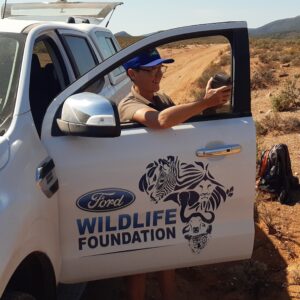
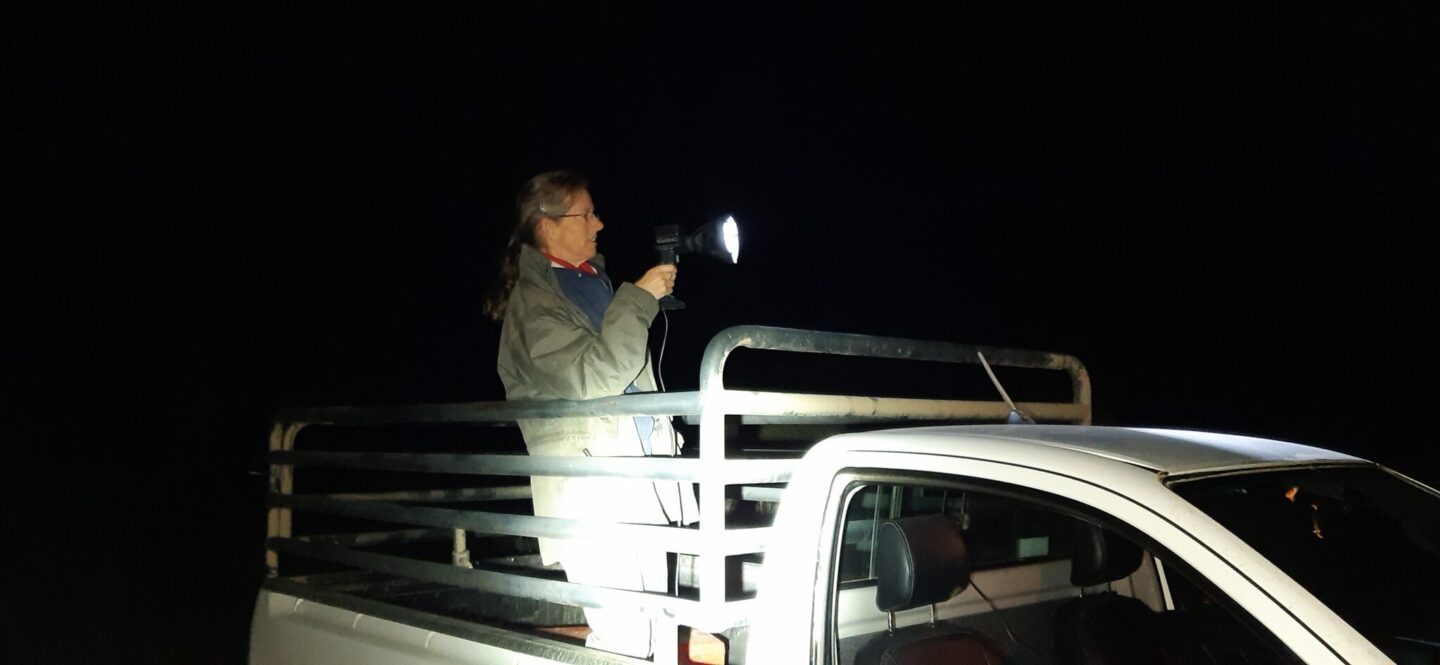
Searching for Critically Endangered Riverine Rabbits (Bunolagus monticularis) in the vast and rugged Karoo landscape is one of the hardest but most rewarding aspects of what we do. Marienne de Villiers, Faunal Ecologist with CapeNature, and I recently spotted a rabbit on a night drive on the Lettas Kraal Private Nature Reserve. This was a first for Marienne, who admitted that she was starting to doubt the existence of this mythical creature! When reflecting on our success, we realised that we had tallied up just over eight hours of searching on two rather freezing cold night drives before we got lucky and laid eyes on a live rabbit between the two of us. After a few hours of searching for all creatures great and small in the beam of a spotlight, from the back of a bakkie bumping along a dusty dirt track, one tends to get a bit cross-eyed. As a result, we had spotted many rabbits along the way, only to discover on closer inspection that they were rabbit-like rocks crouching in the veld, while the real rabbits remained safely hidden!
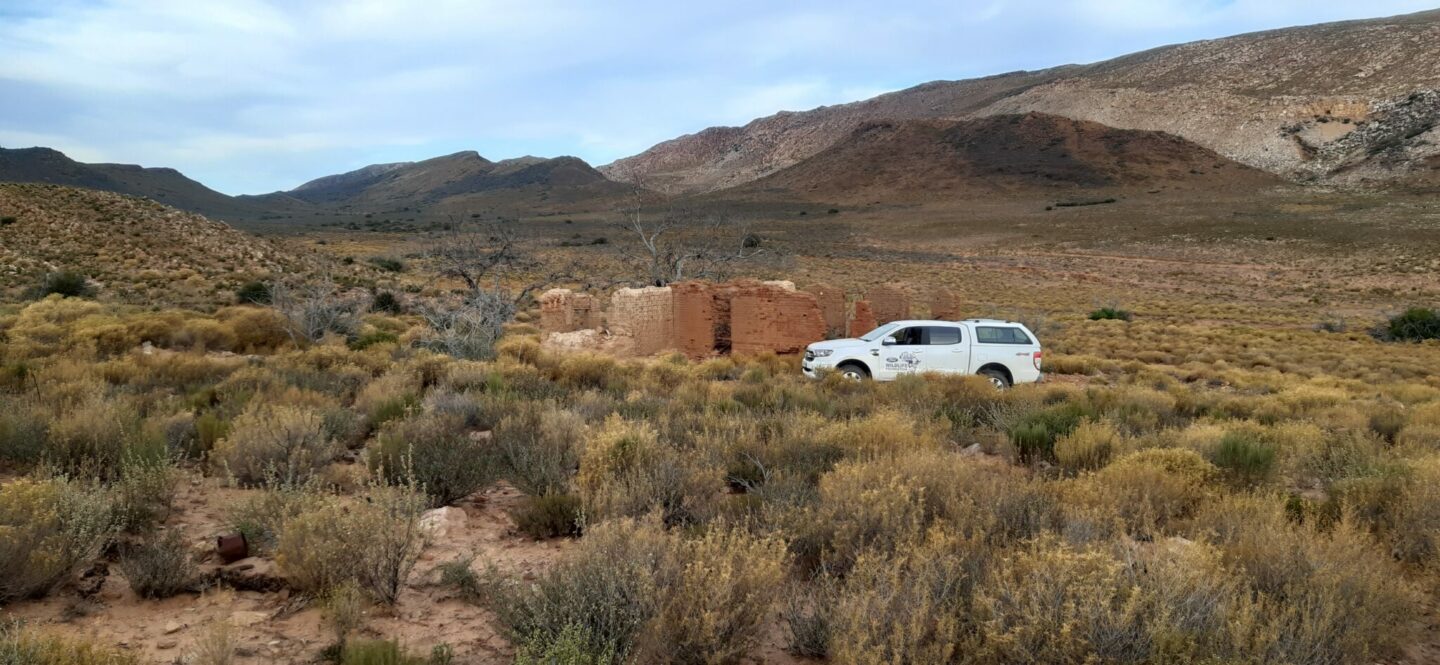
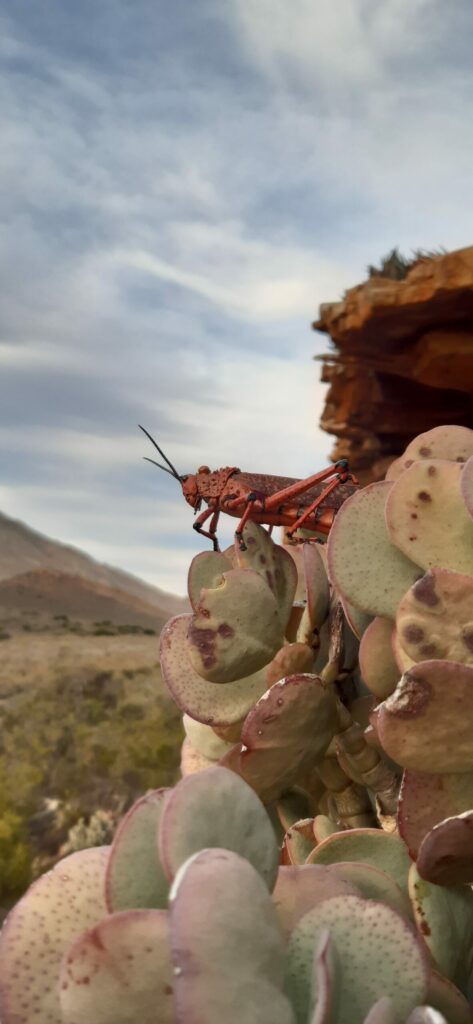
These bunnies are the ultimate masters of hiding in plain sight, so seeing a live Riverine Rabbit is somewhat of an achievement that few people can lay claim to. Although camera trap surveys in 2019 and 2020 revealed their presence, Riverine Rabbits had never actually been seen on Lettas Kraal. This trend is not unusual, given that the species managed to remain undetected, in two of the three landscapes in which it occurs, for over a hundred years! Following their initial discovery near Deelfontein in the Nama Karoo in 1901, they were only recorded in the Little Karoo, a distinct geographic region lying within the Succulent Karoo, for the first time in 2003. This southern population was in the Touwsriver area, and as recently as 2018, an eastern population was found in the Uniondale area. In both cases, the documenting of roadkill was what finally revealed their presence.
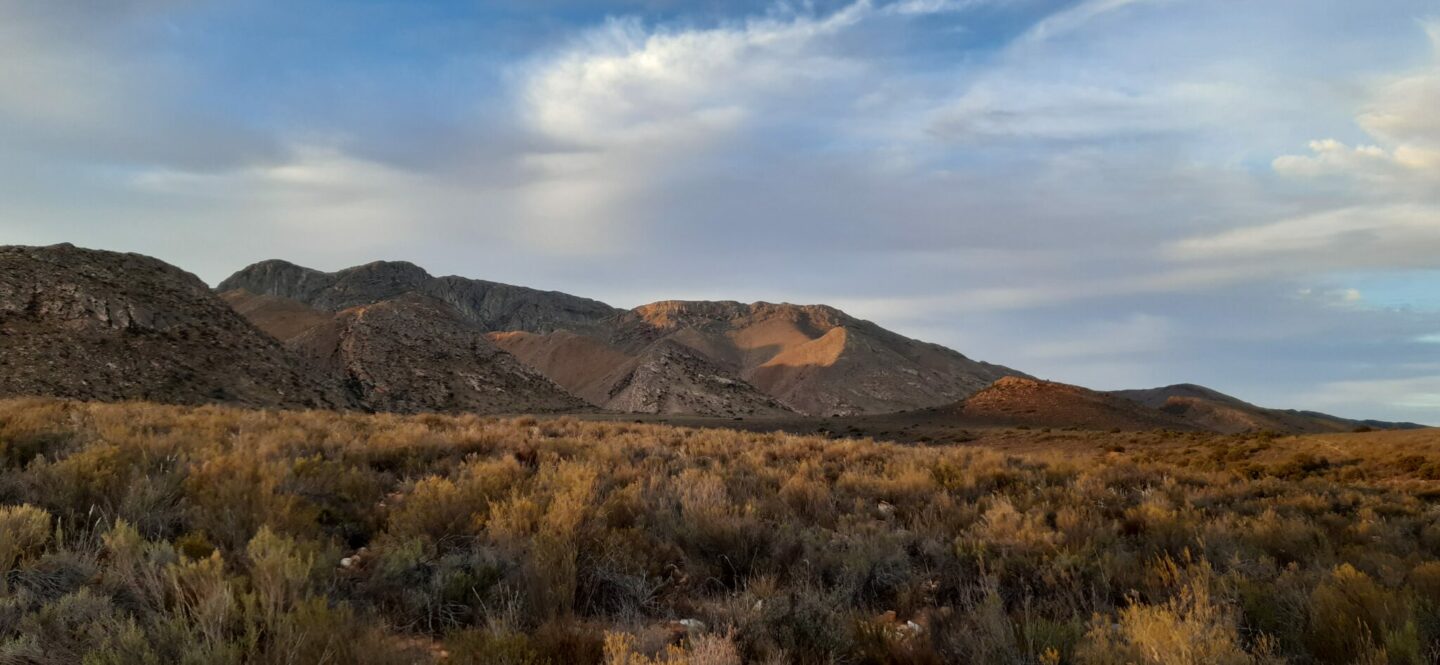
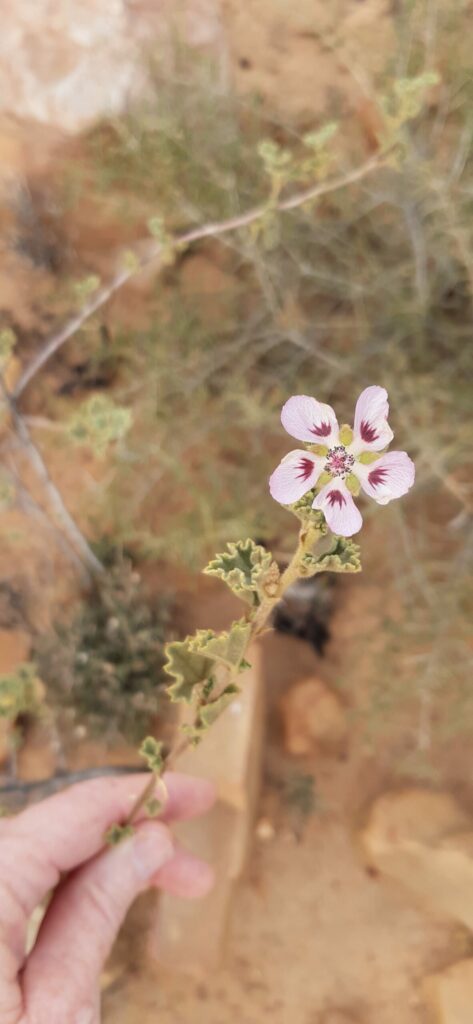
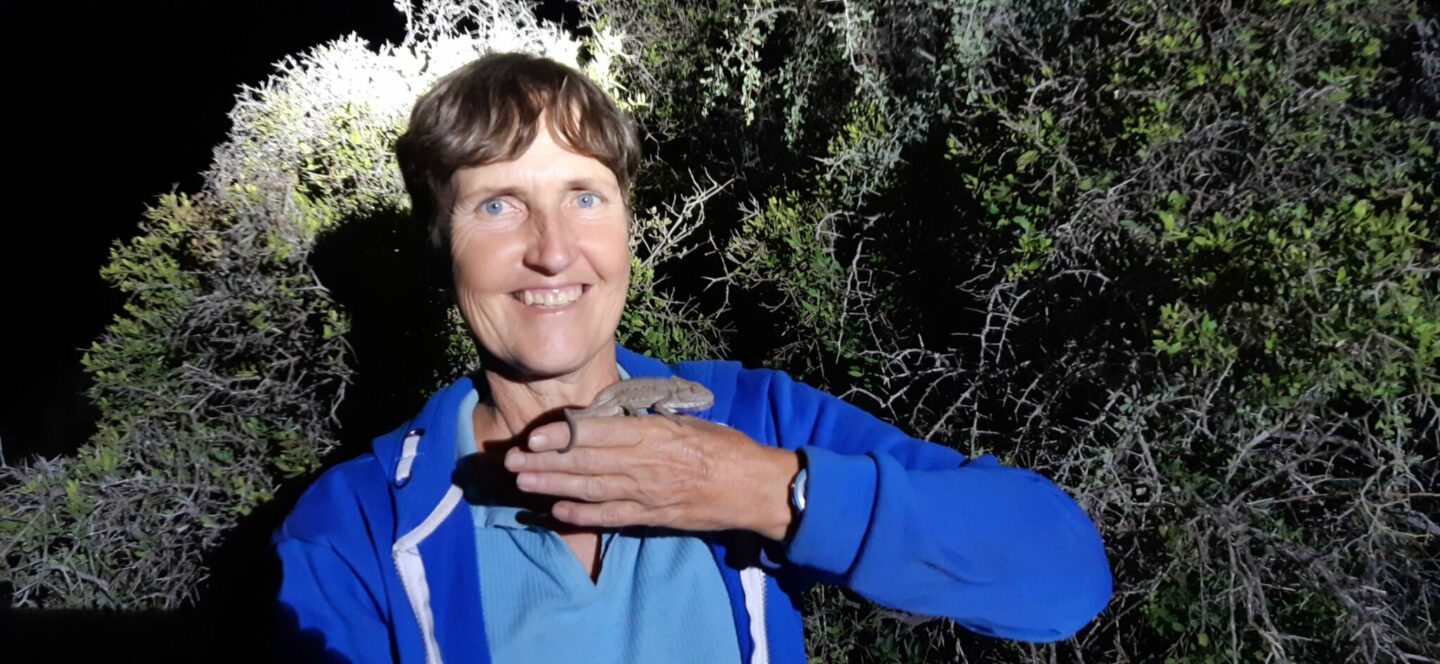
Lettas Kraal, home to many Little Karoo botanical gems, some of which have not even been described yet, is also home to a known population of Riverine Rabbits. This property is in the process of being declared a Contract Nature Reserve, which will ensure the safety and protection of the unique biodiversity there. The night drive was part of the process of documenting the biodiversity on this beautiful property. This process is already well underway, following detailed botanical and camera trap surveys in 2020. Three hours into this particular night drive, our persistence paid off when Marienne spotted a Karoo Chameleon (Bradypodium gutturale). This was an impressive demonstration of her ability to multitask, as between driving and batting (more on this later), she spotted this small creature nestled on its Gwarriebos perch as the beam of the weaving spotlight passed over the bush. Widespread habitat degradation and loss pose a severe risk to these ancient-looking little reptiles. Adding this species to the Lettas Kraal inventory was a rare feel-good moment, knowing that this species, too, is safe on Lettas Kraal, under the protective eye of Johan Roodt, the owner of Lettas Kraal. If you wondered what “batting” mentioned earlier is all about, this entails listening for and recording bat calls. Capturing recordings of bat calls is one of the most effective ways of documenting bat species presence – for which Marienne has quite a knack.
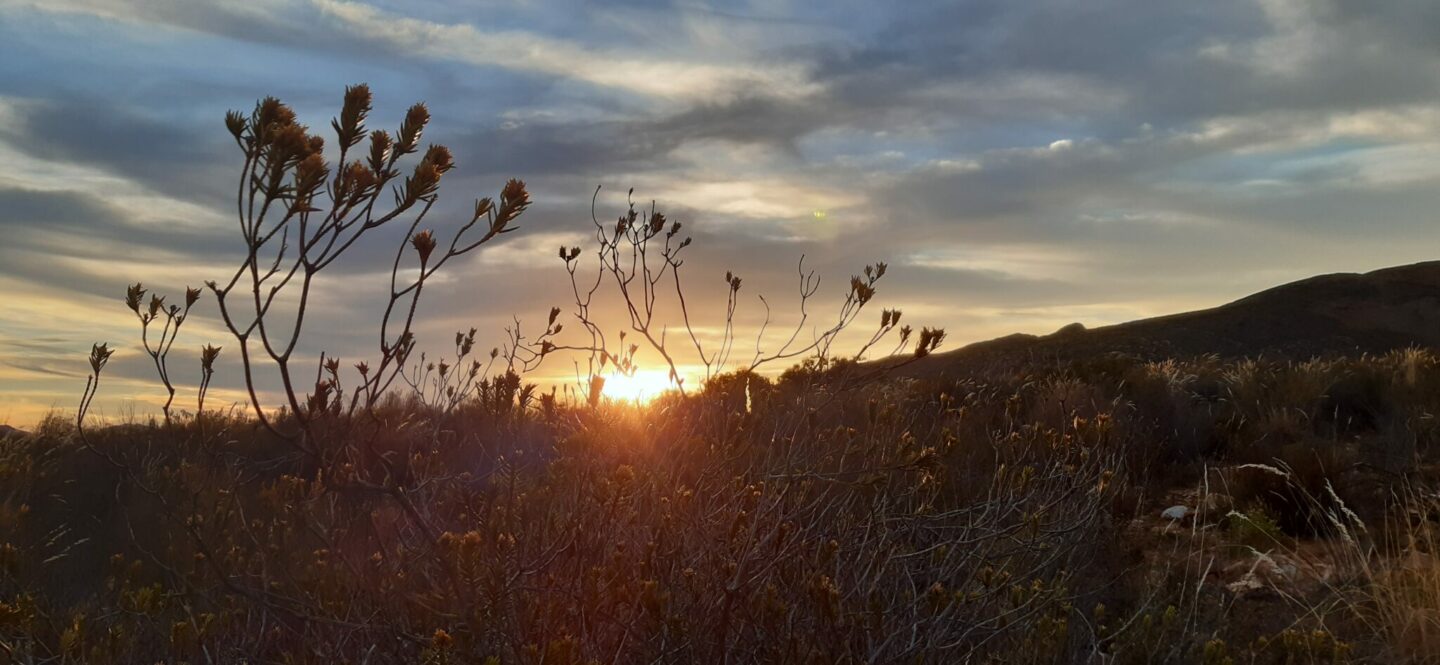
After our exciting rabbit show at the magic hour of midnight, we grabbed a few hours of sleep before we set off early again – this time with Jan Vlok, renowned Succulent Karoo botanist also working on Lettas Kraal. Jan was on a mission to supplement the botanical survey he did in Spring 2020 with what the autumn season had to offer. Despite telling us, “If it doesn’t photosynthesise, I’m not interested!” Jan is a veritable encyclopaedia on all things Karoo. Over 20 autumn species were added to the more than 800 species counted in spring.
Many more species await documenting, and getting the full picture will literally take years. Plants need to be particularly picky about when they expose themselves because expending energy and resources, particularly during the flowering and seeding process, is a risky business at the best of times. In a region where the rainfall varies between 100 mm and 450 mm per year, and summer temperatures can exceed 40⁰C, often accompanied by blistering berg winds, the risks are next level. It’s all about timing, and some species will wait years to put it all out there. It requires a lot of luck to have feet on the ground just when the conditions are, for an all too short time, favourable for plant reproduction. Having flowers and seeds makes the daunting job of identifying species accurately considerably easier. However, with over 3,200 species already recorded in the Little Karoo alone, you need to know your stuff! Jan Vlok, a co-author of “Plants of the Klein Karoo”, is one of the few people up to this task.
To put the value of biodiversity refuges, such as Lettas Kraal, into perspective, less than 0,5% of the Succulent Karoo biome is formally conserved. Under the guardianship of conservation-minded individuals such as Johan Roodt, properties such as this one add much-needed resource capital to the scant inventory of protected areas in this region. Riverine Rabbits find refuge here, in veld that is slowly recovering from over 200 years of being heavily impacted by livestock and ostrich farming. In some areas, diversity is lost forever. Lettas Kraal was lucky that much of its biodiversity has remained, and species very sensitive to grazing can still be found. Once abundant, these species are slowly emerging from the midst of thorny bushes and start to grow in the open again, reclaiming their space in this spectacular landscape, amongst the crouching rocks and hidden rabbits.
The biodiversity survey was funded by the Global Environment Facility and managed by the United Nations Development Programme, in partnership with the Department of Forestry, Fisheries, and Environment, and the Department of Agriculture, Land Reform and Rural Development.
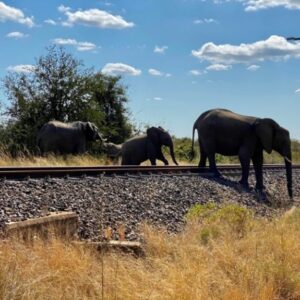
HOW DID THE ELEPHANT CROSS THE RAILWAY LINE?
Hannah de Villiers By walking across, of course! Below you can see a breeding herd of elephant in the Balule Nature Reserve (part of the Greater Kruger) casually walking over a railway line.
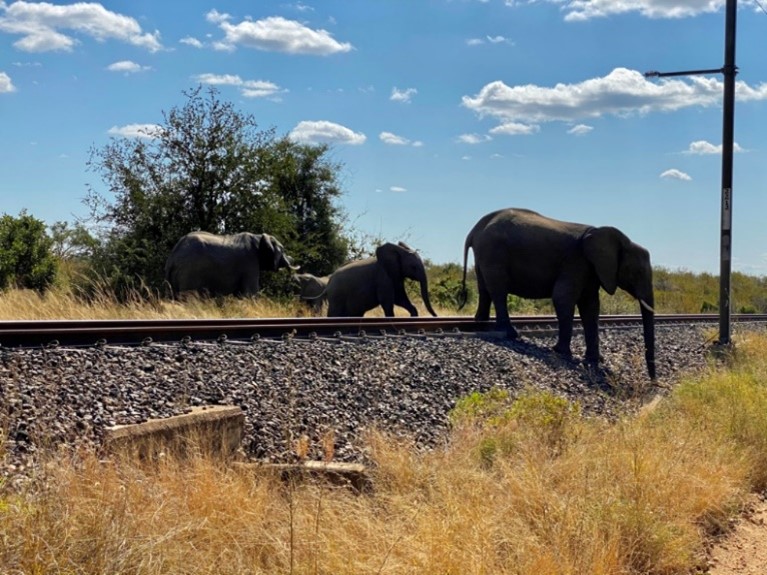
Transport infrastructure plays a pivotal role in economic and social development through creating improved access to resources and associated livelihood provided. Railways are a critical component of sustainable transportation, having many environmental and economic advantages over other forms of transport, and are therefore seeing massive expansion globally. In Africa, more than 30 massive development corridors, including rail infrastructure, are planned or progressing, with the rail footprint on the continent expected to increase by 85% in the coming years. However, these corridors will pass through hundreds of protected areas containing some of Earth’s most diverse and sensitive ecosystems.
As conservationists, we are concerned about two key ecological impacts of railways: the barrier effects and resultant habitat fragmentation it may cause for local wildlife populations and the mortality it might cause through wildlife-train collisions. For some animals, like the elephants above, the railway does not create a barrier in the landscape, and they are often seen simply walking over it. But this means they are in danger of collisions with trains – which, unlike cars, cannot quickly slow down or swerve to avoid a collision.
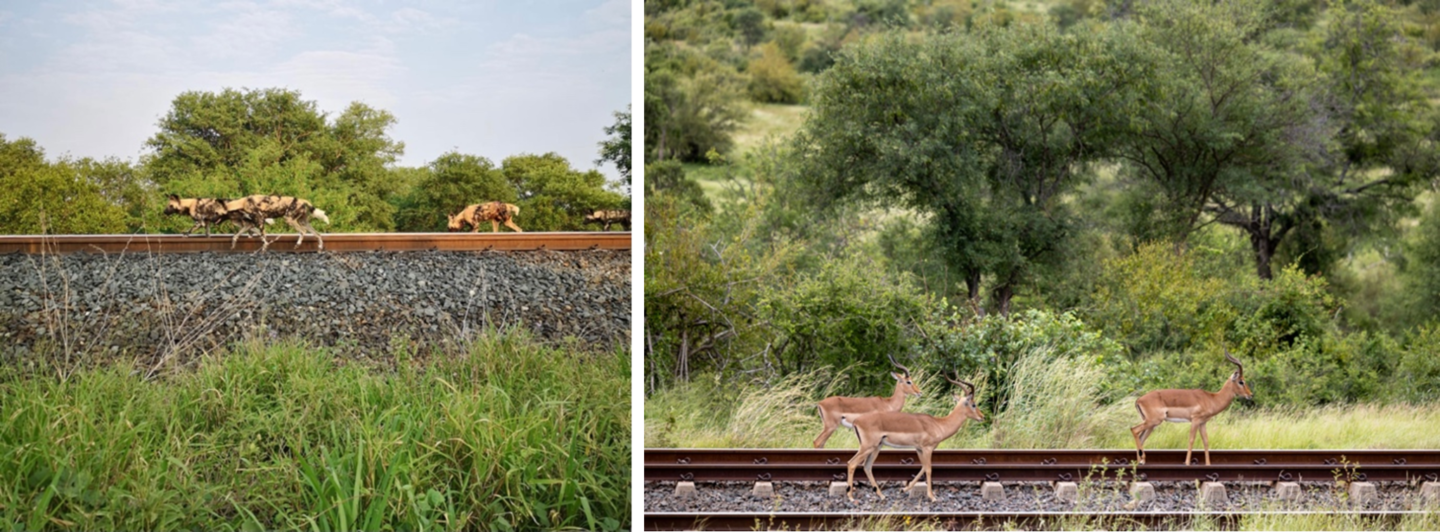
But what if animals could find a safe passage across the railway without the risk of collisions, which would increase the permeability of the rail corridor and improve habitat connectivity? Wildlife crossing structures provide just that, and luckily culverts or viaducts are a common design feature of all railways, typically built for drainage and topographical purposes. These pre-existing underpass structures can easily be modified to improve their use by wildlife, which is regarded as the most economical and feasible form of mitigation for wildlife mortality and barrier effects. The economic advantages of this approach do not stop there: train collisions with large mammals can be incredibly expensive, invariably damaging or derailing trains and often resulting in large-scale service disruptions.
Hannah is researching the use of railway underpasses and drainage culverts (such as the one seen on the left in the photo of elephants crossing the railway) by large mammals in the Balule Nature Reserve. She is putting up camera traps at the underpass entrances to understand which species use them (or don’t use them) and see how the structural dimensions, the nature of the habitat close to the structure, the surrounding landscape and mammal characteristics affect usage.
The findings of this study will help inform the design of underpasses along new railways in the African context and aid reserve management in decisions regarding economically feasible modifications to culverts along existing railway lines that would make them more attractive for large mammal use.
This project is supervised by Gabi Teren (from the EWT’s National Business and Biodiversity Network) and Francesca Parrini (University of the Witwatersrand), and advised by Wendy Collinson (EWT Wildlife and Transport Programme), Paul Allin (Transfrontier Africa, Balule), and Dr Manisha Bhardwaj (Swedish University of Agricultural Sciences).
PULLING THE RABBIT OUT OF THE HAT ON ANYSBERG NATURE RESERVE
Marienne de Villiers, CapeNature, Faunal Ecologist, mdevilliers@capenature.co.za
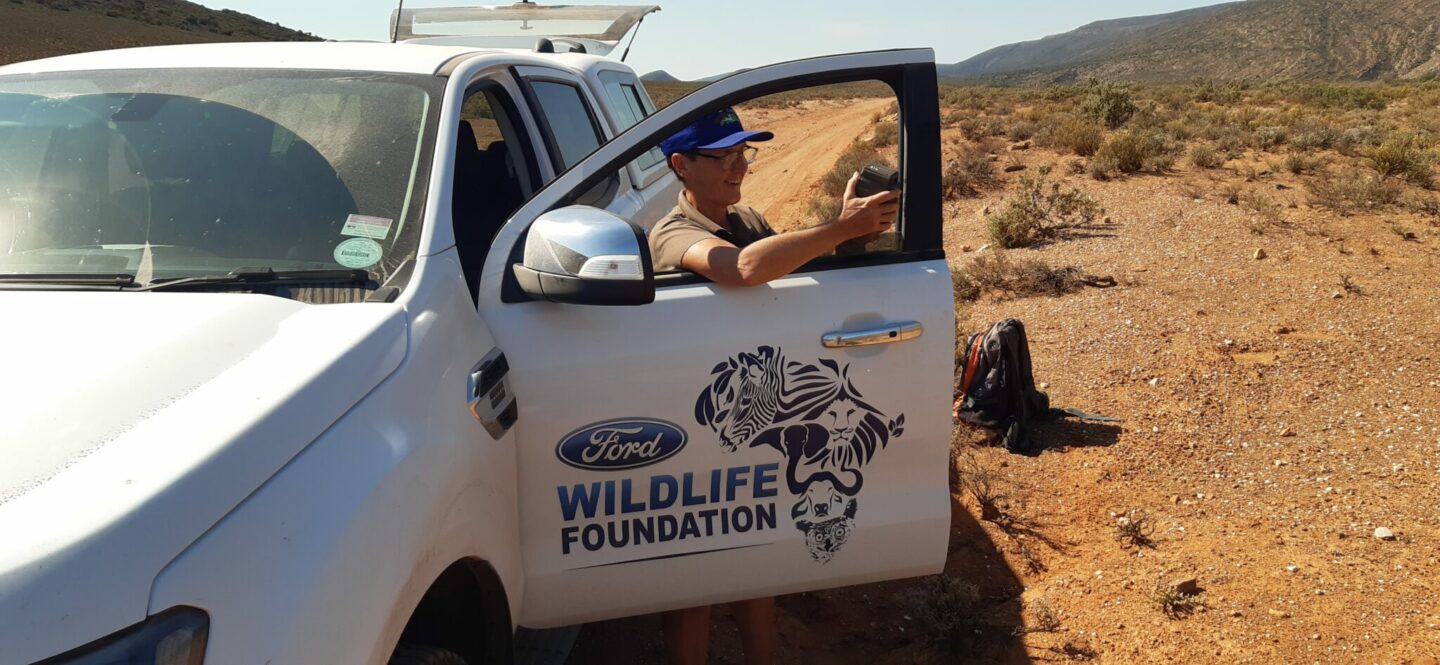
While the habitat requirements of Riverine Rabbits in the Nama Karoo are pretty well understood, the same can’t be said for the Little Karoo. Understanding what constitutes suitable Riverine Rabbit habitat, or what has been coined “Rabitat” by the Endangered Wildlife Trust’s bunny expert Bonnie Schumann, is the first step towards conserving this Critically Endangered species.
Since they were first discovered on CapeNature’s Anysberg Nature Reserve in 2013, there have only been a handful of sightings of these rare bunnies. These do include some spectacular observations, however. The 2013 record was made when a Riverine Rabbit was captured by hand by CapeNature’s Corné Claassen and Marius Brand. The youngster was released unharmed after providing a valuable genetic sample. In 2019, Ishmael Wambi, a Nature Conservator at Anysberg, got some amazing video footage of a Riverine Rabbit that was startled in the headlights of his vehicle; you can view the video on this link: https://vimeo.com/328121696. And earlier this year, surprised Anysberg Field Rangers flushed two startled rabbits in the middle of the day while carrying out a game count.
While it is good to know that Riverine Rabbits are persisting in the reserve nine years after their discovery, there are still vital questions that need to be answered to ensure the protection of the species. Thanks to land purchases by WWF-SA, Anysberg is a relatively large reserve at just over 80,000 ha. But how much of this area constitutes rabitat? By working in partnership with EWT’s Drylands Conservation Programme, CapeNature aims to improve our understanding of Riverine Rabbit habitat requirements in the greater Anysberg area and to ultimately use this information to predict population size on the Anysberg Nature Reserve.
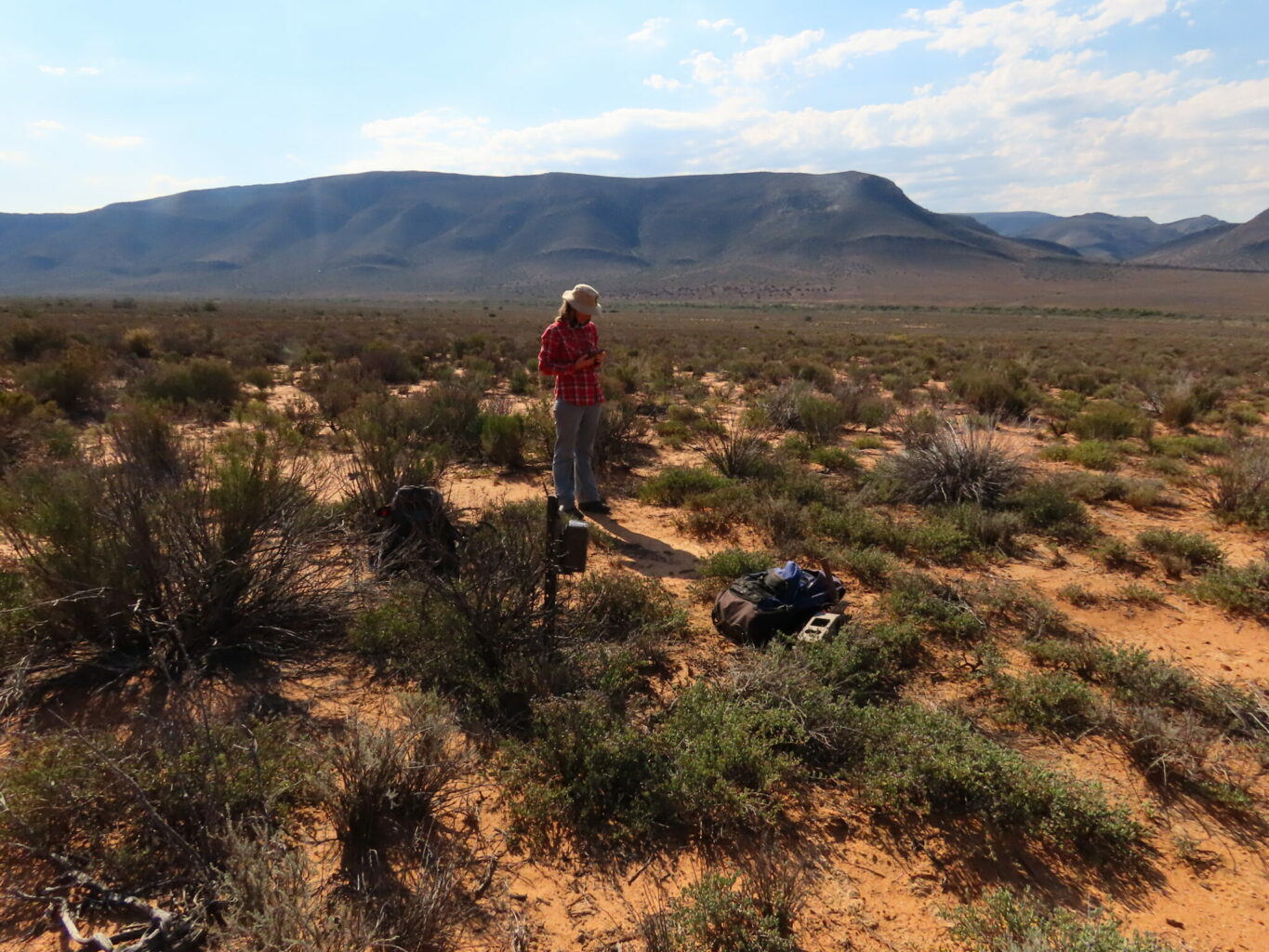
As a first step towards addressing this question, Bonnie Schuman from the EWT spent a day on Anysberg, sharing her considerable experience and expertise on the species and its requirements with CapeNature Faunal Ecologist Marienne de Villiers. With her bunny radar turned on and finely tuned, Bonnie also advised on the placement of camera traps to test for the presence of bunnies in an area on Anysberg that has never been searched for rabbits before, but where they might well occur. To read more about this excursion here) The long-term plan is to map the reserve according to potential rabitat, looking at various criteria, including soil type, slope, vegetation structure, and density. Then we will test these areas for rabbit presence using camera traps. But for now, it’s a waiting game. The cameras will stay out in the field for at least six weeks; only when the memory cards are downloaded will we know if the rabbit is in the hat, so to speak.
For more information on the Anysberg Nature Reserve:
https://www.capenature.co.za/reserves/anysberg-nature-reserve/
For more information on the Endangered Wildlife Trust:
https://ewt.org/
WHAT DOES PERMACULTURE HAVE TO DO WITH CRANES?
Lara Jordan, laraj@ewt.org.za, and Samson Phakathi, samsonp@ewt.org.za, EWT’s African Crane Conservation Programme
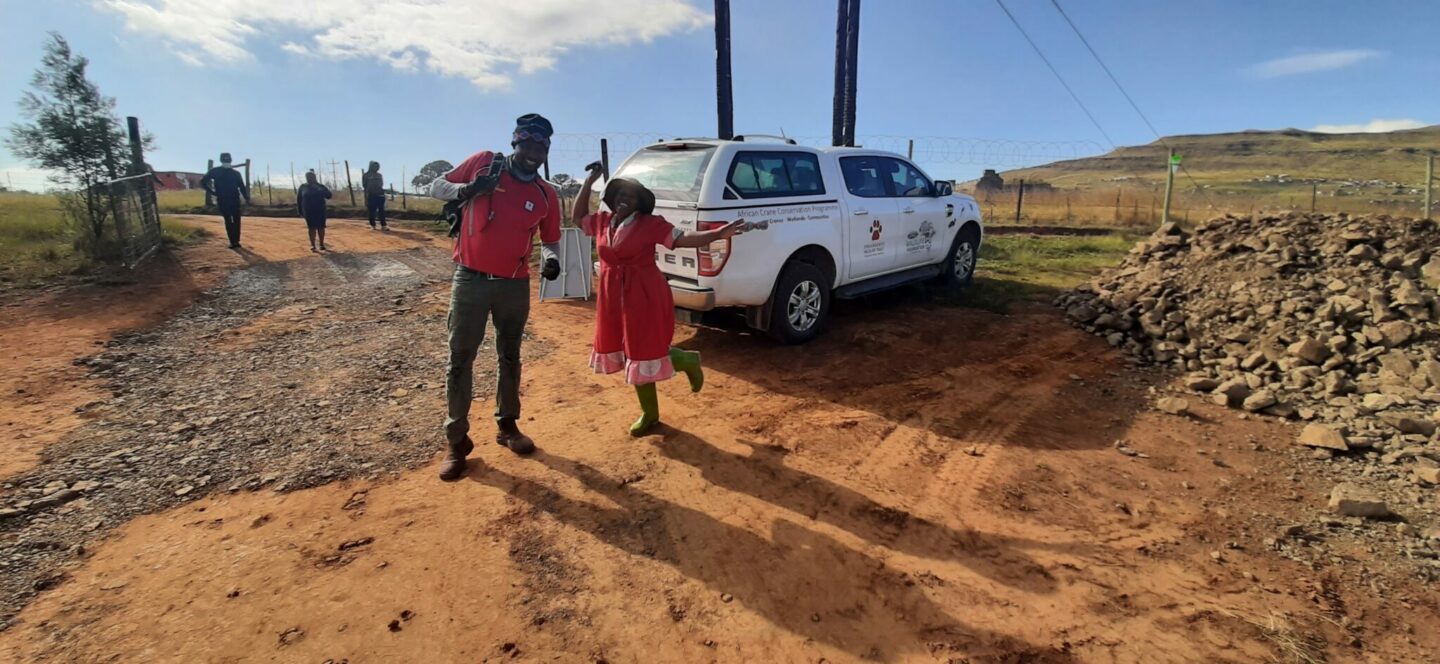 Samson Phakathi Senior Community Officer ACCP and Ntombenhle Mtambo permaculture trainer
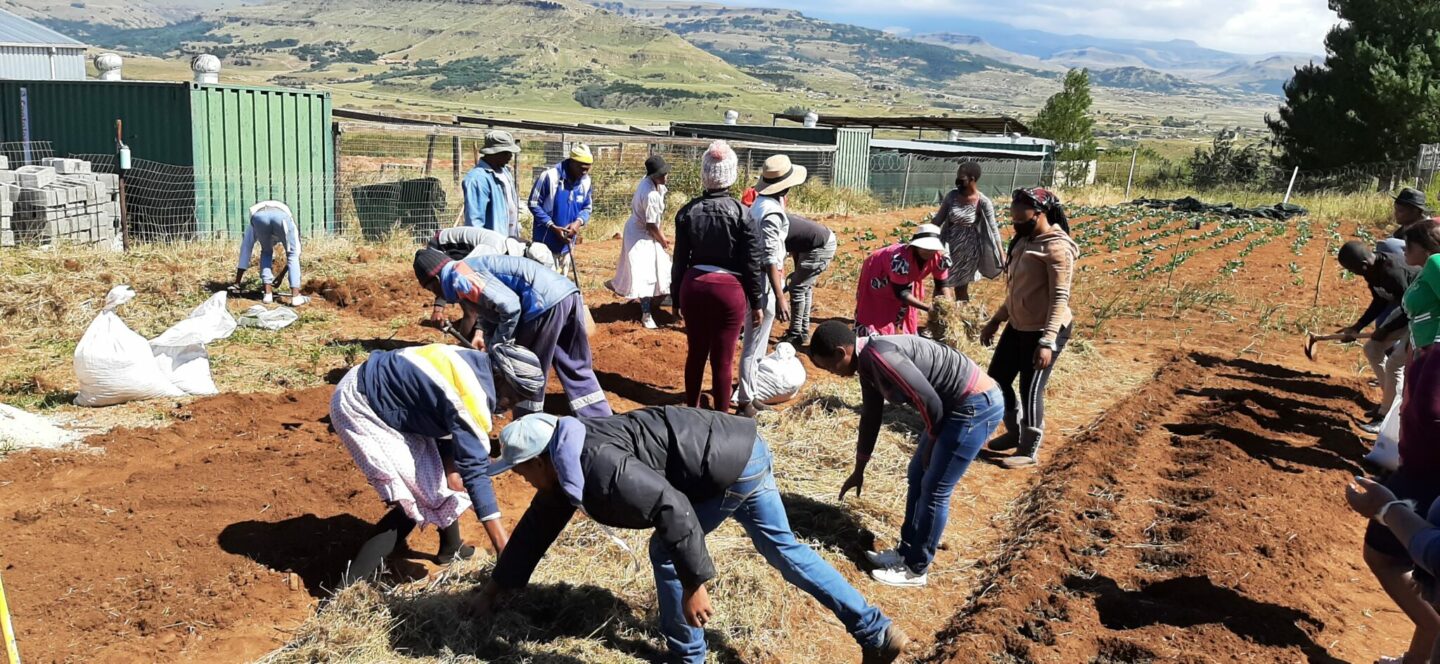 Youth in KwaMkhize learning how to construct permaculture gardens using available resources
In 2020, we saw some of the most desperate situations arise across South Africa due to the Covid-19 virus and the effects of lockdown on vulnerable communities. However, as individuals, how we react to a traumatic or desperate situation varies from person to person. In KwaMkhize, a community adjacent to the Giants Castle area of the Maloti-Drakensberg Nature Reserve, a group of youth who had felt the harsh effects of hunger requested help from the EWT to change the future by creating not only a food security garden but a sustainable garden. The Traditional Authorities are in full support of their endeavours and were delighted to have the training they needed to drive food security projects within the community.
Permaculture is the development of agricultural ecosystems intended to be sustainable and self-sufficient. Much like no-till farming, permaculture protects the soil structure of the ground and allows the carbon sequestration capability to remain intact, benefitting the environment. Ntombenhle Mtambo, a locally renowned permaculture trainer, trained over 30 youths passionate about growing their own food and looking after their soil. Nombenhle, however, never tells someone how to do something but rather lets them experience the difference. The youth, therefore, dug and planted a traditional garden, and next to that, they dug a permaculture garden. The aim was to demonstrate to the youth that an understanding of the environment and soil will teach the youth to see the difference between sustainable land use and non-sustainable land use. Ntombenhle is a clever lady like that! The youth have already started digging permaculture gardens in the community to support the most vulnerable individuals, e.g., the elderly.
You may be wondering how developing sustainable gardening helps cranes. In water catchment areas where cranes live, it is vital that the soil structure of grasslands and wetlands on which they rely for breeding is protected and sustainably utilised. In the face of global warming and the effects of climate change, land-use practices need to change to enable the survival of communities and cranes. In addition, no-till farming and gardening protect the land from soil erosion. The mulch formed creates a soak to hold water, vital for sustainability in countries with water shortages like South Africa. We are delighted to continue supporting these enthusiastic and environmentally conscious individuals. We are continuing the training in other crane-sensitive rural communities, and often where little support has been received previously. If you have never seen the difference, then we encourage you to try it out in your own gardens at home!
This project is supported by the Paul King Foundation and N3TC.
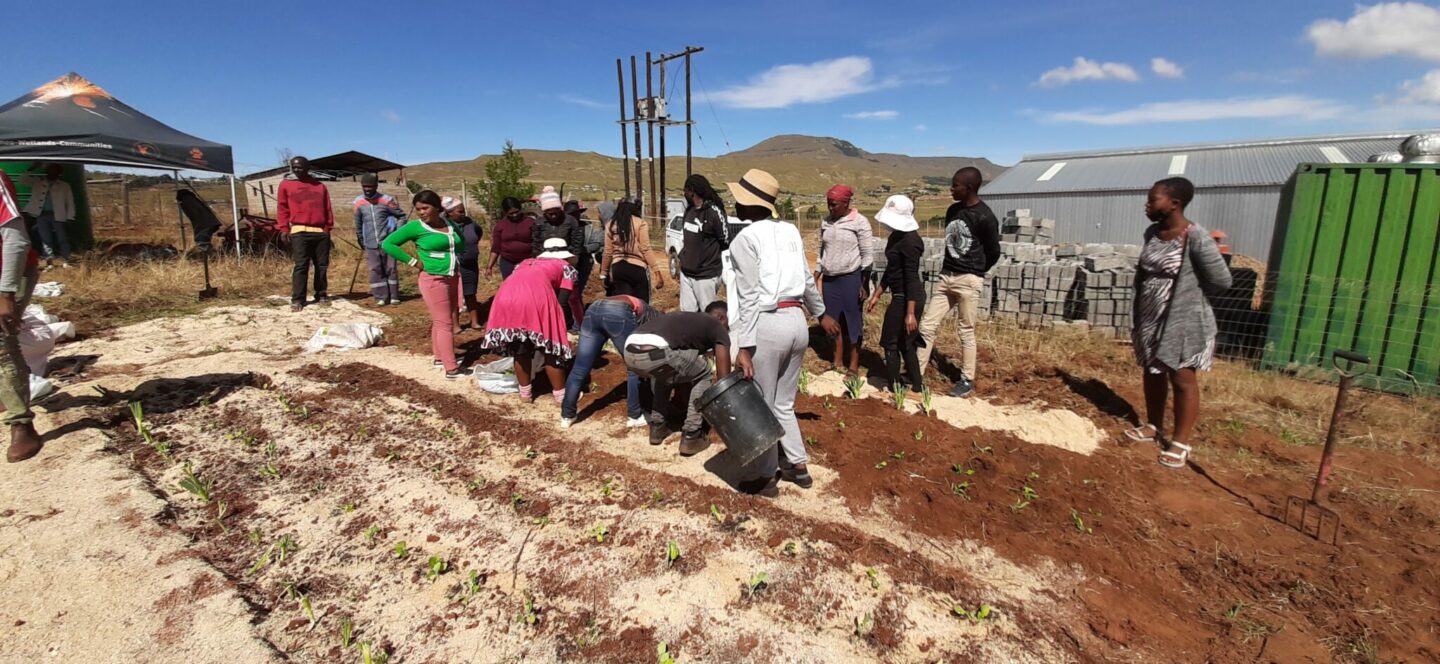 Youth in KwaMkhize learning how to construct permaculture gardens using available resources
DRONE TECHNOLOGY IS SUCCESSFULLY USED TO ATTACH BIRD FLIGHT DIVERTERS TO A LIVE POWERLINE
Lourens Leeuwner, EWT’s Wildlife and Energy Programme Manager, lourensl@ewt.org.za You may remember the article we published in February entitled Technology taking conservation to new heights celebrating the granting of EWT’s license to operate remotely piloted aircraft systems (RPAS), commonly referred to as drones, by the South African Civil Aviation Authority (SACAA) in January of this year. The article detailed some of the potential applications for RPAS in conservation and detailed the aerial imagery support we provided to the Gauteng Department of Agriculture and Rural Development (GDARD) in February for the continuous monitoring of a Hippopotamus seen moving in and around residential areas in northern Johannesburg. However, the primary purpose behind our application for the license was to fulfil the vision shared by the ESKOM/EWT Strategic Partnership to enhance the efficiency of our existing interventions to reduce wildlife mortality resulting from linear infrastructure such as power lines while ensuring the safety of our technicians.
Collision with overhead power lines is a significant cause of mortality for several large bird species. Line markers are the preferred and most widely implemented approach to preventing bird collisions with power lines and can reduce mortality by up to 92% for certain species. In South Africa, line markers are currently attached to power lines by hand, via helicopter for larger transmission lines, and a bucket truck for smaller distribution lines, which all present significant safety concerns. However, drone technology now provides an alternative that negates the need to bring linemen into contact with power line cables while potentially saving millions of Rands in helicopter time and other live line equipment usually required to perform the task. Eskom’s distribution and transmission overhead power lines have a well-documented negative impact on South Africa’s threatened and protected avifauna, and therefore improving the marking efficiency and cost-effectiveness will help streamline powerline mitigation efforts to the benefit of thousands of birds.
The Endangered Wildlife Trust’s Wildlife and Energy Programme, in partnership with Eskom Holdings SOC Limited, has designed and developed a unique drone-operated system to carry and deploy bird flight diverters, or ‘flappers’, which serve as markers to improve the visibility of power line cables to birds in flight. Drones, also known as remotely piloted aircraft systems (RPAS), are revolutionising technician safety and efficiency in several spheres of industry. The main practical advantage of a drone is its ability to go places that humans and their traditional modes of transport cannot, and the most significant benefit is that it can safely perform the same tasks by eliminating the need for people to get into dangerous situations whilst reducing overall costs.
Through innovative 3D design and printing technology, the EWT developed a working prototype of a remote attachment system mounted on a drone that can attach flappers to powerlines safely. This custom-built first of its kind system can carry one magazine, holding four flappers at a time, and multiple magazines can be printed for quick reloading in the field. The magazine is suspended safely below the drone by an insulated rod, so that the pilot can position the drone away from live energy components while the magazine makes contact with the line and dispenses the flapper. The concept was successfully demonstrated to the South African Civil Aviation Authority (SACAA) in December 2020 and subsequently approved for commercial application, subject to rigorous safety and operational procedures. Following this important milestone, the system was tested in a controlled environment under the supervision of the Eskom Distribution North West Operating Unit Platinum Live Work department before a field trial was completed in the Zeerust area early in March 2021. Marking the line selected for the trial formed part of Eskom Distribution’s bird mitigation strategy, as several vultures had collided with the line previously.
Constant Hoogstad, the EWT’s Senior Manager: Industry Partnerships, initiated the project in 2016 and had this to say about the recent field trials: “What an incredible achievement for the Eskom/EWT strategic partnership to mark the first powerline in Africa with an RPAS system. This has taken years of hard work and dedication from a very committed team to ensure that history was made and is a huge win for bird species affected by collisions with powerlines. The system will enable utilities to mark power lines in a more cost-effective way from now on, which will save millions of Rands“.
Lourens Leeuwner, the EWT’s Wildlife and Energy Programme Manager, said: “The successful demonstration of this system is a major milestone for the Strategic Partnership. It simply would not have been possible without the assistance of the Eskom North West Operating Unit and the many individuals from Eskom’s Live work department who took time out of their busy schedules to assist us on the day.”
The Eskom/EWT strategic partnership is an example of what can be achieved when business and conservationists work together towards a common goal to address electricity infrastructure impacts on wildlife in South Africa for the last 24 years.
The Endangered Wildlife Trust set out to become a legal, commercial drone operator in South Africa in 2017. The non-profit, corporate, and commercial use of drones is regulated by the South African Civil Aviation Authority (SACAA), and organisations looking to operate within the legal framework enforced by the SACAA must obtain an RPAS Operating Certificate (ROC). Getting an ROC is quite onerous in terms of the various licences, registrations, and certifications an organisation must acquire – so much so that, unfortunately, many drone pilots are put off by this process and choose to operate illegally.
Should you require the services of the EWT’s drone unit for any of the activities listed above, please contact our RPAS Operations Manager, Lourens Leeuwner (lourensl@ewt.org.za ). Our RPAS are always ready to take flight for conservation.
