Help African Wild Dogs 

Donate today  

A tribute to a beloved pack member – Dr Peter Mundyn

A tribute to a beloved pack member – Dr Peter Mundyn

A tribute to a beloved pack member – Dr Peter Mundy

Pioneering African Vulture Conservationist: 1941-2023

Dr John Ledger
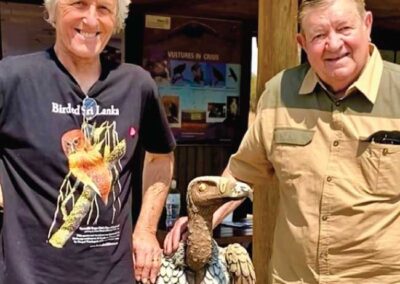
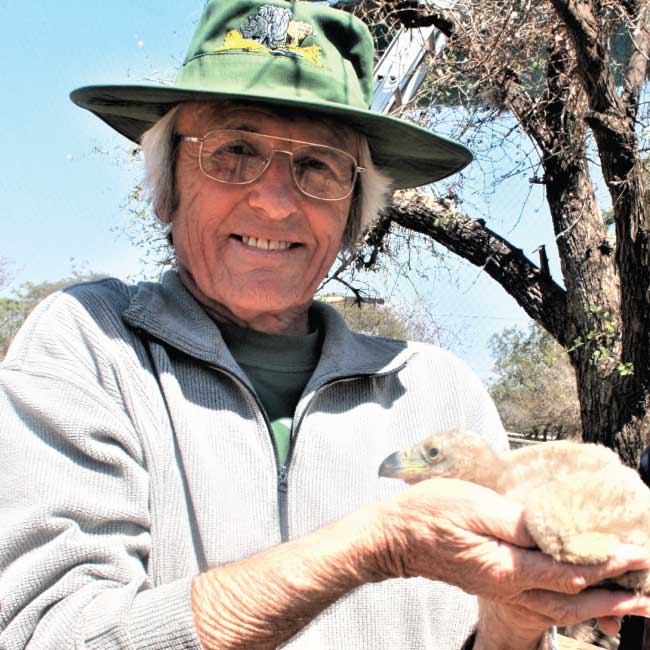
Peter Mundy cradles a baby Palm-nut Vulture hatched at Vulpro. 24 September 2021. Photo: John Ledger.

While numerous tributes to Peter have poured in following his death on 3 February, it is regrettable that he did not get to write his own story, which would have been a fascinating autobiography. This is but a brief tribute to his full and exceptional life.

Born in  London, Peter showed early signs of leadership and self-motivation. In 1957 he became a Queen’s Scout and attended the World Jamboree. In 1960 he was a member of the British Schools Exploring Society expedition to Iceland, and in that year, he finished his schooling at the Royal Liberty School in Essex, winning a State Scholarship to Worcester College at Oxford University, where he ostensibly studied Zoology for a year.

But, in his own words, “he was not yet ready for such training”, and instead of zoology textbooks, he read Dostoevsky, learnt to play the saxophone, and had a fully wild time. Oxford divested itself of his continued presence. Thereafter followed time at the University of Life, where Peter undertook diverse types of work (including grave-digging) until he became a blues musician in the outfit called ‘Screaming Lord Sutch and the Savages’. The band toured in Europe, and Peter’s stories of those days were hilarious and unforgettable. But after a few years, he tired of the frenetic but jaded life of an itinerant musician and managed to get back into university, this time at King’s College, London, whence he emerged with a BSc (Hons) in Zoology in 1969. He started birding with his university friend Clive Slater (“when we were on a rather boring entomology field course”).

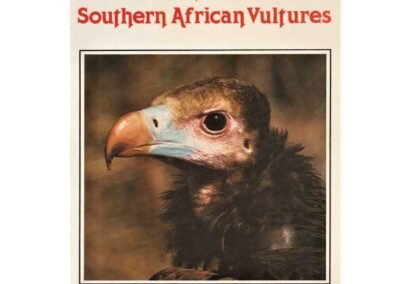
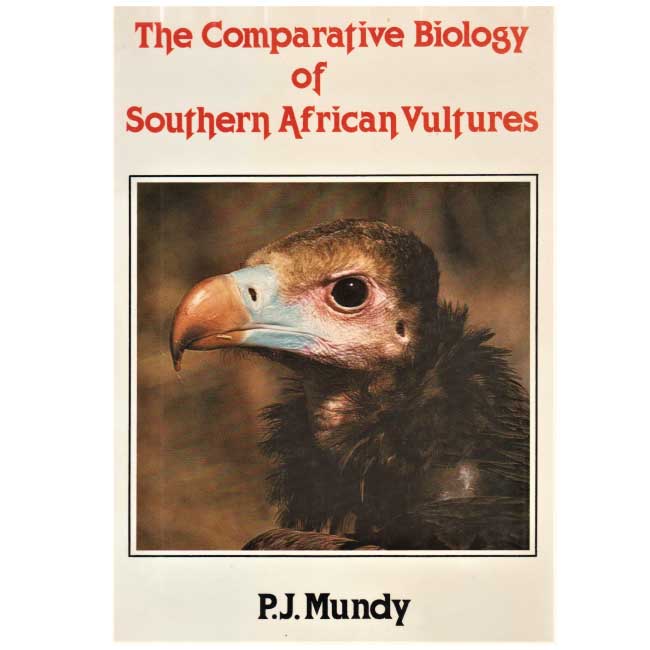
Then followed nearly three years in northern Nigeria, where he was a secondary school teacher (biology and mathematics) at the Government College in Sokoto. Here he became interested in vultures and, with another friend (Allan Cook), studied the Hooded Vultures that were abundant in the heart of the city and had developed a symbiotic relationship with the humans of Sokoto. After that, he became a junior research fellow at the University of Rhodesia in 1972 to pursue a doctoral study on the ‘Comparative Biology of Southern African Vultures’.

He researched vultures in the north-east of Rhodesia in the Chirisa and Chizarira Game Reserves and the south-east in the Gonarezhou Game Reserve. With his young assistant Gabriel Ruguma, he worked for three years in wild areas full of large and dangerous animals, armed with only a Swiss army knife. His tales about their escapades in the bush were entertaining, to say the least! To fulfil the broad scope of his research, Peter had to include the Cape Vulture (or Cape Griffon as he liked to call it) in his studies, and that brought him to South Africa, the stronghold of the species,  where we met in 1972 and became close friends for fifty years. I had been involved with ringing Cape Vultures with the Witwatersrand Bird Club when I was a student at Wits and a member of the university Mountain Club.

The following year Peter joined our annual expedition to ring Cape Griffon nestlings at Roberts Farm in the Magaliesberg, and with his sharp wit, combative world views, and vigorous usage of strong expletives, had a powerful impact on the young students of the Wits Mountain Club who had never encountered such an unusual character! Over the next few years, ringing efforts were extended to several Cape Griffon breeding colonies at Manoutsa, Colleywobbles (then Transkei), Zastron (Free State), and Botswana.

Peter also had a galvanising effect on several local vulture enthusiasts. Many people were attracted to work for vultures with the enthusiasm that he generated about the hidden charms and unique features of the big birds. The core of the Vulture Study Group (VST) comprised Mundy, Ledger, Russel Friedman (fundraising), Steven Piper (academic/statistician), Duncan Butchart (artist)  and Marilyn Blignaut (secretary). We funded the work of the VSG mainly by selling T-shirts at shopping centres, organised by our entrepreneurial ‘cousin’ Russel, and attracting the inquisitive crowds with a real live vulture called ‘Bonaparte (because of his crippled wing).

In 1976 we started reading about Clive Walker and the Endangered Wildlife Trust in various newspapers, and Mundy said he sounded like ‘the sort of bloke who might give us some money’. Clive was taken on a heart-stopping climb up the face of the Magaliesberg to see the vultures. He persuaded the Board that these young lunatics deserved support, and I was subsequently appointed as an EWT Trustee in 1976 with a brief to make sure the Vulture Study Group was run with business-like discipline, and it became the first ‘Working Group’ of the EWT.

At the South African Ornithological Society (SAOS) Symposium on African Predatory Birds. Peter Mundy, John Ledger, Dr Leslie Brown, Dr Ian Newton, Russel Friedman, Dr Alan Kemp; seated: Steven Piper and ‘Timofy Vulcha’. Photographed on the steps of the Transvaal Museum in Pretoria by John Cooper, August 1977.

At a South African Ornithological Society (SAOS) symposium on ‘African Predatory Birds’ at the Transvaal Museum in August 1977, we interacted with an audience that included leading specialists like Dr Leslie Brown from Kenya and Dr Ian Newton from Oxford University. Two years later, in 1979, Peter, Russel, and I attended and made presentations at the first International Conference on the Vultures, held in Santa Barbara, California. Our participation put the Vulture Study Group on the international map and resulted in us working with the California Condor Rescue Programme in 1981 and attending a Bird of Prey conference in Thessaloniki, Greece, in 1982.

Peter graduated with a D Phil from the University of Zimbabwe in 1981 and was employed by the EWT as its first Scientific Officer. He later joined the Department of National Parks and Wildlife in Zimbabwe as their Ornithologist and also represented his country at various international meetings such as CITES. Peter and I attended several vulture conferences around the world and met regularly on his visits to South Africa.

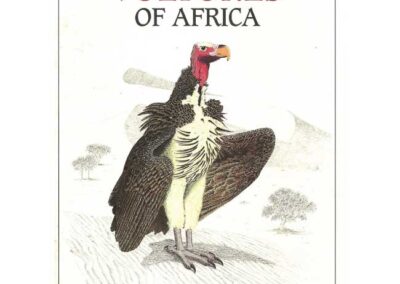
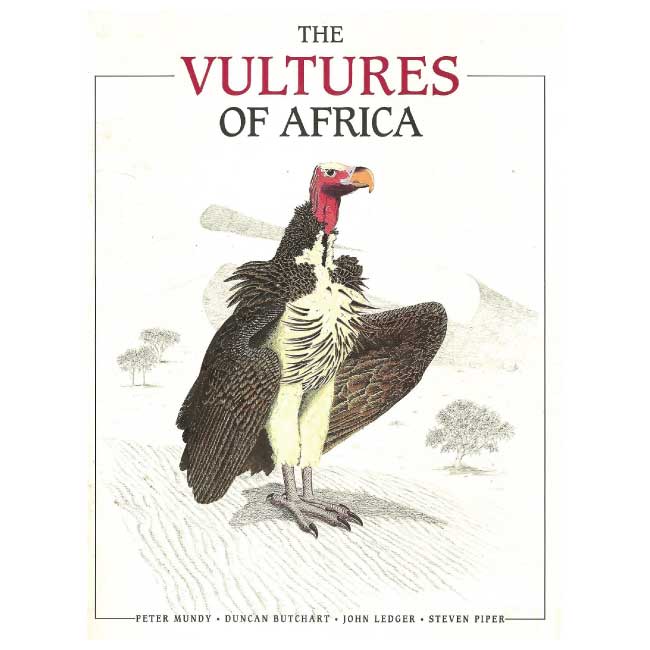
He was subsequently appointed Professor of Forestry and Wildlife at the National University of Science and Technology in Bulawayo, where he played a major role in training young Zimbabweans, many of whom went on to remarkable achievements at the tertiary level and employment in the fields of biology and conservation. He was an excellent and prolific writer and published numerous popular and scientific articles. The ultimate milestone was the publication of The Vultures of Africa in 1992, authored by Peter Mundy, Duncan Butchart, John Ledger and Steven Piper. The citation index for this large 464-page book is remarkable and continues growing to this day.

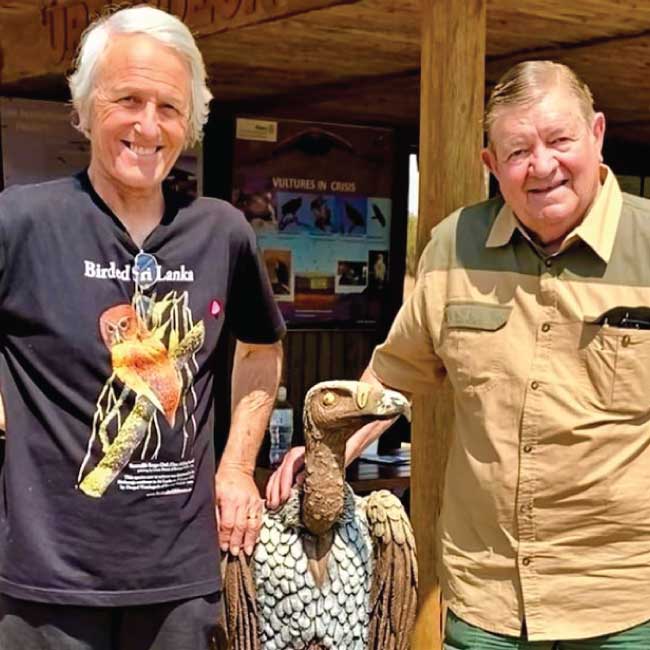
When Peter was diagnosed with cancer, he came to Johannesburg several times for treatment, where we saw one another and also made two rather nostalgic visits to the Magaliesberg in 2021, one to the Nyoka Ridge vulture restaurant on International Vulture Awareness Day on 4 September, and another to Vulpro on  Heritage Day, 24 September. What struck me about these gatherings was how Peter Mundy’s legacy has inspired future generations of people to appreciate and treasure these great birds and go to great efforts to conserve and care for them. This is a notable achievement that will long be associated with this remarkable man and will hopefully be a solace to his wife Verity and children Matthew and Emily as they come to terms with their loss. I certainly miss him deeply.

Saving species through habitat conservation: Sungazers

Saving species through habitat conservation: Sungazers

Saving species through habitat conservation: Sungazer Lizards

Bradley Gibbons, Senior Field Officer, ICF/EWT African Crane Conservation Programme

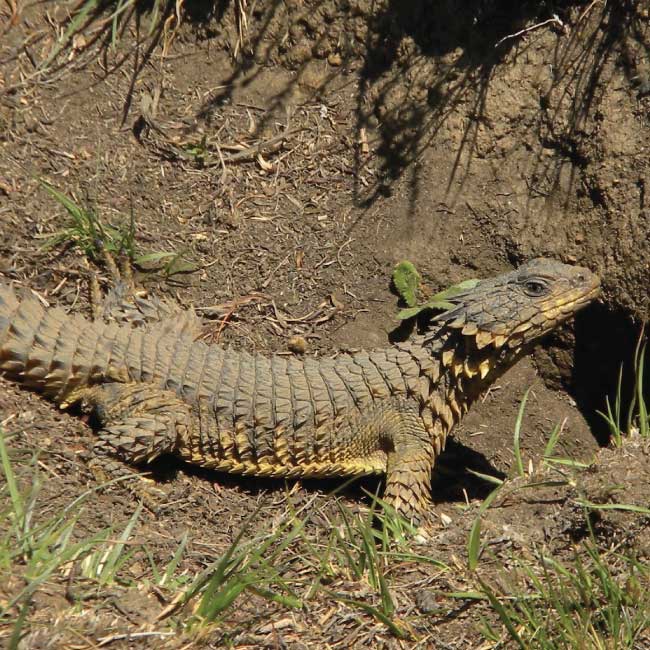
South Africa’s Free State Province is thought to be home to 95% of the population of Sungazer Lizards (Smaug giganteus), with the remaining population found in Mpumalanga. Sungazers are endemic to South Africa, meaning they occur nowhere else in the world. They were named “Sungazers” because of their habit of standing in the sun in a unique posture with their front legs upright, underside not touching the ground, and faces angled toward the sky. They are given the name “Ouvolk” in Afrikaans, which means “old folk” in English. The theory is that they were given this name due to their dinosaur-like appearance.

Sungazer Lizard outside burrow

Sungazer Lizard outside burrow

Sungazers are threatened because their virgin grassland habitat is being rapidly transformed for agricultural expansion, mining activities, overgrazing, and the collection of individuals for the pet trade or local traditional use. They are found in a specific type of grassland, making them habitat specialists, and they do not translocate easily, with many individuals not surviving the process. Therefore, protecting the habitat that Sungazers depend on is paramount.

Currently, very few sites are protected to conserve Sungazers because approximately 99% of these lizards occur on privately-owned farms and properties. Sungazers are not rock-dependent and construct burrows underground – roughly 45 cm below the ground surface, extending up to 2 metres. The association with the short grass makes it easier for Sungazers to be on the lookout for predators. When danger approaches, their only defence is to run into their burrows. For this reason, they spend a lot of time in their burrows, but if you’re lucky, you can catch these fascinating dragon-like lizards when they emerge to find food and show their reverence for the sun!

The Endangered Wildlife Trust is working to protect the habitat of the Sungazer Lizard and other threatened species through Biodiversity Stewardship and by reducing threats such as illegal wildlife trade. Visit  www.ewt.org.za to find out more about Sungazers and what you can do to help.

Case study: The Eeram Protected Environment

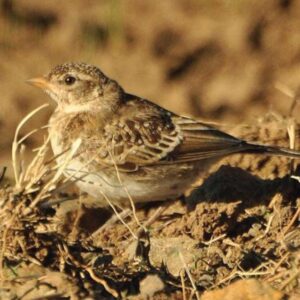
The Endangered Wildlife Trust (EWT) is currently busy with a project to proclaim the Eeram Protected Environment, and a gazette notice was published at the end of October 2022. This area is located between Warden and Harrismith in the Free State and is 7,398 hectares in size. It will be the first area proclaimed to conserve the Endangered Botha’s Lark. Not only will this offer protection for this bird, but also for Sungazers and Blue Cranes.

Botha’s Lark. Photo credit: David Weaver

A protected environment is a form of habitat conservation on privately-owned properties and is an agreement made by a landowner to conserve the biodiversity in the area. The area is proclaimed through the National Environmental Management: Protected Areas Act – No 31 of 2004 (NEMPAA), allowing the farmer to continue farming in a manner that does not compromise the biodiversity and ecology in the declared area.

Grasslands are one of South Africa’s most endangered biomes, with only 2.5% formally conserved and 60% permanently damaged. These grasslands are critical for the long-term provision of ecosystem services, and all grasslands play this role, even a small farm close to a city. The grassland biome is also in a water production zone and critical to water supply to cities in Gauteng and the Free State. This protected environment will be valuable for conserving threatened species in this important area, including the Sungazer Lizard.

This work is made possible by Eskom Holdings SOC Ltd, Ezemvelo KZN Wildlife, the Ford Wildlife Foundation, the HCI Foundation, Heather Henson, International Crane Foundation Conservation Impact Fund, the African Wildlife Initiative Rapid Action Grant co-funded by IUCN Save our Species (SOS) and the European Union, National Lotteries Commission, Millstream Farm, N3 Toll Concession, Paul L King, Rand Merchant Bank, and the Whitley Fund for Nature.

Secrets of the Soutpansberg

Secrets of the Soutpansberg

Secrets of the Soutpansberg

Cyrintha Joubert, the EWT’s Soutpansberg Protected Area, Water Conservation Project Coordinator


There are 18 recognised centres of endemism in southern Africa – localised areas with high species diversity found nowhere else. The Soutpansberg Mountain Range is one of these and has the highest plant diversity of all these centres. Many of the Soutpansberg endemic species are rare and threatened. Around 3,000 vascular plant species occur in the 6,800 km² Soutpansberg Mountains. Six biomes are found in the mountains: forest, thicket, savannah, grassland, fynbos, and wetland.

Not only are the species living in the mountains of high conservation value, but they also hold cultural value and have medicinal properties that are sought-after for traditional healing practices and mainstream pharmaceuticals. The EWT strives to conserve these plants in collaboration with partners in the Soutpansberg, ensuring that those who depend on them for any purpose can legally access the species they need sustainably. Here are a few secrets of the Soutpansberg that you may come across should you be lucky enough to visit the area or hike the recently established Old Salt Trail.

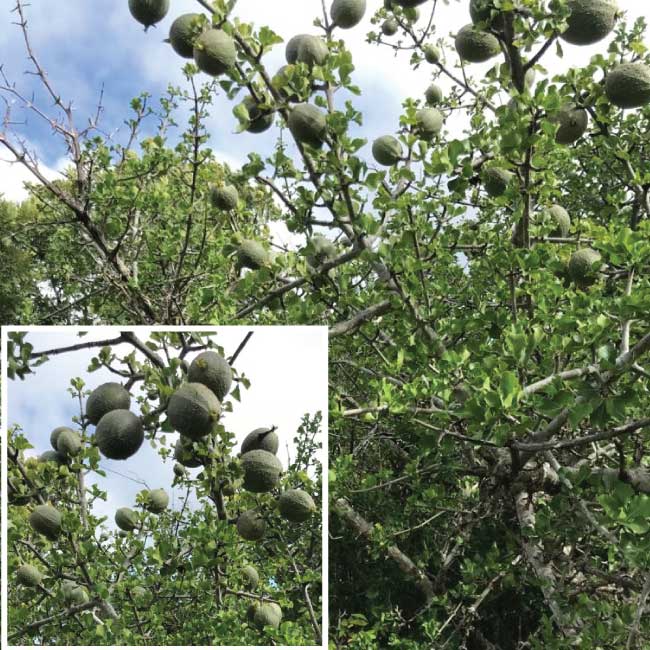
Monkey Orange tree with fruit

Monkey Orange

Strychnos spinosa

The genus name, Strychnos, is taken from the Greek word for deadly, which refers to poisonous alkaloids contained in the seed integuments. “Spinosa” refers to the spines. The poison strychnine is derived from an Asian species of Strychnos. The seeds should be avoided as they are poisonous or could have purgative effects. The fruit only appears after good rains and has a smooth, hard, yellow look when ripe. Inside the outer ‘shell’ is tightly packed seeds surrounded by a fleshy, edible covering. Most of this plant is used medicinally, with the roots and leaves used to treat certain snake bites. After the seeds have been removed, the dried fruits are used as musical instruments.

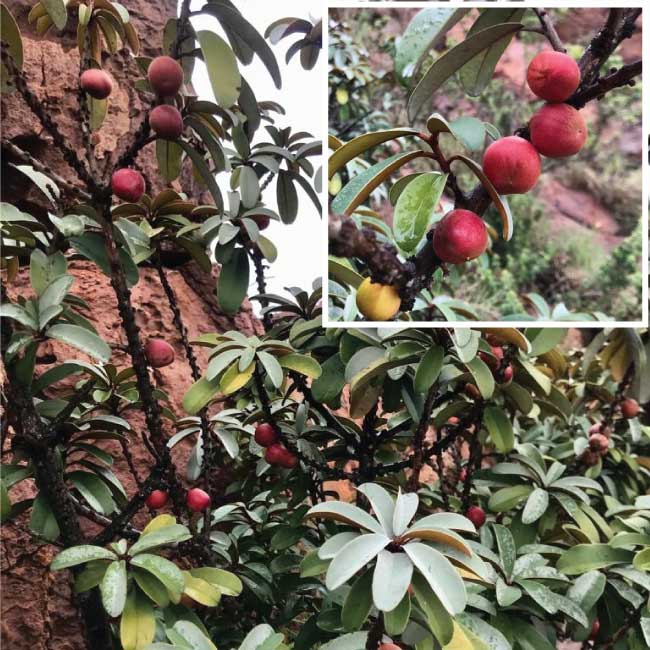
Sour Plum tree

Sour Plum or Monkey Plum

Ximenia caffra

A sour worm with no added sugar! This is an extremely versatile plant, and all parts are used. While the fruit can be eaten fresh, it tastes slightly sour and is often made into jams, desserts, or jellies. As the wood is hard, it is used for making pot handles, firewood, and even for construction purposes. The oil extraction from the seeds has various uses, from cosmetics to the softening of leather. The fruit is high in potassium, and the leaves and roots are used to treat coughs, body pains, and even malaria.

Stem Fruit Tree

Stem fruit

Englerophytum magalismontanum

This small to medium-sized evergreen tree has delicious fruits which are extremely high in Vitamin C with a content of 40 mg per 100 g. The fruit is fleshy and contains sticky, milky latex when picked and the skin removed. The tree fruits from December to February. When ripe, the fruit is bright red and can be eaten fresh or used to make jam, wine, and even vinegar. These plants’ roots are also used medicinally to treat rheumatism and abdominal pain. They have beautiful silky golden hairs on the back of the leaves, and the tree has a silvery look from afar.

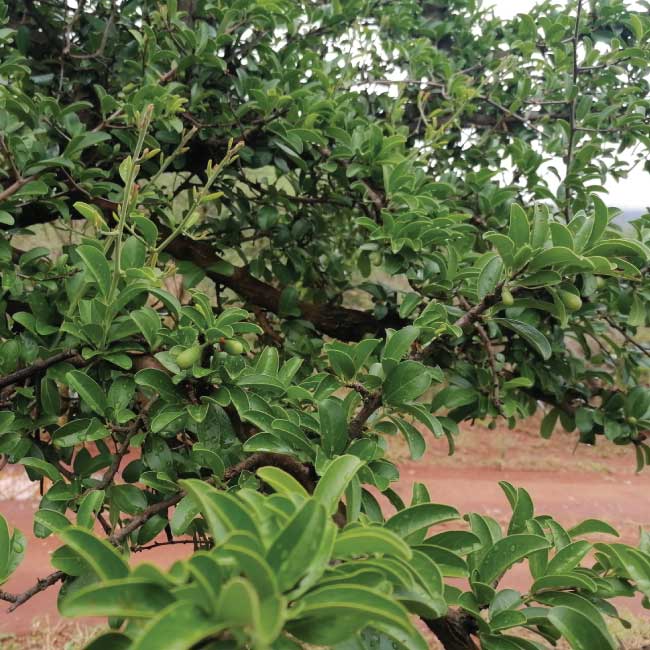
Stem Fruit Tree

Transvaal Red Milkwood

Mimusops zeyheri

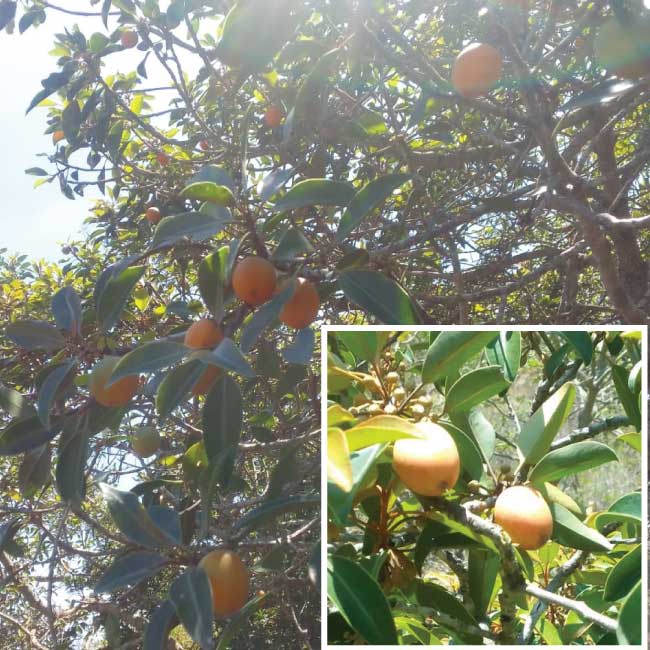
The botanical name is derived from the Greek mimo, meaning ape, and ops, meaning resembling an ape. This might reference the flowers’ colour or the corolla’s shape. This tree is fairly popular amongst humans, birds, and various primates as it has tasty ripe yellow fruit with a high Vitamin C content.

Some more mobile endemic species to find in the Soutpansberg Mountains
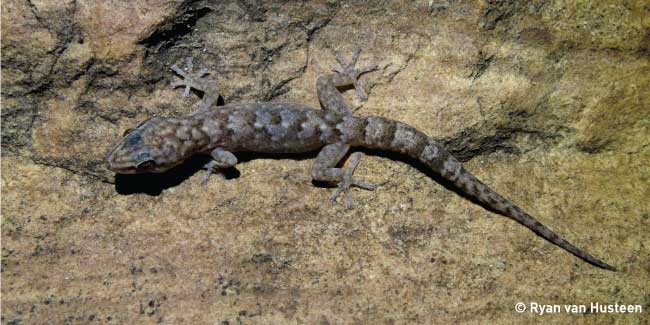
Endemic Pienaar's Flat Gecko

Pienaar's Flat Gecko

Afroedura pienaari

A widespread and abundant gecko that shelters in rock cracks and under loose barks in trees. At night, it forages on rocks, trees, vegetation, and the ground.

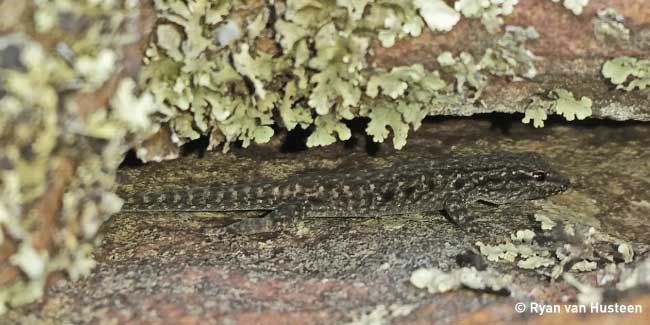
Endemic Cryptic Dwarf Gecko

Cryptic Dwarf Gecko

Lygodactylus incognitus

This shy gecko lives on trees and rocks and is restricted to the higher altitudes in the mist belt.

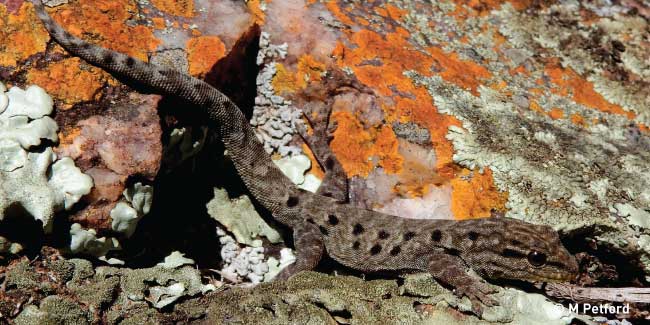
Endemic Soutpansberg Dwarf Gecko

Soutpansberg Dwarf Gecko

Lygodactylus soutpansbergensis

A shy gecko that lives in the rocky areas throughout the Soutpansberg

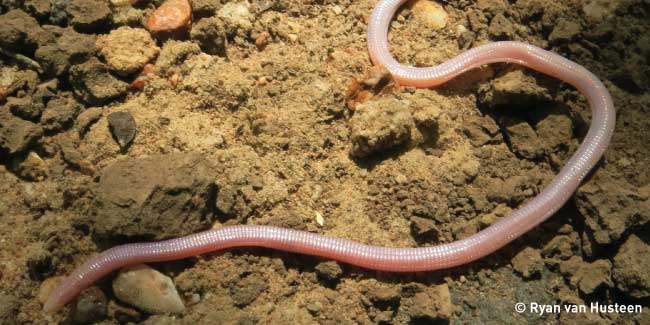
Endemic Soutpansberg Worm Lizard

Soutpansberg Worm Lizard

Chirindia langi occidentalis

This lizard is rarely encountered as it spends its life underground. It is locally common in certain areas and absent in others.

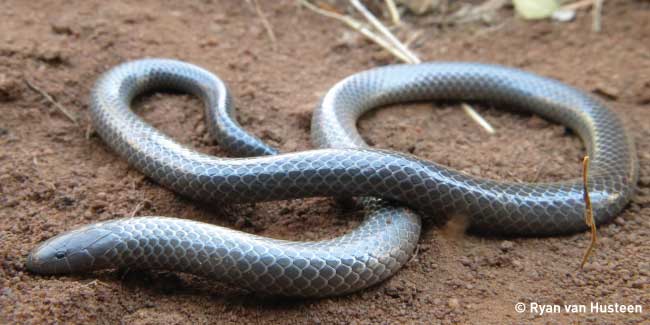
Endemic Soutpansberg Purple-glossed Snake

Soutpansberg Purple-glossed Snake

Amblyodipsas microphthalma ssp. nigra

A near-endemic to the Soutpansberg. These snakes spend most of their time underground and occasionally come to the surface to feed and disperse. They can be found in virtually any habitat, from the hot bushveld areas to the montane grassland on top of the Soutpansberg and throughout the mountain range. Limpopo’s only near-endemic snake!

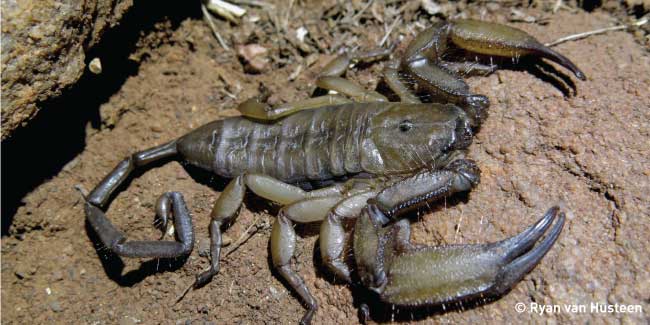
Endemic Soutpansberg-Hadogenes-scorpion

Soutpansberg Hadogenes Scorpion

Hadogenes soutpansbergensis

The only described endemic scorpion in the Soutpansberg. These large flattened scorpions prefer to live in rock cracks and are widespread and abundant in the Western Soutpansberg.

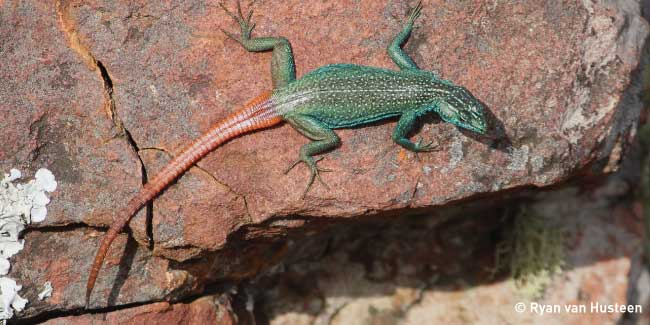
Endemic Soutpansberg Flat Lizard

Soutpansberg Flat Lizard

Platysaurus relictus

Endemic to the western Soutpansberg, these colourful lizards live on rocks in warm and hot areas. They live in small colonies and feed on insects, fruits, and plants.

A conservation success story – the return of the majestic Cape Vulture

A conservation success story – the return of the majestic Cape Vulture

A conservation success story – the return of the majestic Cape Vulture

Lindy Thompson and Danielle du Toit, the EWT’s Birds of Prey Programme

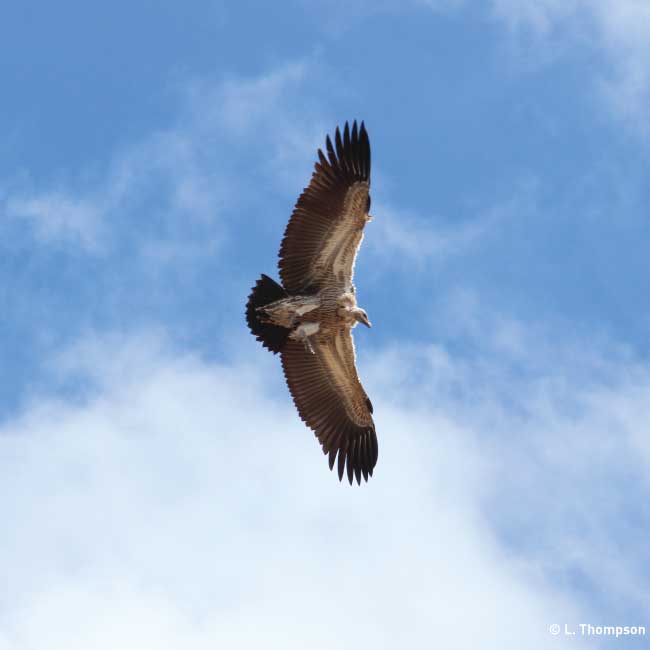
Cape Vultures (Gyps coprotheres) are endemic to southern Africa. They are one of South Africa’s larger vulture species, weighing up to 11 kg. They forage in open vegetation types such as Fynbos, Kalahari, Karoo, grassland, and open woodland. Breeding pairs are monogamous and usually raise one chick. The majestic Cape Vulture was listed as Endangered on the IUCN’s Red List of Threatened Species, but in 2021 it was ‘down listed’ to Vulnerable. This is a remarkable conservation success story and testament to the tireless efforts of multiple generations of conservationists in southern Africa. Removing the Cape Vulture from the list of Endangered species in 2021 received very little media attention, despite being an important case study that can provide hope and inspiration to current and future conservationists. This achievement resulted from a concerted effort by various organisations, including the Endangered Wildlife Trust (EWT), BirdLife South Africa, and wildlife rehabilitation centres such as Moholoholo, VulPro, and others. A team of 31 contributors, which included the EWT’s Samantha Page-Nicholson) supplied information and justified why this species should (or should not) stay classed as ‘Endangered’. Threats to the species include unsafe wind energy developments, poisoning events, unsafe power lines, and food availability may play a large role in the successful breeding and population trends of this species. Current conservation actions for the Cape Vulture include systematic monitoring, education and awareness programmes, protection by national and international legislation, the expansion of formally protected areas (such as the Soutpansberg), and the creation and growth of Vulture Safe Zones.

The importance of Vulture Safe Zones in Cape Vulture conservation

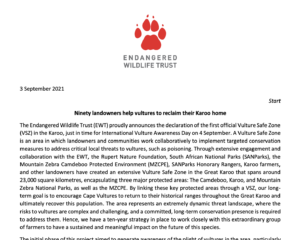
Karoo Vulture Safe Zone Document

In India in the 1990s, vulture populations suffered drastic declines. Scientists were baffled as to why until the study of carcasses revealed the presence of the veterinary non-steroidal anti-inflammatory drug, Diclofenac. They concluded that this drug was the root cause of the mass fatality and had cost about 90% of the vulture population in the area in the space of a decade. This became known as “The Indian Vulture Crisis.” The disappearance of Vultures led to the ecological tipping of scales. Mammalian scavengers such as jackals and feral dogs took advantage of the increased food supplies, and their populations increased. The high number of mammals on carcasses inadvertently led to an increase in the spread of pathogens. India faced, and still faces, a rabies epidemic that costs 30,000 human lives per year and billions of dollars in health fees. The urgent need for action to stop the rapid decline of vulture species in Eurasia and Africa led to the development of the Multi-Species Action Plan to Conserve African-Eurasian Vultures (commonly referred to as the Vulture MsAP). It is a comprehensive and strategic plan which covers ranges across two continents. Vulture Safe Zones are an activity recognised in the Vulture MsAP to encourage the responsible management of the environment by actively reducing threats to vultures in identified areas. They are specified geographic areas where conservationists and landowners use targeted conservation measures adapted for the vulture species present. These measures include safeguarding electrical infrastructure to minimise collisions and electrocutions, reducing the use of poisons, covering or altering reservoirs to prevent vulture drownings, and using NSAIDs responsibly. The most important thing to remember is the responsible management of resources that vultures use, such as the availability of safe perches, water for drinking and bathing, and food. Vulture Safe Zones also promote responsible disposal of carcasses on which vultures scavenge to reduce poisoning through pesticides and lead fragments that remain in a carcass after an animal is shot.

The Karoo Vulture Safe Zone

Landowners in the karoo region of South Africa established the Karoo Vulture Safe Zone (KVSZ) to increase the area’s Cape Vulture populations that have been decimated by persecution resulting from misinformation and a general misunderstanding of their role in the ecosystem. Landowners in the mid-20th century believed that it was vultures killing their small livestock when they would find the birds feeding on them during the day. Unbeknownst to them at the time, the jackal population in the area was beginning to take advantage of the easy prey and kill them during the night. Now, the landowners in the area are admirably working to fix these past mistakes. In August 2020, the first landowner signed up to proclaim his property a Vulture Safe Zone. Since then, the KVSZ has grown to 730,000 hectares owned by 94 landowners committed to making their properties Vulture Safe. The project continues to encourage the responsible management of properties across the karoo landscape through landowner engagements and environmental education, which focus on sustainable and safe practices of managing predators and water resources and the safe disposal of carcasses. The KVSZ team also works through the strategic partnership between the EWT and Eskom to make problem powerlines safe for vultures. Cape Vulture sightings within the project area are reported to the KVSZ team, and it is exciting to receive reports of up to 70 birds roosting on cliffs that were previously void of these magnificent birds. Monitoring efforts by the team to better understand the populations traversing the Eastern Cape skies have shown an increase in breeding pairs in known sites and the possible development of new breeding sites. All of these give the team more motivation to make the Karoo and the larger Eastern Cape a safe space for Cape Vultures. The Vulture Safe Zone process is long, and it will take time until the area is completely vulture safe. In the interim, we continue to encourage vulture safe management and measures and spread awareness of the need for areas like this.

References:

Benson, P.C. and McClure, C.J. (2019). The decline and rise of the Kransberg Cape Vulture colony over 35 years has implications for composite population indices and survey frequency. Ibis 162: 863-872. https://doi.org/10.1111/ibi.12782 BirdLife International (2021). Gyps coprotheres. The IUCN Red List of Threatened Species 2021: e.T22695225A197073171. https://dx.doi.org/10.2305/IUCN.UK.2021-3.RLTS.T22695225A197073171.en accessed on 25 August 2022. Howard, A., Hirschauer, M., Monadjem, A., Forbes, N. and Wolter, K. (2020). Injuries, mortality rates, and release rates of endangered vultures admitted to a rehabilitation centre in South Africa. Journal of Wildlife Rehabilitation 40: 15-23. Mbali Mashele, N., Thompson, L.J. and Downs, C.T. (2022). Trends in the admission of raptors to the Moholoholo Wildlife Rehabilitation Centre, Limpopo province, South Africa. African Zoology 57: 56-63. https://doi.org/10.1080/15627020.2021.2016073 Thompson, L.J. and Blackmore, A.C. (2020). A brief review of the legal protection of vultures in South Africa. Ostrich 91: 1-12. https://doi.org/10.2989/00306525.2019.1674938

Rampant poisoning poses a deadly risk to vultures in West Africa

Rampant poisoning poses a deadly risk to vultures in West Africa

Poisoning poses a deadly risk to vultures in West Africa

Dr Lindy Thompson, the EWT’s Birds of Prey Programme

African vulture numbers are declining at an alarming rate, and their key threat throughout Africa is believed to be poisoning. One of the reasons people poison vultures is to obtain body parts, both for consumption and use in African Traditional Medicine. Dr Clément Daboné (from the Universities of Tenkodogo and Joseph Ki-Zerbo, both in Burkina Faso) collected information on incidents of mass vulture killings to learn more about the risk that poisoning poses to vultures in West Africa.

Dr Daboné conducted 730 interviews with butchers, veterinarians, foresters, and abattoir guards at numerous sites across Burkina Faso. His results revealed that vultures were killed in motor vehicle collisions and electrocutions at electricity poles, but poisoning was the deadliest threat to vultures in Burkina Faso. Out of 879 known vulture deaths, 779 were due to poisoning. Interestingly, Dr Daboné found that more vultures were more likely to be killed using poisoned baits closer to the country’s borders, suggesting that poisoning was being done by people from neighbouring countries. He concluded that the recent intentional vulture poisoning events in Burkina Faso were linked to the increasing demand for vulture parts in West Africa.

Dr Daboné and his team highlighted the need for awareness campaigns in local communities to teach people about the risks of using poison. They also mentioned the need for improved legislation and stronger commitment by West African governments to stop the trade in vulture body parts and prevent the extinction of these highly threatened birds and the services they provide.

Vultures face similar threats in southern Africa, and the Great Limpopo Transfrontier Conservation Area is a wildlife poisoning hotspot. For this reason, the EWT’s Birds of Prey Programme has assisted in drafting South Africa’s new national Vulture Biodiversity Monitoring Plan, and we are providing Wildlife Poisoning Response Training to rangers so that they know how to identify, detect, and respond effectively to wildlife poisoning events by containing the crime scene and sampling carcasses for investigative purposes. Rangers are also trained on methods to save as many surviving birds as possible and decontaminate the scene to prevent further poisoning of animals or people. Together, we can make a difference.


The study was titled ‘Trade in vulture parts in West Africa: Burkina Faso may be one of the main sources of vulture carcasses’, and you can access it here: https://doi.org/10.1017/S095927092100054X

References:

Daboné, C., Ouéda, A., Thompson, L.J., Adjakpa, J.B. & Weesie, P.D.M. (2022) Trade in vulture parts in West Africa: Burkina Faso may be one of the main sources of vulture carcasses. Bird Conservation International. https://doi.org/10.1017/S095927092100054X

Gore, M.L., Hübshle, A., Botha, A.J., Coverdale, B.M., Garbett, R., Harrell, R.M., Krueger, S., Mullinax, J.M., Olson, L.J., Ottinger, M.A., Smit-Robinson, H., Shaffer, L.J., Thompson, L.J., van den Heever L. & Bowerman, W. (2020) A conservation criminology-based desk assessment of vulture poisoning in the Great Limpopo Transfrontier Conservation Area. Global Ecology and Conservation 23:e01076. https://doi.org/10.1016/j.gecco.2020.e01076