Help African Wild Dogs 

Donate today  

A word from the CEO August 2023

A word from the CEO August 2023

Word from the CEO

 
Yolan Friedmann, CEO


As we mark Women’s Month in South Africa, with Women’s Day being celebrated on 9 August annually, it is worrying that a 2022 report by the UN states that gender disparities are, in fact, worsening globally and that it will take nearly 300 years to achieve gender parity at the current rate of global gender transformation. Despite efforts by NGOs, community groups and government agencies around the globe, drivers that have amplified this negative trend include the COVID-19 pandemic, conflict, climate change and a backlash against the rights of women to own and manage their own reproductive health. As a result, most countries stand no chance of achieving the targets set under SDG (Sustainable Development Goal) number 5 by its 2030 deadline.

In many countries, there are not even laws that ban violence against women or protect their rights in marriage, and it is feared that this may continue to exist for generations to come. The UN warns that at the current rate of progress, it will take up to 286 years to close gaps in legal protection and remove discriminatory laws, 140 years for women to achieve equal representation in leadership positions in the workplace, and 40 years for the same to happen in national parliaments. Instead of seeing a rapid and meaningful decline in poverty and poor education of girl children, by 2030, it is estimated that more women and girls in sub-Saharan Africa will live in extreme poverty than today.

One of the tools that needs urgent and focused attention with significantly increased resource allocation is, of course, education. Each additional year of schooling can increase a girl’s future earnings by up to 20%, according to the report, with further impacts on poverty reduction, better maternal health, lower child mortality, greater HIV prevention and reduced violence against women. A study in 2013 on education and fertility in Ethiopia estimated that an additional year of schooling in Ethiopia would lead to a 7% reduction in the probability of teenage birth and a 6% decrease in the probability of marriage. Furthermore, the same study showed that 61% of women with no schooling have a child before turning 20 compared to 16% of women with eight years of schooling.

Additionally, women with eight years of schooling would have a fertility rate 53% lower than those without schooling at all, and female education has a greater impact on the age of marriage and delayed fertility than male education.

The EWT has a range of initiatives aimed at empowering and supporting women and girls to own their own bodies, own their own lives and own their own futures. The ICF-EWT Partnership has constructed private, dignified girls-only toilets in communities in Uganda, thus supporting girl children to attend school when they have their periods. It has also handed out hundreds of environmentally sustainable sanitary ware products to girls in rural communities in Limpopo with the same objective. We run several projects to train and empower women to earn their own livings and feed and support their own families. Across many of our programmes, gender equality is supported through workshops, education drives and awareness programmes that empower girls, offering them opportunities for further education and development. We are proud that we are one of the few female-headed conservation NGOs in the country and have a ratio of 50:50 women to men in the organisation.

However, we also recognise the startling fact that this is not enough and that more needs to be done if society is to make inroads towards gender balance and the promotion of the equitable and just treatment of women. Even when women are empowered to take their rightful places in society in business, politics and academia, they remain more likely to be the subject of cyberbullying, workplace harassment, discrimination, violence, and hostility, even as educated, empowered members of society.

During Women’s Month 2023, the EWT pledges to do more to promote the fair, equitable and dignified treatment of all women. And of all men. This goes for our staff, volunteers, communities, colleagues, partners, and everyone we interact with. We pledge to do this every day and for every year hereafter, for until we have a world that values and respects all human forms of life, we cannot ever expect or hope to achieve this for our wildlife and animal counterparts.  

#TheNextFifty

Yolan Friedmann
Conscious Conservation

Conscious Conservation

Conscious Conservation: why knowing where species are is crucial for protecting them

Oliver Cowan, the EWT’s Conservation Planning and Science Unit
How can we protect what we do not fully understand?

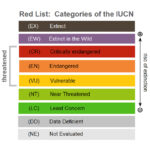
That is the key question driving our work on ‘uplisting’ species considered Data Deficient according to the IUCN Red List Assessment Criteria (See Box 1). The Conservation Planning and Science Unit has been working with experts across different taxonomic groups (Amphibians, Reptiles, and Mammals) to identify Data Deficient species most likely to need protection and enhanced conservation efforts (See Box 2). If a species is ‘uplisted’ to a threat category, then it is afforded some form of protection by law, and its presence must be taken into account during the Environmental Impact Assessment process (See Box 3).

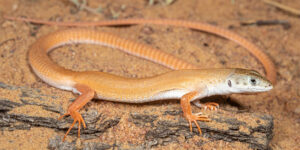
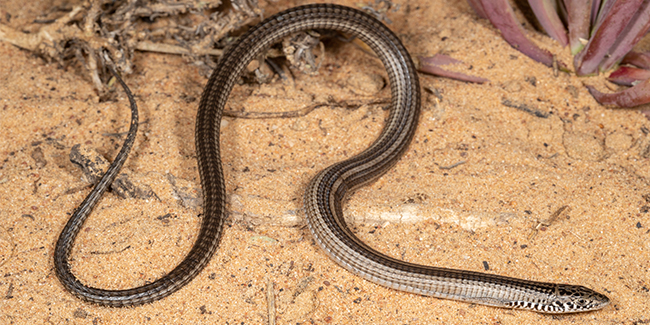
One species identified early on as requiring urgent work was the Orange Sandveld Lizard (Nucras aurantiaca). Sometimes referred to as Lambert’s Bay Sandveld Lizard, the species had only been captured once when farm workers caught two individuals from a location just outside of Lambert’s Bay on the West Coast of South Africa in 2005. Having never seen an animal like it, the farmer sent the specimens to the provincial conservation body, whereafter they arrived at Stellenbosch University, after which it was formally described. Since then, it has only been recorded once – by a   camera trap set up by researchers looking for something else entirely – in 2011 on a farm 20 km northeast of the original locality.

Its apparent scarcity has made it an almost revered species among the Southern African herpetological community. However, the need for more records has more important implications than merely ticking it off one’s ‘lifer’ list. The habitat in which the species is known to occur has undergone substantial historical transformations, much due to agriculture, and in more recent years, a slew of mining developments have occurred along the West Coast. Indeed, in 2022, a right to prospect for phosphate ore was granted that encompassed both known localities. The need to gather the data to uplist the species is thus crucial to ensure it is safeguarded against irresponsible development.

With this in mind, a team of some of the country’s top herpetologists from the South African National Biodiversity Institute (SANBI) and Bayworld Museum joined the EWT for two weeks of intensive surveys in November 2022. Braving the summer heat, storms, and deep sand roads, they employed a combination of pitfall traps, drift fences and active searching to find additional records and information that may shed light on the lizard’s ecology, habitat requirements, and population dynamics. Their hard work was rewarded with three more occurrence records, all from a single site adjacent to the camera trap site where the species was recorded. The data gathered from this survey will be used to conduct an updated Red List assessment later this year, with the likely outcome that the species will be placed in the Vulnerable or Endangered category. Once the assessment has been reviewed, the species will be incorporated into the Environmental Screening Tool and accounted for during subsequent development proposals.

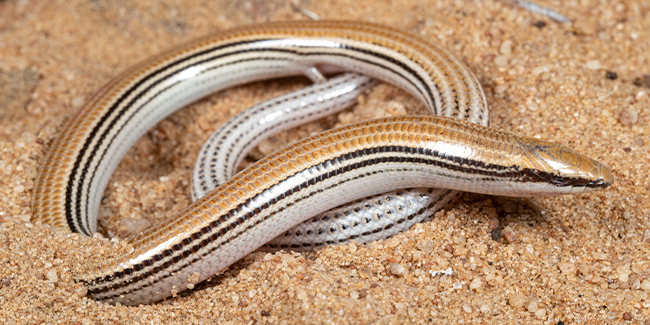
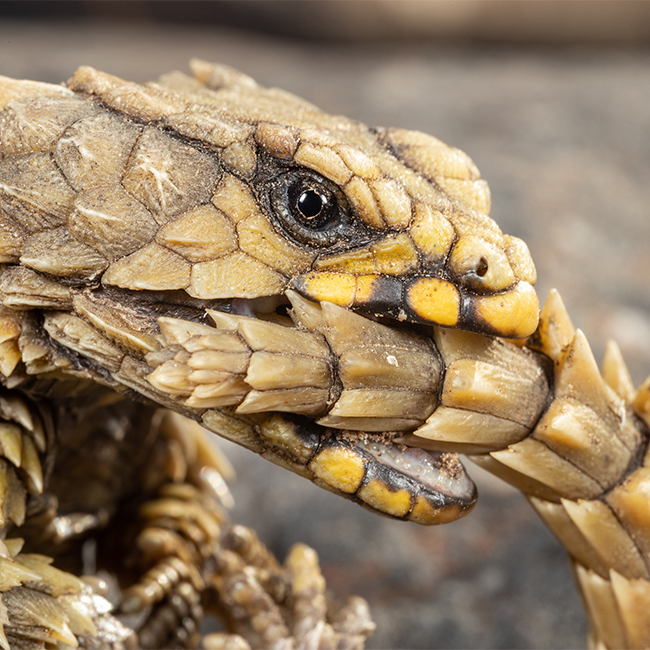
In total, 37 amphibian and reptile species were recorded on this highly successful trip, including species of conservation concern such as the Endangered Kasner’s Dwarf Burrowing Skink (Scelotes kasneri) and the Near Threatened Armadillo Girdled Lizard (Ouroborus cataphractus), as well as a potential range expansion for the Cape Long-tailed Seps (Tetradactylus tetradactylus).

Box 1 IUCN Threat Categories

 The different Red List categories as defined by the IUCN

Established in 1964, the International Union for Conservation of Nature’s (IUCN) Red List of Threatened Species has evolved to become the world’s most comprehensive information source on the global extinction risk status of animal and plant species. Species experts assess species according to set criteria considering population dynamics, ecological and habitat requirements, and past, current and future threats to ultimately assign a species into an extinction risk category.

Box 2: Data Deficient Animals in South Africa

The Data Deficient Orange Sandveld Lizard (Nucras aurantiaca) – photo credit: Chad Keates

“Data Deficient” is an IUCN Red List Category assigned to species where there is not enough information to conduct an extinction risk assessment. Listing of species in this category indicates that more information is required and acknowledges the possibility that future research will show that threatened classification is appropriate. In South Africa, there are currently seven Mammal, five Amphibian, seven Reptile, and one Butterfly species listed as Data Deficient.

Box 3: Environmental Screening Tool

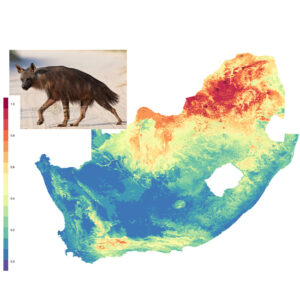
An example of a species distribution model – Brown Hyena (Parahyaena brunnea) – which informs the Environmental Screening Tool Animal Layer

The National Environmental Screening Tool is an online tool which contains, amongst other things, spatial information on the distribution of plant and animal species of conservation concern, that is regionally listed as Vulnerable, Endangered, or Critically Endangered according to the IUCN criteria. By law, the tool must be used in the screening process for any proposed development in the scoping phase of the Environmental Impact Assessment process. The EWT collaborated with SANBI and Birdlife South Africa to create and collate the animal and plant layers used in the tool.

The EWT would like to thank the Anglo-American Foundation for funding this project, our expert collaborators (particularly Dr Krystal Tolley at SANBI and Werner Conradie from Bayworld Museum), and of course, the landowners for kindly allowing access to their properties, supporting our work, and being at the forefront of protecting the biodiversity of the region.   

Getting fired up for frogs

Getting fired up for frogs

Getting fired up for frogs


A novel approach to conserving a Critically Endangered frog

Alouise Lynch, Bionerds PTY Ltd.


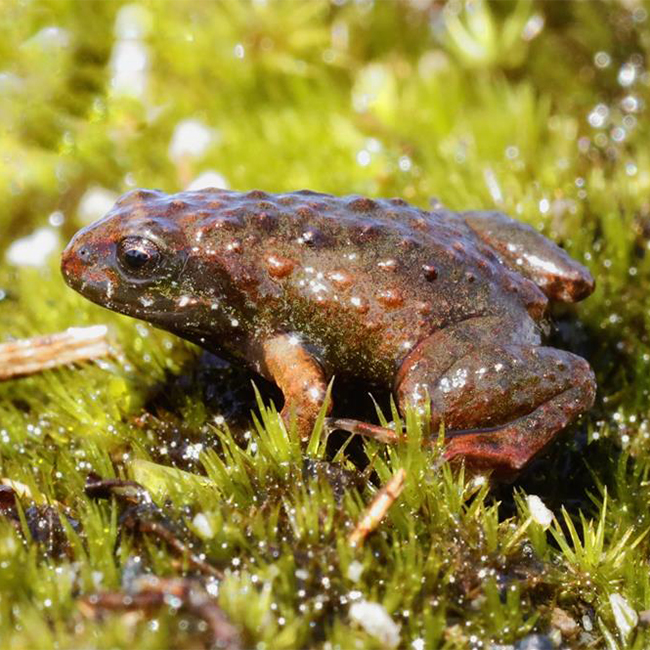
Amidst a field of agricultural development, the Klein Swartberg Mountain towers above the town of Caledon in South Africa’s Western Cape Province. This lone mountain is home to the only known populations of the Critically Endangered (IUCN Red List 2016) Rough Moss Frog (Arthroleptella rugosa), an amphibian species restricted to this mountain. For this reason, the mountain was deemed an Alliance for Zero Extinction Site in 2017.

The Alliance for Zero Extinction (AZE) is a joint initiative of biodiversity conservation organisations from around the world working to prevent extinctions by promoting the identification and ensuring the safeguard and effective conservation of key sites that are the last remaining refuges of one or more Endangered or Critically Endangered species.

Alliance for Zero Extinction website, July 2023

Bionerds have been implementing this project for the Endangered Wildlife Trust since 2019. The Endangered Wildlife Trust’s (EWT) Threatened Amphibian Programme (TAP) Conserving Threatened Frogs of the Western Cape  Project includes the Rough Moss Frog as a species of conservation concern given its restricted range. Furthermore, it still faces grave threats within this range, including habitat loss caused by alien invasive plants and frequent unplanned fires, which have led to a severe population decline (IUCN Red List 2016). Long-term acoustic monitoring by Cape Nature and Stellenbosch University documented this decline categorically, showing how the type (original) population had all but disappeared completely.

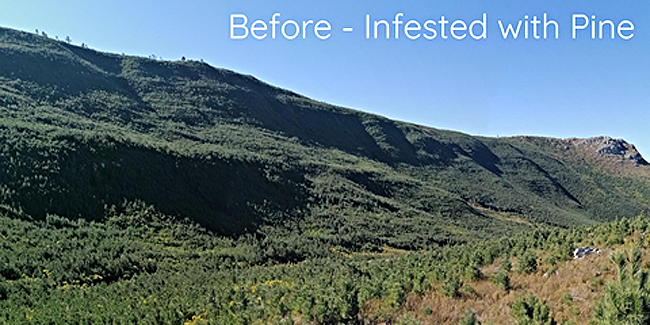
During our surveys in May 2020, a marching forest of alien vegetation, mostly Pine, was observed engulfing the then-only known populations of Rough Moss Frogs. It became evident that rapid intervention was needed to save and secure these populations. Unfortunately, the Covid-19 epidemic halted all efforts to implement interventions in 2020.

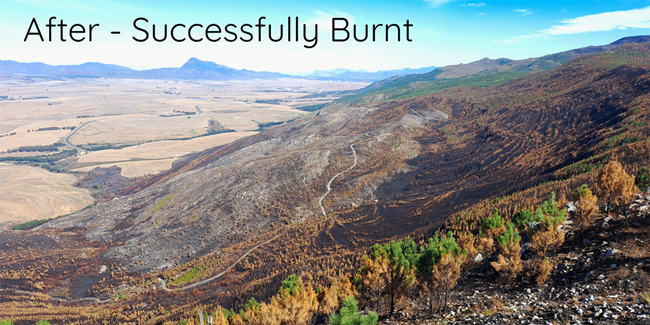
In 2021, the project was awarded a Rapid Action Grant from the IUCN Save Our Species fund and the European Union. This grant enabled us to create a firebreak around the Rough Moss Frog populations. We had limited time to implement this burn because the pine trees were starting to cone, and we had to act hastily to prevent another season for them to set seed. In March 2022, we worked with the local conservancy and landowners to implement a controlled ecological fire – the first time globally that prescribed fire was used as a management tool to reduce alien invasive vegetation threatening a frog species from extinction.

The Overberg District Municipality Fire Department and the Greater Overberg Fire Protection Association oversaw the burn and did a sterling job of ensuring all possible precautions were taken for the implementation of the burn, all permits were issued, and on the day, all hands were on deck to start, maintain, and close off the burn. Unfortunately, unforeseen windy conditions developed late in the day and the fire managed to break through several points and burnt a larger section of the mountain than was planned. Over 4,000 hectares were burnt, which is good news for pine eradication efforts but requires carefully planned follow-up management over a larger area. Bionerds have assisted with this through drone-mapping of priority areas.

A site visit following the fire in April 2022 confirmed the presence of Rough Moss Frogs, and in July 2022, we were relieved to hear the species calling at the sites of all known populations. In May 2023, multiple individuals were heard in an area where none were heard or recorded before the fire. During subsequent surveys, we discovered numerous additional populations of this species across the mountain – a big win for the project and the species!

This year, between July to September-  the coldest and wettest months– when these frogs breed, we will implement acoustic surveys to determine the presence or absence of Rough Moss frogs in all previously recorded sites. These surveys use three audio devices called Song Meters – a six-microphone array deployed at each population site for roughly an hour per site. The arrays record all frog calls during that period, and we can then use the audio file to estimate density and determine how many Rough Moss Frogs are present in each specific population at that specific time. We will be doing this for five years, each breeding season, to determine the effectiveness of the fire on the preservation of the sites, as well as capturing the rate of recovery of the frog populations at each site.

The landowners that are part of the Klein Swartberg Conservancy all support the protection of this species – and Bionerds and the Fynbos Trust have developed an alien clearing plan to guide the clearing of alien invasive vegetation from the mountain over the next decade. This alien vegetation clearing operation across the mountain creates jobs for local people from the Caledon area. This project is challenging, but we are positive and excited about the future of this tiny frog due to multiple partners working together towards protecting the species and its important fynbos habitat.

This project is funded by the IUCN Save Our Species and the European Union. The IUCN Save Our Species aims to improve the long-term survival prospects of threatened species. It also focuses on supporting the species’ habitats and working with the communities sharing this habitat. It achieves success by funding and coordinating conservation projects across the globe. The Member States of the European Union have decided to combine their know-how, resources, and destinies. Together, they have built a zone of stability, democracy, and sustainable development whilst maintaining cultural diversity, tolerance, and individual freedoms. The European Union is committed to sharing its achievements and values with countries and peoples beyond its borders.

Poisoned vultures take to the sky

Poisoned vultures take to the sky

Poisoned vultures take to the sky

Emily Taylor, the EWT’s Communications Manager

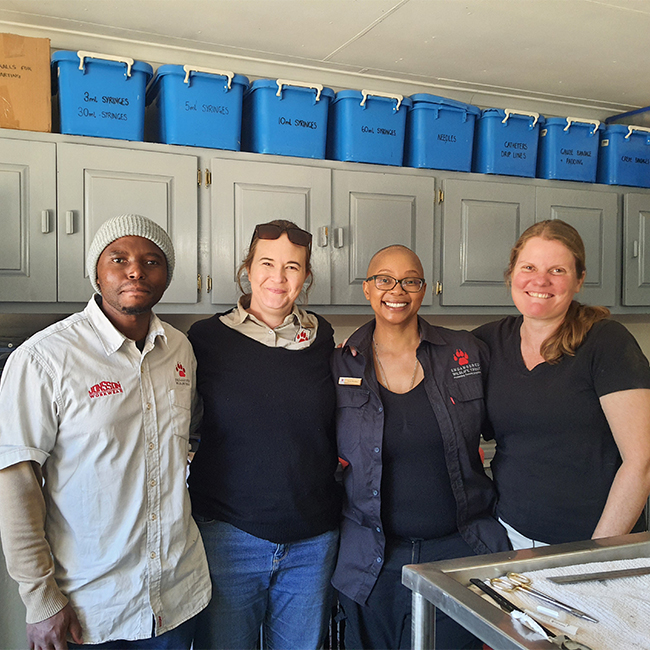
While we endeavour to bring our audiences positive conservation news, it is important that we also bring attention to conservation challenges and grave news. As the Endangered Wildlife Trust’s Communications Manager, I hear the good and the bad, and it’s my job to pass on the information to our supporters and to ensure that we increase awareness around the challenges our threatened species face and how we can all overcome them. The Endangered Wildlife Trust’s Support Service staff don’t get to go out into the field as often as we would like, but this time, my colleagues Sizie Modise (Head of Marketing) and Lesego Moloko (Governance Manager) and I did, and I could write the story first-hand. While I was not present at the events leading up to the moments I witnessed, they were devastating and in need of urgent attention, so I will give some background before I tell my tale.

Background

It can be bad out there, and our field officers are on the frontline of a critical battle we are fighting against the indiscriminate poisoning of our wildlife. The Great Limpopo Transfrontier Conservation Area (GLTCA), which includes the Kruger National Park and surrounding reserves, is a landscape rich in biodiversity, and vultures play an integral role in the functioning of its ecosystems. It is also a high-risk area for wildlife poisoning, with at least 796 vultures across five threatened species killed in the area since January 2019. In the GLTFCA, vultures are often poisoned and harvested for their body parts for use in traditional medicine. They also regularly fall as the unintended victims for poisons left out for other wildlife such as lions, hyaenas and leopards, which are also targeted and slaughtered for their body parts, or because they threaten local livestock.

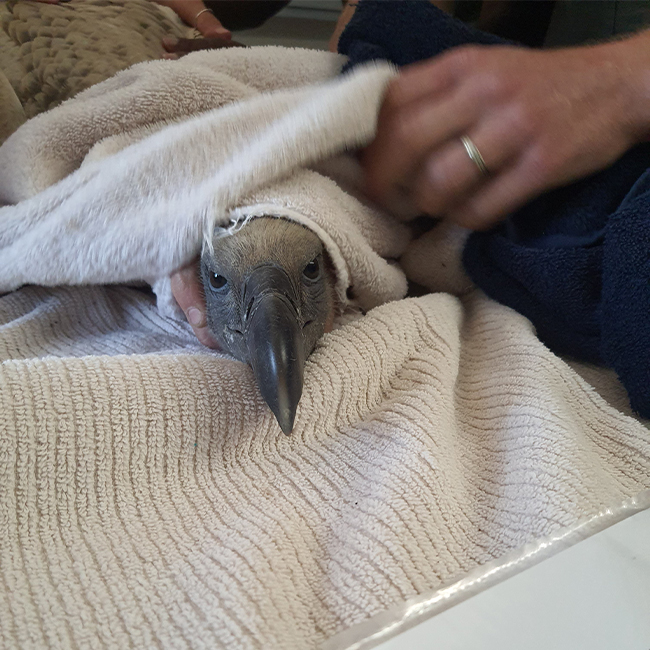
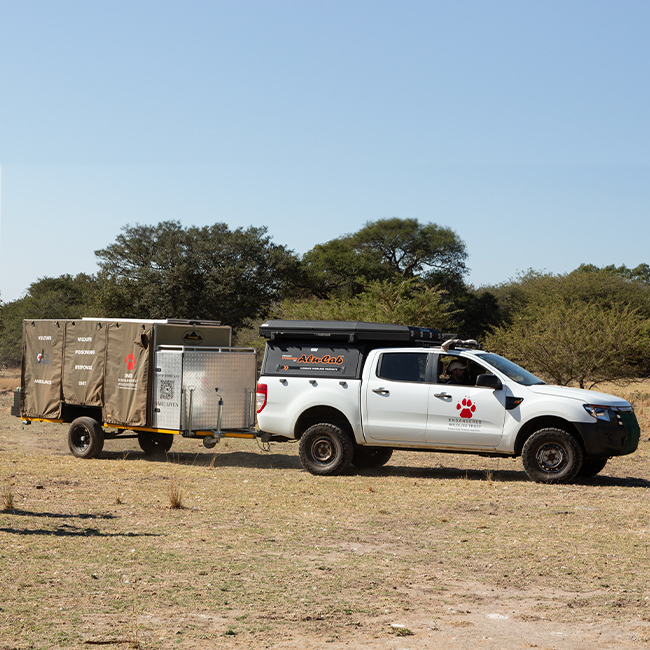
At 14:50, on Youth Day (16 June), the Endangered Wildlife Trust (EWT) Birds of Prey Programme Lowveld team, John Davies and Dr Lindy Thomson, responded to a call regarding a wildlife poisoning incident on a reserve in the Greater Kruger area. They were on the road in ten minutes and arrived just before sunset at a dismal scene with one dead and two live White-backed Vultures in grave condition. The team loaded the two surviving birds into crates in the EWT’s custom-made Vulture Ambulance and rushed them to Moholoholo Wildlife Rehabilitation Centre near Hoedspruit – arriving at 11 pm.

The rescue

Determined that there were more lives to save, John and Lindy returned with the ambulance at 4 am the following day and, joined by SANParks rangers, Honorary Rangers, and Dr Joel Alves and Isabella Grünberger from WildScapes Veterinary and Conservation Services, they scoured the area for six hours, discovering and bringing more survivors back to the ambulance for treatment as they were found.

The main poisoning scene was deep in the bush, and after the vet, Dr Joel Alves and the EWT’s John Davies treated each bird on site, a team member then carried the birds 3 km to where the Vulture Ambulance was parked. Another six vultures (one Hooded, one Lappet-faced, and four White-backed vultures) were critical but still alive. Sadly 45 vultures, a Bateleur Eagle, a lion, and three lion cubs did not survive the poisoning. The surviving birds were safely delivered to the Moholoholo Wildlife Rehabilitation Centre for treatment and rehabilitation in the capable hands of Dr Jess Briner and the Moholoholo Clinic team.

The release

The eight rescued vultures that survived a mass poisoning incident in June, including six White-backed Vultures, one Lappet-faced Vulture, and one Hooded Vulture, were released back into the wild on 1 July 2023 after being successfully treated and rehabilitated over two weeks. I was honoured to be at the release of these rehabilitated birds in person on Saturday, 1 July 2023. It is humbling to see not only the resilience and grace of these magnificent birds but also the passion, determination, and care the EWT and the Moholoholo Clinic team show while saving their lives. We got there at around 10 am and were shown to the clinic where the vultures were being prepared for their return to the skies. We all got stuck in – immersing ourselves in as much of the process as possible to truly understand and appreciate it. It’s not easy work, and we got to see the easiest part.

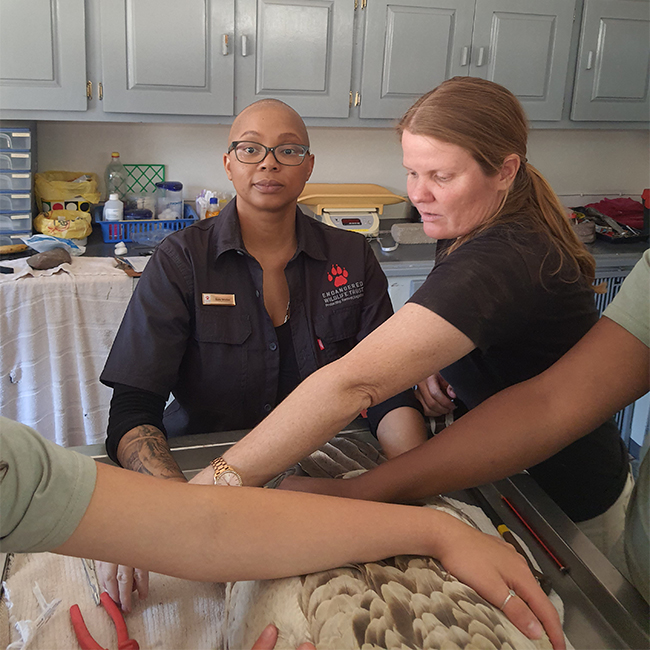
One after the other, the birds were brought through to the clinic, fitted with leg rings for identification purposes and their tracking devices – lightweight, solar-powered devices that have been custom-made for the EWT to ensure they are long-lasting, do not cause the birds any discomfort, and are able to transmit accurate location and flight path data of the birds post-release. This data will allow the EWT to monitor their movements and safety once they are released.

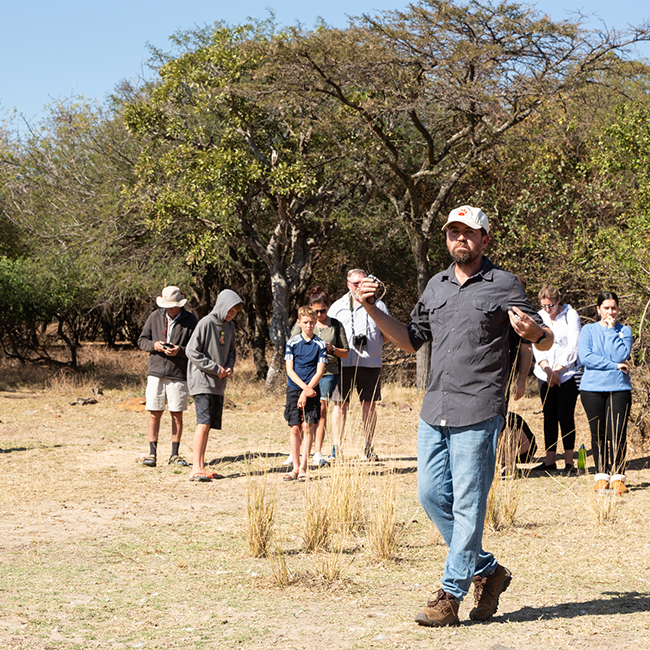
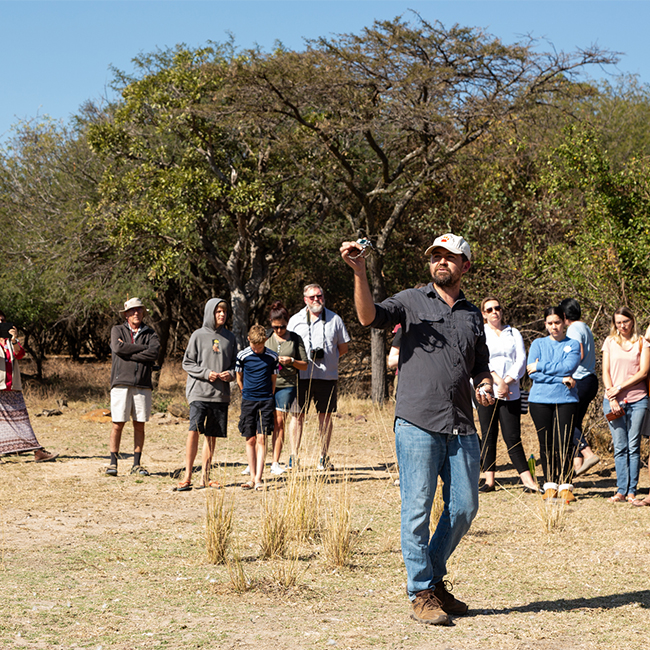
When all of the birds were prepared and loaded into the vulture ambulance, we headed to the Moholoholo Vulture Restaurant nearby, where we would send the birds on their way. These events are important opportunities for education and awareness raising, and so there were invited guests to witness the release. John Davies from the EWT’s Birds of Prey Programme gave a talk on the essential role vultures play in ecosystems, the threats they face, and the necessary role of organisations like the EWT and Moholoholo Wildlife Rehab Centre in the long-term survival of our wildlife.

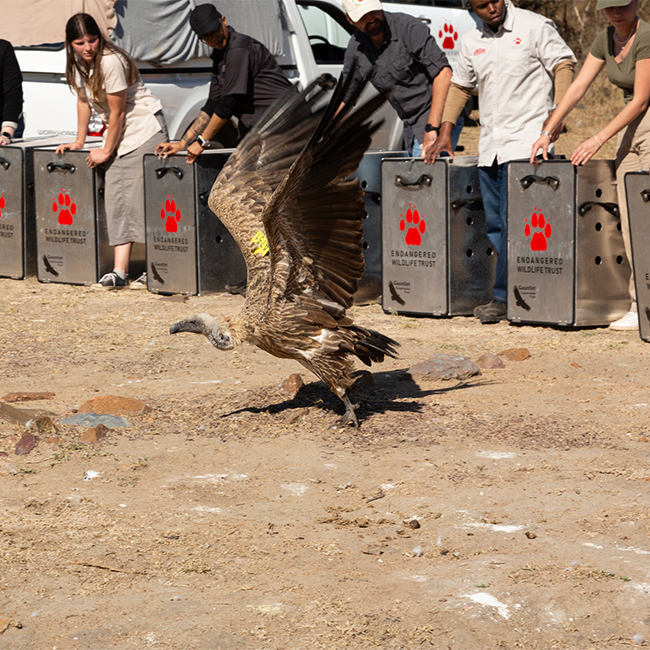
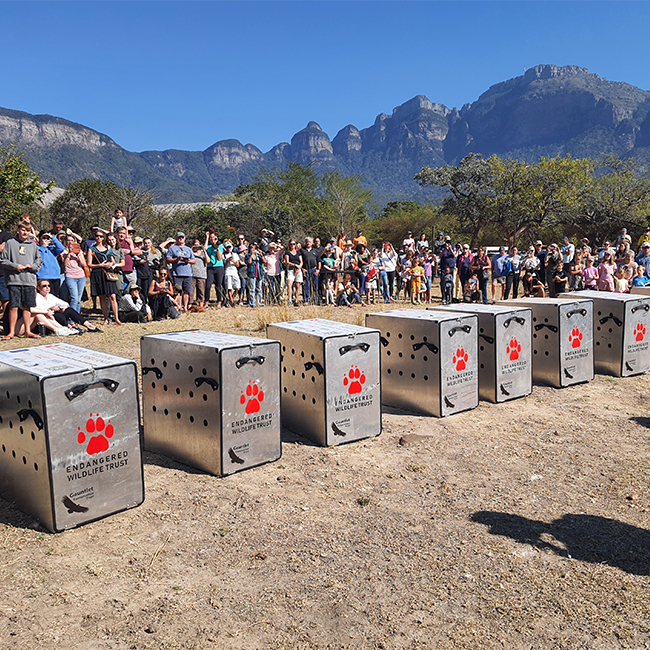
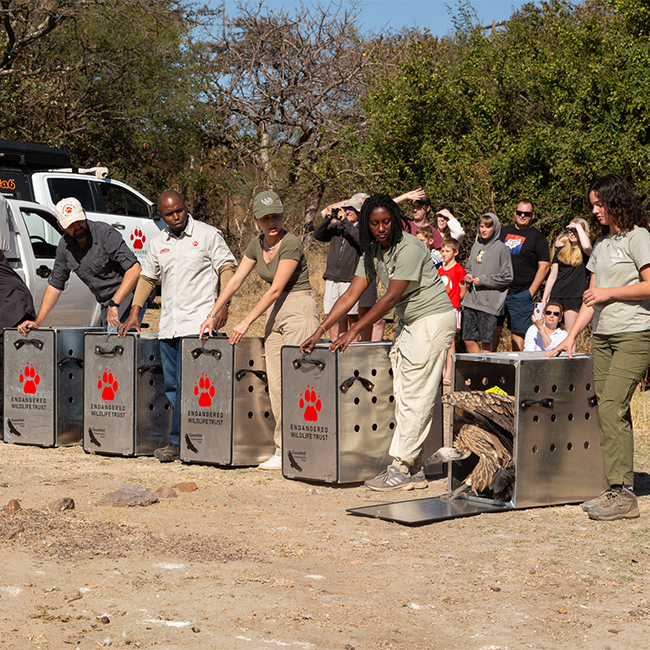
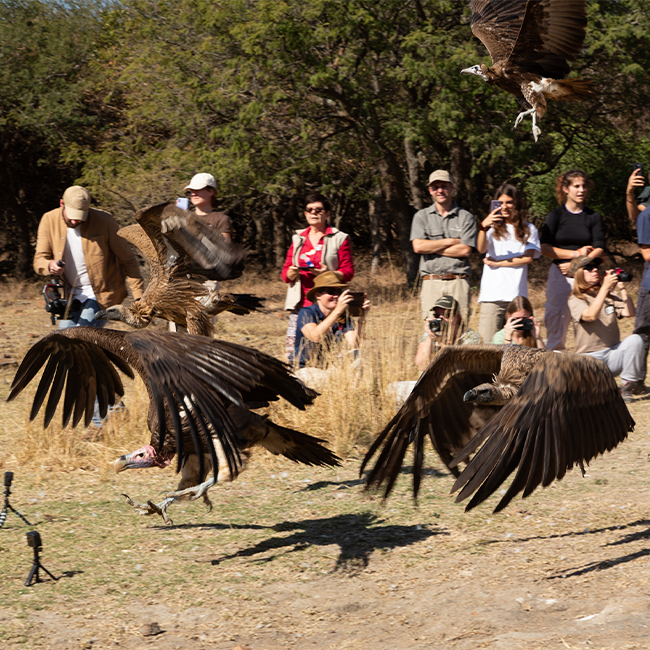
We then put meat out nearby to attract wild birds before unloading the crates and lining them up in sight of the food. One by one, we opened the crates, and in the blink of an eye, they were out. I opened one of the crates, and I could feel the wind from their powerful wings as they took to the sky.

I think that it must be quite stressful being in a cage for a few weeks when you’ve been a wild bird all your life. So I think they do get a little bit stressed, but with this release, what we did today at the Moholoholo Vulture Restaurant, we put food down and waited for the wild birds to come down and then opened the crates so that the released birds can see their buddies flying in the sky dropping down towards the food, and they join them.

Dr Lindy Thompson, the EWT Birds of Prey Programme

It is not only the release of the vultures that is critical. It is also important to monitor their movements using their tracking devices. The GPS data allows us to see where the birds are travelling and respond to any indication of unusual behaviours, such as immobility, for longer than normal periods, particularly in areas we know are at high risk for wildlife poisoning.

We have to evolve with the threats to vultures and with the situation around us, and technology and innovation are absolutely critical to this. From tracking birds across vast expanses using GPS telemetry to ensuring more poisoned birds make it to the rehabilitation centre in time using the vulture ambulance, which in the past has just not been available to people in severe situations dealing with many birds.

John Davies, the EWT Birds of Prey Programme

The tracking devices fitted to these vultures started transmitting immediately, and when we downloaded the data just a few days after the birds were released, we were astounded. It’s incredible to see the distance the vultures can travel in such a short time, especially when these birds were gravely ill from poisoning just three weeks ago! You can see a video showing these movements here.

From seeing the passion and dedication on the faces of our colleagues to feeling the wind from their wings as birds take flight – these experiences are what inspire us, give us hope, and keep us going in the fight against threats to our wildlife.

Umgavusa Protected Environment

Umgavusa Protected Environment

Umgavusa Protected Environment

The Heart of Community-Based Conservation

Cherise Acker, the EWT’s Threatened Amphibian Programme

Umgavusa Protected Environment lies in the area surrounding the small town of Gingindlovu. Although small, Gingindlovu has a rich cultural heritage attributed to the Battle of Ndonkakusuka, in which King Cetshwayo won the struggle over his brother Mbulazi for the Zulu throne in 1856. Gingindlovu, meaning “The place of he who swallowed the elephant”, was named by King Cetshwayo in honour of his victory. In 1879, King Cetshwayo faced another battle against the British troops. This time, however, King Cetshwayo’s army did not claim victory and was defeated by the British, after which Ginginglovu was placed under colonial rule.

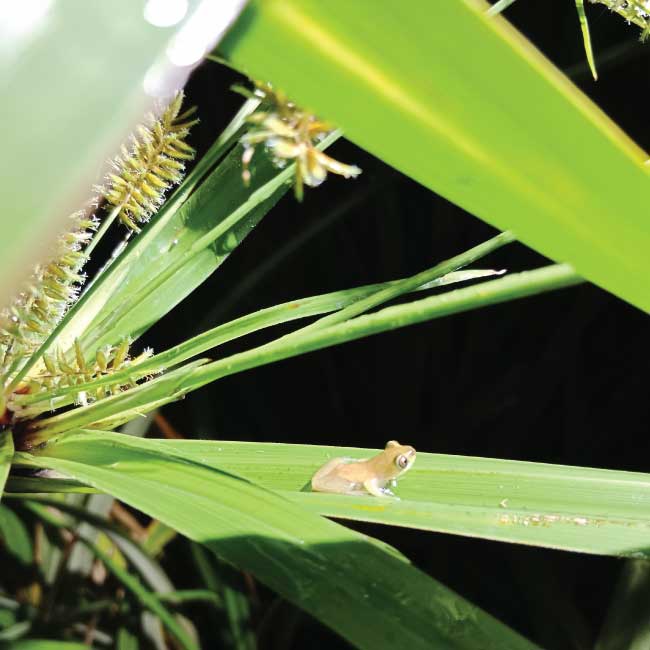
Today, the now peaceful community of Gingindlovu farms extensively in the area where generations of farming families have forged a close-knit community with a passionate appreciation for their community and environment, knowingly safeguarding future generations. One local farmer, Ian Johnson, tracked the EWT’s Cherise Acker-Cooper to a parking lot in Nyoni, where she was working with local teams clearing invasive alien plants. Ian’s curiosity to identify a ‘Mystery Frog’ he had recently photographed in a reedbed on his farm spurred his eager pursuit. From a picture on Ian’s phone, the ‘Mystery Frog’ was confirmed to be the Endangered Pickersgill’s Reed Frog, known to occur exclusively along a narrow band along the KwaZulu-Natal coastline. Ian’s excitement of knowing that his farm was home to this KZN endemic frog led him to report the record to the local Environmental Committee. Subsequently, the chair of this committee, Mr Ashton Musgrave, invited Cherise to present at their November 2019 committee meeting so they could learn not only of Pickersgill’s Reed Frog but the importance of amphibians and their conservation.

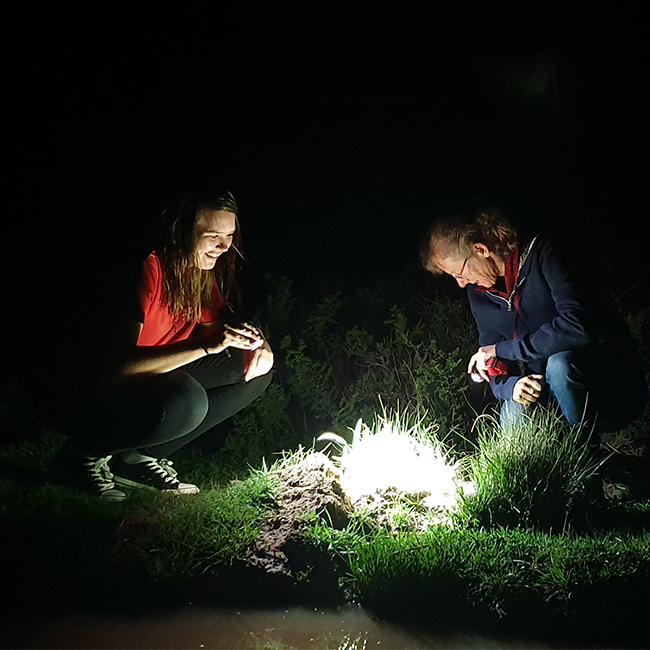
It was during this presentation and the resulting acknowledgement of the plight for amphibian conservation in South Africa that four local farmers (Mr Ashton Musgrave, Mr Jonathan Saville, Mr Bret Arde and Mr Jonu Louw) banded together and asked Cherise to visit their farms to determine if the Pickersgill’s Reed Frog was present on their farms. Song meters were rotated among the farms, followed by careful listening to hours of recordings until the Pickersgill’s Reed Frog’s quiet but distinctive call was confirmed by the EWT’s Threatened Amphibian Programme Manager, Dr Jeanne Tarrant.

Confirming their presence was enough for these enthusiastic farmers, who were keen to ‘do the right thing’ and protect them to ensure their continued presence. In this spirit, the farmers keenly agreed to pursue formally declaring the habitat of the Endangered Pickersgill’s Reed Frog as a Protected Environment through the Biodiversity Stewardship Process in 2020. However, the journey of declaration, led by Cherise, was not an easy route. Despite the numerous bends along the way, including COVID-19, the social unrest in July 2021, and the April 2022 floods, KZN MEC formally declared the Umgavusa Protected Environment from the Department of Economic Development Tourism and Environmental Affairs, Honorable Mr Siboniso Armstrong Duma, on 25 May 2023. It is the first protected area we have declared to conserve the Endangered Pickersgill’s Reed Frog and its habitat, but it won’t be the last!

The infectious drive for amphibian conservation by these local frog conservation pioneers has awakened a love for frogs and frogging within the community, who have flocked to the Umgavusa Protected Environment to catch a glimpse of the diminutive Endangered Pickersgill’s Reed Frog.

It is not just frogs that these farmers are enthusiastic about. They work tirelessly to rehabilitate wetlands, clear and maintain watercourses from invasive alien plants, and support student research on the abundant wildlife that inhabits the area. These initiatives are driven by their innate love for their environment, and it is through this that the heart of community-based conservation offers enormous opportunities towards securing the biodiversity and cultural heritage of South Africa for all.

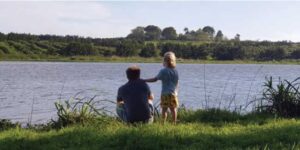
Mr Ashton Musgrave and his son enjoying their piece of the Umgavusa Protected Environment.

Thank you to our partners, Conservation Outcomes and Ezemvelo KZN Wildlife, and to Rainforest Trust and Synchronicity Earth for supporting the project.