Help African Wild Dogs 

Donate today  

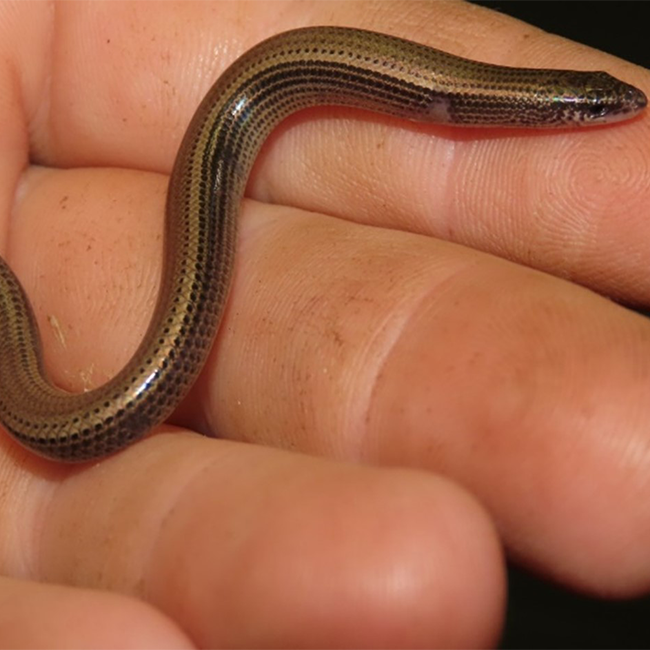
EWT receives R478 892 to revive Durban’s Critically Endangered Dwarf Burrowing Skink

EWT receives R478 892 to revive Durban’s Critically Endangered Dwarf Burrowing Skink

EWT receives R478 892 to revive Durban’s Critically Endangered Dwarf Burrowing Skink

The Endangered Wildlife Trust’s Threatened Amphibian Programme has received $25 000 from the Mohamed bin Zayed Species Conservation Fund to support a project to revive Durban’s Critically Endangered Dwarf Burrowing Skink at a key habitat site within the species restricted range.

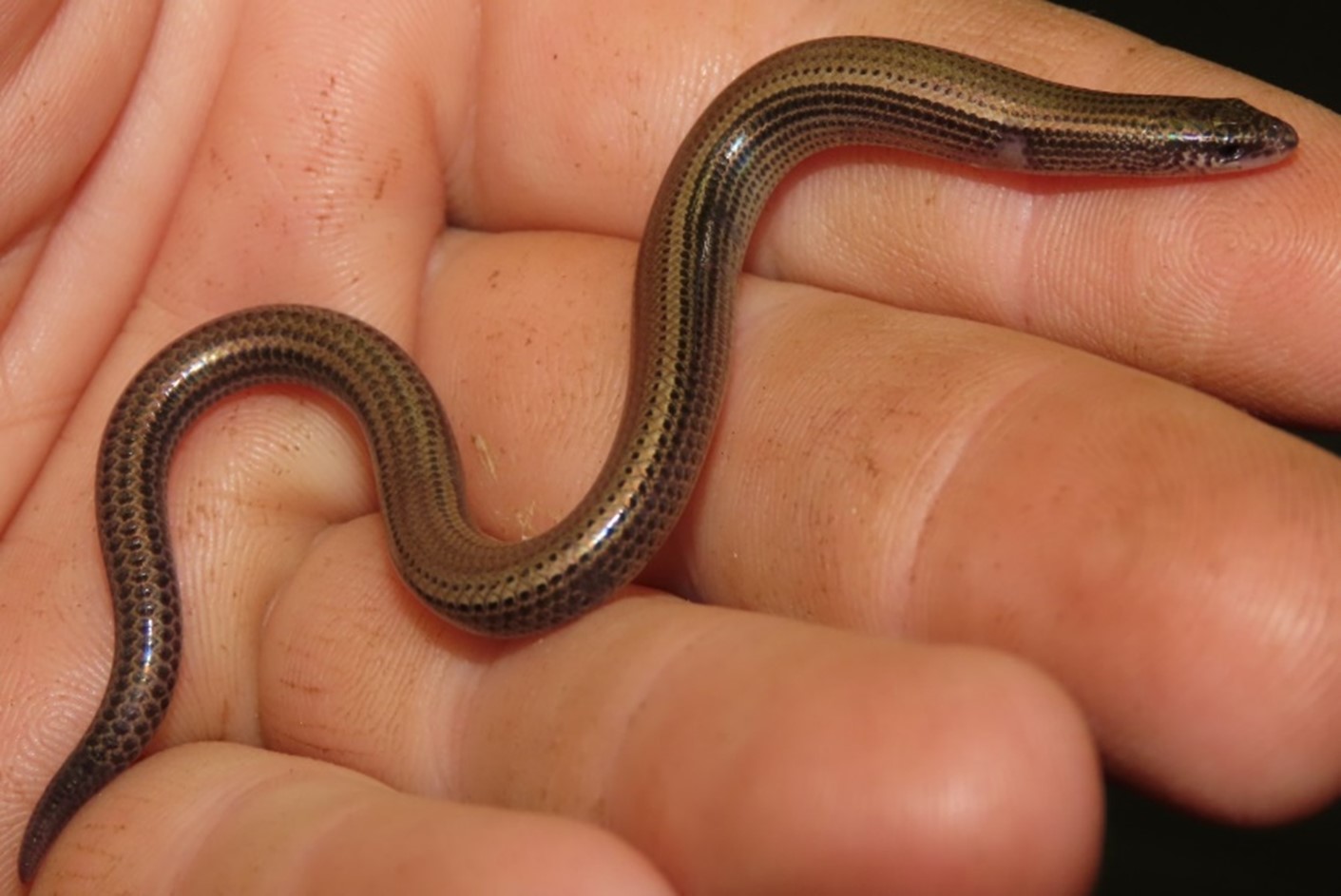
The Durban Dwarf Burrowing Skink (Scelotes inornatus) – primarily a fossorial limbless species – is one of South Africa’s most threatened reptiles. The aim of the project, which starts on 1 March 2024, is to safeguard the last known stronghold of Durban Dwarf Burrowing Skinks, ensuring the viability of species into the future.

The EWT’s Threatened Amphibian Programme (TAP) is the only NGO programme operating in South Africa to include frogs as a conservation focus. Using threatened frog species as flagships for the conservation of important freshwater and terrestrial habitats, a species and habitat monitoring exercise has been implemented alongside initiating habitat protection strategies at key amphibian areas, improving management of important amphibian habitat, using research to support conservation action, and promoting social change to galvanise behavioural change towards frogs and to recognise the importance of their habitats in South Africa.

More recently the EWT’s approach has broadened to include reptiles. The project to revive Durban’s Dwarf Burrowing Skink follows a similar initiative to protect vital habitat for the Endangered Albany Adder. The project to revive the Skinks will focus on a reptile confined to the Durban area.

Historically, it is thought that the species could be found throughout Durban’s coastline. However, the species is on the brink of extinction due to a series of anthropomorphic challenges. The historical population north of Durban is believed to be extinct, and remaining surviving populations to the south are scattered over several extremely small habitat fragments (ranging from 0.01 – 1.7 km2) and totalling a mere 5 km2. As a result of this limited distribution, the species is referred to as a ‘micro-endemic’.

Between 2015 and 2018, the EWT’s Threatened Amphibian Programme (TAP) carried out a substantial invasive plant-clearing initiative. Approximately 310 hectares of invasive plants within the coastal dune areas of Durban, including the should-be Critically Endangered Sandy Coastal Belt Grassland where the Burrowing Skink resides, have been cleared and maintained. This habitat restoration work has contributed to improving the conditions for the species, but more work is required.


In 2018, a crucial partnership emerged between Ezemvelo KwaZulu-Natal Wildlife (EKZNW), the provincial conservation authority, and the Pan African Association of Zoos and Aquaria (PAAZA)-accredited Johannesburg Zoo to breed the species in captivity to bolster the number of individuals. The project will help ensure the survival of reintroduced animals back to their natural range. This is expected to contribute to existing conservation efforts, leading also to the reintroduction of S. inornatus to protected sites, including Treasure Beach. Similarly, the EWT has previously worked with Johannesburg Zoo to successfully reintroduce the Endangered Pickersgill’s Reed Frog to wetlands through the Durban metro.

Treasure Beach falls within the National Protected Areas Expansion Strategy and neighbours the Bluff Nature Reserve, a 45-hectare formally protected area. Merging Treasure Beach with Bluff Nature Reserve to formally protect the entire area would effectively increase the protected area by 86 hectares and secure S. inornatus populations.

Merging with Bluff Nature Reserve would allow for ongoing management of the entire area by EKZNW, the management authority for Bluff Nature Reserve. In addition, through the established S. inornatus Task Team, partnerships between eThekwini Municipality and EKZNW will be formalised to further support continuous management of the area.


Tales from the Field:  EWT Conservation Campus Takes Bold Steps for Pompom Weed Eradication

Tales from the Field: EWT Conservation Campus Takes Bold Steps for Pompom Weed Eradication

EWT Conservation Campus Takes Bold Steps for Pompom Weed Eradication

Dr Kerushka Pillay, the EWT’s CONSERVATION PLANNING AND SCIENCE UNIT

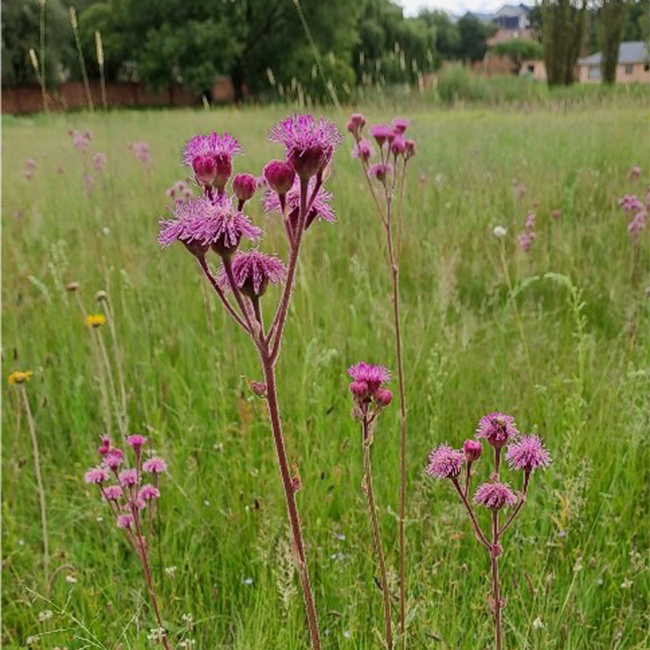
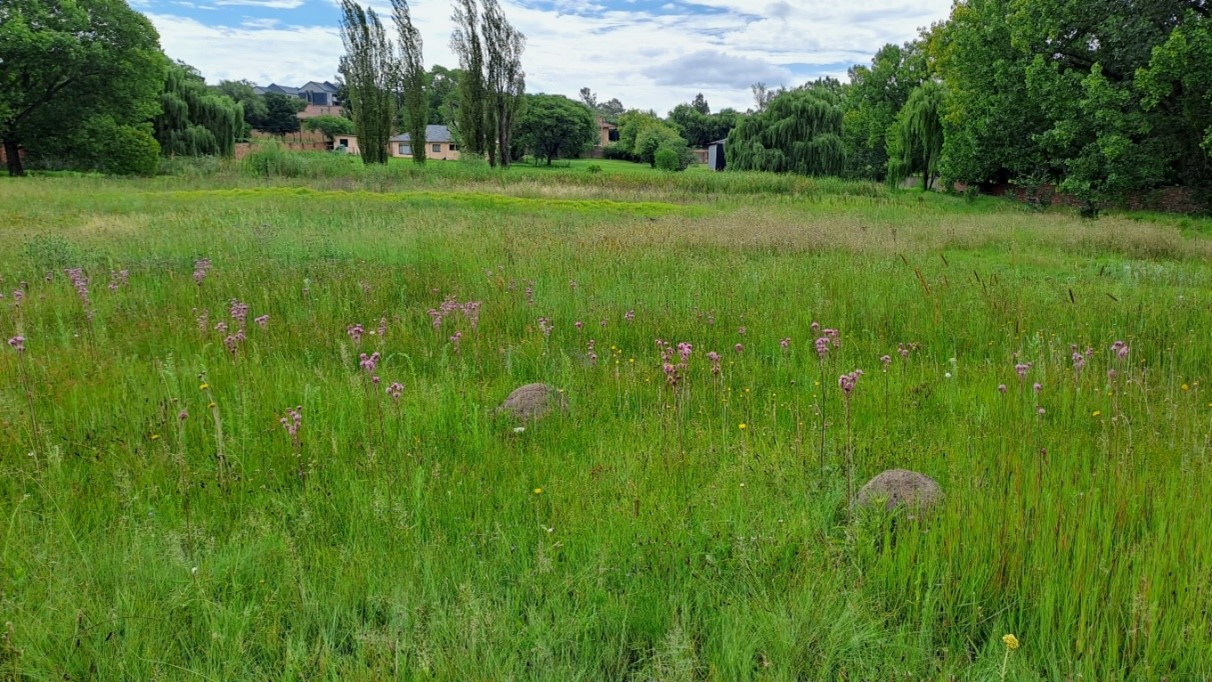
In the heart of Glen Austin, Midrand, the EWT Conservation Campus is leading the charge against the invasive Pompom weed (Campuloclinium macrocephalum), aligning with our commitment to biodiversity preservation and ecosystem health.

The Pompom weed, native to Central and South America, has become a significant concern in South Africa. The plant has been classified as invasive under stringent legislation such as the Conservation of Agricultural Resources Act (CARA), 2002, and the National Environmental Management Act (NEMBA).


The invasive Pompom poses a severe threat to our local ecosystem, particularly in grassland regions of Gauteng, KwaZulu-Natal, Limpopo, Mpumalanga, and the Eastern Cape Provinces. Leading by example in efforts to address this, the EWT Conservation Campus has implemented a comprehensive and innovative long-term eradication plan, focusing on the strategic removal of Pompom weed from our property.

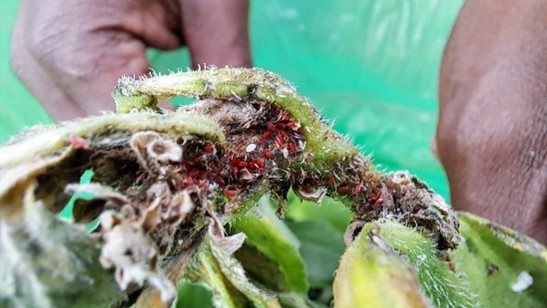
As part of our commitment to sustainable practices, we have introduced a biocontrol strategy utilising the Pompom thrips (Liothrips tractabalis), tiny insects imported from Argentina. Carefully studied and proven to feed exclusively on Pompom weed, these thrips were released on our grasslands in December 2023. Thrips play a vital role by selectively feeding on Pompom, causing damage to its vital structures, and impeding its growth. This targeted approach minimises the impact on non-target species, promoting a balanced ecosystem.


In collaboration with the Agricultural Research Council (ARC), our team will conduct regular assessments to measure the thrips’ impact on Pompom populations and overall ecosystem health. This initiative not only showcases our dedication to biodiversity preservation but also highlights the strength of interdisciplinary collaboration.

In the past, the EWT team, under the leadership of Obeid Katumba (Wildlife in Trade Programme), commenced a physical, manual removal process to kickstart Pompom eradication efforts. This involved cutting seed-containing plant sections, placing them in bags, and uprooting remaining plants. Thorough disposal through incineration was done, emphasising the urgency for effective control, especially in highly infested areas.

Our ongoing efforts, including the introduction of eco-friendly biological control, signify our commitment to long-term environmental health and sustainability. We anticipate updates on the project’s success and encourage stakeholders to reach out with any questions or queries regarding the Pompom eradication plan. For further information, please contact Dr Kerushka Pillay at KerushkaP@ewt.org.za or on 0727193741.


Birds of Prey Programme co-hosts Veterinary Poisoning Response Training in Botswana

Birds of Prey Programme co-hosts Veterinary Poisoning Response Training in Botswana

Birds of Prey Programme co-hosts Veterinary Poisoning Response Training in Botswana

Wildlife poisoning, a pervasive and insidious threat, casts a dark shadow over ecosystems worldwide, exacting a toll on biodiversity, human health, and ecosystem integrity.

Defined as the deliberate or inadvertent use of toxic substances to kill or harm wildlife, this practice poses a significant challenge to conservation efforts and environmental sustainability. Although the impact of wildlife poisoning is vastly under recorded, its repercussions often extend far beyond the intended targets, affecting non-target species, ecological processes, and human communities.

The Birds of Prey Programme, for many years, has strived to reduce the toll this is having on not only birds of prey, but all species that are affected by this pervasive, yet under managed threat. One of the key shortfalls identified has been the inadequate response to these incidents by conservation staff, not only for reducing further exposure to wildlife but also relating to the veterinary treatment and management of live animals that may be found in these incidents. Considering that wildlife poisoning almost always presents as mass casualty scenarios, it is critical that the correct structures are already in place, all veterinarians understand the species-specific treatment regimen, and that this is followed by a timeline plan for patient recovery, assessment, and release.

With all this in mind, Dr Gareth Tate and John Davies from the EWT’s Birds of Prey Programme, and Dr Jessica Briner from Briner Veterinary Services, teamed up with Dr Glyn Maude from Raptors Botswana, and Kyle Burger from Connect Trust, to host the first veterinary treatment workshop in Botswana.

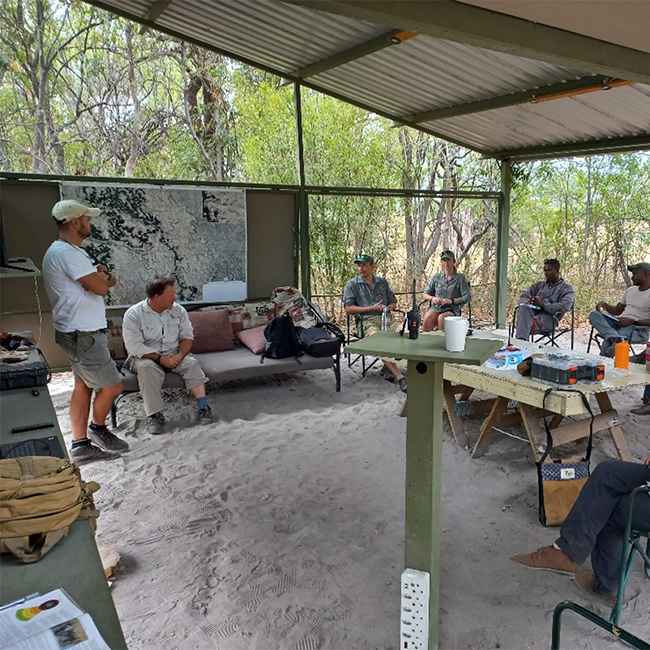
The course was held over two days in the southern part of the world-renowned Okavango Delta and was attended by seven veterinarians, mostly from the Botswana Department of Wildlife and National Parks. The course focussed on three main areas: firstly, presenting a background to the current situation with wildlife poisoning; secondly, how to treat and manage patients in a practical and effective way; and thirdly, scene management to reduce any further exposure and ensure that these events are handled and managed in a controlled manner.

Overall, the course was very successful, and in particular, we would like to thank Kyle Burger from Connect Trust for all his work to get these veterinarians together and make this a success.
Although this was a first step in the process, there is little doubt that there is much more work to be done. Fortunately, with the support of our collaborators, there is little doubt that improving the current outcome around mass wildlife poisoning events is in reach. Hopefully, we can look forward to seeing a sky filled with vultures in the near future. Our hope is that vultures will one day be seen as one of nature’s critical species by all people.


EWT’s very first Padel day

EWT’s very first Padel day

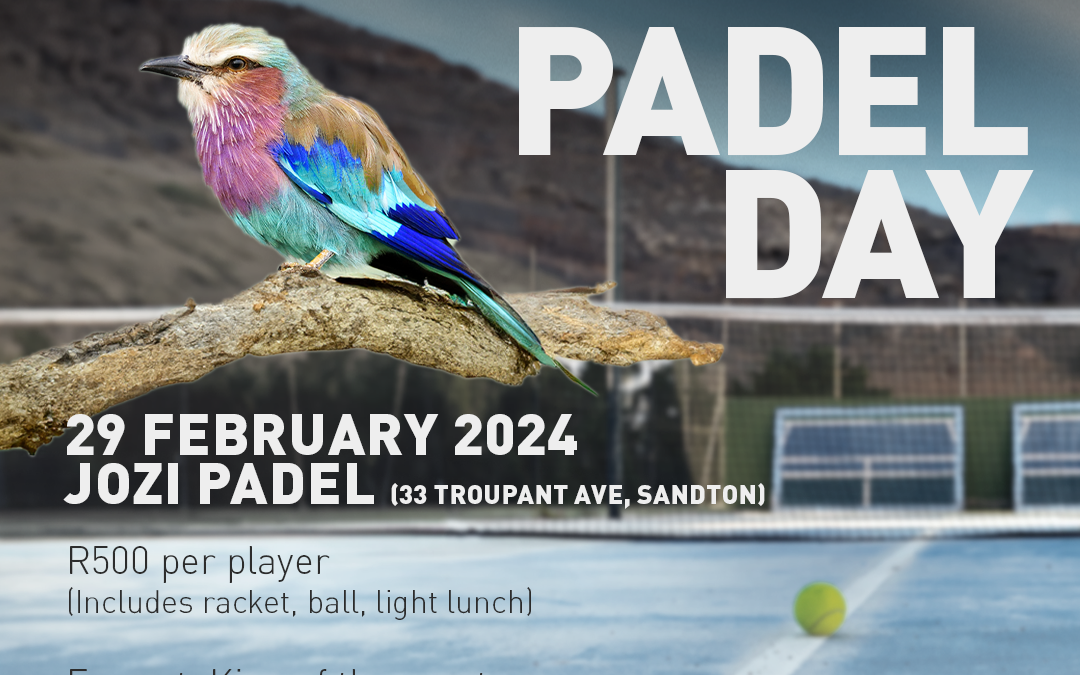
Join us on the 29th of February at Jozi Padel anytime from 1 pm – 6 pm for an afternoon of fun and fundraising with incredible prizes up for grabs.
Proudly sponsored by Gallagher Security

R500 per player (Includes racket, ball, light lunch)

Format: King of the court

Raffle, lucky draw, and great prizes are up for grabs.

Registration is from 1 pm and playtime is from 2 pm to 6 pm.

Contact tammyb@ewt.org.za

A word from the CEO December 2023

A word from the CEO December 2023

Word from the CEO

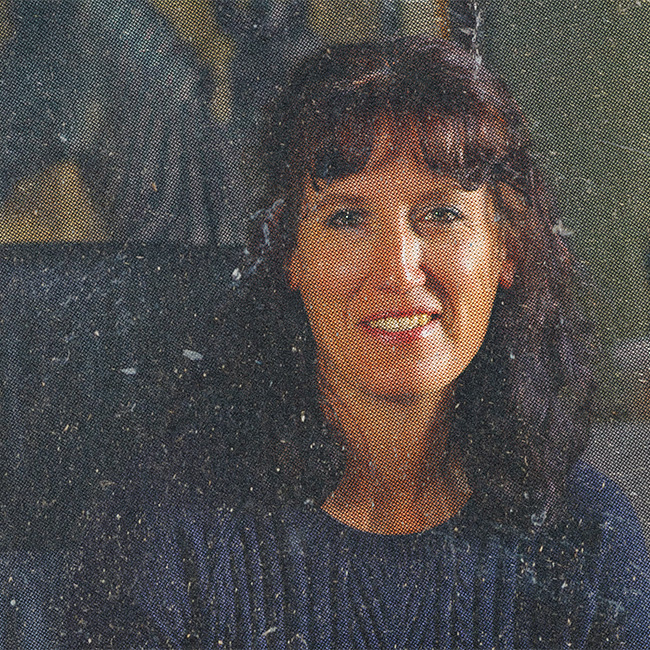
Yolan Friedmann, CEO


From the earliest documented history of human life on Earth, mankind has interacted with nature through a variety of systems and relationships. Though not formalised in its practice by early man, one could contend that our use of, and engagement with nature for food, cover, tools and cultural or religious practice over millennia, form the underpinnings of what would lead to what we could call conservation today.

As hunters and gatherers, humans who depended directly on natural resources for their survival, controlled and managed access to natural resources through systems of religious beliefs and the use of resources by traditional healers. In Africa, there were superstitions against killing certain species like hyena, hammerkop or chameleon and people were prohibited from hunting or eating their totem animals. Scarce or valuable products were given to their leaders as gifts. Areas were demarcated for specific purposes, like religious or tribal gatherings and these included sacred forests, burial sites and hills for ceremonies and rituals. Human beings have therefore been assigning restrictions to the use of various animals, plants and areas for all sorts of reasons since the dawn of time.

But humans have also been increasingly exploiting the planet’s resources, and as human populations have grown, so have our use – and overuse – of many thousands of species, and our depletion of natural systems, globally. To the point where rates of extinction on the planet have been escalating and now threaten to unravel the very fabric of this gloriously diverse, richly wild planet of ours. In response, what has now become known as the Environmental Movement has become a planetary force of its own.

Around the start of the last century, environmental discourse became more formalised and was characterised by issues which map the storyline, such as soil erosion in the 1930s, urban smog in the 1950s, chemicals in the 1960s, resource depletion in the early 1970s, nuclear power in the late 1970s, acid rain in the early 1980s, and the recognition of global ecological issues like ozone depletion and climate change today, documenting a shift in identifying environmental issues from those with local dimensions and impacts to those that form a picture of a planet in peril. It is largely recognised that the Stockholm Conference (United Nations Conference on the Human Environment) held in 1972 was the catalyst of formal environmental protection activities globally, and the 1970s were a busy time with a slew of multilateral environmental agreements entering into force, such as wetland conservation (Convention on Wetlands of International Importance/Ramsar, 1971), wildlife trade (Convention on the International Trade in Endangered Species of Wild Fauna and Flora/CITES, 1973) and migratory species (Convention on the Conservation of Migratory Species/CMS, 1979).

Signifying increasing internationalisation of environmental issues and a growing realisation that resources are limited and require controlled utilisation and compliance mechanisms to ensure their sustainability. It is against this backdrop that, back on African soils, an intrepid trio of conservation visionaries recognised the plight of Africa’s iconic wildlife and in 1973, embarked on a journey to raise some money, and direct it all into saving perhaps one of the most iconic of all wild animals, the African Cheetah. Little did Clive Walker, James Clarke and Neville Anderson know then, that their desire to safeguard the future of the world’s fastest land mammal would evolve into the establishment of one the most effective bastions of the conservation of Africa’s wild spaces, wild animals and the communities that depend on both, over the following half a century.

Towards the end of 2023, the Endangered Wildlife Trust will celebrate 50 years of Conservation in Action. In the fifty odd years that have passed since the world kickstarted the environmental movement, countries have signed more and more environmental agreements and millions of community and civil society organisations have been established to empower people and rally society to save our planet – ironically, from ourselves.
However, our planet is not better off for much of what has been done in the past fifty years and many hundreds of thousands of species have been declared extinct during this time. Before we assume that this cannot be possible, consider just this: researchers have identified that it is possible that 15% of the world’s 1.25 million mite species had been lost by the year 2020, so for this one taxon alone, we’re talking tens to hundreds of thousands of extinctions, a number that researchers predict will continue to rise. Add this to the numerous species of orchids, freshwater fish, amphibians, bats, insects, succulents, trees, reptiles, lichens, mammals and birds that have also been declared extinct in recent times, and one can understand why the race against extinction is not just a catchy phrase.

Turning the tide on extinction is what the EWT has been dedicated to doing, since its inception. For many species our work will perhaps never be done, and they may rely on the relentless focus of the future generations of EWTeam members for The Next Fifty and beyond. But their persistence in their natural habitats, as critical components of the ecosystems that give us all life, is cause for celebration that trumps the EWT just turning half a century old. In fact, 50 years is barely a blip on the screen when one considers for how many millennia these species, that humans have doomed to oblivion, took to evolve, and how their essential role in shaping all lifegiving systems on earth, will now be lost forever. Fifty years is really nothing when it comes to nature, so instead of looking back when we celebrate this milestone, the EWT will be focussing on the Next Fifty and The Next Fifty and beyond. We need to be both future fit as an organisation, with the right skills, capacity, resources and ideas to ensure our own survival, and prosperity; and we need to be keeping a watchful eye on what the future may hold and what that means for the wildlife and wild places, that may need us in decades to come. Many species and ecosystems may be quite common or intact today but with a changing climate, increased pollution, ongoing habitat transformation, deforestation and desertification, over-harvesting and let’s face it: increasing human population size which means more and more resource consumption and landuse change, who knows what the future holds for Mother Nature.

Some man-made threats to wildlife, like overharvesting, human-wildlife conflict and land transformation have not changed for centuries, they have just escalated in terms of scope, scale and speed. Futurists, quoted in New Scientist, suggest that we consider threats like genetically engineered viruses, mass offshore power production, demand for the biomass to make biofuel, synthetic bacteria and biomimetic robots, and when we add this to the loss of pollinators, escalating violence and wars, climate refugees, the possibility of nuclear warfare and ramped up climate-related natural disasters, the future world becomes a tricky place for bees, butterflies and bats.

Fortunately, in the past 50 years the EWT has transitioned from working on large mammals only. to addressing the threats facing all of these species, and more. We are proudly working to save the most expansive and diverse list of species and ecosystems in Africa and to be working among the most diverse variety of communities and stakeholders, from big business and rural farmers to traditional healers and school children. What has not changed in 50 years is our responsiveness to change and those in need. Being future fit is also about resilience internally and the EWT is addressing this by nurturing younger talent, modernising our operating systems, and securing our own persistence, through our Fund for the Future. This will ensure that the EWT will be around for many more celebrations like this, and to provide a lifeline for the species, communities and natural systems that need our help.

Please take a moment to page through the 2023 version of the EWT’s Integrated Report. You will come across many examples of how the EWT’s approach to conservation has successfully secured the future of numerous species from frogs and golden moles brought back from the edge of extinction to increasing populations of cheetah, cranes and Wild Dogs in South Africa. You will note our robust framework for measuring impact and our continual use of innovation to push knowledge boundaries and generate better results. We hope that you take pride in our growth in both budget and funding spent on projects. We trust that you will celebrate with us, the highs and lows of a year in which global turmoil escalated, and humanity clawed its way back from pandemics and socio-economic instability. But also, a year in which those with passion, commitment, and a calling to safeguard our planet for generations not yet born, were rewarded with results that pack these pages and give us hope.

It has been my privilege and honour to serve at the helm of the EWT as one of only four CEOs in 50 years, for the past 17 years. Prior to this, the EWT was led by great names in conservation like Dr Nick King (2003- 2006), Dr John Ledger (1985 – 2002) and of course Clive Walker (1973-1985). Together, with many wonderful people who have gone on to become legends in their own right, we have all had a chance to co-mingle our own life stories into that of the EWT and conservation in Africa. For the generations that will still come, and those who will next pick up the baton. May you write a narrative for The Next Fifty that brings back more life to this planet, keeps our African night skies clear and our savannahs bustling with life.

The EWT began as a flicker of light from a small match struck 50 years ago and today, we burn brightly through the torches carried by all our staff, our trustees, our partners, our associates, our invaluable donors, our communities, our fans and our friends. Without you all, we can only look back, but with you, we embrace the future, robots and all, and stride onward to #TheNextFifty.

Yolan Friedmann,

CEO, Endangered Wildlife Trust