Closing the Loop: Transforming textile waste into opportunities for people with disabilities and support for Early Childhood Development
Closing the Loop: Transforming textile waste into opportunities for people with disabilities and support for Early Childhood Development

Closing the Loop: Transforming textile waste into opportunities for people with disabilities and support for Early Childhood Development

Did you know that it takes 2,700 litres of water to produce a single cotton tee shirt?[i]

And that the fast fashion is one of the highest polluting industries globally, contributing 2 – 8% (about 1,2 billion tons) of greenhouse gases annually – higher than international flight and maritime shipping emissions combined[ii].

In addition to the widespread loss of biodiversity and habitats during the production of raw materials, the industry:

  • Produces about 20% of the world’s wastewater[iii],
  • 24% of the insecticides and 11% of pesticides that are used globally[iv],
  • And is a major contributor to plastic pollution in oceans[v].

At the same time, the average number of times clothes are worn before being thrown away has dropped by 36% over the past 15 years in the United States, China, and other relatively affluent countries. Only 13% of these largely under-utilised clothes are recycled globally leading to an estimated 21 billion tonnes of textiles being sent to landfill each year[vi].

The fast fashion industry is booming and is likely to treble in size by 2050. Clearly, we need to rethink the largely “take – make – and waste” linear business model that is currently typical of this and many other industries. One way to do this is to start supporting the circular economy.
What are we doing?

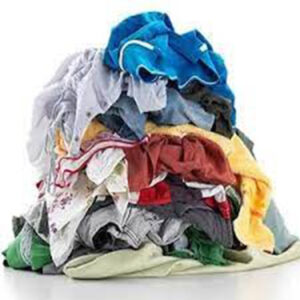
The Endangered Wildlife Trust implements a range of innovative projects to reduce human impacts on biodiversity and habitats, whilst also benefitting the people who live in areas of high conservation value. As part of our 50th celebration, we teamed up with a partner NPO, Clothes to Good, to contribute to the reduction of textile waste generated while empowering people with disabilities and supporting Early Childhood Development (ECD) in Kutama, Limpopo Province. The EWT works extensively with people in this area as they live adjacent to our Medike Nature Reserve in the Western Soutpansberg.

This integrated project incorporates three legs, each of which addresses a key need in rural and peri-urban areas across South Africa, with textile waste being the common thread linking the different activities. Firstly, we aimed to build the capacity of the staff of a centre that provides daycare for children and young people with disabilities called Muthu Ndi Nnyi through training and an opportunity to supplement their financial resources through the sale of high-quality second-hand clothes. Secondly, we provided ECD training and a toy making workshop for staff from ten creches and Muthu Ndi Nnyi. The third leg of the project is to contribute to a reduction of textile waste and encourage upcycling and recycling of these and other materials, both in Kutama and further afield.

Muthu Ndi Nnyi Centre for People with Disabilities

As with many schools and facilities catering for the needs of people with disabilities across South Africa, Muthu Ndi Nnyi lacks many basic resources and regularly experiences financial shortfalls. Many parents cannot afford fees or transport to enable their children to attend the Centre. Food inflation and other costs regularly lead to financial shortfalls, which the staff make up from their own small stipends.

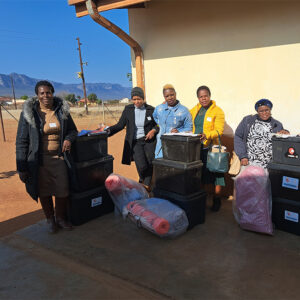
From 28 September – 3 October 2023, Clothes to Good led training and introductory workshops that were attended by 6 – 8 Muthu Ndi Nnyi staff and over 25 teachers and caregivers from creches. Jesse Naidoo from Clothes To Good provided Muthu Ndi Nnyi with basic training in the marketing and sales of clothes which, combined with the bales that were donated, will enable them to test the market and the potential viability of a micro-enterprise in this sector.

To improve the well-being and quality of lives of the young people with disabilities, Tammy Greyling, an occupational therapist from Clothes To Good, met with staff and parents to draw up personal plans for each person in their care to improve their quality of life through improved communication, physical exercise, and specific activities tailored to each of their needs and abilities.


Through this,

  • A wheelchair-bound young man with limited mobility in only one arm and a severe speech and learning disability was able to let his caregivers know that he was hot and needed his jersey removed through a simple gesture. If he is encouraged to continue this and learn additional simple signs, his ability to communicate with others could be vastly improved.


  • It was discovered that a second young man with a severe speech impairment and learning disability was able to understand English. His caregivers previously thought he could only understand Tshivenda and were unaware of his self-taught proficiency in English which he gained through watching television and interacting with others.


Early childhood development

The first three years are one of the most important developmental phases of a child’s life. In South Africa, there are still wide disparities in the quality of pre-school education provided to young children across socio-economic classes, exacerbating the learning difficulties that children face when they reach school going age.

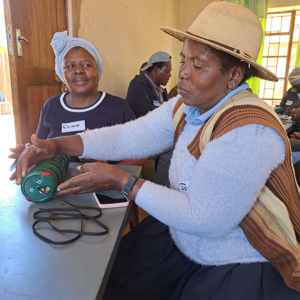
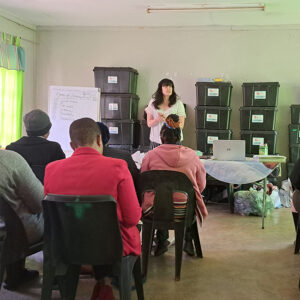
As part of this project, we held a two-day workshop for over 30 participants from Muthu Ndi Nnyi, ten local creches, and a centre providing after-school care for vulnerable children. On the first day, Tammy Greyling, Clothes To Good’s occupational therapist, introduced an ECD kit comprising over 50 activities designed to stimulate fine and gross motor skills, perceptual skills, numeracy, and literacy. Each creche and centre received one of these demonstration kits and a training manual which will enable them to reproduce the activities for the 100 – 150 children in each of their care.

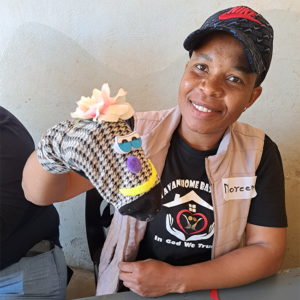
On the second day, we held a toy-making workshop to demonstrate making educational toys from recycled materials such as plastic bottle caps, cardboard, old bottles and other containers, old clothes, and other materials. The nursery schools were urged to ‘play-it-forward’ by inviting parents to toy making workshops and ensuring that their colleagues also receive training in the activity kits and toy making.


Where to from here?

This project is an exciting start to a collaborative recycling and environmental awareness outreach initiative in Kutama, building on our existing projects to develop relationships and contribute to environmental and human health beyond the borders of protected areas.

In addition to potentially improving the lives of people with disabilities and those who care for them people from Kutama will benefit through access to high quality clothing at affordable prices, as well as innovative ECD strategies that build the capacity of teachers while preparing young children for school. We are already implementing our innovative, curriculum-aligned Education for Sustainable Development project, the Guardians of the Future, in seven schools in Kutama. Through this, we are working with educators to develop curriculum-aligned interactive teaching aids and resources to stimulate a love of learning and improved understandings of topics that young learners often struggle to understand through textbook-teaching alone. Contributing to literacy, numeracy, and other ECD skills will is a valuable contribution to their future schooling and potential growth.


What can you do?

  • Choose fashion items that will last and ensure that good quality clothes are not thrown away.
  • Care for your clothes so that they last longer.
  • Support fashion brands that are reducing harmful environmental and social impacts.
  • Support fashion brands that are reducing harmful environmental and social impacts.

Patagonia, for example, recently took an almost unprecedented step by committing to channel all its excess profits into a trust dedicated to the protection of the environment and support for communities[vii].

In addition, 200 brands have signed the Fashion Pact, which commits to restoring biodiversity loss, reducing global emissions, and safeguarding oceans[viii].

  • Drop off clothes you no longer wear at H&M, who are supporting Clothes To Good collect clothes to support the above project as well as numerous others.


[i] By the Numbers: The Economic, Social and Environmental Impacts of “Fast Fashion” | World Resources Institute (wri.org)

[ii] Ellen MacArthur Foundation, A new textiles economy: Redesigning fashion’s future (2017)

[iii] UNECE 2018

[iv] https://www.unep.org/news-and-stories/press-release/un-alliance-sustainable-fashion-addresses-damage-fast-fashion

[v] Ellen MacArthur Foundation, A new textiles economy: Redesigning fashion’s future (2017)

[vi] Silvestrii 2021

[vii] https://www.patagonia.com/ownership/

[viii] https://www.cbd.int/article/sustainability-always-in-style#:~:text=End%20of%20life%3A%20Disposal%20of,pollutants%20into%20the%20surrounding%20landscape.
 

Closing the Loop: Transforming textile waste into opportunities for people with disabilities and support for Early Childhood Development

Tales from the Field: Clothes to Good

Clothes to Good

Dr Jennifer Botha, the EWT’s People In Conservation

Through this project, educators from ten creches and a facility catering for vulnerable children will have the opportunity to promote Early Childhood Development through a series of fun, interactive activities.

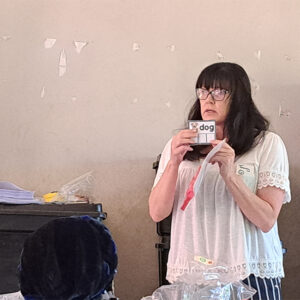
Tammy Greyling from ClothesToGood demonstrates a game to promote literacy.

Each group received an Early Childhood Development kit consisting of over 50 activities to stimulate Early Childhood Development

  • Did you know it takes 2,700 litres of water to produce a single cotton tee-shirt?[i]And that the fast fashion most of us depend on is one of the highest polluting industries globally, contributing 2 – 8% (about 1,2 billion tons) of greenhouse gases annually – higher than international flight and maritime shipping emissions combined[ii].

    In addition to the widespread loss of biodiversity and habitats during production of raw materials, the industry:

    • Produces about 20% of the world’s wastewater[iii],
    • And 24% of insecticides and 11% of pesticides globally[iv],
    • Is a major contributor to plastic pollution in oceans[v]

    At the same time, the average number of times clothes are worn before being thrown away has fallen by 36% over the past 15 years in the United States, China, and other more affluent countries – and only 13% of these largely under-utilised clothes are recycled globally. It has been estimated that 21 billion tonnes of textiles are sent to landfill each year, the bulk of which are under-utilised [vi].

    The fast fashion industry is booming and set to treble in size by 2050. Clearly, we need to rethink the largely “take – make – and waste” linear business model that is currently typical of this and many other industries.

    What are we doing?

    As part of its 50th celebration, the Endangered Wildlife Trust is implementing a series of innovative projects to reduce human impacts on biodiversity and habitats, whilst benefitting people.

    In our most recent endeavour, we teamed up with Clothes to Good to support the circular economy of the fashion industry while contributing to the well-being and development of people with disabilities and young children in Kutama, Limpopo Province. The EWT works extensively with people from Kutama as they live adjacent to the Medike Mountain Reserve, one of our flagship projects in the Western Soutpansberg.

    Through this integrated project, we aim to empower the Muthu Ndi Nyi Centre for people with disabilities by creating an opportunity for staff and parents to raise funds for the centre through the sale of high-quality second-hand clothing. The project also includes a health and well-being component through the provision of training and occupational health support to children and young people with disabilities from the centre and ECD training for ten creches and a facility that provides after-school care for vulnerable children.

    Jesse Naidoo provided business training to enable staff and parents from Muthu Ndi Nnyi to maximise the financial and social returns through the sale of clothes. In addition, Tammy Greyling, an occupational therapist from ClothesToGood met with staff and parents to work with each of them to draw up a personal development plan for each of nine children and young adults who have disabilities to improve the quality of their lives and stimulate their personal development through improved communication, physical exercise, and specific activities tailored to each of their needs and abilities.

Early childhood development

The first three years are one of the most important developmental periods of a child’s life. In South Africa, there are still wide disparities in the quality of pre-school education provided to young children across socio-economic classes, exacerbating the learning difficulties that children face when they reach school going age.

As part of this project, we held a two-day workshop for over 30 participants from Muthu Ndi Nnyi, ten local creches, and a centre providing after-school care for vulnerable children. On the first day, Tammy Greyling, ClothesToGood’s occupational therapist, introduced an ECD kit comprising over 50 activities designed to stimulate fine and gross motor skills, perceptual skills, numeracy, and literacy. Each creche and centre received one of these demonstration kits and a training manual which will enable them to reproduce the activities for the 100 – 150 children in each of their care.

On the second day, we held a toy-making workshop to demonstrate making educational toys from recycled materials such as plastic bottle caps, cardboard, old bottles and other containers, old clothes, and other materials. The nursery schools were urged to ‘play-it-forward’ by inviting parents to toy making workshops and ensuring that their colleagues also receive training in the activity kits and toy making.

What can you do?

  • Choose fashion items that will last and ensure that good quality clothes are not thrown away.
  • Care for your clothes so that they last longer.
  • Support fashion brands that are reducing their environmental and social impacts.

For example, Patagonia recently took an almost unprecedented step by committing to channel all its excess profits into a trust dedicated to the protection of the environment and support for communities[vii].

In addition, 200 brands have signed the Fashion Pact, which commits to restoring biodiversity loss, reducing global emissions, and safeguarding oceans[viii].

  • Drop off clothes you no longer wear at H&M, who are supporting ClothesToGood collect clothes to support the above project as well as numerous others.

This project is an exciting start to a creative recycling and environmental awareness initiative in Kutama but also has the potential to contribute to substantially reducing textile waste over time. In addition, people from Kutama will benefit through access to high quality, affordable clothing as well as innovative and affordable ECD strategies that build the capacity of teachers while preparing young children for school.


Making a snake puppet from old bottle lids.

Hand glove puppets easily made from old socks can bring the magic into story telling.

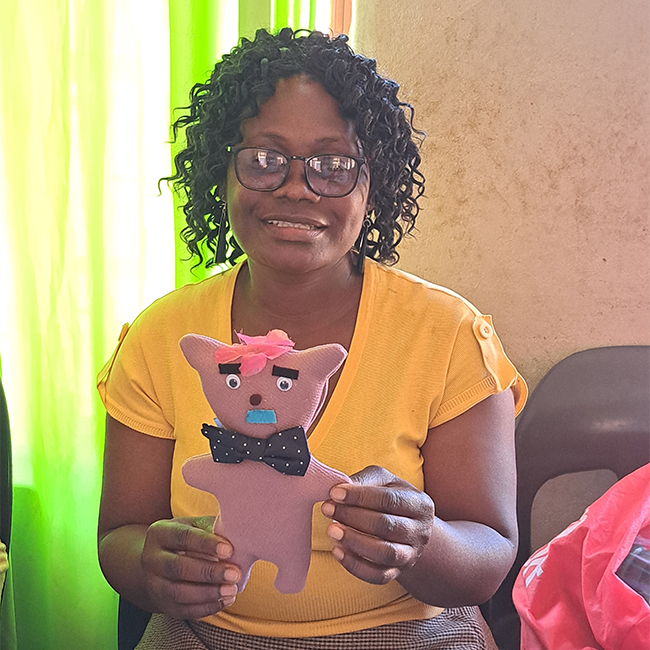
Teddy bears are expensive if you buy them but can be easily made from old fabric and fillers.

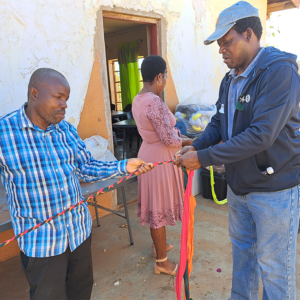
Few of the creches had skipping ropes – each group made a demonstration rope from fabric that they will be able to replicate for the children in the care and demonstrate to the parents of the school.

Conserving cranes and communities

Conserving cranes and communities


CONSERVING CRANES AND COMMUNITIES

Dr. Lara Jordan, EWT African Crane Conservation Programme Field Officer, laraj@ewt.org.za

“The wind does not break a tree that bends”.
– Sukuma Proverb

We have all adapted to the new normal of social distancing and wearing face masks. As we all think about the year 2020, it might look like a dark portrait, but the picture is made beautiful by different streaks of bright colours. These bright streaks represent the generous gestures that brought hope to the lives of community members across Uganda, Kenya, and South Africa.

We are all dealing with the collective loss of the world we knew. Grieving the loss of jobs, livelihoods, physical connection with friends, loss of our daily routines etc. This has given people the world over opportunities to show our care for each other, and a little help has indeed gone a long way, not only through humanitarian efforts but also in building trust and hope across communities that we work with.

When COVID-19 struck in Africa, there were speculations that the warm, tropical weather of Africa would shield the developing countries from the virus, but to-date, the cases reported are still rising. Yet even after warnings that the African continent’s healthcare systems would not be able to bear the weight of the virus, Africa has resisted and continues to weather the storm of the pandemic. This has in no small part been a result of heroes who chose to go out of their way to help where they could.

Many families in East Africa, in the communities with which we engage, live in rural areas, and the work they are able to find is often only on a casual basis and pays enough money to feed their families for the day. When the pandemic struck, most of these families did not have a “work from home” policy, as their livelihoods depended on getting out and hustling to get their daily bread. Today, we choose to celebrate heroes that might be unnoticed but have played important roles in the lives of communities during this pandemic.

The Leiden Conservation Foundation provided generous support to families across East Africa, and as a result, many were cushioned over this difficult period.

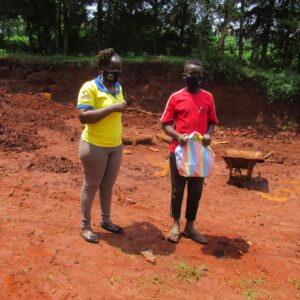
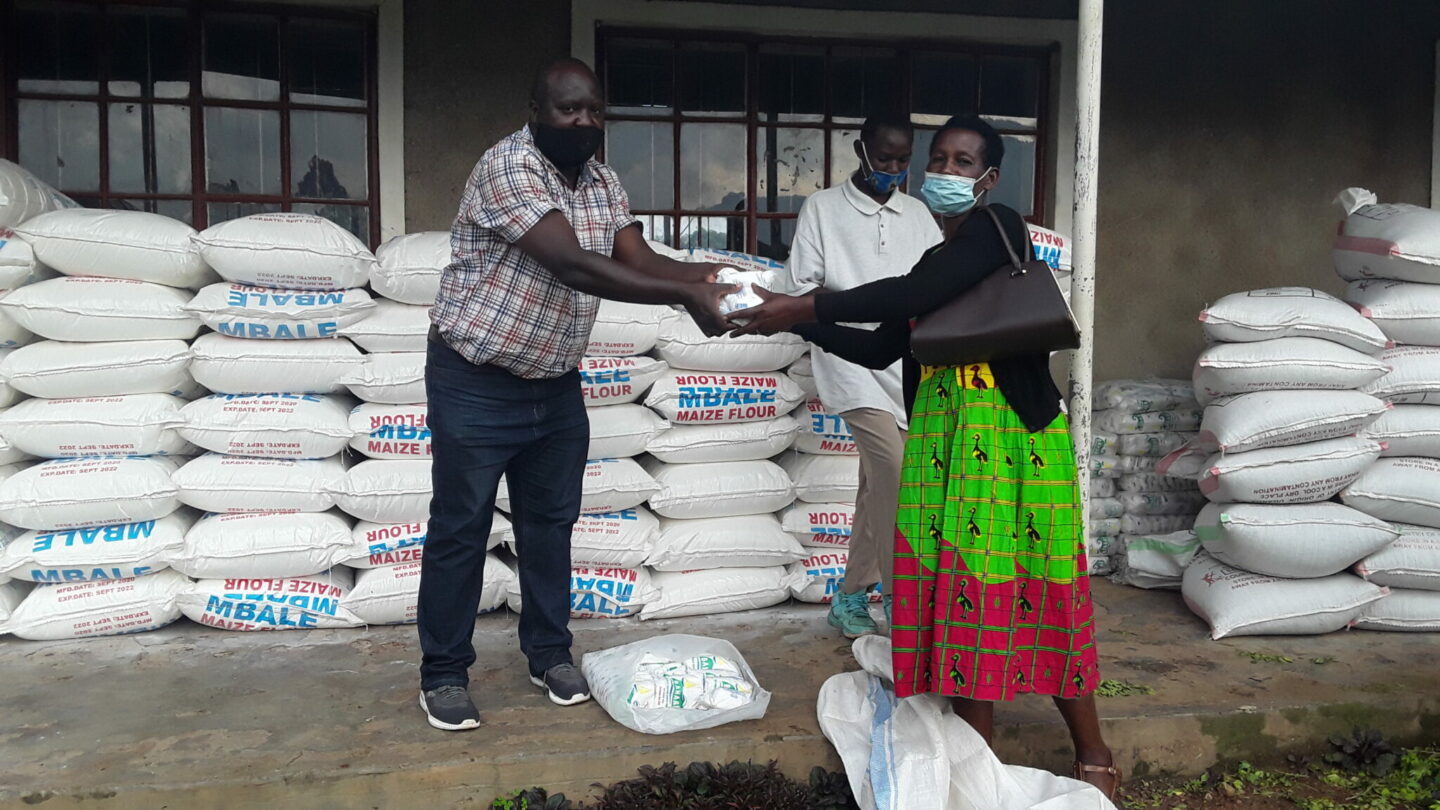
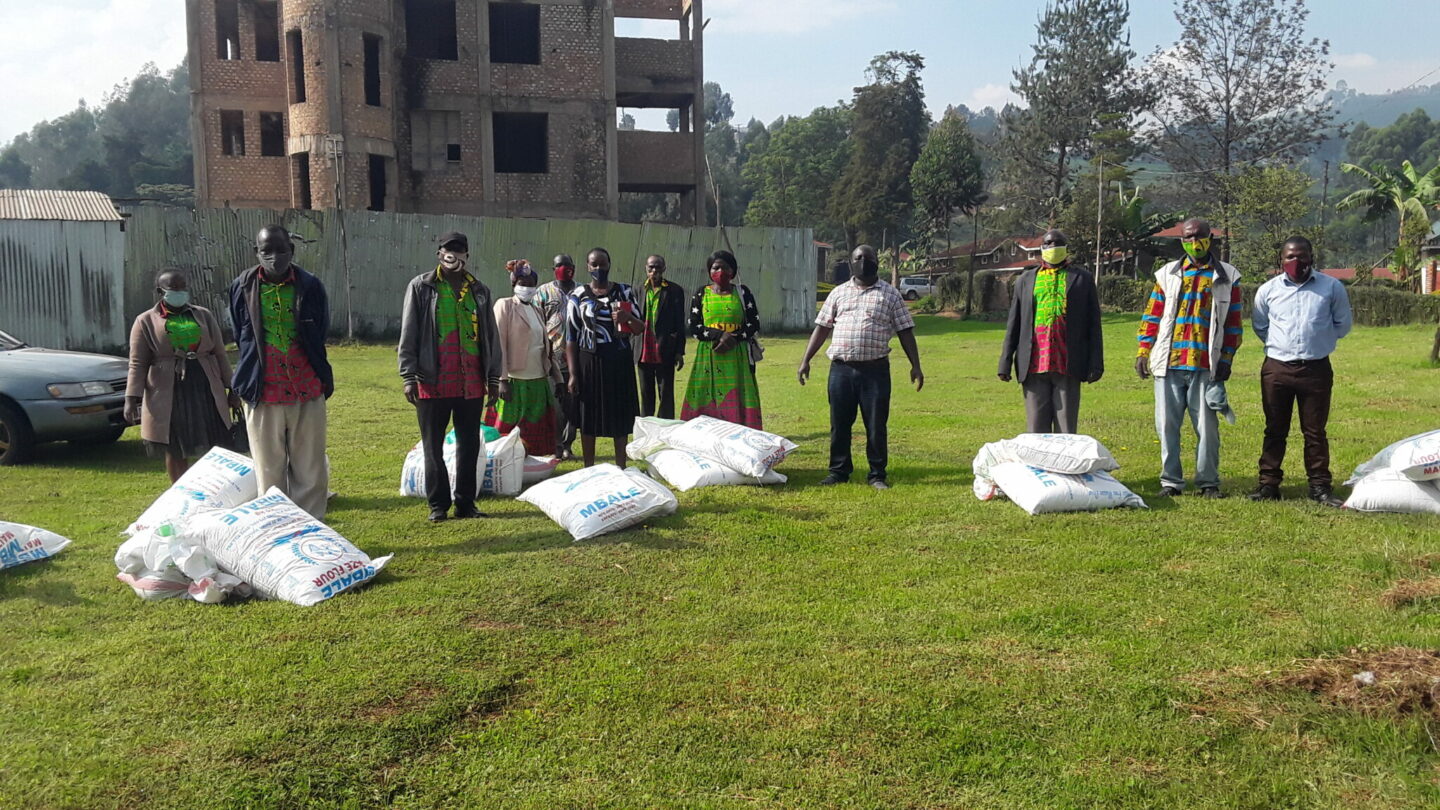
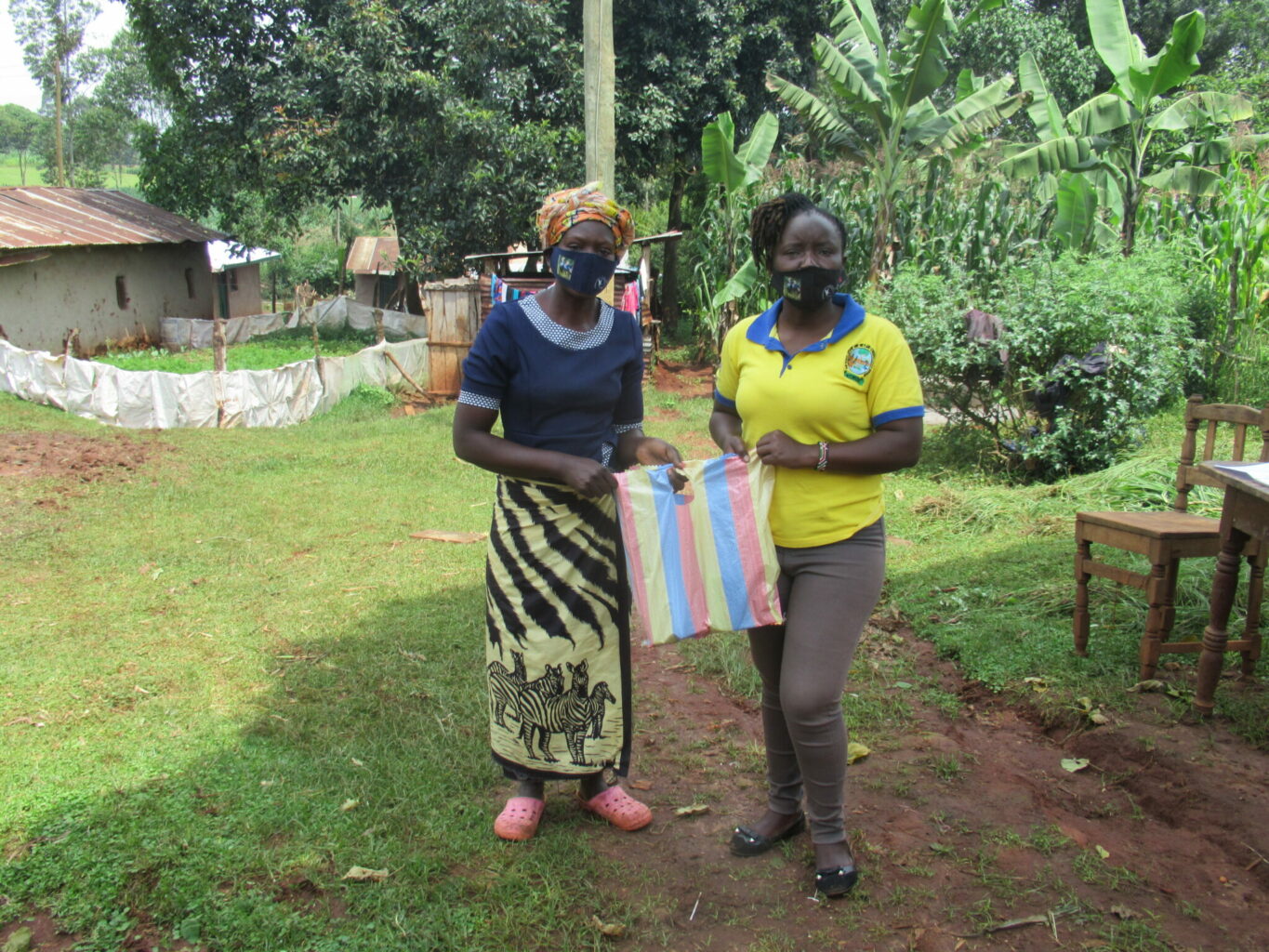
In Kenya, 238 households with an average size of 7 people were beneficiaries of masks, bar soap and handwashes (1,666 individuals). In Uganda, 34 Crane Custodians benefitted from food relief packages, including 100 kg of maize flour, 30 kg of beans, and 10 kg of salt per person. In Rwanda, face masks, soap for handwashing, cooking salt and hoes for cultivating, were distributed to 284 households, 100 fodder farmers, and 184 beekeepers (beneficiaries of conservation agreements).

In South Africa, HCI Foundation and The Lewis Foundation enabled the delivery of food parcel across four rural communities of the Eastern Escarpment, this generous donation helped beat hunger for the marginalised in the communities. An additional 299 food parcels were delivered across three communities that were so rural that it took four days to deliver the parcels, and more recently, a further 73 food parcels, weighing over 40 kg, were delivered to two rural communities. The average household size within the communities was six members, adding up to a total of 1,398 individuals that received food.

Supporting communities in this way has been vital during this period, not only for the benefits to communities but also the benefits to wildlife. Community engagement and reporting has increased during this period, despite the difficulties of lockdown, and through this support, it has become apparent that communities have embraced crane conservation, which we hope will help to steadily increase crane numbers within these vital areas. And that is how we change the world – “One random act of kindness at a time” (Nelson Mandela)

Catchments: where communities and biodiversity meet

Catchments: where communities and biodiversity meet


CATCHMENTS: WHERE COMMUNITIES AND BIODIVERSITY MEET

Nkosinathi Nama
Nkosinathin@ewt.org.za

Water is a precious resource and as a water scarce country, South Africa needs to protect and manage its limited water resources, for the benefit of both people and the environment. With a rapidly growing population, emerging economy, and climate change challenges, a holistic approach to the management of our water resources is needed, encompassing social, ecological, and built infrastructure interventions to improve water availability to communities. At the same time, we need to maintain the critical services provided by rivers, wetlands and other aquatic ecosystems as well as biodiversity. These services include the mitigation of drought and floods, which can cost the country billions of Rands and lead to individual hardship and loss of life; reducing soil erosion; keeping our wetlands healthy; mitigating the impacts of pollution; and provision of food, medicine, fibre, building materials, and economic opportunities, including tourism.

Biodiversity is under threat globally with the rate of species loss higher than ever recorded before. Freshwater ecosystems, home to about 40% of fish species globally, are under threat and 20% of freshwater fish species have already gone extinct as a result of pressures such as over-extraction of water from rivers, pollution, overfishing, and climate change. In South Africa, more than 90% of our surface water is depleted or degraded by development or agriculture.

Catchment areas encompass land that is drained by a river and its tributaries, as well as other water runoff. They usually include areas with hills or mountain ranges such as the Drakensberg in KwaZulu-Natal and the Amathole Mountains in the Eastern Cape. Catchments are critical for biodiversity conservation and human survival, but are often severely impacted by mining, agriculture, forestry, and other human activities. To balance competing human needs, catchment management strategies need to take a multi-pronged and holistic approach, as mentioned above, considering both socio-economic and ecological objectives, and ensuring that the needs of communities living within the catchments are met. This approach, putting communities at the centre of biodiversity conservation within catchments, gives these ecosystems their best chance at survival, particularly if people are included in management strategies. Recognising that communities are important custodians of catchment areas, and ultimately of the biodiversity in these areas, the Endangered Wildlife Trust (EWT) has applied this approach in its projects in the Amathole (Eastern Cape Province) and Groot Marico (North West Province) water catchments, as well as through partnerships in the Mzimvubu catchment in KwaZulu-Natal.

The Amathole mountains in the Eastern Cape are recognised as a strategic water source area. Invasive alien vegetation is a significant threat to many of these ecosystems, including the Amathole, where widespread stands of species such as the Black Wattle occur. Indigenous to Australia, and without any natural control agents in South Africa, the Black Wattle is a prominent invader that is costly to manage and poses a serious threat to biodiversity and water provision. The species consumes a substantial amount of water and can alter flow rates of a river. Dense stands growing along river systems can change the ecology of the systems. For example, both water temperature and water chemistry can be altered by the shade of the trees, which in turn affects the diversity of aquatic species.

To address the impacts of Black Wattle and create much needed employment opportunities for people living in the area, the EWT collaborated with the then Department of Environment Affairs (DEA) to train and employ 150 contract workers to clear Black Wattle. The EWT also trained five local entrepreneurs as qualified Natural Resource Management contractors. They received training in computer skills, business management, plant identification, chainsaw operations, basic rangeland management, as well as health and safety, and basic first aid. Through this initiative, the EWT and the then DEA cleared 1,250 hectares of Black Wattle stands in the catchment.

To monitor the impact of alien clearing on the river health in the Amathole Catchment, the EWT implemented a biomonitoring programme in the Tyume River, one of the main rivers in the catchment. Water quality and flow rates are measured throughout the year, together with the status of indigenous and alien fish species.

Indigenous aquatic species act as good indicators of aquatic health, but many are under pressure through human activities. In the Amathole, the introduction of alien fish species such as the rainbow trout has significantly impacted indigenous fish species that they prey on. Biomonitoring has however shown early signs of improvement in the population status of two Endangered freshwater fish species, the Border Barb and the Eastern Cape Rocky, both of which only occur in this region. Local community members have also been trained in ecological monitoring techniques, equipping them to become citizen scientists. Through this and additional training, members of Tyume communities have gained insights into the dynamics of rangelands and aquatic ecosystems, as well as the need to maintain biological diversity.

As with the Border Barb and Eastern Cape Rocky, the Critically Endangered Amathole Toad is endemic, occurring only in the region. The habitat of the Amathole Toad includes Amathole Montane Grassland and Amathole Mistbelt Grassland, both of which are vegetation types that only occur in the Eastern Cape and are classified as ‘Poorly Protected’. The site also supports Drakensberg-Amathole Afromontane Fynbos, which includes patches of unique Fynbos that have not yet been mapped in the Amathole Mountains. The EWT is working with private landowners towards obtaining formal protection of this important habitat and its unique species, which also contributes to securing reliable water provision for the Eastern Cape.

To further support local livelihoods in the Amathole water catchment, the EWT also provides training on climate smart agriculture, soil erosion management, and improved management of livestock. Climate smart agriculture enables farmers to adapt to drought, seasonal fluctuations, and weather patterns, and mitigate risks to their incomes. In the Tyume valley, farmers identified improved husbandry as a critical need to build the resilience and production capacity of their herds, particularly during times of drought. These efforts all contribute to improved natural resource management.

The EWT has also trained former contract workers in beekeeping. The Tyume Valley Beekeepers Association have had four harvests to-date and are collaborating with private landowners in Hogsback to increase the amount of fodder available to the bees. Through this type of valuable local support, the beekeepers will be able to grow a much-needed micro-enterprise and provide quality honey to residents, tourist lodges and other outlets in the Amathole.

By recognising community needs and involving people who live in the Amathole Catchment in conservation management strategies, as well as sharing skills, scientific feedback, and management experiences, the EWT and its partners have developed strategic interventions for improved water and biodiversity management in the region. This critical work cannot be implemented by one organisation alone. We are grateful to the Rand Merchant Bank for financial support of the project, and extend our appreciation for our ongoing partnerships to members of the Amathole Catchment Forum, the Department of Forestry Fisheries and Environment (DFFE, formerly DEA), the Department of Water, Sanitation and Housing, the Dept of Rural Development and Agrarian Reform, and the Amathole Forestry Company, amongst many others.

Keeping us connected during COVID-19

Keeping us connected during COVID-19


KEEPING US CONNECTED DURING COVID-19

Bonnie Schuman, Nama Karoo Coordinator, and Esther Matthew, Specialist Conservation Officer, EWT Drylands Conservation Programme
Bonnies@ewt.org.za and Estherm@ewt.org.za
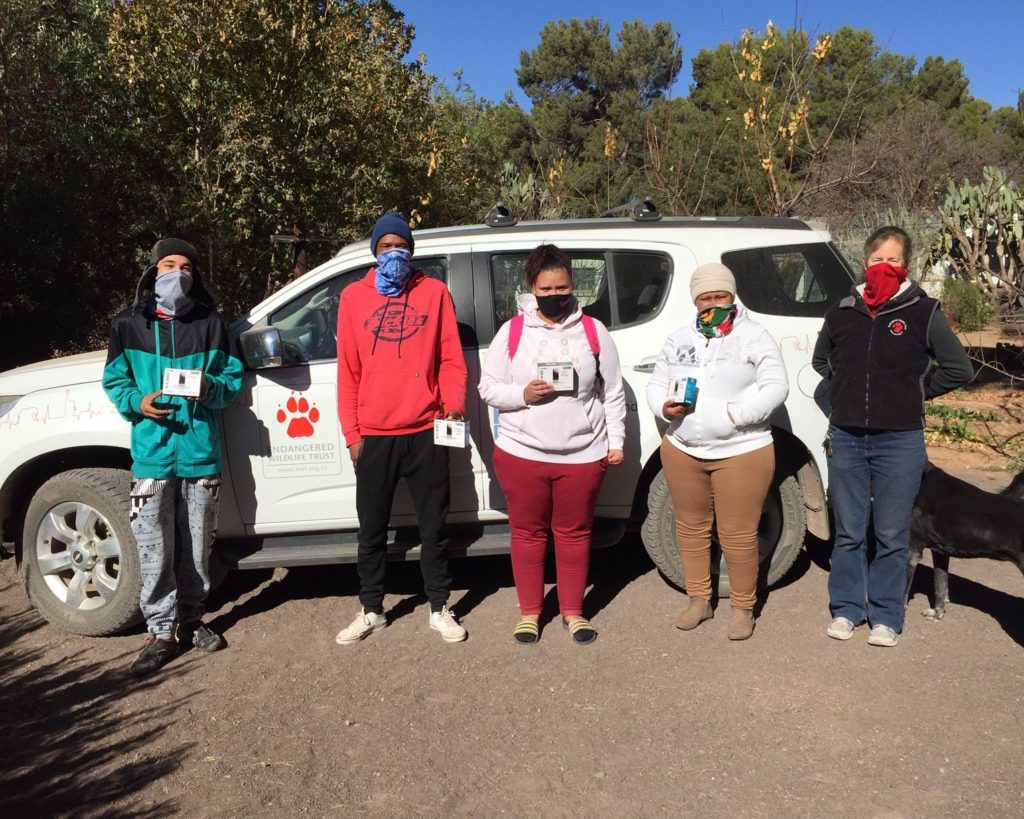
The EWT’s Drylands Conservation Programme (DCP) was thrilled to receive funding from the Lewis Foundation to support communities and individuals significantly impacted by the COVID-19 lockdown in the Karoo. There were ten recipients from Loxton, and three from Nieuwoudtville, who each received a router and a data package to support their studies and community work for one year, particularly when they needed to operate from home during the lockdown.

Fredeline Frieslaar, a qualified Edu Care teacher, was the first in Loxton to receive her router. Fredeline has made a significant positive impact in Loxton over the last two years, working as a teaching assistant for the EWT-Rand Merchant Bank Clever Rabbit learning support project. She is also Loxton’s adult reading facilitator and is currently tutoring four adults who are learning to read and write. Fredeline wants to study second year foundation phase education at NWU (long distance learning) and needs internet access to complete short courses online in preparation. Fredeline and two other women in the Loxton community have also been working tirelessly to provide food to community members in need, as the soup kitchen in Loxton was closed during the lockdown.

Seven young adults completing their diplomas in animal production through the DCP’s e-learning centre in Loxton also each received a router, so that they can complete their studies online. This made it possible for them to complete their assignments while the centre was closed during lockdown, and while EWT staff implemented the necessary health and safety measures before reopening the e-learning centre. The remaining router was allocated to a group of matric learners (Grade 12) to continue their education while schools were closed. Thank you to the Lewis Foundation for supporting our youth, so that they are better able to support others.