Addressing hunger, food insecurity, and under-nutrition through a reduction of food wastage and sustainable agriculture

Addressing hunger, food insecurity, and under-nutrition through a reduction of food wastage and sustainable agriculture


Addressing hunger, food insecurity, and under-nutrition through a reduction of food wastage and sustainable agriculture

By Dr Jenny Botha, People in Conservation Specialist

Globally, about 20% of the food that is produced each year is wasted or lost. This translates into about 1 billion potential meals a day!

At the same time, around 735 million people regularly experience hunger and a third of humanity faces chronic food insecurity. In South Africa, 15% of households did not have sufficient food in 2021, yet 10 million tonnes of food is wasted or lost each year. Furthermore, one third of human-induced greenhouse gas emissions is linked to food and 8—10% of emissions.

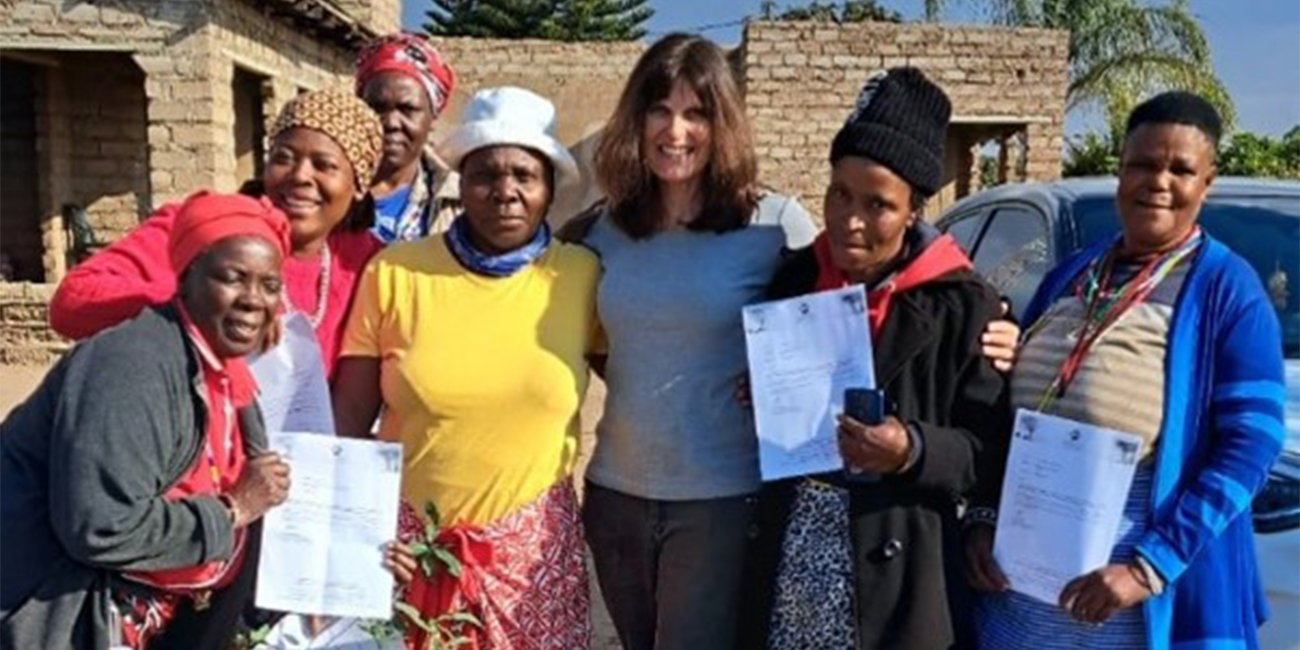
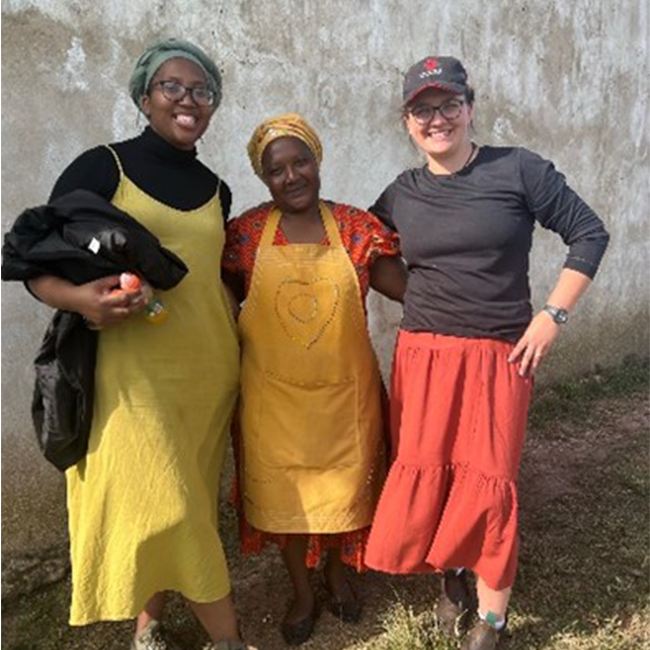
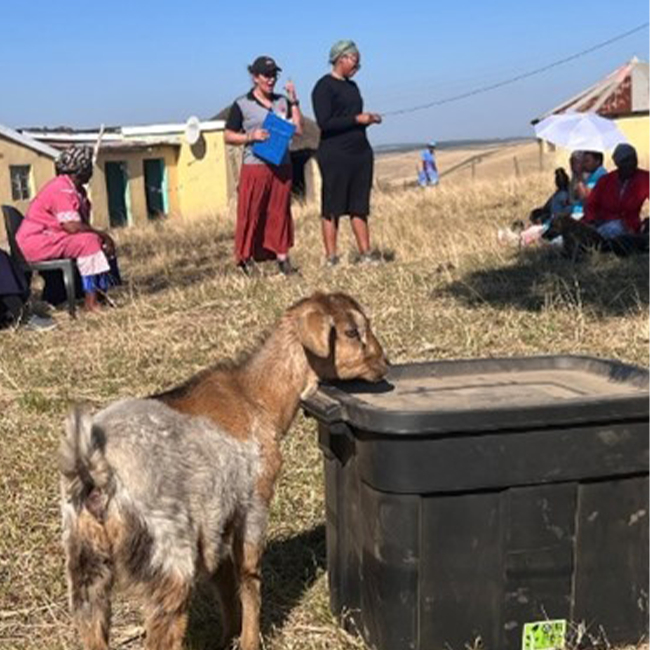
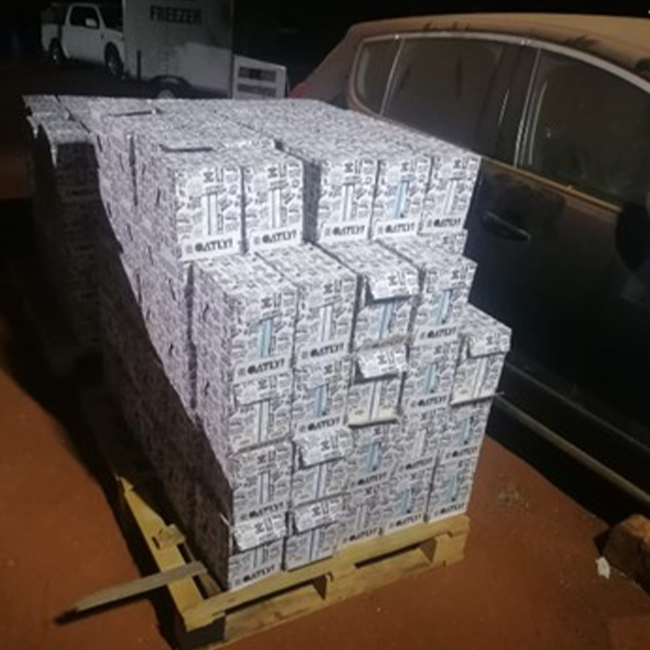
In August 2024, NEO (Natural Ethical Organic) Trading donated 1,200 litres of oat milk to families living in Kutama, adjacent to the Endangered Wildlife Trust’s Medike Reserve in the Soutpansberg Mountains. Oat milk is highly nutritious and, particularly if fortified, a good source of vitamin A, B2, B12, and D as well as calcium, phosphorous, iron, and other nutrients. It is particularly suited to vegans and lactose-intolerant individuals.
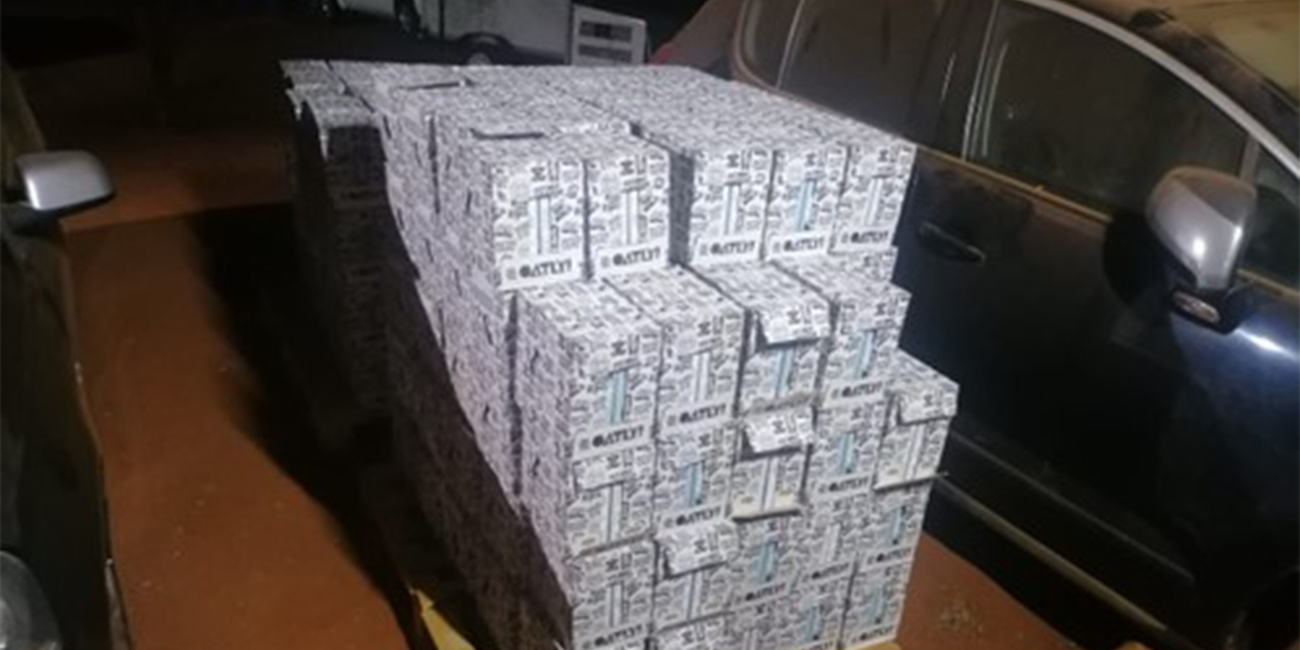
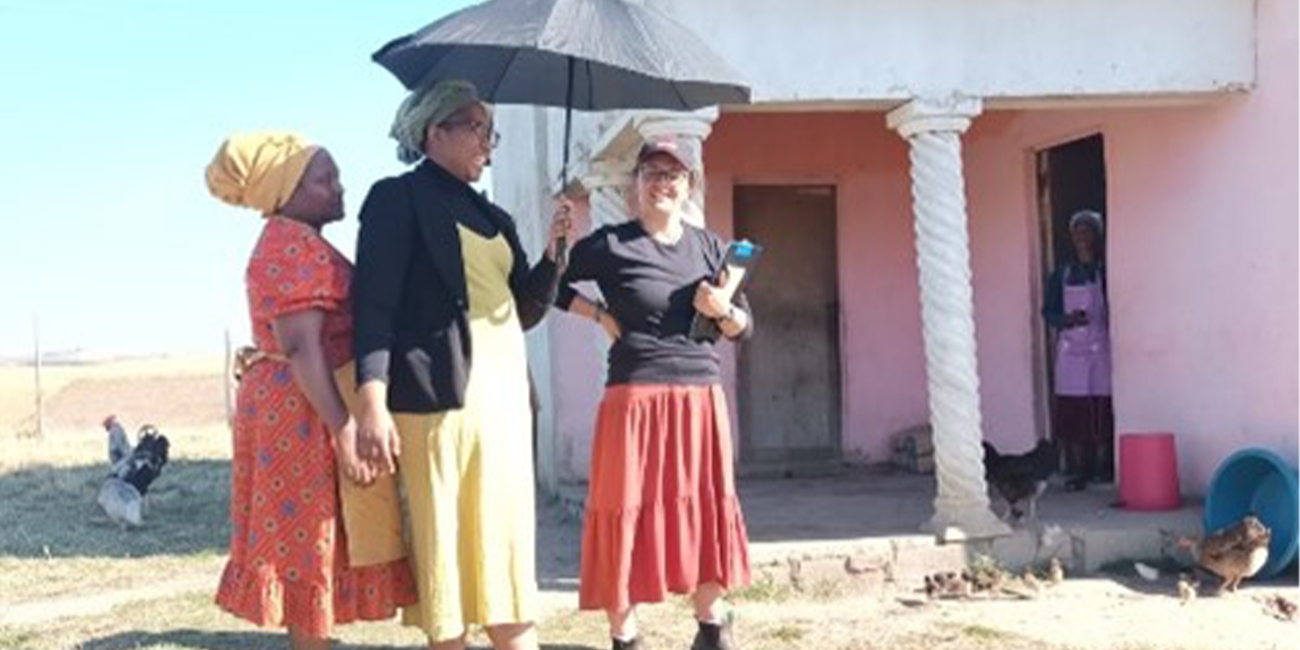
In addition, the Endangered Wildlife Trust works with local farmers in the Western Soutpansberg to transition to more sustainable agricultural approaches. Through this, we aim to strengthen local food availability and access in the region and contribute to the second Sustainable Development Goal to “…end hunger, achieve food security and improved nutrition, and promote agriculture”.

There has been limited progress in tackling hunger and malnutrition globally, but unfortunately, we still have a long way to go. For instance, before the Covid-19 pandemic, under-nutrition in children under five years of age was reduced by a third (55 million). Unfortunately, efforts to achieve Zero Hunger by 2030 have been severely curtailed since 2019 due to escalating food inflation, drought and other weather-related disasters, the pandemic, reduced production, conflict, civil insecurity, and other factors.

To significantly reduce food hunger and wastage, we need to:

  1. Transform food production and distribution systems to ensure that people across the society are able to afford and access healthy food. We also need to move to more sustainable farming practices that cut greenhouse emissions and other harmful environmental impacts, and develop or implement innovative technologies to maintain or improve water and air quality, soils, biodiversity, and the other vital ecosystem services we depend on.
  2. Reduce environmental and harmful social Impacts across distribution and value chains: Improve food storage, transportation, and retail systems and practices to reduce negative environmental and social impacts, including the exploitation of labour.
  3. Reduce food and water insecurity associated with environmental and humanitarian crises: Develop more effective emergency response systems and international policies and agreements that mimimize food and water insecurity during times of crisis.
  4. Strengthen global collaboration and cooperation across sectors to reduce poverty and inequalities: Collaborate with various stakeholders and ensure policies support food security and nutrition.

Clearly, this is a formidable task but if each of us contributes through the lifestyle choices that we make, the cumulative impact would be substantial.

How can you help?


  1. Sustainable choices when buying food
    • Plan meals, make lists, and buy seasonally available food. Support local markets and buy produce that is available locally. In addition to reducing environmental impacts, this can also decrease food bills.
    • Buy smaller amounts of perishable items to reduce spoilage.
  2. Store food properly
    • Store food in airtight containers and follow recommended refrigeration recommendations to extend the shelf life of produce
    • Try to avoid excess packaging where possible (packaging also prolongs the shelf life of food)
    • Understand Food Expiry Dates: Learn the difference between “use by” and “best before” dates to avoid throwing away still-edible food.
  3. Cooking
    • Prepare and cook appropriately sized portions only using the food that is needed.
    • Use leftover food creatively to avoid wastage.
    • Cook in bulk and freeze portions. Bulk cooking and freezing meals for later use reduces meal prep time and energy costs – a welcome relief for most of us in our fast-paced world.
  4. Adopt more conscious consumption habits
    • Start meals with smaller portions and take more if needed to reduce food wastage.
    • Increase the proportion of plant-based foods in your diet.
    • Understand food labels – understand the difference between “sell by” and “best before” labelling to ensure food safety and reduce waste.
  5. Participate in reducing food waste at a collective level
    • Share non-perishable and unopened foods with local community-based organisations, food banks, shelters or similar outreach programmes.
    • Support food rescue initiatives: Explore opportunities to support organisations that collect surplus food from retailers, restaurants, or the hospitality industry, and distribute it to those in need.
  6. Compost
    • Use vegetable scraps and other food waste to make compost and reduce the volumes of waste that reach landfill.
  7. Raise awareness and advocate
    • Raise awareness of the prevalence of hunger and food insecurity, our contribution to environmental impacts through our lifestyles and choices, and the steps we can take to change this.
    • Encourage corporates to adopt more sustainable approaches to business by buying ethically produced products as far as possible.
    • Support and advocate for policies and programs that promote food security, reduce waste, and reduce socioeconomic inequalities.
African Conservation Forum in Kenya an ideal opportunity to visit EWT projects

African Conservation Forum in Kenya an ideal opportunity to visit EWT projects


News from the field: 

African Conservation Forum in Kenya an ideal opportunity to visit EWT projects


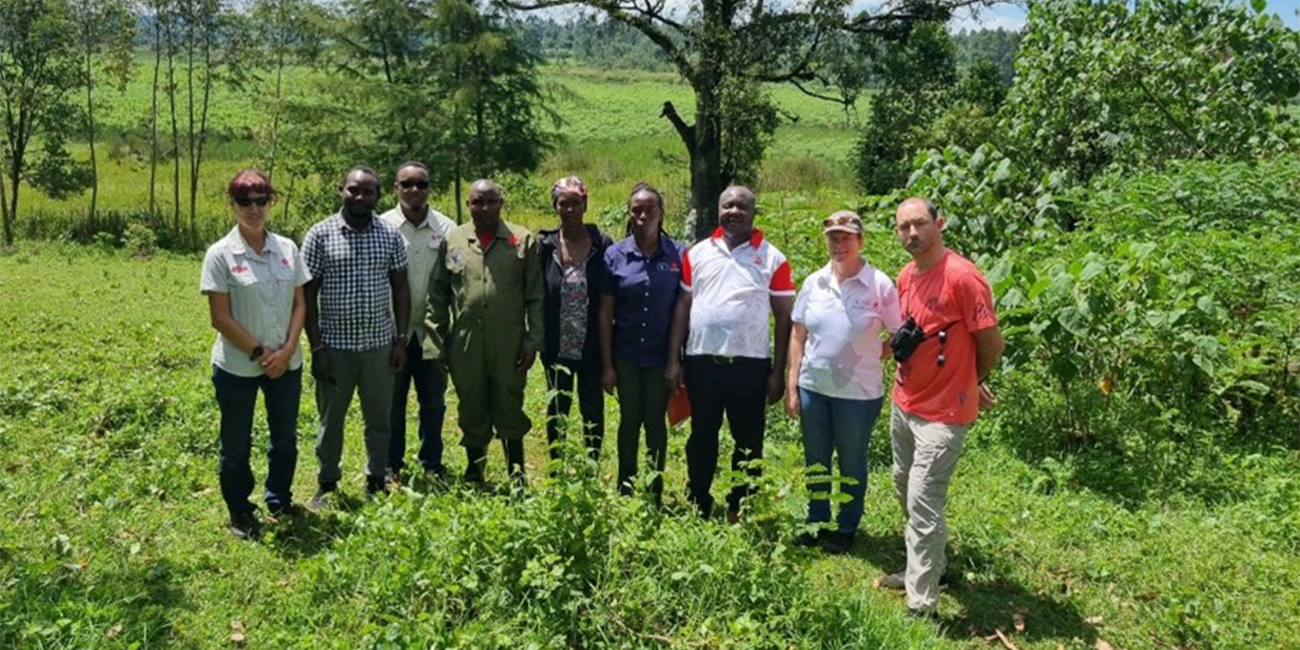
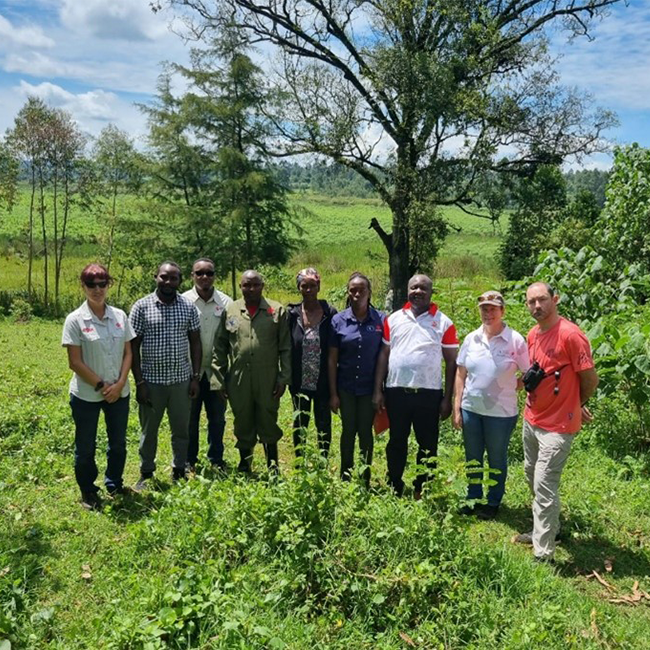
The hosting of the African Conservation Forum in Kenya at the end of June provided the ideal opportunity for the Endangered Wildlife Trust’s CEO, Yolan Friedmann, and senior officials based outside the East African country to visit some of the projects being undertaken under the banner of the International Crane Foundation / EWT Partnership.

Yolan was accompanied by head of the EWT’s African Crane Conservation Programme Kerryn Morrison and Head of Conservation for the EWT, Dr Ian Little, Charles Kayijamahe, Rwanda country manager and East Africa regional Director, Dr Adalbert Aine-omucunguzi.

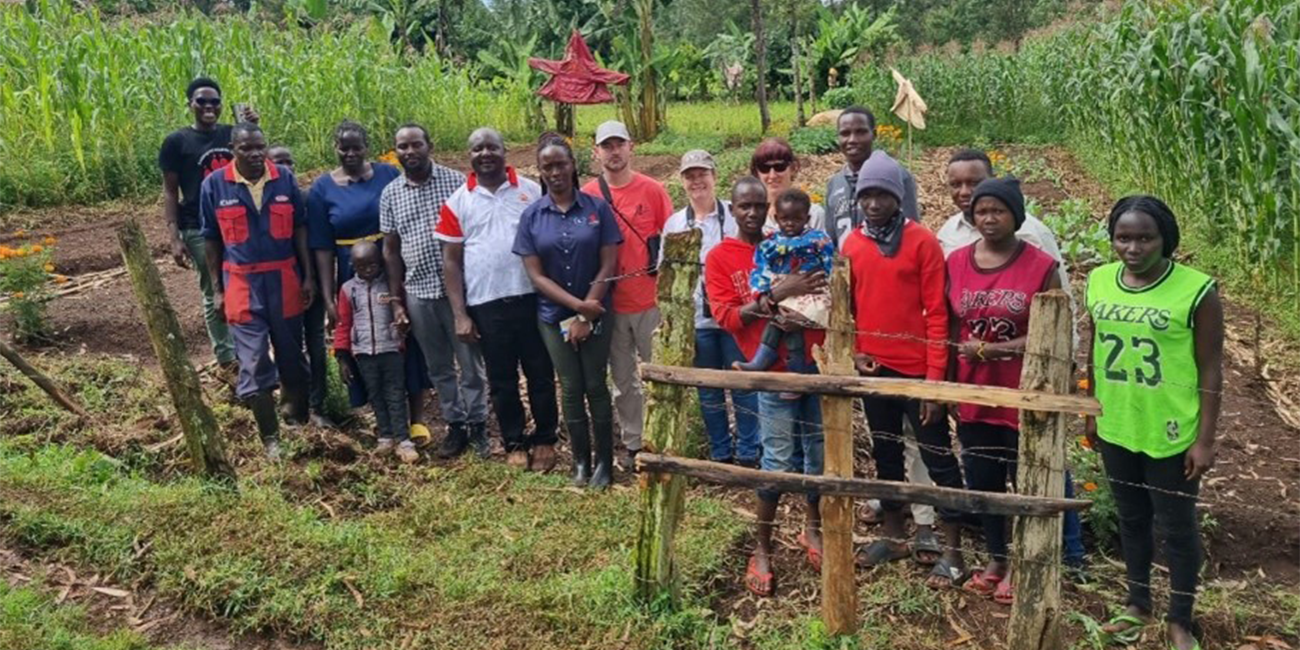
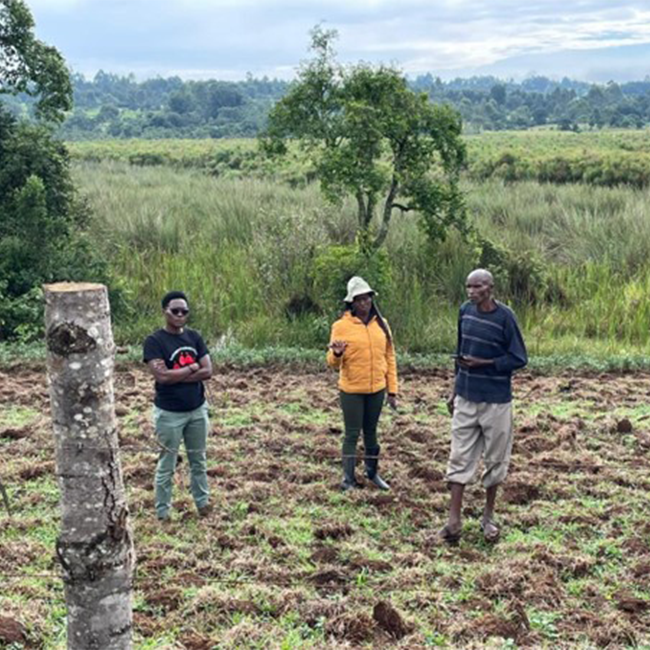
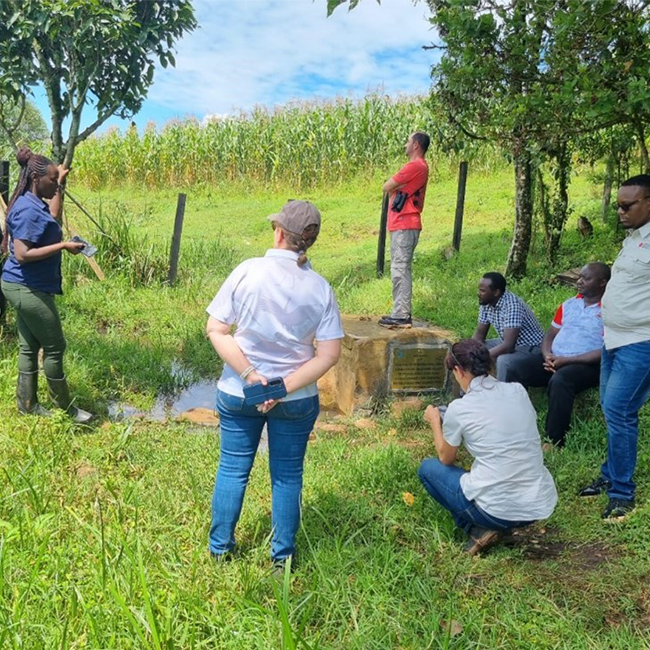
Despite the chilly Sunday morning, Yolan, Ian, Kerryn, Charles and Adalbert visited our intervention sites in Nandi County, Kenya. It was amazing to host them as they walked through the Enriched Buffer Zone, Climate Smart Agriculture and Spring Protection Sites.

They unknowingly interacted with 28 community members and 6 young kids who were excited to see them. We almost had a community Baraza quorum.

ICF/EWT is a movement that is well known in that area of Nandi,and visitors are greatly welcomed with a glass of ‘Mursik’ (fermented milk).

The team also visited Homa Bay on Lake Victoria and landscapes in and around the city of Kisumu.

It was impressive to see the work being done on the ground and to speak to the teams working in these areas. It is nice to see our strategies being implemented and coming into place. The scale of work does have a massive impact on communities who are benefiting in various ways. Recent reports show that farming productivity is now seven times more productive than mono-culture and farming within the wetlands. Because it is now easier for communities to farm, they are earning an income and are healthier because of improved nutrition.

One of our meetings with community members was at the Manor House Agricultural Centre which specialises in regenerative agriculture and they have offered free slots for community members to be trained. One of the members we visited graduated last year and is now training other farmers in his community.

On a conservation note: Kerryn managed to spot a pair of Banded Cranes booming in a flock in Baratton University. This is the first record we have in Nandi and possibly in Kenya.


Following the African Conservation Forum, senior EWT and ACCP not based in Kenya were shown several projects by in-country managers and teams to highlight the work being done to enhance sustainable agriculture, conserve water resources and restore buffer zones and, ultimately, save threatened crane populations.

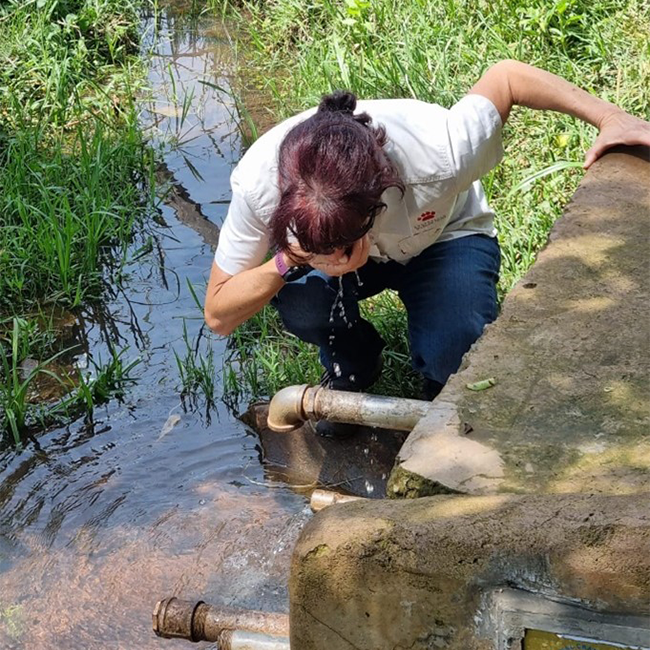
EWT CEO Yolan Friedmann quenches her thirst at a Spring Protection Site

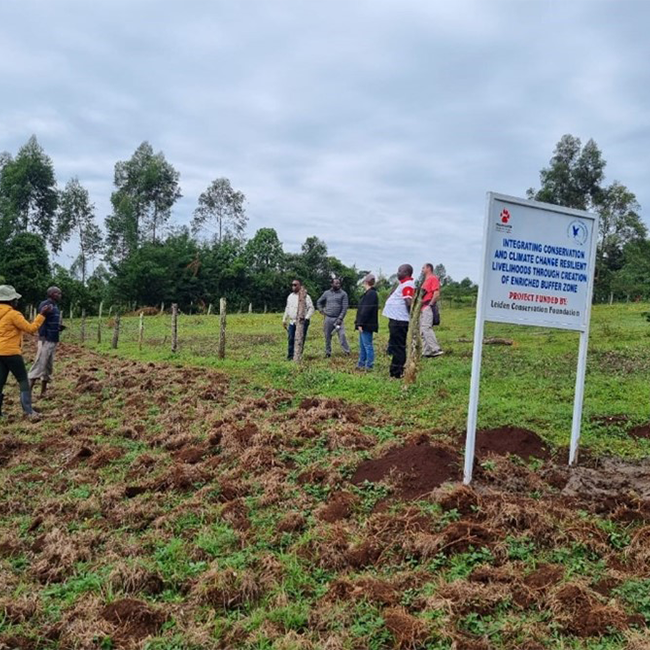
Buffer zone being created by the EWT/ICF

Fantastic work being done by the ICF-EWT team in Nandi county, western Kenya. Restoring wetlands for cranes and the environment

Visiting protected protected sites

Towards Harmonising Agriculture with Nature and Adapting to Climate Change in the Western Soutpansberg

Towards Harmonising Agriculture with Nature and Adapting to Climate Change in the Western Soutpansberg


Towards Harmonising Agriculture with Nature and Adapting to Climate Change in the Western Soutpansberg

By Jenny Botha, People in Conservation


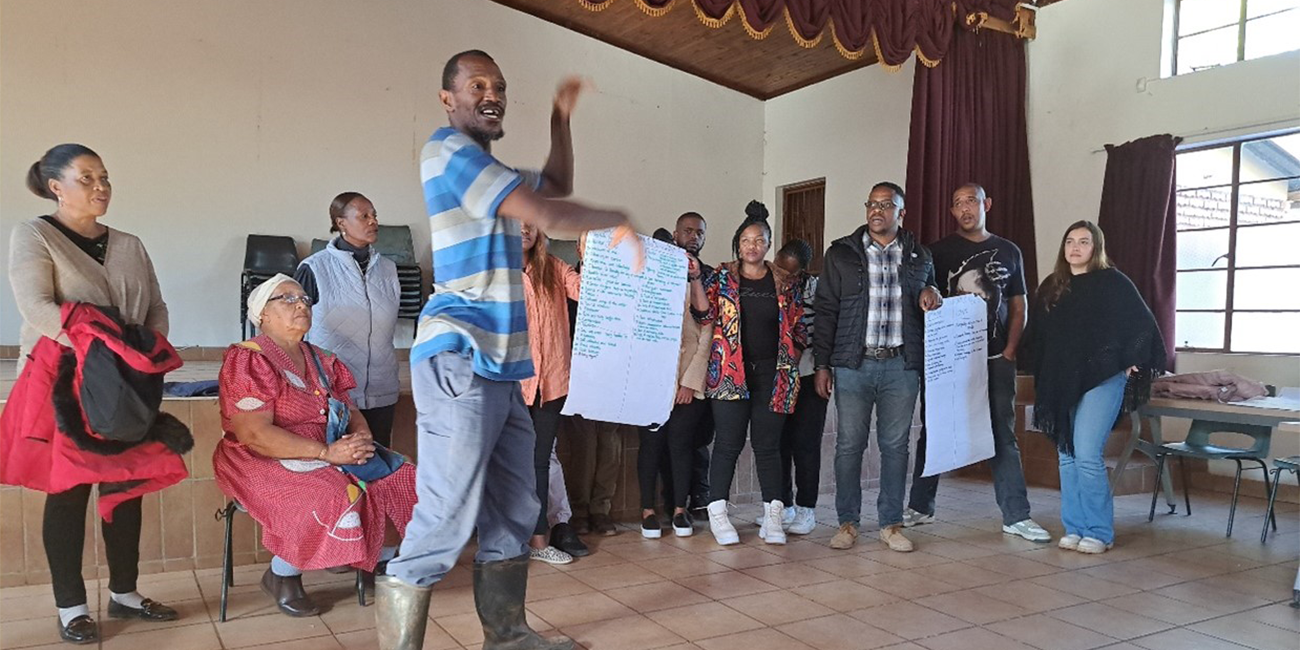
“Inspiring”, “Transformative”, “Life changing” This was just some of the feedback we received from students from the University of Johannesburg and vegetable farmers and growers who participated in a 1½ day workshop that we held in Buysdorp, Western Soutpansberg in June 2024.

In partnership with the University of Johannesburg (UJ), the Endangered Wildlife Trust (EWT) hosted a workshop for vegetable growers from Buysdorp to share ideas and learn more of the ways that local growers are adapting to climate change and a fast-changing world. The Limpopo Department of Agriculture and Rural Development also attended and contributed to the workshop.

Entitled “Adapting to climate change and improving our health and our environment through the sustainable cultivation of nutritious vegetables in Buysdorp”, the workshop provided a platform to enable us to learn more about the current vegetable farming practices in the area and ways that growers are adapting to the increasing variability in climate, as well as other human pressures.

The workshop also enabled 26 South African and international Environmental Management students from Rwanda, Chile, Italy, Zimbabwe, Eastern Europe, and the United States, under the supervision of Dr Lee-Ann Modley, a Senior Lecturer at UJ, to share experiences with the community and learn more about the rich cultural heritage of this area. In preparation for the workshop, the EWT’s People in Conservation Specialist, Jenny Botha, provided the group with training to enable them to facilitate and contribute actively to the facilitation of the workshop.

The Buysdorp community has been living on their land in the Western Soutpansberg since the 1800’s. The area is rich in plant and animal diversity, and the tightly knit community is justifiably proud of their efforts to contribute to the conservation of the area, including the quality of their water. The community has established systems to manage this precious resource, which is vital in a country where water demand far exceeds supply. Similarly, although Buysdorp has been able to maintain its fertile soils so far, in other parts of the Soutpansberg, soil quality has deteriorated through unsustainable agricultural practices.

Farming alongside nature is not without challenges, particularly as wildlife habitats are increasingly transformed or degraded by human activities. In the Soutpansberg, monkeys, antelope, and porcupines often destroy crops while leopards occasionally kill livestock. Various strategies are in place to curb leopards from killing livestock, including encouraging livestock owners to kraal them at night, but non-lethal management of monkeys and similar animals is harder. In Buysdorp, termites also pose a substantial risk to crops and infrastructure.

The workshop was a first step in exploring possible opportunities for Buysdorp vegetable growers to share learning and experiences, and identify gaps and opportunities so that they can adapt to climate change and continue producing nutritious, high-quality vegetables in this beautiful mountainous area, working alongside nature for the benefit of current and future generations. Different community members have different aspirations and needs, with some wanting to plant reliable crops to provide their families and others in the community with nutritious, locally available food, while some farmers are already producing commercial crops. Community participants identified a range of actions to take the process forward, including seeking funding for training in more sustainable agricultural practices, improving soil and water management, and reducing human-wildlife conflict.

In addition to the enriching sharing and learning experience for all of us, the workshop has provided a sound foundation for us to explore pathways to conserve our natural and cultural heritage in the Soutpansberg and build and maintain sound ecosystems and natural processes that support people in their livelihoods.

EWT Vulture Safe Zone field officer teaches herself Xhosa to better communicate with local communities

EWT Vulture Safe Zone field officer teaches herself Xhosa to better communicate with local communities

EWT Vulture Safe Zone field officer teaches herself Xhosa to better communicate with local communities

By Danielle du Toit


I am of the strong opinion that ‘we only fear that which we do not know’.

Take spiders for example, I’m sure they give most people the heebie-jeebies, but read more about them and you’ll learn that South Africa has over 2,000 species of spiders, but only three of these species can cause major health issues from a bite (that piece of information didn’t help me either, but it did give me a small comfort knowing that the likelihood of a spider trying to kill me in my sleep is next to zero).  My point is that if we approach situations in which we allow fear to blind us then we miss out on, at the very least, a learning experience, and at the most, a chance to be more than what we thought we were capable of.

Since joining the Endangered Wildlife Trust’s Birds of Prey Program, I have worked extensively in remote areas, often on my own.  In a country where safety is often a concern about a woman working alone in the field, I’m often told to avoid being in areas with no network coverage (what if I get a flat tyre and can’t call someone?), places where I’m the only woman (what if there’s only men and they threaten me?) and where I’m far off the beaten track (how can anyone help me if I’m in the world’s armpit?).

I am quite aware of the threats to my safety, especially at a time when gender-based violence is a concern.  But,  these concerns are not going to stop me from doing my job. The day I let fear stop me from doing it, is the day I hang up my khakis. So, for those who are scared, I urge you to read further, because these are my experiences; encounters I wouldn’t trade for the world.

Among the  extreme remote areas I have visited and experienced include parts of the former Transkei region of the Eastern Cape, the Lesotho highlands and small towns in the Northern Cape.

When I travelled to the Transkei for community outreach and vulture conservation awareness about birds of prey last year, I challenged myself to learn how to speak basic Xhosa so that I could better communicate with the local community.

Luckily, I have a friend that has kept me in line since Grade 6 and she taught me some ground rules about Xhosa. Most importantly is that Xhosa is a language of clicks. The ‘c’ sound is a click pronounced when the tip of the tongue is pressed against one’s teeth. The ‘x’ click is pronounced by pulling one’s tongue down from the back of your palate. The ‘q’ sound is pronounced with the tongue pulling down from middle of the palate and should make an echo sound in your skull, deafen you even, if you’re doing it right. After weeks of practicing and Hlumela sending me voice notes mostly consisting of her laughing at my ‘whiteness’ and coaching me, I was finally able to, with confidence, introduce myself to people: “Molweni. Igama lam nguDanielle. Niyawundi xolela ndyizama uthetha isiXhosa” (Hello, my name is Danielle. I must apologise to everyone; I’m trying to learn to speak Xhosa.)

Hlumela said I should add: “Ayihambi kakuhle”. It’s not going well.

When the Endangered Wildlife Trust’s Birds of Prey team visited a local community and their chief in the former Transkei in July 2023, I was instructed to firstly, wear a skirt to the chief’s place, secondly, to listen intently while the chief or elders speak. Thirdly, I was told to NEVER say no to the bread. This was more of a private notation by one of our colleagues, Nosi, who was actually just telling me that the bread is so delicious you can’t possibly turn it down.

We were in the area to do community outreach and awareness raising about vulture conservation with the CEET (Conservation Exposure Education and Training) and Meat Naturally.

I was on my best behaviour until a fight broke out between the chief’s wife and one of her chickens.  The angry woman had proceeded to line that chicken up in her sights and kick it a good ten metres in a perfect arch off her stoep (verandah), her slipper following suite. I don’t know where the Springboks are recruiting their next flyhalf, but I could point them in the direction of her house. The chief, telling us to ‘hleka, hleka’ (laugh, laugh), followed this incident with an opening prayer before mentioning something about the presence of Mlungus (white people). My Xhosa is not advanced enough as yet to understand every word, but as it turned out, the chief was happy about our work in the area. In fact, he wanted us back as soon as possible.


The Northern Cape is a far cry from the highlands of Lesotho, or the rolling green hills of the Transkei. It is vast area known for its red sand and Camel Thorn trees. The roads are straight, cutting through an arid landscape, and the people are not to be trifled with.

My first trip to the Kalahari was with the EWT’s Ronelle ‘make a plan’ Visagie, who has been doing raptor conservation and extension work since long before I was born. We’d been monitoring White-Backed Vulture nests along the Molopo River and had time to pop in to see a local landowner she’d known for years. My first impression of Kallie had a lot more to do with the .38 revolver on his hip than anything else. He welcomed us into his kitchen for a cup of strong coffee.  There I was greeted by a black cat with half an ear and scars on his face; a CV of sorts.  Funny, I thought, how our animals so reflect their human owners. Kallie had a tough exterior. His face had been brutalised by the sun, giving it the look of weathered leather, but his eyes were laser focused. Although not a tall man, he carried himself in a manner that made him appear larger than life and, if I’m being perfectly honest, a little intimidating.

The reason we had gone to see Kallie was because he had threatened to shoot the vultures as they were a threat to his lambs. Ronelle simply said: “Ag Kallie, moenie die aasvoëls dood maak nie, asseblief” (“Oh Kallie, please don’t kill the vultures.”).  With those simple words,  that man melted like butter and it occurred to me then that as tough as someone may seem and as difficult as they may try to be, when Ronelle spoke to them in the way that she did, he felt heard and seen, and gave up the fight right there. I guess that’s what we all want.

Culturally speaking, I am a white woman who works in rural South Africa. In my line of work, I have met so many people, ranging from Xhosa Chiefs and Basotho shepherds to Kalahari boers.  The people I have met have one thing in common:  we all love nature and have a passion for its conservation and protection. South Africa is a rare place where diversity is the norm. We have 12 official languages, including sign language. This excludes the dialects, cultures and subcultures. We have a rich history that can fill libraries with tales from the lush Bushveld to the dry Kalahari, from the Cape of Good Hope to Egoli (Johannesburg). South Africa is not just one thing. Nor are South Africans. If we are so surrounded by differences in our everyday lives, why do we fear them?


Energy-saving cooking in Rwanda

Energy-saving cooking in Rwanda

Energy-saving cooking in Rwanda

By DR Adalbert Aineo-mucungizi

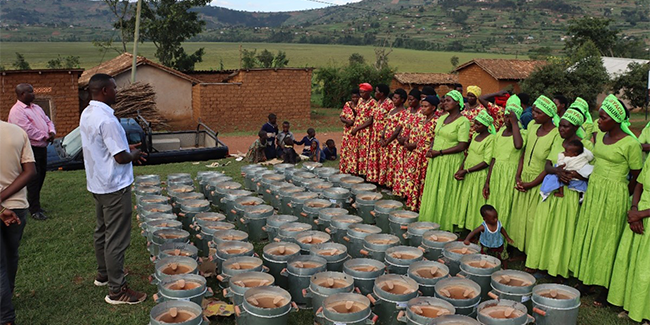
Energy-saving stoves being handed to households in Rwanda

With funding from Kansas City Zoo and Aquarium, International Crane Foundation/Endangered Wildlife Trust sourced and distributed 80 energy saving stoves for women from 40 households. Each household received two stoves.

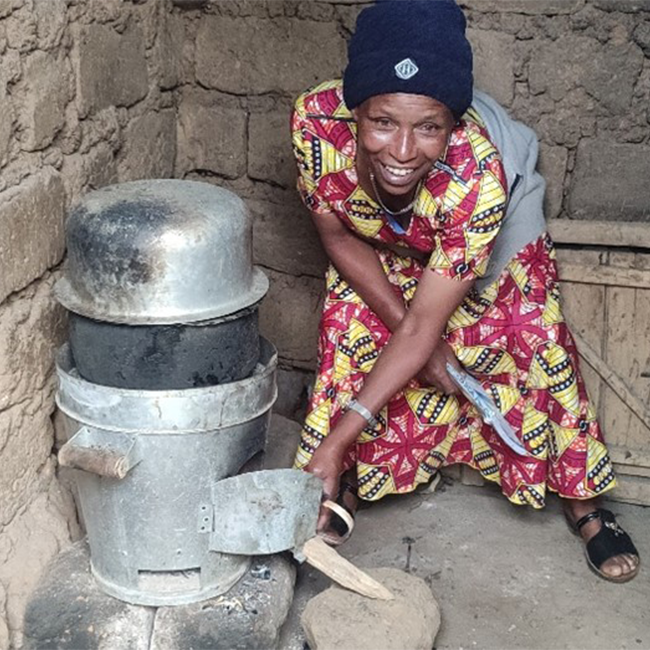
The energy-saving stoves are made of clay liners, a metal casing, and vermiculite cement, which maintains heat during cooking. These stoves were supplied to women who had been cooking using the traditional three-stone open fire system, which encourages the loss of heat into the atmosphere, resulting in the use of a lot of fuel wood. Just to cook a meal, it used to take a woman and her children several hours to search for wood for fuel.

Some beneficiaries have indicated that using the energy-saving stoves has reduced wood consumption from 15-20 kg to 2-3 kg per day. This is because the beneficiary households can use pruned branches instead of entire felled trees for their fires.

The families not only use considerably less firewood, but the food is also being prepared faster. For example, one of the beneficiaries has reported that she has reduced her cooking time for beans from three hours to one. With the time saved, the women are now able to spend more time working in their gardens growing food for their families, and even for sale. This has boosted their household income and reduced the demand for wood.

Our immediate plan is to raise substantial funding to scale up this intervention to reach an additional 500 households in order to reduce pressure on the Rugezi Marsh and its catchment.

Using an energy-saving stove supplied by the African Crane Conservation Programme

Energy-saving stoves being handed to households in Rwanda

Traditional cooking methods used by the women