Help us  
 lost species

Donate today  

Raptors and human health

Raptors and human health

The connection between raptors and human well-being

Danielle du Toit & Dr Lindy Thompson, the EWT’s Birds of Prey Programme

In celebration of World Health Day on 7 April, we acknowledged the important role raptors (predatory birds that hunt other animals or feed on carrion) play in supporting humans and our well-being.

  1. Ecosystem Services

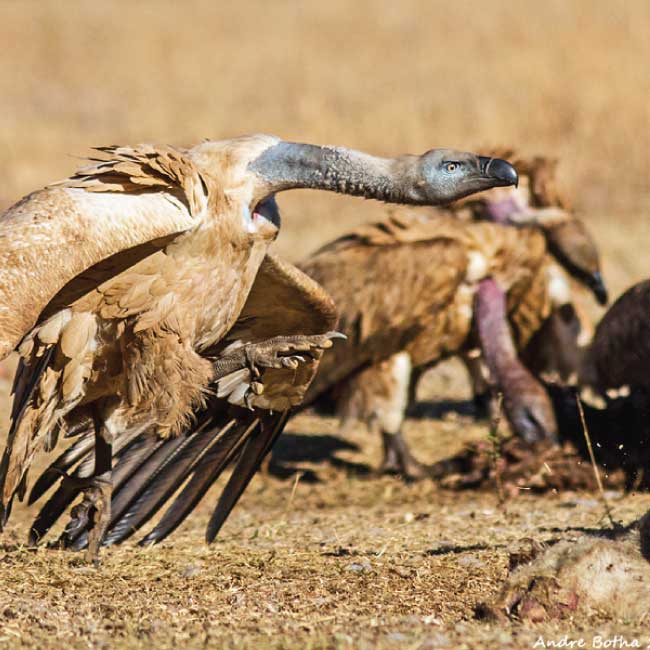
When feeding, vultures clean carcasses and reduce the spread of diseases such as anthrax and botulism. After the Asian Vulture Crisis in the late 1990s, widespread accidental poisoning caused vulture populations in India to plummet by over 90%. The loss of vultures left more food available for other scavengers, such as feral dogs, which increased in numbers, and in turn, so too did cases of rabies. Economists estimated the healthcare costs to the Indian government at US$296 million over 13 years. This study is one of a handful that tried to put a monetary value on the ecosystem services that vultures provide and the importance of their role in maintaining environmental health.
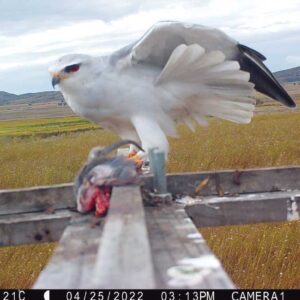
Owls and eagles provide free pest control services by hunting rodents and other species that can negatively impact human health. Barn Owls with chicks in the nest have been reported to catch up to 30 rodents in one night. Many farmers have acknowledged the importance of Verreaux’s Eagles because these birds effectively control Rock Hyrax populations, which, unchecked, could result in significant losses in crop yields.

Results of blood tests from raptors can also be used to indicate the health of an ecosystem. Recent studies in South Africa by Dr Linda van den Heever and colleagues highlighted the problem of lead poisoning in vultures and how high levels of lead in vultures’ blood most likely result from fragments of lead bullets in the carcasses the birds are eating. These microscopic lead fragments can also be found in venison eaten by people (if those carcasses were shot using lead bullets), so both vultures and people, among others, are susceptible to the same preventable health issue of lead poisoning from lead ammunition. Lead poisoning, such as that consumed from similar sources, resulted in nearly a million lives being lost in 2019 and is the cause of 30% of global intellectual disabilities in humans.

  1. Cultural Importance

For hundreds, if not thousands of years, raptors have been symbolic in different cultures worldwide. For example, the ancient Egyptian god Horus had the body of a man and the head of a falcon; the Romans believed that eagles represented power and strength, and humans in neolithic times used feathers and bones for ornamental, ceremonial, and functional purposes. Falconry, a hunting method using birds of prey, has been around for about 5,000 years, first known to have been practised by Mongolians. In South Africa, vulture body parts are used in traditional medicine.

Landowners in the Karoo region of South Africa approached the Endangered Wildlife Trust to assist in bringing Cape Vultures back to the area where they have been regionally extinct since the mid-1980s. Many of these farmers sink into nostalgia when remembering their childhoods filled with memories of being in the veld with vultures soaring above them. In the ‘Farmers for Vultures’ video,  farmers spoke of spying on vulture nests, and others recalled how they would lie dead still in the middle of the veld in hopes that vultures would circle them. These stories show that these birds’ very existence is essential in the cultures of many people and for their well-being. Not only do these farmers love reminiscing about their younger days, but they live in the hope that one day, vultures will soar across the Karoo skies once again.

Raptors are also crucial to the tourism sector. The Kruger National Park offers tourists the opportunity to see vultures and their feeding behaviour up close. Golden Gate National Park hosts one of the few Bearded Vulture populations and feeding sites, and Cape Vulture colonies across the country have been tourist destinations for decades.

  1. Raptor conservation is directly beneficial to human well-being

We know that losing vultures across a landscape can cause significant negative impacts on the physical health of humans. By adjusting our practices and using lead-free ammunition, we will reduce the threat of lead poisoning in raptors and potentially similar threats to humans. By practising responsible carcass management to limit the contamination of the environment by chemicals or veterinary medicines, we are providing safe spaces for vultures to perform their ecosystem services. By moving away from using rodenticides and allowing owls and eagles to do natural pest control, we reduce the chances of being affected by the same poisons.

Conservation of species is not only based on their importance to the health of an ecosystem or the services they provide but is often rooted in ensuring physical, mental, and emotional aspects of human well-being. By tackling threats to raptors and investing resources and time into caring for the health of these species and other wildlife, we protect our fellow species and invariably make the environment safer and healthier for people.

References

(more…)

Adventurous Bateleur astounds conservationists

Adventurous Bateleur astounds conservationists

Adventurous Bateleur astounds conservationists

Andre Botha, EWT’s Vultures for Africa Programme Manager

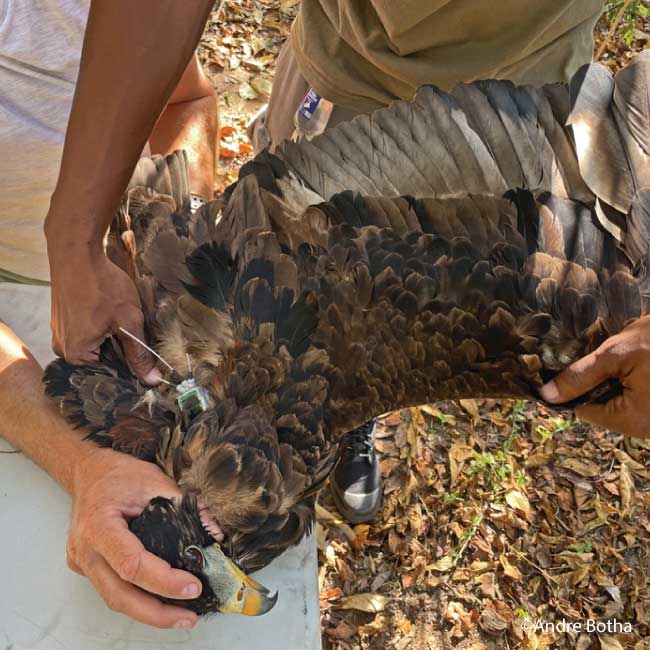
Conservationists from the EWT and its partners, the Chuilexi Conservancy, Niassa Carnivore Project, and WCS/ANAC from the Niassa Special Reserve (NSR) in Mozambique were recently astounded when one of their tracked birds started exploring the wider Mozambique landscape.

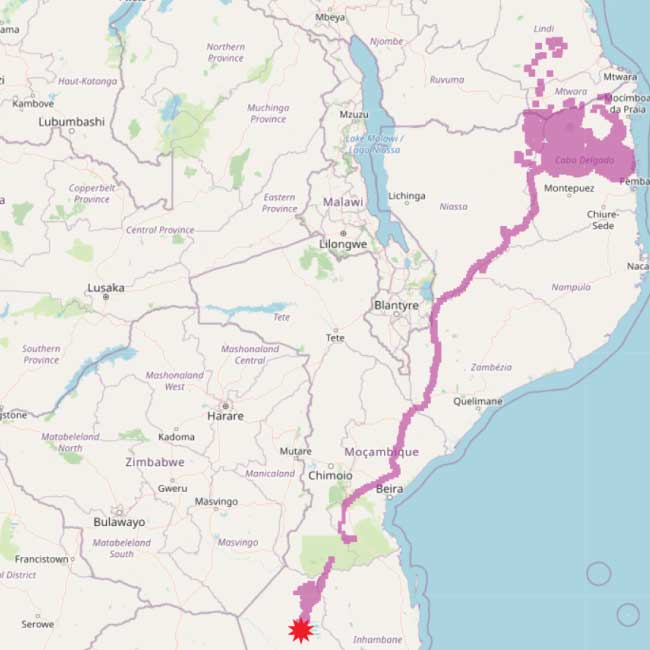
On 10 June 2022, an immature female Bateleur Eagle (Terathopius ecaudatus) was trapped and fitted with a GSM tracking unit as part of the work to establish a tracking sample of 23 vultures and other scavenging birds in this beautiful northern Mozambique landscape. Contrary to expectations that this bird would remain within the confines of the NSR, she almost immediately started venturing east from Niassa to the coast, where she spent a significant amount of time in the Quirimbas National Park northeast of the city of Pemba, and even roamed further north into southern Tanzania at times, often returning to Niassa.

In late January/early February 2023, this pattern of movement significantly altered when the bird started heading southwest, briefly skirting the Malawian border before travelling further south and passing east of Gorongosa National Park, across the Pungwe and Save rivers to where her tracking unit shows she is currently spending time in the Banhine National Park, approximately 1,200 km south of Niassa. This scale of movement is usually associated with migratory species or vultures and is rather unexpected in this less adventurous species, although adults are known to cover considerable distances within their foraging range daily.

This scale of movement emphasises how little we know about the movements of this Endangered species and the need for a more detailed study of its movement biology. As with vultures, a better understanding of Bateleur movements will enable us to identify key staging, foraging and other sites where appropriate conservation action can be focused. We will be keeping a close eye on this bold Bateleur – who knows where she may wander next?

Kafue Lechwe numbers on a steep decline on the flats

Kafue Lechwe numbers on a steep decline on the flats

Kafue Lechwe numbers on a steep decline on the flats

A dead Endangered Kafue Lechwe Antelope (Kobus leche kafuensis)

Saziso Moyo, EWT-ICF Partnership African Crane Conservation Programme

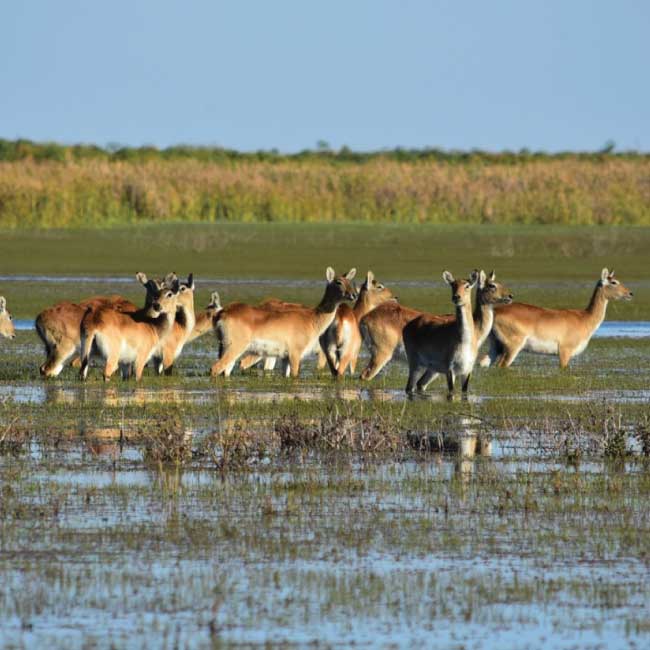
The Endangered Kafue Lechwe antelope (Kobus leche kafuensis) is the predominant antelope species of the Kafue basin. These lechwes are semi-aquatic, medium-sized antelopes that live in large groups close to water bodies or marshes. The antelope engage in competitive displays and courtship rituals, known as lekking, to entice visiting females who are surveying prospective partners with whom to mate. The lechwe population in the Kafue basin has steadily declined from an estimated 80,000 in 1975 to about 23,000 in 2018, leading to its inclusion on the IUCN Red List of Threatened Species. For this reason, the International Crane Foundation/Endangered Wildlife Trust (ICF/EWT) Partnership has, in addition to the crane species we focus on, included the Kafue Lechwe on the list of important species to monitor and conserve. To achieve this, it has become increasingly important to investigate all potential factors contributing to the decline of the Kafue Lechwe population.

During the dry season in 2022, the Kafue Lechwe were dying daily, sometimes as many as 10-20, with the females and young being among the most affected. The ICF/EWT research team and field patrol officers detected this during mandatory monitoring activities.

A team of veterinarians from the University of Zambia (UNZA), the Department of National Parks and Wildlife (DNPW), and the Central Veterinary Research Institute (CVRI) was put together by ICF/EWT to investigate the cause of the alarming mortalities. The DNPW permitted the team to hunt down three lechwes to collect substantial samples of the internal organs. The reports revealed that the lechwes had various health issues, including bacteria and endo- and ectoparasites. The vet team argued that the bacteria and other health issues uncovered were not enough to kill the lechwe, but a combination of the disease load and poor nutritional value of their remaining food source could be acting together to cause the high number of deaths observed.

The report specifically indicates the presence of bacteria such as E. coli, Moraxella spp, and Klebsiella spp. The E. coli is because of the open defecation practised in the fishing villages. The villages have open pit toilets released directly into the water during flood season, presenting a significant public health issue for the people living in fishing villages and for the lechwe that drink from these water holes. Other causes of high mortality rates in the lechwe are human encroachment and the competition for food with the cattle that now number around 80,000 on the Kafue Flats.

The next step will involve presenting these results to relevant stakeholders and authorities for further action. Solutions may include developing a sanitation programme for the villages and a comprehensive management plan for the Kafue Flats for the well-being of people and wildlife.

Additionally, this calls for a deliberate, aggressive monitoring programme of the Kafue Lechwe involving the institutions mentioned above. Monitoring will help us to understand the stress factors and the potential mitigation measures to implement to ensure a thriving wetland for ALL.

Vulture-safe Zones benefit biodiversity and people

Vulture-safe Zones benefit biodiversity and people

Vulture-Safe Zones benefit biodiversity and people

Danielle du Toit, EWT Birds of Prey Programme

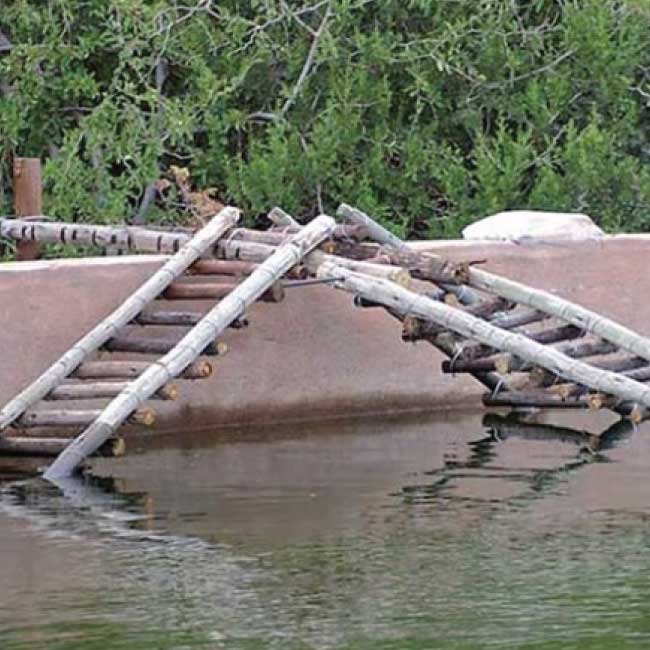
Southern African vulture populations are declining rapidly due to threats such as collisions with and electrocutions by electrical infrastructure, drowning in farm reservoirs, and of course, poisoning in all its many forms. Vulture Safe Zones have been established to address these issues and conserve vultures. Vulture Safe Zones are appropriately-sized geographic areas in which threats to the vulture species present are identified and mitigated through targeted conservation methods. They are established through active engagement with landowners and assistance through Vulture Safe Zone Alliance parties to create safe spaces for vultures to forage, roost and ultimately breed.1,2

Unintentional poisoning occurs when vultures ingest toxic contaminants, including veterinary pharmaceuticals still present in a carcass after treatment3,4, lead fragments in carcasses or entrails from lead ammunition5–8, and agrochemicals used illegally to kill so-called problem animals such as Black-backed Jackal or Caracal. Vultures are sometimes killed intentionally in a direct link to poaching. Sentinel poisoning is the action of vultures being killed due to their behaviour when feeding, which indicates the presence of a carcass of an animal which has been poached. Poachers sometimes poison these carcasses to provide themselves with more time to escape, as vultures die after feeding and do not provide signs to anti-poaching officials that there has been an incident. In traditional medicine, vultures are often killed for their body parts – namely the heads. Some cultures believe that by eating vulture heads and brains, one could be gifted with foresight9.

Through the establishment of vulture safe zones, landowners and conservation organisations alike must address and ultimately remove all threats to vultures within the area, and although we identify these threats as they relate to vultures, they can negatively impact the health of the ecosystem and humans alike. For example, by using lead-free ammunition, meat harvested through hunting will not contain lead – a heavy metal proven to have serious health implications on those exposed to it, even in small amounts – and is thus healthier for humans to eat. Reservoirs fitted with safeguards to prevent drowning do not have to be drained every time an animal (such as a baboon or bird) drowns in it and contaminates the water supply, thus saving valuable water resources. By mitigating powerlines and energy infrastructure against collisions and electrocutions, we can save hundreds of other birds of dozens of species, not only vultures, and prevent or reduce power outages on these lines. When mitigating the threat of poisoning to vultures, we aim to assist landowners in using responsible non-lethal methods of predation management – which often goes hand in hand with a more hands-on approach to stock and land management. We aim to take a holistic approach – employing a decision-making framework rather than a single tool – to address livestock predation on properties.

Cattle herders are also crucial for the management of the predation of livestock. They are proven to not only be eliminate livestock losses to predators but, if following a grazing management plan, can also assist in regenerating otherwise unproductive soil and increasing ground cover. Simply put, increasing ground cover on otherwise barren landscapes reduces the impact of rainfall and allows the water to seep into the soil rather than run off and cause erosion. By implementing herding on properties, we can upskill and create employment opportunities for members of communities, as demonstrated by The SACT Herding Academy. By combatting desertification, landowners will be able to better withstand the effects of drought and build resilience to the impacts of climate change.10,11

The general market for agricultural products seeks sustainably and responsibly produced, traceable products12. By becoming Vulture Safe, a landowner can honestly present their practices and market to consumers while benefitting nature and the people around them. We encourage landowners and partners to use the Vulture Safe Zone logo for promoting their properties and products to generate interest and support for the cause and the landowners who are part of it. Vulture Safe Zones may focus on vultures, but they benefit all.

This work is made possible by the Charl van der Merwe Trust, IUCN Save Our Species Rapid Action Grant, Ford Wildlife Foundation, Alu-Cab, the Rupert Nature Foundation, and the Disney Conservation Fund

References:

  1. Mukherjee, A. & Galligan, T. H. Vulture Safe Zones to save Gyps vultures in South Asia Enhancing community-based vulture conservation in western lowlands of Nepal View project Vulture Safe Zone View project The Royal Society for the Protection of Birds. https://www.researchgate.net/publication/312315404 (2014).
  2. BirdLife International Vulture Safe Zone Fact Sheet.
  3. Plaza, P. I., Martínez-López, E. & Lambertucci, S. A. The perfect threat: Pesticides and vultures. Science of the Total Environment vol. 687 1207–1218 Preprint at https://doi.org/10.1016/j.scitotenv.2019.06.160 (2019).
  4. van Wyk, E., van der Bank, F. H., Verdoorn~, G. H. & Beans, H. CHLORINATED HYDROCARBON INSECTICIDE RESIDUES IN THE CAPE GRIFFON VULTURE (GYPS COPROTHERES). Camp. Btochem. Physiot vol. 104 (1993).
  5. Pain, D. J., Mateo, R. & Green, R. E. Effects of lead from ammunition on birds and other wildlife: A review and update. Ambio 48, 935–953 (2019).
  6. Gangoso, L. et al. Long-term effects of lead poisoning on bone mineralisation in vultures exposed to ammunition sources. Environmental Pollution 157, 569–574 (2009).
  7. Fisher, I. J., Pain, D. J. & Thomas, V. G. A review of lead poisoning from ammunition sources in terrestrial birds. Biol Conserv 131, 421–432 (2006).
  8. Garbett, R. et al. Association between hunting and elevated blood lead levels in the critically endangered African white-backed vulture Gyps africanus. Science of the Total Environment 630, 1654–1665 (2018).
  9. Ogada, D. L., Keesing, F. & Virani, M. Z. Dropping dead: Causes and consequences of vulture population declines worldwide. Ann N Y Acad Sci 1249, 57–71 (2012).
  10. LaCanne, C. E. & Lundgren, J. G. Regenerative agriculture: Merging farming and natural resource conservation profitably. PeerJ 2018, (2018).
  11. Gosnell, H., Gill, N. & Voyer, M. Transformational adaptation on the farm: Processes of change and persistence in transitions to ‘climate-smart’ regenerative agriculture. Global Environmental Change 59, (2019).
  12. Responsible Wool Standard (RWS) – Textile Exchange.
A conservation success story – the return of the majestic Cape Vulture

A conservation success story – the return of the majestic Cape Vulture

A conservation success story – the return of the majestic Cape Vulture

Lindy Thompson and Danielle du Toit, the EWT’s Birds of Prey Programme

Cape Vultures (Gyps coprotheres) are endemic to southern Africa. They are one of South Africa’s larger vulture species, weighing up to 11 kg. They forage in open vegetation types such as Fynbos, Kalahari, Karoo, grassland, and open woodland. Breeding pairs are monogamous and usually raise one chick. The majestic Cape Vulture was listed as Endangered on the IUCN’s Red List of Threatened Species, but in 2021 it was ‘down listed’ to Vulnerable. This is a remarkable conservation success story and testament to the tireless efforts of multiple generations of conservationists in southern Africa. Removing the Cape Vulture from the list of Endangered species in 2021 received very little media attention, despite being an important case study that can provide hope and inspiration to current and future conservationists. This achievement resulted from a concerted effort by various organisations, including the Endangered Wildlife Trust (EWT), BirdLife South Africa, and wildlife rehabilitation centres such as Moholoholo, VulPro, and others. A team of 31 contributors, which included the EWT’s Samantha Page-Nicholson) supplied information and justified why this species should (or should not) stay classed as ‘Endangered’. Threats to the species include unsafe wind energy developments, poisoning events, unsafe power lines, and food availability may play a large role in the successful breeding and population trends of this species. Current conservation actions for the Cape Vulture include systematic monitoring, education and awareness programmes, protection by national and international legislation, the expansion of formally protected areas (such as the Soutpansberg), and the creation and growth of Vulture Safe Zones.

The importance of Vulture Safe Zones in Cape Vulture conservation
Karoo Vulture Safe Zone Document

In India in the 1990s, vulture populations suffered drastic declines. Scientists were baffled as to why until the study of carcasses revealed the presence of the veterinary non-steroidal anti-inflammatory drug, Diclofenac. They concluded that this drug was the root cause of the mass fatality and had cost about 90% of the vulture population in the area in the space of a decade. This became known as “The Indian Vulture Crisis.” The disappearance of Vultures led to the ecological tipping of scales. Mammalian scavengers such as jackals and feral dogs took advantage of the increased food supplies, and their populations increased. The high number of mammals on carcasses inadvertently led to an increase in the spread of pathogens. India faced, and still faces, a rabies epidemic that costs 30,000 human lives per year and billions of dollars in health fees. The urgent need for action to stop the rapid decline of vulture species in Eurasia and Africa led to the development of the Multi-Species Action Plan to Conserve African-Eurasian Vultures (commonly referred to as the Vulture MsAP). It is a comprehensive and strategic plan which covers ranges across two continents. Vulture Safe Zones are an activity recognised in the Vulture MsAP to encourage the responsible management of the environment by actively reducing threats to vultures in identified areas. They are specified geographic areas where conservationists and landowners use targeted conservation measures adapted for the vulture species present. These measures include safeguarding electrical infrastructure to minimise collisions and electrocutions, reducing the use of poisons, covering or altering reservoirs to prevent vulture drownings, and using NSAIDs responsibly. The most important thing to remember is the responsible management of resources that vultures use, such as the availability of safe perches, water for drinking and bathing, and food. Vulture Safe Zones also promote responsible disposal of carcasses on which vultures scavenge to reduce poisoning through pesticides and lead fragments that remain in a carcass after an animal is shot.

The Karoo Vulture Safe Zone

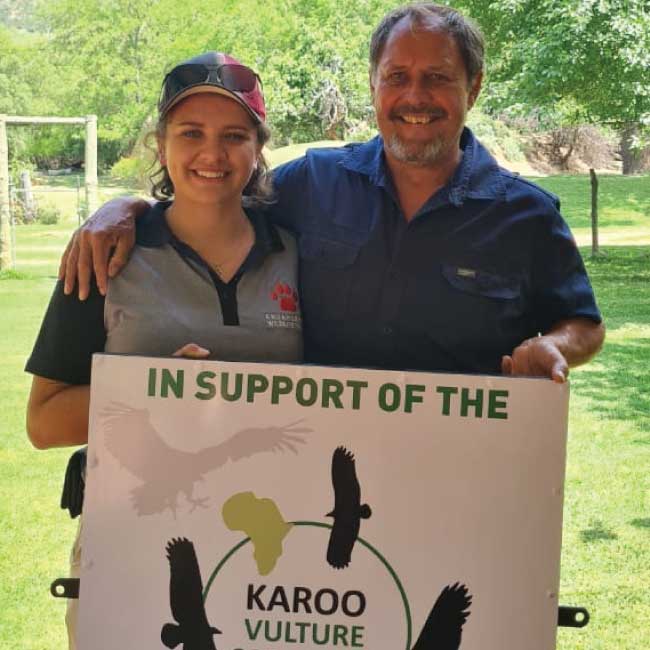
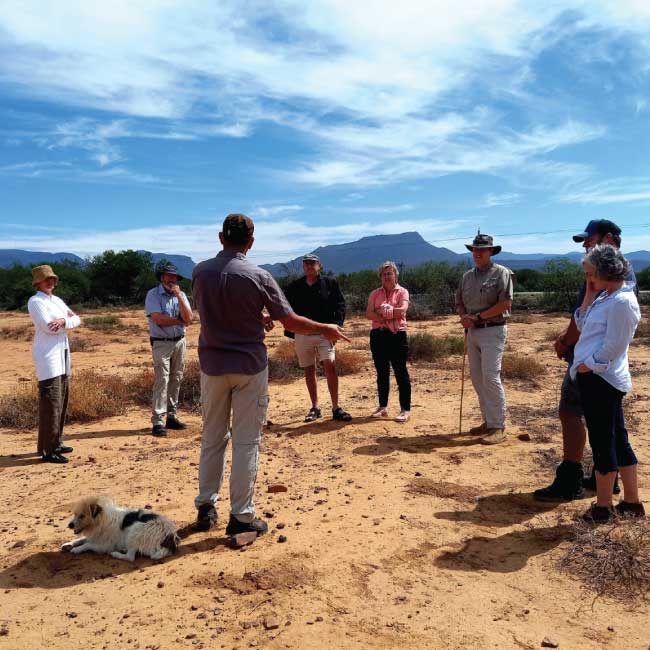
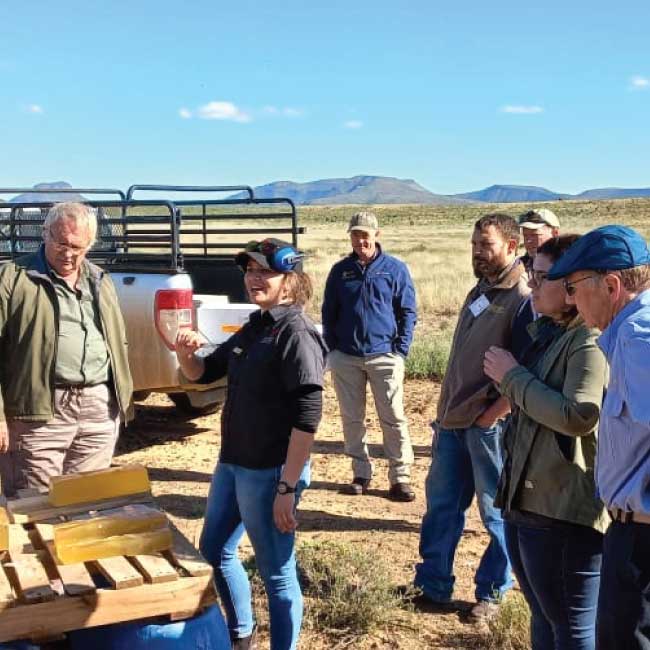
Landowners in the karoo region of South Africa established the Karoo Vulture Safe Zone (KVSZ) to increase the area’s Cape Vulture populations that have been decimated by persecution resulting from misinformation and a general misunderstanding of their role in the ecosystem. Landowners in the mid-20th century believed that it was vultures killing their small livestock when they would find the birds feeding on them during the day. Unbeknownst to them at the time, the jackal population in the area was beginning to take advantage of the easy prey and kill them during the night. Now, the landowners in the area are admirably working to fix these past mistakes. In August 2020, the first landowner signed up to proclaim his property a Vulture Safe Zone. Since then, the KVSZ has grown to 730,000 hectares owned by 94 landowners committed to making their properties Vulture Safe. The project continues to encourage the responsible management of properties across the karoo landscape through landowner engagements and environmental education, which focus on sustainable and safe practices of managing predators and water resources and the safe disposal of carcasses. The KVSZ team also works through the strategic partnership between the EWT and Eskom to make problem powerlines safe for vultures. Cape Vulture sightings within the project area are reported to the KVSZ team, and it is exciting to receive reports of up to 70 birds roosting on cliffs that were previously void of these magnificent birds. Monitoring efforts by the team to better understand the populations traversing the Eastern Cape skies have shown an increase in breeding pairs in known sites and the possible development of new breeding sites. All of these give the team more motivation to make the Karoo and the larger Eastern Cape a safe space for Cape Vultures. The Vulture Safe Zone process is long, and it will take time until the area is completely vulture safe. In the interim, we continue to encourage vulture safe management and measures and spread awareness of the need for areas like this.

References:

Benson, P.C. and McClure, C.J. (2019). The decline and rise of the Kransberg Cape Vulture colony over 35 years has implications for composite population indices and survey frequency. Ibis 162: 863-872. https://doi.org/10.1111/ibi.12782 BirdLife International (2021). Gyps coprotheres. The IUCN Red List of Threatened Species 2021: e.T22695225A197073171. https://dx.doi.org/10.2305/IUCN.UK.2021-3.RLTS.T22695225A197073171.en accessed on 25 August 2022. Howard, A., Hirschauer, M., Monadjem, A., Forbes, N. and Wolter, K. (2020). Injuries, mortality rates, and release rates of endangered vultures admitted to a rehabilitation centre in South Africa. Journal of Wildlife Rehabilitation 40: 15-23. Mbali Mashele, N., Thompson, L.J. and Downs, C.T. (2022). Trends in the admission of raptors to the Moholoholo Wildlife Rehabilitation Centre, Limpopo province, South Africa. African Zoology 57: 56-63. https://doi.org/10.1080/15627020.2021.2016073 Thompson, L.J. and Blackmore, A.C. (2020). A brief review of the legal protection of vultures in South Africa. Ostrich 91: 1-12. https://doi.org/10.2989/00306525.2019.1674938