
ALARMS ARE RINGING – IS THE COVID-19 PANDEMIC A WAKEUP CALL FOR BUSINESSES?
Megan Murison, Project Officer, EWT National Biodiversity and Business Network, Angela Cherrington consultant, and Dr Joel Houdet, consultant
meganm@ewt.org.za
“Nature is sending us a message with the coronavirus pandemic and the ongoing climate crisis”.
The United Nations Environment Chief, Inger Anderson (2020)
Disease outbreaks, biodiversity loss and climate change
According to the World Economic Forum (2020), the frequency of disease outbreaks has been increasing steadily. There were 12,012 recorded outbreaks between 1980 and 2013, comprising 44 million individual cases all over the world. While these outbreaks are linked to increasing global travel, trade, connectivity, and high-density living, and although our understanding of how functional ecosystems protect us from diseases is still limited, there also appear to be strong linkages between disease outbreaks, climate change, and biodiversity loss.
Human activities have significantly altered three-quarters of the land and two-thirds of the ocean, changing the planet to such an extent as to birth a new era: The Anthropocene”. Changes in land use that result in habitat destruction for biodiversity (e.g. deforestation and agriculture) bring wildlife, domestic animals, and humans into closer contact, facilitating the spread of zoonotic diseases, including new strains of bacteria and viruses. Uncontrolled illegal and legal trade in live wild-caught animals breeds even more dangerous grounds for human-wildlife contact and the transmission of diseases. Many recent outbreaks have originated in markets selling a combination of live and dead, wild and domestic mammals, birds, and reptiles.
Climate change has also altered and accelerated the transmission patterns of infectious diseases such as Zika, malaria, and Dengue fever, and in some cases resulted in the displacement of large groups of people to new locations, often under poor conditions. Groups under these conditions are also more vulnerable to additional ailments such as measles, malaria, diarrheal diseases, and acute respiratory infections.
Business unusual: Time for pro-active biodiversity mainstreaming
Biodiversity is under severe threat globally, including in South Africa, and the private sector is one of the primary drivers behind the degradation of habitats and the loss of biodiversity. The Intergovernmental Science-Policy Platform on Biodiversity and Ecosystem Services (IPBES), an independent body established in 2012, made up of over 130 member states around the world, recently confirmed that around one million animal and plant species are now threatened with extinction, more than ever before in human history.
Business both relies and impacts on biodiversity. Biodiversity produces a wide variety of services on which businesses depend. Examples include the supply of raw material, crop pollination, genetic resources, water filtration, flood attenuation, erosion control, and many others. As such, business is critically dependent on ecosystem services to produce the goods and services it sells. Companies would not be able to operate without biodiversity.
In the context of COVID-19, countries and the private sector must not use the pandemic as an excuse to weaken environmental protection and enforcement, as argued by a UN independent human rights expert. The reverse should be the case. Governments and businesses must tackle the Covid-19, biodiversity, and climate crises with a holistic strategy – transforming the global economy to be just, inclusive, sustainable, and resilient.
If this is to be achieved, the mainstreaming of biodiversity should be done in all economic sectors: i.e. integrating biodiversity into business strategies and activities, notably in supply chains where land use changes, resource consumption and wildlife trade take place. Biodiversity mainstreaming needs to benefit both humans and nature, and businesses need to be able to assess their impacts on biodiversity and manage them effectively. This builds on a growing movement toward nature-based solutions, which harness the power of biodiversity and ecosystem services to mitigate effects of the climate crisis, unsustainable food systems, water pollution, and other socio-economic and environmental challenges. The EWT’s National Biodiversity & Business Network’s Biodiversity Disclosure Project (BDP) aims to assist companies to assess both their opportunities and their risks related to biodiversity. The BDP offers businesses an easy method to account for their biodiversity impacts, using a standardized accounting protocol. Should you or your business be interested in better understanding your impacts on biodiversity, please contact the NBBN team here.
COVID-19 LOCKDOWN: A TIME TO REFLECT ON OUR IMPACT ON BIODIVERSITY
Annie DuPre-Reynolds, Manager, EWT Wildlife in Trade Programme
AnnieD@ewt.org.za
The novel coronavirus, COVID-19, has brought to the forefront new challenges and, therefore, opportunities in our lifetime. While we often feel invincible with our advanced technology, it is times like these that remind us we are powerless against nature. Millions of people around the world, working from home and watching the news, are stuck inside and feel disconnected from their environment. But the reality is the opposite – our impact on this planet over the past generations has a direct connection to the spread of this disease.
Deforestation and habitat reduction have driven wild animals out of their natural homes and into areas of human habitation. Continued demand for wildlife products means people encroach further into protected areas to extract wildlife and natural resources. The illegal wildlife trade, which is driven by human consumption, sees people (especially the poor and vulnerable at the lowest level of this supply chain) risking their health and safety to make a living.
As we expose ourselves to animals and plants in the wild and bring wildlife into urban areas as part of the wildlife trade, we increase the ways zoonotic diseases can hop from animals to humans. In our crowded world, viruses with high mutation rates can (relatively) quickly switch hosts in new ecosystems. In particular, the unregulated nature of illegal wildlife trade provides easy opportunities for pathogens to spread.
In 2012, journalist Jim Robbins wrote a prophetic piece in the New York Times. Disease, he observed, “is largely an environmental issue. Sixty percent of emerging infectious diseases that affect humans are zoonotic – they originate in animals. And more than two-thirds of those originate in wildlife.”
Was the decision by the United Nations to call 2020 a “super year for nature and biodiversity” also prophetic? Perhaps amongst the devastation caused by COVID-19, we will find the time and energy to consider our impact on this planet and its biodiversity. While the pandemic has delayed important international meetings on the environment and biodiversity, an increased focus on public-awareness and campaigning could bring positive impacts overall.
In February, COVID-19 drove the Chinese government to take drastic measures to stem illegal markets and ban wildlife consumption. Yes, there are loopholes that will continue to negatively impact wildlife. No, this was not a simple solution to the problems posed by illegal and unregulated wildlife trade. What remains to be seen is if consumer behaviour will change as a result of these regulations, and if pressure will reduce on some of the world’s most threatened and protected species.
Beyond the many lessons we will learn about public health and safety, we must keep in mind the impact we have on our environment. This too shall pass – and one day soon we will look back on COVID-19 as part of history. Will our attitude towards wildlife have changed? Will we have learned our lesson, and slowed exploitation of our planet’s biodiversity? Let us not take this lesson for granted and use this time to re-evaluate our actions on this planet and make sustainable choices now.
RISK, REPUTATION AND REPORTING: DOES BUSINESS HAVE A BIODIVERSITY BLIND SPOT?
Megan Murison, Programme Officer, EWT National Biodiversity and Business Network
MeganM@ewt.org.za
Often the link between biodiversity and business can be difficult to identify. On 18 February 2020, the EWT’s National Biodiversity and Business Network (NBBN) hosted their annual Indaba under the theme of risk and reputation. The biodiversity economy of South Africa encompasses business and economic activities that either directly depend on biodiversity for their core business or that contribute to the conservation of biodiversity through their activities. Therefore, the aim of the Indaba was to provide a knowledge sharing platform to explore biodiversity relating to:
- risk management and oversight
- reputation management
- increasing stakeholder activism
- sustainable financing disclosure and reporting
The keynote speaker was Chief Directorate: Biodiversity Specialist Monitoring and Services, Wadzi Mandivenyi, who highlighted the desperate need for business to become aware of the risks as well as the benefits of biodiversity to their activities. Notable presentations included those by the JSE Limited’s Shameela Soobramoney, Reputation Matter’s Regine le Roux, and Tracey Davies of Just Share. The Indaba was well attended, with over 60 participants representing a wide variety of business sectors. The NBBN, as well as its partners, recognise the importance of biodiversity to business and aims to build the capacity of business to act as a positive force for the conservation of biodiversity in South Africa.
EXPANDING OUR CONSERVATION FOOTPRINT IN THE SOUTPANSBERG
Belinda Glenn, EWT Marketing and Communications Manager
BelindaG@ewt.org.za
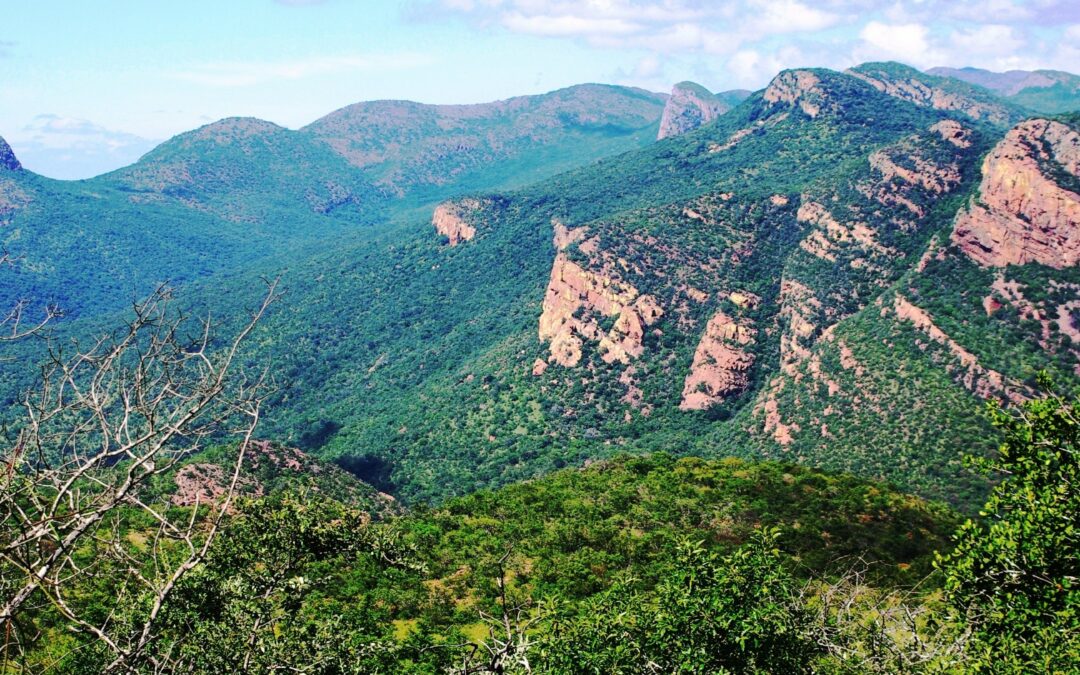
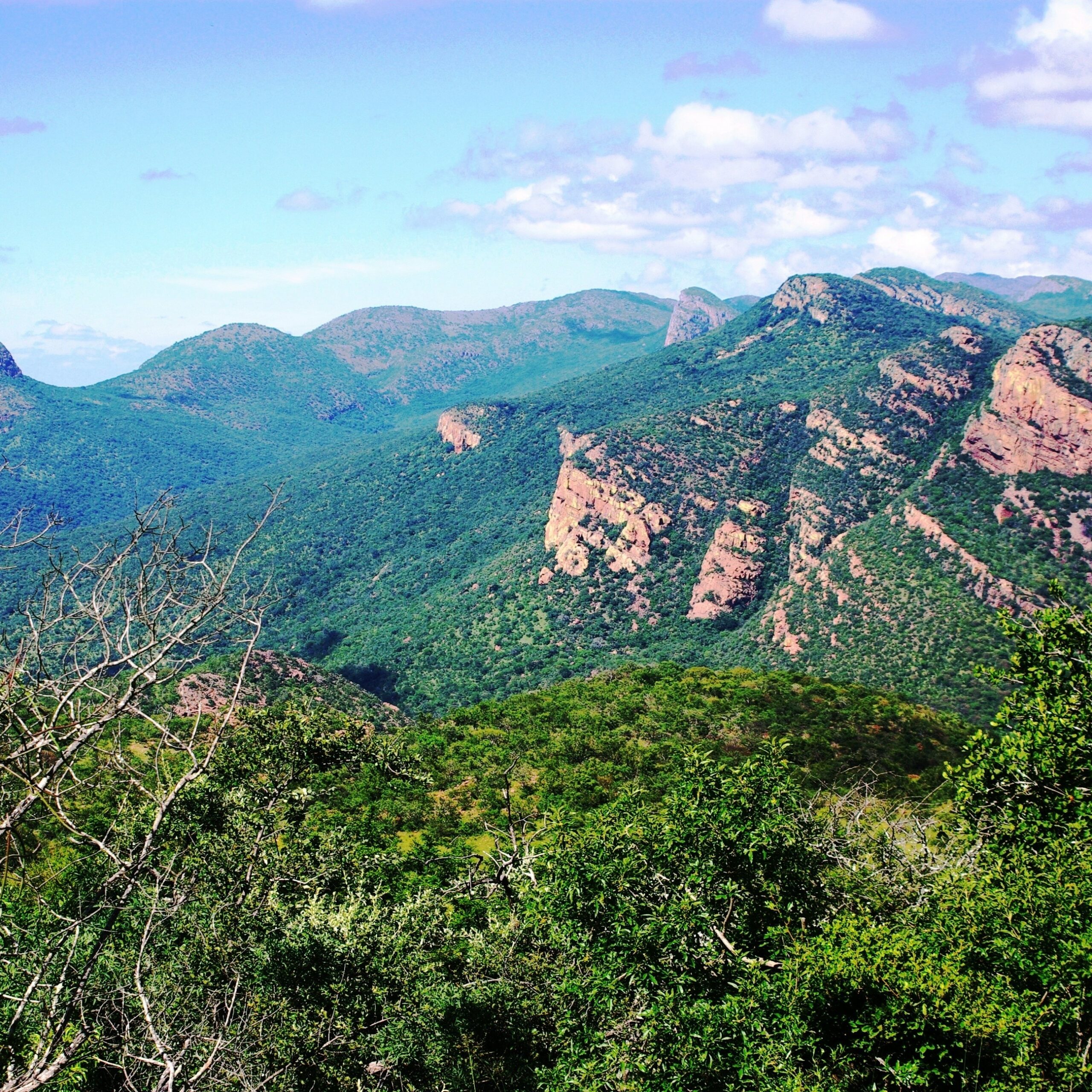
A little over a year and a half after our purchase of the Medike Nature Reserve, the EWT has acquired an additional 1,335 ha of critically important habitat in the Soutpansberg Mountains. This brings the area under EWT conservation management to around 2,800 ha. This recent acquisition borders the Medike Nature Reserve, which was acquired in 2018, a wonderful feat made possible by the generous support of Rainforest Trust (USA), the Roberts family (Australia), and James Douglas Wilson (Bahamas).
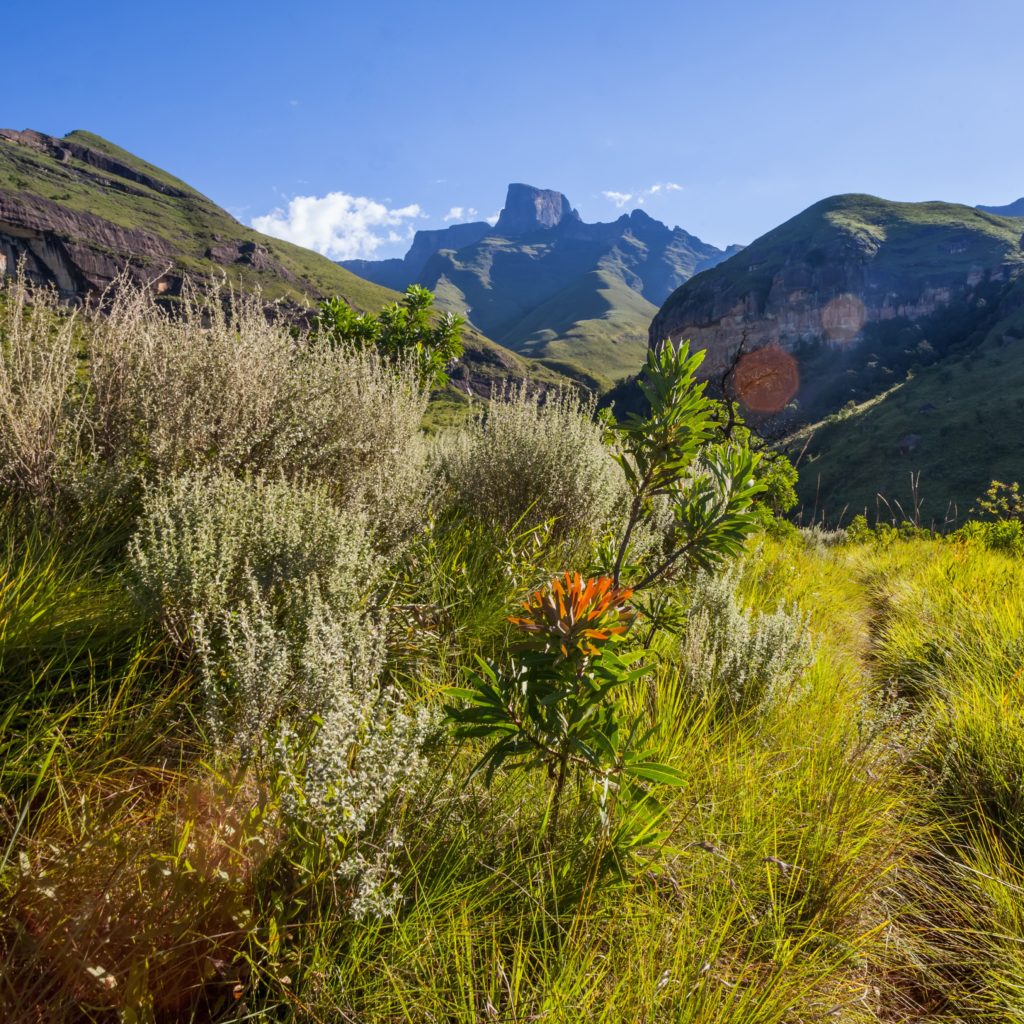
The Soutpansberg Mountains within the Limpopo Province are South Africa’s most northern mountain range and are home to thousands of species of insects, plants, birds and mammals that are found nowhere else on earth. With less than two percent of this area being formally conserved, the EWT has identified this region as being in urgent need of protection due to the high presence of threatened species, its extraordinary variety of important habitat types, its crucial role in water production, and its value as a centre of cultural heritage for many communities.
The initial purchase of the Medike Nature Reserve only the first step in a long-term project to realise the dream of establishing the Soutpansberg Protected Area, which will ultimately span in excess of 23,000 ha. Not only does the newly acquired property protect a variety of unique vegetation types such as the extremely rare Northern Mistbelt Forest, the endemic Soutpansberg Summit Sourveld, and Soutpansberg Mountain Bushveld, of which only 3.6% was previously protected, it also forms a critical link between the EWT’s Medike Nature Reserve and the existing Happy Rest Provincial Nature Reserve.
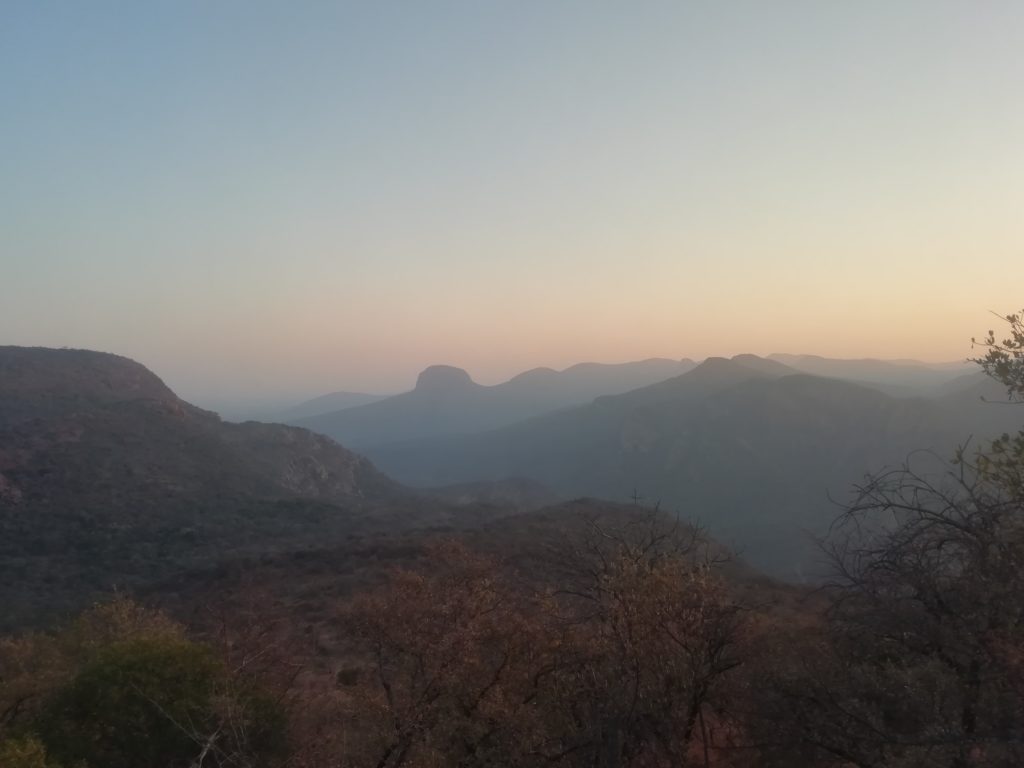
Purchasing this high-altitude property adjacent to our Medike Nature Reserve in the Sand River gorge is also an excellent example of a climate response corridor with altitudinal variation. As systems warm, it is expected that ecological niches will shift upwards in altitude and by protecting areas from valley bottoms through to hilltops it is commonly understood that this creates adaptation potential for a large number of species.
The EWT aims to safeguard the future of hundreds of threatened species through our local conservation activities, which will protect the unique biodiversity and landscapes, and support the development of sustainable livelihoods in the western Soutpansberg Mountains. We are achieving this through the establishment of a formal protected area corridor for the entire western Soutpansberg, while at the same time strategically addressing threats to species and their habitats across the region, through actions such as the control of invasive alien plant species from the mountain’s catchments and the deployment of our anti-poaching units in poaching hotspots, as well as securing critical cultural heritage and sacred sites for local Venda people
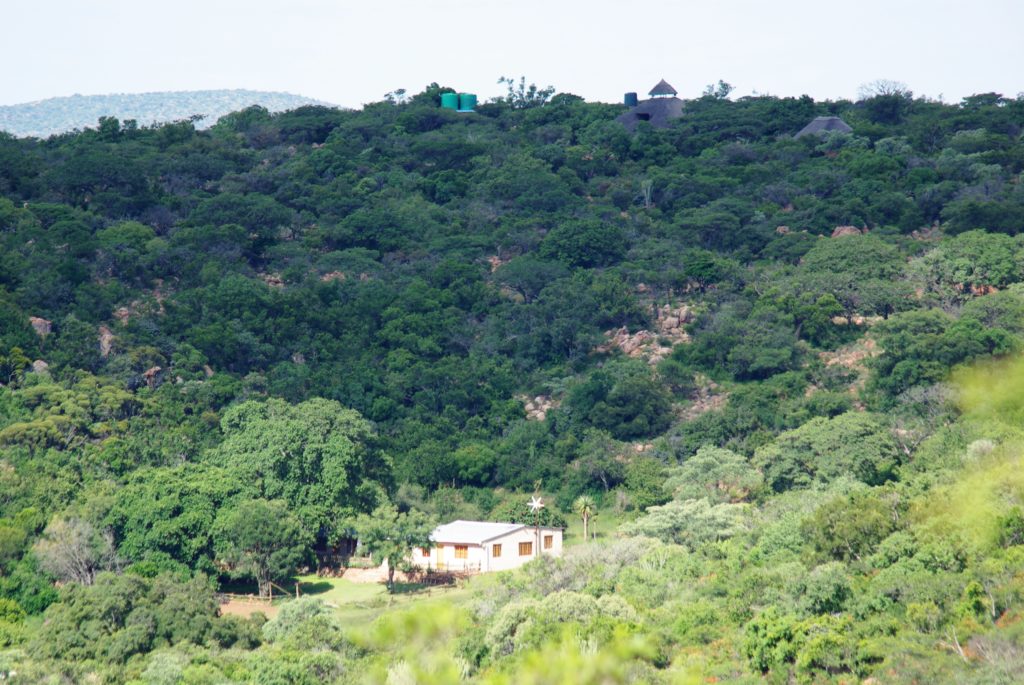
The creation of a large protected area will not only mitigate wildlife threats, but will also enhance economic activities in the area, thus promoting sustainable job creation within the eco-tourism, biological research, and education sector in and around the mountain. Our vision will see the Soutpansberg mountain become not only a refuge for the protection of amazing threatened habitats and species but also a tourism centre for people to enjoy and experience for centuries to come.
EWT CEO says, “It is significant that, during Heritage Month in South Africa, this long-awaited conservation transaction was finalised. The EWT and our partners, Rainforest Trust, the Roberts Family and James Douglas Wilson, with the invaluable support of Cliffe Dekker Hofmeyr, are creating something very special in this ancient mountainous landscape, by preserving the cultural and natural heritage of multiple communities of life, for the future. As we expand our conservation footprint in this region, the opportunities to engage local communities in sustainable, green economy enterprises that will support their livelihoods, in an area of devastating poverty and unemployment, also grows. We are excited about the potential to develop a unique conservation model that capitalises on the area’s unique biodiversity and cultural heritage to the benefit of existing and future generations and to unpack the secrets of this wondrous Garden of Eden through our ongoing discovery of new species.
SONY DSC
ENVIRONMENTAL IMPACT ASSESSMENTS ARE NOT SAVING OUR WILDLIFE AND WILD SPACES
Dr Ian Little, EWT Senior Manager: Habitats
Ianl@ewt.org.za
Biological diversity is a difficult thing to measure at a national scale, but regardless of how it is measured, South Africa is in the top ten most biodiverse countries in the world, and could possibly even be in the top three. We are privileged therefore, as a developing country, to be in a position to conserve our remaining intact habitat and associated biodiversity. If we strategically and carefully govern our development processes, we can do so while also achieving sustainable economic growth, development and natural capital/heritage. with associated tourism value. The conservation of our natural heritage, and prevention of loss of priority biodiversity and ecosystem assets, are regulated by the National Environmental Management Act (NEMA 107 of 1998), the National Environmental Management: Biodiveristy Act (NEMBA 10 of 2004) and more specifically by the Environmental Impact Assessment (EIA) Regulations (4 of 2014).
These regulations have proven to be ineffective in a number of ways, allowing for the loss and degradation of priority, threatened habitats. The flaws are numerous and include a lack of objectivity in terms of the process, predominately due to the fact that Environmental Assessment Practitioners (EAPs) are paid directly by developers and, until recently, have not been subject to much external evaluation; a lack of sufficient peer review of specialist reports; a lack of transparency in terms of specialist selection and report inclusion; a lack of account for cumulative impacts; inefficiency in the system where small localised applications are subjected to the same prolonged application process as large extensive ones; and, of course, ever present corruption and collusion.
The flaws in the current legislation and EIA process have likely resulted in significant and irreversible damage to our natural heritage. To address this, we have established a task team of voluntary participants who bring together a diverse and powerful set of legislative and conservation skills and, through collaborative effort and the cumulative influence of multiple organisations and stakeholders, we aim to generate a groundswell towards affecting change.
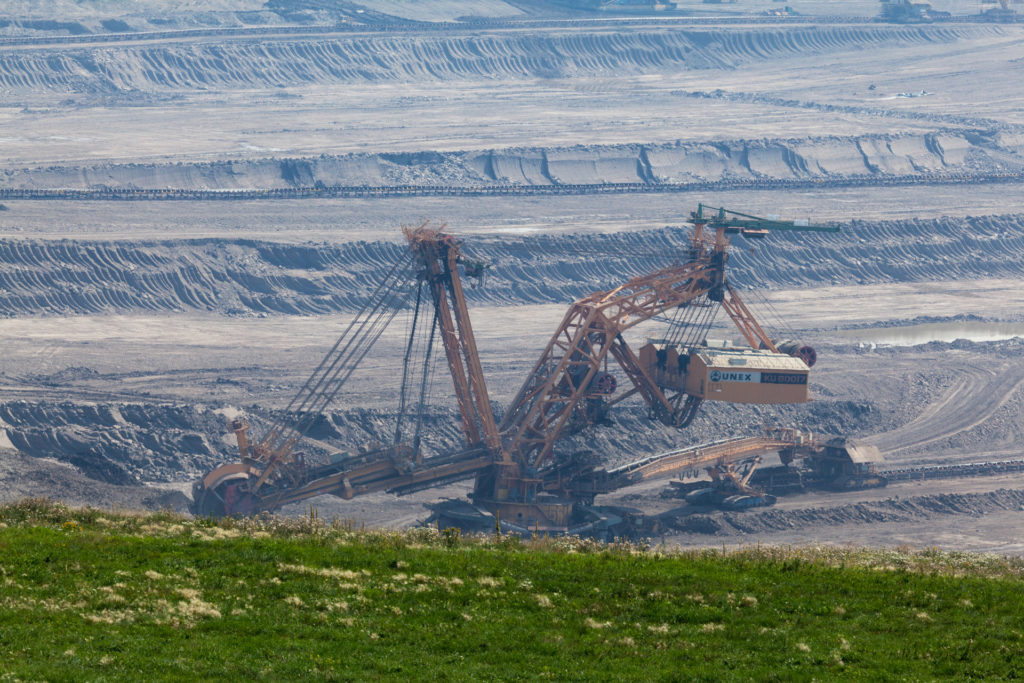
Sadly, this is the situation in most countries around the world and for a change South Africa is not an exception to the rule. In a recent article by two Australian scientists, William Laurence and David Salt wrote the following: “A tsunami of development projects is sweeping across the planet. It’s in the form of new roads, dams, mines, housing estates, and other infrastructure projects. The governments enabling these projects tell us not to worry: although the details vary from country to country, nearly all sizable projects must undergo an environmental impact assessment (EIA) to ensure no lasting harm. But the sad fact is, those assessments are increasingly not worth the paper they’re printed on. The EIA is the frontline of environmental protection in most countries. It’s a legal requirement placed on a developer to measure the impact on nature of their proposed development. If that impact includes anything the government has pledged to protect, such as a threatened species, then the development may be halted or redesigned to avoid the impact. Or that’s the idea, anyway. The only problem is that the EIAs are rarely stopping bad projects. All around the world we see a growing catalog of cases where EIAs are giving green lights to developments that should never see the light of day — projects that are destroying irreplaceable habitat or threatening the last representatives of endangered species.” They go on to describe the reasons why global EIAs are ineffective, which are essentially the same reasons that ours are failing and describe where this is going to leave the planet in the not too distant future. A scary prospect given that the one thing humans will always rely on for survival is natural resources like clean water and air. Never-the-less, the sad fact is that our wildlife and amazing natural heritage is taking a back seat to greedy development goals. For more on this article see https://ensia.com/voices/environmental-impact-assessment/.
The key to preventing irreversible damage to critical habitat and threatened species is making sure that we have enough information to guide site selection for responsible development. South Africa is advanced (one of the best in the world) in terms of our biodiversity data but we still have significant data gaps, especially for the Critically Endangered and naturally scarce species that by nature are difficult to find. In order to address this data challenge, we are driving a strategic species distribution modelling process over the next three years which will develop detailed predictive maps for all threatened and endemic (specific to South Africa) birds and animals in South Africa.
These strategic predictive maps will inform the early stages of site assessments in the EIA process by predicting the expected presence of all the sensitive species for which development applications will have the most detrimental impacts. This will guide not only early stage rejections, but also inform the selection of specialists for in-depth EIA assessments. It will allow end-users (e.g. landowners, developers, EIA consultants, conservationists and specialists) to retrieve a list of all the species predicted to occur at a proposed development site, with an emphasis on sensitive species that would normally trigger an EIA. This would form the basis of more robust scoping reports and effectively reduce the time, costs and effort committed to these assessments, whilst dramatically increasing the potential to flag sensitive species in a proposed development area.
Once trialled, our strategic predictive map will be incorporated into the national land-use screening tool (developed by the Department of Environmental Affairs, now the Department of Environment, Forestry and Fisheries). This tool was gazetted in July 2019 and will be a compulsory part of EIA processes from 4 October 2019. Linked to this all Environmental Assessment practitioners must apply to be registered with the Environmental Assessment Practitioners Association of South Africa (EAPASA) by 8 October 2019 and will not be allowed to practice if not registered by 8 February 2020. These are important steps towards regulating the EIA process.
The successful implementation of our collaborative project, generously supported by Rand Merchant Bank’s trailblazer grant, will hopefully lead to a systematic change in the functioning and efficiency of EIAs to protect sensitive species and priority habitat, with benefits to our natural heritage, the ecosystem services these provide, and the processes that govern its development. We are at the tipping point of our development agenda and it is urgent that we ensure that permanent damage to our globally significant natural heritage prevented now before we regret it forever. Ultimately the power lies in the hands of our (and the world’s) politicians. We, civil society, have the cumulative voice to drive political decisions and given that politicians generally only think in four-year cycles, we urge the public to get behind this important initiative now.
For more information contact:
Dr Ian Little (EIAs) – ianl@ewt.org.za
Dr Dominic Henry (Distribution modelling) – dominich@ewt.org.za
