The EWT calls for a revision and republication of a completed Draft Biodiversity Economy Strategy for public comment

The EWT calls for a revision and republication of a completed Draft Biodiversity Economy Strategy for public comment

The EWT calls for a revision and republication of a completed Draft Biodiversity Economy Strategy for public comment

By Eleanor Momberg
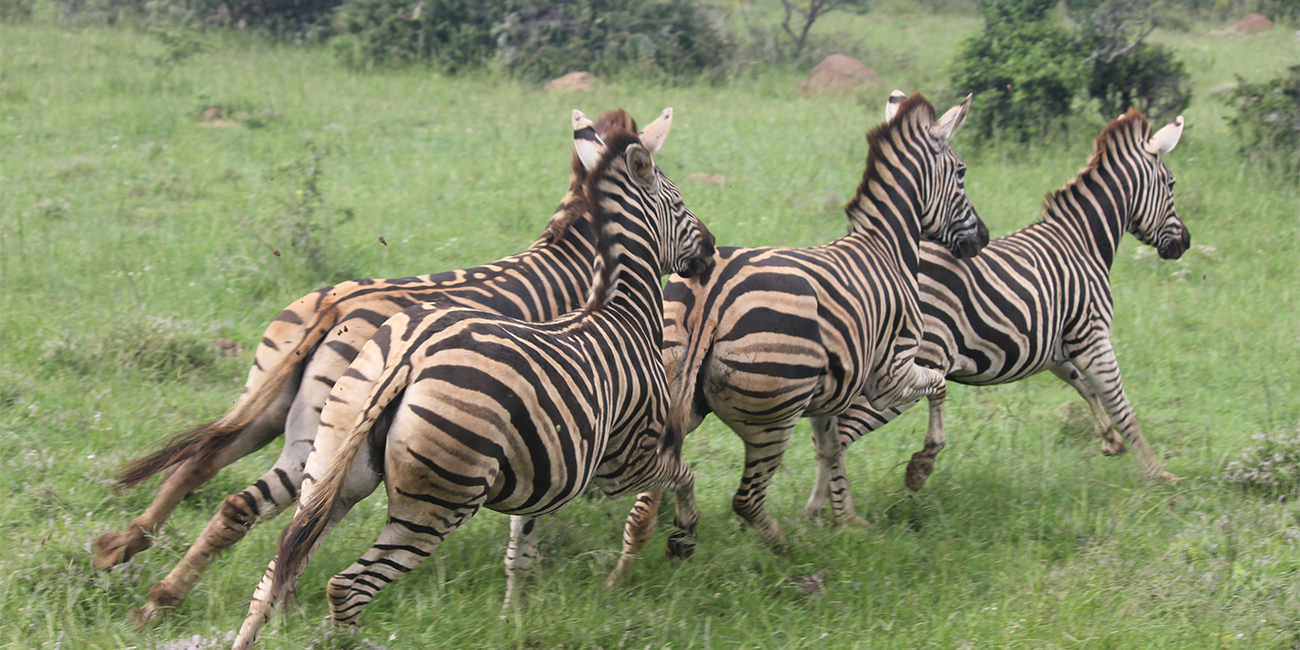
 

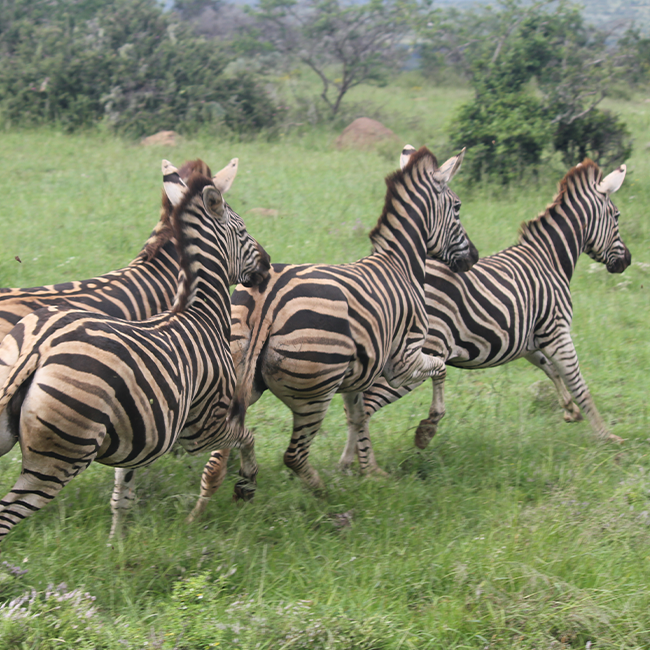
The Endangered Wildlife Trust (EWT) has called for a revision and the republication for public comment, for a period of 30 days, of the government’s National Biodiversity Economy Strategy (NBES).

The Strategy was published for a 14-day public comment period on 8 March 2024. The comment period was later extended to 16 April 2024.

The EWT submitted extensive comments in two parts to the Department of Forestry, Fisheries and the Environment (DFFE) on 16 April 2024 outlining its general arguments regarding the NBES and detailed comment on specific issues contained in the document.

An initial NBES was published for implementation by the Department in 2016 outlining the steps necessary to ensure the success of the commercial wildlife and bioprospecting industries, as well as the transformation of both sectors of the South African economy. The 14-year plan’s aim was to provide a basis for addressing constraints to growth, ensuring sustainability, identifying clear stakeholder’s responsibilities and monitoring progress of the Enabling Actions. In terms of the first NBES, the goal has been to achieve an average annualised GDP growth rate of 10% per annum by 2030 in the biodiversity economy.


The Draft National Biodiversity Economy Strategy gazetted in March 2024 (link to the gazette) is a revision of the existing NBES and aims to “optimise biodiversity-based business potentials” across most economic sectors “for thriving people and nature”.

“In reviewing the NBES, the Strategy has been broadened to respond to the White Paper on Conservation and Sustainable Use of South Africa ‘s Biodiversity (the White Paper) as well as the Kunming-Montreal Global Biodiversity Framework (GBF), whilst incorporating the outcomes of the National Operation Phakisa Oceans and Biodiversity Labs, and addressing opportunities associated with all ecosystems,” the NBES Executive Summary states.

By broadening the terms of the Strategy, it has been “completely reconceptualised as a broad strategy to guide the whole of the biodiversity economy”.

The EWT, in its comments on the latest iteration of the NBES (link to the laws document), recognises the value that ecological sustainable use of wildlife brings to South Africa, and supports conservation practices that, within the scope of the law in the country, promote the ecologically sustainable use of wild animals in natural free-living conditions to the benefit of all.


While the EWT upholds the provisions of the environmental right contained in the Constitution, it does not support the industrial-scale production and management of South Africa’s wildlife when these activities are not in line with the principles of ecologically sustainable use, animal well-being and do not benefit the conservation of the species in the wild.

“These practices may also result in environmental harm and wildlife well-being concerns,” the EWT submission states.

In welcoming the opportunity to play a constructive role in developing an appropriate and equitable biodiversity economy strategy as part of the broader development of a sustainable green economy, while ensuring the enhanced protection of the country’s biodiversity, the EWT submits that the NBES itself is lacking in both content and clarity. Unless revised, it risks impeding ecologically sustainable use.

More information is required on the business cases underpinning the actions listed, and the economic information that has been considered in motivation for these activities.

“Critically, the NBES as it stands lacks SMART objectives, objectives that are specific, measurable, achievable, realistic and time bound.”

Detailed comments by the EWT deal with the goals outlined in the NBES highlighting various shortcomings requiring attentions. In almost all instances, the EWT points out a lack of clarity on the goals proposed, whether these can be justified, or considered realistic.

The EWT’s response to the first goal related to leverage biodiversity-based features to scale inclusive ecotourism industry growth in seascapes and in sustainable conservation land-use, points out the lack of explanation to justify targets provided, as well as the lack of clarity on what type of ecotourism infrastructure is to be developed in the buffer zones.


Similarly, with the goal to prioritise infrastructure development and viable enterprises in community reserves and areas adjacent to fauna/ Biq 5 areas. Here the EWT states the prioritising infrastructure development on the edge of protected areas undermines the principles of establishing ecological buffers around protected areas, a core principle for retaining the integrity of these areas as illustrated by the spatial structure of biosphere reserves, as well as Ecological Support Areas surrounding Critical Biodiversity Areas. These projects in must comply with environmental regulations to mitigate potential negative impacts on ecosystems, habitats, or protected areas, ensuring compliance with relevant laws and regulations and avoiding residual impacts where possible.


The EWT points out that the second goal of consumptive use of game from extensive wildlife systems at scale that drives transformation and expanded sustainable conservation compatible land-use lacks clarity. It is unrealistic and could potentially undermine sustainable management efforts to expect consumptive use of game from extensive systems at scale to “drive” transformation.

Questioning how realistic the hunting targets proposed are, the EWT points out that the NBES is silent on whether there is in fact a market for the degree of hunting indicated, adding that the quota targets have not been justified with an economic motivation that explains their contribution towards national tourism and or socio-economic revenue. The same applies to the actions related to so-called traditional hunting. If these hunting methods are illegal, unsustainable or do not ensure the well-being of the animal, the EWT cannot supported the action, even if it is considered traditional.

Regarding legislation to guide the implementation of the game meat industry, the EWT states that while it supports initiatives to advance game meat consumption, “we are wholly opposed to the slaughter of wild animals in abattoirs as this fundamentally infringes on their well-being”.

Until the Game Meat Regulations are promulgated and the exception to section 11(1)(i) of the Meat Safety Act 40 of 2000 becomes effective, game meat production as an economic opportunity is not viable. Game meat production can only be commercialised if the legislation governing the slaughter, processing and sale is promulgated, implemented and enforced.

The NBES is also silent on how the well-being of the individual animals will be considered and ensured. It is critical that the well-being of the animals utilised have been addressed with respect to their nutritional, environmental, physical, behavioural and mental health, when placed within these areas for ecologically sustainable harvesting.


The EWT adds that while it recognises the importance of a more inclusive fisheries sector, most of the country’s commercial marine harvesting is already at capacity and there is very little room to sustainably expand this without compromising the stocks and detrimentally impacting vulnerable ecosystems and threatened species. Thus, any strategy developed around sustainable marine harvesting would also need to account for maintaining fish stocks at a viable level to sustain species dependant on them such as the African Penguin.

The organisation also argues that abalone poaching cannot be attributed to “non-transformation of the sector,” stating that enhanced regulation and stringent enforcement is required to curb these illegal activities.

With regard to identifying mechanisms to scale cultivation of indigenous medicinal plants for sustainable use within the traditional medicine sector, the EWT submits that without the inclusion of market evaluations and financial data, it is difficult to evaluate how the number of nurseries identified in the NBES is warranted and can be sustained.

With regard to the resolution of outstanding land claims, the EWT submits that this is a critical barrier to protected area exapansion and proposes that a target be included for provincial proclamations of protected areas It would be beneficial, the EWT statesm if all undeveloped governmentproperties are collated and published for more insight and a review into the realistic opportunity for long-term conservation security.

Clarity is sought to what the NBES regards as “large community owned conservation areas”, as without this it would not be possible to determine whether this objective has been achieved or not.

Commenting on the enabler related to financing of the biodiversity economy, the EWT expressed its concern with the suggestion that this action would pay for conservation alone, without an assessment of the contribution of the full value chain of biodiversity and for the value of all ecosystem services towards the national economy and for human well-being being considered.

Alternative and more creative means of finance needed to be sourced and implemented to ensure the success of the biodiversity economy, and related Strategy.

Although the EWT supports the intention of DFFE to explore and develop economic opportunities relating to the ecologically sustainable and ethical use of biodiversity resources, the draft NBES requires extensive amendment. It is hoped that through the public comments received the present draft NBES would be enhanced before being published for a new round of public participation.

“The NBES needs to be revised, fully completed and republished for public comment for a minimum of 30 days,” the EWT submission reads.
The Endangered Wildlife Trusts Commits to the future as it ends its 50th anniversary celebration under African skies

The Endangered Wildlife Trusts Commits to the future as it ends its 50th anniversary celebration under African skies

The Endangered Wildlife Trusts Commits to the future as it ends its 50th anniversary celebration under African skies

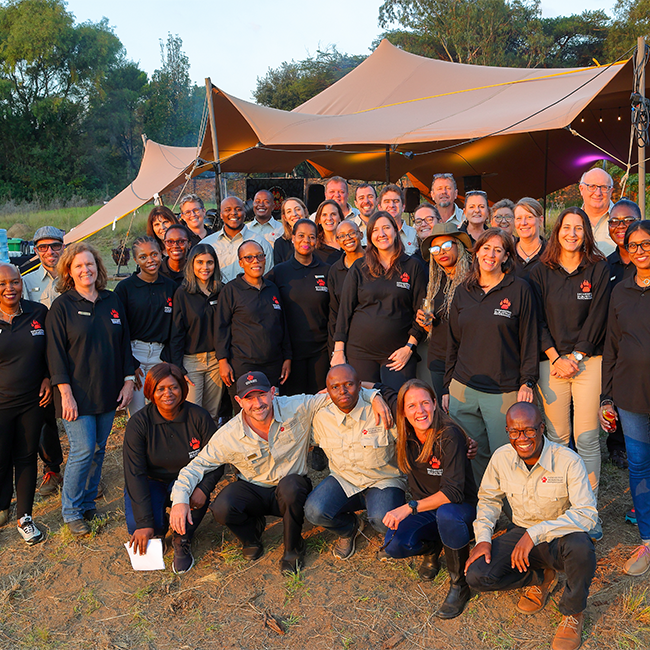
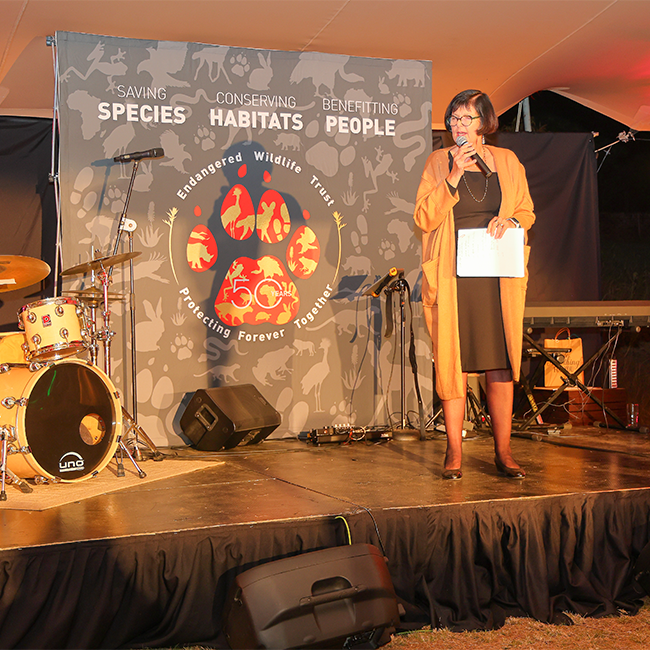
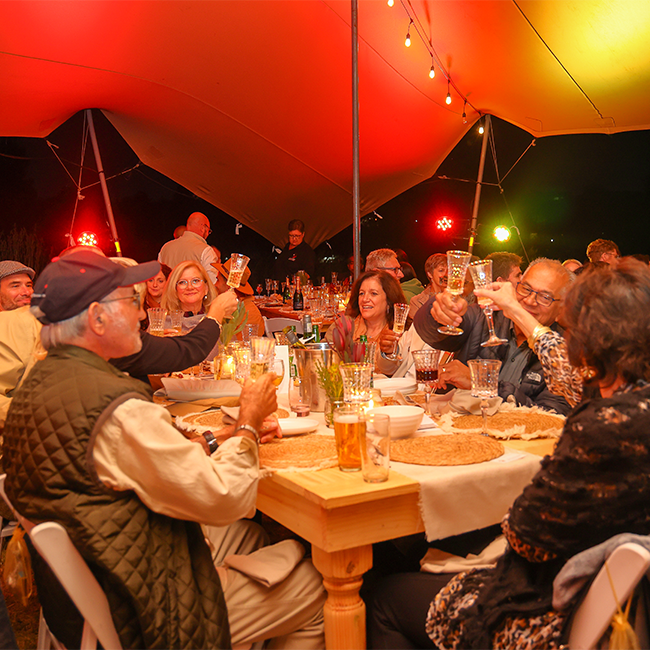
The Endangered Wildlife Trust ended its 50th anniversary with a gala event on 18 April 2024.


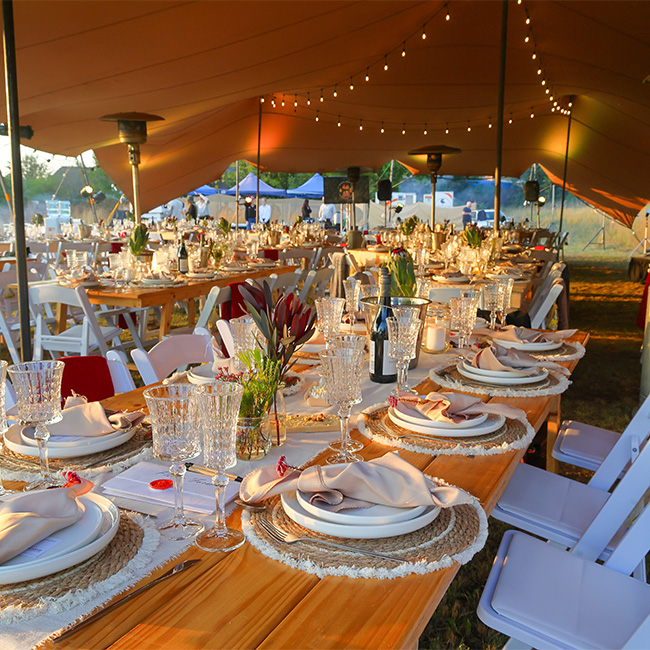
The earth-friendly event, with solar power and repurposed, natural and recyclable décor was held as a bush banquet under African stars at our Conservation Campus in Midrand, Gauteng. On arrival, guests were able to take a walk through the one-of-a-kind gardens that depict the ecosystems that the EWT works in.

We were honoured to share the evening with two of our founders, Clive Walker and James Clarke, former CEO’s, John Ledger and Nick King, present and past Trustees of the EWT Board, present EWT Board Chair Muhammed Seedat and the EWT’s CEO Yolan Friedmann.

During the evening of celebration, Yolan stated that the EWT’s 50th anniversary may not be a celebration of a “coming of age, but is one of a youthful spirit, blended with wisdom, a touch of maturity, a dash of streetsmarts, a helping of hope and a lot of energy still to be spent to realise dreams that are still big enough to scare us, in the words of Ellen Johnson Sirleaf.”

As the country’s longest-serving female CEO of a conservation organisation, Yolan said the EWT prides itself on instilling hope and not a sense of fear, loss or hopelessness when talking about our natural world.

“Instead, we prefer to show, with evidence, the difference we can all make when we work together,” said Yolan. “For 50 years, we have pushing back the tide and finding solutions; this is the thread that binds us and which continues to blur the generational lines, to form one united EWT”.

Forestry, Fisheries and the Environment Minister Barbara Creecy said during her keynote address that non-governmental and non-profit organisations, such as the EWT, play an important role in securing the future of not only our country’s rich biodiversity and conservation, but also in ensuring that communities living with wildlife outside conservation areas are able to share in the benefits of the environment.

In reference to the country’s commitment to achieving the Global Biodiversity Framework’s goal of conserving 30% of land and 30% of the sea by 2030, Creecy pointed out that South Africa may only achieve this target between 2036 to 2040, adding it may take longer in the marine environment which was less well researched and documented.

Achieving this objective created new challenges for all involved in the biodiversity and conservation fields, particularly important organisations such as the EWT which, in celebrating its 50 years of work, would be posing the question of what the fundamental issues will be in conservation in the next half a century, she said.

Addressing the issue of land restoration, transformation of the biodiversity sector, unemployment and community beneficiation – all areas which impact on the conservation estate — would require support from NGOs “because sometimes government is too big and too far away to undertake those processes properly”.

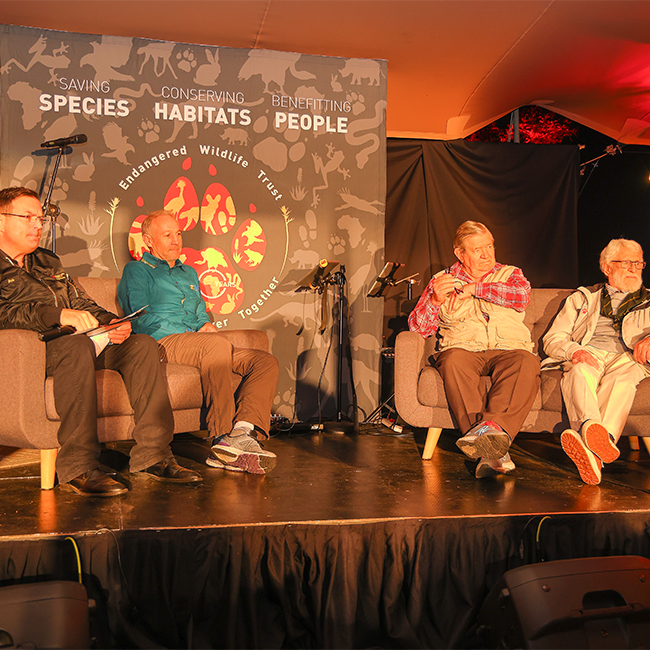
Guests were honoured with an inciteful Founders Forum facilitated by MC and radio personality Rob Vega, during which Clive Walker, John Ledger, James Clarke and Nick King shared their experiences and insights, providing all with a glimpse into the founding and growth of the EWT.

When the EWT was founded in 1973, biodiversity and conservation were not household issues, said John, who added during the discussion that biodiversity, wildlife and all components of ecosystems are outside protected areas.

Clive said it was after a hike with John that he came to realise that all people play a role in conservation.

His entry to conservation and the ultimate establishment of the EWT came about through Ian Player’s Wilderness Leadership School. “I went on a five-day walk….and realised that I would like to do something like this”.

Speaking to all who support the work of the EWT, Clive said: “All of us play a role in conservation…. Never ever underestimate the work that you do”.

Nick reminded all the conservation is not just about animals. Environment is not a fad issue; it is fundamental, and it is life, he said.

Reminiscing about his tenure as CEO of the EWT, Nick told of how the organisation has grown from a staff complement of about 40 in 2003 to more than 120 today under Yolan’s guidance.

The EWT, he said, has turned around from an organisation conserving species in the seventies to focusing on a better and healthier environment for people and everything else, which the EWT has shown is possible.

James said after witnessing the changes that have taken place in the past 50 years, “when I came here, I was overwhelmed by what I saw”.

The Minister said in a country where there are enormous demands on the fiscus and where the economy is not growing, there is a need to find a way in which conservation can be self-sustaining and self-financing, and where “developed countries, which created the climate crisis which is threatening all our well-being, must come to the party and must support developing countries, who own most of the conservation estate in the world, in our conservation objectives better”.

Referring to the issue of climate depression, she said it was when one comes to event such as the EWT’s 50th anniversary celebration and where “one sits with many, many people who have dedicated their entire lives to promoting conservation and biodiversity objectives in our country; who have made sure that endangered species have not gone extinct – in fact, on the contrary have thrived and multiplied – one realises that what this journey requires is willpower, human willpower, to make sure that the very precious, God-given environment that we have, is not destroyed and can benefit current and future generations”.

“Let me take this opportunity to say thank you for the relationship that we have enjoyed and thank you for the contribution that the EWT is making, and I have no doubt will continue to make to government’s policy and to our common struggles. I hope we will continue to work for the better of our country and for biodiversity and conservation,” she said.

Casting an eye to the future, Yolan said in 50 years the world will not be an easier place for much of the planet’s human and wildlife populations.

Because of this, the EWT needs to write a new chapter, and this book will come with new challenges and opportunities. “We owe it to the next generations of brilliant EWTers to continue in the footsteps of our giant founders and to stay connected to the dreams of what we know can be achieved tomorrow, as we sit here tonight”.

Through the launch of our Fund for the Future in our 50th year we aim to secure the EWT, our people and our impact, for the wildlife and the communities that they will serve, for decades to still come and for generations not yet born.

“This strategy will ensure that we channel our efforts into achieving targets that stretch us and will achieve high impact; that will galvanise cohesive, collective action towards achieving global, and national conservation priorities and which will benefit a maximum range of species, and humans, realistically,” she said.

Read Yolan’s address here

** The EWT would like to thank Painted Wolf Wines for their kind support in hosting our 50th anniversary gala event.


Financial Support and Collaboration Key to Saving Species from Extinction

Financial Support and Collaboration Key to Saving Species from Extinction

Financial Support and Collaboration Key to Saving Species from Extinction

By Eleanor Momberg

Greater financial support and collaboration between all stakeholders is needed to save the world’s endangered species from extinction.

That was the message from participants in the first World Species Congress Satellite Event on 14 May 2024 co-hosted by the Endangered Wildlife Trust (EWT), South African National Biodiversity Institute (SANBI), Department of Forestry, Fisheries and the Environment (DFFE), the Botanical Society of South Africa (BotSoc), BirdLife SA and the Two Oceans Aquarium Foundation.

The World Species Congress is a virtual 24-hour congress hosted by Reverse the Red. It offers a forum for collaboration and the chance to develop a roadmap for success for anyone striving to create a healthier planet.

The South African event held ahead of the 24-hour World Species Congress on 15 May 2024 showcased a number of examples of species recovery. Participants in the virtual event also discussed the country’s global commitments towards species recovery, including the Kunming-Montreal Global Biodiversity Framework. For South Africa, the inputs received are an important contributor to the national targets to be set in the National Biodiversity Strategy and Action Plan.

Mukondi Matshusa of the DFFE said the South African event provided the government with an opportunity to shape and quantify its collective conservation efforts through collaboration, inclusiveness and partnership.

Collaboration between government, NGOs and communities as the people who live with the species is what was needed for conservation and recovery to make implementation of the White Paper, and the development of the GBF, workable, she said.

Target 4 of the GBF aims to Halt Species Extinction, Protect Genetic Diversity, and Manage Human-Wildlife Conflicts. This means ensuring urgent management actions to halt human induced extinction of known threatened species and for the recovery and conservation of species, in particular threatened species. The aim is to significantly reduce extinction risk, as well as to maintain and restore the genetic diversity within and between populations of native, wild and domesticated species to maintain their adaptive potential. This can be done through in situ and ex situ conservation and sustainable management practices, and effectively manage human-wildlife interactions to minimise human-wildlife conflict for coexistence.

Domitilla Raimondo, SANBI’s Programme Manager of the Threatened Species Unit, pointed out the conservation in South Africa is a whole of society approach. South Africa is unique in the number of citizens, including community members and traditional healers, that help to monitor species, assisting scientists with data on the health of species.

“We do things together and will continue to do things like that,” she said.

Raimondo stated that in South Africa a landscape approach is used to conserve species. The country has intricate spatial biodiversity planning and in that targets are set for every type of ecosystem which allows for the conservation of common and threatened species. By doing this, unchecked development can be halted to protect vulnerable and threatened species.

The Red List assessments done for 12 taxonomic groups in SA indicate that 25 species are faced with extinction. The highest level of threat is to 30% of freshwater fish for which a huge increase in funding is required to intervene in their conservation and management. Eleven amphibian species, including the Desert Rain Frog which is facing collapse because of climate change and mining, 14 mammal species of which 50% are small mammals, 16 bird species including the Botha’s Lark, Blue Swallows and Vultures, as well as numerous marine species and 109 plant species, are in need of urgent recovery.

“We will require significant upscaling of investment to reach Target 4. We have the know-how, we have the people, we just need the financing, said Raimondo.

The EWT’s Senior Manager Sustainable Financing and Business Partnerships Kishaylin Chetty said although the landscape approach is central to species conservation, and there is a focus on stewardship and large intact areas, the EWT remains a species-focused conservation NGO.

“We understand that funding is absolutely critical for us to take our work forward, and that collaboration is key. For us to achieve conservation impact at a national and international scale we need to collaborate with the right types of partners to make sure that we have action on the ground,” he said.

The EWT has a vision in terms of a healthy planet, and an equitable world that values and sustains the diversity of all life. It is mainly dedicated to conserving threatened species in southern and East Africa to the benefit of all. With 12 programmes and over 110 employees the EWT’s paw print has touched 21 countries within the African continent. Although species-led, the EWT equally recognises the value of conserving habitats and benefiting people.

Reaching the Global Biodiversity Framework targets of conserving 30 percent and land and water by 2030 and 50% by 2050 is still within reach. While parts of the world, the African continent and parts of South Africa have been highly impacted by environmental destruction, there are also parts that are still largely intact.


But, to achieve these goals, would require reversing species decline by determining which opportunities exist to restore what has been lost, and to focus on conserving what we have, and more specifically reversing declines. To address this, the EWT has a multitude of programmes directed at reducing habitat loss, engaging in regards to poaching, trying to adequately address the issues and concerns around disease and poison, particularly around impacts to vultures, the intersection between human-wildlife conflict and how we can actively and positively work with communities. Also being addressed pro-actively and reactively is the illegal wildlife trade.

Chetty said because developing infrastructure is a key to the development of the South African economy, the EWT works to ensure this is done responsibly through support to entities within this space.

Proactively, the EWTs Conservation and Science Planning Unit contributes towards helping and guiding South Africa minimise or mitigate the impact of development on species. This is done through the National Environmental Screening Tool which the EWT provides with information about species. This has included the development of a threatened species node mapping tool, and Red List work related to mammals. In progress is the development of a tool for the renewable energy sector linked to support for the just transition and the approach towards mitigation against climate change. By utilising a tool that looks at landscape planning and the intersection between conservation, agriculture and renewable energy will actively support renewable energy development across the country.

One of the other tools that is critical is protected area expansion. The EWT is working across the country looking at the intersection between the National Environmental Management Protected Areas Act and the opportunities that exist in terms of conservation stewardship or conservation servitudes and Other Effective Conservation Measures (OECMs). The EWT has secured large portions of protected areas and are in the process of trying to secure more land to protect species.

“A lot of our focus of late has been around buffer areas and trying to work with entities like SANParks to better help them to create those buffer areas around the national parks,” he said.

Chetty said the EWT’s selection of species for conservation and research was based on science. Besides looking at the global threat to a species, whether it is locally threatened, endemic and whether another organisation is already addressing concerns around a species, a decision to work to conserve a species also takes into account what the conservation impact for the species would be.

Collaboration, said Chetty, is “absolutely key” when it comes to species conservation.

The EWT works very closely with DFFE, the provinces, a lot of conservation agencies and a number of NGOs to ensure that it can actively contribute toward species conservation in southern Africa.

One of the greatest challenges faced by the NGO is unlocking new funding for conservation. The GBF highlighted that there is a biodiversity financing gap of close to $711 billion. The EWT supports the country’s biodiversity agenda and has been trying to contribute towards enabling the country to become a nexus between socio-economic development and conservation so that. The organisation has thus had to brush up on the green economy, the wildlife economy, sustainable use, the circular economy and the just transition to ensure that it has a good take of how these areas can be utilised to drive species conservation.

“We have also looked at conservation market-based instruments … quantity based and market friction instruments to ensure that we can be innovative in this space and really try to bring in different types of funding to stimulate the growth of our species conservation work in South Africa and throughout Africa,” he said.

In order to drive conservation around particularly Wild Dogs and Lions, the EWT is working with Rand Merchant Bank to develop Wildlife Bonds for both species with the aim of bringing in between R100 million to R150 million in funding for the conservation of Wild Dogs and Lions, including the collaborative work on Lion being done with the Peace Parks Foundation.

A Wildlife Bond is a sustainable finance instrument that enables large funding to come from asset management investment to drive outcomes-based conservation that speaks to species-related work.

“Hopefully this can be the catalyst for further Wildlife Bonds in South Africa.”

Two rehabilitated Vultures released by the Birds of Prey Programme in Mokala National Park

Two rehabilitated Vultures released by the Birds of Prey Programme in Mokala National Park

Two rehabilitated Vultures released by the Birds of Prey Programme in Mokala National Park

By Ronelle Visagie, Birds of Prey Programme.

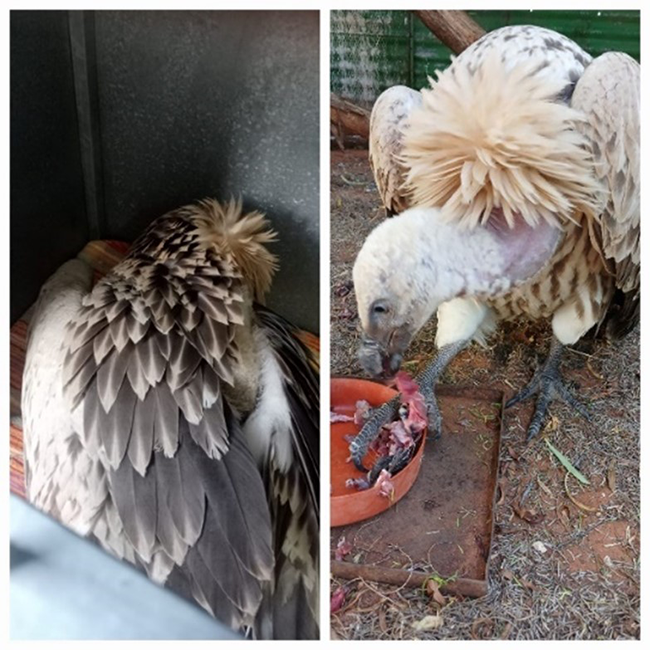
Neska on the day she was confiscated (13 January 2024) and a week later.

In December 2023, I fetched an injured White-backed Vulture from Kimberley Veterinary Clinic.  The bird was found somewhere in town and had a broken leg.  The bird was in an excellent condition and was eating well.  Its leg was pinned by Dr Burger.  From the start this vulture was very feisty so we decided to call her “Kwaaitjie” (bad girl).

Once home we put her in a deep crate as the orders from the vet were to keep her still. Two days later she was able to sit on the side of the crate and was ready to jump down so we moved her to a  small aviary where she could be on the ground and still not move too much.  Kwaaitjie must have decided it was too boring for her to be confined and not move around too much, so she took it upon herself to remove the pin from her leg – only eight days since the operation.

Because of this I contacted the Kimberley Vet Clinic and explained the situation.  Following a discussion, it was agreed that Kwaaitjie be left where she is as the risk of injury was too big if we transported or handled her.  I had also promised to take her to the Clinic if something happened to her leg.

An X-Ray of her leg two weeks later showed she was on the mend.  After being kept in a small enclosure for another two weeks, she was moved to the large aviary where she started to fly.

Barely a month later, in January 2024, I fetched a Cape Griffon from the Kimberley Veterinary Clinic that had been confiscated by police in a township near the Northern Cape town.  The police had taken the bird to Dronfield to be released. It was then that Aneska Almendro, working for De Beers at Dronfield, saw that the bird needed veterinary care and took her to the Clinic.  The Griffon was in a severely stressed condition, and the vets had to put her on at least two drips to save her life.


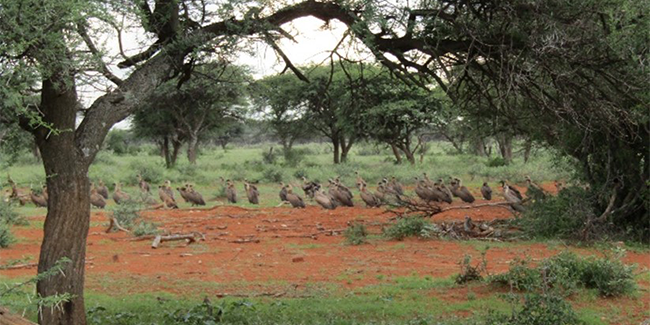
Part of a large group of vultures at the waterpoint.

Neska on the day she was confiscated (13 January 2024) and a week later.

After collecting her, I put the Griffon, which we had named Neska, in a large aviary so that she could walk and stretch her wings.  But, she refused to move for the first two days. This might be because of the way she was treated before she was confiscated.  It was exciting to see her finally start walking around and stretching her wings. She was also eating well after her ordeal.

Both vultures recovered very well prompting our decision to release them back into the wild as soon as possible.  Kwaaitjie and Neska were ringed before being transported to their new home —  Mokala National Park.

On our arrival at the watering hole where vultures usually bath and drink, we were met by more than 100 of raptors at the water and in the trees.  Most of them were White-backed Vultures and at least three Cape Griffons were also seen.

When we opened the transport crates, the two birds walked out, stood for a few minutes to take in their new surrounds and took flight.

** We would like to appeal to members of the public not to keep Birds of Prey as pets.  If you see an injured or poisoned bird, call your nearest veterinarian so they can receive the treatment needed.

Battle of the Bullets: The Lead-free awareness drive by South Africans for South Africans.

Battle of the Bullets: The Lead-free awareness drive by South Africans for South Africans.

Battle of the Bullets: The Lead-free awareness drive by South Africans for South Africans.

Danielle du Toit, Vulture Safe Zone Officer, Birds of Prey Programme.

Ronelle Visagie speaking to delegates about vulture conservation

The EWT Vulture Safe Zone project objectives include reducing and ultimately eliminating the threats to vultures within project areas. Among many other dangers is lead poisoning; a serious threat to vulture populations and other species across the globe.

Poisoning in its many forms is the leading cause of population decline in vulture species. Although both intentional and unintentional poisonings have resulted in huge knocks to vulture numbers in single incidents, lead poisoning can be considered a quiet killer.  It is a  silent destroyer of which few people appreciate the serious impact it has on, for example, scavenging species like vultures.

Lead poisoning is caused when lead is ingested and allowed to enter the blood stream reaching vital organs and the animal’s bones. It can cause an array of ailments including, but not limited to, decreased coordination, decreased fertility, bone fragility, organ disease and failure and eggshell fragility.

Vultures are usually slowly poisoned by lead when carcasses of animals shot with lead ammunition are fed on by these scavenging birds, either in the veld, at carcass dump sites or vulture restaurants. The skulls of animals harvested through head shots and which have been thrown into these dump sites are of particular concern as lead fragments are highly concentrated in those parts.

Vultures are also susceptible because their entire digestive system is highly acidic (unlike humans, which have alkaline mouths and saliva). This causes the lead to break down easily into  smaller particles which are quickly taken up into the bloodstream. Studies have shown that the lead causing this poisoning is indeed from lead ammunition.

(For more on this, read: van den Heever, L., Elburg, M.A., Iaccheri, L. et al. Identifying the origin of lead poisoning in white-backed vulture (Gyps africanus) chicks at an important South African breeding colony: a stable lead isotope approach. Environ Sci Pollut Res 30, 15059–15069 (2023). https://doi.org/10.1007/s11356-022-23209-z )

The EWT’s Vulture Safe Zone project came up with Battle of the Bullets initiative to address what we call ‘the threat behind the threat’. It was established to not be prescriptive in its nature, but has rather taken the form of a round table where all role players within the ammunition and conservation circles are brought together to determine how all can benefit, or be benefitted by, opening a conversation around the latest science in conservation and lead-free bullet ballistics.

In February 2023, the EWT and partners, BirdLife South Africa and SA Hunters, with major input from our ballistics specialist, Kobus du Plessis, hosted the 3rd Battle of the Bullets at the Rooifontein Shooting Range in Kimberley. This location was chosen because lead poisoning of the resident vulture populations was shown to be some of the highest in the country.


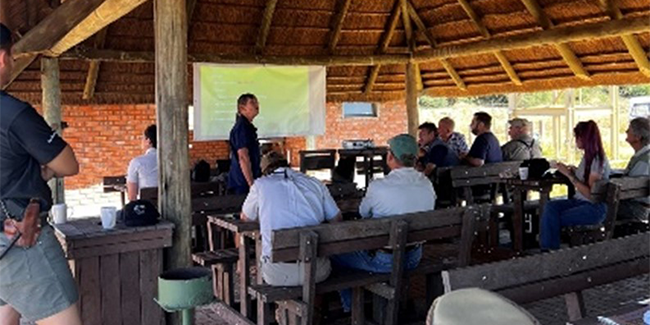
Attendees at Battle of the Bullets in Kimberley

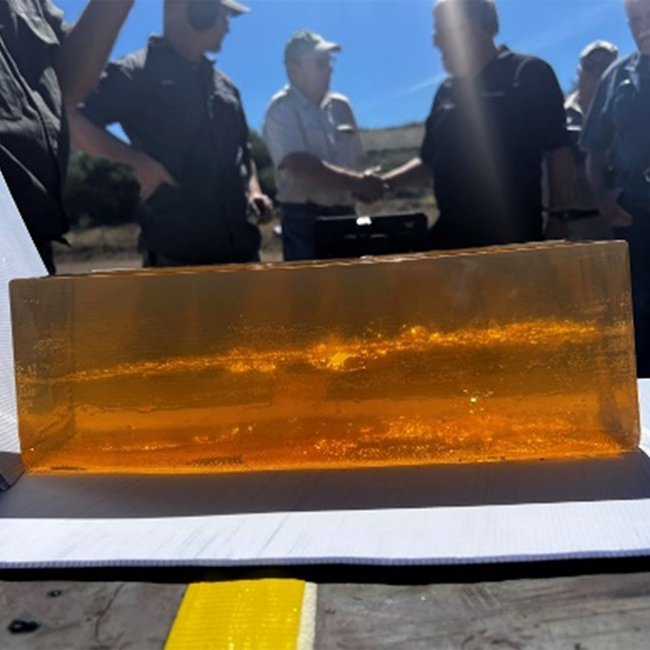
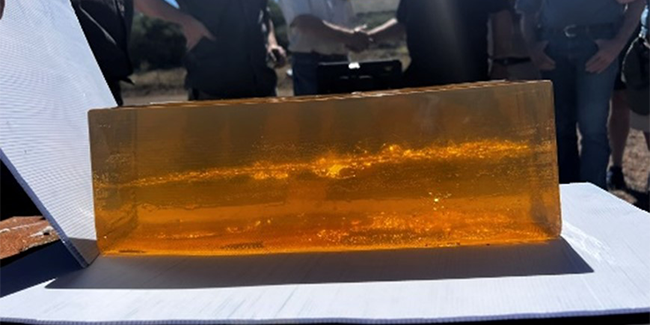
Gelatin targets are used to visibly show the bullet energy transferrence and trajectory

Ronelle Visagie presenting speaking to delegates about vulture conservation

The day started with presentations from the EWT’s Ronelle Visagie who spoke about her work in vulture conservation in the Northern Cape, followed by Linda van den Heever of Birdlife SA who presented her study on lead poisoning in vulture species. Schalk van der Merwe, formerly of the Endangered Species Unit, discussed what to do if one came across a potential poisoning.

Linda van den Heever’s presentation was hugely important as it not only simplified the jargon used in science for the average person, but also revealed just how bad the lead poisoning situation is. This then begged the question, if lead is so bad, what are the alternatives?

For many years, lead free ammunition and bullets have been assumed to be unreliable, costly, and inaccessible. Many have complained that the bullet does not perform according to what the user needs. However, we are now seeing a steep increase in the quality of lead-free ammunition. South African manufacturers are testing, retesting and constantly improving their products for the South African hunter and shooter — for South African conditions.

Kriek Bullets and Impala Bullets demonstrated different ammunitions on different targets to show just how well they performed under various circumstances – from distance, to accuracy, to impact. They tested lead ammunition versus lead free ammunition in each demonstration. It was easy to see that the bullets were performing well in every scenario presented and showed that users can have peace of mind when choosing to use lead free alternatives.

The Battle of the Bullets not only provides the latest information and science on lead poisoning and lead free bullets to attendees, but also highlights the link between vulture conservation and the hunter.  February’s event once again proved that by leaving assumptions at the metaphorical door, and entering into the day with an open mind, we could all learn something new while supporting conservation efforts and local manufacturers.


Special thanks to Ekapa Mining, Esther van der Westhuizen, Ruan Maré and their team for hosting the day at Rooifontein Shooting Range and for your support of our event. 

Cobus du Plessis discussing the various types of ammunition