Safeguarding Medicinal Plants for Future Generations

Safeguarding Medicinal Plants for Future Generations
 

Safeguarding Medicinal Plants for Future Generations

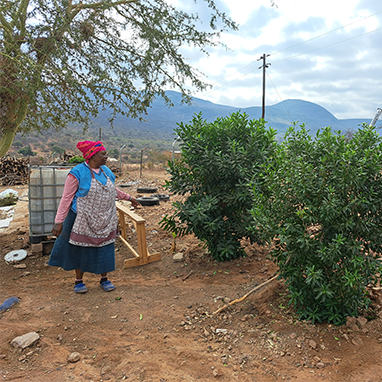
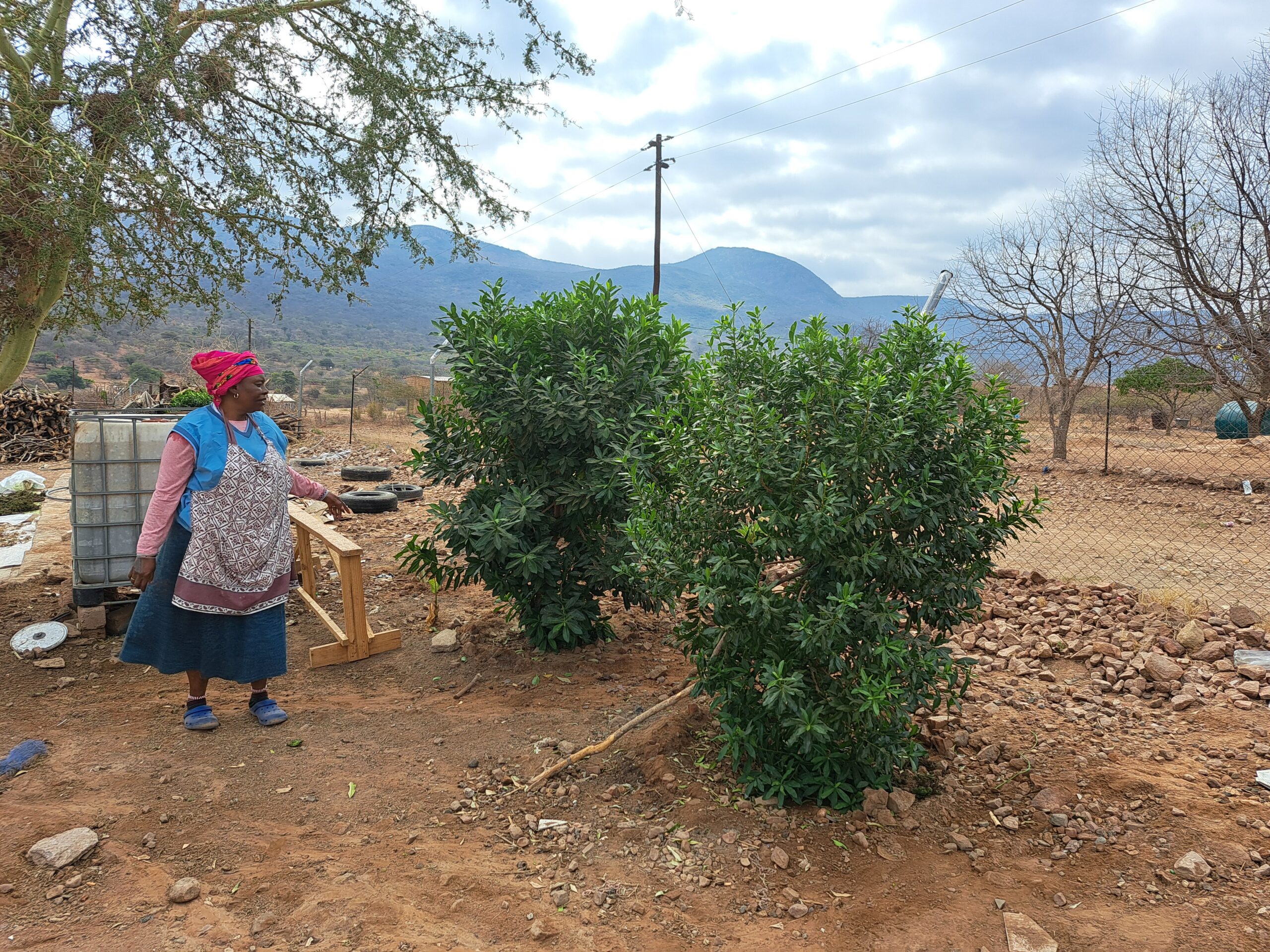
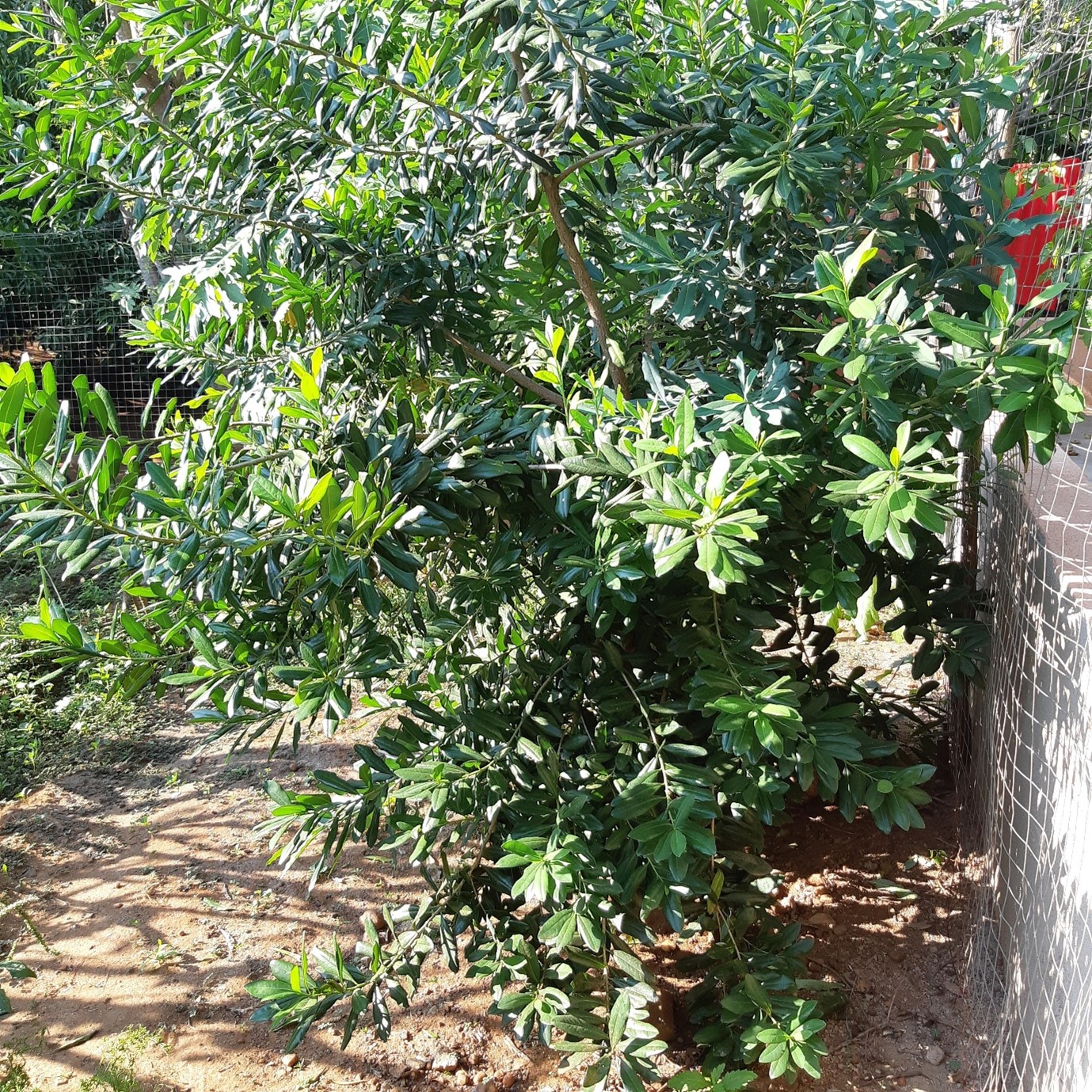
Pepper-bark trees thriving in traditional healers’ home gardens


Approximately 40% of the pharmaceuticals that are used in conventional medicine today are derived from plants, many of which were identified through traditional medicines that have been used by people across cultures and civilisations for millennia. Well-known examples of medicines sourced from nature include aspirin (Willow bark), quinine (Quinine tree), artemisinin (Sweet Wormwood), digoxin and digitoxin (Foxgloves), and codeine (Poppy), as well as atropine (Deadly Nightshade), among many others.

Traditional medicine encompasses a wide range of healthcare modalities that people have depended on for centuries. The World Health Organization describes traditional medicine as “the knowledge, skills and practices based on the theories, beliefs and experiences indigenous to different cultures, used in the maintenance of health and in the prevention, diagnosis, improvement or treatment of physical and mental illness”.

In South Africa, over 2,062 plant species are used in traditional medicine, with approximately 770 species recorded in markets across the country. Numerous wild plant populations are under severe pressure due to the high levels of harvesting combined with the loss or degradation of habitat. Two species are already extinct in the wild, and 80 species could become extinct in the short to medium term, while 100 are of conservation concern.

Since 2019, the Endangered Wildlife Trust (EWT) has been collaborating with landowners, traditional healers, traders, and harvesters in Limpopo Province to safeguard the Pepper-bark tree (Warburgia salutaris) and restore its habitat in the wild. The Pepper-bark is an evergreen tree in high demand for traditional medicine. As its name suggests, the bark and leaves of the tree taste like pepper or peri-peri. It occurs in a variety of habitats across Swaziland, north-eastern KwaZulu-Natal, Mpumalanga, Limpopo, Mozambique, Zimbabwe, and Malawi. Despite its wide range, the Pepper-bark tree is under severe pressure due to harvesting and the transformation and degradation of habitat through agriculture and other human activities.

To improve our understanding of the conservation status of the Pepper-bark tree, we conducted a survey of the wild populations as well as a seed viability assessment and germination trial. Although Pepper-bark trees coppice easily, seedling recruitment in some areas is severely curtailed through seed predation and low seed viability. The species’ ability to coppice allows local populations to survive, but limited sexual reproduction restricts genetic diversity, which can reduce resilience over time. In Limpopo, germination levels of seeds sourced from healthy trees in the project area were relatively high (70%) compared with those in other areas, and seed predation levels were lower, which bodes well for the survival of the populations at this stage. Continued monitoring is important to build on this baseline data and assess the species’ resilience under different conditions, including drought and potential climate change impacts.

The EWT’s team of rangers has also worked tirelessly to restore Pepper-bark tree habitat by clearing of over 60 hectares of land of alien and encroaching plants, resulting in seedlings observed on several of these sites for the first time in years!

While protecting plant populations in the wild is critical, it is equally important to ensure that people who rely on traditional medicine for their healthcare can source the plants that they need. Prior to the 1990s, numerous (unsuccessful) attempts were made to curb traditional medicine and combat its trade through law enforcement. Since then, conservationists have partnered with traditional healers and, more recently, traders and harvesters in markets to reduce pressures on wild populations while striving to ensure that people have access to the plants they need for traditional medicine. Over this period, conservation organisations, with the support of the private sector, have donated more than 80,000 Pepper-bark trees to traditional healers and communities, mainly in KwaZulu-Natal, Mpumalanga, and Limpopo. Similar initiatives are being implemented in Swaziland and other southern African countries.

The EWT is now working with traditional healers, traders, harvesters, and other growers to substantially expand the diversity and volumes of species for cultivation. We are also supporting communities in improving the management of wild medicinal plant populations and reducing illegal harvesting in their areas through better governance and controls that support the customary and traditional systems they are already implementing. Ongoing monitoring of wild populations is critical, along with forging strong partnerships with traditional healers, communities, and traders to protect this vital biocultural resource base for both current users and future generations.

___________________________

This work is funded through the Fondation Franklinia, Munich Re, and the UK Government through the Illegal Wildlife Trade Challenge Fund.

We would also like to acknowledge the SANParks – Kruger National Park Pepper-bark Conservation Programme for a donation of 2,000 Pepper-bark trees to the project. The SANParks – Kruger National Park Pepper-bark Conservation Programme has received support from SAPPI, the ARC, SANBI, SAEON, and the SANParks honorary rangers over the years.

Transport for this and other People in Conservation initiatives is made possible through the Ford Wildlife Foundation.

 
References

https://www.afro.who.int/health-topics/traditional-medicine
Williams V.L., Victor J.E., and Crouch N. 2013. Red Listed medicinal plants of South Africa: Status, trends, and assessment. South African Journal of Botany 86: 23—35.
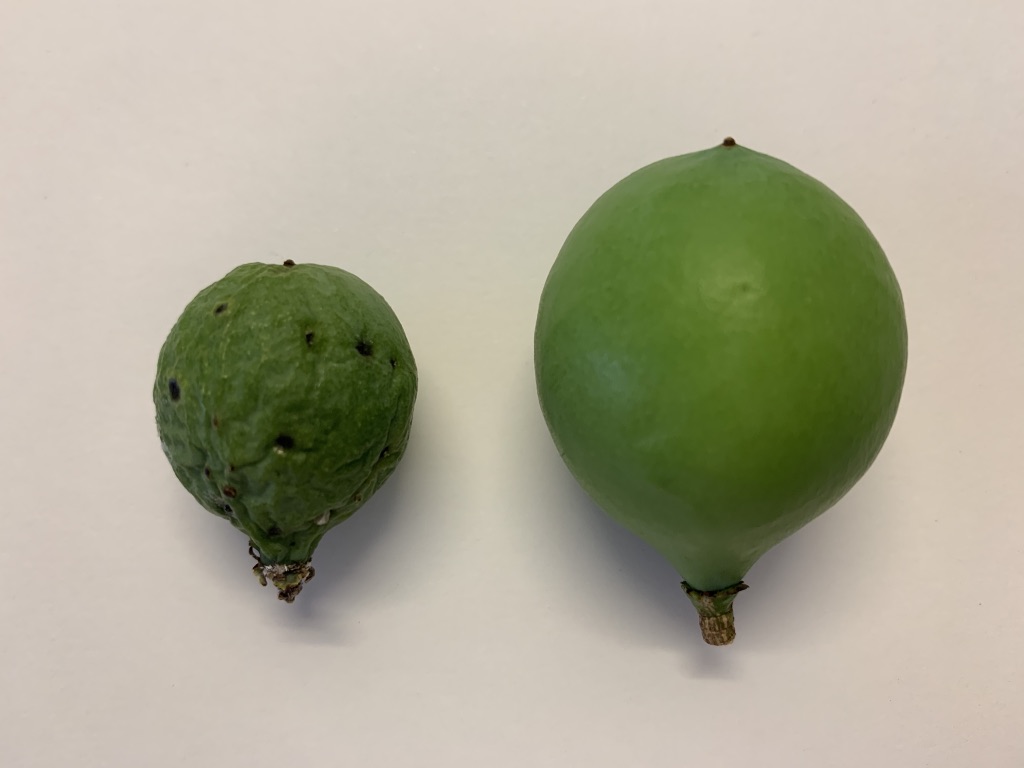
Parasitised Pepper-bark Tree fruit (left) and healthy fruit (right). Photo K. van den Bosch
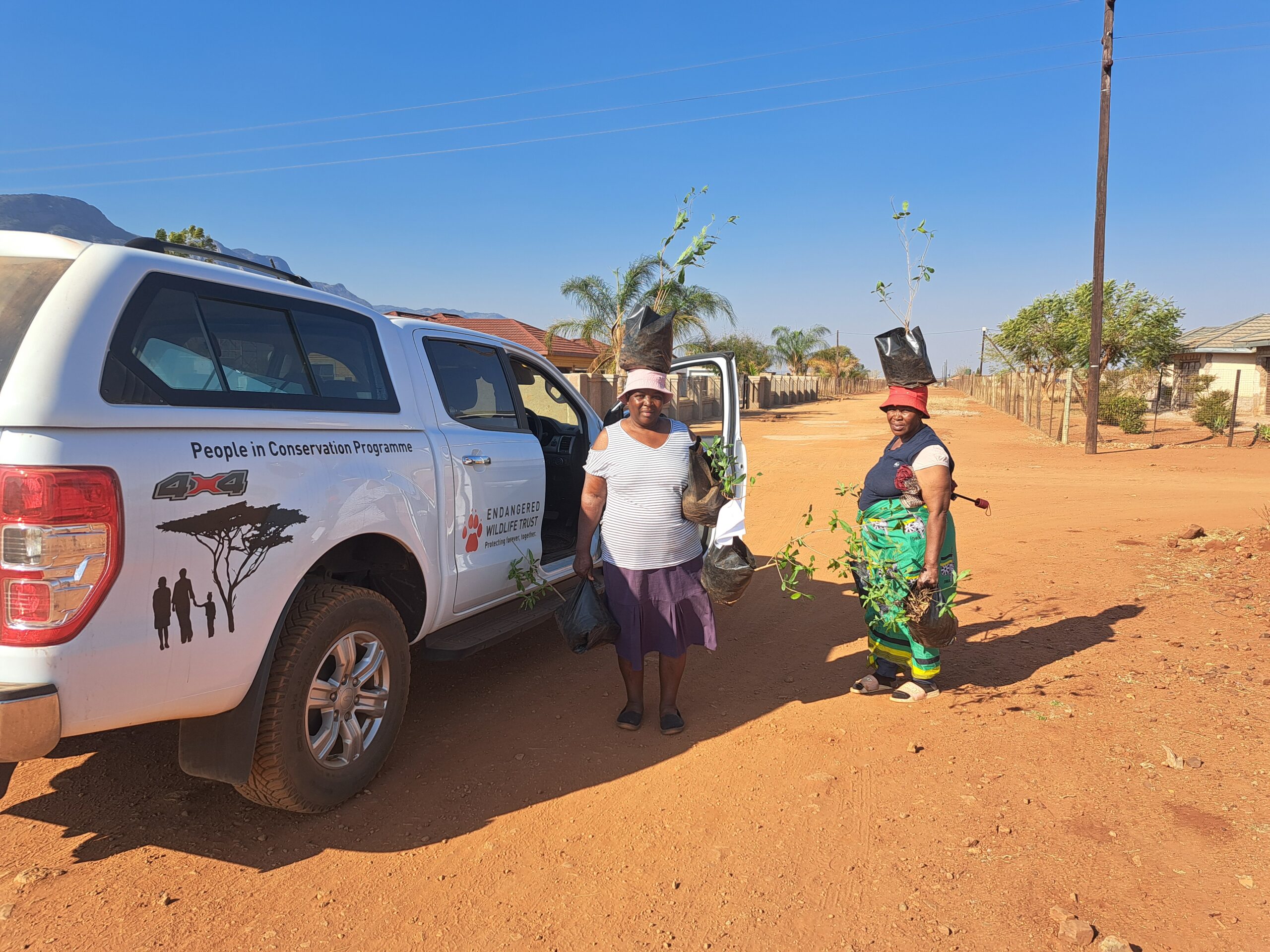
 

Pepper-bark Tree deliveries in Limpopo
 

Pepper-bark tree thriving in traditional healers’ gardens 2
 

The Durban Dwarf Burrowing Skink: A Tiny Lizard’s Big Fight Against Extinction

The Durban Dwarf Burrowing Skink: A Tiny Lizard’s Big Fight Against Extinction


The Durban Dwarf Burrowing Skink: A Tiny Lizard’s Big Fight Against Extinction

by Ruan Stander, Field Officer: KZN Threatened Amphibian Programme

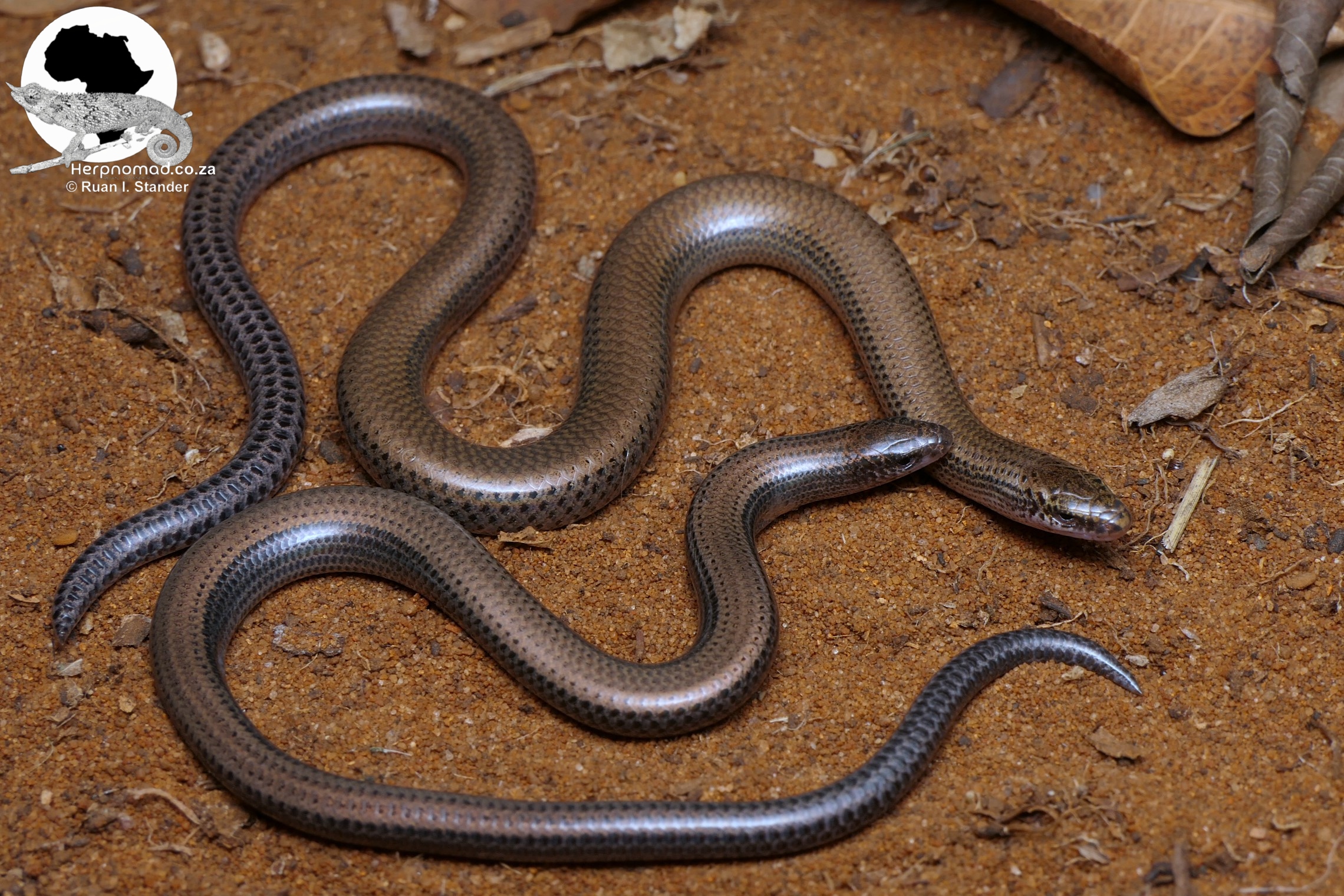
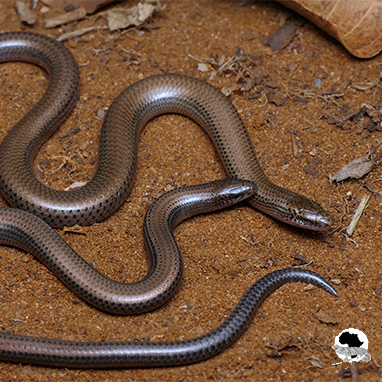
The Critically Endangered Durban Dwarf Burrowing Skink (Scelotes inornatus) is a little lizard with a big name, and it is in big trouble. Its scientific species name (which can be easier to remember than its common name) is very fitting – it means ‘unornamented’ – as these little lizards are indeed remarkably plain and inconspicuous. Unfortunately, this means that they are easy to overlook, even in the context of conservation. In fact, it was not until the mid-1990s that the scientific community resolved the taxonomic relationship of the species, allowing us to realise how localised this lizard truly is (essentially restricted to a 2 x 50 km strip of coastline). How should such a tiny, drab lizard that doesn’t even have any legs compete with wild dogs, magnificent cranes or soaring raptors? Truth is, it can’t. That is why the Endangered Wildlife Trust (EWT) has prioritised this species. In partnership with the Mohamed bin Zayed Species Conservation Fund, eThekwini Municipality, the JHB Zoo, Wits University and Ezemvelo KZN Wildlife, the EWT has launched a new project in Durban’s Treasure Beach Protected Area, dedicated to researching and developing techniques that will allow for the long-term monitoring of the species.

The Durban Dwarf Burrowing Skink seldom exceeds 9cm in length (excluding the tail), which makes it a less-than-ideal candidate for tracking collars or microchips. As reptiles do, they shed their skins periodically, which means any paint or ink-based marking techniques are temporary and unpredictable. Their bodies are cylindrical and covered in smooth, glossy scales, so there is no chance of clipping a scute to identify an individual either. To make matters even more complicated, these lizards spend virtually their entire lives under the soil surface. Their small size and fossorial habits also mean that they do not cover large distances, which makes traditional reptile monitoring techniques, such as pitfall arrays, largely ineffective for Durban Dwarf Burrowing Skinks.

Despite these challenges, something needs to be done, as the species is under tremendous pressure from development. The single greatest threat the species faces is habitat loss and transformation, with most of its natural habitat having been developed and transformed beyond rehabilitation already. Secondary threats include severe habitat fragmentation, domestic and feral cats and dogs, as well as plastic pollution and alien invasive vegetation.

As part of the newly launched project, the EWT will assist in strengthening existing conservation partnerships between stakeholders involved in the management and conservation of this species and its habitat. The EWT will also strive to improve the understanding of how the species and its habitat can best be protected in the Treasure Beach Protected Area, as well as assist in enhancing habitat integrity within the area by implementing actions such as alien invasive clearing and waste removal. Furthermore, a major component of the project will include securing and stabilising the population within the Treasure Beach Protected Area, as well as establishing long-term monitoring protocols and methodologies.

The project was launched in August 2024, and in its first two months, it has obtained nearly 40 new records of the species, including individuals from two protected areas where the species was not previously known to occur. If these efforts can be sustained, this species can be saved from sure extinction.


Reviving the Soutpansberg: Clearing Alien Species, Restoring Water, and Reclaiming Wetlands

Reviving the Soutpansberg: Clearing Alien Species, Restoring Water, and Reclaiming Wetlands


Reviving the Soutpansberg: Clearing Alien Species, Restoring Water, and Reclaiming Wetlands

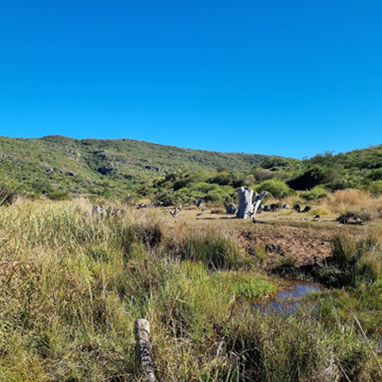
The Soutpansberg is South Africa’s northernmost mountain range, stretching east-west across Limpopo, from Vivo to Punda Maria in the Kruger National Park. It is recognised as a Centre of Endemism and Key Biodiversity Area due to its rich biodiversity. The range is also identified as a Strategic Water Source Area (for both groundwater and surface water in the east), providing vital water resources to communities and agriculture. However, the range faces several threats, one of the most significant being the spread of invasive alien plants.

Invasive alien plants (IAPs) are plants introduced into an ecosystem from foreign environments. They establish themselves, spread rapidly, and negatively impact the environment by displacing indigenous species, altering habitats, and affecting water resources. Globally, invasive alien species are recognised as one of the major drivers of change in ecosystems, alongside habitat transformation and climate change. IAPs are also referred to as a ‘wicked problem’ because they can be economically valuable for other industries, complicating their removal. In the Soutpansberg, some key culprits include Eucalyptus sp. (Eucalyptus) and Acacia mearnsii (Black Wattle). These trees were originally imported from Australia for their timber value but have since spread and become highly invasive. They are known to consume significantly more water than indigenous species, having a high impact on water resources in the country.

In 2018, shortly after the Soutpansberg Protected Area Programme was initiated, we launched a water conservation project. With initial funding from the Coca-Cola Foundation’s Replenish Africa Initiative, we brought together a small team of rangers to remove invasive alien trees from wetlands and mountain catchment streams across the western Soutpansberg. This project was further supported by critical funding from Fondation Franklinia, focusing on habitat restoration.

The rangers worked tirelessly to cut down large stands of Eucalyptus and Black Wattle from numerous properties in the western Soutpansberg. This required weeks of work on-site, often camping in remote locations away from their families. Many of these invasive tree strands were in extremely inaccessible areas, making the work even more challenging. Despite these difficulties, our rangers have successfully cleared over 60 hectares of Eucalyptus and Black Wattle from remote mountain areas, resulting in an estimated 30 million litres of water being replenished to the environment annually.

As part of the project, we have also focused on upskilling the rangers. They have gained valuable experience in invasive plant management and received accredited qualifications in First Aid, Herbicide Application, and Intermediate Chainsaw Operation.

After six years of hard work, and in collaboration with landowners on the western Soutpansberg, our efforts are paying off. We conduct annual follow-ups to prevent regrowth, and we are witnessing natural regeneration of wetlands and riverine systems. This includes the natural recruitment of endangered tree species and other forest species. These results show that with continued collective effort, we can restore and protect critical ecosystems.

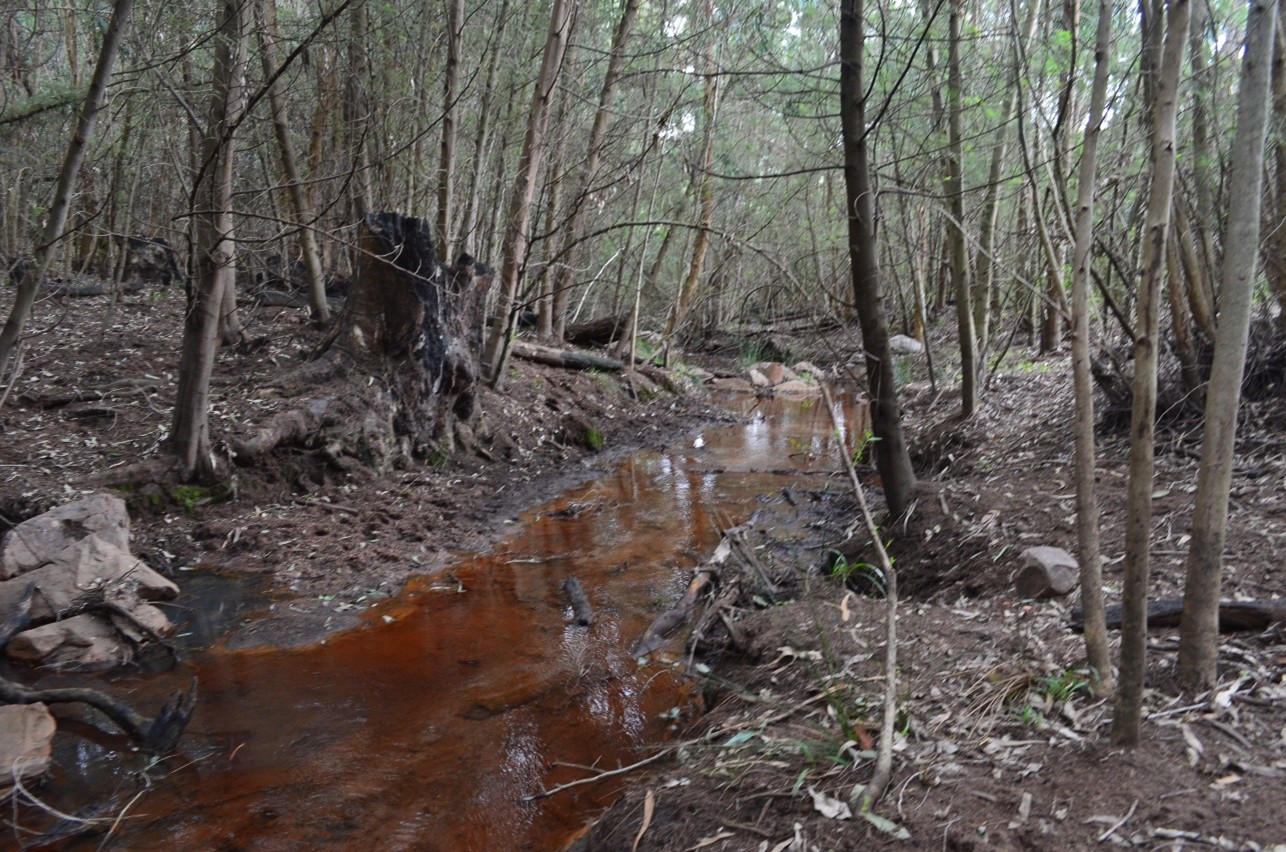
one of the alien clearing sites in 2018, showing a wetland invaded by Black Wattle. It is clearly evident that no other vegetation grows under the stands, displacing biodiversity and heavily impacting wetlands and mountain streams.


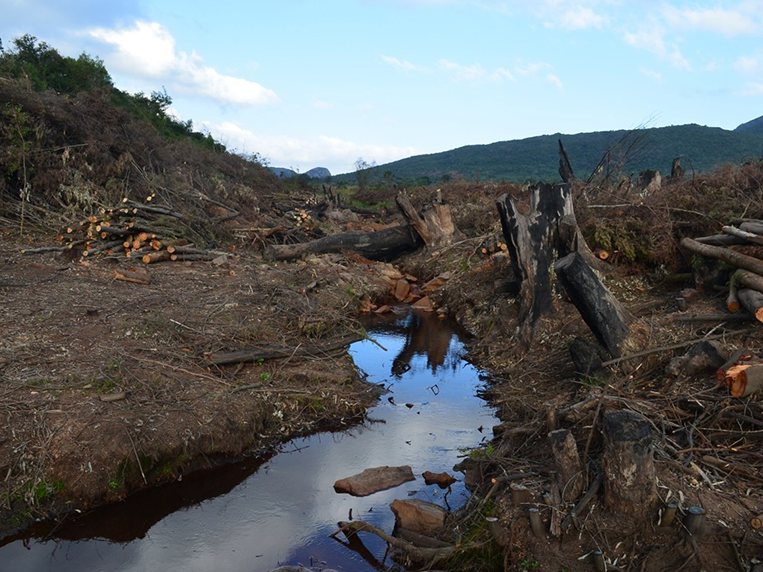
the same alien clearing site after logging in 2019, where felling and control work has been carried out by the rangers. Biomass is left in the field for the use of the landowners and is often recovered for firewood.


Five years later, the wetlands and mountain streams are recovering well, with sedges and grasses returning, along with other species, and water flowing downstream almost year-round – much more than before the invasions were cleared.


EWT Drylands Conservation team participates in 2024 Fynbos Forum

EWT Drylands Conservation team participates in 2024 Fynbos Forum


EWT Drylands Conservation team participates in 2024 Fynbos Forum

By Dr Samantha Mynhardt and Insauf De Vries

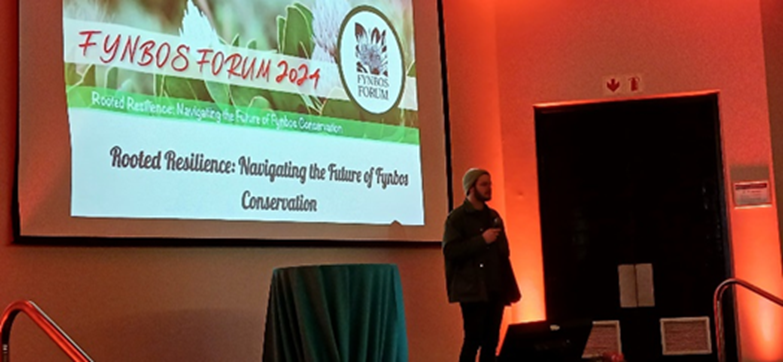
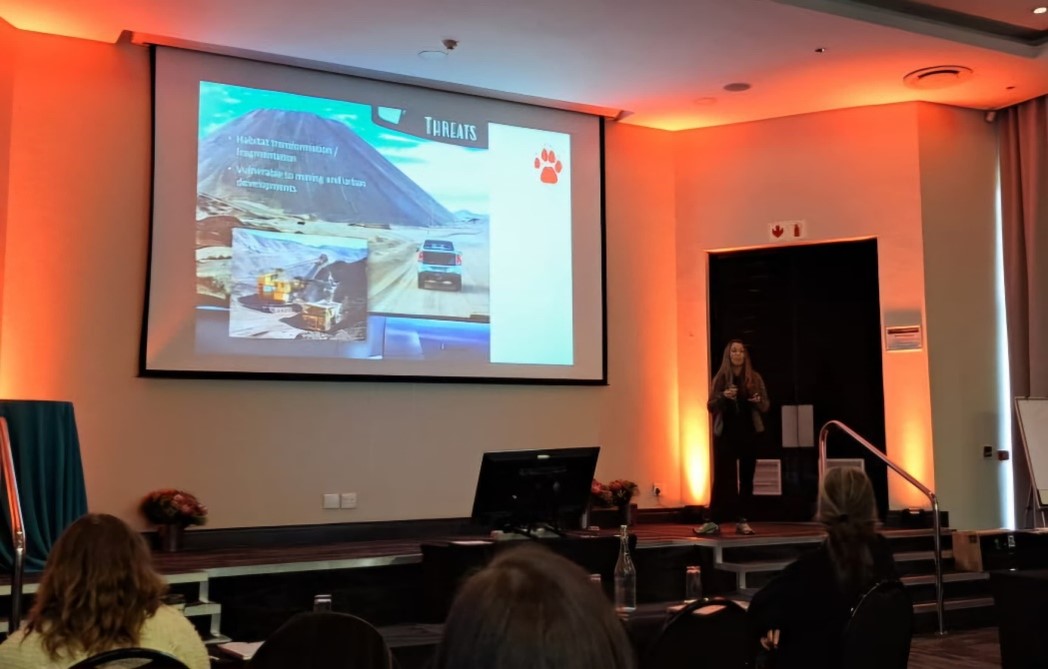
Renier Basson speaking about insects and fynbos conservation

Members of the EWT’s Drylands Conservation Programme (DCP) participated in this year’s Fynbos Forum in Stellenbosch earlier this month, sharing information about efforts to conserve golden moles and insects, and the partnership with communities to promote tourism in areas rich with Fynbos.

The forum, first held in 2020, is an affiliation of natural scientists, researchers, planners, managers, landowners and stakeholders that meet annually to discuss the collaborative production of knowledge that underpins regional conservation efforts in the Fynbos biome in South Africa. As a transdisciplinary regional learning network, the forum supports discussions on management issues and research results, and formulates priorities for future research and conservation management actions required to ensure the conservation and sustainability of Fynbos ecosystems.

Notable keynote speakers included Dr. Jasper Slingsby from the University of Cape Town, who spoke about BioSCape – The Biodiversity Survey of the Cape, and Rupert Barnard and Michelle de Bruyn from non-profit, Wild Restoration. They spoke about the collaborative action network for invasive clearing groups in the Greater Cape Floristic Region and the power of partnerships in conservation.

From the EWT’s DCP team, Dr Samantha Mynhardt presented a talk on golden moles entitled “Conserving the Golden Moles of the South African West Coast”. Golden moles are subterranean mammals that are endemic to sub-Saharan Africa, many with restricted ranges due to poor dispersal ability. These moles are highly vulnerable to population fragmentation and isolation and continue to face ongoing threats, such as habitat transformation, mining, and agriculture. Of the 21 species, ten are listed as either Critically Endangered, Endangered or Vulnerable on the IUCN Red List. A total of 6 occur in the Drylands of South Africa, some of which overlap with the Fynbos biome. Dr Mynhardt spoke about how the EWT has been working towards the conservation of the De Winton’s- (Cryptochloris wintoni) and Van Zyl’s- (Cryptochloris zyli) Golden Moles, by developing methods to track them down in the wild, better understand their distribution, and protect their habitat. Including how, after trialing various detection methods such as thermal imaging drones, scent detection dogs and environmental DNA (eDNA), we were able to rediscover the De Winton’s golden mole in 2023 – a species that had been lost to science for over 80 years. We are using eDNA to map golden mole species distributions; an approach that has the potential to revolutionise the field of conservation science.

Alrie van Wyk presenting about the Papkuilsfontein initiatives

Dr Samantha Mynhardt speaks about the conservation of golden moles on South Africa’s West Coast

Team member Renier Basson presented a talk on the endemic and Endangered insects of the Fynbos highlighting unique species that are adapted to the Fynbos biome, and species that are of conservation concern. The aim of his talk was to inform the audience about the elusive biology of endemic insects , the ecological role they play, their threat status, and why they are threatened. There are approximately 9,000 Fynbos species and roughly 70% of those are endemic. Discussing threatened taxonomic groups such as Restio Grasshoppers (Betiscoides spp.), butterflies in the genera Chrysoritis, Thestor, Orachrysops and Trida, and Cape Stag Beetles (Colophon spp.), he mentioned that the biology of many of these threatened groups remain unknown, which makes decision-making in terms of conservation very challenging.

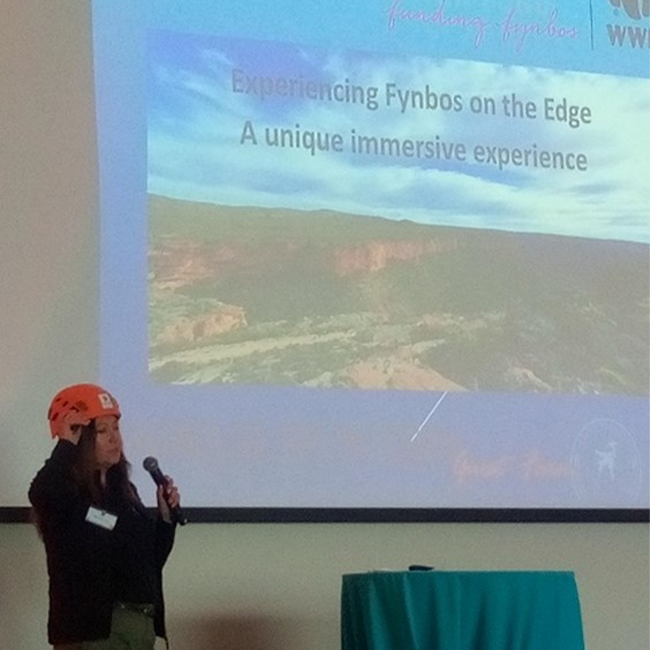
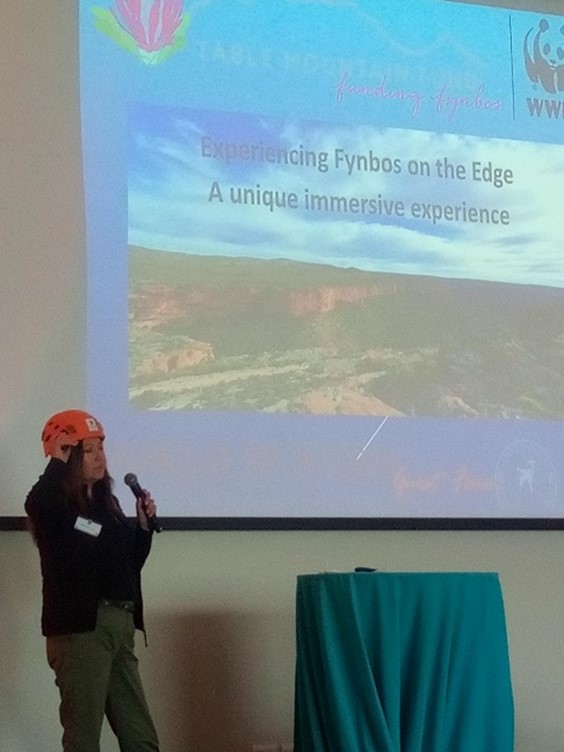
Alrie van Wyk, one of the DCP stewardship landowners, spoke about the EWT’s Via Ferrata initiative at Papkuilsfontein Guest Farm in a talk entitled “Experiencing Fynbos on the Edge”. The Via Ferrata roughly translates to iron trail – in reference to an iron cable installed along the cliffs of the Oorlogskloof Gorge at the farm. Situated on the Bokkeveld Plateau, near Nieuwoudtville, the farm contains unique Fynbos and Succulent biomes, which are both biodiversity hotspots, as well as the Nama Karoo Biome. The convergence of the various biomes results in exceptionally high biodiversity. Nieuwoudtville is known as the bulb capital of the world and is thus a popular tourist destination during the flower season. But, this season is short and, in some years, less financially beneficial due to poor flower displays. To make tourism an inclusive and sustainable future economic contributor in support of sustainable land management, partners are working together to reimagine this approach. As such the EWT-DCP team introduced the van Wyks to adventure tourism as a means to provide a much-needed opportunity to develop a sustainable income stream based on an immersive and uniquely tailored experience. This includes a Via Ferrata – a safe, guided rock-climbing experience within the Papkuilsfontein protected environment that showcases the unique Fynbos biodiversity found on the edges of the Oorlogskloof Gorge. Alrie’s presentation highlighted how this project became a pathway to community upliftment, contributed to resilience of the landscape, and allowed for financial returns to flow back into the conservation of the biodiversity on the farm. Her talk won the prize for the Best Presentation. We are extremely proud of her!

Overall, the Fynbos Forum presented a great opportunity for our team to connect with one another, and to network with the broader Western Cape conservation community. We walked away with renewed enthusiasm to contribute to future research and conservation management actions required to ensure the conservation and sustainability of Fynbos ecosystems.

The EWT projects and attendance of the event were made possible by Table Mountain Fund and Mohamed bin Zayed Species Conservation Fund.


Ghostly Decline: Unveiling Tadpole Trends in Table Mountain’s Critically Endangered Frog

Ghostly Decline: Unveiling Tadpole Trends in Table Mountain’s Critically Endangered Frog

Science Snippet:

Ghostly Decline: Unveiling Tadpole Trends in Table Mountain’s Critically Endangered Frog

By Erin Adams and Dr Lizanne Roxburgh


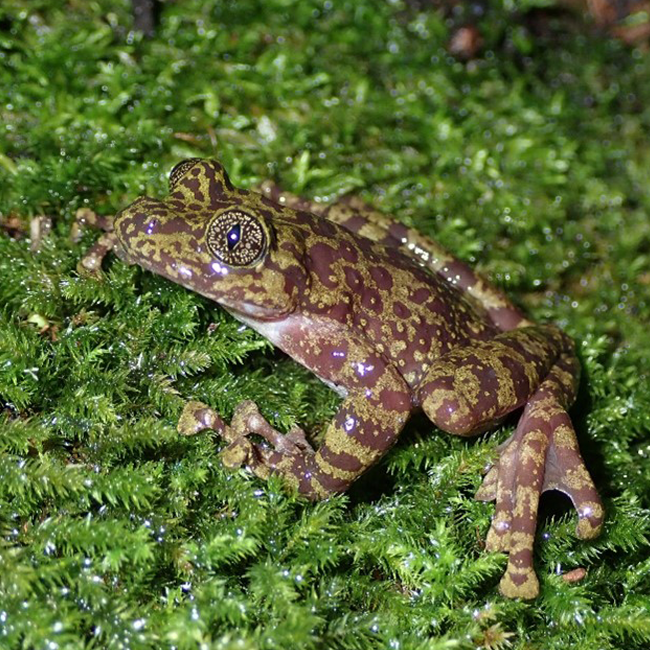
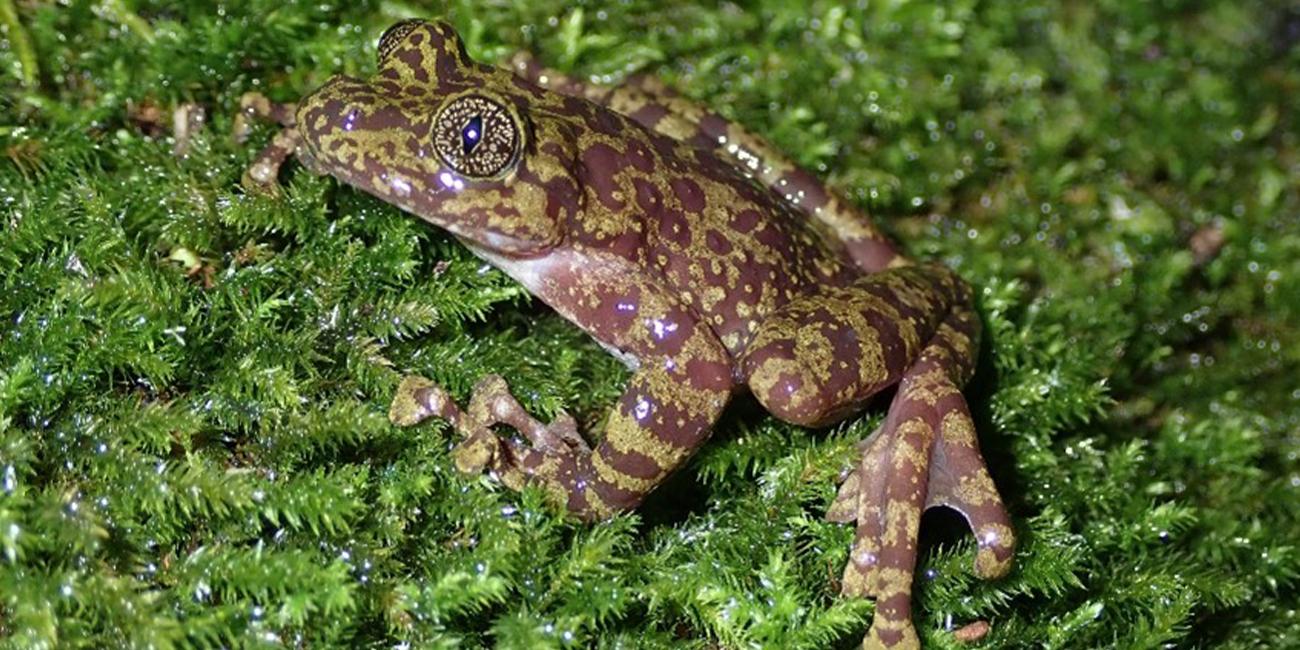
Amphibians, which include frogs, toads and salamanders, are one of the most threatened animal groups worldwide, with just under 50% of species nearing extinction. The Table Mountain Ghost Frog (TMGF) is no exception. It is a Critically Endangered frog, with very specific habitat requirements and is restricted to the streams and pools on Table Mountain in Cape Town. While loss of habitat is known to be the primary cause of TMGF declines, information linking fine-scale drivers of declines to specific, localised threats were lacking. Therefore, in a recent study co-authored by EWT scientists* the fine-scale factors influencing where TMGF tadpoles settle and grow were studied.

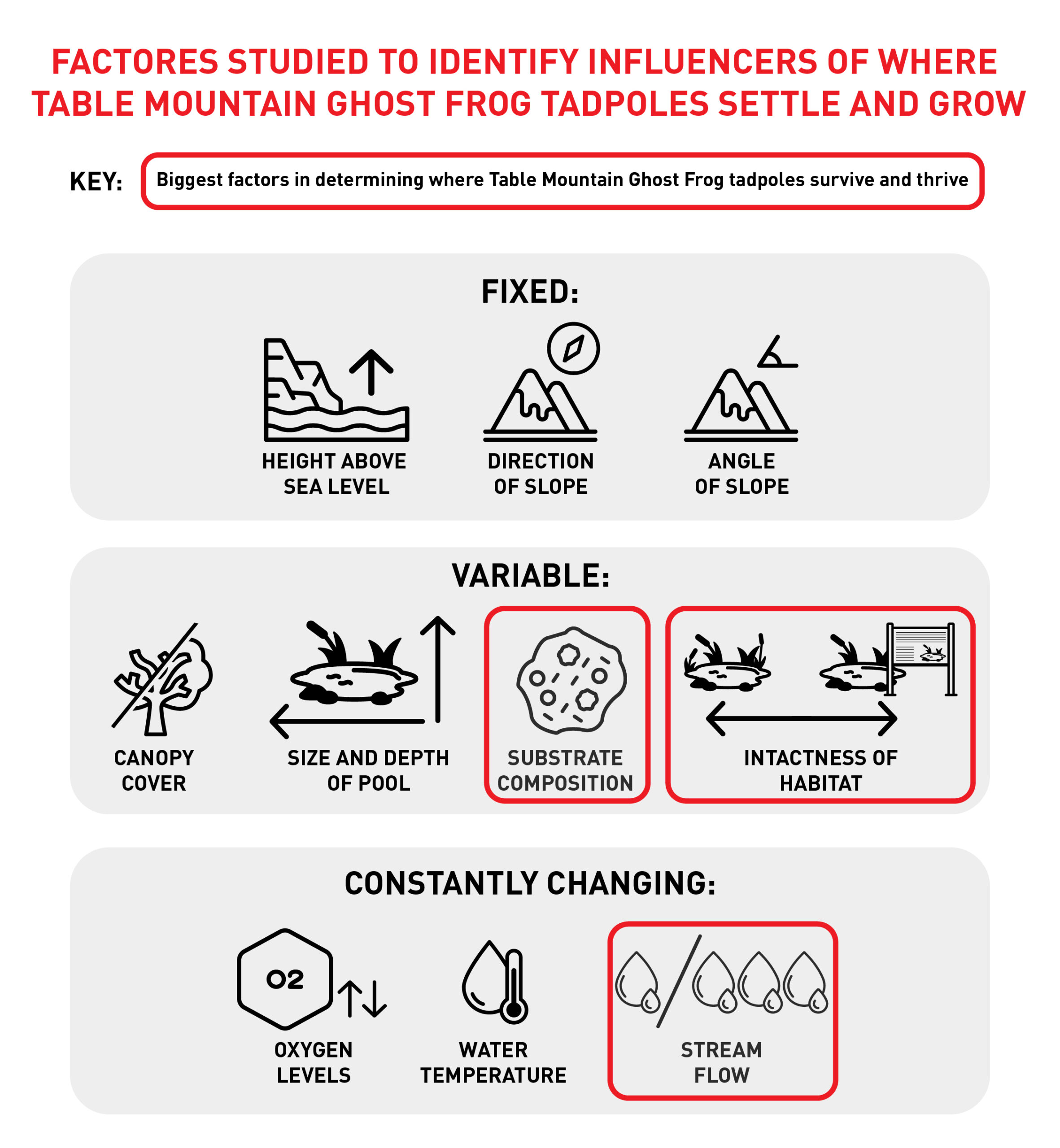
For three years, the scientists studied multiple pools containing Table Mountain Ghost Frog tadpoles. During this time, they compared pools and recorded fixed features that won’t change, such as height above sea level, the direction of the slope and the angle of the slope. Features that could change depending on the season, such as canopy cover, size and depth of the pool, substrate composition and an index of how intact the habitat is, were also measured. Finally, factors that are constantly changing, such as the amount of oxygen present in the pool, water temperature, flow and the weather were recorded at each visit.


The scientists found that substrate composition of the pools (whether the bottom of the pools had silt, sand or rocks), was the biggest factor in determining where Table Mountain Ghost Frog tadpoles survive and thrive. Pools with more silt were far less likely to contain tadpoles compared to those with less silt. They also found that areas with high foot traffic, such as hiking trails across streams, promote erosion and increase silt and sand in the pools, which changes the physical structure of the stream. Another big threat to the tadpoles’ survival is the reduction of stream flow, which reduces the stream’s ability to flush sediments such as silt and sand downstream, increasing sedimentation and causing loss of tadpole habitat. Stream flow is negatively impacted by the presence of dams and weirs as well as by dense stands of invasive vegetation, which traps the water.

In order to conserve the habitat integrity of these, and other, aquatic species on Table Mountain, the authors recommend that boardwalks be constructed on the hiking trails that cross streams, to reduce sedimentation in the pools. Invasive plant species should also be removed. And weirs should be opened in drier parts of the year, especially in the late summer to allow the first wet season rains to naturally fill the streams.

*Weeber, J., Altwegg, R., Tarrant, J., & Tolley, K. A. (2023). Fine-scale drivers of extinction risk: tadpole occupancy dynamics of the Table Mountain Ghost Frog (Heleophryne rosei). African Zoology, 58(3-4), 106-119. https://doi.org/10.1080/15627020.2023.2282448