A new sand frog discovered in Mozambique

A new sand frog discovered in Mozambique


New Species Discovery: Sand Frog Adds to Mozambique’s Biodiversity

Eleanor Momberg (Communications manager, Endangered Wildlife Trust)
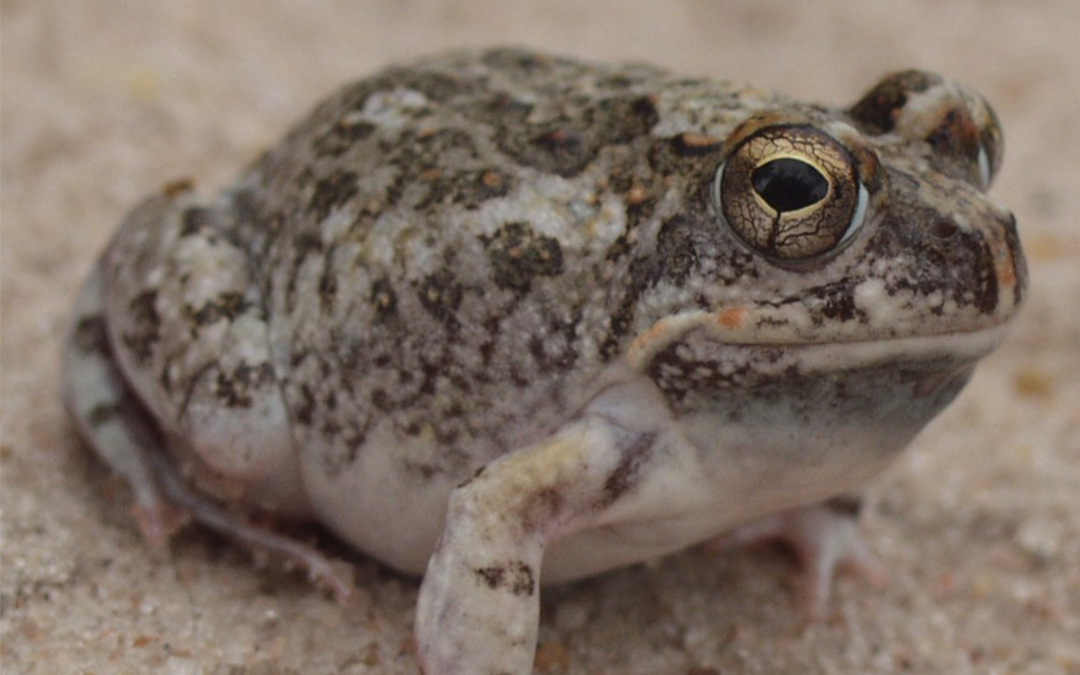
An Endangered Wildlife Trust ecologist recently joined two other South African researchers to confirm the discovery of a new sand frog species in the genus Tomopterna in Mozambique’s Banhine National Park.

A small collection of frogs from inland of Beira, Mozambique, in December 1991 included two specimens of Tomopterna that differed morphologically and genetically from all previously known species. In subsequent years a series of Tomopterna specimens was collected from Banhine National Park. Genetic results indicated that the Banhine specimens were genetically closely related to those collected near Beira, and that these sequences differed substantially from all previously sequenced Tomopterna species.

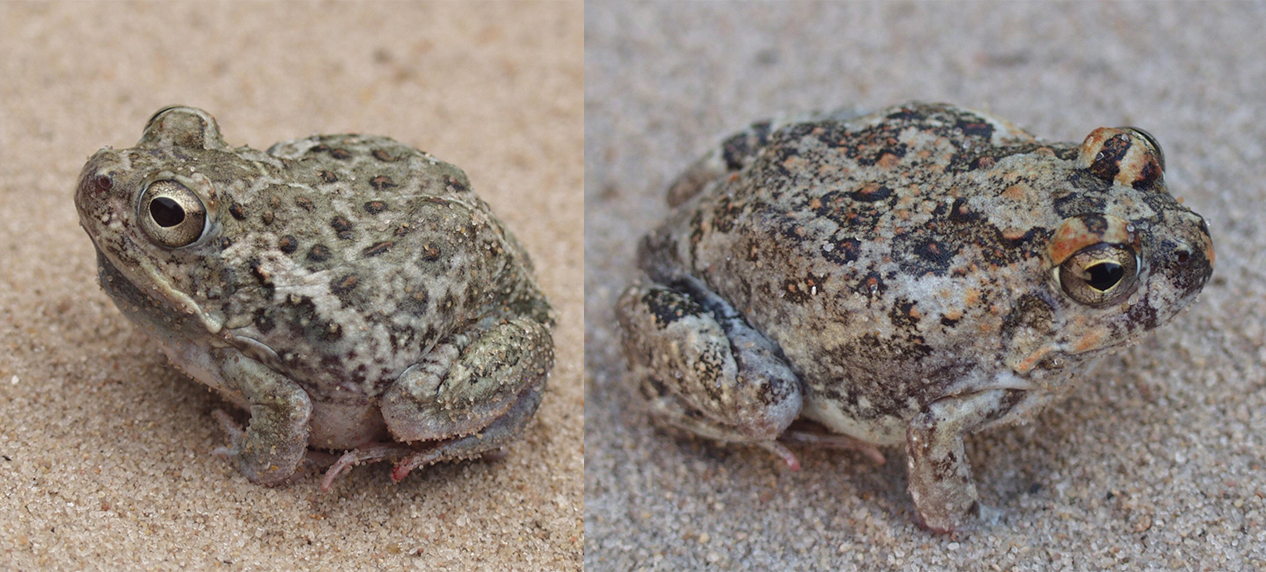
In findings published in ZOOTAXA, EWT ecologist Darren Pietersen, North West University’s Alan Channing and the SA Medical Research Council’s Abeda Dawood describe this new frog species, which they name Tomopterna banhinensis after the type locality, as a species that can be distinguished from all other described species of sand frogs by several characters.

These include that the males grow to a maximum size of 43 mm, that all individuals have two pairs of divided tubercles under the first finger, more than three phalanges free of webbing on the fourth toe, a continuous glandular ridge below the tympanum, a distinct tympanic membrane, the nostrils being situated closer to the snout tip than to the eye, the absence of an outer metatarsal tubercle, the presence of small dorsal warts, the absence of (or only weak) vomerine teeth, and barring on the limbs.

This description adds a further amphibian to the list of Mozambican frogs, which has increased significantly in recent years.

According to the published research, there are presently 18 recognised species within the genus Tomopterna.

The research shows that the species of sand frogs are very similar in overall morphology, no doubt the reason why so many cryptic species were unrecognised, or synonymised with the Cryptic Sand Frog (T. cryptotis) – which was believed to be a single widespread taxon.

Sand frogs are widely distributed in sub-Saharan Africa, excluding the rainforests of central Africa. They are usually found on sandy soils, although the Eastern Beaded Sand Frog (T. pulchra) and Natal Sand Frog (Tomopterna natalensis) are prone to inhabit more rocky habitats.

While this species is presently only known from Banhine National Park and the area around Beira in Mozambique, it is likely to be more widespread than present records suggest, occurring widely across the Mozambique plain, possibly including extreme south-eastern Zimbabwe (specifically Gonarezhou National Park), to which the sandveld and drainage systems of Banhine National Park are linked.

The research paper states that the discovery of many cryptic sand frog species using DNA sequencing suggests that there are more frog species waiting to be described. Sand frog species often occur sympatrically, but the high diversity of Tomopterna, up to five species, on the coastal plain of Mozambique is remarkable.


Research published by:

ALAN CHANNING1, DARREN W. PIETERSEN2,3 & ABEDA DAWOOD4
1Unit for Environmental Sciences and Management, North-West University, Potchefstroom 2520, South Africa.
2Department of Zoology and Entomology, University of Pretoria, Private Bag X20, Hatfield 0028, South Africa.
3Endangered Wildlife Trust, Plot 27 & 28 Austin Road, Glen Austin AH, Midrand 1685, South Africa
4Division of Research Capacity Development, South African Medical Research Council, Private Bag X385, Pretoria 0001, South Africa.
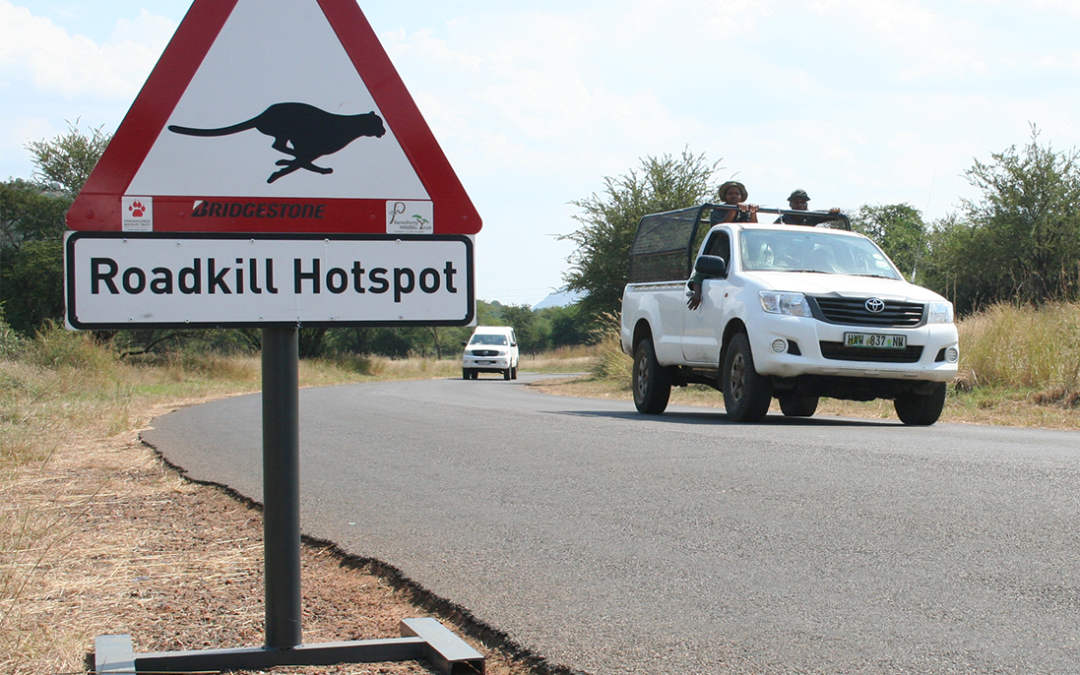
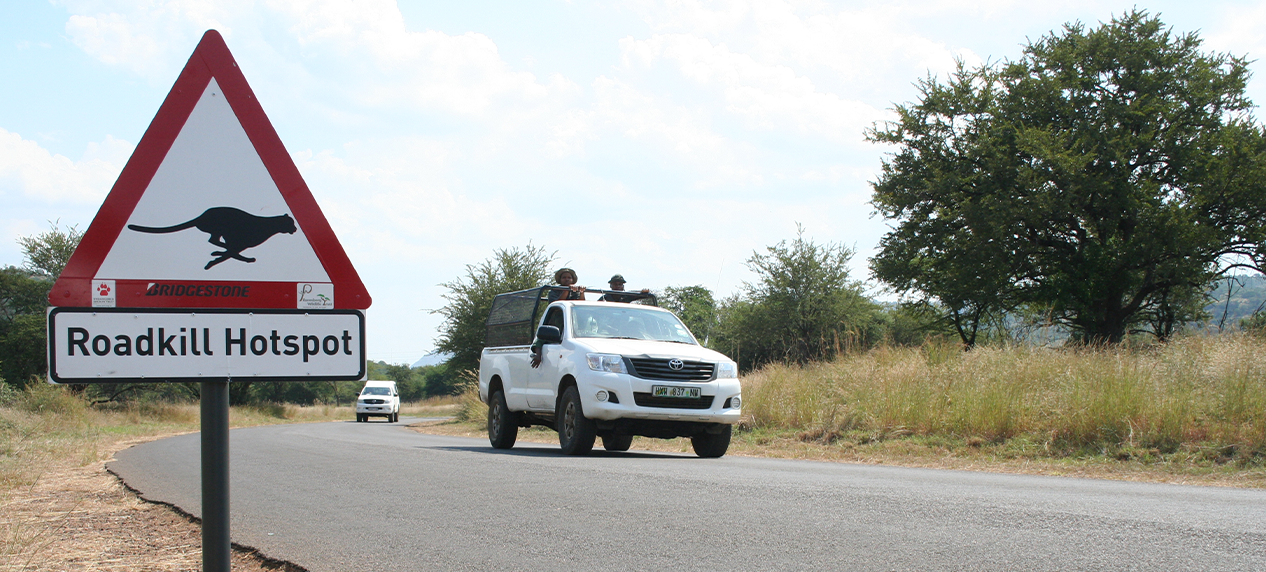
 

Roadkill remains a problem along South Africa’s major transport corridors

Roadkill remains a problem along South Africa’s major transport corridors


Roadkill remains a problem along South Africa’s major transport corridors

By Thabo Hlatshwayo, Wildlife and Transport Project: senior field officer, Endangered Wildlife Trust.


Although monitoring of the ecological impacts of transport infrastructure on biodiversity is still an emerging field of science in South Africa, it remains poorly supported in terms of funding. This is despite the fact that roads are responsible for the massive loss of biodiversity.

To determine the extent of roadkill in South Africa, the Endangered Wildlife Trust (EWT) has been facilitating and supporting various road ecology research since 2011. From the data that we have gathered, it is clear that roadkill is prevalent.

South Africa’s road network covers around 750,000km. Our database on roadkill for the BAKWENA N1/N4, TRAC N4 and N3 toll routes indicates that a total of 8,569 records of wildlife roadkill incidences were reported from the three toll companies combined between 2012 and 2024. This is an increase of 1,565 from the roadkill magnitude reported in 2023, meaning that these animals were victims of roadkill on the toll route in 2024.

This emphasises the need for advancing biodiversity loss accounting in the transportation sector and crafting national transportation policies that are ecologically sustainable and support just transitioning to green transportation in South Africa. Supporting research on understanding how our road systems impact threatened habitats, habitat use and movement by animals is critical.

The construction and operation of transport corridors, such as roads and railways, have a range of both direct and indirect negative impacts on wildlife and natural ecosystems. Clearing natural landscapes for the construction of transport infrastructure causes vegetation cover loss, often leading to degraded landscapes. In the 28 years up to 2008, South Africa reportedly lost 0.12% of its natural vegetation cover per year as a result of massive linear infrastructure development, including transport corridors. Thus, all these contributed to landscape fragmentation, reduced land cover and connectivity loss for wildlife. It is interesting to note that the country’s roads  stretch through sensitive habitats and wildlife hotspots, some of which are home to Threatened Species.

Habitat loss because of fragmentation is a primary threat to terrestrial biodiversity and could drive species extinction as it affects numerous endemic species. The fragmentation of a landscape limits the migration rates of species and its available habitat. Besides affecting migration patterns, it also contributes to inbreeding because species’ behavioural patterns, such as hunting, foraging, breeding and other home range activities have been disrupted. Habitat loss and fragmentation, because of transport corridors, also increases human-wildlife interactions. This leads to human-wildlife conflicts as animals are forced to cross roads for dispersal and migration. This further accelerates biodiversity loss through increased wildlife roadkill incidents, and numerous threatened species suffer the greatest risk from roadkill.

Small-to-medium sized mammals such as Serval, African Striped Weasel, Cape Clawless Otter, Honey Badger, Cape Porcupine, Cape Fox, African Wild Dog, several antelope and mongoose species are the most impacted mammal species. The reptiles that are most affected include Southern African Python, Puff Adder, Leopard Tortoises, Natal-hinged Tortoises, and Monitor Lizards. Among bird species, owls are the most affected, this includes the African Grass Owl, Barn Owl, Spotted-Eagle Owl and Marsh Owl.


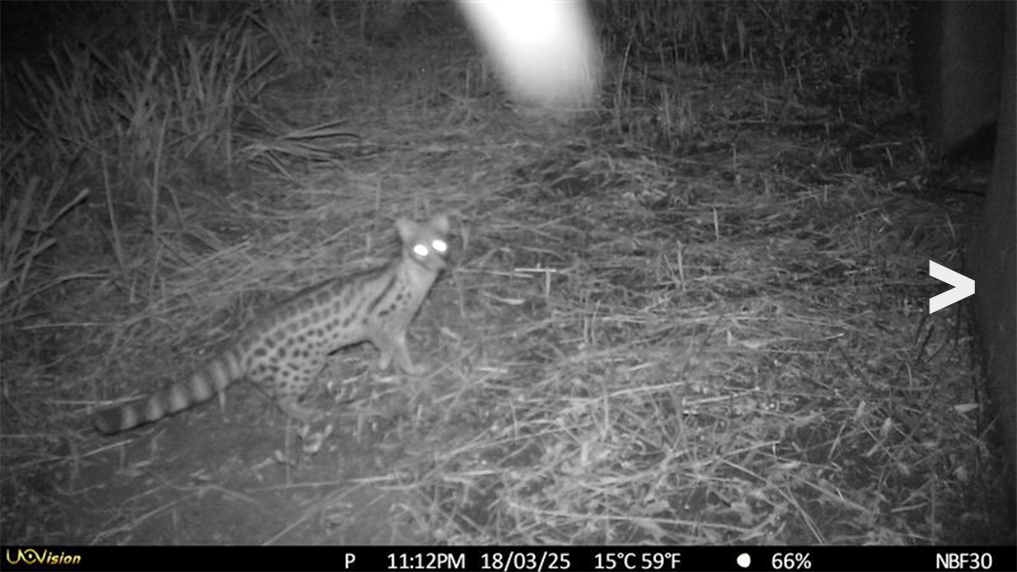
Genet
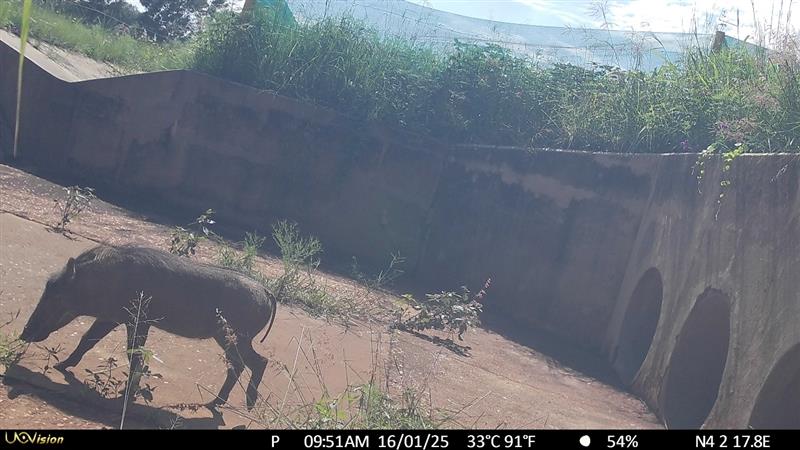
Warthog
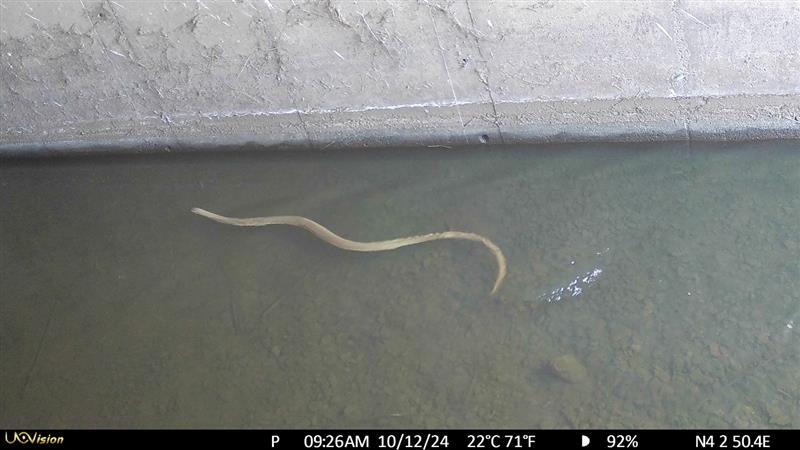
Various reptiles
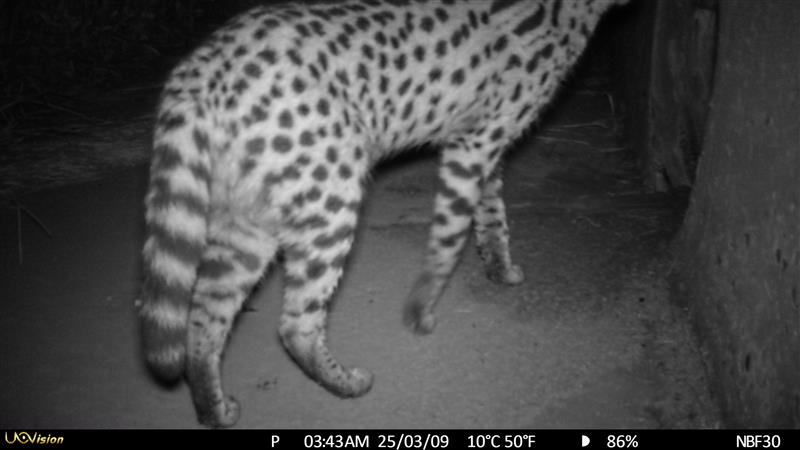
Serval
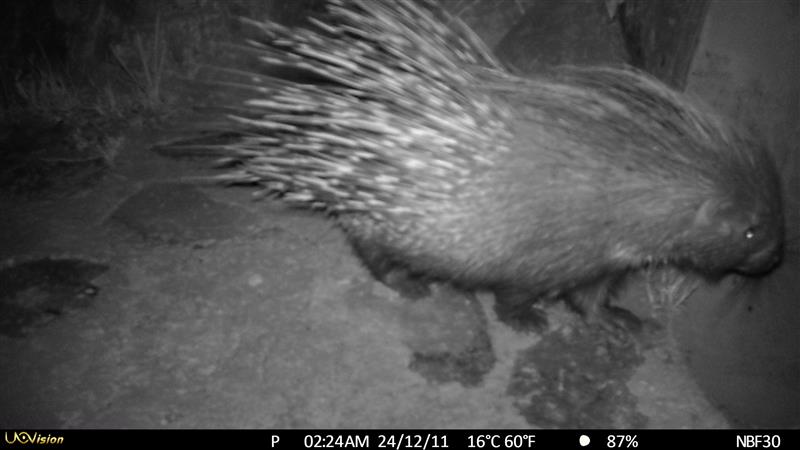
Porcupine


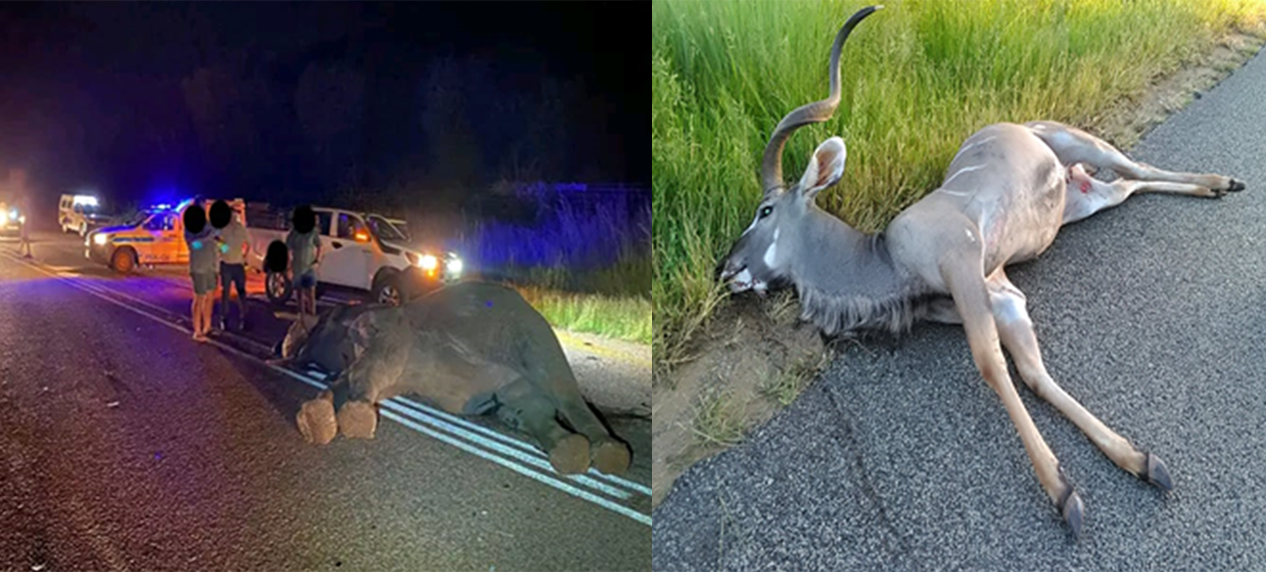
However, we do come across incidents that involve large mammals like Hippopotamus and savanna buffalo along the N4, and Greater Kudu along the Bakwena N4 and N4, as well as cows. We have also recorded incidents that involved an Elephant and a Leopard along the R40 and R71 regional roads in Hoedspruit area.

Monitoring wildlife roadkill is the first step in understanding the impacts of roadkill on threatened species. By collecting data on roadkill, we can track mortality rates and distribution patterns of the roadkill of different species (where and to what extent). Studying these elements will expand our understanding of the ecological impacts of road infrastructure and traffic on wildlife movement. These will enable us to scientifically map conservation hotspots and further develop effective mitigation strategies to reduce these threats.

As much as we talk about roadkill becoming a threat to biodiversity, it is important to understand that the landscapes fragmented by road networks that intersect animal habitats are the core drivers for wildlife roadkill incidents across the globe. Changing climatic conditions influence animal movement patterns, causing numerous species to move frequently within their landscapes in search of important ecological resources. In an environment increasingly fragmented by road infrastructure, such movements could potentially result in a deathtrap for animals due to wildlife-vehicle collisions and a lack of connectivity corridors.

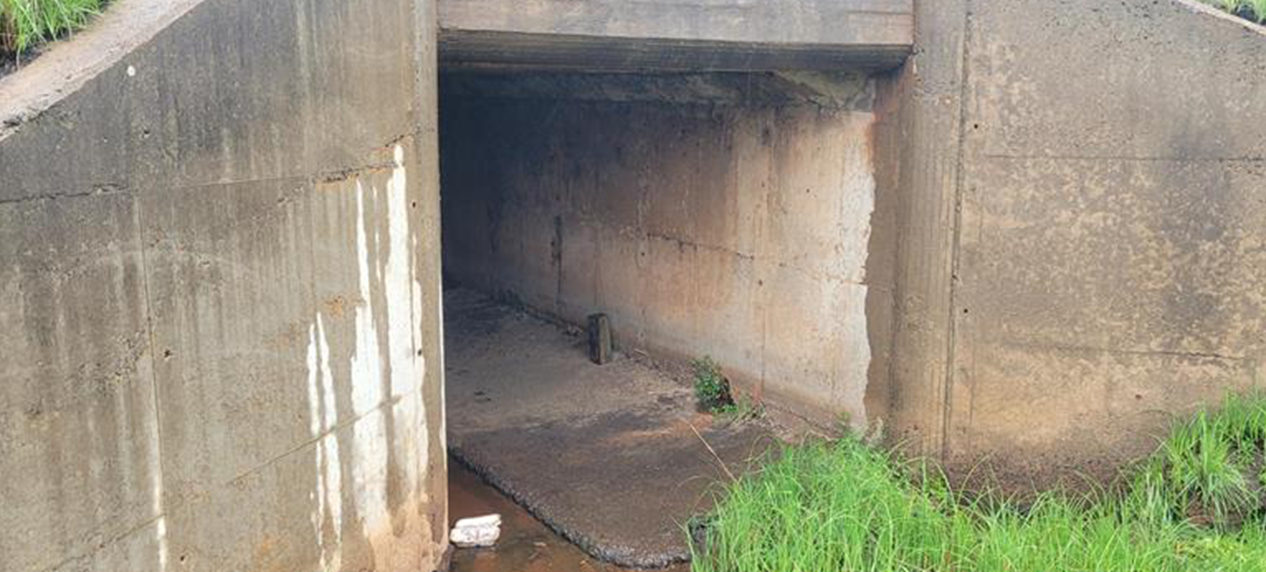
The EWT and the N3 Toll Concessionaire (N3TC), Trans African Concessionaire (TRAC) and Bakwena N1/N4 have trialed several roadkill-reduction methods for reducing the negative impacts on roads and highways on biodiversity. The first was to deploy temporary roadside fencing, directing wildlife to cross safely through underpasses such as drainage culverts. Camera traps were installed in several underpass structures that are located within hotspots to monitor whether wildlife used them, and we were excited to see that several mammals did. This includes Serval (Leptailurus serval), the most common animal killed on the N3. These results indicate that underpasses are a promising and cost-friendly alternative for wildlife crossing in a global south country like South Africa.

Preliminary results indicated increasing animal activity and the use of the underpass structures, with more mammal species appearing to use the structures that are retrofitted with mesh fencing; these include Serval, Southern Reedbuck (Redunca arundinum), Cape Clawless Otter (Aonyx capensis), Honey Badger (Mellivora capensis), and Common Warthog (Phacochoerus africanus). When more animals use the underpass structures to cross the highway, animal activity adjacent to the road is reduced; hence, reducing collisions whilst improving road safety.

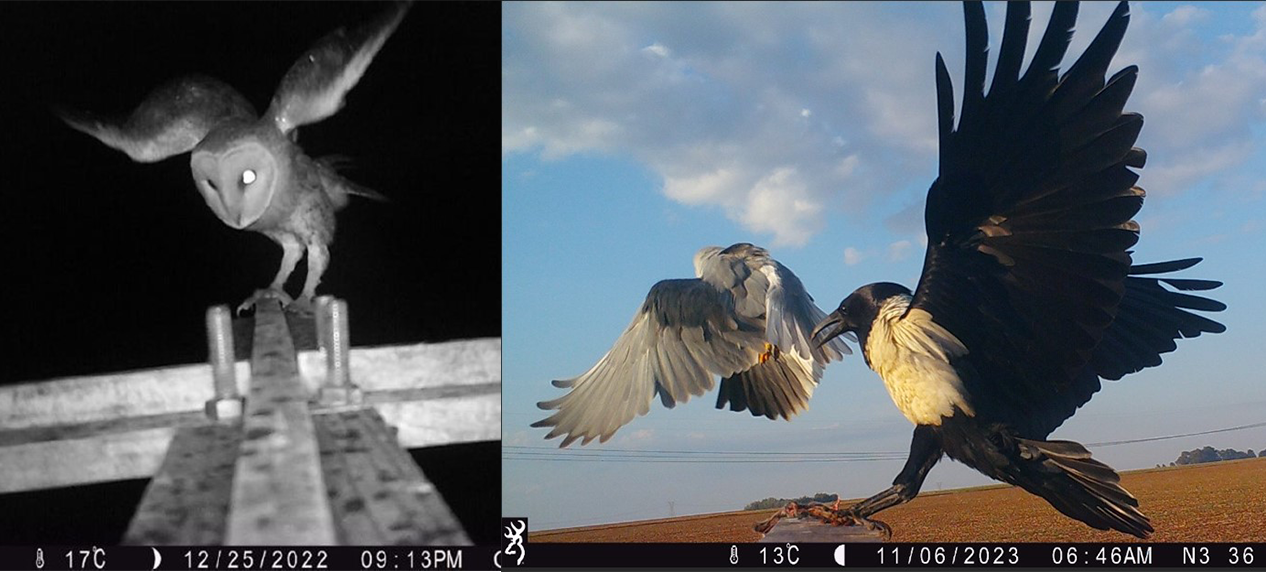
Because owls and other raptors tend to use signboards and safety barriers along roads to perch on while hunting prey, such as rodents and squirrels, a second roadkill-reduction method has been tested. This has seen the EWT placing raptor perches 100 m from the road to encourage owls and other birds of prey to use these as safer alternatives and to reduce hunts on the roads. Cameras on the owl perches have recorded several birds of prey species using the installed perches for feeding or perching. This includes African Grass, Barn and Spotted Eagle Owls. Our findings showed that the more owls use the installed structures for hunting and feeding, their activity on the road is reduced.

South Africa’s road and rail network is essential for our socio-economic development through travel and tourism, and the transport of food and goods. It is therefore critical that solutions are found to reduce the impact of transport infrastructure on people and wildlife without hindering our transport sector.

Left: Camera Trap at Raptor Perch recording a African grass owl. Right: Black winged Kite Vs Pied Crow recorded at Raptor Perch


Modified Culverts for wildlife crossing

Wildlife and Transport Project

  • The EWT is the only African organisation with a dedicated project focusing on transport and wildlife interactions.
  • The project works across South Africa and collaborates on similar projects with colleagues worldwide.
  • Our goal is to reduce the impacts of transport infrastructure on wildlife and vice versa. We focus on improving our understanding of the threats to wildlife from transport activities and infrastructure and identifying solutions suitable to the southern African context.
  • In 2013, the EWT launched a smartphone app called “RoadWatch” – one of the first roadkill reporting apps in the world. To date, almost 30,000 data points have been reported via the app.
  • The Endangered Wildlife Trust’s National Roadkill Database for South Africa shows that mammals are the most commonly-reported roadkill (50%), followed by birds (18%), reptiles (6%), and amphibians (1%), with 24% of species being unidentifiable.
  • Large mammals, such as carnivores and antelope, are likely to cause damage or delays to trains and vehicles. Collisions with animals can be expensive with insurance claims suggesting that approximately R82.5 million is paid yearly against vehicle collisions with wild animals.

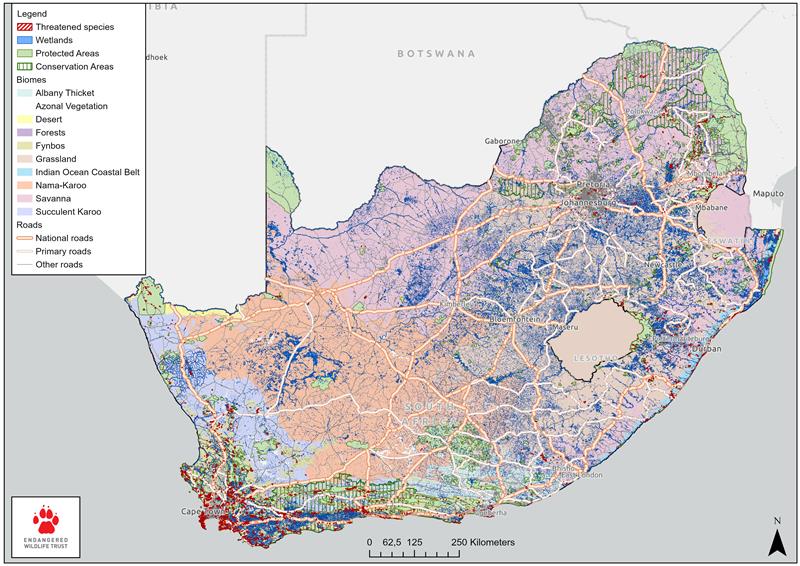
Roadkill map of South Africa

The EWT has provided support for a study that has developed a Drivers-Pressure-State-Impact-Response (DPSIR) framework of ecological connectivity in transport sustainability in South Africa. Because of the Framework, steps are being taken to help shape a sustainable transport sector that promotes robust monitoring and mapping of hotspots and the support of a consultation process to formulate policies that promote sustainable land-use planning by considering wildlife needs in green transport infrastructure planning frameworks in South Africa.

Unfortunate incidences involving large mammals

Biodiversity and Business Action Plan

Biodiversity and Business Action Plan

A South African business perspective – The EWT’s Biodiversity and Business Action Plan

By Catherine Kühn – Biodiversity Disclosure Project Manager, Endangered wildlife trust

The Biodiversity and Business Action Plan (BBAP) is a cross-sectoral 65-page document which culminates the 2 years of work with Business for Nature.


It is a guidance tool and a feedback resource for South African businesses which captures insights directly from companies to reflect their progress in biodiversity mainstreaming while also supporting them on their journey.


The BBAP offers sector mapping, a roadmap for biodiversity mainstreaming, and key indicators for integrating Target 15 into business practices.

Biodiversity loss is no longer a separate or secondary issue to climate change. It’s a very real and prevalent environmental concern and a business reality. The biodiversity crisis is an urgent and interconnected issue that threatens the stability of natural systems. It is waking up economies, industries, and businesses. As planetary boundaries continue to be pushed beyond safe limits, the consequences are becoming increasingly harder to reverse. If we don’t act collectively and decisively now, we risk tipping the scales beyond recovery. 

As the world moves towards sustainability, South African companies are beginning to recognise that integrating biodiversity into decision-making is not just about compliance – it’s about long-term resilience. Many businesses are already on this journey with some making steady progress; a few are emerging as leaders, while others demonstrate interest but remain uncertain about where to begin. And then there are those yet to wake up to this urgency. But the message is clear: biodiversity action is not optional—it’s a business imperative. 

Our Business Advisory Group (BAG) engagements confirm that businesses need support in biodiversity integration. The Biodiversity and Business Action Plan (BBAP), developed by the EWT’s Biodiversity and Business Unit (BBU), serves as a guidance tool and feedback resource, capturing insights directly from companies to reflect their progress and support their journey. 


Key findings 

There is strong business awareness of biodiversity’s importance—77% of our Business Advisory Group participants see it as extremely important to South Africa’s economy while 100% of respondents acknowledge biodiversity loss as a risk to their company, highlighting the urgent need for action. 

While most companies recognise biodiversity’s importance, 64% are still in the early stages of the journey towards biodiversity action. 

The top three focus areas of companies’ biodiversity efforts are 1. biodiversity initiatives at local sites, 2. employee capacity building and training around biodiversity and 3. meeting biodiversity compliance and reporting obligations. 

Companies are familiar with, amongst others, the International Financial Reporting Standards (IFRS), the King IV report for Corporate Governance in South Africa and the JSE Sustainability 

Disclosure Guidance, yet most lack a formal biodiversity strategy. A total of 60% said they did not have dedicated budgets for biodiversity, highlighting a gap between awareness and action. 

Many companies rely on biodiversity consultants for environmental work, while some have in-house sustainability teams. A total of 85% of respondents said their company needs additional biodiversity training and capacity-building. 

Discussions from the four BAG workshops in 2024 provided valuable insights into how businesses viewed their role in supporting biodiversity targets. The dominant Global Biodiversity Framework (GBF) themes that emerged were ‘Implementation and Mainstreaming’, followed by ‘Reducing Threats’ and ‘Sustainable Use and Benefit Sharing’. 

Notably, there is strong alignment with Target 15 (Business) and Target 19 (Finance), with recognition of Target 19 increasing significantly throughout the BAG process. This shift highlights the growing awareness of the need for financial mechanisms to support biodiversity integration, including investment in nature-positive solutions. 


What does this mean? 

Businesses recognise biodiversity’s importance and risks, yet most are still in early integration stages. Awareness is high, but action, reporting, and investment remain limited. There is a need to embed biodiversity into corporate decision-making, rather than viewing it as an additional expense and burden. With all the respondents recognising biodiversity loss as a risk means there is urgency to develop structured biodiversity strategies. Yet, with most companies still relying on consultants and lacking dedicated budgets for biodiversity, this remains a challenge. 

The reliance on compliance-driven actions rather than proactive biodiversity decisiveness suggests that many businesses are reactive rather than strategic. The high demand for capacity-building (85%) further re-inforces that businesses need more guidance to navigate this. Without adequate skills, knowledge, and funding structures, biodiversity commitments risk remaining future aspirations. 

The results also indicate a need for business-government cohesion, clearer policy direction, stronger incentives, and greater regulatory support to ensure businesses can effectively align with national biodiversity commitments. 


The road ahead 

While the BBAP is a milestone, real change will come from businesses taking ownership of their biodiversity strategies. Businesses must strengthen biodiversity knowledge and skills, supported by standardised reporting frameworks to meaningfully track progress.  There is also a need for collaboration across sectors – including government and NGOs.  Additionally, financial incentives and policy support are needed to encourage and incentivise biodiversity-positive practices. 

From referring to the many frameworks and tools that exist to “framework chaos”, our BAG members have been pivotal in providing honest, constructive and catalytic feedback when it comes to their specific needs, challenges and vision for their business and for their sector. 

Companies require clear roadmaps, sector-specific strategies, and the right tools to integrate biodiversity into operations. However, the lack of dedicated biodiversity roles, capacity and budgets indicates the urgency to make a stronger business case—one that highlights both the risks of inaction and the opportunities of nature-positive practices. 

This process has also proven that businesses have a voice in shaping government policy, contributing to the National Biodiversity Strategic Action Plan (NBSAP) and ensuring corporate commitments are reflected in national targets. This work is a call to action for businesses to take the lead—not just as participants but as pioneers of innovation and sustainability. The journey is challenging, but the opportunity to leave a legacy for generations to come makes it one worth taking. 

Plant poaching: An underestimated threat to biodiversity 

Plant poaching: An underestimated threat to biodiversity 


Plant poaching: An underestimated threat to biodiversity 

By Esther Matthew

Roadblocks for illegally traded wildlife products


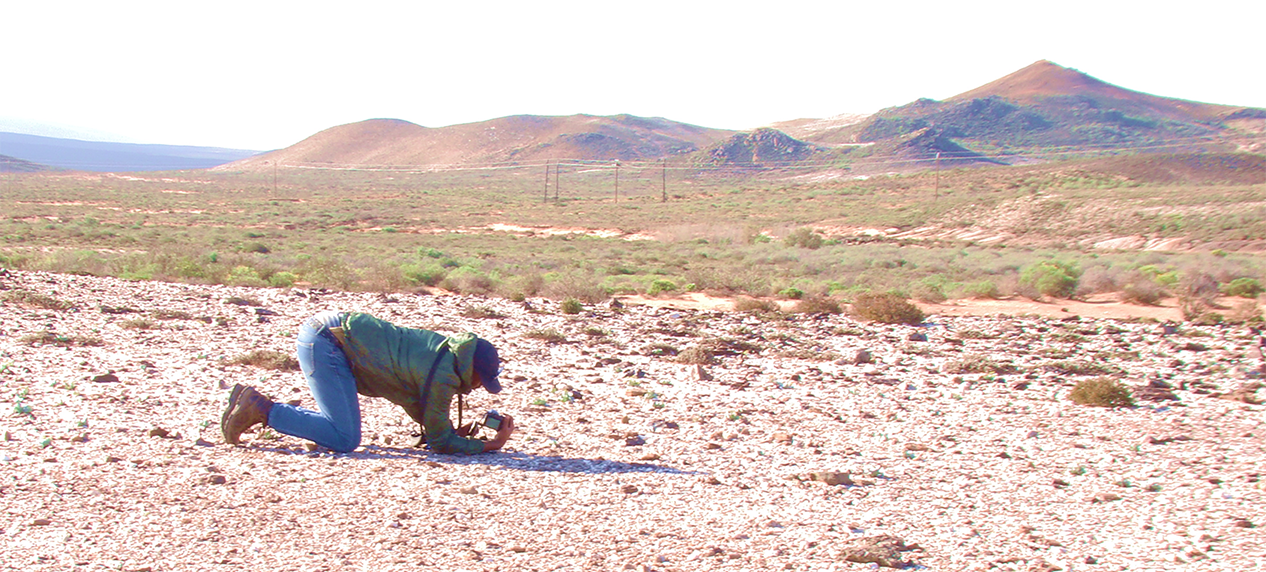
Succulent poaching has shown a marked increase in South Africa in recent years. Many of these plants will literally bring you to your knees due to their tiny size. But, once you see the details on them, you are immediately transported to world that many people often walk over without noticing.

Unfortunately, poachers have taken note of this, which has resulted in an incredible increase in the illegal harvesting of these unique plants over the last five years, with approximately half a million plants poached in a year. This is a significant problem, with some plant species already pushed to extinction in the wild.

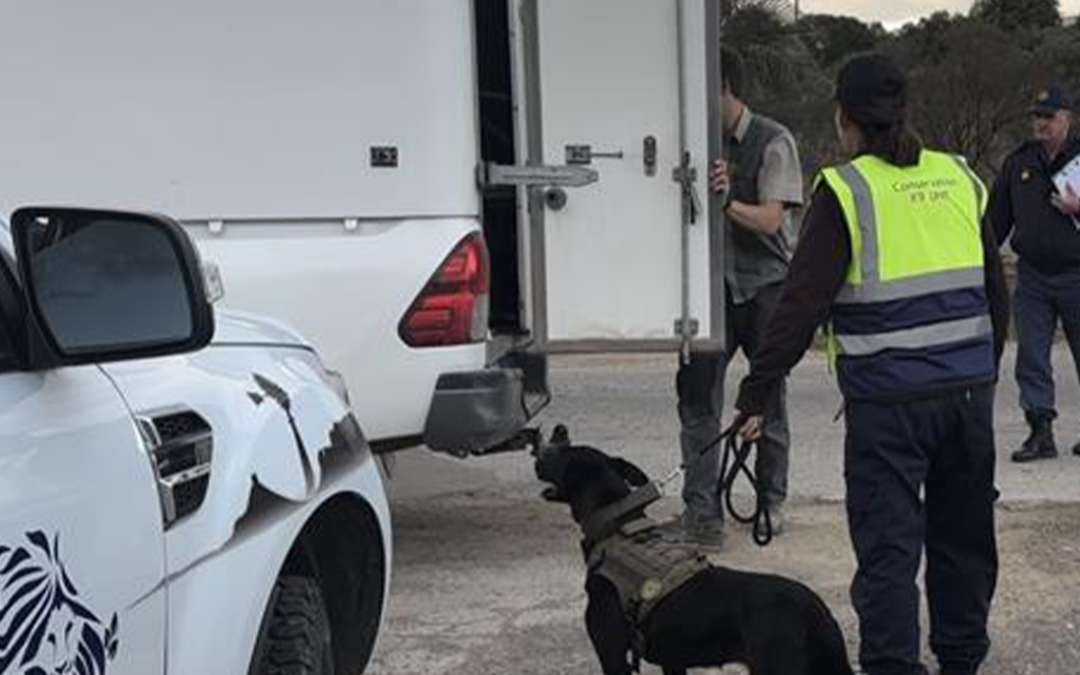
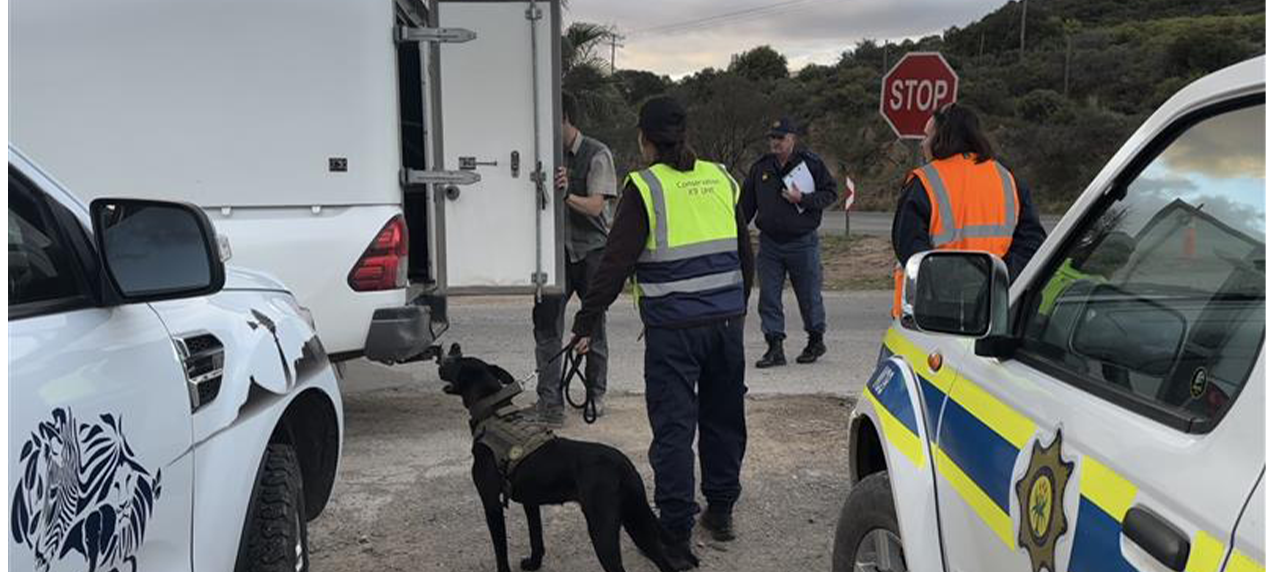
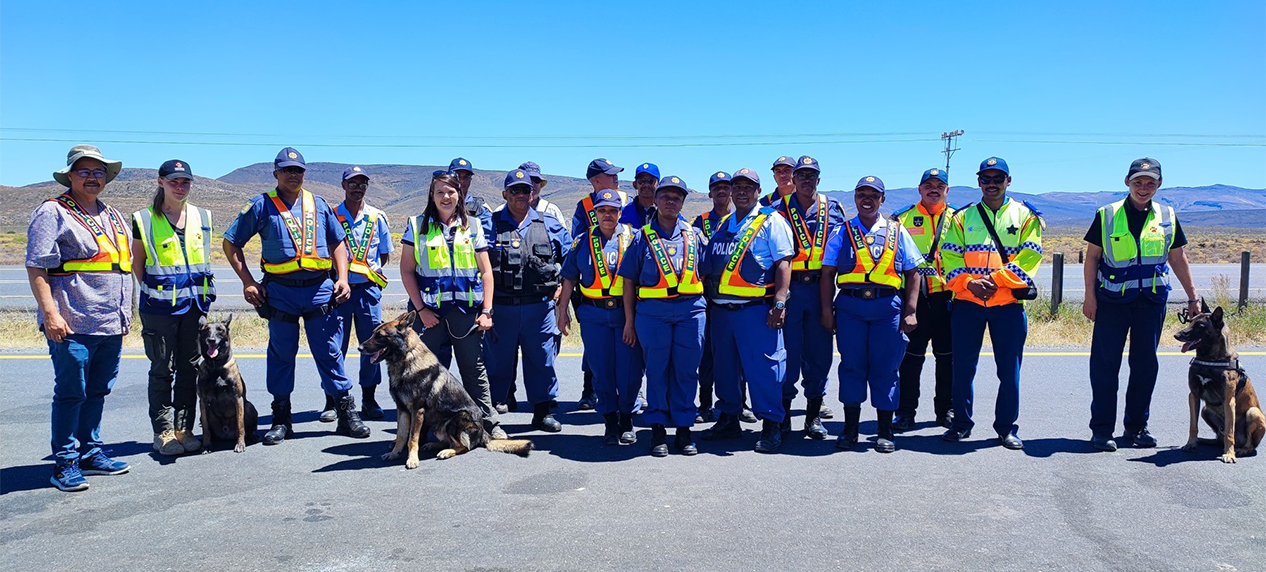
For the EWT Conservation Canine Unit and the Drylands Conservation Programme the solution to most conservation problems is getting nosy, and with that we mean using scent detection dogs to assist us in our conservation work, and in sniffing out any plants being smuggled. Dogs have an remarkable scent ability and are able even find a drop of odour in a waterbody the size two Olympic swimming pools! Keeping that in mind, our two programmes teamed up in 2023 and to train the first three scent detection dogs to help combat the succulent plant poaching problem. In joint operations, our efforts were aimed at screening vehicles at roadblocks and parcels at courier companies. In the first 2 months of working with these dogs we were able to assist the local law enforcement officials supported with four cases, resulting in nine arrests. So, it turns out being nosy is not always a bad thing, and it can even help save our endemic plants.

Thanks to the Dertour Foundation, Endangered Ink and Tourvest, we can continue the work with our dogs to help combat the poaching problem for not only plants but also a variety of other wildlife contraband


Roadblock with Police


Global Risks Report 2025: A Decade of Challenges Ahead

Global Risks Report 2025: A Decade of Challenges Ahead


Global Risks Report 2025:
A Decade of Challenges Ahead

By Eleanor Momberg


The 20th edition of the Global Risks Report 2025 (GRPS) shows an increasingly fractured global landscape where escalating geopolitical, environmental, societal and technological challenges threaten stability and progress.

The report comprises insights from 900 experts worldwide, analysing global risks through three timeframes. It assists decision-makers to only balance existing crises, but also to set their longer-term priorities.

It identifies state-based armed conflict as the most pressing immediate global risk for 2025.

Misinformation and disinformation remain top short-term risks for the second consecutive year, underlining their persistent threat to societal cohesion and governance by eroding trust and exacerbating divisions within and between nations. Other leading short-term risks include extreme weather events, societal polarisation, cyber-espionage and warfare.

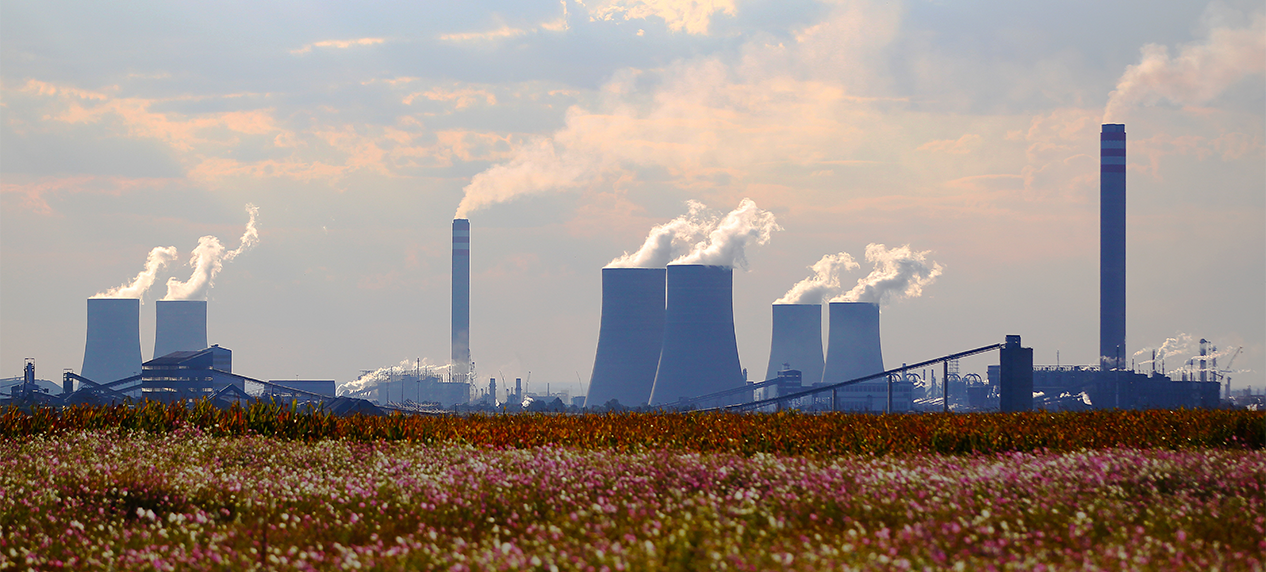
Environmental risks dominate the longer-term outlook, with extreme weather events, biodiversity loss and ecosystem collapse, critical change to Earth systems and natural resources shortages leading the 10-year risk rankings. The fifth environmental risk in the top 10 is pollution, which is also perceived as a leading risk in the short term. Its sixth-place ranking in the short term reflects a growing recognition of the serious health and ecosystem impacts of a wide range of pollutants across air, water and land. Overall, extreme weather events were identified prominently as immediate, short-term and long-term risks.

The long-term landscape up to 2035 is also clouded by technological risks related to misinformation, disinformation and adverse outcomes of AI technologies.

The authors point out that the global outlook at the start of 2025 is increasingly fractured across geopolitical, environmental, societal, economic and technological domains. Besides the expansion and escalation of conflicts, there has been a multitude of extreme weather events amplified by climate change, widespread societal and political polarisation, and continued technological advancements accelerating the spread of false or misleading information.

There is clear concern about the urgent reality linked to the rise in environmental risks in the long term.

The report states that the impacts of environmental risks have worsened in intensity and frequency since the Global Risks Report was launched in 2006. The outlook for environmental risks over the next decade is alarming, says the authors. While the 33 identified risks in the GRPS are expected to worsen in severity from the two-year to the 10-year time horizon, environmental risks present the most significant deterioration.

Extreme weather events are anticipated to become even more of a concern, with this risk being top ranked in the 10-year risk list for the second year running. Biodiversity loss and ecosystem collapse ranks #2 over the 10-year horizon, with a significant deterioration compared to its two-year ranking.

The GRPS shows generational divergence when it comes to risk perceptions related to environmental issues, with younger survey respondents being more concerned about this over the next 10 years than older age groups. Take Pollution, for example, which the under 30s rank as the #3 most severe risk in 2035, the highest of any age group surveyed.

As noted in last year’s Global Risks Report, there is also divergence in how Pollution is ranked by stakeholders, with the public sector placing Pollution as a top 10 risk in the 10-year ranking, but not the private sector.

In its call to immediate action, the GRPS questions whether consensus is possible in a world where deepening divisions and increasing fragmentation are reshaping international relations, and calling into question whether existing structures are equipped to tackle the challenges collectively confronting all peoples.

Levels of global cooperation across many areas of geopolitics and humanitarian issues, economic relations, and environmental, societal and technological challenges may reach new lows in the coming years, the report states, adding that key countries appear to be turning inward, focusing on mounting domestic economic or societal concerns, just when they should be seeking to strengthen multilateral ties to confront shared challenges.

The decade ahead will be pivotal as leaders will be confronted with increasingly complex global risks. But to prevent a downward spiral in which citizens worldwide will be worse off than before, ultimately there is no option other than to find avenues for dialogue and collaboration, the report states.