Communities and Cranes benefit from Spring Protection project in the KwaZulu-Natal Midlands

Communities and Cranes benefit from Spring Protection project in the KwaZulu-Natal Midlands


Communities and Cranes benefit from Spring Protection project in the KwaZulu-Natal Midlands

By Eleanor Momberg (Communications manager, EWT)  and Samson Phakathi (Snr Community Project Officer, Drakensberg, SA, EWT)
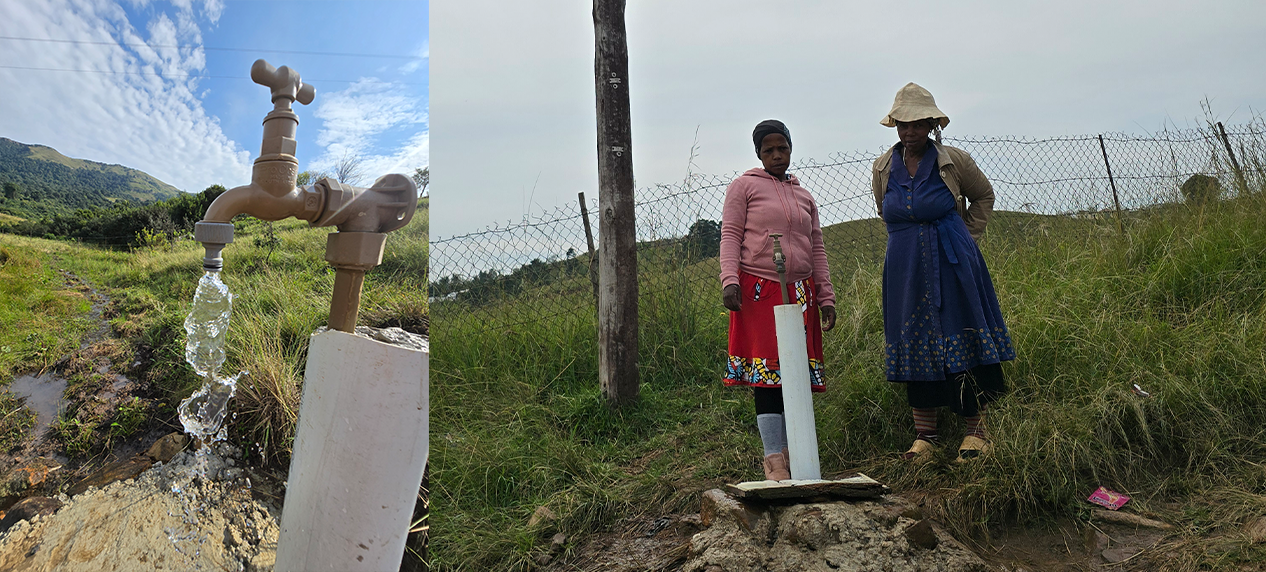
Left: Clean, high pressure water coming from a newly installed tap providing access to spring water otherwise accessed in a dense forest up the mountain. Right: Two women inspecting a second tap installed within the community.


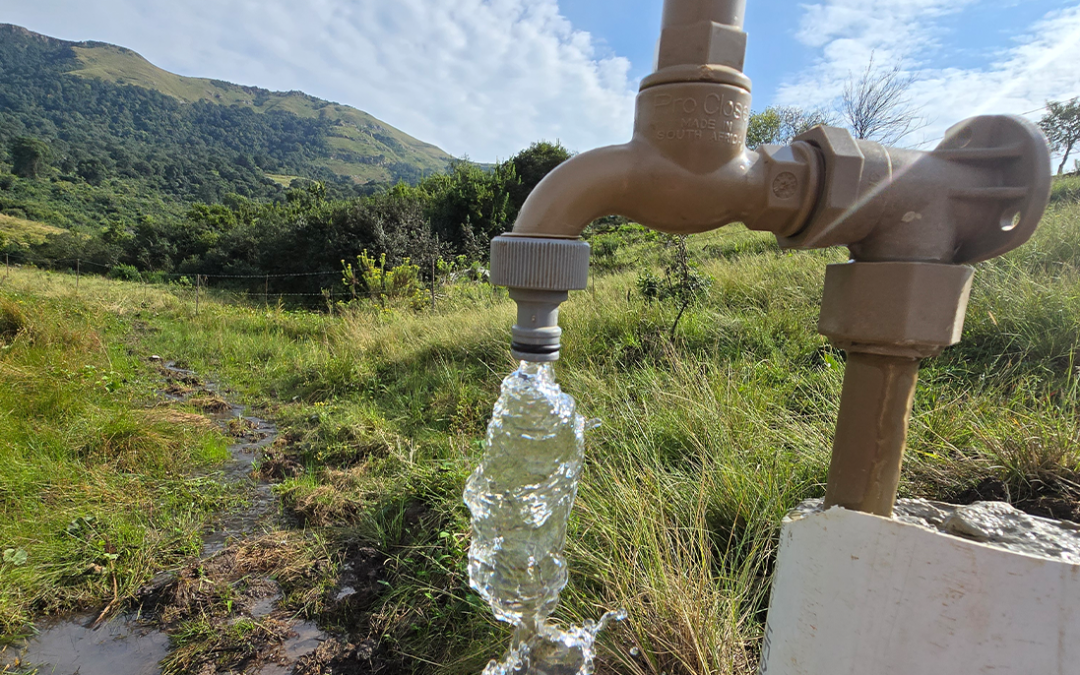
Supplying water to the community of KwaMkhize in the KwaZulu-Natal Midlands not only benefits the people living in this mountainous area but also ensures that Crane species living in an adjacent wetland are protected.

KwaMkhize lies in the shadows of the Drakensberg mountains with Giants Castle looming large in the distance. It is an area of rolling hills and lush veld. It is also an area of extreme poverty, and an area which is difficult to access, given the state of access routes, which have been under construction for some time. The extreme rainfall in recent months has also not helped. But, that rain has fed the many springs in this area ensuring a continuous supply of water to the newly-installed water points in the village by the Endangered Wildlife Trust/International Crane Foundation Partnership(EWT/ICF), and filling the nearby rivers and streams that nourish the wetland home to the Grey Crowned, recently downlisted Wattled and Blue Cranes.

This catchment is home to an estimated 25% of South Africa’s Wattled Cranes and is a critical breeding ground for two of the three crane species – Wattled and Grey Crowned Cranes. But, Cranes are not the only reason the EWT/ICF Partnership is working in this area, also considered one of South Africa’s water factories—a source of water to cities like Johannesburg and eThekwini.
Samson Phakathi, senior community field officer for the EWT/ICF African Crane Conservation Programme, holds much praise for the KwaMkhize community, which has not only taken ownership of its water supply issues, but has, as a collective, worked with the EWT/ICF Partnership since 2016 to address numerous issues of concern. Of late, that has expanded to land use management, which includes planning to remove alien and invasive species such as the Natalie Bramble especially around rehabilitated springs and rangelands used for grazing of cattle, as well as the pollution of rivers and streams, the installation of pit latrines close to springs, and ensuring new housing developments don’t encroach on grazing lands.

Besides working as a collective to ensure all residents have access to clean potable water, the community is set to workshop a landuse plan for the area so that human development does not affect their primary activity—livestock farming.

Many rural areas receive limited access to governmentally supplied services due to the distance the communities are to main roads. Springs are, therefore, vital in these communities. Interacting with communities to better support natural resource management helps protect the landscapes in which cranes in South Africa live, primarily wetlands, grasslands and farming landscapes. Through our Springs project, the EWT/ICF Partnership has protected seven springs across two communities in the Drakensberg, KwaMkhize and Mqatsheni.

Overall, the implementation of the seven spring protection projects has served 2,445 individuals across 292 households, two schools and a clinic that services 150 people a day 365 days a year; therefore, a total of 54,750 individuals benefit from potable water at the clinic.

The key benefits of spring protection include clean potable free water, easy access, enabling children to spend more time in school, improved health of the community, especially the children and a secure water source. Furthermore, the protection prevents cattle from getting stuck in mud and either succumbing or becoming ill from polluted water.

The primary uses of springs were for potable water, cooking, cleaning and washing. However, some households use spring water for watering vegetable gardens and traditional medicines.

All the residents of KwaMkhize rely on springs as a primary source of water. Getting up the mountains to reach the water sources created an opportunity for the EWT/ICF Partnership to bring water to the community through the installation of pipes and taps in key sections of the expansive village.

Because KwaMkhize is a water factory area, it is important that the catchments are protected so that enough water of good quality can be captured to supply the cities, said Phakathi. “We thus need a constant supply of water, and this increases the importance of the area.”

One spring supplies water to hundreds of households. In the past, residents, particularly women and children, trudged to the water sources several times a day to collect water.
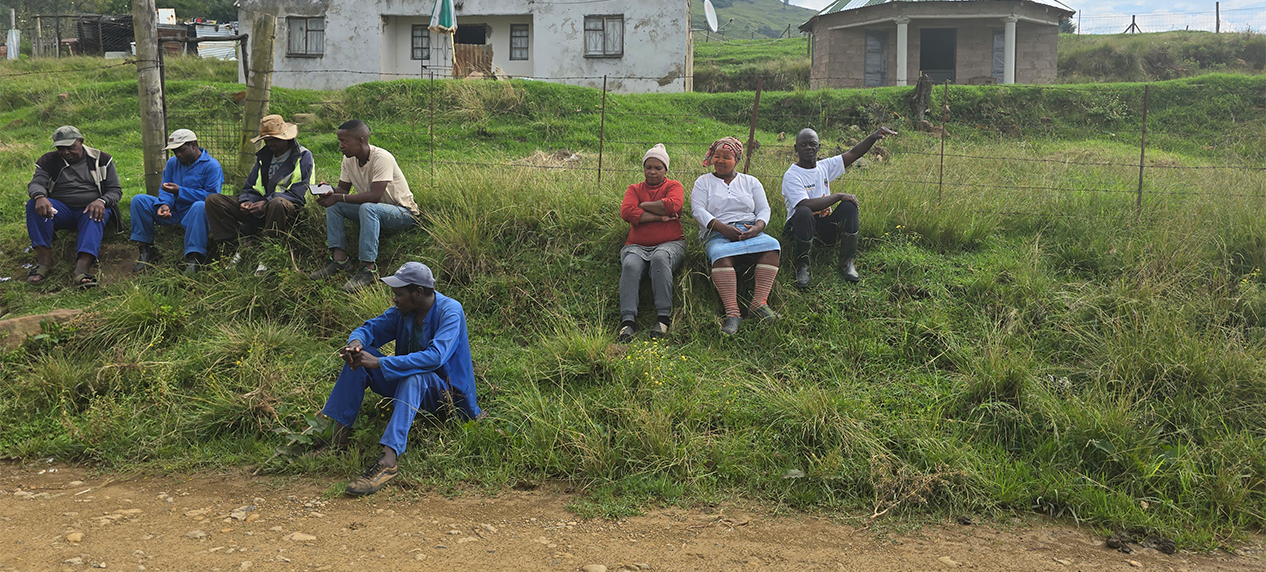
 

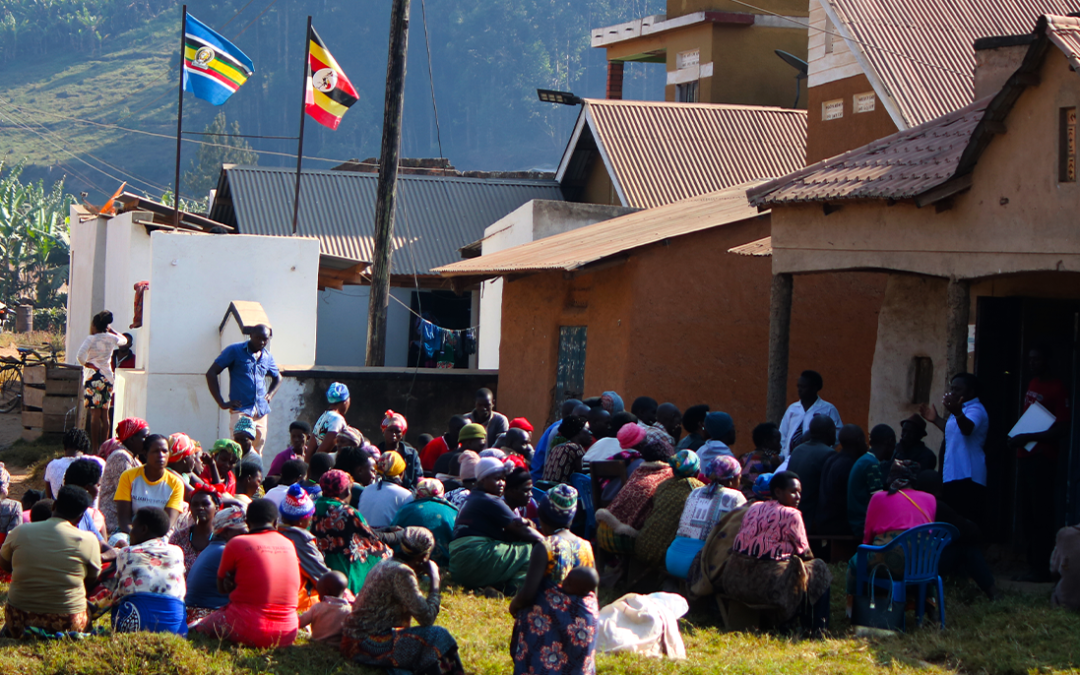
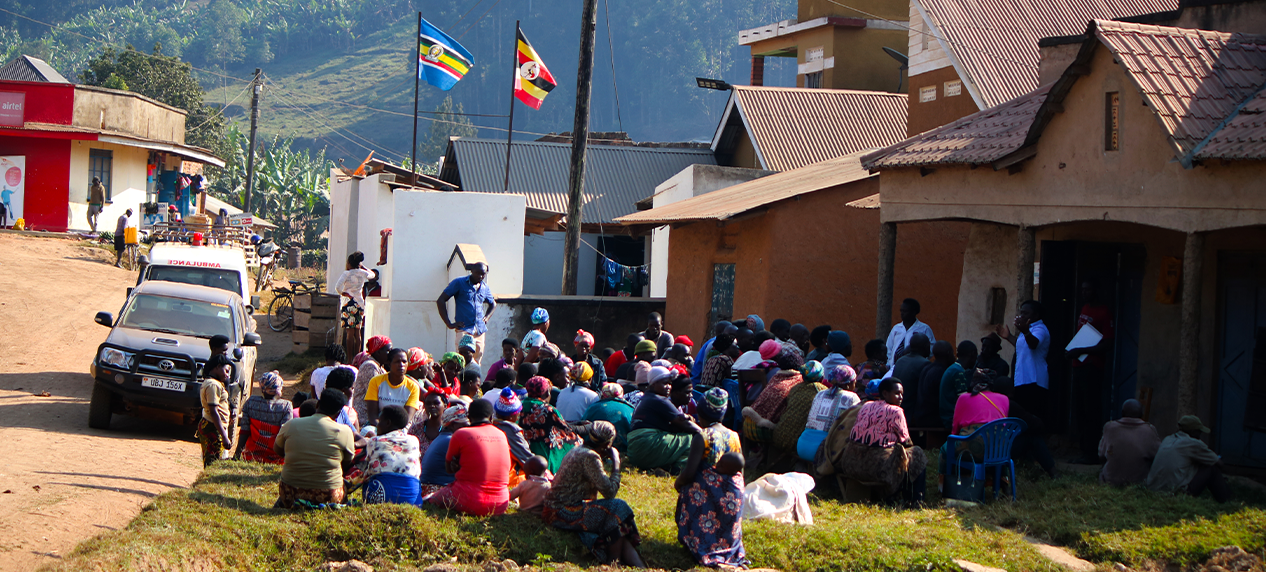
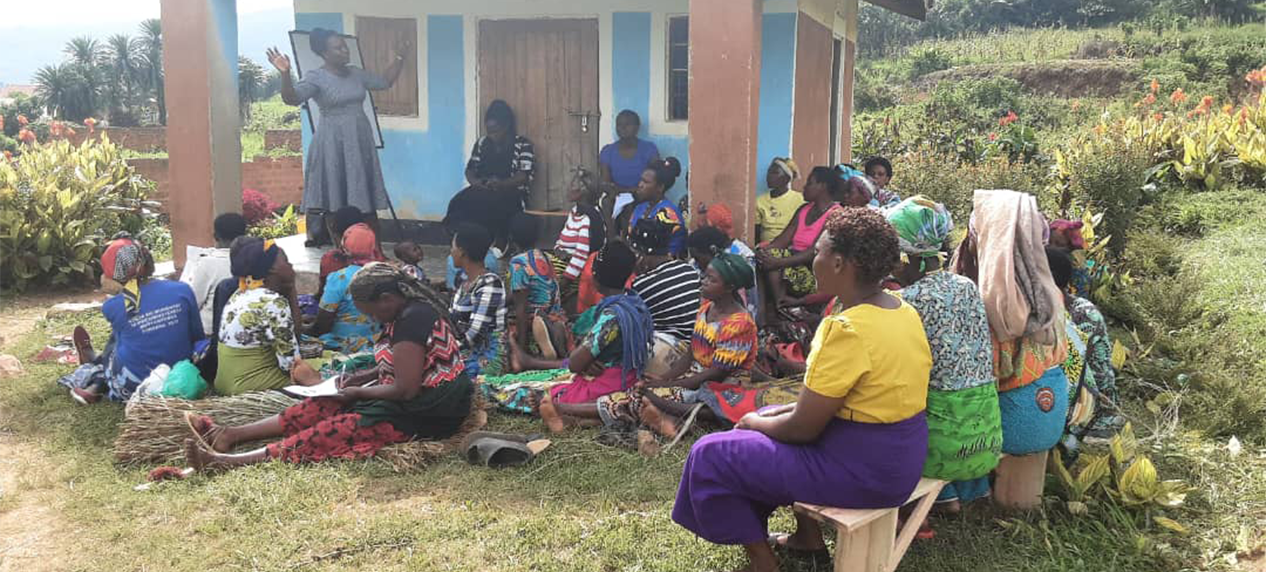
Community members discuss the benefits of the newly installed taps and how these have greatly impacted their lives and those of their families.


“In the past we had to wait two hours for a bucket to fill and then we had to wait because the water was polluted because livestock also drank at source, so we had to wait for pollutants to settle before could use the water,” said 20-year-old Nosipho shortly after she and her sisters had collected buckets of water from a nearby tap. “The water quality we have now is the greatest benefit.”

“This has made our lives much easier,” said an elderly woman as she inspected the recently installed tap.

Close to another spring is a spring silt box, which catches sediment before storing water for community use. This is maintained once every three years to ensure the water being supplied is not dirty.

The pipes from the spring, said Phakathi, are installed in such a way that they do not interrupt the flow of water to streams feeding the wetland. The aim is not to destroy or harm the environment while improving the lives of the community.

“This project has been an eye-opener to learn how a project of this nature has impacted people positively,” said Phakathi.

An important aspect of the EWT/ICF Partnership’s work has been to focus on encouraging the community to take the lead so that once the organisation withdraws from the area, the community is able to live sustainably and be self-reliant, critically important aspects in a rural area such as this.

“The communities are actually participating quite fully from the leadership to the people on the ground,” added Phakathi.

Projects such as this are extremely important, he said, especially since water is a human right but also forms part of one of the Sustainable Development Goals. A project of this nature not only addresses access to water, but also encourages people to sit down and discuss issues of concern and formulate measures, and draw on local capacity to solve problems through participation.
He believes this project is a step in the right direction when it comes to saving Cranes, as the EWT/ICF Partnership has not imposed its will on the people, but rather allowed the community to take the lead while the team advises on how best to manage the area and interact with their immediate environment.

“We are not here to impose on the community, but to work with them,” he said. “As much as we are a conservation organisation, when we approach communities, we don’t look at that as something that we should be pushing, but we look at the challenges that they are facing in order to address their challenges while addressing environmental issues at the same time.”

At a meeting with local indunas, access to water was highlighted as a key issue for KwaMkhize. But, the indunas pointed out, this project has brought with it a number of benefits, especially easier access to clean water. Waterborne diseases, they believe, may be a thing of the past if all community members could eventually have access to spring-fed water points.

The hope was also that the EWT/ICF Partnership could have the ability to mobilise more resources so that the entire community could be accommodated in the long term.

“A project of this nature can do a lot to improve the lives of people, and we are very thankful for a project like this,” said one local induna.

The EWT/ICF Partnership would like to extend a huge debt of gratitude to the Paul King Foundation and the HCI Foundation for providing funding for this important piece of work.
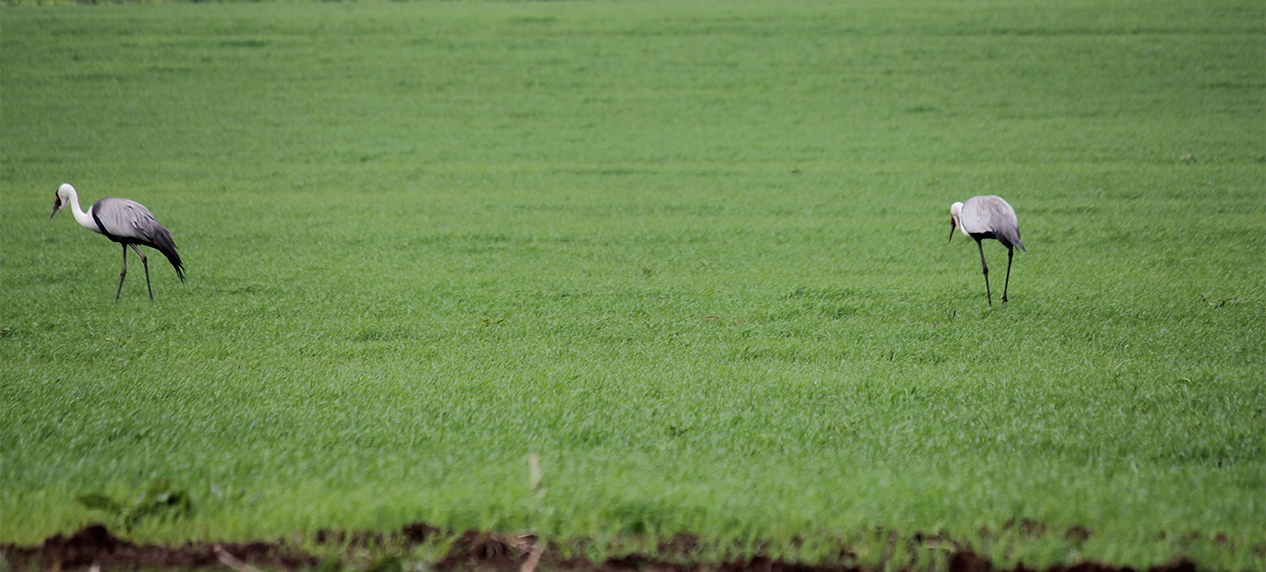
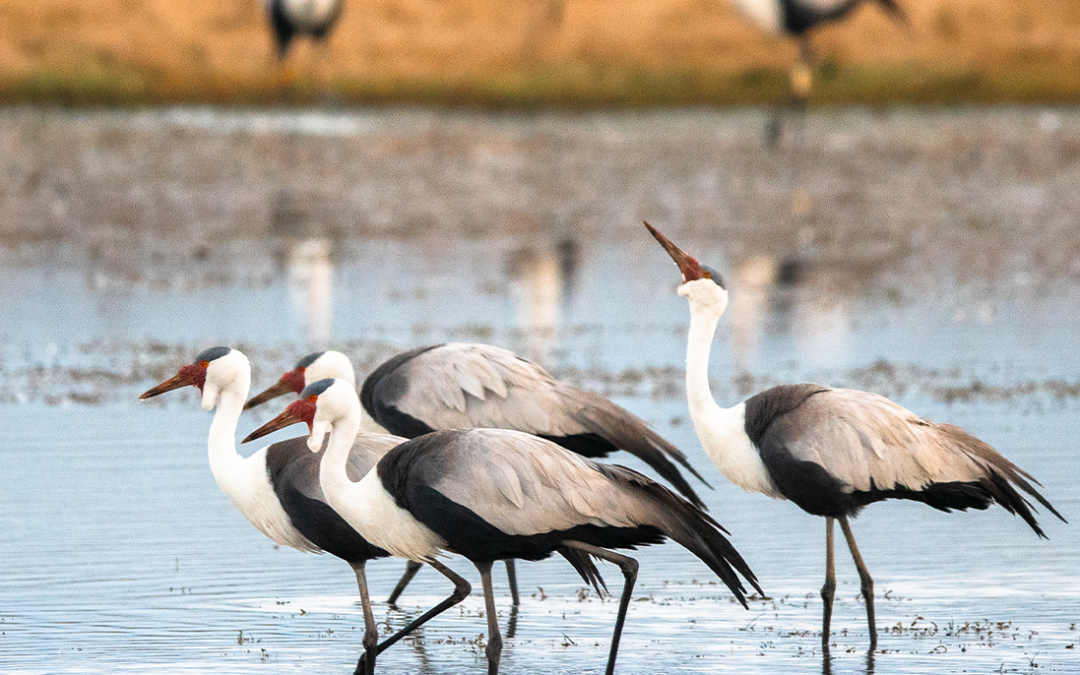
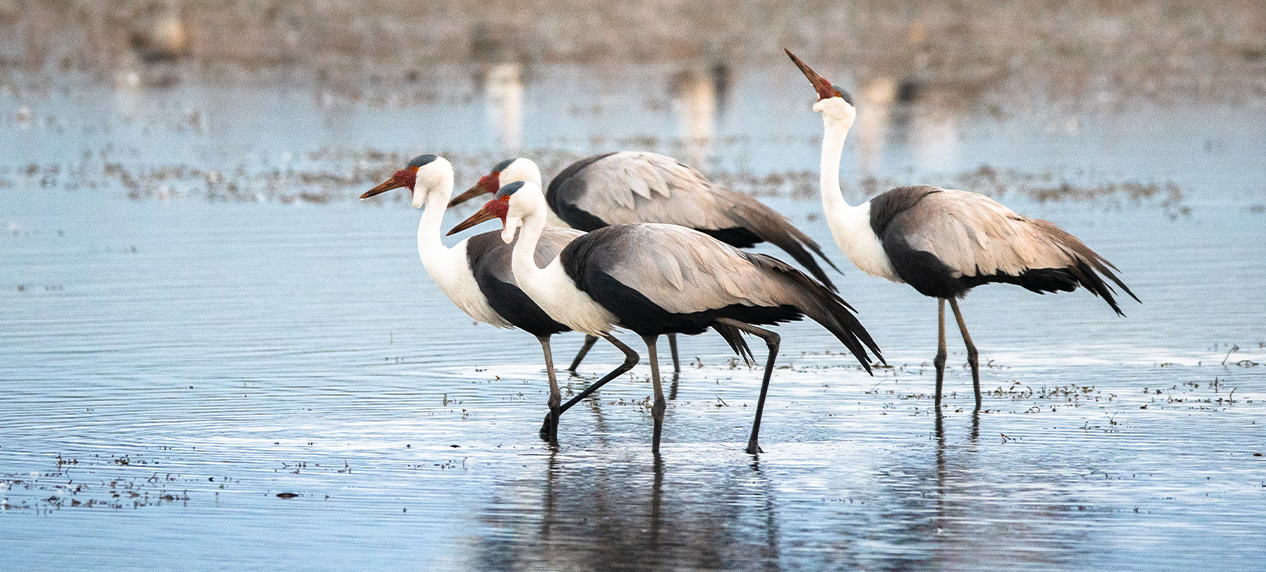
A breeding pair of Wattled Cranes just outside of KwaMkhize. 100 out of the 400 Wattled Cranes that take up residence in South Africa can be found around the KwaMkhize community.


Read more about how we are working to save cranes, conserve their vital habitats, and benefit the people living with them 
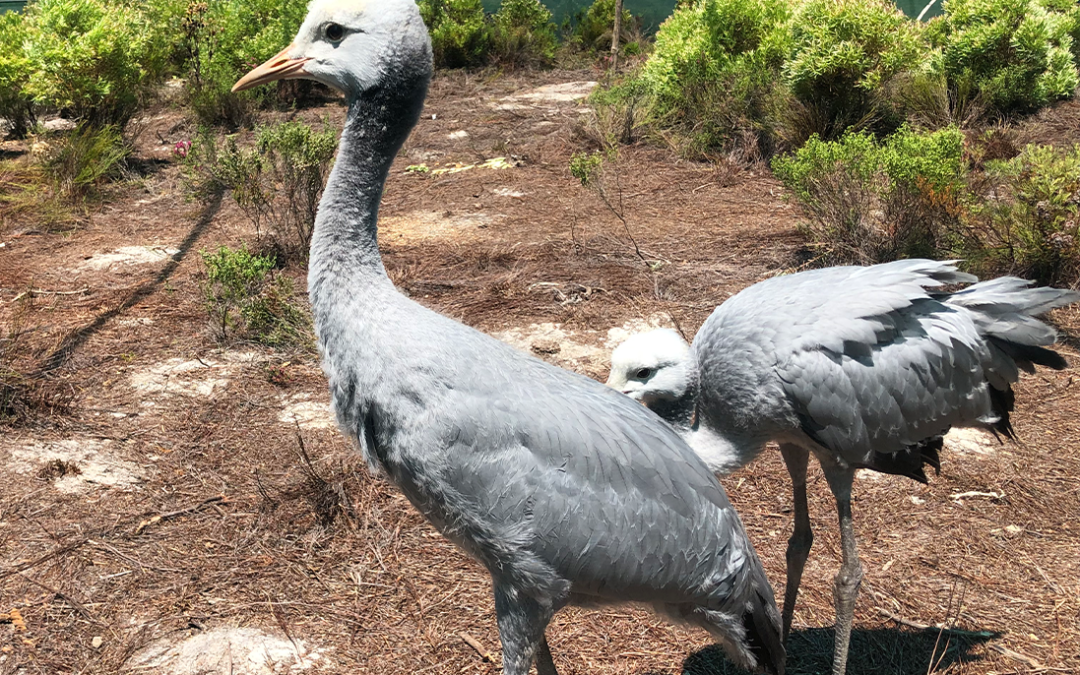
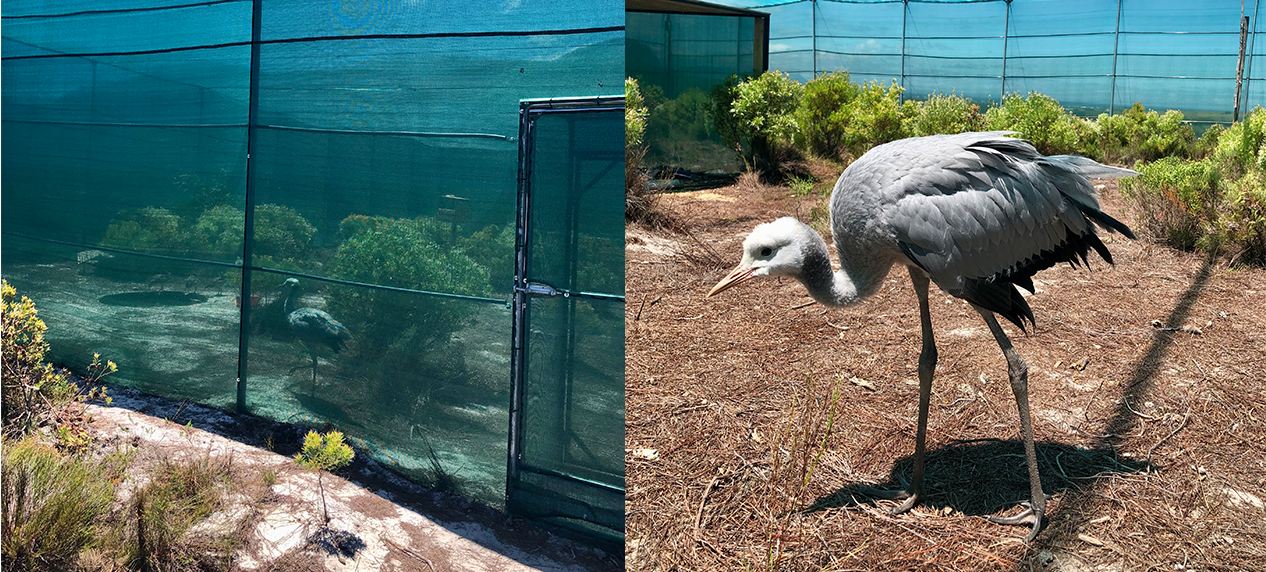
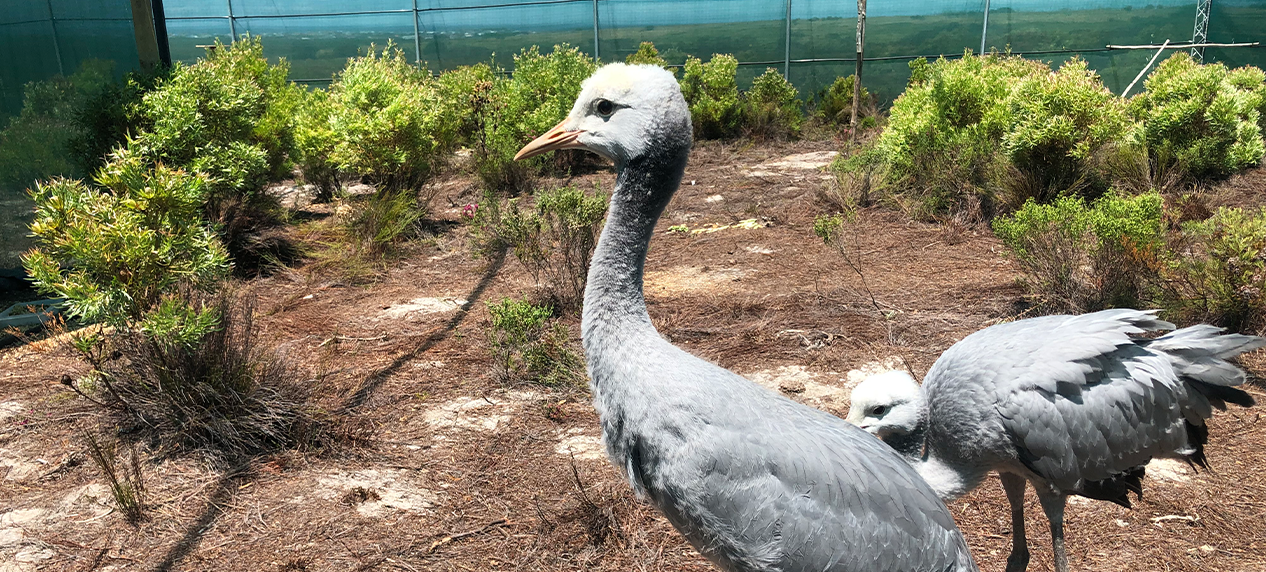
Blue Crane rehabilitation enclosure

Blue Crane rehabilitation enclosure

News From the Field

Blue Crane rehabilitation enclosure opened at Kogelberg Biosphere Wildlife Rescue and Training Centre


Blue cranes are being injured by powerlines and fence collisions, creating an urgent need for the care and rehabilitation of the species.  To address this, a Blue Crane rehabilitation facility has been established in the Overberg region of the Western Cape.  

The enclosure at a wildlife rehabilitation facility at the Kogelberg Biosphere Wildlife Rescue and Training Centre was constructed by Haygrove South Africa in collaboration with the Kogelberg Biosphere NPC, and funded through the International Crane Foundation/Endangered Wildlife Trust and Leiden Conservation Foundation. 

The first of its kind in the Western Cape, it serves a region where the need for services to deal with cranes living in agricultural habitats and often injured in collisions with fences and powerlines, is great.  The 4,000 m2 enclosure houses injured Blue Cranes during their rehabilitation. It is large enough to enable them to stretch and exercise their flight muscles, allowing for better outcomes on release. Rehabilitation will reduce the number of mortalities and result in improved survival of the species, which is in decline. 

Blue Cranes are listed as Vulnerable on the IUCN Red List of Species.  Blue Crane densities in the Overberg are 4-5 times higher than in the rest of the country.    


Fifth National Crane Festival

Fifth National Crane Festival

News From the Field

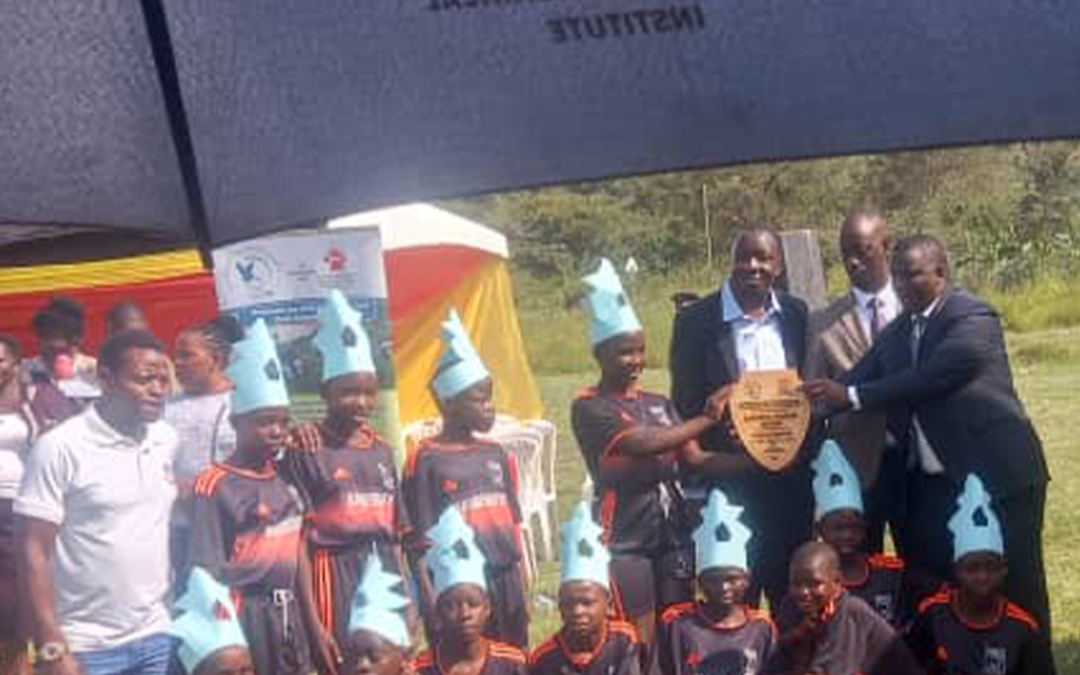
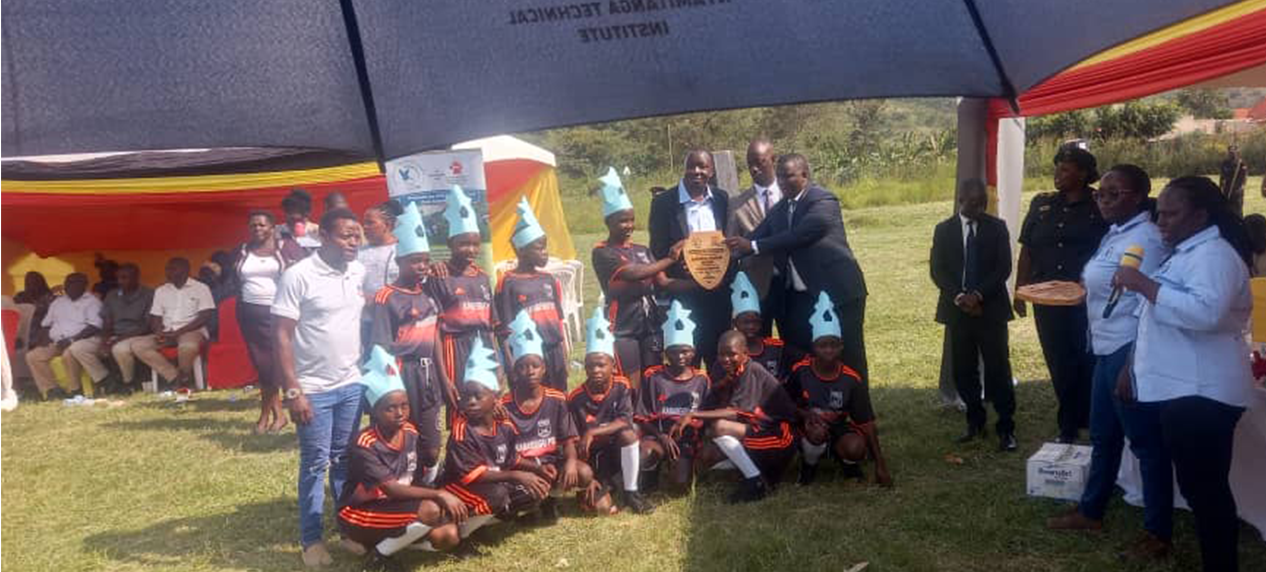
International Crane Foundation joins Ugandan Government to celebrate Fifth National Crane Festival 

By Barbara Hamoonga (Communications and Marketing Specialist, Africa Programs – ICF and EWT partnership)


The critical importance of wetlands and sustainable development are among the messages conveyed to community members, conservationists and policymakers at the annual Crane Festival in Uganda at the end of February.  

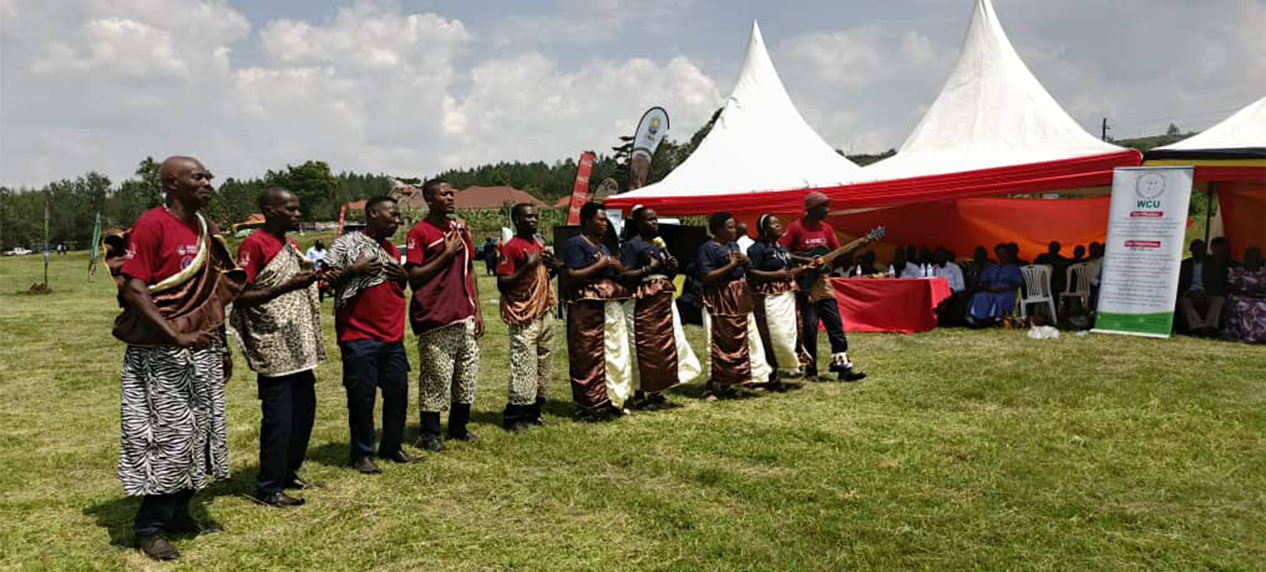
On 28 February, the International Crane Foundation joined the Ministry of Tourism and Wildlife and Antiquities and Isingiro District Local Government, to celebrate the Fifth National Crane Festival under the theme “Investing in wetland conservation for the benefit of people, cranes and other biodiversity.”  

The Endangered Wildlife Trust partners with the International Crane Foundation to conserve cranes across Africa, most notably the Grey Crowned, Blue, Wattled and Black Crowned cranes.   

This year’s festival was held at Isingiro District Local Government Headquarters, Isozi cell in Rwekubo Ward where the critical importance of wetland conservation was highlighted alongside promoting sustainable development initiatives. 

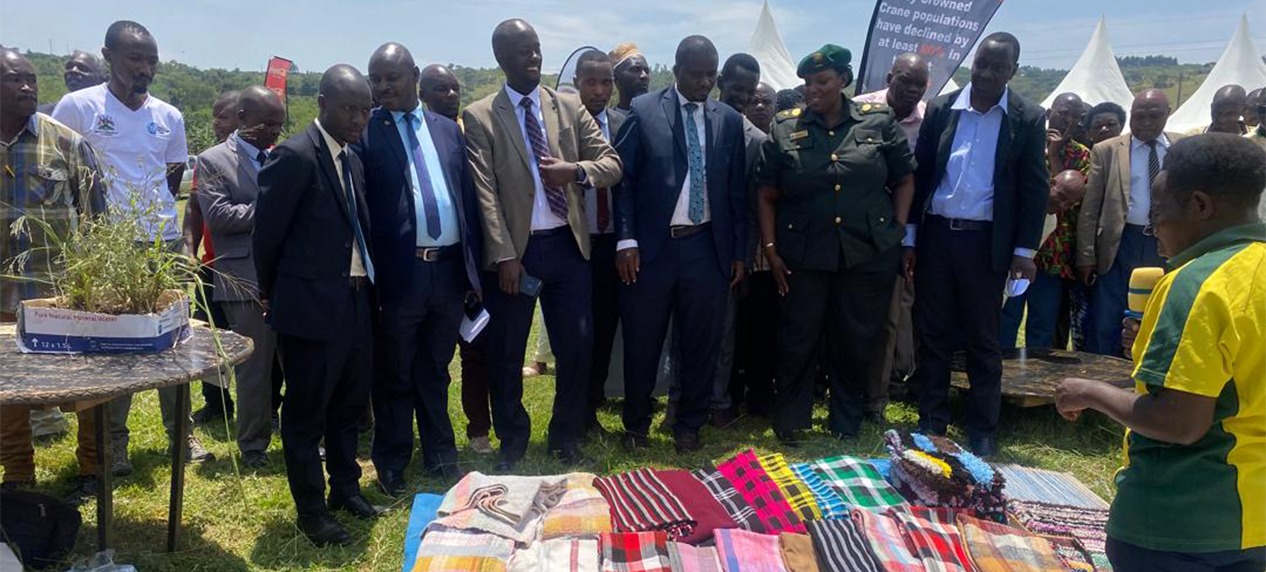
The event served as a platform for raising awareness about crane and wetland conservation while celebrating successful community-based conservation initiatives. The festival featured practical demonstrations of sustainable wetland management practices and created networking opportunities for conservation financing. 

“I am pleased to announce that the Government is working on strengthening policy frameworks to enhance protection of critical wetland habitats, support community-based conservation initiatives, integrate conservation priorities into district development plans and strengthen enforcement of environmental regulations,” revealed the Isingiro District Chairman, Mr. Alone Turahi (LCV) on behalf of the Chief Guest, Hon. Lt. Col (Rtd) Dr. Rwamirama Bright, the Minister of Animal Industry and Fisheries,  as he officiated the event.  “These commitments reflect our understanding that investing in nature is investing in our people and our future.”  

“The Fifth National Crane Festival represents more than just a celebration – it’s a testament to Uganda’s commitment to conservation and sustainable development. As we witness the alarming 80% decline in Grey Crowned Crane populations over the past 25 years, this festival serves as a crucial platform for uniting communities, policymakers, and conservation partners in protecting these magnificent birds and their wetland habitats.  

“Together, we can ensure that future generations will continue to witness the dance of the cranes across Uganda’s landscapes,” stated the ICF’s Uganda Country Manager, Patrick Engoru. 

Since establishing its presence in Uganda in January 2020, the ICF/EWT partnership has engaged extensively with local communities about sustainable conservation practices, developed partnerships with government institutions, including the Ministry of Tourism, Wildlife and Antiquities, and implemented community-based conservation programs that balance wildlife preservation with human prosperity.  Part of awareness raising included the annual Crane Festival as a flagship event for conservation awareness and community engagement.


Integrating Conservation and Health

Integrating Conservation and Health


Integrating Conservation and Health Action pays dividends for women in Rwanda


Integrating Conservation and Health


An initiative being driven by the Margaret Pike Trust in the Rukiga district of Rwanda, in partnership with the Rugarama Hospital, the International Crane Foundation/Endangered Wildlife Trust and London School of Hygiene & Tropical Medicine, is having significant and unexpected benefits for women facing gender-based violence.  

This is according to a data analysis by the London School of Hygiene & Tropical Medicine.   The Trust has been working in the Rukiga district with its partners since 2021 to deliver and evaluate an integrated conservation, health and livelihood project benefitting 50,000 people.

Data shows that due to our innovative project design: 

  • Women are more protected from gender-based violence, which is prevalent locally with one in three women in Rukiga experiencing it; 
  • Women were 25% more likely to choose a long-acting and reversible contraceptive method, which is more effective at preventing an unintended pregnancy; and 
  • More women have attended health services and benefitted from improved sexual and reproductive health services, and gender-based violence screening and follow-up services, which have not previously been available.

Zeneb Musiimire, East African Community Specialist at the International Crane Foundation/Endangered Wildlife Trust, reflects on the findings: “Being from Rukiga, I have seen the devastating impacts that gender-based violence has in our communities. I am reminded of an old saying in Rukiga, which questions whether a man really loves his wife, if he does not beat her. These attitudes are hard to change, but thanks to our partnership with the Margaret Pyke Trust and our integrated project design, we have been able to help women like never before.” 

Kathryn Lloyd, Senior Manager: Programmes at the Trust says:  “Research has shown just how prevalent gender-based violence is in Rukiga’s wetland communities and how it intersects with poor family planning services, poor crop yields, poverty, and food insecurity. We knew that our integrated project design would likely have greater outcomes for health, conservation and livelihoods, but we hadn’t anticipated the direct benefit we would have for women facing such horrific violence. We are proud to stand with our partners against gender-based violence.”

Kerryn Morrison, ICF/EWT Senior Manager: Africa,  says of the project and its findings: “Integrating the communities, that share the landscapes that we are working in, into our conservation solutions provides real opportunities for our impact to be scaled and diversified beyond what we intended.  This is a real example of how 1+1=4, and how true impact and scale up happens when an integrated approach is taken”. 


Integrating Conservation and Health


Integrating Conservation and Health


** More information about the impacts in Rukiga can be read in the Margaret Pike Trust’s latest project brief.

Wattled Crane downlisted regionally

Wattled Crane downlisted regionally


Wattled Crane downlisted regionally from Critically Endangered to Endangered

Wattled Crane downlisted regionally


Concerted and targeted conservation efforts by the Endangered Wildlife Trust/International Crane Foundation partnership, Ezemvelo KwaZulu-Natal Wildlife (EKZNW), other NGOs and farmers and landowners across the Drakensberg, have delivered another success—the downlisting of the Wattled Crane from Critically Endangered to Endangered.  

 The regional downlisting is a remarkable conservation success and will be published in the latest edition of the IUCN Red List of Threatened Species at the end of May 2025.  Wattled Cranes (Bugeranus carunculatus) were listed as regionally Critically Endangered in 2015 with only 267 individuals recorded in the KwaZulu-Natal aerial survey of that year. This aerial survey has been conducted for 32  years in partnership with Eskom and EKZNW as  KwaZulu-Natal is the stronghold for the species in South Africa.  

 A regional downlisting means that in South Africa, the Wattled Crane is no longer declining, but the population remains small and vulnerable to threats with an estimate population of only 304 being counted in 2024. Despite this positive trend in KwaZulu-Natal, the global population (including, but not limited to South Africa) remains on the decline and urgent conservation attention is required to safeguard populations outside of KwaZulu-Natal.  

 The latest downlisting follows the reclassification of Cape Vulture from Endangered to Vulnerable in 2021, also due to the success of targeted conservation efforts by a large number of organisations, including the Endangered Wildlife Trust and partners. 

 The EWT began research and conservation action to Africa’s crane species in 1994. Efforts to-date have included monitoring, research to better understand their movement and ecological needs, power line investigations and mitigation in partnership with Eskom, supporting farmers and landowners to protect their breeding sites,  conservation of key areas through the promotion of sustainable management practices, extensive education with landowners and rural communities, as well as understanding the crane trade and inclusion of key crane areas into the Biodiversity Stewardship Programme.  

 More recently, with improved technologies such as transmitters that can be placed on the Wattled Cranes, we are deepening our understanding of the nonbreeding species that do not hold territories, to understand their movement patterns and how they use the landscape differently to breeding birds. In addition, we are using drone mapping to enhancing our grasp of the hydrogeomorphology characterisations of wetlands used by Wattled Cranes. This information will be vital to the rehabilitation of wetlands to expand the habitat utilised by these unique birds, which will enable the species to expand outside its current range.  

 Our work in Mpumalanga will also reveal critical information on the potential connectivity between populations in the different provinces.  Work will continue with farmers to maintain the conservation of the species in its core range and thus protect the landscape through Biodiversity Stewardship Schemes.  This will be supported by long-term funding through carbon trading in the grasslands where they live. 

 The EWT would like to thank its funders and donors, especially the Dohmen Family Fund, Rand Merchant Bank and Eskom that have been significant contributors over the last 30 years.  

  “The downlisting reflects the effort that has been placed on the species over the last 30 years, and highlights the importance of collaborating when protecting a species, and their grasslands and wetlands habitats that we all depend on, said Dr Damian Walters, the South African Regional Manager for the African Crane Conservation Programme.