
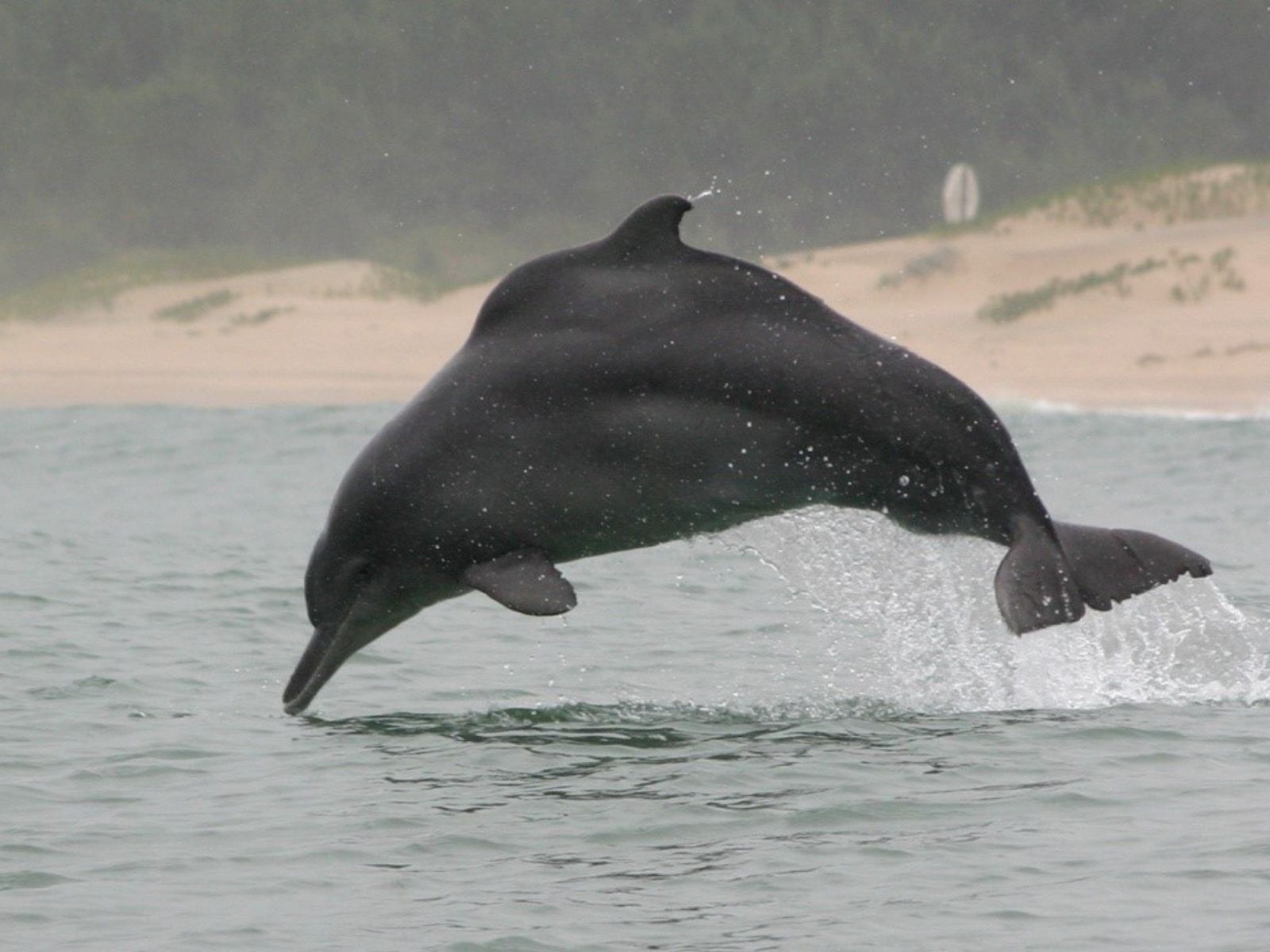
Indian Ocean Humpback Dolphin
Sousa plumbea

2025 Red list status
Endangered

Regional Population Trend
Unknown
Change compared
to 2016
No Change
Overview
Sousa plumbea – (Cuvier, 1829)
ANIMALIA – CHORDATA – MAMMALIA – ARTIODACTYLA – DELPHINIDAE – Sousa – plumbea
Common Names: Indian Ocean Humpback Dolphin, Indian Ocean Humpbacked Dolphin (English), Boggerlrugdolfyn (Afrikaans)
Taxonomic Note:
Sousa plumbea has been recognised as a species since taxonomic revision of the genus Sousa in 2014 (Committee on Taxonomy 2014, Jefferson and Rosenbaum 2014). Although this species was previously lumped together with the Indo-Pacific Humpback Dolphin (Sousa chinensis), animals occurring in the western part of the Indian Ocean from South Africa to western coastline of India are now recognised as taxonomically distinct from those that occur further east, based on genetics, skeletal morphology, external morphology and colour. There is uncertainty about the taxonomic affinities of the Humpback Dolphins that occur in the Bay of Bengal. Animals in this area do not appear to be S. plumbea nor S. chinensis, nor to be hybrids of the two, and may be a separate taxonomic entity (Amaral et al. 2017; 2020). Therefore, additional sampling is needed to confirm the eastern range limits of S. plumbea.
Red List Status: EN – Endangered, A4cd+B1ab(iii,v) (IUCN version 3.1)
Assessment Information
Assessors: Vargas-Fonseca, O.A.1,2, Atkins, S.3, Vermeulen, E.3, Dines, S.4,5 & da Silva, J.6
Reviewer: Plön, S.7
Contributor: Patel, T.8 & Elwen, S.5,9
Institutions: 1Institute for Coastal and Marine Research, Nelson Mandela University, South Africa, 2NVT, Nature’s Valley, South Africa, 3Mammal Research Institute, University of Pretoria, South Africa, 4Stellenbosch University, South Africa, 5Sea Search Research and Conservation, 6South African National Biodiversity Institute, 7University of Cape Town, South Africa, 8Endangered Wildlife Trust, 9Namibian Dolphin Project
Previous Assessors & Reviewers : Plön, S., Atkins, S., Conry, D., Pistorius, P., Cockcroft, V. & Child, M.
Previous Contributors: Braulik, G., Findlay, K., Elwen, S., Meyer, M. & Oosthuizen, H.
Assessment Rationale
The Indian Ocean Humpback Dolphin (from here on, Humpback Dolphin) ranges along the southern and eastern South African coast, from False Bay to Kosi Bay, in shallow waters typically less than 25 m in depth. Correspondingly, most of the population occurs within 500 m to 2 km of the coastline. The length of the coastline from False Bay to Kosi Bay is 2,661 km (including estuaries), which yields an extent of occurrence (EOO) between approximately 1,331 to 5,322 km2. Using 1.5 km as a proxy for water depth yields 3,992 km2. As the suitable habitat is likely to vary between 500 m and 2 km from shore along the length of the country’s coastline and many areas are unsuitable, it is highly probable that the overall EOO is <5,000 km2. The restriction of Humpback Dolphins to a narrow belt of shallow nearshore waters makes them susceptible to human activities occurring in the coastal zone. No national mark-recapture estimate is available, although there are various regional assessments (see Table 1 for a review). However, total abundance for the species in South African waters was inferred to be <500 individuals based on national photo-identification matching of 247 uniquely well-marked individuals identified within the region. (Vermeulen et al. 2017).
Ongoing coastal development (construed as proportional to general urban expansion) of 5.6–8.6% between 2000 and 2013 in the Western Cape, Eastern Cape, and KwaZulu-Natal, and increasing boat traffic, especially in estuaries and around harbours, continues to negatively impact foraging and nursery areas. Simultaneously, the mortality in bather protection nets continues to contribute to unsustainable loss of humpback dolphins (4.3 individuals or 5–10% of the population per year; Atkins, Cliff, & Pillay, 2013; Atkins et al. 2016). Habitats appear to be discontinuous along the coast, with a distribution hiatus along the Eastern Cape coastline. However, recent genetic study comparing two subpopulations of humpback dolphins from Agulhas and Natal bioregions found no evidence of female-mediated population structure, suggesting that humpback dolphins form a single population (Lampret et al. 2021). This study suggested that the population is managed as a single unit but strongly recommend further genetic research to assess potential local fragmentation. We recommend managing both bioregions separately and monitoring habitat changes.
Small subpopulation size, low reproductive rate and restricted habitat makes this species sensitive to mortalities resulting from shark-nets and other anthropogenic disturbances. Mortality of only 4 individuals / year from a subpopulation of 100, or 7 from a subpopulation of 200, would result in a 50% decline over three generations (75 years) (Plön et al 2016). A subpopulation of 100 individuals with a recruitment rate of 5% and a mortality rate of 7 individuals / year would go locally extinct in 50 years (two generations). Empirical evidence suggests that mortality rates from shark-nets alone are close to this level (average of 5.7+3.6 mortalities per annum from 1980–2023. Corroborating the decline hypothesis, there is an estimated subpopulation reduction, using mark-recapture analyses, from Plettenberg Bay from 93 (95% CI 72–114; in 2002-2003) to 41 (95% CI 28– 54; in 2012-2013) individuals, which indicates a >50% decline over ten years.
We thus list Humpback Dolphins as Endangered B1ab (iii,v), based on an estimated EOO of <5,000 km2, a continuing decline in habitat quality (and likely area of occupancy) in patchy key resource areas correlating with general urban expansion, the likely isolation of subpopulations, and continuing adult mortality from anthropogenic disturbances (especially shark-nets). It also qualifies for Endangered A4cd based on an inferred and suspected population reduction of over 50% from 1960 to 2035 due to deteriorating habitat quality and bycatch from shark-nets. completely eliminated mortalities. While acoustic alarms were trialled in the past to reduce dolphin bycatch, more recent efforts have focused on promising electric shark repellent technology. However, progress remains limited, and lethal shark control methods remain in use in KwaZulu-Natal.
A national coordinated monitoring programme is recommended to detect future changes in population size, and this species should be reassessed as more data become available. Reducing anthropogenic disturbance and development around inshore reefs is the key intervention needed for this species.
Regional population effects: As the global population is suspected to be similarly declining, and information on calf mortality and population estimates from Maputo Bay is supporting this (Guissamulo & Cockcroft 2004; Collins et al. 2025, immigration from waters north of South Africa are likely to become increasingly rare and thus no rescue effects are predicted.
Reasons for Change
Reason(s) for Change in Red List Category from the Previous Assessment: No change
Red List Index
Red List Index: No change
Recommended citations: Vargas-Fonseca OA, Atkins S, Vermeulen E, Dines S & da Silva JM. 2025. A conservation assessment of Sousa plumbea. In Patel T, Smith C, Roxburgh L, da Silva JM & Raimondo D, editors. The Red List of Mammals of South Africa, Eswatini and Lesotho. South African National Biodiversity Institute and Endangered Wildlife Trust, South Africa.
Regional Distribution and occurrence
Geographic Range
In South Africa, Humpback Dolphins occur along the eastern and southern coasts from Kosi Bay to False Bay in a narrow band of shallow, nearshore water (Best 2007; Elwen et al. 2011). Regionally, they also occur along the coast of Mozambique. They are usually observed in waters less than 25 m in depth (Durham 1994; Atkins et al. 2004; Keith et al. 2013; James 2014; Melly et al. 2017), in protected bays and/or near estuaries. They are rarely encountered more than a couple of kilometres from shore, which is dictated by water depth. In the Richard’s Bay study area (that extended 5 km from the shore), 97% of encounters were within 2 km of the shore (Atkins et al. 2004). In Plettenberg Bay, all encounters were within 1 km of the shore (Saayman & Taylor 1979), and in Algoa Bay most sightings were within 500 m of the shore (Koper et al. 2015; Melly et al. 2017), and over 80% of sightings were within 400 m of the shore (Karczmarski et al. 2000).
Humpback Dolphins do not exhibit distinct seasonal movements or migrations (Best 2007) and occur in relatively small and discrete populations (Braulik et al. 2015). Density is known to be low in KwaZulu-Natal south of Durban (O’Donoghue et al. 2010, Durham, 1994) and Eastern Cape’s north coast (O’Donoghue et al. 2010; Caputo et al. 2017). Coincidentally, there have been historically low numbers of sightings along these areas (Ross et al. 1989; Durham 1994; Keith et al. 2002), strandings (Findlay et al. 1992; Plon et al. 2023 and entanglements in shark nets (Atkins et al. 2013), suggesting a distribution hiatus along these areas.
Extensive research between East London and Mkambati (about 100 km north of Mdumbi) recorded only rare coastal dolphin sightings (e.g., O’Donoghue et al. 2010; Caputo et al. 2020). This rocky exposed coastline may present an unfavourable habitat for the species, since they prefer nearshore reefs and estuaries due to the higher density of prey species (Karczmarski 2000). The disjunct distribution of Humpback Dolphins is supported by the absence of photo-identification matches between KwaZulu-Natal and Algoa Bay (Karczmarski et al. 1999a) and across the broader south coast (Vermeulen et al. 2017). The most comprehensive comparison (Vermeulen et al. 2017) found no evidence of movement between the Cape South Coast and Richards Bay, suggesting two sub-populations: one from False Bay to Algoa Bay (Agulhas Bioregion) and one north of Mzamba (Natal Bioregion). However, large distances between areas and inconsistent photo-identification efforts over time may have influenced these findings and should be considered. Within the Bioregions, this study Vermeulen et al. (2017) showed substantial movements of the individuals along the nation’s coastline, with regular travel distances of 200 km, with few individuals up to a maximum of 500 km. A recent genetic analysis of Humpback Dolphins from the Agulhas and Natal bioregions found no signs of female-driven genetic separation, indicating that these dolphins likely belong to a single population across South Africa (Lampret et al. 2021).
Known high-density areas in South Africa are Richards Bay, Algoa Bay, Tsitsikamma, Plettenberg Bay, Buffelsbaai, Mossel Bay, Saint Sebastian Bay, Struisbaai, Kleinbaai and False Bay. Research to determine the relative density of Humpback Dolphin distribution over large areas along the South African coastline has not been conducted, but regional estimates from the south coast of South Africa suggest very low densities of animals (Table 1).
In the KwaZulu-Natal Province, the subpopulation is concentrated predominantly north of the uThukela River Mouth, where the very narrow “Natal inshore” ecozone (Driver et al. 2012) extends further offshore than usual. A 450 km stretch of coastline was sampled in the 1990s and a high-density area was identified between uThukela Mouth and St Lucia (Durham 1994), with lower densities south of the uThukela Mouth on the KwaZulu-Natal/ Eastern Cape border and at the one sampling site to the north of St Lucia (Sodwana Bay). The spatial pattern of bycatch in the KwaZulu-Natal Province shark-nets is similar: high at Richards Bay, the only shark-net installation north of the uThukela Mouth; and low south of the uThukela Mouth (Atkins et al. 2013). Within the high-density area, they appear to be associated with rivers (Durham 1994). In KwaZulu-Natal Province, most (61%) identified individuals were sighted more than once in three years. Of the re-sighted individuals, most (59%) were in the vicinity of their first sighting, but the remainder were observed at two or three other areas at distances ranging from 17 to 120 km away (Durham 1994).
Aside from Tsitsikamma, there are only few reports of Humpback Dolphins from the Eastern Cape Province, except for Algoa Bay, this province is not well researched and has relatively few urban centres. Humpback Dolphins in Algoa Bay are believed to form part of the southern coast population but its extent is unknown. However, it does not extend to KwaZulu-Natal, 1,000 km away (Karczmarski et al. 1999).
In the Western Cape Province, areas of highest density relate to Plettenberg Bay, Buffelsbaai, Mossel Bay, Saint Sebastian Bay, Struisbaai, Kleinbaai and False Bay. Short- and long-distance movements have been recorded along the entire Western Cape coastline, with individuals identified in Plettenberg Bay resighted in Kleinbaai (450km) (Vermeulen et al. 2017).
Although there was uncertainty about the western limit of the species’ range historically (Best 2007; Findlay et al. 1992), Vermeulen et al. provide clear evidence that humpback dolphins occurrence in False Bay, indicating a likely westward extension of the species’ distribution. There are reports of animals sighted as far as 20 km up rivers, such as Breede River (S. Dines unpubl. data) and in Knysna estuary (Vargas-Fonseca unpubl. data).
The length of the coastline from False Bay to Kosi Bay is 2,661 km (including estuaries and excluding the vagrant sightings at Saldanha Bay), which yields an extent of occurrence ranging from 1,331 to 5,322 km2, using 500 m to 2 km distance to shore as a proxy for water depth. Using 1.5 km distance yields 3,992 km2. The area of occupancy (AOO) within this wide range is suspected to be considerably curtailed as only certain areas along the coast are suitable or contain key resource areas, such as estuaries and nearshore reefs, while open or sandy coastlines may represent transit zones between subpopulations (Karczmarski 2000). The AOO can be estimated as the amount of inshore rocky habitat within the EOO (using data from Driver et al. 2012), which yields 1,068 km2. However, further surveys are required to determine occupancy more accurately within its range.
Table 1: Summary of study design and mark-recapture results obtained from previous studies on humpback dolphins in South Africa (adapted and updated from James et al. 2015)
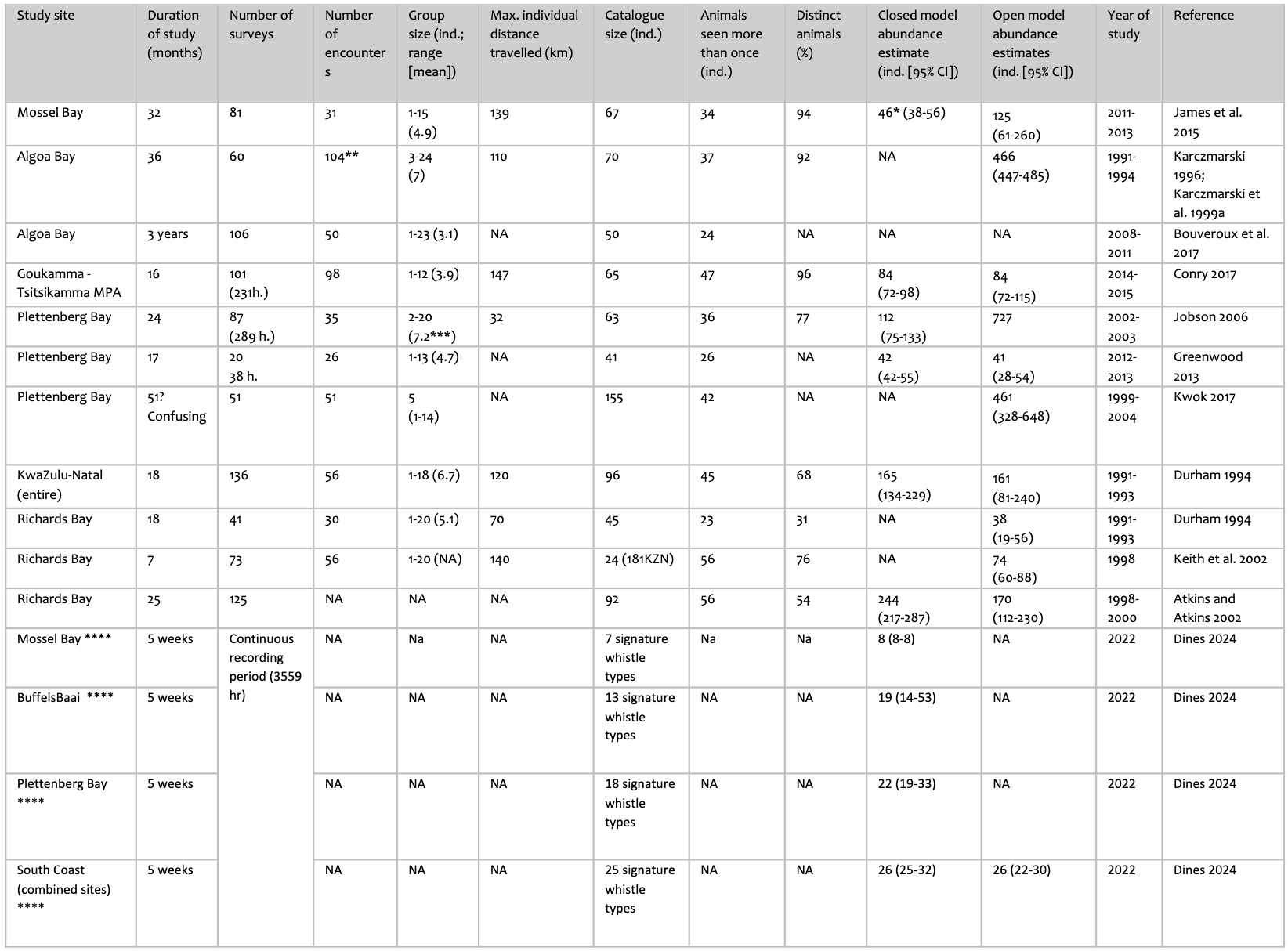
*Mean closed population size
**The high number of encounters made in Algoa Bay compared to other studies can be attributed to differences in survey methods, as the research boat was launched only in response to shore-based sightings of S. plumbea (Karczmarski et al. 1999).
***Mode: 5 (Jobson 2006); Average 7.2 (Greenwood 2013)
**** Data from long term passive acoustic monitoring surveys (Dines, 2024, PhD thesis)
Side note: Results from these models should be interpreted with caution, as different models were used, each producing distinct outputs. Direct comparisons between them is not advised.
Elevation / Depth / Depth Zones
Elevation Lower Limit (in metres above sea level): (Not specified)
Elevation Upper Limit (in metres above sea level): (Not specified)
Depth Lower Limit (in metres below sea level): (Not specified)
Depth Upper Limit (in metres below sea level): (Not specified)
Depth Zone: (Not specified)
Map
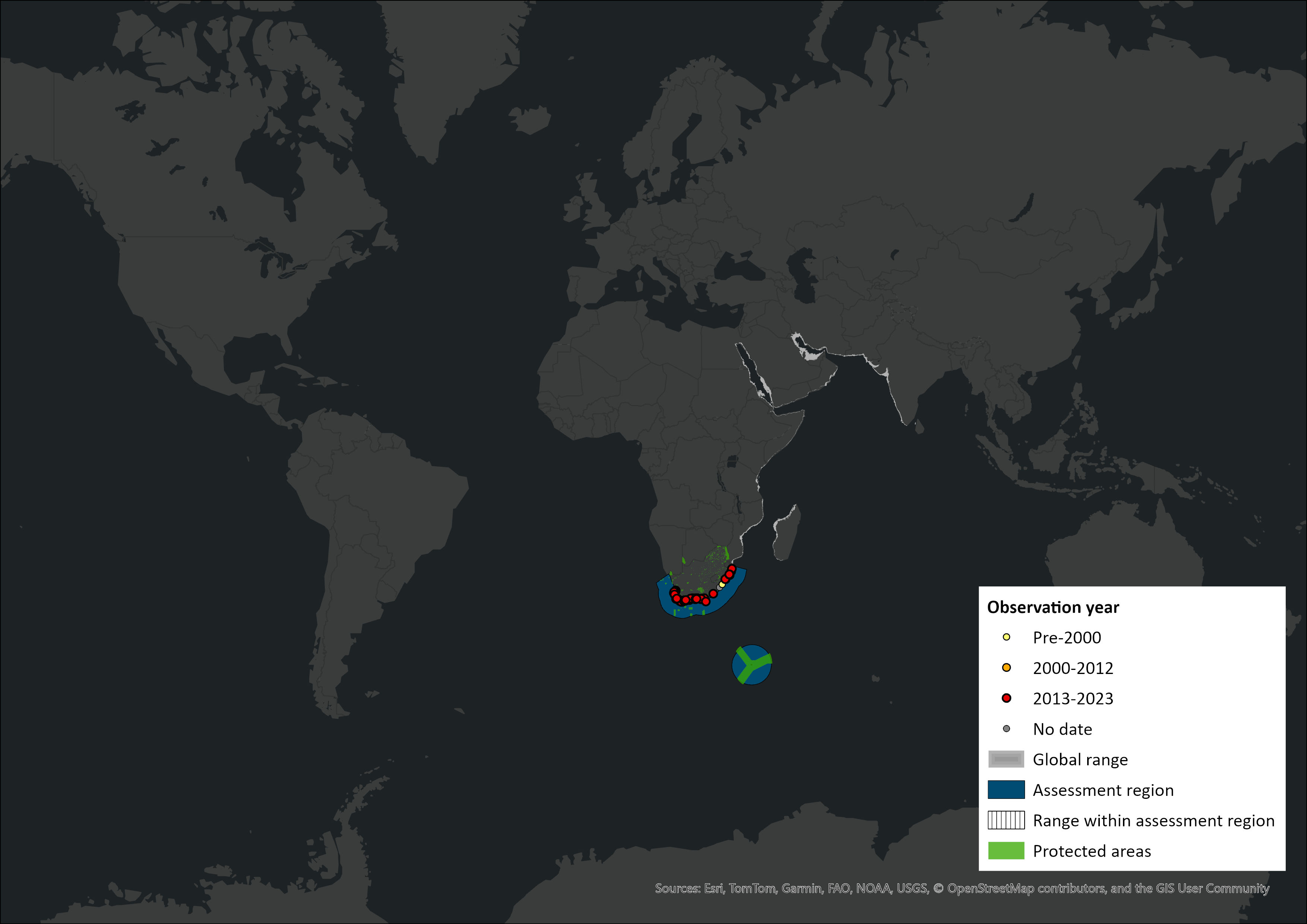
Figure 1. Distribution records for Indian Ocean Humpback Dolphin (Sousa plumbea) within the assessment region (South Africa, Eswatini and Lesotho). Note that distribution data is obtained from multiple sources and records have not all been individually verified.
Biogeographic Realms
Biogeographic Realm: Afrotropical
Occurrence
Countries of Occurrence within southern Africa
Large Marine Ecosystems (LME) Occurrence
Large Marine Ecosystems: (Not specified) Agulhas Current
Climate change
Climate change can have significant impacts on coastal dolphins; it can significantly impact their habitat, prey availability (abundance and distribution), and overall health of these dolphins. Changes in oceanic conditions can alter currents, temperature, and nutrient availability, causing mismatches in the timing of prey availability and the dolphins’ reproductive and feeding cycles. At the same time, it can contribute to the spread of diseases among dolphin populations. The surge in extreme weather events can lead to habitat destruction, heightened sedimentation, and alterations in water quality.
Population information
A few examinations into movement patterns have been carried out, the term ‘subpopulation’ is used here in the context of pockets/ areas where these animals occur.
All subpopulations that have been surveyed are small in size, always fewer than 500 individuals, and usually fewer than 200. Within the assessment region, no formal abundance estimate exists at a national level, and estimates have only been calculated at a few localities. All available local estimates are based on photographic and acoustic mark-recapture and are in the tens to low hundreds; see Table 1 with available abundance estimates in South Africa. At Richards Bay, a hotspot for Humpback Dolphins in KwaZulu-Natal Province, estimates vary between 74 (95% CIs = 60–88) (Keith et al. 2002) and 170–244 animals (Atkins & Atkins 2002). In the Eastern Cape Province, 466 (95% CIs = 447–485) dolphins were estimated for the Algoa Bay area in the early 1990s (Karczmarski et al. 1999). In the Western Cape Province, the population estimate for Plettenberg Bay was 112 (95% CIs = 75–133) (Jobson 2006) and for Mossel Bay, 116 (95% CIs = 54–247) (James 2014). A provincial estimate of 166 (95% Cis = 143–229) existed for KwaZulu-Natal in the early 1990s (Durham 1994). Based on photographic matching and movement of individuals between these assessed sies, a national population size of <500 individuals is inferred (Vermeulen et al. 2017).
Quantitative data on population trend is only available for the Plettenberg Bay area, where the population declined from about 93 (95% CI 72–114) to 41 (95% CI 28–54) individuals between 2002 and 2013 (Greenwood 2013). Similar declines could be occurring range-wide as group size is estimated to be decreasing in other areas. For example, in Algoa Bay, group size has halved from the early 1990s to 2010 (Koper et al. 2015), which could mean a population decline, emigration of animals from the study area, or a change in social structure related to reduced prey availability. Thus, two independent datasets suggest a population decline in two different localities over the past ten to twenty years. Similarly, a continuing decline is suspected in KwaZulu-Natal region based on the mean annual mortality rate in the shark- nets (Cockcroft 1990; Atkins et al. 2013), which may be close to or exceed the recruitment rate of 5%. A minimum of 203 Humpback Dolphins were captured in shark-nets in the thirty years between 1980 and 2009, which corresponds to 6.8 animals / year or to 5–10% of the population per annum. Although bycatch in shark-nets appears to be declining (37 mortalities from 2005–2014; mean = 3.7 animals / annum; KZN Sharks Board & S. Atkins unpubl. data), it is presently unclear if this is due to management of the nets or if it reflects a declining population.
Current population trend: Uncertain but possibly declining in some areas.
Continuing decline in mature individuals: Yes. Ongoing mortalities from shark-nets.
Number of mature individuals in population: Unknown
Number of mature individuals in largest subpopulation: Unknown
Number of subpopulations: Unknown, but possibly two; one along KZN coastline and one along Eastern and Western Cape coast – distribution hiatus along the Wild coast.
Severely fragmented: Yes. Dispersal between subpopulations is suspected to be limited, especially for females. Key resource areas are patchily distributed across the coast.
Extreme fluctuations in the number of subpopulations: (Not specified)
Continuing decline in number of subpopulations: (Not specified)
All individuals in one subpopulation: Two management units are recommended according to bioregions (Agulhas and Natal bioregions).
Quantitative Analysis
Probability of extinction in the wild within 3 generations or 10 years, whichever is longer, maximum 100 years: (Not specified)
Probability of extinction in the wild within 5 generations or 20 years, whichever is longer, maximum 100 years: (Not specified)
Probability of extinction in the wild within 100 years: (Not specified)
Population genetics
A large-scale genetic study of Humpback Dolphins in the Western Indian Ocean showed a likelihood of a common South African and Mozambican stock/ population (Mendez et al. 2013). Strong population structure indicates that migration events are either very infrequent or may no longer occur with subpopulations north of Mozambique (Mendez et al. 2013). Within South Africa, one genetic study using microsatellite markers was conducted in KwaZulu-Natal Province, with the inclusion of one sample each from the Eastern Cape and Western Cape (Smith-Goodwin 1997). The study reports low levels of genetic diversity for all markers investigated (mitochondrial DNA, RAPD, Microsatellites) and reports an effective population size for the KZN population to be 31. A recent mitochondrial DNA study incorporated more samples, albeit still limited, compared Humpback Dolphins from KZN and southern Cape (Lampert et al. 2021). There was no evidence of population structure, suggesting that South African Humpback Dolphins may form a single population (Lampert et al. 2021). However, the sample size imbalance (143 from the KwaZulu-Natal Coast and 14 from the Cape South Coast) and the type of analyses (mtDNA) could be a limitation of the study. Consequently, it is highly recommended that a more comprehensive fine-scale nuclear genomic study be undertaken to more clearly understand the population genetic structure within the species. Such a study would also allow quantification of several essential biodiversity variables, including Ne, levels of inbreeding and heterozygosity for each identified subpopulation.
Based on the available information, the Populations Maintained indicator value is 1.0 (all known subpopulations still remain, regardless of whether 1 or 2 are present).
For the Ne 500 indicator, if two subpopulations are known (KZN, southern Coast), the indicator value would be 0 (no population above Ne 500, extrapolating data from the KZN group (Smith-Goodwin 1997). It is expected that if all animals form a single population, Ne might be higher, but it is unlikely to exceed 500 given the low diversity estimates reported in each study previously conducted.
Habitats and ecology
Humpback Dolphins have a clear preference for shallow rocky reefs (Karczmarski 2000), usually less than 25 m in depth, and perhaps less than 20 m in depth (Ross 1984). Thus, it is likely that the 25 m isobath represents the critical depth. Group size varies per location (Table 1), but solitary individuals are most frequent; group size ranges from two to 25 individuals (Best 2007). Humpback Dolphins appear to be opportunistic feeders, consuming a wide variety of nearshore, estuarine, and reef fishes, many of which are soniferous, suggesting passive acoustic detection of prey in turbid waters (Barros & Cockcroft 1999). Isotope analysis indicates that the species occupies a narrow niche along the coast (Browning et al. 2014). Stomach content analysis of 22 individuals incidentally caught in shark-nets between 2004–2009 indicated that squid (Loligo spp., 37.5%) made up the largest percentage in weight of the total prey species consumed, followed by Ribbon Fish (Trichiurus lepturus, 15.8%), Bearded Croaker (Johnius amblycephalus, 7.2%), Glassnosed Anchovy (Thryssa vitrirostris, 7.1%), and Olive Grunter (Pomadasys olivaceum, 5.1%); 27.3% were made up of 53 other prey species (Plön et al. 2011). At Richards Bay, KwaZulu-Natal Province, the core feeding area of Humpback Dolphins is centred at the harbour entrance (Keith et al. 2013), which is bisected by a shipping lane used by all commercial and recreational vessels. The use by Humpback Dolphins of this habitat elevates the exposure of the animals to a variety of threats (for example, chemical pollution through land-based runoff, noise pollution, boat disturbance and food-web changes due to xenobiotic contamination and climate change; Plön et al. 2021).
Ecosystem and cultural services: Coastal dolphins, as long-lived, long-term residents along the coast, can serve as important sentinels of the health of coastal marine ecosystems (Wells et al. 2004). As top-level predators on a variety of fish, they concentrate contaminants through bioaccumulation and integrate broadly across the ecosystem in terms of exposure to environmental impacts. As a marine apex predator in the coastal zone the Humpback Dolphin is a good indicator of marine ecosystem health (Lane et al. 2014); in fact, decline or disappearance from certain areas over the past few decades has been speculated to be linked to a decline in prey abundance (Koper et al. 2015).
Among diverse San-Khoe descendants, Xhosa, and Zulu speaking coastal communities, dolphins hold various of cultural and spiritual significance. Dolphins are sometimes considered as ‘protectors’ of humans at sea or as messengers of ancestors, with accounts of them guiding people to safety or saving people from drowning. Such beliefs reflect a relational worldview of human-animal kinship whereby dolphins are not merely animals but sentient beings with agency and purpose. This aligns with broader African cosmologies that view the ocean as an animated source of life, inhabited by spirits and ancestral forces which foster deeper connections to the sea (Vargas-Fonseca et al in prep).
Life History
Generation Length: ~25 years (Taylor et al. 2007; IUCN Red List Assessment 2017)
Age at Maturity: Female or unspecified: ~9–10 years (Plön et al. 2015)
Age at Maturity: Male: ~10–12 years (Plön et al. 2015)
Size at Maturity (in cms): Female: ~230–250 cm
Size at Maturity (in cms): Male: ~240–260 cm
Longevity: ~40 years (estimated) (Jefferson & Karczmarski 2001; Plön et al. 2015)
Average Reproductive Age: (Not specified)
Maximum Size (in cms): ~270–280 cm (Jefferson & Karczmarski 2001; Ross et al. 1987)
Size at Birth (in cms): ~100–110 cm (Jefferson & Karczmarski 2001; Plön et al. 2015)
Gestation Time: ~10–12 months (Jefferson & Karczmarski 2001)
Reproductive Periodicity: ~3 years between calving (Jefferson & Karczmarski 2001; Plön et al. 2015)
Average Annual Fecundity or Litter Size: 1 calf (Jefferson & Karczmarski 2001)
Natural Mortality: Not precisely quantified; likely low for adults, higher for calves
Does the species lay eggs? No
Does the species give birth to live young: Yes
Does the species exhibit parthenogenesis: No
Does the species have a free-living larval stage? No
Does the species require water for breeding? Yes
Movement Patterns
Movement Patterns: Regular patterns of ~200 km with few individuals up to 500 km (Vermeulen et al. 2017).
Congregatory: (Not specified)
Systems
System: Marine
General Use and Trade Information
There is no trade in the species within South Africa. An annual permit is issued to the KwaZulu-Natal Sharks Board to be in possession of dead dolphins accidentally captured during the shark control programme, but the dolphins, or parts thereof, may not be sold. Non-consumptive uses of Humpback Dolphins include dolphin watching tourism. However, because of their low abundance and shy behaviour they are often not the primary target of the activity.
|
Subsistence: |
Rationale: |
Local Commercial: |
Further detail including information on economic value if available: |
|
No |
– |
– |
– |
National Commercial Value: Yes, for ecotourism; no harvest; stable trend.
International Commercial Value: (Not specified)
Is there harvest from captive/cultivated sources of this species? No
Harvest Trend Comments: N/A
Threats
The restriction of this species to a narrow coastal belt of water, due to its preference for shallow water, makes it highly susceptible to a number of anthropogenic threats (Reeves & Leatherwood 1994; Plön et al. 2015, 2021), particularly as it is subject to threats from human activities in both the terrestrial (pesticide use, agricultural run-off etc.) and the marine (noise pollution, coastal development, boating and fishing) environments (Gui et al. 2016 . The coastal zone has the greatest number of overlapping threats, especially near population centres (Crain et al. 2009). Ranking the threats is difficult and we lack an understanding of the cumulative effects of the multiple threats (Plön et al., 2023), but their small subpopulation size, low reproductive rate and restricted habitat means they are vulnerable to disturbance (Plön et al. 2015). Dredging, land reclamation, port and harbour construction, pollution (Plön et al. 2023; Aznar- Alemany et al. 2019; Gui et al. 2016) boat traffic, oil and gas exploration (including seismic surveying; Plön and Roussouw, 2022), and other anthropogenic activities all occur, or are concentrated within, Humpback Dolphin habitat and threaten the species’ survival in ways that are challenging to quantify. We suspect that the cumulative impacts effectively reduce the quality of the habitat and thus area of occupancy for this species. Further, humpback dolphins exhibit several life history parameters that result in a low population growth potential, making it difficult for populations to recover from anthropogenic impacts (Jefferson & Karczmarski 2001; Jefferson et al. 2012; Plön et al. 2015, 2021).
The following have been identified as being the main threats to the species currently:
Shark-nets: Shark-nets are gillnets that are set close to shore at about 40 beaches along the coast of the KwaZulu-Natal Province, with the aim of reducing shark-bather interactions (Dudley 1997). Humpback Dolphins are incidentally caught in these nets, which pose the greatest direct threat (Cockcroft 1990; Atkins et al. 2013). The bycatch occurs mainly at Richards Bay, fluctuates annually, and lacks seasonality; it is male-biased and consists mostly of adolescent animals (Atkins et al. 2013). A photo-identification study at Richards Bay indicated that shark nets were responsible for a loss of 8% of the identified adults (Atkins et al. 2016).
Coastal development: Coastal development is the greatest pressure on coastal biodiversity in South Africa (Driver et al. 2012) and may represent a major underlying threat to Humpback Dolphins. Developments in estuaries (especially those used for harbours and marinas) impact Humpback Dolphins directly and, because they use these areas for foraging, indirectly through effects on their estuarine-dependent prey (Barros & Cockcroft 1999; Jefferson et al. 2009; Plön et al. 2011; Plön and Roussouw, 2022). The alteration or loss of habitat, such as rocky shores, possibly a critical habitat for Humpback Dolphins, could reduce the foraging area available to these animals as well as possibly reducing the nursery areas of important Humpback Dolphin prey species. Recent evidence from the Western Cape Province showed that discharge from four desalination plants between Mossel Bay and Plettenberg Bay significantly decreased Humpback Dolphin sighting rate and habitat use (James 2014).
Overfishing: Fishing is a key driver of change in South Africa’s marine and coastal ecosystems (Driver et al. 2012) and a declining prey base is perceived to be a major threat to Humpback Dolphins (Plön et al. 2015). A decline in reef fish is suspected by fisheries biologists, and many estuarine-dependent marine species remain over- exploited, which will cause indirect decreases in Humpback Dolphin populations. Overfishing of Humpback Dolphin prey is possibly an important threat in Algoa Bay (Koper et al. 2015).
Pollution: The use of the nearshore coastal zone by Humpback Dolphins, particularly their association with rivers and estuaries, as well as their high trophic level of feeding puts them at risk of pollution impacts (Cockcroft 1999; Reijnders et al. 2009). Beyond discharge, pollution was not addressed in the technical report of the marine and coastal component of the National Biodiversity Assessment (Driver et al. 2012). However, persistent organic and inorganic pollutants are a major problem for coastal ecosystems around the world (Crain et al. 2009). Humpback Dolphins off the KwaZulu-Natal coast are persistently recorded with the highest levels of organochlorines and PCBs, DDT, Dieldrin and PBDE of any marine mammal off South Africa (Cockcroft 1999; Gui et al. 2016; Aznar-Alemany et al. 2019; Plön et al. 2023). The sources of these are believed to be agricultural and industrial pollutants and these toxins can cause reproductive abnormalities (Duinker et al. 1979) and can impair testosterone production (Subramanian et al. 1987), reducing the reproductive capacity of a population and preventing its recovery (Martineau et al. 1987). However, current effects on the South African population are unknown even though persistent organic pollutants have been accumulating (Gui et al. 2016).
Vessel traffic: Boat traffic has also been identified as a major cause of disturbance to Humpback Dolphins (Karczmarski et al. 1997, 1998; Koper et al. 2015; Plön and Roussouw, 2022). Ship traffic around South Africa is considerable, with a particularly high concentration of oil tankers and cargo ships, and the resulting threats (oil spills, introduction of alien species, dumping of waste material, ship strikes and noise) may thus impact Humpback Dolphins directly and indirectly (Driver et al. 2012; Koper et al. 2015). In Algoa Bay, Humpback Dolphins were observed to alter their behaviour or actively avoid vessels (Karczmarski et al. 1997, 1998). Humpback Dolphins were also observed to avoid areas that were important for foraging and feeding as boat traffic increased (Karczmarski 1996). The threat is mostly localised at harbours and ports, though all vessel launch sites in Humpback Dolphin areas have the potential to include vessel impacts and disturbance. Behavioural changes due to vessel disturbance have been documented and Humpback Dolphins appear to be sensitive to both motorised and non-motorised vessels (Koper et al. 2015).
Noise pollution: Loud noises (for example, from construction and geoprospecting) can have negative physical and physiological effects on animals, but less obvious and even more pervasive are the lower intensity, longer duration noises (for example, shipping noise) that can also induce physiological and behavioural stress and mask important acoustic cues in the environment (Koper & Plön 2012; Plön et al. 2015; Plön and Roussouw, 2022). The latter may be particularly important for Humpback Dolphins as many of their prey are soniferous and thus high ambient noise levels may well impact on their ability to hear and thus catch prey (Barros & Cockcroft 1999). In China and Australia, boat traffic has been shown to disturb Humpback Dolphin behaviour, mask their vocalisations and hinder communication (Van Parijs & Corkeron 2001a, 2001b; Ng & Leung 2003). More data on this threat are required.
Reduced freshwater flow: The reduction of freshwater flow (by damming upriver) compromises important processes in estuaries and the nearshore environment, including nursery functions, environmental cues, productivity and food web processes (Driver et al. 2012). This is of particular concern in the Humpback Dolphin high-density areas, particularly in estuaries in the KwaZulu-Natal Province and the Eastern Cape.
Climate change: Coastal species are particularly vulnerable to climate change (Driver et al. 2012). The South African Humpback Dolphin population is at the edge of the species’ distribution range, heightening concerns about climate change impacts, and further exacerbating the synergistic effects of other threats, such as a decline in prey base or altered freshwater flows. Alternatively, climate change could allow for a range extension of the Humpback Dolphin.
Known disease: Necropsy and histology examinations were performed on five humpback dolphins incidentally caught in shark nets off the KwaZulu-Natal coast, between 2010-12 (Lane et al. 2014). The most common pathologies observed in this study were pneumonia, serositis and enteritis combined. No immunohistochemically positive reaction was present in lesions suggestive of dolphin morbillivirus, Toxoplasma gondii and Brucella spp (Lane et al. 2014). Frainer et al. 2022 found a high incidence of rostrum abnormalities in Humpback Dolphins in South Africa. The study identified 31 unique individuals with either slight misalignments, severe wounds and/or abnormal rostrum morphologies throughout both the south and east coast subpopulations.
Current habitat trend: Nearly a fifth of South Africa’s coast has some form of development within 100 m of the shoreline (Driver et al. 2012). This is set to continue as urban expansion has increased by 6.4% on average for the Western Cape, Eastern Cape and KwaZulu-Natal between 2000 and 2013 (GeoTerraImage 2015).
Conservation
Nationally, the species is protected under the Marine Living Resources Act. More than 20% of South Africa’s coastline is protected (though < 10% is “no-take”) (Driver et al. 2012). The recently declared uThukela MPA coincides with a high-density area for Humpback Dolphins in KwaZulu-Natal. Marine Protected Areas (MPAs) that coincide with the extent of occurrence of Humpback Dolphins include: De Hoop MPA, Stilbaai MPA, Goukamma MPA, Robberg MPA, Tsitsikamma MPA, Sardinia Bay MPA, the proposed Greater Addo Elephant MPA, Amathole MPA, Dwesa-Cwebe MPA, Hluleka MPA, uThukela MPA, Pondoland MPA, Trafalgar MPA, Aliwal Shoal MPA, Isimangaliso Wetland Park.
In KwaZulu-Natal’s bather protection programme, substituting some gillnets with baited hooks has made progress towards reducing the threat of shark nets to Humpback Dolphins.
An important step towards the conservation of this species was taken when all the researchers in South Africa formed a consortium, the SouSA Consortium. This has resulted in the pooling of data to try to answer national scale questions. The SouSA Consortium is currently collaborating with the IUCN’s Conservation Planning Specialist Group with the aim of designing a multi-stakeholder process to yield a Biodiversity Management Plan for the species.
Few interventions have been tested to generate evidence for their effectiveness. Exceptions include bycatch mitigation devices and methods, and noise-dampening strategies, although even these studies have been qualitative rather than quantitative and some remain unpublished:
Shark-net mitigation:
Several efforts have been undertaken to understand the cause of dolphin capture in the shark-nets and various strategies have been tested to mitigate the unintentional catch in the shark-nets. Devices have been added to the nets to make the nets more conspicuous acoustically, (for example, with air-filled floats and clangers) or to deter the dolphins with sounds (for example, pingers), but have not been proven successful (Peddemors et al. 1990; Cliff & Dudley 2011). Modifying the fishing gear by increasing the mesh size was more successful but was not a viable option in terms of effective bather protection (Cliff & Dudley 2011). At Richards Bay, which has the highest catch of Humpback Dolphins in KwaZulu-Natal Province, certain nets catch more dolphins than others (KZN Sharks Board and S. Atkins unpubl. data). In 2005, half of one of these nets were replaced with three baited hooks (drumlines), which do not catch cetaceans (Dudley et al. 1998; Cliff & Dudley 2011). Beginning in 2005, many shark nets have been replaced with baited hooks (drumlines), which are less likely to catch cetaceans (Dudley et al. 1998; Cliff & Dudley 2011). At Richards Bay, which has the highest catches of Humpback Dolphins in KwaZulu-Natal Province, certain nets catch more dolphins than others (KZN Sharks Board and S. Atkins unpubl. data). Important changes were made to the Richards Bay shark net installation in 2005 and 2019. Before 2005, the annual mean (+standard deviation) number of Humpback Dolphin catches in KZN was 7.0+3.6 and since then it is 4.0+2.8 and at Richards Bay, before 2005, the annual mean was 4.3+2.8 and since then it is 2.8+2.6 (KZN Sharks Board & S. Atkins unpubl. data). Thus, progress has been made to reduce the threat of shark nets. To completely mitigate the impact of these nets on Humpback Dolphins (and other large marine animals), a non-lethal method of bather protection should be sought. It should be noted that, for Humpback Dolphins, mitigation at Richards Bay remains a priority.
Noise pollution mitigation:
To mitigate some of the impacts of noise, particularly underwater construction noise associated with coastal development, various techniques have been used, such as bubble curtains and ramping up of noise (Jefferson et al. 2009). However, the effectiveness of these methods remains a topic of debate as more data emerge. In general, current mitigation measures include temporal and geographic restrictions of construction to avoid peak migration and activity times as well as impact on important habitats (Koper & Plön 2012). Additional mitigation involves sound containment of construction noise, improved-engineering strategies as well as operational mitigation e.g. warning sounds and ramping up of noise (Koper & Plön 2012). At present, national legislation on this topic appears to be missing.
Shipping noise is another topic of concern as vessel noise increases with vessel speed (Spence et al. 2007), and thus it may be worth investigating the effects of vessel speed on noise levels and Humpback Dolphins and, if deemed important, speed regulations may be an option in sensitive areas where vessel traffic overlaps with Humpback Dolphin high-density areas. This could have a knock-on effect and lower the chance of boat strikes (Laist et al. 2014; Plön and Roussouw, 2022).
Recommended interventions:
Humpback Dolphins should be considered a flagship species of the Indian Ocean coastline and incorporated into the general conservation of coastal ecosystems. Multiple-use management areas, extending over hundreds of kilometres, should be established with controlled ecotourism and fishing zones buffering strict reserves in high-density areas (Karczmarski 2000). For example, MPAs should be established specifically for this species in the Algoa and Richards Bay areas, with the seaward boundary of such reserves extending at least along the 25 m isobaths (Cockcroft 1997). Such MPAs and buffer zones should be connected to ecosystem processes upstream of estuaries (Álvarez-Romero et al. 2011), where strict zoning policies should limit industrial and agricultural pollution and urban development. At some sites where MPAs are not feasible (for example, Richards Bay), alternative interventions are required (for example, speed limits for vessels).
Recommendations for managers and practitioners:
- A national coordinated monitoring programme is needed to allow detection of future changes in population numbers.
- Conduct a formal threat analysis at a national-scale.
- Conduct a formal, national scale stakeholder analysis.
- A mitigation strategy should be developed to reduce Humpback Dolphin bycatch in the KwaZulu-Natal shark-nets; it should be focused at Richards Bay and must be implemented year-round.
- Establish the origin of organochlorines and regulate their use.
- Various interventions are required at Richards Bay where the core feeding area is bisected by a shipping lane; for example, vessel speed reduction should be investigated and regulated. Development within the Richards Bay harbour should be carefully regulated.
- Strategies to reduce noise impacts (for example, during construction and geoprospecting) should be used and new ones designed.
- Restrictions in recreational boat use close to estuaries that are important habitat for Humpback Dolphins need consideration, possibly in the form of zonation.
- Population Viability Analyses should be considered at areas where high densities of Humpback Dolphins and threats co-occur, such as Richards Bay and Algoa Bay, as well as where a subpopulation decline has been detected, such as in Plettenberg Bay.
Research priorities:
At present, research is patchy and disjointed and local research groups should be unified under a systematic, national research agenda. A high priority is a region-wide investigation of population dynamics designed to allow the monitoring of trends accurately. Clarification is required on the levels of the various threats and their impacts on Humpback Dolphins, such that threats can be assessed and their cumulative impacts understood. A coherent body of evidence needs to be generated and monitored to assess the effectiveness of the interventions mentioned above, as well as any new and innovative approaches. Collaboration with HappyWhale and Sea Search has developed fin matching algorithms for humpback dolphins and are currently being tested for photo-ID catalogues from the South Coast with high success rates of recaptures and plans to roll this out to further photo catalogues in the future. Acoustic surveys (Dines 2024) have been conducted from False Bay to Plettenberg Bay, as well as in Richards Bay, to establish acoustic repertoire and mark-recapture methods using signature whistle identification throughout the species’ South African range with preliminary population abundances estimated for the South Coast subpopulation (Table 1).
Other key research questions include:
- An estimate of national population size and trend is required with information on relative spatial density.
- Revised population abundance estimates are required for the historically largest populations (Algoa Bay and Richards Bay). Monitoring of these populations is needed.
- Identification and delineation of population genetic structure is needed to design effective management and conservation units in South African waters.
- Investigations on the effects of noise, particularly regarding predator-prey interactions. Areas of overlap of known Humpback Dolphin habitats and high levels of vessel traffic (ships, boats and others), such as Algoa Bay and Richards Bay, are priority areas.
- Previous research on pollutants should be advanced, with particular focus on persistent organic and inorganic pollutants and mitigation strategies should be developed.
- Research into the cumulative impact of multiple simultaneous stressors should be conducted.
Encouraged citizen actions:
- This is an easily recognisable species and thus sightings on virtual museum platforms (for example, iNaturalist, HappyWhale and MammalMAP) will greatly enhance knowledge of its distribution.
- Use information dispensed by the South African Sustainable Seafood Initiative (SASSI) to make good choices when buying fish in shops and restaurants.
- Buy fresh produce that has been grown in pesticide-free environments.
- Save electricity and fuel to mitigate CO2 emissions and hence rate of climate change.
- Buy local products that have not been shipped.
- Reduce boat speed in bays and harbours.
- When participating in whale/dolphin watching tours, ensure regulations are followed. Don’t approach or chase dolphins in boats or skis.
- Good habits for marine resource users should be encouraged: no littering or discarding of fishing gear.
Bibliography
Álvarez-Romero JG, Pressey RL, Ban NC, Vance-Borland K, Willer C, Klein CJ, Gaines SD. 2011. Integrated land-sea conservation planning: the missing links. Annual Review of Ecology, Evolution, and Systematics 42:381–409.
Atkins S, Atkins BL. 2002. Abundance and site fidelity of Indo-Pacific humpback dolphins (Sousa chinensis) at Richards Bay. Scientific Committee report SC/54/SM25, 54th annual meeting of the International Whaling Commission. International Whaling Commission, Shimonoseki, Japan.
Atkins S, Cliff G, Pillay N. 2013. Humpback dolphin bycatch in the shark nets in KwaZulu-Natal, South Africa. Biological Conservation 159:442–449.
Atkins S, Pillay N, Peddemors VM. 2004. Spatial distribution of Indo-Pacific humpback dolphins (Sousa chinensis) at Richards Bay, South Africa: Environmental influences and behavioural patterns. Aquatic Mammals 30:84–93.
Aznar-Alemany, Ò., Sala, B., Plön, S., Bouwman, H., Barceló, D., & Eljarrat, E. (2019). Halogenated and organophosphorus flame retardants in cetaceans from the southwestern Indian Ocean. Chemosphere,226, 791-799.
Barros NB, Cockcroft VG. 1999. Prey resource partitioning between Indo-Pacific hump-backed (Sousa chinensis) and bottlenose dolphins (Tursiops truncatus) off South Africa- competitive exclusion or mutual tolerance? Page 13. Abstracts of the 12th Biennial Conference on the Biology of Marine Mammals. Maui, Hawaii, USA.
Best PB. 2007. Whales and Dolphins of the Southern African Subregion. Cambridge University Press, Cape Town, South Africa.
Browning NE, Cockcroft VG, Worthy GA. 2014. Resource partitioning among South African delphinids. Journal of Experimental Marine Biology and Ecology 457:15–21.
Caputo, M., Bouveroux, T., Froneman, P. W., Shaanika, T. & Plön, S. 2020. Occurrence of Indo-Pacific bottlenose dolphins (Tursiops aduncus) off the Wild Coast of South Africa using photographic identification. Marine Mammal Science, 37(1): 220-234.
Cliff G, Dudley SFJ. 2011. Reducing the environmental impact of shark-control programs: a case study from KwaZulu-Natal, South Africa. Marine and Freshwater Research 62:700–709.
Cockcroft VG. 1990. Dolphin catches in the Natal shark nets, 1980 to 1988. South African Journal of Wildlife Research 20:44– 51.
Cockcroft VG. 1997. Conservation biology of humpback dolphins in South and Eastern Africa. Pages 1–5. Proceedings of a Colloquium for the Development of a Management Strategy for Chinese White Dolphins. Agriculture and Fisheries Department, The Government of the Hong Kong Special Administrative Region, Hong Kong.
Cockcroft VG. 1999. Organochlorine levels in cetaceans from South Africa: a review. Journal of Cetacean Research and Management:169–176.
Collins, T., Jog, K., Plön, S. & Braulik, G. 2025. Chapter 4 – Atlantic and Indian Ocean humpback dolphins Sousa teuszii (Kükenthal, 1892) and S. plumbea (Cuvier, 1892). In: (eds.) Jefferson, T.A. Handbook of Marine Mammals, Coastal Dolphins and Porpoises, Academic Press: 109-154. ISBN 9780443137464, https://doi.org/10.1016/B978-0-443-13746-4.00004-4.
Crain CM, Halpern BS, Beck MW, Kappel CV. 2009. Understanding and managing human threats to the coastal marine environment. Annals of the New York Academy of Sciences 1162:39–62.
Dines S. 2024. Applied passive acoustic monitoring of South Africas most threatened marine mammal, the Indian Ocean humpback dolphin (Sousa plumbea). PhD Thesis. Stgellenbosch University.
Driver A, Sink KJ, Nel JN, Holness S, Van Niekerk L, Daniels F, Jonas Z, Majiedt PA, Harris L, Maze K. 2012. National Biodiversity Assessment 2011: An assessment of South Africa’s biodiversity and ecosystems. Synthesis Report. South African National Biodiversity Institute and Department of Environmental Affairs, Pretoria, South Africa.
Dudley SFJ. 1997. A comparison of the shark control programs of New South Wales and Queensland (Australia) and KwaZulu-Natal (South Africa). Ocean & Coastal Management 34:1–27.
Dudley SFJ, Haestier RC, Cox KR, Murray M. 1998. Shark control: experimental fishing with baited drumlines. Marine and freshwater research 49:653–661.
Duinker JC, Hillebrand MTJ, Nolting RF. 1979. Organochlorines and metals in harbour seals (Dutch Wadden Sea). Marine Pollution Bulletin 10:360–364.
Durham B. 1994. The distribution and abundance of the humpback dolphin (Sousa chinensis) along the Natal coast, South Africa. M.Sc. Thesis. University of KwaZulu-Natal, Durban, South Africa.
Elwen SH, Findlay KP, Kiszka J, Weir CR. 2011. Cetacean research in the southern African subregion: a review of previous studies and current knowledge. African Journal of Marine Science 33:469–493.
Findlay KP, Best PB, Ross GJB, Cockcroft VG. 1992. The distribution of small odontocete cetaceans off the coasts of South Africa and Namibia. South African Journal of Marine Science 12:237–270.
Frainer, G., Elwen, S., Dines, S., James, B., Vermeulen, E., Penry, G., VARGAS‐FONSECA, O.A., Atkins, S., Conry, D. and Gridley, T., 2023. Rostrum abnormalities in the endangered Indian Ocean humpback dolphin (Sousa plumbea) in South Africa. Integrative Zoology, 18(4), pp.616-629.
Friedmann Y, Daly B, editors. 2004. Red Data Book of the Mammals of South Africa: A Conservation Assessment. CBSG Southern Africa, Conservation Breeding Specialist Group (SSC/ IUCN), Endangered Wildlife Trust, South Africa.
GeoTerraImage. 2015. Quantifying settlement and built-up land use change in South Africa.
Greenwood G. 2013. Population changes and spatial distribution of Indo- Pacific humpback dolphins (Sousa chinensis) within the Plettenberg Bay area. B.Sc (Hons) Thesis. Department of Zoology, Nelson Mandela Metropolitan University, Port Elizabeth, South Africa.
Gui, D., Karczmarski, L., Yu, R.-Q., Plön, S., Chen, L., Tu, Q., Cliff, G., & Wu, Y. (2016). Profiling and spatial variation analysis of persistent organic pollutants in South African delphinids. Environmental Science and Technology, 50(7), DOI: 10.1021/acs.est.1025b06009.
Guissamulo A, Cockcroft VG. 2004. Ecology and population estimates of Indo-Pacific humpback dolphins (Sousa chinensis) in Maputo Bay, Mozambique. Aquatic Mammals 30:94–102.
James BS. 2014. Natural and human impacts on habitat use of coastal delphinids in the Mossel Bay area, Western Cape, South Africa. M.Sc. Thesis. University of Pretoria, Pretoria, South Africa.
Jefferson TA, Hung SK, Robertson KM, Archer FI. 2012. Life history of the Indo-Pacific humpback dolphin in the Pearl River Estuary, southern China. Marine Mammal Science 28:84–104.
Jefferson TA, Hung SK, Würsig B. 2009. Protecting small cetaceans from coastal development: Impact assessment and mitigation experience in Hong Kong. Marine Policy 33:305–311.
Jefferson TA, Karczmarski L. 2001. Sousa chinensis. Mammalian Species:1–9.
Jefferson TA, Rosenbaum HC. 2014. Taxonomic revision of the humpback dolphins (Sousa spp.), and description of a new species from Australia. Marine Mammal Science 30:1494–1541.
Jobson AJ. 2006. Insights into population size, group dynamics and site fidelity of Humpback Dolphins (Sousa chinensis) in Plettenberg Bay, South Africa. M.Sc. Thesis. Nelson Mandela Metropolitan University, Port Elizabeth, South Africa.
Karczmarski L. 1996. Ecological studies of humpback dolphins Sousa chinensis in the Algoa Bay region, Eastern Cape, South Africa. Ph.D. Thesis. Department of Zoology, University of Port Elizabeth, Port Elizabeth, South Africa.
Karczmarski L. 2000. Conservation and management of humpback dolphins: the South African perspective. Oryx 34:207– 216.
Karczmarski L, Cockcroft VG, McLachlan A. 2000. Habitat use and preferences of Indo-Pacific humpback dolphins Sousa chinensis in Algoa Bay, South Africa. Marine Mammal Science 16:65–79.
Karczmarski L, Cockcroft VG, McLachlan A, Winter PED. 1998. Recommendations for the conservation and management of humpback dolphins Sousa chinensis in the Algoa Bay region, South Africa. Koedoe 41:121–129.
Karczmarski L, Thornton M, Cockroft V. 1997. Description of selected behaviours of humpback dolphins, Sousa chinensis. Aquatic Mammals 23:127–134.
Karczmarski L, Winter PE, Cockcroft VG, McLachlan A. 1999. Population analyses of Indo-Pacific humpback dolphins Sousa chinensis in Algoa Bay, Eastern Cape, South Africa. Marine Mammal Science 15:1115–1123.
Keith M, Atkins S, Johnson AE, Karczmarski L. 2013. Area utilization patterns of humpback dolphins (Sousa plumbea) in Richards Bay, KwaZulu-Natal, South Africa. Journal of Ethology 31:261–274.
Keith M, Peddemors VM, Bester MN, Ferguson JWH. 2002. Population characteristics of Indo-Pacific humpback dolphins at Richards Bay, South Africa: implications for incidental capture in shark nets. South African Journal of Wildlife Research 32:153– 162.
Koper RP, Karczmarski L, Preez D, Plön S. 2015. Sixteen years later: Occurrence, group size, and habitat use of humpback dolphins (Sousa plumbea) in Algoa Bay, South Africa. Marine Mammal Science 32:490–507.
Koper RP, Plön S. 2012. The potential impacts of anthropogenic noise on marine animals and recommendations for research in South Africa. EWT Research & Technical Paper No. 1. Endangered Wildlife Trust, South Africa.
Laist DW, Knowlton AR, Pendleton D. 2014. Effectiveness of mandatory vessel speed limits for protecting North Atlantic right whales. Endangered Species Research 23:133–147.
Lampert, S. G., Ingle, R. A., Jackson, J., Gopal, K., & Plön, S. (2021). Analysis of mitochondrial control region reveals low genetic diversity of the Indian Ocean humpback dolphin (Sousa plumbea) in South African waters. Endangered Species Research, 46, 91-103. https://doi.org/10.3354/esr01147
Lane EP, De Wet M, Thompson P, Siebert U, Wohlsein P, Plön S. 2014. A systematic health assessment of Indian ocean bottlenose (Tursiops aduncus) and indo-pacific humpback (Sousa plumbea) dolphins incidentally caught in shark nets off the KwaZulu-Natal Coast, South Africa. PloS one 9:e107038.
Martineau D, Béland P, Desjardins C, Lagacé A. 1987. Levels of organochlorine chemicals in tissues of beluga whales (Delphinapterus leucas) from the St. Lawrence Estuary, Québec, Canada. Archives of Environmental Contamination and Toxicology 16:137–147.
Melly, B. L., McGregor, G., Hofmeyr, G., & Plön, S. (2017). Spatio-temporal distribution and habitat use of cetaceans in Algoa Bay, South Africa. Journal of the Marine Biological Association of the U.K. , 98(5), 1065-1079.
Mendez M et al. 2011. Molecular ecology meets remote sensing: environmental drivers to population structure of humpback dolphins in the Western Indian Ocean. Heredity 107:349–361.
Mendez M et al. 2013. Integrating multiple lines of evidence to better understand the evolutionary divergence of humpback dolphins along their entire distribution range: a new dolphin species in Australian waters? Molecular ecology 22:5936–5948.
Ng SL, Leung S. 2003. Behavioral response of Indo-Pacific humpback dolphin (Sousa chinensis) to vessel traffic. Marine Environmental Research 56:555–567.
Peddemors VM, Cockcroft VG, Wilson R. 1990. Incidental dolphin mortality in the Natal shark nets: a preliminary report on prevention measures. Pages 129–137. Cetaceans and cetacean research in the Indian Ocean Sanctuary. United Nations Environment Programme, Marine Mammal Technical Number 3, Nairobi, Kenya.
Plön S, Cockcroft VG, Froneman WP. 2015. The Natural History and Conservation of Indian Ocean Humpback Dolphins (Sousa plumbea) in South African Waters. Advances in Marine Biology 72:143–162.
Plön S, Venter K, Weltz K, Smale M, Froneman WF. 2011. Long- term trends in the diet and body condition of Indo-Pacific humpback dolphins (Sousa chinensis) in the coastal waters of South Africa. 19th Biennial Conference of the Society for Marine Mammalogy. Tampa, Florida, USA.
Plön, S., Atkins, S., Cockcroft, V. G., Conry, D., Dines, S., Elwen, S., Gennari, E., Gopal, K., Gridley, T., Hörbst, S., James, B. S., Penry, G. S., Thornton, M., Vargas-Fonseca, O. A., & Vermeulen, E. (2021). Science alone won’t do it! South Africa’s endangered humpback dolphins Sousa plumbea face complex conservation challenges. Frontiers in Marine Science, 8, 906. https://doi.org/doi:10.3389/fmars.2021.642226
Plön, S., & Roussouw, N. (2022). Focusing on the receiver – Hearing in two focal cetaceans exposed to Ocean Economy developments. Applied Acoustics, 196. https://doi.org/10.1016/j.apacoust.2022.108890
Plön, S., Roussouw, N., Uren, R., Naidoo, K., Siebert, U., Cliff, G., & Bouwman, H. (2023). Elements in muscle tissue of three dolphin species from the east coast of South Africa. Marine Pollution Bulletin, 188. https://doi.org/10.1016/j.marpolbul.2023.114707
Reeves RR, Leatherwood S. 1994. Dolphins, porpoises and whales: 1994-1998 action plan for the conservation of Cetaceans. IUCN/SSC Cetacean Specialist Group, Gland, Switzerland.
Reijnders PJH, Aguilar A, Borrell A. 2009. Pollution and marine mammals. Pages 890–898 in Perrin WF, Würsig B, Thewissen JGM, editors. Encyclopedia of Marine Mammals. Second edition. Academic Press, San Diego, California, USA.
Ross GJ. 1984. Smaller cetaceans of the south east coast of southern Africa. Annals of the Cape Province Museum of Natural History 15:173–410.
Saayman G, Taylor C. 1979. The socio-ecology of humpback dolphins (Sousa sp.). Pages 165– 26 in Win H, Olla B, editors. Behavior of Marine Animals. Vol 3. Plenum, New York, USA.
Skinner JD, Chimimba CT. 2005. The Mammals of the Southern African Subregion. Cambridge University Press, Cambridge, England.
Smith-Goodwin JA. 1997. A molecular genetic assessment of the population structure and variation in two inshore dolphin genera on the east coast of South Africa. Rhodes University, Grahamstown.
Spence J, Fischer R, Bahtiarian M, Boroditsky L, Jones N, Dempsey R. 2007. Review of existing and future potential treatments for reducing underwater sound from oil and gas industry activities. Page 185. Report prepared for the Joint Industry Programme on E&P Sound and Marine Life by the Noise Control Engineering, Inc. Report number: NCE.
Subramanian AN, Tanabe S, Tatsukawa R, Saito S, Miyazaki N. 1987. Reduction in the testosterone levels by PCBs and DDE in Dall’s porpoises of northwestern North Pacific. Marine Pollution Bulletin 18:643–646.
Van Parijs SM, Corkeron PJ. 2001a. Vocalizations and behaviour of Pacific humpback dolphins Sousa chinensis. Ethology 107: 701–716.
Van Parijs SM, Corkeron PJ. 2001b. Boat traffic affects the acoustic behaviour of Pacific humpback dolphins, Sousa chinensis. Journal of the Marine Biological Association of the UK 81:533–538.
Wells RS, Rhinehart HL, Hansen LJ, Sweeney JC, Townsend FI, Stone R, Casper DR, Scott MD, Hohn AA, Rowles TK. 2004. Bottlenose dolphins as marine ecosystem sentinels: developing a health monitoring system. EcoHealth 1:246–254.