
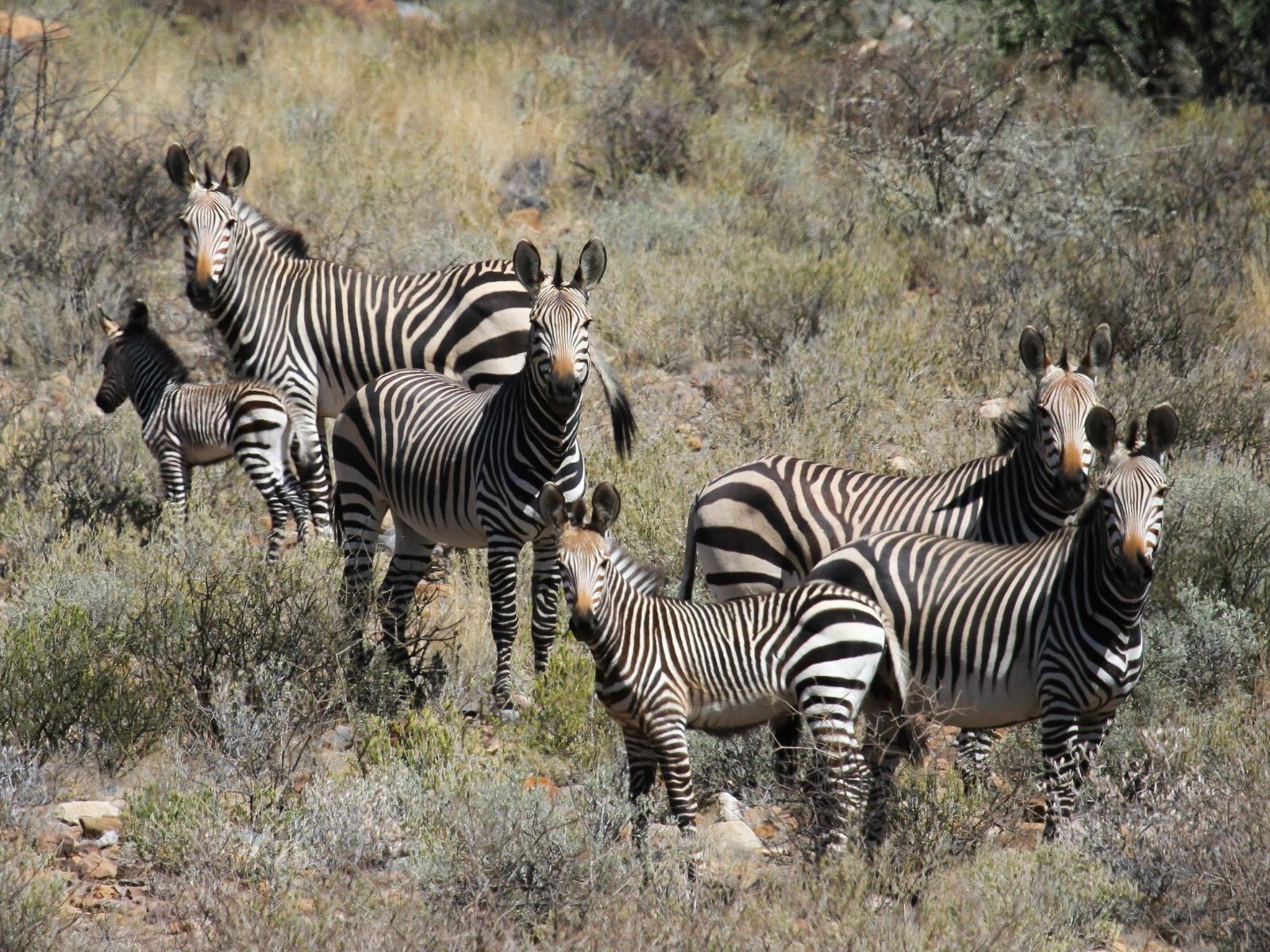
Hartmann’s Mountain Zebra
Equus zebra ssp. hartmannae

2025 Red list status
Near Threatened

Regional Population Trend
Stable

Change compared
to 2016
Downlisted
Overview
Equus zebra ssp. hartmannae – Matschie, 1898
ANIMALIA – CHORDATA – MAMMALIA – PERISSODACTYLA – EQUIDAE – Equus – zebra – hartmannae
Common Names: Hartmann’s Mountain Zebra (English), Hartmann se Bergsebra, Hartmann Bergkwagga (Afrikaans), Iduba le-Hartmann (Ndebele), Dou (San), Pitse ya Naga (Sepedi), Qwaha ya Thaba (Sesotho), Lidvuba (Swati), Mbidithavha (Tshivenda), Manga (Tsonga), Idauwa, Iqwarhashe (Xhosa), Izebra Lasequintabeni (Zulu)
Synonyms: No Synonyms
Taxonomic Note: Groves and Bell (2004) investigated the taxonomy of the Mountain Zebras and concluded that the Cape Mountain Zebra (Equus zebra zebra) and Hartmann’s Mountain Zebra (Equus zebra hartmannae) are distinct and suggested that the two would be better classified as separate species, Equus zebra and Equus hartmannae. However, in a genetic study that included 295 Mountain Zebra specimens, Moodley and Harley (2005) found no evidence to regard the two taxa as anything more than different populations of a single species. They concluded that the Cape Mountain Zebra and Hartmann’s Mountain Zebra should remain subspecies. Therefore, no taxonomic changes since 2004 have been made.
Red List Status: NT – Near Threatened D1 (IUCN version 3.1)
Assessment Information
Assessors: Patel, T.,1 Roxburgh, L.1 & da Silva, J.2
Reviewers: Selier, SAJ.2 & Raimondo, D.2
Institutions: 1Endangered Wildlife Trust, 2South African National Biodiversity Institute
Previous Assessors: Novellie, P. & King, S.R.B.
Previous Reviewers: Muntifering, J., Uiseb, K. & Child, M.F.
Previous Contributors: Gosling, L.M., Smit, M. & Birss, C.
Assessment Rationale
Both the South African and Namibian Hartmann’s Mountain Zebra populations increased from low numbers in the 1980s and 1990s. For example, over three generations (1980–2015), the subpopulation at Goegap Nature Reserve increased by 6.2% / year (from 6 to 69 individuals), and is estimated at 83 at the end of 2022 (NDF, 2024). Similarly, the subpopulation on Tswalu Kalahari Private Game Reserve has increased from 65 in 2005 to 203 in 2014 to 433 in 2023; and that on Augrabies Falls National Park has increased from 8 in 1996 to 208 in 2016, although it did decline to 149 after a severe drought between 2018 and 2019 (NDF, 2024). However, subpopulation sizes remain small and rely on management to remain viable. In Gondwana Canyon Park, Namibia (adjacent to Ai-Ais/Richtersveld Transfrontier Park) the Hartmann’s Mountain Zebra subpopulation grew at a mean rate of 22% / year (2005–2012), indicating a healthy source for dispersal and/or translocation into the South African Richtersveld National Park. From the data available, the observed and estimated current mature population size within the natural distribution range of South Africa, based on both formally and privately protected subpopulations, is at least 1,230 mature individuals. Although extensive extra-limital subpopulations exist in South Africa, these are not included in this assessment. The total population size in Namibia is estimated at 32,416 mature individuals (Gosling et al. 2019), with numbers recovering from a severe drought in the 1980s and more recent droughts in the 2010s.
It is possible that increasing frequencies of drought from climate change may threatened this species in the future, however despite a severe drought experienced between 2015 and 2022 the population within the assessment region has still increased. Further surveys are needed to collate private subpopulation numbers and evaluate such properties for their eligibility in this assessment. A metapopulation plan, co-developed and adopted by multiple stakeholders, will further improve the management and conservations status of the subspecies in South Africa. Since there has been a genuine population increase since the previous estimate (NDF, 2024) and total population size exceeds 1,000 mature individuals, this subspecies qualifies as Near Threatened D1. While there have been anecdotal reports of dispersal of individuals from Namibia into the Richtersveld National Park, this is not considered to result in significant rescue effects. This species should continue to thrive with the expansion of the wildlife ranching industry and care should be taken to forge public-private partnerships to create conservancies and sustain wild and free-roaming herds. This subspecies remains conservation dependent as it requires active translocation and metapopulation management, and is at risk from increasing frequency of droughts due to climate change.
Regional population effects: The bulk of the global population exists in Namibia and the South African population in the Northern Cape may be connected with the extensive Namibian population and conservation areas through Ai-Ais/Richtersveld Transfrontier Park. Connectivity between the South African and Namibian population has not been formally documented, and thus the South African population might be discrete from the Namibian population and possess conservation value. However, there is some anecdotal evidence that immigration does occur (see Population).
Reasons for Change
Reason(s) for Change in Red List Category from the Previous Assessment: There has been a genuine increase in population numbers for this species across its natural range. Even though there is a healthy source population in Namibia, it is uncertain whether the regional population experiences any significant immigration of individuals likely to reproduce in the region, and connectivity between these two populations has not been documented. Thus, the genuine increase in population numbers is the motivation to downlist this species from Vulnerable D1 to Near Threatened D1 for the assessment region. However, the population size in South Africa remains small and reliant on management to remain viable, and increasing drought frequencies due to climate change are a threat that will require ongoing management interventions.
Red List Index
Red List Index: Downlisted
Recommended citation: Patel T, Roxburgh L & da Silva JM. 2025. A conservation assessment of Equus zebra ssp hartmannae. In Patel T, Smith C, Roxburgh L, da Silva JM & Raimondo D, editors. The Red List of Mammals of South Africa, Eswatini and Lesotho. South African National Biodiversity Institute and Endangered Wildlife Trust, South Africa.
Regional Distribution and occurrence
Geographic Range
Historically, Hartmann’s Mountain Zebra ranged across Namibia, southern Angola, and the north-west portions of the Northern Cape Province in South Africa where they are currently established in three conservation areas: Richtersveld and Augrabies National Parks and Goegap Provincial Nature Reserve (Novellie et al. 2002). Hartmann’s Mountain Zebras have also been introduced outside of their natural distribution range in the Western Cape, Eastern Cape, North West, Free State and KwaZulu-Natal provinces. In Namibia, the establishment of artificial water-points have allowed Hartmann’s Mountain Zebra to occupy previously unsuitable habitat, such that their present range differs from that in historical times. They were thought to be regionally extinct in Angola, but a survey conducted by the Ministry of Environment and Tourism of Namibia in Iona National Park found a subpopulation of 48 individuals (estimated total subpopulation size is 263). However, hybridisation between the Hartmann’s Mountain Zebra and Donkeys (and possibly the last remaining Plains Zebra) was reported (P. vaz Pinto unpubl. data).
Within the assessment region, the species naturally occurred from Namibia to the Kamiesberg, Northern Cape Province (Sidney 1965; Skead 2011). Over time, individuals naturally re-crossed into the Richtersveld National Park, and were sighted sporadically in small numbers (N. de Goede, pers. obs.). These individuals may have originated from Namibia since no introductions have ever been made into the Richtersveld. Even though unlikely, it is possible, due to the remoteness and inaccessibility of much of the area that a tiny relic population persisted in the Richtersveld without replenishment from Namibia. Further, connectivity between the South African and Namibian population has not been formally documented. The minimum area of occupancy for this subspecies, including only formally protected subpopulations, is 2,483 km2 (Richtersveld National Park, Augrabies Falls National Park and Goegap Provincial Nature Reserve, from the South African Protected Areas Database (DFFE, 2024). Hartmann’s Mountain Zebras are present in Richtersveld National Park, at least sporadically, but in very small numbers. Additionally, the private sector is playing an important role in expanding the area of occupancy for the subspecies and thus has an important role to play in sustaining a viable South African population, but potential hybridisation with Cape Mountain Zebra and Plains Zebra (Equus quagga) must be managed through legislation and/or incentives. Similarly, the growth of the private sector should concentrate on establishing subpopulations inside the natural distribution range.
Elevation / Depth / Depth Zones
Elevation Lower Limit (in metres above sea level): 500 m
Elevation Upper Limit (in metres above sea level): above 2800 m
Depth Lower Limit (in metres below sea level): (Not specified)
Depth Upper Limit (in metres below sea level): (Not specified)
Depth Zone: (Not specified)
Biogeographic Realms
Biogeographic Realm: Afrotropical
Map
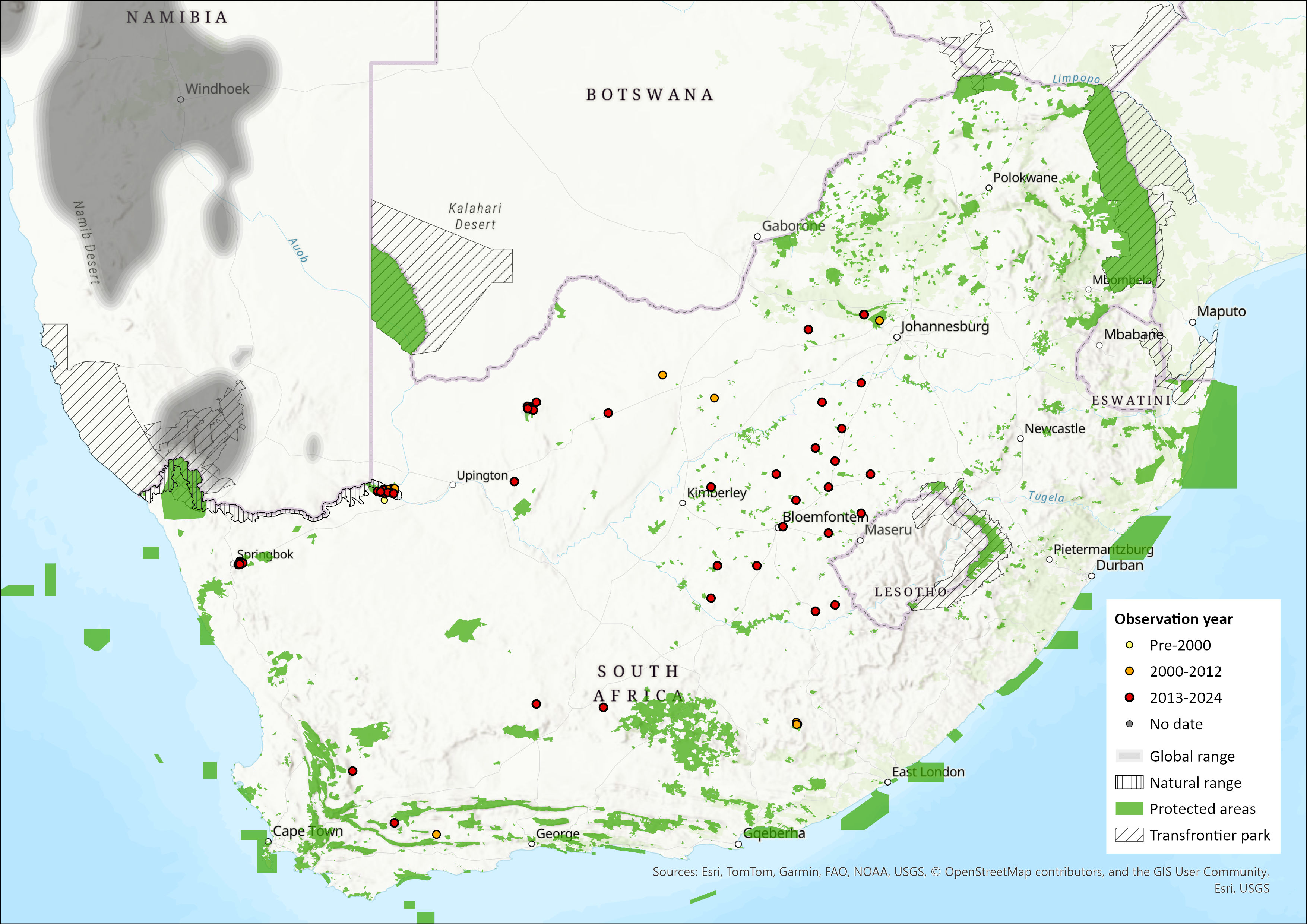
Figure 1. Distribution records for Hartmann’s Mountain Zebra (Equus zebra ssp. hartmannae) within the assessment region (South Africa, Eswatini and Lesotho). Note that distribution data is obtained from multiple sources and records have not all been individually verified.
Countries of Occurrence
| Country | Presence | Origin | Formerly Bred | Seasonality |
| Namibia | Extant | Native | – | – |
| South Africa -> Eastern Cape Province | Extant | Native | – | – |
| South Africa -> Free State | Extant | Native | – | – |
| South Africa -> North-West Province | Extant | Native | – | – |
| South Africa -> Northern Cape Province | Extant | Native | – | – |
| South Africa -> Western Cape | Extant | Native | – | – |
Large Marine Ecosystems (LME) Occurrence
Large Marine Ecosystems: (Not specified)
FAO Area Occurrence
FAO Marine Areas: (Not specified)
Climate change
The range of this species falls within a region that will experience significant increases in temperature above the global average increase, and potentially severe decreases in rainfall in excess of 30% under most scenarios (Engelbrecht et al. 2024). This will be accompanied by an increase in fire risk and heatwave days. Increasing frequencies of drought from climate change may threaten the population, especially considering the small subpopulation size and fragmented nature of the population. The population in Augrabies National Park declined in 2018-2019 due to a severe drought, from a total size of 208 individuals down to 149 (NDF, 2024). Similarly, massive declines in zebra numbers were noted from Namibia in around 2016-2018 due to drought (Gosling et al. 2019). While further research is needed on the effect of climate change on the species, there is already strong evidence to suggest that it will be impacted from the increasing frequency of droughts.
Population
The Hartmann’s Mountain Zebra population in South Africa is observed to be increasing. The total formally protected population in 2004 was noted as being 80 collectively in Augrabies National Park (25 individuals), Richtersveld National Park (30 individuals) and Goegap Nature Reserve (25 individuals) (Friedmann & Daly 2004). The subpopulation in Goegap Nature Reserve has more than doubled (69 individuals in 2015, M. Smit unpubl. data; 83 in 2022, NDF, 2024), while that of Augrabies Falls National Park increased to 208 individuals in 2016 (Bissett et al. 2016). However, the Augrabies population did decline to 149 after a severe drought in 2018-2019 (NDF, 2024). A current subpopulation count for the Richtersveld National Park is unavailable, but was estimated at 15 (NDF, 2024). The estimated total population in these reserves is 247 (NDF, 2024).
Private subpopulations are inferred to still be increasing along with the expansion of the wildlife ranching industry. It is estimated that there are currently 1,500 Hartmann’s Mountain Zebra on private land in the Northern Cape. This is based on provincial estimates done at the end of 2022. However, not all of these animals can necessarily be included in the assessment as they may not all be considered wild. Subpopulations dependent on direct intervention are not considered wild, if they would go extinct within 10 years without intensive management (IUCN Standards and Petitions Subcomittee 2014). As such, a preliminary analysis to determine which private subpopulations can be considered wild, revealed that 64–95% of individuals on private land were eligible for inclusion in the previous assessment (N = 21 properties, A. Taylor unpubl. data), which means 364–542 privately owned Hartmann’s Mountain Zebra were eligible for inclusion in the previous assessment. As no new data exists, we will use the same range of 64-95% as being wild. Thus, of the estimated 1,500 animals on private subpopulations, 960 to 1,425 can be considered wild.
Similarly, mature population structure is inferred from demographic data from Mountain Zebra subpopulations in both the Western Cape and Goegap Nature Reserve, which corresponds to 67% (based on average numbers of mature individuals in both breeding and stallion herds; C. Birss unpubl. data) and 91% (of 47 individuals in Goegap, there are 43 adults, one sub-adult and three juveniles; M. Smit unpubl. data) respectively. To compensate for variation between areas, we used a mature population structure of 75%. More research is needed to establish the accurate proportion of mature individuals across subpopulations. Thus, overall, the total mature and wild population size in the assessment region, based on available data, combining the private and formally protected populations and adjusting for mature population structure gives a total mature population size of 1,230 to 1,579.
The generation length for E. zebra overall has been estimated as 11 years by Pacifici et al. (2013). Over three generations (1980–2013), the subpopulation at Goegap Nature Reserve (the only site with long-term data available) increased significantly (from 6 to 69 individuals) in total or 6.2% on average per year, slowing to an average annual increase of 1.69% in 2022 when there were 83 individuals (NDF, 2024). Similarly, the subpopulation on Tswalu Kalahari Private Game Reserve increased from 65 in 2005 to 203 in 2014 at a growth rate of 11.6% per year (C. Kraft unpubl. data) and is now 433 (2023); and the subpopulation on Augrabies Falls National Park has increased from 8 in 1996 to 208 in 2016 (Bissett et al. 2016).
Extra-limital subpopulations have been established outside the natural distribution range and are not included in this assessment. In the North West Province, there are 15 private properties with 322 individuals. There are at least 78 individuals existing on six properties in the Western Cape Province. In the Free State Province, there are at least 667 individuals existing on 31 properties. There are also five private properties with 63 individuals in the Eastern Cape province. All these counts were based on provincial records at the end of 2022 (NDA, 2024). These subpopulations should be monitored (and if possible, removed or replaced with Cape Mountain Zebra) to ensure they do not pose a hybridisation threat with the native Cape Mountain Zebra.
Barnes et al. (2009) estimated the Namibian population at 72,736 individuals in 2004. The estimate at the time of the previous assessment exceeded 132,000 individuals (M. Gosling et al. unpubl. data). However, 73% of these were on commercial farms and under drought conditions, which occur on average every 14 years, a large proportion of these Hartmann’s Mountain Zebra could die, either due to confinement within fences or through culling to protect livestock grazing. The most recent estimate for Namibia is 32,416 mature individuals (Gosling et al. 2019), but this is considered an underestimate because of inadequate sampling on private farms and freehold conservancies.
Subpopulation growth rates were very high in the absence of Lions (Panthera leo) and Spotted Hyenas (Crocuta crocuta) (most areas within the indigenous range). There has been substantial off-take from Namibian subpopulations, but these are well below potential rates of increase and thus sustainable (Shapi 2014). Although some subpopulations are in relatively small (for Namibia) fenced areas (<15,000 ha), others are in very large open areas (for example, the Namib-Sossusvlei Landscape and the Greater Fish River Canyon Landscape which both have thriving subpopulations). For example, within Gondwana Canyon Park (adjacent to Ai-Ais/Richtersveld Transfrontier Park) alone, where there are no major predators or off-take, the mean annual growth rate since 2005 was 22%, having increased from c. 200 to c. 800 individuals between 2005 and 2012 (M. Gosling unpubl. data). The effect of immigration resulting from the distribution of artificial water points must be factored into this growth rate, but the source subpopulation is likely to be growing at the same rate. However, these rates of increase within Gondwana Canyon Park are most likely the maximum rate of increase. There was evidence of substantial mortalities of Hartmann’s Mountain Zebra in 2015 and it was speculated that the population could be levelling out (M. Gosling unpubl. data). Analysis of the national population at the time of the previous assessment suggested a substantial increase in the national population over recent decades (M. Gosling et al. unpubl. data). This appeared to be a long-term response to the severe drought of the 1980s when Hartmann’s Mountain Zebra suffered catastrophic mortalities. Management intervention may also have affected growth in numbers, notably through the creation of a network of communal conservancies in a large area of suitable habitat in the north-west and the re-introduction of Hartmann’s Mountain Zebra to these areas. Thus, the large size and good growth rate of the Namibian Hartmann’s Mountain Zebra population means that there is a good source pool for reintroduction and rescue of the South African population.
For example, in the Richtersveld National Park (the South African side of the Ai-Ais/Richtersveld Transfrontier Park) visitors and goat herders occasionally reported sightings of small numbers of Hartmann’s Mountain Zebra (the largest group numbering five). Similarly, the park rangers fairly regularly observed tracks in certain localities, and the Park Manager found two Hartmann’s Mountain Zebra carcasses between 2010 and 2015, and reported seeing groups regularly on the Namibian banks of the Orange River (P. Novellie pers. obs. 2015). Hartmann’s Mountain Zebra have never been introduced into Richtersveld National Park, so it is likely that these individuals originated from Namibia.
Population Information
Continuing decline in mature individuals? No
Extreme fluctuations in the number of subpopulations: (Not specified)
Continuing decline in number of subpopulations: (Not specified)
All individuals in one subpopulation: (Not specified)
Number of mature individuals in largest subpopulation: 156
Number of Subpopulations: 44 sites
Quantitative Analysis
Probability of extinction in the wild within 3 generations or 10 years, whichever is longer, maximum 100 years: (Not specified)
Probability of extinction in the wild within 5 generations or 20 years, whichever is longer, maximum 100 years: (Not specified)
Probability of extinction in the wild within 100 years: (Not specified)
Population genetics
The designation of Hartmann’s Mountain Zebra and the Cape Mountain Zebra as separate Evolutionary Significant Units (ESUs) has been debated. These subspecies are not reciprocally monophyletic and hence do not fit the definition of an ESU according to Moritz (1994); however, they do demonstrate highly restricted gene flow. Accordingly, these subspecies were considered as separate conservation management units in the 2016 Red Data Book, and are treated as such in this revision.
While a population genetic study has been undertaken on this subspecies, no animals from within the assessment region were included (Moodley & Harley 2005). Consequently, the genetic structure within the assessment region is unknown; however, given the fact that translocations occur, it is likely the subspecies exists as a single metapopulation, at least within the assessment region. It is highly recommended that a comprehensive population genomic study incorporating individuals across its entire range (South Africa, Namibia) be prioritized. Such a study would be influential in developing a metapopulation management plan to ensure sufficient diversity is present at individual sites. Assuming a metapopulation, the Convention on Biological Diversity’s Global Biodiversity Framework’s (GBF) complementary genetic indicator – proportion of populations maintained (PM) – would receive a value of 1.0 (1/1 population remaining).
Measure of effective population size (Ne) for this subspecies have not been quantified; however, based on the available population estimate of 1,000 individuals, the GBF’s headline indicator – proportion of populations with Ne > 500 – can be estimated. Assuming a Ne/Nc conversion ratio between 0.1-0.3, the Ne for the subspecies is estimated between 100-300, which is below the Ne 500 threshold, indicating this subspecies is experiencing genetic erosion. Given this subspecies experienced a past bottleneck (Moodley & Harley 2005), this estimated Ne is likely an overestimate. So, despite evidence of demographic growth, the subspecies may actually be inbred, which could compromise its long term persistence.
A fine-scale population genomic study is urgently needed to verify the population structure and diversity within this subspecies and to quantify the genetic indicators with greater confidence.
Habitats and ecology
Hartmann’s Mountain Zebra inhabits rugged, broken mountainous and escarpment areas up to around 2,000 m asl with a rich diversity of grass species and perennial water sources (Penzhorn 2013). They are predominantly grazers. The typical social structure is one of small harems comprising an adult stallion and one to three (maximum five) mares and their dependent foals and juvenile offspring; non-breeding groups consist primarily of bachelors but sometimes include young fillies (Penzhorn 2013). Individuals may have naturally re-crossed into the Richtersveld National Park from Namibia, and are sighted sporadically in small numbers (N. de Goede, pers. obs.). These individuals may have originated from Namibia since no introductions have ever been made into the Richtersveld. Even though unlikely, there is a remote possibility that due to the remoteness and inaccessibility of much of the area, a tiny relic population persisted in the Richtersveld without replenishment from Namibia. Connectivity between the South African and Namibian population has not been formally documented.
Ecosystem and cultural services: Flagship species of the arid mountainous regions of the Northern Cape.
IUCN Habitats Classification Scheme
| Habitat | Season | Suitability | Major Importance? |
| 4.4. Grassland -> Grassland – Temperate | – | Suitable | – |
Life History
Generation Length: 11 years
Age at Maturity: Female or unspecified: (Not specified)
Age at Maturity: Male: (Not specified)
Size at Maturity (in cms): Female: (Not specified)
Size at Maturity (in cms): Male: (Not specified)
Longevity: (Not specified)
Average Reproductive Age: (Not specified)
Maximum Size (in cms): (Not specified)
Size at Birth (in cms): (Not specified)
Gestation Time: (Not specified)
Reproductive Periodicity: (Not specified)
Average Annual Fecundity or Litter Size: (Not specified)
Natural Mortality: (Not specified)
Breeding Strategy
Does the species lay eggs? No
Does the species give birth to live young: Yes
Does the species exhibit parthenogenesis: No
Does the species have a free-living larval stage? No
Does the species require water for breeding? No
Movement Patterns
Movement Patterns: (Not specified)
Congregatory: (Not specified)
Systems
System: Terrestrial
General Use and Trade Information
There is a local, commercial and international trade in live animals, hunting trophies, skins and meat of Hartmann’s Mountain Zebra. However, the effect of this trade on free-roaming populations is minimal because most trade is restricted to privately protected populations outside their natural range. Similarly, in Namibia, there is commercial trade in hunting trophies and skins. Subpopulations need to be carefully monitored so that harvesting does not adversely affect population viability. The mean number of Hartmann’s Mountain Zebra harvested per annum in Namibia (2008–2012) was 3,538, which was not predicted to impact population growth negatively (Shapi 2014). Given the rapid growth of the private sector, a similar trade could possibly be established in the Northern Cape. In the Northern Cape, ranchers have increased the area of occupancy of the subspecies in hilly terrain. However, the risk of hybridisation with Cape Mountain and Plains Zebra may become a problem without strict regulation on translocation. There is already a significant, but non-detrimental trade from South Africa. According to the CITIES trade database, approximately 1,757 Hartmann’s Mountain Zebra trophies and 15 live Hartmann’s Mountain Zebra were exported between 2010 and 2021 (CITIES Trade Database). Approximately 38% of all trophies exported originated from the Northern Cape.
|
Subsistence: |
Rationale: |
Local Commercial: |
Further detail including information on economic value if available: |
|
Yes |
6.2% of freehold farms reported losses over one recent year due to poaching. |
Yes |
Local trade in live animals, skins and meat as well as trophy hunting. |
National Commercial Value: Yes
International Commercial Value: Yes
End Use: (Not specified)
Is there harvest from captive/cultivated sources of this species? Yes
Harvest Trend Comments: All commercial trade restricted to privately ranched subpopulations. There are no captive-bred subpopulations recorded (A. Taylor unpubl. data) but further surveys are required.
Threats
Within the assessment region, hybridisation with Cape Mountain Zebra and Plains Zebra is a major threat. It is unknown to what extent Hartmann’s x Cape Mountain Zebra hybrids exist within South Africa. Anecdotal reports suggest that hybridisation between Hartmann’s Mountain Zebra and Cape Mountain Zebra does take place in the Western and Eastern Cape. However, this is more a threat to Cape Mountain Zebra (Hrabar & Kerley 2015), as the core populations of Hartmann’s Mountain Zebra (and indeed its core range throughout Namibia) remain unaffected by potential hybridisation. The exception is in western Etosha National Park where there have been incidences of hybridisation between Hartmann’s and Plains Zebras (P. Vaz Pinto pers. comm. 2015). Molecular analysis of faecal DNA carried out by Pauline Kamath in western Etosha National Park showed both hybridisation and introgression, confirming that hybrids between Hartmann’s Mountain and Plains Zebras are fertile (P. Kamath unpubl. data). Similarly, in 2014, two Plains x Cape Mountain Zebra hybrids in Mountain Zebra National Park were confirmed through genetic testing (Taplin et al. 2015). As a result, all Plains Zebra were removed from Mountain Zebra National Park. Given that female hybrids between Grevy’s (E. grevyi) and Plains Zebras are fertile (Cordingley et al. 2009), further research is needed into the fertility of any Hartmann’s Mountain Zebra hybrids. Anthropogenic environmental changes, particularly fragmentation of habitat and isolation of populations, increase the risk of hybridisation (Hill 2009) and the likelihood of inbreeding depression. Thus, a metapopulation plan involving both private and state institutions is needed. Another potential threat includes Equine sarcoidosis. Equine sarcoidosis is widespread and has also been found in Hartmann’s Mountain Zebra. It has been found that inbred populations are more susceptible to this disease (Sasidharan 2006). Isolation of small populations may therefore lead to increased susceptibility to the disease due to inbreeding. Stochastic events such as droughts are increasing in frequency due to climate change and have been shown to lead to large declines in Hartmann’s Mountain Zebra populations, and are a potentially major emerging threat. Under drought conditions a large proportion of Hartmann’s Mountain Zebra occurring on commercial farmland may die, either through confinement within fences or through culling to protect livestock grazing (M. Gosling unpubl. data). Thus, even though the global population size is currently large, numbers may rapidly decline under increasingly frequent and severe drought conditions. The number of Hartmann’s Mountain Zebra killed illegally is not known; however, 6.2% of freehold farms in Namibia reported losses due to poaching (Lindsey 2011). The species is also hunted for trophies in South Africa, with 1,757 specimens exported internationally between 2010 and 2021 (NDF, 2024). However, at present, this poses a low to moderate non-detrimental risk to the survival of the subspecies in South Africa.
Conservation
In South Africa, this subspecies is well conserved in three formally protected areas (Goegap Nature Reserve, Augrabies Falls National Park and Richtersveld National Park), and the strong population in Namibia is a significant source for potential natural dispersal. The expansion of Goegap Nature Reserve (from 24,000 ha to 28,000 ha) enables it to support a larger number of Hartmann’s Mountain Zebra. Legislation must confine the subspecies to its natural distribution range in the Northern Cape to avoid hybridisation with other zebra taxa in the future, and to establish an in situ, self-sustaining population within the natural range. Similarly, Hartmann’s Mountain Zebra herds in the Western and Eastern Cape provinces should be replaced with the Cape subspecies to mitigate the risk of hybridisation for both subspecies (Novellie et al. 2002; Penzhorn 2013; Hrabar and Kerley 2015). Private landowners should be incentivised to participate in a metapopulation strategy.
Hartmann’s Mountain Zebra can probably out-compete livestock and other game in rugged areas and could provide a viable source of local food and possibly cash income to local communities from trophy/meat hunting as well as photographic tourism. These benefits could be used to address the identified threats of communal grazing and land claims in protected areas within the natural range. Communal conservancy areas, similar to that of Namibia (Barnes et al. 2002; Suich 2010; Riehl et al. 2015), could be established in the Northern Cape Province and success could be measured as a decrease in observed levels of livestock grazing in protected areas
Reintroduction of herds into unoccupied suitable areas within the natural distribution range can also be used to bolster a resilient national population. For example, the Namakwa National Park and Kamiesberg range near Garries, just north of the Western Cape border should be considered for the reintroduction of free roaming herds as the region might have potential for a greater conservation area.
Recommendations for land managers and practitioners:
- Develop a Biodiversity Management Plan (BMP), which includes population size and distribution goals and threat reduction strategies, as well as a metapopulation strategy (to maximise genetic diversity and subpopulation growth).
- A comprehensive monitoring plan is a priority for this subspecies to estimate overall population size and trends. For example, population data and trends from Ai-Ais/Richtersveld Transfrontier Park and the private subpopulations in the Northern Cape need to be collated.
- This subspecies needs tighter legislative control in provinces that fall outside its range both to prevent hybridisation with Cape Mountain Zebra and to focus translocations within the Northern Cape to bolster population growth in that region (Power 2014). The Department of Environmental Affairs and Nature Conservation in Northern Cape should increase the hunting quota there to encourage private population growth.
- Conservation breeding is not necessary for the subspecies.
Research priorities:
- Conduct a comprehensive population genomic study across the distribution of the subspecies to better understand its population genetic structure and diversity to better inform management (e.g., translocations, breeding programs).
- Incidences of hybridisation with Cape Mountain Zebra and Plains Zebra and the impact of hybrids on subpopulation performance must be researched, and robust genetic markers to detect hybrids developed.
- Similarly, conduct a comprehensive social survey with stakeholders in areas that are threatened by incompatible local land uses or areas earmarked for future population re-establishment to better understand local perspectives, attitudes and potential threat-reduction strategies. This will identify social and ecological limiting factors to be incorporated into the BMP.
- Investigate the habitat requirements for Hartmann’s Mountain Zebra in South Africa.
- Identify and prioritize areas for future re-introduction or translocation that improve the regional population viability.
- Determine the impact of climate change on the species, particularly in relation to increasing frequencies of drought through ongoing monitoring of subpopulation responses to drought and through undertaking species distribution modelling under different carbon emission scenarios.
Encouraged citizen actions:
- Report sightings on virtual museum platforms (for example, iNaturalist and MammalMAP), especially outside protected areas.
- Landowners should drop fences to form conservancies and create free-roaming areas.
Bibliography
Barnes JI, Macgregor J, Chris Weaver L. 2002. Economic efficiency and incentives for change within Namibia’s community wildlife use initiatives. World Development 30: 667-681.
Barnes JI, Nhuleipo O, Baker AC, Muteyauli PI, Shigwedha V. Wildlife resource accounts for Namibia, 2004. DEA Research Discussion Paper, Number 79.
Bissett, C., Ferreira, S., Bezuidenhout, H., Daemane, E., Smit, I., van Rooyen, F., du Plessis, N. and Moolman, L. 2016. Augrabies Falls National Park herbivore off-take recommendations 2016: An integrated approach combining local knowledge with data derived from animal census, herbivore models, vegetation field monitoring and satellite imagery. Scientific Services, South African National Parks.
CITIES Trade Database. UNEP World Conservation Monitoring Centre, Cambridge, UK.
Cordingley JE, Sundaresan SR, Fischhoff IR, Shapiro B, Ruskey J, Rubenstein DI. 2009. Is the endangered Grevy’s zebra threatened by hybridization? Animal Conservation 12: 505-513.
DFFE (Department of Forestry and Fisheries). 2024. South African Protected Areas Database. Downloaded from: http://egis.environment.gov.za
Engelbrecht, F.A., Steinkopf, J., Padavatan, J., Midgley, G.F. 2024. Projections of Future Climate Change in Southern Africa and the Potential for Regional Tipping Points. In: von Maltitz, G.P., et al. Sustainability of Southern African Ecosystems under Global Change. Ecological Studies, vol 248. Springer, Cham. https://doi.org/10.1007/978-3-031-10948-5_7.
Friedmann, Y. and Daly, B. 2004. Red Data Book of the Mammals of South Africa: A Conservation Assessment. Conservation Breeding Specialist Group (SSC/IUCN) and Endangered Wildlife Trust, Parkview, South Africa.
Gosling, L.M., Muntifering, J., Kolberg, H., Uiseb, K. & King, S.R.B. 2019. Equus zebra. The IUCN Red List of Threatened Species.
Groves, C.P. and Bell, C.H. 2004. New investigations on the taxonomy of the zebras genus Equus, subgenus Hippotigris. Mammalian Biology 69: 182-196.
Hill RA. 2009. Is isolation the major genetic concern for endangered equids? Animal Conservation 12: 518-519.
Hrabar H, Kerley GIH. 2015. Cape Mountain Zebra 2014/15 Status Report. Report 63. Centre for African Conservation Ecology, Nelson Mandela Metropolitan University, Port Elizabeth, South Africa.
IUCN Standards and Petitions Subcommittee. 2014. Guidelines for Using the IUCN Red List Categories and Criteria. Version 11.
Lindsey, P. 2011. An analysis of game meat production and wildlife-based land uses on freehold land in Namibia: links with food security. A TRAFFIC East/Southern Africa Report.
Moodley, Y. and Harley, E.H. 2005. Population structuring in mountain zebras (Equus zebra): the molecular consequences of divergent demographic histories. Conservation Genetics 6: 953-968.
Non-detriment finding for Equus zebra hartmannae (Hartmann’s mountain zebra). June 2024. Issued by the Scientific Authority of South Africa. Reference Number: Equ_zeb_hart_Jun2024.
Novellie, P., Lindeque, M. Lindeque, P., Lloyd, P. and Koen, J. 2002. Status and Action Plan for the Mountain Zebra (Equus zebra). In: P. D. Moehlman (ed.), Equids: Zebras, Asses and Horses. A Status Survey and Conservation Action Plan, pp. 28-42. IUCN, Gland, Switzerland.
Pacifici, M., Santini, L., Di Marco, M., Baisero, D., Francucci, L., Grottolo Marasini, G., Visconti, P. and Rondinini, C. 2013. Generation length for mammals. Nature Conservation 5: 87–94.
Penzhorn, B. 2013. Equus zebra Mountain Zebra. In: J. Kingdon & M. Hoffmann (ed.), Mammals of Africa, Volume V: Carnivores, Pangolins, Equids and Rhinoceroses, pp. 438-443. Bloomsbury Publishing, London, UK.
Power, R.J. 2014. The distribution and status of mammals in the North West Province. Department of Economic Development, Environment, Conservation & Tourism, North West Provincial Government, Mahikeng.
Riehl B, Zerriffi H, Naidoo R. 2015. Effects of community-based natural resource management on household welfare in Namibia. PloS One 10: e0125531.
Sasidharan SP. 2006. Sarcoid tumours in Cape mountain zebra (Equus zebra zebra) populations in South Africa: a review of associated epidemiology, virology and genetics. Transactions of the Royal Society of South Africa 61: 11-18.
Shapi, J.N. 2014. A review of Hartmann’s mountain zebra utilization in Namibia. Ministry of Environment and Tourism, Windhoek, Namibia.
Skead, C.J. 2011. Historical incidence of the larger land mammals in the broader Western and Northern Cape provinces.In: Boshoff A.F., Kerley G.I.H, Lloyd P. (ed.), Centre for African Conservation Ecology, Nelson Mandela Metropolitan University, Port Elizabeth.
Suich H. 2010. The livelihood impacts of the Namibian community based natural resource management programme: a meta-synthesis. Environmental Conservation 37: 45-53.
Sydney, J. 1965. The past and present distribution of some African ungulates. Transactions of the Zoological Society of London 3: 1–397.
Taplin M, Zimmermann D, Hofmeyr M, Williams R, Knight M, Novellie P, Ferreira S, Bond G, Engelbrecht D, Gaylard A. 2015. Hybridisation between plains and Cape mountain zebra in the Mountain Zebra National Park: Conservation Implications and Management Recommendations. SANParks Report, SANParks, Pretoria, South Africa.