
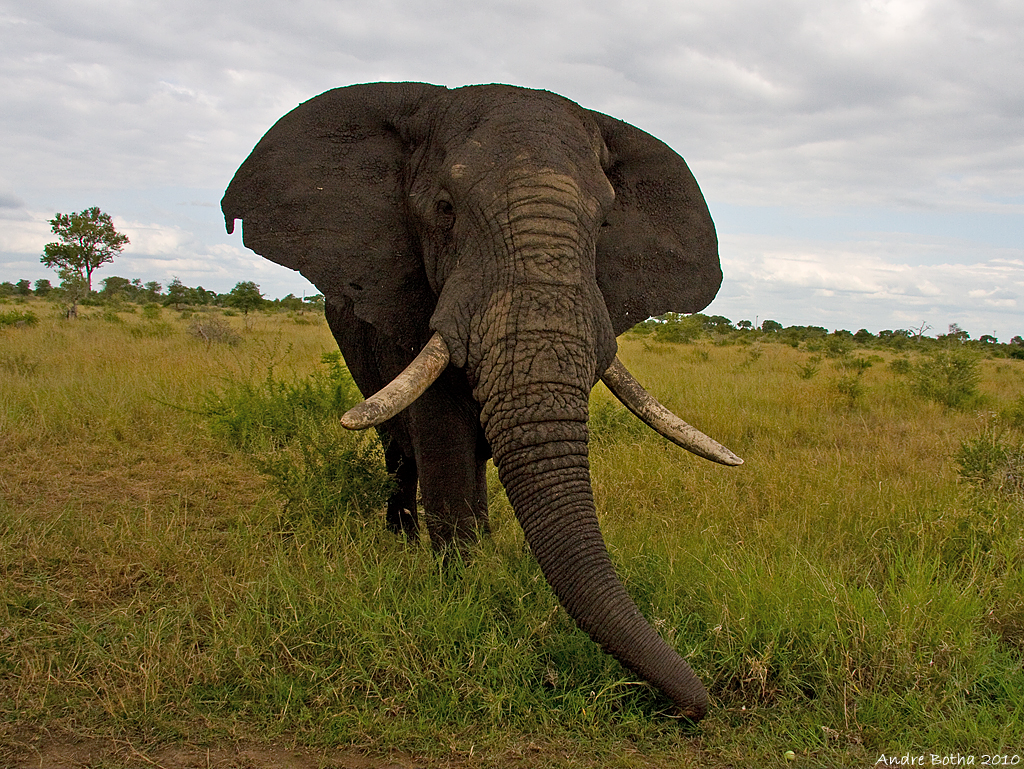
African Savanna Elephant
Loxodonta africana

2025 Red list status
Least concern

Regional Population Trend
Stable
Change compared
to 2016
No Change
Overview
ANIMALIA – CHORDATA – MAMMALIA – PROBOSCIDEA – ELEPHANTIDAE – Loxodonta – africana
Common Names: African Elephant (English), Elefante Africano (Spanish; Castilian), Éléphant Africain (French), Éléphant d’Afrique (French), frican Elephant (English), Afrika Olifant (Afrikaans), !Khanni (Damara, Nama), Impofu (Ndebele), Mhofu (Shona, Tsonga), Tlou (Setswana, Sotho), Nḓou (Tshivenda), iNdlovu (Zulu)
Synonyms: Elephas africana Blumenbach, 1797; Loxodonta cyclotis Matschie, 1900
Taxonomic Note:
Three elephant species remain from the sixteen elephant-like species that were found across the planet in the Pleistocene: Asian elephant (Elephas maximus), African savanna elephant (Loxodonta africana), and African forest elephant (Loxodonta cyclotis) (Faurby and Svenning 2015, Malhi et al. 2016). The Asian and African ancestral lineages diverged approximately seven million years ago, and the African savanna and African forest ancestral lineages diverged approximately one million years later (Brandt et al. 2014, Roca et al. 2015, Rohland et al. 2010, Meyer et al. 2017, Palkopoulou et al. 2018). Until recently the African savanna elephant and African forest elephant were considered as two subspecies. The divergence of these two lineages, between 2,5 and 5 million years ago support the designation of two species of African elephant (i.e. Savanna and Forest) (Roca et al., 2001; Ishida et al. 2011, Mondol et al. 2015, Roca et al. 2007, Palkopoulou et al. 2018, Kim and Wasser 2019). The two species were formally recognized by the IUCN in 2021 (Gobush et al. 2021; Gobush et al. 2022). Only the African savanna elephant is found within the assessment region.
| Red List Status |
| LC – Least Concern, (IUCN version 3.1) |
Assessment Information
Assessors: Selier, J., Henley, M., Landman, M., Olivier, P., & da Silva, J.M.
Reviewers: Guldemond, R., de Flamingh, A., Ferreira, S.M.
Institutions: South African National Biodiversity Institute (SANBI); Elephants Alive, Nelson Mandela University, MAPPS; Carl R. Woese Institute for Genomic Biology, University of Illinois, USA
Previous Assessors: Selier, J., Henley, M., Pretorius, Y. & Garai, M.
Previous Reviewers: Balfour, D. & Whyte, I.
Assessment Rationale
The total wild population within the assessment region is estimated at approximately 43,681 individuals of which 33,927 and 9,709 occur on state and private and communal land respectively. Kruger National Park (KNP) (31,324 animals) (Fereira et al. 2024) and the agglomeration of private reserves adjoining KNP (7,225 animals) in South Africa contains the largest African savanna elephant subpopulation in the assessment region with an estimated 31,324 animals, of which 13,382 are inferred to be mature. Between 1991 and 2021, the national elephant population trend was strongly driven by the population trend in KNP. With KNP included, the national elephant population grew at 5.5% per annum (1991-2020; doubling every 13 years). Note, however, that since 2020, two additional surveys within KNP reported confidence intervals ranging from 26,401 to 33,198 indicating a fluctuating population of ~30,000 (Sam Ferreira, Pers. Comm.). This is most likely a consequence of responses of elephants to ecological conditions and not because of illegal harvesting. Furthermore, considerable effort has gone into translocating elephants to new properties over the past 30 years, thus expanding the current range (both extent of occurrence and area of occupancy). There are currently no major threats facing the wild African savanna elephant population in the assessment region. The Red List status of the African savanna elephant within the assessment region is thus maintained at Least Concern as elephant subpopulations regionally as well as locally are either stable or increasing and the minimum number of mature individuals exceeds 8,000. As existing elephant habitat is severely fragmented (see below) and the long-term resilience of the population depends on managing translocations between protected areas and maintaining, restoring or mimicking connectivity across transfrontier conservation spaces, this species remains conservation dependent.
Regional population effects: Within the assessment region, the majority of the properties holding elephant are fully fenced and thus do not allow for range expansion or dispersal. There are currently no migratory populations in South Africa though two of the largest subpopulations, namely the Greater Limpopo Transfrontier Conservation Area (GLTFCA) – which includes KNP – and the Greater Mapungubwe Transfrontier Conservation Area (GMTFCA) – which includes Mapungubwe National Park – do undertake cross-border movements (Henley et al. 2023, Selier 2015). These cross-border movements are also reflected in genetic patterns that show little differentiation between KNP and nearby parks (de Flamingh et al. 2018). In addition, cross border movements between South Africa and Eswatini around Pongola Dam, forming part of the Lebombo TFCA, have also been observed.
On a regional scale, elephants in Mapungubwe National Park form a key part of the shared elephant population living in the Greater Mapungubwe Transfrontier Conservation Area (GMTFCA). Presently, the core Transfrontier Conservation Area (TFCA) is 2,573 km² and it includes various land uses (protected areas, private conservancies, hunting concessions, community areas, etc.) across South Africa, Botswana and Zimbabwe. A resident population of elephants estimated at 1,970 individuals (end of 2017) inhabits the Central Limpopo River Valley (CLRV) in a roughly 180 km long section of the Limpopo River between Zanzibar border post in the west and Beit Bridge in the east in a belt of approximately 20 km on either side of the river.
In addition, elephants in KNP form a key part of the shared elephant population living in the Greater Limpopo Transfrontier Conservation Area (GLTFCA). The GLTFCA covers roughly 125,000 km². It includes KNP in South Africa, Limpopo National Park in Mozambique, Gonarezhou National Park in Zimbabwe as the three flagship National Parks providing habitat for robust elephant populations. Several corridors link additional habitat for elephants in the Banhine and Zinave National Parks as well as private conservation areas in the Massingir and Corumana regions in Mozambique. Various privately, community and state-managed protected and conservation areas in South Africa and Zimbabwe provide additional elephant habitat within the GLTFCA footprint. The African Elephant Specialist Group in 2016 reported 17,086; 11,120 and 1 081 elephants in Kruger, Gonarezhou and Limpopo respectively, while Banhine had five and Zinave no elephants. The other areas within and abutting the GLTFCA had 3,781; 2 733 and 173 elephants in South Africa, Zimbabwe and Mozambique respectively. At present (end of 2023), the elephant population within the GLTFCA is estimated between 45,000 and 50,000 individuals, with the majority occurring within the Greater Kruger area, followed by Gonarezhou National Park.
Studies on the cross-border movement patterns have, however, not been running long enough to establish whether dispersal or range expansion is taking place. Tracking records from Elephants Alive show definite movement between Pafuri in the KNP and Gonarezhou in Zimbabwe as well as between KNP and Mozambique within the GLTFCA (Cook et al. 2015). In addition, long distance movements of bulls from KNP via Mozambique to Tembe Elephant Park in KwaZulu-Natal have also been recorded (Henley et al. 2023). Although it may still be too early to categorise any particular subset of the population as a source or sink population, it appears as if Limpopo National Park in Mozambique is being re-colonised from the Kruger population while historically Kruger National Park was recolonised via Mozambique (Whyte 2001). However, phylogeographic patterns suggest that the current Kruger elephant population was founded/reestablished by elephants from areas both north and south of Kruger, or has been augmented through migration from more than one geographic source (de Flamingo et al. 2018).
Henley et al. (2023) have shown that hat both the GLTFCA and LTFCA have been linked by trailblazing bulls with this connectivity involving two South African national parks (KNP and Tembe Elephant Park) and five PAs within Eswatini (Big Bend Conservancy, Hlane Royal National Park, Mkhaya Game Reserve, Mlawula Nature Reserve and Panata Ranch) over an international border and across three political borders (South Africa, Eswatini and Mozambique).
Reasons for Change
Reason(s) for Change in Red List Category from the Previous Assessment: No change
Red List Index
Red List Index: No change
Recommended citation: Weyer NM, Power RJ & Taylor WA. 2025. A conservation assessment of Loxodonta africana. In Patel T, Smith C, Roxburgh L, da Silva JM & Raimondo D, editors. The Red List of Mammals of South Africa, Eswatini and Lesotho. South African National Biodiversity Institute and Endangered Wildlife Trust, South Africa.
Regional Distribution and occurrence
Geographic range:
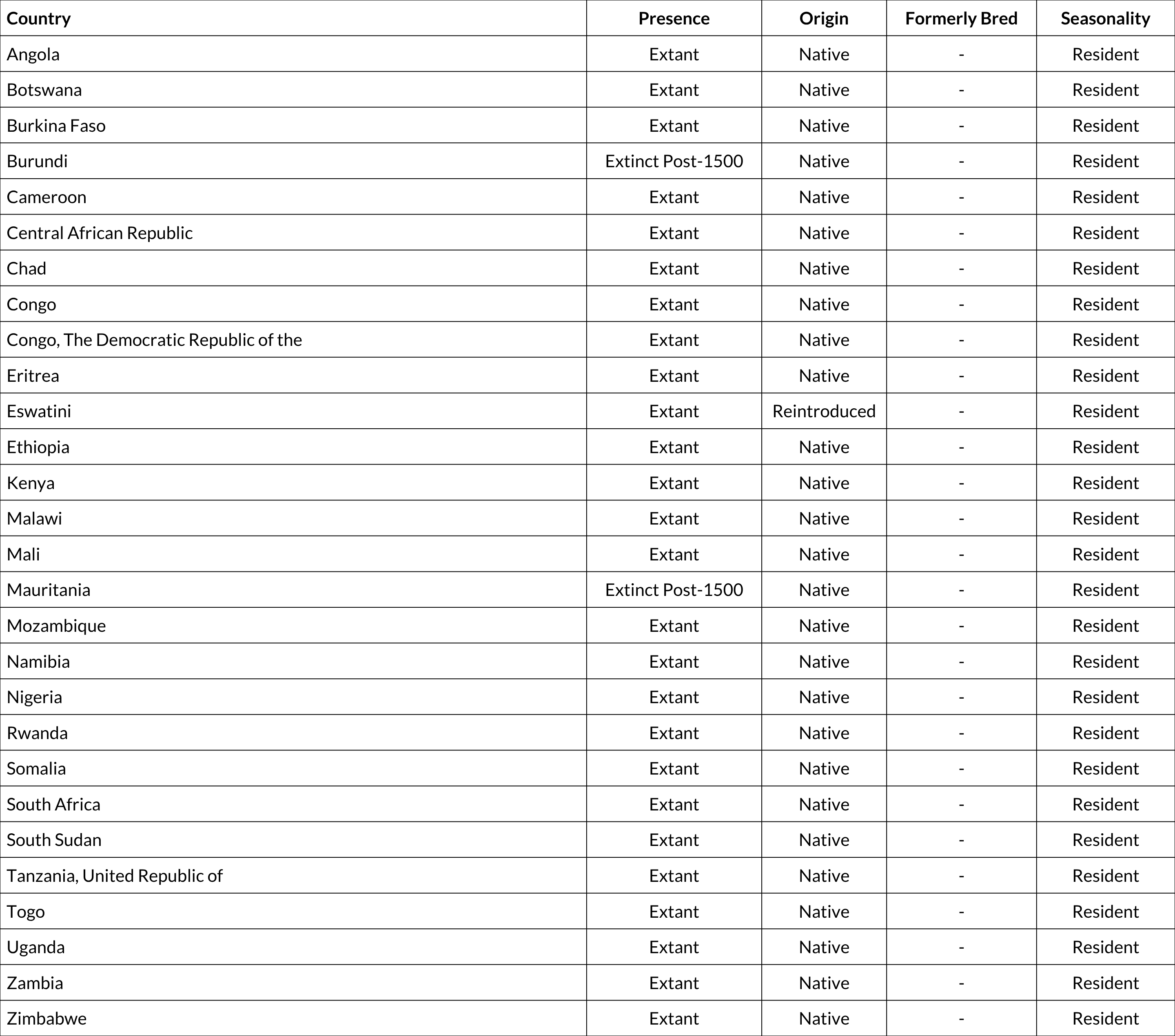
African elephants currently occur in 25 countries in sub-Saharan Africa. They have become regionally extinct in three countries since 1913, namely Burundi (1970s), Mauritania (1980s), and Eswatini (Swaziland) (1920), while their current status in South Sudan is uncertain (UNEP, CITES, IUCN, TRAFFIC 2013). Although large tracts of contiguous elephant range remain in parts of central, eastern and southern Africa, elephant distribution is becoming increasingly fragmented across the continent.
Elephants likely occurred across most of South Africa in the past, including even the arid north-western parts (Roberts et al. 2008; Boshoff et al. 2015). However, almost all of South Africa’s elephants had been eradicated by the 1890s, with only three, or possibly four, relict subpopulations remaining within the country (Carruthers et al. 2008). Since then, elephants in South Africa have undergone a period of sustained growth due to the proclamation and fencing of national parks and reserves. Between 1979 and 2001, over 800 elephants were translocated to approximately 58 reserves in South Africa (Garaï et al. 2004). These newly introduced elephant subpopulations have been characterised by high growth rates (Carruthers et al. 2008; van Aarde et al. 2008). At present, elephants occur in all the provinces but the , and within approximately 92 subpopulations across 104 separate properties of which 18 are state owned or managed, and 74 private- or community-owned subpopulations (SANBI, 2024). No elephants occur within Lesotho. Elephants in Eswatini were reintroduced to the country in the 1980s and 1990s. Elephants now occur in two parks, namely Hlane National Park and Mkhaya Nature Reserve (ESAG 2015). Eswatini has recently seen elephants move from the KNP, across southern Mozambique, through KwaZulu-Natal and into Eswatini (Henley et al 2023). In recent years, elephants have sporadically ventured into Malolotja National Park from Songimvelo Nature Reserve in South Africa. Prior to the 1980s, the area available to elephants decreased, but within the last 20–30 years elephant range within South Africa has been increasing, through reserve expansion and the introduction of elephants onto private properties (Slotow et al. 2005; Selier 2007; Druce et al. 2008). Even though there has been a significant expansion of the elephant range within the assessment region, the population is fragmented, and most properties are small and fully fenced. Currently, while there are some translocations between properties, there is no formal guidance and most subpopulations in fenced reserves are managed in isolation.
Habitat available to elephants is estimated to have increased from approximately 30,455 km² in 2007 to approximately 33,840 km² in 2013 (ESAG 2015) and 38,753 km² (end of 2023, SANBI, 2024). In addition to elephants in large protected areas, including TFCAs and fenced reserves, in northern and eastern Limpopo, eastern Mpumalanga and northern KwaZulu-Natal there are also elephants roaming beyond protected areas. These elephants often come into conflict with humans, cause damage to property and pose a threat to human life. This is an emerging trend in recent years.
Map
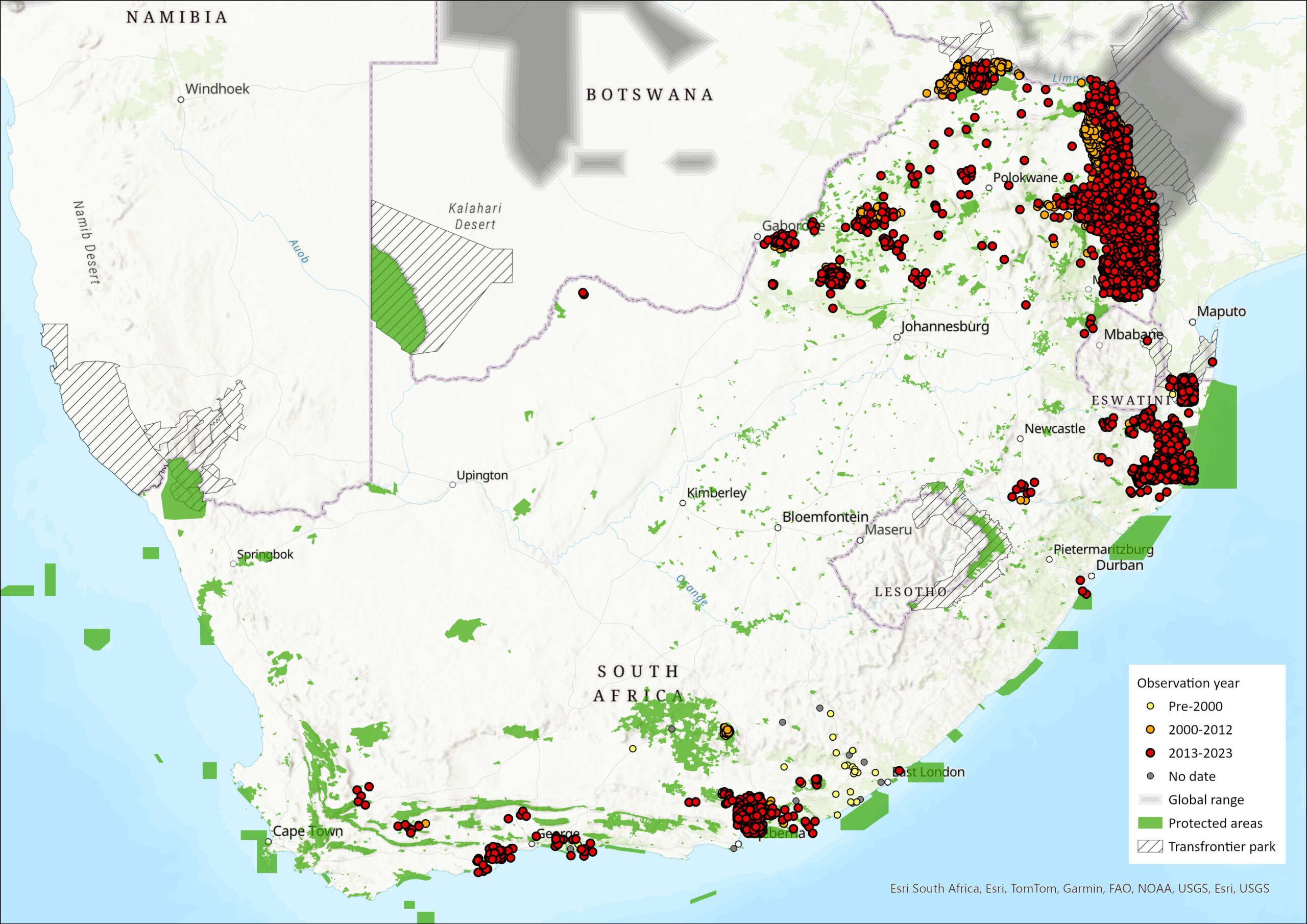
Figure 1. Distribution records for African Savanna Elephant (Loxodonta africana) within the assessment region (South Africa, Eswatini and Lesotho). Note that distribution data is obtained from multiple sources and records have not all been individually verified.
Elevation / Depth / Depth Zones
Elevation Lower Limit (in metres above sea level): (Not specified)
Elevation Upper Limit (in metres above sea level): (Not specified)
Depth Lower Limit (in metres below sea level): (Not specified)
Depth Upper Limit (in metres below sea level): (Not specified)
Depth Zone: (Not specified)
Biogeographic Realms
Biogeographic Realm: Afrotropical
Occurrence
Countries of Occurrence
Large Marine Ecosystems (LME) Occurrence
Large Marine Ecosystems: (Not specified)
FAO Area Occurrence
FAO Marine Areas: (Not specified)
Climate change
Modelled and projected climate forecasts for southern Africa predict an increase in the frequency and intensity of extreme climate events, such as droughts, floods, and extreme temperatures (Engelbrecht et al 2015; Clarke et al. 2022). Elephants are tolerant of a relatively wide range of temperatures (Kinahan et al. 2007; Mole et al. 2016) but they need suitable habitat to regulate their body temperatures as they rely on evaporative cooling (Mole et al. 2018) such as access to sufficient surface water and shade. Drought conditions usually affect the juveniles more than adults (e.g., Dudley 2001; Moss 2001), or under conditions where the distance between water and food may increase (Young & van Aarde 2010). The direct and indirect consequences of changing weather patterns associated with a modelled changing climate remains unknown and uncertain. This is specifically important for the South African elephant population where space and opportunity for connectivity among protected are limited. One of the risks here is that there hasn’t been any form of scenario sketching to consider and evaluate the impact of climate change for elephants, in South Africa or across southern Africa.
Frequent and intense droughts could limit food and water availability which can lead to drought-related elephant mortality (Dejene et al. 2021). Elephant habitat may be impacted if there is an increase in temperature by 2050 (Mpakairi et al. 2020).
Population information
On the African continent, the total African elephant population for both the African savanna and African forest elephant are estimated at 415,428 (±95% C.I. 20,111) individuals (Thouless et al. 2016). There may however be an additional 117,127 to 135,384 elephants in areas not systematically surveyed. Holding over 70% of the estimated elephants in Africa (56% of estimated and guessed elephants) in 42% of the total range area for the species, southern Africa has by far the largest number of elephants in any of the four regions (Thouless et al. 2016). East Africa holds approximately 20% and Central Africa 6% of estimated elephant population (Thouless et al. 2016). In West Africa, less than 3% of the continent’s known elephants are spread out over the remaining 13 elephant range States. In the late 1970s, southern Africa’s elephant populations were recovering from historical lows due to overhunting in the early 20th century. That recovery has continued, and elephant numbers in this region are now considerably higher than they were in the late 1970s, and indeed higher than in any other African region. Within southern Africa, Botswana holds by far the largest population in the sub-region and on the continent, while Namibia, South Africa, Zambia and Zimbabwe also hold large elephant populations. While numbers appear to be increasing in Namibia and South Africa, the populations within Botswana, Zimbabwe and Zambia seem to be stable (Huang et al, 2024). The elephant population in Mozambique are presently being severely poached and are showing steep declines (Booth 2016, Thouless et al. 2016), and genetic analysis of elephants in Gorongosa National Park revealed that persistent and intense long-term poaching in Mozambique has led to higher frequencies of genes that generate a tuskless phenotype (Campbell-Staton et al. 2021).
South Africa holds more than 6% of the total African elephant population and has the third largest elephant population in southern Africa. The elephant population is fragmented, and property/reserve sizes vary from very small (one individual) to very large (such as the KNP; Scholes & Mennell 2008). Fences restrict movements in the majority of reserves in the assessment region (van Aarde et al. 2008); however, human-mediated translocations do occur infrequently. Areas not fully fenced include iSimangaliso Wetland Park, Ithala Game Reserve, Garden Route National Park (Knysna forest) in the Western Cape, the Greater Mapungubwe Transfrontier Conservation Area (GMTFCA), and KNP, of which the latter is linked to the GLTFCA.
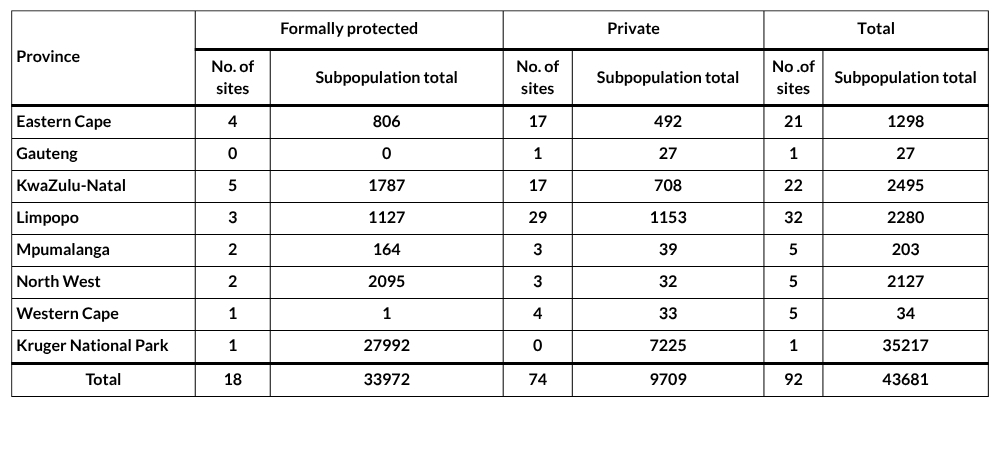
The total national wild population is estimated at approximately 43,681 elephants of which 33,972 elephants occur on state-owned land, and 9,709 elephants on privately or communal owned land (Table 1)(SANBI, 2024) of which 16,599 are estimated to be mature based on a 38% mature herd structure (Owen-Smith 1988). The largest subpopulation currently is that of KNP (30,176 animals) (end of 2024) (Ferreira et al. 2024) and the adjoining agglomeration of reserves to the west of the KNP (7,225 animals) with a total population estimate of 37,401 elephants (14,212 mature individuals). Currently, approximately 73% of the properties in South Africa have fewer than 100 elephants (SANBI, 2024), occurring on small and medium-sized fenced properties which are managed to prevent habitat degradation (Slotow et al. 2005; Cook et al. 2023; Delsink et al. 2023). Metapopulation management is not implemented among small and medium-sized reserves, but is important for retaining the genetic diversity within the national population. Metapopulation guidelines for the management of elephants in South Africa is currently being developed. Note that metapopulation dynamics are ecological processes and not a genetic construct. Metapopulation dynamics, however, will result in robust genetic outcomes across the metapopulation.
Table 1: Summary of population size estimates for African Elephant (Loxodonta africana)
Between 1991 and 2021, the national elephant population trend was strongly driven by the population trend in KNP. With KNP included, the national elephant population grew at 5.5% per annum (1991-2020; doubling every 13 years) (Kuiper et al. In prep). From 2020 to 2024 three surveys in KNP reported confidence intervals ranging from 26,401 to 33,198 indicating a fluctuating population of ~30,000 (Sam Ferreira, Pers. Comm.). This is most likely a consequence of responses of elephants to ecological conditions and not because of illegal harvesting. While the growth rate may vary between properties with elephant, by far elephant numbers are increasing on most properties/reserves in South Africa. A recent study indicated that out of the 39 elephant properties assessed in South Africa none of the properties harboured a decreasing elephant population (Olivier et al. 2020). Populations were either increasing or no significant trend could be detected. Twenty-five out of the 39 properties (64%) increased significantly. Most populations increased linearly. The linear model provided the best fit for 17 out of 39 (44%) properties and indicate that elephants are increasing consistently every year (Olivier et al., 2020). The logistic model provided the best fit for six populations (15%) which suggest that these populations may be stabilising with their growth rates decreasing (although the overall trend is still increasing). In the South African context this is likely because a management intervention such as contraception or translocation has been implemented. Two properties increased exponentially (Olivier et al. 2022). Thus overall, the national elephant population of South Africa has been consistently increasing over the past 30 years (Olivier et al. 2020; Kuiper et al. In prep.).
The estimated annual population growth rate, particularly for small properties in South Africa, exceeds the maximum theoretical growth rate of 7% (Calef 1988; van Aarde et al. 2008). Annual growth rates for South African herds range from -0.6 to 25.5% per year, where, of the 29 estimates of annual population growth rates in South Africa, only two were negative and 16 were higher than 7% per annum (van Aarde et al. 2008). Synchronised breeding, skewed age structures, and an unstable age structure can cause high, short-term spurts in annual population growth rates which are unlikely to persist in the longer term (van Aarde et al. 2008). Elephant numbers in South Africa increased by approximately 26.8% between 2002 (14,071 elephants) and 2006 (17,847 elephants). Between 2006 and 2015 the South Africa’s elephant population increased by approximate 41%. The average annual growth rate for the South African elephant population is estimated at 6.9% for the period 2001 to 2013 (ESAG 2015) despite the KNP annual growth rate having dropped to 3.5% between 2006 and 2012. At the time when culling stopped in the mid-1990s, the annual growth rate for KNP was estimated at 6.1% (Ferreira et al. 2012), but new survey data suggest annual change has centred on zero. Elephant subpopulations on private land have been increasing at 7.2% per annum (ESAG 2015). The elephant subpopulation of GMTFCA is increasing at < 2% per annum (Selier et al. 2014).
The total elephant population of Eswatini is small, with only two properties totalling approximately 42 elephants (Thouless et al. 2016). These properties are fully fenced and managed although they have proved permeable to elephants coming from the KNP (Henley et al. 2023). Elephants within Malolotja National Park are most likely individuals crossing over from Songimvelo Nature Reserve in South Africa. In December 2023, approximately 60 elephants were counted in the Royal Jozini Reserve, Eswatini, originating from Pongola Private Nature Reserve in South Africa.
Population genetics
Historically, African savanna elephants were thought to exist as a continuous population across all of South Africa; however, due to intensive hunting in the 1890s, elephants were reduced to three or four locations (Carruthers et al. 2008), which likely impacted their population genetic structure (Whitehouse & Harley, 2001 & 2002; Whitehouse, 2002). Since then, elephants in South Africa have undergone a period of sustained growth due to the proclamation and fencing of national parks and reserves, and active management of the species through translocations, predominantly from Kruger National Park (KNP). Small and medium-sized reserves do not implement metapopulation management at present, but are important for retaining the genetic diversity within the national population. Metapopulation guidelines for the management of elephants in South Africa is currently being developed.
While no population genetic study has been undertaken across the full distributional range of the species, or even within the assessment region (needed to infer genetic population structure), localised studies have been conducted. One study examined the genetic diversity of elephants within the Addo Elephant National Park compared to KNP (Whitehouse and Harley 2002). Although elephants in Addo Elephant National Park are geospatially distinct/isolated from other elephant populations, the study by Whitehouse and Harley (2002) found that these elephants represent a genetic subset of the Kruger subpopulation; thereby indicating they are or could constitute a genetic reservoir to help bolster/safeguard genetic diversity, when needed. Another study specifically looked at the population genetic structure and diversity within the Greater Kruger Biosphere reserve – the area that holds the vast majority of elephants (~30 000 individuals). No genetic structure was detected, indicating that the biosphere reserve is comprised of a single panmictic population (Santos et al. 2019) with high gene flow across the region. These results are also supported by an international study that compared the genetic characteristics of KNP elephants to elephants from surrounding populations in adjacent countries; de Flamingh et al (2018) found high nuclear gene flow between KNP and adjacent sub/populations in bordering countries e.g., Botswana and Mozambique. Other mid-sized subpopulations that are geospatially distinct from Kruger, but for which connection through migration or movement between subpopulations have been observed, include e.g., subpopulations in Mapungubwe National Park and Tembe Elephant Park. Together, the preliminary studies of genetic variation and gene flow in the region point towards the majority of elephants in South Africa forming part of a larger population comprised of geospatially distinct but genetically connected subpopulations (except for the Knysna elephant population discussed below; Moolman et al, 2019a, 2019b). In effect, the regional population therefore represents a metapopulation comprised of subpopulations that exchange genetic material through migration or dispersal with reproduction (Waples, 2010). It is important to note that genetic variation in subpopulations other than KNP and Addo Elephant National Park, including geospatially explicit mid-sized populations (e.g., in Tembe Elephant Park/Lubombo TFCA) or small isolated managed populations, are yet to be quantified and should be prioritized as an avenue of future research.
With only a single living individual (Moolman et al. 2019a), the Knysna elephant population historically roamed throughout the Afromontane Forest on the south-eastern coastline of South Africa, with Pleistocene track sites showing that elephant populations were present across South Africa’s Cape south coast repeatedly and across extended timescales (Helm et al. 2022). Genetic characteristics based on partial mitochondrial DNA fragments (Essop et al. 1996) and limited nuclear genome analysis based on 9 microsatellites (Eggert et al. 2008) indicate that Knysna elephants have genome characteristics typical of African savanna elephants. Further, low-coverage genome-wide analysis of the single living individual showed that the genetic variation of this remaining Knysna elephant is similar to other South African elephants, although genome-wide data for comparison are limited (de Flamingh et al. 2023). Since this population comprises a single living individual that is thought to be beyond a typical reproductive age for African savanna elephants, any distinct genetic characteristics that this individual has will not be passed to the next generation and the population is therefore considered unviable with an effective population size (Ne) = 0.
In savanna elephants, male-male competition is considerable, with older, larger males attaining higher reproductive success compared to younger, smaller males (Slotow et al. 2000; Hollister-Smith et al. 2007; Rasmussen et al. 2008). As many males fail to reproduce, their genetic contributions are not passed on to subsequent generations, resulting in a reduction of genetic diversity and an effective population size smaller than the census size (Roca, 2019). This discrepancy between effective population size and census size must be considered when interpreting population genetic data and assessing population size. Point estimates of contemporary effective population size (Ne) for the largest population in the region, the Greater Kruger National Park, were between 500–700 (Santos et al. 2019). This value is indicative of a population that is not considered “at risk” of rapidly losing genetic diversity, becoming inbred, and/or starting to lose ability to adapt to environmental change. Further, the KNP population also has a census size (Nc) above 5000 (KNP census size fluctuates ~30 000), indicating that the regional population has a census size larger than Nc threshold below which the population would be considered at risk.
Habitats and ecology
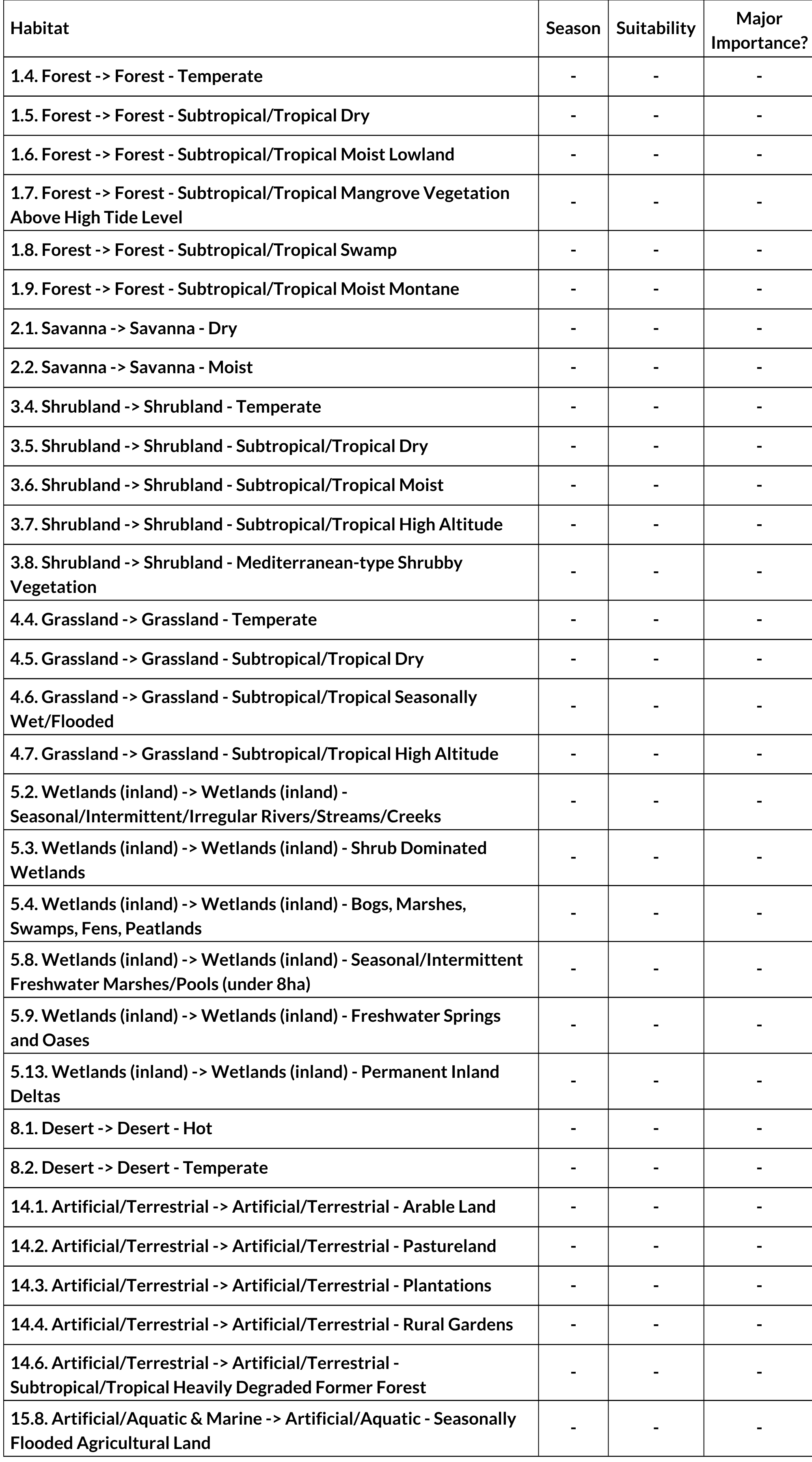
Elephants are megaherbivores (Owen-Smith 1988). They are generalists that can use a variety of food resources (van Aarde et al. 2008). Within South Africa, elephants occur in most habitat types, such as the bushveld regions of the Lowveld and Zululand (KwaZulu-Natal), as well as Eastern Cape thicket habitats extending into the southern Cape forests. Major river systems have been shown to be important for elephant distribution (Whyte 2001; Gaylard et al. 2003; Smit et al. 2007; Smit & Ferreira 2010), and thus there is some dependence on these riparian habitats. Much research has documented their preference for riverine habitats (Viljoen 1987; Smit et al. 2007; Ihwagi et al. 2010) and they concentrate in areas where surface water is available (Chamaillé-Jammes et al. 2007; De Knegt et al. 2011). Tampering with the distribution of water through the construction of dams and waterholes will therefore alter the ranging behaviour of elephants (Grainger et al. 2005).
Elephants have been translocated across several provinces within South Africa, and now occur in habitat types that may not have formed part of their natural distribution range in the past (Ebedes et al. 1995; Carruthers et al. 2008; Boshoff et al. 2016). At present, elephants occur in nearly all habitat types within South Africa, but historically were not found year-round in certain habitats, such as the Karoo. Elephants may cause habitat transformation in areas where they occur in high densities or where they did not naturally occur (Kerley et al. 2008). However, elephant impact (both negative and positive) occurs independently of elephant density, duration of impact, or the prevailing rainfall regime, with insular populations having a higher negative impact on biodiversity than connected elephant populations (Guldemond & van Aarde 2008; Kalwij et al. 2010; Guldemond et al. 2017). Due to the combined effect of fire, increased elephant densities and climate change, vegetation changes such as bush encroachment and tall tree loss is being observed in some areas (Cook et al. 2017, Henley & Cook 2019, Cook et al 2023).
Within South Africa there has been an increase in the number of private game reserves, as well as land expansion programmes by provincial and national conservation bodies. High numbers of restricting fences and intense resource management (for example, artificial water points), have prevented elephants from dispersing across most South African properties and all Eswatini sites (Scholes & Mennell 2008; Vanak et al. 2010). This in turn has had effects on natural population control mechanisms. Additionally, elephants in South Africa have relatively small home ranges compared to those of elephants throughout the rest of the region. In dry areas such as the far western parts of South Africa, where rainfall is relatively low, elephants tend to have larger home ranges than in wetter areas to the east (van Aarde et al. 2008, Huang et al. 2023). In KNP, a seven-year movement study including 36 adult elephant cows revealed that elephant clans (cow/calf groups) occupy home ranges to which they are faithful, and they do not undertake seasonal “migrations” (Whyte 2001, Henley et al. 2023, Chui et al. 2024). Elephants tend to concentrate around permanent rivers or other permanent water sources during the dry season and disperse once the rains commence and surface water becomes available elsewhere. However, such dispersal appears to remain mostly within their home ranges. Adult bulls are generally fairly sedentary within bull areas, but they do disperse quite widely during musth periods. In some areas, elephants have been able to expand their home ranges as fences have been removed (Druce et al. 2008). The establishment of TFCAs has meant that some elephants may now move across international boundaries (Selier et al. 2014; Cook et al. 2015; Henley et al. 2023), but these should still be considered normal within home range movements and not migrations.
Elephants are capable of occupying diverse habitats because they are physiologically adapted to do so and because their close-knit social structures create platforms for continued learning and adaptation. They can engage in effective tool-use (Hart et al. 2001) and have passed the mirror self-recognition test as have apes and dolphins (Plotnik et al. 2006). Elephants’ brains have a relatively large hippocampus compared to primates which may explain their long social and chemical memories (Hakeem et al. 2005). Consequently, they can keep track spatially of where other individuals are relative to themselves (Bates et al. 2008), and it has even been shown that elephants can classify subgroups of humans that pose different degrees of danger (Bates et al. 2007). Elephants are known to exhibit concern for deceased individuals or to help conspecifics in distress (Douglas-Hamilton et al. 2006). Research has shown that they show higher levels of interest in elephant skulls and ivory than in other natural objects (McComb et al. 2006). We now know that the oldest individuals in a group have enhanced social discrimination and consequently function as important repositories of social knowledge (McComb et al. 2001). Gradually it has become permissible to talk about elephant cognition and the empathy of elephants (Byrne et al. 2008).
Ecosystem and cultural services: Elephants are a keystone species which means that their interactions with other species generate effects that are large relative to their abundance (Carignan & Villard 2002; Guldemond et al. 2017). The African elephant, specifically, is an ecosystem architect and gardener without parallel (Kerley et al. 2008). The breaking of trees creates microhabitats for seedlings and small vertebrates and invertebrates. Their dung is a food source for dung beetles and a variety of birds and a dispersal mechanism for many tree species (Bunney et al. 2017). Even species such as the ground hornbill (Bucorvus leadbeateri) and the Pearl-spotted owlet (Glaucidium perlatum) rely on elephants to create nesting sites in hollows of old dead trees. In the winter months, elephants dig holes in the dry riverbeds to access water, which is then available to all other water-dependent species. Their big feet create pathways through the thickets for other smaller species to follow and even for humans when hiking through the African bush. Through their feeding habits they make browse available for other browsers, maintain structure in savannahs by reducing the tree to grass ratio and create nutrient rich microclimates underneath dead trees (Fritz 2017). Overall, their effect is to increase biodiversity, from mites to mammals.
Elephant effects are, however, not only a function of local factors but regional climatic factors play a role in either amplifying or reducing their effects. In South Africa, elephants had negative and positive effects on environmental heterogeneity in protected areas, which were amplified by rainfall (Olivier et al. In prep). Areas that have a high density of elephants and experience several years of below-average rainfall may be most vulnerable to negative elephant impacts.
The elephant is also an umbrella species in that it requires large areas of suitable habitat to maintain viable populations and its requirements for persistence are believed to encapsulate those of an array of associated species (Carignan & Villard 2002, Fritz 2017). Elephants have vast home ranges and require large intact areas to maintain their populations (Henley et al. 2023). By creating areas in which we protect elephants, we ultimately protect many other species that share their habitat with elephants.
And lastly the elephant is a flagship species. These are species that can easily attract public support for conservation, and we can piggy-back many of our conservation efforts on the back of elephant conservation, especially for those species less likely to attract the public’s eye (Carignan & Villard 2002). Elephants share many attributes with humans such as their consciousness, their extraordinary communication, good memory, similar lifespan, strong sense of family, their ability to plan into the future and their awareness of death. They raise emotions and topics surrounding bioethics and animal rights to a greater degree than most other creatures (Scholes & Mennell 2008).
Literature on elephants has not only focused on their ecological importance but has placed elephants within various human and cultural views. Hence our attitude towards elephants has ranged from hostile to sympathetic and from economic to ethical over the past 150 years (Carruthers 2010). The importance of ivory has made elephants part of our history for centuries. The Tso Chwan of 548 BC had already remarked that elephants have tusks which lead to the destruction of their bodies as their tusks are seen as gifts. Ancient Egyptians were thought to use ivory as early as 6000 BC. An analysis of 16th century ivory found on a Portuguese shipwreck that sank off of the coast of southern Africa (Oranjemund) contained more than 100 elephant tusks and showed that elephant ivory trade formed a critical part of the formative stages of maritime trade (de Flamingh et al. 2021). In our present time, elephants are still being slaughtered for their ivory (Wittemyer et al. 2014, Chase et al. 2016), which has particular cultural value either as objects of prestige in the form of carved statues, family seals or religious artifacts. Live elephants have played pivotal roles as work horses in the timber industry and as modes of transport, as instruments of warfare, as guardians of temples, as objects of sport during trophy hunting or simply as sources of protein when hunted for consumption. Overall, elephants provide multiple benefits to people and nature (Van de Water et al. 2022). With such a diverse array of cultural services, they can be regarded as cultural emissaries of mankind.
IUCN Habitats Classification Scheme
Life History
Generation Length: 24 years (Wittemyer et al. 2013)
Age at maturity: female or unspecified: 11-14 years (Ferreira & van Aarde 2008; Guldemond et al. 2022)
Age at Maturity: Male: 15-18 years
Size at Maturity (in cms): Female: 250 – 280 cm at the shoulder
Size at Maturity (in cms): Male: 320 – 400 cm at the shoulder
Longevity: 50 – 60 years in the reference age classes go to 70+ due to errors in earlier publications for age estimates (Lee, et al., 2012).
Average Reproductive Age: 48-56 years
Maximum Size (in cms): (Not specified)
Size at Birth (in cms): Shoulder height – 85 – 100 cm
Gestation Time: 22 months
Reproductive Periodicity: The calving intervals of elephant cows across Africa range from 1.8 – 13.5 years (van Aarde et al. 2008), but within South Africa elephant cows calf on average every 4.2 years (median = 3.8, SD = 1.8; n = 22) (van Aarde et al. 2008)
Average Annual Fecundity or Litter Size: Based on a mean calving interval of 4 years will be 0.125 (Ferreira & van Aarde 2008; Guldemond et al. 2022)
Natural Mortality: (Not specified)
Breeding Strategy
Does the species lay eggs? No
Does the species exhibit parthenogenesis? No
Does the species have a free-living larval stage? No
Does the species require water fro breeding? No
Movement Patterns
Movement Patterns: Full Migrant
Congregatory: (Not specified)
Systems
System: Terrestrial
General Use and Trade Information
In South Africa elephants are utilised legally for photographic tourism, hunting, recreation (e.g. captive populations) and as a protein source, in accordance with the sustainable use policy of the environment prescribed by the National Environmental Management: Biodiversity Act 10 of 2004 (NEMBA). Since 2008 elephants have been managed in accordance with the National Norms and Standards for the Management of Elephants in South Africa (Government Gazette No. 30833, 29 February 2008). Trade can be described as commercial at local, regional, national and international scales. Photographic tourism remains the predominant form of utilisation within the assessment region. Trophy hunting is limited, and it is unlikely to have a deleterious effect on the population whereas intense hunting and uncontrolled illegal killings are known to lead to a decrease of phenotypic traits such as tusk size (Campbell-Staton et al. 2021).
Under CITES, South Africa determined an export quota of 150 elephants (equating to 300 tusks) annually as hunting trophies. For the period 2010 – 2022 an average of 74 hunting trophies (less than 0.2% of the total population) have been exported from South Africa annually according to the CITES trade database (UNEP World Conservation Monitoring Centre, Cambridge, UK). Since 2018, the number of trophies exported have significantly declined. Between 2010 and 2017, on average 96 trophies were exported per annum, while since 2018 only 39 trophies have been exported per annum. Approximately 132 elephants have been exported from South Africa between 2010 and 2022 mainly for reintroduction purposes.
Local trade involves mainly exchanges between properties through translocations but is limited. Between 2010 and 2020 approximately 171 elephants have been translocated between properties within South Africa. Human elephant conflict incidences in general are low across the elephant range in South Africa, mainly because the majority of properties keeping elephants are fenced. Human elephant conflict incidents are however reported along the northern and eastern borders of South Africa where the three transboundary subpopulations occur, as well as along the KwaZulu-Natal boundary with Mozambique where elephants regularly enter South Africa into Tembe Elephant Park. Between 2010 and 2020 approximately 452 elephants were killed as damage-causing animals (DCAs) across all provinces, averaging approximately 45 elephants per annum. These offtakes occur mainly along the Limpopo River and within the GLTFCA.
The Eswatini elephant population is included in Appendix I of the Convention on International Trade in Endangered Species of Wild Fauna and Flora (CITES), while the South African population has been listed on Appendix II since 2000. A trade ban on the international commercial trade in ivory was implemented in 1989. However, South Africa and three other southern African countries were allowed a once-off sale of stock-piled ivory in 2007 (van Aarde & Ferreira 2009). There are approximately 88 elephants in captivity (Brett Mitchell, pers. comms.).
Click to view/enlarge

National Commercial Value: Yes
International Commercial Value: Yes
End Use: (Not specified)
Is there harvest from captive/cultivated sources of this species? Yes
Harvest Trend Comments: Very low number of elephants in captivity (approx. 88) and primarily for ecotourism purposes. The removal of wild elephants for captive purposes are prohibited according to the National Norms and Standards for Elephants in South Africa.
Threats
Poaching and the illegal ivory trade are currently the major global threats to elephants. The loss and fragmentation of habitat caused by ongoing human population expansion and rapid land conversion is a current and ongoing threat to elephants within Africa. A specific manifestation of this trend is the reported increase in human-elephant conflict, which further aggravates the threat to elephant populations. According to the CITES, IUCN SSC African Specialist Group, TRAFFIC International (2013) report, the poaching rate of 7.4% in 2012 remains at an unsustainably high level as it exceeds natural population growth rates of usually no more than 5%. Central Africa consistently shows the highest overall poaching levels, in contrast with southern Africa which shows the lowest overall levels (CITES et al. 2013). Across Central Africa and in parts of East Africa a greater than 60% decline in elephant numbers in the past 10 years has been suggested (Maisels et al. 2013). Gobush et al. (2022) state that data collected as a part of the CITES Monitoring the Illegal Killing of Elephants program (MIKE), indicate that poaching significantly intensified across the continent starting in 2008 and peaking in 2011 – an unsustainably high level of poaching has continued into current times in some areas of the continent (CITES 2018, 2019), and may be increasing in some of the historically less-affected southern African populations (CITES 2018, 2019).
At present the major threat to the elephant population of South Africa is the number of small, fragmented populations that are mostly managed in isolation. Approximately 73% of all elephant populations in South Africa have less than 100 elephants and 21% of populations have less than 10 elephants. In addition, adequate fencing is a legislative requirement for the keeping of elephants in South Africa and was instated with the Game Theft Act 105 of 1991, also giving statutory ownership of wildlife on fenced properties. Fencing reduces the level of human elephant conflict but at the same time confines elephants to specific areas preventing natural dispersal and linkages between populations (Blackmore 2020). The fragmented landscape within which elephant populations exist as well as the number of small populations is likely to lead to inbreeding and reduced genetic diversity within these populations over time (Whitehouse & Harley, 2001. Santos et al. 2019). Traill, Bradshaw and Brook (2007) suggest that for most mammal species the mean viable population size is likely 4 169 individuals (95% CI = 3 577-5 129). Fortunately, elephants are long-living species, with genetic differentiation of populations taking a long time to occur (Lobora et al., 2018). This suggests that the effects of isolation on elephant populations will take time to manifest, allowing for the creation of elephant corridors, or to use other management approaches, to restore or mimic ecological processes.
Climate change can influence dynamics within small PAs and is a threat that should also be considered. PAs that are fenced (or have other barriers such as high-density human settlements) limit distributional changes that might otherwise be made by elephants in response to habitat/climate changes. Moreover, a reduction in rainfall, coupled with high elephant densities may lead to homogenization of habitats, that has implications for biodiversity and ecosystem processes (Olivier et al. In prep).
A possible future threat linked to small populations, is the age-related bottleneck created by continued and prolonged contraception of females on small properties. In some cases, elephants on small properties are intensively managed (e.g. through contraception) to control population sizes. While there currently seem to be no long term effects on the behaviour and spatial range use of contracepted elephant populations (Delsink et al. 2013; Druce et al. 2013) the long-term effects of radical changes in social structure, for example the complete absence of calves in some herds for long periods has been acknowledged and addressed (Delsink et al. 2023, Van der Water et al. 2024). While contraception can control population growth, one of the tools to reduce population sizes, namely translocation, is currently limited due to a lack of suitable new areas or reserves to which elephants can be introduced. The manipulation of natural resources, such as the provision of artificial water supplies all year round, together with fencing, are concerns in larger subpopulations as these affect the movements of elephants and the intensity of resource use by elephants, potentially leading to habitat degradation. Habitat degradation in small, fenced reserves, in conjunction with severe droughts, may affect these small, fenced populations if elephants cannot be relocated in time. Within South Africa, only three elephant subpopulations can move naturally as fences restrict movements elsewhere.
Metapopulation management is not currently implemented among small and medium-sized properties but is important for attaining ecological functionality within the national population. Small family units translocated to various properties throughout the country with no metapopulation management plan in place could lead to inbreeding depression and a loss in genetic diversity (van Aarde et al. 2008). A national coordinated approach for the translocation of elephants from areas with excess elephants is also required. However, current policy instruments such as the National Norms and Standards for the Management of Elephants, limit the available management tools to effectively manage elephants and does not allow for the implementation of a metapopulation management framework, as according to the Elephant Norms and Standards no elephant may be translocated more than once.
At present illegal offtake of elephants is considered low in South Africa and amounts to <0.01% of South Africa’s total elephant population. Between 2000 and 2013 only four elephants were poached within South Africa. However, since 2015 a sudden increase in poaching has been observed reaching a peak in 2018 with 72 elephants poached in that year (DFFE). Since 2019 the number of elephants poached have however declined significantly to only 15 elephants poached in 2020 (DFFE) but increased again to 52 in 2023. The majority of poaching incidents occurred within KNP. Four elephants have been poached in the Pongola River outside Ithala Game Reserve (2 in 2018, 1 in 2019 and 1 in 2021). In addition, approximately 10 elephants were poached in Pongola Nature Reserve in 2023. At present there is a low risk that poaching will impact on the dynamics of the national elephant population. There is no evidence that trophy hunting of elephants in South Africa facilitates poaching or illegal trade due to the low volumes of tusks acquired through hunting. Illegal ivory can for instance not be laundered through the legal hunting system.
In addition to elephants in large, protected areas, including TFCAs and fenced reserves, in northern and eastern Limpopo, eastern Mpumalanga and northern KwaZulu-Natal there are also elephants roaming beyond protected areas. These elephants often come into conflict with humans, cause damage to property and pose a threat to human life.
Conservation
Since 2008, elephants in South Africa have been managed in accordance with the National Norms and Standards for the Management of Elephants in South Africa (Government Gazette No. 30833, 29 February 2008). The species is listed as protected in terms of section 56 of NEMBA, and various provincial ordinances and Acts provide further legislative protection. Permits are therefore required to undertake a variety of activities in relation to elephants (for example, hunting and other forms of direct use). Since the implementation of the National Norms and Standards for the Management of Elephants in South Africa, no wild elephants have been exported to captive facilities abroad.
The following agreements are in place within the assessment region:
- CITES: South Africa’s elephant population was downlisted to Appendix II in 2000, which means that, according to Article IV, elephants and derivatives can be exported if the CITES Scientific Authority of South Africa deems it non-detrimental to the long-term survival of the species. At present, ivory is listed as Appendix I and can only be exported as part of a hunting trophy but cannot be traded.
- SADC Protocol on Wildlife Conservation and Law Enforcement (1999). This protocol seeks to establish a framework for the conservation and sustainable use of wildlife resources in the SADC region.
- Southern Africa Regional Elephant Conservation and Management Strategy and the Addis Ababa Principles and Guidelines for the Sustainable Use of Biodiversity. The purpose of the strategy is to facilitate coordination, collaboration and communication in the management of elephant populations across the region so as to conserve elephants and expand their range within historical range, forming as contiguous a population as possible across southern Africa, and, in so doing, realising their full potential as a component of wildlife-based land use for the benefit of the region and its people.
- CITES African Elephant Action Plan, SC77 Inf. Doc 3.
The following legislation is in place within South Africa:
- Elephants are listed as protected in terms of section 56 of NEMBA, due to the international trade in the species and its high conservation value. All activities relating to the direct use of elephants (for example, translocation, hunting, selling, etc.) cannot be undertaken without a permit issued by the relevant Provincial Management Authority.
- The National Norms and Standards for the Management of Elephants: to ensure that elephants are managed in a way that safeguards their long-term survival within the ecosystems in which they occur or may occur in the future, to promote broader biodiversity and socio-economic goals that are socially, economically and ecologically sustainable, and to enable the achievement of specific management objectives of protected areas.
- Local management plans to effectively manage elephants.
- NDF assessment undertaken for the African elephant (Loxodonta africana) that demonstrates that international trade in live animals to appropriate and acceptable destinations and the export of hunting trophies poses a low and non-detrimental risk for the species in South Africa.
- South Africa is in the process of developing a National Elephant Heritage Strategy. The strategy has recently been published for public.
The following actions or interventions are needed:
- Establishment and effective management of transfrontier conservation areas, to allow for the freer movement of elephants (Druce et al. 2008, Henley et al. 2023). This includes the implementation of transboundary elephant management plans and the management of transboundary populations on a population level.
- The establishment and effective management of corridors between large game reserves within the assessment region (sensu Douglas-Hamilton et al. 2005; van Aarde & Jackson 2007; Jachowski et al. 2013; Perre et al. 2014; Selier et al. 2015, Henley et al. 2023). This includes developing wildlife corridors between private reserves and/or provincial or national parks to allow for movements and gene flow (de Flamingh et al 2024).
- Revise the National Norms and Standards for the Management of Elephants in South Africa to be more in line with the latest scientific thinking, better address current management challenges and allow for the implementation of metapopulation principles in the management of elephants in South Africa.
- Develop a metapopulation management framework for elephants in South Africa to ensure the long-term resilience of the national population. This includes developing a habitat sensitivity map of ecosystems/habitats in which the reintroduction of elephants would be detrimental.
- The updating of policies in South Africa to effectively accommodate corridors across borders (Dalziel & Evans 2024).
- Integrating a ‘One Well-being’ evaluation and approach to the conservation of elephants in South Africa (Van der Water et al. 2024).
Recommendations for land managers and practitioners:
- Effective community consultation and participation is necessary in corridors and reserves to decrease poaching rates and to uplift local economies.
- More effective implementation of the National Norms and Standards for the Management of Elephants in South Africa, including the implementation of management plans on both state-owned and private land.
- Participation in a metapopulation management framework for elephants in South Africa to ensure the long-term resilience of the national population.
- The species would not benefit from captive breeding programmes. Instead, promote corridors and linkages to increase areas available for elephant movement.
Research priorities:
- Population genomic study across the range of the African elephant to better infer population genetic structure to evaluate genetic consequences of metapopulation management.
- The long-term effects of contraception on elephant social structure, demographic profiles, and behaviour.
- Collating poaching incidents throughout neighbouring countries (illegal shooting and poisoning in Mozambique and Zimbabwe specifically) to follow trends and ensure that such incidences can be curbed by stricter legislation or preventative measures such as fencing sections for stricter control of human exploitation.
- Similarly, investigating the effects of rhinoceros poaching and the associated increased human presence due to poachers and security measures, on the behaviour and stress levels of elephants in areas within South Africa where the species coexist, could help to plan reintroductions and translocations.
- Understanding the importance of ‘Damage Causing Animals’ or ‘Escaped or Roaming Animals’ as corridor establishers, dispersers and/or economic burdens or gains in areas where they are found.
- Continue research on the effects of closures of water points on both vegetation and the dynamics of the affected elephant subpopulations.
- Long-term monitoring of the accumulated impact of elephants on individual trees in relation to climatic changes (Cook et al. 2023) and in conjunction with the survival rate of seedlings over time.
- Developing innovative ways to influence the intensity of use of elephants in ecological sensitive areas as well as localities of damages caused by elephants to human property and life.
Encouraged citizen actions:
- Citizens can report any suspect activities in our protected areas as well as report all mortalities.
- Landowners should create conservancies and corridors for this species and engage local communities to create sustainable, wildlife-based rural economies.
- Report sightings of free-roaming herds outside protected areas on virtual museum databases (for example, iNaturalist and MammalMAP), especially sightings of large-tusked individuals.
- Report sightings of large tree-nesting birds within reserves for monitoring the effects of elephants.
Bibliography
Bates, L.A., Sayialel, K.N., Njiraini, N.W., Moss, C.J., Poole, J.H. and Byrne, R.W. 2007. Elephants classify human ethnic groups by odor and garment color. Current Biology 17: 1938-1942.
Bates, L.A., Sayialel, K.N., Njiraini, N.W., Poole, J.H., Moss, C.J. and Byrne, R.W. 2008. African elephants have expectations about the locations of out-of-sight family members. Biology Letters 4: 34-36.
Bennett, E.L. 2014. Legal ivory trade in a corrupt world and its impact on African elephant populations. Conservation Biology 29: 54–60.
Blackmore, A. 2020. Climate change and the ownership of game: A concern for fenced wildlife areas. koedoe, 62(1), 1-5.
Blanc, J.J., Barnes, R.F.W., Craig, G.C., Dublin, H.T., Thouless, C.R., Douglas-Hamilton, I. and Hart, J.A. 2007. African Elephant Status Report 2007: An update from the African Elephant Database. Occasional Paper of the IUCN Species Survival Commission No. 33. IUCN, Gland, Switzerland.
Booth, V.R. and Dunham, K.M. 2016. Elephant poaching in Niassa Reserve, Mozambique: Population impact revealed by combined survey trends for live elephants and carcasses. Oryx 50, 94–103.
Boshoff, A.F., Landman, M. and Kerley, G. 2016. Filling the gaps on the maps: historical distribution patterns of some larger mammals in part of southern Africa. Transactions Royal Society of South Africa 70: 1-65.
Bunney, K., Bond, W. J. and Henley, M. 2017. Seed dispersal kernel of the largest surviving megaherbivore—the African savanna elephant. Biotropica, 49(3), 395-401.
Byrne, R., Lee, P.C., Njiraini, N., Poole, J.H., Sayialel, K., Sayialel, S., Bates, L.A. and Moss, C.J. 2008. Do elephants show empathy? Journal of Consciousness Studies 15: 204-225.
Campbell-Staton, S. C., Arnold, B. J., Gonçalves, D., Granli, P., Poole, J., Long, R. A. and Pringle, R. M. 2021. Ivory poaching and the rapid evolution of tusklessness in African elephants. Science, 374(6566), 483-487.
Chui, S. Y., Getz, W. M., Henley, M., Seidel, D. P., Keith, M., Parrini, F. and Karczmarski, L. 2024. Habitat use strategies of African elephants under different seasonal and ecological constraints. Wildlife Research, 51(9).
CITES, IUCN, TRAFFIC. 2013. Status of African elephant populations and levels of illegal killing and the illegal trade in ivory. Page 19. A report to the African Elephant Summit.
Calef, G.W. 1988. Maximum rate of increase in the African elephant. African Journal of Ecology 26: 323-327.
Carignan, V. and Villard, M-A. 2002. Selecting indicator species to monitor ecological integrity: a review. Environmental Monitoring and Assessment 78: 45-61.
Carruthers, J., Boshoff, A., Slotow, R., Biggs, H.C., Avery, G. and Matthews, W. 2008. The elephant in South Africa: History and distribution. In: Scholes RJ, Mennell KG (ed.), Elephant Management: A Scientific Assessment for South Africa., pp. 23-83. Wits University Press, Johannesburg, South Africa.
Carruthers, J. 2010. Romance, reverence, research, rights: Writing about elephant hunting and management in southern Africa, c. 1830s to 2008. Koedoe 52: 1-6.
Chamaillé-Jammes, S., Valeix, M. and Fritz, H. 2007. Managing heterogeneity in elephant distribution: interactions between elephant population density and surface-water availability. Journal of Applied Ecology 44: 625-633.
Chase, M. J., Schlossberg, S., Griffin, C. R., Bouché, P. J., Djene, S. W., Elkan, P. W., … and Sutcliffe, R. 2016. Continent-wide survey reveals massive decline in African savannah elephants. PeerJ, 4, e2354.
Cook, R. 2014. Changes in African elephant (Loxodonta africana) movement patterns at various distances from villages. B.Sc. (Hons) Thesis. University of the Witwatersrand, Johannesburg, South Africa.
Cook, R.M., Witkowski, E.T.F., Helm, C.V., Henley, M.D., and Parrini, F. 2017. Recent exposure to African elephants after a century of exclusion: Rapid accumulation of marula tree impact and mortality, and poor regeneration. Forest Ecology and Management, 401, 107-116.
Cook, R.M. and Henley, M.D. 2019. The management dilemma: Removing elephants to save large trees. Koedoe: African Protected Area Conservation and Science, 61(1), 1-12.
Cook, R.M., Witkowski, E.T. and Henley, M.D. 2023. Survival trends (2008–2020) of three tree species in response to elephant impact, environmental variation, and stem wire-netting protection in an African savanna. Forest Ecology and Management, 545, 121220.
Dalziel, A. B. and Evans, M. 2024. Conservation corridors and ecological networks in South Africa: shortcomings of environmental legislation and policies. South African Geographical Journal, 106(1), 1-20.
De Flamingh, A., Roca, A.L. and Van Aarde, R.J. 2018. Origin and phylogeography of African savannah elephants (Loxodonta africana) in Kruger and nearby parks in southern Africa. Conservation genetics, 19(1), pp.155-167.
De Flamingh, A., Alexander, N., Perrin-Stowe, T.I., Donnelly, C., Guldemond, R.A., Schooley, R.L., Van Aarde, R.J. and Roca, A.L. 2024. Integrating habitat suitability modeling with gene flow improves delineation of landscape connections among African savanna elephants. Biodiversity and Conservation, 33(11), pp.3231-3252.
De Flamingh, A., Coutu, A., Sealy, J., Chirikure, S., Bastos, A.D., Libanda-Mubusisi, N.M., Malhi, R.S. and Roca, A.L. 2021. Sourcing elephant ivory from a sixteenth-century Portuguese shipwreck. Current Biology, 31(3), pp.621-628.
Dejene, S.W., Mpakairi, K.S., Kanagaraj, R., Wato, Y.A. and Mengistu, S. 2021. Modelling continental range shift of the African elephant (Loxodonta africana) under a changing climate and land cover: implications for future conservation of the species. African Zoology, 56(1), pp.25-34.
Delsink, A. K., van Altena, J. J., Schulman, M. L. and Bertschinger, H. J. 2023. Immunocontraception of the female African savanna elephant (Loxodonta africana) in South Africa: from pipe dream to policy. Wildlife Research, 51(1).
Douglas-Hamilton, I., Bhalla, S., Wittemyer, G. and Vollrath, F. 2006. Behavioural reactions of elephants towards a dying and deceased matriarch. Applied Animal Behaviour Science 100: 87-102.
Douglas-Hamilton, I., Krink, T. and Vollrath, F. 2005. Movements and corridors of African elephants in relation to protected areas. Naturwissenschaften 92: 158-163.
Douglas-Hamilton, I. 2009. The current elephant poaching trend. Pachyderm 45: 154-157.
Druce, H.C., Pretorius, K. and Slotow, R. 2008. The response of an elephant population to conservation area expansion: Phinda Private Game Reserve, South Africa. Biological Conservation 141: 3127-3138.
Eggert, L. S., Patterson, G. and Maldonado, J.E. 2008. The Knysna elephants: a population study conducted using faecal DNA. Afr J Ecol 46, 19–23.
Ebedes, H., Vernon, C. and Grundling, I. 1995. Past, present and future distribution of elephants in southern Africa. Department of Agricultural Development, Transvaal Region, Berg-en-Dal Camp, Kruger National Park.
ESAG. 2015. Elephant database. Elephant Specialist Advisory Group.
Ferreira, S., Pienaar, D., Freitag-Ronaldson, S. and Magome, H. 2012. An update on managing the effects of elephants in National Parks. South African National Parks, Skukuza, South Africa.
Fritz, H. 2017. Long-term field studies of elephants: understanding the ecology and conservation of a long-lived ecosystem engineer. Journal of Mammalogy, 98(3), 603-611.
Garaï, M.E., Slotow, R., Carr, R.D. and Reilly, B. 2004. Elephant reintroductions to small fenced reserves in South Africa. Pachyderm 37: 28-36.
Gaylard, A., Owen-Smith, N. and Redfern, J. 2003. Surface water availability: implications for heterogeneity and ecosystem processes. In: du Toit, J.T., Rogers, K.H. and Biggs, H.C. (ed.), The Kruger Experience: Ecology and Management of Savanna Heterogeneity, pp. 171-188. Island Press, Washington, USA.
Gobush, K.S., Edwards, C.T.T, Maisels, F., Wittemyer, G., Balfour, D. and Taylor, R.D. 2021. Loxodonta cyclotis (errata version published in 2021). The IUCN Red List of Threatened Species 2021: e.T181007989A204404464.
Gobush, K.S., Edwards, C.T.T, Balfour, D., Wittemyer, G., Maisels, F. and Taylor, R.D. 2022. Loxodonta africana (amended version of 2021 assessment). The IUCN Red List of Threatened Species 2022: e.T181008073A223031019. https://dx.doi.org/10.2305/IUCN.UK.2022-2.RLTS.T181008073A223031019.en
Grainger, M., Aarde, R. and Whyte, I. 2005. Landscape heterogeneity and the use of space by elephants in the Kruger National Park, South Africa. African Journal of Ecology 43: 369-375.
Hakeem, A.Y., Hof, P.R., Sherwood, C.C., Switzer, R.C., Rasmussen, L.E.L. and Allman, J.M. 2005. Brain of the African elephant (Loxodonta africana): neuroanatomy from magnetic resonance images. The Anatomical Record Part A: Discoveries in Molecular, Cellular, and Evolutionary Biology 287: 1117-1127.
Hart, B.L., Hart, L.A., McCoy, M. and Sarath, C.R. 2001. Cognitive behaviour in Asian elephants: use and modification of branches for fly switching. Animal Behaviour 62: 839-847.
Helm, C. W., Lockley, M. G., Moolman, L., Cawthra, H. C., De Vynck, J. C., Dixon, M. G., et al. 2022. Morphology of Pleistocene elephant tracks on South Africa’s Cape south coast and probable elephant trunk-drag impressions. Quat Res 105, 100–114.
Henley, M.D., Cook, R.M., Bedetti, A., Wilmot, J., Roode, A., Pereira, C.L., Almeida, J. and Alverca, A. 2023. A Phased Approach to Increase Human Tolerance in Elephant Corridors to Link Protected Areas in Southern Mozambique. Diversity 15 (85): 1-22.
Hollister-Smith, J.A., Western, D. and Moss, C.J. 2007. The influence of age and social dominance on reproductive success in male elephants. Behavioral Ecology and Sociobiology, 61(2), 201-206.
Huang, R.M., Maré, C., Guldemond, R.A., Pimm, S.L. and van Aarde, R.J. 2024. Protecting and connecting landscapes stabilizes populations of the Endangered savannah elephant. Science Advances, 10(1), p.eadk2896.
Huang, Y. H., Owen-Smith, N., Henley, M. D., Kilian, J. W., Kamath, P. L., Ochai, S. O., … & Turner, W. C. 2023. Variation in herbivore space use: comparing two savanna ecosystems with different anthrax outbreak patterns in southern Africa. Movement ecology, 11(1), 46.
IUCN SSC African Elephant Specialist Group. 2003. Statement on the Taxonomy of Extant Loxodonta.
Ihwagi, F.W., Vollrath, F., Chira, R.M., Douglas-Hamilton, I. and Kironchi, G. 2010. The impact of elephants, Loxodonta africana, on woody vegetation through selective debarking in Samburu and Buffalo Springs National Reserves, Kenya. African Journal of Ecology 48: 87-95.
Jachowski, D.S., Slotow, R. and Millspaugh, J.J. 2013. Corridor use and streaking behavior by African elephants in relation to physiological state. Biological Conservation 167: 276-282.
Kerley, G.I.H., Landman, M., Kruger, L., Owen-Smith, N., Balfour, D., de Boer, F.W., Gaylard, A., Lindsay, K. and Slotow, R. 2008. Effects of elephants on ecosystems and biodiversity. In: Scholes, R.J. and Mennell, K.G. (ed.), Elephant Management. A Scientific Assessment for South Africa, pp. 101-147. Wits University Press, Johannesburg, South Africa.
Lee, P. C., Sayialel, S., Lindsay, W. K. and Moss, C. J. 2012. African elephant age determination from teeth: validation from known individuals. African Journal of Ecology, 50(1), 9-20.
McComb, K., Baker, L. and Moss, C. 2006. African elephants show high levels of interest in the skulls and ivory of their own species. Biology Letters 2: 26-28.
McComb, K., Moss, C., Durant, S.M., Baker, L. and Sayialel, S. 2001. Matriarchs as repositories of social knowledge in African elephants. Science 292: 491-494.
Mpakairi, K.S., Ndaimani, H., Tagwireyi, P., Zvidzai, M. and Madiri, T.H. 2020. Futuristic climate change scenario predicts a shrinking habitat for the African elephant (Loxodonta africana): evidence from Hwange National Park, Zimbabwe. European journal of wildlife research, 66(1), p.1.
Nel, J.L., Roux, D.J., Maree, G., Kleynhans, C.J., Moolman, J., Reyers, B., Rouget, M. and Cowling, R.M. 2007. Rivers in peril inside and outside protected areas: a systematic approach to conservation assessment of river ecosystems. Diversity and Distributions 13: 341-352.
Olivier, P.I., Mole, M.A. and Purdon, A. 2020. The relationship between elephant densities on selected properties with elephants in South Africa. Project Deliverable Report Y1Q4. Prepared for the Department of Forestry Fisheries and the Environment (DFFE).
Olivier, P.I., Mole, M.A., Selier, J., Kruger, K. Mafuma, H., Muingi, A. and Purdon, A. 2025. Elephants and heterogeneity in protected areas: implications for conservation management. Biological Conservation, In prep.Owen-Smith, N. 1988. Megaherbivores: the Influence of Very Large Body Size on Ecology. Cambridge University Press, Cambridge, UK.
Perre, F., Adriaensen, F., Songorwa, A.N. and Leirs, H. 2014. Locating elephant corridors between Saadani National Park and the Wami-Mbiki Wildlife Management Area, Tanzania. African Journal of Ecology 52: 448-457.
Plotnik, J.M., De Waal, F.B. and Reiss, D. 2006. Self-recognition in an Asian elephant. Proceedings of the National Academy of Sciences 103: 17053-17057.
Rasmussen, H.B. and Schulte, B.A. 2008. Female mate choice and reproductive success in African elephants (Loxodonta africana). Animal Behaviour, 75(2), 557-566.
Roberts, D.L., Bateman, M.D., Murray-Wallace, C.V., Carr, A.S. and Holmes, P.J. 2008. Last interglacial fossil elephant trackways dated by OSL/AAR in coastal aeolianites, Still Bay, South Africa. Palaeogeography, Palaeoclimatology, Palaeoecology, 257(3), 261-279.
Roca, A.L. 2019. African elephant genetics: enigmas and anomalies.” Journal of genetics 98.3: 83.
Roca, A.L., Georgiadis, N. and O’Brien, S.J. 2005. Cytonuclear genomic dissociation in African elephant species. Nature Genetics 37: 96-100.
Roca, A.L., Georgiadis, N., Pecon-Slattery, J. and O’Brien, S.J. 2001. Genetic evidence for two species of elephant in Africa. Science 293: 1473-1477.
Santos, T.L., Fernandes, C., Henley, M.D., Dawson, D.A. and Mumby, H.S. 2019. Conservation genetic assessment of Savannah elephants (Loxodonta africana) in the Greater Kruger Biosphere, South Africa. Genes, 10(10), 779. doi: 10.3390/genes10100779
Scholes, R.J. and Mennell, K.G. 2008. Elephant Management: A Scientific Assessment for South Africa. Wits University Press, Johannesburg, South Africa.
Selier, J., Slotow, R. and Di Minin, E. 2015. Large mammal distribution in a transfrontier landscape: trade-offs between resource Availability and human disturbance. Biotropica 47: 389-397.
Selier, S.A.J., Page, B.R., Vanak, A.T. and Slotow, R. 2014. Sustainability of elephant hunting across international borders in southern Africa: A case study of the Greater Mapungubwe Transfrontier Conservation Area. The Journal of Wildlife Management 78: 122-132.
Selier, S.A.J., Slotow, R., Blackmore, A. and Trouwborst, A. In press. The legal challenges of transboundary wildlife management at the population level: The case of a trilateral elephant population in southern Africa. International Journal of Wildlife Law and Policy.
Selier, S.A.J. 2007. The social structure, distribution and demographic status of the African elephant population in the Central Limpopo River Valley of Botswana, Zimbabwe and South Africa. Centre for Wildlife Management. University of Pretoria, Pretoria, South Africa.
Slotow, R., Garaï, M.E., Reilly, B., Page, B. and Carr, R.D. 2005. Population dynamics of elephants re-introduced to small fenced reserves in South Africa. South African Journal of Wildlife Research 35: 23-32.
Slotow, R., Van Dyk, G., Poole, J. H. and Edy, D. 2000. Older bull elephants control young males. Nature, 408(6815), 425-426.
Smit, I.P. and Ferreira, S.M. 2010. Management intervention affects river-bound spatial dynamics of elephants. Biological Conservation 143: 2172-2181.
Smit, I.P.J., Grant, C.C. and Devereux, B.J. 2007. Do artificial waterholes influence the way herbivores use the landscape? Herbivore distribution patterns around rivers and artificial surface water sources in a large African savanna park. Biological Conservation 136: 85-99.
UNEP, CITES, IUCN, TRAFFIC. 2013. Elephants in the Dust – The African Elephant Crisis. A Rapid Response Assessment. United Nations Environment Programme, GRID-Arendal, Printed by Birkeland, Trykkeri AS, Norway.
van Aarde, R.J., Ferreira, S., Jackson, T., Page, B., De Beer, Y., Gough, K., Guldemond, R., Junker, J., Olivier, P. and Ott, T. 2008. Elephant population biology and ecology. In: Scholes, R.J. and Mennell, K.G. (ed.), Elephant Management: A Scientific Assessment for South Africa, pp. 84-145. Wits University Press, Johannesburg, South Africa.
van Aarde, R.J. and Ferreira, S.M. 2009. Elephant populations and CITES trade resolutions. Environmental Conservation 36: 8-10.
van Aarde, R.J. and Jackson, T.P. 2007. Megaparks for metapopulations: Addressing the causes of locally high elephant numbers in southern Africa. Biological Conservation 134: 289-297.
Vanak, A.T., Thaker, M. and Slotow, R. 2010. Do fences create an edge-effect on the movement patterns of a highly mobile mega-herbivore? Biological Conservation 143: 2631-2637.
van de Water, A., Henley, M., Bates, L. and Slotow, R. 2022. The value of elephants: A pluralist approach. Ecosystem Services, 58, 101488.
Van de Water, A., Garaï, M. E., Burnett, M. M., Henley, M. D., Di Minin, E., Streicher, J. P., … and Slotow, R. 2024. Integrating a “One Well-being” approach in elephant conservation: evaluating consequences of management interventions. Ecology and Society, 29(3), 15.
Viljoen, P.J. 1987. Status and past and present distribution of elephants in the Kaokoveld, South West Africa/Namibia. South African Journal of Zoology 22: 247-257.
Waples, R.S. 2010. Defining and estimating effective population size. In: Population Genetics: Principles and Applications to Conservation, Cambridge University Press.
Wentzel, I. and Hay, A. 2015. The welfare status of elephants in captivity in South Africa. Wildlife Protection Unit, NSPCA.
Whitehouse, A.M. and Harley, E.H. 2001. Post‐bottleneck genetic diversity of elephant populations in South Africa, revealed using microsatellite analysis. Molecular ecology, 10(9), pp.2139-2149.
Whitehouse, A.M. and Harley, E.H. 2002. Paternity in the Addo elephant population, South Africa. Is a single male monopolizing matings?. African Zoology, 37(2), pp.247-253.
Whitehouse, A.M. 2002. Tusklessness in the elephant population of the Addo Elephant National Park, South Africa. Journal of Zoology, 257(2), pp.249-254.
Wittemyer, G., Northrup, J. M., Blanc, J., Douglas-Hamilton, I., Omondi, P. and Burnham, K. P. 2014. Illegal killing for ivory drives global decline in African elephants. Proceedings of the National Academy of Sciences, 111(36), 13117-13121.
Whyte, I.J. 2001. Conservation Management of the Kruger National Park Elephant Population. PhD Thesis. University of Pretoria.
Wittemyer, G., Northrup, J.M., Blanc, J., Douglas-Hamilton, I., Omondi, P. and Burnham, K.P. 2014. Illegal killing for ivory drives global decline in African elephants. Proceedings of the National Academy of Sciences 111: 13117-13121.