HEAR THEM ROAR!
Belinda Glenn, EWT Marketing and Communications Manager
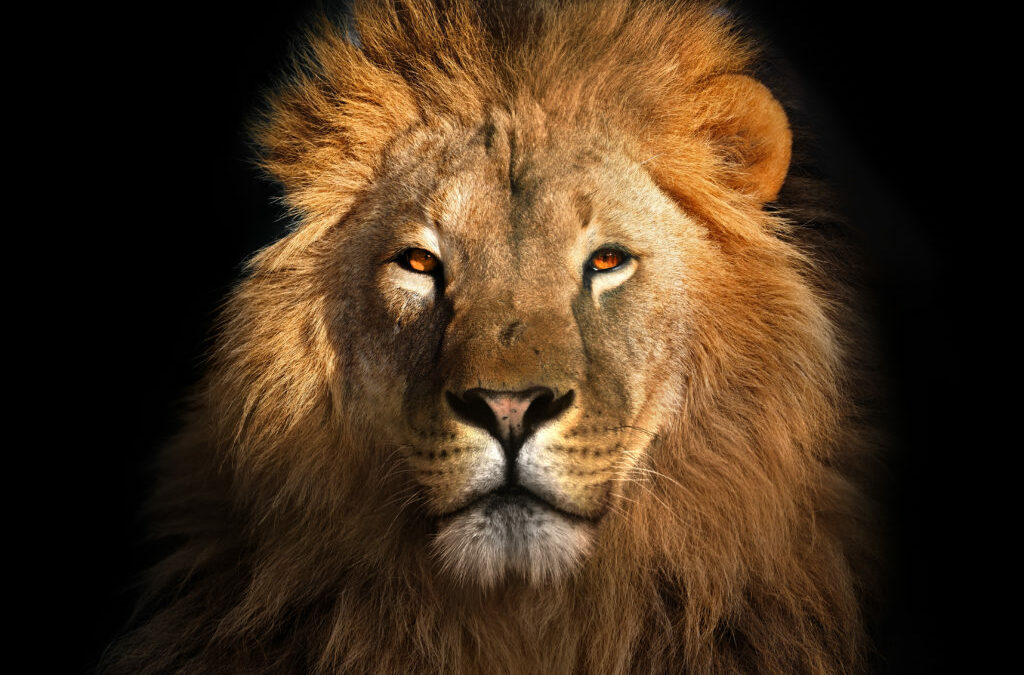
BelindaG@ewt.org.za World Lion Day is celebrated in August each year, and we’ve certainly had something to roar about in 2019.
On 6 August, the Pretoria High Court set aside the 2017 and 2018 lion bone quotas, stating that these were both unlawful and unconstitutional, and that due process was not followed in the setting of these quotas. This precedent-setting judgement has much broader implications beyond the lion bone trade, and could have a significant impact on the breeding, slaughter, and selling of parts of all captive wild animals.
The EWT has been vocal in its opposition to the lion bone trade, and the setting of these quotas, as the captive breeding of wild animals for their parts offers no demonstrated conservation value for the species. We do not support the commercial captive breeding of carnivores because it does not contribute to the sustainable, responsible use of our wildlife resources and, in some cases, may have negative impacts on the conservation of these species in the wild.
Instead, we support the conservation of wild and free ranging carnivores, including but not limited to lions, in their natural habitat, where they contribute to biodiversity conservation as keystone and flagship species. The EWT therefore welcomed this landmark judgement, and applauded the NSPCA and all other parties who have persisted in their efforts to secure this victory for lions.
Just a little later that same week, the EWT officially launched its lion conservation knowledge hub, the African Lion Database, with the exciting news that new records of these charismatic cats have been captured in locations where they were previously thought to have gone extinct.
The database is hosted by the EWT on behalf of the broader conservation community, under the auspices of the IUCN’s Cat Specialist Group, and will be used to compile, analyse, and store data on African Lion distribution, abundance, and population trends, and support the continuous assessment of the status of lions across the continent. This is significant because the more we know about a species the better we can protect it, by guiding conservation action and directing funding resources to where they are most needed.
This project has been collating existing data from reserve management, researchers, existing data platforms, and from governments for the last six months and already offers some exciting new insights into the distribution of lions in Africa. For example, the presence of a resident male lion in Nyika National Park, Malawi, was recently confirmed by Central African Wilderness Safaris. Months after the initial report, the EWT received photos to confirm his presence. Another exciting record comes from Angola, where a sighting of a male and female with their two cubs was recorded in Luando Special Reserve. These are the first female and cubs to be seen in more than a decade in this area and this new information offers hope that lions may be re-establishing a presence where they were thought to have disappeared. A recent Born Free expedition recorded a small pride of lions for the first time at Mpem and Djim National Park in southern Cameroon – again, in an area where lions were considered to be locally extinct. These records provide some hope that lion populations are beginning to establish and increase in areas where hope was lost.
This project is made possible with the financial support of the Lion Recovery Fund and National Geographic Society.
LATEST STORIES
Keep our lions where they belong, in the wild! Take the pledge to keep our lions #wildnfree and join the fight against keeping carnivores in captivity for petting, walking-with, photo-tourism, captive hunting and the trade in their body parts. There is no conservation requirement or recommendation for any captive breeding or keeping of carnivores in South Africa. Captive breeding does not address the key threats faced by carnivores in the wild, and captive bred lions have no role to play in reintroductions and restorations of wild lion populations. The proliferation of captive carnivore facilities in South Africa is primarily for commercial gain, and at significant cost to human safety and animal wellbeing.
A WORD FROM THE CEO
Yolan Friedmann, EWT CEO
yolanf@ewt.org.zaSocial media has been abuzz lately with posts that dramatically depict the horrors of Brazil’s flaming Amazon forests, with blazes reaching to the skies and smoke choking the horizon, darkening skies in cities like São Paulo nearly 1,500 miles away. On the upside, the environmental crisis facing our planet has become topical and for a while at least, humanity’s rampant destruction of the earth is absorbing some of our attention. On the downside, people all over the world are responding mostly with anger at the lack of political appetite to save our forests. And that’s all. It’s the downside because once again, we see how human beings deflect the blame and cannot accept that change can only come about with changing everything that we are doing that contributes to this destruction. Activism absolves us from having to change ourselves and vocal calls for “others” to fix the planet make eco-heroes of us all. Let’s consider the following:
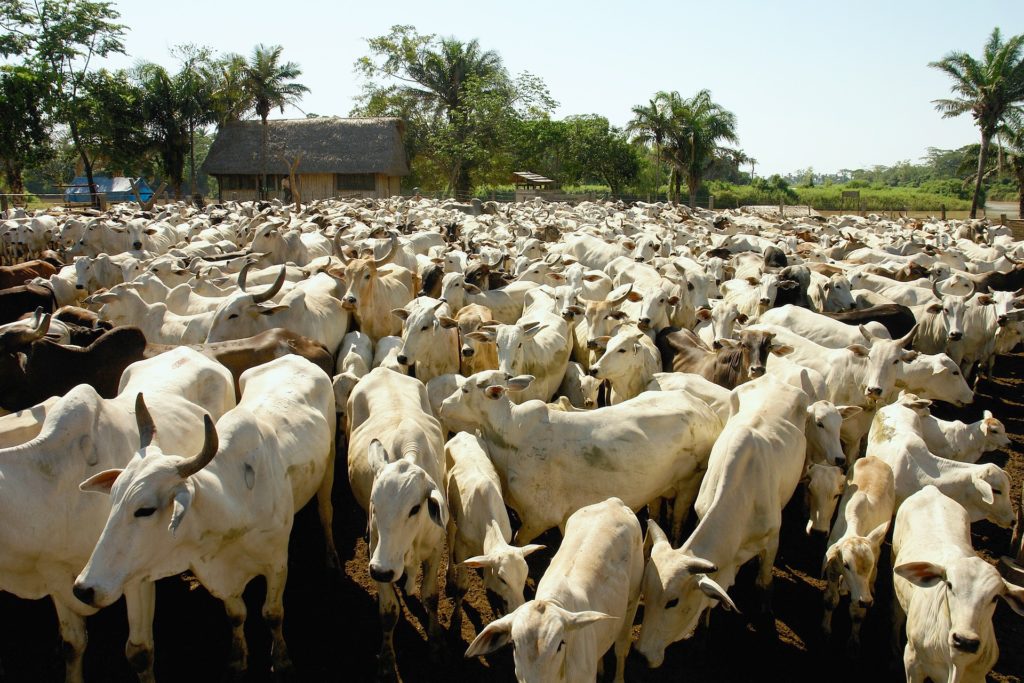
Brazil is home to the majority of the Amazon forest and whilst the forest has experienced fires for decades, the scale and number of wildfires this year is the highest ever recorded. Brazil’s National Institute for Space Research notes an 80% increase in forest fires with more than 72,000 being recorded between January and August 2019. With this being Brazil’s wet season, these fires have been directly attributed to increased human activity in the forests with the Guardian reporting a 300% increase in deforestation in July 2019 compared to July 2018. The primary cause of these wildfires is the ongoing deforestation of the Amazon over decades and with its rampant escalation in just the past year. It is estimated that more than three football fields of forest are being cleared every minute, to, mostly, make way for livestock ranching as well as soy and palm production, both commonly used for livestock feed. It is estimated that the livestock farming sector in the Brazilian Amazon is responsible for about 80% of all deforestation in the region, making it the world’s largest single driver of deforestation. But they are not alone in their guilt. The products of this industry find their way onto your dining room table in the form of pies, frozen meals and canned meat, and the by-products are linked to items manufactured by Nike, Adidas, Timberland and Clarks Shoes who, according to Greenpeace use leather linked to Amazon deforestation. And the consequences? In 2012 it was reported in Science that at least 38 species, including 10 mammal species, 20 bird species and eight amphibian species have gone extinct directly due to deforestation with more heading towards extinction unless forest clearing is not halted. There is no way of accounting for the true figure of reptiles, insects or plant life lost. And with more than 33% of the Amazon belonging to more than 3,344 indigenous groups, it is not ours to destroy and certainly not for our insatiable appetite for cheap meat.
Philip Lymbery, author of The Dead Zone – Where the Wild Things Were, sums it up: “few people are aware that their own daily food choices also have a huge impact on other wildlife thousands of miles away. Every time people choose intensively reared meat over pasture fed, organic or free-range they’re helping to fuel the destruction of forests and causing the loss of wildlife, such as the Sumatran elephant and the African penguin as well as wildlife closer to home such as hedgehogs and farmland birds. Factory farming is a major driver in the decline of the world’s wildlife and thereby ecosystem collapse, which is why to preserve the natural world and future food supplies governments globally need to act and act fast before it’s too late.”
Industrial-scale meat production has been mooted as an efficient way to feed billions of people but in fact, modern technological, monoculture agriculture has become the primary driver of habitat destruction, biodiversity loss and greenhouse gas production. This is largely due to the millions of hectares cleared annually to produce fodder for the over 1 billion (and increasing) heads of cattle that exist on this planet. The impact of vast numbers of industrially farmed animals is not more land available for wildlife, but in fact less, as these animals consume more grain produced globally than all the humans on earth combined. The UN estimates that there is already enough food produced on Earth to feed 16 billion people yet most of it goes to feeding farmed livestock, and with more than a quarter of that being wasted in the production process. The FAO of the United Nations reported as far back as 2006, that “the livestock sector … is one of the largest sources of greenhouse gases and one of the leading causal factors in the loss of biodiversity, while in developed and emerging countries it is perhaps the leading source of water pollution.” For a planet running out of fresh water, we cannot afford to pollute our water sources with nutrients (nitrogen and phosphorus from fertilisers and animal excreta), pesticides, sediment, organic matter, pathogens, metals and emerging pollutants (drug residues, hormones and feed additives) from livestock farms. With finite limits to the terrestrial surface of our planet, we cannot afford to dedicate 80% of agricultural land to livestock or feedcrop-production. For a forest running out of time, Brazil’s Amazon cannot survive with over 70 million heads of cattle living in it.
Livestock farming, along with the impacts of feedcrop production and farming waste, is estimated to produce more GHG than all the forms of transport on Earth and a 2017 study published by GRAIN, IATP and Heinrich Böll Foundation demonstrated that just “three meat companies – JBS, Cargill and Tyson – emitted more greenhouse gases last year than all of France and nearly as much as some of the biggest oil companies like Exxon, BP and Shell”. Should this trend continue, the industrial meat and dairy production sectors alone will undermine our ability to keep temperatures from rising despite changes in the transport and energy sectors. Our industrial scale livestock farming methods have not become more efficient, only more destructive.
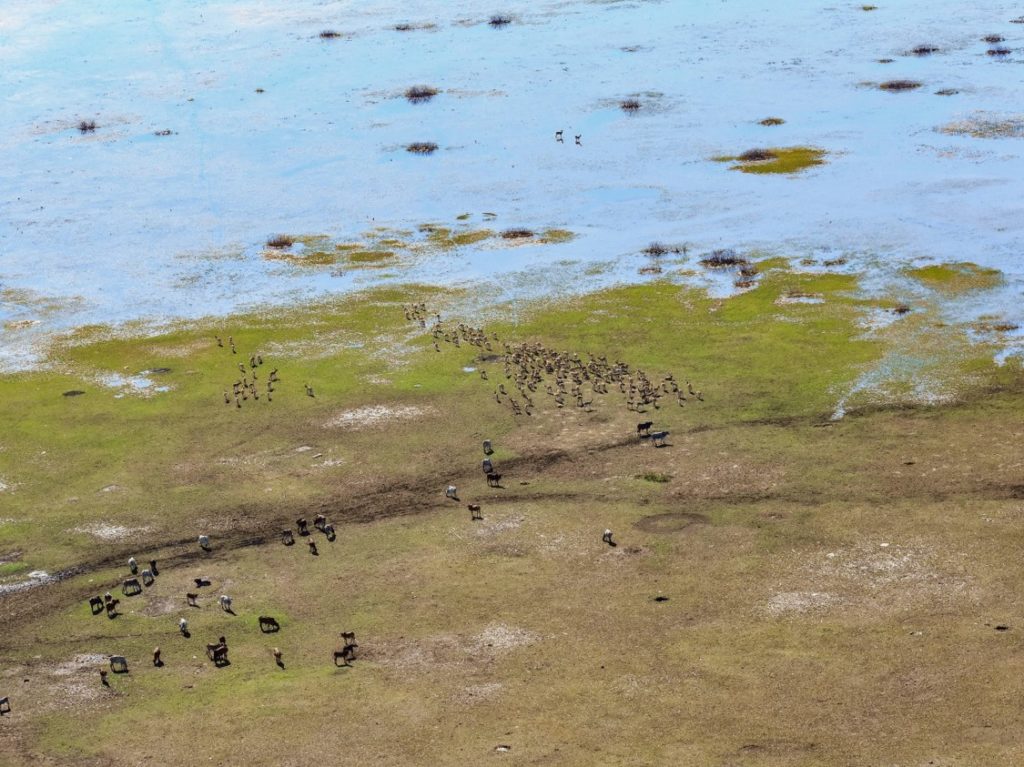
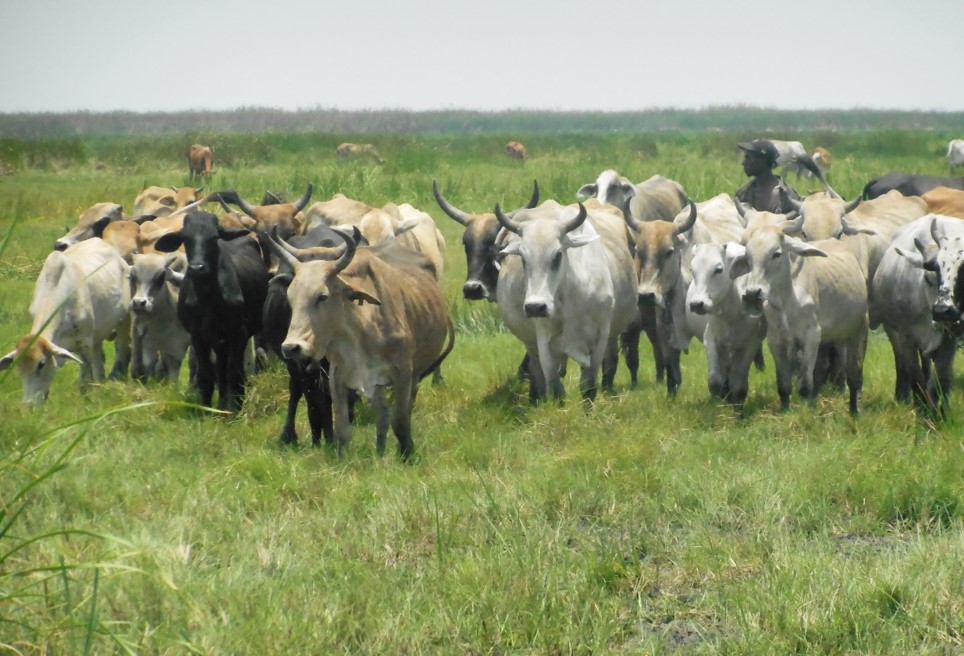
Whilst these trends are largely based on meat production practices in non-African countries, similar trends are emerging in places like Zambia’s Kafue Flats, one of the most important wetland systems in Africa. Recent surveys reveal the presence of more than 100,000 heads of cattle and a diminishing herd of Kafue Lechwe, numbering less than 23,000. Mankind’s insatiable appetite for cheap meat is driving wildlife to extinction, poisoning our water, sterilising the land and choking the air. Not to mention the myriad health impacts of unnaturally produced meat on the human body.
But challenge people to reconsider what they eat, and you dive straight into a tornado of fervent opinion covering cultural practice, religion, human rights, evolutionary biology, health claims and more. Meat eating is perhaps even more taboo than the question of human population. Yet both must be tackled head on, and comfort zones must be challenged, if our forests are to be saved and indeed, ourselves. As we watch the Amazon burning in horror, don’t feel hopeless and helpless. Start today by owning up to what we are all doing wrong and what we can do to change that.
This is not a recommendation to drop all meat from human diets, but at the very least, to reduce your consumption of it and to change the source of the meat you buy, by staying away from cheap, mass produced meat products. There are better agricultural models, such as biodynamic farming, permaculture and farming practices that combine meat production with environmental principles in the form of managed grazing, agroforestry and regenerative agriculture which supports carbon sequestration, high biodiversity and animal welfare. Mixed crop and mixed practice farms with rotational grazing and free ranging animals can actually support biodiversity conservation and improve crop and animal performance. It takes a bit of effort to find food produced in this way and will cost you more, but is a small price to pay for a sustainable future.
So back to the Amazon: keep social media abuzz, but keep the issue alive with stories of how we can be the change we want to see. Support small scale farmers that use labour intensive, natural and diversified farming practices. Challenge others to do the same, take control over what you can change and make that change today. Change your diet. Save a forest. Save the planet.
GIRL POWER!
This Women’s Month, we’re celebrating EWT Specialist Conservation Officer, Esther Matthew’s recent achievements!
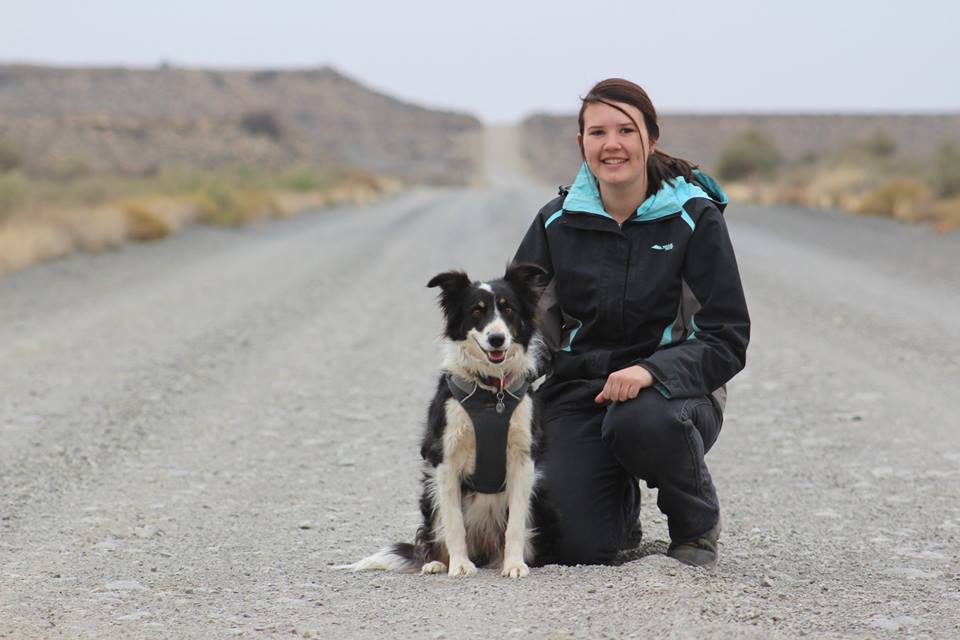
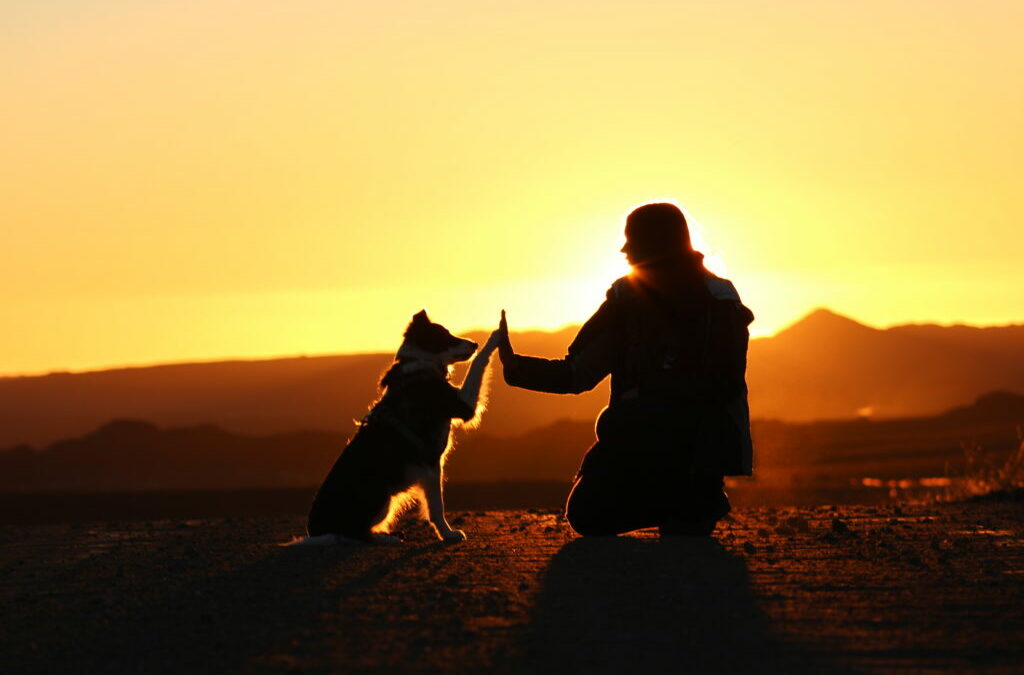
Esther Matthew is a highly dedicated and motivated conservationist, who aims to become a leader in conservation canine research. She has an aptitude for the application of novel approaches in her work, and has successfully trained Jessie, a Border Collie, to indicate on Riverine Rabbit scent in controlled conditions, and to ignore the scent of other lagomorphs, including Red Rock Rabbits and hares.
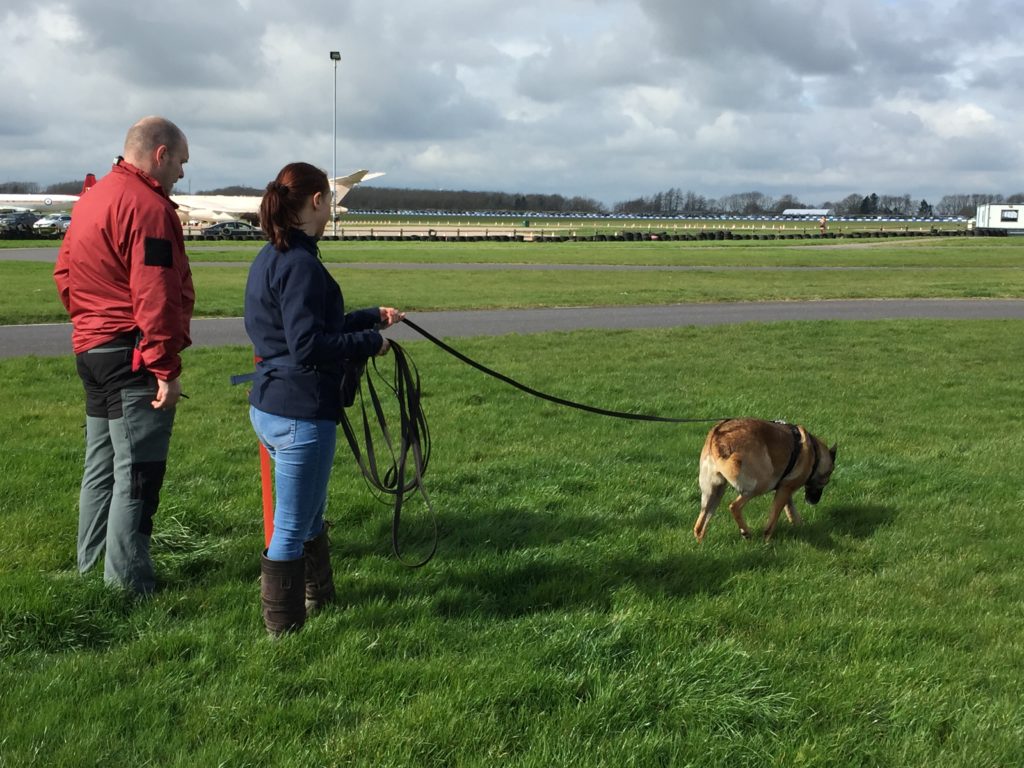
Recently, Esther completed a Level 3 Canine Behaviour diploma through the British College of Canine Studies. She also received an Expand the Field women’s skills development grant from National Geographic Society. The grant allowed her the opportunity to successfully complete a five-day Tracking Instructor course, in March, and a Detection Dog Handler Accreditation course in April 2019. The courses were held at the UK College of Scent Dogs Ltd. in the United Kingdom. The grant was used to enhance her skill sets in the training and practical implementation of conservation scent detection dogs. The courses were hosted by the college’s head instructor Dr Robert Hewings. Dr Hewings has over 30 years’ experience in scent dog training, ranging from explosive detection dogs to training diabetic alert dogs, and many more. During both training courses she had the honour of training Rupert, a rescue Cockerpoo dog, from scratch. Using only positive reinforcement, she was able to train Rupert successfully to track human scent and to detect gun oil, providing a sit-indication for the target scent. Preceding the opportunity, Esther only had informal training from professional trainers, mostly South African. Much of her work has been self-taught and experimental. Receiving accreditation at the UK College of Scent Dogs, through the Open Network College,, helps her to be recognised as a legitimate trainer and handler. Esther says, “Obtaining training abroad at this particular college gave me exposure to international thinking and methodology, and created a unique opportunity to network with the international dog training community of experts. I am so grateful for the opportunity!”

When Esther returned from the UK, she started conducting fieldwork with Jessie, both in areas where Riverine Rabbits are currently known to occur, and in areas where historical sightings were reported, to determine the current distribution of the species. On 20 July 2019, Jessie the Border Collie, Esther, and volunteers Hannah Edwards and Frik-Jan de Lange, conducted fieldwork at a site where Riverine Rabbits are known to be found. Jessie picked up the scent of the Riverine Rabbit and directed Esther to the bush under which the rabbit was hiding. Jessie moved around behind the bush and lay down, which is how she indicates that she has located a Riverine Rabbit. The Riverine Rabbit then ran out of the bush, past Esther, and disappeared. Jessie did not pursue the rabbit, instead returning to the bush where she had found the rabbit, and again indicating the location in which the rabbit had been hiding. During this session, Esther and Hannah managed to obtain video footage of Jessie locating the Riverine Rabbit, the first footage of its kind. This exciting footage is evidence that Esther’s training techniques are successful, and that it is possible to train a scent detection dog to locate an endangered species using scent from only roadkill specimens.