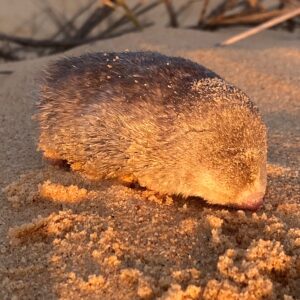
WORKING WITH WILDLIFE: SOME SNAPSHOTS OF 2020
Emily Taylor, Communications Officer, emilyt@ewt.org.za The year 2020 has undoubtedly been one for the history books. While much of what made this year extraordinary was directly or indirectly a result of COVID-19, it is important to remember the full picture: the limitations, disappointments, delays, and much, much loss, but also the achievements, innovative solutions, connections, and significant technological strides that have been made across the world. These innovations have enabled the continued functioning of many businesses by making working from home possible or developing online platforms or delivery services to survive the lockdown restrictions.
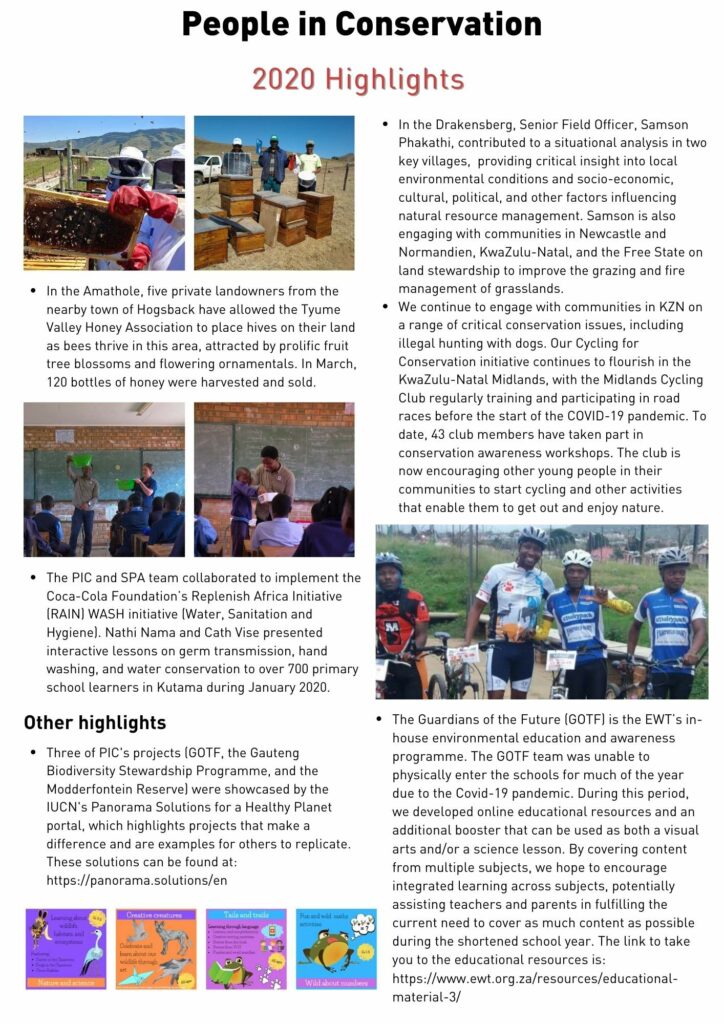
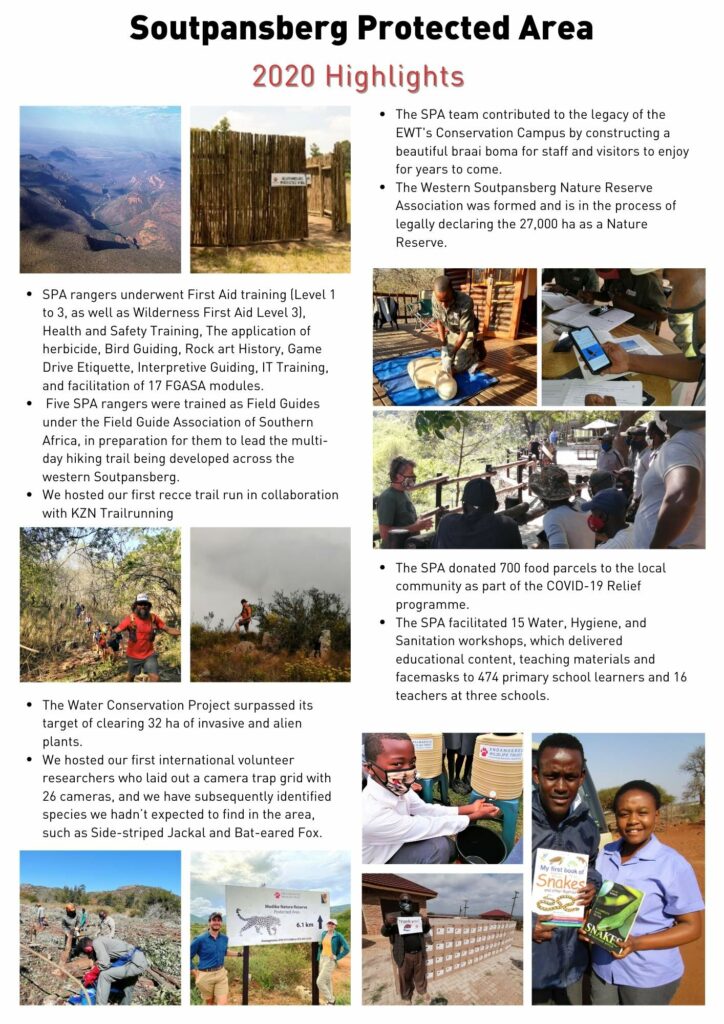
A year in the life of the EWT is never dull, and instead of slowing down during lockdown, we picked up the pace and made sure that despite the challenges, we found inventive ways to meet our conservation objectives, and we achieved great things for wildlife, landscapes, and people. Here are some snapshots from a few of our programmes’ highlights of working with wildlife in 2020
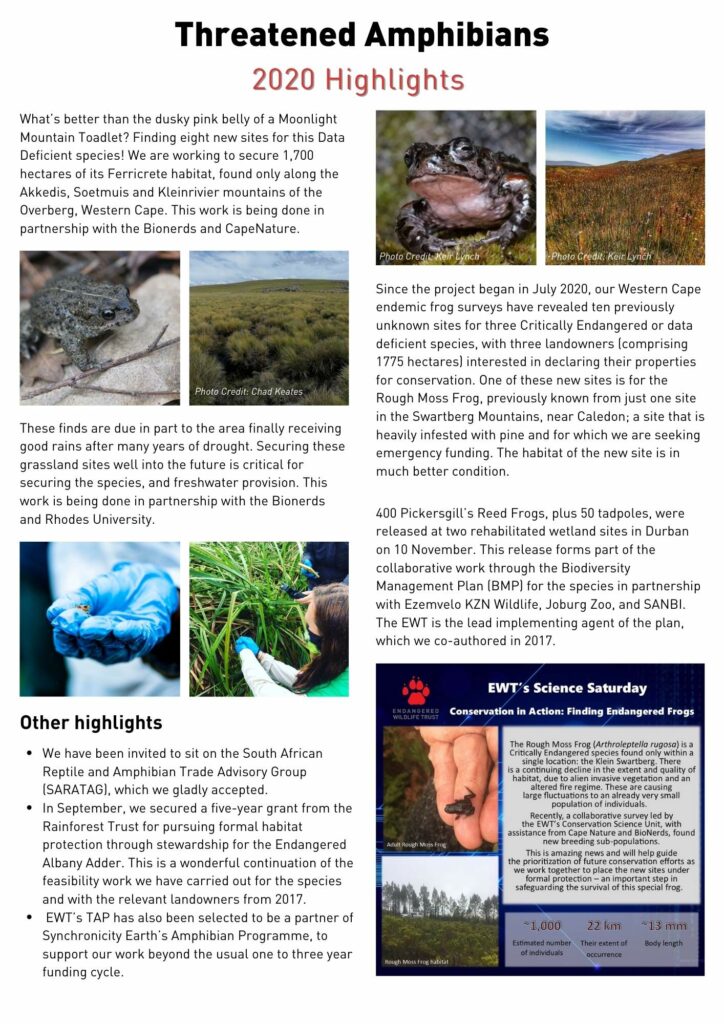
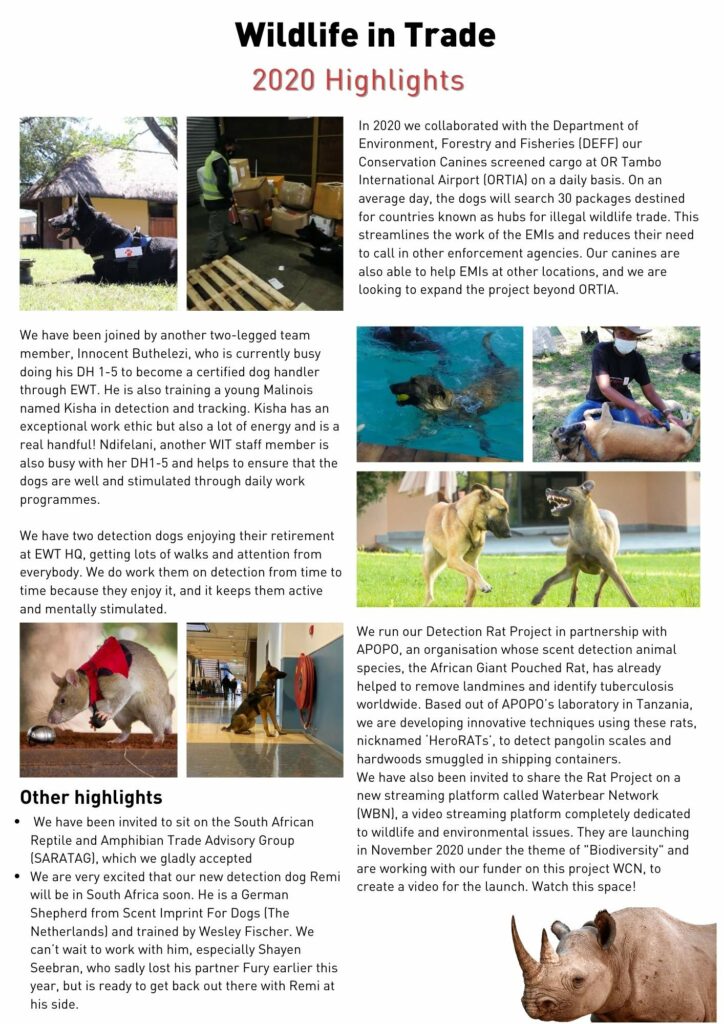
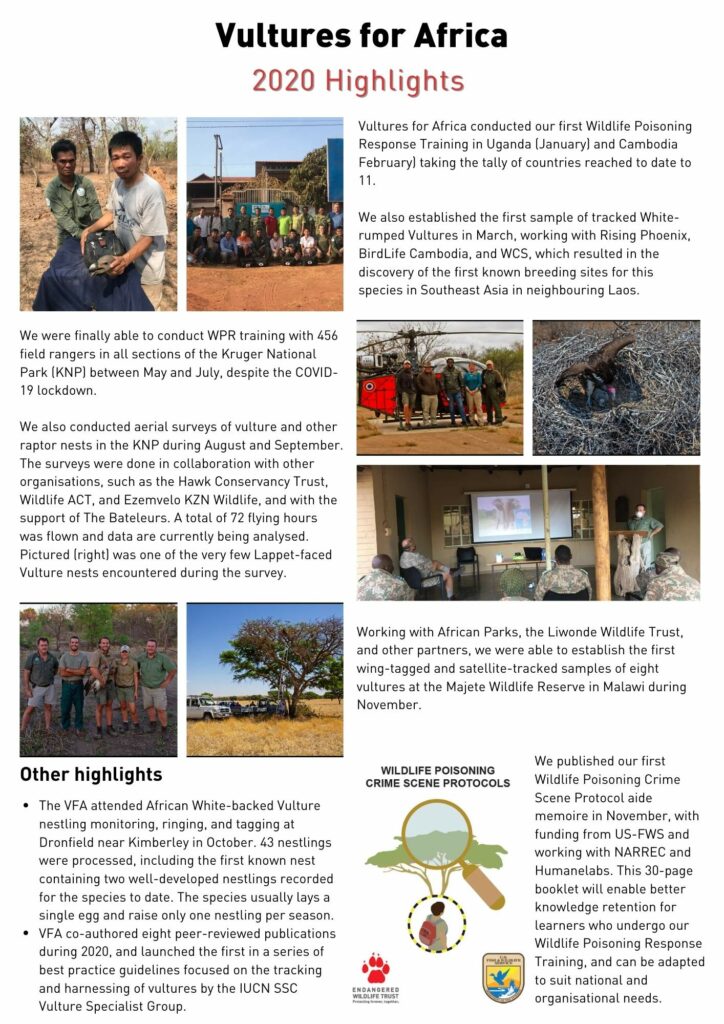


IN CASE YOU MISSED IT
GIVING BACK TO THE EARTH, GIVING BACK TO THE FUTURE
Tammy Baker, EWT Business Development Officer, tammyb@ewt.org.za GivingTuesday is an opportunity for people around the world to use their individual power of generosity to stay connected and heal.
The entire EWT team is humbled by the support we received during our GivingTuesday campaign, and we express our sincere gratitude to each and every one of you. We could not do the critical work we do without your support.
We have received R44,186 of our target of R50,000. This is incredible support and has surpassed our previous Giving Tuesday campaigns. There is still time to donate and help us to reach our target of R50,000. We are only R20,000 away. Any donation no matter how big or small helps us to keep on doing what we do best – Conservation In Action. Giving Tuesday 1 December 2020 by Endangered Wildlife Trust | GivenGain
Thank you for giving back to the Earth and back to the future – helping us to protect forever, together
GOLFING FOR WILDLIFE

Our annual golf day, held on 27 November 2020, was a huge success and, aside from the funds raised from the golf day itself, there were other fundraising activities such as Beat the pro, and an auction, and EWT walked away with a whopping R240,000.
Thank you to our phenomenal MC/Auctioneer Mike the 40-Year-Old Rookie, and to AHA and Thornybush for donating wonderful accommodation packages, Sharry Banner for her donation of exquisite artwork, and Europcar who paired the accommodation vouchers with car-hire offers.
WILD CHATS
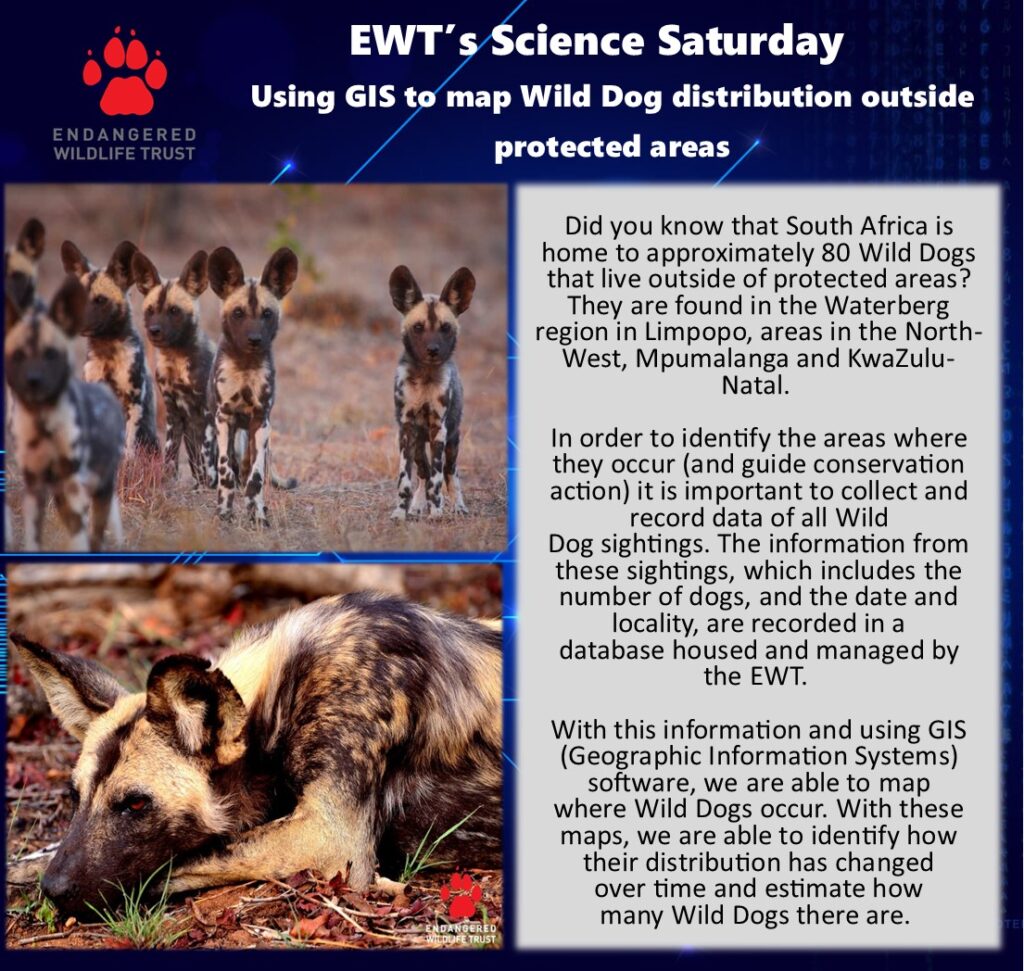
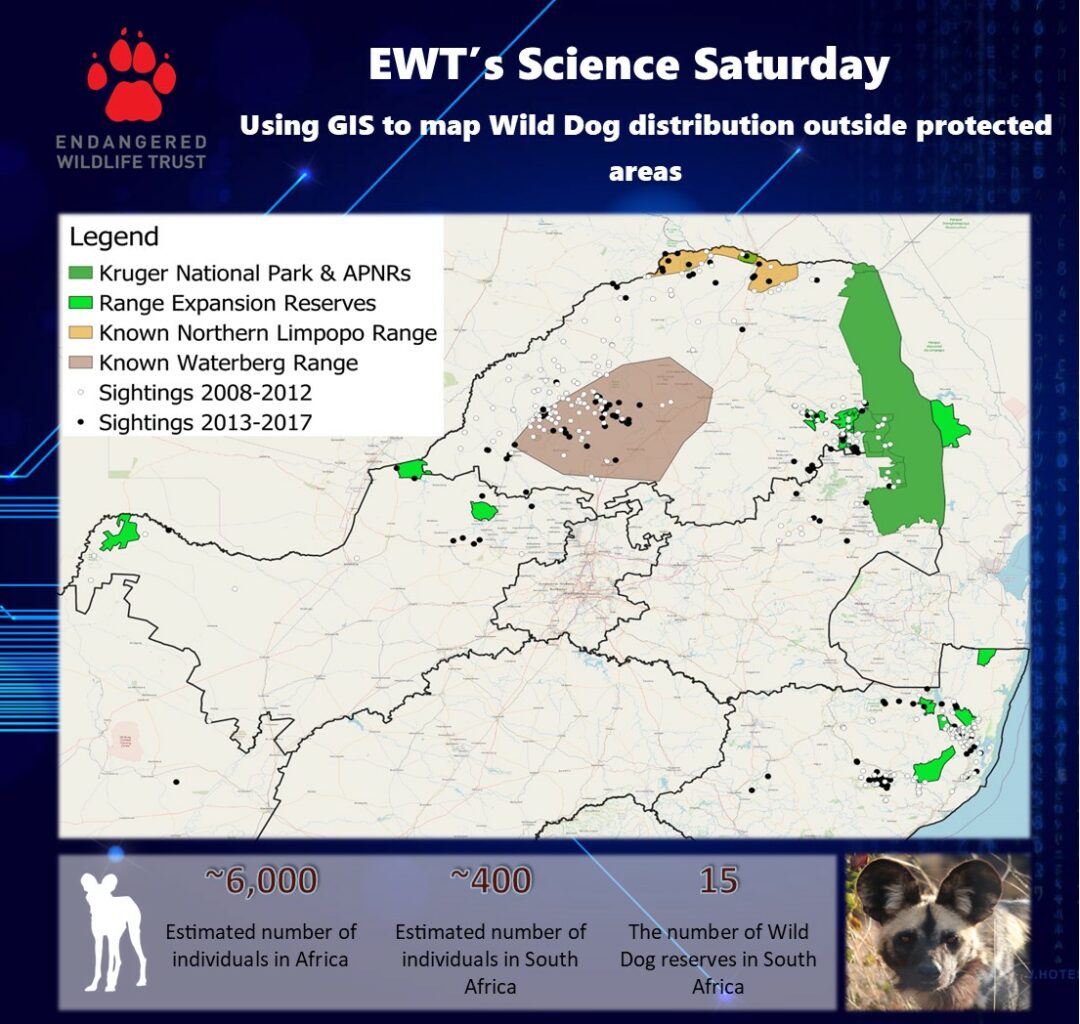
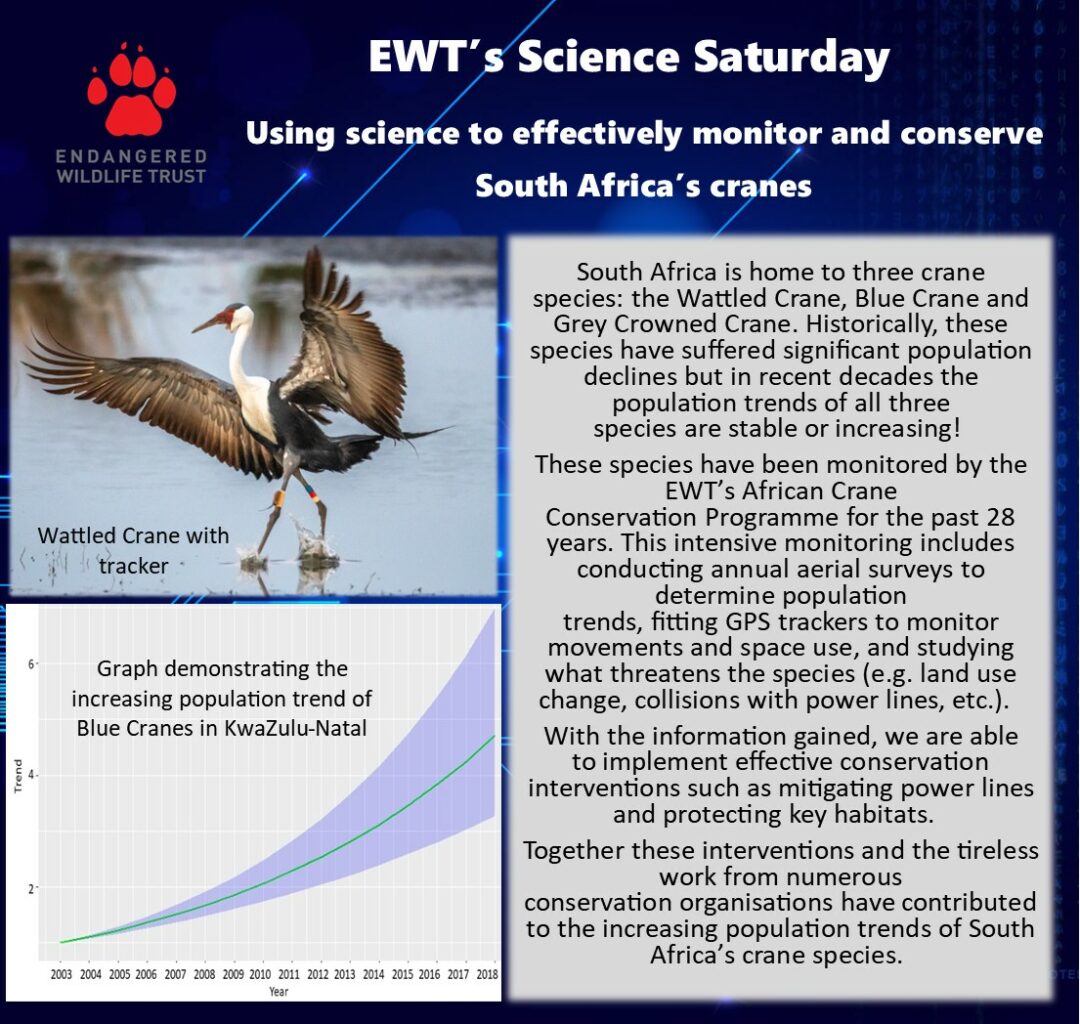
SOME OF OUR FASCINATING SCIENCE SATURDAY POSTS

𝐂ONSERVATION THAT COUNTS: THE EWT’S INTEGRATED REPORT FOR 2020
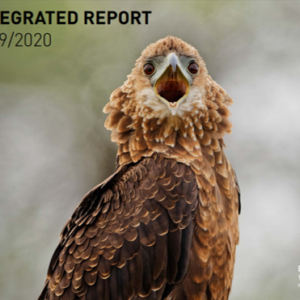
The Endangered Wildlife Trust is proud to share with you our 2019/20 Integrated Report, which provides an overview of the EWT’s conservation impact throughout the region in our previous financial year.
Thank you to all of you who have weathered the storm of 2020 by our side, we could not have achieved all of this without you, and we look forward to all we will accomplish together in 2021.
To read more click here
LEGACIES FOR LIFE
There are times when words are simply not enough to express our gratitude, and this is how we feel about the generous bequests the EWT has received this year. Their generosity has enabled us to achieve significant milestones in species conservation and habitat protection. Fortunately, South Africa has many languages and different ways to express thanks.
Ngiyabonga, Enkosi, Ngiyabonga kakhulu, Dankie, Re a leboga,
Ke a leboha haholo, Ndo livhuwa, Ndza Nkhensa, Thank you
THE EWT FOREVER FOREST
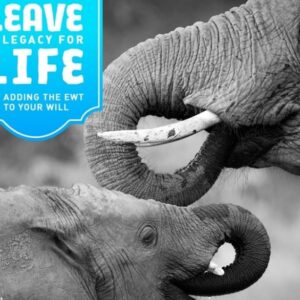
All bequests made to the EWT create legacies for life that are immeasurable and remembered through the survival of our Endangered species and their wild spaces. However, as an organisation, we feel it is important to do more to celebrate the legacies bequeathed to us, and the contribution they make towards protecting forever, together. To this end, we have created a Forever Forest on our Conservation Campus in Midrand, in which we plant an indigenous Forever tree for each person who leaves a Legacy for Life, providing a living memorial that will be cared for and continue to grow for generations to come! Forever Forests are beautiful, tranquil places for friends and family to gather, pay tribute, heal, remember, and to celebrate all life.

If you yearn for a better future for your children, leave a Legacy for Life by remembering the EWT in your will, and help us to secure the health of our planet and its wildlife, beyond your lifetime. For more information, contact Tammyb@ewt.org.za
FOR PEAT’S SAKE – FINDING FODDER IN RWANDA’S RUGEZI MARSH
Lara Jordan, Drakensberg Coordinator, EWT’s African Crane Conservation Programme ACCP, laraj@ewt.org.za; Adalbert Aine-omucunguzi, East African Regional Manager, EWT’s (ACCP), AdalbertA@savingcranes.org; Daniel Munana, Rwanda Field Coordinator. danielm@savingcranes.org
One of the most densely settled countries in Africa is also home to some of the most impoverished communities, in which subsistence farming is how much of the human population survives. The Rwandan landscape is made of steep volcanic slopes, and where there once were forests, the slopes are now blanketed with terraced agricultural plots. The nutrient-rich soils that once fed the forest have become eroded, and the agricultural productivity for the families surviving on the denuded slopes is in decline. Rwanda is home to over 100 Endangered Grey Crowned Cranes, a species that has suffered a population decline of 80% across Africa in the last 40 years. Within these steep embankments is the 6,735-hectare Rugezi Marsh, which is the headwater to the White Nile, and this acidic peatland is one of the most important Grey Crowned Crane sites.
Rugezi Marsh is the source of the hydroelectric scheme into Lake Burera and supplies a third of the country’s electricity. The government of Rwanda, concerned about the increased usage of the irreplaceable peat landscape, declared the wetland Rwanda’s first Site of International Importance under the Ramsar convention. The Rwanda Environment Management Agency (REMA) removed all the inhabitants of the marsh and planted a 20 m buffer zone of trees extending around the wetland. Within this boundary, no agricultural activity is allowed. Rwanda has a zero-grazing policy around Rugezi Marsh, and yet almost every community household has a cow that needs fodder. This need impels community members to enter the marsh illegally to harvest fodder, resulting in the overharvesting of vegetation from the marsh and the disturbance of breeding Grey Crowned Cranes, thereby reducing nest survival. Erosion on the slopes also impacts negatively on the marsh and the catchment and reduces the ecosystems’ functioning and life-giving water supply.
In response to these problems, the ICF/EWT/Kitabi College partnership, in collaboration with the Burera District Authorities in 2018 started a project introducing Napier Grass as a means to support the feeding of the communities’ cattle and protect the steep agricultural slopes to reduce erosion. The authorities provided two areas as nurseries for the project, where the grass was grown to feed livestock. Napier grass was chosen because of its fast maturity rate, hence an ability to meet community fodder requirements in a short time. The Burera district’s department of Agronomy has worked closely with us over the last 18 months and bought into our strategy and vision once we had presented the communities with their new fodder. This month, we were invited to a celebration where the local Rwandan authorities thanked the International Crane Foundation/Endangered Wildlife Partnership, Daniel Munana, and our partners Richard Nasasisa at Integrated Polytechnic Regional College, Kitabi College; and Dr Olivier Nsengimana and his Rwanda Wildlife Conservation Association for the dedicated effort to conserve the Rugezi Marsh Rwanda. The authorities acknowledged us as a great and dedicated partner who has made an incredible impact in the area by supporting 2,489 households to plant Napier Grass on their private land to feed their livestock, instead of harvesting vegetation from Rugezi Marsh. These households have also protected hillslopes from erosion hence conserving soil and water. There was also an improvement in their cattle’s milk production, leading to increased household income. It is now compulsory for every community farm to have Napier Grass planted on the terrace lines to provide livelihoods, fodder, and improve soil and water conservation. Because the authorities are enforcing it through key deliverables in their Key Performance Areas, we expect long-term sustainable benefits for the whole ecosystem and its crane and human inhabitants. In return for the Napier Grass provided to them, community groups committed to patrol Rugezi Marsh and report any illegal activities, including crane capture, to the government authorities. This commitment, coupled with patrols carried out by our partner, Rwanda Wildlife Conservation Association, crane capture cases have reduced to zero, and Grey Crowned Crane numbers are on the rise. In the first year of monitoring, there was zero breeding success due to the illegal trade of the birds. This year, we have seen many pairs fledge chicks, demonstrating the importance of the outcomes of this project, particularly our successful collaboration with the communities. We want to thank our funders who have made it all possible: MacArthur Foundation for the earlier years, and more recently the CEPF and the Stiftung Feuchtgebiete (German Foundation for Wetlands).
FINDING FAIRIES WHERE BIOMES COLLIDE
Bonnie Schumann. Senior Field Officer, EWT’s Drylands Conservation Programme, bonnies@ewt.org.za
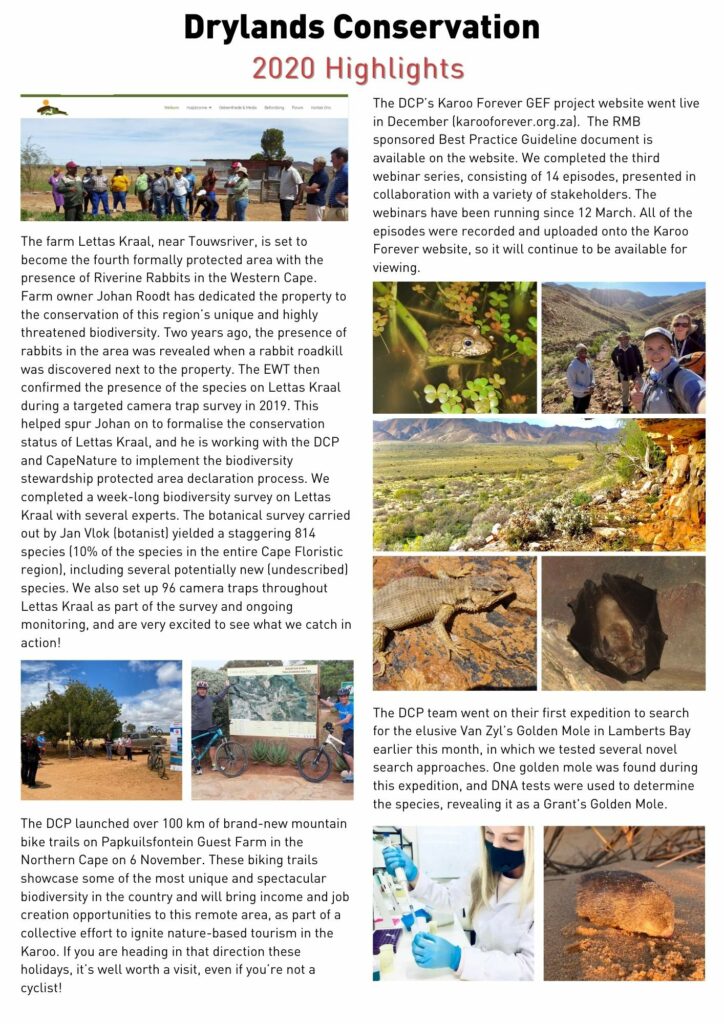
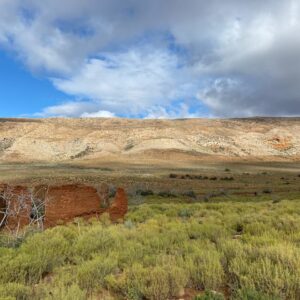
There is a pretty special place in the Klein Karoo where three biomes collide across a landscape of hidden valleys and impossibly rugged slopes. This “collision” of biomes, as renowned botanist Jan Vlok describes it, has resulted in a stunning array of biodiversity, ranging from fairy shrimps in shallow rock pools on remote mountain peaks to several undescribed plant species.
Previously valued purely for its livestock grazing attributes, Lettas Kraal has been quietly resting and recovering under Johan Roodt’s watchful eye for the last 25 years. Johan oversaw the final departure of the last of the goat and sheep herds that left their harsh mark on this unique and sensitive environment. Johan’s vision when he purchased Lettas Kraal was to dedicate the property to conserving the natural resources found here. The property is now being declared a Nature Reserve, which will secure Johan’s conservation vision for the property into perpetuity.
The Klein Karoo, hosting some 3,200 known plant species, is located in the Succulent Karoo, a plant biome recognised as an international biodiversity hotspot with over 6,300 plant species. Add a dash of Fynbos, and a touch of Subtropical Thicket to the Succulent Karoo and the species diversity explodes. This was confirmed by a recent five-day biodiversity survey, coordinated by the Endangered Wildlife Trust (EWT) and CapeNature, and supported by specialists and several volunteers.
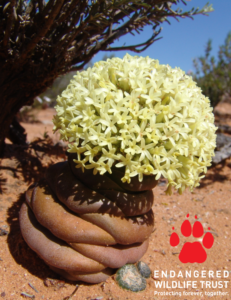
Vlok put in a herculean effort, cataloguing an incredible 814 plant species in just under five days. These species occur in no less than nine vegetation units identified on the property. As expected, the winning family was the daisy family (Asteraceae) at 180 species. The most prominent genus is Crassula with a mindblowing 37 species! Astounding also are the 20 Pelargonium species and 18 Hermannia species. Vlok said afterwards, “No wonder my head was spinning at the end of the week! No ways that I could have hit more than 80% of the species, as I did not even cover 10% of the reserve’s area. This means that a true total count will be around 975 species. What can I say but ‘gee-whiz’, I would never have guessed that there would be that many – a total of about 10% of the species in the entire Cape Floristic Region. So who still says that arid areas are boring plant wise?” Besides the known species recorded so far, Vlok was last seen heading for the herbarium and his microscope, to identify several unknown plant treasures found on the property, some of which may turn out to be new species.
In addition to the focussed botanical assessment, specialists from the EWT, CapeNature and a group of volunteers went in search of all things great and small, including small mammals, reptiles, birds, bats, butterflies and moths. While the botanical component put on a spectacular show after the recent rainfall brought welcome relief from the unprecedented drought, surveys reflected that many of the other components still need time to recover. Guy Palmer, retired CapeNature Scientific Manager, Biodiversity (Scientific Services), couldn’t resist an invitation to participate in small mammal surveys. He and a team of two CapeNature faunal ecologists found very few signs of small mammals, although they did trap and release two common rodent species and one species of sengi (elephant shrew). Palmer says the lack of small mammal activity is indicative of the severity of the protracted drought. In addition to the focussed botanical assessment, specialists from the EWT, CapeNature and a group of volunteers went in search of all things great and small, including small mammals, reptiles, birds, bats, butterflies and moths. While the botanical component put on a spectacular show after the recent rainfall brought welcome relief from the unprecedented drought, surveys reflected that many of the other components still need time to recover. Guy Palmer, retired CapeNature Scientific Manager, Biodiversity (Scientific Services), couldn’t resist an invitation to participate in small mammal surveys. He and a team of two CapeNature faunal ecologists found very few signs of small mammals, although they did trap and release two common rodent species and one species of sengi (elephant shrew). Palmer says the lack of small mammal activity is indicative of the severity of the protracted drought.
The discovery of a treasure trove of small mammal bones in an old barn owl roost in the God’s Window cave suggested that small mammals were far more abundant in the past. Going hand in hand with this, and demonstrating the domino effect when food chains are disrupted, few observations of birds of prey were made. However, on a positive note, and reflecting the resilience of dryland species, most of the small mammals that were caught were females, and many of them appeared to be pregnant; a good sign of things to come.
The work didn’t stop at sunset. Andre Fourie (a volunteer) and Marienne de Villiers (CapeNature) spent many night hours eavesdropping on bat conversations. These little flying mammals use echolocation to navigate, locate prey, and communicate, and most of their calls are at frequencies too high for human ears to detect. However, they can be picked up by an ultrasonic bat recorder, and the sonograms that these machines produce, provide clues to species identities. At least three bat species were detected in this way, but a more in-depth analysis of the data is likely to add to the list. Most of the bat activity was around the Lettaskraal homestead, where there is a permanent water supply and an abundance of bugs attracted to lights. A bonus find was a horseshoe bat in a narrow crevice near the God’s Window cave.
JP le Roux (EWT), and Martine Jordaan (CapeNature), led the search for all things aquatic, documenting four frog species and aquatic invertebrates. A little bit of water goes a long way in the Karoo, and JP, acting on a rumour of water on Bloutoring, a remote mountain peak, led the strenuous climb up this mountain in search of this “puddle”. The climb was not in vain and resulted in the discovery of fairy shrimps (Class Branchiopoda) in a single shallow rock pool.
The birders were not to be outdone as Renier Balt (volunteer), Dominic Henry, and Ian Little (EWT) vied for top recorder, while Stefan Theron (Dept Agriculture: LandCare, Western Cape) multi-tasked to assess priorities for restoration while making sure he got some birding in. Altogether 97 bird species were recorded on the property over the five days. A further 53 species recorded in the immediate area, including migrating visitors, bring the bird list total to 150 species.
Although it was a bit early in the season, as temperatures were still relatively low, Chair of the Lepidopterist’s Society of Africa, Andrew Morton, assisted by his son Sasha, managed to record some insect activity as well. It will be particularly interesting to do more extensive surveys of insects and other invertebrates when temperatures are warmer, as the diversity of species may well be correlated to the incredible plant species diversity.
The CapeNature Anysberg Nature Reserve team dubbed the “Klipspringers” for its members’ agility and speed on the steep slopes, provided both (hu)manpower and expertise to the survey effort. Volunteers Renier and Millene Balt, Sven Wesemann, Lara Krassnokutski, and Carina Becker (Manager of the Rooiberg Breede River Conservancy), supported by the Leslie Hill Succulent Karoo Trust from WWF-SA, provided additional logistical support and bucket-loads of enthusiasm during the survey.
The outstanding biodiversity on Lettas Kraal not only reflects the incredible biological wealth of the Klein Karoo as a region but again reiterates just how unique virtually every square kilometre of the entire Succulent Karoo is – no two areas are the same. The Succulent Karoo is threatened by mining activities, overgrazing, and the illegal collection of, and trade in, succulent plants, leaving less than 30% of the hotspot pristine. We must look at ways to conserve as much of this unique biome as possible, given that so much of it has already been transformed and degraded.
Where agriculture is being practised, we must explore ways to implement more sustainable land management that integrates the conservation of the remaining biodiversity with the agricultural priorities. Partnerships between landowners, CapeNature and NGOs such as the EWT, present a win-win solution for effectively conserving the region’s biodiversity. Together we can ensure a bright future for Lettas Kraal as a hub of biodiversity. Anyone spending time here cannot but help become a champion for the conservation of the Succulent Karoo.
The Endangered Wildlife Trust, Drylands Conservation Programme’s work is made possible through support and partnerships with landowners. In addition, our broader work in the Drylands landscape forms part of the Global Environment Facility (GEF5) funded Sustainable Land Management Project at the United Nations Development Programme (UNDP), in partnership with the Department of Forestry, Fisheries and the Environment (DFFE). Projects are also supported by Rand Merchant Bank.
For more information contact:
Bonnie Schumann
Endangered Wildlife Trust
Email: bonnies@ewt.org.za
Cell: 072 1224232
Marienne de Villiers
CapeNature
Email: mdevilliers@capenature.co.za
Cell: 082 729 3419
SELFIE AND SCARPER: THE OVER-TOURISM DILEMMA
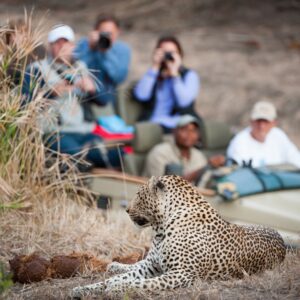
Phoebe Mottram, Founder of Thatch and Earth, info@thatchandearth.com Anyone who has visited a popular protected area in South Africa will have seen it – masses of vehicles packed with passengers ogling a particular species. These species fall into the ‘charismatic’ category and are usually big and pretty unique (sorry Impalas). Their popularity is understandable, some of these species are truly awe-inspiring, but clever marketing has encouraged guests to start visiting protected areas with species-specific tick lists, which isn’t entirely negative. Quite frankly, the popularity of charismatic species has sustained many of South Africa’s protected areas for decades. However, in recent years this has led to something close to species-specific over-tourism.
Academic literature refers to over-tourism as the congestion of tourists causing conflict with local communities. The congestion is clear; in these scenarios, poor sighting etiquette is unfortunately quite common. But what about the conflict? Many seasoned bush people will have stories of stress responses from animals. A 2018 paper by Broekhuis found that, in the Masai Mara, “female cheetahs that were exposed to high tourist abundance raised 0.210.72 cubs to independence compared to 2.320.11 cubs in low tourism areas”. Lower recruitment levels over consecutive years could quite easily drive a species towards extinction. If this trend were to repeat in protected areas across South Africa this would be extremely concerning, especially considering that many charismatic species are rare to begin with.
So, what do we do about this? We wouldn’t want to stop tourism entirely. 2020 has proven that. The loss of tourism revenue this year has had devastating impacts on livelihoods. Some would recommend that we limit tourism through the low impact, high-value model. While this has seen success, it still has flaws, the major one being that it prices the vast majority of potential customers out of the market. In the long run, this may prevent the development of conservation-conscious behaviour changes that commonly arise from experiences with wildlife. Ideally, we would spread the tourism income equitably across protected areas, and thus limit the potential for over-tourism. However, there will always be areas which are considered ‘must-visits’.
It appears then that the solution lies in widening the marketing focus from single species to entire ecosystems. Guests should be encouraged to learn about the species diversity of the protected area they’re visiting before travelling, and to use professionally trained guides when they arrive. Guides can start to place wildlife encounters in the broader ecosystem context, using this to engage with guests about their place within, and their impact on, their environment. By ensuring that all guides, from the local to the national level, meet a high standard of scientific education and ethics, we can empower them to teach specific and important lessons, such as the value of ecosystem services. This changed approach may reduce the culture of guests tipping for sightings, encouraging them to tip in recognition of the skills and knowledge of their guide instead. This, in turn, will positively reinforce ethical practices.
Guests will always be excited to see charismatic species, as much as I will. If I’m looking at a tree and a Leopard walks by, you can be sure I’m always looking at the Leopard. But by empowering guides with more substantial scientific knowledge, and encouraging guests to search for lesser-known species, we can limit the effects of localised over-tourism. We can create generations of conservationists who appreciate the dung beetle in the elephant dung just as much as the elephant itself.
Reference: Broekhuis, F. 2018. Natural and anthropogenic drivers of cub recruitment in a large carnivore. Ecology and Evolution. 8. 6748-6755.
CONSERVATION CHAMPION: DALEEN ROODT
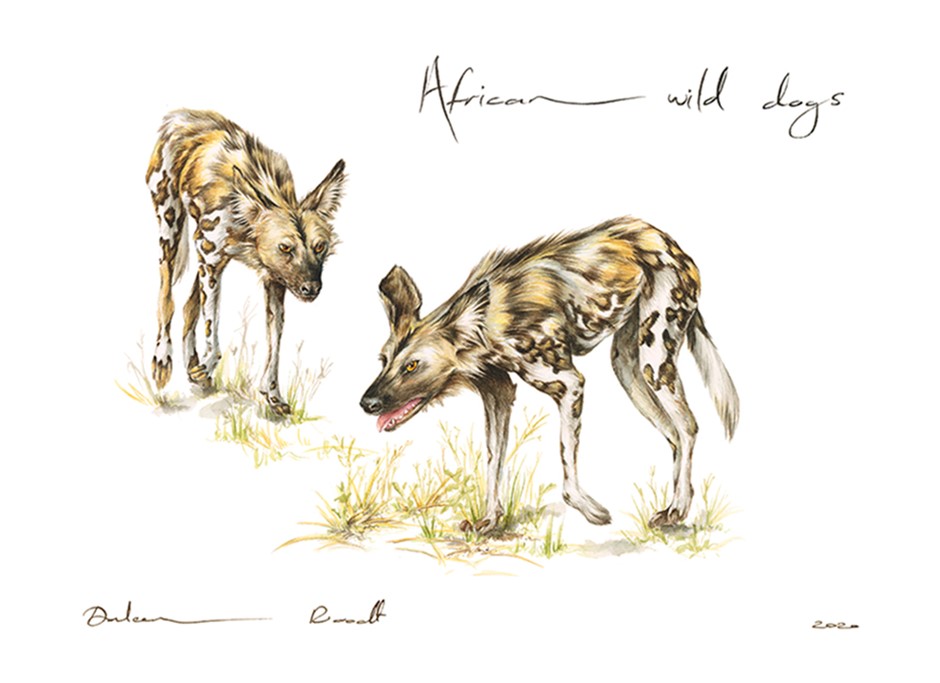
Tammy Baker, EWT Business Development Officer, tammyb@ewt.org.za Daleen Roodt is our latest Conservation Champion. She has painted two watercolour illustrations of the African Wild Dog and the Pangolin. She describes the intricate process she underwent to create these remarkable images in a guest article to follow. Fifty limited-edition, certified, high-quality archival prints of each illustration have been made. All proceeds from the sales will be going directly to the Endangered Wildlife Trust (EWT), specifically contributing to their projects relating to Wild Dog and Pangolin conservation.
“The indelible impression of these beautiful creatures has truly inspired me. I hope that my art will play a small role in the efforts to ensure the survival of these species.”
Purchase your unique limited-edition print here
Print size: 310 mm x 228 mm (each).
Postage fee to your nearest Postnet will be R99
For more information, contact Daleen at info@daleenroodt.com or Tammy Baker, EWT Business Development Officer tammyb@ewt.org.za.
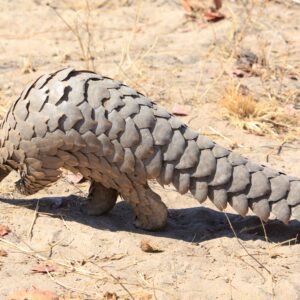
PAINTING PANGOLINS AND WILD DOGS FOR CONSERVATION
Daleen Roodt, info@daleenroodt.com
Exploring new subjects
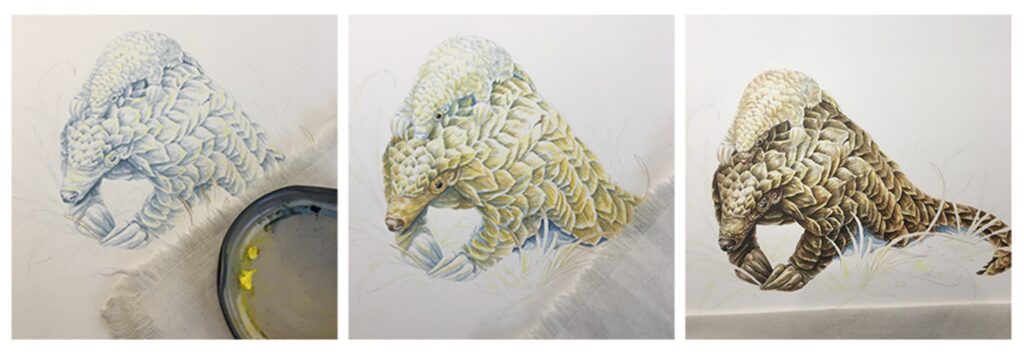
When first commissioned to paint two watercolour illustrations of endangered wildlife species, I knew that it was going to challenge my usual painting methodology. The request came from a longstanding client for whom I’ve been painting indigenous tree and bird species since 2012. This year they requested the Ground Pangolin (Smutsia temminckii) and African Wild Dog (Lycoan pictus). Even though animal wildlife is not one of my major themes, I was excited to expand my repertoire.
As far as flora is concerned, I am fairly particular about working from live plant material, as opposed to working from photos. This hands-on interaction with my subjects has always been an essential part of my process. So, when it comes to having to paint a wild animal, particularly one which is extremely scarce or threatened, the dilemma I face, is that I can’t exactly ask the carnivore to “sit down” next to my desk for me to stroke its tail…
The painting-process
I was fortunate enough that a friend who is very proficient with wildlife photography kindly offered me the use of some of her high definition photos of Wild Dogs to construct a unique composition. It was not hard to fall in love with the lush marbling enrobing these animals. The texture of their beautiful fur coats very much resembled for me the texture of a bird’s feathers, and it felt like pure indulgence to recreate this effect in watercolour.
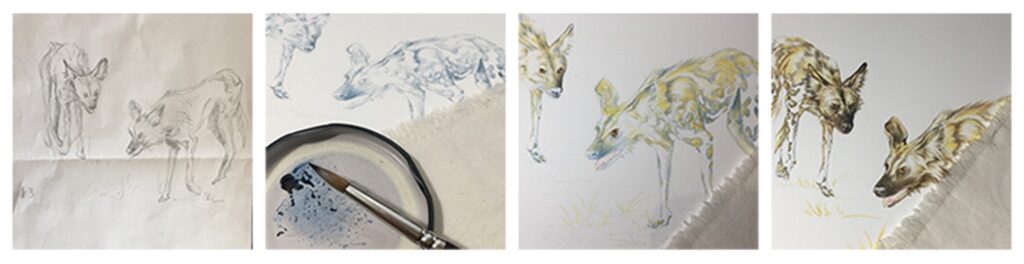
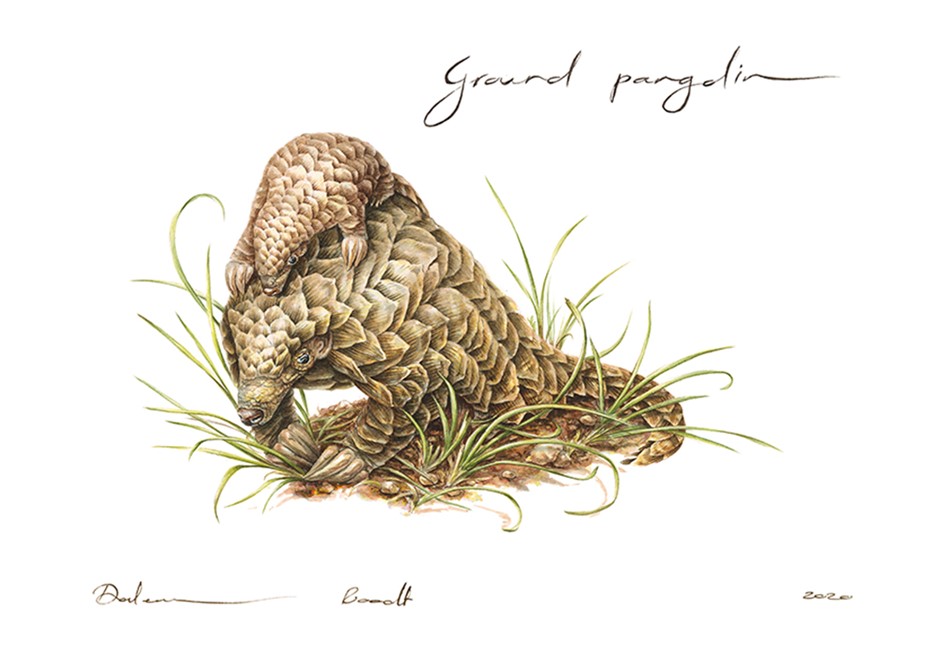
When it came to the pangolins, I was more challenged in finding sufficient media to work from. I didn’t simply want to copy a pre-existing web photo. The only way of getting to know how these peculiar creatures move, how they breathe, how their finely grooved armour of scales glide in seamless motion, was to watch hours of videoclips, acquainting myself with as much character as has been captured on film, and then constructing a unique composition from the available information. This journey revealed shocking insight into their unfortunate exploitation on the illegal trade market. There is a sad vulnerability that surrounds these beautiful creatures, but I wanted to communicate hope by portraying a mother with her young.
Conservation status
Both of the subject species have been in the limelight of late because of their threatened status of existence. The African Wild Dog, also known as the Painted Wolf, is South Africa’s most endangered carnivore, threatened by loss of habitat due to agriculture and hunted by farmers who fear for their livestock. Pangolins, on the other hand, are currently the highest-trafficked animals on the planet. Their scales are used in traditional medicine, and they are hunted for bushmeat and illegally consumed as a “delicacy”. Even though pangolins may appear tough and well armoured, these secretive, nocturnal mammals have a very fragile existence. Little is known about their habits and behaviour, but the shocking discovery of their gruesome exploitation is a living nightmare.
I felt deeply touched by the newfound awareness of the endangered existence of both these species. I wanted my artworks to have more meaning than mere illustration, to have some sort of contribution to the conservation of these animals. That’s when the idea was borne to sell art prints as a fundraiser initiative.
The EWT ticked all the right boxes to qualify as the beneficiary; its Carnivore Conservation Programme working to re-establish, maintain, and expand safe, habitable space for threatened carnivores, including wild dogs, and their Wildlife in Trade Programme targeting trade-related threats to the survival of species such as the pangolin. They are a reputable organisation whose efforts have received local and international awards, but more importantly, are making a major positive impact on the conservation of many species and environments.
Fifty of each of these certified, limited-edition, high-quality archival prints have been made. All proceeds from the sales will be going directly to the EWT, specifically contributing to their projects relating to Wild Dog and pangolin conservation.
To contribute and purchase your unique limited-edition print, please follow this link.
To life… and its continuation.
A GLOBAL NETWORK OF ROADS RESEARCHERS – WHERE TO FROM HERE?
Wendy Collinson, Programme Manager, EWT Wildlife in Transport Programme, wendyc@ewt.org.za
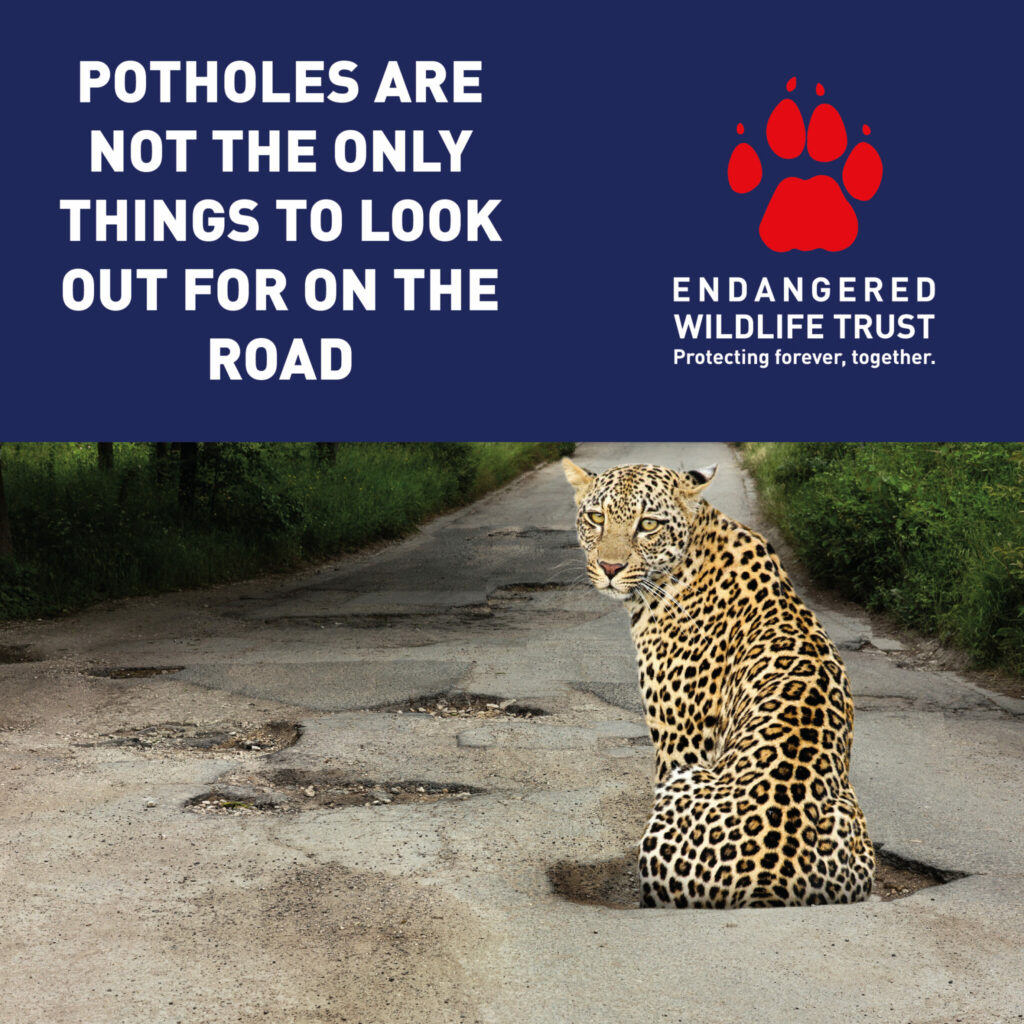
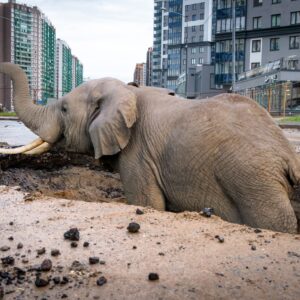
Roads fragment wildlife habitats, leading to wildlife population declines, and wildlife is frequently struck by vehicles on roads, often resulting in severe injury or death for the animal and the human occupants of the vehicle. Recording such incidents is the first step towards understanding the causes and other factors involved so that actions can be taken to prevent or reduce them.
October was National Transport Month in South Africa, a month-long campaign used by the South African Department of Transport to engage directly with its stakeholders around transport issues. The EWT also champions Transport Month to encourage the public to join its citizen science data collection project and to raise awareness about the causes and consequences of wildlife-vehicle collisions on our roads. These data are collected so that the EWT and partners can identify hotspots where roadkill is a common occurrence, and determine what factors contribute to the occurrence of road collisions. These data also allow us to provide recommendations based on scientific findings regarding the development of new roads, or modifications of existing roads, to prevent the impacts the roads, and vehicles that use them, have on our wildlife.
The Endangered Wildlife Trust has been gathering wildlife-roadkill-data on regional and national roads across South Africa since 2010. We have done this through national campaigns via social media, roadkill awareness days, promotional materials, and the development of a smartphone app called “RoadWatch”, through which citizen scientists can submit their roadkill sightings. The EWT has also partnered with South African road agencies to train road patrollers to gather roadkill data, a method commonly employed in other countries to identify roadkill hotspots on highways, where roadkill-reduction-measures can be implemented. To date, approximately 200 route patrollers have been trained, expanding the roadkill database from 2,000 entries in 2010, to almost 25,000 at present.
Through an exciting collaboration between researchers from South Africa, Austria, Belgium, Canada, the Czech Republic, the United Kingdom, and the United States, the EWT’s Wildlife and Transport Programme published a study in leading international journal Biological Conservation on the efficacy of different roadkill data collection methods. The researchers undertook a global survey to assess the various methods used by different countries to collect roadkill data that help to inform transportation and conservation decisions and to initiate the development of best-practice guidelines for the collection and use of the data. While we promote our campaigns for sightings throughout the year (although a little more during Transport Month), UK researchers, use an intensive annual campaign called ‘Project Splatter’ to encourage members of the public to submit roadkill data only during one period in the year, and the Czech Republic uses primarily crash statistic data provided from law enforcement, not from the public. “Even though there may be variations in the methods of how we gather our data’, said co-author Sarah Perkins, a researcher from Cardiff University in the UK, “the outcomes are the same. We seek to provide current best-practice for collecting and using roadkill data to inform transportation and conservation decisions.”
The different methods were found to have similar outcomes, but the research team suggested that one of the most important decisions regarding data analysis is to identify the intended audience and how the data are to be used, and therefore, how the analysis and graphical outputs are portrayed. It is also critical to provide feedback on data submitted, not only through obligatory reports to the road agencies but to keep members of the public engaged and motivated to continue reporting.
“Our publication highlights the range of people, technologies, and species involved in collecting data about roadkill, all of which should lead to actions to reduce roadkill worldwide.”
Fraser Shilling of the Road Ecology Center at UC Davis in the United States
Roadkill data collection currently provide one of the largest, continuous sources of observations of diverse wildlife in the world. These data are useful information for preventing the WVC event itself and conserving wildlife. Consequently, developing any app. to record roadkill data (or any form of conservation data) must make an instant impression, due to the vast choice of wildlife apps available. Through international collaborations such as this latest paper, the EWT aims to establish a global network of roadkill reporting systems, identify best practices and practical applications for improved conservation research, and develop guidelines for better management of road networks globally.
Please contact the EWT for more information or to get involved. Roadkill data can be emailed to roads@ewt.org.za or OR you can download the smartphone app (EWT Road Watch) and start reporting:
• Go to Google Play on your smartphone https://play.google.com/store
• Type in ‘EWT Road Watch’
• Click on ‘INSTALL’, and it will download to your phone
• Once installed, you will need to enter your user details, either your email address or phone number. You will only need to do this once, and we will never share your information
• You can then begin reporting roadkill sightings
• It doesn’t matter if your phone does not have signal, the app will log your location and submit records once you are back in network range.
Your support will no doubt help us to protect our wildlife, but please don’t put your own life at risk to collect information. Always consider your safety, and please do not use your phone while driving !important;}”] When reporting roadkill, please provide the following information:
• Location of roadkill (GPS coordinates)
• Identification of species (as best as possible)
• Date and time seen
• Notes on the local habitat type (e.g. riverine, grassland, rocky, wetland, etc.) are also be useful.
Good identification photos (particularly if the carcass is very squashed) are very helpful BUT only stop and take a photo if it is safe to do so, then try and record the following:
• BIRDS: Tail and wing feathers/beak and feet (if the whole bird is no longer there) and eye
• REPTILES: Scales/head shape/foot shape (if applicable)
• AMPHIBIANS: Foot shape (webbed)/presence of warts/colouration around head and eye
• MAMMALS: Fur/hair colour/body size/teeth type (carnivore or herbivore) Visit the EWT website for more information: www.ewt.org.za
The core supporters of the EWT’s Wildlife and Transport Programme are Bakwena Platinum Corridor Concessionaire, De Beers Group of Companies, Ford Wildlife Foundation, N3 Toll Concession, GreenMatter, and TRAC N4.
The EWT would like to acknowledge all the co-authors of the paper:
Fraser Shilling (Road Ecology Center, Department of Environmental Science and Policy, University of California, Davis, United States)
Michal Bil (Department of Geography, Faculty of Science, Palacký University, Czech Republic)
Diemer Vercayie (Natuurpunt, Mechelen, Antwerp, Flanders, Belgium)
Florian Heigl (Institute of Zoology, University of Natural Resources and Life Sciences Vienna, Austria)
Sarah E. Perkins (School of Biosciences, Cardiff University, United Kingdom)
Sandra MacDougall (School of Arts and Science, Red Deer College, Alberta, Canada)
