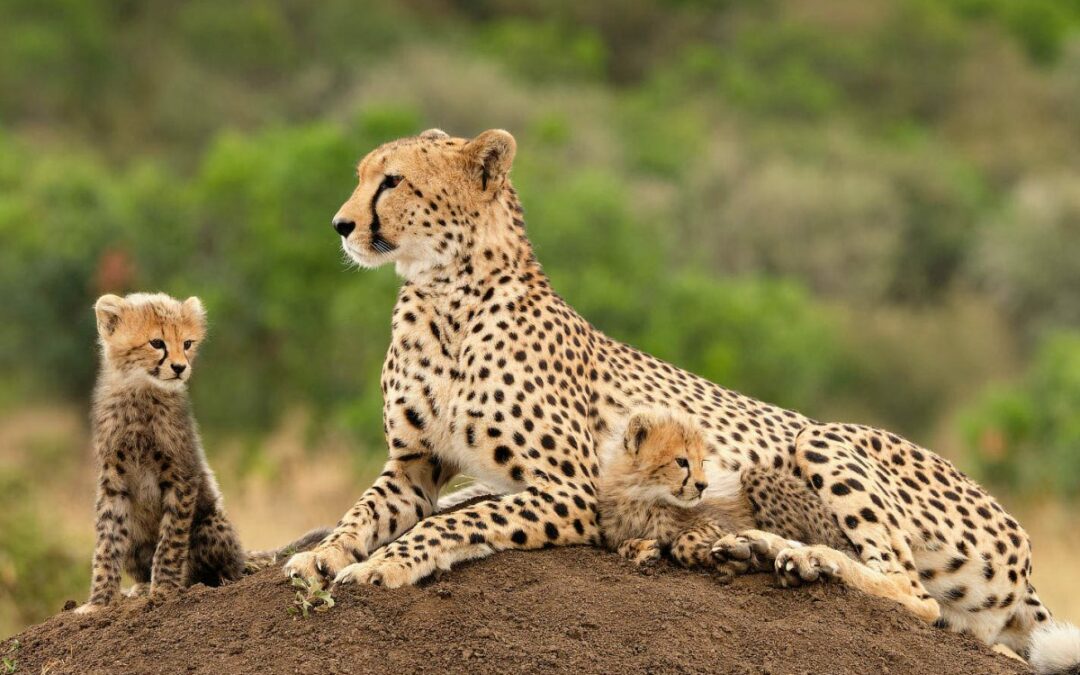
Dinokeng’s Cheetahs: Part Two: The Unlikely Heroes of Gauteng’s Wilderness
The story of Dinokeng’s Cheetahs: Part Two continues where Part One left off, showcasing how the Rietvlei female – initially deemed unsuitable for release – became the matriarch of Dinokeng Game Reserve’s thriving cheetah population. Today, this urban-edge reserve (www.dinokengreserve.co.za) supports 25 cheetahs, proving that conservation can flourish even near major cities.
Against All Odds: The Rietvlei Female’s Legacy
- Supermother status: Raised 3 litters to independence
- Genetic contributions: Her offspring now roam reserves from Malawi to Zululand
- Rare allomothering behavior: Witnessed when she shared parenting duties with her daughter and their combined 11 cubs
The Rollercoaster of Cheetah Conservation
The journey included both victories and devastating losses:
- The Lalibela males’ triumph: Their legendary stand against a Pilanesberg leopard (video)
- Poaching tragedies: A female found skinned, her paws hacked off for muthi
- Against-the-odds survival: Her 5 orphaned cubs rescued and now in rewilding program
Why Dinokeng Matters
This project demonstrates:
- Cheetah adaptability: Thriving in human-modified landscapes
- Metapopulation strength: 63 reserves collaborating via EWT’s programme
- Urban conservation potential: Wildlife coexisting 30 minutes from Pretoria
“These cats rewrite what we thought possible,” says Vincent van der Merwe, EWT’s Cheetah Metapopulation Coordinator. “From snare victims to supermoms, their stories define modern conservation.”
How You Can Help
Support this work through:
The takeaway? Even near cities, with proper management and community support, Africa’s wildlife can not only survive but thrive.
Conservation Canines Fundraising Success: Wine, Pizza & Wildlife Protection
The Conservation Canines Fundraising Success event on 26 May 2021 brought together dog lovers and conservation supporters for an unforgettable evening. Hosted at Mr Pants Wine Bar and Coalition Pizza in Blairgowrie, the event raised over R30,000 for EWT’s crucial Conservation Canine Project.
Event Highlights
- Expert dog demonstration: Handlers Shadi and Innocent showcased their detection dogs’ skills
- Specialised training: Dogs detect rhino horn, ivory, pangolin scales and more
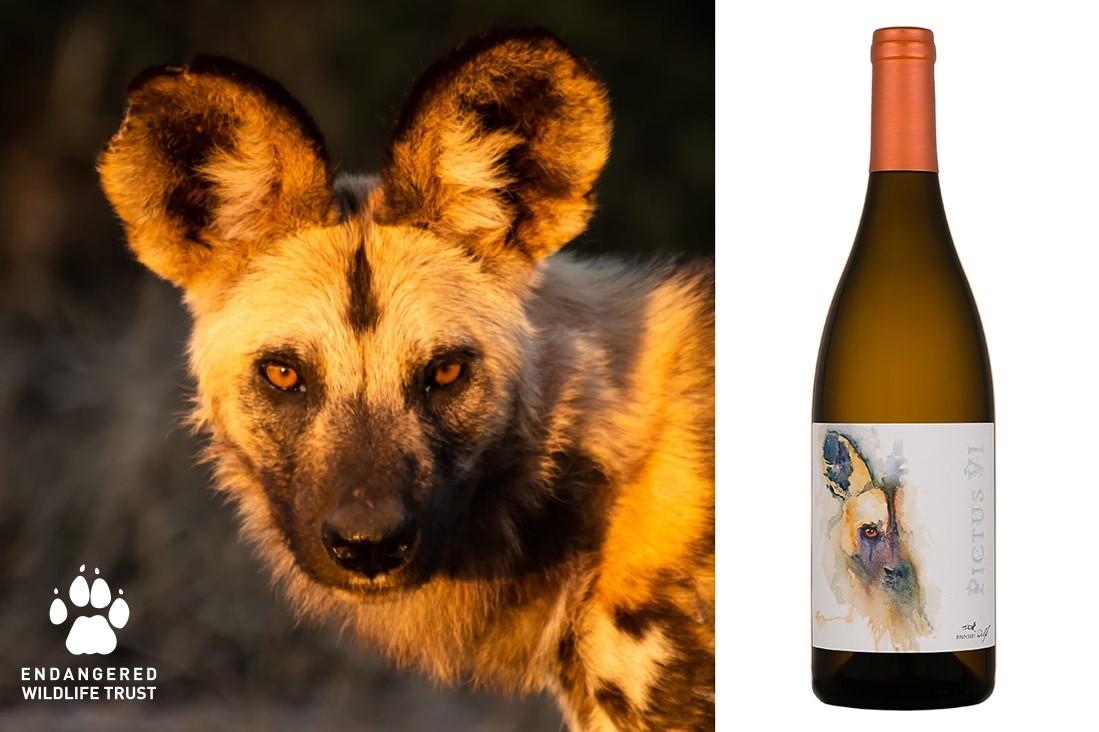
- Generous wine donations: Painted Wolf Wines provided premium selections including:
- Lycaon Chenin 2018
- Pictus VI white
- Syrah 2018
- Guillermo Pinotage 2018
- Delicious dining: Coalition Pizza served fresh salads and pizzas
Project Impact
EWT’s Conservation Canine Project:
- Provides trained detection and tracking dogs
- Supports anti-poaching efforts across South Africa
- Enhances wildlife protection through canine capabilities
Special Thanks
- Annie Reynolds for event coordination
- Painted Wolf Wines for generous donations
- Coalition Pizza for excellent catering
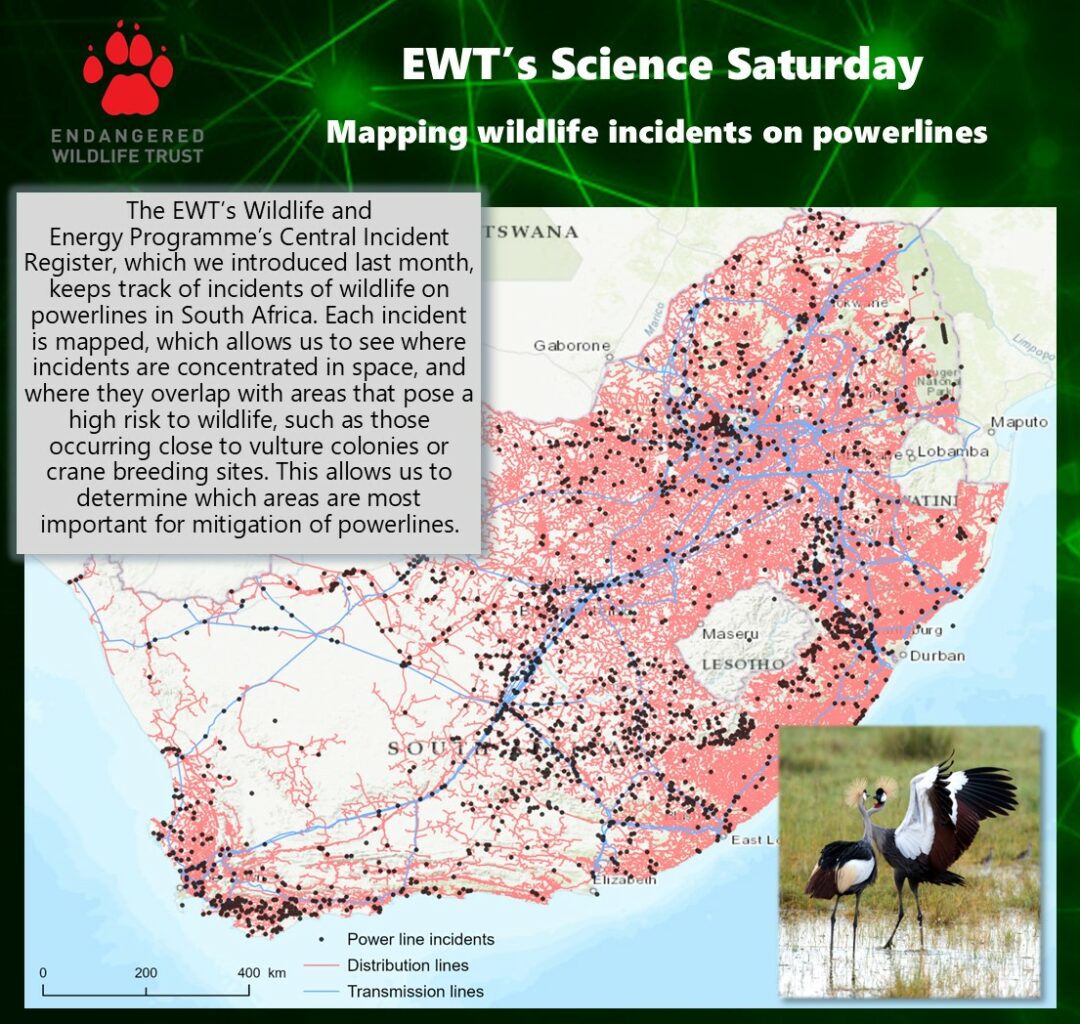
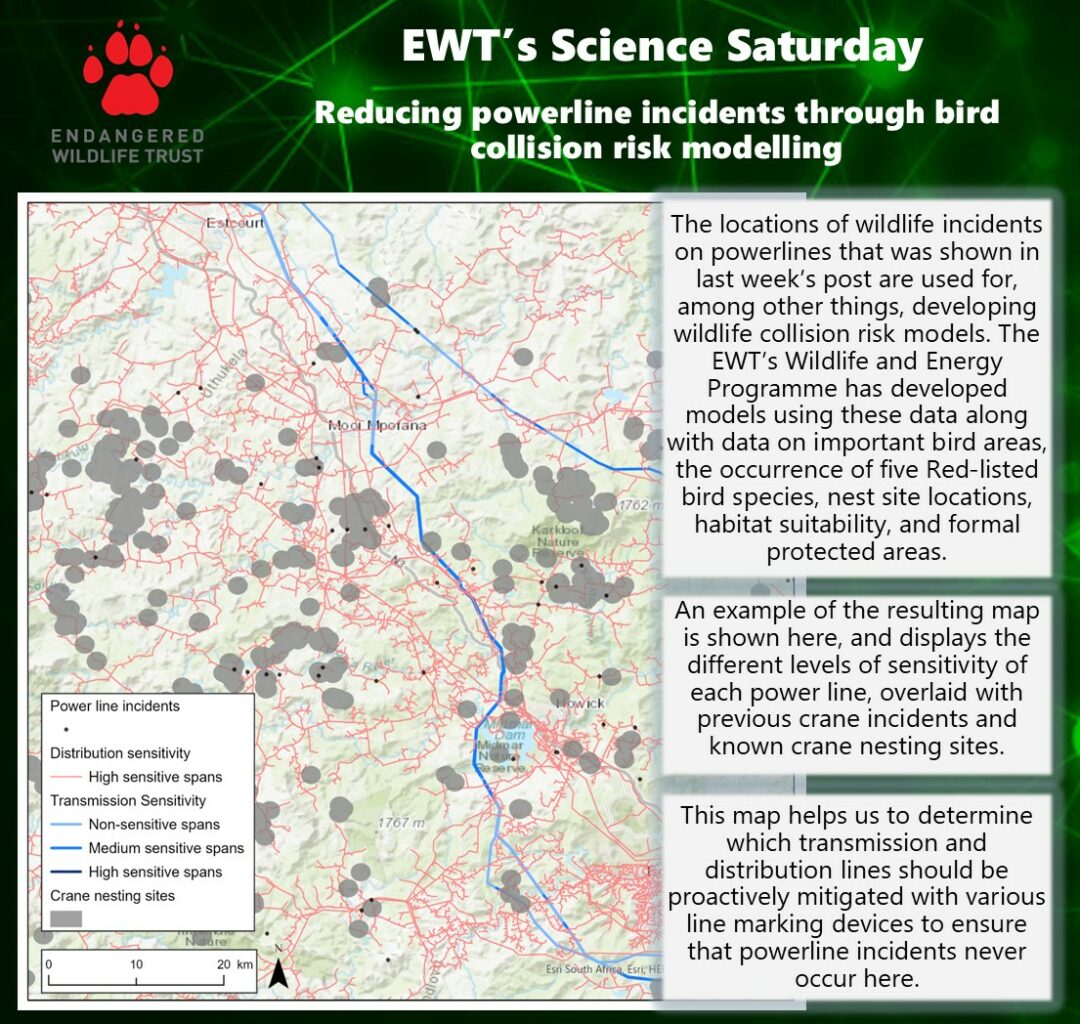
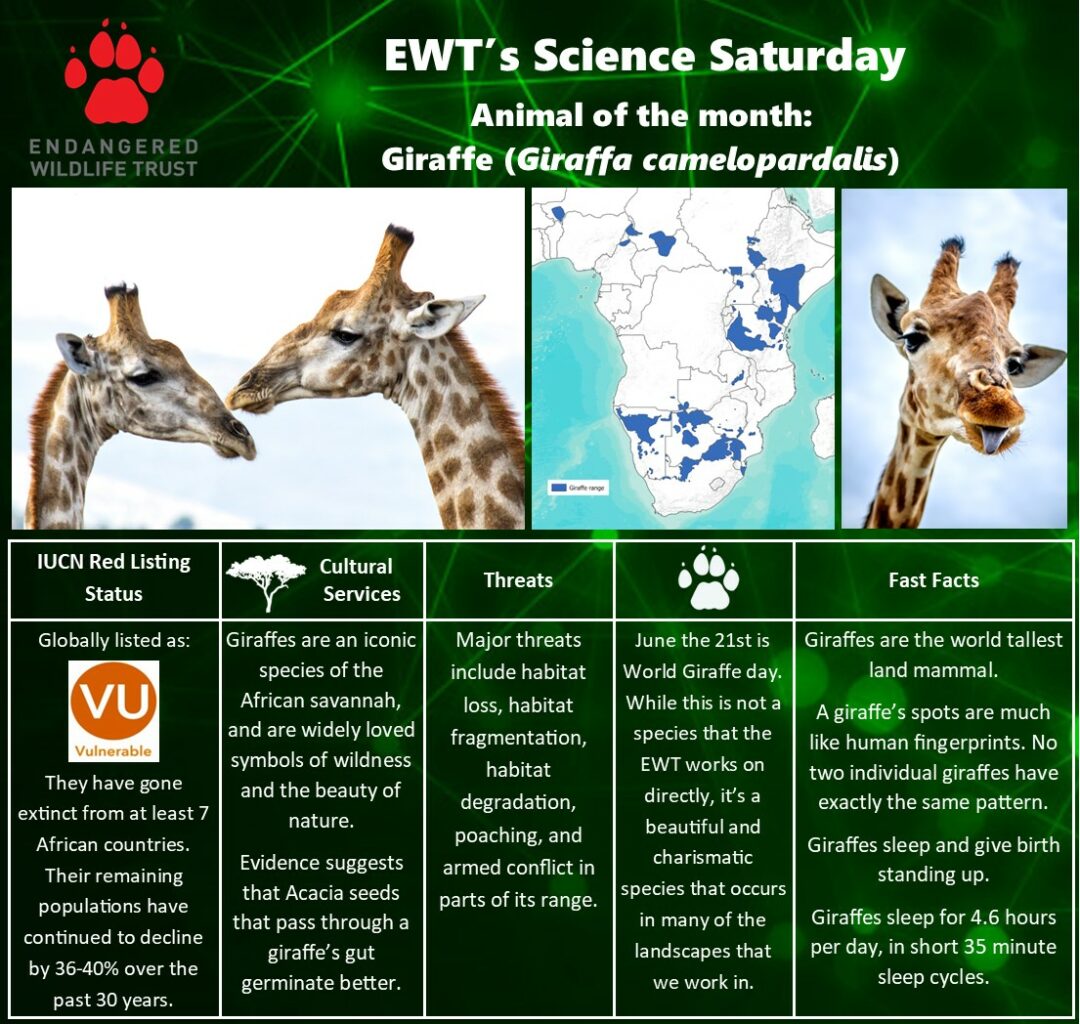
Fascinating Science Saturday Posts
Discover more about our innovative conservation projects through our regular science features.
ROOTZ KRUGER RIDE
We were very privileged to be the beneficiaries of the Rootz cycle ride through Kruger National Park.
Want to know more — listen to the interview https://omny.fm/…/fitness-with-liezel-van-der…
CONSERVATION CONVERSATIONS
“How well we communicate with each other about nature and environmental affairs will affect how well we address the ecological crisis’’
(Meisner, Environmental Communication: What is it and why it matters, 2015)
We use environmental communication to express our attitude towards the environment or to share information on environmental affairs. Whether it is sharing knowledge through a zoology lecture at university, signing a petition to stop the manufacture of single-use plastics, or even through the act of being a vegetarian, these are all forms of environmental communication. Environmental communication, just as any other form of communication, uses verbal and non-verbal forms, and the selection of these will determine the outcome of the communication process. In an article written by Mark Meisner (2015), he states that communication shapes how we see and value the world. In this light, environmental communication should create meaning for people on environmental and conservation issues, thereby driving actions that enhance more conscious living and mindfulness towards all living things.
The EWT’s Threatened Amphibian Programme has developed an Environmental Communication Strategy to ensure that our conservation messaging regarding the value and importance of frogs and reptiles leads to a positive shift in public attitudes towards these creatures and their habitats. The foundation of this strategy is based on designing “conservation conversations” tailored to the context, culture, and concerns of target communities. An example of a conservation conversation package would be using satellite imagery to show changes in a community over time and relating how these changes impact living conditions. Figure 1, satellite imagery compares the changing landscape in Adams Mission between 2005 (left) and 2020 (right).
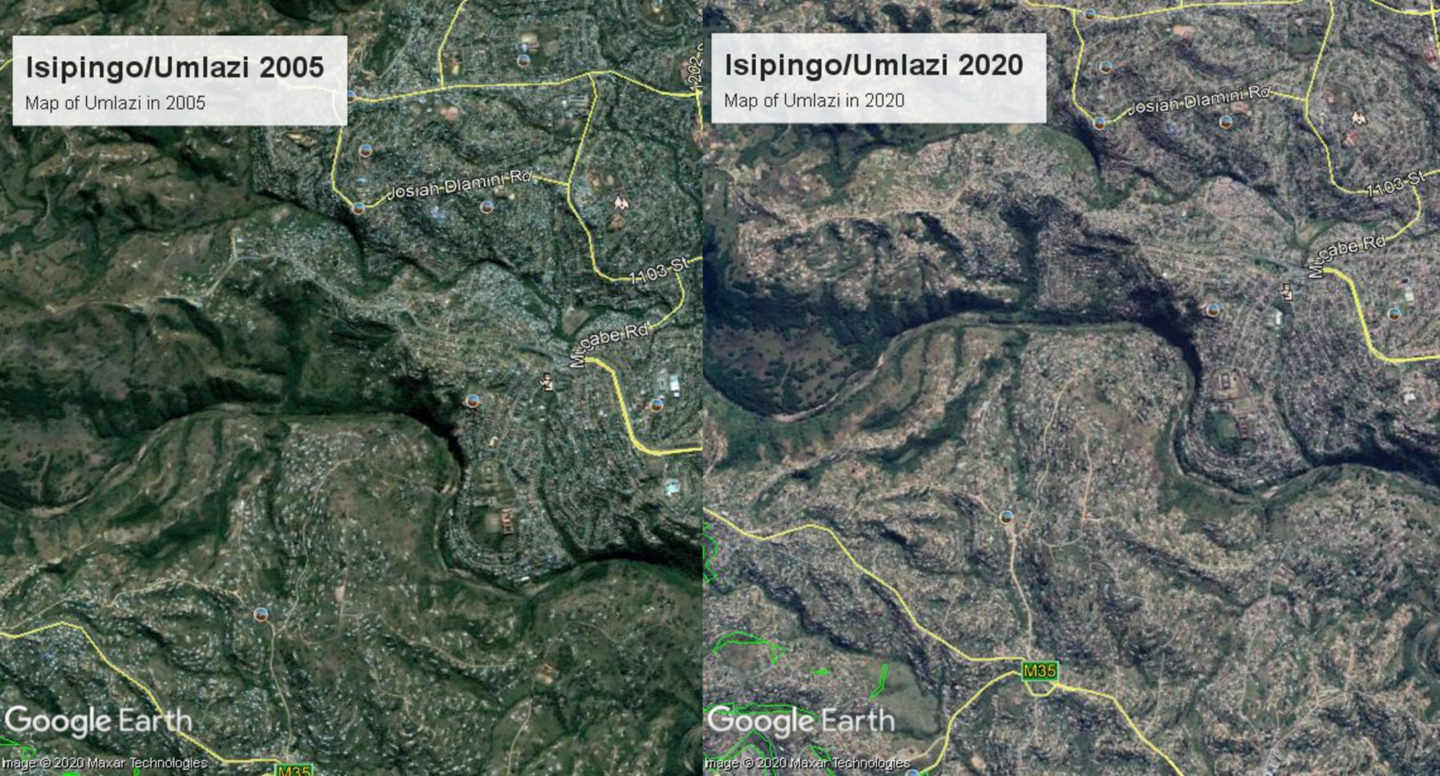 Figure 1:Satellite image comparing the density in Umlazi and Isipingo in 2005 and 2020.
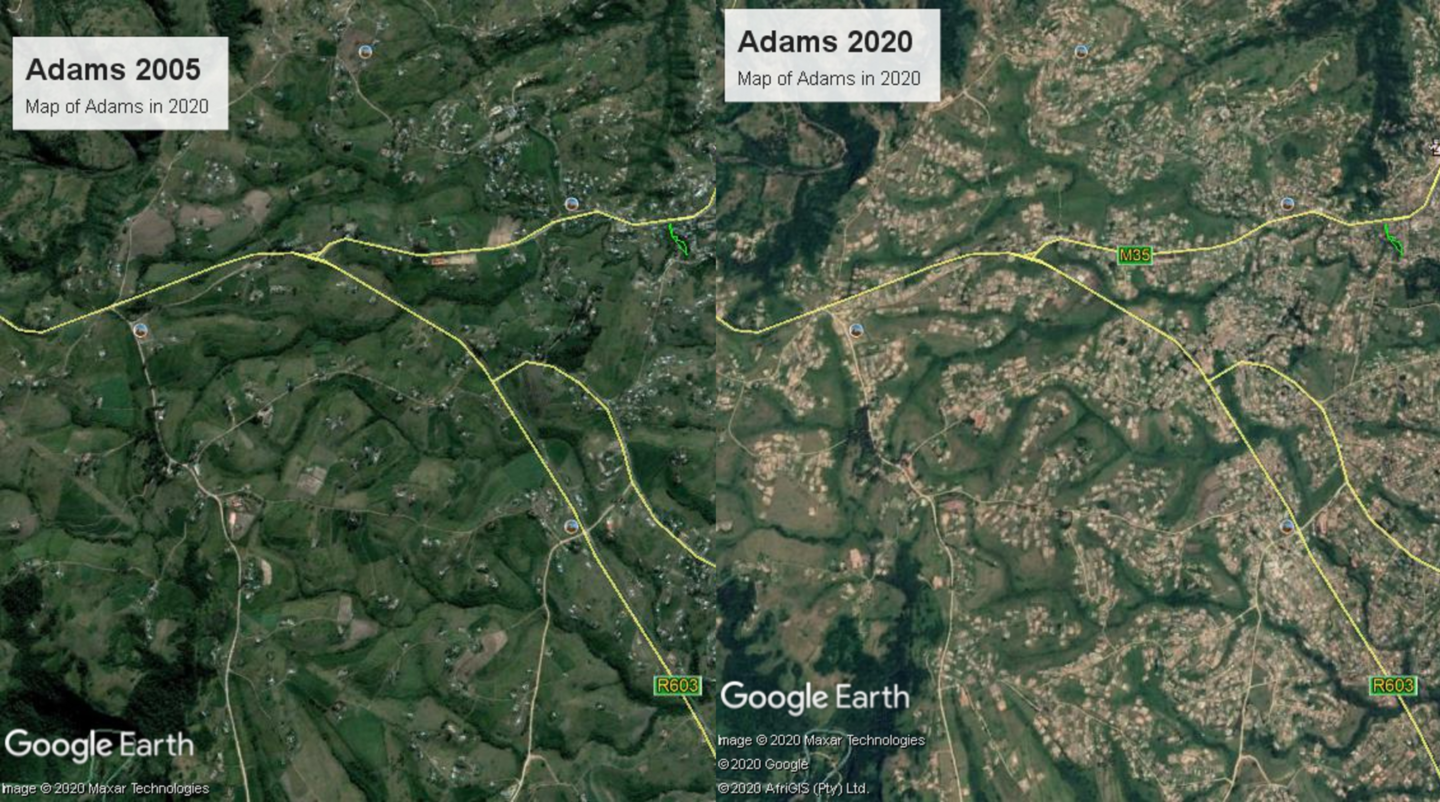 Figure 2: Spatial distribution in 2005 of housing in Adams Mission (Left) which is sparsely distributed as compared to Adams Mission in 2020 on the right which is densely populated.
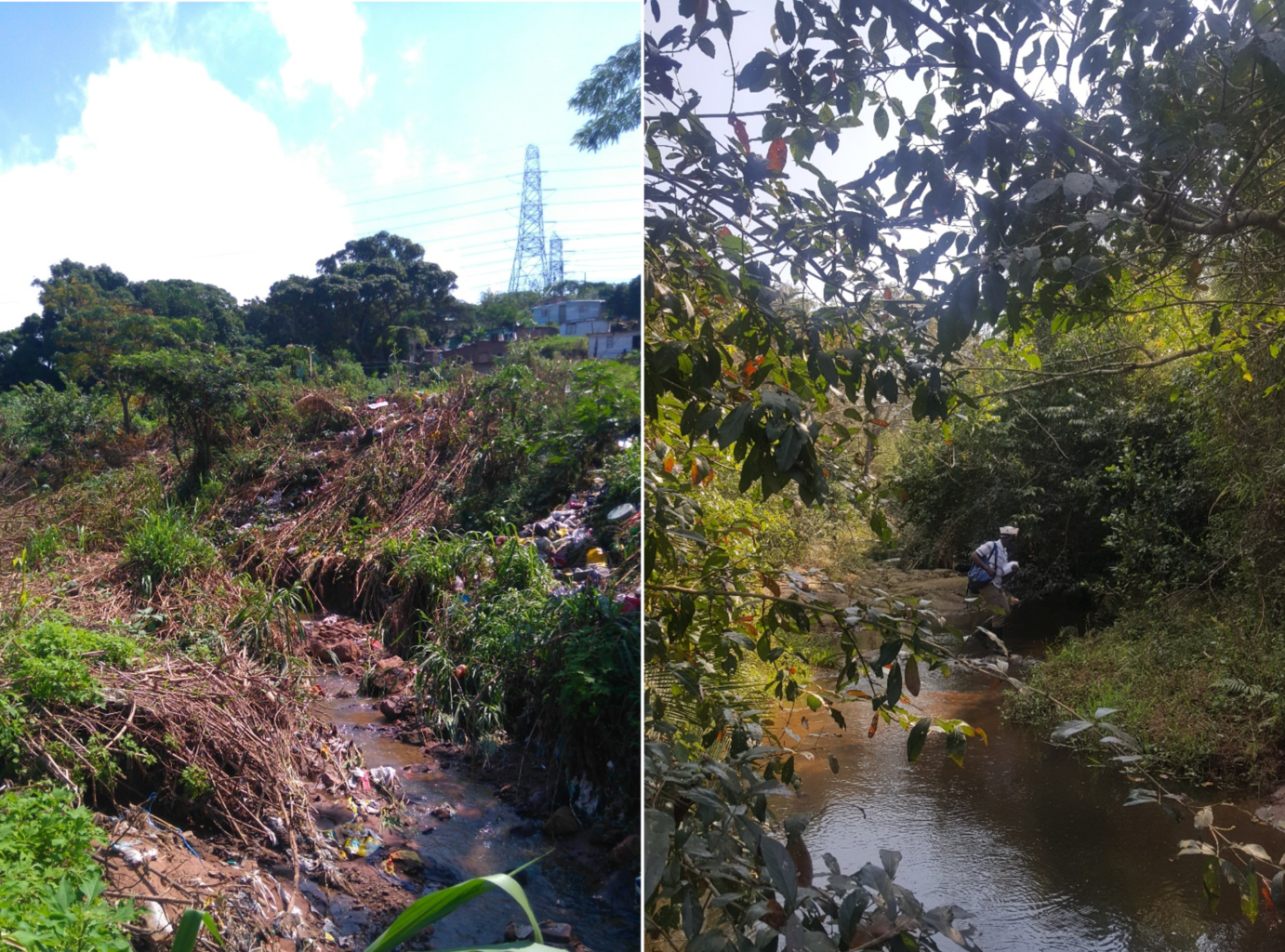
This comparative visual tool promotes dialogue by demonstrating the increase in population size and density over time, and discussions are held on the consequences this may have on living conditions in relation to space availability and quality of resources such as water. Satellite images (Figure 2) and photographs (Figure 3) show the state of living conditions in densely populated neighbouring communities, demonstrating the environmental and social implications of our increasing population. This comparison assists in building a visual reference to the possible future living conditions of the Adams Mission community if unrestricted and unsustainable development continues.
These tools enable dialogue that contextualises environmental impacts such as poor water quality, limited land availability for food security, increased flood risk through wetland destruction, or reduced availability of natural resources such as plants commonly used in medicinal treatments.
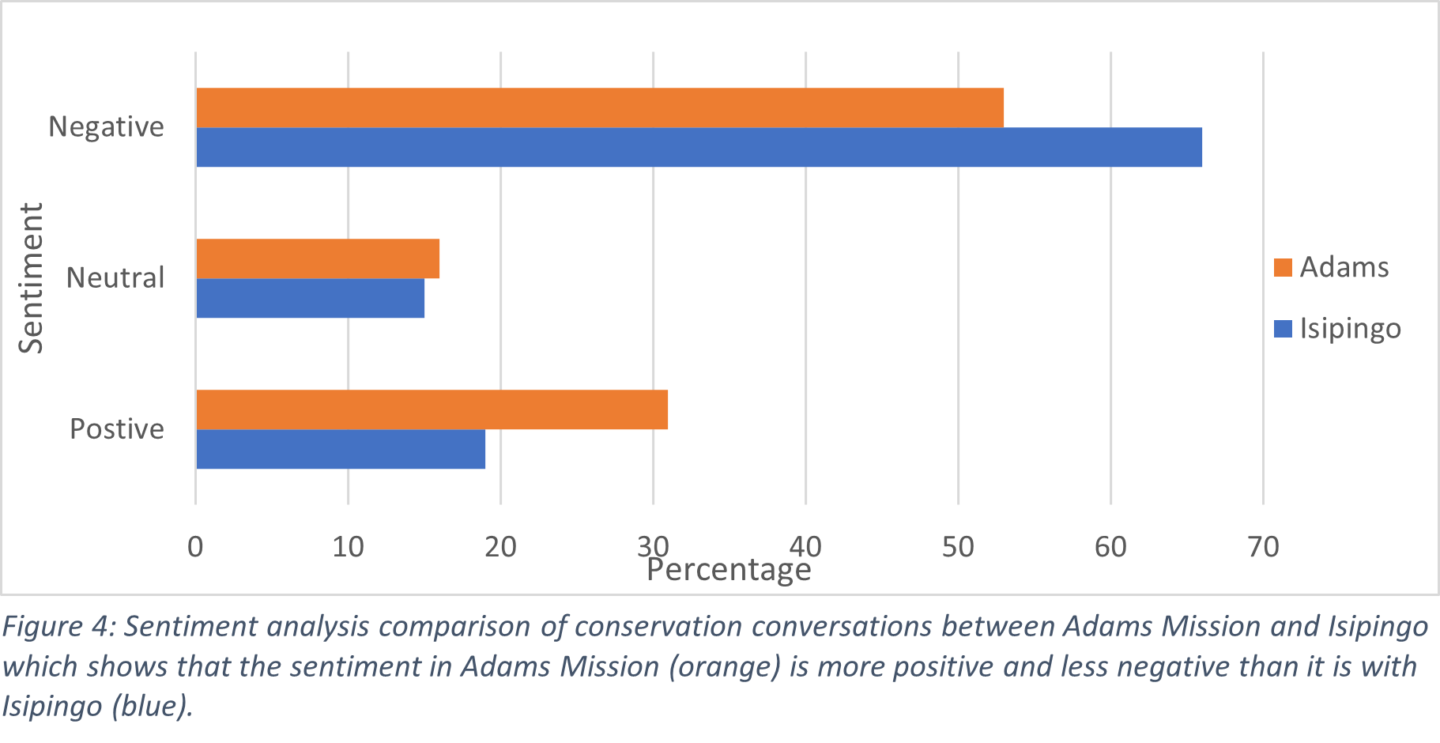
We track the conversations through sentiment analysis to determine how people feel about the context of the conversation, and we have found that in areas where ecological integrity is higher, for example, in Adams Mission, there is a more positive sentiment, as compared to the conversations held in areas with poor ecological integrity, such as in Isipingo (Figure 4).
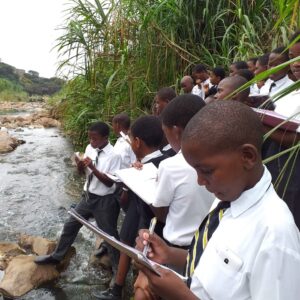
In addition, our knowledge-building strategies within the formal education system incorporate demonstrable concepts based on contextual circumstances. For instance, asking learners from a school to bring in a water sample from their local river to test the quality (Figure 4) builds a greater understanding of the causes of poor water quality than if a person just told learners that the water quality of their local river is in poor condition. This interactive process allows people to feel a part of the outcome and allows for feedback to determine the level of understanding, interpretation and acceptance of a message.
These two examples of our conservation conversations allow for developing a co-constructed message based on contextual evidence by all persons engaged in the conversation.
In today’s world, where there are a host of environmental voices speaking about a huge range of different issues, we must hold productive conservation conversations to ensure that collectively the environmental communication results in a shift in attitude as well as action towards a more sustainable society that embodies consciousness towards and for the world around us and all its inhabitants.
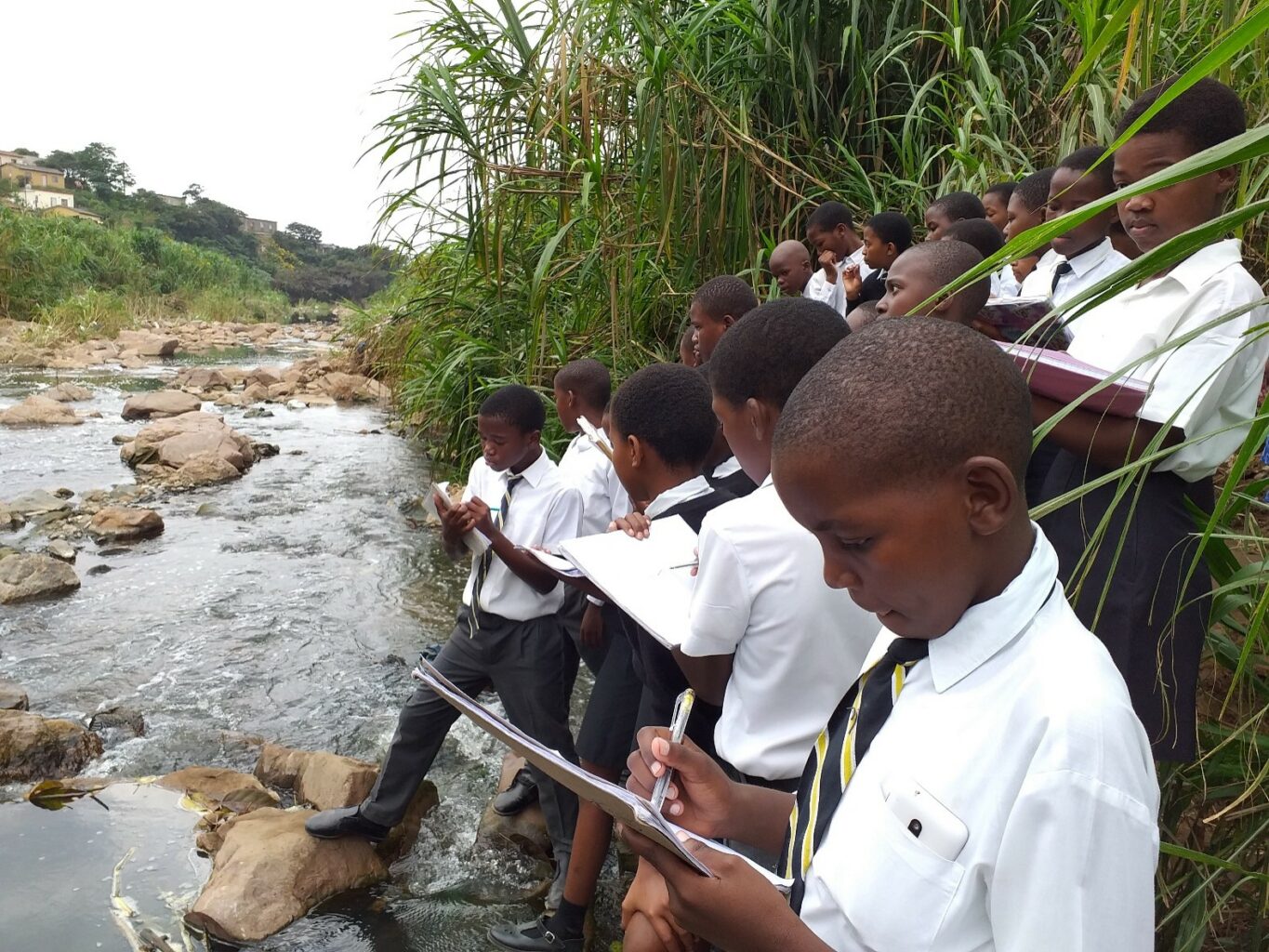 Figure 5: Learners conducting a water quality assessment of the Isipingo River.
References:
Meisner, M. (2015, November). Environmental Communication: What is it and why it matters. Retrieved June 08, 2021, from The International Environmental Communication Association: https://theieca.org/resources/environmental-communication-what-it-and-why-it-matters
KAROO FOREVER – IN CELEBRATION OF KNOWLEDGE
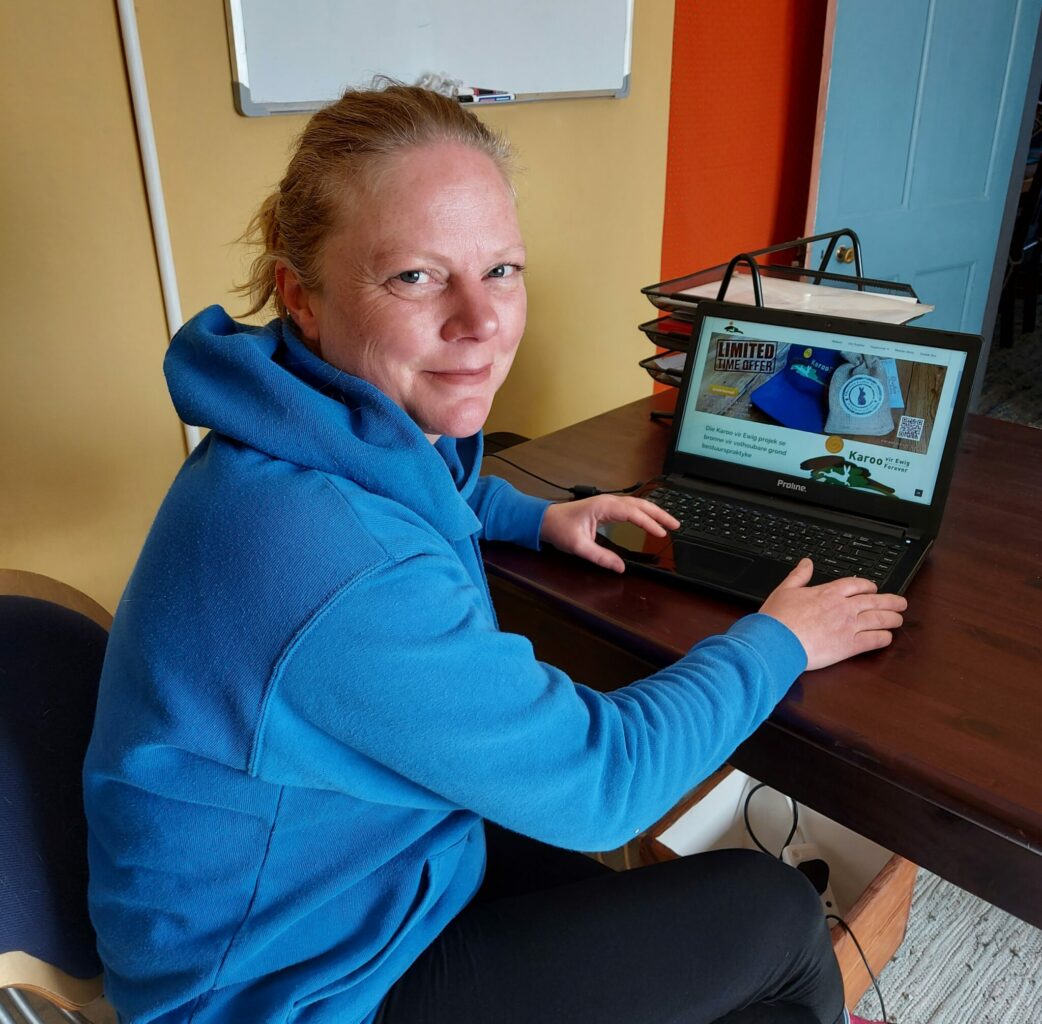
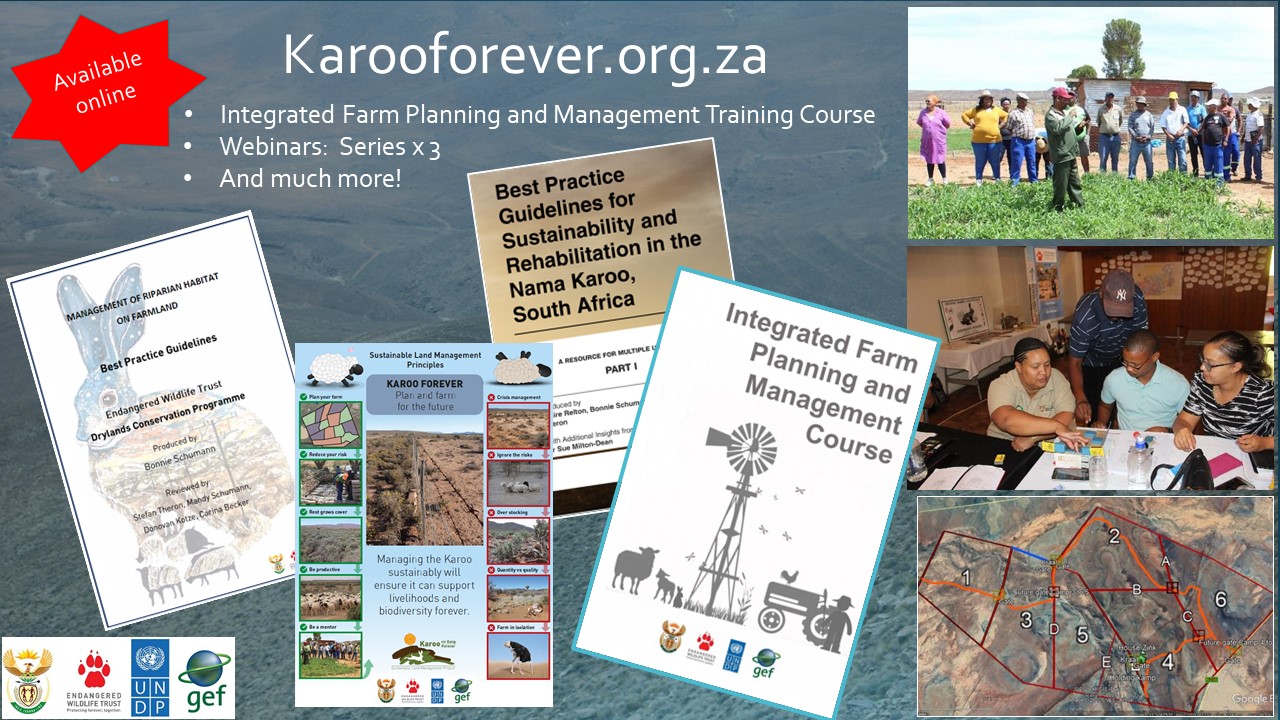
Bonnie Schumann, Nama Karoo Coordinator, EWT Dryland Conservation Programme, bonnies@ewt.org.za Would you like to know about optimising veld recovery after droughts? Or what your rights are in terms of developments near you that you do not support? Did you know about a great new app that focuses specifically on helping you to get to know your Nama-Karoo plants? You can download this app on Android and Apple devices. All this information and many more resources are available on the Karoo Forever website launched by the EWT’s Drylands Conservation Programme last year.
The website is one of the outcomes of the Karoo Forever Sustainable Land Management Project that we initiated four years ago. Throughout this project, we developed a range of resources for farmers. We realised there was a need for a dedicated platform on which to make these resources available to farmers. Sonja Berg of iXOXO – The Idea Factory took up the challenge to develop a user-friendly website providing various resources, ranging from a series of webinars to best practice guidelines for various regenerative approaches to managing Karoo farmland. By developing the digital platform, we have ensured that the great deal of valuable knowledge shared by experts during live and digital events remains available to anyone interested in learning more about sustainable land management in the Drylands. The emphasis is on the Karoo, but the content is relevant to drylands worldwide. During 2018 we developed, in collaboration with agricultural specialists, an Integrated Farm Planning and Management training (IFP) course. The course was presented twice in the Northern Cape in 2019, but due to the COVID-19 related lockdowns imposed in 2020, additional live courses scheduled weren’t presented. Fortunately, we were already well on the way to adapting the FREE course for our online platform, so it went “live” on the website in March 2020.
Interestingly, besides farmers and agricultural extension officers, we have had participants ranging from students to tour guides and conservation officials completing this “farming” course. These include several Western and Northern Cape conservation officials. The conservation officials work with landowners, mainly in a biodiversity stewardship context, and reported to us that the knowledge gained has given them a better understanding of sustainable land management principles and illuminated some of the challenges and solutions faced by farmers who farm in the drylands. This knowledge is helping to inform their approach to farmers with a view to more effectively integrating conservation and agricultural priorities.
When Sir Francis Bacon published in his work, Meditationes Sacrae (1597), the saying: “knowledge itself is power“, he most likely wanted to convey the idea that having and sharing knowledge is the cornerstone of reputation and influence, and therefore power; all achievements emanate from this. More than 400 years later, access to knowledge is merely the click of a button away. However, it is no longer so much about influence and reputation as it is about survival and how we have to start changing the way we are doing things. Sharing knowledge and having discussions around solution-based approaches will empower people to act positively and be the change that is needed. We celebrate the sharing of knowledge on the Karoo Forever website and hope to see many more users visiting the platform, completing the IFP course, and sharing their solutions through the various resources.
The content on the website was made possible through contributions from several specialists whom you will meet through the webinars and other resources. We thank them all for generously sharing their expertise and passion in the interest of promoting sustainable land management in the magnificent drylands of the Karoo.
The Karoo Forever website is brought to you by the EWT’s Drylands Conservation Programme, which focuses on promoting sustainable land management in the Karoo. The project is funded by the Global Environment Facility and managed by the United Nations Development Program in partnership with the Department of Environment, Forestry and Fisheries and Department of Agriculture, Land Reform, and Rural Development.
Links to:
GUEST ARTICLE: INVESTIGATING IMPACTS
Manisha Bhardwaj, Postdoctoral Researcher, Swedish University of Agricultural Sciences, manisha.bhardwaj@slu.se The ecological impacts of roads and railways on wildlife can be far-reaching and detrimental. For example, transportation infrastructure contributes to habitat loss and fragmentation, where animals are impeded from travelling through their environment without avoiding transportation infrastructure or the mortality risks involved in crossing roads and railways. In addition, habitat quality adjacent to roads can be compromised as noise and light from traffic and streetlights spill into the surroundings. These impacts, individually and cumulatively, can have devastating effects on wildlife, reducing their ability to persist in landscapes. These are the types of implications I study.
My name is Manisha Bhardwaj. I am a postdoctoral researcher at the Swedish University of Agricultural Sciences, investigating the impacts of the built environment and human activity on wildlife populations. My interests include understanding how anthropogenic activities impact the ecology and behaviour of animals. I am particularly interested in the roles noise and light pollution play in wildlife populations’ persistence and how animals respond to these stresses behaviourally. In addition, I enjoy exploring human-wildlife interactions and the interconnectedness between our activities as people, the landscapes we occupy, and the landscapes needed for wildlife.
My interest in road and railway ecology has brought me fruitful and fulfilling collaborations with the EWT, particularly with the Wildlife and Transport Programme. Together with Wendy Collinson and Paul Allin from Transfrontier Africa, we are investigating the impacts of railways on wildlife in the Greater-Kruger National Park Region in the first formal South African railway ecology programme. Our project brings together NGOs, researchers, and managers to address the impacts of railways on native fauna such as Elephants, Hyaena, Wild Dogs, and Impalas. We have investigated where and when wildlife cross railways and collisions occur, how effective mitigation strategies can be to reducing the rate of collisions, and how animals react to oncoming trains. With this project, we will provide insights into this issue to reduce the overall impacts on South Africa’s wildlife.

A WORD FROM THE CEO
Yolan Friedmann, EWT CEO
yolanf@ewt.org.za It is probably a coincidence but a wonderful opportunity that Youth Day/month in South Africa and World Environment Day are both celebrated in June. I say this not just for the obvious rhetoric that the youth are the future and therefore the best hope we have for saving our fragile environment from the havoc being reeked on it by the current generation; but more importantly, to highlight the critical opportunity that it gives us to both empower and protect the vulnerable, and in South Africa today, this includes both our youth and our environment. With all the problems facing both young people and our environment, what if solutions could assist both simultaneously? Here are two of my crazy suggestions that may just be able to achieve both….:
1. South Africa needs Kibbutzim. A kibbutz is a type of settlement that is unique to Israel. A collective community of people living together in mostly agricultural settlements. Not economically motivated, the residents of the communes share everything and work as members of a collective. In the early days, times were tough, everything was shared, and life was hard. The members all had different jobs in the community, either in agriculture or elsewhere. Some were in the kitchen, the kindergarten, or schooling children. Members lived in modest accommodation, and all meals were eaten in the dining hall with a strong sense of community. Since the 1980s, many kibbutzim have become privatised and have diversified away from their agricultural roots, largely into manufacturing. Companies on Kibbutzim account for about 10% of the country’s agricultural output, and many of these industrial pursuits have led to great successes. Activities include diamond cutting, manufacturing of drip irrigation equipment, and tourism, and skills development is offered for all these industries. Imagine if, in South Africa, unemployed youth could join a Kibbutz (called by another more appropriate local name) and learn valuable life skills and the meaning of common good; whilst developing valuable hard skills such as manufacturing, teaching, farming, or other artisanal/trade skills (motor trade, welding, boiler making, electrical, fitter, and turner). Imagine if they could contribute to the national targets for food security and contribute to building a better future for all, whilst learning invaluable skills, all at no cost to the taxpayer? And even better, if they did this whilst farming organically, and with regard for Sustainable Land Management (Farming for the Future principles) by conserving water, rotating crops, farming organically or with indigenous species, possibly applying permaculture principles and critically, giving value to land that developers currently eye for its potential as a coal mine, golf course, or fracking well due to it being ‘fallow’ and ‘useless’? Imagine what generation of caretakers we would be producing if this was an option for the 74% unemployed youth instead of crime, childbearing, or boredom?
2. South Africa needs better (and free) education for all young people. But the Fees must Fall campaign went about this all wrong. The COVID-19 pandemic has proven how thousands of students locally (and millions globally) have successfully managed to complete a year of university, all online. Why not give all willing and eager young South Africans access to FREE university education ONLINE? It is vastly cheaper to arm them all with an iPad and free data than trying to fund university fees as they stand, and qualifying students could easily be granted free access to a wide variety of online courses, the quality and diversity of which has vastly improved in the last year; with targets being set that speak to the need to pass and pass well for the next year to be unlocked. I will bet that most taxpayers would be delighted to see their contributions spent on this rather than a range of politically motivated demands that don’t actually move this generation forward. And how does our environment benefit? Well, having thousands of students learning from home (or Kibbutzim) saves countless carbon emissions, reduces transport costs and the need for accommodation, infrastructure, and wasted printing. Yes, universities need fee-paying students to keep them going, but for those who cannot pay fees, why not help them to study online for free?
These are just two suggestions of how supporting a better future for our youth can and should be, about finding solutions that also save the planet. After all, both the future of humanity and the planet depend on each other and the sooner we learn to think differently about how we save both, the better chance both may have,
I’d love to hear about other ideas, crazy or not, that could benefit both the youth and our environment – send them to ewt@ewt.org.za and let’s keep talking!
Yolan
“Do Shrews Swim?” – A Field Diary from the Outeniqua Mountains
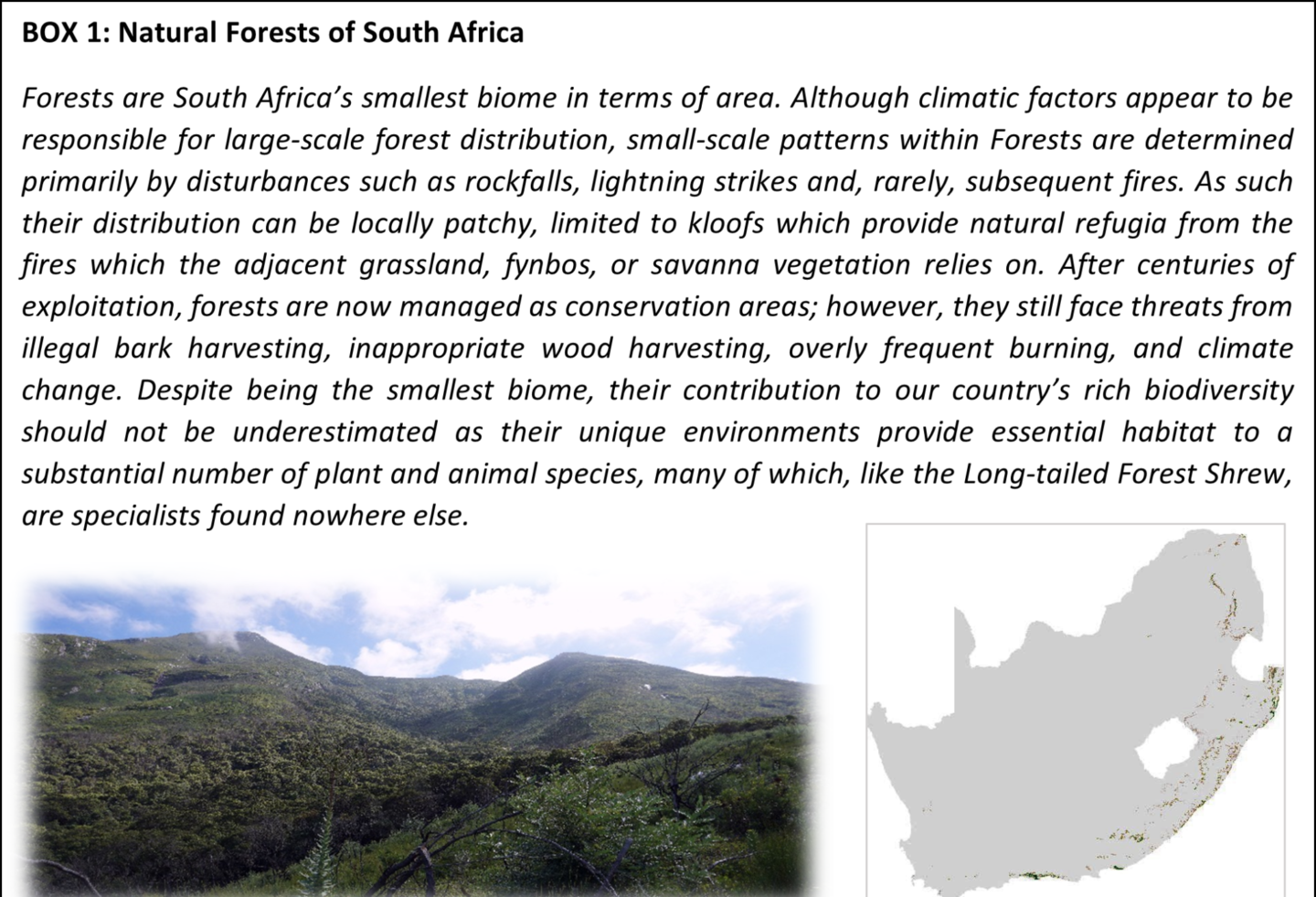
Do shrews swim? This unexpected question dominated my thoughts during recent fieldwork in the misty Outeniqua Mountains above George, where our team searched for the Endangered Long-tailed Forest Shrew (Myosorex longicaudatus) – not seen since the 1990s.
Dr Oliver Cowan, Conservation Science Unit, oliverc@ewt.org.za
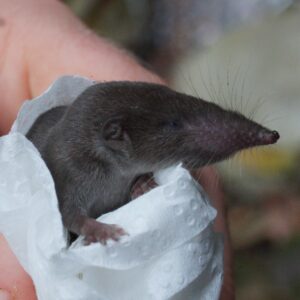
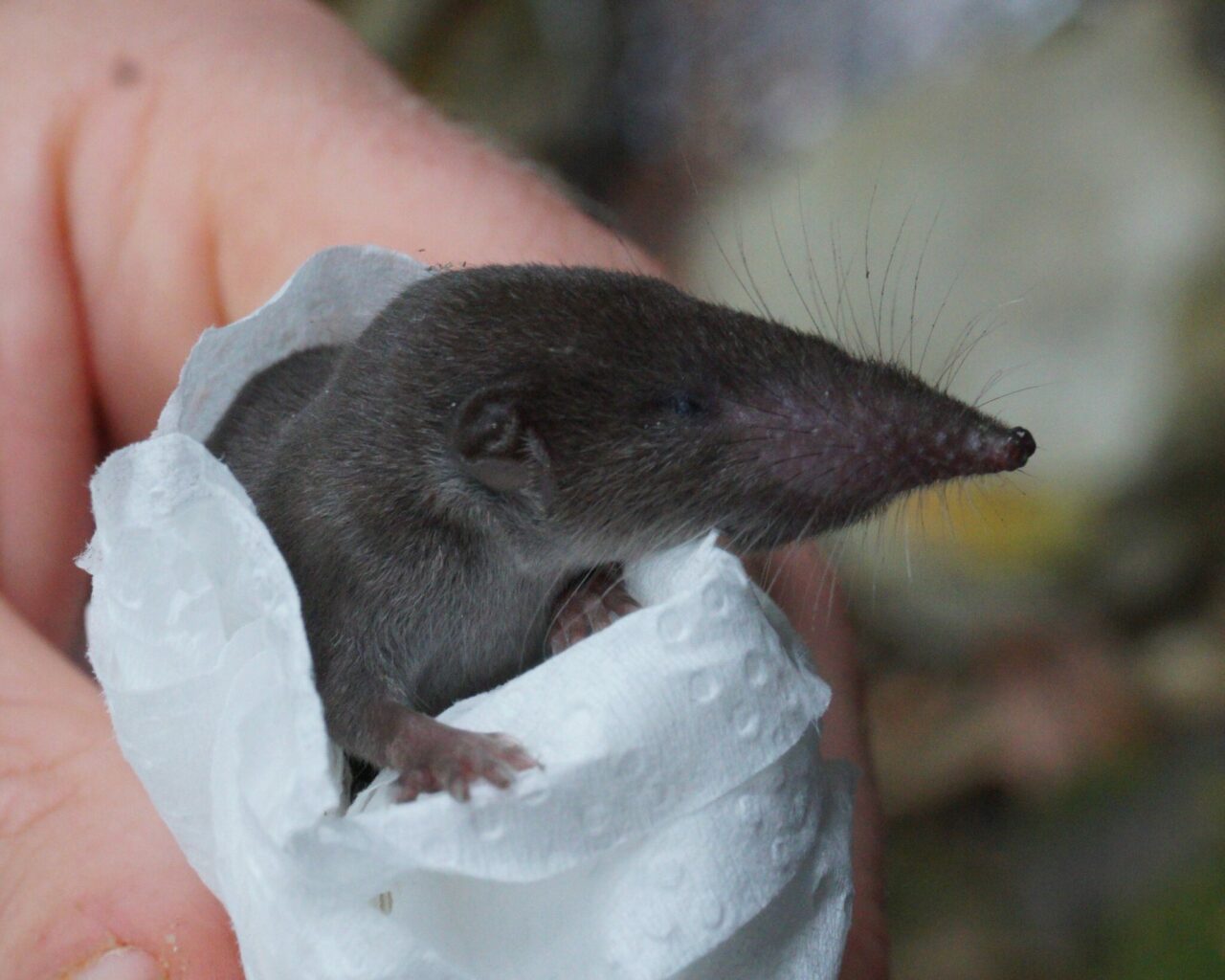 Musk Shrew after a swim. Photo credit: Oliver Cowan
Survey Methodology
Our team employed multiple techniques:
- 40+ Sherman live traps baited with peanut butter-Bovril-oats mix
- Camera traps placed along game trails
- Ultrasonic recorders for bat echolocation (Pettersson D500X)
- Microhabitat measurements (temperature, humidity, canopy cover)
- GIS mapping of all trap locations
Traps were checked at dawn and reset at dusk following strict ethical protocols. Each captured animal was:
-
Identified to species
-
Photographed for verification
-
Measured (weight, body/tail length)
-
Released unharmed at capture site
Notable Species Observations
Beyond the swimming shrew incident, we documented:
Mammals:
- Honey Badgers (Mellivora capensis) – First forest record via camera trap
- Cape Clawless Otter (Aonyx capensis) spraints along streams
- 4 bat species (new mountain records via ultrasonic analysis):
-
Cape Serotine (Neoromicia capensis)
-
Long-tailed Forest Bat (Myotis tricolor)
-
Egyptian Free-tailed Bat (Tadarida aegyptiaca)
-
Banana Bat (Neoromicia nanus)
Birds:
- Forest Buzzard (Buteo trizonatus) – Constant aerial observer
- Knysna Turaco (Tauraco corythaix) – Emerald flashes through canopy
- Olive Woodpecker (Dendropicos griseocephalus) – Drumming in yellowwoods
Herpetofauna:
- Table Mountain Ghost Frog (Heleophryne rosei) in streams
- Southern Adder (Bitis armata) coiled in leaf litter
Do Shrews Swim? The Swimming Shrew
The aquatic surprise occurred during a lunch break:
-
Heard splash in forest stream
-
Discovered flailing Lesser Dwarf Shrew (Suncus varilla)
-
Documented rare swimming behaviour (3 minutes observation)
-
Rescue via tail-lift to prevent hypothermia
-
15-minute rewarming in cotton shirt before release
“This challenges assumptions about shrew ecology,” noted Dr. Cowan. “Their aquatic capabilities may explain how they colonise isolated forest patches.”
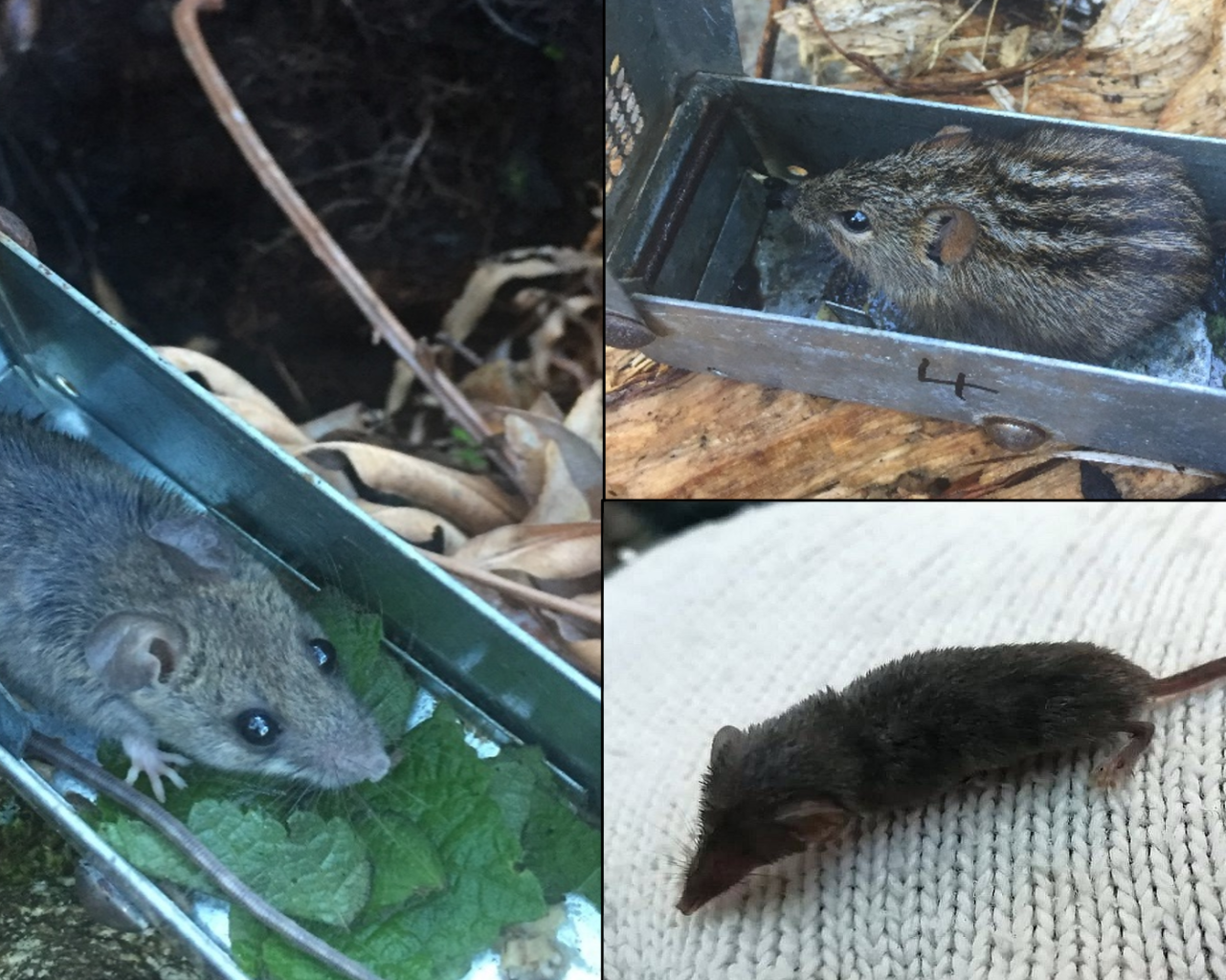 Verraux’s Mouse (left), Striped Mouse (top right), and Lesser Dwarf Shrew (bottom right). Photo credit: Oliver Cowan
Plans are underway for a 7-day expedition to survey this remote area:
Logistics:
- 15km hike-in with all equipment
- Base camp at 1,200m elevation
- Helicopter support for heavy gear (pending funding)
Target Species:
- Critically Endangered Boosmansbos Forest Shrew subpopulation
- Micro Frog (Microbatrachella capensis) in wetland areas
- Historical records of Acontias lizard species
Innovative Methods:
- Environmental DNA (eDNA) sampling of streams
- Thermal imaging cameras for nocturnal surveys
- Automated recording units for avian monitoring
Conservation Implications
These findings:
- Update species distributions for IUCN assessments
- Reveal forest connectivity patterns
- Highlight need for protection of isolated patches
- Demonstrate value of mixed-methodology surveys
As I write by headlamp, the Forest Buzzard’s final evening call echoes through Tonnelbos – a reminder that these mountains still hold secrets waiting to be uncovered.
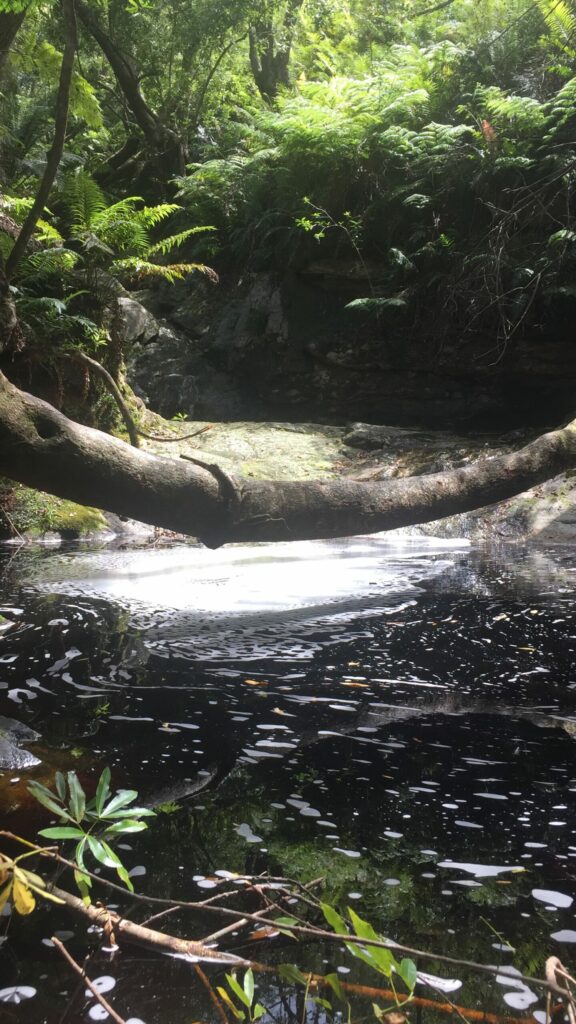 Our lunch spot in the Kloof. Photo credit: Oliver Cowan
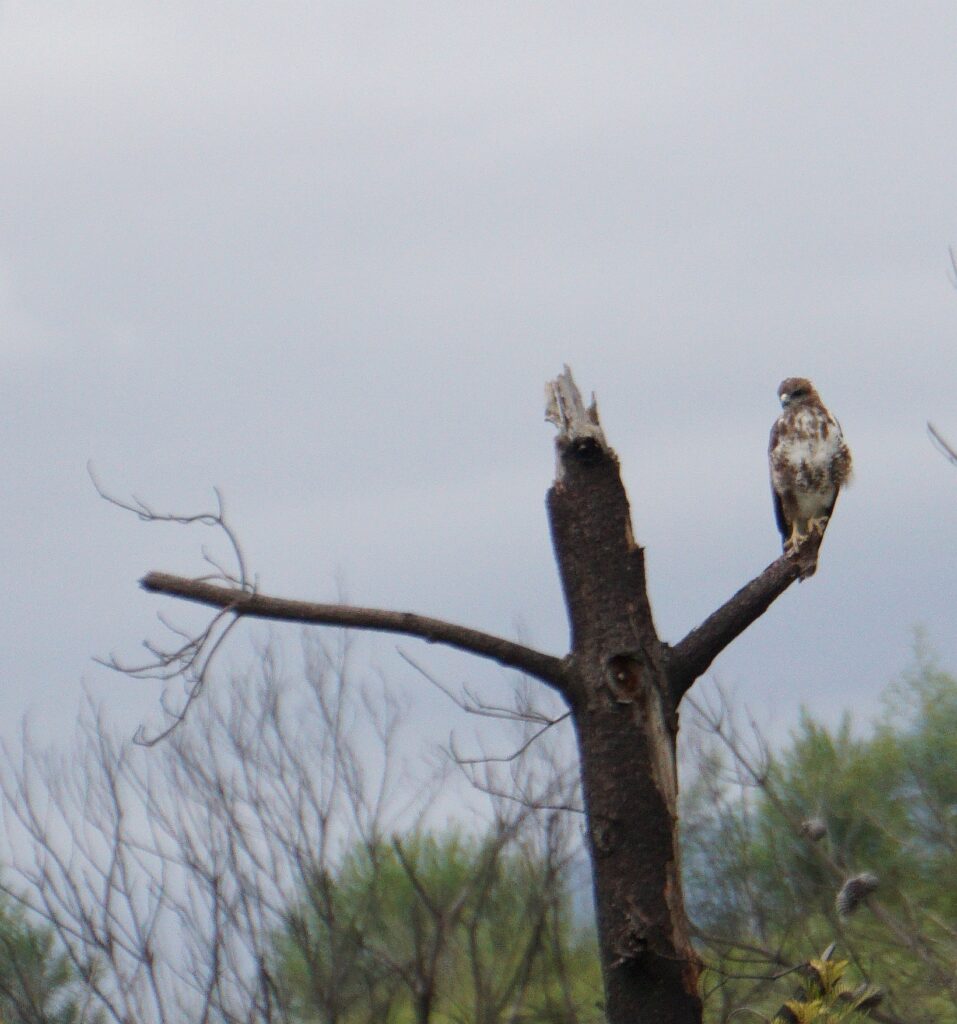 The ever-watchful Forest Buzzard. Photo credit: Oliver Cowan
SCIENCE SNIPPETS: THE ELEPHANT IN THE ROAD
Cameron Cormac, PhD Candidate, Centre for Functional Biodiversity, School of Life Sciences, University of KwaZulu-Natal, downs@ukzn.ac.za For most drivers, it is fairly easy to spot an animal as large as an African Elephant, Cape Buffalo, or rhino on the road. However, despite these animals being highly visible because of their large size, there are still cases of drivers colliding with these large flagship species along roads near or in protected areas. Additionally, with fences being placed around the reserves that South Africa’s most iconic animals call home, aiming to protect both man and animals by keeping animals in and poachers out, the range that these large animals can roam is effectively reduced. But if large animals can be hit by cars and stopped by fences, what effect do roads and fences have on the smaller species that inhabit these protected spaces.
Globally anthropogenic land-use change, including the development of linear infrastructure, impacts species negatively. I am Cameron Cormac, a PhD student from the University of KwaZulu-Natal and working in conjunction with several supervisors, namely: Prof Colleen Downs, Dr Cormac Price (both University of KwaZulu-Natal), Dr Dave Druce, Ezemvelo KZN Wildlife, and Wendy Collinson of the Endangered Wildlife Trust. My project aims to answer questions about the effects of linear infrastructure (roads and fences) on vertebrate fauna in Hluhluwe-Imfolozi Park and the Zululand region of KwaZulu-Natal.
There are five questions that my project aims to answer. Firstly, to find out what vertebrate species are killed by vehicles along the sections of the R618 that separates the Hluhluwe and Imfolozi sections of Hluhluwe-Imfolozi Park and the section of the R22 that runs through the northern section of Isamangaliso Wetland Park. Secondly, to determine what vertebrates are dying along fences within Hluhluwe-Imfolozi Park and Phinda Private Game Reserve because the fence impedes them from entering either park. Additionally, to find out what animals are killed along the R22 that runs through multiple rural communities and compare it with the Isimangaliso section of the R22. I am particularly interested in how reptiles and amphibians in this region are affected by the roads and fences. Finally, to determine what measures can be taken to reduce the number of animals that die along the roads and fences that this project is concerned with.
To answer my project’s questions, I conduct surveys in the morning and evening, collecting information on what animals are killed on roads and fences. I also record the environmental conditions when I locate any dead animals, as weather conditions can increase roadkills,

Cameron Cormac recording roadkill
and I note whether there are traffic calming or alternative structures for use animals to use to avoid the road. The number of cars that pass by during a set time frame, the number of cars that pass through the road sections in a day, and how far from the edge of the road the animal was are also recorded. This information will provide insights into what drives animals to use the road. Information from social media pages is also being used to obtain additional information about roadkills in the study area. Information on what animals are killed along fences is kindly collected by the rangers and park workers who patrol the reserves. All information is then used to determine what measures can be taken to reduce the mortalities along these man-made structures using computer analyses.

Vervet Monkey roadkill found during road surveys
At least 137 animal deaths have been recorded along the R618 and 103 deaths along the R22 over three months so far, including 77 amphibians, 14 reptiles, 21 birds, and 27 mammals in Hluhluwe-Imfolozi Park and 63 amphibians, 14 reptiles, 17 birds, and 12 mammals in Isamangaliso Wetland Park.
You can also assist in the study. Please send pictures of any animals seen dead or alive on these roads to the Hluhluwe-Imfolozi sightings Facebook group or by using the Endangered Wildlife Trust’s road watch application, which can be found in the Google play store, as this will add to our growing understanding of the threat posed by roads in Hluhluwe-Imfolozi and Isamangaliso Wetland parks. In conclusion, please drive carefully and slow down for all animals crossing the road, not just the large iconic species, and help preserve South Africa’s incredible diversity.

Vehicle sponsored for this research project by the Ford Wildlife Foundation
This work would not be possible without the generous loan of a vehicle by the Ford Wildlife Foundation.

A WORD FROM THE CEO
Yolan Friedmann, EWT CEO
yolanf@ewt.org.za June signals a brand-new month, the middle of the year (can you believe it?), almost mid-winter and most important, World Environment Month, with World Environment Day (WED) being celebrated on the 5th. There are Special Days on almost every day of the year, with many being quite silly, like World Television Day (21 December) and World Yoga Day (21 June), but many being critically important days for us to take stock of our lives, our loved ones, those less fortunate, those in need, our impact on others and this Earth, and how we can be better humans. World Environment Day encapsulates all of this. Since 1973, June 5th has been observed as the UN-established World Environment Day to heighten awareness of global environmental concerns, like climate change, deforestation, ocean pollution, over-harvesting and unsustainable development that harm plant and animal species and derail natural systems and processes that are essential for life on Earth.
It is not a day just about the birds and the bees, but a day in which people globally should take note of and celebrate the bountiful gifts we get from Mother Nature and how much all of our lives, present and future, depend on them to continue, regardless of who and where we are. WED is about recognising that our lives are interlinked and woven together by our dependency on, and vulnerability to, changes in nature above all else; how none of us can survive without the lifegiving ecosystem goods and services that only nature can provide; and how, despite the poor being the most vulnerable to the impact of the loss of nature’s protection and provisions, we are all vulnerable. It only takes a pandemic or a flood or an avalanche for the rich to be reminded that they, too, are at nature’s mercy. Sometimes a day is not enough for us to really take cognisance of our need to live less harmfully, and these days, the whole month of June is often marked by celebrations, campaigns, events, and tributes to our environment.
This World Environment Day, celebrate with the EWT and Hot 91.9 as we bring nature a little closer and into your homes with stories from the conservation frontlines, tips on how you can live a less impactful life, and competitions with great prizes up for grabs. Watch the EWT staff saving Endangered species on our YouTube channel and see our Conservation rats at work on the Waterbear Network. Check out our Wild Diaries blog and follow our daily updates from the field on our Facebook page.
This June 5th, and every day, do something different to live lighter, be kinder, and take care of our Earth and all the creatures we share it with. There is no Planet B.
CRANE CUSTODIANS STEP UP THEIR DRIVE TO ADDRESS CRANE POISONING IN UGANDA
Adalbert Aine-omucunguzi, Orishaba Phiona, and Gilbert Tayebwa, ICF/EWT African Crane Conservation Programme, adalberta@ewt.org.za
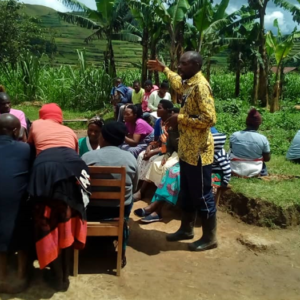
In 2012, the International Crane Foundation/Endangered Wildlife Trust Partnership (ICF/EWT) recruited and trained five community volunteers to safeguard breeding cranes in southwestern Uganda. This was in response to the escalating threats from crane poachers and wetland encroachment. These community volunteers were named Crane Custodians, and the approach was guided by the belief that securing a future for cranes depended on local people tolerating cranes on their farms, reporting poaching and other incidents, and receiving constant positive messages about cranes from their fellow community members. The Crane Custodians have since helped to raise community awareness about the importance of conserving cranes and have been instrumental in securing safe space for breeding cranes. The Uganda project has grown and now comprises 50 Crane Custodians, 17 females and 33 males
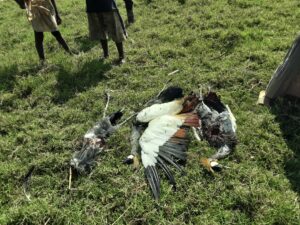
Despite this, in March and April 2021, over 60 cases of crane poisoning were reported in south-central Uganda. The poisoning is believed to have been driven by crop damaged caused by cranes. Some farmers are using agrochemicals, notably Furadan, to poison cranes that visit their crop fields. In response to escalating poisoning, our Crane Custodians have stepped up their awareness drive to educate communities so that they aware of the dangers of misusing agrochemicals, which are unfortunately readily available in local markets and can easily be purchased by anyone.
 Through various available awareness-raising activities such as community meetings, church gatherings, music composition, and moving from house to house, the custodians are sensitising community members to the consequences of poisoning cranes and the need to protect Uganda’s National Bird.The custodians have been instrumental in building the current community support and pride for cranes that we see in Uganda. The dedicated volunteers also report and monitor cranes that are breeding, contributing to increased breeding success for cranes within these communities.
The Uganda project team is heavily indebted to these unsung heroes for their dedication to crane and wetland conservation and their willingness to volunteer their time to serve nature.



