Each month, we will be bringing you delicious, nutritious, and eco-friendly recipes that our staff members love! This month’s Earthly Eating recipe is Gabi’s Sunchoke Showcase from Gabi Teren, the EWT’s National Biodiversity and Business Network Manager
This recipe, adapted from Jamie Oliver’s Potato and Mushroom Al Forno (in his book Veg!), is the best showcase for the sunflower tuber’s sweet, mushroomy, garlicky taste.
Jerusalem Artichokes. These delicious vegetables are neither artichokes nor from Jerusalem. Rather, they are sunflowers native to North America and historically cultivated by indigenous people of the Americas. They grow like weeds, are easy to harvest and cook, delicious, nutritious, and help bees!
Why are they wildlife friendly?
They make a great sustainable crop for small gardens – and trust me, you want to use a small contained planting space even though they grow into 2-meter tall sunflowers – they send long root runners out that produce the edible tubers you want to harvest, and they can get out of control if not restricted. And you can harvest as many as you want, and the rest can just be left in the soil to grow into plants the next year. They are water-hardy and flower late into the summer season, which helps the bees who visit them when there are very few other flowers around (in the Cape).
They are ready to harvest once finished flowering, and you yank out the main stem and then follow the long roots to get to the tubers. And yes, they are ugly- but delicious! Use as fresh as possible, but they do keep in the fridge for weeks- win!
Jerusalem Artichoke flower and bee
Freshly harvested tubers
Serves 4
Ingredients
Two handfuls Jerusalem artichoke tubers
600 g potatoes
Half a head of broccoli
4 garlic cloves
2 onions
500g mushrooms
1 bunch fresh chives
3 large free-range eggs
½ tub cottage cheese
Handful (or two) parmesan cheese
½ teaspoon truffle oil (worth it!)
Handful fresh rocket
Preparation
Preheat the oven to 200 degrees C
Scrub the artichokes and remove the fine roots
Roughly chop the potatoes, artichokes, garlic, and onion
Place in a large roasting pan, throw over 2 tablespoons of olive oil and salt and pepper and roast for 30-40 mins till golden and cooked through.
Toss in the roughly chopped mushrooms and broccoli and roast for another 10 mins
Beat eggs till pale and fluffy, add the chopped chives, and fold in the cottage cheese
Pour over the roasted veg and then grate parmesan over the top
Continue roasting for another 10-12 mins, or until the egg mixture has set and serve with a few drops of truffle oil and fresh rocket.
It’s a one-pan rustic wonder that offers so much flavour and a protein and iron-packed vegetarian dish. And the Jerusalem artichokes will just keep on producing, year after year.
(Pro-tip = the artichokes contain high amounts of inulin – a really beneficial fibre for gut health, but eat too many, and you may experience some err gassiness as a side-effect!)
(Pro-tip 2: Pairs well with a great Chenin Blanc such as a Ken Forrester Old Vine Chenin or Spier Organic Yellowwood White).
Careers in Conservation Meet the newest member of our pack – Sizie Modise
Hi everybody!
My name is Sizie, and I would like to introduce myself to you all. I just joined EWT as head of Marketing, and I am excited to dive in.
Sizie Modise Head of Marketing for the Endangered Wildlife Trust
I have many years of experience across a variety of challenging, rewarding bucket list-type endeavours, ranging from working alongside international artists to heading up the marketing division for a unique ex situ conservation project in the heart of South Africa. I’ve raised two guide dogs and have a passion for wildlife photography when I get the chance. Music is in my blood, and I must admit my playlists are often an eclectic mix of various artists across genres. Always up for adventure, my mantra is “Great things never come from comfort zones.”
Here is a little bit about my journey to a career in conservation
Job title: Head of Marketing
Location: Johannesburg Head Office
Where did you grow up? I grew up mostly in Johannesburg but lived between Lagos, London, and Dubai for about ten years. I moved back to South Africa in 2014
What are your hobbies/things you like to do in your spare time? Reading, listening to music and horseback riding are big passions of mine, polo in particular, but I haven’t ridden much since the pandemic. Spending time with my loved ones is extremely rewarding as well.
Any pets? I don’t have any pets at present, although I have raised two guide dogs in recent times
Favourite animal and why: This is a difficult one to answer. There are so many incredible animals that exist, and some that unfortunately have been rendered extinct. I have many that I admire for different reasons. For the purposes of fulfilling this answer of giving just one as an answer, I would say the Gorilla because, to me, they personify the earth in terms of temperament, in a way. Gorillas are powerful and strikingly unique, not only for their size and force but also for their gentle demeanour.
Favourite food? Sushi on a hot day, and my favourite comfort winter meal would most likely be Egusi Stew with pounded yam (Nigerian dish)
Pet peeve? Tardiness in all its forms… also people chewing with their mouths open
Why did you want to work for the EWT? I believe that my professional background, combined with my passion for wildlife conservation, is a fantastic fit for joining the EWT team, which I believe is an organisation dedicated to the well-being of human and animal communities. I think I bring something different to the table and feel I can add positively to an already incredible group of incredible individuals that make up the pack.
What excites you about this new position? Literally everything! I am excited to work with some of the most incredible people in the conservation industry on the planet. I am so proud of the work the EWT does, and I’m ready to start climbing up the mountain tops and shouting it to the world!
What are you passionate about? Life. We are all so privileged to be alive and make a difference not only to the animals we are working towards protecting but changing how the world treats and perceives the wonderful wilderness we love and cherish.
What’s the best piece of advice you’ve ever received, and who did it come from? “ Don’t stop believing in yourself, keep going, be kind and help others along the way…” my beautiful mother, who sadly transcended at the end of September this year, was the most gentle, loving person- my cheerleader and counsel for all things. She was always ready to help the next person, so much so that many people who had the privilege of knowing her came to call her mama… I shared her with many.
What is your go-to feel-good song? Calvin Harris – Giant ft Rag n Bone man
Mandy Schumann, Department of Agriculture, Environmental Affairs, Rural Development and Land Reform, and Bonnie Schumann, the EWT’s Drylands Conservation Programme
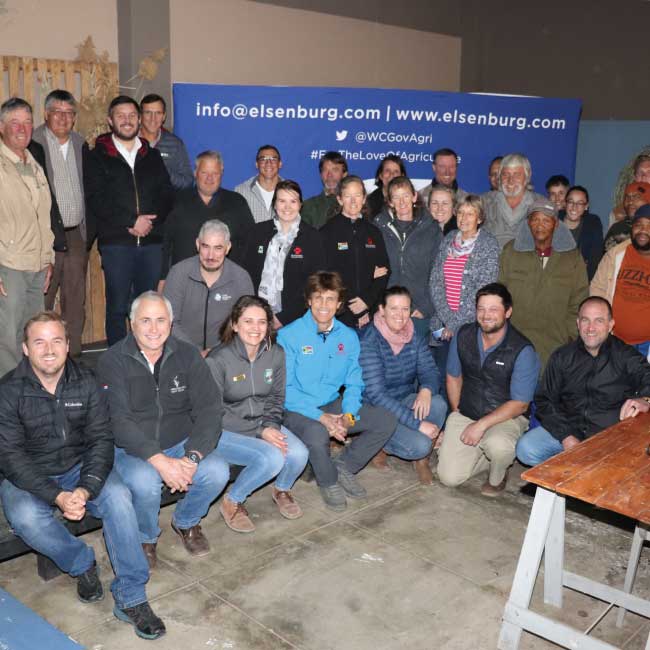
Farmers and conservationists recently got together in Prince Albert to discuss the issues around livestock predation in the Karoo. This event was organised after the Western Cape Department of Agriculture’s stakeholder meeting in May 2022, at which farmers indicated this challenge as one of the most important in the Karoo. In response to this, the Department partnered with the Endangered Wildlife Trust (EWT) to present a one-day workshop to unravel the challenge.
Predators and the problems caused by livestock predation typically produce a witches’ cauldron of emotions, and tensions invariably run high. To survive out there, farmers need to be tough and, as a result, have strong personalities and strong opinions. Conservationists are engaged in an almost impossible struggle to save what is left of our critical biodiversity in the face of an ever-increasing avalanche of threats. As such, conservationists also tend to have strong personalities and no-nonsense attitudes, which can be a recipe for potential conflict between the “greenies” and farmers.
This day, however, proved to be different. The event set the benchmark for addressing a hot topic without needing on-site referees or first aiders. It also highlighted the need for more opportunities to share lessons and to encourage interaction and discussion between conservation bodies, agricultural organisations, and farmers. Farmers are, after all, at the forefront of the efforts to provide food for the nation under ever-increasing challenging climatic and economic conditions. Farmers are out there to make a living from farming. They embrace the solitude and have a deeply ingrained love of the land, the job, and all it encompasses. Farming alongside nature, whether with crops or livestock, brings a host of challenges and almost insurmountable risks. Enter wildlife and predator conflict, the focus of the gathering in Prince Albert.
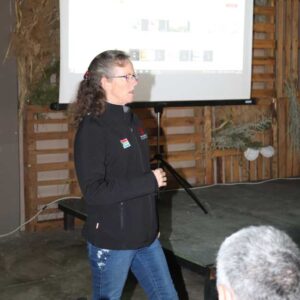
The EWT’s Bonnie Schumann presenting at Predator Day 2022 in Prince Albert
The presenters, a team from the Endangered Wildlife Trust, CapeNature, the Western Cape Department of Agriculture, The Predation Management Forum, the Cape Leopard Trust, and an agent from Virbac, were all exceptionally professional. The attitude from the outset was about sharing information and learning from one another. The farmers attending were engaging while the speakers shared their experiences, and it was a valuable learning exchange with the farmers communicating their valuable insights and opinions. Undoubtedly, participants departed with much food for thought on what could or could not be applied back home on the farm. Contact information was shared so discussions and support could continue following the event. This open approach made it a useful and positive networking experience for all involved. And as always, most people experienced that moment of “why don’t we get together and discuss this more often?”
No farmer wants to arrive at his livestock in the morning and find chaos and destruction, nor spend half of his time playing cat and mouse trying to chase down predators on his farm. The great thing is that the attitude towards wildlife on farms is slowly shifting in a positive direction. The discussions included approaches to sustainable land management and strengthening collaboration between stakeholders to find solutions. Small stock is most vulnerable during lambing season, but even healthy adult sheep can be preyed on by jackal and caracal. Over the years, a diverse toolbox of mitigation measures has been developed, ranging from using livestock guardian animals, including dogs and alpacas (yes, they guard as well as spit), to bells and whistles to protect livestock from predation. Besides protecting livestock, improving management focusing on superior genetic selection, such as selecting for strong maternal instincts and animals adapted to the environment, all of which help to reduce unnecessary losses. In addition, these measures help to make the production system much more resilient to predation and environmental risk factors such as the impacts of climate change. Robust, functioning ecosystems support both agricultural and ecological productivity and, if managed sustainably, will support biodiversity and livelihoods indefinitely. Where key indicator species, such as Riverine Rabbits, are present, farmers can give themselves a pat on the back. Iconic apex predators such as Leopards indicate a healthy intermediate and small mammal prey base, an even bigger pat on the back to farmers conserving them. Leopards can’t change their spots; it is the people that share space with wildlife that must do the changing.
Change takes time, knowledge, and some nudging, and we can celebrate each baby step towards a better, more holistic, and peaceful farming landscape. Livestock predation is not only the farmer’s problem; the problem belongs to us all. As such, we must join forces to find solutions to help support farmers in their role as the real guardians of this country’s spectacular biodiversity. This day was a celebration of cooperation and shared experiences, with a view to finding common ground and real solutions. The day was hosted by the Endangered Wildlife Trust and co-organised and funded by the Western Cape Department of Agriculture. Watch this space. The call for more such events will be heeded!
Caught on camera crossing the line: A rail ecology study in the Greater Kruger
Hannah de Villiers, MSc Student (University of the Witwatersrand)
The EWT has been working with partners to identify and address wildlife-rail-mortalities and animal behaviour adjacent to the railway line on the Balule Nature Reserve, which is part of the open system connecting to the Kruger National Park. This railway line extends over 45 km from Hoedspruit to Phalaborwa, transporting copper and phosphate deposits. For several years, trains have killed wildlife, including giraffes, lions, elephants, and zebras, on the section of the railway line that bisects the reserve. Recent research by a student studying at the University of Venda and the Swedish University of Agricultural Sciences, Siboniso Thela, examined the seasonal use and deaths of mammals on the Balule railway. This baseline work indicated that there could be over 1,000 vertebrates killed annually on this one line. We urgently need to address the threat these animals face and the costs of these collisions to the rail operator, Transnet.
My study aims to understand whether animals use culverts, viaducts, or underpasses to safely cross beneath the railway line. The railway line is unfenced, so herds of Kruger’s elephant, buffalo, and impala often walk right over it, putting them at risk of train collisions. Underpasses are a key mitigation measure for the habitat fragmentation and collision impacts a railway can typically impose upon an ecosystem. Understanding which species use (or don’t use) the underpasses and what factors influence this are important for conserving biodiversity in this reserve and informing future railway mitigation measures.
One of the benefits of using camera traps for data collection in your research is the opportunity to be a “fly on the wall” whilst wild animals go about their daily lives. Out of more than 400,000 images collected during this study (the majority of which were of grass blowing in the wind on a hot day!), we captured some incredibly exciting photos of wildlife using or passing by railway underpasses.
This study is still work-in-progress, but for now, enjoy this fascinating glimpse into the everyday lives of wild animals.
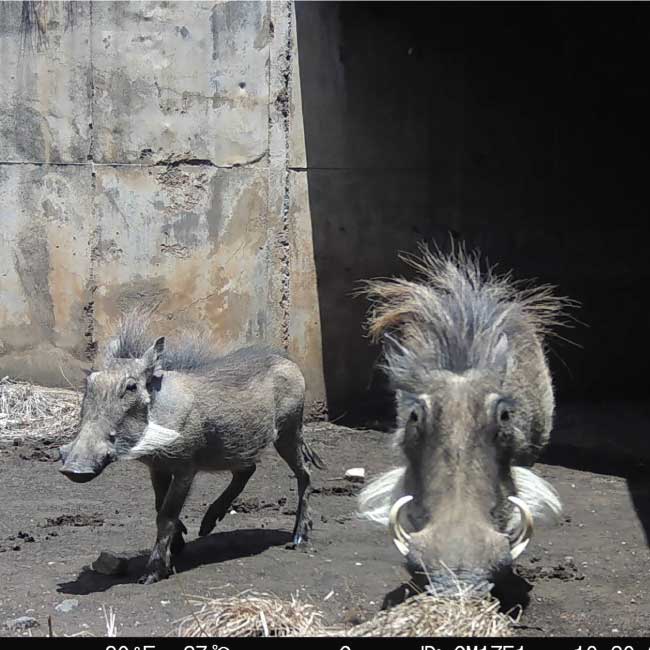
A Warthog with a bad hair day
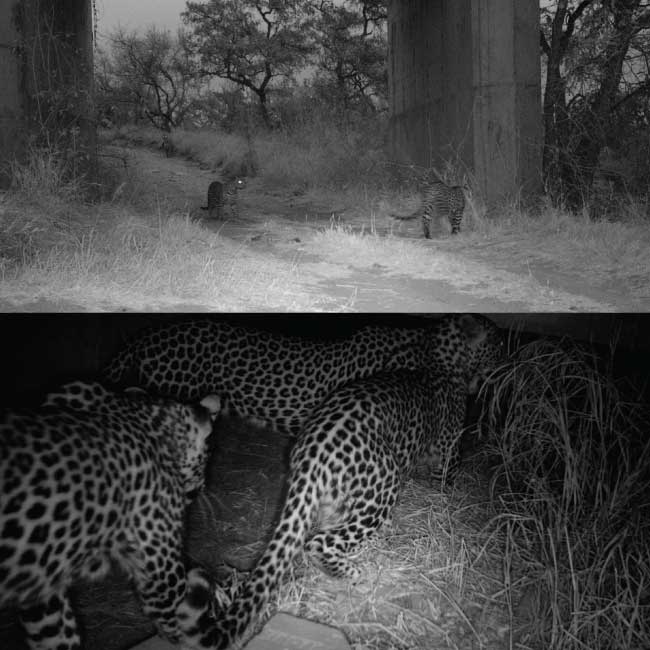
Three Leopards spotted twice
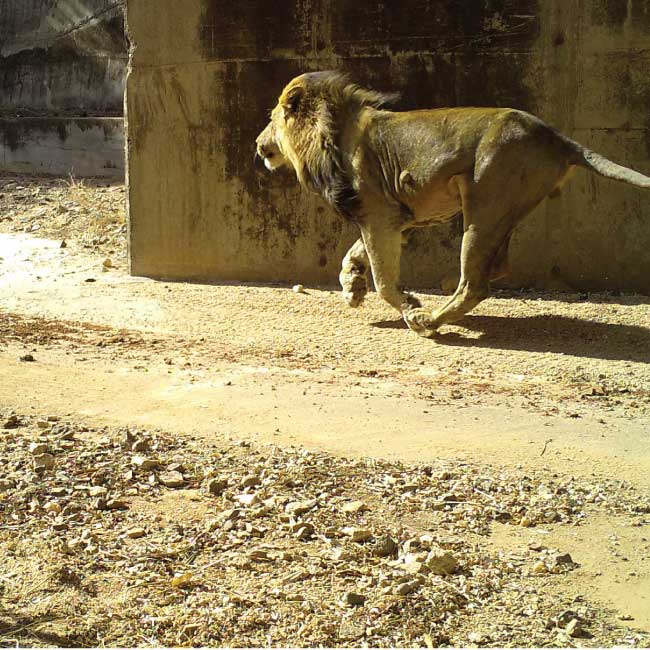
Male lion with mane blowing in the wind
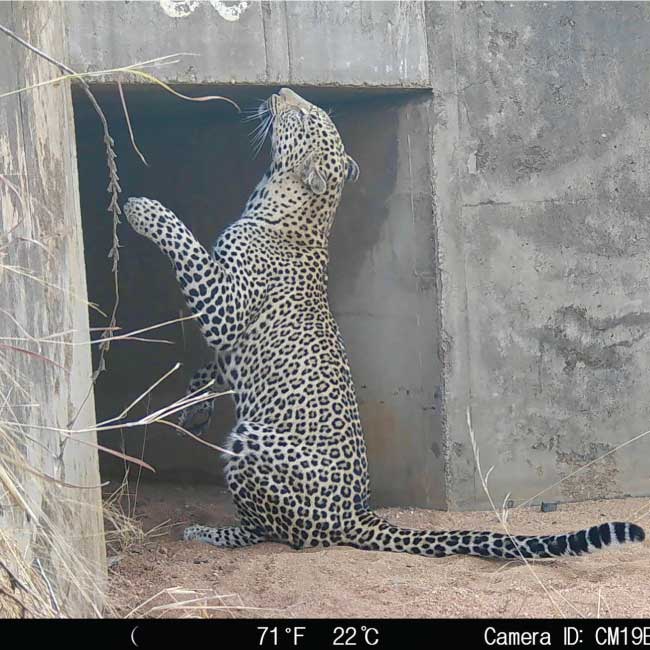
Leopard investigating scent marks at the mouth of the underpass
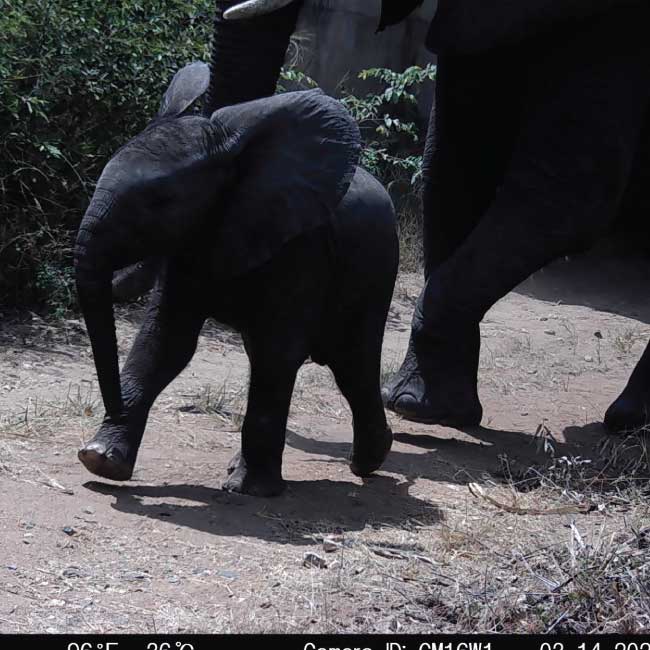
A young elephant calf ushered through by its mother
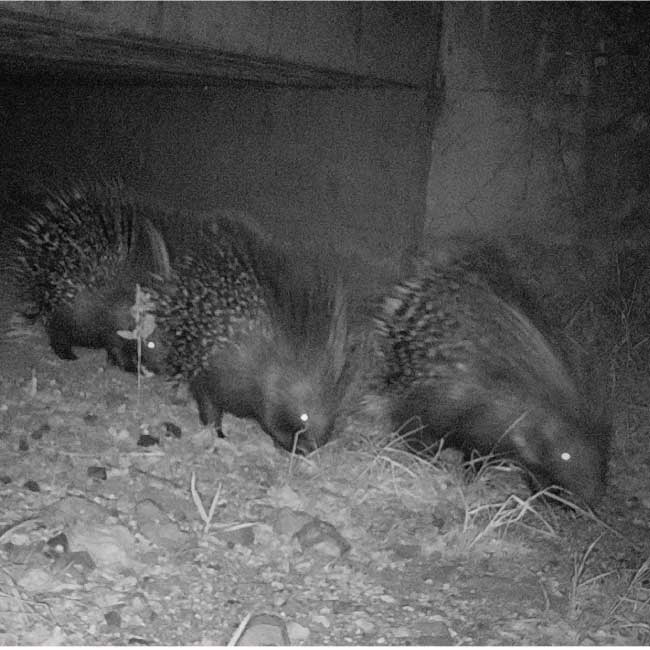
A family of Porcupines
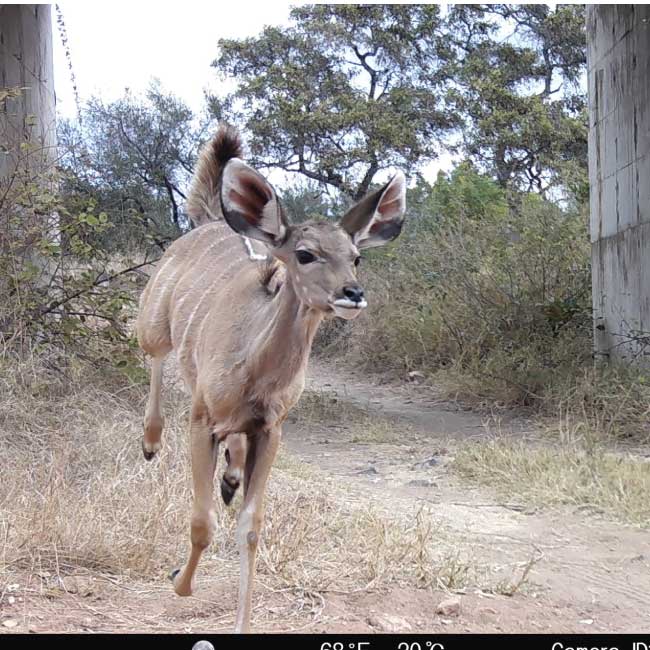
A graceful Kudu
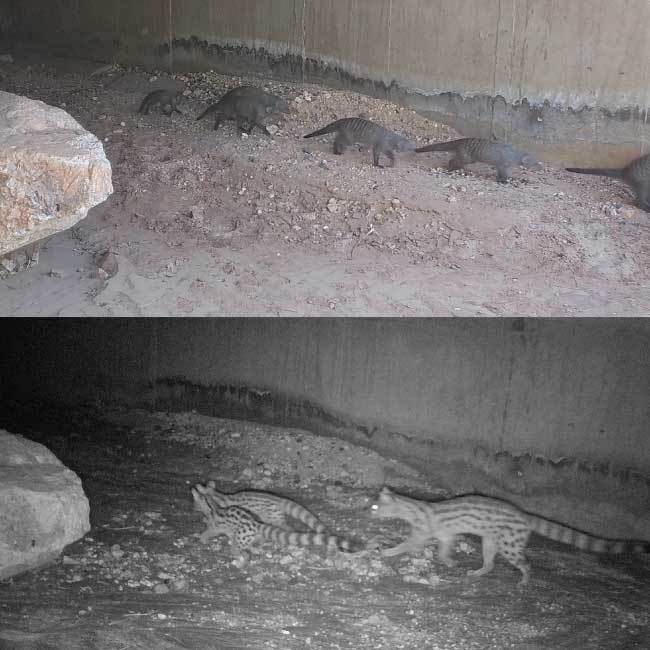
A family of Banded Mongooses (top) and a family of genets (bottom)
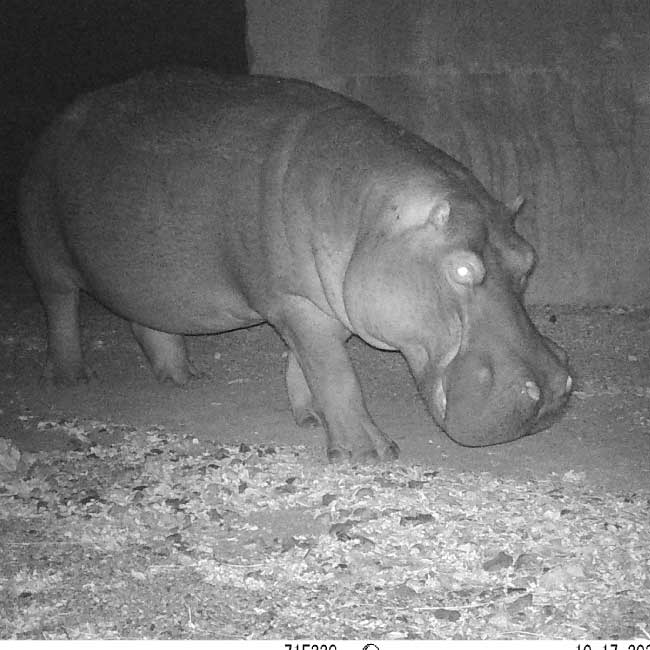
A hippo out for a stroll
Keep an eye out next month for more!
This work is made possible by the Swedish University of Agricultural Sciences, Transfrontier Africa, the University of Freiburg, the University of the Witwatersrand, the University of Venda, and the Ford Wildlife Foundation.
A conservation success story – the return of the majestic Cape Vulture
Lindy Thompson and Danielle du Toit, the EWT’s Birds of Prey Programme
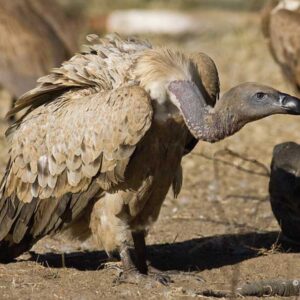
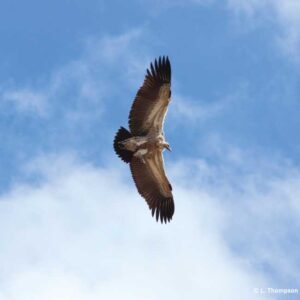
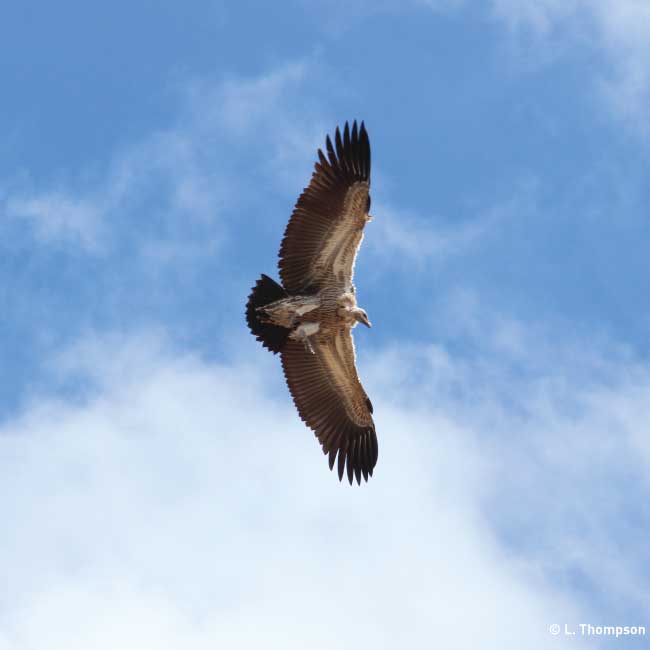
Cape Vultures (Gyps coprotheres) are endemic to southern Africa. They are one of South Africa’s larger vulture species, weighing up to 11 kg. They forage in open vegetation types such as Fynbos, Kalahari, Karoo, grassland, and open woodland. Breeding pairs are monogamous and usually raise one chick. The majestic Cape Vulture was listed as Endangered on the IUCN’s Red List of Threatened Species, but in 2021 it was ‘down listed’ to Vulnerable. This is a remarkable conservation success story and testament to the tireless efforts of multiple generations of conservationists in southern Africa. Removing the Cape Vulture from the list of Endangered species in 2021 received very little media attention, despite being an important case study that can provide hope and inspiration to current and future conservationists. This achievement resulted from a concerted effort by various organisations, including the Endangered Wildlife Trust (EWT), BirdLife South Africa, and wildlife rehabilitation centres such as Moholoholo, VulPro, and others. A team of 31 contributors, which included the EWT’s Samantha Page-Nicholson) supplied information and justified why this species should (or should not) stay classed as ‘Endangered’. Threats to the species include unsafe wind energy developments, poisoning events, unsafe power lines, and food availability may play a large role in the successful breeding and population trends of this species. Current conservation actions for the Cape Vulture include systematic monitoring, education and awareness programmes, protection by national and international legislation, the expansion of formally protected areas (such as the Soutpansberg), and the creation and growth of Vulture Safe Zones.
The importance of Vulture Safe Zones in Cape Vulture conservation
Karoo Vulture Safe Zone Document
In India in the 1990s, vulture populations suffered drastic declines. Scientists were baffled as to why until the study of carcasses revealed the presence of the veterinary non-steroidal anti-inflammatory drug, Diclofenac. They concluded that this drug was the root cause of the mass fatality and had cost about 90% of the vulture population in the area in the space of a decade. This became known as “The Indian Vulture Crisis.” The disappearance of Vultures led to the ecological tipping of scales. Mammalian scavengers such as jackals and feral dogs took advantage of the increased food supplies, and their populations increased. The high number of mammals on carcasses inadvertently led to an increase in the spread of pathogens. India faced, and still faces, a rabies epidemic that costs 30,000 human lives per year and billions of dollars in health fees. The urgent need for action to stop the rapid decline of vulture species in Eurasia and Africa led to the development of the Multi-Species Action Plan to Conserve African-Eurasian Vultures (commonly referred to as the Vulture MsAP). It is a comprehensive and strategic plan which covers ranges across two continents. Vulture Safe Zones are an activity recognised in the Vulture MsAP to encourage the responsible management of the environment by actively reducing threats to vultures in identified areas. They are specified geographic areas where conservationists and landowners use targeted conservation measures adapted for the vulture species present. These measures include safeguarding electrical infrastructure to minimise collisions and electrocutions, reducing the use of poisons, covering or altering reservoirs to prevent vulture drownings, and using NSAIDs responsibly. The most important thing to remember is the responsible management of resources that vultures use, such as the availability of safe perches, water for drinking and bathing, and food. Vulture Safe Zones also promote responsible disposal of carcasses on which vultures scavenge to reduce poisoning through pesticides and lead fragments that remain in a carcass after an animal is shot.
The Karoo Vulture Safe Zone
Landowners in the karoo region of South Africa established the Karoo Vulture Safe Zone (KVSZ) to increase the area’s Cape Vulture populations that have been decimated by persecution resulting from misinformation and a general misunderstanding of their role in the ecosystem. Landowners in the mid-20th century believed that it was vultures killing their small livestock when they would find the birds feeding on them during the day. Unbeknownst to them at the time, the jackal population in the area was beginning to take advantage of the easy prey and kill them during the night. Now, the landowners in the area are admirably working to fix these past mistakes. In August 2020, the first landowner signed up to proclaim his property a Vulture Safe Zone. Since then, the KVSZ has grown to 730,000 hectares owned by 94 landowners committed to making their properties Vulture Safe. The project continues to encourage the responsible management of properties across the karoo landscape through landowner engagements and environmental education, which focus on sustainable and safe practices of managing predators and water resources and the safe disposal of carcasses. The KVSZ team also works through the strategic partnership between the EWT and Eskom to make problem powerlines safe for vultures. Cape Vulture sightings within the project area are reported to the KVSZ team, and it is exciting to receive reports of up to 70 birds roosting on cliffs that were previously void of these magnificent birds. Monitoring efforts by the team to better understand the populations traversing the Eastern Cape skies have shown an increase in breeding pairs in known sites and the possible development of new breeding sites. All of these give the team more motivation to make the Karoo and the larger Eastern Cape a safe space for Cape Vultures. The Vulture Safe Zone process is long, and it will take time until the area is completely vulture safe. In the interim, we continue to encourage vulture safe management and measures and spread awareness of the need for areas like this.
References:
Benson, P.C. and McClure, C.J. (2019). The decline and rise of the Kransberg Cape Vulture colony over 35 years has implications for composite population indices and survey frequency. Ibis 162: 863-872. https://doi.org/10.1111/ibi.12782 BirdLife International (2021). Gyps coprotheres. The IUCN Red List of Threatened Species 2021: e.T22695225A197073171. https://dx.doi.org/10.2305/IUCN.UK.2021-3.RLTS.T22695225A197073171.en accessed on 25 August 2022. Howard, A., Hirschauer, M., Monadjem, A., Forbes, N. and Wolter, K. (2020). Injuries, mortality rates, and release rates of endangered vultures admitted to a rehabilitation centre in South Africa. Journal of Wildlife Rehabilitation 40: 15-23. Mbali Mashele, N., Thompson, L.J. and Downs, C.T. (2022). Trends in the admission of raptors to the Moholoholo Wildlife Rehabilitation Centre, Limpopo province, South Africa. African Zoology 57: 56-63. https://doi.org/10.1080/15627020.2021.2016073 Thompson, L.J. and Blackmore, A.C. (2020). A brief review of the legal protection of vultures in South Africa. Ostrich 91: 1-12. https://doi.org/10.2989/00306525.2019.1674938
Poisoning poses a deadly risk to vultures in West Africa
Dr Lindy Thompson, the EWT’s Birds of Prey Programme
African vulture numbers are declining at an alarming rate, and their key threat throughout Africa is believed to be poisoning. One of the reasons people poison vultures is to obtain body parts, both for consumption and use in African Traditional Medicine. Dr Clément Daboné (from the Universities of Tenkodogo and Joseph Ki-Zerbo, both in Burkina Faso) collected information on incidents of mass vulture killings to learn more about the risk that poisoning poses to vultures in West Africa.
Dr Daboné conducted 730 interviews with butchers, veterinarians, foresters, and abattoir guards at numerous sites across Burkina Faso. His results revealed that vultures were killed in motor vehicle collisions and electrocutions at electricity poles, but poisoning was the deadliest threat to vultures in Burkina Faso. Out of 879 known vulture deaths, 779 were due to poisoning. Interestingly, Dr Daboné found that more vultures were more likely to be killed using poisoned baits closer to the country’s borders, suggesting that poisoning was being done by people from neighbouring countries. He concluded that the recent intentional vulture poisoning events in Burkina Faso were linked to the increasing demand for vulture parts in West Africa.
Dr Daboné and his team highlighted the need for awareness campaigns in local communities to teach people about the risks of using poison. They also mentioned the need for improved legislation and stronger commitment by West African governments to stop the trade in vulture body parts and prevent the extinction of these highly threatened birds and the services they provide.
Vultures face similar threats in southern Africa, and the Great Limpopo Transfrontier Conservation Area is a wildlife poisoning hotspot. For this reason, the EWT’s Birds of Prey Programme has assisted in drafting South Africa’s new national Vulture Biodiversity Monitoring Plan, and we are providing Wildlife Poisoning Response Training to rangers so that they know how to identify, detect, and respond effectively to wildlife poisoning events by containing the crime scene and sampling carcasses for investigative purposes. Rangers are also trained on methods to save as many surviving birds as possible and decontaminate the scene to prevent further poisoning of animals or people. Together, we can make a difference.
The study was titled ‘Trade in vulture parts in West Africa: Burkina Faso may be one of the main sources of vulture carcasses’, and you can access it here: https://doi.org/10.1017/S095927092100054X
References:
Daboné, C., Ouéda, A., Thompson, L.J., Adjakpa, J.B. & Weesie, P.D.M. (2022) Trade in vulture parts in West Africa: Burkina Faso may be one of the main sources of vulture carcasses. Bird Conservation International.https://doi.org/10.1017/S095927092100054X
Gore, M.L., Hübshle, A., Botha, A.J., Coverdale, B.M., Garbett, R., Harrell, R.M., Krueger, S., Mullinax, J.M., Olson, L.J., Ottinger, M.A., Smit-Robinson, H., Shaffer, L.J., Thompson, L.J., van den Heever L. & Bowerman, W. (2020) A conservation criminology-based desk assessment of vulture poisoning in the Great Limpopo Transfrontier Conservation Area. Global Ecology and Conservation 23:e01076. https://doi.org/10.1016/j.gecco.2020.e01076
Addressing the impacts of power lines on Grey Crowned Cranes in Lwengo
Gilbert Tayebwa (Southcentral Uganda field officer and Sarah Kugonza (Conservation Intern)
Introduction
Any bird able to fly stands a chance of colliding with above-ground power lines and being killed or electrocuted when perching or nesting on electricity structures and cables. In Lwengo and possibly other regions of Uganda, power lines pose the greatest threat to the Endangered Grey Crowned Crane’s survival. Migrating birds at night, birds flying in groups, and fast-flying and large birds like storks and raptors are particularly vulnerable to power line collisions. Electrocution from power lines has also been reported.
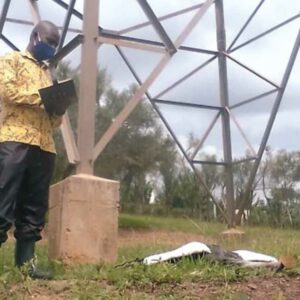
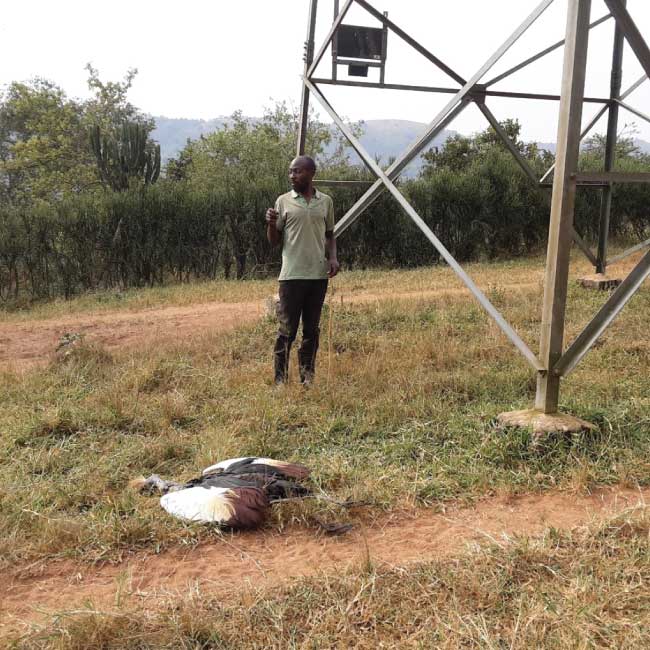
Grey Crowned Crane mortality beneath a power line in Lwengo, Uganda
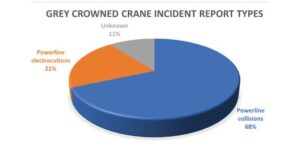
The percentage contribution of incidents by various electricity power line categories. The International Crane Foundation (ICF) and Endangered Wildlife Trust (EWT) Partnership’s African Crane Conservation Programme aims to find and implement preventative solutions to lessen the damage power lines have on cranes, other birds, and their surrounding ecosystems. In Lwengo, more than 21 cranes have died after flying into and perching on power wires over one year. Grey Crowned Cranes are the only crane species affected by electrocution because it is the only crane that perches and roosts in trees and on power line infrastructure. Some of these cranes are electrocuted or shocked, and as a result of the accident, they perish. To better understand the impacts of human-caused mortality on cranes in south-central Uganda, we are implementing a project to understand how power lines and associated infrastructure affects biodiversity in Lwengo. We are using various methods, including:
Mapping the distribution pattern of Grey Crowned Crane incidents caused by power line infrastructure (key emphasis and activities have been on mapping incidents and identifying incident hotspots)
Establishing transects for routine monitoring
Empowering key stakeholders (especially Crane Custodians, wetland management committees, and local government leaders to identify, handle, and ethically address crane-power line incidents.
Capacity Building
Crane Custodians are local community members who voluntarily care for cranes and their wetland habitats. Currently, the ACCP in southcentral Uganda has 15 custodians in Lwengo (eight females and seven males) and 15 in Rukiga who have been vetted for engagement in power line surveys. The selection was based on gender inclusiveness.
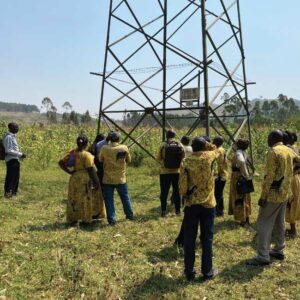
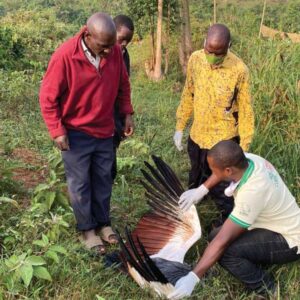
The custodians being taught how to collect data during power line surveys.
A crane custodian, after identifying an incident and recording it
Community engagement
Meetings and hands-on-field works are being held with other stakeholders, such as the communities that live in crane power line incident hotspots, to identify incidents, disseminate information on the presence of power line threats to cranes and other birds surveying critical hotspots for power line collisions. The project team has trained the groups on various aspects, such as:
The different ways to handle power line incident mortalities
How to report power line mortalities (currently, the project team, crane custodians, and nearby authorities are responsible for responding)
Power line incident identification (differentiating between a power line collision and electrocution and elaborating on the cause of the incident)
Adherence to safety guidelines when monitoring and handling power line-related mortalities.
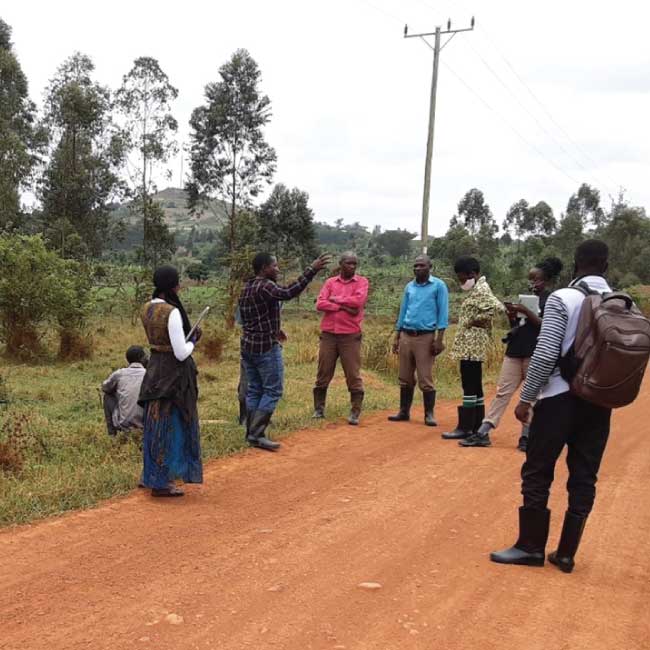
Community members during a field-based powerline survey in Lwengo
Most of the communities engaged are helping to disseminate information to other local communities on how and when to report power line incidents. The trainees can now spread information about the possibility of zoonotic diseases spreading to people who handle dead wildlife, such as cranes below power lines, and mobilise community members to report power line-related incidents involving cranes.
Capacity building within the project team
In June 2022, the Uganda team received one week of skills-building and enhancement sessions (in-house and field-based training). The team engaged in planning and developing powerline incidents data collection protocols and the setup of scientifically robust methods in crane mortality incidents data collection, including developing a risk assessment tool.
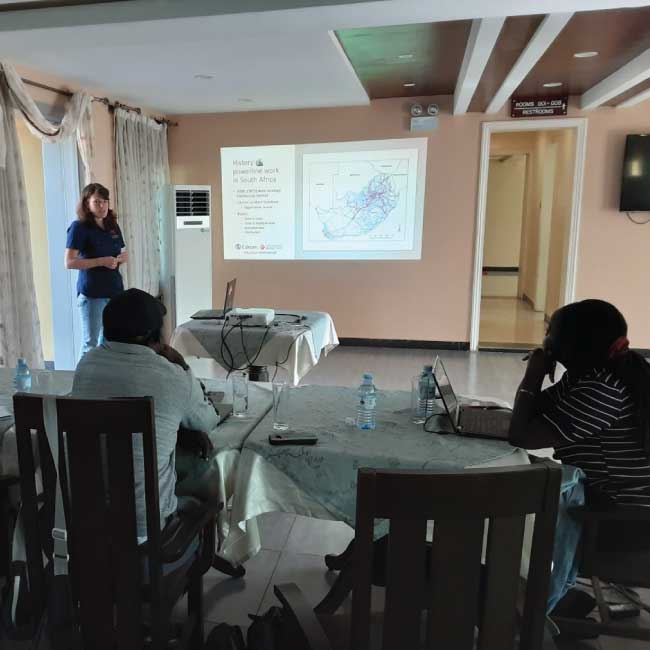
The EWT’s Christie Craig from South Africa training the Uganda team in Power lines
A conservation success story – the return of the majestic Cape Vulture
Lindy Thompson and Danielle du Toit, the EWT Birds of Prey Programme
Cape Vultures (Gyps coprotheres) are endemic to southern Africa. They are one of South Africa’s larger vulture species, weighing up to 11 kg. They forage in open vegetation types such as Fynbos, Kalahari, Karoo, grassland, and open woodland. Breeding pairs are monogamous and usually raise one chick.
The majestic Cape Vulture was listed as Endangered on the IUCN’s Red List of Threatened Species, but in 2021 it was ‘down listed’ to Vulnerable. This is a remarkable conservation success story and testament to the tireless efforts of multiple generations of conservationists in southern Africa. Removing the Cape Vulture from the list of Endangered species in 2021 received very little media attention, despite being an important case study that can provide hope and inspiration to current and future conservationists. This achievement resulted from a concerted effort by various organisations, including the Endangered Wildlife Trust (EWT), BirdLife South Africa, and wildlife rehabilitation centres such as Moholoholo, VulPro, and others. A team of 31 contributors, which included the EWT’s Samantha Page-Nicholson) supplied information and justified why this species should (or should not) stay classed as ‘Endangered’. Threats to the species include unsafe wind energy developments, poisoning events, unsafe power lines, and food availability may play a large role in the successful breeding and population trends of this species. Current conservation actions for the Cape Vulture include systematic monitoring, education and awareness programmes, protection by national and international legislation, the expansion of formally protected areas (such as the Soutpansberg), and the creation and growth of Vulture Safe Zones.
The importance of Vulture Safe Zones in Cape Vulture conservation
In India in the 1990s, vulture populations suffered drastic declines. Scientists were baffled as to why until the study of carcasses revealed the presence of the veterinary non-steroidal anti-inflammatory drug, Diclofenac. They concluded that this drug was the root cause of the mass fatality and had cost about 90% of the vulture population in the area in the space of a decade. This became known as “The Indian Vulture Crisis.” The disappearance of Vultures led to the ecological tipping of scales. Mammalian scavengers such as jackals and feral dogs took advantage of the increased food supplies, and their populations increased. The high number of mammals on carcasses inadvertently led to an increase in the spread of pathogens. India faced, and still faces, a rabies epidemic that costs 30,000 human lives per year and billions of dollars in health fees.
The urgent need for action to stop the rapid decline of vulture species in Eurasia and Africa led to the development of the Multi-Species Action Plan to Conserve African-Eurasian Vultures (commonly referred to as the Vulture MsAP). It is a comprehensive and strategic plan which covers ranges across two continents. Vulture Safe Zones are an activity recognised in the Vulture MsAP to encourage the responsible management of the environment by actively reducing threats to vultures in identified areas. They are specified geographic areas where conservationists and landowners use targeted conservation measures adapted for the vulture species present. These measures include safeguarding electrical infrastructure to minimise collisions and electrocutions, reducing the use of poisons, covering or altering reservoirs to prevent vulture drownings, and using NSAIDs responsibly. The most important thing to remember is the responsible management of resources that vultures use, such as the availability of safe perches, water for drinking and bathing, and food. Vulture Safe Zones also promote responsible disposal of carcasses on which vultures scavenge to reduce poisoning through pesticides and lead fragments that remain in a carcass after an animal is shot.
The Karoo Vulture Safe Zone
Landowners in the karoo region of South Africa established the Karoo Vulture Safe Zone (KVSZ) to increase the area’s Cape Vulture populations that have been decimated by persecution resulting from misinformation and a general misunderstanding of their role in the ecosystem. Landowners in the mid-20th century believed that it was vultures killing their small livestock when they would find the birds feeding on them during the day. Unbeknownst to them at the time, the jackal population in the area was beginning to take advantage of the easy prey and kill them during the night. Now, the landowners in the area are admirably working to fix these past mistakes. In August 2020, the first landowner signed up to proclaim his property a Vulture Safe Zone. Since then, the KVSZ has grown to 730,000 hectares owned by 94 landowners committed to making their properties Vulture Safe. The project continues to encourage the responsible management of properties across the karoo landscape through landowner engagements and environmental education, which focus on sustainable and safe practices of managing predators and water resources and the safe disposal of carcasses. The KVSZ team also works through the strategic partnership between the EWT and Eskom to make problem powerlines safe for vultures.
Cape Vulture sightings within the project area are reported to the KVSZ team, and it is exciting to receive reports of up to 70 birds roosting on cliffs that were previously void of these magnificent birds. Monitoring efforts by the team to better understand the populations traversing the Eastern Cape skies have shown an increase in breeding pairs in known sites and the possible development of new breeding sites. All of these give the team more motivation to make the Karoo and the larger Eastern Cape a safe space for Cape Vultures.
The Vulture Safe Zone process is long, and it will take time until the area is completely vulture safe. In the interim, we continue to encourage vulture safe management and measures and spread awareness of the need for areas like this.
You can help raise important funds for Cape Vulture conservation by supporting the Rhino Peak Challenge ambassadors, who aim to complete a 21 km course to ascend the famous Rhino Peak in the Maloti Drakensberg World Heritage Site. The Rhino Peak Challenge raises awareness and funds, for Wildlife ACT, the EWT, and Ezimvelo KZN Wildlife (EKZN), for projects focused on vultures, rhinos and cranes. The EWT’s Cath Vise will participate in the Rhino Peak Challenge this year. Cath manages the Protected Area Programme in the Soutpansberg, where there is a colony of nesting Cape Vultures. Please consider supporting Cath and the other Rhino Peak Challenge ambassadors by clicking this link:
Benson, P.C. and McClure, C.J. (2019). The decline and rise of the Kransberg Cape Vulture colony over 35 years has implications for composite population indices and survey frequency. Ibis 162: 863-872. https://doi.org/10.1111/ibi.12782
Howard, A., Hirschauer, M., Monadjem, A., Forbes, N. and Wolter, K. (2020). Injuries, mortality rates, and release rates of endangered vultures admitted to a rehabilitation centre in South Africa. Journal of Wildlife Rehabilitation 40: 15-23.
Mbali Mashele, N., Thompson, L.J. and Downs, C.T. (2022). Trends in the admission of raptors to the Moholoholo Wildlife Rehabilitation Centre, Limpopo province, South Africa. African Zoology 57: 56-63. https://doi.org/10.1080/15627020.2021.2016073
Poisoning Risk to Vultures: A West African Crisis with Continental Implications
The poisoning risk to vultures has reached catastrophic levels in West Africa, where 89% of recorded vulture deaths result from deliberate poisoning. Dr Clément Daboné’s groundbreaking research in Burkina Faso reveals this alarming trend, with 779 of 879 documented vulture fatalities attributed to poisoned baits – particularly near national borders, suggesting transnational trafficking of vulture parts for traditional medicine.
Key Findings from Burkina Faso
730 interviews with butchers, veterinarians and abattoir staff
Poisoning accounts for 89% of vulture deaths
Border areas highest risk – indicating cross-border trade
Poisoning Risk to Vultures: Southern African Parallels
The crisis mirrors threats in the Great Limpopo Transfrontier Conservation Area, where the EWT’s Birds of Prey Programme is taking action:
Drafting South Africa’s Vulture Biodiversity Monitoring Plan
Training rangers in Wildlife Poisoning Response
Teaching crime scene preservation and carcass sampling
Developing protocols to save surviving birds
“Each poisoning event can wipe out entire vulture colonies,” explains Dr Lindy Thompson. “We’re racing to build capacity before it’s too late.”
Urgent Conservation Measures Needed
Community awareness campaigns on poisoning impacts
Stronger legislation against vulture part trade
Cross-border cooperation to combat trafficking
Alternative livelihoods for traditional healers
With African vulture populations declining by up to 90% for some species, addressing the poisoning risk to vultures is critical to preventing ecological collapse across the continent.
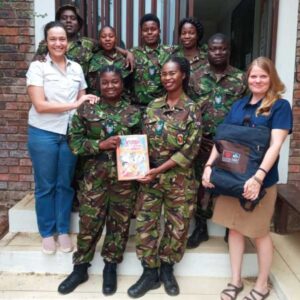
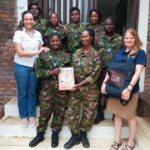
Dr Lindy Thompson (right), from the EWT’s Birds of Prey Programme, presented Wildlife Poisoning Response Training for the Black Mambas, an all-female anti-poaching force, in South Africa’s Limpopo Province.
The study was titled ‘Trade in vulture parts in West Africa: Burkina Faso may be one of the main sources of vulture carcasses’, and you can access it here: https://doi.org/10.1017/S095927092100054X
References:
Daboné, C., Ouéda, A., Thompson, L.J., Adjakpa, J.B. & Weesie, P.D.M. (2022) Trade in vulture parts in West Africa: Burkina Faso may be one of the main sources of vulture carcasses. Bird Conservation International.https://doi.org/10.1017/S095927092100054X
Gore, M.L., Hübshle, A., Botha, A.J., Coverdale, B.M., Garbett, R., Harrell, R.M., Krueger, S., Mullinax, J.M., Olson, L.J., Ottinger, M.A., Smit-Robinson, H., Shaffer, L.J., Thompson, L.J., van den Heever L. & Bowerman, W. (2020) A conservation criminology-based desk assessment of vulture poisoning in the Great Limpopo Transfrontier Conservation Area. Global Ecology and Conservation 23:e01076. https://doi.org/10.1016/j.gecco.2020.e01076
Dr Lindy Thompson, the EWT’s Birds of Prey Programme








 The percentage contribution of incidents by various electricity power line categories. The