Help African Wild Dogs 

Donate today  

Sustainable use of wildlife in Africa is not the problem, it’s the way the term is exploited

Sustainable use of wildlife in Africa is not the problem, it’s the way the term is exploited

Sustainable use of wildlife in Africa is not the problem, it’s the way the term is exploited

By Kishaylin Chetty, Executive: head of Sustainability, The Endangered Wildlife Trust
 

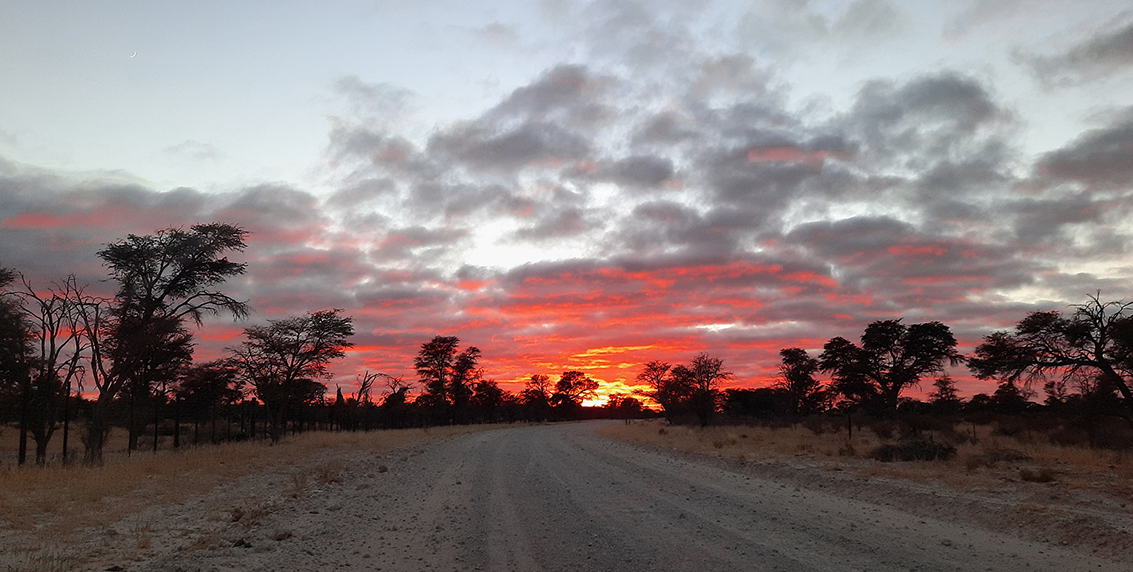
African savanna landscape illustrating sustainable wildlife use debate

Sustainable use can be a powerful conservation tool, but only if it is defined. Few terms in conservation generate as much heat, and as little shared understanding, as sustainable use. Across Africa, it is raised by policymakers, conservationists, traditional healers, hunters, traders, communities and commercial interests alike. Yet too often it is used to mean whatever best suits the speaker’s agenda.

As debates intensify around sustainable use frameworks on the continent, we must confront a difficult but necessary truth: sustainable use itself is not the problem. The real risk lies in how loosely the term is defined, selectively applied and, in some cases, deliberately distorted until it becomes broad enough to justify almost anything. If Africa is serious about securing a future where people and nature coexist, then sustainable use must be recovered as a disciplined, evidence-based concept, not a rhetorical shield for overexploitation.

Why sustainable use matters in an African context

Across Africa, biodiversity is not separate from people’s lives. For many indigenous peoples and local communities, nature underpins culture, spirituality, health, identity and livelihoods. Traditional healers rely on plants and animals to practise their craft, often guided by customary rules, seasonal cycles and deep ecological understanding. In some landscapes, regulated hunting has also historically been positioned as a land-use option linked to wildlife retention and rural income. In principle, sustainable use recognises these realities. When grounded in stewardship, restraint and accountability, it can support conservation outcomes while respecting rights and livelihoods. Communities across the continent have long practised forms of use that maintained ecological balance, and their knowledge systems often contain insights that modern conservation science is still rediscovering.

A strong example comes from Namibia’s communal conservancy model, where community custodianship, rights over wildlife and strict governance frameworks have contributed to the recovery of species such as black rhino, elephants and lions. While not without challenges, the model demonstrates that when rights, incentives and ecological limits are aligned, sustainable use can support conservation rather than undermine it. But respect for these systems cannot mean abandoning ecological limits.

Across Africa, biodiversity loss is accelerating due to habitat destruction, climate change, illegal trade and unsustainable offtake. In this context, not all species and not all forms of use can be sustained, even where they are rooted in tradition or framed as conservation tools. Vultures poisoned or harvested for belief-based use, pangolins trafficked under the guise of ancestral practice, cycads removed faster than they can regenerate, and slow-breeding species hunted in already fragmented landscapes are not hypothetical concerns. They are unfolding across the continent in real time. A stark example is the collapse of vulture populations across southern and eastern Africa, driven by infrastructure development, poisoning, belief-based use and illegal trade. Despite cultural significance and historical use, scientific evidence shows that current levels of offtake are incompatible with species survival. In response, some traditional healer associations have partnered with conservation organisations to promote alternatives and awareness, illustrating that adaptation is possible when information and trust are shared. This highlights a critical point: sustainable use is not guaranteed by tradition, legality or intent alone. It must be continually tested against ecological reality.

Nowhere is the misuse of sustainable use more evident than in parts of the hunting debate. Too often, sustainable use is reduced to a simplistic idea: if an animal can be used without disappearing immediately, the use must be sustainable. This is a dangerous oversimplification. Sustainability is not about whether use can continue for a few years, or whether quotas exist on paper. It is about population trends, ecosystem function, governance quality, enforcement capacity, cumulative impacts and long-term resilience, particularly in the face of climate change. In some African contexts, tightly regulated hunting systems have historically contributed to land retention for wildlife and generated revenue for conservation and communities and ignoring this complexity helps no one. The hunting sector has certainly made more concerted efforts to align more closely with long-term conservation goals in recent times, and change is happening. Albeit slowly.

At the same time, evidence from parts of central and west Africa shows how weak governance, poor monitoring and commercial pressure can turn hunting into a driver of decline, even where it is technically legal. When “sustainable use” becomes shorthand for “use that generates income”, without transparent data and independent oversight, it shifts from a conservation tool to a convenient narrative. Sustainable use cannot be defined by use alone. It must be defined by outcomes.

The greatest risk facing Africa today is not disagreement over sustainable use, it is the way the term is increasingly exploited. Under its banner, we have seen attempts to:

  • Justify the expanded commercialisation of threatened species;
  • Mask illegal harvesting and trade as cultural or subsistence use;
  • Promote hunting or breeding operations without demonstrable conservation benefit;
  • Inflate offtake quotas in data-poor contexts; and
  • Greenwash extractive activities that degrade ecosystems.
  • This is not sustainable use. It is the erosion of credibility, and ultimately, of biodiversity.
A different way forward: collaboration, evidence and mutual respect

From the perspective of the Endangered Wildlife Trust, the path forward is not about choosing between conservation and use, or between science and culture. It is about bringing them into honest conversation. A credible sustainable use framework across Africa must include:

  • Science-based ecological limits, particularly for threatened, slow-breeding and keystone species;
  • Collaboration and mutual learning between conservationists, traditional healers, hunters and community leaders;
  • Clear differentiation between subsistence, cultural and commercial use, recognising that commercialisation dramatically increases pressure on species;
  • Strong governance and enforcement to prevent exploitation and illegal trade; and
  • Fair benefit-sharing and viable alternatives, reducing pressure on biodiversity rather than intensifying it.

Traditional practitioners and local communities are not obstacles to conservation. They are essential partners. Equally, science is not an imposition on culture, but a tool to safeguard the very resources that culture depends on. Africa’s biodiversity is extraordinary, but it is not infinite. Sustainable use can be a powerful conservation tool, but only if it is defined narrowly enough to mean something and applied cautiously enough to work.

This debate is not about ideology. It is about integrity. About resisting convenient narratives. About recognising that conservation, culture, commercialisation and livelihoods are deeply intertwined yet ultimately constrained by ecological reality.

In the end, sustainable use is not measured by how long exploitation can continue, but by whether species, ecosystems and communities remain resilient long after the use has stopped. If we get that right, sustainable use can support Africa’s future. If we get it wrong, it will simply become another name for loss and Africa cannot afford that.
 

From Red Lists to real action: How science shapes conservation

From Red Lists to real action: How science shapes conservation

From Red Lists to real action: How science shapes conservation

By Dr Tamanna Patel and Dr Lizanne Roxburgh, Conservation Planning and Science Unit


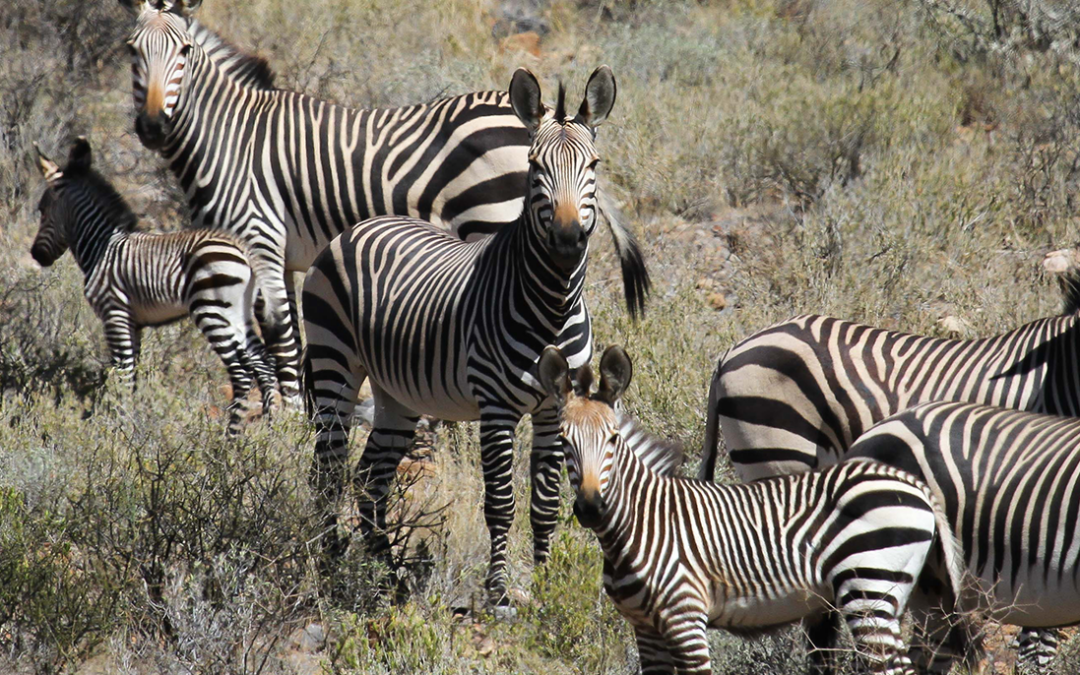
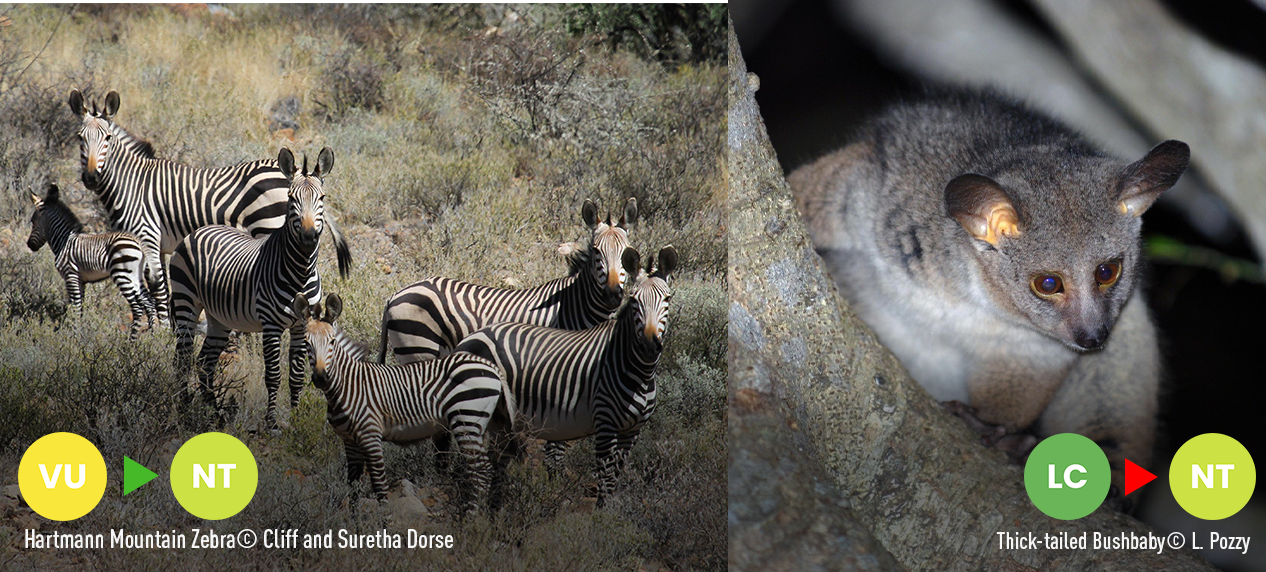
Hartmann’s Mountain Zebra conservation success, Thick-tailed Bushbaby in fragmented habitat

Conservation does not happen in isolation. Every decision about which species to protect, where to invest limited resources, and how to balance development with biodiversity rests on one critical foundation: evidence. When that evidence is outdated or incomplete, conservation action risks becoming ineffective, or worse, misdirected. In the face of an accelerating biodiversity crisis, acting on yesterday’s data can mean losing species forever.

This is why scientific assessments of species’ statuses, are not merely academic exercises, but essential tools for species survival. The IUCN Red List of Threatened Species remains the world’s most authoritative system for assessing extinction risk of animals, fungi, and plants at either a global, regional or a national scale. It classifies species into nine categories, from Least Concern to Extinct, using objective criteria. Beyond labels, Red List assessments provide vital information on threats, habitats, population trends, and conservation needs, shaping policy, land-use planning, environmental impact assessments, and research priorities.

While global assessments provide a big-picture view, conservation action happens locally. This is why national and regional Red Lists are also important. National assessments identify species at risk within a country’s borders, guiding conservation policy, informing development decisions, allocating resources, tracking progress on international biodiversity commitments, and raising public awareness.

But Red Lists are only as powerful as they are current. When assessments lag behind reality, conservation resources, already stretched thin, may fail to reach the species that need urgent intervention. In conservation, timing matters.

This is why the release of the revised 2025 Mammal Red List of South Africa, Eswatini, and Lesotho in mid-January is so significant. Coordinated by the Endangered Wildlife Trust (EWT) and the South African National Biodiversity Institute (SANBI), and informed by the knowledge of 150 mammal experts, the assessments reveal trends that demand attention from policymakers, researchers, and the public alike. They form part of a broader suite of National Red Lists, covering everything from birds and amphibians to spiders and freshwater fishes, which fed into the 2025 National Biodiversity Assessment launched by SANBI in December 2025 – demonstrating how Red Lists translate science into national planning.

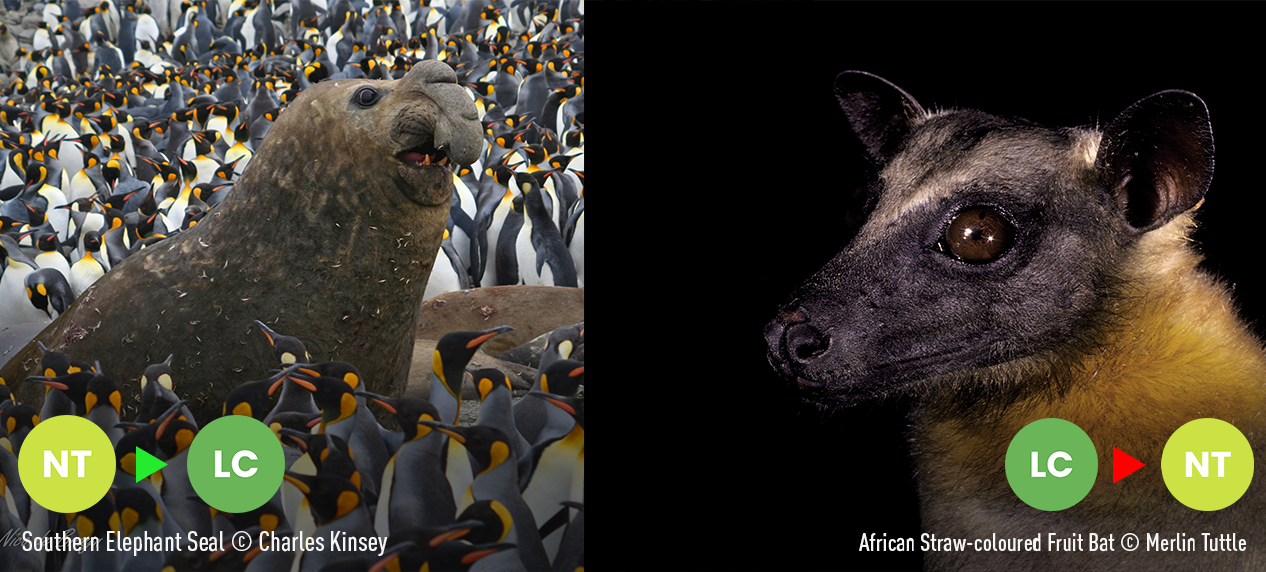
The findings are sobering. Of the 336 mammal species assessed, 20% are now threatened with extinction, while a further 12% are classified as Near Threatened, meaning that they are close to meeting the criteria for threatened, and should be monitored closely. Eleven species were uplisted to a higher risk category, signalling declining conservation status, while only three species showed sufficient improvement to be downlisted. The Thick-tailed Bushbaby, once considered secure, has been uplisted from Least Concern to Near Threatened as agriculture, urban expansion, infrastructure development, and climate change increasingly fragment its habitat. In contrast, Hartmann’s Mountain Zebra offers a rare conservation success story, having been downlisted from Vulnerable to Near Threatened thanks to a real increase in population numbers – clear evidence that well-directed conservation can deliver results.

Southern Elephant seal downlisted from Near Threatened to Least Concern, African Straw-coloured Fruit Bat Uplisted from Least Concern to Near Threatened

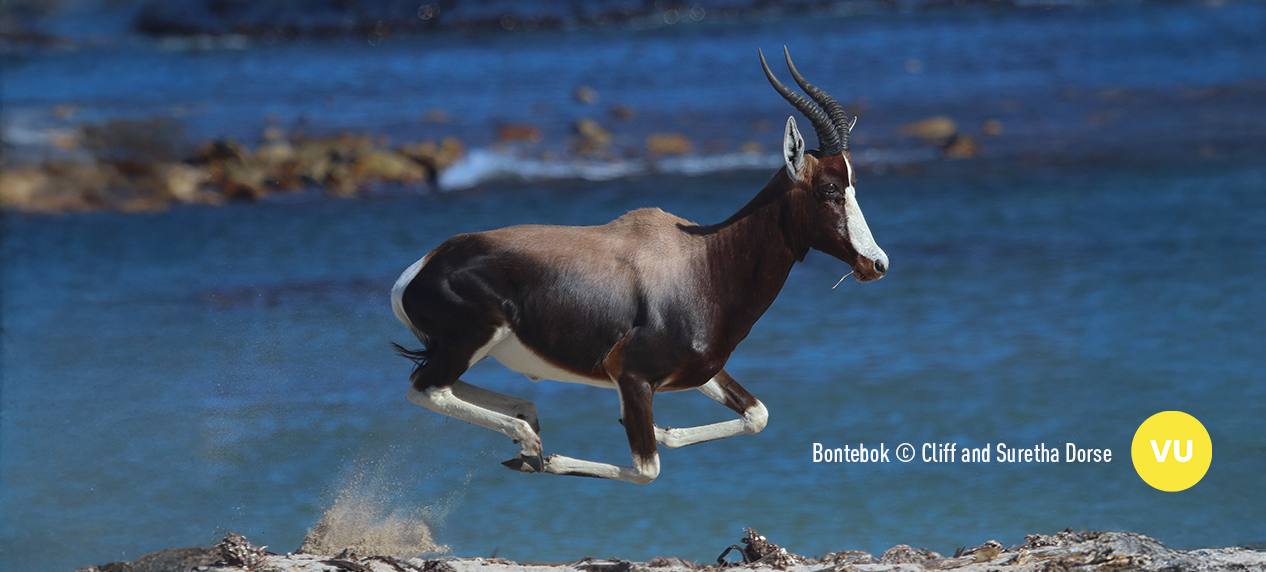
The region’s responsibility is particularly stark when it comes to endemic species. Sixty-seven mammal species occur nowhere else on Earth, and 42% of them are threatened with extinction. If these species are lost here, they are lost forever. Yet protection remains uneven: while around 76% of mammal species are considered well or moderately protected, nearly a quarter are poorly protected or not protected at all. Habitat loss from agriculture and urban expansion remains the dominant threat, compounded by climate change, extreme weather events, over-exploitation, and poaching.

Importantly, this Red List also marks a step forward in how we assess species. For the first time, genetic health and climate change vulnerability were incorporated into all mammal assessments. Climate modelling was conducted for species already flagged as climate-sensitive in the previous assessment, and genetic indicators were evaluated across all mammals. These advances are critical, but they also expose how much we still do not know. Without targeted research on climate vulnerability and stronger genetic data, conservation planning risks being reactive rather than proactive.

The most significant gap remains basic population data, particularly for small mammals and species within protected areas. Many species continue to be under-studied, limiting our understanding of population size, trends, and genetic diversity. Seven percent of assessed species were classified as Data Deficient, meaning that experts were unable to assign them a Red List status due to insufficient information. Dolphins and whales dominate this group, highlighting an urgent need for baseline surveys and long-term monitoring of these marine species.

The IUCN recommends reassessing species every five to ten years. South Africa’s mammal Red List, first published in 1986, revised in 2004, expanded regionally in 2016, and now updated in 2025, shows the value of this commitment. Each revision not only tracks declines and recoveries but also refines the questions we must ask next.

Red Lists do more than tell us which species are in trouble. They reveal where our knowledge is weakest, where research investment is most urgently needed, and where conservation action can make the biggest difference. In a world of limited resources and growing environmental pressures, evidence-based decision-making is not optional, it is the difference between recovery and irreversible loss.

Mammal species featured in 2025 Mammal Red List South Africa

More than R1.4 million raised for conservation through golf swings in 2025

More than R1.4 million raised for conservation through golf swings in 2025

More than R1.4 million raised for conservation through golf swings in 2025

By Tammy Baker


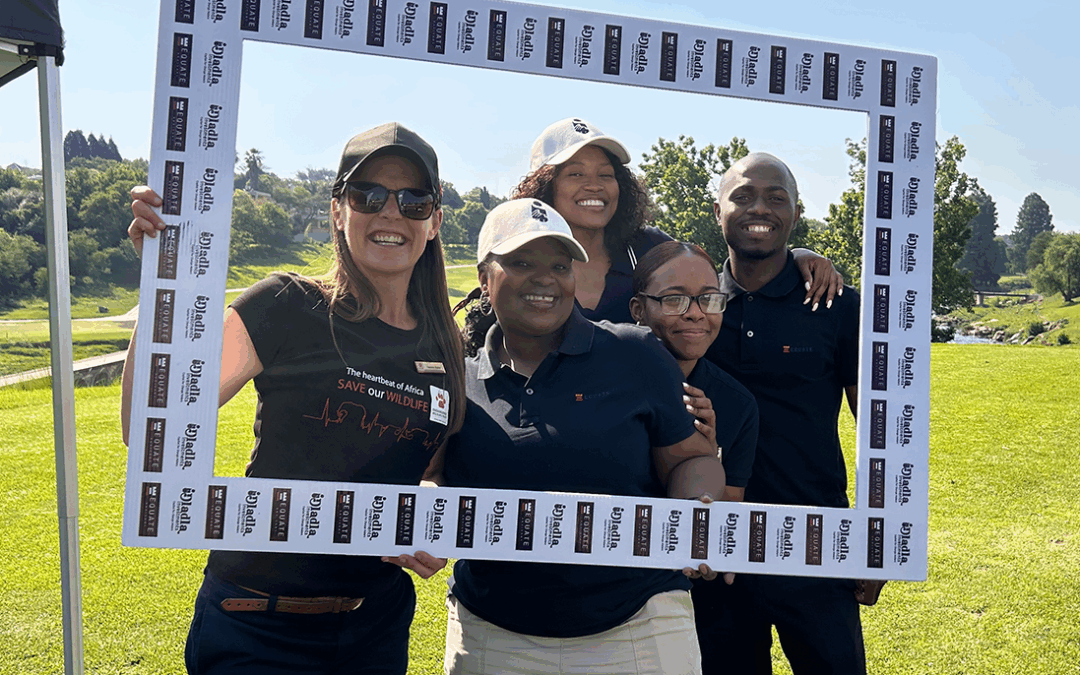
WT fundraising golf day


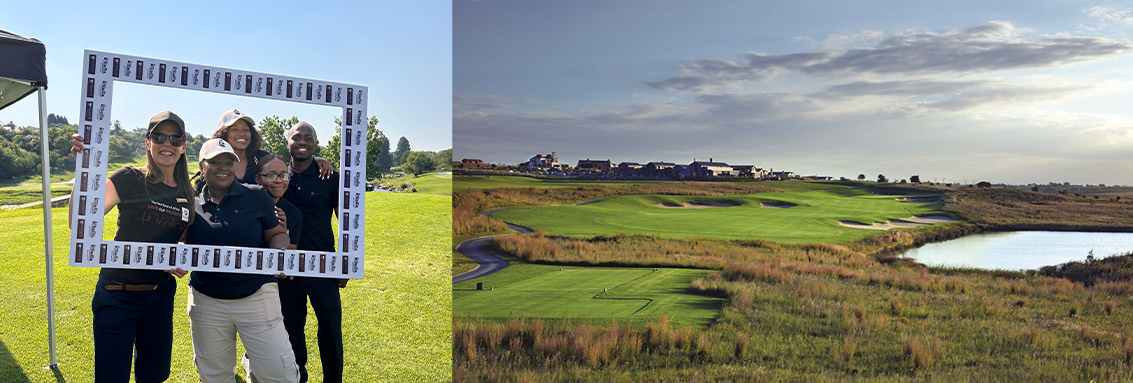
In October, the Endangered Wildlife Trust hosted our final golf day for 2025 at the Dainfern Golf Club in Johannesburg.

The event was proudly sponsored by Alexforbes, who not only sponsor, but host a number of their staff and clients at the event. The highveld weather was beautiful, the course immaculate, and all our golfers in good spirits, as one should be at a fundraising golf event.

At Dainfern, we raised over R300,000 for conservation and are extremely grateful to all of our donors for helping to make it a success. These include Alexforbes, Mongena Private Game Lodge, aha hotels, Dream Resorts and Hotels, Ritsako Game Lodge, Indaba Hotel, Fangio’s Restaurant, Seventeen Acacia’s, ReWorx’s, Rhino Sandton and Andy Cab, Ford Fourways, Painted Wolf Wines and many more.

In the past year, we have hosted four golf days across the country. The other three were at the Stellenbosch Golf Course. The Copperleaf Golf Estate in Centurion and Simbithi Golf Estate at Ballito Bay in KwaZulu-Natal.   All the days were hosted for a single cause—conservation—with two dedicated headline sponsors: Alexforbes and The Ford Wildlife Foundation, and more than 100 other sponsors. All-in-all more than 350 golfers teed off raising over R1.4 million raised for conservation.

A special thanks to the MSCTBee team who travelled from Stellenbosch to Pretoria and Ballito to join three out of the four golf days in 2025.   A special thanks also goes to each and every golfer and sponsor for helping us to raise such a meaningful contribution to our conservation work.

We are looking forward to achieving even more in 2026.

Although the game for October 2026 hasn’t been confirmed as yet, we will be teeing off at the following venues in 2026: 

Date

Venue

8 May 2026

Stellenbosch golf club

22 May 2026

Copperleaf Golf Club

16 July 2026

Simbithi Golf Estate


Shop. Swipe. Support Conservation – The Power of the MySchool Card

Shop. Swipe. Support Conservation – The Power of the MySchool Card

Shop. Swipe. Support Conservation – The Power of the MySchool Card


MySchool Card donation at retail store


Imagine making a difference for endangered species every time you shop—without spending an extra cent. That’s the power of the MySchool Card, a simple yet impactful way for EWT supporters to contribute to conservation.


How does it work?

Every time you shop at participating retailers and swipe your MySchool Card, a percentage of your purchase is donated to the Endangered Wildlife Trust (EWT). The best part? These donations come from the retailer, not your pocket.


Why sign up?
  • No extra cost: Your contribution doesn’t cost you a cent.
  • Easy to use: Just swipe your card when shopping at partner stores.
  • Supports conservation: Every transaction helps fund EWT projects that protect endangered species and habitats.
  • Convenient: Accepted at major retailers nationwide, making it perfect for everyday shopping.
  •  
Collective Impact Matters

Small actions add up to big wins for conservation. Funds raised through MySchool have already supported critical EWT projects—from safeguarding cranes and wetlands to protecting threatened carnivores. Every swipe brings us closer to a future where wildlife thrives.


Ready to make a difference?

Sign up for your MySchool Card today and choose EWT as your beneficiary. Then, simply Shop. Swipe. Support Conservation. It’s that easy.


Challenged by Dunes, Gates and Antbear Holes in the Kalahari: August 2020

Challenged by Dunes, Gates and Antbear Holes in the Kalahari: August 2020

Snippets from staff

Challenged by Dunes, Gates and Antbear Holes in the Kalahari: August 2020

Danielle du Toit, field officer, Birds of Prey unit


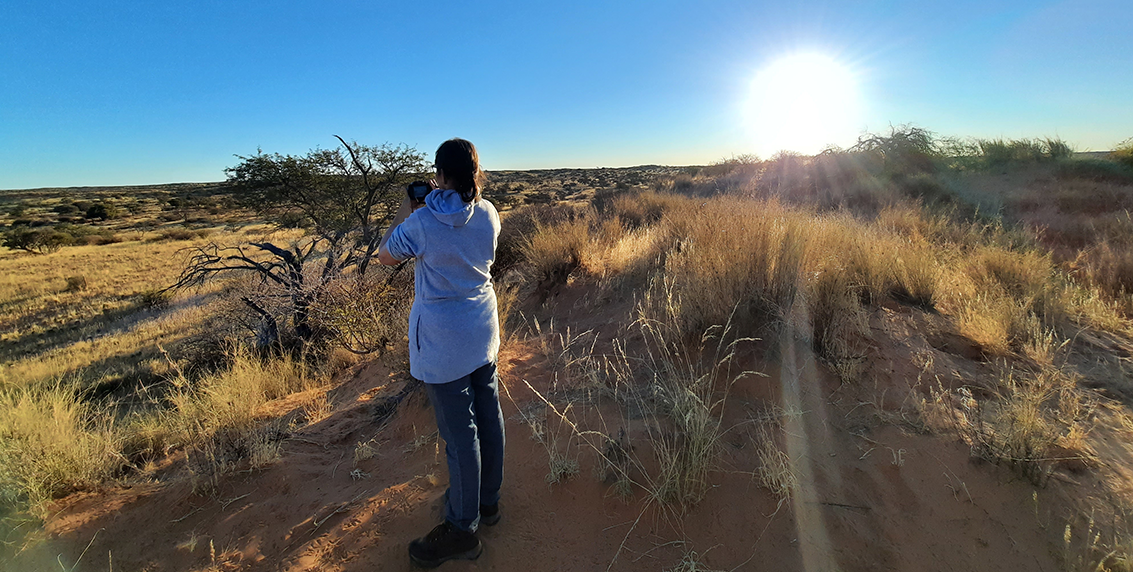
Kalahari fieldwork with EWT team


“This is not going so well,” Ronelle laughed. We were in the since-retired EWT Mazda with over 400 000km on the odometer, held together by cable ties and no 4×4. This isn’t a problem unless you are halfway up a steep dune surrounded by thorny vegetation with no idea what’s over the crest. I looked over at Ronelle, my grip on the ‘Oh Hell!’ handle above the window tightening. My first experience of fieldwork, and my mentor was laughing maniacally as my mind imagined becoming a permanent feature of this dune.  The back wheels spun, whipping us to the side. Through my window, the thorn bushes approached far faster than any plant has the right to move. No sooner had I made peace with my impending doom than Ronelle took control once more, and we crested the dune. She was self-professed and categorically proved to be “her mother’s wildest child”.

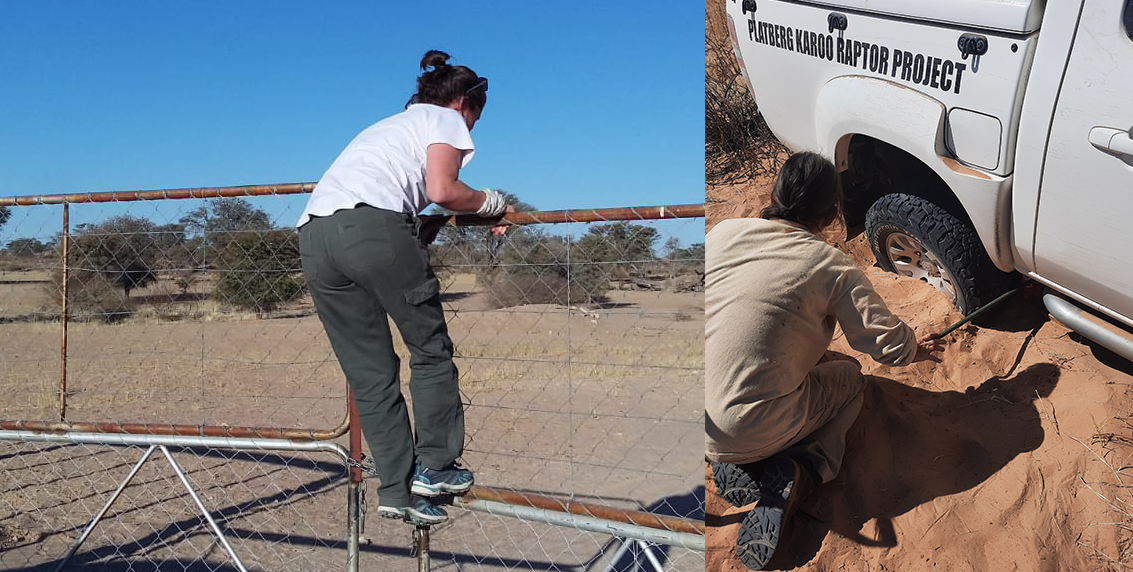
The next day, we found a Dorper lamb on the roadside being sized up by a murder of crows. With no sign of its mother, it would be dead within the hour. Catching the wobbly-legged creature was anything but graceful—like chasing a ping-pong ball that bounces away every time you try to grab it. Ronelle said there was a farm gate up the road where we could turn in to go to the homestead. Upon arrival, the two–two-metre-high double gate was locked, and the house was over the hill, a fair distance away. I offered to climb over and take it there, and Ronelle would hold the lamb until I was over. No stranger to clambering over gates, I hooked my toe into the wire netting and pulled myself up.

What proceeded, however, was the most humiliating performance I have ever given. The two gates, similar to double doors, were held together by a loosely looped chain with a lock on it. What this led to was an act of physical comedy I couldn’t script if I tried. Every move I made sent both gates flapping wildly. It was like riding a mechanical bull after a few beers. The harder I tried to climb, the more the gate fought back. My legs shook, which only seemed to fuel the demon-possessed thing even more. I landed on the other side with weak knees, exhausted. Ronelle slipped the lamb through the gap.

Feeling like Little Bo-Peep after a few rounds with Mike Tyson, I started up the hill. I don’t doubt that the lamb looked at me, concerned with who was going to end up saving who. When I arrived at the house, I was panting, thirsty, sweaty and smelling like livestock. Following the noise coming from the shed, I found a group of workers. When they spotted me, terror flickered in their eyes. To be fair, I looked like something out of a fever dream: a sweaty white woman clutching a lamb, hair like I’d run through a bush backwards, and black lamb excrement smeared up my arm. Between pants and questionable Afrikaans, I explained how I’d ended up there. I held out the lamb, but the group stepped back in unison. Repulsed by the smell? Or, baffled by my mangled grammar, assumed witchcraft? One man elbowed a younger guy forward. He crept up, snatched the lamb from my arms, and hurried back to safety. I thanked them; they nodded, still looking bewildered, and left. Aware that Ronelle had been waiting, I began to run. By the time I reached the devil gate again, my lungs hated me, and the only thing that got me through the satirical repeat performance of climbing over the gate was pride.

vehicle stuck in Kalahari antbear hole

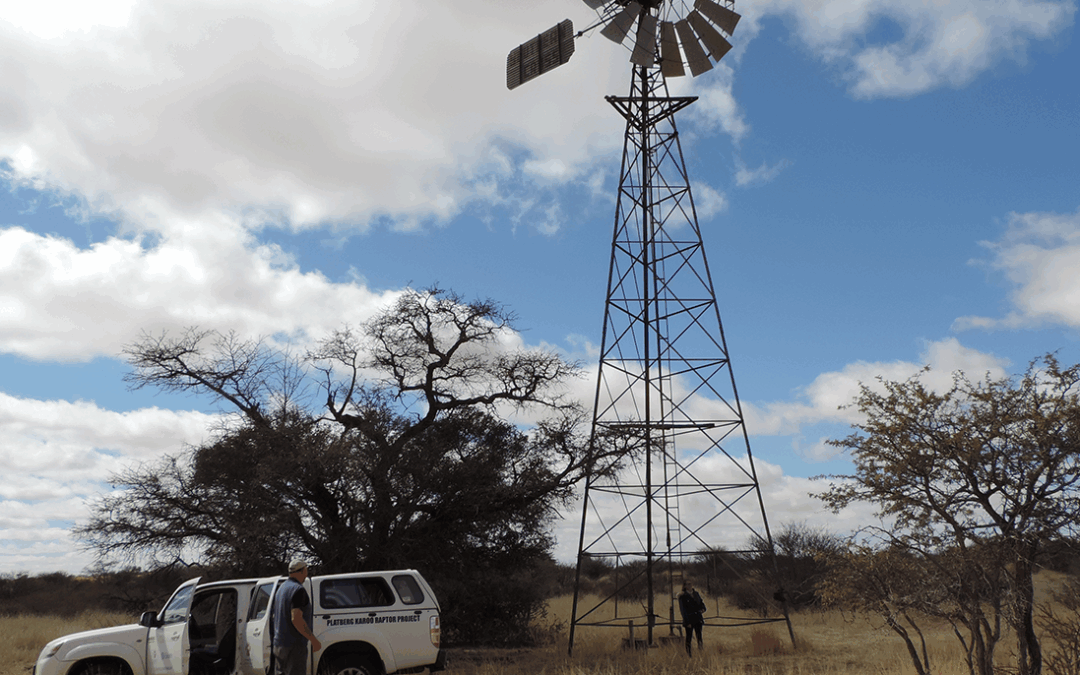
Later that week, we set out to monitor White-backed Vulture nests. Ronelle went off the beaten track, navigating her way through bushes and avoiding antbear holes. On our way back, she reversed carefully to avoid the thorny branches behind us, but only remembered the antbear holes when we found ourselves chassis deep in one. Attempting the normal way of getting unstuck: She reversed slightly, quickly changed into first gear, swung the steering, and gunned the gas but that only served to deepen the hole we were in. From the canopy, she pulled out a plank, a spade, textured plastic slats and a 4-ton jack.

More than an hour later, having tried everything short of lifting the vehicle out with our bare hands, we were no closer to getting out than when we started. We thought we had solved the issue when we saw that the undercarriage was resting on a sizable bush, assuming that was what was preventing movement. Leatherman in hand, I wiggled under the vehicle and cut away at the branches. When that failed, I attacked it with the spade. By the time I crawled out, I had sand in my sinuses, thorns in my hands, and the vague sense I’d lost my dignity under there. Ronelle kept laying brush for traction, and we tried again with no luck. I suggested calling the farmer for help. Ronelle—strong-willed and allergic to asking for assistance—cracked on.

I gave up on trying to impress her, leaned against the car, and picked thorns out of my hands. It took another hour before she relented. She made the call, and our cavalry arrived in the form of three farm workers and a Datsun bakkie that had survived the 1980s by sheer spite. They had us out in minutes, moving with the ease of people who’d done this many times before. Our earlier efforts looked embarrassingly futile.

Through the dune bashing, tangoing with farm gates and attempting the dig to China, the Kalahari blessed us with the opportunity to experience it most truly and live to tell the tale. When I remember the Kalahari, I remember seemingly impossible challenges that we overcame with laughter and blind determination and it is a lesson that I have taken with me five years down the line.

EWT field officer navigating Kalahari dunes

Searching ships for contraband

Searching ships for contraband

News from the field:

Searching ships for contraband

By Cliantha Kay, K9 Unit dog handler


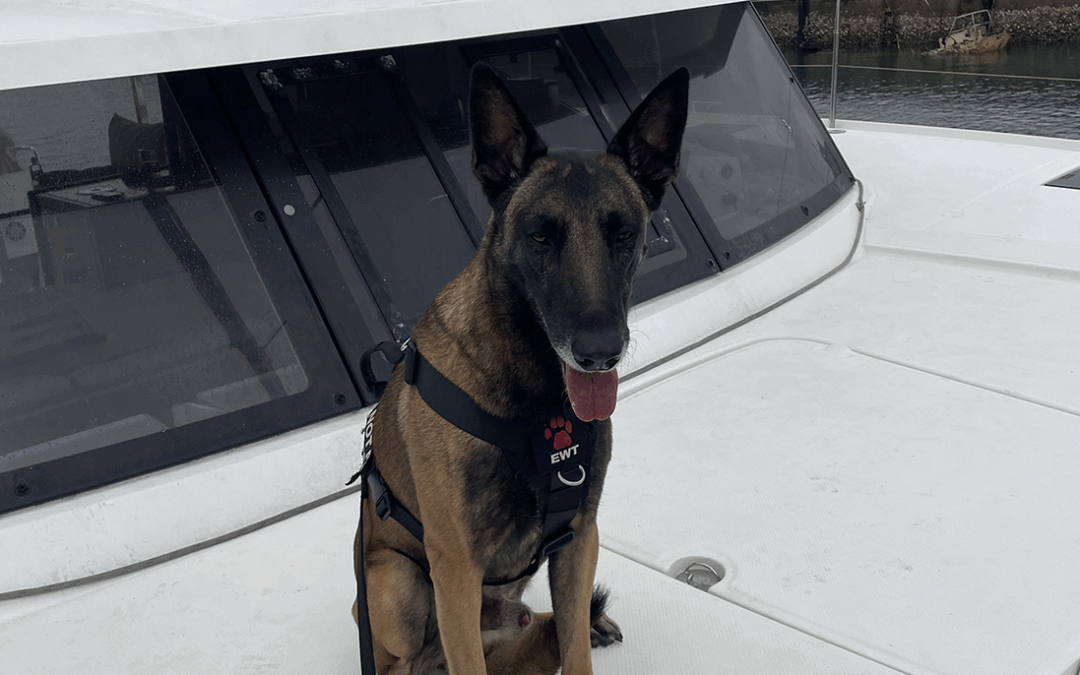
Mufassa the EWT K9 on ship inspection


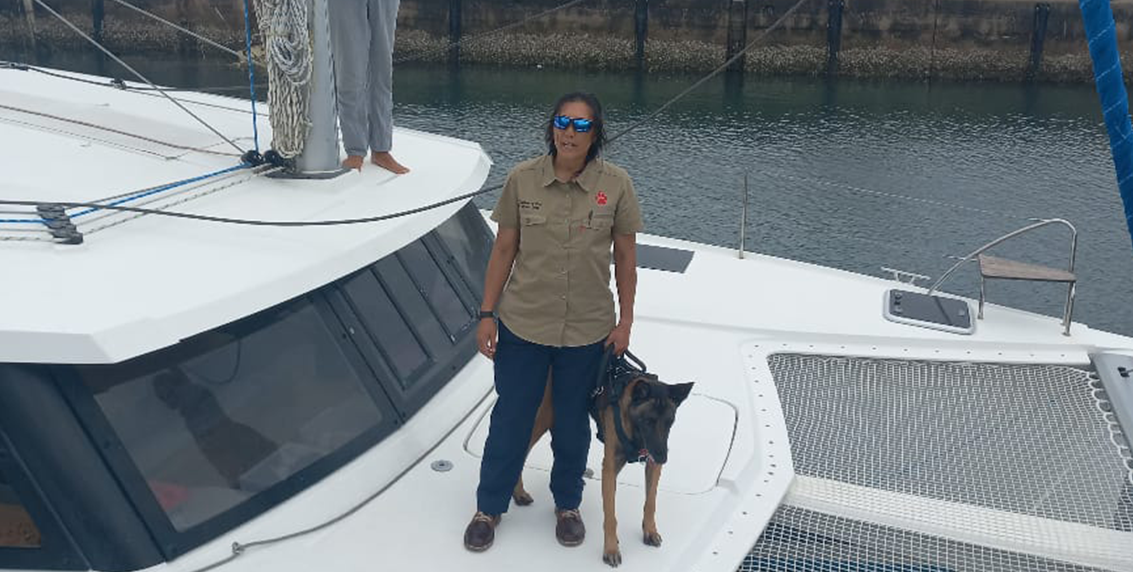
I do not like heights, my knees get weak and wobbly when I approach a high structure.  But, my K9 companion, Mufassa, keeps me in check.   With my focus firmly on Mufassa we recently walked up the gangway to board a massive coal ship docked at South Africa’s largest coal terminal.  

Mufassa had never been on a gangway, let alone a ship, and here he was taking it all in his stride, oozing the confidence needed for this job. He has set the bar high for his fellow EWT canines given that he is the first of our esteemed team to board a ship, or work as a detector of wildlife contraband in a harbour.

The EWT was on a joint operation with the Border Management Authority (BMA), South African Police Services (SAPS) and the Department of Forestry, Fisheries and the Environment (DFFE) to support an operation to search coal ships and private yachts in Richards Bay harbour.

True to his nature, Mufassa took the lead in boarding the ships we searched, with the SAPS dog following suite. They scanned the bridge and cabin crew’s quarters for any endangered wildlife and related products, totaling over thirty rooms and four private yachts. I don’t think the yachtsmen, all international visitors to South African waters who have been sailing around the world, were expecting to see detection dogs boarding their vessels. Despite the limited space on the yachts and in the confines of the ships, the numerous and narrow stairways, and the amount of people around them, the canines were in their element doing what they do best — sniffing out stuff.

A New Chapter for Pilanesberg’s Cheetahs

A New Chapter for Pilanesberg’s Cheetahs

News from the field:

A New Chapter for Pilanesberg’s Cheetahs

By Olivia Sievert, Project Coordinator, Cheetah Conservation Project


EWT team capturing cheetahs for relocation


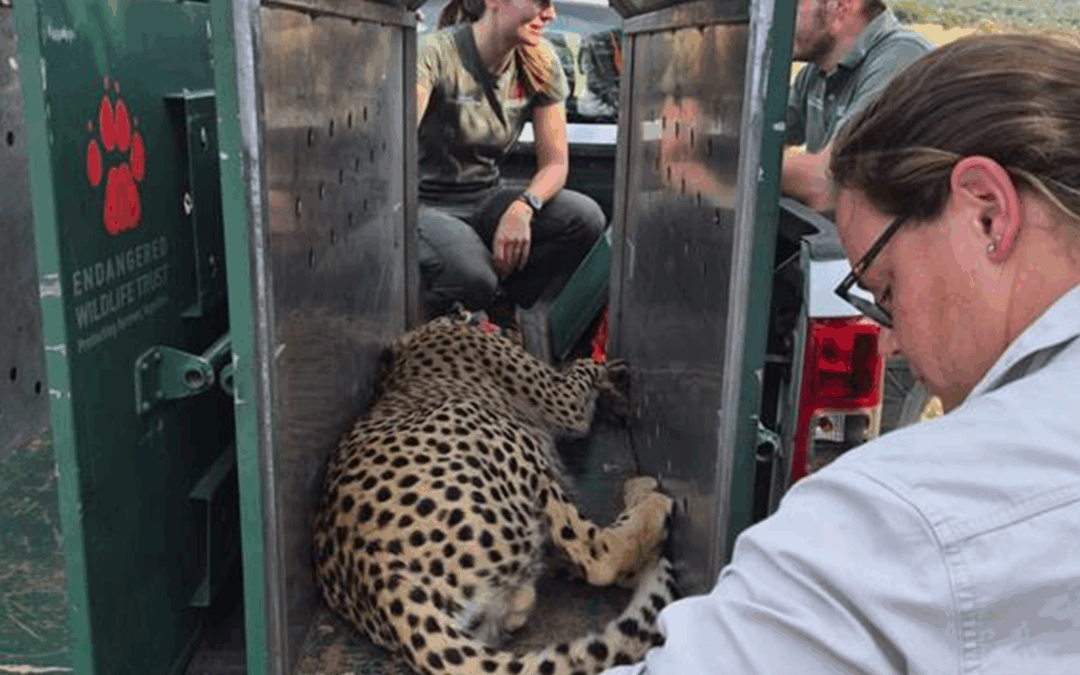
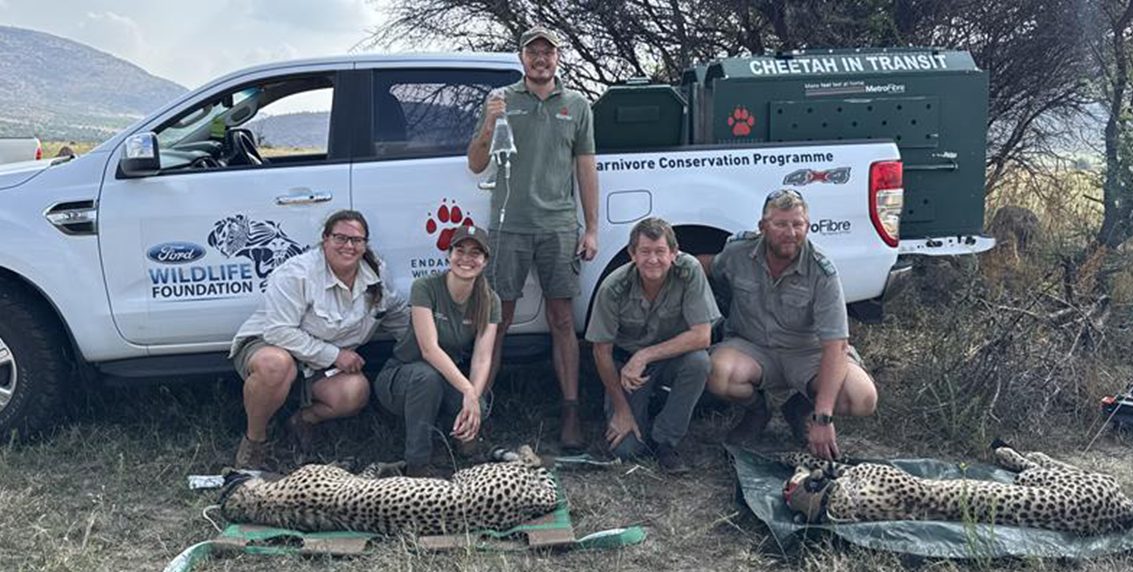
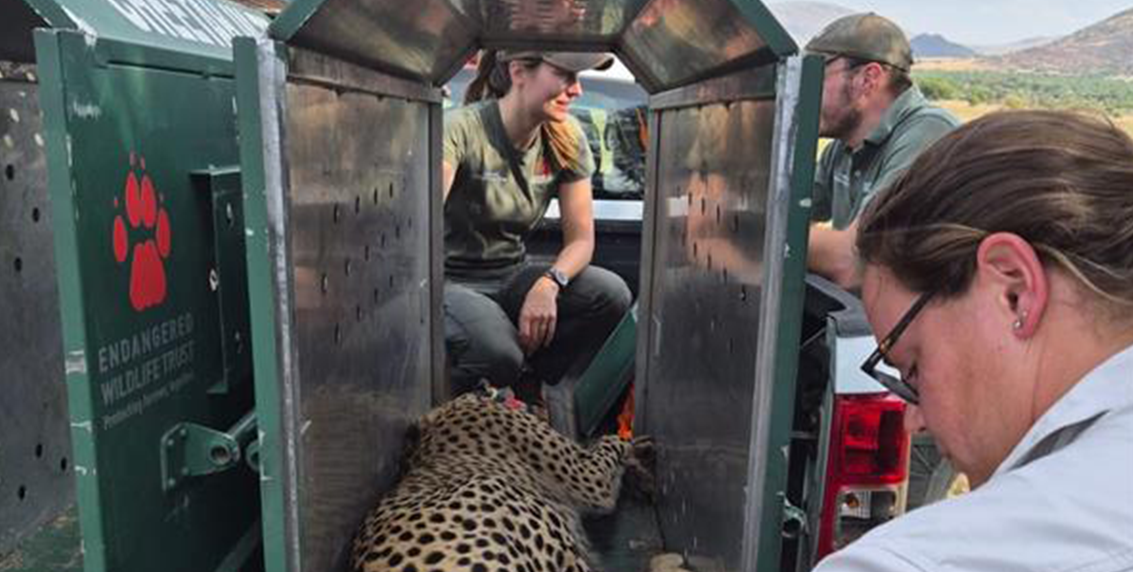
In November, our team successfully relocated two young male cheetahs from Pilanesberg National Park to Shambala Private Game Reserve, a move designed to strengthen the genetics and long-term health of Pilanesberg’s thriving cheetah population.

The EWT has a proud, long-standing partnership with Pilanesberg, collaborating across numerous conservation projects. Cheetahs have long captured the hearts of visitors here, especially the beloved Rain, introduced in 2014. Though Rain passed away in 2023 at the remarkable age of 12, her daughters, Tale and Mapula, continue her legacy. Tale alone has raised nine cubs to independence, including these two young males who have now begun their own journey.

Before their relocation, the brothers spent months honing their hunting skills and embracing their natural independence, a vital step before translocation. Once they were ready, it was time for the delicate task of capture and relocation. Easier said than done! Between high spring heat, unpredictable sightings, and tight veterinary and logistics schedules, patience was essential.

When the perfect conditions finally arrived – cool, overcast weather and a sighting near Pilanesberg Centre – the teams sprang into action. But, as cheetahs do best, the brothers disappeared just as quickly. A drone was deployed to aid in the search, sweeping the surrounding area for any sign of the brothers. Just when spirits began to dip, a short game drive revealed the pair resting calmly in an open, recently burned area, ideal for a safe and efficient operation.

Within minutes, both males were darted, examined, and securely loaded into transport crates with minimal stress. After a smooth journey, they arrived safely at Shambala, where they are now settling into a temporary holding boma. They will remain in the boma for 3-4 weeks allowing them to adjust to the sounds and smells of their new home, before the gates are opened and they are released to join a female already on the reserve.

This move marks a special reunion of sorts for Shambala, which previously hosted males from Rain’s first litter for nearly six years. Now, her grandsons will continue her bloodline in the same reserve, full-circle moment in her legacy. For Pilanesberg, attention now turns to welcoming a new coalition of males to ensure continued breeding with Tale and Mapula. Together, these efforts reflect a shared vision: healthy, growing cheetah populations that will inspire and delight generations to come.

cheetah transport crates during Pilanesberg relocation

From Conflict to Climate – What is Threatening Lions in Africa?

From Conflict to Climate – What is Threatening Lions in Africa?

Science snippet:

From Conflict to Climate – What is Threatening Lions in Africa?

By Erin Adams, Science Officer 


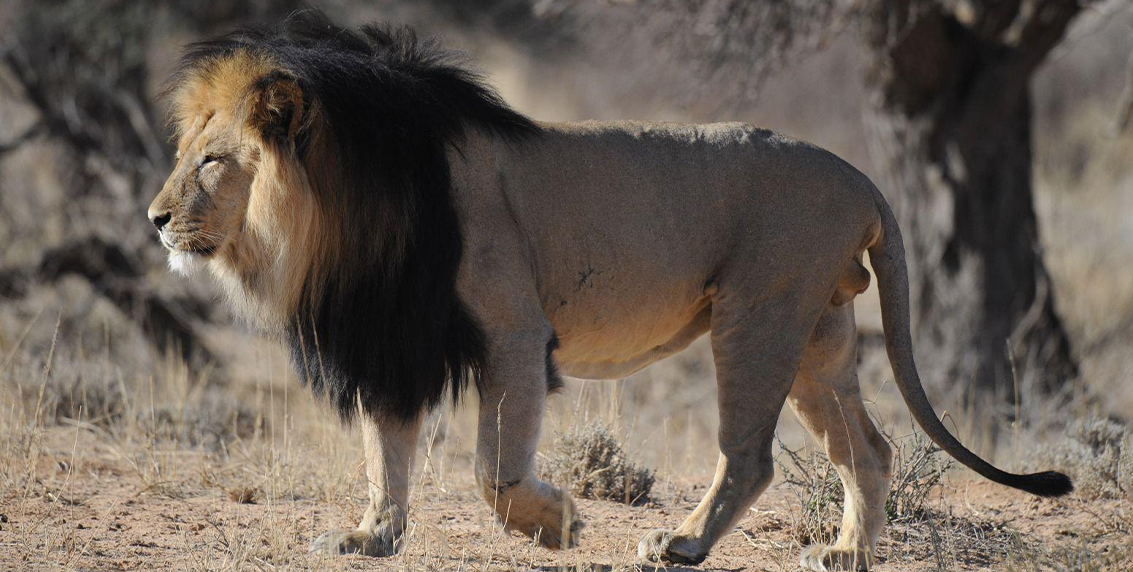
African lion in habitat highlighting threats to lions in Africa


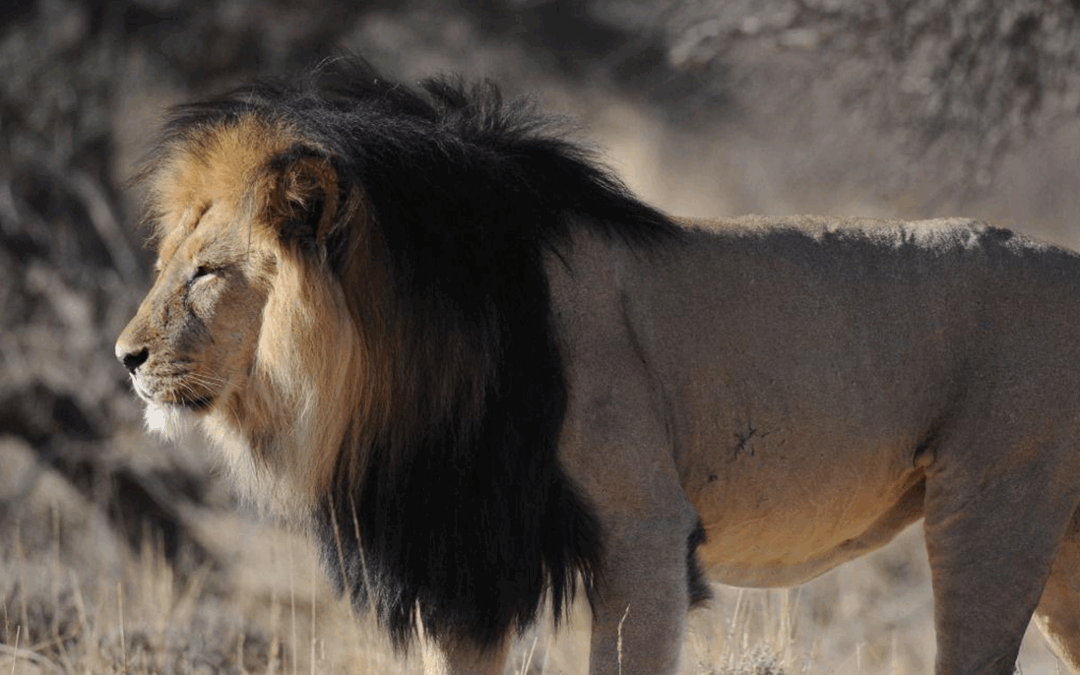
Lions in Africa face a wide range of threats throughout their habitat, with both the type and intensity of these threats varying significantly by region.

Endangered Wildlife Trust (EWT) scientists recently published the results of a continent-wide study to assess to nature and severity of threats to lion populations, finding that these varied per region.

To gather data, researchers distributed an online survey to landscape managers and lion researchers working within 132 lion subpopulations, representing approximately 75% of the current lion range across Africa. The aim was to develop a global threat index, which considered factors such as civil unrest, armed conflict, climate change, and trophy hunting. A local threat index was also created, evaluating both direct and indirect threats, Direct threats included vehicle collisions, intentional poisoning, snaring by-catch, cultural killings, retaliatory killings, unregulated trophy hunting, and disease, and indirect threats, included habitat loss, infrastructure development within lion territories, and the expansion of agriculture and human settlements.

Additional contributing factors, such as ineffective population management, small and isolated populations vulnerable to local extinction, loss of natural prey due to poaching or habitat degradation, and inconsistent or insufficient funding for lion conservation areas were also assessed.

Based on responses from the questionnaires, lion populations are believed to be increasing in 38% of their range, are stable in 37%, and declining in 17%. Threat severity was perceived to be highest in Central Africa, while Southern Africa faced comparatively lower perceived threat severity. The highest threat indices were recorded in Angola, the Democratic Republic of Congo, Cameroon, and Ethiopia, whereas Rwanda, South Africa, and Namibia had the lowest. Key factors influencing threat severity were the presence of communities within lion habitats, livestock grazing and competition with wildlife, fencing practices, community engagement, and available management resources.

Across the continent, the most severe perceived threats to lions varied by region. Higher threat indices were significantly associated with several factors. These were not only the presence of communities living within lion habitats and livestock grazing within the area, but also competition between livestock and wildlife, and inadequate management resources. In contrast, subpopulations that were fully fenced reported significantly lower local threat severity scores. A major challenge noted across the continent was resource limitation, as almost half of the surveyed lion populations (49.24%) reportedly lacked sufficient resources to adequately reduce the illegal killing of lions.

In Central Africa, lions are perceived to be most severely impacted by human encroachment, the loss of prey due to poaching, and retaliatory or pre-emptive killings to protect livestock. In East Africa, the most pressing threats include inconsistent or insufficient funding for conservation, retaliatory or pre-emptive killings, and human encroachment into lion habitats. In southern Africa, lions face challenges from inconsistent or insufficient funding, human encroachment, and infrastructure development near or within their territories. Meanwhile, in West Africa, the most severe threats are the loss of natural prey due to poaching, targeted poaching of lions for their body parts, and the vulnerability of small, isolated populations.

On a global scale, climate change was considered the most significant perceived threat to lion populations in East and southern Africa. In Central Africa, civil unrest is perceived to pose a direct danger to lion populations. Similarly, in West Africa, civil unrest and local conflicts were seen as the greatest global threats due to their impact on the effectiveness of protected area management.

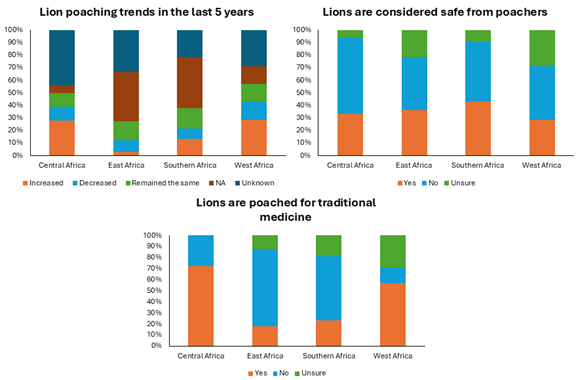
Another major threat to lions is poaching. This crime poses a multifaceted and significant threat to lion populations, encompassing both targeted killing for body parts and unintentional bycatch in snares. Lion populations are declining rapidly due to direct threats such as targeted poaching for body parts for the illegal wildlife trade. This practice is suspected to be driven by both local traditional medicinal practices and the international illegal wildlife trade, where lion bones are sometimes smuggled to the East as a substitute for dwindling tiger (Panthera tigris) parts. Lions were reported to be poached for parts in 30% of surveyed subpopulations (40 out of 132), with the most frequently sought parts being skin, claws, teeth, and fat. Uses for these parts, particularly in local markets, range from strengthening the body, curing diseases, increasing power, and improving the immune system.

conservation team monitoring lions in Africa

Figure 1. Responses to questions relating to poaching of lions per region in Africa (reported as percentages, n = 132) (Graphs adapted from Nicholson, S. K., Roxburgh, L., Bauer, H., Adams, E., Asfaw, T., Naude, V. N., & Slotow, R. (2025). African lion conservation requires adaption to regional anthropogenic threats and mitigation capacity. Global Ecology and Conservation, 62, e03760)

This study highlights the complex and region-specific challenges facing lions in Africa. Identifying the most severe threats at the population level is essential for developing targeted and effective conservation strategies. At the site level, this understanding allows managers to implement and enforce effective mitigation measures, such as utilising fencing, which was found to significantly lower local threat severity scores. These findings inform policymakers and multilateral conventions, guiding decisions and prioritising areas that require immediate, intensive conservation action. This prioritisation is vital for highly threatened areas like Angola, Cameroon, and Ethiopia, which face high threat severity alongside insufficient resources. Furthermore, identifying the most common resource limitations (such as a lack of consistent funding) is essential for generating greater investment to safeguard vulnerable lion populations, halt expected population declines, and achieve long-term conservation success.

*Nicholson, S. K., Roxburgh, L., Bauer, H., Adams, E., Asfaw, T., Naude, V. N., & Slotow, R. (2025). African lion conservation requires adaption to regional anthropogenic threats and mitigation capacity. Global Ecology and Conservation, 62, e03760.

Building connections at the Generation Earthshot Leadership Programme, Brazil

Building connections at the Generation Earthshot Leadership Programme, Brazil

Building connections at the Generation Earthshot Leadership Programme, Brazil

By Lesego Mthethwa, field officer, Carnivore Conservation Unit


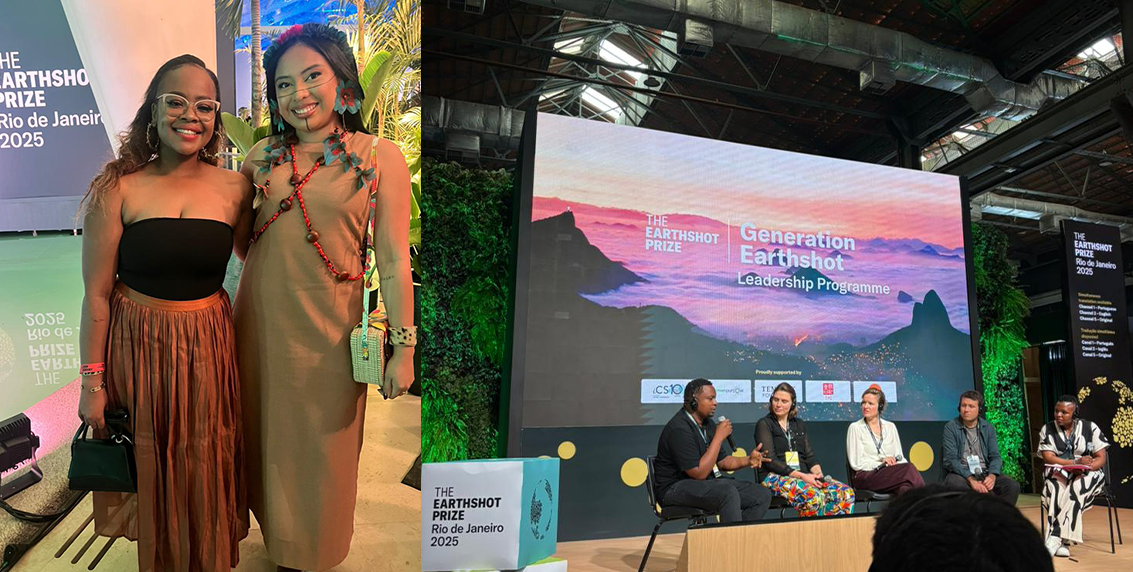
Endangered Wildlife Trust representative at Generation Earthshot Leadership Programme


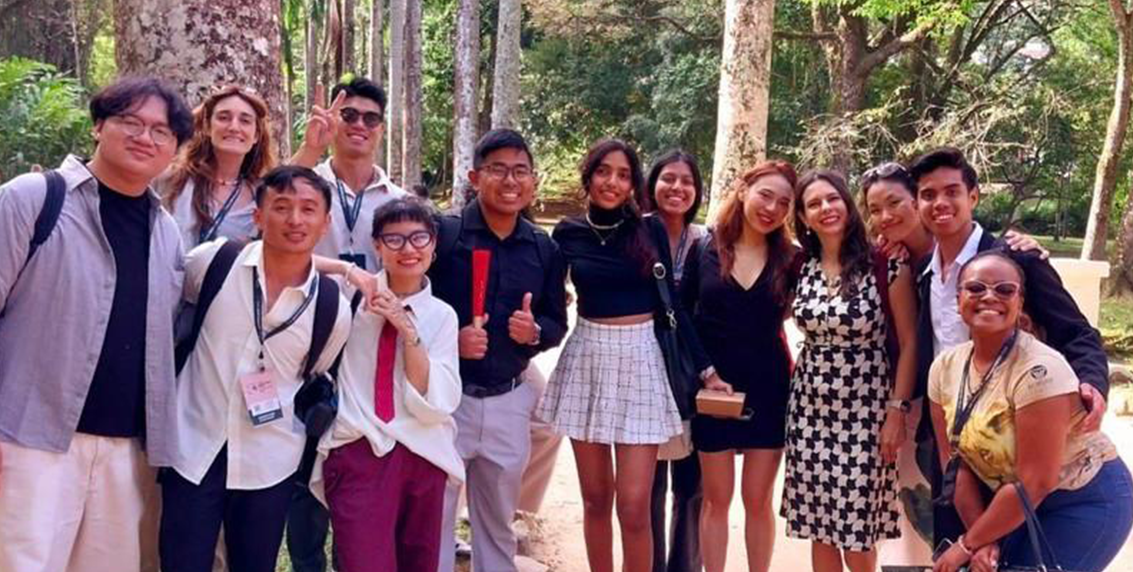
In November 2025 I had the privilege of representing the Endangered Wildlife Trust (EWT) at the Generation Earthshot Leadership Programme in Rio de Janeiro, Brazil—an experience that offered far more than leadership training. It was a profound personal and professional journey that connected me with 75 young climate leaders from Brazil, South Africa, and Asia, each bringing unique perspectives on justice, resilience, and the urgent need for climate action.

The programme was designed as a fully immersive, in-person experience, ensuring that every interaction, whether in workshops, discussions, or networking, fostered deep learning and authentic connection. From the outset, it was clear that this was not simply a conference; it was a space for transformation.

Building Connections Across Continents

Early in the programme, we spent time connecting and reconnecting—getting to know one another not just as participants, but as emerging leaders rooted in our communities. One of the most meaningful sessions involved café-style conversations with climate leaders from varied sectors. These small-group dialogues were intimate and eye-opening, giving us the chance to speak honestly about leadership, community impact, and the realities of climate justice. Despite our different backgrounds, a powerful common thread emerged: the shared desire to drive change with purpose and urgency.

We also explored leadership through a completely different lens at the Maracanã Stadium, an iconic symbol of Brazilian culture. The setting reminded us that leadership takes many forms and is shaped by our experiences, identities, and the communities we serve.

Learning to Tell Our Stories

A dynamic YouTube Digital Storytelling Workshop taught us how to use narrative to inspire action. As someone working in conservation, this session was invaluable as our work often hinges on our ability to communicate clearly, passionately, and persuasively.

We had a rare opportunity to engage directly with Earthshot Prize Finalists, innovators whose solutions are already shaping a regenerative and climate-positive future. Hearing their stories reminded us that impactful climate action is already happening and that collaboration is key to scaling it.

Our immersive visits to learn how communities across Rio are responding to climate challenges proved to be the most inspiring parts of the programme as they offered real-world examples of resilience, community knowledge, and innovation. Each organisation approached climate issues differently, but all shared one thing: hope grounded in action.

A Global Platform for Youth Leadership

After reflecting on all we had learned, our final day took us to the 2025 Earthshot Prize Summit: Impact Assembly. This event brought together global leaders, innovators, funders, and activists to accelerate solutions at scale. It was empowering to be part of a space where youth voices were not only welcomed but amplified.

During Earthshot Hour, we connected with broader members of the Earthshot community enforcing my realisation that being surrounded by influential changemakers underscores the importance of young leaders in shaping the climate agenda.

The programme culminated in the Earthshot Prize Awards Night, an unforgettable celebration honouring 15 groundbreaking environmental solutions. With presenters such as Cafu, Rebeca Andrade, Sebastian Vettel, and Txai Suruí, and performances by artists including Anitta, Gilberto Gil, Kylie Minogue, Seu Jorge, and Shawn Mendes, the evening became a humbling and deeply affirming moment as I walked the green carpet alongside leaders from around the world.

Generation Earthshot Leadership Programme participants in Brazil

Reflections

The Generation Earthshot Leadership Programme reminded me that leadership is not a title—it is a responsibility shaped by courage, community, and conviction. I left Brazil inspired, better equipped, and deeply committed to contributing to a future where Africa’s young leaders play a central role in shaping climate resilience.

This experience strengthened my belief that our generation has the willingness, the passion, and the power to create meaningful change, and that organisations like EWT are vital in turning that potential into lasting impact.

A highlight of my Rio trip outside the conference?   It was my visit to the imposing statue of Christ the Redeemer, a moment that deeply touched the Christian in me and grounded the entire experience in gratitude.

Cultivating a Greener Future Through Sustainable, Conservation-Compatible Agriculture

Cultivating a Greener Future Through Sustainable, Conservation-Compatible Agriculture

Cultivating a Greener Future Through Sustainable, Conservation-Compatible Agriculture

By Mukundi Mukundamago, Socio-Ecologist: Sustainable Living Lands, People in Conservation


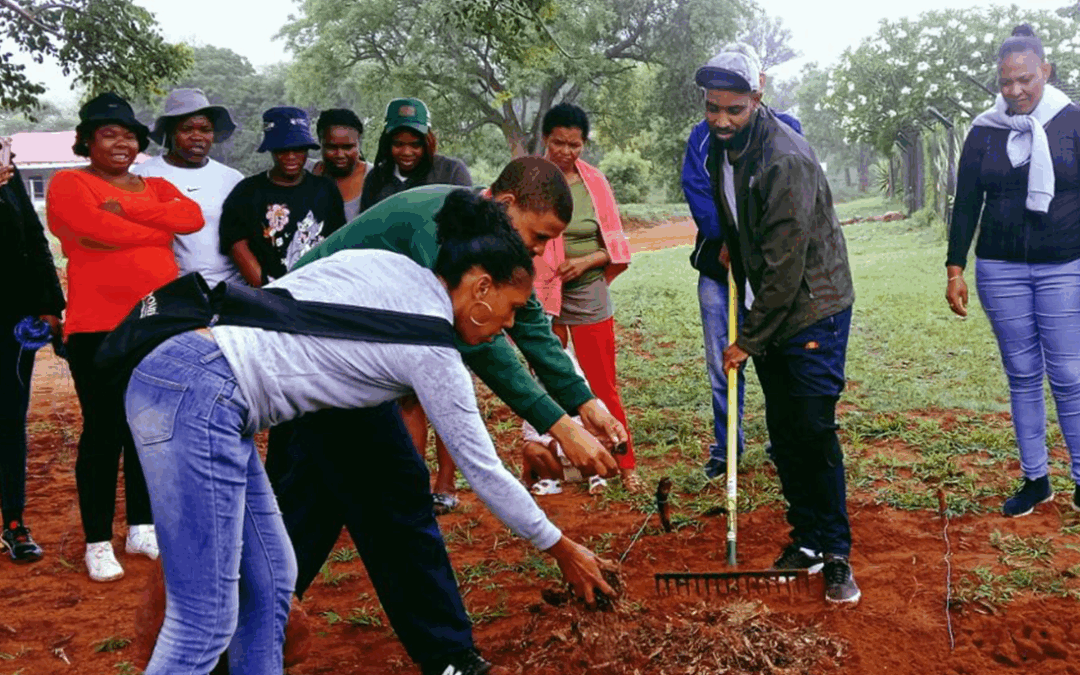
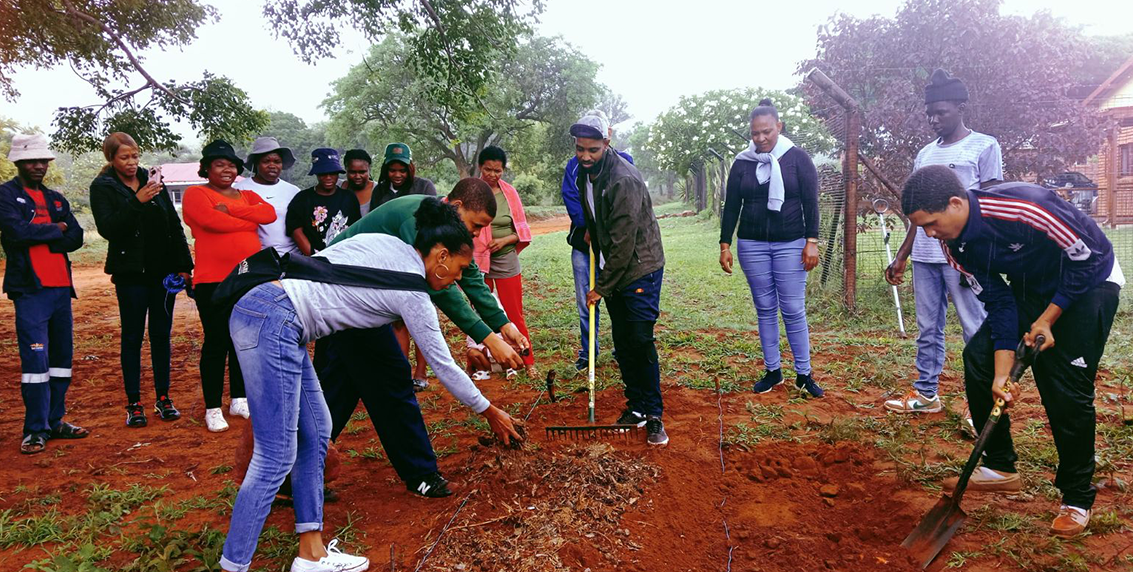
community members practising sustainable conservation-compatible agriculture


Sometimes meaningful environmental change begins when people gain the confidence, skills, and tools to care for the land they rely on every day. This zeal guided the Endangered Wildlife Trust’s recent community training in sustainable, conservation-compatible agriculture – an initiative designed to strengthen the capacity of Community Property Association (CPA) beneficiaries and other community members to manage their land in ways that support both people and nature.

The five-day training workshop brought together 52 participants from the Western Soutpansberg for practical, hands-on learning focusing on key aspects of sustainable agriculture. These include health, composting, water management, agroecology principles, and planning approaches that support healthier ecosystems. Blending introductory theory with practical demonstrations, enabled participants to test ideas immediately and gain confidence through doing.

Youth involvement stood out throughout the week. A total of 33 young women and actively engaged in discussions and practical activities, showing a strong interest in taking up land stewardship roles within their communities. Their participation demonstrates a growing commitment among younger generations to strengthen local food systems and support conservation-compatible land use. This was strengthened by the participation of elders, creating a perfect blend and a good platform for intergenerational knowledge exchange that is set to blossom in the next few months ahead.

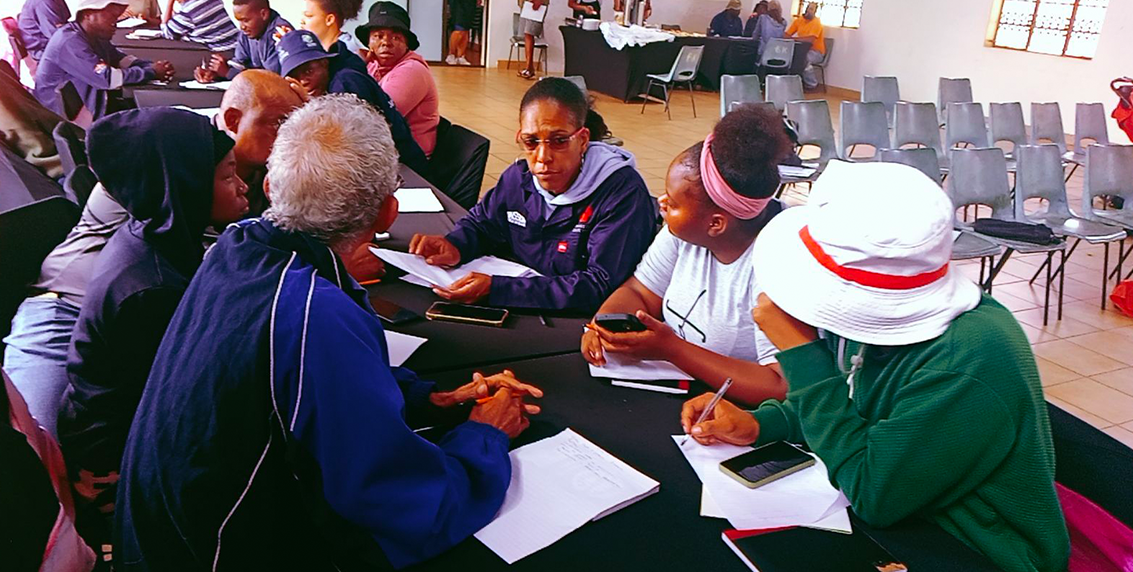
Group discussions saw participants reflect on broader community realities, including the high levels of unemployment, the limited opportunities available to young people, and the family and social challenges created when youth leave for cities. A lack of training and market access, they said, often left young people vulnerable to exploitation and unable to fully develop their livelihoods.

A key discussion centred on the shared “aggregator” model – one centred around a community hub that could combine a communal or rented farm, shared equipment, a packhouse, business and computer centres, and practical training spaces. Such a hub, they explained, could improve bargaining power, support post-harvest processing and distribution, and offer modern training technologies.

Another important topic raised was the need for strong record keeping and clear business planning, with a recognition that the keeping of accurate records helps track progress, identify challenges early, and support decision-making. Developing business plans and understanding local markets were also highlighted as essential steps for those looking to grow beyond subsistence.  On a practical level, participants did soil sampling and testing, explored water-efficient irrigation techniques and built demonstration garden beds. They also learned compost-making techniques suitable for local conditions.

To support immediate action, each participant received a set of essential agricultural tools -including a steel rake, 4 prong digging fork, spade, and access to a panga and/ or hand grass slasher to start preparing their garden beds. Seed and seedling starter packs will be distributed in early 2026 to kickstart the first planting season of the year.

The training marks the start of a longer-term journey. A structured mentorship programme is in place to ensure continued support through ongoing technical support designed to help participants deepen their understanding and refine their approaches. Mentors based in the region will visit communities regularly to monitor progress, help address challenges, and offer practical guidance as participants put their training into practice.

youth participating in conservation-compatible agriculture training

** This initiative was supported by Go2Africa