Help African Wild Dogs 

Donate today  

Earthly Eating: Gluten-free Cheesy Scones

Earthly Eating: Gluten-free Cheesy Scones

EARTHLY EATING

Image: You Magazine


We all know we should be doing our part to save the planet. But what does that mean when it comes to food? It can be easy to get overwhelmed with all the different eco-friendly choices. Each month, we bring you delicious, nutritious, and eco-friendly recipes that our staff members or followers love! This month’s recipe is Gluten-free Cheesy Scones!

Gluten-free Cheesy Scones


Ingredients
  • 1 ½ cups of gluten-free flour
  • 2t sugar
  • 1T baking powder
  • ½t salt
  • Pinch of Cayenne Pepper
  • 160ml grated cheese (mature Cheddar)
  • 2 eggs
  • 80ml oil
  • 100ml milk
Instructions
  • Preheat oven to 180oC (350oF)
  • Prepare your baking tray
  • Sift the flour, salt, sugar, baking powder and Cayenne Pepper together
  • Add grated cheese
  • Mix well
  • Whisk the eggs, milk and oil and add it to the dry mixture. Fold into the flour until the mixture is a stuff dough
  • Shape the dough into balls and place on baking sheet.
  • Bake for 25 minutes until done (golden brown)
  • Notes:  Sprinkle grated cheese and paprika onto the dough before baking.
  • Serve with butter or cream, and cheese.

Serve and Enjoy!

Careers in Conservation – Alekzandra Szewczuk

Careers in Conservation – Alekzandra Szewczuk

CAREERS IN CONSERVATION – Alekzandra Szewczuk

Al is a Spatial Biodiversity Analyst with the EWT’s National Biodiversity and Business Network. Here is a little bit about Al’s journey to a career in conservation.
Job Title: Spatial Biodiversity Analyst

Location: Johannesburg

Where did you grow up? Paulshof, Johannesburg

What are your hobbies/things you like to do in your spare time? Gardening, photography, reading, killer sudoku puzzles.

Any pets?  A miniature dachshund, Lady (AKA Princess Ladybug). 

Favourite animal and why: Elephant- I have such admiration for these gentle giants and I am fascinated by their emotional intelligence.

Favourite food?  Homemade pizza (My mum’s Italian grandmothers’ recipe)

Pet peeve? Pointing with cutlery

Why did you want to work for the EWT? I want to be able to apply my skillset in a way that makes a meaningful contribution to conservation and biodiversity and hopefully be rewarded by seeing some positive outcomes. 

What are you passionate about? My passion is to foster a sustainable relationship between people and the environment through science, environmental awareness, and education, especially among youth.

What’s the best advice you’ve ever received, and who did it come from? ‘’No one can take away the knowledge you acquire’’- My late Dziadziu, Jan Szewczuk

What is your go-to feel-good song? Proud Mary – Tina Turner, never fails.

Careers in Conservation – Kyle Walker

Careers in Conservation – Kyle Walker

CAREERS IN CONSERVATION – Kyle Walker

Kyle is the wildlife poisoning and snare response field officer with the EWT’s Birds of Prey Programme and Carnivore Conservation Programme. Here is a little bit about Kyle’s journey to a career in conservation.
Job Title: Wildlife poisoning and snare response field officer for BoPP and CCP

Location: I am based in Phalaborwa, Limpopo.

Where did you grow up? Chartwell, Johannesburg

What are your hobbies/things you like to do in your spare time? I fix antique mechanical clocks and play tennis, squash and netball.

Any pets? No pets with me now, but over the past year and a half I helped foster a guide dog puppy, who is now in her third week of guide dog training. I grew up with lots of dogs in the house.

Favourite animal and why:  I can’t name a favourite. An Elephant can’t stoop from a cliff at over 200 Kph and a Taita Falcon can’t make you feel completely insignificant and helpless. I appreciate all animals for their unique qualities as well as the role they fulfil in their environment.

Favourite food? Spaghetti Bolognese

Pet peeve? All forms of corruption.

Why did you want to work for the EWT? I believe the quality of work going in to protecting critically endangered species is second to none. I applied for this role with the belief that I too could add value to species conservation through hands-on work and engagement in the field.

What are you passionate about? I am passionate about all forms of nature, but my heart does sway towards birds and particularly raptors. I find motivation through data collection and am driven to prevent loss of life. I am also passionate about using my hands to create and fix mechanical things, although this is more of a hobby.

What’s the best advice you’ve ever received, and who did it come from? Go study Nature Conservation, you’re going to love it! – My Father (he was right).

What is your go-to feel-good song? Heart of the dancer – Juluka, Johnny Clegg
The Boxer – Simon and Garfunkel
Don’t stop believin’ – Journey
Bohemian Rhapsody – Queen

Energy-saving cooking in Rwanda

Energy-saving cooking in Rwanda

Energy-saving cooking in Rwanda

By DR Adalbert Aineo-mucungizi

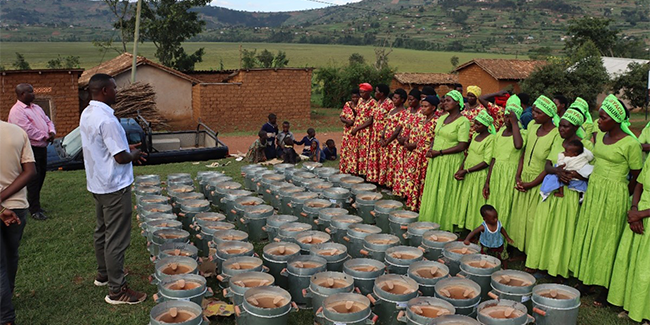
Energy-saving stoves being handed to households in Rwanda

With funding from Kansas City Zoo and Aquarium, International Crane Foundation/Endangered Wildlife Trust sourced and distributed 80 energy saving stoves for women from 40 households. Each household received two stoves.

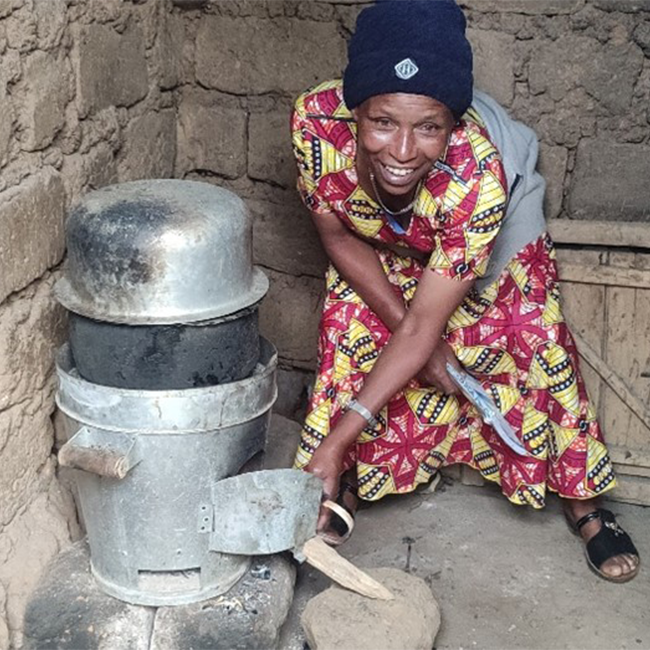
The energy-saving stoves are made of clay liners, a metal casing, and vermiculite cement, which maintains heat during cooking. These stoves were supplied to women who had been cooking using the traditional three-stone open fire system, which encourages the loss of heat into the atmosphere, resulting in the use of a lot of fuel wood. Just to cook a meal, it used to take a woman and her children several hours to search for wood for fuel.

Some beneficiaries have indicated that using the energy-saving stoves has reduced wood consumption from 15-20 kg to 2-3 kg per day. This is because the beneficiary households can use pruned branches instead of entire felled trees for their fires.

The families not only use considerably less firewood, but the food is also being prepared faster. For example, one of the beneficiaries has reported that she has reduced her cooking time for beans from three hours to one. With the time saved, the women are now able to spend more time working in their gardens growing food for their families, and even for sale. This has boosted their household income and reduced the demand for wood.

Our immediate plan is to raise substantial funding to scale up this intervention to reach an additional 500 households in order to reduce pressure on the Rugezi Marsh and its catchment.

Using an energy-saving stove supplied by the African Crane Conservation Programme

Energy-saving stoves being handed to households in Rwanda

Traditional cooking methods used by the women

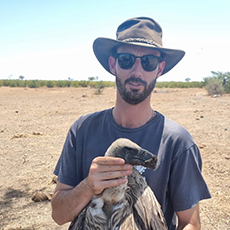
Two rehabilitated Vultures released by the Birds of Prey Programme in Mokala National Park

Two rehabilitated Vultures released by the Birds of Prey Programme in Mokala National Park

Two rehabilitated Vultures released by the Birds of Prey Programme in Mokala National Park

By Ronelle Visagie, Birds of Prey Programme.

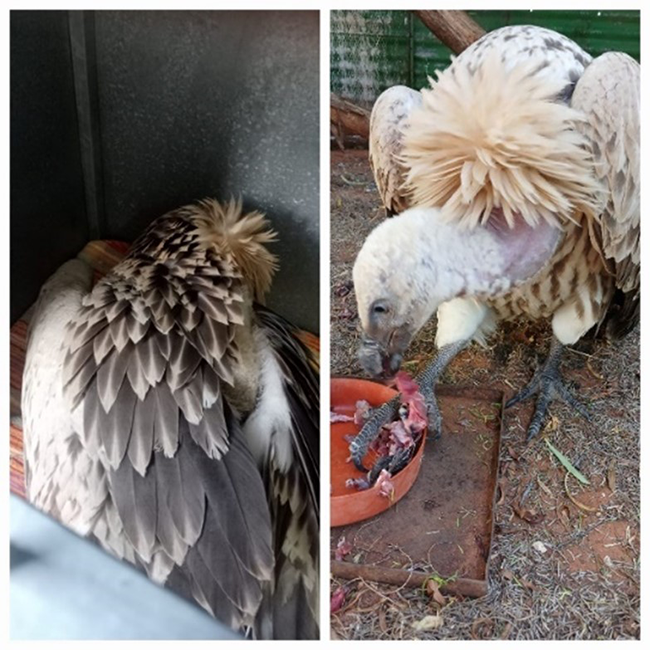
Neska on the day she was confiscated (13 January 2024) and a week later.

In December 2023, I fetched an injured White-backed Vulture from Kimberley Veterinary Clinic.  The bird was found somewhere in town and had a broken leg.  The bird was in an excellent condition and was eating well.  Its leg was pinned by Dr Burger.  From the start this vulture was very feisty so we decided to call her “Kwaaitjie” (bad girl).

Once home we put her in a deep crate as the orders from the vet were to keep her still. Two days later she was able to sit on the side of the crate and was ready to jump down so we moved her to a  small aviary where she could be on the ground and still not move too much.  Kwaaitjie must have decided it was too boring for her to be confined and not move around too much, so she took it upon herself to remove the pin from her leg – only eight days since the operation.

Because of this I contacted the Kimberley Vet Clinic and explained the situation.  Following a discussion, it was agreed that Kwaaitjie be left where she is as the risk of injury was too big if we transported or handled her.  I had also promised to take her to the Clinic if something happened to her leg.

An X-Ray of her leg two weeks later showed she was on the mend.  After being kept in a small enclosure for another two weeks, she was moved to the large aviary where she started to fly.

Barely a month later, in January 2024, I fetched a Cape Griffon from the Kimberley Veterinary Clinic that had been confiscated by police in a township near the Northern Cape town.  The police had taken the bird to Dronfield to be released. It was then that Aneska Almendro, working for De Beers at Dronfield, saw that the bird needed veterinary care and took her to the Clinic.  The Griffon was in a severely stressed condition, and the vets had to put her on at least two drips to save her life.


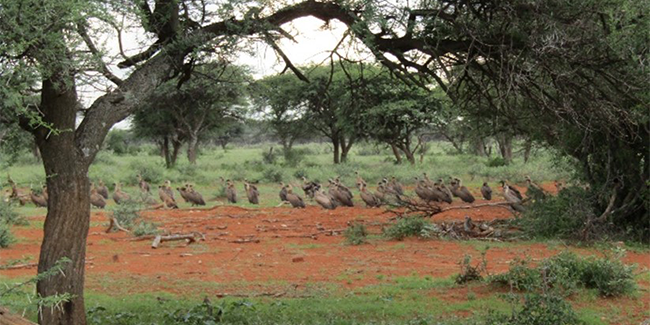
Part of a large group of vultures at the waterpoint.

Neska on the day she was confiscated (13 January 2024) and a week later.

After collecting her, I put the Griffon, which we had named Neska, in a large aviary so that she could walk and stretch her wings.  But, she refused to move for the first two days. This might be because of the way she was treated before she was confiscated.  It was exciting to see her finally start walking around and stretching her wings. She was also eating well after her ordeal.

Both vultures recovered very well prompting our decision to release them back into the wild as soon as possible.  Kwaaitjie and Neska were ringed before being transported to their new home —  Mokala National Park.

On our arrival at the watering hole where vultures usually bath and drink, we were met by more than 100 of raptors at the water and in the trees.  Most of them were White-backed Vultures and at least three Cape Griffons were also seen.

When we opened the transport crates, the two birds walked out, stood for a few minutes to take in their new surrounds and took flight.

** We would like to appeal to members of the public not to keep Birds of Prey as pets.  If you see an injured or poisoned bird, call your nearest veterinarian so they can receive the treatment needed.

Battle of the Bullets: The Lead-free awareness drive by South Africans for South Africans.

Battle of the Bullets: The Lead-free awareness drive by South Africans for South Africans.

Battle of the Bullets: The Lead-free awareness drive by South Africans for South Africans.

Danielle du Toit, Vulture Safe Zone Officer, Birds of Prey Programme.

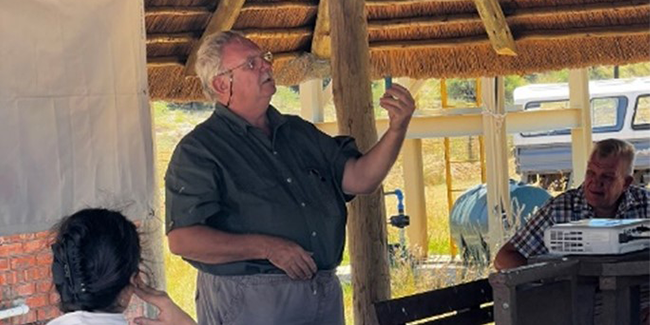
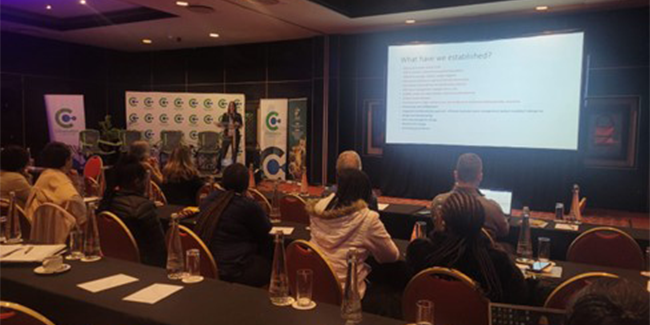
Ronelle Visagie speaking to delegates about vulture conservation

The EWT Vulture Safe Zone project objectives include reducing and ultimately eliminating the threats to vultures within project areas. Among many other dangers is lead poisoning; a serious threat to vulture populations and other species across the globe.

Poisoning in its many forms is the leading cause of population decline in vulture species. Although both intentional and unintentional poisonings have resulted in huge knocks to vulture numbers in single incidents, lead poisoning can be considered a quiet killer.  It is a  silent destroyer of which few people appreciate the serious impact it has on, for example, scavenging species like vultures.

Lead poisoning is caused when lead is ingested and allowed to enter the blood stream reaching vital organs and the animal’s bones. It can cause an array of ailments including, but not limited to, decreased coordination, decreased fertility, bone fragility, organ disease and failure and eggshell fragility.

Vultures are usually slowly poisoned by lead when carcasses of animals shot with lead ammunition are fed on by these scavenging birds, either in the veld, at carcass dump sites or vulture restaurants. The skulls of animals harvested through head shots and which have been thrown into these dump sites are of particular concern as lead fragments are highly concentrated in those parts.

Vultures are also susceptible because their entire digestive system is highly acidic (unlike humans, which have alkaline mouths and saliva). This causes the lead to break down easily into  smaller particles which are quickly taken up into the bloodstream. Studies have shown that the lead causing this poisoning is indeed from lead ammunition.

(For more on this, read: van den Heever, L., Elburg, M.A., Iaccheri, L. et al. Identifying the origin of lead poisoning in white-backed vulture (Gyps africanus) chicks at an important South African breeding colony: a stable lead isotope approach. Environ Sci Pollut Res 30, 15059–15069 (2023). https://doi.org/10.1007/s11356-022-23209-z )

The EWT’s Vulture Safe Zone project came up with Battle of the Bullets initiative to address what we call ‘the threat behind the threat’. It was established to not be prescriptive in its nature, but has rather taken the form of a round table where all role players within the ammunition and conservation circles are brought together to determine how all can benefit, or be benefitted by, opening a conversation around the latest science in conservation and lead-free bullet ballistics.

In February 2023, the EWT and partners, BirdLife South Africa and SA Hunters, with major input from our ballistics specialist, Kobus du Plessis, hosted the 3rd Battle of the Bullets at the Rooifontein Shooting Range in Kimberley. This location was chosen because lead poisoning of the resident vulture populations was shown to be some of the highest in the country.


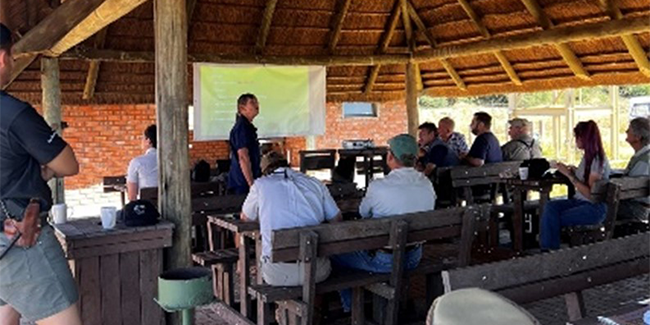
Attendees at Battle of the Bullets in Kimberley

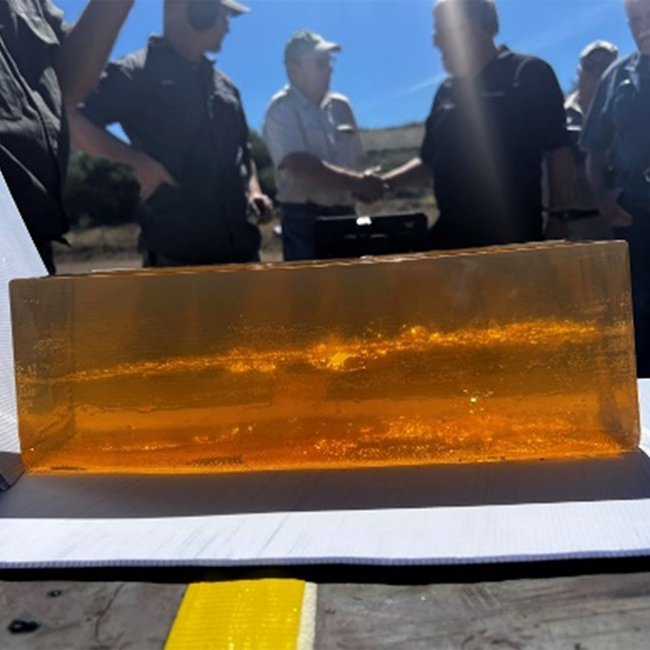
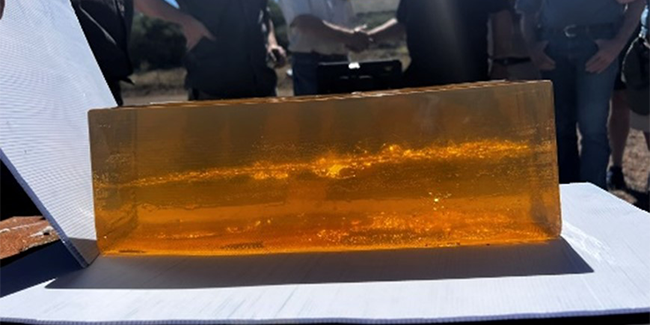
Gelatin targets are used to visibly show the bullet energy transferrence and trajectory

Ronelle Visagie presenting speaking to delegates about vulture conservation

The day started with presentations from the EWT’s Ronelle Visagie who spoke about her work in vulture conservation in the Northern Cape, followed by Linda van den Heever of Birdlife SA who presented her study on lead poisoning in vulture species. Schalk van der Merwe, formerly of the Endangered Species Unit, discussed what to do if one came across a potential poisoning.

Linda van den Heever’s presentation was hugely important as it not only simplified the jargon used in science for the average person, but also revealed just how bad the lead poisoning situation is. This then begged the question, if lead is so bad, what are the alternatives?

For many years, lead free ammunition and bullets have been assumed to be unreliable, costly, and inaccessible. Many have complained that the bullet does not perform according to what the user needs. However, we are now seeing a steep increase in the quality of lead-free ammunition. South African manufacturers are testing, retesting and constantly improving their products for the South African hunter and shooter — for South African conditions.

Kriek Bullets and Impala Bullets demonstrated different ammunitions on different targets to show just how well they performed under various circumstances – from distance, to accuracy, to impact. They tested lead ammunition versus lead free ammunition in each demonstration. It was easy to see that the bullets were performing well in every scenario presented and showed that users can have peace of mind when choosing to use lead free alternatives.

The Battle of the Bullets not only provides the latest information and science on lead poisoning and lead free bullets to attendees, but also highlights the link between vulture conservation and the hunter.  February’s event once again proved that by leaving assumptions at the metaphorical door, and entering into the day with an open mind, we could all learn something new while supporting conservation efforts and local manufacturers.


Special thanks to Ekapa Mining, Esther van der Westhuizen, Ruan Maré and their team for hosting the day at Rooifontein Shooting Range and for your support of our event. 

Cobus du Plessis discussing the various types of ammunition

Tackling the scourge of nappies and sanitary waste

Tackling the scourge of nappies and sanitary waste

Tackling the scourge of nappies and sanitary waste

By Cherise Acker-Cooper, Hugh Tyrrell and Professor Catherina Schenck, 04 March 2024

Nappies and/or sanitary pads, officially known as Absorbent Hygiene Product (AHP) waste, are fast becoming one of the most serious social and environmental health issues because of poor waste management in South Africa¹.

The problem is rooted in an ever-increasing population and a failing municipal service crippled by a lack of capacity and resources to effectively reach rural, informal and backyard dwellings, typically home to the most vulnerable in South Africa. Quantifying AHP waste within these dwellings is complex due to limited availability of data. Essentially, the quantity and related volume and weight of AHP waste makes it difficult for municipalities to collect and discard at landfills.

However, based on estimates, we can approximate that about 5.8 billion nappies² and 540 million³ sanitary products are being generated within rural and informal dwellings. If one considers that 37% of households in South Africa⁴ do not receive regular waste service, the enormity of the problem becomes alarming.

This approximate quantification is based on unverified statistics but does reveal the need to 1. provide evidence to quantify the scope of AHP waste in informal and rural dwellings in SA; 2. quantify AHP user demographics of AHP’s, and 3. Determine impact AHP’s waste discarded outside the municipal system has on the people and their environment.


Towards this, the Endangered Wildlife Trust together with Conservation South Africa, Kruger to Canyons, the University of Pretoria and the University of the Western Cape established the One Health AHP Waste Forum (OH-AWF) in 2020. To date, the forum has over 40 members which are comprised of numerous academic, public, private, and civil institutions and organisations who have banded together to develop a strategic approach to address AHP waste. This forum’s approach centres on sound knowledge for effective decision making and therefore, between 2020 – 2023, we have conducted and coordinated numerous research studies to build our understanding around the AHP system dynamics within informal and rural communities. Outcomes of these studies reveal key insights paving a pathway towards sustainable AHP waste management.


This pathway for change was mapped by OH-AHF members during a mini conference funded by the National Research Foundation and held in association with the Conservation Symposium 2023 between the 6 – 8 November 2023 at the Wild Coast Sun, Port Edward, Eastern Cape. Priority action was determined, focusing on communities in rural, informal and backyard dwellings in which we will seek to:


  1. Improve the current municipal AHP waste management system.
  2. Work with key stakeholders to explore the circular economy in disposable AHP’s.
  3. Explore opportunities to mainstream reusable products.
  4. Initiate educational programmes to promote safe and responsible AHP waste disposal practices.
  5. Contribute to informing principals on appropriate technological AHP waste management solutions.

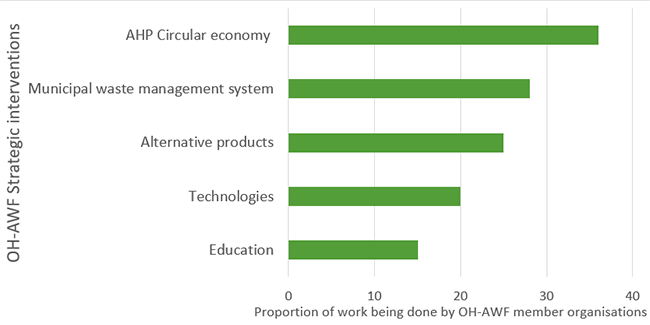
These key objectives was formulated into a three-year strategy (2024 – 2026) to guide the OH-AWF and inform AHP waste management industry role-players in SA. Towards the achievement of the strategy, the forum members are already implementing a number of activities to address AHP waste (Figure 3), while the EWT continues to monitor AHP waste in the eThekwini Municipal area where we have employed a Catchment Waste Officer who is working with local community leaders in Adams Rural to improve AHP waste removal.

Figure 3: Proportion of work being done by OH-AWF member organisations to address AHP waste in South Africa.

However, the success of this strategy to reduce the health and environmental impacts of AHP waste outside of formal dwellings in SA is dependent on strong partnerships and collaboration between the public, private and civil sectors of society.  

Attended by representatives from the Endangered Wildlife Trust, Conservation South Africa, Kruger to Canyons Biosphere Region, University of Pretoria, University of the Western Cape, ERS, Aquila Environmental, Green Edge Communications, Kimberly-Clark,  Biddykins South Africa, Lindon Corporation, TASC, The Untshayelo Foundation, the Western Cape government and the Department of Forestry, Fisheries and the Environment.

For more information, please contact Cherise Acker-Cooper on sturdyroutes101@gmail.com or Professor Catherina Schenck on cschenck@uwc.ac.za

Cherise Acker-Cooper delivers a presentation on the implementation of the project in South Africa

EWT looking into new technologies to curb rhino poaching

EWT looking into new technologies to curb rhino poaching

EWT looking into new technologies to curb rhino poaching

By Eleanor Momberg


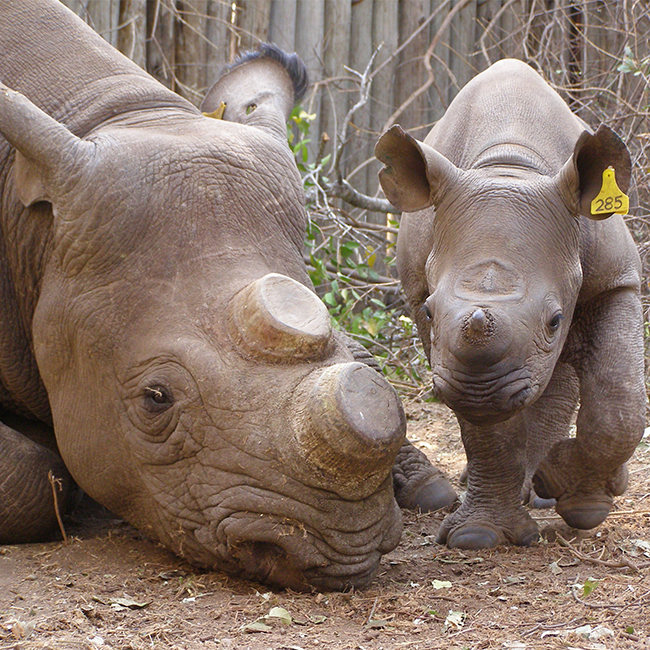
The Endangered Wildlife Trust continues to work on ways to unlock new technologies to curb the onslaught on South Africa’s rhino population, says Louwrens Leeuwner, Senior Conservation Manager: Business and Wildlife.

Reacting to the recent poaching of rhino in Limpopo, days after the release of the 2023 rhino poaching statistics, Leeuwner renewed an appeal to the public to come forward with any information about the killing of the iconic animals, and to support the authorities in dealing with poaching incidents as this may “ultimately be the only way” to deal with the problem. 


Forestry, Fisheries and the Environment Minister Barbara Creecy announced earlier in February that 499 rhino were poached across South Africa in 2023, more that 60 percent of which were killed in KwaZulu-Natal.   This is an increase of 51 rhino poached compared to 2022.  Of the pachyderms killed, 408 were poached on state properties and 93 on privately owned land.

“The pressure again has been felt in the KwaZulu-Natal (KZN) province with Hluhluwe-iMfolozi Park facing the brunt of poaching cases losing 307 of the total national poaching loss. This is the highest poaching loss within this province. While KZN recorded 49 arrests and 13 firearms seized, multi-disciplinary teams continue to work tirelessly in an attempt to slow this relentless pressure,” said Creecy.

Kruger National Park (KNP) recorded a 37% decrease from 2022 with a total of 78 poached in 2023. No rhinos were poached in other national parks.

Creecy commended the work being done by the Hawks in several regional and transnational engagements to enhance the government’s integrated approach to combat wildlife trafficking.

She said responsible partnerships between the public and private sectors, and the financial and transporting sectors remains critical in combating international wildlife trafficking. The approach is not exclusive to South Africa but is followed within the region and transnationally. Working with the transit and end user countries in South-East Asia, especially with the People’s Republic of China, Singapore, Qatar, Malaysia and Vietnam.

Ashleigh Dore, Wildlife and Law Senior Project Manager at the EWT said wildlife crime was having huge impacts on South Africans.

“It is a personal attack on our heritage so all wildlife crimes need to be taken seriously,” she said.

Dore added that rhino poaching was a prime example of transnational organised crime, or transnational wildlife crime.  “I think people need to  understand how complex it is responding to transnational organised crime and understand the different levels and roleplayers in syndicates.   When we look at poachers we are looking at people operating at the first level. But there are other levels of wildlife crime that need consolidated efforts and we see that globally,” she said.

In the meantime, the wildlife crime monitoring group, Traffic, reports that a Singapore court has convicted South African national, Gumede Sthembiso Joel, for rhino horn smuggling and sentenced him to two years in prison.   This was the maximum terms allowed for the offence under the law at the time of his arrest in 2022 when he was nabbed smuggling 20 pieces of rhino horn from Johannesburg to Laos via Singapore.

Science snippets: The Impact of Habitat Loss on Mammal Populations

Science snippets: The Impact of Habitat Loss on Mammal Populations

Science snippets: The Impact of Habitat Loss on Mammal Populations

By: Erin Adams and dr Lizanne Roxburgh

Habitat loss and degradation are among the leading causes of population decline for species worldwide. The main issue is the conversion of natural ecosystems to croplands, rangelands, forests and infrastructure. However, it has been difficult, up to now, to accurately assess on a large-scale what role habitat loss has played in the recent range declines of animal populations. In a recent publication, co-authored by EWT scientists*, they compared current and past (from the 1970s and 1980s) distribution ranges of mammals to understand the reasons as to why those ranges might be smaller today, and specifically whether their ranges are smaller due to habitat loss and degradation.

The scientists produced distribution maps for 475 land-dwelling mammals from 50 years ago – the “past range” – and for today – the “retained range”. By subtracting the two, they calculated what they called the “lost range”. They then compared the proportions of habitat available for the species in the lost range compared with the retained range. Habitat refers to areas suitable for the species to live in.

The scientists found that for 59% of species, their lost ranges have less habitat available to them compared to their retained ranges. This suggests that the ranges for these spaces have shrunk due to habitat loss.

The scientists also ran analyses in order to determine which factors influence the amount of habitat available.  The most important factors that negatively affected habitat availability were conversion of land to rangeland and high density of livestock. Intensive livestock grazing reduces the amount of food available for herbivores and granivores, leads to changes in vegetation structure, which affects small mammals, and reduces the prey available for carnivores. This study shows the importance of protecting habitats from human activities in order to conserve remaining habitat. For those species where lost ranges have a similar amount of habitat left compared to retained ranges, this gives hope for species recovery if other threats, such as hunting and persecution, can be reduced.

*Pacifici, M., Cristiano, A., Lumbierres, M., Lucherini, M., Mallon, D., Meijaard, E., Solari, S., Tognelli, M. F., Belant, J. L., Butynski, T. M., Cronin, D., d’Huart, J.-P., Da Re, D., de Jong, Y. A., Dheer, A., Fei, Li, Gallina, S., Goodrich, J. M., Harihar, A. … Wiesel, I. (2023). Drivers of habitat availability for terrestrial mammals: Unravelling the role of livestock, land conversion and intrinsic traits in the past 50 years. Global Change Biology, 29, 6900–6911. https://doi.org/10.1111/gcb.16964

Using Technology Supports Wildlife Conservation, Says The Endangered Wildlife Trust

Using Technology Supports Wildlife Conservation, Says The Endangered Wildlife Trust

Using Technology Supports Wildlife Conservation, Says The Endangered Wildlife Trust

The use of technology contributes significantly to wildlife conservation, enabling researchers to access areas previously considered dangerous and impassable.

It also aids in the rediscovery of species believed to be extinct and builds on the knowledge we already have on, not only the behaviour of species, but also the impact of human development and interference on wildlife.

“Drones are helping us roam large areas and access otherwise inaccessible sites. Advanced tracking systems, real-time data analytics, and artificial intelligence-driven solutions are empowering conservationists across the globe providing unprecedented tools to help identify, monitor, track and ultimately preserve wildlife,” says the Secretary-General of the Convention on the International Trade in Endangered Species of Wild Fauna and Flora (CITES), Ivonne Higuero.

She, however, warns that as we leverage growing technological capacities, we must also revitalise our commitments to sustainable development. This includes preventing destructive ecological impacts, mitigating threats to species and livelihoods arising from the misuse of technology, and ensuring digital inclusion for all by 2030.

The use of drones, for instance, is no longer a novelty, nor is the use of GPS tracking systems to monitor wildlife. What is considered new is the use of environmental DNA in the detection of elusive species, and the mapping of species distributions, and the real-time programming algorithms linked to tracking data that enable rapid response to wildlife threats.

Drones

Coupled with advances in artificial intelligence (AI), drones now have some sort of role to play in most industries. Their uses and benefits are only limited by our imagination and operational battery capacity. They deliver much-needed medicine to remote communities, scan compromised infrastructure for survivors during emergency disaster responses, or facilitate smart agriculture. Of course, there are more sinister potential uses for drones, blurring the lines between science and science fiction.

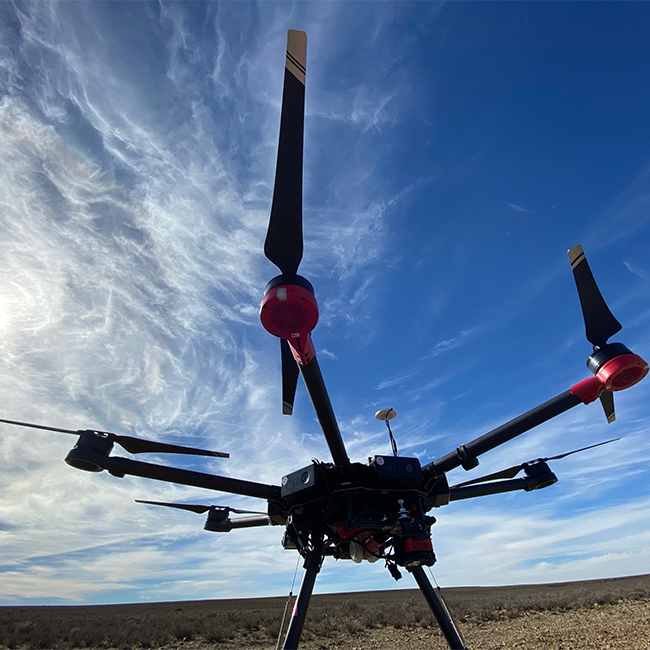
But, using drones for conservation has already shaped the future of the sector. Drones have been used in a variety of scientific studies, from detecting rare animals and counting colony-nesting birds to mapping habitats and creating 3D scans of trees.

The main practical advantage of a drone is not only necessarily its ability to go places that humans and their traditional modes of transport cannot get to; the biggest benefit is the fact they can perform the same tasks safely, eliminating the need to get people into dangerous situations.

But how do wild animals respond to these flying intruders? Is it ethical to use a drone to get close to an animal when it will result in a stress response? Perhaps the better question is whether the use of a drone is less or more detrimental to the animal than it is to approach it using traditional methods. This is an intriguing question, and one that should be considered prior to undertaking any new conservation project. At the Endangered Wildlife Trust (EWT) these concerns are very seriously considered on a case-by-case basis, through a formal ethics committee, prior to any deployment of drones for conservation.

As a legal drone operator in South Africa, the Endangered Wildlife Trust (EWT) carries out surveys for birds, bird nests and mammals, does topographical and vegetation surveys, provides aerial support to conservation teams during operations, assists the authorities in locating injured animals, carcasses, poisoning and poaching incidents, and inspects and photographs electrical infrastructure for maintenance and survey purposes.  The non-profit is also using drones to attach anti-collision devices to linear electrical infrastructure and to assist specialists with surveys relating to Environmental Impact Assessments and related audits. 

GPS Tracking

Drones may be the latest innovation in wildlife monitoring, but before their advent, GPS tracking technology had already established itself as a valuable tool for studying the movement, behaviour, and habitats of wild animals, particularly birds, over many years.

Birds of prey face unique conservation challenges, primarily due to their ability to traverse vast distances unhindered by physical barriers. This lack of confinement poses significant obstacles to traditional conservation methods. For instance, species like the White-backed Vulture and Cape Vultures routinely cover extensive distances, ranging from 80km to over 500km per day while foraging.

As a result, effective bird conservation heavily relies on technological advancements to comprehend species threats and implement appropriate conservation strategies. Vultures, for example, confront various hazards such as wildlife poisoning, power line collisions, and disturbance to nesting sites, all of which impact population numbers and breeding success.

The Endangered Wildlife Trust’s (EWT) Birds of Prey Programme has long utilised GPS tracking technology to establish a robust conservation framework for these species. These lightweight, solar-powered tracking units transmit precise location and movement data via cellular or satellite networks, offering unprecedented insights into the spatial biology of a diverse array of species. These data serve as a foundation for strategic conservation planning across expansive geographic regions.

Moreover, GPS technology enables researchers to concentrate efforts on critical areas for species survival. The EWT’s initiative to establish raptor safe zones, for instance, strategically targets properties frequented by birds for foraging and nesting, guided by behavioural data to mitigate human-induced threats effectively.

Fortunately, avian tracking technology continues to advance rapidly. Future developments hold promise for increased affordability, potentially revolutionizing data collection and enhancing the effectiveness of current conservation practices.”

eDNA

Most recently, the EWT has led the pack in the development and use of environmental DNA (eDNA) in terrestrial systems, which led to the rediscovery of the elusive De Winton’s golden mole – a species previously thought extinct.

With the help of this technology, the EWT team was able to detect and effectively rediscover the Critically Endangered De Winton’s golden mole (Cryptochloris wintoni) on the west coast of South Africa. This species had been lost to science for over 80 years.

Because detection and distribution mapping of elusive species is one of the major challenges of biodiversity surveys, the EWT’s Drylands Conservation Programme (DCP) has been working on eDNA sampling techniques to detect the presence of elusive and/or threatened terrestrial vertebrates.

Environmental DNA (eDNA) is genetic material that is shed by organisms into their environment, typically in the form of skin cells, hair or excretions, and may be sampled from environmental sources such as water, soil, or sediments. Isolation of this DNA from the environment can facilitate detection of organisms in the absence of obvious signs of their presence, and provide genetic information that can be used to identify, study and/or monitor species across time and space without having to catch, handle, or in some cases, even observe them.

The Drylands Conservation Programme used this technology to survey a range of elusive golden mole species across South Africa’s west coast, collecting soil from the linings of their subterranean burrows, and using genetic barcode markers to identify species. Through mapping species distributions, it facilitates conservation management of threatened species.

The EWT’s scientists are now also applying the eDNA approach in the detection of Endangered Riverine Rabbits, and threatened tortoises in the arid Karoo region of South Africa. For Riverine Rabbits, eDNA is collected from pellets (droppings) gathered in the field, rather than soil.

The application of eDNA has the potential to revolutionize conservation science and practice. Although there are many challenges associated with using this approach in broad biodiversity surveys or monitoring projects, with careful consideration of the challenges and potential limitations, the application of this technique can open many doors to answering research questions and finding new solutions to conservation challenges, including assessing potential impacts as a result of proposed developments in sensitive areas.

Through the use of technology, scientists are able to ensure that species being researched and surveyed are largely undisturbed.  It could also contribute to a greater base of information about species in remote areas informing conservation planning and practice.

** World Wildlife Day is celebrated annually on 3 March. The theme for 2024 was People and Planet: Exploring Digital Innovation in Wildlife Conservation.