Help African Wild Dogs 

Donate today  

A speck of hope in a fragmented landscape: the story of the Widenham Wetland Protected Environment

A speck of hope in a fragmented landscape: the story of the Widenham Wetland Protected Environment


A speck of hope in a fragmented landscape: the story of the Widenham Wetland Protected Environment

By Joshua Weeber, Threatened Amphibian Programme
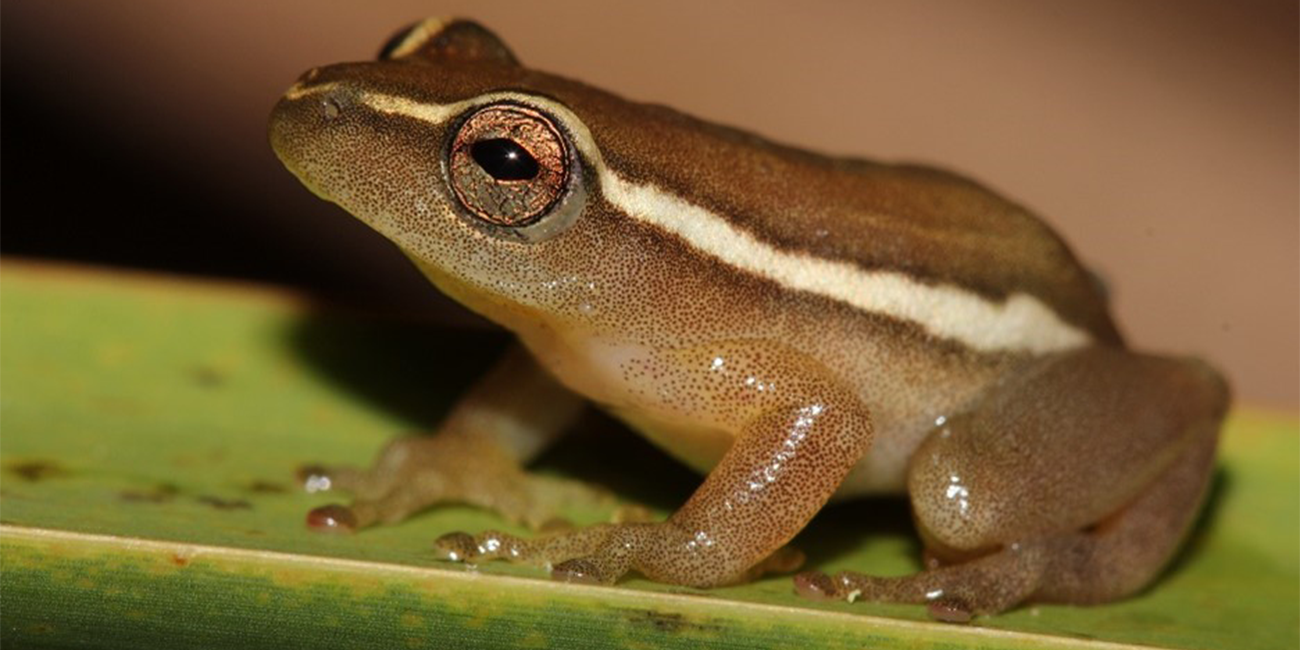
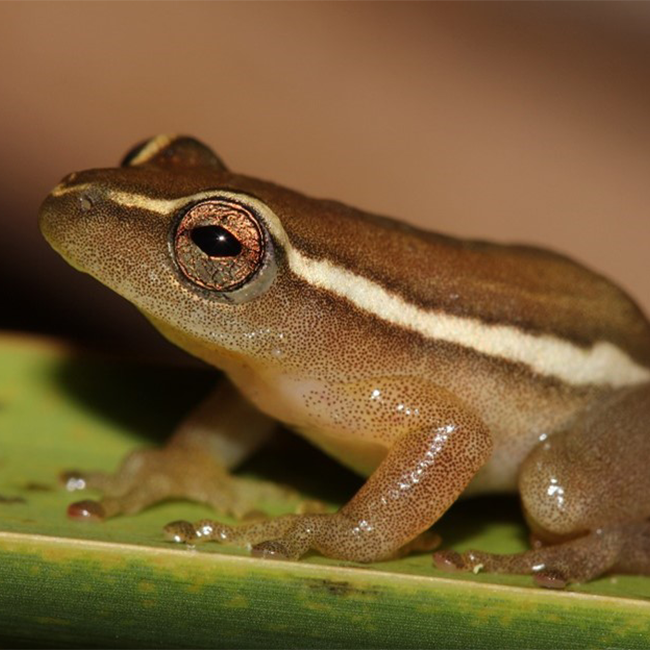
Critically Endangered Pickersgill’s Reed Frog


The Windenham Wetland Protected Environment on the KwaZulu-Natal south coast has formally been declared.

The story of this Protected Environment began almost a decade ago. In 2015 the Endangered Wildlife Trust (EWT) initiated monitoring programmes for selected, critical wetland habitats supporting the Endangered frog Hyperolius pickersgilli (Pickersgill’s Reed Frog) in the eThekwini Municipality. One of the selected wetlands was the ‘Widenham Wetland’ located in the suburb of Widenham, immediately south of the town of Umkomaas, approximately 45km south of Durban and within the eThekwini Municipality. The area is home to over 27,400 people with over 7,800 households of which 8.8% are informal dwellings. The site comprises of eight different erven and was acquired by the municipality in 2010 after a proposed residential development on the site was stopped because of the discovery of the then Critically Endangered Pickersgill’s Reed Frog.

Widenham is a small (~1.6ha) channelled valley bottom wetland that comprises a mix of alien thicket / woodland and herbaceous marshland. It is located within the lower reaches of a small coastal stream system with relatively broad valley-bottom and a gentle longitudinal slope gradient and formed immediately upstream of the frontal dune system characteristic of coastal KZN.

Currently, much of the area within and around the Protected Environment has been transformed, and biennial wetland health assessments since 2015 show that the Present Ecological State (PES) of the wetland is classified as a D, which is Largely Modified. In short, Widenham Wetland represented a small, impacted system surrounded by urban infrastructure that was not a particularly intact state, but one that still provided habitat for a key endangered focal species for the EWT in the province.

In 2019 the EWT initiated actions to protect the Widenham wetland and drive long-term management and rehabilitation interventions that would safeguard this little natural space and the species within it for generations to come. A logical approach to achieve this goal was through Biodiversity Stewardship – an approach to securing land in biodiversity priority areas through entering into agreements with landowners with the intention of securing the biodiversity of South Africa. Fortunately, the wetland was purchased by the municipality, who were key partners in the project. A site assessment indicated that the area qualified for the Protected Environment category provided rehabilitation actions were developed and guided by a detailed Protected Area Management Plan. Working with key stakeholders such as eThekwini Municipality and Verdant Environmental, a detailed rehabilitation and management plan was developed.

Critically Endangered Pickersgill’s Reed Frog

After many months of waiting, and assistance from our partners, Conservation Outcomes, the Widenham Wetland was finally gazetted as a Protected Environment on the 27th June 2024. The timing of this achievement has been crucial – the EWT’s Threatened Amphibian Programme launched an exciting new project in early 2024 aimed at enhancing the ecological integrity of key wetland sites to improve local biodiversity and provide ecological goods and services to nearby communities. One of our priority sites linked to this project is Widenham Wetland, and efforts are already under way to improve the ecological functioning of this site through targeted alien vegetation clearing.

Working with the local municipality we are also in the process of implementing an extensive rehabilitation plan which will include redesigning a section of the wetland and revegetating impacted areas. All of these actions will be monitoring through wetland health assessments as well as passive acoustic monitoring of the isolated subpopulation of Pickersgill’s Reed Frog that rely on this wetland. We hope our actions will safeguard this little speck of hope into the future.

This work has been in process for many years and would not have been possible without the efforts of Jeanne Tarrant and Cherise Acker, among many others. Similarly, our generous funders have been integral to this conservation success story. We thank Rainforest Trust, Synchronicity Earth, and Anglo American for their support.
ICF/EWT Partnership Shines at IUCN’s first Africa Conservation Forum

ICF/EWT Partnership Shines at IUCN’s first Africa Conservation Forum


ICF/EWT Partnership Shines at IUCN’s first Africa Conservation Forum

By Dr Adalbert Aineo-mucunguzi, EWT/ICF Parnership East African regional manager, African Crane Conservation Programme

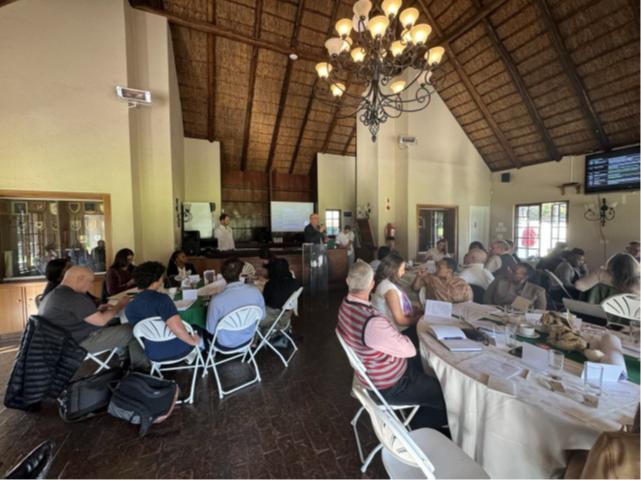
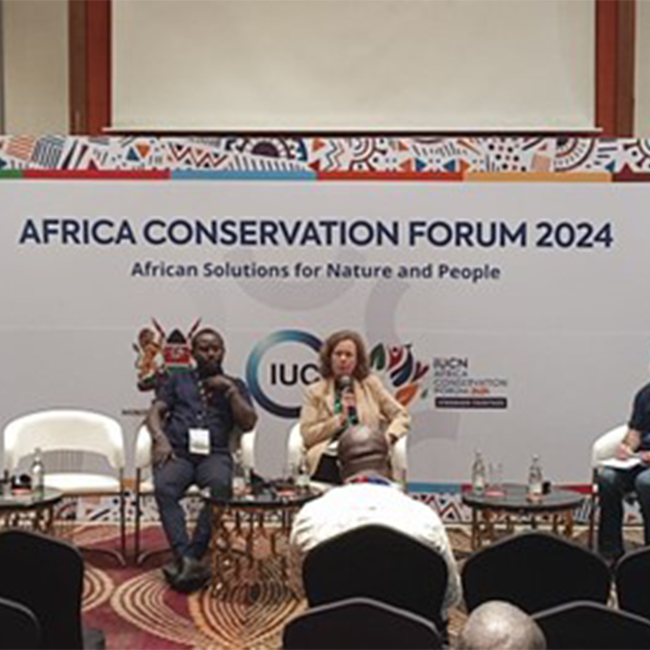
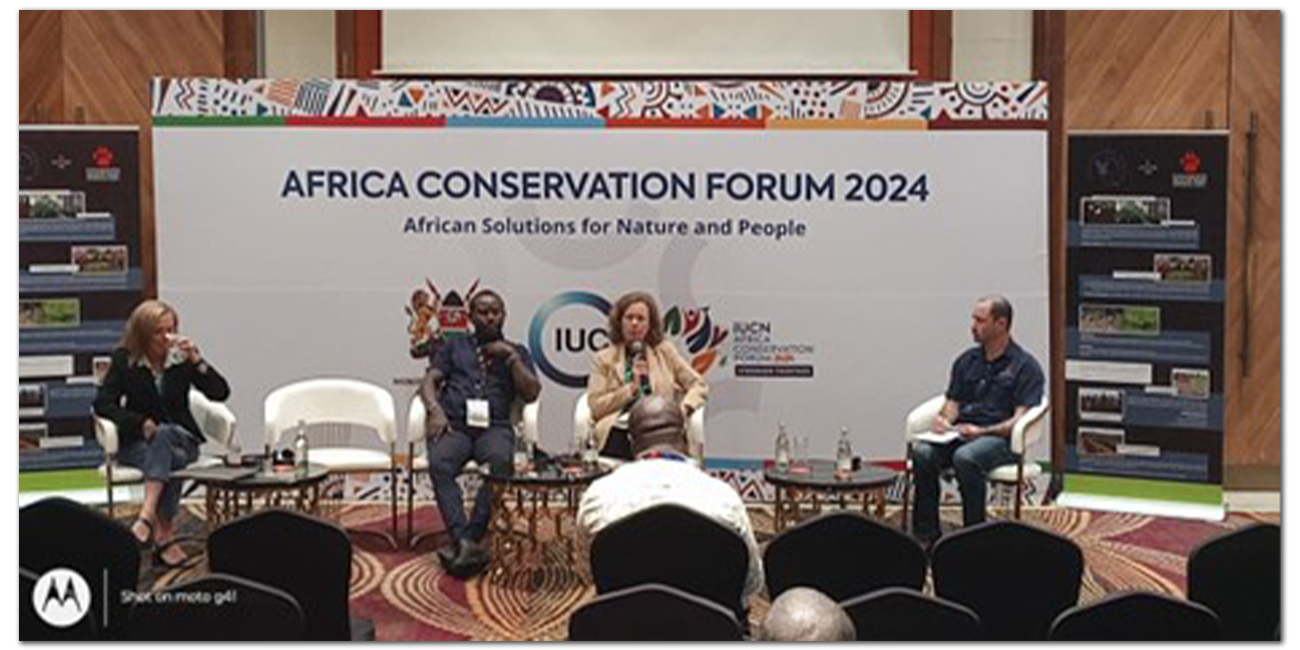
From left to right:  Dr Harriet Davies-Mostert, Dr Mwangi Joseph,  Ms Kerryn Morrison and Dr Ian Little


In June 2024, the International Union for Conservation of Nature (IUCN) convened the Africa Conservation Forum (ACF), one of the leading regional platforms to strategically influence the sustainability agenda and biodiversity conservation. The Forum provided an avenue for sharing information and knowledge, building partnerships, and connecting key stakeholders from different parts of Africa. The IUCN Africa Conservation Forum was organised by the three IUCN offices according to sub-regions in Africa: West and Central Africa (PACO), North Africa (Centre for Mediterranean Cooperation – MED), and Eastern and Southern Africa (ESARO).

During the forum, the International Crane Foundation/Endangered Wildlife Trust (ICF/EWT) Partnership hosted a side event workshop titled “Nature-based Solutions for effective community conservation and climate action”. This event brought together conservation practitioners, researchers and policy makers from ESARO, PACO and MED regions of Africa to share the benefits, challenges and lessons learnt about implementation of Nature-based Solutions (NbS) to enhance conservation and climate action.

Moderated by our own Head of Conservation, Dr. Ian Little, the one and half hour workshop was dominated by presentations from ICF/EWT staff. Our East Africa regional Director, Dr Adalbert Aine-omucunguzi gave the opening presentation on the “what and why of Nature-based Solutions in conservation, climate action and livelihoods” largely drawing examples from our work across East Africa. This was followed by a panel discussion where Dr Mwangi Joseph, our Kenya Country Manager, discussed Nature-based solutions in agricultural landscapes and how they benefit conservation and climate action, while Ms Kerryn Morrison, the VP International-Director for Africa, discussed the opportunities for scaling up Nature-based Solutions across the continent. The other panelist, Dr Harriet Davies-Mostert, former Head of Conservation at EWT, and currently the Regional Vice Chair for IUCN’s World Commission on Protected Areas, discussed the effectiveness of Protected and Conserved Areas as Nature-based Solutions.

From left to right:  Dr Harriet Davies-Mostert, Dr Mwangi Joseph,  Ms Kerryn Morrison and Dr Ian Little

During the question and answer session, participants shared insights and experiences about scalable NbS that enhance ecosystem conservation and climate action and discussed best practices for unlocking the potential of NbS across different ecosystems on the African continent. During this discussion new collaborations within the NbS space were also formed.

The event emphasised the need for conservation organisations to acknowledge that most NbS have been practiced by local communities over generations and they thus have rich indigenous knowledge to utilise in the execution of their projects and programmes. It was also agreed that scientist should not assume that communities lack this knowledge and that, if proper community engagement is done, nature-based solutions can offer integrated avenues for addressing biodiversity loss and climate change challenges while advancing sustainable development goals. They have the potential to simultaneously address the root causes of climate change, bolster resilience against its impacts, and foster adaptability across social, environmental, and economic domains.

African Conservation Forum emerges with united voice on conservation and biodiversity

African Conservation Forum emerges with united voice on conservation and biodiversity


African Conservation Forum emerges with united voice on conservation and biodiversity

By Eleanor Momberg


The African Conservation Forum (ACF), hosted by Kenya in June this year, was an important opportunity for the continent to develop a unified and collaborative position related to its conservation requirements ahead of the 2025 IUCN World Conservation Congress.

Endangered Wildlife Trust CEO Yolan Friedmann, Head of Conservation Ian Little, Head of the African Crane Conservation Programme Kerryn Morrison and the ICF/EWT Partnership’s East African Regional Manager Adalbert Aineo-mucunguzi were among the NGO’s representative at the International Union for Conservation of Nature (IUCN) Africa Conservation Forum.

Held in Nairobi, Kenya, under the theme “African Solutions for Nature and People: Creating transformative responses to the biodiversity and climate crisis in Africa,” the three-day forum was attended by governments, IUCN members, international and African NGO’s, business representatives, Indigenous Peoples and scientific experts gather to discuss biodiversity, conservation and the sustainable development challenges faced by the continent.

This was the first time that the three IUCN sub-regions in Africa, had gathered under one roof to discuss the significant challenges facing the continent as a result of biodiversity loss and climate change.

Speaking after the Forum, the EWT’s Dr Ian Little said within the ACF the role of governments and NGO’s are equally important. Unlike some other international conventions and forums, the NGO sector is welcomed in ACF high-level forums and are able to make a constructive contribution.

Within Africa, he said, governments play a huge role in setting policies and laws, but it is often the NGO sector that implement the work on the ground. This is largely due to a shortage of dedicated conservation funding and capacity on a continent that is faced with numerous other social challenges.

The ACF’s role in setting the global agenda for conservation has been elevated through the hosting of a united meeting for the African sub-regions. All countries that attended are members of the global IUCN, but, because Africa is usually poorly represented at many global meetings, the 2024 ACF had allowed Africa, as a continent, to consolidate its thinking and expectations ahead of such meetings.

Kerryn Morrison, who is also the International Crane Foundation’s (ICF) Africa director, agreed, saying Africa emerged from the ACF with a coordinated voice.

“In so many global organisations the African voice is lost and we often only hear the North American and European voice. Having a stronger voice that represents Africa means that the continent will play a more solid role at the table,” she said. “This Forum provided a platform for Africa to come together, talk about issues and show more cohesiveness. This could assist the continent in accessing financing and the capacity needed for conservation.”


The sub-regions did, however, hold separate meetings during the ACF in order to compare regionally relevant notes and then produce a clear position of what the continent requires to achieve the goals of the Global Biodiversity Framework, especially Target 3, which requires the conservation of at least 30 percent of terrestrial, inland water and coastal marine areas by 2030.

“We were able, as a continent to determine how one should approach trying to achieve this ambitious goal, which has strategic thinking, funding and capacity requirements. It was about formulating positions and identifying synergy and resultant partnership opportunities,” said Little.

“With regard to greater collaboration to reach our conservation goals, Africa is in a position where a significant amount of the driving force in conservation is in the NGOs, whether national or international, so it is important to pull them together, with government support, to achieve what needs to be done,” he said.

In a post forum statement, the IUCN said the ACF had concluded with a call for inclusive, cross-sector action to preserve nature and biodiversity.

Delegates had agreed that cooperation across countries, governments, communities and sectors was vital to effectively address the significant challenges facing the continent due to the dual crisis of climate change and biodiversity loss.
Among the key outcomes was a new call for action in preparation for the next IUCN World Conservation Congress to be held in the United Arab Emirates in 2025. The IUCN Congress in turn sets the global conservation agenda for the years ahead.

IUCN Vice President and Regional Councillor Imèn Meliane said: “We’ve run out of time: existing actions are inadequate and true transformation means moving from transformation rhetoric to integrated actions in the biodiversity-climate-energy nexus now.”

Dr Alfred Mutua, Kenya’s Cabinet Secretary for Tourism and Wildlife committed to the hosting of all future African Conservation Forums in Kenya.

CAREERS IN CONSERVATION – Julia Van der Riet in London

CAREERS IN CONSERVATION – Julia Van der Riet in London

CAREERS IN CONSERVATION – Julia Van der Riet in London

Julia is a Volunteer fundraiser in the UK for the EWT. Here is a little bit about Julia’s journey to a career in conservation.

Job title: Volunteer fundraiser in the UK

What do you do in your day-day work?  I’ll be meeting with UK-based potential donors to get support for different areas of the EWT, likely beginning with the Eye in the Sky project and Soutpansberg. As well as helping with marketing efforts

Location: London

Where did you grow up? Cathedral Peak, Drakensberg

What are your hobbies/things you like to do in your spare time? Hiking, running/walking with a good podcast on, painting and cooking.

Any pets? 2 rescue dogs, Monty & Phoebe who live with my parents in SA.

Favourite animal and why: Fish eagle, their call must one of the most beautiful sounds in the world. Or tortoise, for their determination and endearing characteristics.

Favourite food? Pasta

Pet peeve? Litter

Why did you want to work for the EWT? To contribute towards making a difference in the natural world – something I talk about regularly but haven’t yet put into practise in a significant way.

What excites you about this new position? The opportunity to find creative ways of getting people to care more deeply about conservation in Africa, and in turn perhaps globally.

What are you passionate about? Knowledge and expanding my own; sharing and deepening my appreciation for nature.

What’s the best advice you’ve ever received, and who did it come from? When I’m stressed, my father’s advice is to get up, go for a walk or write down your thoughts, and approach the situation with a fresh perspective.

What is your go-to feel-good song? Walk of Life by the Dire Straits or Sedona by Houndmouth

Field work for the Wildlife and Energy Programme

Field work for the Wildlife and Energy Programme


Field work for the Wildlife and Energy Programme

 One of the field officers of the Endangered Wildlife Trusts’ Wildlife and Energy Programme, Ronelle Visagie, travels a lot through the Northern Cape, Eastern Cape and the western and southern Free State to investigate powerline incidents. 

Ronelle recently travelled to a powerline 100 km southwest of Kakamas for an investigation, and also surveyed  seven powerlines in the Eastern Cape and one in the southern Free State.  Driving around our beautiful country does have its advantages and grants us as EWTers an opportunity to visit and experience different parts of our beautiful country.  

This month we share with you a few photographs of Ronelle’s recent journey to investigate powerlines.


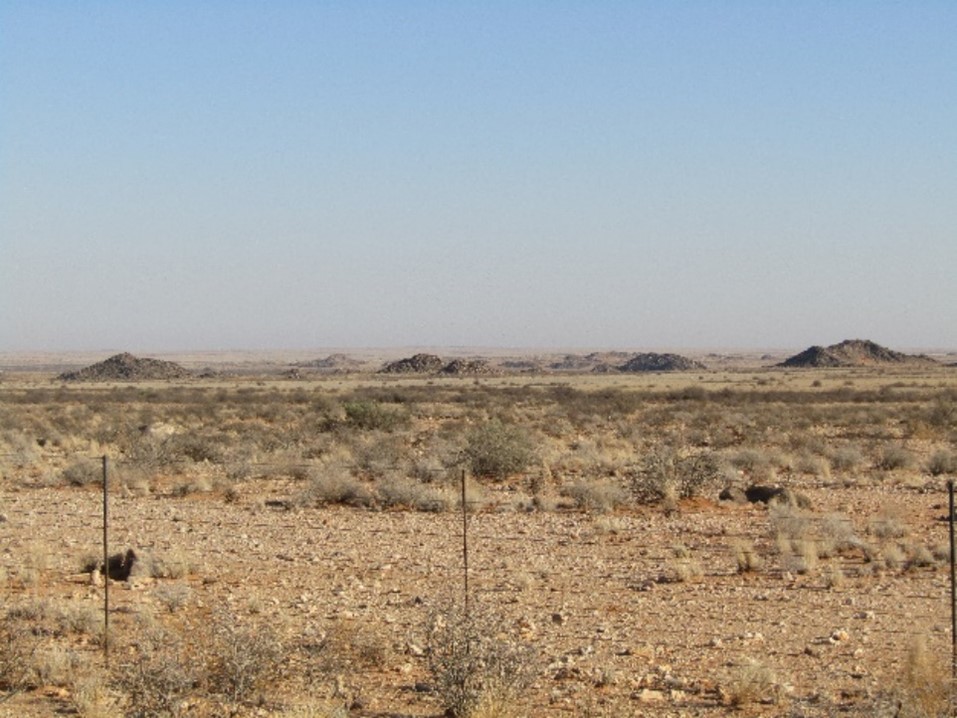
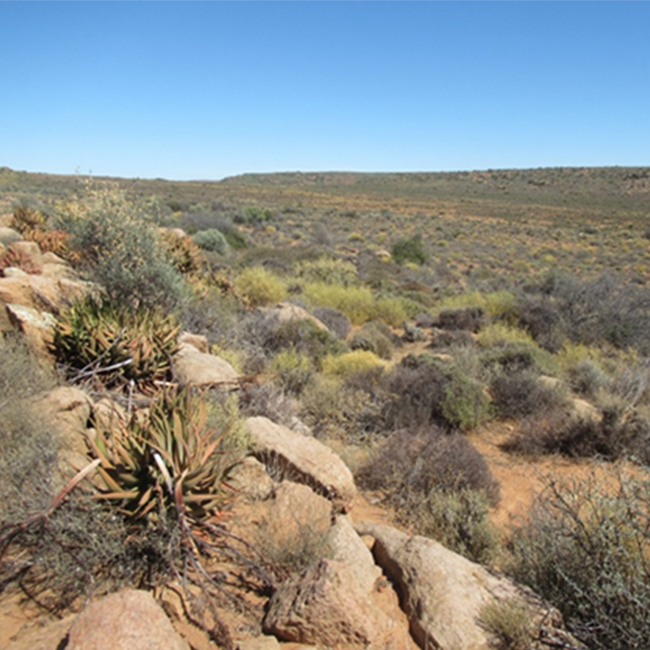
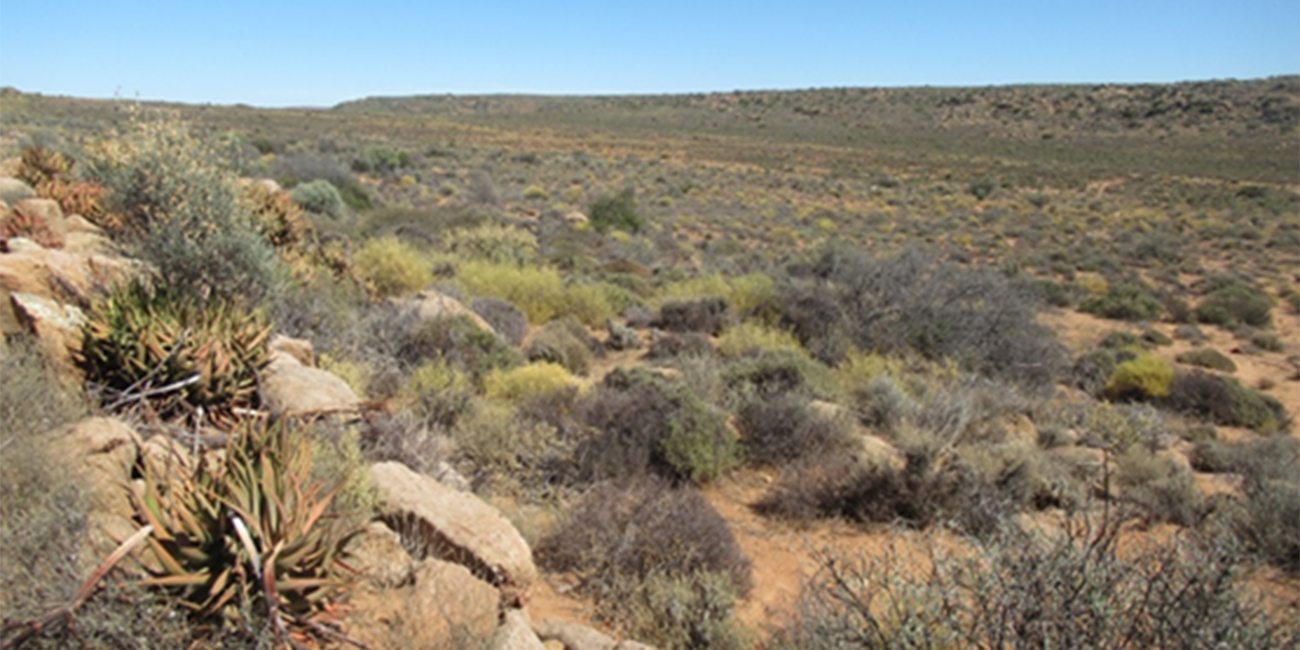
Kakamas is in Namaqualand, a desolate part of the Northern Cape. Despite being situated on the banks of the Orange River, this area is typically very dry. Most people only ever pass this area en route to Namibia or the Kgalagadi Transfrontier Park.

Believe it or not, there are White-Backed vultures in Namaqualand. This picture of three vultures sitting on an electricity pylon was taken 100 km southwest of Kakamas.

Ronelle also passed two Cape Griffon Vulture roosting sites on her journey through the Eastern Cape and Free State. The one is near Zastron in the Free State. The other was seen between Burgersdorp and Jamestown.

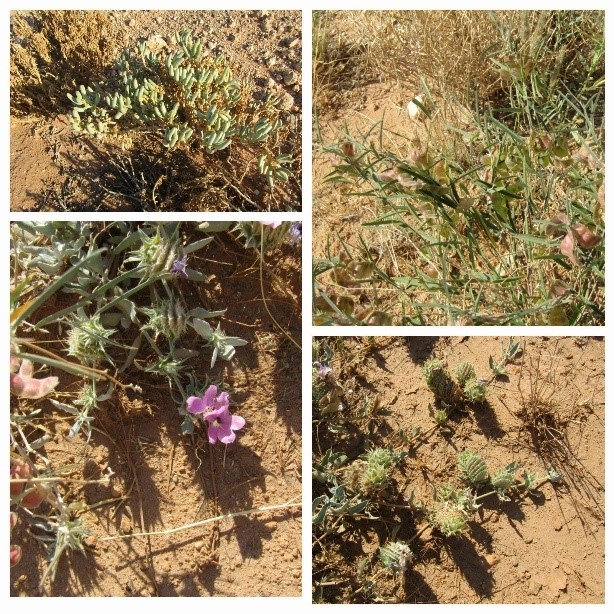
The plants in this region are something special, especially because most are unique to this part of our coutry. Even though winter was approaching, some of the veld plants in this dry habitat were flowering making this visit colourful.

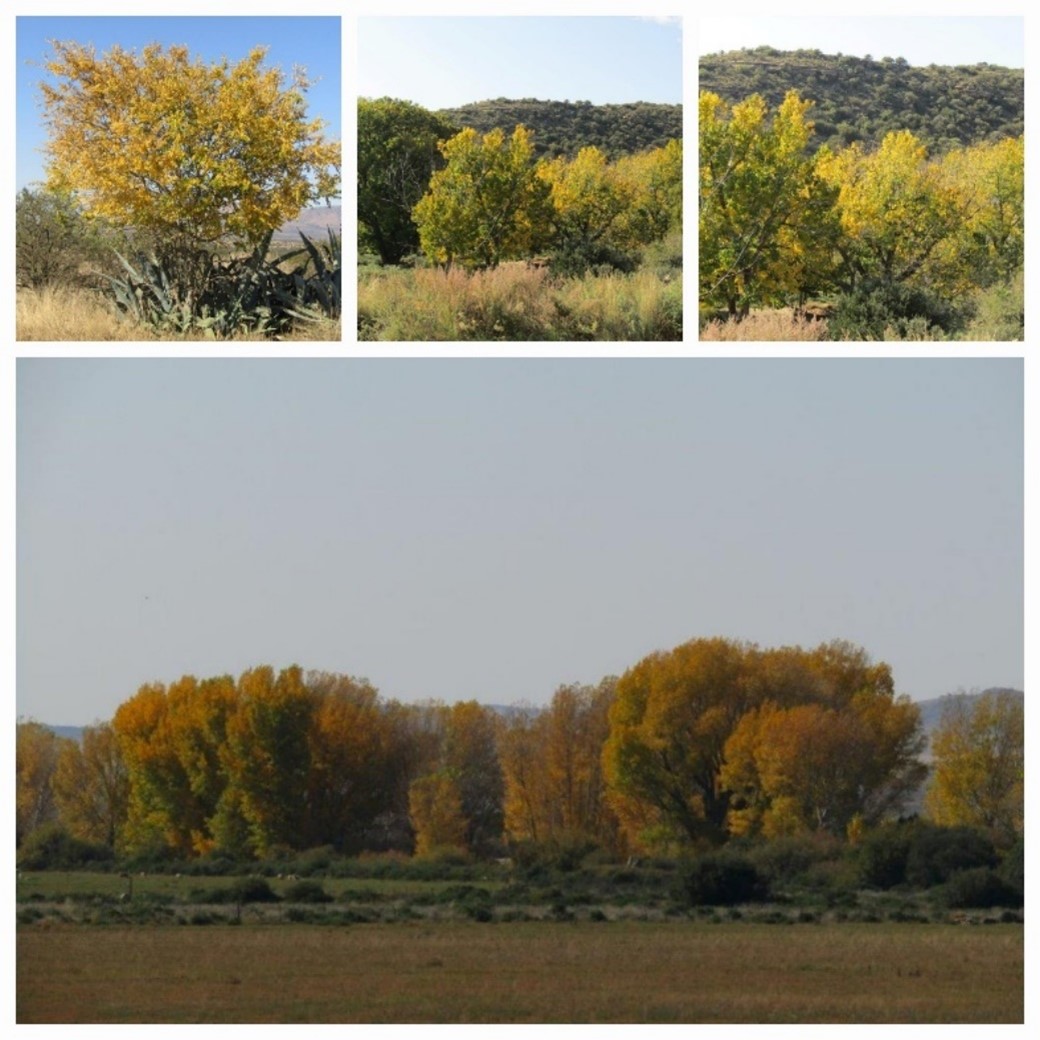
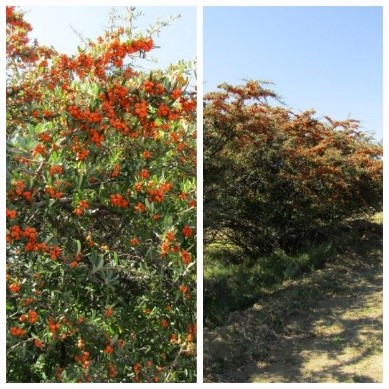
Because it was late in autumn, the Eastern Cape and Free State were beautiful. All the trees were showing off their autumn leaves, and the Orange Charmer shrubs (Pyracantha coccinia or Fire Thorn) were covered in berries. Unfortunately, the Orange Charmers are an exotic species.

A picture can tell a thousand words. Even though it was not very hot, this picture shows the importance of one tree. A flock of sheep gathered under it in the midday Sun for some shade

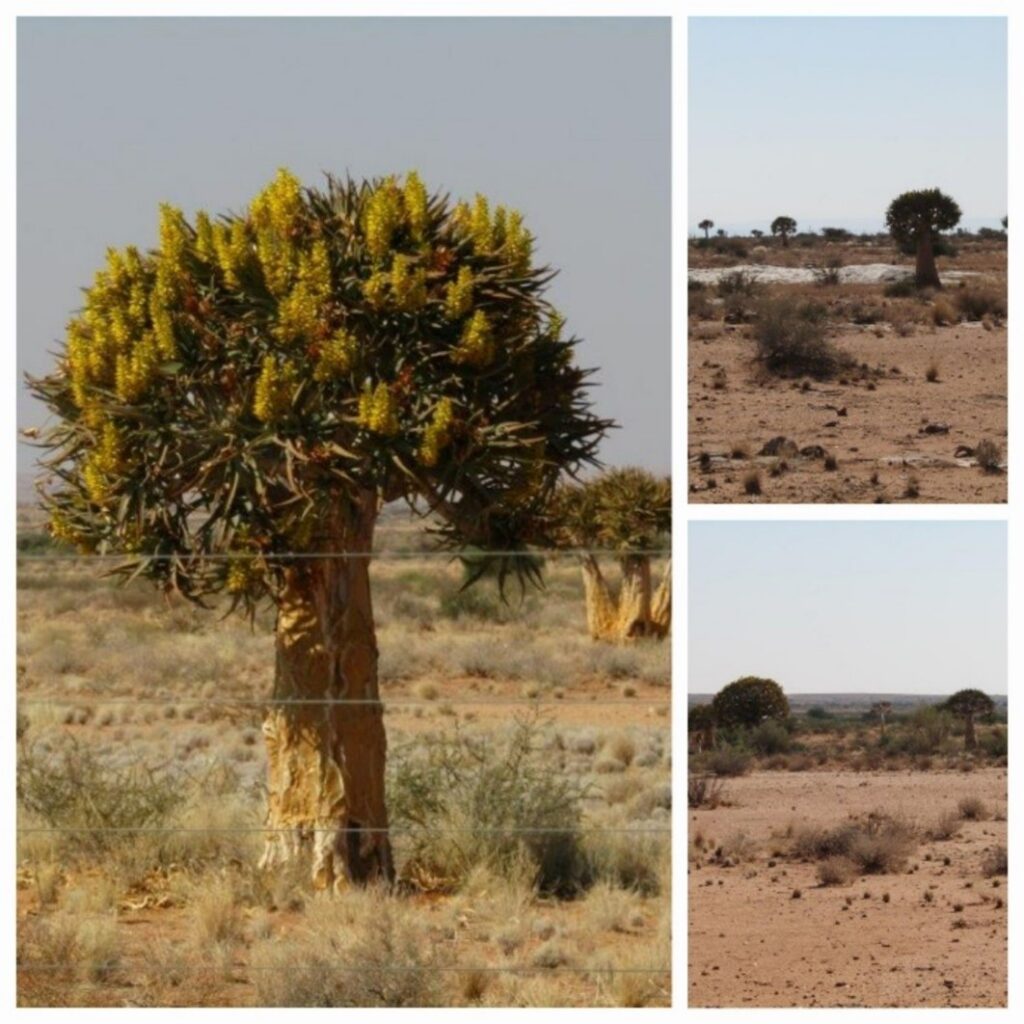
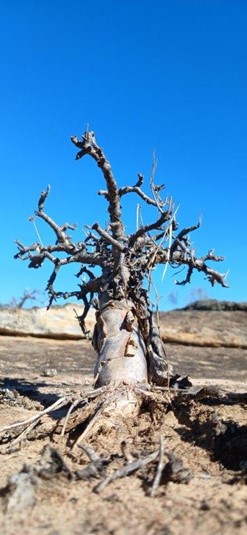
Namaqualand is well known for its Quiver Trees, which had started their annual bloom. Seeing these critically endangered giant trees flowering is a special experience, especially because they are one of South Africa’s most spectacular and rare aloe species.

The Orange Charmers were spread out in the Free State and Eastern Cape.

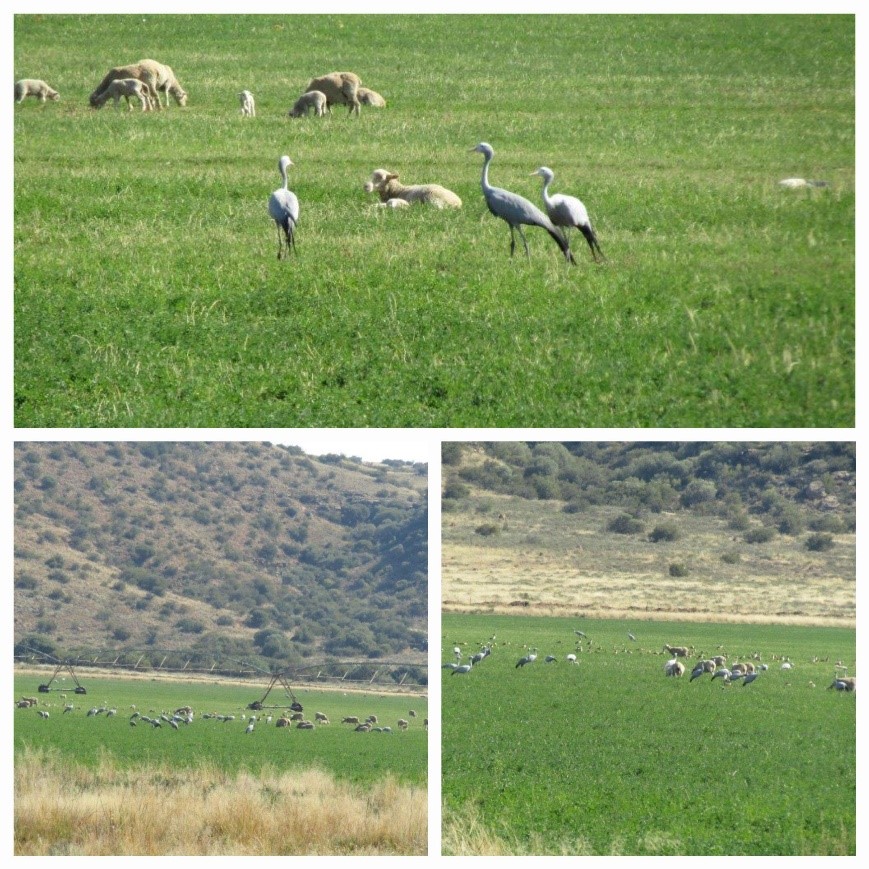
South Africa’s national bird, the Blue Crane, is the world’s most range-restricted crane. Although Ronelle did not see many Blue or Grey Crowned Cranes during her survey of the powerlines, she did come across this flock of more than 330 Blue Cranes on agricultural land near Venterstad in the Eastern Cape on her trip home.

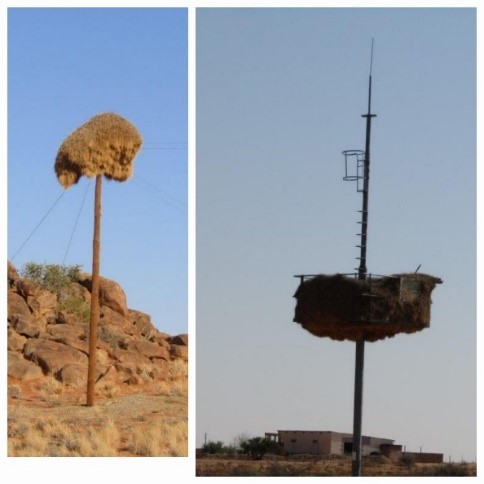
The drier western part of the Northern Cape is also very well known for its characteristic Sociable Weaver nests. Social Weavers typically build their nests in Camel Thorn trees, but also have a preference for bare manmade structures, such as telephone and electric poles. These huge nests of straw and grass can be seen for miles and are often home to colonies of more than 100 birds.

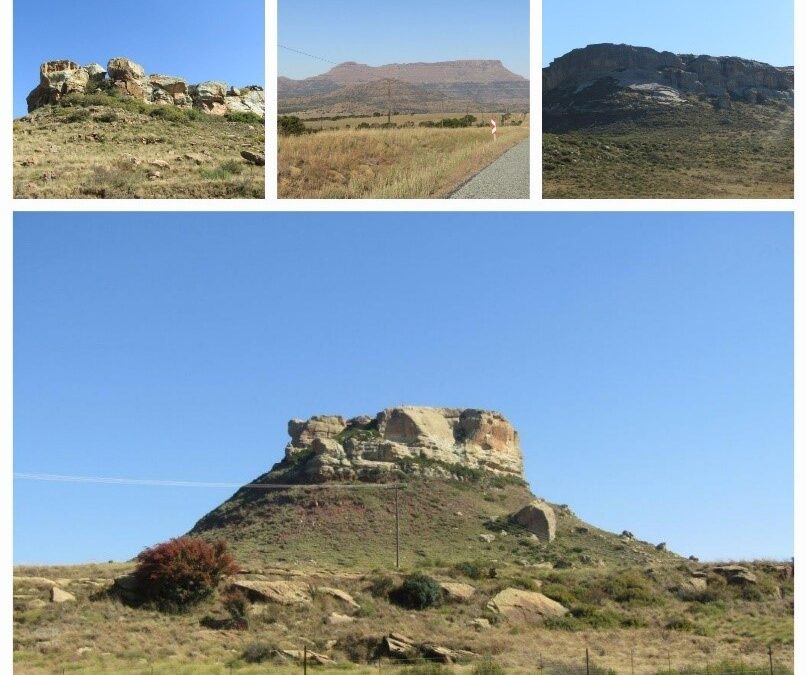
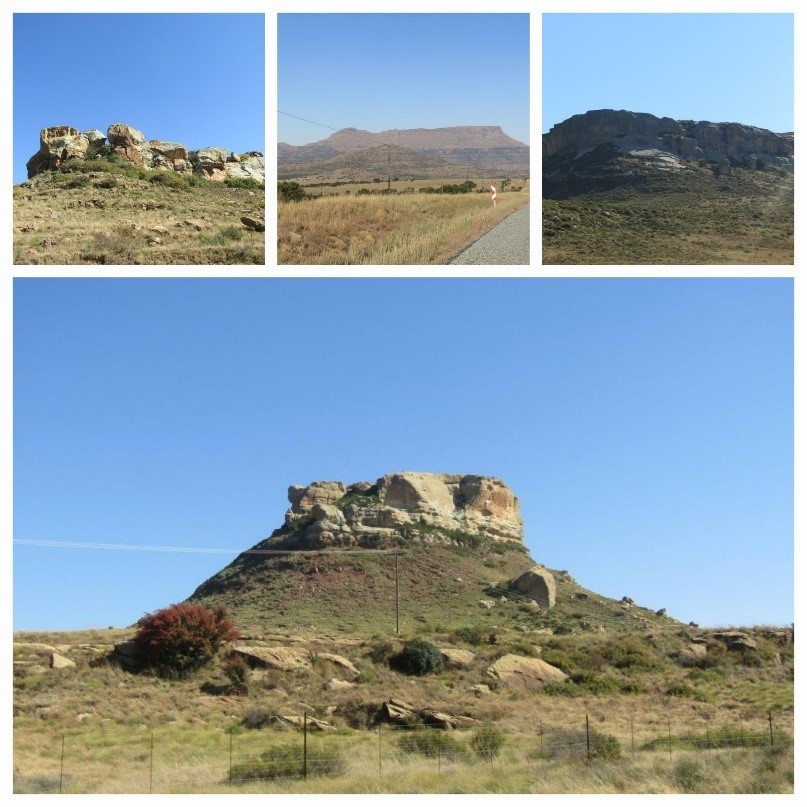
Travelling through the Eastern Cape you are able to view beautiful mountains and rock formations.

Canoeing the Kafue River for research

Canoeing the Kafue River for research


Canoeing the Kafue River for research

Kelvin Steven Floyd, Restoration Ecologist in Zambia, African Crane Conservation Programme


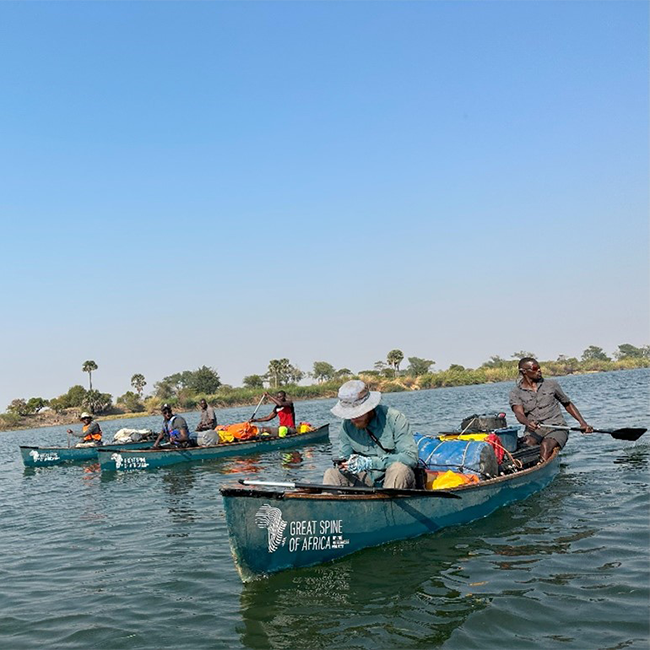
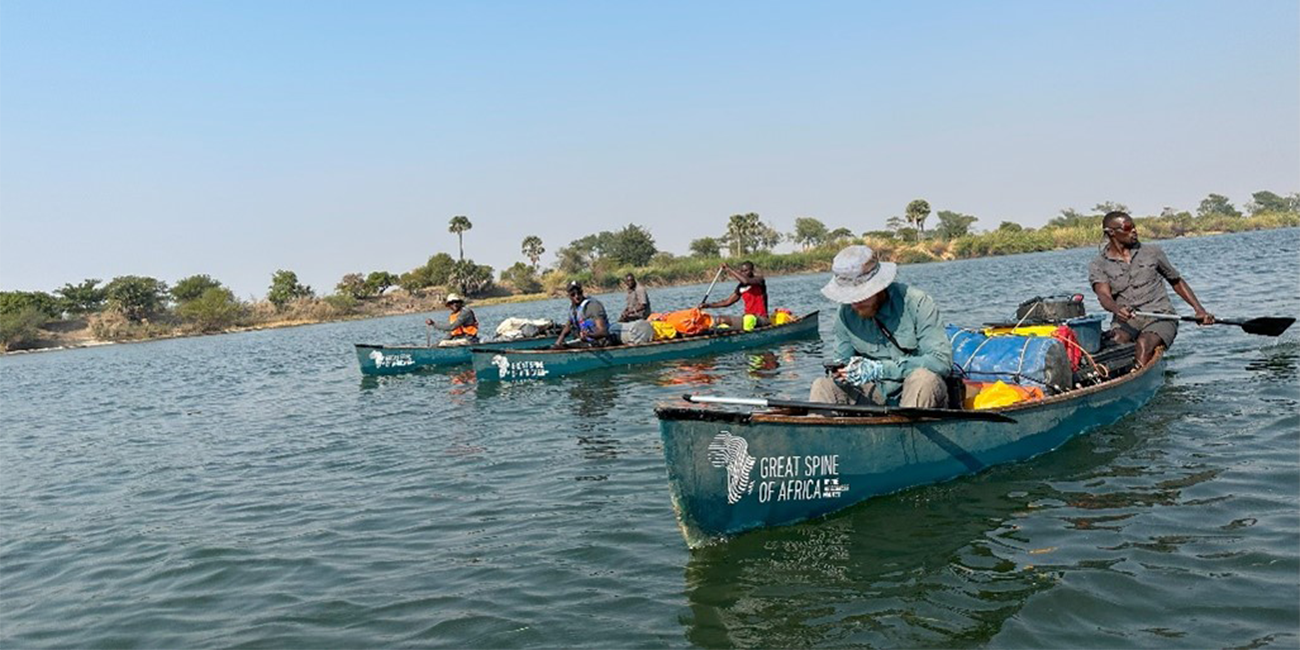
The World Bird Foundation of America has a project called the Wilderness Project to explore major rivers in Africa including the Congo, Zambezi, Luangwa, Kafue River. I was recently privileged to join one of their team exploring the Kafue River from its source to the confluence with the Zambezi River.

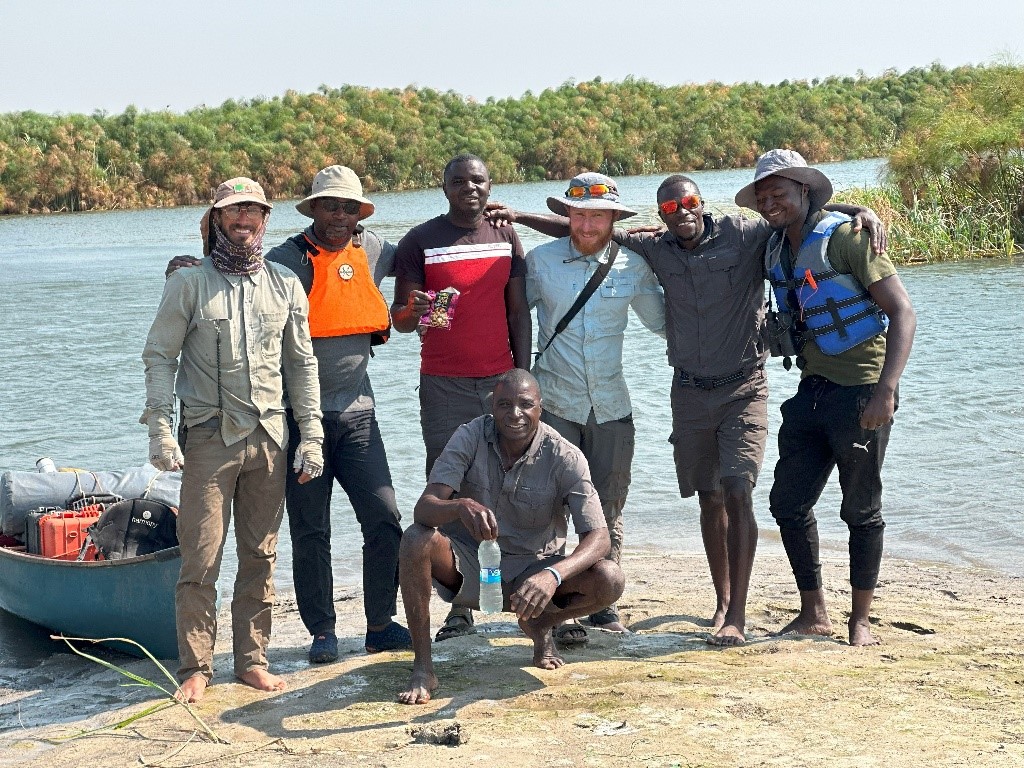
I joined the team led by Dr. Joseph Cutler, who is also a National Geographic Explorer, from Zambia’s bird-watching paradise at Itezhi-Tezhi to the Kafue bridge covering the Kafue Flats stretch of the journey.

We paddled over 350kms in 13 days enduring strong winds and huge waves which almost tipped our canoes over, this expedition had everything, it was tiring, exciting, frightening, adrenaline filling but most of all a great opportunity for knowledge generation.

Throughout the transect, we recorded all the waterbirds, herbivores, collected water samples for analysis of heavy metals, human activities, invasive species, Environmental DNA, invertebrates which will be key for our JRS Biodiversity Foundation project, which is part of our work within the International Crane Foundation/EWT Parthership focusing on research and monitoring under the Kafue Flats Restoration Partnership. The aim of the JRS project is to fully design and implement the much-needed ecological monitoring, assessment, and management plan for the Kafue Flats wetlands in Southern Zambia. 

The objective of this plan is to monitor important freshwater biodiversity indicators including threatened and endangered species (Wattled and Grey Crowned Crane), large mammals, waterbirds, wetland vegetation, and other wetland parameters, and human threats/ management challenges such as invasive species, fire, water, and livestock density. The results from the monitoring and assessment will inform and drive the adaptive management of the Kafue Flats, especially the conservation of vital wetland biodiversity in this globally important ecosystem. 

Lions roaming Phalaborwa darted and sent back to the Kruger National Park

Lions roaming Phalaborwa darted and sent back to the Kruger National Park


Lions roaming Phalaborwa darted and sent back to the Kruger National Park

by Marnus Roodbol, lion conservation senior field officer, CCP

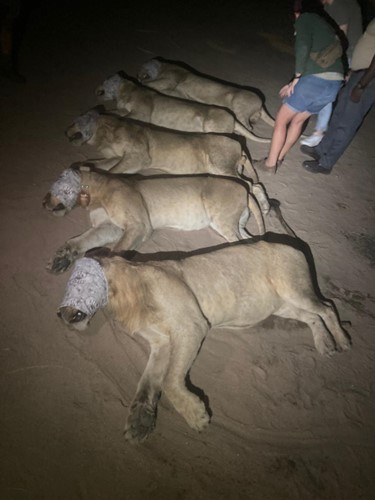
On Monday, 3 June, 2024, five young lions were spotted roaming Villa Luso in Phalaborwa. The  same lions were later spotted by the Phalaborwa horse patrols along the western boundary of the Kruger National Park, south of the Phalaborwa gate.

Later in the they moved onto the Hans Merensky Golf Course before returning to the greater Kruger area.

Although the community and stakeholders assumed that the lions had left the town and  returned to the safety of the greater Kruger, the pride was again seen in town later that night.

That was when we all sprang into action to ensure that the five lions were removed from the town limits and moved to the Kruger National Park.

Following a consultation between the Limpopo department of Economic Development, Environment and Tourism (LEDET), the Phalaborwa Heritage Foundation (PNHF), the Endangered Wildlife Trust (EWT), and the regional and section rangers of the Kruger National Park,  it was decided to capture the lions and to move them back into the safety, and security, of the greater Kruger area.

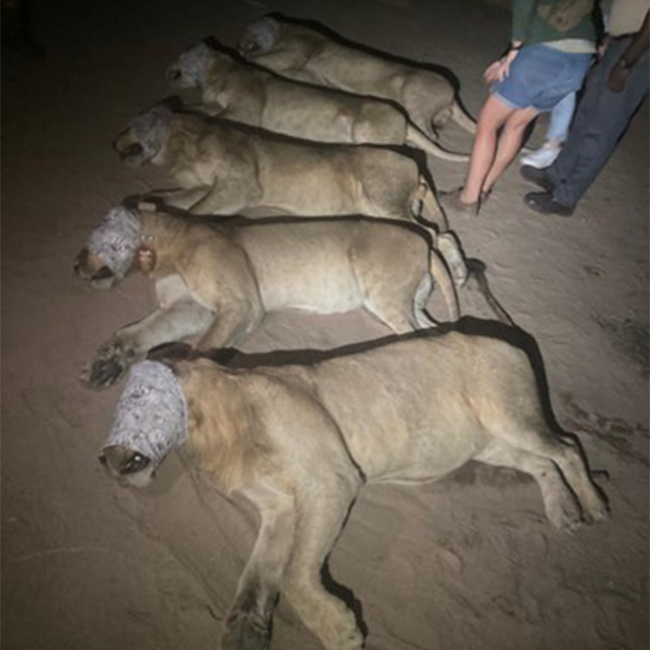
The EWT Carnivore Conservation team on site assisted in the capture and darting of the five lions – two adult females and three young males.  One of the lionesses was fitted with a GPS tracker by the EWT so that we can continue to monitor the pride’s movements.  This will also assist stakeholders should further assistance for this pride be needed in future.


The darted lions, of which one was collared, before being transported back into the Greater Kruger area.

Wild Dogs rescued from snares

Wild Dogs rescued from snares


Wild Dogs rescued from snares

By Ronja Haring, field officer, Carnivore Conservation Programme


The dangers emanating from snaring for bushmeat and the importance of monitoring wildlife for threat mitigating was again highlighted during the most recent call-out by the EWT’s Carnivore Conservation Programme’s field officers.

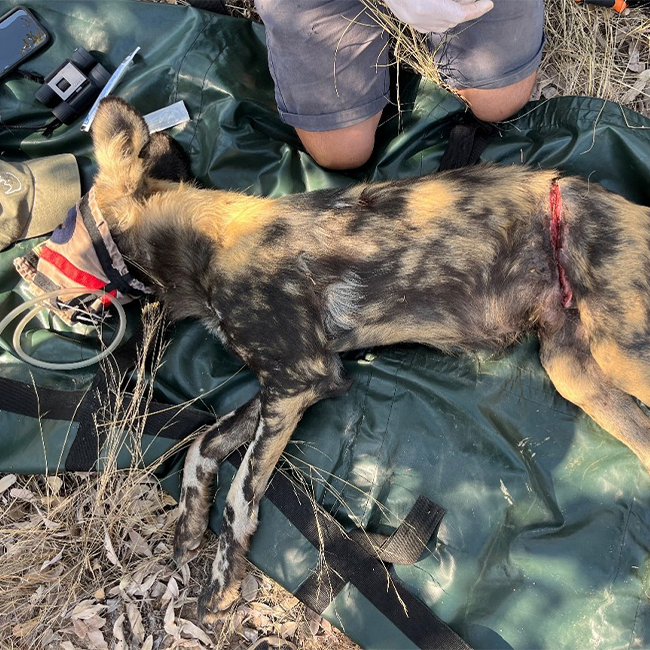
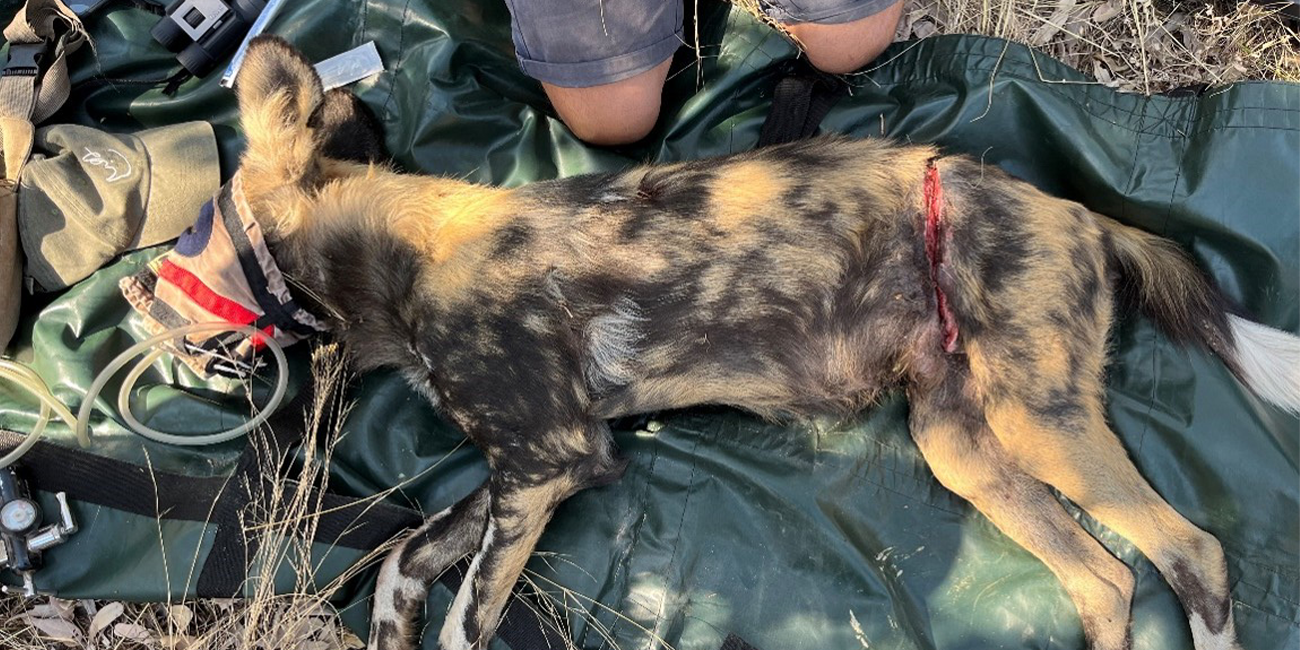
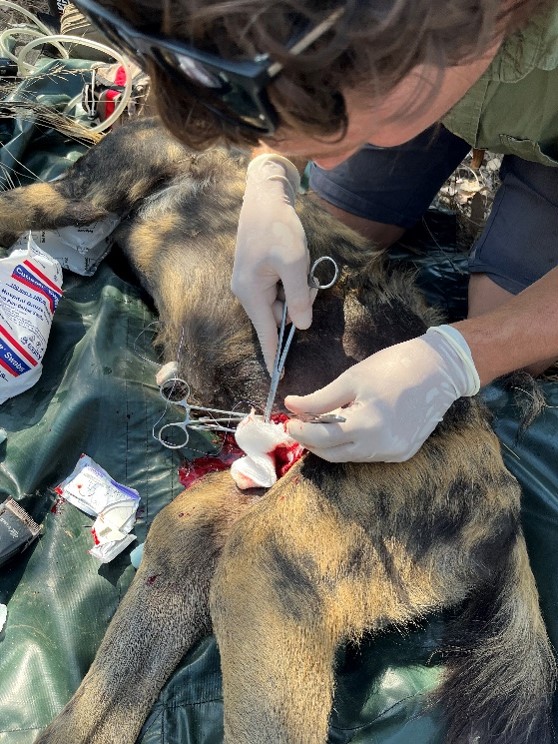
We were informed that a Wild Dog with a snare around its waist had been spotted outside the western boundary of the Kruger National Park. The dog is from one of the dispersal packs that we monitor closely and due to the GPS collar, we were able to track them down without delays.

Fortunately, we could dart and free him of the snare. Although the snare cut deep and some stitches had to be put in place, no vital organs were injured.

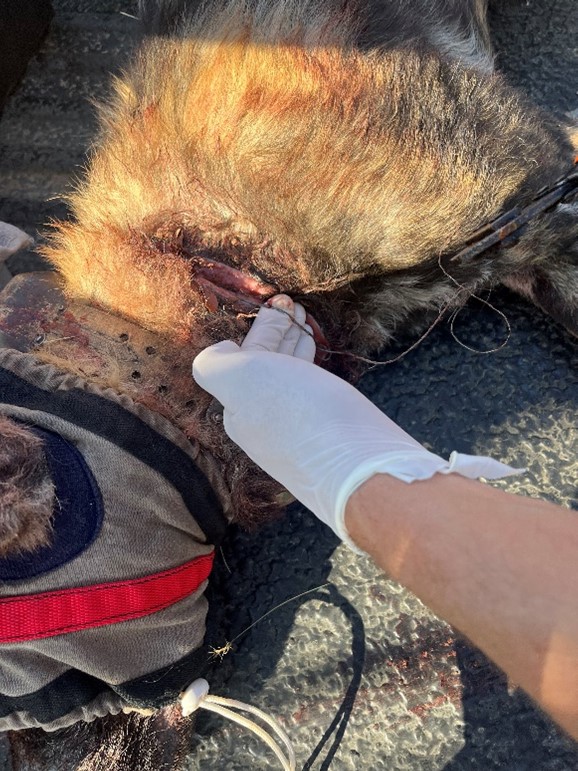
Alarmingly though, we realised that he was not the only dog with a snare. We struggled to make out how many of the five dogs in this pack were affected as our window to act was closing. So we promised to return soon to treat the remaining dogs. 

Shortly after, we were back in the field to continue where we had left off. Once we located the dogs, we grabbed our binoculars and had a close look at each individual. It is easy to spot the big, slashing wounds. But in the beginning fresh wounds from snares are difficult to sport because they are sometimes so subtle, even though they rarely stay that way. Often, once the snare has broken through the skin, which serves as a natural protective barrier, severe damage is caused in a short time. 

We were soon facing the fact that this mission wouldn’t be an easy one because three  more dogs had to be caught and treated. Strategically and with enormous patience, we managed to dart all three of them in one go.  

Considering that 4 of the 5 dogs were affected, the entire pack could have easily been wiped out. Dedicated to protecting our endangered wildlife, we will do everything in our power to mitigate these threats and respond to emergencies.

The dogs treated by a veterinarian in the veld are all recovering well.


EWT celebrates the International Day for Biological Diversity with a business summit

EWT celebrates the International Day for Biological Diversity with a business summit


EWT celebrates the International Day for Biological Diversity with a business summit

By Catherine Kühn, EWT National Biodiversity and Business Network.

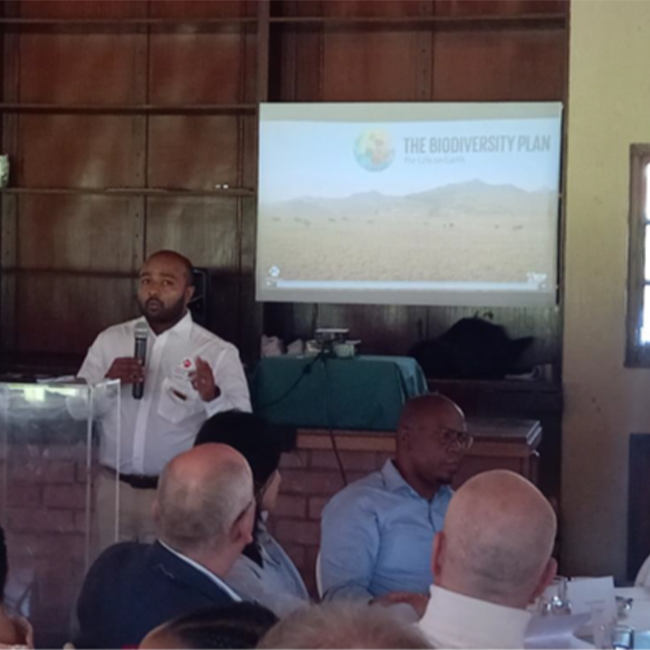
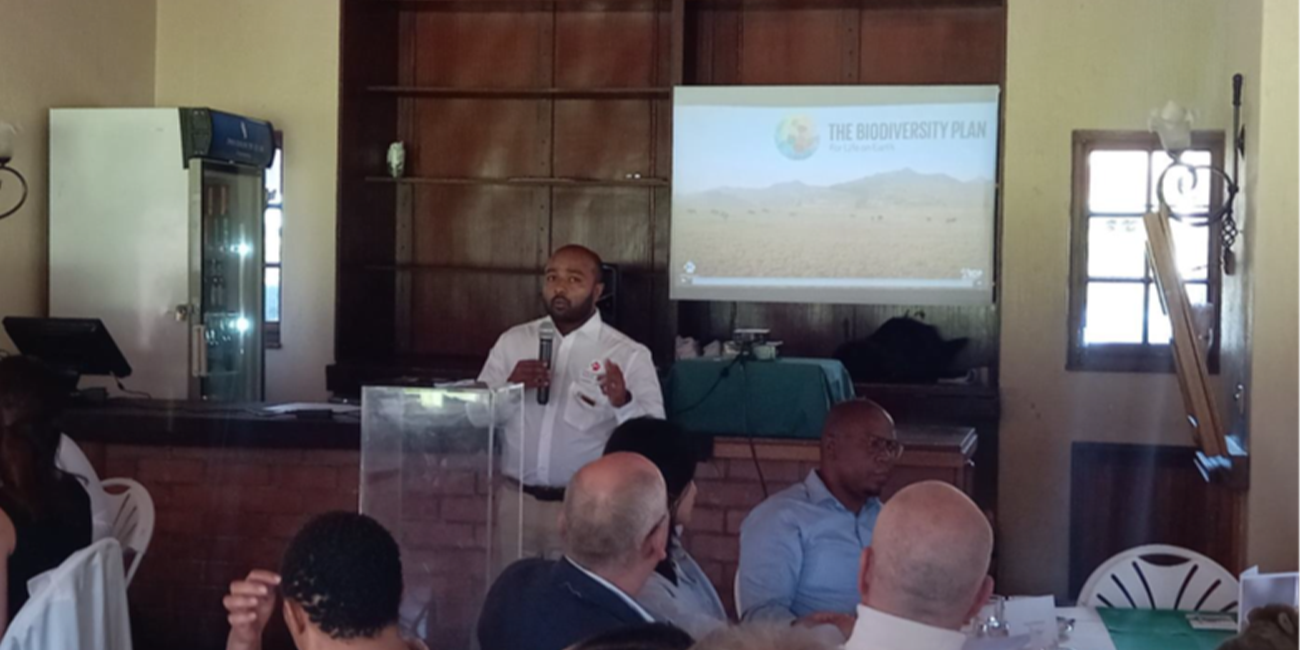
EWT Senior Manager Sustainable Financing, Kishaylin Chetty, sharing information biodiversity planning


In recognition of the International Day for Biological Diversity (IBD) on 22 May 2024, the Endangered Wildlife Trust’s (EWT) National Biodiversity and Business Network (NBBN) hosted the first of four workshops for 2024 for its Business Advisory Group (BAG) members.

This summit is part of a project spearheaded by the NBBN and supported by the international policy and advocacy group, Business for Nature (BfN).

South Africa is one of four countries to receive support from BfN as part of their Business Action and Advocacy for the Planet project, with the aim being to provide guidance to the Department of Forestry, Fisheries and the Environment (DFFE) on Biodiversity and Business-related topics. This includes how to effectively incorporate the private sector in the implementation of the goals of the Global Biodiversity Framework in South Africa.

Working with Malaysia, South Africa, Columbia and Chile, BfN supports business-government dialogues to ensure the role of business and financial institutions is fully recognised in their updated National Biodiversity Strategies and Action Plans (NBSAPs). The NBSAPs are the policy tool to ensure successful and effective implementation of the CBD. South Africa’s NBSAP currently covers 2015-2025 and is under review.

Dr Gabi Teren, Programme Manager of the NBBN, says:  “South Africa, has in many ways, an opportunity to demonstrate leadership in this space”. Because all businesses depend on biodiversity in some way, the responsibility is on business and government to ensure that transformative policy measures required for this sector to make a positive contribution to the natural world, are in place.

It is hoped that through the BAG, businesses and financial institutions will be able to contribute effectively, and meaningfully, to the 30×30 biodiversity targets which state that 30% of terrestrial and marine areas need to be formally conserved by 2030. According to South Africa’s Land Audit report, 2017, estimates suggest that about 79% of South Africa’s land is privately owned. This includes agricultural lands, game reserves, and other types of private property.

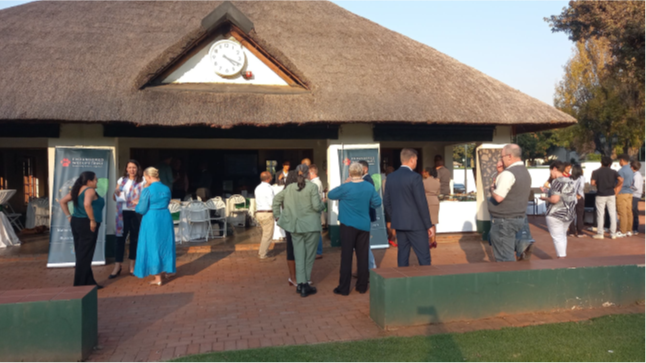
The event on International Biodiversity Day unpacked the challenges and gaps for South African businesses to successfully mainstream biodiversity into their business practices.  Around 40 delegates representing 27 businesses, State-Owned Enterprises, and advisory organisations, including SANBI and several financial institutions, participated in the BAG meeting held at the Country Club Johannesburg in Auckland Park.  The turnout was heartening as it conveyed a clear message that businesses are willing and keen to learn more about biodiversity mainstreaming and what this means for their industries.

Taking the form of an interactive dialogue, the workshop focused on Target 15 of the United Nations Convention on Biological Diversity’s Kunming-Montreal Global Biodiversity Framework which encourages businesses to assess, disclose and reduce biodiversity-related risks and negative impacts in their field of operation. This means that businesses are being urged to ensure they comply with the  Frameworks’ targets  to help them increase their positive impacts and reduce their negative impacts on the environment.


EWT Senior Manager Sustainable Financing, Kishaylin Chetty, sharing information biodiversity planning


One of the key insights that emerged at the workshop was that biodiversity often takes a back seat to climate change in business strategies.  This highlighted the role that organisations like the EWT have in helping to guide businesses in South Africa to incorporate biodiversity decision-making into their business practices. Unlike climate change, where some disclosure requirements are  mandatory, biodiversity-related disclosure practices are not. Through the awareness raising work that the EWT’s Biodiversity Disclosure Project has been undertaking with their biodiversity performance ratings of South African companies, this is beginning to change. We are also hoping that through the BAG dialogues there will be awareness raising around this very issue.

During the workshop delegates provided feedback on the outcome of breakaway sessions noting, amongst others, that there is a strong need for capacity building, training, and awareness initiatives tailored for businesses that have chosen to embark on a biodiversity mainstreaming journey. They also commented that the numerous tools available are overwhelming for many businesses, hence the need for more training on how to use these tools effectively and appropriately.  

There was a collective narrative that called for more clarity in South African policy frameworks, as well as more comprehensive enforcement of South Africa’s robust legislation. A noteworthy comment that also came out of the BAG was that Civil society, financial institutions, and investors need to realise the power-key they hold in steering the achievement of the sustainability goals through their influence.

What this means is that these stakeholders (consumers, investors, finance) should be asking for information about companies’ sustainability risk and impact management to make informed decisions. This information will help hold companies accountable, and drive demand for products and services with more positive and less negative impacts on nature.  

The in-person workshop, which was pivotal in highlighting the challenges, gaps and the needs still hindering the way forward in the biodiversity mainstreaming journey for businesses in South Africa, is to be followed by three hybrid workshops in the coming months.  One attendee pointed to the importance of the event as it provided perspective of what other industries were doing and the various approaches to biodiversity in the broad sense.

Other delegates noted that “they’ve never felt so engaged in a workshop like this before” and many agreed that the outcomes of this workshop would ultimately assist in informing national policy aligned to the GBF and ignite further conversations and actions that will pave the way towards a healthier and more positive relationship with nature.

If you feel your company should add their voice to this important dialogue, please contact Catherine at CatherineK@ewt.org.za and follow www.nbbnbdp.org for project updates.


Ntakadzeni Tshidada addressing the group on behalf of the South African National Biodiversity Institute (SANBI).

World Environment Day 2024

World Environment Day 2024

World Environment Day 2024: Restoring Land and Securing Our Future

World Environment Day 2024 marks a pivotal moment to reflect on the urgent need for ecosystem restoration. On 5 June, the Endangered Wildlife Trust (EWT) joined millions worldwide in raising awareness about land rehabilitation, desertification prevention, and drought resilience.

This year’s theme, “Our Land. Our Future,” highlights the critical role of conservation. Moreover, it aligns with the United Nations Decade on Ecosystem Restoration’s #GenerationRestoration movement, which seeks to reverse environmental damage by 2030.

The Global Crisis of Land Degradation

Recent findings from the United Nations’ Global Land Outlook Thematic Report on Rangelands and Pastoralists reveal alarming statistics—nearly 50% of the world’s rangelands face degradation due to overuse, climate change, and biodiversity loss. In South Africa, afforestation, mining, and land conversion contribute significantly to this crisis.

The EWT has taken proactive steps, establishing over 100,000 hectares of protected areas and clearing invasive species to restore vital water catchment zones. These efforts improve ecosystem services, particularly in climate-sensitive regions. However, a nationwide shift in natural resource management is essential to meet Sustainable Development Goals on land degradation neutrality.

The Human and Economic Impact of Environmental Decline

According to the United Nations Environment Programme (UNEP), over two billion hectares of land—more than 20% of the Earth’s surface—are degraded. This affects 3.2 billion people, disproportionately harming Indigenous communities, small-scale farmers, and rural populations. Droughts alone impact 55 million people annually, threatening food security and livelihoods.

If left unchecked, land degradation could reduce global food productivity by 12%, driving food prices up by 30% by 2040. Africa holds significant restoration potential, with over 720 million hectares that could be rehabilitated. The Pan-African Ecosystem Restoration Action Agenda aims to restore 200 million hectares by 2030.

World Environment Day 2024

World Environment Day 2024

Innovative Solutions for a Sustainable Future

The EWT’s Drylands Conservation Programme addresses climate change and unsustainable land use in southern Africa. By promoting eco-tourism and supporting local enterprises, the initiative fosters economic resilience while preserving ecosystems.

Governments and financial institutions must also play a role. Redirecting agricultural subsidies towards regenerative farming and small-scale producers can enhance food security without compromising ecosystems. UNEP estimates that investments in nature-based solutions must double to $542 billion by 2030 to meet global climate and biodiversity targets.

The Path Forward: Policy and Collaboration

With the Convention on Biological Diversity’s 16th Conference of the Parties (COP16) approaching in October 2024, nations must reaffirm their commitments under the Kunming-Montreal Global Biodiversity Framework. Adequate funding, particularly for developing nations, is critical to implementing National Biodiversity Strategies and Action Plans (NBSAPs).

In South Africa, collaboration between government, businesses, and communities is vital. The EWT’s carbon trading agreements in the Free State grasslands demonstrate how sustainable practices can generate revenue while protecting biodiversity.

A Call to Action for World Environment Day 2024

World Environment Day 2024 reminds us that healthy land is as vital as clean air and water. By restoring degraded ecosystems, we safeguard food security, biodiversity, and human well-being. Every stakeholder—from policymakers to private citizens—must contribute to this collective mission.

The time to act is now. Together, we can secure a sustainable future for generations to come.