Help African Wild Dogs 

Donate today  

First Carbon Offsetting Project for 90,000 Hectares Registered

First Carbon Offsetting Project for 90,000 Hectares Registered

First Carbon Offsetting Project for 90,000 Hectares Registered

By Jodi Legge and Eleanor Momberg
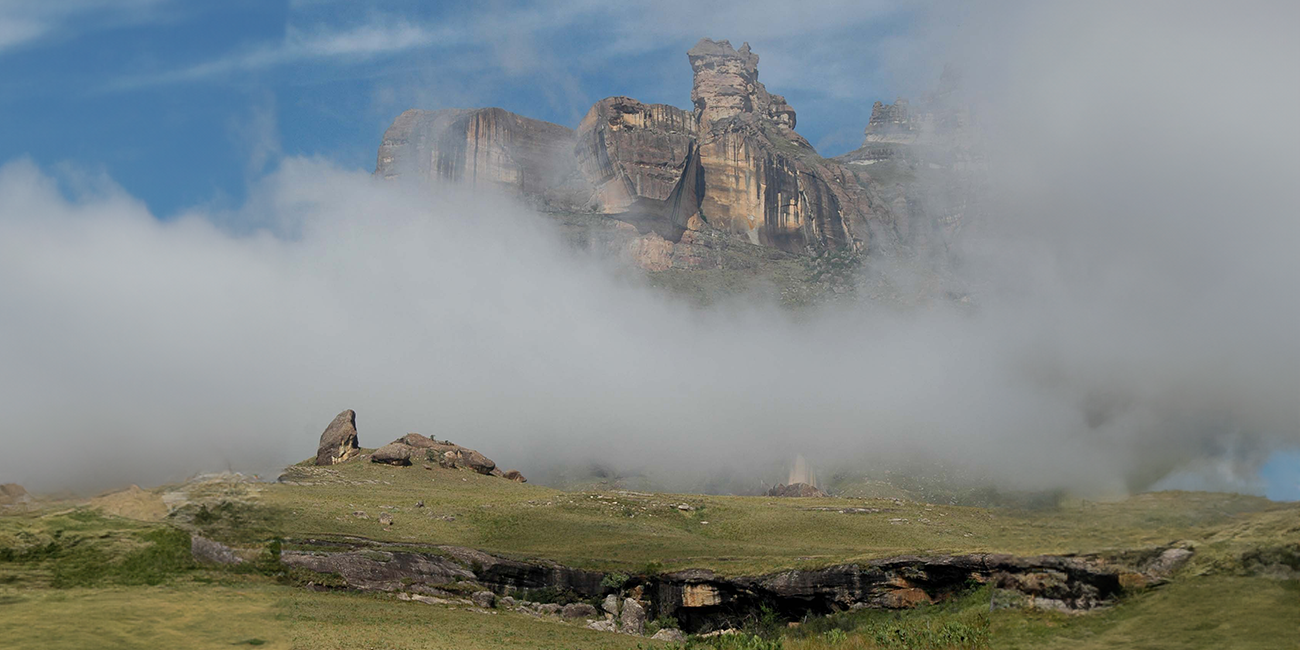
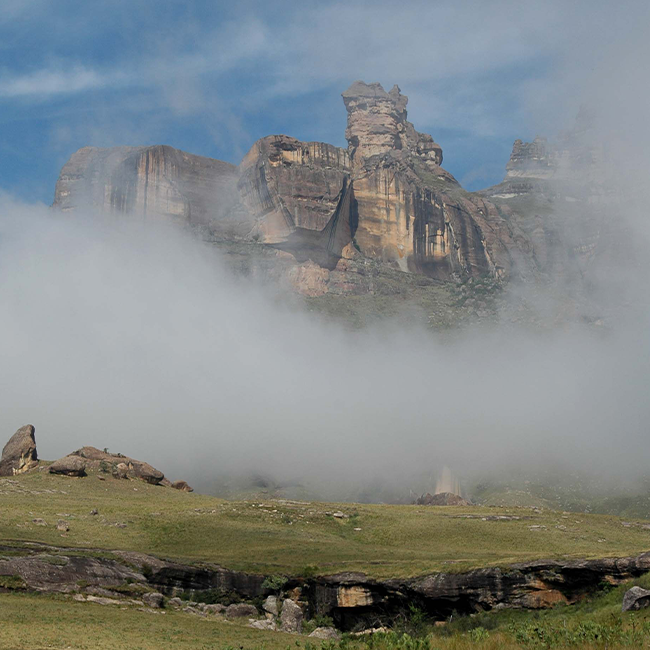
The Endangered Wildlife Trust and the International Crane Foundation have registered carbon offsetting project in the Drakensberg – one of only six registered carbon offsetting projects in the world using Voluntary Carbon Market Methodology and covering the widest geographical footprint in a country.

This is part of the EWT/ICF partnership’s long-term commitment to protect threatened crane habitat in the Drakensberg region. The project extends 90,000 ha, of which 88,500 ha is managed by the EWT/ICF partnership as the Carbon Management Entity with the developer, WeAct, from Australia. Further expansion is planned during the second half of 2024 and will be known as the second instance.

“Landowners are interested in joining at least another 45,000 ha for the second instance,” said Pieter Botha, ICF project manager.

Botha added that the partnership covered several critical areas under biodiversity stewardship agreements with crucial landowners. Information opportunities were created to discuss the project, objectives, and outcomes with our partner landowners.

The primary purpose of carbon trading is to channel finances towards a sustainable transition in limiting greenhouse gas (GHG) emissions and GHG sequestration. The cost associated with the removal of GHG needs to be recovered because the removal cost is potentially much lower than the cost of dealing with the consequences of global warming. Through the voluntary carbon market initiatives linked to the free-market principle are allowed as these achieve an incentive by pursuing the initiatives set out in the Paris Agreement reached at the UN Framework Convention on Climate Change’s talks in 2015.

Carbon offsetting is considered a sustainable financing option by providing investments that reduce or remove emissions, improve livelihoods and protect the environment. Carbon credits are sold on the market with revenue returned to landowners. Landowners are rewarded financially as they implement sustainable and improved land management practices that contribute to a healthier ecosystem, are friendly to cranes, and promote greater biodiversity.

The Drakensberg region is home to three species of threatened cranes – the Wattled, Blue and Grey-Crowned Cranes. It is a region that has been at risk from mining, infrastructure development, invasive species, uncontrolled fire and agricultural expansion. These factors have reduced habitat for cranes and other species, and pose significant challenges to landowners, threatening the livelihoods of thousands of people who live and work in this region.

“We know these are complex problems,” said Botha adding these required innovative solutions. “Exploration of the carbon trading market has been one of our key strategies to reduce greenhouse gas emissions through carbon sequestration, to improve the state of these fragile habitats.”

Botha said the cost associated with the removal of greenhouse gas emissions to improve the soil needs to be recovered as landowners cannot do it on their own. Removing CO2 from the atmosphere is a cheaper alternative than dealing with the consequences of global warming.

“Carbon trading is not frequently discussed among farmers as it is not part of their daily production cycle on the farm.,” said Botha. “For many landowners, this was a foreign idea, and careful negotiation and education is required to explain the complexities of the project. It takes a long time to engage with landowners, explain the benefits of participating in the project, and getting them to commit to an agreement.”

Farmers are custodians of large tracts of land, which is also home to many diverse species. The Foundation understands that farming has many challenges and no state assistance or subsidies are available in South Africa. This project aims to assist farmers by offsetting costs that come with conservation, creating an enabling environment for proactive conservation.

The project implemented a four-year cycle of carbon credit verification and issuance, with a goal to ensure a 30-year commitment to the project. Anticipated revenue is substantive.

“We believe this approach will mitigate the effects of global warming while creating resilient habitats for our crane population,” said Botha. “This pioneering approach will result in increased carbon in the soil, while providing relief to our resilient farmers to protect their livelihoods and create conservationists at the same time.”
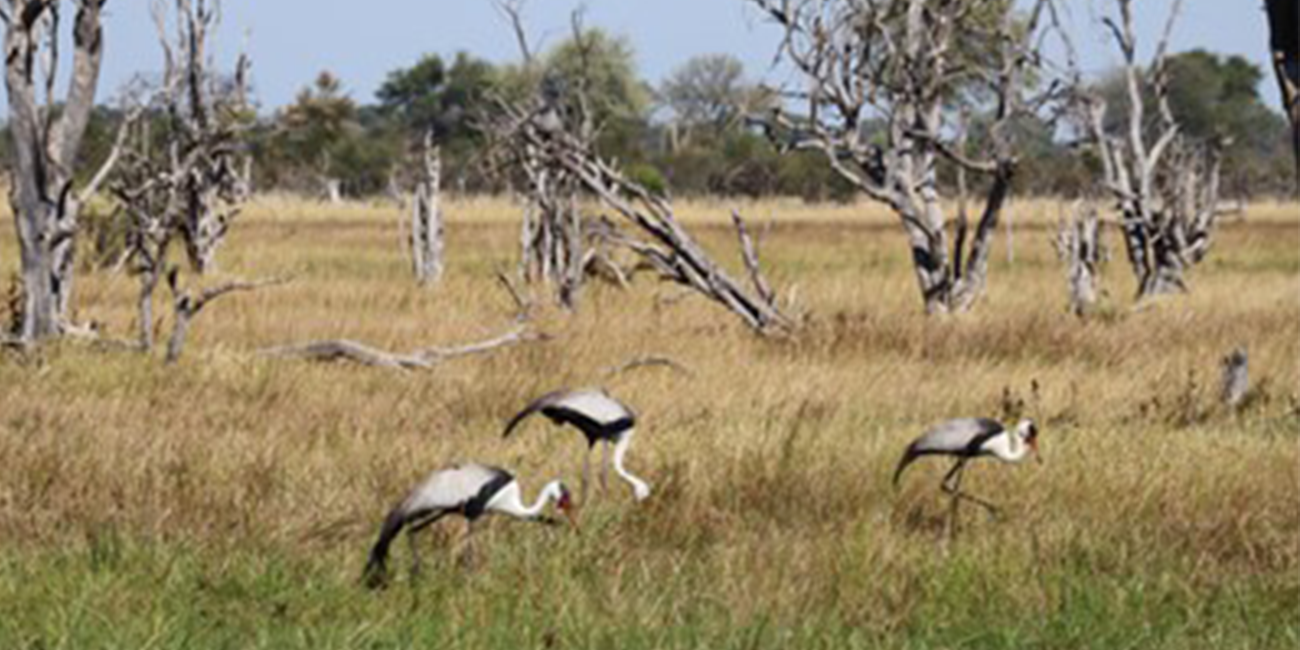
The unfinished journey:  capturing Wattled Cranes for conservation

The unfinished journey: capturing Wattled Cranes for conservation


The unfinished journey: capturing Wattled Cranes for conservation

By Dr. Lara Fuller, Drakensberg Project Coordinator, South Africa for the African Crane Conservation Programme

Wattled Cranes close to the camp site

Wattled Cranes are globally Vulnerable. They move with the available waters in large floodplains across south-central Africa through several countries including Botswana, Zambia, Angola, Zimbabwe, Tanzania and Malawi. It is this movement that is vital for conservationists to understand so that conservation goals can be impactful.

Wattled Cranes are notoriously difficult to catch as they have excellent vision and they are not easily coerced into an area, which most capture techniques rely on.

Charles Mpofu of Botswana Wild Bird Trust (WBT)/Okavango Wilderness Project recently approached the EWT for assistance in capturing and handling cranes. Given the synergies between our work, we accepted and I travelled to Botswana to start work on a project that will take some time to complete.

Our first step on the journey was to test the transmitter and harness design by trialling them on captive Wattled Cranes. Out of this work some modifications were made to the transmitter by its developer SpoorTrack to design the dimension specifically for the species. The second step was to understand the best technique to capture Wattled cranes in the Okavango Delta. As the environment is a wilderness with multiple natural dangers, we spoke to the only people who had attempted to catch the species in the Delta — Pete Hancock and Ralph Bousefield in Maun, and Kevin Mcann who had joined the team based in South Africa.

After much discussion the main technique advised was light trapping at a roost site. This approach allows for opportunistic capture in a dynamic and changing environment and allows a capture team to avoid predatory dangers. We had not previously used this technique and learning a new procedure in the wilderness was never going to be easy.

The third step was to find the birds in the vast flood plains of the delta. Charles narrowed this down with aerial surveys to identify a flock in accessible reach, and he spoke to lodge owners and field guides in that area.

On 13 May we started a two-week expedition on the Gomoti River, amply equipped with two Mokoros (a traditional canoe for traveling on the shallow flood plains), two Landcruisers, solar charging battery and remote camping equipment. The first two days were spent ground surveying for Wattled Cranes and learning from a local NPO ‘Connect Trust’ where the accessible roads and river crossings were. Travelling from base camp to the capture site took three to four hours a day due to the difficulty of sandy roads. Understanding where the cranes roosted was vital, and because we were losing important hours on the road, we moved to a new camp in the bush from where we could easily monitor the cranes dawn to dusk. Despite the campsite move the Wattled Cranes were incredibly elusive in sharing details of their roost sites. Flying in and out of foraging grounds in the dark, a mechanism to protect them from predators.

After a few days of 6am mornings and 9pm evenings we had identified a daylight foraging space to which the birds returned to every day. This site had recently been burned and would mark our capture attempts for the remaining expedition. Establishing safe passage across the river for night capture we set up a system using the mokoros so that we could reach the grounds safely. At this site we made numerous attempts to capture the cranes using bird hides, toe noose matts, and using the flashlight technique. Although we came within a few meters of the cranes, numerous difficulties were encountered. Lechwe hampered our attempts to capture during daylight hours by threatening to beat the cranes into the traps.

Wattled Cranes close to the camp site

During the night hours hippos were out foraging, and lions could be heard hunting. Not an ideal scenario when you’re travelling on foot. Other aspects obstructing capture was the unhelpful moon cycle, and although there were numerous breeding elephant herds they were very regimented in their movements and were easily avoided.

With a lot of experience and lessons learned we attempted our second expedition on the Boro River from 7 July 2024 for 10 days. This time we armed ourselves with some camouflaged toe noose traps, some very bright flashlights and a FLIR. One of the most difficult aspects we found during the night captures was that we could only see as far as a flashlight. This is a little discouraging when running into the night after a crane. The FLIR proved to be a valued member of the team and was excellently designed for its purpose.

The second expedition was supported by the prestigious game lodge Xigera in the heart of the Okavango permanent wetland. As we explored the reserve we were delighted to find over 20 pairs of Wattled Cranes, enabling a number of capture attempts on the same night at different sites. We were hopeful. However, although we were spending up to 19 hours in the field, observing where the pairs moved to during the day and attempting captures at night, we found that there were only four pairs that had steady territories. This was because these birds were starting to breed. Despite this the expedition attempted eight night captures. We came as close as four meters to one crane before the mud tied up Charles and the Landcruiser. We even came within couple of meters of capturing with toe noose matts, until the Buffalo and Impala decided to race the cranes to the traps.

It was T.S. Elliot who said: “It is the journey not the arrival that matters”.

As we reflect on these expeditions and consider the way forward, Charles will be joining us in South Africa along with colleagues in the African Crane Conservation Programme (ACCP) from Uganda, Kenya and Zambia, an American colleague from the International Crane Foundation and a number of South African colleagues from ACCP and Wildlife Energy Programme, to attempt to capture Grey Crowned and Blue Cranes in Mpumalanga. This will form a part of a workshop where we will share our knowledge and experience in Crane and other bird captures to create more innovative approaches to captures in especially the difficult flood plains of the south-central Africa. These will include questionnaires that will draw out the why, when, where and how Crane captures are performed across the globe. This will be compiled under the auspicious IUCN Crane Specialist Group to develop best practice guidelines for captures. In addition, we have through this process bridged a gap between generations of experienced crane catches enabling us to build on the knowledge of the past and not reinventing old new techniques. Conservation relies on collaboration and working together, and these attempts are creating a stronger team of skilled conservationist across Africa for the benefit of crane species. What better example could we have of conservation in action!


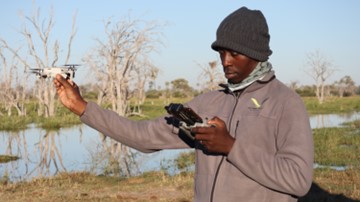
Chales Mpofu of the Wild Bird Trust Okavango Wilderness Project using a drone to survey the vast area of the Delta.

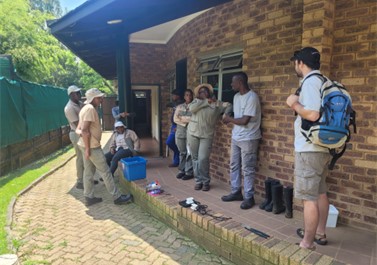
Johannesburg City Park and Zoo team with Charles Mpofu of the Botswana Wild Bird Trust and Matt Pretorious EWT who assisted with training on applying a harness.

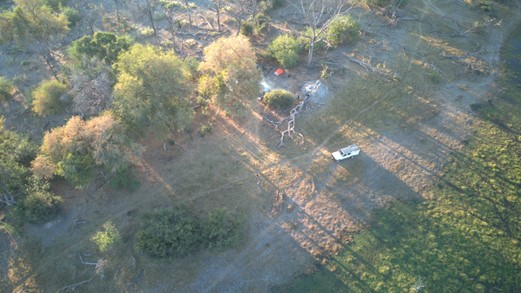
The remote campsite adjacent to the capture site.

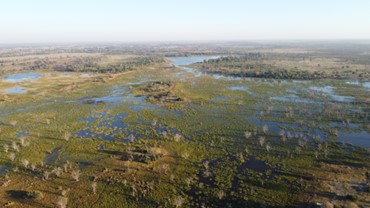
Capture site where 10 Wattled Cranes were inhabiting

A word from the CEO July 2024

A word from the CEO July 2024

Word from the CEO

 
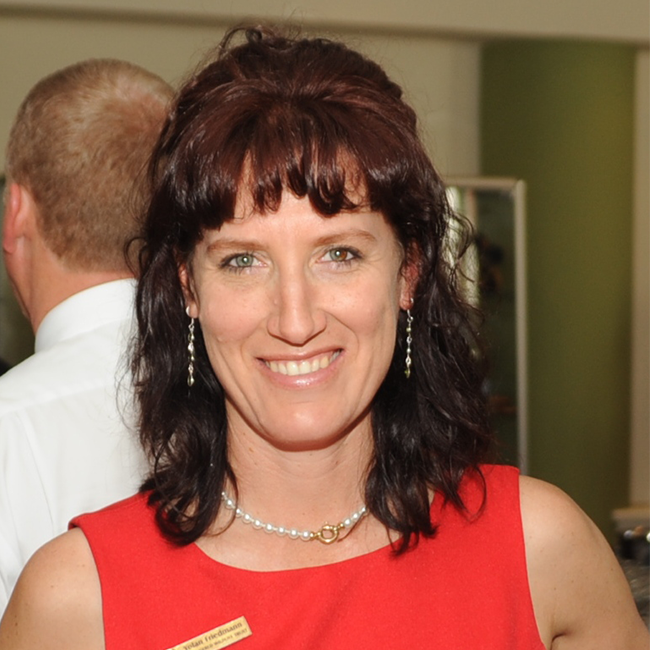
Yolan Friedmann, CEO

The 2024 Summer Olympics kicked off last week with grand fanfare and excitement, with millions of fans globally clenching thumbs and gritting their teeth as they watch their favourite sportsmen and women and wait for records to tumble. With around 300 000 spectators expected to attend the games in person, Paris is buzzing with people from across the globe and from all walks of life. Against the backdrop of political upheaval, unrest, ongoing global conflict in almost all corners of the world, economic uncertainty and a range of other manmade threats to our own futures, it fills me with a sense of hope and excitement to see fans draped in their national flags filling stadiums, and walking the streets of Paris, as they laugh, cheer, applaud and fiercely promote their national pride but all in a safe, harmonious and respectful manner. It makes me wonder why the rest of our lives and the rest of the time people cannot be like this: human beings competing as we love to do, and defending our national positions and ideologies, but in a way that inspires new generations to be better and aim higher, instead of sacrificing their futures. Humans are capable of great achievements and the Olympics is the best celebration of what focus, commitment, hard work and sacrifice can do. In a world that increasingly looks like it will implode due to the devastation of human impact, our planet can also thrive and flourish if people just focused on the RIGHT stuff.

Amidst the celebration of our sporting heroes this week, came the celebration of another group of individuals who can be likened to being environmental Olympians: champions of the earth and guardians of the voiceless. World Ranger Day on the 31st of July is always an opportunity to pause and give thanks to the brave women and men who risk their lives and dedicate their hearts, minds and bodies every day, to protecting the natural world for all of us. With Africa losing more than 64 rangers in the line of duty in the past year and with their work increasingly requiring a range of skills that qualifies them for a pentathlon event of their own, our rangers deserve cheers and glory and podiums every day of their lives. Today’s rangers need to have environmental knowledge, technical skills, self-defense and paramilitary knowledge and still be educators, community developers, managers and defenders of the weak. The EWT salutes ALL rangers everywhere for protecting our earth.

Our world is full of heroes and focusing on them inspires us all to become better and to do better. I love the Olympics and global celebratory days for this reason, and knowing that the heroes of tomorrow are still in the making, gives me hope for a future where we will all indeed be better humans.

Yolan Friedmann,

CEO, Endangered Wildlife Trust


How to count lions in Africa

How to count lions in Africa

Science Snippet:

How to count lions in Africa

By Lizanne Roxburgh and Erin Adams

Knowing how many individuals of a species exist in the wild is important for managing that species. It is also important to know the trend in the number of individuals in a population. Whether the number is increasing, stable or declining will have implications for what management interventions should be used to conserve that population. There are currently many methods that can be used to estimate population size, however, each have their own strengths and weaknesses.

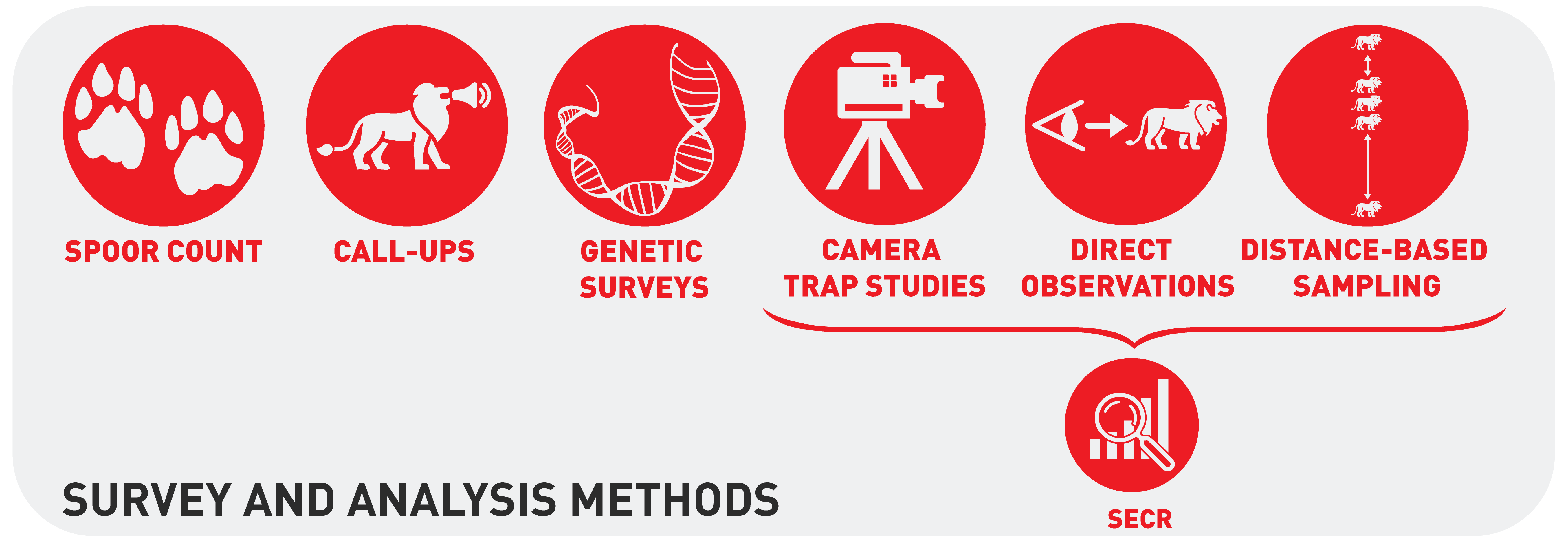
In a recent study*, scientists from the EWT, in collaboration with researchers from other institutions, reviewed all of the methods that are used to survey lion populations across Africa. They looked at 93 different studies from 1991 to 2022. Seven broad survey methods were identified. These included spoor counts, call-ups, genetic surveys, direct observations, camera trap studies, spatially-explicit capture-recapture (SECR) for both direct observations as well as camera traps, and distance-based sampling.

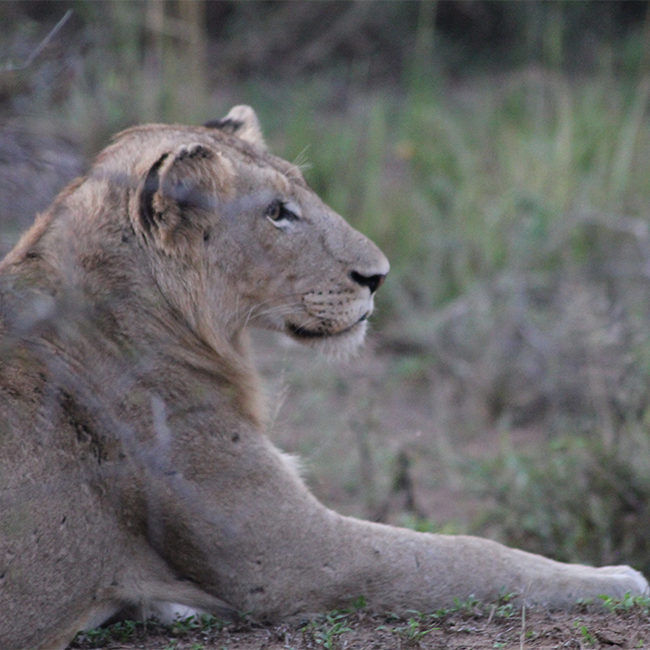
Pic: Eleanor Momberg

The scientists found that the most reliable methods for estimating lion population in Africa were those that included spatially-explicit capture-recapture (SECR) analysis. SECR is a method used to model animal capture-recapture data collected with a network of “detectors.” SECR takes into account both where the individual lions were captured by the detectors (such as camera traps or through direct observations) and where they were not captured. It’s like solving a puzzle where you piece together information about where animals were detected to estimate their overall population density. Sampling techniques such as spoor counts and call-ups were found to be less reliable, as they tended to over-estimate population size.

The scientists strongly recommended that standardized methods be developed that can produce comparable estimates of the number of lions, both within and between sites and years. These methods can then be used to survey lion populations in areas where gaps in our knowledge of lion populations exist.

*Samantha K. Nicholson, David R. Mills, Erin C. Adams, David G. Marneweck, Hans Bauer, Lizanne Roxburgh, Rob Slotow. 2024. Towards effective and harmonized lion survey methodologies: A systematic review of practice across Africa. Global Ecology and Conservation.  https://doi.org/10.1016/j.gecco.2024.e02908

CAREERS IN CONSERVATION – Caitlin Smith

CAREERS IN CONSERVATION – Caitlin Smith

Caitlin is an Intern with the EWT’s Conservation Planning & Science Unit. Here is a little bit about Caitlin’s journey to a career in conservation.

Job title:  Conservation Planning & Science Intern

What do you do in your day-day work? I will be assisting in the Mammal Red List project

Location: Cape Town

Where did you grow up? Cape Town

What are your hobbies/things you like to do in your spare time? Reading and baking

Any pets? None

Favourite animal and why: Giraffes, they are so beautiful and unique!

Favourite food? Chocolate

Pet peeve? Loud chewing

Why did you want to work for the EWT? Zoology is my first love, and getting a chance to learn more about mammals while assisting with Mammal Red List assessments is something I am very excited about.

What excites you about this new position? Learning how to put together Red List assessments

What are you passionate about? Many things; giraffes, chocolate, reading/watching Harry Potter

What’s the best advice you’ve ever received, and who did it come from? Just be yourself, my Mom

What is your go-to feel-good song? Any ABBA song!

CAREERS IN CONSERVATION – Jacquie Van der Westhuizen

CAREERS IN CONSERVATION – Jacquie Van der Westhuizen

CAREERS IN CONSERVATION – Jacquie Van der Westhuizen

Jacquie is a Field Officer in the Drakensberg. Here is a little bit about Jacquie’s journey to a career in conservation.

Job title: Drakensberg Field Officer

What do you do in your day-day work?  My day to day work takes me to the most beautiful locations looking for cranes, checking on the nests, connecting and building relationships with farmers and creating awareness about the cranes and their habitats

Location: I am based in the KZN Midlands and Drakensberg but I will travel to find cranes anywhere between here and Timbuktooooo.

Where did you grow up? I was born and grew up in Zimbabwe on a cattle ranch, where I had an idyllic childhood and where my love for conservation began.

What are your hobbies/things you like to do in your spare time? I love being outdoors and will take any opportunity to be in a game park or looking for cranes.  I also love taking photos.

Any pets? We have two very needy dogs – a German short haired pointer and a Hungarian Visla.

Favourite animal and why: My favourite animal is an elephant, reminds me of my mom who was the matriarch of our family.

Favourite food? Prawns

Pet peeve? When people put their plates next to the dishwasher instead of inside the dishwasher.

Why did you want to work for the EWT? Because I feel like I could contribute to making the environment a better place.

What excites you about this new position? Making a difference to the environment and being part of a team of like minded people.

What are you passionate about? I love my family!

What’s the best advice you’ve ever received, and who did it come from? Whatever you do in life, do it properly, don’t do a half job because life is short and you only live once!

What is your go-to feel-good song? Summer of ’69

Fired up for conservation

Fired up for conservation


News from the field:

Fired up for conservation

By Darren Pietersen, Ecology Manager, Soutpansberg Protected Area

Globally, “wildfires” are seen as terrifying, destructive, unnatural, and something to be stopped at all costs. This sentiment is understandable when the effects of runaway fires are seen – for instance the large-scale fires in Australia, and those in the Northern Cape province in the past few years that resulted in thousands of hectares of grazing being lost, countless livestock burning to death, and infrastructure being lost.

But fire is, in fact, an integral part of the ecosystem. Savannahs and grasslands rely on fire (and herbivory) for their maintenance by preventing bush encroachment, and many plant species, including many fynbos species, rely on fire to germinate their seeds. In his study comparing historical and contemporary photographs of the Soutpansberg, Dr Norbert Hahn established that the Soutpansberg overall has become much denser in the past 150 years, with the loss of most of the Soutpansberg grasslands (and their associated species) through the removal of large grazers and fire from the ecosystem. We cannot reintroduce bulk grazers to the majority of the Soutpansberg (yet), but we can ‘reintroduce’ fire.

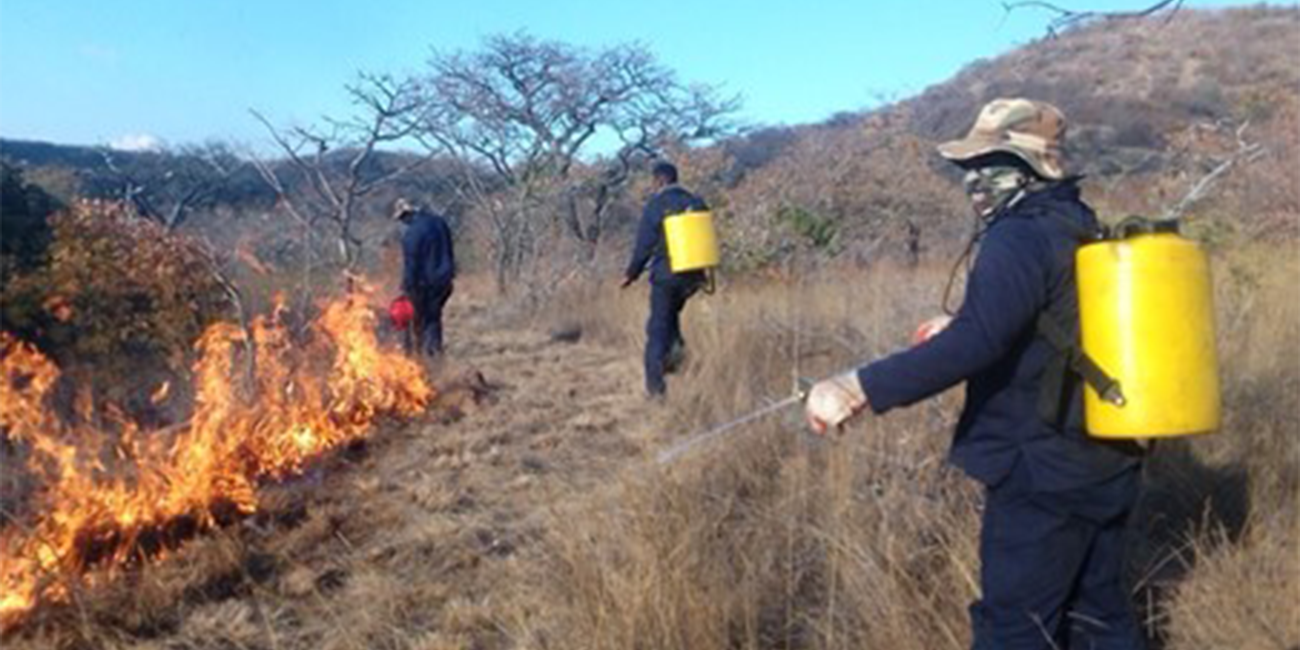
The EWT Medike Reserve is in the process of reintroducing fire as a management tool on the Soutpansberg range. Like many properties on the Soutpansberg area, most of Medike Reserve has not burnt in a very long time – in the region of three decades, whereas historically the Soutpansberg would have probably burnt every five to ten years.

This absence of fire has resulted in the build-up of a vast quantity of moribund material such as dead grass and other plant debris, resulting in unnaturally high fuel loads and poor grazing for animals. This build-up of dead plant material can result in intense, difficult to manage wildfires – as we experienced last year when a lightning strike resulted in a fire that burnt for two weeks on farms neighbouring Medike.

In an effort to start restoring natural ecosystem functions, Medike is implementing management burns – purposefully burning a section of veld under appropriate ecological conditions, but also under conditions where the fire can be safely managed. Rangeland burns can legally only be set between September and November in Limpopo province (and only with the necessary permits), whereas all firebreaks need to legally be burnt before the end of June.


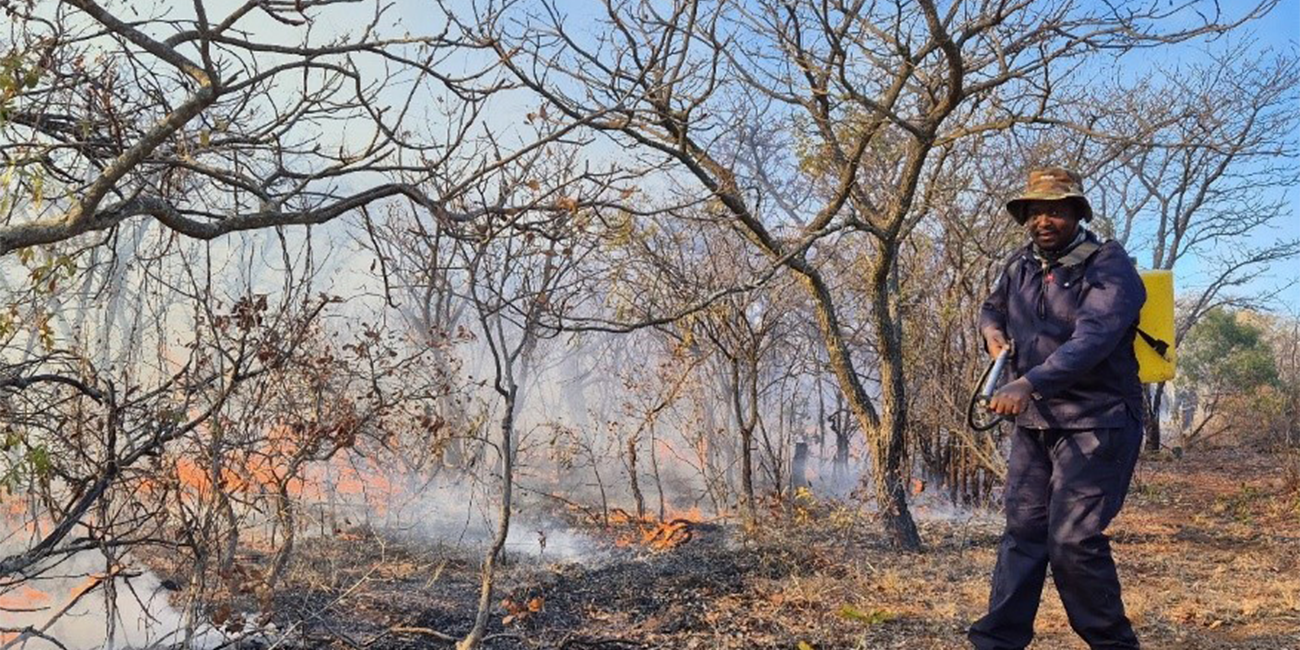
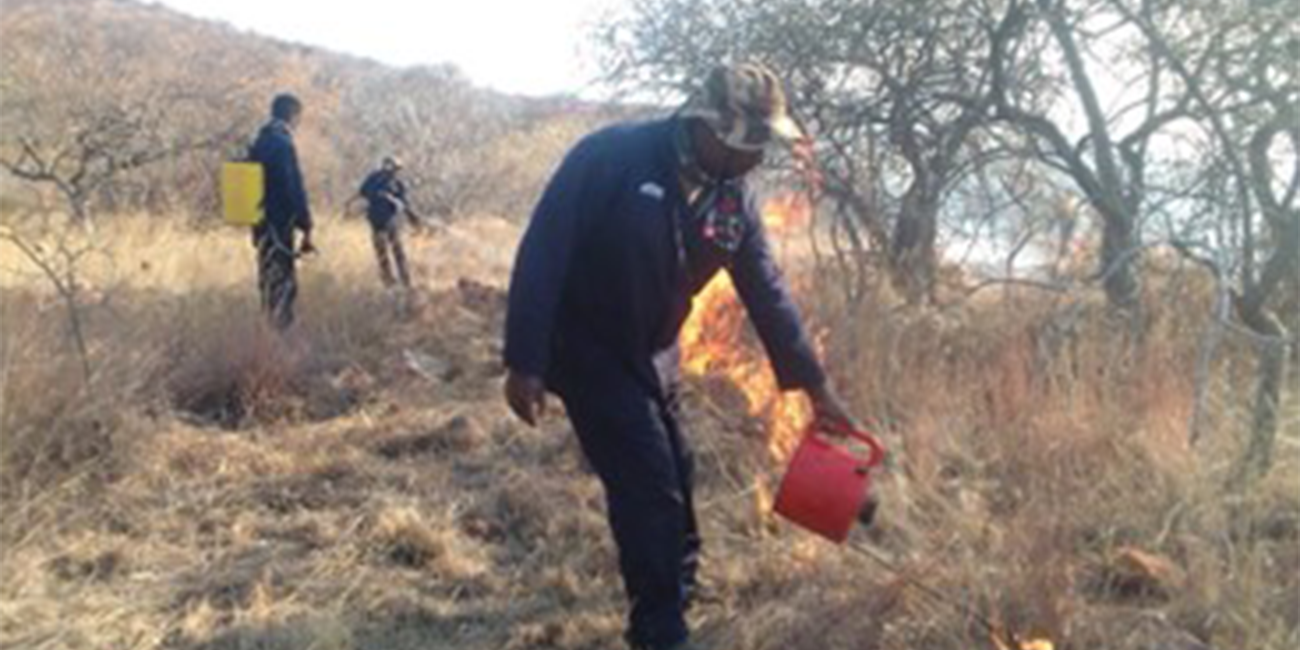
In preparation for a large (~600 ha) management burn planned for September this year, the Medike team burnt a 12 km long firebreak (with an average width of 20 m) around the block earmarked to be burnt. Firebreaks are not only a legal requirement, but will also allow us to burn the main block much more safely, posing a lower risk to the remainder of the reserve and neighbouring properties.

The management burn intends to provide improved grazing, converting the current moribund grass – which is probably about as nutritious as cardboard – into fresh, nutritious grass. In addition, the burn is also intended to open up the vegetation in general, returning its structure to a more natural, more open habitat by the remedying of bush encroachment. This will also provide additional habitat for grazers and a myriad of other species that require more open habitats. The intention is to burn the entire Medike Reserve in sections over the next four to five years, mimicking the natural fire cycle.

The SPA team burning firebreaks on Medike to safeguard vulnerable infrastructure against potential unplanned fires, and to prepare for a large management burn planned for later this year. The team did exceptionally well under often very difficult circumstances, and are now all accomplished firefighters.

  • We are grateful to Jonsson for sponsoring the fire-resistant overalls, which were tested to their max.
A familiar face greets the Endangered Wildlife Trust team during field monitoring for vulture threats

A familiar face greets the Endangered Wildlife Trust team during field monitoring for vulture threats

News from the field:

A familiar face greets the Endangered Wildlife Trust team during field monitoring for vulture threats

By John Davies, Bird of Prey Programme

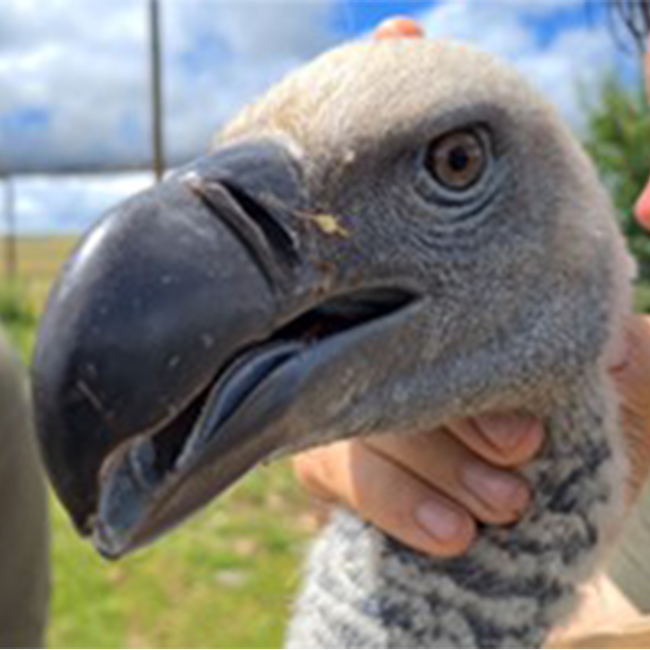
The Endangered Wildlife Trust’s Lowveld Birds of Prey team had a remarkable encounter in the Timbavati Private Nature Reserve recently. During their fieldwork, they trapped a stunning adult Cape Vulture they had previously rescued, an event made even more special given the low probability of re-trapping a ringed and GPS-tracked bird. This vulture, part of the Cape Vulture colony on the cliffs of Manoutsa west of Hoedspruit, which comprises approximately 760 breeding pairs, reconnected with the team in a significant way.

In collaboration with the University of Pretoria, the EWT team was supporting a PhD student investigating various aspects of vulture health. The student’s research focuses on diseases affecting vultures, such as Avian Influenza, Newcastle Disease, West Nile Virus, ectoparasites, haemoparasites, and cloacal microbiomes. This study is crucial as African vulture populations are rapidly declining, and smaller population sizes increase the threat of disease, a relatively understudied danger.

During this fieldwork, EWT Birds of Prey field worker Kyle Walker spotted a ring on a Cape Vulture and immediately recognized it as one of their tracked birds, named Dr Mike after the veterinarian who saved its life. Dr Mike was discovered in late 2021 at Lissataba Nature Reserve with a broken wing from a powerline collision. Thanks to Murray and Robin Reid, who managed the property, the bird was rushed to White River Animal Hospital for emergency surgery. Following months of rehabilitation at the Dullstroom Birds of Prey Centre, Dr Mike was ringed, fitted with a tracking unit, and released back into the wild on February 2, 2022.

Since his release, Dr Mike has travelled an astonishing distance of over 94,000 km, averaging 110 km a day, highlighting the vast ranges these birds cover and the space they need to thrive. Our tracking data shows he is now breeding on the Manoutsa cliffs, marking a true conservation success story.

Dr Mike’s story underscores the importance of collaboration between protected area management and conservation organizations like the EWT, alongside the invaluable rehabilitation centres in the Lowveld. Every bird counts, and without intervention, this vulture would have perished. The state-of-the-art GPS tracker fitted to Dr Mike allows us to monitor his behavior and identify threats as he soars through the African skies. It is incredible to see the data from his tracking unit as he breeds again on the cliffs of Manoutsa.

To learn more about Dr Mike’s story, visit: Cape Vulture (ewt.org.za)

African Conservation Forum in Kenya an ideal opportunity to visit EWT projects

African Conservation Forum in Kenya an ideal opportunity to visit EWT projects


News from the field: 

African Conservation Forum in Kenya an ideal opportunity to visit EWT projects


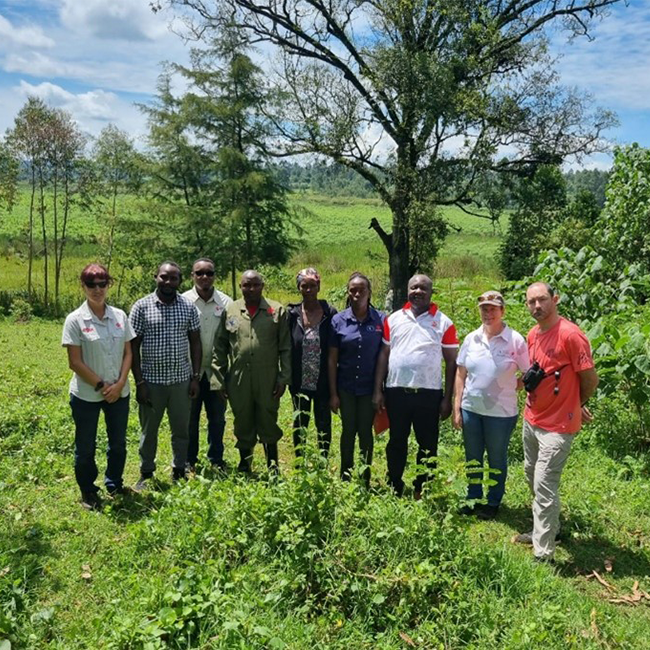
The hosting of the African Conservation Forum in Kenya at the end of June provided the ideal opportunity for the Endangered Wildlife Trust’s CEO, Yolan Friedmann, and senior officials based outside the East African country to visit some of the projects being undertaken under the banner of the International Crane Foundation / EWT Partnership.

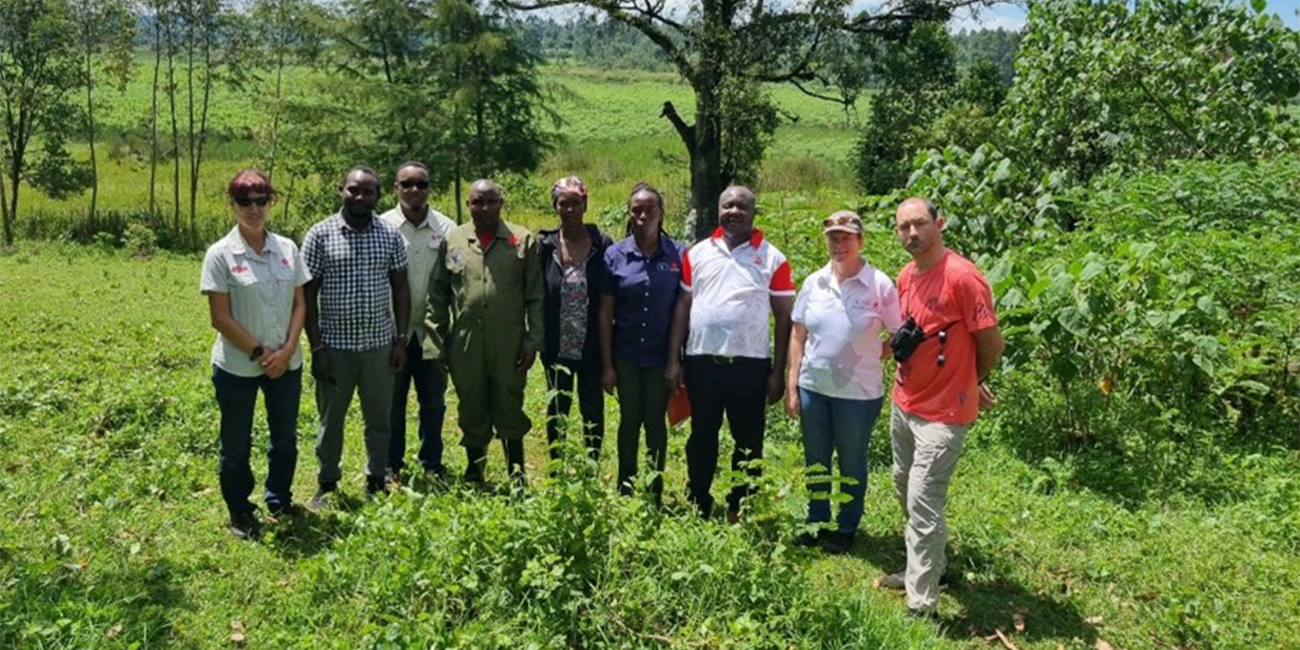
Yolan was accompanied by head of the EWT’s African Crane Conservation Programme Kerryn Morrison and Head of Conservation for the EWT, Dr Ian Little, Charles Kayijamahe, Rwanda country manager and East Africa regional Director, Dr Adalbert Aine-omucunguzi.

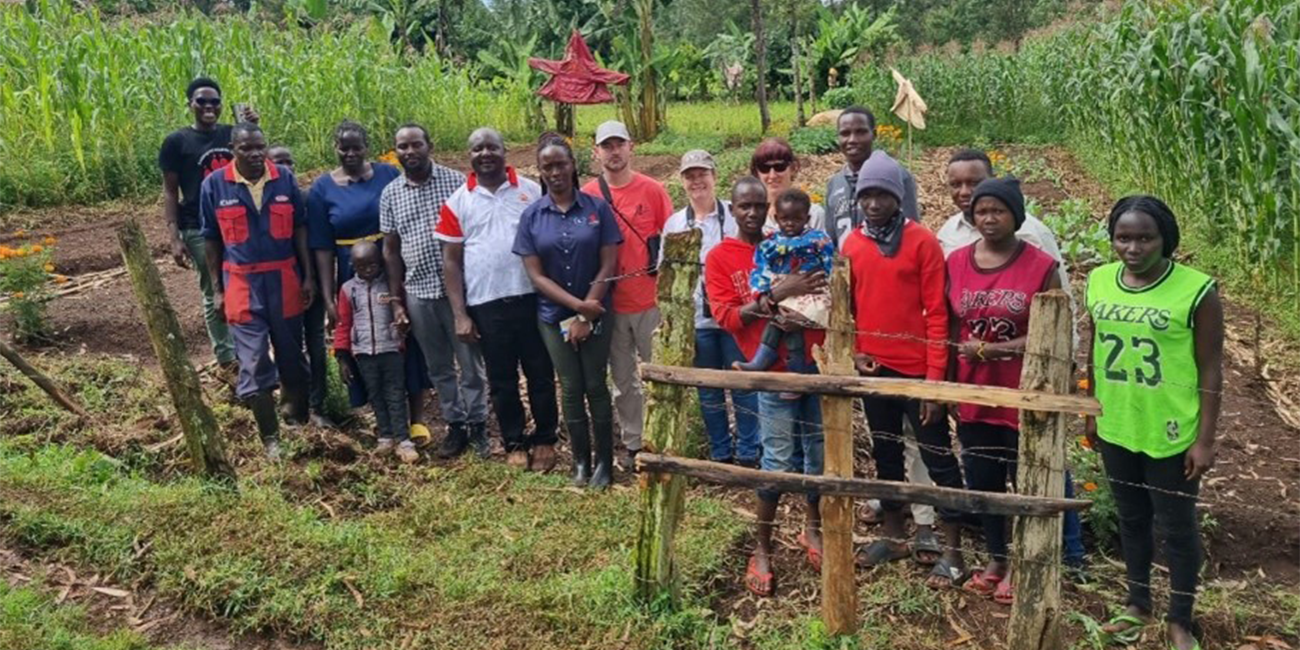
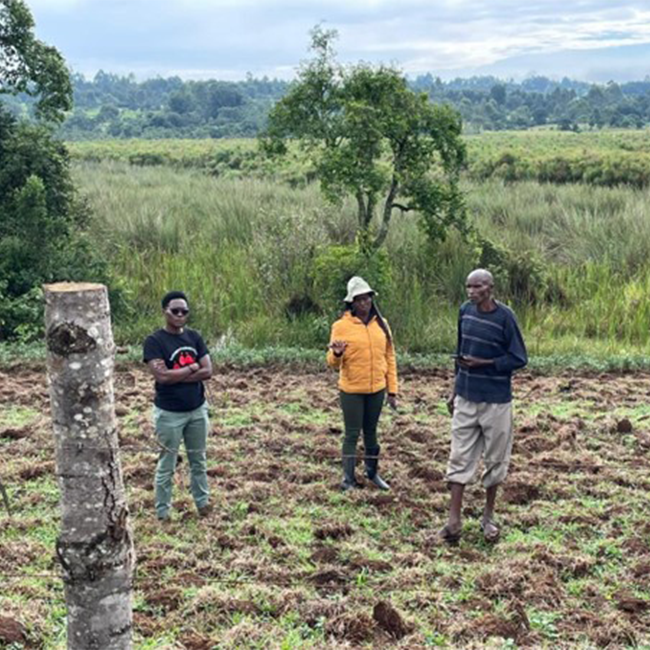
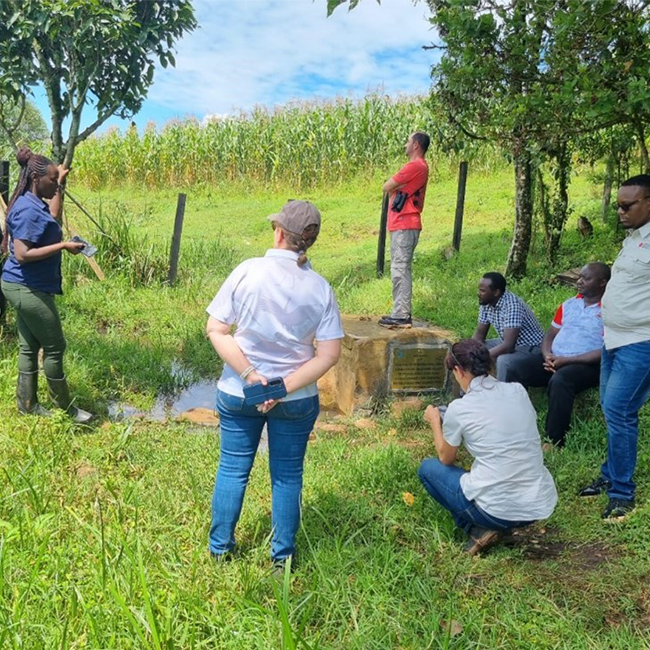
Despite the chilly Sunday morning, Yolan, Ian, Kerryn, Charles and Adalbert visited our intervention sites in Nandi County, Kenya. It was amazing to host them as they walked through the Enriched Buffer Zone, Climate Smart Agriculture and Spring Protection Sites.

They unknowingly interacted with 28 community members and 6 young kids who were excited to see them. We almost had a community Baraza quorum.

ICF/EWT is a movement that is well known in that area of Nandi,and visitors are greatly welcomed with a glass of ‘Mursik’ (fermented milk).

The team also visited Homa Bay on Lake Victoria and landscapes in and around the city of Kisumu.

It was impressive to see the work being done on the ground and to speak to the teams working in these areas. It is nice to see our strategies being implemented and coming into place. The scale of work does have a massive impact on communities who are benefiting in various ways. Recent reports show that farming productivity is now seven times more productive than mono-culture and farming within the wetlands. Because it is now easier for communities to farm, they are earning an income and are healthier because of improved nutrition.

One of our meetings with community members was at the Manor House Agricultural Centre which specialises in regenerative agriculture and they have offered free slots for community members to be trained. One of the members we visited graduated last year and is now training other farmers in his community.

On a conservation note: Kerryn managed to spot a pair of Banded Cranes booming in a flock in Baratton University. This is the first record we have in Nandi and possibly in Kenya.


Following the African Conservation Forum, senior EWT and ACCP not based in Kenya were shown several projects by in-country managers and teams to highlight the work being done to enhance sustainable agriculture, conserve water resources and restore buffer zones and, ultimately, save threatened crane populations.

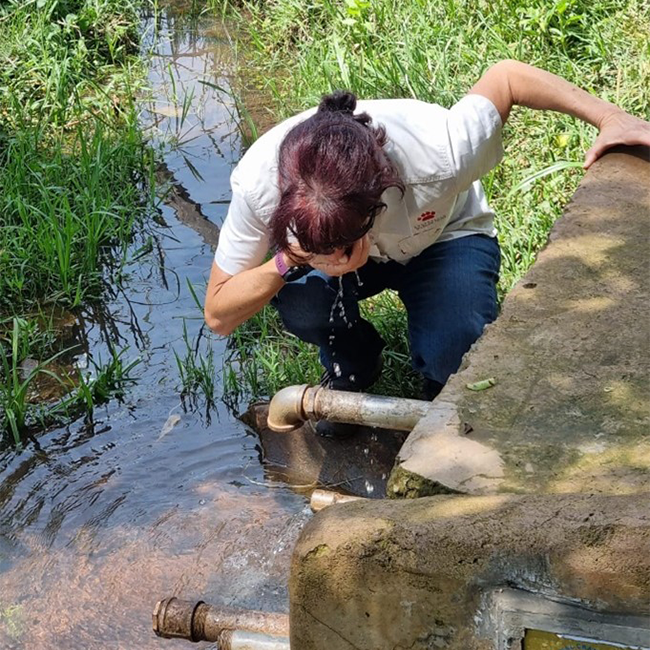
EWT CEO Yolan Friedmann quenches her thirst at a Spring Protection Site

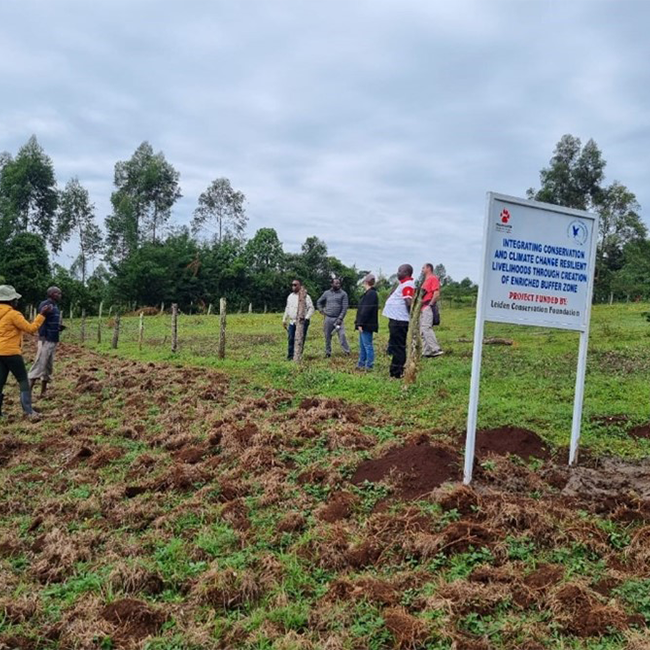
Buffer zone being created by the EWT/ICF

Fantastic work being done by the ICF-EWT team in Nandi county, western Kenya. Restoring wetlands for cranes and the environment

Visiting protected protected sites

Towards Harmonising Agriculture with Nature and Adapting to Climate Change in the Western Soutpansberg

Towards Harmonising Agriculture with Nature and Adapting to Climate Change in the Western Soutpansberg


Towards Harmonising Agriculture with Nature and Adapting to Climate Change in the Western Soutpansberg

By Jenny Botha, People in Conservation


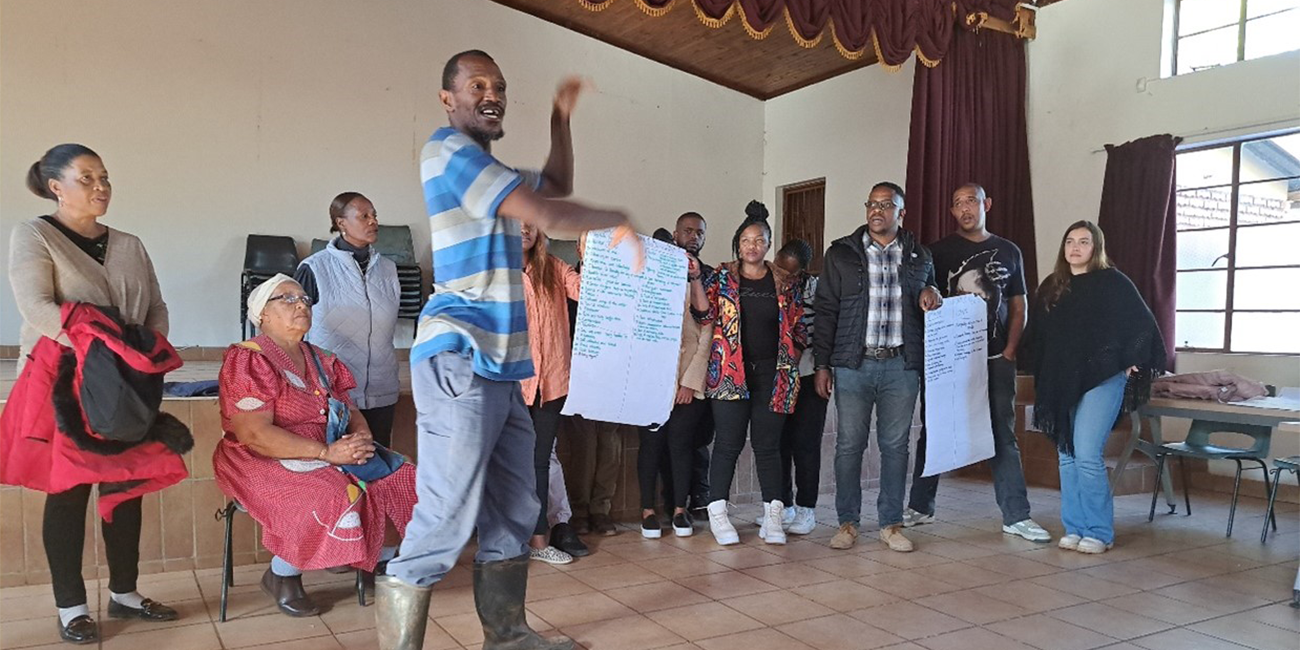
“Inspiring”, “Transformative”, “Life changing” This was just some of the feedback we received from students from the University of Johannesburg and vegetable farmers and growers who participated in a 1½ day workshop that we held in Buysdorp, Western Soutpansberg in June 2024.

In partnership with the University of Johannesburg (UJ), the Endangered Wildlife Trust (EWT) hosted a workshop for vegetable growers from Buysdorp to share ideas and learn more of the ways that local growers are adapting to climate change and a fast-changing world. The Limpopo Department of Agriculture and Rural Development also attended and contributed to the workshop.

Entitled “Adapting to climate change and improving our health and our environment through the sustainable cultivation of nutritious vegetables in Buysdorp”, the workshop provided a platform to enable us to learn more about the current vegetable farming practices in the area and ways that growers are adapting to the increasing variability in climate, as well as other human pressures.

The workshop also enabled 26 South African and international Environmental Management students from Rwanda, Chile, Italy, Zimbabwe, Eastern Europe, and the United States, under the supervision of Dr Lee-Ann Modley, a Senior Lecturer at UJ, to share experiences with the community and learn more about the rich cultural heritage of this area. In preparation for the workshop, the EWT’s People in Conservation Specialist, Jenny Botha, provided the group with training to enable them to facilitate and contribute actively to the facilitation of the workshop.

The Buysdorp community has been living on their land in the Western Soutpansberg since the 1800’s. The area is rich in plant and animal diversity, and the tightly knit community is justifiably proud of their efforts to contribute to the conservation of the area, including the quality of their water. The community has established systems to manage this precious resource, which is vital in a country where water demand far exceeds supply. Similarly, although Buysdorp has been able to maintain its fertile soils so far, in other parts of the Soutpansberg, soil quality has deteriorated through unsustainable agricultural practices.

Farming alongside nature is not without challenges, particularly as wildlife habitats are increasingly transformed or degraded by human activities. In the Soutpansberg, monkeys, antelope, and porcupines often destroy crops while leopards occasionally kill livestock. Various strategies are in place to curb leopards from killing livestock, including encouraging livestock owners to kraal them at night, but non-lethal management of monkeys and similar animals is harder. In Buysdorp, termites also pose a substantial risk to crops and infrastructure.

The workshop was a first step in exploring possible opportunities for Buysdorp vegetable growers to share learning and experiences, and identify gaps and opportunities so that they can adapt to climate change and continue producing nutritious, high-quality vegetables in this beautiful mountainous area, working alongside nature for the benefit of current and future generations. Different community members have different aspirations and needs, with some wanting to plant reliable crops to provide their families and others in the community with nutritious, locally available food, while some farmers are already producing commercial crops. Community participants identified a range of actions to take the process forward, including seeking funding for training in more sustainable agricultural practices, improving soil and water management, and reducing human-wildlife conflict.

In addition to the enriching sharing and learning experience for all of us, the workshop has provided a sound foundation for us to explore pathways to conserve our natural and cultural heritage in the Soutpansberg and build and maintain sound ecosystems and natural processes that support people in their livelihoods.