
Cultivating a Greener Future Through Sustainable, Conservation-Compatible Agriculture
By Mukundi Mukundamago, Socio-Ecologist: Sustainable Living Lands, People in Conservation
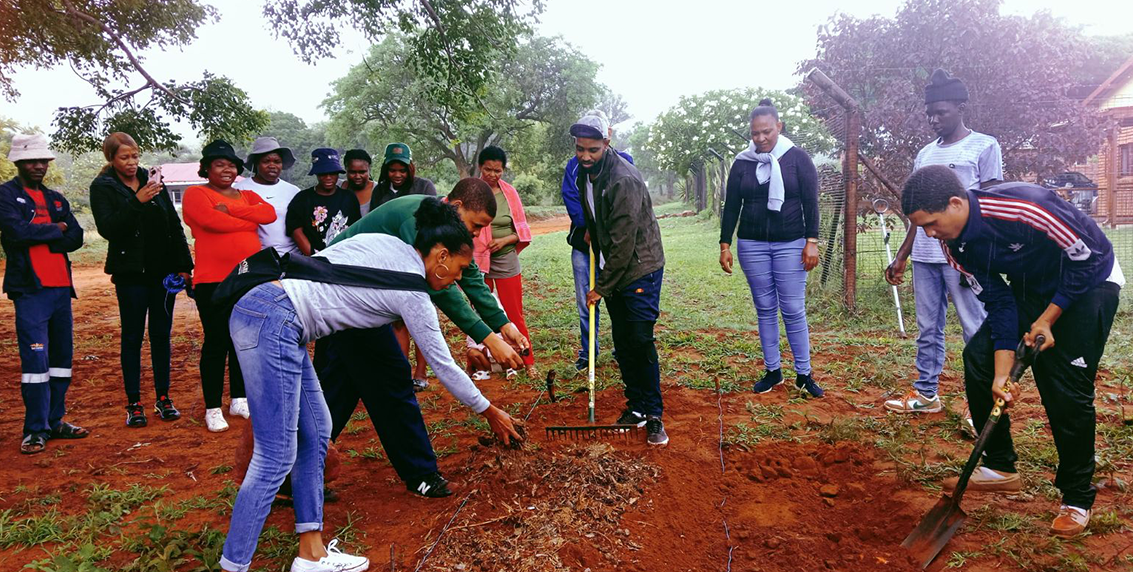
Sometimes meaningful environmental change begins when people gain the confidence, skills, and tools to care for the land they rely on every day. This zeal guided the Endangered Wildlife Trust’s recent community training in sustainable, conservation-compatible agriculture – an initiative designed to strengthen the capacity of Community Property Association (CPA) beneficiaries and other community members to manage their land in ways that support both people and nature.
The five-day training workshop brought together 52 participants from the Western Soutpansberg for practical, hands-on learning focusing on key aspects of sustainable agriculture. These include health, composting, water management, agroecology principles, and planning approaches that support healthier ecosystems. Blending introductory theory with practical demonstrations, enabled participants to test ideas immediately and gain confidence through doing.
Youth involvement stood out throughout the week. A total of 33 young women and actively engaged in discussions and practical activities, showing a strong interest in taking up land stewardship roles within their communities. Their participation demonstrates a growing commitment among younger generations to strengthen local food systems and support conservation-compatible land use. This was strengthened by the participation of elders, creating a perfect blend and a good platform for intergenerational knowledge exchange that is set to blossom in the next few months ahead.
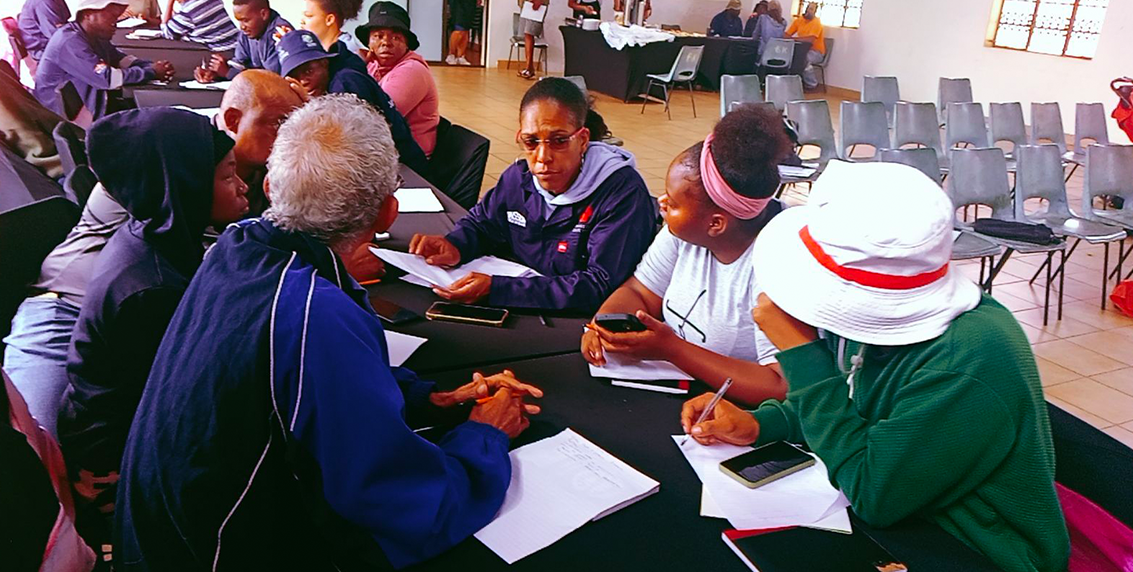
Group discussions saw participants reflect on broader community realities, including the high levels of unemployment, the limited opportunities available to young people, and the family and social challenges created when youth leave for cities. A lack of training and market access, they said, often left young people vulnerable to exploitation and unable to fully develop their livelihoods.
A key discussion centred on the shared “aggregator” model – one centred around a community hub that could combine a communal or rented farm, shared equipment, a packhouse, business and computer centres, and practical training spaces. Such a hub, they explained, could improve bargaining power, support post-harvest processing and distribution, and offer modern training technologies.
Another important topic raised was the need for strong record keeping and clear business planning, with a recognition that the keeping of accurate records helps track progress, identify challenges early, and support decision-making. Developing business plans and understanding local markets were also highlighted as essential steps for those looking to grow beyond subsistence. On a practical level, participants did soil sampling and testing, explored water-efficient irrigation techniques and built demonstration garden beds. They also learned compost-making techniques suitable for local conditions.
To support immediate action, each participant received a set of essential agricultural tools -including a steel rake, 4 prong digging fork, spade, and access to a panga and/ or hand grass slasher to start preparing their garden beds. Seed and seedling starter packs will be distributed in early 2026 to kickstart the first planting season of the year.
The training marks the start of a longer-term journey. A structured mentorship programme is in place to ensure continued support through ongoing technical support designed to help participants deepen their understanding and refine their approaches. Mentors based in the region will visit communities regularly to monitor progress, help address challenges, and offer practical guidance as participants put their training into practice.
** This initiative was supported by Go2Africa