Join the EWT’s Giving Tuesday Online Auction. 1-3 December 2025. 

JOIN THE EWT’S GIVING TUESDAY ONLINE AUCTION.
1-3 DECEMBER 2025.

Conservation, Cricket and Youth Development

Conservation, Cricket and Youth Development

Conservation, Cricket and Youth Development

By Joseph Razwinani, Medike Nature Reserve and Hospitality Manager


Community upliftment through cricket and conservation at Medike Nature Reserve

Left: Joseph addressing members of the local leadership, community and future cricketers. Right: cricket beneficiaries


At the end of August, a significant cricket development initiative was officially launched for underprivileged rural communities located adjacent to the Medike nature reserve.

This landmark programme is a collaborative effort between Cricket South Africa (CSA), the National Youth Development Agency (NYDA), and the Endangered Wildlife Trust’s Medike Nature Reserve. The initiative directly helps to reduce poverty, develop skills, and empower young people. This fits well with the EWT community outreach programme and government aims for service delivery, social unity, and giving youth valuable job skills.

The core objectives extend beyond cricket. It also aims to link sports development with conservation, eco-tourism, and broader community upliftment. Beyond job skills, it tackles unemployment directly and offers ways to avoid social problems like substance abuse and crime, while we get to expose the youth to an alternate, healthy environment on Medike.

Cricket SA has established 70 hubs countrywide, and one of its hubs is in the three villages adjoining the Medike nature reserve—Midoroni, Maebani, and Tshikhwarani.  CSA has committed R630,000 in stipends for the EWT hub over a six-month period. Each of the 75 beneficiaries, who are unemployed youth between the ages of 18 and 35, receives a monthly stipend of R1,400.00.

The beneficiaries will be trained in umpiring and scoring alongside additional skills like administration, computer literacy, electronic reporting, payroll management, event organisation, and problem-solving.

The EWT and CSA will continue identifying training needs for beneficiaries and educate them about the importance and value of the biodiversity in the Soutpansberg region.

Interestingly, three beneficiaries, Andani Mahanelo, Dungelo Maliaga and Portia Maliaga, who had earlier been trained by PIC as Health and Safety representatives, have been absorbed into the cricket initiative as first aiders, helping to develop their skills as they give back to the local community.  Another five beneficiaries who have shown an interest in eco-tourism joined Catherine Vise, Soutpansberg Protected Area manager, on a training hike during the weekend.

During the launch, the EWT highlighted the significance of linking cricket and the youth with conservation, positioning the initiative as a unique model for rural development.

The local ward councillor, Ishmael Madimabi, commended the programme’s potential in combating unemployment and substance abuse among young people. He also acknowledged the role of the EWT in attracting partners such as CSA to uplift local communities, and pledged his support to work with Medike Nature Reserve to improve the access road to the reserve to further enhance tourism potential. Traditional leaders endorsed the initiative and committed to overseeing its implementation at the village level.

CSA has undertaken to build modern cricket facilities at Midoroni village next year. This will allow them to host inter-provincial matches, which will bring visitors and help expand the local tourism economy. CSA aims to take on 450 beneficiaries from across the country to become trainers for new participants in this programme. This will create lasting jobs and ensure the continued use of the skills learnt.

This all-round approach, which relies on strong teamwork between CSA, local traditional leaders and the EWT, uses sport development not just for fun; it is a powerful way to improve the communities economically while conserving the environment, making it a unique model for transforming rural areas.

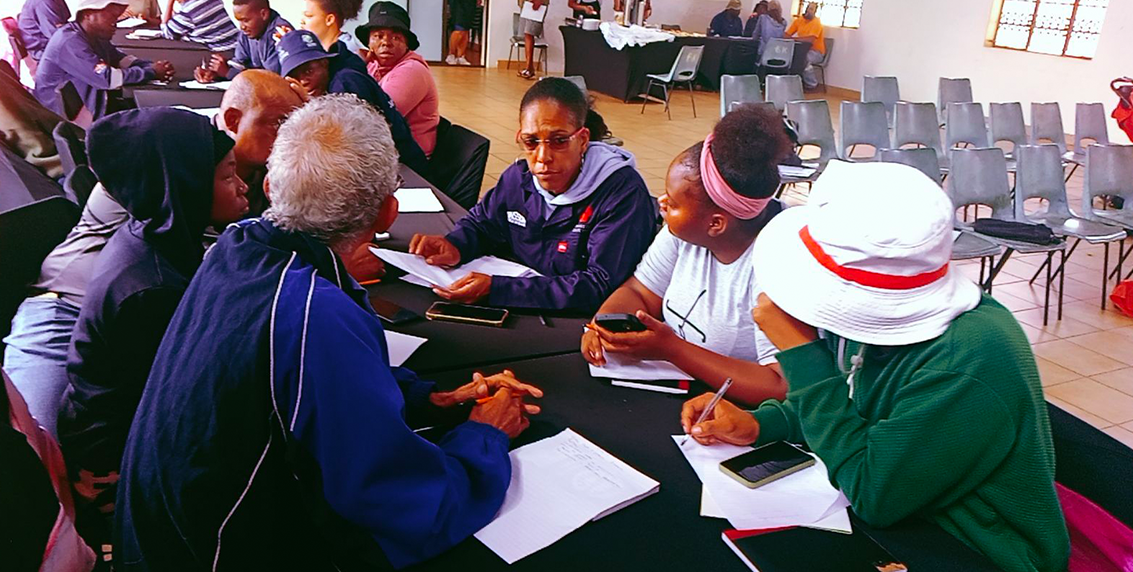
Conservation and youth development project linking cricket with biodiversity education

Cricket Initiative Group

First Conservation Servitude Wholly Initiated by the EWT Registered in the Northern Cape

First Conservation Servitude Wholly Initiated by the EWT Registered in the Northern Cape

First Conservation Servitude Wholly Initiated by the EWT Registered in the Northern Cape

By Zanne Brink, Drylands Strategic Conservation Landscape Manager
 

Northern Cape biodiversity conservation through Lokenburg Conservation Servitude

The first Conservation Servitude initiated by the Endangered Wildlife Trust has been registered in the Northern Cape.

The registration of the Lokenburg Conservation Servitude is to ensure the long-term protection of, particularly the Speckled Dwarf Tortoise, its habitat and the associated biodiversity on a farm that has been occupied by the same family for six generations.

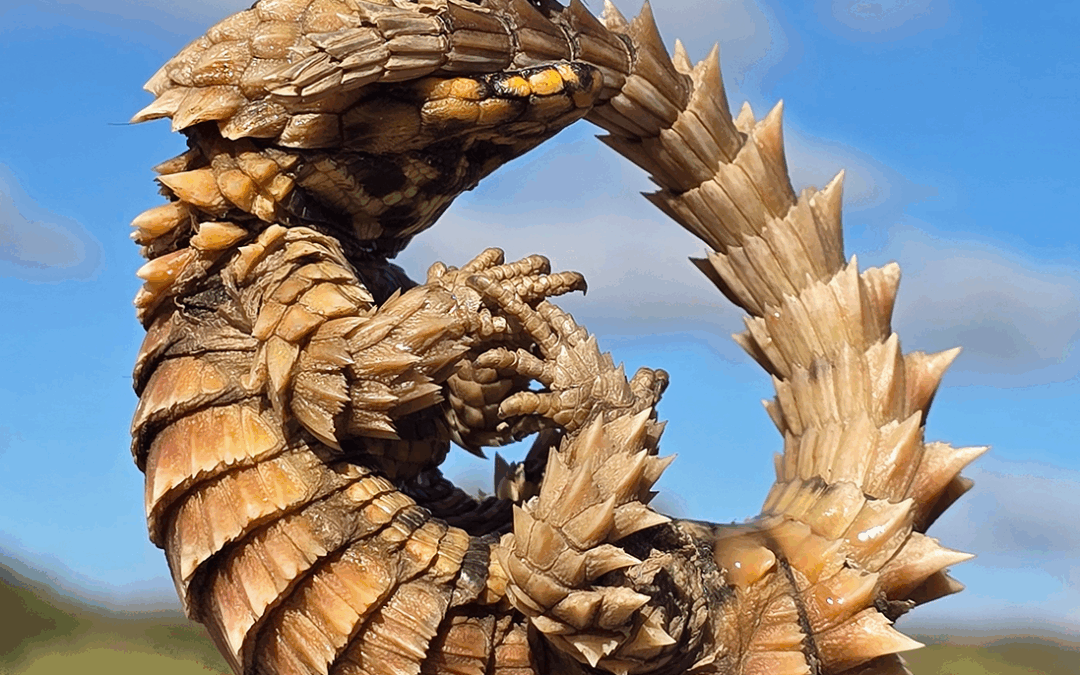
The protection of dwarf tortoises is critical, especially because they occur in very specific habitat types along the West Coast of South Africa, inland to Namakwaland, and while this is a large area, they actually only occur in a few tiny remnant patches of critical habitat.

Lokenburg is situated in the district of Nieuwoudtville, widely known for its unique vegetation and springtime floral splendour. The farm is unique in two respects. It was the first farm in the area to receive Title Deeds in 1774, and it is the only farm to host a dwelling built by each one of the six generations that have lived on the property.  Situated in the Bokkeveld, an area previously known for its large Springbok population, the working farm boasts a large variety of plant species.   The owners, Nelmarie and Herman Nel, farm sheep, cattle, and rooibos tea.

It is a farm with a rich history, with numerous explorers traversing the area and documenting the rich soils and the associated fauna and flora since the mid-1700s.  The late Francois Jacobus van der Merwe (the owners’ great-grandfather) was the only one of the four van der Merwe children whose land has remained intact for his descendants. This favoured the family and ensured that the land has been occupied by the same family for six generations, all of whom have always prioritised the conservation and preservation of their area because of their love of the land.

Lokenburg is situated in the winter rainfall region and lies in the transition zone between the Fynbos and Succulent Karoo Biomes.  This makes the farm remarkable from a botanical point of view as it is also straddled by no less than four Bioregions: the North-West Fynbos Bioregion, the Western Fynbos-Renosterveld Bioregion, the Karoo Renosterveld Bioregion and the Trans-escarpment Succulent Bioregion.

Succulent Karoo Biome biodiversity at Lokenburg Conservation Servitude

The Succulent Karoo Biome, which boasts the richest abundance of succulent flora on earth, is one of only two arid zones that have been declared Biodiversity Hotspots.  The biome is home to over 6,000 plant species, 40% of which are endemic, and another 936 (17%) are listed as Threatened. This biodiversity is due to massive speciation of an arid-adapted biota in response to unique climatic conditions and high environmental heterogeneity. Lokenburg lies on the eastern edge of the Succulent Karoo Biome, within the Hantam-Tankwa-Roggeveld Subregion.

A working farm, it boasts a variety of plant species, including Iris and Ixia, as well as five springs that support the owners,  Nelmarie and Herman Nel and their son, Eduard, who farm sustainably with sheep, cattle, and rooibos tea. A more recent addition to their farming practices has been an entrance to the essential oil industry as a result of their great passion for the medicinal value of our indigenous flora.    In 2023, the owners became members of the South African Essential Oil Producers and offer products in support of indigenous essential oils, some of which are produced on the farm, such as Lavandin. Their vision is to further expand the essential oil enterprise to make it sustainable and economically viable for the benefit of the community and environment.

Over the years, the family has aimed to preserve their land for future generations through sustainable farming practices alongside the preservation of the rich biodiversity found on their land.  This has been enabled through the implementation of a Biodiversity Servitude, which ensures that the owners are not just farmers but also stewards of conservation. Through this, they can make a positive contribution to the community, economy, and environment through this step.

Sustainable farming and biodiversity protection at Lokenburg farm

Left: Lokenburg Lavender Harvest.

This Servitude has been registered across the Lokenburg farm. Specific conservation management areas have been designated within this area—a collaboration between the landowners and the EWT—and where targeted management actions and development restrictions will be in place. Additional, species-focused, conservation actions will also take place across the broader landscape and include management of the Pied Crow (Corvus albus) populations in the area, which are unnaturally high and, through excessive predation, are driving the tortoise populations to extinction.

The primary strategic management taken for the Servitude has been encapsulated in the Lokenburg Biodiversity Management Plan (LBMP).  This plan also informs the need for specific conservation actions and operational procedures, providing for capacity building, future thinking, and continuity of management, enabling the management of the Servitude in a manner that values the purpose for which it has been established. Additionally, it ensures, through collaboration, that no detrimental forms of development or agricultural activities, will take place within the designated focal areas. Key to the management plan is the conservation and protection of Chelonians (includes all tortoise and terrapin species).  These are one of the most imperilled vertebrate groups, with over 60% of the world’s 357 known species threatened with extinction. Nine of the 13 southern African tortoise species are found in the arid Karoo region where they face multiple threats, including habitat loss and degradation, predation, illegal collection and in fire-prone habits, uncontrolled fires.

This farms rich biodiversity sustains numerous other Species of Conservation Concern (SoCC) including numerous classified as Threatened in the IUCN Red List of Threatened Species.  Among these are a number of bird and plant species, such as the Non-Threatened Tent Tortoise (Psammobates tentorius) and Karoo Korhaan (Eupodotis vigorsii), and Vulnerable Species such as the Secretary bird (Sagittarius serpentarius), Southern Black Korhaan (Afrotis afra) and Verreaux’s Eagle (Aquila verreauxii), as well as the Endangered Ludwig’s Bustard (Neotis ludwigii) and Martial Eagle (Polemaetus bellicosus).

As stewards of our land, we work together to ensure long term sustainable agricultural conservation to the benefit of humans and species.  We look forward to our path together to conserve ecosystems and landscapes.

EWT and Nel family collaboration for Lokenburg Conservation Servitude

Top left: Lokenburg Family

**  The EWT’s work to secure the registration of the Lokenburg Conservation Servitude was made possible by IUCN NL, the Ford Wildlife Foundation and the Nel family.  

Wings and Wind: Tracking Birds to Guide Safer Wind Energy Development in Mpumalanga

Wings and Wind: Tracking Birds to Guide Safer Wind Energy Development in Mpumalanga

Wings and Wind: Tracking Birds to Guide Safer Wind Energy Development in Mpumalanga

By Matt Pretorius, Project Manager Wildlife & Infrastructure
 

Mpumalanga Province is emerging as a key area for wind energy development in South Africa.

As the country accelerates its shift towards renewable energy and gradually moves away from coal, the demand for suitable locations to build new wind farms is growing rapidly. However, some of the areas with the best wind resources in Mpumalanga are also home to threatened bird species that are prone to collisions with wind turbines.

South Africa’s energy system is under pressure. Many coal-fired power stations are old and due to be decommissioned, while past delays in the completion at large-scale power projects like Kusile and Medupi made it difficult to meet rising electricity demand. Although load-shedding has become less frequent, the need for alternative energy sources remains urgent. With other wind-rich areas reaching grid capacity, developers are now turning to Mpumalanga for new opportunities.

At the same time, conservationists have raised concerns about the impact of wind turbines on birds. Some species are particularly vulnerable to collisions with turbines, as highlighted in the recent ‘Summary of Bird Monitoring Reports from Operational Wind Energy Facilities in South Africa’ by BirdLife South Africa. Some of these species of conservation concern in Mpumalanga are endemic to the region and are listed in the 2025 Regional Red Data Book of Birds of South Africa, Lesotho and Kingdom of Eswatini (Red Data Book – BirdLife South Africa).

To address this issue, the Mpumalanga Department of Agriculture, Rural Development, Land and Environmental Affairs (DARDLEA) appointed the Endangered Wildlife Trust (EWT) in 2024 to undertake the Mpumalanga Bird Flyways Research Project. This collaborative initiative, led by DARDLEA, also involves the Mpumalanga Tourism and Parks Agency (MTPA) and Birdlife South Africa (BLSA). The aim of the partnership is to gather essential data on bird movements to understand the flyways and flight patterns of birds of conservation concern in Mpumalanga in order to ensure informed decision making with regards to renewable energy projects in the province—in particular wind energy facilities.

The project involves fitting lightweight GPS tracking devices to 12 priority bird species that are particularly susceptible to colliding with wind turbines. These include Greater and Lesser Flamingos, Martial Eagle, Cape Vulture, Jackal Buzzard, Grey Crowned Crane, Blue Crane, Wattled Crane, Blue Korhaan, White-bellied Korhaan, Denham’s Bustard, and Secretary Bird. Notably, three of these species—the Blue Korhaan, White-bellied Korhaan, and Denham’s Bustard—have never been tracked before, and several others have not yet been tracked in Mpumalanga.

Since the project began in September 2024, 15 birds have been fitted with GPS tags, including seven Jackal Buzzards, four Greater Flamingos, two Blue Korhaans, and a Cape Vulture. These devices are already providing valuable insights into bird behaviour, revealing not only where species move, feed, and breed, but also bird flight path patterns indicating heights and patterns that these birds are following when in flight. Some species, such as Blue Korhaans, appear to remain within small home ranges, while others, such as Flamingos and Buzzards, travel widely between provinces.

These data will be used to map regular flyways and flight paths, as well as home ranges, and be used to develop detailed species-specific sensitivity models. These tools may also help decision-makers and developers avoid high-risk areas when planning new wind energy projects.

Some mitigation strategies are already being explored, such as Shutdown-on-Demand (SDOD) systems that temporarily stop turbines when birds are detected nearby. However, these systems have limitations. For example, many Flamingos fly mainly at night, and most existing SDOD systems are not capable of identifying nocturnal flights.

The Mpumalanga Bird Flyways Research Project is a groundbreaking initiative as it is the first state-funded project of its kind in South Africa. Hopefully it will serve as a model for other provinces to follow. By combining scientific research with conservation planning, the project is helping to ensure that the country’s renewable energy future does not come at the cost of its rich and irreplaceable birdlife.

Saluting Rangers across the World

Saluting Rangers across the World

Saluting Rangers across the World

By Eleanor Momberg, EWT Communications Manager
 

Armed with years of experience and a lifelong passion, rangers are the boots on the ground at the forefront of conservation.

Because they spend their entire working day – and often longer – in the field, they are the eyes and ears of management. This means they are often the first to detect unauthorised entry into a protected area by poachers, medicinal plant harvesters, or even just inquisitive persons. They are also often the first to detect wildlife diseases or other potential issues, and are integral to monitoring and maintaining infrastructure such as artificial water points and pipelines.

Rangers are integral to the daily running of any protected area, and their daily tasks are as varied as apprehending poachers, burning firebreaks to safeguard infrastructure, assisting with management burns to achieve specific ecological goals, controlling alien plants, and guiding guests to ensure an absolutely unforgettable visit to nature, among a multitude of other tasks.

On 31 July, rangers across the globe take a moment to remember and pay homage to colleagues who have lost their lives in the line of duty. This year, the pause is to honour 175 colleagues in 41 countries who lost their lives in the last 12 months. 

The theme for World Ranger Day 2025 is “Rangers, Powering Transformative Conservation.” It is a reminder, says the International Ranger Foundation, that rangers are not only protectors, but changemakers.

“They are essential to achieving the world’s biggest conservation goals — from the Sustainable Development Goals to Target 3 of the Global Biodiversity Framework: protecting 30% of the planet by 2030,” says the Foundation.

Although rangers typically work in protected areas where their primary focus is conservation, law enforcement and wildlife management, the Endangered Wildlife Trust (EWT) rangers have a different, added, task – restoring the habitats needed for species and people to survive, protecting cultural heritage, and ensuring that the impact people have on the environment does not affect the ability of communities to benefit from their natural surrounds.  

Additionally, rangers’ work has become more holistic, and has seen the introduction of new technologies into their daily routines.  This includes the use of drones.  

Many rangers emanate from communities adjoining, or in close proximity to, the protected areas in which they work. As such, they are ambassadors for conservation – teaching children and adults alike why it is important to conserve both plants and animals. Rangers are a key resource with which to engage communities, ensuring that communities’ voices are also heard and, together with the protected area management, ensuring that common ground can be found and that protected areas and communities can find a mutually beneficial way forward.

As agents of transformation, rangers also look to the future addressing issues such as climate change in community education drives, highlighting the need to mitigate, and adapt to, a changing environment.  

Among the rangers at the EWTs Medike Reserve in the Soutpansberg is Shumani Makwarela, a field guide in the Savanna Strategic Conservation Landscape. He says his work largely entails protecting the biodiversity of the Soutpansberg.  “I also assist to clear alien plants and then do game counts,”  he says.

The Soutpansberg, a recognised as a Centre of Endemism and Key Biodiversity Area, is also a Strategic Water Source Area for both ground- and surface water.  To address the threat of alien invasive species, a team of rangers has been working for the past seven years to remove invasive alien trees from wetlands and mountain catchment streams. 

This has required weeks of work on-site, often camping in remote locations away from their families. Many of these invasive tree strands were in extremely inaccessible areas, making the work even more challenging. Despite these difficulties, our rangers have successfully cleared over 60 hectares of Eucalyptus and Black Wattle from remote mountain areas, resulting in an estimated 30 million litres of water being replenished to the environment annually.

As part of the project, rangers have received training in invasive plant management and received accredited qualifications in First Aid, Herbicide Application, and Intermediate Chainsaw Operation.

But, EWT rangers are not limited to people.  Among these are our vulture “rangers” who, through the use of cutting edge GPS-tracking technology, assist in the location of poisoning events in order to dramatically reduce further wildlife loss, save surviving animals, and enable law enforcement to act quickly.

The Canine Conservation rangers not only work in protected areas to combat rhino poaching, but also support the police, national and provincial environmental authorities to detect illegally traded wild species of plants and animals.  In recent months, our dogs and their handlers have searches hundreds of vehicles for illegal succulents and reptiles at roadblocks, used their noses to sniff out weapons and ammunition and other illegal wildlife products at the entrances and exits to games reserves, searched thousands of parcels and detected numerous snares.

Rangers are an important cog in the business of conservation, and this International Ranger’s Day we salute the vital role that rangers play in the conservation of our natural heritage.


Poison workshop brings stakeholders together

Poison workshop brings stakeholders together

Poison workshop brings stakeholders together

By Lara Fuller, ACCP Drakensberg Coordinator, EWT/ICF partnership
 

The African Crane Conservation Program (Endangered Wildlife Trust/ International Crane Foundation Partnership) Drakensberg project is uniquely placed in the foothills of the majestic mountains of the Eastern Escarpment.

The Great Escarpment is a significant geographical feature characterised by high cliffs, steep slopes and higher inland plateaus. It separates the higher interior plateau from the lower narrow coastal strip and is an area of high biodiversity and endemism, and equal cultural diversity.

Across this landscape there are a range of focal species and non-focal species that are impacted by poison incidents or background chemical toxicity. Further to this, there are underlying health risks to human well-being associated with the illegal use of chemicals. This discipline is an understudied topic and is a very complex space to work in.

Recently, my colleague Samson Phakathi and I were invited by the Ezemvelo KwaZulu-Natal Honorary Officers (a dedicated group of volunteers committed to support EKZN Wildlife provincial Wildlife Authority) to present a wildlife poison mitigation workshop.

The three-day workshop aimed to educate attendees on the signs of wildlife poisoning, personnel protection, what action should be taken and how to collect evidence for a criminal case. The more than 40 attendees included representatives of NPO’s, KZN Wildlife Honorary officers, professional forensic experts, and Environmental Management Inspectorate members (EMI), and a couple of former law enforcers. It served as a refresher to some individuals, but the majority were there to hear about the impact of poisoning on wildlife for the first time.

As always in conservation it is paramount to ensure that the correct individuals are working together for the benefit of our landscape. Connecting individuals from diverse backgrounds is not always easy, but it is necessary for conservation success. Besides hosting a social event as a means of building working relationships, local wildlife rehabilitation centre, FreeMe, demonstrated how to respond to live wildlife poison cases, and the importance of handling during poisoning cases.  Investipol, a professional investigation and spill response unit, shared their knowledge and experience, while the Ezemvelo KZN Wildlife officials discussed the difficulties of implementing existing laws.

The outcomes of this event were multi-dimensional and included the expansion of the poison response team, new connections made for long-term collaboration, a greater understanding of localised community poisoning events and a direction to raise awareness about the incorrect use of chemicals. From this event two more workshops were requested in Northern and Central KZN.  We are grateful to every individual who participated and we look forward to seeing the difference in our landscape. 


** The EWT would like to thank the Paul King Foundation and N3tc for their support.

Njozi’s Great Escape:  Safely Back at Rietvlei Nature Reserve

Njozi’s Great Escape: Safely Back at Rietvlei Nature Reserve

Njozi’s Great Escape: Safely Back at Rietvlei Nature Reserve

By Eleanor Momberg, Communications manager, EWT 
 

On 3 June, Carnivore Conservation Unit manager Derek van der Merwe offered the Endangered Wildlife Trust’s assistance to recapture well-known female cheetah, Njozi, who had left the confines of the Rietvlei Nature Reserve in Pretoria and had undertaken an unexpected adventure in Gauteng.

The lone resident Cheetah at Rietvlei, Njozi had left the confines of the reserve on 2 June, and it was after attempts to return her to Rietvlei that Derek had called the Rietvlei reserve management and offered the EWTs assistance to bring her home.

Njozi’s tracking collar was probably her saving grace as reserve staff were able to monitor her movements until help could arrive. During the day on Monday she had travelled 18km towards Bapsfontein.  On Monday night she travelled more than 15km towards Kameelzynkraal where Derek and a team including a wildlife vet, City of Tshwane and Rietvlei Nature Reserve officials, managed to safely recapture her, thanks to landowners Clarissa de Bruto, Monique Venter and Johan Lottering.

Although Njozi is usually comfortable around vehicles and a favourite among tourists at Rietvlei, she became skittish in unfamiliar territory, hiding in dense thicket and mielie fields that made initial capture efforts difficult.  A helicopter was quickly called in for a swift and safe retrieval, ensuring Njozi’s smooth return.

Cheetahs pose a very low risk to humans and are often misunderstood. Human-wildlife conflict can be minimised through awareness, proper management, and the use of technology, like tracking collars, which help us monitor and intervene at times like these. 

We would like to say a special thank you to the Aspinall Foundation for funding the helicopter search, wildlife vet Dr Shaun Beverly for the veterinary expertise and Lean from Powered Flight Charters for his chopper flying skills. We also thank our donors @metrofibre for making this rescue operation possible as well as the Rietvlei Reserve Staff and City of Tshwane for their support.