A familiar face greets the Endangered Wildlife Trust team during field monitoring for vulture threats

A familiar face greets the Endangered Wildlife Trust team during field monitoring for vulture threats

News from the field:

A familiar face greets the Endangered Wildlife Trust team during field monitoring for vulture threats

By John Davies, Bird of Prey Programme
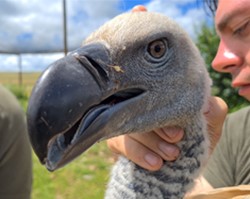
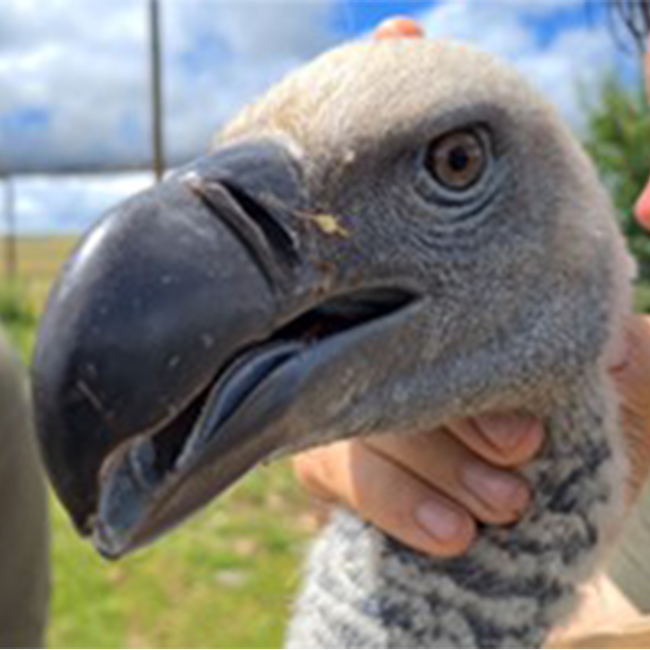
The Endangered Wildlife Trust’s Lowveld Birds of Prey team had a remarkable encounter in the Timbavati Private Nature Reserve recently. During their fieldwork, they trapped a stunning adult Cape Vulture they had previously rescued, an event made even more special given the low probability of re-trapping a ringed and GPS-tracked bird. This vulture, part of the Cape Vulture colony on the cliffs of Manoutsa west of Hoedspruit, which comprises approximately 760 breeding pairs, reconnected with the team in a significant way.

In collaboration with the University of Pretoria, the EWT team was supporting a PhD student investigating various aspects of vulture health. The student’s research focuses on diseases affecting vultures, such as Avian Influenza, Newcastle Disease, West Nile Virus, ectoparasites, haemoparasites, and cloacal microbiomes. This study is crucial as African vulture populations are rapidly declining, and smaller population sizes increase the threat of disease, a relatively understudied danger.

During this fieldwork, EWT Birds of Prey field worker Kyle Walker spotted a ring on a Cape Vulture and immediately recognized it as one of their tracked birds, named Dr Mike after the veterinarian who saved its life. Dr Mike was discovered in late 2021 at Lissataba Nature Reserve with a broken wing from a powerline collision. Thanks to Murray and Robin Reid, who managed the property, the bird was rushed to White River Animal Hospital for emergency surgery. Following months of rehabilitation at the Dullstroom Birds of Prey Centre, Dr Mike was ringed, fitted with a tracking unit, and released back into the wild on February 2, 2022.

Since his release, Dr Mike has travelled an astonishing distance of over 94,000 km, averaging 110 km a day, highlighting the vast ranges these birds cover and the space they need to thrive. Our tracking data shows he is now breeding on the Manoutsa cliffs, marking a true conservation success story.

Dr Mike’s story underscores the importance of collaboration between protected area management and conservation organizations like the EWT, alongside the invaluable rehabilitation centres in the Lowveld. Every bird counts, and without intervention, this vulture would have perished. The state-of-the-art GPS tracker fitted to Dr Mike allows us to monitor his behavior and identify threats as he soars through the African skies. It is incredible to see the data from his tracking unit as he breeds again on the cliffs of Manoutsa.

To learn more about Dr Mike’s story, visit: Cape Vulture (ewt.org.za)
African Conservation Forum in Kenya an ideal opportunity to visit EWT projects

African Conservation Forum in Kenya an ideal opportunity to visit EWT projects


News from the field: 

African Conservation Forum in Kenya an ideal opportunity to visit EWT projects


The hosting of the African Conservation Forum in Kenya at the end of June provided the ideal opportunity for the Endangered Wildlife Trust’s CEO, Yolan Friedmann, and senior officials based outside the East African country to visit some of the projects being undertaken under the banner of the International Crane Foundation / EWT Partnership.

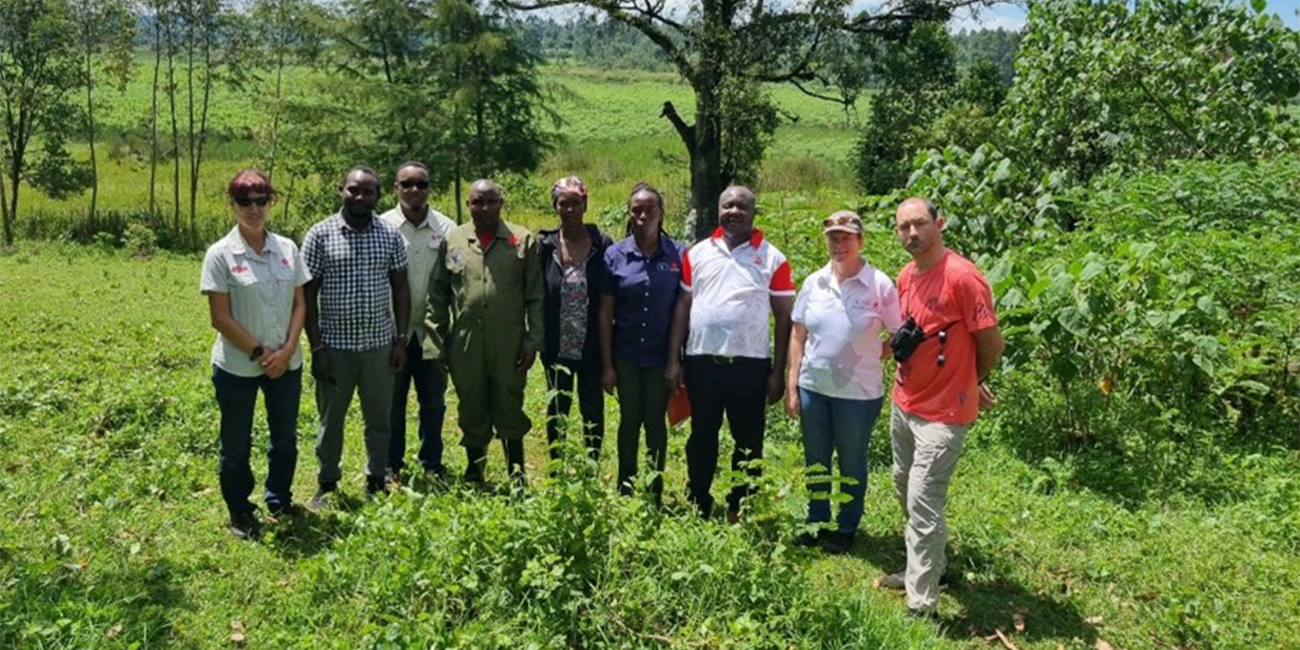
Yolan was accompanied by head of the EWT’s African Crane Conservation Programme Kerryn Morrison and Head of Conservation for the EWT, Dr Ian Little, Charles Kayijamahe, Rwanda country manager and East Africa regional Director, Dr Adalbert Aine-omucunguzi.

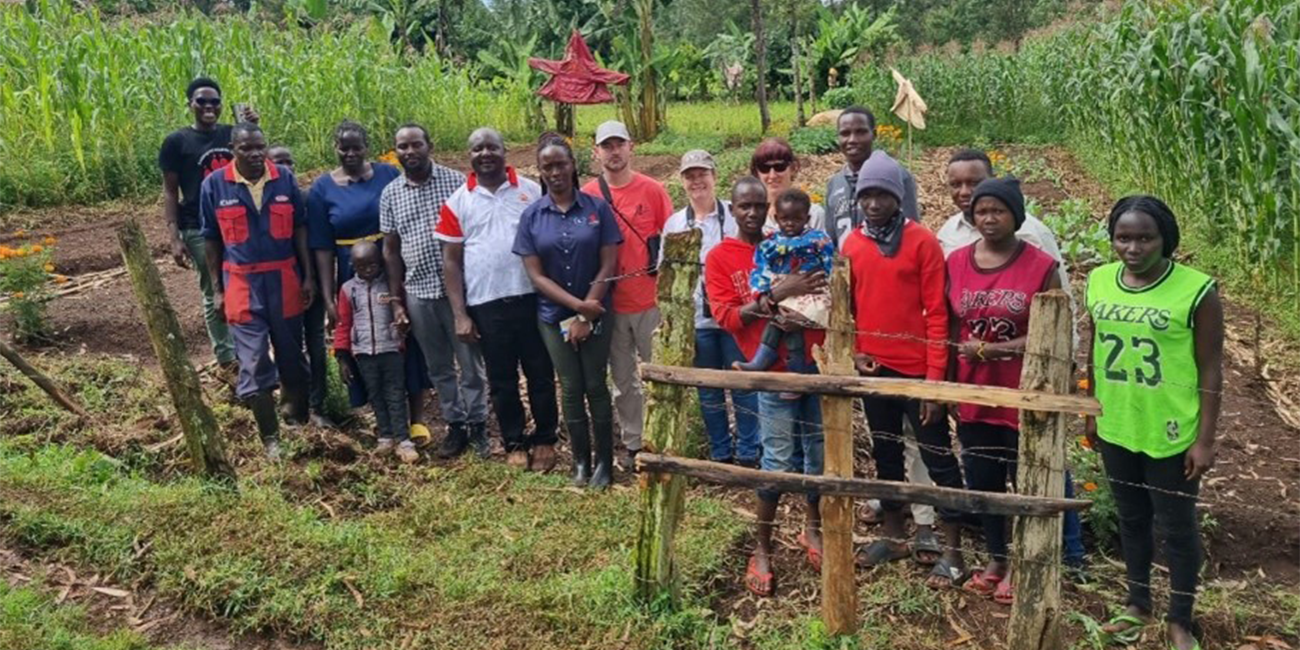
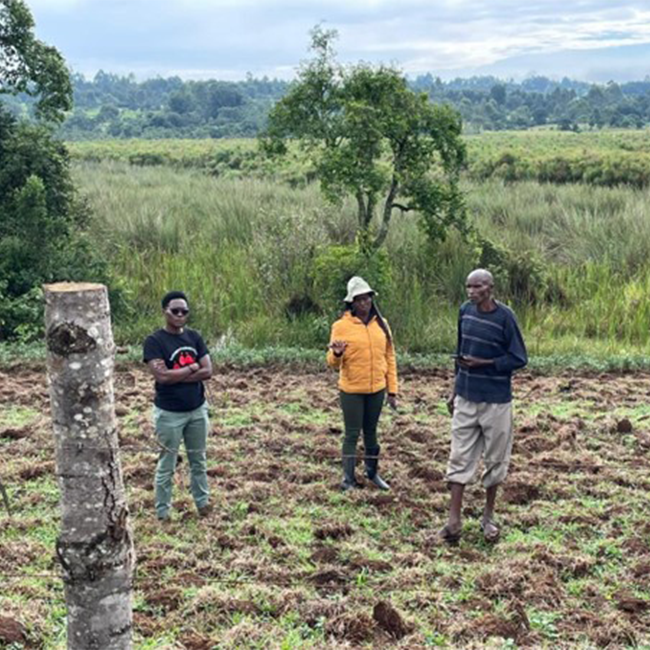
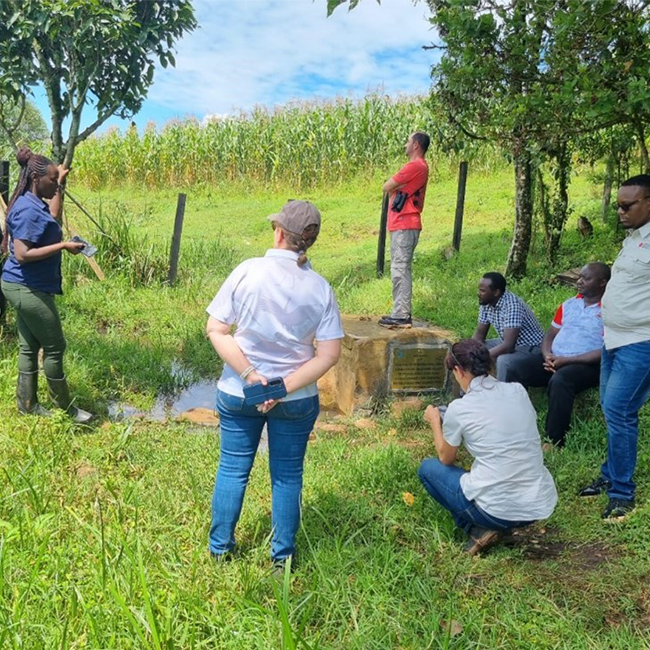
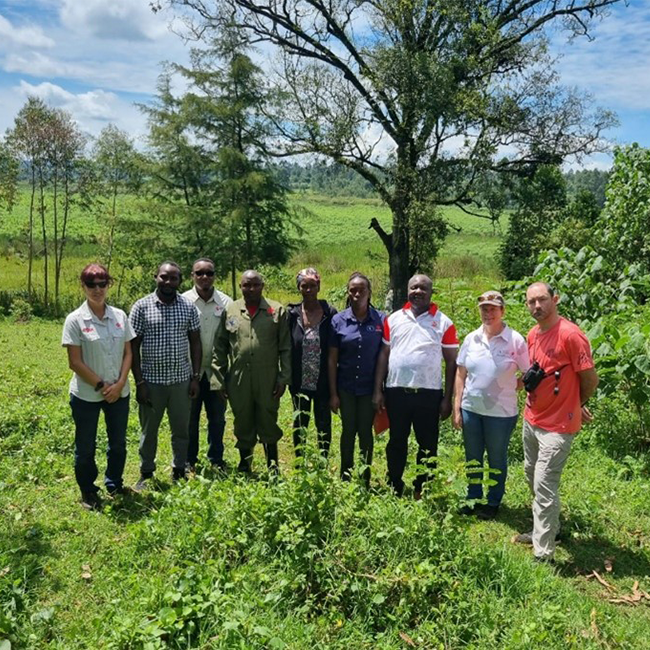
Despite the chilly Sunday morning, Yolan, Ian, Kerryn, Charles and Adalbert visited our intervention sites in Nandi County, Kenya. It was amazing to host them as they walked through the Enriched Buffer Zone, Climate Smart Agriculture and Spring Protection Sites.

They unknowingly interacted with 28 community members and 6 young kids who were excited to see them. We almost had a community Baraza quorum.

ICF/EWT is a movement that is well known in that area of Nandi,and visitors are greatly welcomed with a glass of ‘Mursik’ (fermented milk).

The team also visited Homa Bay on Lake Victoria and landscapes in and around the city of Kisumu.

It was impressive to see the work being done on the ground and to speak to the teams working in these areas. It is nice to see our strategies being implemented and coming into place. The scale of work does have a massive impact on communities who are benefiting in various ways. Recent reports show that farming productivity is now seven times more productive than mono-culture and farming within the wetlands. Because it is now easier for communities to farm, they are earning an income and are healthier because of improved nutrition.

One of our meetings with community members was at the Manor House Agricultural Centre which specialises in regenerative agriculture and they have offered free slots for community members to be trained. One of the members we visited graduated last year and is now training other farmers in his community.

On a conservation note: Kerryn managed to spot a pair of Banded Cranes booming in a flock in Baratton University. This is the first record we have in Nandi and possibly in Kenya.


Following the African Conservation Forum, senior EWT and ACCP not based in Kenya were shown several projects by in-country managers and teams to highlight the work being done to enhance sustainable agriculture, conserve water resources and restore buffer zones and, ultimately, save threatened crane populations.

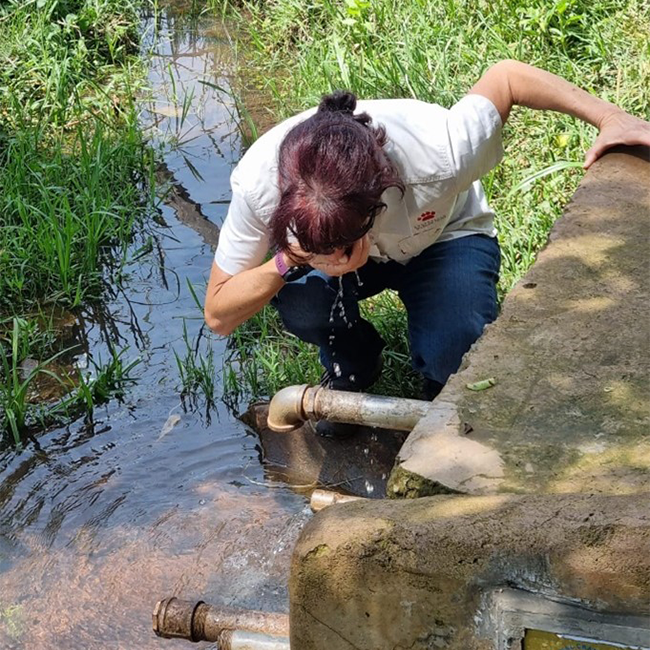
EWT CEO Yolan Friedmann quenches her thirst at a Spring Protection Site

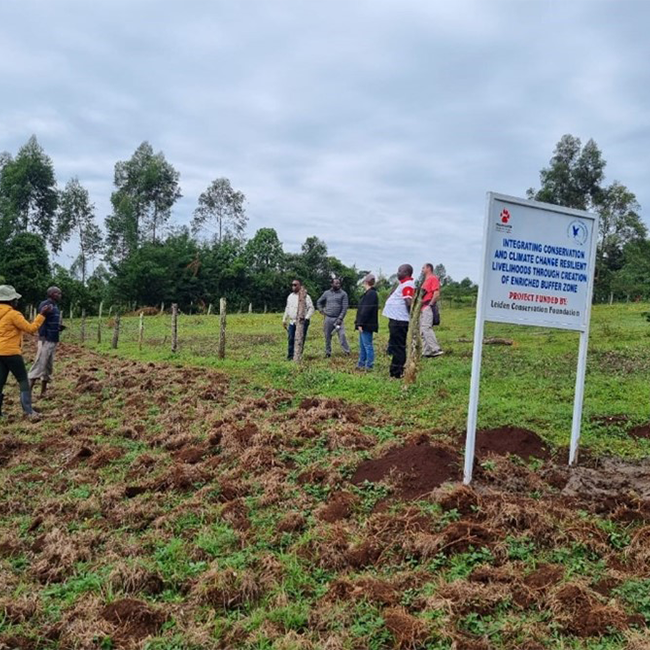
Buffer zone being created by the EWT/ICF

Fantastic work being done by the ICF-EWT team in Nandi county, western Kenya. Restoring wetlands for cranes and the environment

Visiting protected protected sites

Towards Harmonising Agriculture with Nature and Adapting to Climate Change in the Western Soutpansberg

Towards Harmonising Agriculture with Nature and Adapting to Climate Change in the Western Soutpansberg


Towards Harmonising Agriculture with Nature and Adapting to Climate Change in the Western Soutpansberg

By Jenny Botha, People in Conservation


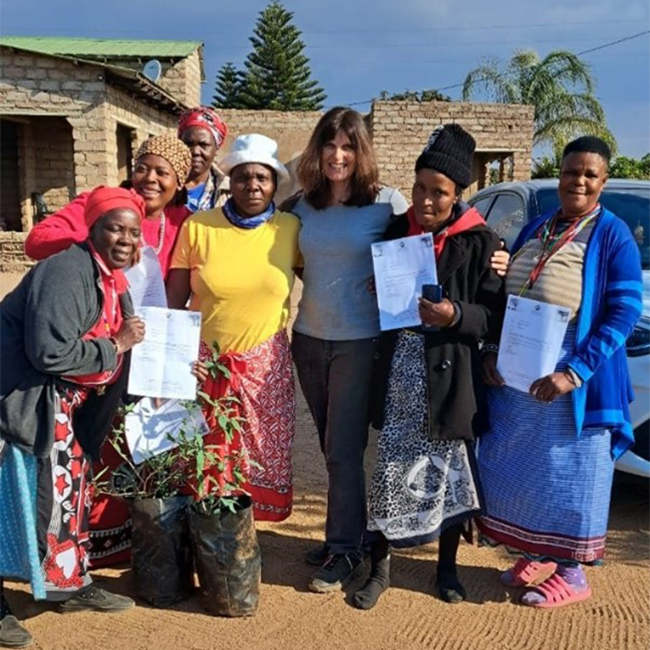
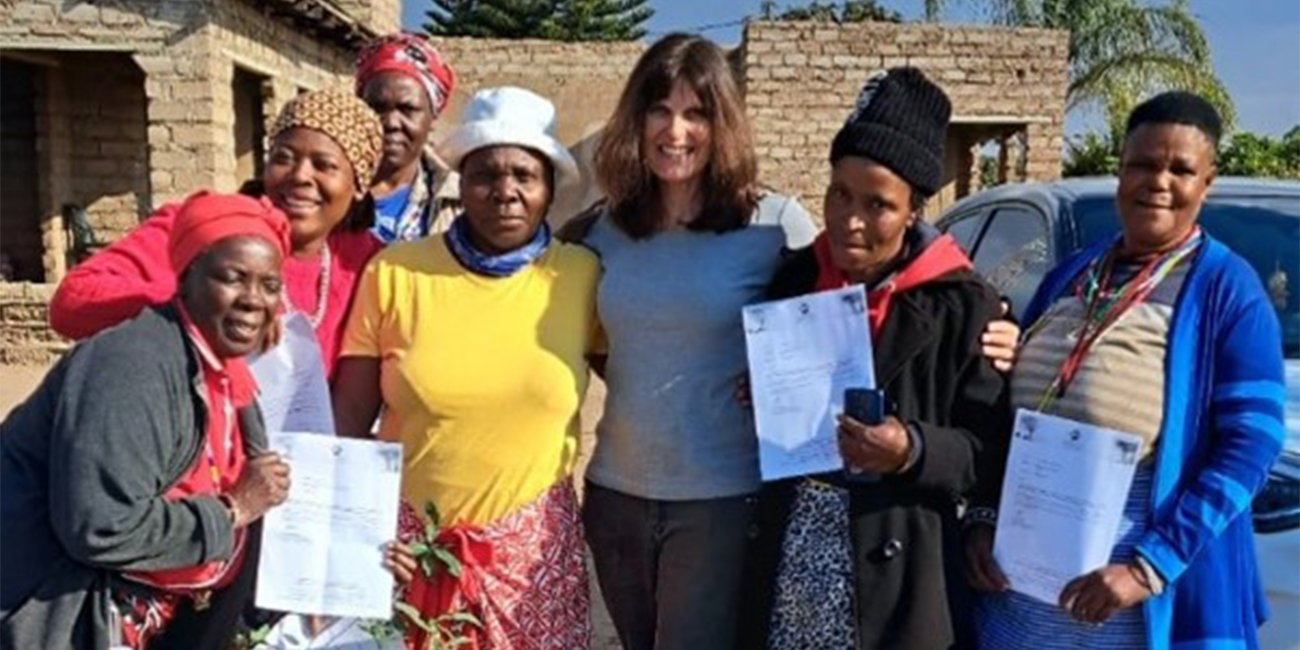
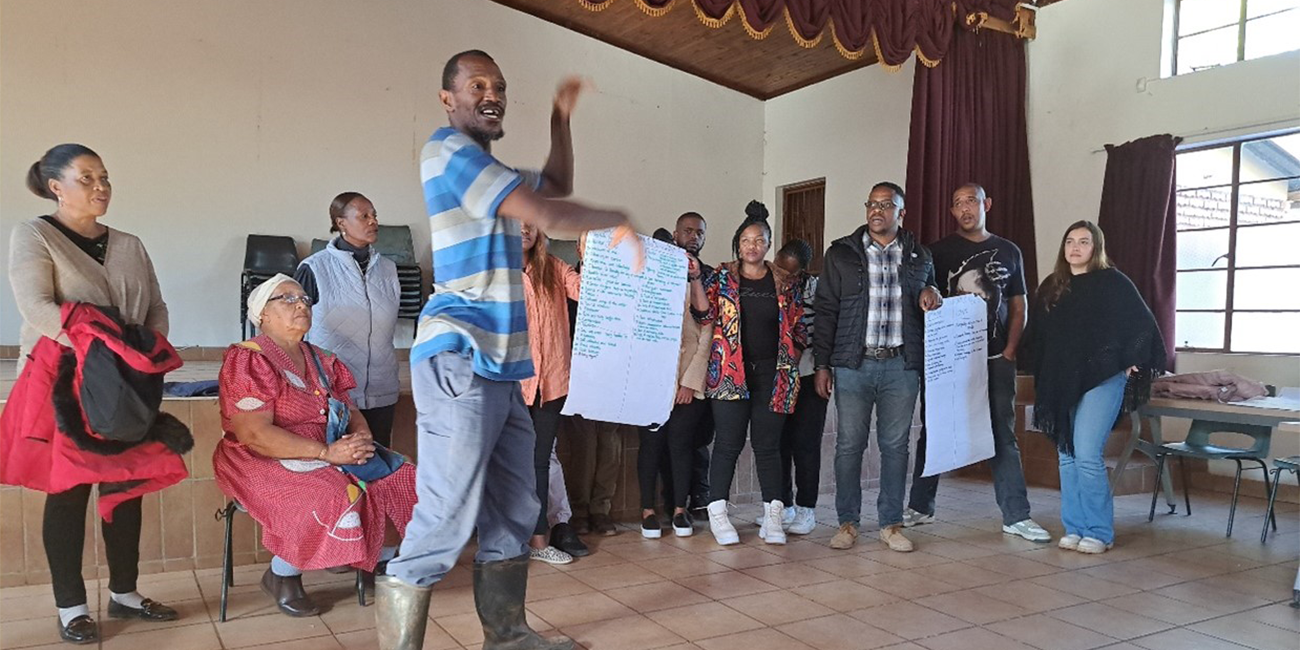
“Inspiring”, “Transformative”, “Life changing” This was just some of the feedback we received from students from the University of Johannesburg and vegetable farmers and growers who participated in a 1½ day workshop that we held in Buysdorp, Western Soutpansberg in June 2024.

In partnership with the University of Johannesburg (UJ), the Endangered Wildlife Trust (EWT) hosted a workshop for vegetable growers from Buysdorp to share ideas and learn more of the ways that local growers are adapting to climate change and a fast-changing world. The Limpopo Department of Agriculture and Rural Development also attended and contributed to the workshop.

Entitled “Adapting to climate change and improving our health and our environment through the sustainable cultivation of nutritious vegetables in Buysdorp”, the workshop provided a platform to enable us to learn more about the current vegetable farming practices in the area and ways that growers are adapting to the increasing variability in climate, as well as other human pressures.

The workshop also enabled 26 South African and international Environmental Management students from Rwanda, Chile, Italy, Zimbabwe, Eastern Europe, and the United States, under the supervision of Dr Lee-Ann Modley, a Senior Lecturer at UJ, to share experiences with the community and learn more about the rich cultural heritage of this area. In preparation for the workshop, the EWT’s People in Conservation Specialist, Jenny Botha, provided the group with training to enable them to facilitate and contribute actively to the facilitation of the workshop.

The Buysdorp community has been living on their land in the Western Soutpansberg since the 1800’s. The area is rich in plant and animal diversity, and the tightly knit community is justifiably proud of their efforts to contribute to the conservation of the area, including the quality of their water. The community has established systems to manage this precious resource, which is vital in a country where water demand far exceeds supply. Similarly, although Buysdorp has been able to maintain its fertile soils so far, in other parts of the Soutpansberg, soil quality has deteriorated through unsustainable agricultural practices.

Farming alongside nature is not without challenges, particularly as wildlife habitats are increasingly transformed or degraded by human activities. In the Soutpansberg, monkeys, antelope, and porcupines often destroy crops while leopards occasionally kill livestock. Various strategies are in place to curb leopards from killing livestock, including encouraging livestock owners to kraal them at night, but non-lethal management of monkeys and similar animals is harder. In Buysdorp, termites also pose a substantial risk to crops and infrastructure.

The workshop was a first step in exploring possible opportunities for Buysdorp vegetable growers to share learning and experiences, and identify gaps and opportunities so that they can adapt to climate change and continue producing nutritious, high-quality vegetables in this beautiful mountainous area, working alongside nature for the benefit of current and future generations. Different community members have different aspirations and needs, with some wanting to plant reliable crops to provide their families and others in the community with nutritious, locally available food, while some farmers are already producing commercial crops. Community participants identified a range of actions to take the process forward, including seeking funding for training in more sustainable agricultural practices, improving soil and water management, and reducing human-wildlife conflict.

In addition to the enriching sharing and learning experience for all of us, the workshop has provided a sound foundation for us to explore pathways to conserve our natural and cultural heritage in the Soutpansberg and build and maintain sound ecosystems and natural processes that support people in their livelihoods.

A speck of hope in a fragmented landscape: the story of the Widenham Wetland Protected Environment

A speck of hope in a fragmented landscape: the story of the Widenham Wetland Protected Environment


A speck of hope in a fragmented landscape: the story of the Widenham Wetland Protected Environment

By Joshua Weeber, Threatened Amphibian Programme

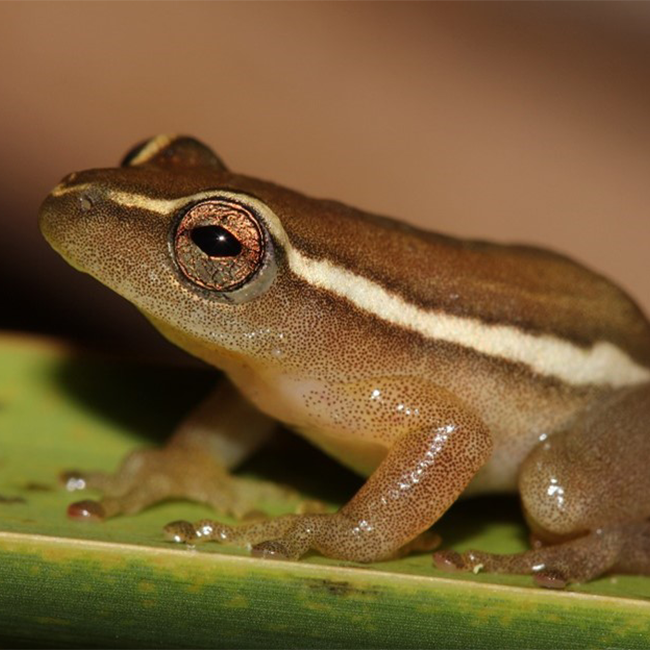
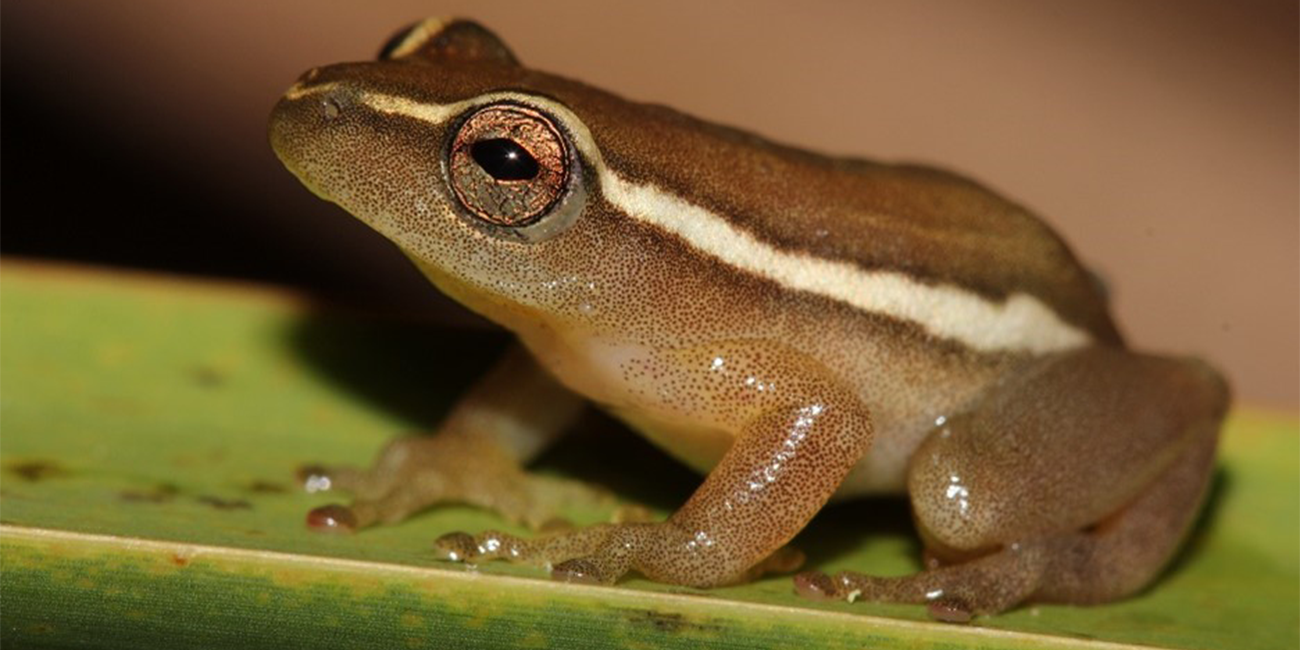
Critically Endangered Pickersgill’s Reed Frog


The Windenham Wetland Protected Environment on the KwaZulu-Natal south coast has formally been declared.

The story of this Protected Environment began almost a decade ago. In 2015 the Endangered Wildlife Trust (EWT) initiated monitoring programmes for selected, critical wetland habitats supporting the Endangered frog Hyperolius pickersgilli (Pickersgill’s Reed Frog) in the eThekwini Municipality. One of the selected wetlands was the ‘Widenham Wetland’ located in the suburb of Widenham, immediately south of the town of Umkomaas, approximately 45km south of Durban and within the eThekwini Municipality. The area is home to over 27,400 people with over 7,800 households of which 8.8% are informal dwellings. The site comprises of eight different erven and was acquired by the municipality in 2010 after a proposed residential development on the site was stopped because of the discovery of the then Critically Endangered Pickersgill’s Reed Frog.

Widenham is a small (~1.6ha) channelled valley bottom wetland that comprises a mix of alien thicket / woodland and herbaceous marshland. It is located within the lower reaches of a small coastal stream system with relatively broad valley-bottom and a gentle longitudinal slope gradient and formed immediately upstream of the frontal dune system characteristic of coastal KZN.

Currently, much of the area within and around the Protected Environment has been transformed, and biennial wetland health assessments since 2015 show that the Present Ecological State (PES) of the wetland is classified as a D, which is Largely Modified. In short, Widenham Wetland represented a small, impacted system surrounded by urban infrastructure that was not a particularly intact state, but one that still provided habitat for a key endangered focal species for the EWT in the province.

In 2019 the EWT initiated actions to protect the Widenham wetland and drive long-term management and rehabilitation interventions that would safeguard this little natural space and the species within it for generations to come. A logical approach to achieve this goal was through Biodiversity Stewardship – an approach to securing land in biodiversity priority areas through entering into agreements with landowners with the intention of securing the biodiversity of South Africa. Fortunately, the wetland was purchased by the municipality, who were key partners in the project. A site assessment indicated that the area qualified for the Protected Environment category provided rehabilitation actions were developed and guided by a detailed Protected Area Management Plan. Working with key stakeholders such as eThekwini Municipality and Verdant Environmental, a detailed rehabilitation and management plan was developed.

Critically Endangered Pickersgill’s Reed Frog

After many months of waiting, and assistance from our partners, Conservation Outcomes, the Widenham Wetland was finally gazetted as a Protected Environment on the 27th June 2024. The timing of this achievement has been crucial – the EWT’s Threatened Amphibian Programme launched an exciting new project in early 2024 aimed at enhancing the ecological integrity of key wetland sites to improve local biodiversity and provide ecological goods and services to nearby communities. One of our priority sites linked to this project is Widenham Wetland, and efforts are already under way to improve the ecological functioning of this site through targeted alien vegetation clearing.

Working with the local municipality we are also in the process of implementing an extensive rehabilitation plan which will include redesigning a section of the wetland and revegetating impacted areas. All of these actions will be monitoring through wetland health assessments as well as passive acoustic monitoring of the isolated subpopulation of Pickersgill’s Reed Frog that rely on this wetland. We hope our actions will safeguard this little speck of hope into the future.

This work has been in process for many years and would not have been possible without the efforts of Jeanne Tarrant and Cherise Acker, among many others. Similarly, our generous funders have been integral to this conservation success story. We thank Rainforest Trust, Synchronicity Earth, and Anglo American for their support.

ICF/EWT Partnership Shines at IUCN’s first Africa Conservation Forum

ICF/EWT Partnership Shines at IUCN’s first Africa Conservation Forum


ICF/EWT Partnership Shines at IUCN’s first Africa Conservation Forum

By Dr Adalbert Aineo-mucunguzi, EWT/ICF Parnership East African regional manager, African Crane Conservation Programme

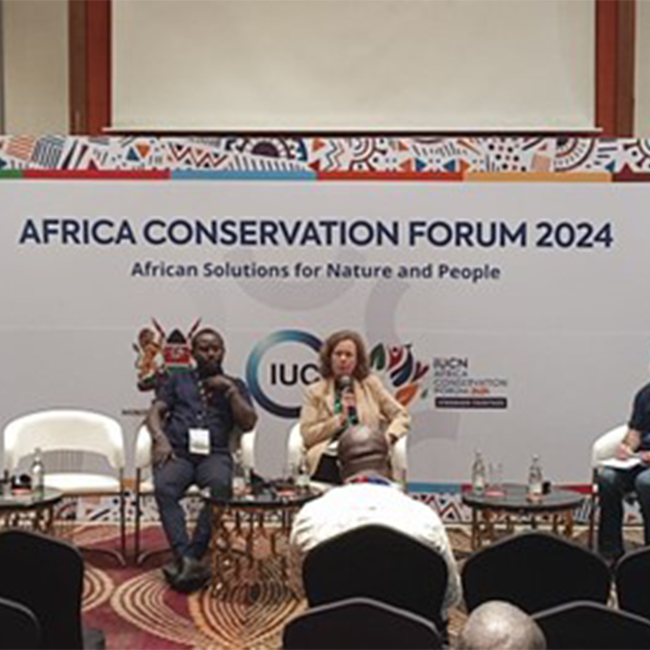
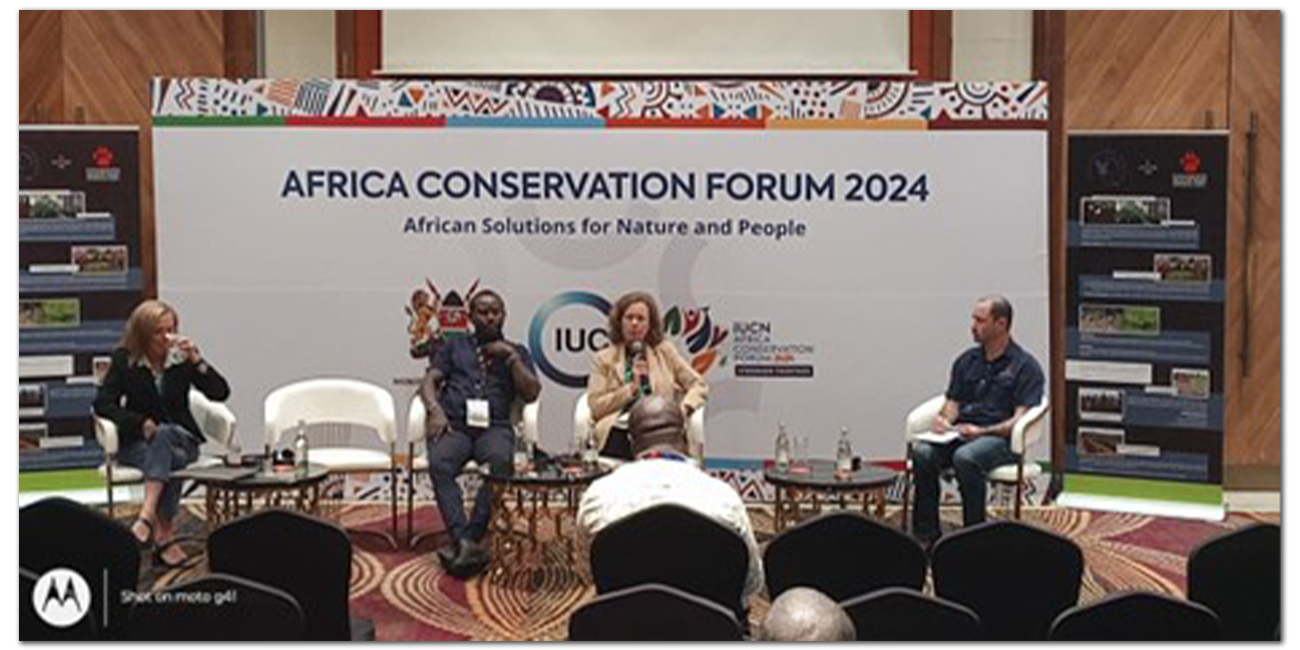
From left to right:  Dr Harriet Davies-Mostert, Dr Mwangi Joseph,  Ms Kerryn Morrison and Dr Ian Little


In June 2024, the International Union for Conservation of Nature (IUCN) convened the Africa Conservation Forum (ACF), one of the leading regional platforms to strategically influence the sustainability agenda and biodiversity conservation. The Forum provided an avenue for sharing information and knowledge, building partnerships, and connecting key stakeholders from different parts of Africa. The IUCN Africa Conservation Forum was organised by the three IUCN offices according to sub-regions in Africa: West and Central Africa (PACO), North Africa (Centre for Mediterranean Cooperation – MED), and Eastern and Southern Africa (ESARO).

During the forum, the International Crane Foundation/Endangered Wildlife Trust (ICF/EWT) Partnership hosted a side event workshop titled “Nature-based Solutions for effective community conservation and climate action”. This event brought together conservation practitioners, researchers and policy makers from ESARO, PACO and MED regions of Africa to share the benefits, challenges and lessons learnt about implementation of Nature-based Solutions (NbS) to enhance conservation and climate action.

Moderated by our own Head of Conservation, Dr. Ian Little, the one and half hour workshop was dominated by presentations from ICF/EWT staff. Our East Africa regional Director, Dr Adalbert Aine-omucunguzi gave the opening presentation on the “what and why of Nature-based Solutions in conservation, climate action and livelihoods” largely drawing examples from our work across East Africa. This was followed by a panel discussion where Dr Mwangi Joseph, our Kenya Country Manager, discussed Nature-based solutions in agricultural landscapes and how they benefit conservation and climate action, while Ms Kerryn Morrison, the VP International-Director for Africa, discussed the opportunities for scaling up Nature-based Solutions across the continent. The other panelist, Dr Harriet Davies-Mostert, former Head of Conservation at EWT, and currently the Regional Vice Chair for IUCN’s World Commission on Protected Areas, discussed the effectiveness of Protected and Conserved Areas as Nature-based Solutions.

From left to right:  Dr Harriet Davies-Mostert, Dr Mwangi Joseph,  Ms Kerryn Morrison and Dr Ian Little

During the question and answer session, participants shared insights and experiences about scalable NbS that enhance ecosystem conservation and climate action and discussed best practices for unlocking the potential of NbS across different ecosystems on the African continent. During this discussion new collaborations within the NbS space were also formed.

The event emphasised the need for conservation organisations to acknowledge that most NbS have been practiced by local communities over generations and they thus have rich indigenous knowledge to utilise in the execution of their projects and programmes. It was also agreed that scientist should not assume that communities lack this knowledge and that, if proper community engagement is done, nature-based solutions can offer integrated avenues for addressing biodiversity loss and climate change challenges while advancing sustainable development goals. They have the potential to simultaneously address the root causes of climate change, bolster resilience against its impacts, and foster adaptability across social, environmental, and economic domains.

African Conservation Forum emerges with united voice on conservation and biodiversity

African Conservation Forum emerges with united voice on conservation and biodiversity


African Conservation Forum emerges with united voice on conservation and biodiversity

By Eleanor Momberg


The African Conservation Forum (ACF), hosted by Kenya in June this year, was an important opportunity for the continent to develop a unified and collaborative position related to its conservation requirements ahead of the 2025 IUCN World Conservation Congress.

Endangered Wildlife Trust CEO Yolan Friedmann, Head of Conservation Ian Little, Head of the African Crane Conservation Programme Kerryn Morrison and the ICF/EWT Partnership’s East African Regional Manager Adalbert Aineo-mucunguzi were among the NGO’s representative at the International Union for Conservation of Nature (IUCN) Africa Conservation Forum.

Held in Nairobi, Kenya, under the theme “African Solutions for Nature and People: Creating transformative responses to the biodiversity and climate crisis in Africa,” the three-day forum was attended by governments, IUCN members, international and African NGO’s, business representatives, Indigenous Peoples and scientific experts gather to discuss biodiversity, conservation and the sustainable development challenges faced by the continent.

This was the first time that the three IUCN sub-regions in Africa, had gathered under one roof to discuss the significant challenges facing the continent as a result of biodiversity loss and climate change.

Speaking after the Forum, the EWT’s Dr Ian Little said within the ACF the role of governments and NGO’s are equally important. Unlike some other international conventions and forums, the NGO sector is welcomed in ACF high-level forums and are able to make a constructive contribution.

Within Africa, he said, governments play a huge role in setting policies and laws, but it is often the NGO sector that implement the work on the ground. This is largely due to a shortage of dedicated conservation funding and capacity on a continent that is faced with numerous other social challenges.

The ACF’s role in setting the global agenda for conservation has been elevated through the hosting of a united meeting for the African sub-regions. All countries that attended are members of the global IUCN, but, because Africa is usually poorly represented at many global meetings, the 2024 ACF had allowed Africa, as a continent, to consolidate its thinking and expectations ahead of such meetings.

Kerryn Morrison, who is also the International Crane Foundation’s (ICF) Africa director, agreed, saying Africa emerged from the ACF with a coordinated voice.

“In so many global organisations the African voice is lost and we often only hear the North American and European voice. Having a stronger voice that represents Africa means that the continent will play a more solid role at the table,” she said. “This Forum provided a platform for Africa to come together, talk about issues and show more cohesiveness. This could assist the continent in accessing financing and the capacity needed for conservation.”


The sub-regions did, however, hold separate meetings during the ACF in order to compare regionally relevant notes and then produce a clear position of what the continent requires to achieve the goals of the Global Biodiversity Framework, especially Target 3, which requires the conservation of at least 30 percent of terrestrial, inland water and coastal marine areas by 2030.

“We were able, as a continent to determine how one should approach trying to achieve this ambitious goal, which has strategic thinking, funding and capacity requirements. It was about formulating positions and identifying synergy and resultant partnership opportunities,” said Little.

“With regard to greater collaboration to reach our conservation goals, Africa is in a position where a significant amount of the driving force in conservation is in the NGOs, whether national or international, so it is important to pull them together, with government support, to achieve what needs to be done,” he said.

In a post forum statement, the IUCN said the ACF had concluded with a call for inclusive, cross-sector action to preserve nature and biodiversity.

Delegates had agreed that cooperation across countries, governments, communities and sectors was vital to effectively address the significant challenges facing the continent due to the dual crisis of climate change and biodiversity loss.
Among the key outcomes was a new call for action in preparation for the next IUCN World Conservation Congress to be held in the United Arab Emirates in 2025. The IUCN Congress in turn sets the global conservation agenda for the years ahead.

IUCN Vice President and Regional Councillor Imèn Meliane said: “We’ve run out of time: existing actions are inadequate and true transformation means moving from transformation rhetoric to integrated actions in the biodiversity-climate-energy nexus now.”

Dr Alfred Mutua, Kenya’s Cabinet Secretary for Tourism and Wildlife committed to the hosting of all future African Conservation Forums in Kenya.