Help us  
 lost species

Donate today  

A familiar face greets the Endangered Wildlife Trust team during field monitoring for vulture threats

A familiar face greets the Endangered Wildlife Trust team during field monitoring for vulture threats

News from the field:

A familiar face greets the Endangered Wildlife Trust team during field monitoring for vulture threats

By John Davies, Bird of Prey Programme
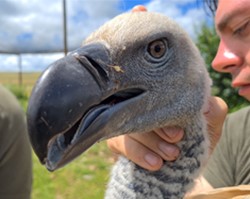
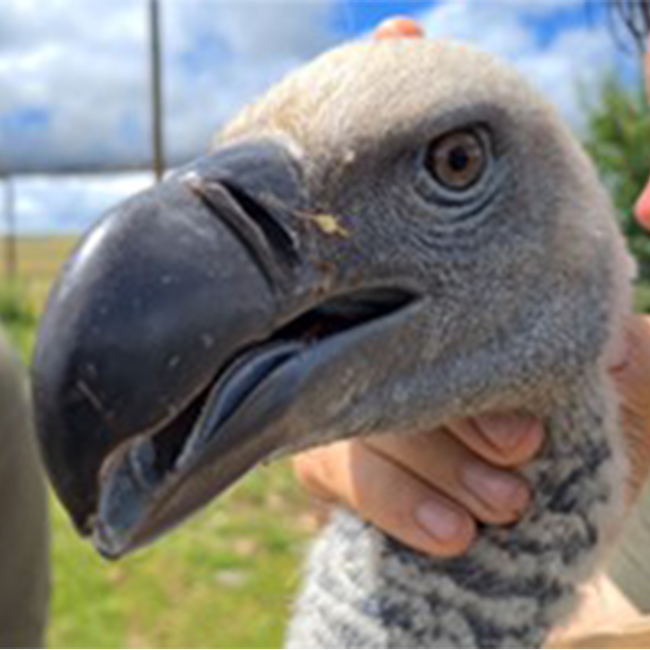
The Endangered Wildlife Trust’s Lowveld Birds of Prey team had a remarkable encounter in the Timbavati Private Nature Reserve recently. During their fieldwork, they trapped a stunning adult Cape Vulture they had previously rescued, an event made even more special given the low probability of re-trapping a ringed and GPS-tracked bird. This vulture, part of the Cape Vulture colony on the cliffs of Manoutsa west of Hoedspruit, which comprises approximately 760 breeding pairs, reconnected with the team in a significant way.

In collaboration with the University of Pretoria, the EWT team was supporting a PhD student investigating various aspects of vulture health. The student’s research focuses on diseases affecting vultures, such as Avian Influenza, Newcastle Disease, West Nile Virus, ectoparasites, haemoparasites, and cloacal microbiomes. This study is crucial as African vulture populations are rapidly declining, and smaller population sizes increase the threat of disease, a relatively understudied danger.

During this fieldwork, EWT Birds of Prey field worker Kyle Walker spotted a ring on a Cape Vulture and immediately recognized it as one of their tracked birds, named Dr Mike after the veterinarian who saved its life. Dr Mike was discovered in late 2021 at Lissataba Nature Reserve with a broken wing from a powerline collision. Thanks to Murray and Robin Reid, who managed the property, the bird was rushed to White River Animal Hospital for emergency surgery. Following months of rehabilitation at the Dullstroom Birds of Prey Centre, Dr Mike was ringed, fitted with a tracking unit, and released back into the wild on February 2, 2022.

Since his release, Dr Mike has travelled an astonishing distance of over 94,000 km, averaging 110 km a day, highlighting the vast ranges these birds cover and the space they need to thrive. Our tracking data shows he is now breeding on the Manoutsa cliffs, marking a true conservation success story.

Dr Mike’s story underscores the importance of collaboration between protected area management and conservation organizations like the EWT, alongside the invaluable rehabilitation centres in the Lowveld. Every bird counts, and without intervention, this vulture would have perished. The state-of-the-art GPS tracker fitted to Dr Mike allows us to monitor his behavior and identify threats as he soars through the African skies. It is incredible to see the data from his tracking unit as he breeds again on the cliffs of Manoutsa.

To learn more about Dr Mike’s story, visit: Cape Vulture (ewt.org.za)
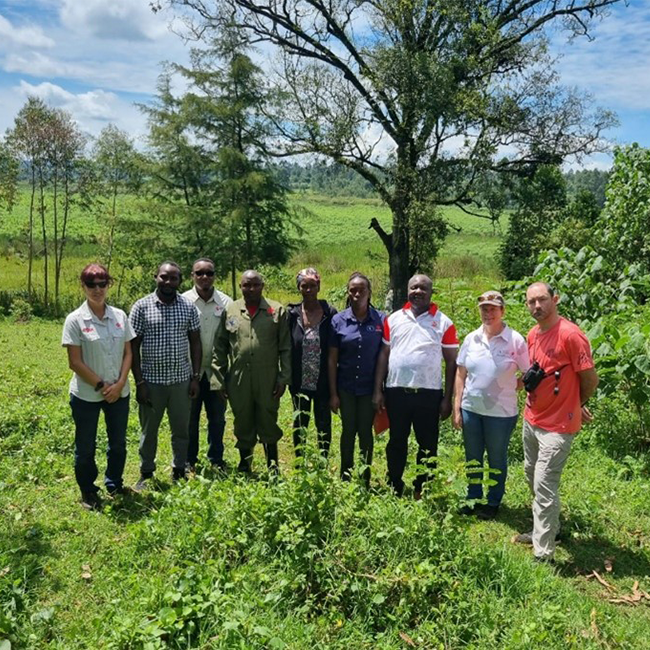
African Conservation Forum in Kenya an ideal opportunity to visit EWT projects

African Conservation Forum in Kenya an ideal opportunity to visit EWT projects


News from the field: 

African Conservation Forum in Kenya an ideal opportunity to visit EWT projects


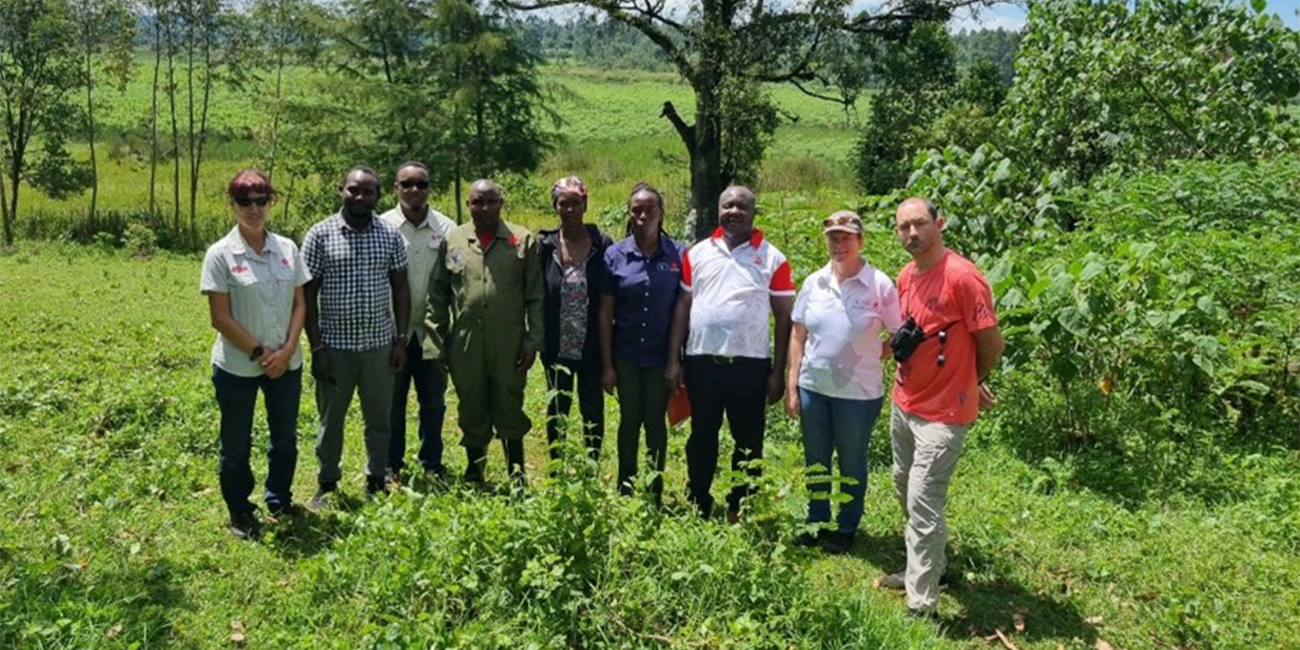
The hosting of the African Conservation Forum in Kenya at the end of June provided the ideal opportunity for the Endangered Wildlife Trust’s CEO, Yolan Friedmann, and senior officials based outside the East African country to visit some of the projects being undertaken under the banner of the International Crane Foundation / EWT Partnership.

Yolan was accompanied by head of the EWT’s African Crane Conservation Programme Kerryn Morrison and Head of Conservation for the EWT, Dr Ian Little, Charles Kayijamahe, Rwanda country manager and East Africa regional Director, Dr Adalbert Aine-omucunguzi.

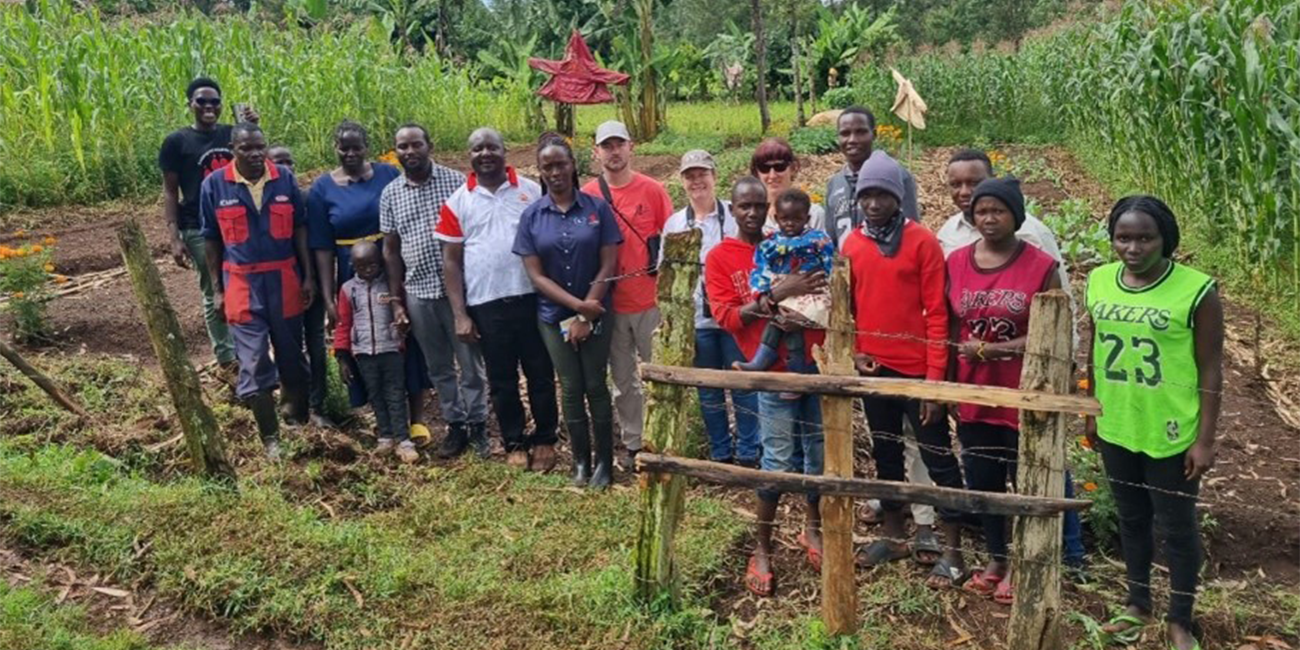
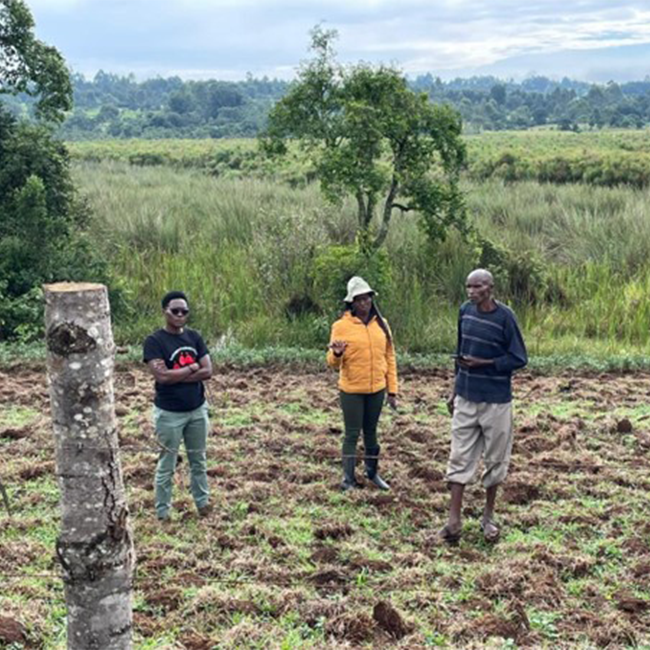
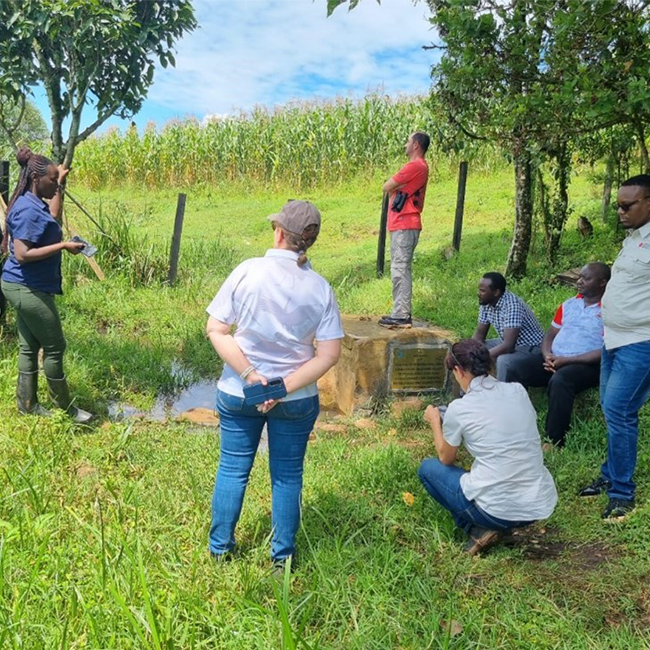
Despite the chilly Sunday morning, Yolan, Ian, Kerryn, Charles and Adalbert visited our intervention sites in Nandi County, Kenya. It was amazing to host them as they walked through the Enriched Buffer Zone, Climate Smart Agriculture and Spring Protection Sites.

They unknowingly interacted with 28 community members and 6 young kids who were excited to see them. We almost had a community Baraza quorum.

ICF/EWT is a movement that is well known in that area of Nandi,and visitors are greatly welcomed with a glass of ‘Mursik’ (fermented milk).

The team also visited Homa Bay on Lake Victoria and landscapes in and around the city of Kisumu.

It was impressive to see the work being done on the ground and to speak to the teams working in these areas. It is nice to see our strategies being implemented and coming into place. The scale of work does have a massive impact on communities who are benefiting in various ways. Recent reports show that farming productivity is now seven times more productive than mono-culture and farming within the wetlands. Because it is now easier for communities to farm, they are earning an income and are healthier because of improved nutrition.

One of our meetings with community members was at the Manor House Agricultural Centre which specialises in regenerative agriculture and they have offered free slots for community members to be trained. One of the members we visited graduated last year and is now training other farmers in his community.

On a conservation note: Kerryn managed to spot a pair of Banded Cranes booming in a flock in Baratton University. This is the first record we have in Nandi and possibly in Kenya.


Following the African Conservation Forum, senior EWT and ACCP not based in Kenya were shown several projects by in-country managers and teams to highlight the work being done to enhance sustainable agriculture, conserve water resources and restore buffer zones and, ultimately, save threatened crane populations.

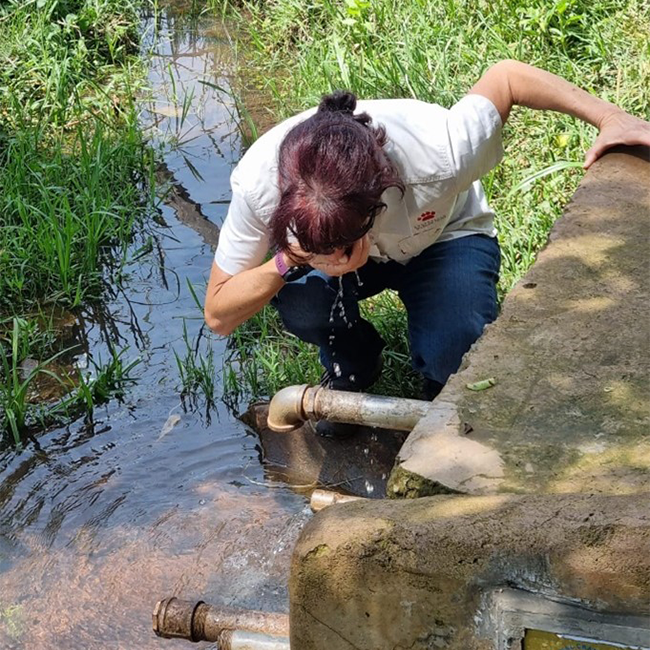
EWT CEO Yolan Friedmann quenches her thirst at a Spring Protection Site

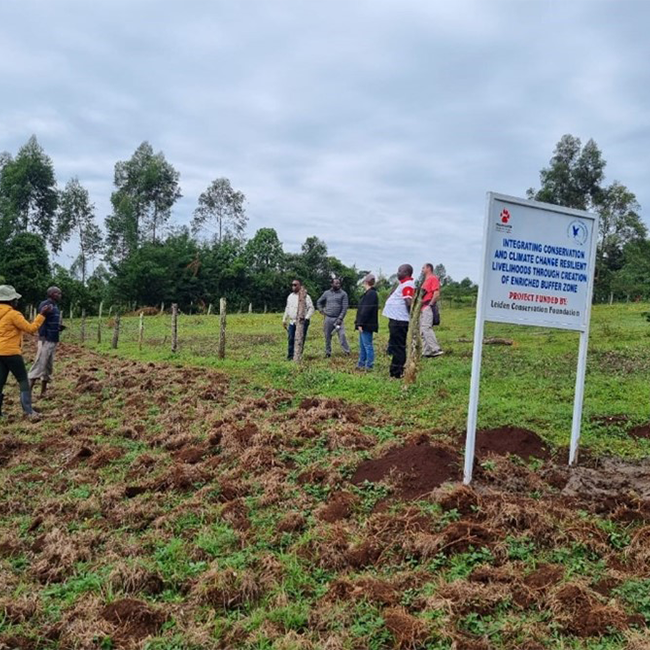
Buffer zone being created by the EWT/ICF

Fantastic work being done by the ICF-EWT team in Nandi county, western Kenya. Restoring wetlands for cranes and the environment

Visiting protected protected sites

Towards Harmonising Agriculture with Nature and Adapting to Climate Change in the Western Soutpansberg

Towards Harmonising Agriculture with Nature and Adapting to Climate Change in the Western Soutpansberg


Towards Harmonising Agriculture with Nature and Adapting to Climate Change in the Western Soutpansberg

By Jenny Botha, People in Conservation


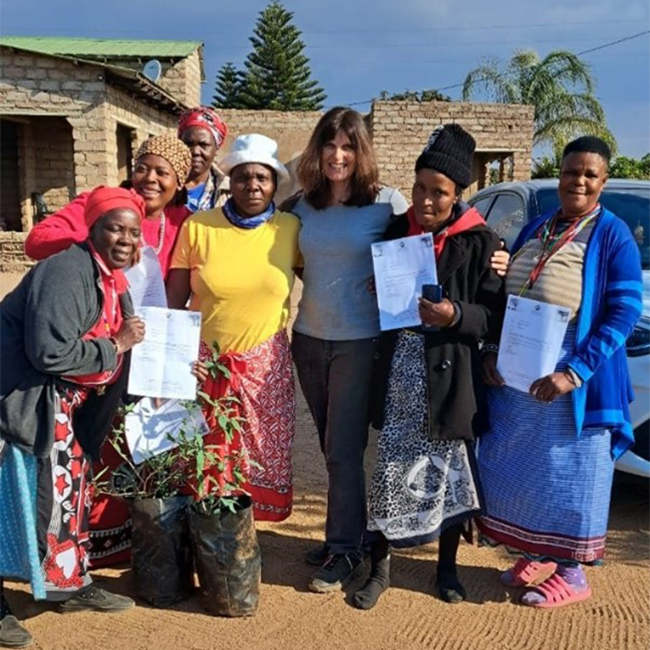
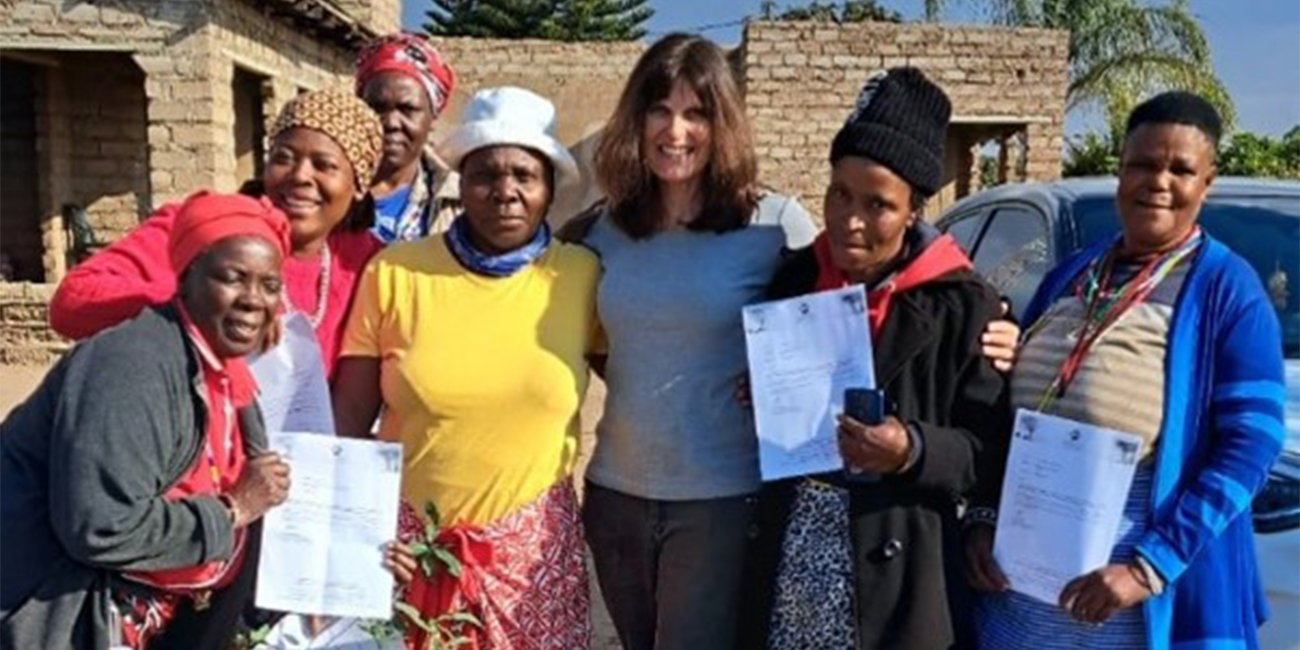
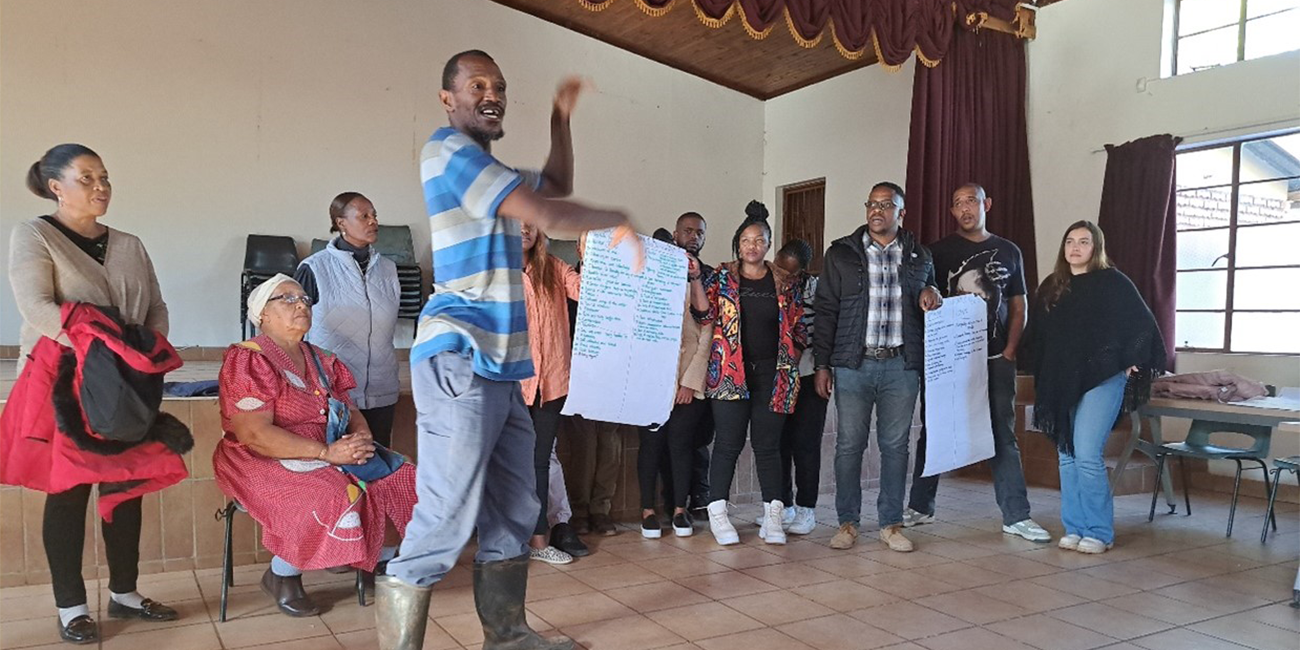
“Inspiring”, “Transformative”, “Life changing” This was just some of the feedback we received from students from the University of Johannesburg and vegetable farmers and growers who participated in a 1½ day workshop that we held in Buysdorp, Western Soutpansberg in June 2024.

In partnership with the University of Johannesburg (UJ), the Endangered Wildlife Trust (EWT) hosted a workshop for vegetable growers from Buysdorp to share ideas and learn more of the ways that local growers are adapting to climate change and a fast-changing world. The Limpopo Department of Agriculture and Rural Development also attended and contributed to the workshop.

Entitled “Adapting to climate change and improving our health and our environment through the sustainable cultivation of nutritious vegetables in Buysdorp”, the workshop provided a platform to enable us to learn more about the current vegetable farming practices in the area and ways that growers are adapting to the increasing variability in climate, as well as other human pressures.

The workshop also enabled 26 South African and international Environmental Management students from Rwanda, Chile, Italy, Zimbabwe, Eastern Europe, and the United States, under the supervision of Dr Lee-Ann Modley, a Senior Lecturer at UJ, to share experiences with the community and learn more about the rich cultural heritage of this area. In preparation for the workshop, the EWT’s People in Conservation Specialist, Jenny Botha, provided the group with training to enable them to facilitate and contribute actively to the facilitation of the workshop.

The Buysdorp community has been living on their land in the Western Soutpansberg since the 1800’s. The area is rich in plant and animal diversity, and the tightly knit community is justifiably proud of their efforts to contribute to the conservation of the area, including the quality of their water. The community has established systems to manage this precious resource, which is vital in a country where water demand far exceeds supply. Similarly, although Buysdorp has been able to maintain its fertile soils so far, in other parts of the Soutpansberg, soil quality has deteriorated through unsustainable agricultural practices.

Farming alongside nature is not without challenges, particularly as wildlife habitats are increasingly transformed or degraded by human activities. In the Soutpansberg, monkeys, antelope, and porcupines often destroy crops while leopards occasionally kill livestock. Various strategies are in place to curb leopards from killing livestock, including encouraging livestock owners to kraal them at night, but non-lethal management of monkeys and similar animals is harder. In Buysdorp, termites also pose a substantial risk to crops and infrastructure.

The workshop was a first step in exploring possible opportunities for Buysdorp vegetable growers to share learning and experiences, and identify gaps and opportunities so that they can adapt to climate change and continue producing nutritious, high-quality vegetables in this beautiful mountainous area, working alongside nature for the benefit of current and future generations. Different community members have different aspirations and needs, with some wanting to plant reliable crops to provide their families and others in the community with nutritious, locally available food, while some farmers are already producing commercial crops. Community participants identified a range of actions to take the process forward, including seeking funding for training in more sustainable agricultural practices, improving soil and water management, and reducing human-wildlife conflict.

In addition to the enriching sharing and learning experience for all of us, the workshop has provided a sound foundation for us to explore pathways to conserve our natural and cultural heritage in the Soutpansberg and build and maintain sound ecosystems and natural processes that support people in their livelihoods.

Field work for the Wildlife and Energy Programme

Field work for the Wildlife and Energy Programme


Field work for the Wildlife and Energy Programme

 One of the field officers of the Endangered Wildlife Trusts’ Wildlife and Energy Programme, Ronelle Visagie, travels a lot through the Northern Cape, Eastern Cape and the western and southern Free State to investigate powerline incidents. 

Ronelle recently travelled to a powerline 100 km southwest of Kakamas for an investigation, and also surveyed  seven powerlines in the Eastern Cape and one in the southern Free State.  Driving around our beautiful country does have its advantages and grants us as EWTers an opportunity to visit and experience different parts of our beautiful country.  

This month we share with you a few photographs of Ronelle’s recent journey to investigate powerlines.


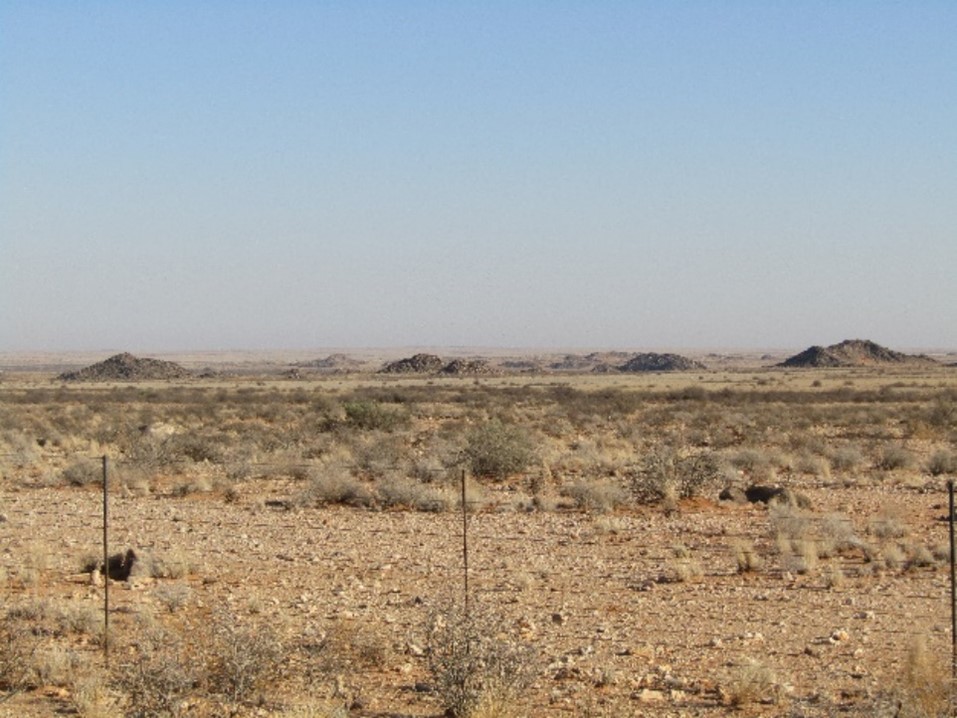
Kakamas is in Namaqualand, a desolate part of the Northern Cape. Despite being situated on the banks of the Orange River, this area is typically very dry. Most people only ever pass this area en route to Namibia or the Kgalagadi Transfrontier Park.

Believe it or not, there are White-Backed vultures in Namaqualand. This picture of three vultures sitting on an electricity pylon was taken 100 km southwest of Kakamas.

Ronelle also passed two Cape Griffon Vulture roosting sites on her journey through the Eastern Cape and Free State. The one is near Zastron in the Free State. The other was seen between Burgersdorp and Jamestown.

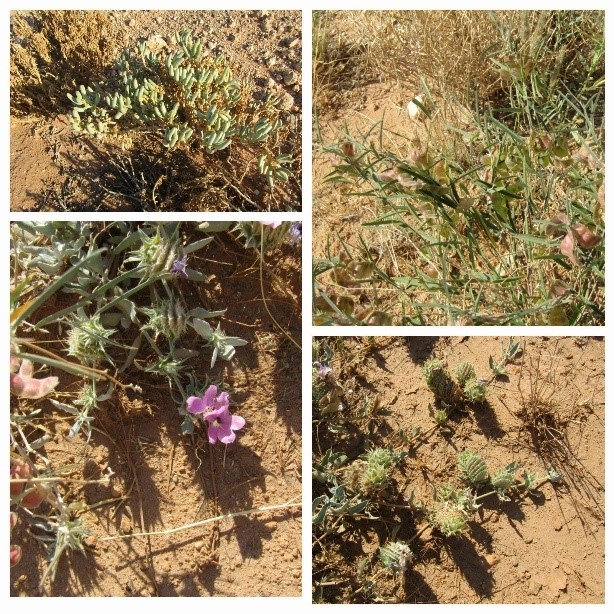
The plants in this region are something special, especially because most are unique to this part of our coutry. Even though winter was approaching, some of the veld plants in this dry habitat were flowering making this visit colourful.

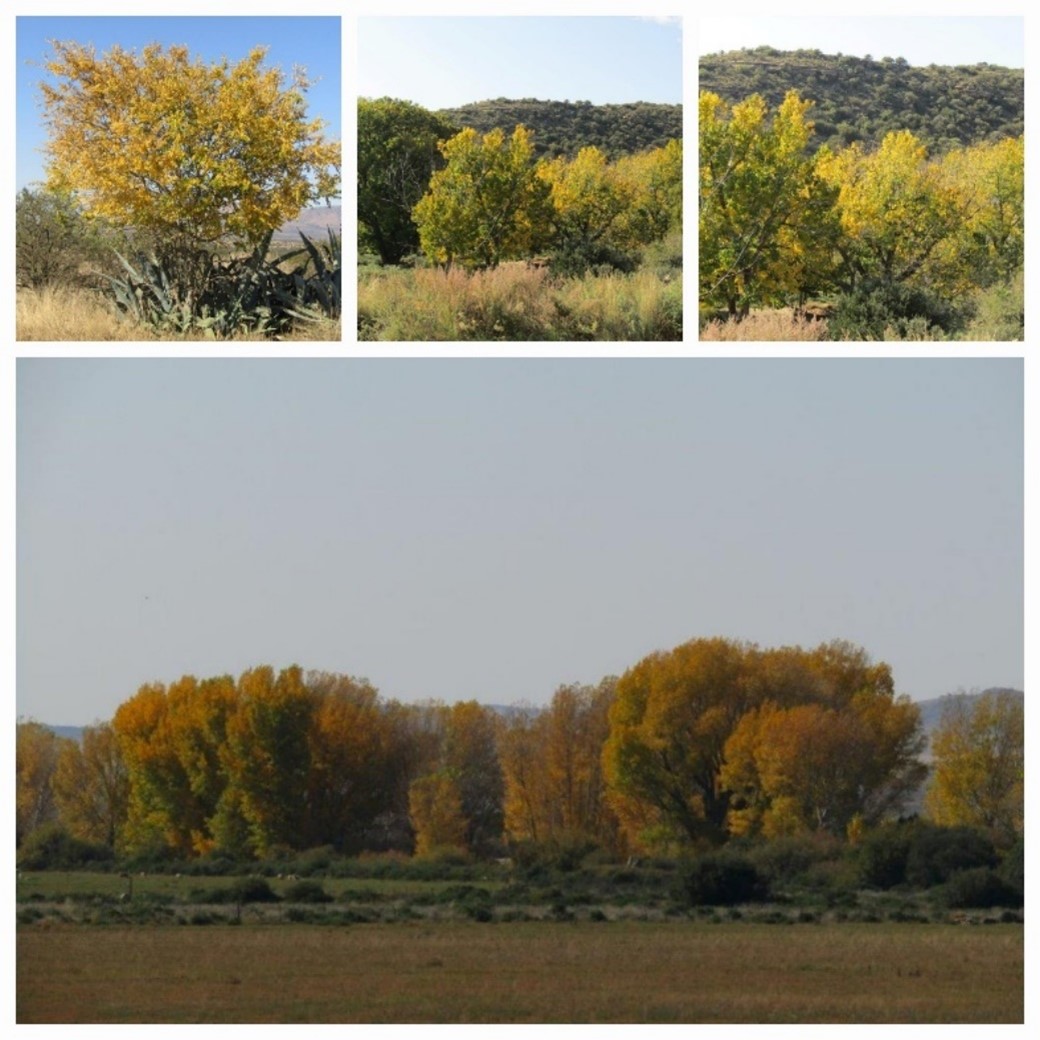
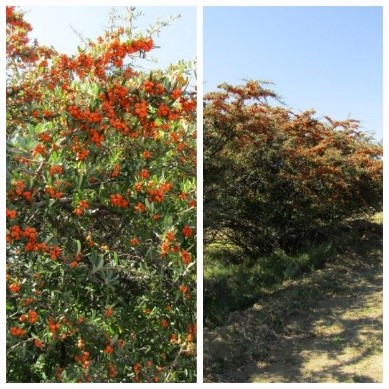
Because it was late in autumn, the Eastern Cape and Free State were beautiful. All the trees were showing off their autumn leaves, and the Orange Charmer shrubs (Pyracantha coccinia or Fire Thorn) were covered in berries. Unfortunately, the Orange Charmers are an exotic species.

A picture can tell a thousand words. Even though it was not very hot, this picture shows the importance of one tree. A flock of sheep gathered under it in the midday Sun for some shade

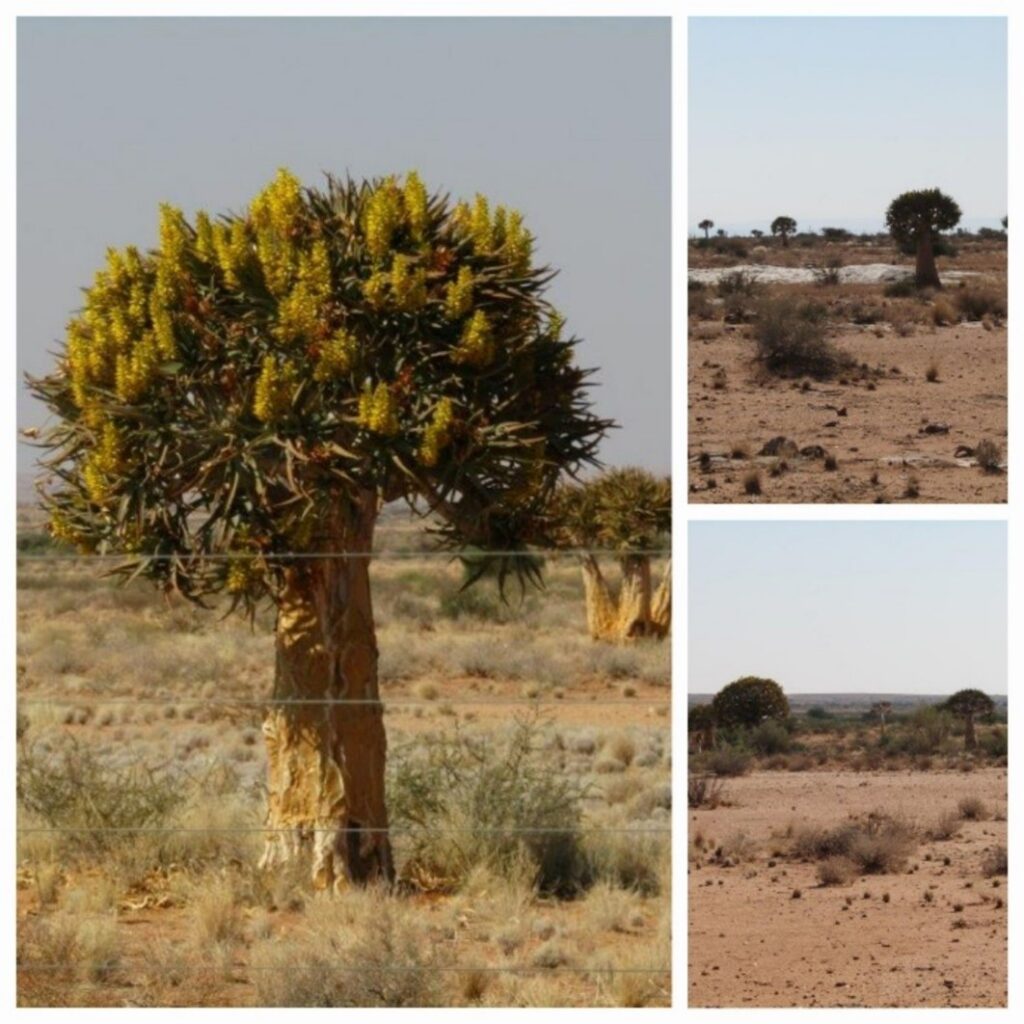
Namaqualand is well known for its Quiver Trees, which had started their annual bloom. Seeing these critically endangered giant trees flowering is a special experience, especially because they are one of South Africa’s most spectacular and rare aloe species.

The Orange Charmers were spread out in the Free State and Eastern Cape.

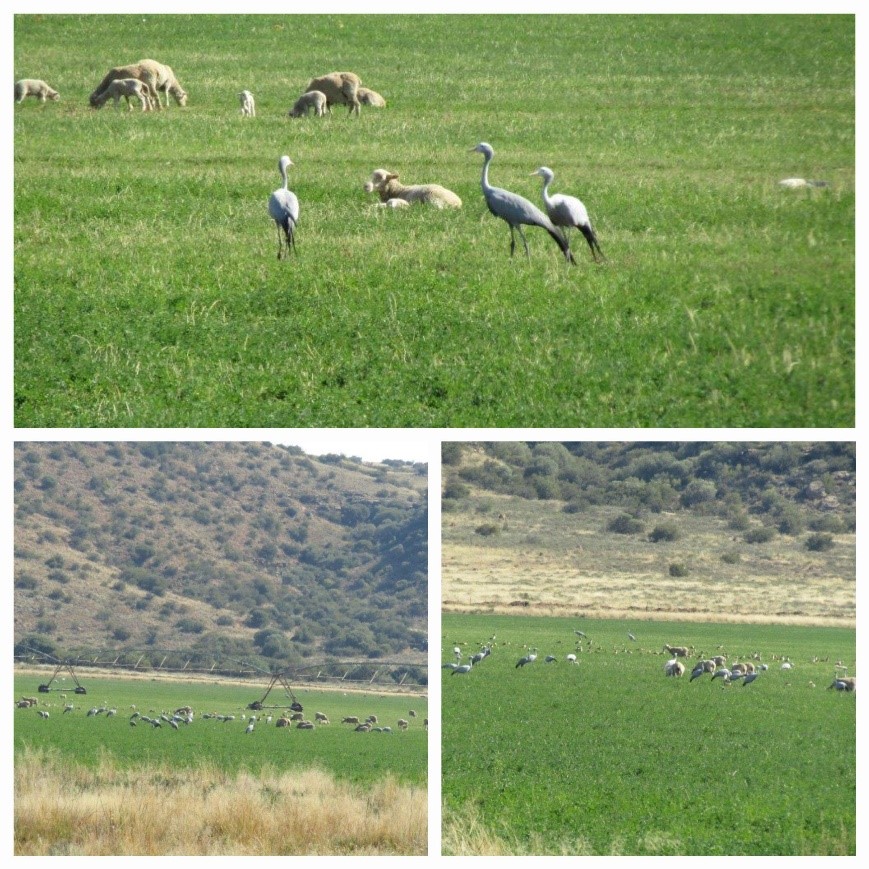
South Africa’s national bird, the Blue Crane, is the world’s most range-restricted crane. Although Ronelle did not see many Blue or Grey Crowned Cranes during her survey of the powerlines, she did come across this flock of more than 330 Blue Cranes on agricultural land near Venterstad in the Eastern Cape on her trip home.

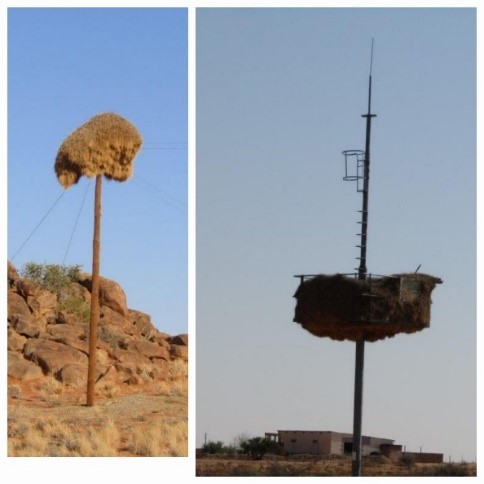
The drier western part of the Northern Cape is also very well known for its characteristic Sociable Weaver nests. Social Weavers typically build their nests in Camel Thorn trees, but also have a preference for bare manmade structures, such as telephone and electric poles. These huge nests of straw and grass can be seen for miles and are often home to colonies of more than 100 birds.

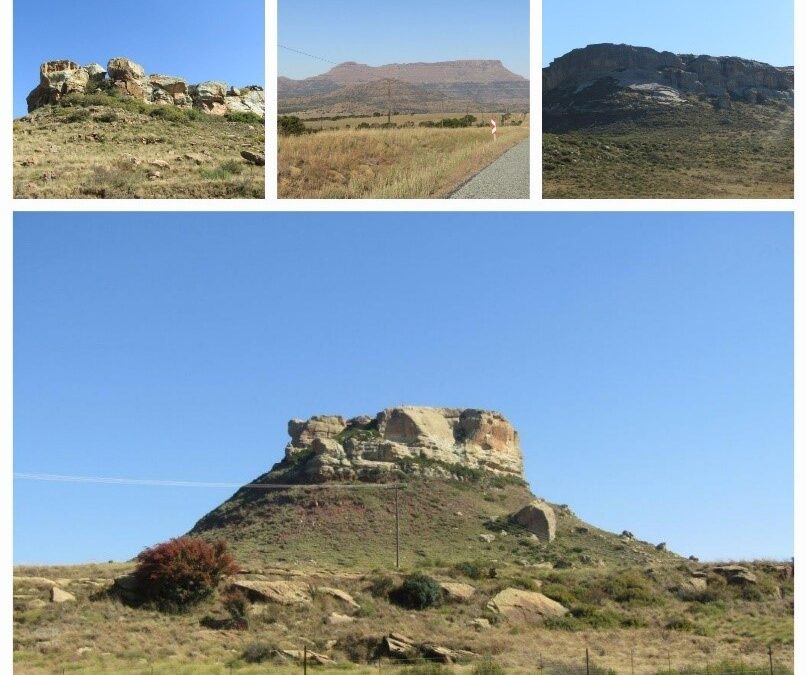
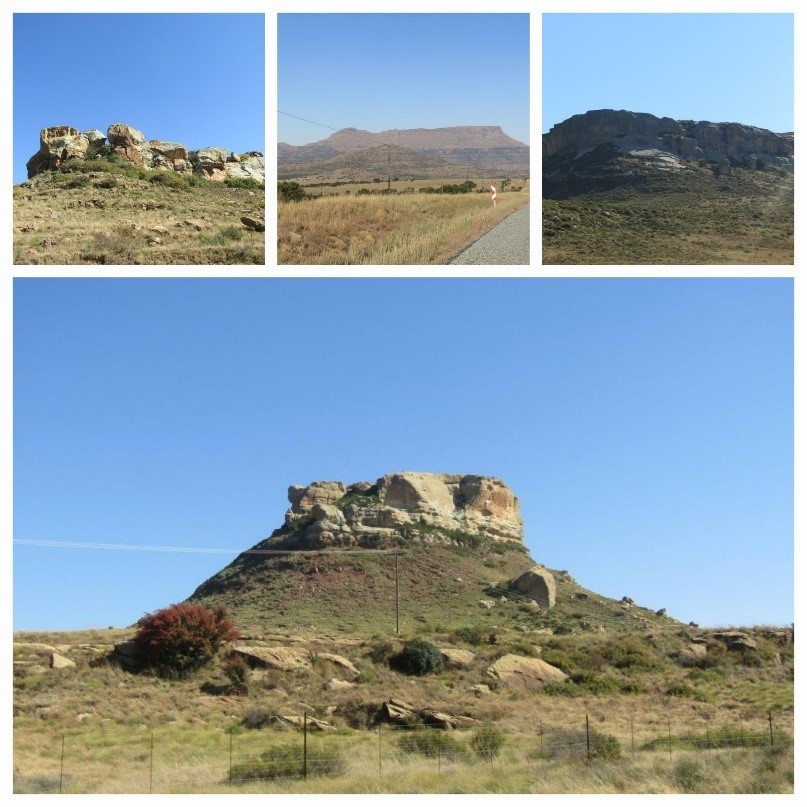
Travelling through the Eastern Cape you are able to view beautiful mountains and rock formations.

Canoeing the Kafue River for research

Canoeing the Kafue River for research


Canoeing the Kafue River for research

Kelvin Steven Floyd, Restoration Ecologist in Zambia, African Crane Conservation Programme


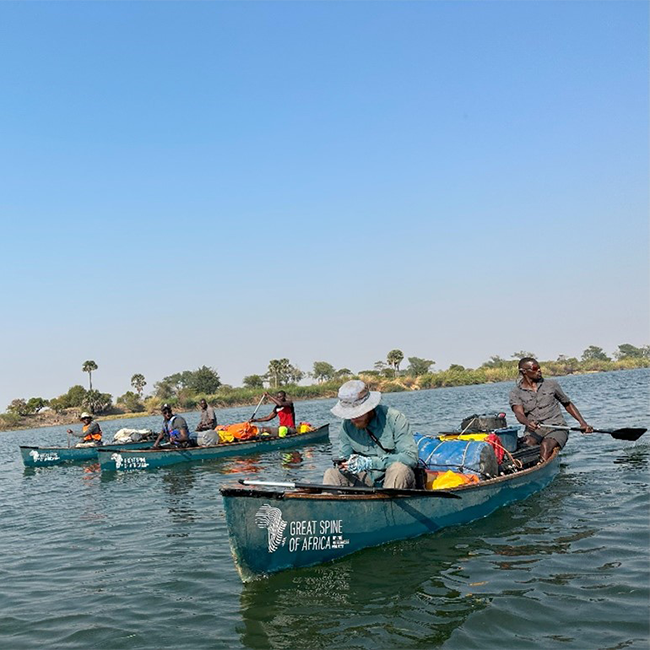
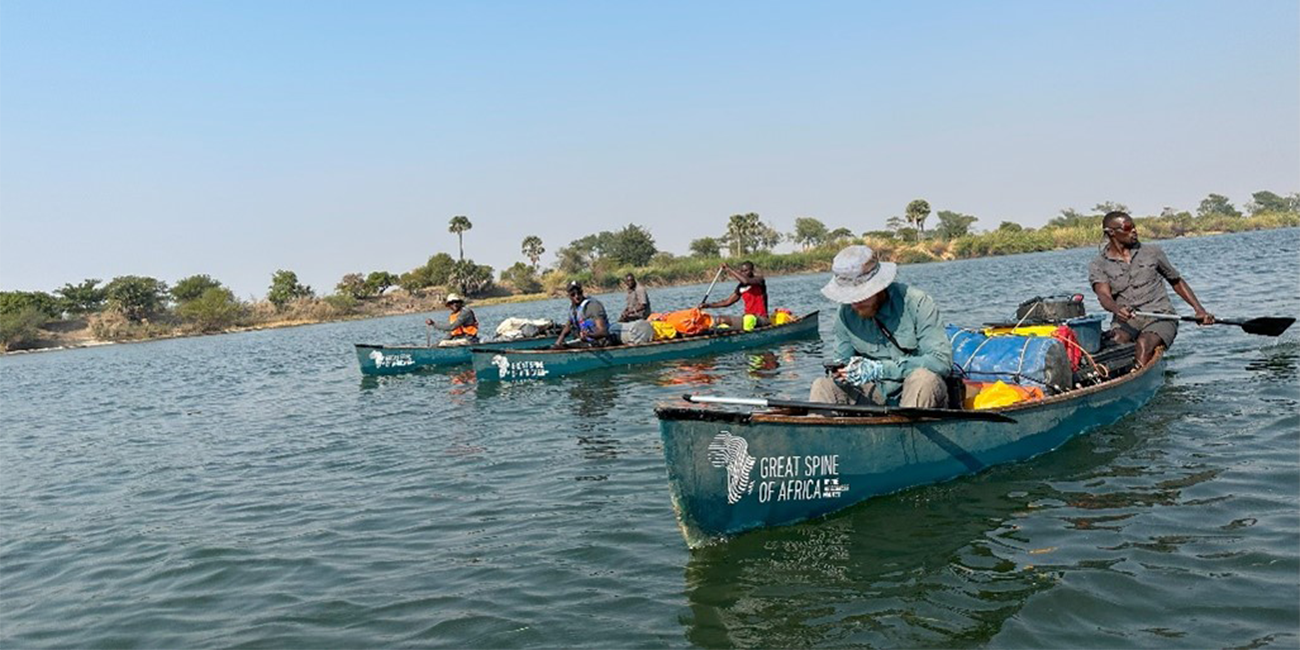
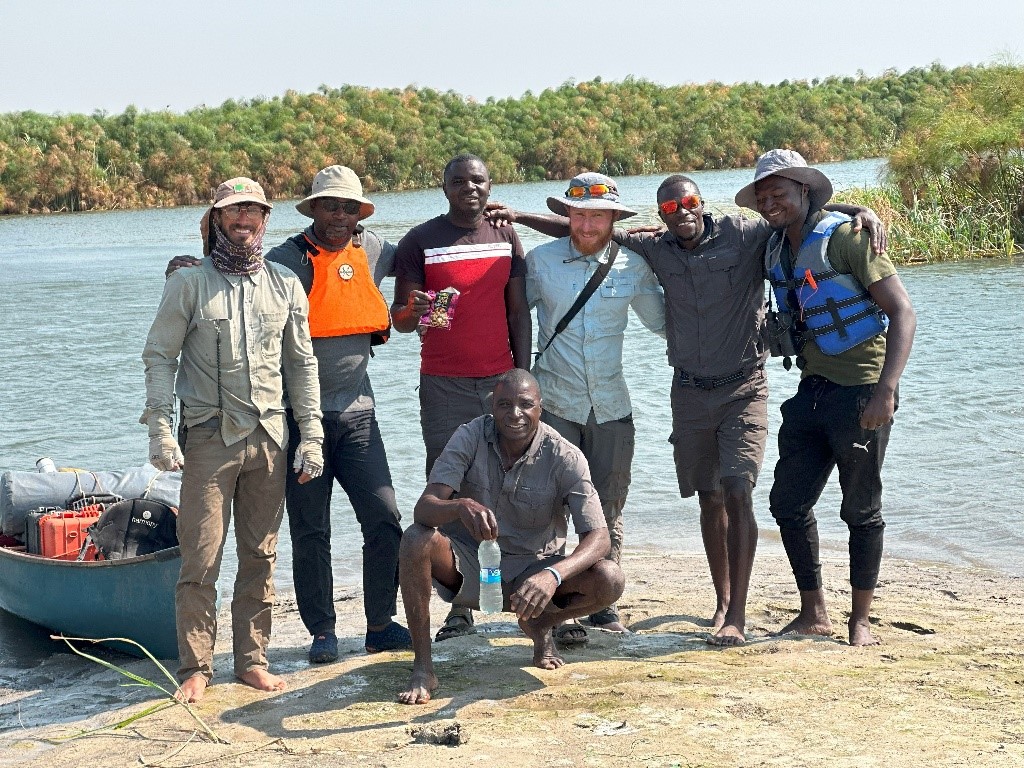
The World Bird Foundation of America has a project called the Wilderness Project to explore major rivers in Africa including the Congo, Zambezi, Luangwa, Kafue River. I was recently privileged to join one of their team exploring the Kafue River from its source to the confluence with the Zambezi River.

I joined the team led by Dr. Joseph Cutler, who is also a National Geographic Explorer, from Zambia’s bird-watching paradise at Itezhi-Tezhi to the Kafue bridge covering the Kafue Flats stretch of the journey.

We paddled over 350kms in 13 days enduring strong winds and huge waves which almost tipped our canoes over, this expedition had everything, it was tiring, exciting, frightening, adrenaline filling but most of all a great opportunity for knowledge generation.

Throughout the transect, we recorded all the waterbirds, herbivores, collected water samples for analysis of heavy metals, human activities, invasive species, Environmental DNA, invertebrates which will be key for our JRS Biodiversity Foundation project, which is part of our work within the International Crane Foundation/EWT Parthership focusing on research and monitoring under the Kafue Flats Restoration Partnership. The aim of the JRS project is to fully design and implement the much-needed ecological monitoring, assessment, and management plan for the Kafue Flats wetlands in Southern Zambia. 

The objective of this plan is to monitor important freshwater biodiversity indicators including threatened and endangered species (Wattled and Grey Crowned Crane), large mammals, waterbirds, wetland vegetation, and other wetland parameters, and human threats/ management challenges such as invasive species, fire, water, and livestock density. The results from the monitoring and assessment will inform and drive the adaptive management of the Kafue Flats, especially the conservation of vital wetland biodiversity in this globally important ecosystem. 

Lions roaming Phalaborwa darted and sent back to the Kruger National Park

Lions roaming Phalaborwa darted and sent back to the Kruger National Park


Lions roaming Phalaborwa darted and sent back to the Kruger National Park

by Marnus Roodbol, lion conservation senior field officer, CCP

On Monday, 3 June, 2024, five young lions were spotted roaming Villa Luso in Phalaborwa. The  same lions were later spotted by the Phalaborwa horse patrols along the western boundary of the Kruger National Park, south of the Phalaborwa gate.

Later in the they moved onto the Hans Merensky Golf Course before returning to the greater Kruger area.

Although the community and stakeholders assumed that the lions had left the town and  returned to the safety of the greater Kruger, the pride was again seen in town later that night.

That was when we all sprang into action to ensure that the five lions were removed from the town limits and moved to the Kruger National Park.

Following a consultation between the Limpopo department of Economic Development, Environment and Tourism (LEDET), the Phalaborwa Heritage Foundation (PNHF), the Endangered Wildlife Trust (EWT), and the regional and section rangers of the Kruger National Park,  it was decided to capture the lions and to move them back into the safety, and security, of the greater Kruger area.

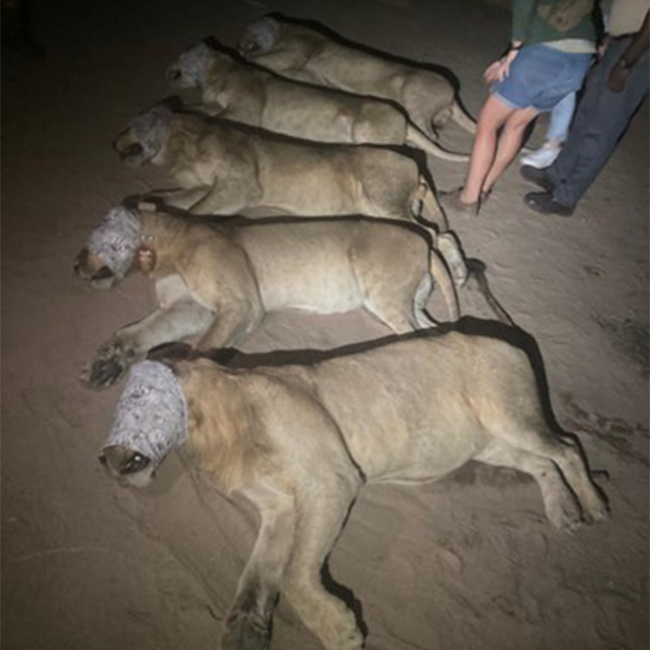
The EWT Carnivore Conservation team on site assisted in the capture and darting of the five lions – two adult females and three young males.  One of the lionesses was fitted with a GPS tracker by the EWT so that we can continue to monitor the pride’s movements.  This will also assist stakeholders should further assistance for this pride be needed in future.


The darted lions, of which one was collared, before being transported back into the Greater Kruger area.