Help us  
 lost species

Donate today  

Rhino Peak Challenge

Rhino Peak Challenge


Rhino Peak Challenge – Highlights

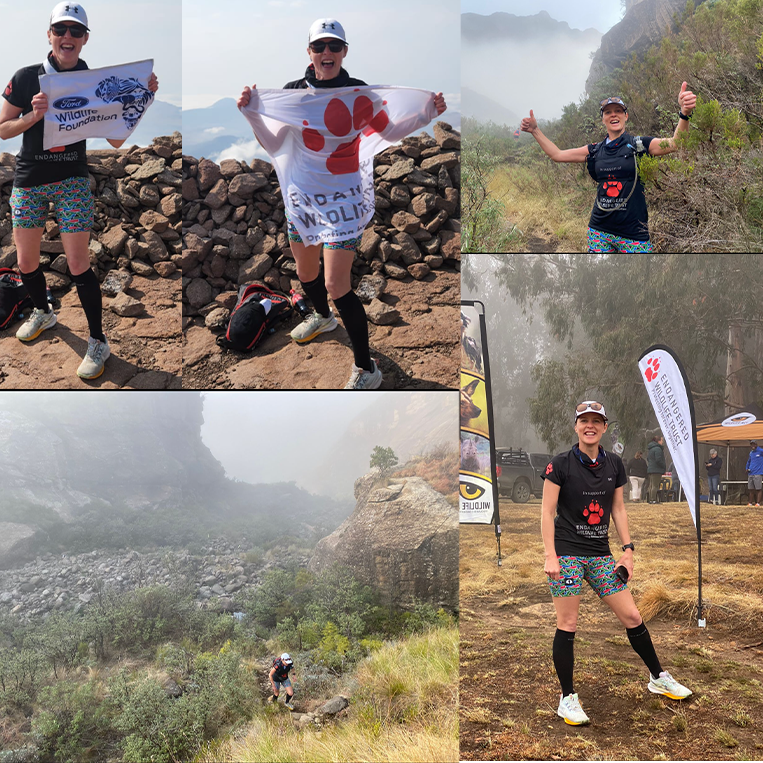
A total of 48 invited ambassadors, including school participants and a mix representing WACT and EWT, set off at 6:30 am from the RPC start line on Saturday. It started as a misty cool morning, with the Rhino Peak hidden from sight, but still present in everyone’s minds. The weather soon cleared up with the Underberg in full colour and all its glory. You seldom escape the wind on the mountains, and this year was no different. If anything, one of the strongest winds I have ever experienced. But the escarpment and the summiting of the peak is always a special and humbling experience. Not to take on the mountain, but to be part of it. However brief. To be part of nature and something that has stood majestically and purposefully through millennia.

The intensity of the climb and the diversity of people that the challenge attracts was apparent in this years finishing times. With our fastest ambassador home in 3hours 19 minutes, and the longest day on the mountain closer to 14 hours!


But this is why our RPC ambassadors do what they do. To protect, appreciate and conserve. To realise that everything is connected. To be immersed in nature, and all of its harsh and beautiful elements, for a magical moment in time.


Thank you to Spurgeon Flemmington from RMA (Running Man Adventures) for knowing that this mountain and this event would raise millions for conservation.

To the event beneficiary partners, WACT and KZN Ezemvelo, whom we work with to protect this important heritage site and the species and people that rely on it.

To every ambassador that not only takes on the challenge of fundraising but of summiting the peak.

To all the EWT ambassadors and personal incredible donors such as the Ford Wildlife Foundation and Go2Africa for supporting our work. This event would not be possible without you, and conservation thanks you.


DCP showcasing Projects and “furries” with Funders

DCP showcasing Projects and “furries” with Funders


DCP showcasing Projects and “furries” with Funders.


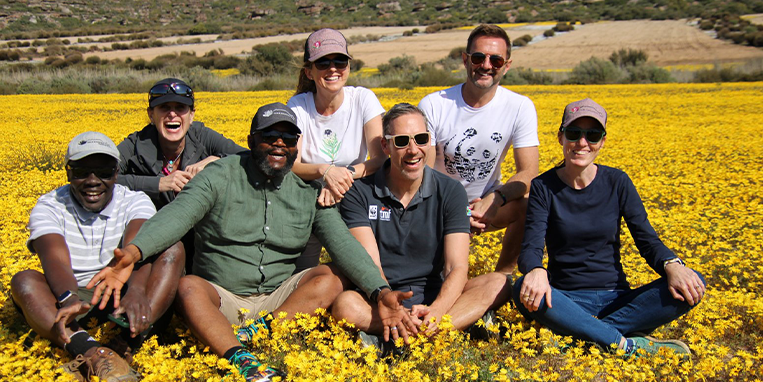
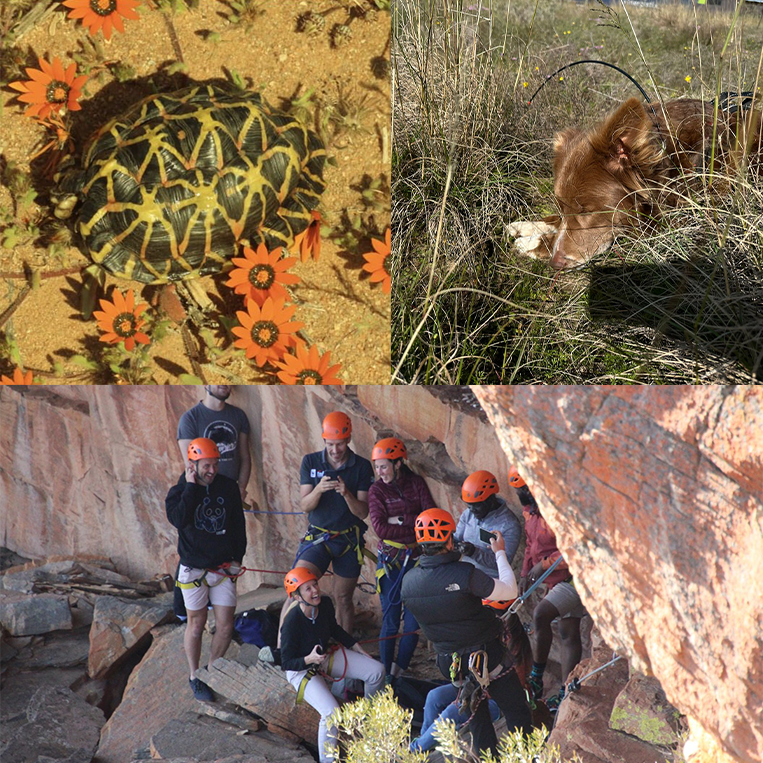
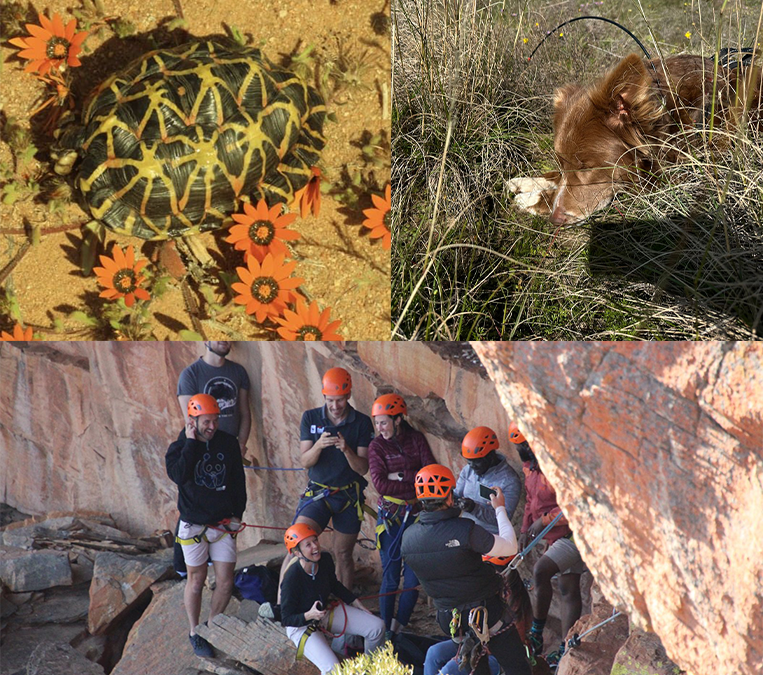
On the weekend of 31 August and 1 September, the DCP team enjoyed the company of the Table Mountain Fund (TMF) Board and officials at Papkuilsfontein Farm in the Northern Cape. TMF is funding the project: Fynbos on the Edge, which is aimed at exploring and developing opportunities to diversify the farming income, through making the overall business model more sustainable from a financial, agricultural, and ecological perspective. Diversifying and growing income from a single agricultural income to a tourism income targeting a range of visitor profiles is aimed at taking pressure off the natural resources, particularly the natural rangeland. The Papkuilsfontein Farm is located on the Bokkeveld Plateau and is the stage for a phenomenal flower display during August and September. On arrival on the farm, the Board members were introduced to the Van Wyk family, who are the 6th generation who bravely took the step to sign a Protected Environment Stewardship Agreement and enter into diversifying their agricultural income through developing remarkable eco-tourism products such as mountain biking, hiking routes and the Via Ferrata on the farm. The group enjoyed hikes, the Via Ferrata and sundowners on the cliffs before returning to their respective destinations.

Esté and Delta mesmerized the Rainforest Trust Board on 8 September on the Worcester Geometric Reserve. Delta, being the star of the day, ensured that her nose and loving persona captured the imagination of the group of Board members before she was put to work to locate, and indicate, live geometric tortoises. This range restricted species is endemic to the winter rainfall region of the south-western Cape and is listed as one of the top 25 most endangered tortoises (and turtles) in the world. The species face threats such as habitat loss due to urban and agricultural expansion, fragmentation of existing habitat leading to isolated populations, invasive alien vegetation and animals, such as feral pigs, and too frequent fires. The risk of poaching of specimens from the wild is also a significant potential threat. Delta ensured that some of the guests on the day saw a Geometric tortoise for the first time in their lives.

Projects made possible by Table Mountain Fund and Rainforest Trust.


International Vulture Awareness Day, Cape Vulture Conservancy

International Vulture Awareness Day, Cape Vulture Conservancy


International Vulture Awareness Day, Cape Vulture Conservancy


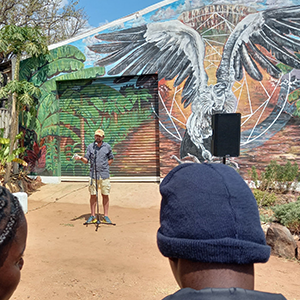
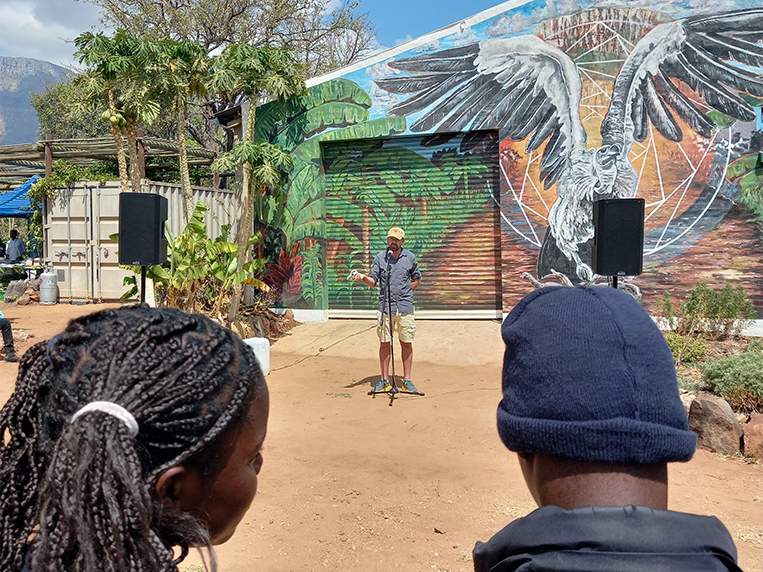
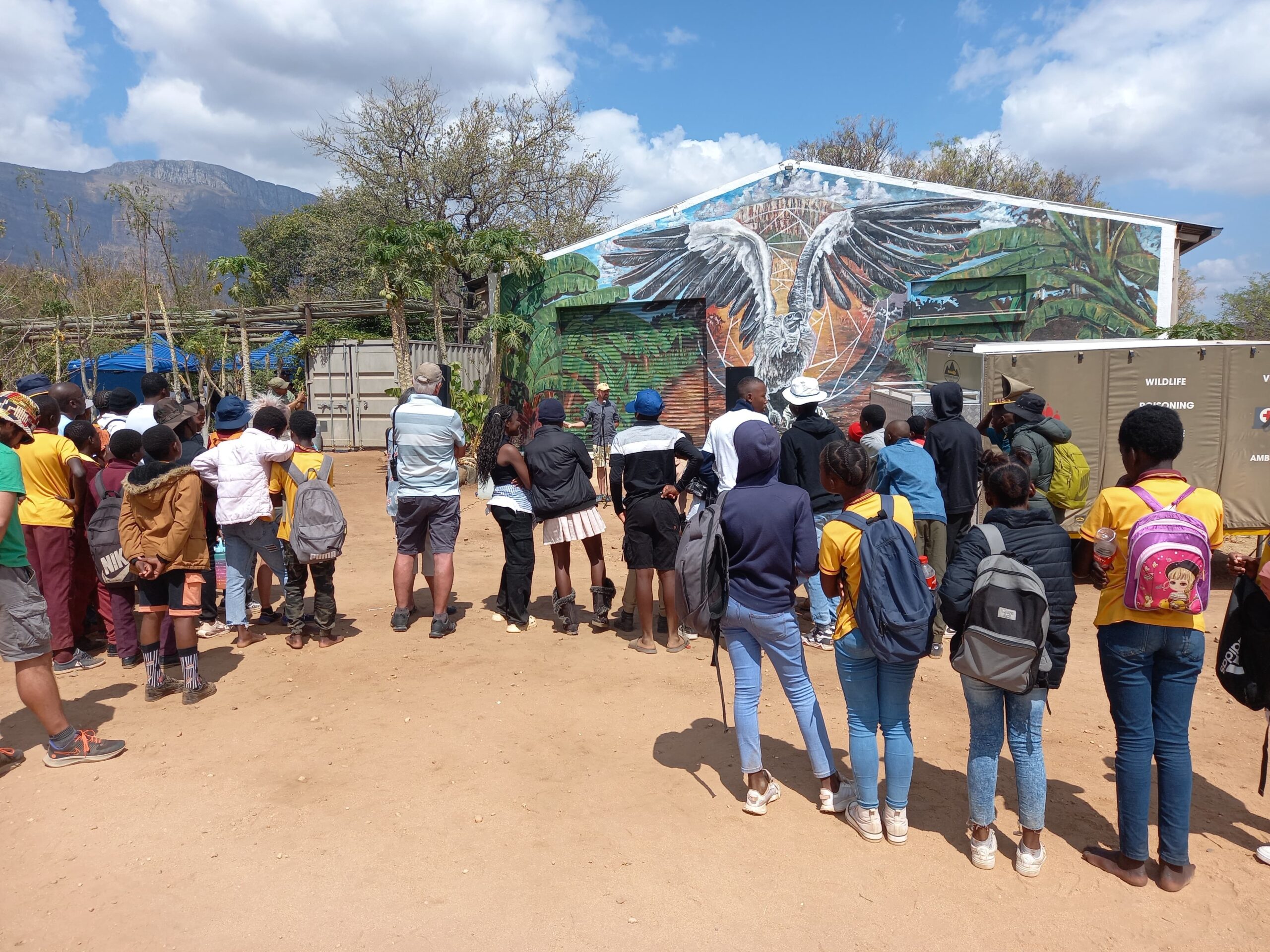
Every year, people from all around the world, come together on the first Saturday of September to celebrate internation vulture awareness day. Originally started by the Endangered Wildlife Trust and the Hawk Conservancy Trust in 2006, it has grown since inception into a global platform to celebrate a group of birds that don’t always get the attention and publicity that they deserve. This year, the Endangered Wildlife Trust in the lowveld region of eastern South Africa, joined up with the Cape Vulture Conservancy, to share knowledge and education about vultures in general, along with the threats they face, and how we can collectively work together to create a better future where the skies are filled with vultures.

Cape Vulture Conservancy plays host to the second largest colony of Cape Vultures Gyps coprotheres globally, and as an organisation, they have prioritised the long-term conservation of the colony, and really making this the core of what they do. With over 700 breeding pairs nesting along the cliff faces of the Drakensberg escarpment, it makes for a wonderful backdrop, and a perfect venue for celebrating such an important event.


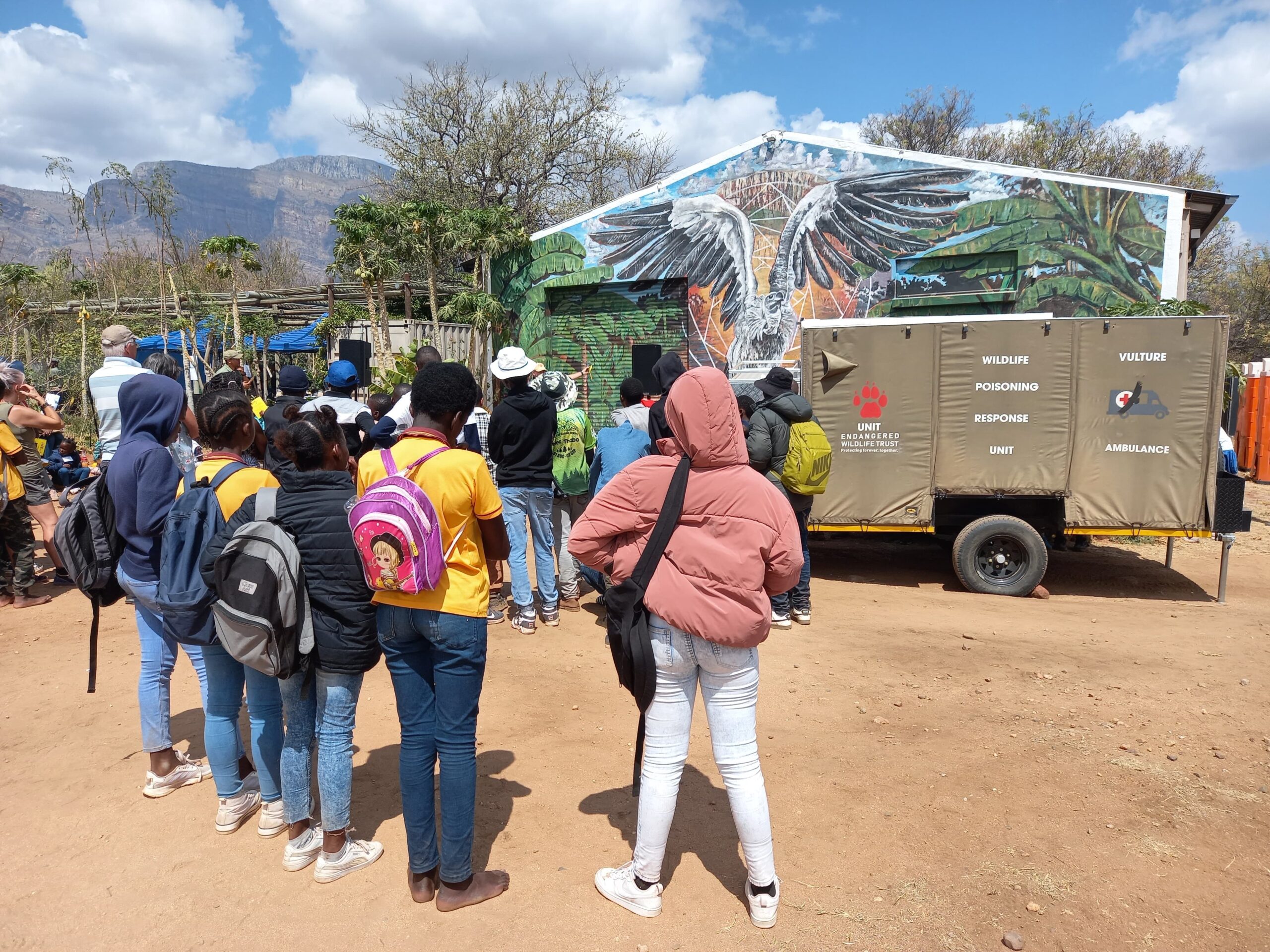
This year, one of the major aims was to include youth from surrounding areas and the greater Hoedspruit community and afford the chance to not only get to know the property better, but also educate people regarding the plight of these special birds. With roughly 300 school kids attending, and with some travelling from as far as Selwane, to the north-west of Phalaborwa, it undoubtedly was an event that stood out as one of the highlights of the year. The day started with a fun walk covering a 5km section of the property, after which everyone could explore the permaculture gardens, several stalls from organisations such as Daktari Bush School & Wildlife Orphanage, Moholoholo Wildlife and Rehabilitation Centre, and Animal Relief for Rural Communities. After some introductory presentations from Frikkie Kotze, the manager of Cape Vulture Conservancy, and John Davies from the Endangered Wildlife Trust, everyone got treated to a snake demonstration from the Hoedspruit Reptile Centre, which was a real hit and a great way of ending the day.

The Endangered Wildlife Trust would like to thank the wonderful team from Cape Vulture Conservancy for taking the initiative to not only host and drive this event, but also commit to the long term conservation of these magnificent birds within the region.

EWT Drylands Conservation team participates in 2024 Fynbos Forum

EWT Drylands Conservation team participates in 2024 Fynbos Forum


EWT Drylands Conservation team participates in 2024 Fynbos Forum

By Dr Samantha Mynhardt and Insauf De Vries

Renier Basson speaking about insects and fynbos conservation

Members of the EWT’s Drylands Conservation Programme (DCP) participated in this year’s Fynbos Forum in Stellenbosch earlier this month, sharing information about efforts to conserve golden moles and insects, and the partnership with communities to promote tourism in areas rich with Fynbos.

The forum, first held in 2020, is an affiliation of natural scientists, researchers, planners, managers, landowners and stakeholders that meet annually to discuss the collaborative production of knowledge that underpins regional conservation efforts in the Fynbos biome in South Africa. As a transdisciplinary regional learning network, the forum supports discussions on management issues and research results, and formulates priorities for future research and conservation management actions required to ensure the conservation and sustainability of Fynbos ecosystems.

Notable keynote speakers included Dr. Jasper Slingsby from the University of Cape Town, who spoke about BioSCape – The Biodiversity Survey of the Cape, and Rupert Barnard and Michelle de Bruyn from non-profit, Wild Restoration. They spoke about the collaborative action network for invasive clearing groups in the Greater Cape Floristic Region and the power of partnerships in conservation.

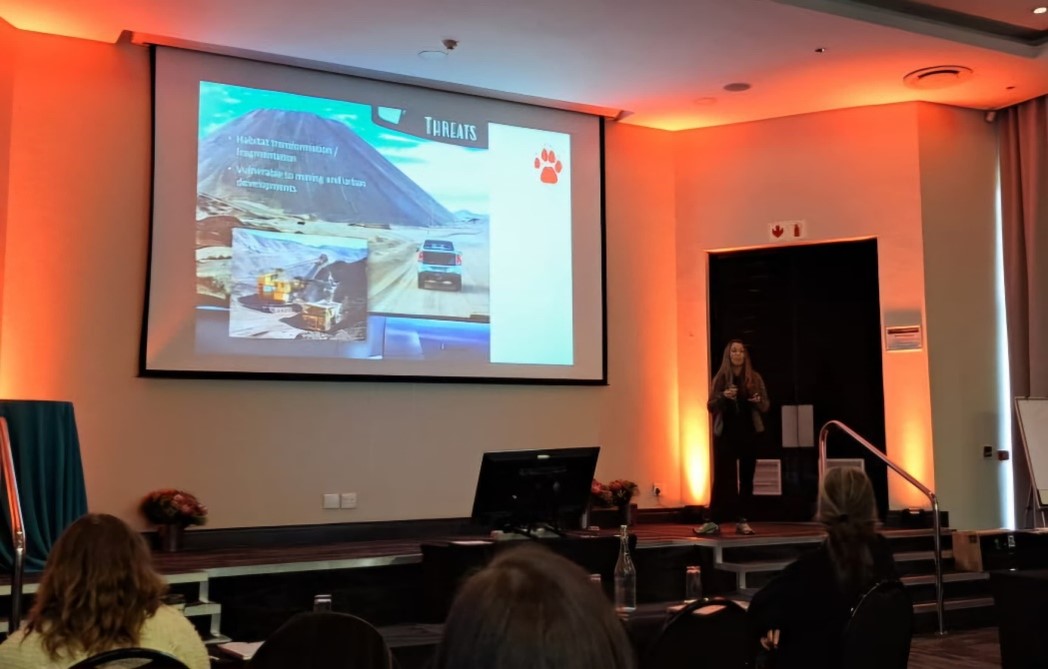
From the EWT’s DCP team, Dr Samantha Mynhardt presented a talk on golden moles entitled “Conserving the Golden Moles of the South African West Coast”. Golden moles are subterranean mammals that are endemic to sub-Saharan Africa, many with restricted ranges due to poor dispersal ability. These moles are highly vulnerable to population fragmentation and isolation and continue to face ongoing threats, such as habitat transformation, mining, and agriculture. Of the 21 species, ten are listed as either Critically Endangered, Endangered or Vulnerable on the IUCN Red List. A total of 6 occur in the Drylands of South Africa, some of which overlap with the Fynbos biome. Dr Mynhardt spoke about how the EWT has been working towards the conservation of the De Winton’s- (Cryptochloris wintoni) and Van Zyl’s- (Cryptochloris zyli) Golden Moles, by developing methods to track them down in the wild, better understand their distribution, and protect their habitat. Including how, after trialing various detection methods such as thermal imaging drones, scent detection dogs and environmental DNA (eDNA), we were able to rediscover the De Winton’s golden mole in 2023 – a species that had been lost to science for over 80 years. We are using eDNA to map golden mole species distributions; an approach that has the potential to revolutionise the field of conservation science.

Alrie van Wyk presenting about the Papkuilsfontein initiatives

Dr Samantha Mynhardt speaks about the conservation of golden moles on South Africa’s West Coast

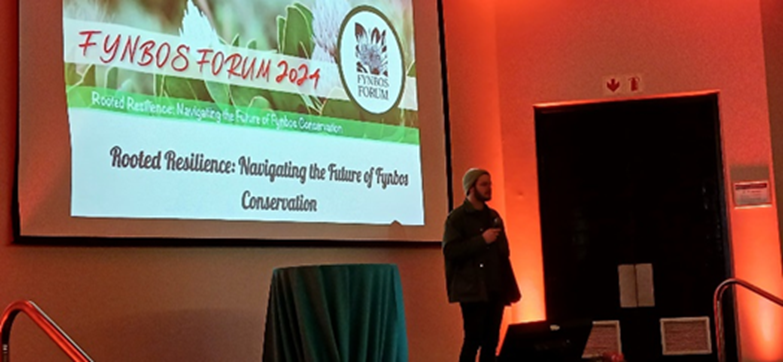
Team member Renier Basson presented a talk on the endemic and Endangered insects of the Fynbos highlighting unique species that are adapted to the Fynbos biome, and species that are of conservation concern. The aim of his talk was to inform the audience about the elusive biology of endemic insects , the ecological role they play, their threat status, and why they are threatened. There are approximately 9,000 Fynbos species and roughly 70% of those are endemic. Discussing threatened taxonomic groups such as Restio Grasshoppers (Betiscoides spp.), butterflies in the genera Chrysoritis, Thestor, Orachrysops and Trida, and Cape Stag Beetles (Colophon spp.), he mentioned that the biology of many of these threatened groups remain unknown, which makes decision-making in terms of conservation very challenging.

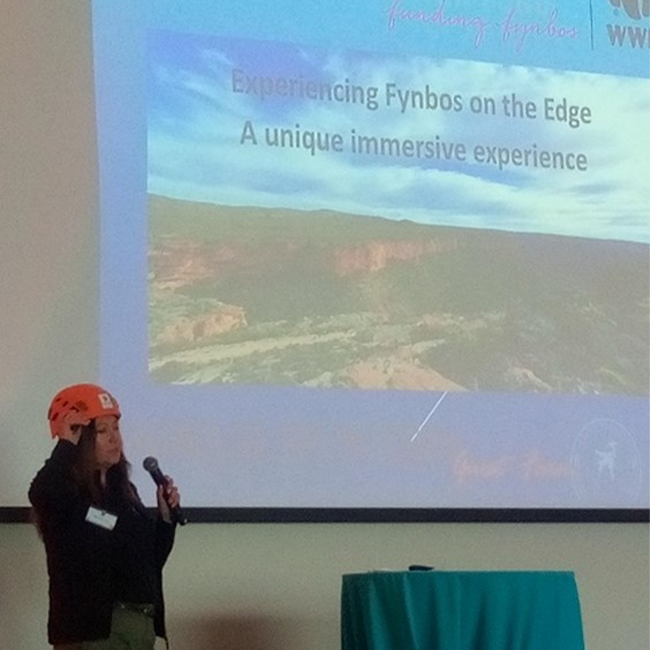
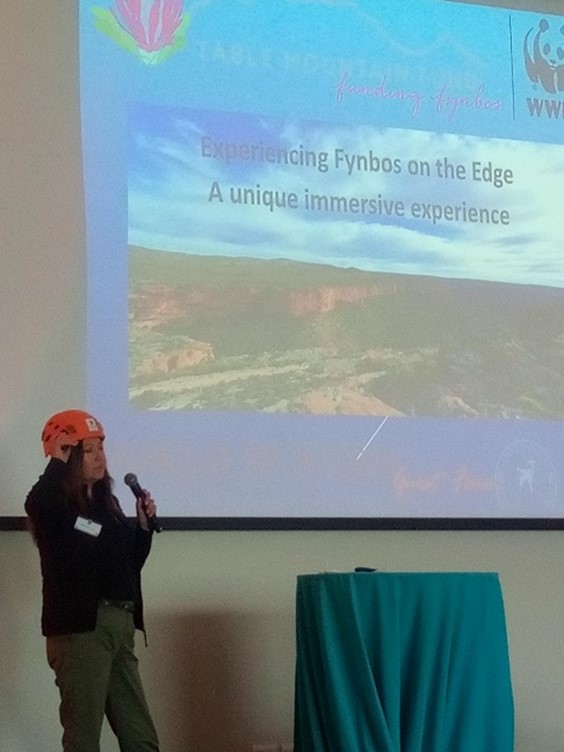
Alrie van Wyk, one of the DCP stewardship landowners, spoke about the EWT’s Via Ferrata initiative at Papkuilsfontein Guest Farm in a talk entitled “Experiencing Fynbos on the Edge”. The Via Ferrata roughly translates to iron trail – in reference to an iron cable installed along the cliffs of the Oorlogskloof Gorge at the farm. Situated on the Bokkeveld Plateau, near Nieuwoudtville, the farm contains unique Fynbos and Succulent biomes, which are both biodiversity hotspots, as well as the Nama Karoo Biome. The convergence of the various biomes results in exceptionally high biodiversity. Nieuwoudtville is known as the bulb capital of the world and is thus a popular tourist destination during the flower season. But, this season is short and, in some years, less financially beneficial due to poor flower displays. To make tourism an inclusive and sustainable future economic contributor in support of sustainable land management, partners are working together to reimagine this approach. As such the EWT-DCP team introduced the van Wyks to adventure tourism as a means to provide a much-needed opportunity to develop a sustainable income stream based on an immersive and uniquely tailored experience. This includes a Via Ferrata – a safe, guided rock-climbing experience within the Papkuilsfontein protected environment that showcases the unique Fynbos biodiversity found on the edges of the Oorlogskloof Gorge. Alrie’s presentation highlighted how this project became a pathway to community upliftment, contributed to resilience of the landscape, and allowed for financial returns to flow back into the conservation of the biodiversity on the farm. Her talk won the prize for the Best Presentation. We are extremely proud of her!

Overall, the Fynbos Forum presented a great opportunity for our team to connect with one another, and to network with the broader Western Cape conservation community. We walked away with renewed enthusiasm to contribute to future research and conservation management actions required to ensure the conservation and sustainability of Fynbos ecosystems.

The EWT projects and attendance of the event were made possible by Table Mountain Fund and Mohamed bin Zayed Species Conservation Fund.


News from the Field – Translocation Tales: The Carnivore Range Expansion Project

News from the Field – Translocation Tales: The Carnivore Range Expansion Project

News from the Field

Translocation Tales: The Carnivore Range Expansion Project

By Eugene Greyling, Carnivore Conservation Field Officer

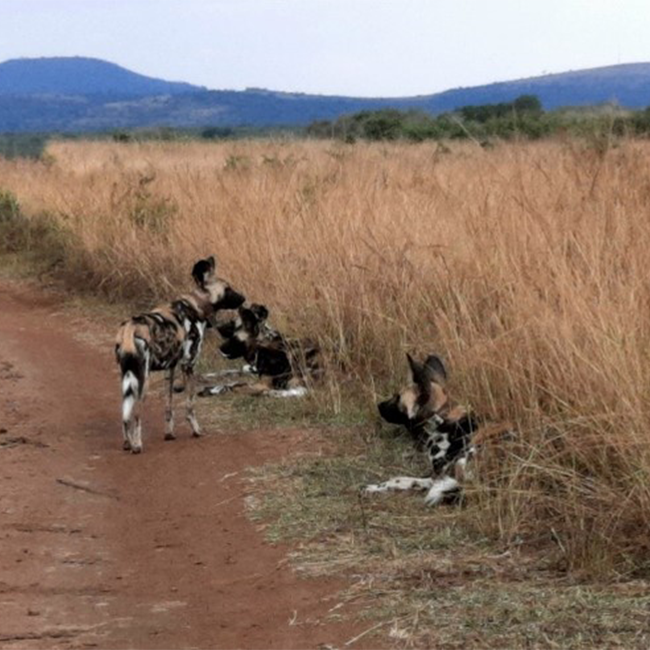
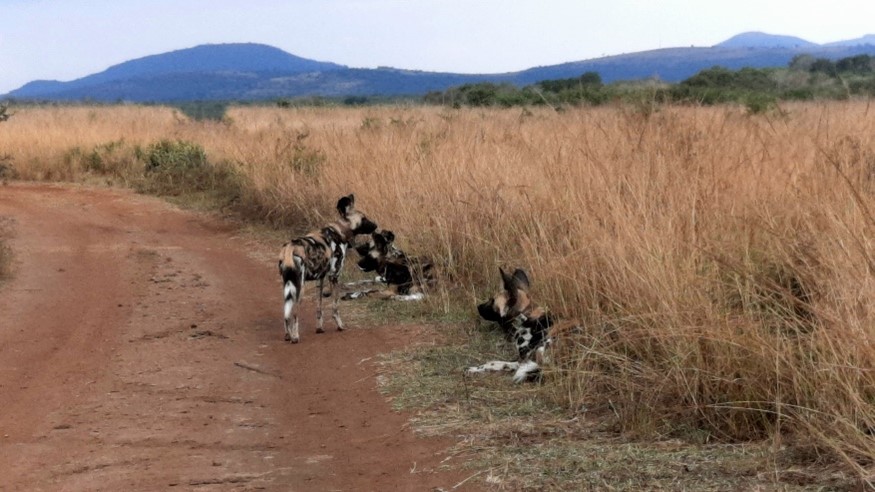
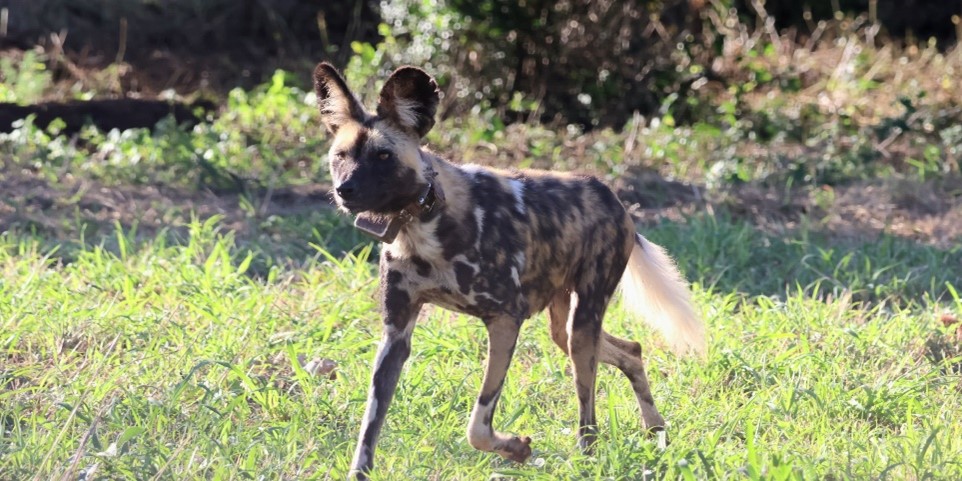
Wild dogs relaxing after being released at Mpilo Game Reserve

The general aim of the Endangered Wildlife Trust’s Carnivore Range Expansion Project, operating within the Carnivore Conservation Programme, not only includes the conservation of current carnivore populations and the maintenance of genetic integrity in areas where a lack of sufficient ecological connectivity hinders natural dispersal, but also extends to the expansion of geographical range for focal species (with a primary focus on African wild dogs Lycaon pictus and cheetahs Acinonyx jubatus).

Restoring previously extirpated or locally extinct populations, thereby recovering lost range, and securing safe space across the African continent is thus an important priority for us.

“Translocation” refers to the action of purposefully taking an organism from a suitable habitat in one area to a suitable habitat in another area. This is done to encourage threatened species to repopulate in a new area to improve the conservation status of the species and restore the functioning of the ecosystem through population restoration.

Most recently, several translocations have been undertaken by our wild dog range expansion team to reintroduce wild dogs to additional safe spaces in South Africa.

For the first time, founder packs have been introduced into Mpilo Private Game Reserve and Nambiti Private Game Reserve, in collaboration with Ezemvelo KZN Wildlife and Wildlife ACT. All introduced individuals have been fitted with tracking collars to enable daily monitoring of their movements, population and behavioural dynamics, and ecological influences and to help prevent human-wildlife conflict. The information gathered allows for informed decision-making – both at the reserve and the species level.

The pack at Mpilo PGR established well, birthing a litter of pups and curiously exploring their new environment, whilst the pack at Nambiti PGR is still adjusting and acclimatising to their new home in a boma before being released onto the reserve.

With less than 600 wild dogs found in South Africa, of only an estimated 6,600 that remain in the wild globally, every individual counts and we are immensely grateful for the commitment of these reserves to the conservation of the African Wild Dog.

Sometimes, we also need to get creative in the field, as was the case when we executed another successful wild dog translocation to Makalali Private Game Reserve in Limpopo recently.

Due to challenges faced with non-ideal weather conditions as temperatures plummeted to -3°C on the day of relocation, we opted to transport this small pack of four together in a single-compartment lion crate instead of the specially-designed wild dog crates we would generally use. By simulating a den-like environment within the crate, the wild dogs were able to keep each other warm and at rest, minimising stress throughout the journey.

If one thing is certain, it is that no day in the field is quite the same, and by being continuously challenged we continue to explore, innovate, learn, and adapt with every operation.


One of the collared female wild dogs released at Nambiti Game Reserve

Fired up for conservation

Fired up for conservation


News from the field:

Fired up for conservation

By Darren Pietersen, Ecology Manager, Soutpansberg Protected Area

Globally, “wildfires” are seen as terrifying, destructive, unnatural, and something to be stopped at all costs. This sentiment is understandable when the effects of runaway fires are seen – for instance the large-scale fires in Australia, and those in the Northern Cape province in the past few years that resulted in thousands of hectares of grazing being lost, countless livestock burning to death, and infrastructure being lost.

But fire is, in fact, an integral part of the ecosystem. Savannahs and grasslands rely on fire (and herbivory) for their maintenance by preventing bush encroachment, and many plant species, including many fynbos species, rely on fire to germinate their seeds. In his study comparing historical and contemporary photographs of the Soutpansberg, Dr Norbert Hahn established that the Soutpansberg overall has become much denser in the past 150 years, with the loss of most of the Soutpansberg grasslands (and their associated species) through the removal of large grazers and fire from the ecosystem. We cannot reintroduce bulk grazers to the majority of the Soutpansberg (yet), but we can ‘reintroduce’ fire.

The EWT Medike Reserve is in the process of reintroducing fire as a management tool on the Soutpansberg range. Like many properties on the Soutpansberg area, most of Medike Reserve has not burnt in a very long time – in the region of three decades, whereas historically the Soutpansberg would have probably burnt every five to ten years.

This absence of fire has resulted in the build-up of a vast quantity of moribund material such as dead grass and other plant debris, resulting in unnaturally high fuel loads and poor grazing for animals. This build-up of dead plant material can result in intense, difficult to manage wildfires – as we experienced last year when a lightning strike resulted in a fire that burnt for two weeks on farms neighbouring Medike.

In an effort to start restoring natural ecosystem functions, Medike is implementing management burns – purposefully burning a section of veld under appropriate ecological conditions, but also under conditions where the fire can be safely managed. Rangeland burns can legally only be set between September and November in Limpopo province (and only with the necessary permits), whereas all firebreaks need to legally be burnt before the end of June.


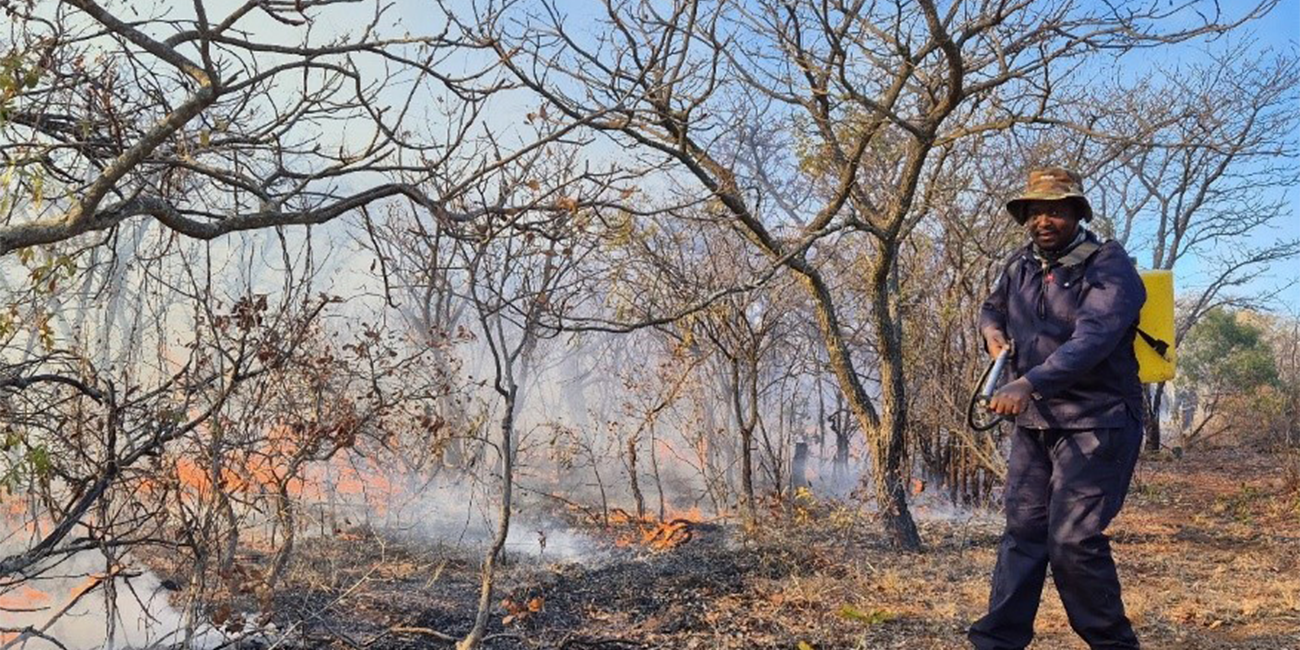
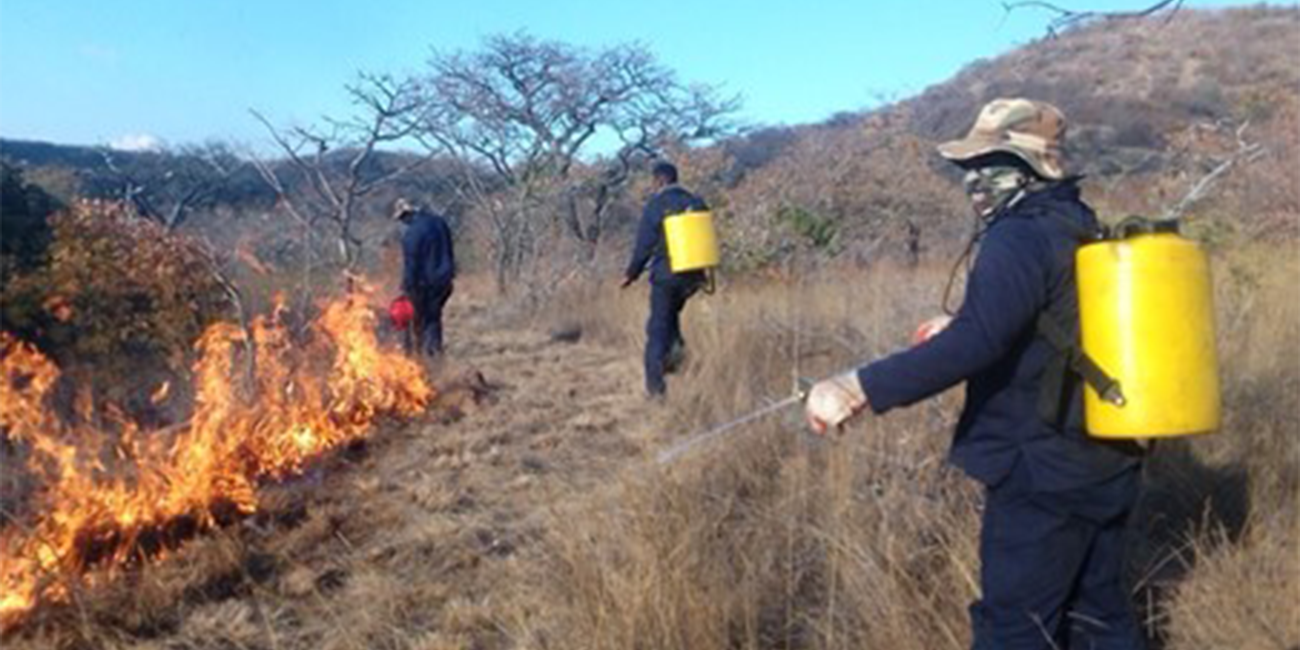
In preparation for a large (~600 ha) management burn planned for September this year, the Medike team burnt a 12 km long firebreak (with an average width of 20 m) around the block earmarked to be burnt. Firebreaks are not only a legal requirement, but will also allow us to burn the main block much more safely, posing a lower risk to the remainder of the reserve and neighbouring properties.

The management burn intends to provide improved grazing, converting the current moribund grass – which is probably about as nutritious as cardboard – into fresh, nutritious grass. In addition, the burn is also intended to open up the vegetation in general, returning its structure to a more natural, more open habitat by the remedying of bush encroachment. This will also provide additional habitat for grazers and a myriad of other species that require more open habitats. The intention is to burn the entire Medike Reserve in sections over the next four to five years, mimicking the natural fire cycle.

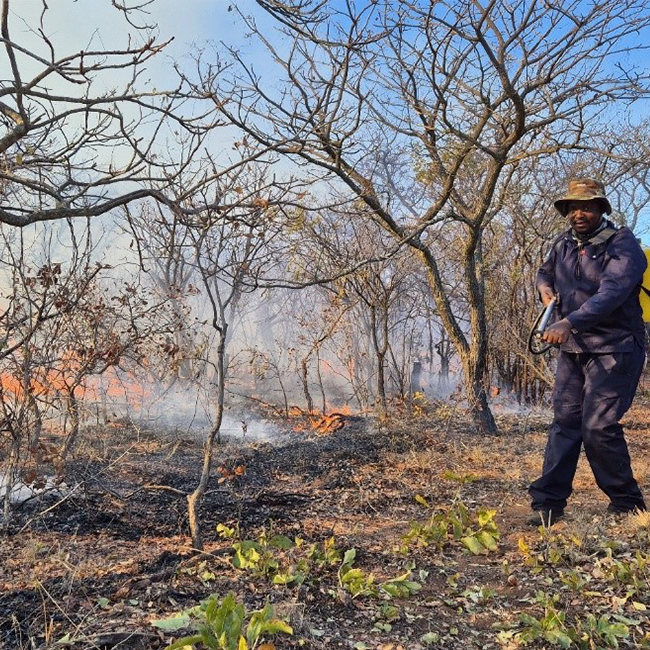
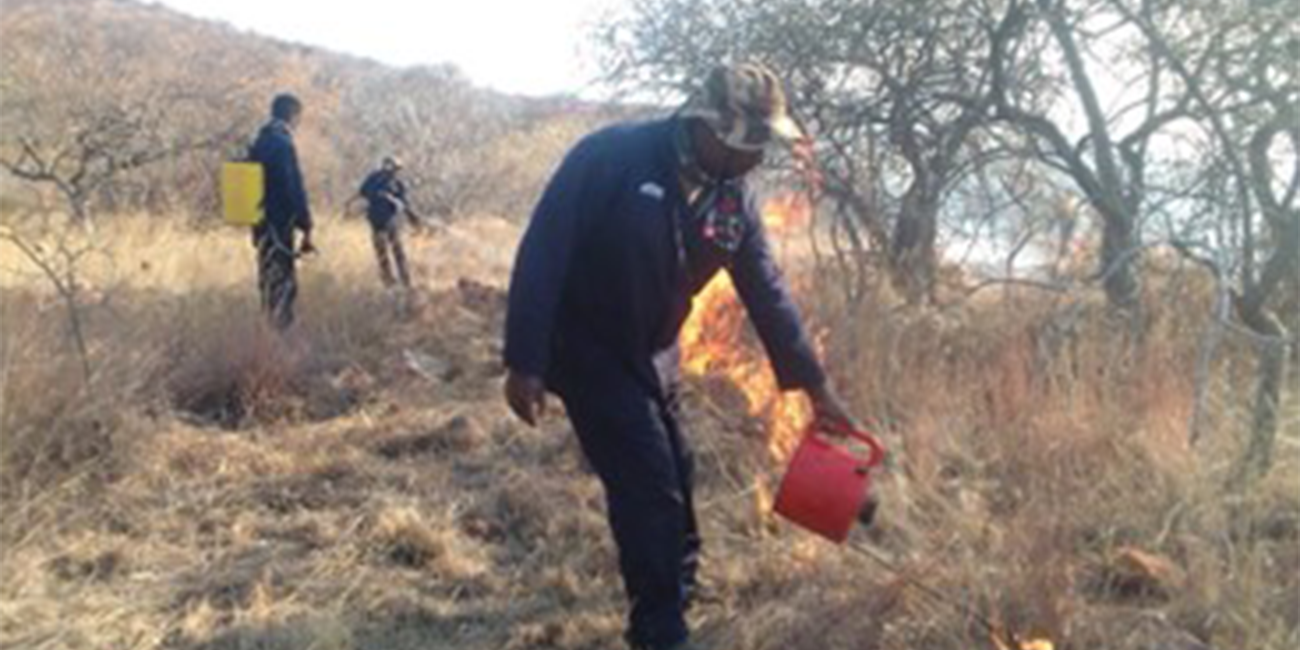
The SPA team burning firebreaks on Medike to safeguard vulnerable infrastructure against potential unplanned fires, and to prepare for a large management burn planned for later this year. The team did exceptionally well under often very difficult circumstances, and are now all accomplished firefighters.

  • We are grateful to Jonsson for sponsoring the fire-resistant overalls, which were tested to their max.