Cricket and Canine Heroes: Jocks of the Bushveld

Cricket and Canine Heroes: Jocks of the Bushveld


Cricket and Canine Heroes: Jocks of the Bushveld

By Tammy Baker. Donor relations officer for The EWT.


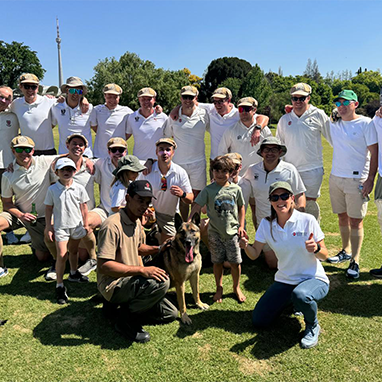
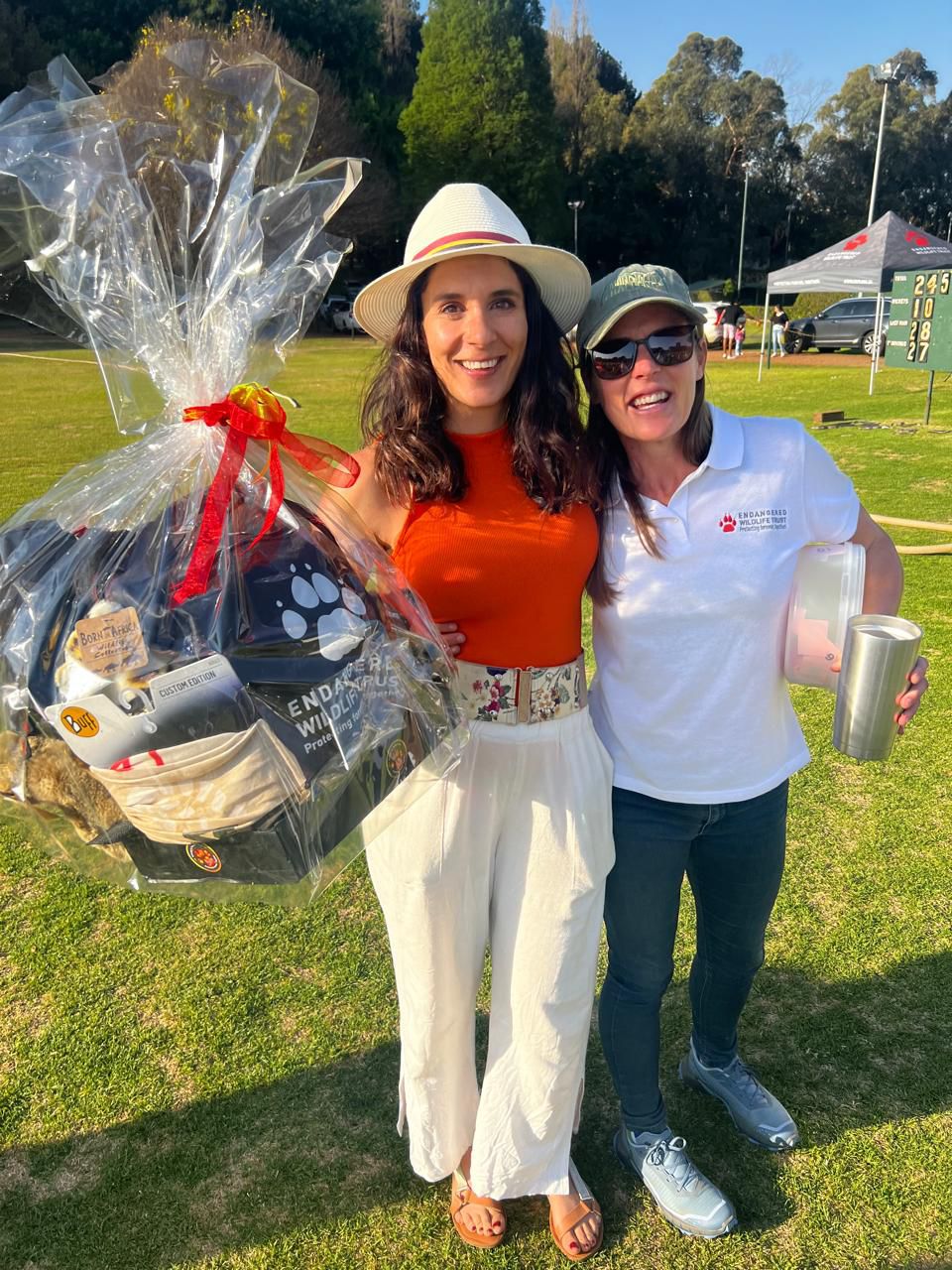
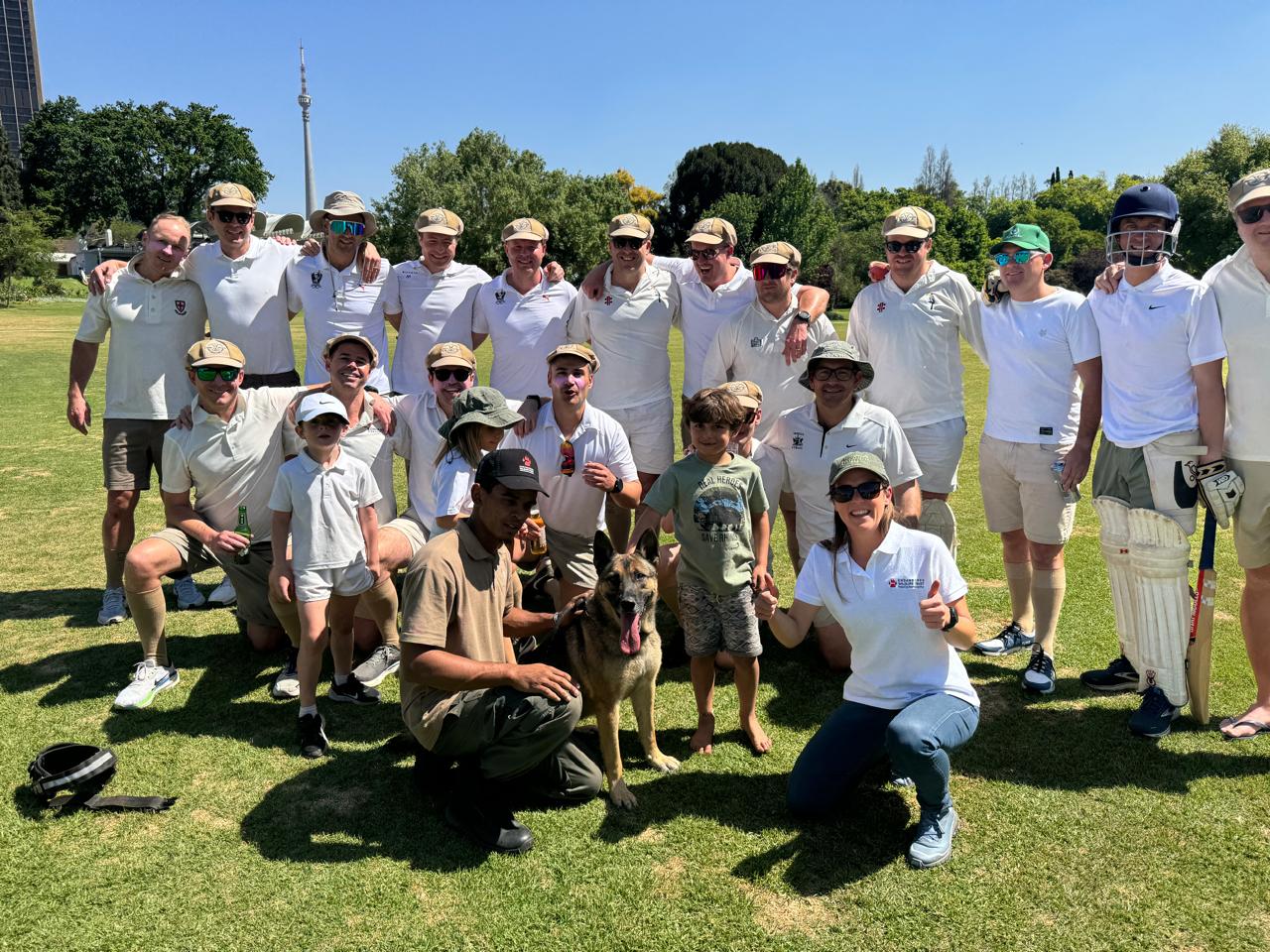
On Saturday, 5th of October, 22 dedicated “Jocks”, passionate about both cricket and conservation, took to the pitch at CCJ Auckland Park to raise funds for wildlife preservation. The Skukuza Snakes won the toss and chose to bat first in their 30-over match. Strong partnerships lead them to a competitive score of 275.

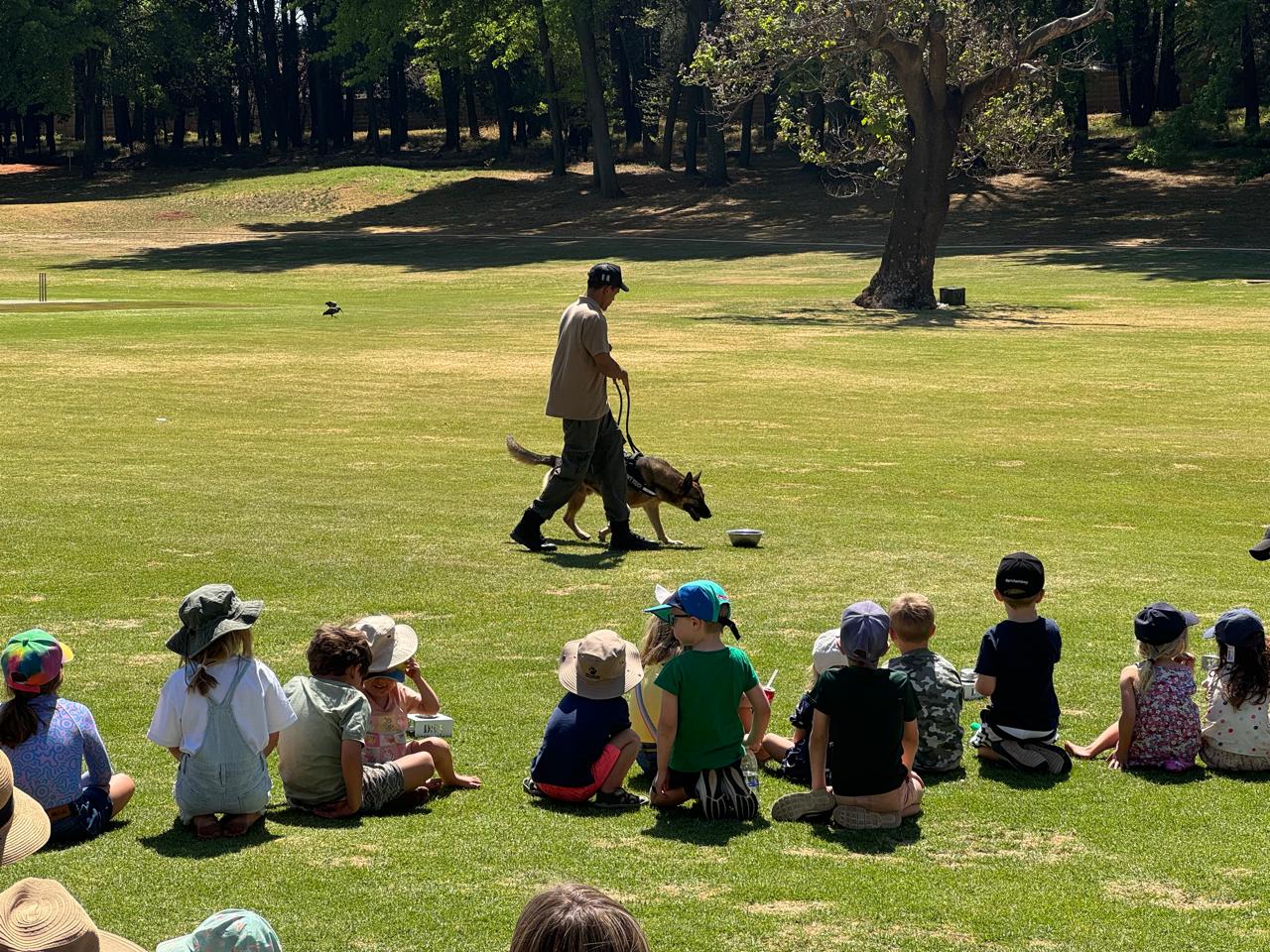
During the innings break, friends and families of the Jocks of the Bushveld were treated to an exciting conservation canine demonstration by the incredible scent detection dog, Remi. This canine superstar showed off his remarkable skills, detecting substances like ammunition, pangolin scales, lion bones, elephant ivory, rhino horn, and even succulents! Remi’s handler, Fudhail, captivated the audience with updates on the critical work he and his scent and tracking dogs, Kisha and Remi, are doing in the Pilansberg to safeguard our precious wildlife.

After a well-deserved lunch and a few refreshing beers, it was time for the second innings. Maria’s Pundas took to the field, hoping to chase down the Snakes’ score. However, the Snakes’ bowlers delivered key wickets, stifling the Pundas’ efforts to build the necessary partnerships. Despite their best efforts, the Pundas fell short by 35 runs, finishing with a total of 240 runs.

With the cricket match concluded, it was time for the highly anticipated Jocks race-a gruelling lap around the field, where the weary cricketers competed in four groups: the Wild Dogs, Wildebeests, Buffaloes, and the Hippos. The cricketers gave it their all, and the crowd cheered on both winners and those who just fell short.

Event organiser Byron Lotter of the Maria’s Pundas addressed the teams after the game, thanking them all for their support and highlighting the importance of supporting a cause such as the EWT. “We all love the bush and take our families there as often as we can. That’s why we support conservation and the EWT – so that our children’s children can enjoy Africa and all of her precious resources for generations to come”, said Byron.

Thank you to all the Jocks and their families for their participation, and special thanks to Byron, Lawrie, and your family for your generosity and your deep love and for Africa and its wildlife. Conservation thanks you.


Environmental Education and Butterflies – Start them Young

Environmental Education and Butterflies – Start them Young


Environmental Education and Butterflies – Start them Young

By Renier Basson (Senior Field Officer), Drylands Conservation Programme


When you first think of threatened or endangered species, you might immediately picture Rhinos, African Wild Dogs, Pangolins, or even some other charismatic bird, reptile, or amphibian. However, did you know that many insect species in South Africa are also threatened? Most of these insects are found in in the Western Cape, particularly in the Fynbos biome. Among these, butterfly and beetles receive far more attention than any other insect group. All 23 Cape stag beetle species (family Lucanidae, genus Colophon) are currently threatened, primarily due to climate change, habitat destruction, and illegal poaching – yes, even insects are poached!

Regarding butterflies, the most threatened species belong to the families Lycaenidae (coppers, opals and skollies) and Hesperiidae (skippers and rangers). These butterflies are all relatively small and inconspicuous, with tiny, isolated populations scattered throughout the landscape. Some threatened butterflies inhabit areas smaller than 100 square meters! Habitat destruction, mainly caused by alien invasive vegetation and landscape transformation, poses a significant threat to these species in the Western Cape.

To help conserve these butterflies, the Drylands Conservation Programme, in collaboration with Bionerds, has launched projects funded by Disney and Table Mountain Fund. These initiatives aim to protect six butterfly species in the Lycaeinidae family: the Moorreesburg Opal (Chrysoritis thysbe schloszae), Dickson’s Copper (Chrysoritis dicksoni), Bearded Skolly (Thestor barbatus), Dickson’s Skolly (Thestor dicksoni warren), Kaplan’s Skolly (Thestor kaplani), and Strutt’s Skolly (Thestor strutti). All of these are listed as Critically Endangered, and their populations are rapidly declining. Protecting our threatened butterflies requires safeguarding their habitats, which includes habitat protection activities such as clearing alien invasive vegetation. While physically protecting habitats is crucial, educating the public is equally important!

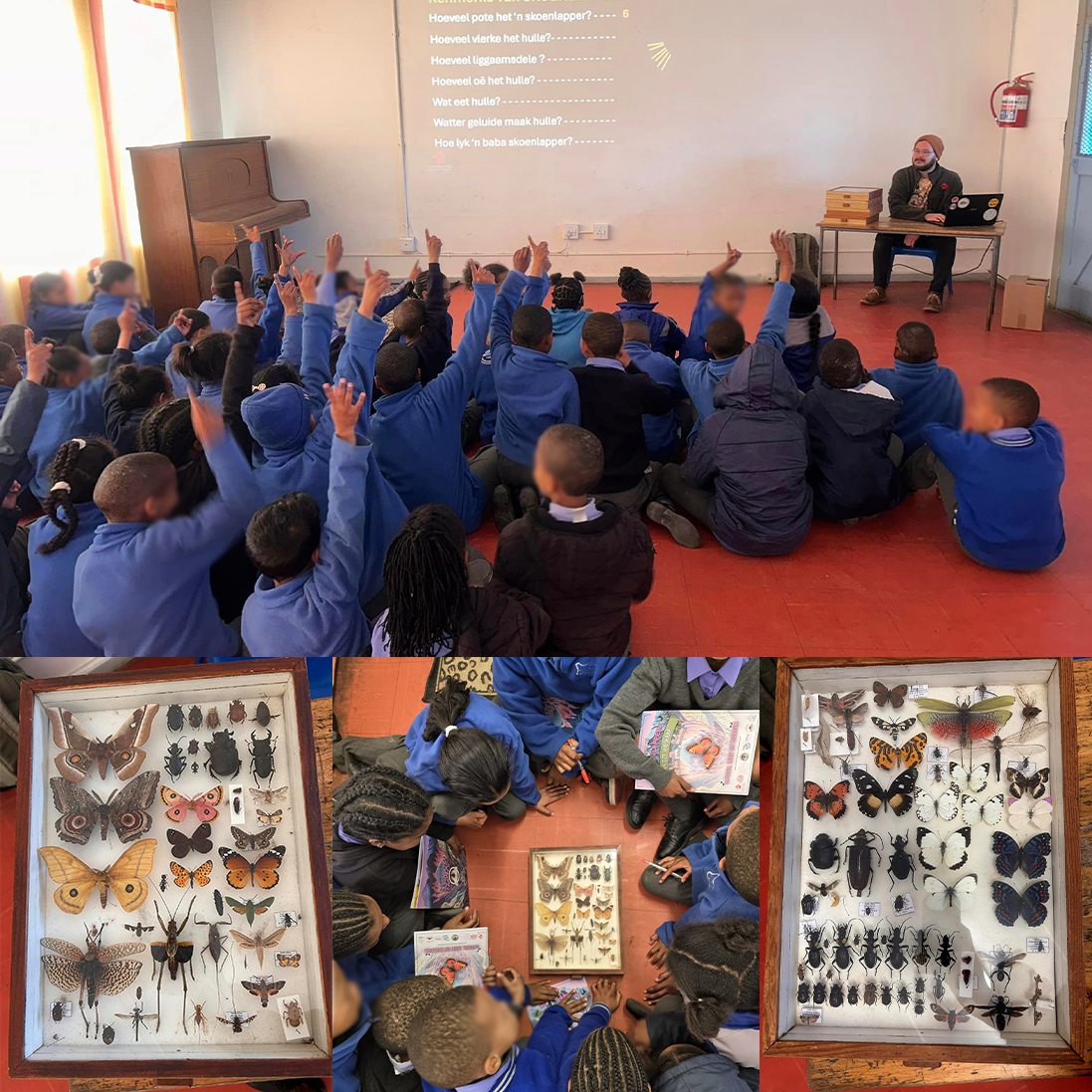
One key component of the project is environmental education aimed at schools near the six butterfly populations. Bionerds has created a colourful, interactive booklet titled “Threatened Butterflies of the Western Cape” for learners from grades 4 to 7. On September 19, Field Officer Renier Basson visited W.F. Loots Primary in Wolseley to present on the ecological importance of butterflies and the threats they face. The Strutt’s Skolly, found in the area, was a focal point of the presentation. Renier began by explaining, “What is a butterfly?” covering topics from taxonomic classification and morphology to metamorphosis, pollination, and threats. The 51 learners from grades 5 and 6 were engaged and inquisitive, asking numerous questions.

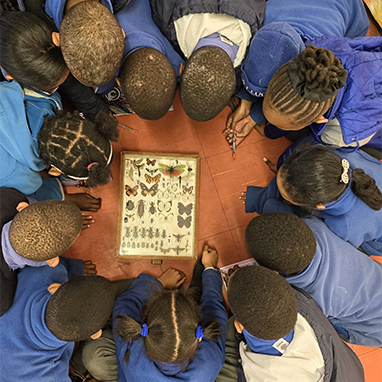
After the presentation, Renier handed out the booklets , and the students eagerly participated by reading important sections aloud. They also answered questions from the first few pages, which sparked curiousity and encouraged them to share their newfound insights. Questions included broad topics like “What do adult butterflies eat?” and “Where do butterflies lay their eggs?” To further engage the students, Renier showcased pinned and framed insects. With five display boxes filled with insects, the learners were divided into groups to maximise their time exploring each box. They had to identify butterflies in the boxes, which proved challenging as some moths closely resemble butterflies. The students were also encouraged to ask questions about the insects they observed. The excitement on their faces as they received new boxes was priceless!

Incorporating environmental education for children into all conservation programmes is essential. Children are curious, enthusiastic, and passionate about nature, making them open to listening about the natural world. Start them young!

A special thanks to our partner Bionerds. This project is made possible through Disney Conservation Fund and the Table Mountain Fund.

EWT Exploring Peru

EWT Exploring Peru


EWT Exploring Peru


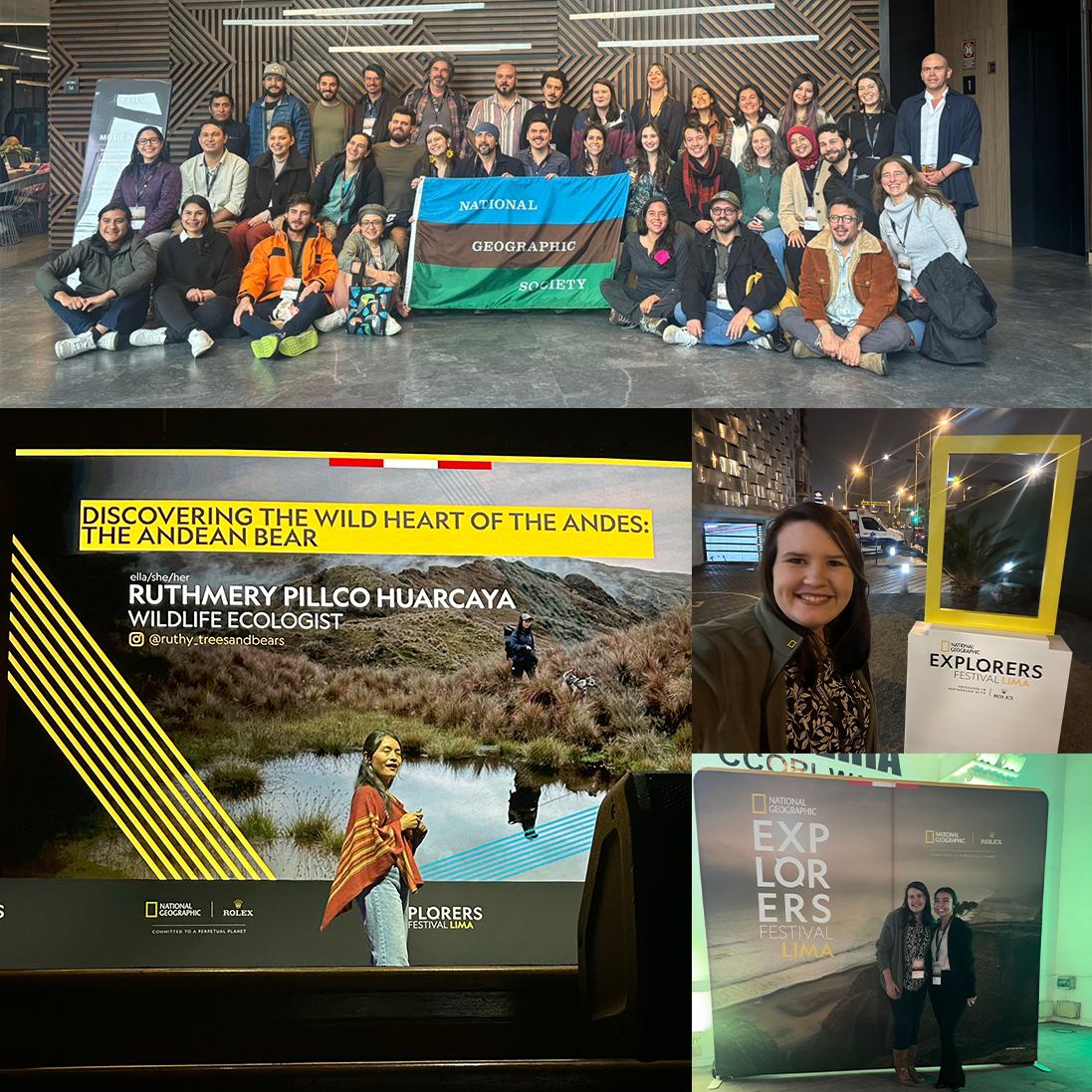
Esther Matthew, the EWT’s Senior Specialist Conservation Officer, became a National Geographic Society Explorer in 2018 for her work with a scent detection dog to help conserve the Critically Endangered Riverine Rabbit. A few months ago, Esther was selected as one of three explorers to serve as a hub coordinator for the Southern Africa Hub. The hub includes all explorers form South Africa, Lesotho, Eswatini, Mozambique, Namibia, Zimbabwe and Botswana.

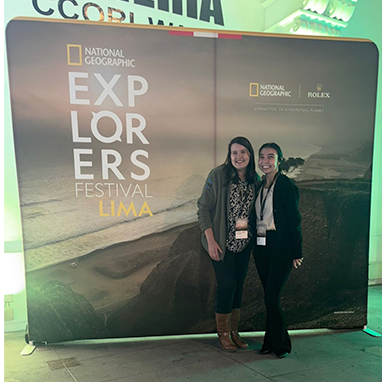
As part of her new role, she received the incredible opportunity to attend a hub coordinator training workshop and Explorer Festival in Lima, Peru! Esther expressed her excitement, saying, “It was an amazing opportunity and experience I will never forget!”. This marked her first visit to South America and her attendance at an international Nat Geo Explorer Festival. The festival showcased the remarkable National Geographic explorer project in the Amazon, along with many other fascinating topics. Esther represented EWT and the Southern Africa hub at the event, where she met many explorers from around the world. She returned with more knowledge about coordinating groups and established many valuable networking contacts.
The EWT is proud to have three National Geographic Explorers on our staff. Alongside Esther, the other two explorers are Kulani Nyakane, Field Officer of our Carnivore Conservation Programme and Dr Gareth Tate, Programme Manager of the EWT’s Birds of Prey Programme.

Comprehensive Lion Survey Brings Hope for Conservation

Comprehensive Lion Survey Brings Hope for Conservation


Comprehensive Lion Survey Brings Hope for Conservation


In a significant conservation effort, a dedicated lion survey team, in collaboration with South African National Parks (SANParks) and funded by the Lion Recovery Fund, set out to assess the lion population in Xanatseni South region of the Kruger National Park (KNP). This initiative not only aimed to count these majestic animals but will also contribute to their long-term conservation. Led by Lowveld Project Manager Marnus Roodbol, alongside co-lead PhD student Alison Govaerts and EWT intern Lesego Mthethwa, the team’s diverse expertise and passion for wildlife conservation provided a strong foundation for the project’s success.

Over the course of 90 days, the team rotated between three camps: one located outside Phalaborwa Gate, Letaba Rest Camp, and Tsendze Rustic Camp. Their goal was to search for, count, and identify the lions within this vital ecosystem. This strategic approach allowed them to cover a vast area and gain a comprehensive understanding of the lion population dynamics.

 
Methodology: Spatial Capture-Recapture

The survey employed the Spatial Capture-Recapture method, a robust approach for estimating lion density, abundance, sex ratios, and spatial distribution in KNP’s northern central region. The survey involved extensive fieldwork, where team members employed tracking techniques and observational skills to locate, count, and identify individual lions. This technique combined counts of individually identified lions with thorough search efforts. By utilising both traditional tracking methods and modern technology, the team aimed to gather accurate data to inform future conservation strategies.

To locate lions, team members drove along established transect roads, actively searching the landscape while utilising their knowledge of the area, field skills, and tips from tourists and field guides. Each search encounter was meticulously recorded using a customized Cyber Tracker application that captured GPS points and logged lion numbers and sex ratios upon sighting.


Detailed Documentation

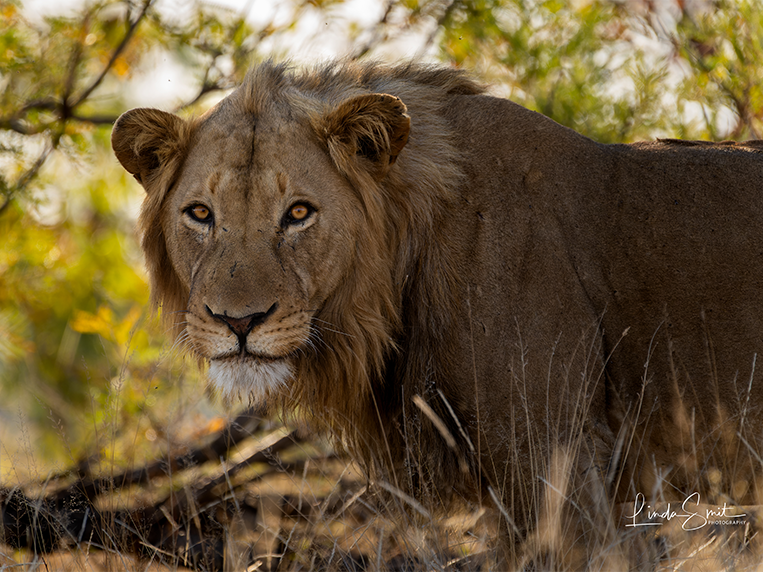
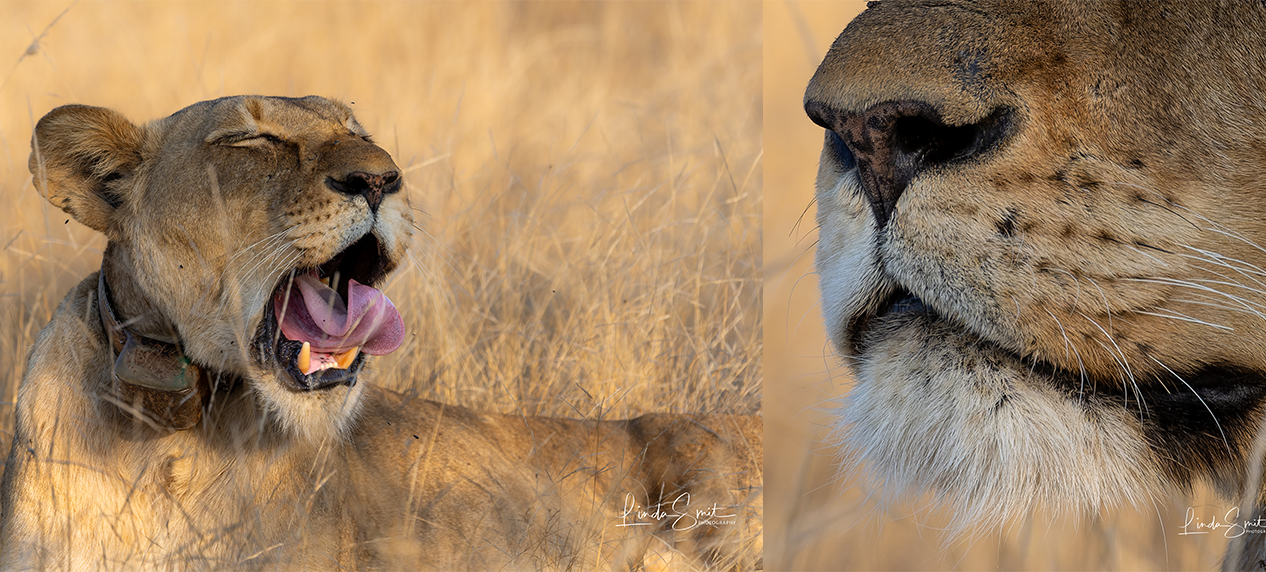
When lions were spotted, the team documented the sighting with specifics including date, time, GPS location, number of lions present, and demographic information. They took individual ID photos, focusing on the unique whisker patterns on the lions’ cheeks (these patterns serve as distinct identifiers, akin to human fingerprints). It was vital to capture clear images of both sides of a lion’s face, as each side has unique features. Additionally, other characteristics such as the nose, ears, and teeth were noted.

The team compiled the photographs into a comprehensive catalogue, which served multiple purposes: it allowed for comparisons with previous sightings, tracked the health and dynamics of the lion population, and provided insights into each lion’s movements and interactions within the park. By reviewing the catalogue, the team could determine whether a sighting represented a new individual (capture) or a previously catalogued lion (recapture). This approach helped prevent double counting and enhanced the accuracy of population estimates.


Importance of the Survey

Understanding lion populations is crucial for their conservation. With lions facing various threats, accurate population data is essential for developing effective management plans. The information gathered during this survey will contribute to ongoing efforts to protect these iconic animals and their habitats.

Lions are classified as vulnerable by the IUCN Red List due to threats such as human-wildlife conflict, habitat loss, and the impacts of climate change. These factors complicate population recovery efforts. Regular surveys like this one are vital for obtaining up-to-date and robust estimates of lion populations, which are crucial for effective management and conservation strategies. Understanding the current population dynamics helps determine what actions are necessary to protect these magnificent predators, ensuring their survival in Kruger National Park.


Conclusion

The lion survey in Xanatseni represents a critical effort in the on-going mission to conserve one of Africa’s most iconic species. By utilising innovative tracking methods and a collaborative approach, the team contributes invaluable data to lion conservation efforts. With the commitment of dedicated individuals and organisations, there is hope for the future of lions in the wild. As we strive to maintain healthy lion populations and continue to advocate for wildlife conservation, initiatives like this remind us of the importance of collaboration and the need for sustained efforts to protect our planet’s biodiversity.

Rhino Peak Challenge

Rhino Peak Challenge


Rhino Peak Challenge – Highlights

A total of 48 invited ambassadors, including school participants and a mix representing WACT and EWT, set off at 6:30 am from the RPC start line on Saturday. It started as a misty cool morning, with the Rhino Peak hidden from sight, but still present in everyone’s minds. The weather soon cleared up with the Underberg in full colour and all its glory. You seldom escape the wind on the mountains, and this year was no different. If anything, one of the strongest winds I have ever experienced. But the escarpment and the summiting of the peak is always a special and humbling experience. Not to take on the mountain, but to be part of it. However brief. To be part of nature and something that has stood majestically and purposefully through millennia.

The intensity of the climb and the diversity of people that the challenge attracts was apparent in this years finishing times. With our fastest ambassador home in 3hours 19 minutes, and the longest day on the mountain closer to 14 hours!


But this is why our RPC ambassadors do what they do. To protect, appreciate and conserve. To realise that everything is connected. To be immersed in nature, and all of its harsh and beautiful elements, for a magical moment in time.


Thank you to Spurgeon Flemmington from RMA (Running Man Adventures) for knowing that this mountain and this event would raise millions for conservation.

To the event beneficiary partners, WACT and KZN Ezemvelo, whom we work with to protect this important heritage site and the species and people that rely on it.

To every ambassador that not only takes on the challenge of fundraising but of summiting the peak.

To all the EWT ambassadors and personal incredible donors such as the Ford Wildlife Foundation and Go2Africa for supporting our work. This event would not be possible without you, and conservation thanks you.


DCP showcasing Projects and “furries” with Funders

DCP showcasing Projects and “furries” with Funders


DCP showcasing Projects and “furries” with Funders.


On the weekend of 31 August and 1 September, the DCP team enjoyed the company of the Table Mountain Fund (TMF) Board and officials at Papkuilsfontein Farm in the Northern Cape. TMF is funding the project: Fynbos on the Edge, which is aimed at exploring and developing opportunities to diversify the farming income, through making the overall business model more sustainable from a financial, agricultural, and ecological perspective. Diversifying and growing income from a single agricultural income to a tourism income targeting a range of visitor profiles is aimed at taking pressure off the natural resources, particularly the natural rangeland. The Papkuilsfontein Farm is located on the Bokkeveld Plateau and is the stage for a phenomenal flower display during August and September. On arrival on the farm, the Board members were introduced to the Van Wyk family, who are the 6th generation who bravely took the step to sign a Protected Environment Stewardship Agreement and enter into diversifying their agricultural income through developing remarkable eco-tourism products such as mountain biking, hiking routes and the Via Ferrata on the farm. The group enjoyed hikes, the Via Ferrata and sundowners on the cliffs before returning to their respective destinations.

Esté and Delta mesmerized the Rainforest Trust Board on 8 September on the Worcester Geometric Reserve. Delta, being the star of the day, ensured that her nose and loving persona captured the imagination of the group of Board members before she was put to work to locate, and indicate, live geometric tortoises. This range restricted species is endemic to the winter rainfall region of the south-western Cape and is listed as one of the top 25 most endangered tortoises (and turtles) in the world. The species face threats such as habitat loss due to urban and agricultural expansion, fragmentation of existing habitat leading to isolated populations, invasive alien vegetation and animals, such as feral pigs, and too frequent fires. The risk of poaching of specimens from the wild is also a significant potential threat. Delta ensured that some of the guests on the day saw a Geometric tortoise for the first time in their lives.

Projects made possible by Table Mountain Fund and Rainforest Trust.