Welgevonden Facility Expands for Cheetah Success

Welgevonden Facility Expands for Cheetah Success


Welgevonden Facility Expands for Cheetah Success


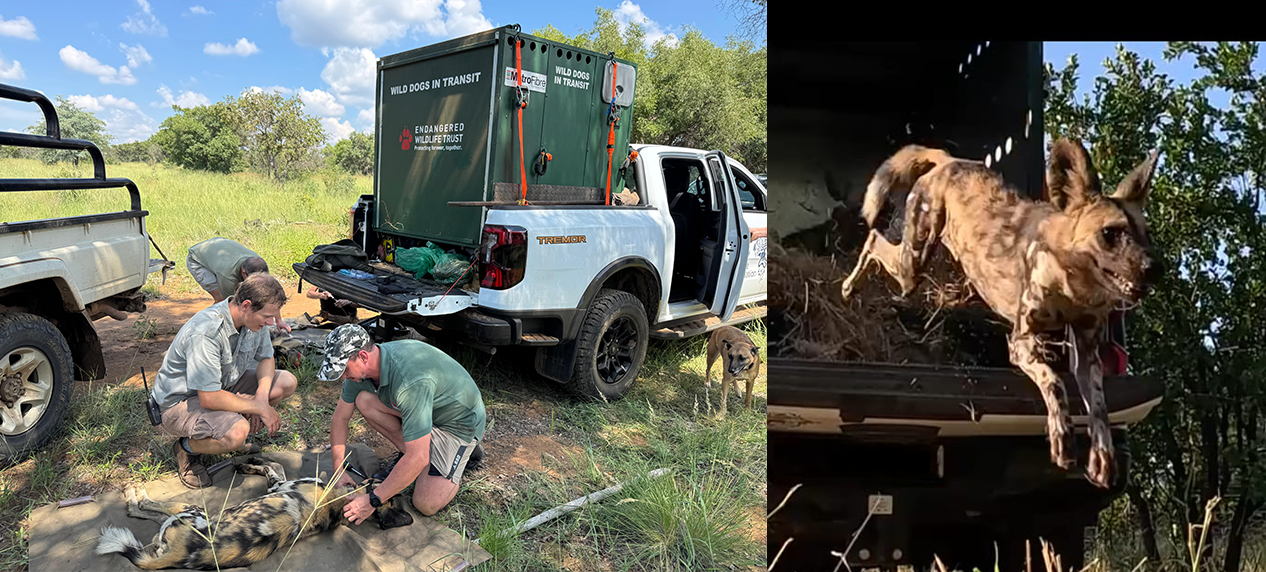
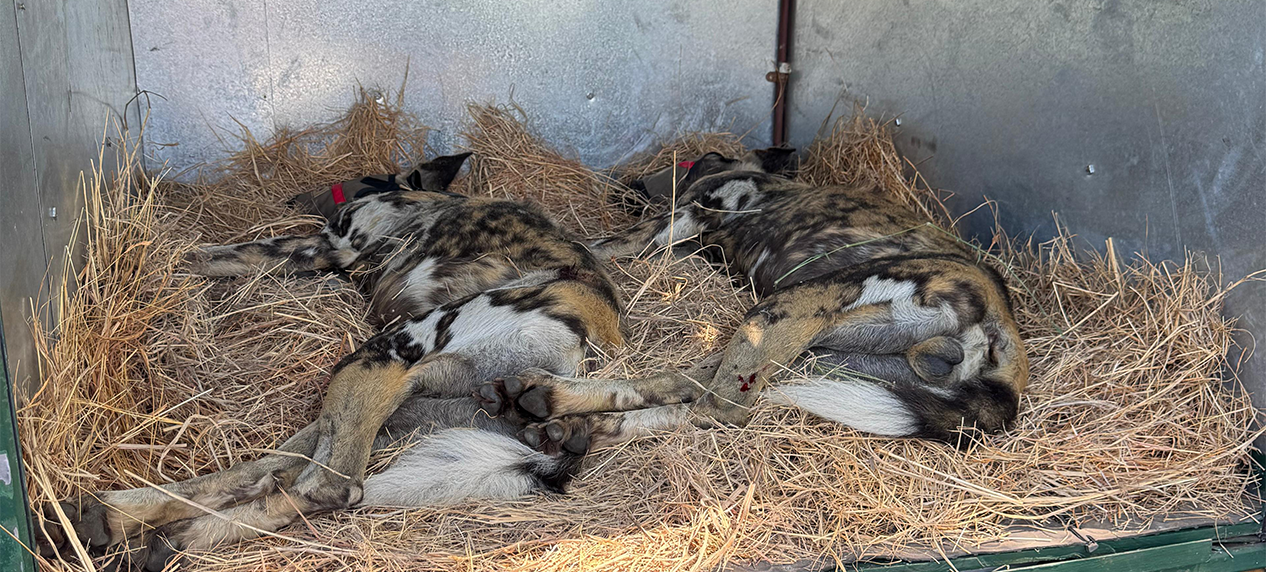
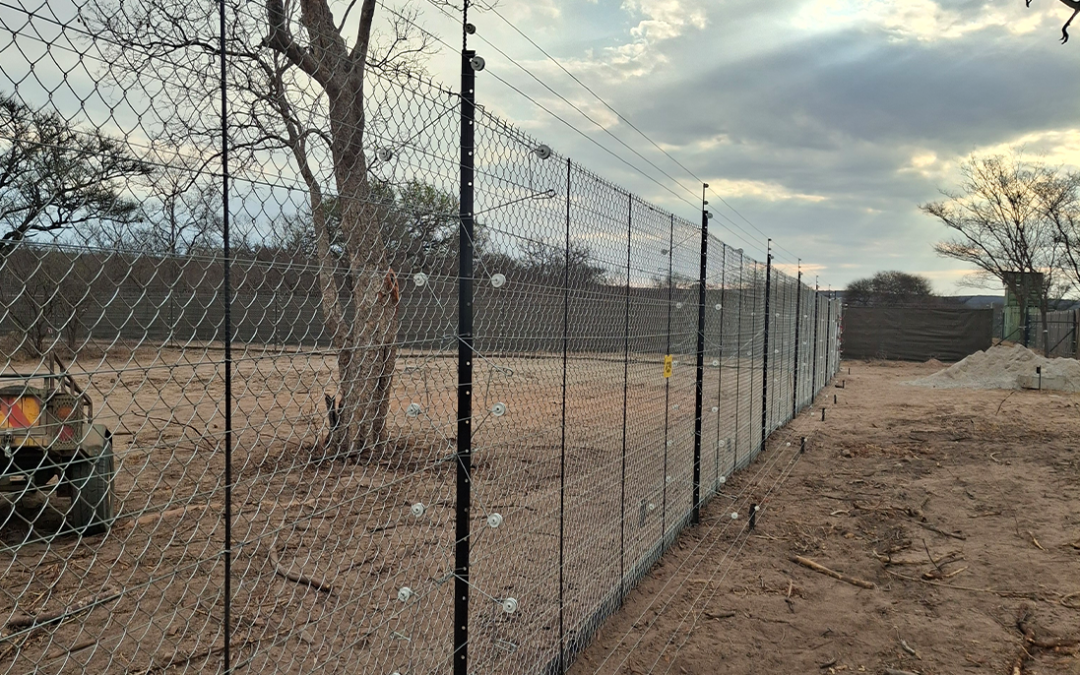
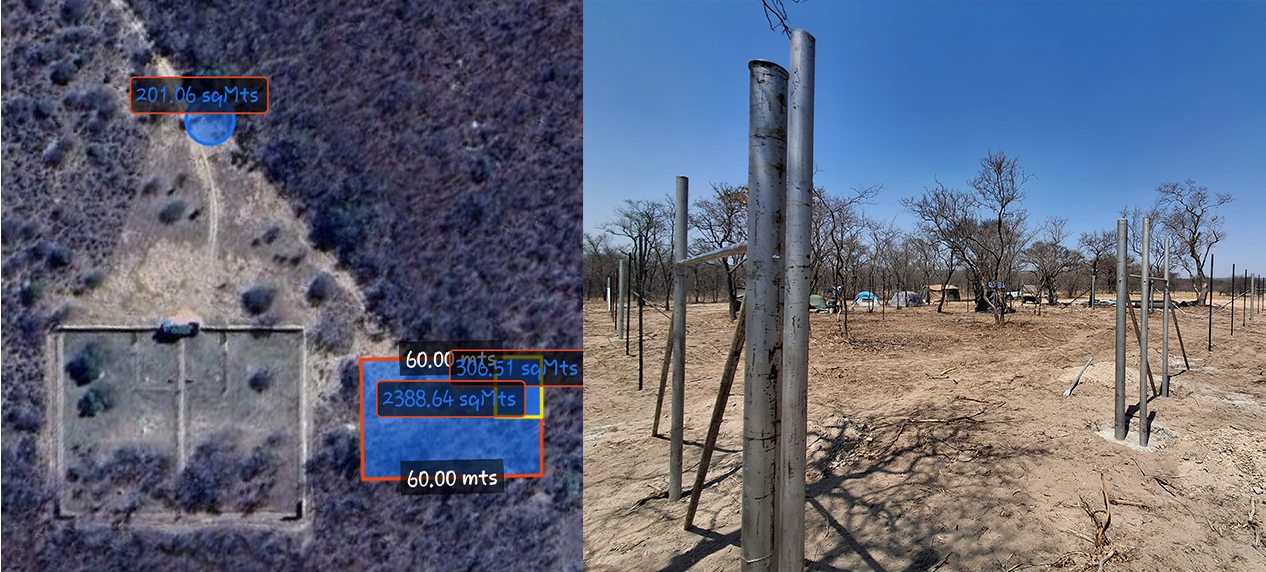
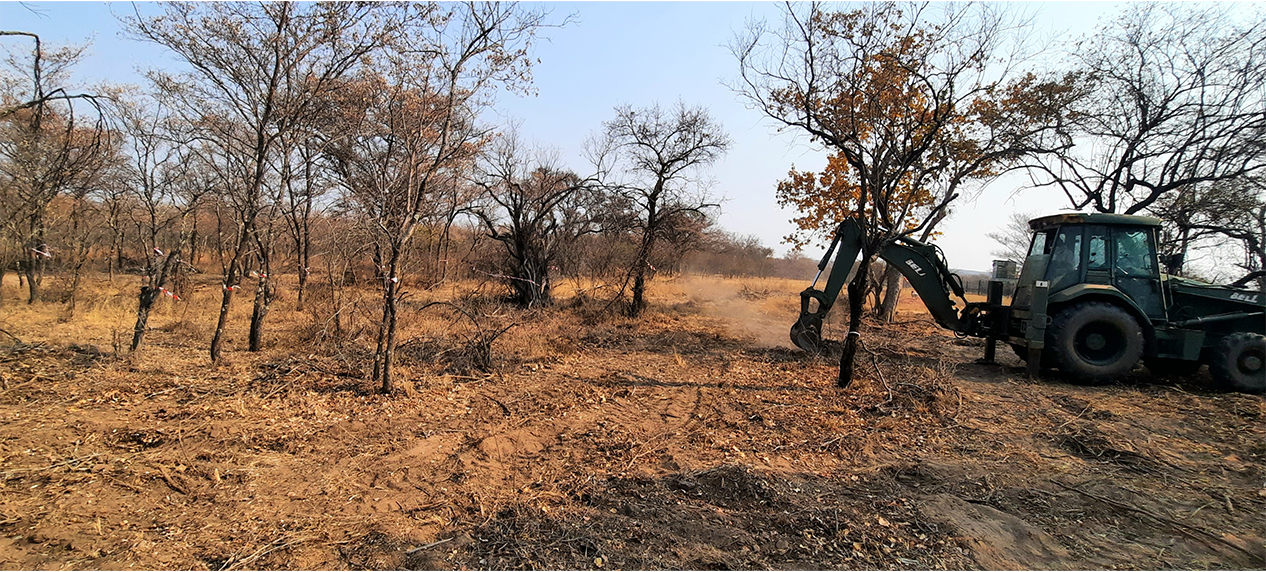
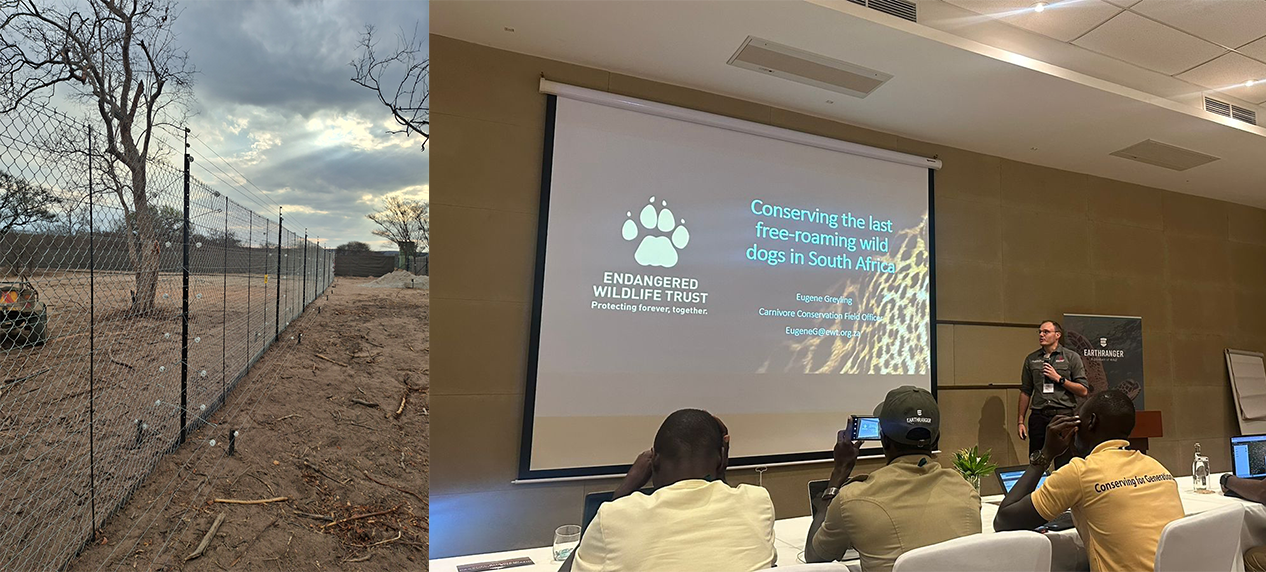
In 2021 the Carnivore Range Expansion Project in partnership with Welgevonden Game Reserve developed a state-of-the-art Wild Dog holding facility. This facility has since been the temporary home for 40 Wild Dogs during relocations within southern Africa. It has also facilitated the international export of 22 Wild Dogs and the international import of 12, thus enabling the reestablishment of the species to five protected areas. Based on this success we’ve been kindly granted funds from Paul L King to expand this facility to create an additional holding camp – this one more specifically geared towards cheetahs.

Field Officer, Eugene Greyling, worked meticulously in recent months managing the building team onsite to ensure that the facility met the highest possible standard. While the holding process is an integral part of both Cheetah and Wild Dog relocations, we strive to ensure that we can provide the best possible care and reduce stress as much as possible for each animal. The recently-completed Cheetah holding facility will do just that.

Flood Brings Frogs to Life at Medike

Flood Brings Frogs to Life at Medike


Flood Brings Frogs to Life at Medike

By Darren Pieterse, Medike Nature Reserve and Ecology Manager: Soutpansberg Protected Area

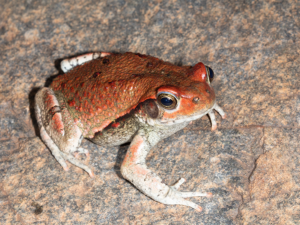
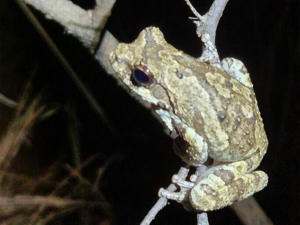
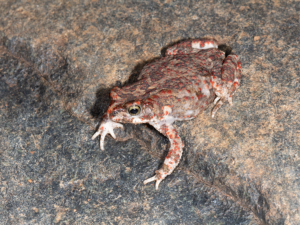
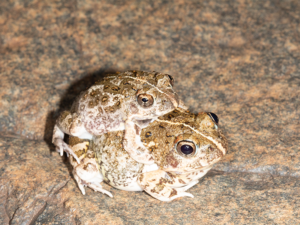
Following the recent good rains on the EWT Medike Reserve and the Soutpansberg in general, the Sand River came down in flood for the first time in two years. Almost instantly, a cacophony of amphibian calls accompanied the rising water level. Amphibians are well-known to rapidly take advantage of suitable conditions for breeding, as they never know when the next opportunity may occur, and most species’ eggs and tadpoles are reliant on water to complete their initial life stage (until they metamorphosise into terrestrial froglets that are less reliant on water). Calls are useful for researchers as each species’ call is unique, although some species, such as Tandy’s, Tremolo and Cryptic Sand Frogs, cannot be reliably told apart based on external characteristics. This means that calls or DNA are required to make a positive identification.

Amphibians play a critical role in the ecosystem. They mostly prey on insects such as the flying ants, which abounded during our survey. They, in turn, are eaten by a variety of mammals, birds and snakes. Amphibians are also a good indicator of ecosystem health. Because frog skin is very porous to allow water to be absorbed and carbon dioxide to be released (the skin of toads is less porous), frogs are sensitive to chemicals such as industrial pollutants. As such, frogs are rarely found in areas with chemical pollution.

The recent onset of frog activity was an ideal opportunity for us to assess what species occur on Medike Reserve, and to get an indication of ecosystem health. During our survey, we recorded 14 different species (although the reserve’s list currently stands at 23 species). None of the species recorded are threatened, although the relatively high species diversity does suggest that the freshwater system is still healthy. Two threatened species are expected to occur on Medike Reserve, one of which is only found on the Soutpansberg and nowhere else on earth. We will continue looking for these and additional species.

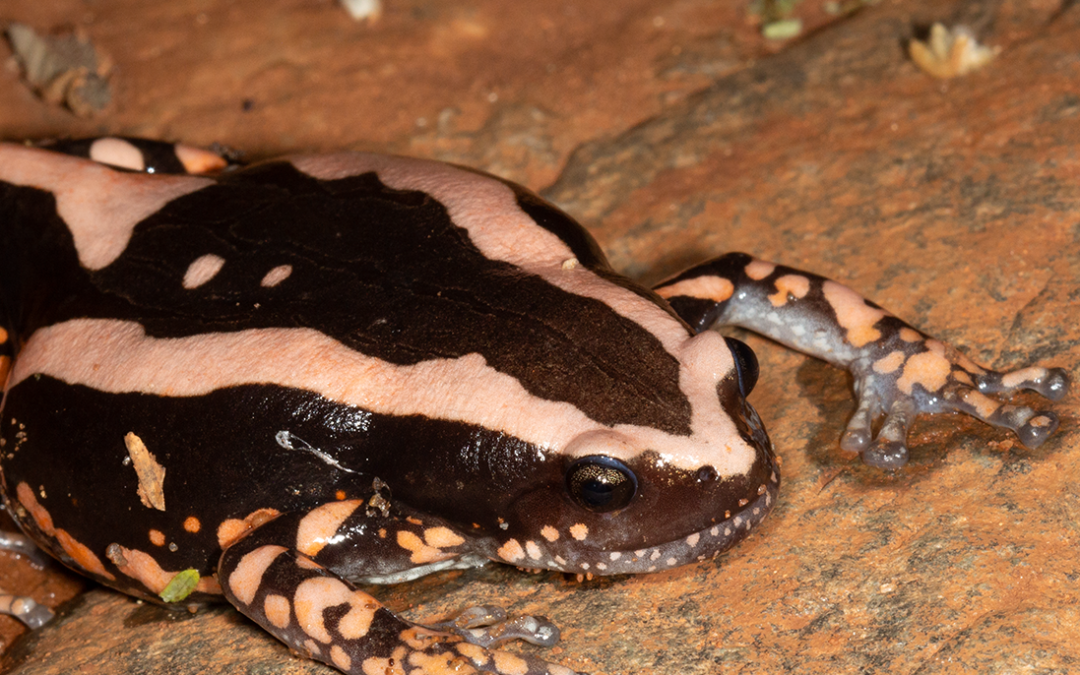
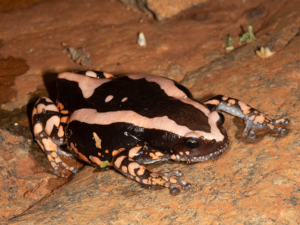
Of the species recorded, the Red-banded Rubber Frog is the most interesting, as it exudes toxins from its skin to dissuade predators from eating it. It advertises its toxic state through its bright black-and-red colouration, known as aposematic colouration. This frog exudes cardiotoxins (toxins that affect the heart) from its skin, so if you’re going to kiss a frog in the hopes that it will become a prince (or princess), it’s probably best not to kiss this frog.

Painted Reed Frog – Hyperolius marmoratus

African Bullfrog – Pyxicephalus edulis

Banded Rubber Frog- Phrynomantis bifasciatus

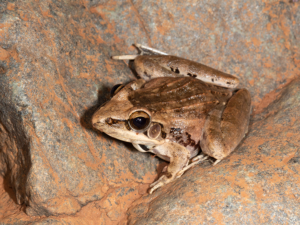
Plain Grass Frog – Ptychadena anchietae

Bubbling Kassina – Kassina senegalensis

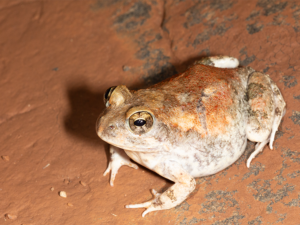
Russet-backed Sand Frog – Tomopterna marmorata

Eastern Red Toad – Schismaderma carens

Southern Foam-nest Frog – Chiromantis xerampelina

Northern Pygmy Toad – Poyntonophrynus fenoulheti

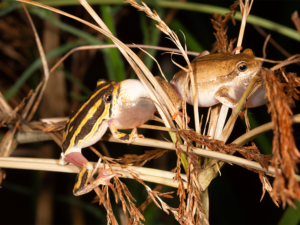
Tremolo Sand Frog – Tomopterna adiastola – Pair in amplexus

Driving half a million kilometres for EWT

Driving half a million kilometres for EWT


Driving half a million kilometres for EWT

By Ronelle Visagie, Field Officer: Birds of Prey Programme & Wildlife & Energy Programme

During September 2005 I started working for the EWT’s Birds of Prey Programme in the Karoo. It was in these beginning years that I drove a Nissan 1400 bakkie for nearly 3 years. The main purpose of the Project at that time was to engage with the farmers regarding the raptors at their farms. It was also expected of field officers to do all power line investigations in our area. I used to drive to a farm and then the farmer had to take me to where I had to work.


During February 2008 I did the first raptor monitoring with the support of the Nissan 1400 in Mokala National Park near Kimberley. The vehicle was too low and too small for driving off-road, but somehow, I managed. Returning from a trip to the Kgalagadi National Park the same month, I collided with a kudu on the gravel road between Prieska and Strydenburg. Fortunately, I sustained no injuries, but there was R22,000 damage to the Nissan. I had driven 27 126 km with the Nissan before the EWT supplied with a Mazda BT50 sponsored by Mazda with 37 805 km on the clock. The very reliable Mazda retired at 431 886 km after many memory-making adventures in the Karoo and Kalahari as we crossed the landscape for 15 years. Just imagine doing vulture nest monitoring in the Kalahari sand with a 2 x 4 and getting stuck on each and every survey.


During November 2022 I received the Ford Ranger 4 X 4 and the adventures continued. At least I do not get stuck in the Kalahari sand anymore! During July 2023 a small rhino calf that was deserted by its mother hit the left back door – in case you wondered why there is a picture of a rhino alongside a vulture and an eagle on the left back door.

The 500 000 km mark was reached during the vulture ringing week in the larger Kimberley area in October 2024. As I do a lot of field work for the Birds of Prey and Wildlife and Energy Programmes, I do travel a lot in the Northern and Eastern Cape and also in the Orange Free State. Now the challenge is on for one of my colleagues at the EWT to reach half a million km!


On the Greens for Wildlife: alexforbes & EWT Golf Day

On the Greens for Wildlife: alexforbes & EWT Golf Day


On the Greens for Wildlife: alexforbes & EWT Golf Day

By Tammy Baker. Donor relations officer for The EWT.


The highveld weather was at its very best on the 17th of October at the Dainfern Golf Estate, as our fourballs lined up for their shotgun start.

The day just got better from there as we were treated to a beautiful aerial display by an African Harrier Hawk and some spirited, competitive golf under the glorious Joburg sun.

After a few good hours out on the course (which ran a bit long for some new to the game) and a some sundowners on the deck, we kicked off our prize-giving with a heartfelt address from Avishal Seeth of Alexforbes. Avi thanked everyone for attending and reminded us of the importance of conserving our precious wildlife and the landscapes that we depend on, for the next generation and many more to come.

The crowd was filled with well-known regulars and many new faces. Our skilled auctioneer and friend, Michael Scholz, aka the 40-year-old rookie, was in top form during the auction, helping us exceed our fundraising target.

A big thank you to Colette Van Dyk and the team at Alexforbes for sponsoring the day and bringing in your own fourballs. Thank you to our loyal supporters and all our new ones. Special thanks to aha Hotels and Lodges, our long-term cherished donors, as well as new partners, Dream Resorts and Hotels, for sponsoring some incredible prizes. Thank you to Painted Wolf Wines for joining us, and to ReWorx, our new supporter. Thanks to everyone who made this day such a success, including Indaba Hotel, Trappers Traders, Grill House Sandton, Dinokeng Game Reserve, Greenfinch lodge, Renaissance spa Sandton, Kloofzicht Lodge and spa, Glenburn lodge and spa and African Hills Safari Lodge.


Cricket and Canine Heroes: Jocks of the Bushveld

Cricket and Canine Heroes: Jocks of the Bushveld


Cricket and Canine Heroes: Jocks of the Bushveld

By Tammy Baker. Donor relations officer for The EWT.


On Saturday, 5th of October, 22 dedicated “Jocks”, passionate about both cricket and conservation, took to the pitch at CCJ Auckland Park to raise funds for wildlife preservation. The Skukuza Snakes won the toss and chose to bat first in their 30-over match. Strong partnerships lead them to a competitive score of 275.

During the innings break, friends and families of the Jocks of the Bushveld were treated to an exciting conservation canine demonstration by the incredible scent detection dog, Remi. This canine superstar showed off his remarkable skills, detecting substances like ammunition, pangolin scales, lion bones, elephant ivory, rhino horn, and even succulents! Remi’s handler, Fudhail, captivated the audience with updates on the critical work he and his scent and tracking dogs, Kisha and Remi, are doing in the Pilansberg to safeguard our precious wildlife.

After a well-deserved lunch and a few refreshing beers, it was time for the second innings. Maria’s Pundas took to the field, hoping to chase down the Snakes’ score. However, the Snakes’ bowlers delivered key wickets, stifling the Pundas’ efforts to build the necessary partnerships. Despite their best efforts, the Pundas fell short by 35 runs, finishing with a total of 240 runs.

With the cricket match concluded, it was time for the highly anticipated Jocks race-a gruelling lap around the field, where the weary cricketers competed in four groups: the Wild Dogs, Wildebeests, Buffaloes, and the Hippos. The cricketers gave it their all, and the crowd cheered on both winners and those who just fell short.

Event organiser Byron Lotter of the Maria’s Pundas addressed the teams after the game, thanking them all for their support and highlighting the importance of supporting a cause such as the EWT. “We all love the bush and take our families there as often as we can. That’s why we support conservation and the EWT – so that our children’s children can enjoy Africa and all of her precious resources for generations to come”, said Byron.

Thank you to all the Jocks and their families for their participation, and special thanks to Byron, Lawrie, and your family for your generosity and your deep love and for Africa and its wildlife. Conservation thanks you.


Environmental Education and Butterflies – Start them Young

Environmental Education and Butterflies – Start them Young


Environmental Education and Butterflies – Start them Young

By Renier Basson (Senior Field Officer), Drylands Conservation Programme


When you first think of threatened or endangered species, you might immediately picture Rhinos, African Wild Dogs, Pangolins, or even some other charismatic bird, reptile, or amphibian. However, did you know that many insect species in South Africa are also threatened? Most of these insects are found in in the Western Cape, particularly in the Fynbos biome. Among these, butterfly and beetles receive far more attention than any other insect group. All 23 Cape stag beetle species (family Lucanidae, genus Colophon) are currently threatened, primarily due to climate change, habitat destruction, and illegal poaching – yes, even insects are poached!

Regarding butterflies, the most threatened species belong to the families Lycaenidae (coppers, opals and skollies) and Hesperiidae (skippers and rangers). These butterflies are all relatively small and inconspicuous, with tiny, isolated populations scattered throughout the landscape. Some threatened butterflies inhabit areas smaller than 100 square meters! Habitat destruction, mainly caused by alien invasive vegetation and landscape transformation, poses a significant threat to these species in the Western Cape.

To help conserve these butterflies, the Drylands Conservation Programme, in collaboration with Bionerds, has launched projects funded by Disney and Table Mountain Fund. These initiatives aim to protect six butterfly species in the Lycaeinidae family: the Moorreesburg Opal (Chrysoritis thysbe schloszae), Dickson’s Copper (Chrysoritis dicksoni), Bearded Skolly (Thestor barbatus), Dickson’s Skolly (Thestor dicksoni warren), Kaplan’s Skolly (Thestor kaplani), and Strutt’s Skolly (Thestor strutti). All of these are listed as Critically Endangered, and their populations are rapidly declining. Protecting our threatened butterflies requires safeguarding their habitats, which includes habitat protection activities such as clearing alien invasive vegetation. While physically protecting habitats is crucial, educating the public is equally important!

One key component of the project is environmental education aimed at schools near the six butterfly populations. Bionerds has created a colourful, interactive booklet titled “Threatened Butterflies of the Western Cape” for learners from grades 4 to 7. On September 19, Field Officer Renier Basson visited W.F. Loots Primary in Wolseley to present on the ecological importance of butterflies and the threats they face. The Strutt’s Skolly, found in the area, was a focal point of the presentation. Renier began by explaining, “What is a butterfly?” covering topics from taxonomic classification and morphology to metamorphosis, pollination, and threats. The 51 learners from grades 5 and 6 were engaged and inquisitive, asking numerous questions.

After the presentation, Renier handed out the booklets , and the students eagerly participated by reading important sections aloud. They also answered questions from the first few pages, which sparked curiousity and encouraged them to share their newfound insights. Questions included broad topics like “What do adult butterflies eat?” and “Where do butterflies lay their eggs?” To further engage the students, Renier showcased pinned and framed insects. With five display boxes filled with insects, the learners were divided into groups to maximise their time exploring each box. They had to identify butterflies in the boxes, which proved challenging as some moths closely resemble butterflies. The students were also encouraged to ask questions about the insects they observed. The excitement on their faces as they received new boxes was priceless!

Incorporating environmental education for children into all conservation programmes is essential. Children are curious, enthusiastic, and passionate about nature, making them open to listening about the natural world. Start them young!

A special thanks to our partner Bionerds. This project is made possible through Disney Conservation Fund and the Table Mountain Fund.