Blue Crane rehabilitation enclosure

Blue Crane rehabilitation enclosure

News From the Field

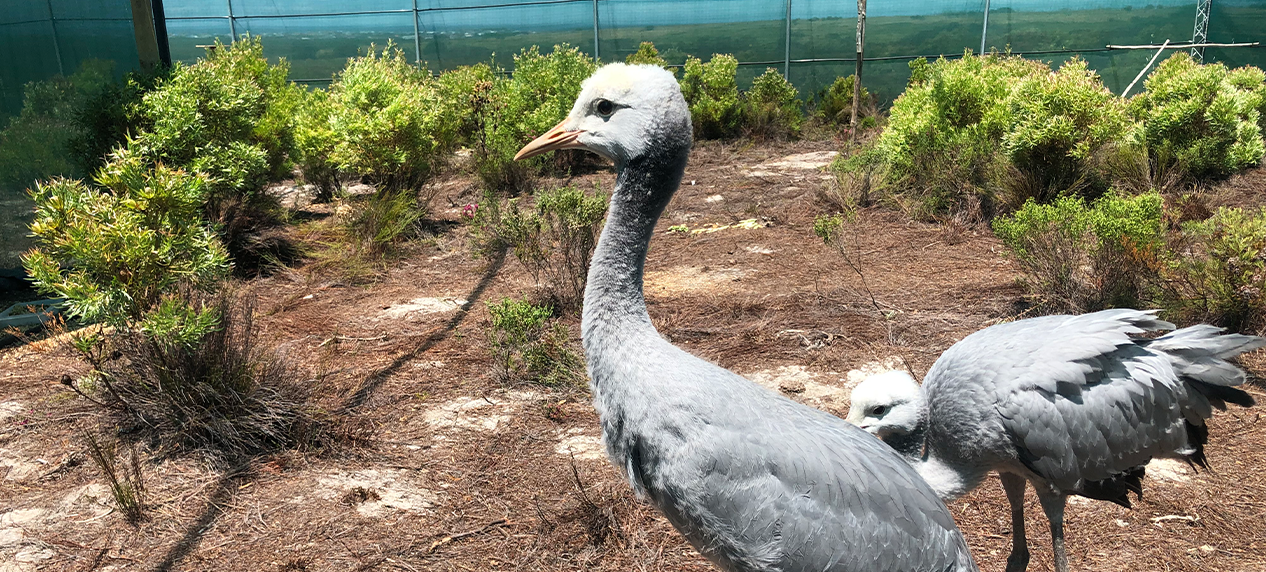
Blue Crane rehabilitation enclosure opened at Kogelberg Biosphere Wildlife Rescue and Training Centre


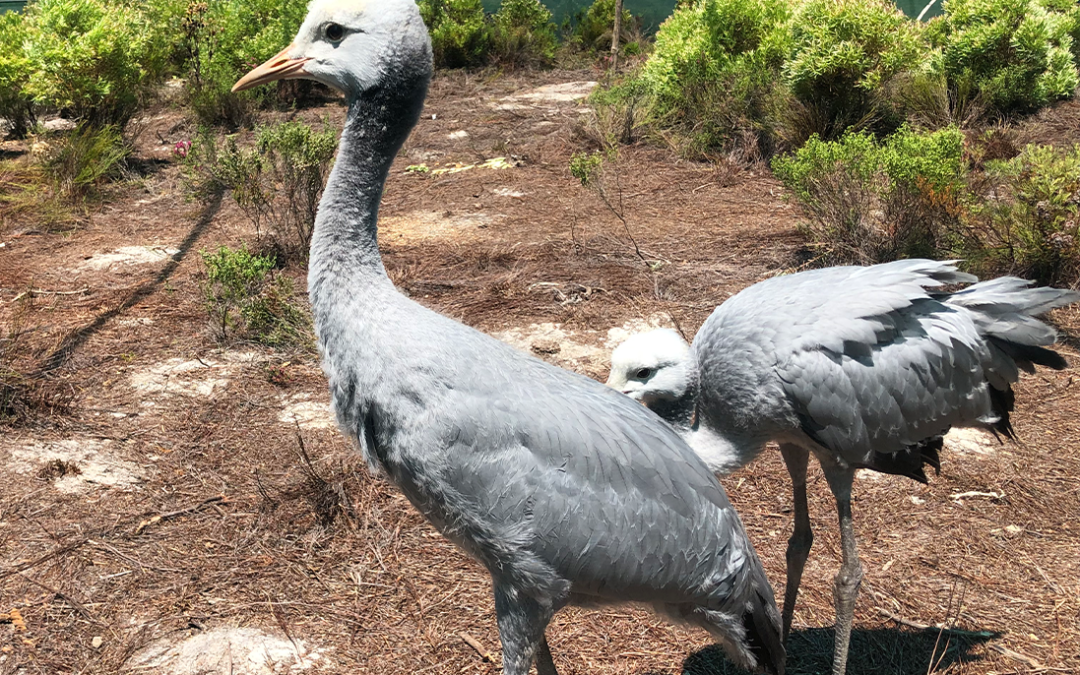
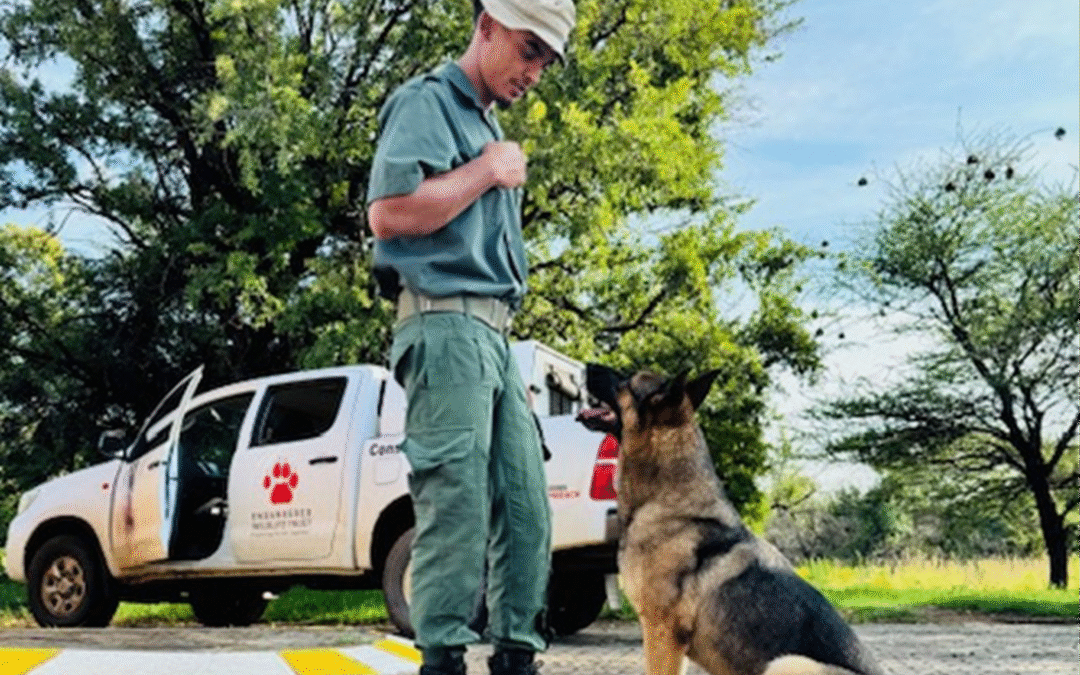
Blue cranes are being injured by powerlines and fence collisions, creating an urgent need for the care and rehabilitation of the species.  To address this, a Blue Crane rehabilitation facility has been established in the Overberg region of the Western Cape.  

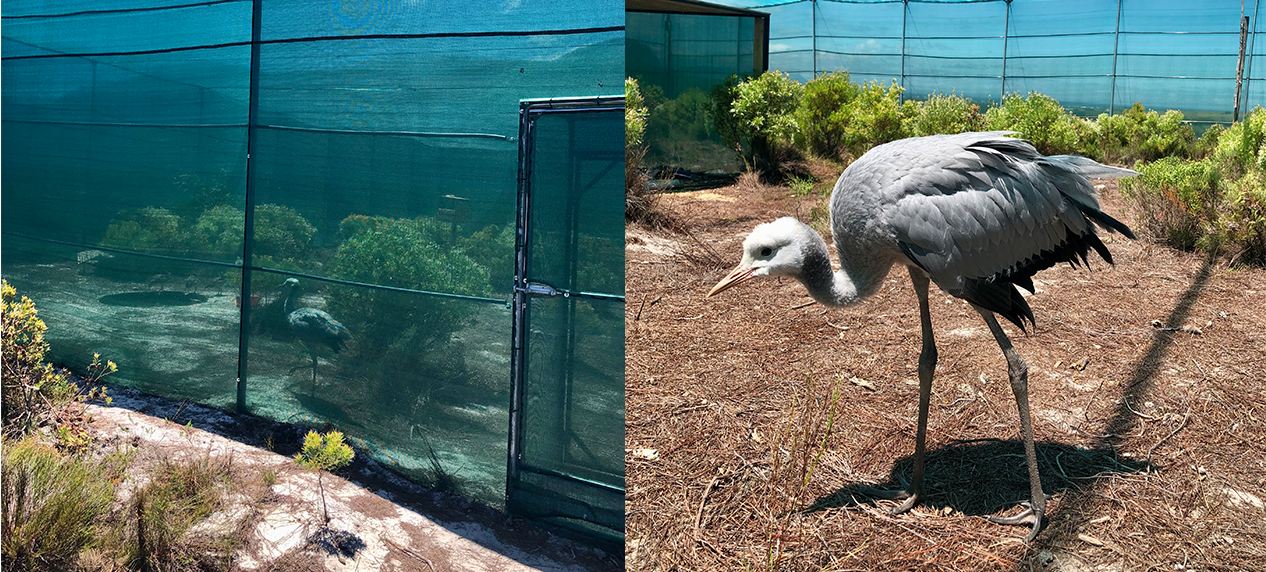
The enclosure at a wildlife rehabilitation facility at the Kogelberg Biosphere Wildlife Rescue and Training Centre was constructed by Haygrove South Africa in collaboration with the Kogelberg Biosphere NPC, and funded through the International Crane Foundation/Endangered Wildlife Trust and Leiden Conservation Foundation. 

The first of its kind in the Western Cape, it serves a region where the need for services to deal with cranes living in agricultural habitats and often injured in collisions with fences and powerlines, is great.  The 4,000 m2 enclosure houses injured Blue Cranes during their rehabilitation. It is large enough to enable them to stretch and exercise their flight muscles, allowing for better outcomes on release. Rehabilitation will reduce the number of mortalities and result in improved survival of the species, which is in decline. 

Blue Cranes are listed as Vulnerable on the IUCN Red List of Species.  Blue Crane densities in the Overberg are 4-5 times higher than in the rest of the country.    


Fifth National Crane Festival

Fifth National Crane Festival

News From the Field

International Crane Foundation joins Ugandan Government to celebrate Fifth National Crane Festival 

By Barbara Hamoonga (Communications and Marketing Specialist, Africa Programs – ICF and EWT partnership)


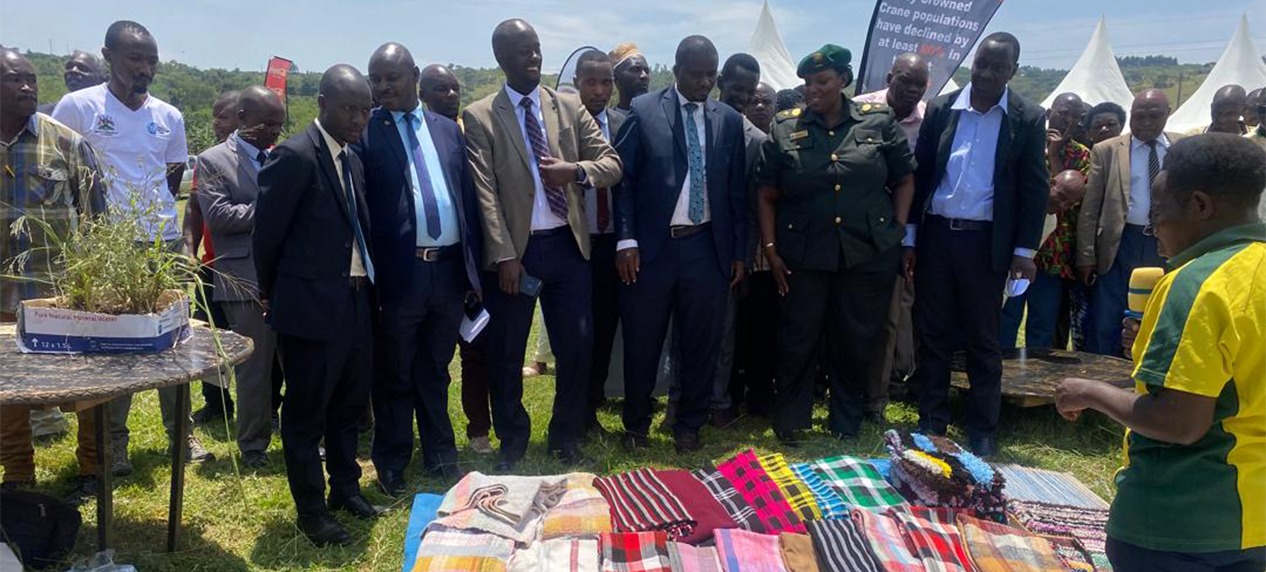
The critical importance of wetlands and sustainable development are among the messages conveyed to community members, conservationists and policymakers at the annual Crane Festival in Uganda at the end of February.  

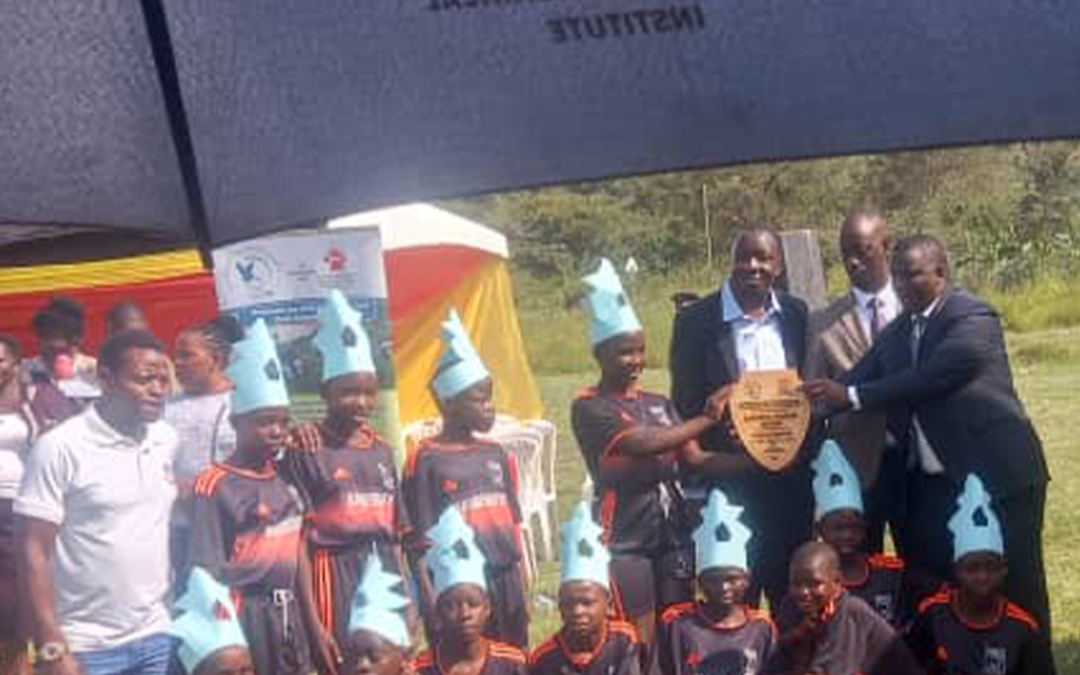
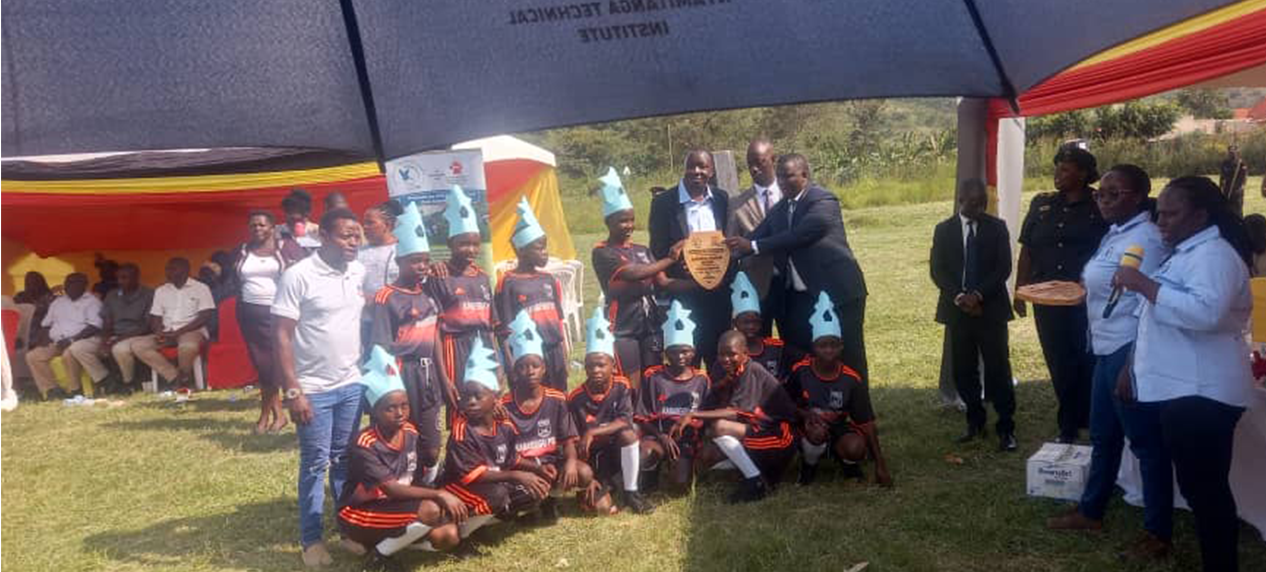
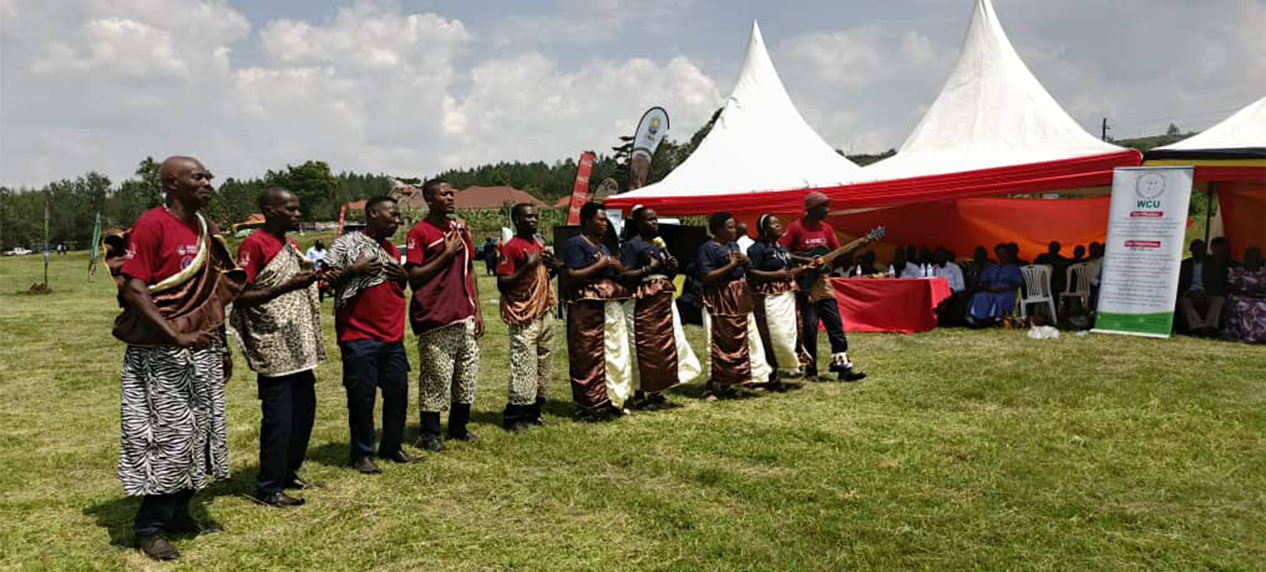
On 28 February, the International Crane Foundation joined the Ministry of Tourism and Wildlife and Antiquities and Isingiro District Local Government, to celebrate the Fifth National Crane Festival under the theme “Investing in wetland conservation for the benefit of people, cranes and other biodiversity.”  

The Endangered Wildlife Trust partners with the International Crane Foundation to conserve cranes across Africa, most notably the Grey Crowned, Blue, Wattled and Black Crowned cranes.   

This year’s festival was held at Isingiro District Local Government Headquarters, Isozi cell in Rwekubo Ward where the critical importance of wetland conservation was highlighted alongside promoting sustainable development initiatives. 

The event served as a platform for raising awareness about crane and wetland conservation while celebrating successful community-based conservation initiatives. The festival featured practical demonstrations of sustainable wetland management practices and created networking opportunities for conservation financing. 

“I am pleased to announce that the Government is working on strengthening policy frameworks to enhance protection of critical wetland habitats, support community-based conservation initiatives, integrate conservation priorities into district development plans and strengthen enforcement of environmental regulations,” revealed the Isingiro District Chairman, Mr. Alone Turahi (LCV) on behalf of the Chief Guest, Hon. Lt. Col (Rtd) Dr. Rwamirama Bright, the Minister of Animal Industry and Fisheries,  as he officiated the event.  “These commitments reflect our understanding that investing in nature is investing in our people and our future.”  

“The Fifth National Crane Festival represents more than just a celebration – it’s a testament to Uganda’s commitment to conservation and sustainable development. As we witness the alarming 80% decline in Grey Crowned Crane populations over the past 25 years, this festival serves as a crucial platform for uniting communities, policymakers, and conservation partners in protecting these magnificent birds and their wetland habitats.  

“Together, we can ensure that future generations will continue to witness the dance of the cranes across Uganda’s landscapes,” stated the ICF’s Uganda Country Manager, Patrick Engoru. 

Since establishing its presence in Uganda in January 2020, the ICF/EWT partnership has engaged extensively with local communities about sustainable conservation practices, developed partnerships with government institutions, including the Ministry of Tourism, Wildlife and Antiquities, and implemented community-based conservation programs that balance wildlife preservation with human prosperity.  Part of awareness raising included the annual Crane Festival as a flagship event for conservation awareness and community engagement.


 Lydenburg Learners Celebrate World Wetlands Day at De Berg Wetland

 Lydenburg Learners Celebrate World Wetlands Day at De Berg Wetland


Lydenburg Learners Celebrate World Wetlands Day at De Berg Wetland

Eulalia Jordaan, an MPTA ecological technician, showed the learners the different kinds of plants found in the wetland


On 31 January, the Mpumalanga Wetland Forum chaired by the Endangered Wildlife Trust’s Bradley Gibbons hosted Grade 7 learners from Lydenburg Primary School as part of a World Wetlands Day celebration at the De Berg Wetland in Mpumalanga.

The De Berg Wetland is South Africa’s 30th Ramsar site and is therefore a wetland of international importance.

World Wetlands Day is celebrated annually on 2 February to mark the date of the adoption of the Convention on Wetlands in 1971 in the Iranian city of Ramsar. The theme this year was ‘Protecting Wetlands for our Common Future’.

The event comprised talks by Bradley Gibbons about what wetlands are, how they function, and the importance of wetlands and the impact these water resources have on communities reliant on the water flowing from them. Marius Kruger of Northam Platinum provided an overview of the De Berg wetland and the species of concern found in this pristine area.

The learners accompanied officials from the Mpumalanga Tourism and Parks Agency, the Department of Forestry, Fisheries and the Environment, the EWT and Northam Platinum to the heart of the wetland where they learnt about the difference between grassland, wetland and peat soils, and the various plant species found in the grasslands surrounding the wetland.


Bradley Gibbons, EWT senior field officer, explains the importance of wetlands to learners from Lydenberg primary school


Children feeling the different types of soil found in wetland environments


A Wild Dog Valentine Story 

A Wild Dog Valentine Story 


A Wild Dog Valentine Story 

By Cole du Plessis


The International Union for Conservation of Nature (IUCN) defines ‘relocation’ as the deliberate movement of organisms from one place to another for conservation purposes. This is also known as a conservation translocation.

In the space of Wild Dog management, a conservation purpose can include several different activities: a reintroduction, a genetic swap or a population supplementation. In the case of the managed metapopulation tool that we’ve implemented to grow range distribution for Wild Dogs in South Africa (the EWTs Wild Dog Range Expansion Project), we sometimes do relocations where we move Wild Dogs to temporary holding to bond new packs or bring them to safety if they have been exposed to human-animal conflict.

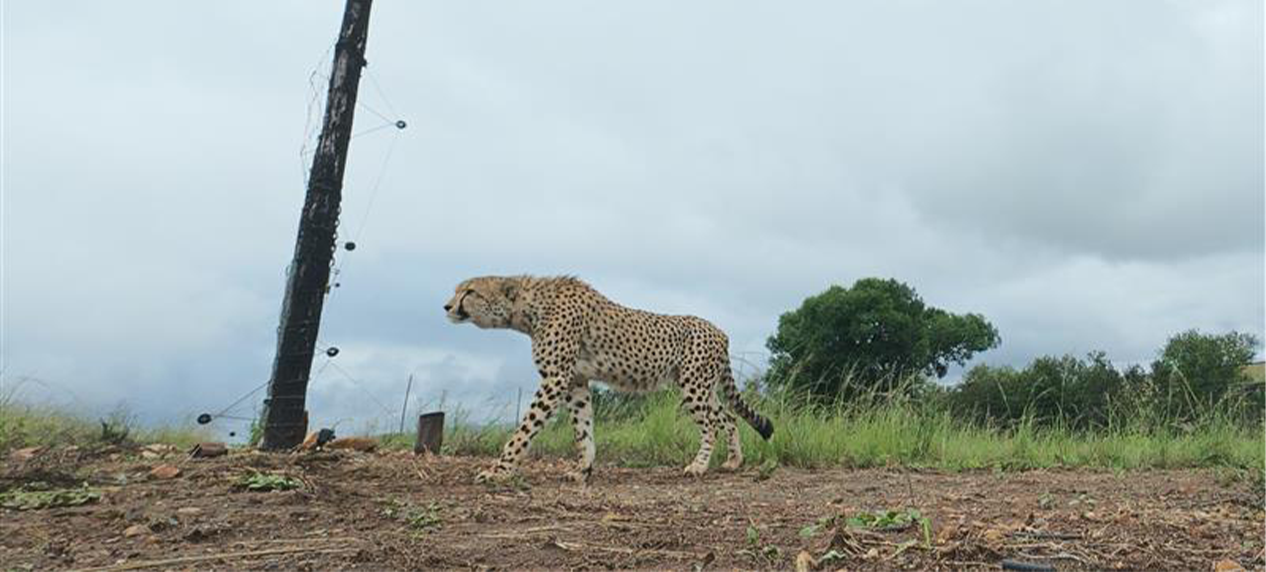
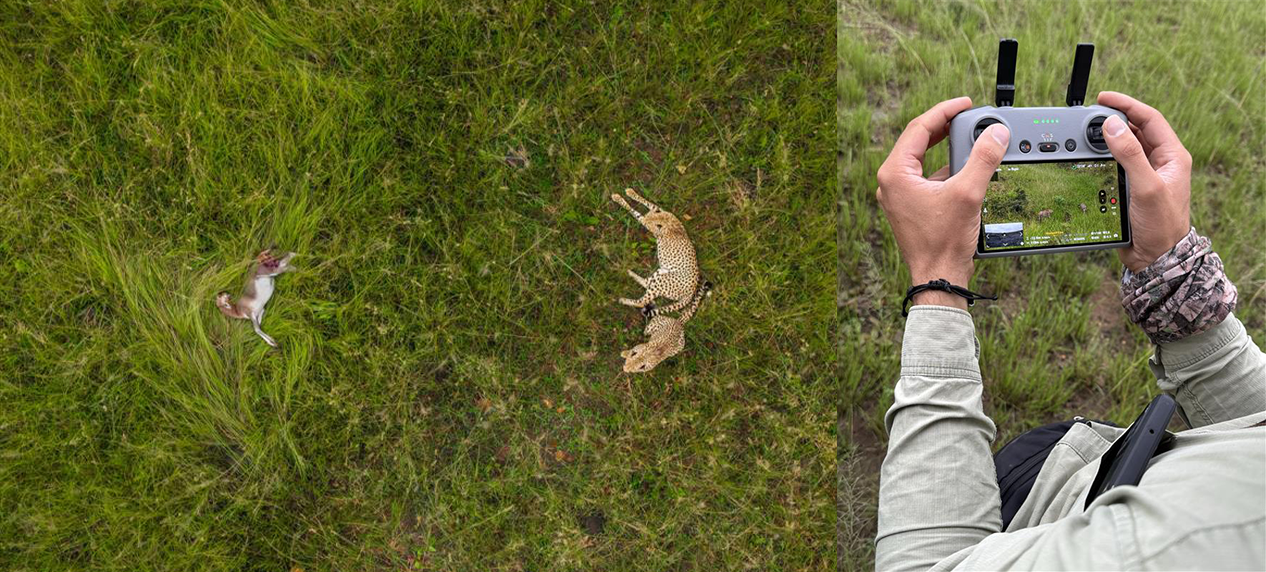
In February, the EWTs Carnivore Conservation Programme relocated two male Wild Dogs from Lapalala Wilderness Reserve to Rietspruit Game Reserve. The two males were two-years old and had left their natal pack to go in search of unrelated females, with the hope of forming a new pack of their own. They were fondly nicknamed ‘Starsky and Hutch’. When Wild Dogs enter this phase of dispersal, they can cover several hundred kilometres in only a week. This often results in them leaving protected areas and encountering danger. This was the case of the Lapalala males, and with use of the GPS collars, the Lapalala management team managed to track them, capture them and bring them to safety.

The next challenge we faced was to find a suitable home for these two males. While human-induced threats such as snaring, poisoning, disease and roadkill do pose a major threat to Wild Dogs, diminishing safe space is their primary threat. So, a rehoming exercise included finding eligible females that were in a similar phase of their life.

Following a search of several months, we found a small pack of females at Rietspruit Game Reserve that had lost their only male to a Lion ambush towards the end of last year. Only two female Wild Dogs remained and had stayed in the general area for some time. We felt that this could be an opportunity to not only rehome the males, but reestablish a viable pack by introducing males to the two females.

All conservation partners were onboard, and the planning was underway. We would relocate the two male Wild Dogs to Rietspruit Game Reserve and place them in the predator boma. With some luck, the females would find the males, and the bonding would commence through the fence. Wild Dogs have an incredible, and somewhat unknown, ability to pick up the scent of other Wild Dogs from many kilometres away.


So, on 3 February, we immobilised Starsky and Hutch, fitted a new collar on them and drew some genetic samples. We then placed them in our new state-of-the-art ‘Wild Dog Box’ that had been custom made to fit into our Ford Rangers. Six hours later, we safely offloaded the Wild Dogs in the Rietspruit predator boma.

The two female Wild Dogs also had tracking collars, but they hadn’t registered for several days in the lead up to the relocation and we weren’t 100% sure where they were – a classic curveball! Our fear was that they might have suddenly bomb shelled, which would have greatly compromised this mission. Fortunately, the monitoring team picked them up the day after the relocation, about six kilometres from where the two males were. We opted to give the females time to find the males – hoping that they would approve and keep interested enough to stay and bond with the males at the boma.

We waited for 24 hours, but the link hadn’t been made just yet. So, two days after the relocation, we decided to improvise. We took grass out of the Wild Dog Box, rolled it into a ball and used a lot of string to hold it in place. We then went out and found the females, deployed our grass ball off the back of the vehicle and started driving towards the boma. This grass ball immediately caught their interest and the plan was working…and we figured if we could even get them halfway there with some ‘hoo’ calls in-between, then maybe they would do the rest themselves. But the plan was working better than anticipated! In fact, we couldn’t drive fast enough. These females were desperately following the scent – clocking 50km/h. We ticked off the first kilometre, then another, and then another. The only thing that was giving way was our grass ball. By kilometre number five, it was no bigger than bowling ball, but it was enough to pull the females the final distance.

The link had been made. The two groups had met at the fence and the interactions were underway. A lot of flirting, scent marking and high-pitched murmurs – maybe it was love at first sight. The females have stayed at the boma since. Before the end of February, and after the males have had a little more time to acclimatise, the gates will be opened and the new pack will have the chance to bond – and they might just be in time for the Wild Dogs denning season which usually commences this time of year.
Some Wild Dog pups in 2025 will be the cherry on the top!

We would like to thank our partners, the Rietspruit Game Reserve, Painted Dog Tv., Lapalala Game Reserve, LEDET.


Turning Traps into Hope: Poacher’s Snares Repurposed for Conservation

Turning Traps into Hope: Poacher’s Snares Repurposed for Conservation


Turning Traps into Hope: Poacher’s Snares Repurposed for Conservation

By John Davies


Across much of Africa, snaring of wildlife is on the rise, driven by a combination of poverty, bushmeat demand, and organized wildlife crime. With economic hardships pushing more people toward illegal hunting for sustenance or profit, snares have become the weapon of choice—they are cheap, easy to set, and devastatingly effective. However, they do not discriminate, often trapping unintended species, including elephants, lions, and wild dogs. Many animals suffer prolonged, agonising deaths, while those that survive can be left with severe injuries that compromise their ability to hunt or evade predators.

In a significant step toward protecting South Africa’s wildlife, the Endangered Wildlife Trust (EWT) recently removed 3.5 tons of wire snares from a protected area in the Lowveld region of South Africa, forming a critical buffer zone along Kruger National Park’s western boundary. These snares had been stockpiled over the last five years and had been removed during routine patrols by reserve anti-poaching teams.

Instead of being discarded, the snares have been given a second life through a partnership with Down2theWire, a local initiative that transforms confiscated poaching materials into handcrafted jewellery. This innovative project not only raises awareness about the devastating effects of snaring, but also provides funding for conservation efforts generated through the sale of jewellery and other products made from snares. Profits from the jewellery sales will be reinvested into anti-poaching initiatives, supporting rangers, education programs, and community-driven conservation efforts.

This initiative underscores the importance of sustainable solutions in wildlife conservation, proving that even the most destructive tools can be reshaped into symbols of resilience and protection.

As wildlife crime continues to challenge conservationists, creative collaborations like this offer a beacon of hope. Consumers can now play a direct role in the fight against poaching—one bracelet at a time.


Small Hands, Big Impact: A Greener Future for Lesotho

Small Hands, Big Impact: A Greener Future for Lesotho


Small Hands, Big Impact: A Greener Future for Lesotho

Children Lead the Charge in Conservation Efforts

By Danielle du Toit, Field Officer: Birds of Prey Programme


A three-day inititiative by the EWT in October brought together 65 young conservationists from grades four to six in Molumong village, Lesotho.

Led by Danielle du Toit (EWT Birds of Prey) and Mapeseka Makaoae (Bearded Vulture Recovery Programme Community Liaison), the children joined a litter cleanup aimed at fostering a cleaner, healthier environment for their community and local wildlife.

Supported by the Lesotho Highlands Development Authority (LHDA), the cleanup was initially planned to focus on rivers and waterways. However, a last-minute cancellation of transport shifted efforts to the school grounds and nearby mountain slopes, areas where litter risks flowing into rivers. Over three days, the children collected an impressive 96 bags of litter—38 on Monday, 20 on Tuesday, and 38 on Wednesday. The waste, primarily plastic packaging and tins, highlights a pressing need for proper refuse management in the village.

To address this, LHDA has committed to providing at least three rubbish bins for the school, with plans for additional bins in the broader community. Efforts are also underway to establish a regular refuse removal service to ensure long-term cleanliness.


Connecting Litter Cleanup to Vulture Conservation


The cleanup is closely tied to the broader conservation efforts for the Endangered Bearded Vulture, a species whose survival depends on the region’s health and cleanliness. In collaboration with Wildlife ACT and the Bearded Vulture Recovery Programme, a feeding site has been established to provide critical food sources for these rare birds whose diet consists largely of bones. The site, designed following strict vulture restaurant guidelines, includes fencing to deter scavengers and camera traps to monitor activity.

To complement this, a vulture hide—a small, unobtrusive structure—has been constructed to promote eco-tourism and provide researchers with a unique opportunity to study the species up close. This hide benefits the community by attracting visitors, creating opportunities for environmental education, and fostering a deeper appreciation for the role vultures play in maintaining ecosystems.


Nature’s Cleanup Crew Meets Future Conservationists


The litter cleanup served a dual purpose: improving community health by reducing waste and emphasising the ecological importance of vultures, often called nature’s “clean-up crew.” Through hands-on participation, children learned about the interconnectedness of their actions, local wildlife, and the environment, fostering a sense of responsibility and pride in protecting their natural heritage.

With such impactful initiatives, the future of conservation in Lesotho looks brighter—and it starts with small hands making a big difference.