IF YOU LIKE IT, THEN YOU BETTER PUT A RING ON IT
Dr Joseph Mwangi (josephm@ewt.org.za), Christie Craig (christiec@ewt.org.za), and Dr Lara Jordan (laraj@ewt.org.za), EWT’s African Crane Conservation Programme
The African Crane Conservation Programme focuses on conservation outcomes that align with scientific information and best practice. We pursue measurable conservation actions, one of which is the ringing of cranes. When ringed cranes are reobserved, we record their GPS point, habitat use, social grouping, and behaviour. This information collated over several years helps us to understand the populations we conserve on a deeper level: how many of the crane survive, how the population changes over time, their seasonal movements, and what the major threats are to populations. These nuggets of knowledge support further conservation action focused on addressing the causes of population declines.
One of the longest standing ringing programs is that of the Wattled Cranes within the Drakensberg. The ringing program started in 1986 and continues today with, on average, ten chicks ringed each year, and approximately 60 nests monitored each season. This involves intense on the ground surveys with efforts boosted by the annual aerial survey conducted by the EWT and the Ezemvelo KwaZulu-Natal Wildlife, the provincial conservation authority. Supportive landowners, farmers, and enthusiasts assist by recording resighting incidents through the Survey 123 phone app, email, or WhatsApp. This kind of community support provides vital information and has enabled us to determine survival rates of Wattled Cranes on the nest after fledging. Over the long-term, this enables us to monitor the movement, habitat, and how the species uses the landscape. This helps us pre-empt risks and assess threats that may affect the population, such as powerline collisions or land-use changes. This information, combined with nine satellite tracking units, has created focal points to target specific conservation action. This is vital to ensure the sustainable range expansion of the species.
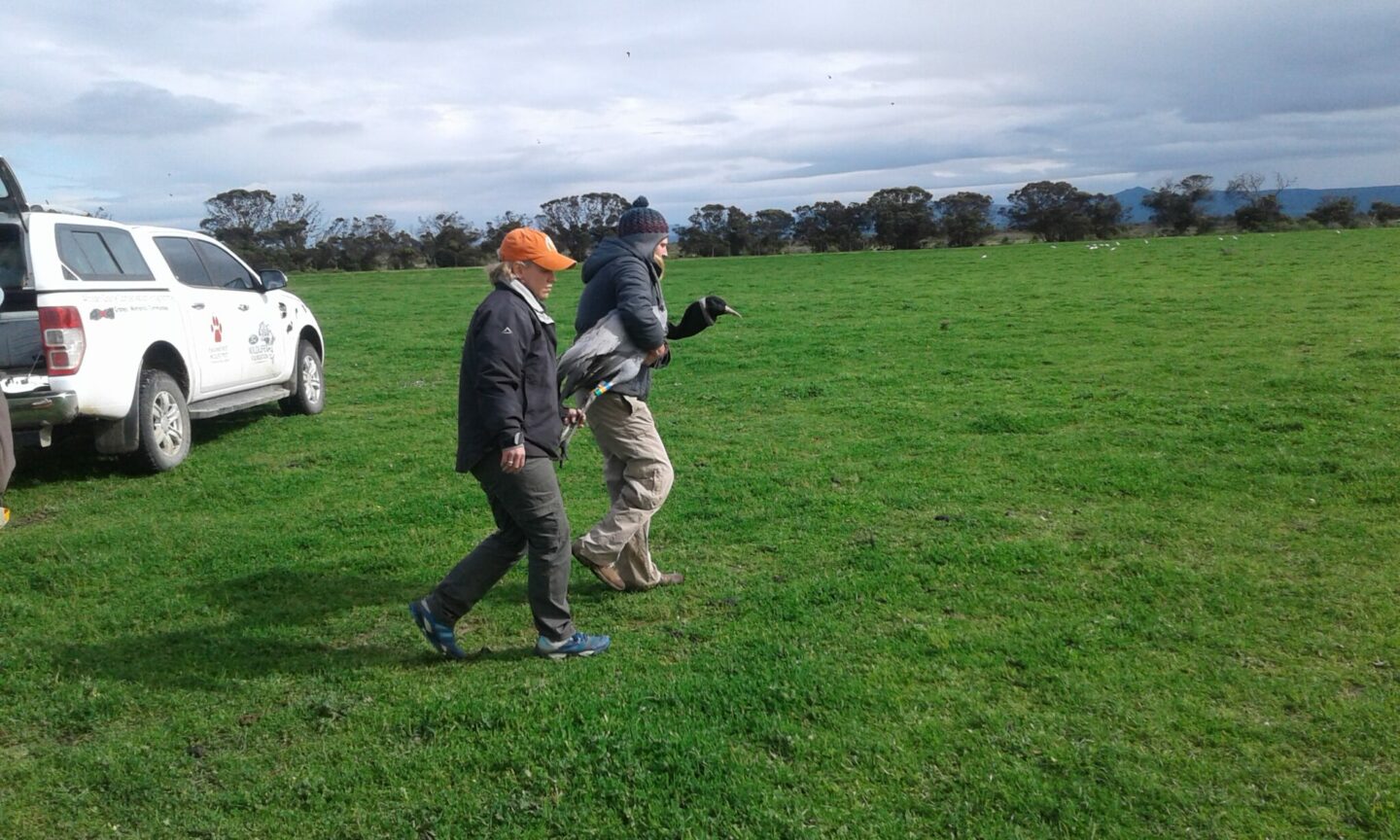
Christie Craig is also studying Blue Cranes in the Western Cape by fitting the birds with rings and satellite trackers. The colour rings on their legs allow us to recognise a crane with a tracker when in the field and record our observations of the specific crane’s behaviour to understand their movements, e.g. when they are breeding. The satellite trackers give us very detailed movement data to see where and how Blue Cranes are moving, and this data can be used in myriad ways to inform conservation strategy. Our main aim with this data collection is to look at how and when Blue Cranes are flying to better understand how their flight patterns put them at risk of colliding with powerlines. Powerline collisions are one of the main threats to the species, and being able to understand collision risk informs mitigation efforts.
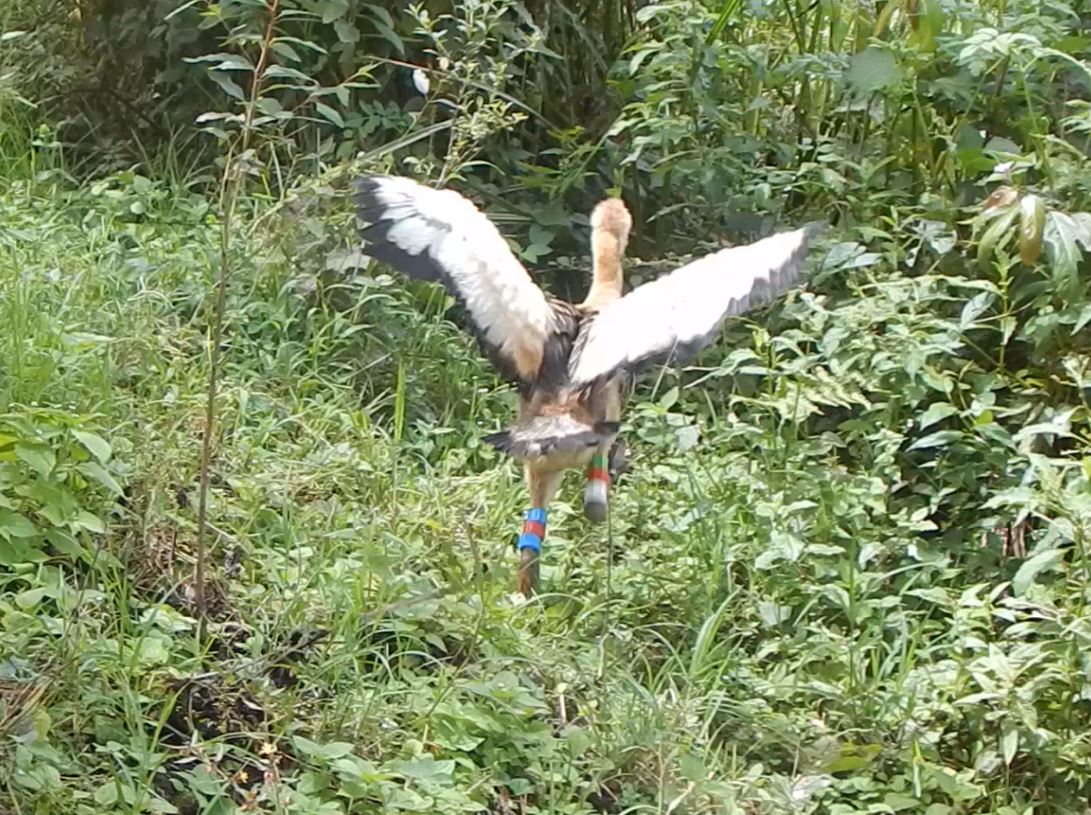
We were therefore excited to launch our Grey Crowned Crane ringing project in Kenya, which came hot on the heels of an agreement on country colour codes for coordinated Grey Crowned Crane ringing with other stakeholders working on cranes in East Africa. For the first time, we will be able to monitor chicks past the fledging stage, something we have not previously managed to do in East Africa. So far, 20 chicks have successfully been rung and fledged for the 2020/2021 breeding season. To supplement our efforts in sighting the ringed cranes, we will train and equip 30 community Crane Custodians who will assist in reporting any sightings of ringed chicks. Through these reports, we hope to better understand cranes’ dispersal from their breeding sites and map out key areas for cranes outside the breeding season.
A PRICKLY SITUATION
Ndzalama Chauke, EWT Wildlife and Energy Programme Field Officer, ndzalamac@ewt.org.za
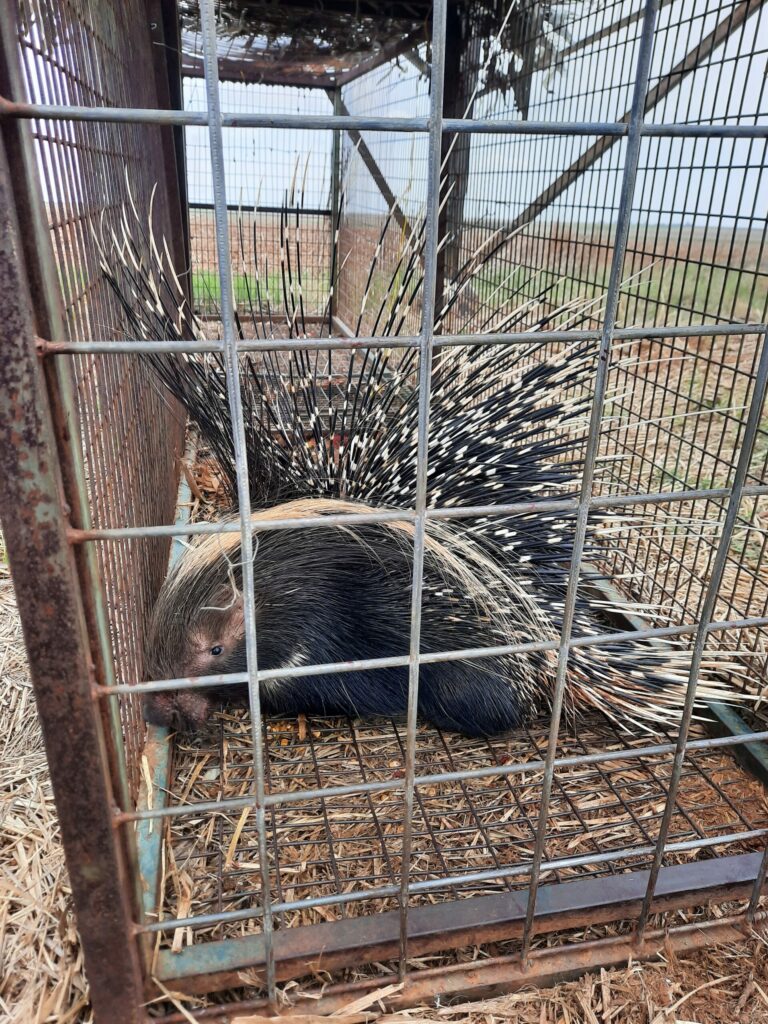
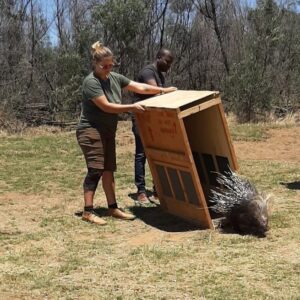
The Endangered Wildlife Trust’s Wildlife and Energy Programme (WEP) and the Eskom Transmission team (Central Grid) have been working determinedly to capture porcupines that have been burrowing close to a transmission line tower foundation near Delmas. When porcupines burrow at the foundations of transmission towers, the excavations can destabilise the structure, causing the tower to shift and eventually fall over. Amos Letsoalo and Ndzalama Chauke from the WEP team, and Reg Chadinha from transmissions, had set a cage trap under a tower where porcupine activities were taking place. A watermelon was placed inside the cage as bait a night before capture. In the early morning of 29 October 2020, during Reg’s usual rounds, he arrived on the scene, and there was a porcupine in the cage, our first catch after years of trying! The WEP team immediately rushed on-site and relocated the captured porcupine to Bezuidenhoutshoek farm in the Middelburg. On the night of 2 November 2020, we used watermelon as bait again and, we succeeded again – a porcupine was waiting in the cage the following morning! We relocated this animal to the same farm as the previous one.

FINDING FAIRIES WHERE BIOMES COLLIDE
Bonnie Schumann. Senior Field Officer, EWT’s Drylands Conservation Programme, bonnies@ewt.org.za
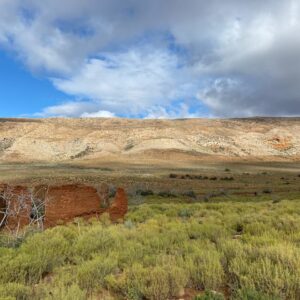
There is a pretty special place in the Klein Karoo where three biomes collide across a landscape of hidden valleys and impossibly rugged slopes. This “collision” of biomes, as renowned botanist Jan Vlok describes it, has resulted in a stunning array of biodiversity, ranging from fairy shrimps in shallow rock pools on remote mountain peaks to several undescribed plant species.
Previously valued purely for its livestock grazing attributes, Lettas Kraal has been quietly resting and recovering under Johan Roodt’s watchful eye for the last 25 years. Johan oversaw the final departure of the last of the goat and sheep herds that left their harsh mark on this unique and sensitive environment. Johan’s vision when he purchased Lettas Kraal was to dedicate the property to conserving the natural resources found here. The property is now being declared a Nature Reserve, which will secure Johan’s conservation vision for the property into perpetuity.
The Klein Karoo, hosting some 3,200 known plant species, is located in the Succulent Karoo, a plant biome recognised as an international biodiversity hotspot with over 6,300 plant species. Add a dash of Fynbos, and a touch of Subtropical Thicket to the Succulent Karoo and the species diversity explodes. This was confirmed by a recent five-day biodiversity survey, coordinated by the Endangered Wildlife Trust (EWT) and CapeNature, and supported by specialists and several volunteers.
Vlok put in a herculean effort, cataloguing an incredible 814 plant species in just under five days. These species occur in no less than nine vegetation units identified on the property. As expected, the winning family was the daisy family (Asteraceae) at 180 species. The most prominent genus is Crassula with a mindblowing 37 species! Astounding also are the 20 Pelargonium species and 18 Hermannia species. Vlok said afterwards, “No wonder my head was spinning at the end of the week! No ways that I could have hit more than 80% of the species, as I did not even cover 10% of the reserve’s area. This means that a true total count will be around 975 species. What can I say but ‘gee-whiz’, I would never have guessed that there would be that many – a total of about 10% of the species in the entire Cape Floristic Region. So who still says that arid areas are boring plant wise?” Besides the known species recorded so far, Vlok was last seen heading for the herbarium and his microscope, to identify several unknown plant treasures found on the property, some of which may turn out to be new species.
In addition to the focussed botanical assessment, specialists from the EWT, CapeNature and a group of volunteers went in search of all things great and small, including small mammals, reptiles, birds, bats, butterflies and moths. While the botanical component put on a spectacular show after the recent rainfall brought welcome relief from the unprecedented drought, surveys reflected that many of the other components still need time to recover. Guy Palmer, retired CapeNature Scientific Manager, Biodiversity (Scientific Services), couldn’t resist an invitation to participate in small mammal surveys. He and a team of two CapeNature faunal ecologists found very few signs of small mammals, although they did trap and release two common rodent species and one species of sengi (elephant shrew). Palmer says the lack of small mammal activity is indicative of the severity of the protracted drought. In addition to the focussed botanical assessment, specialists from the EWT, CapeNature and a group of volunteers went in search of all things great and small, including small mammals, reptiles, birds, bats, butterflies and moths. While the botanical component put on a spectacular show after the recent rainfall brought welcome relief from the unprecedented drought, surveys reflected that many of the other components still need time to recover. Guy Palmer, retired CapeNature Scientific Manager, Biodiversity (Scientific Services), couldn’t resist an invitation to participate in small mammal surveys. He and a team of two CapeNature faunal ecologists found very few signs of small mammals, although they did trap and release two common rodent species and one species of sengi (elephant shrew). Palmer says the lack of small mammal activity is indicative of the severity of the protracted drought.
The discovery of a treasure trove of small mammal bones in an old barn owl roost in the God’s Window cave suggested that small mammals were far more abundant in the past. Going hand in hand with this, and demonstrating the domino effect when food chains are disrupted, few observations of birds of prey were made. However, on a positive note, and reflecting the resilience of dryland species, most of the small mammals that were caught were females, and many of them appeared to be pregnant; a good sign of things to come.
The work didn’t stop at sunset. Andre Fourie (a volunteer) and Marienne de Villiers (CapeNature) spent many night hours eavesdropping on bat conversations. These little flying mammals use echolocation to navigate, locate prey, and communicate, and most of their calls are at frequencies too high for human ears to detect. However, they can be picked up by an ultrasonic bat recorder, and the sonograms that these machines produce, provide clues to species identities. At least three bat species were detected in this way, but a more in-depth analysis of the data is likely to add to the list. Most of the bat activity was around the Lettaskraal homestead, where there is a permanent water supply and an abundance of bugs attracted to lights. A bonus find was a horseshoe bat in a narrow crevice near the God’s Window cave.
JP le Roux (EWT), and Martine Jordaan (CapeNature), led the search for all things aquatic, documenting four frog species and aquatic invertebrates. A little bit of water goes a long way in the Karoo, and JP, acting on a rumour of water on Bloutoring, a remote mountain peak, led the strenuous climb up this mountain in search of this “puddle”. The climb was not in vain and resulted in the discovery of fairy shrimps (Class Branchiopoda) in a single shallow rock pool.
The birders were not to be outdone as Renier Balt (volunteer), Dominic Henry, and Ian Little (EWT) vied for top recorder, while Stefan Theron (Dept Agriculture: LandCare, Western Cape) multi-tasked to assess priorities for restoration while making sure he got some birding in. Altogether 97 bird species were recorded on the property over the five days. A further 53 species recorded in the immediate area, including migrating visitors, bring the bird list total to 150 species.
Although it was a bit early in the season, as temperatures were still relatively low, Chair of the Lepidopterist’s Society of Africa, Andrew Morton, assisted by his son Sasha, managed to record some insect activity as well. It will be particularly interesting to do more extensive surveys of insects and other invertebrates when temperatures are warmer, as the diversity of species may well be correlated to the incredible plant species diversity.
The CapeNature Anysberg Nature Reserve team dubbed the “Klipspringers” for its members’ agility and speed on the steep slopes, provided both (hu)manpower and expertise to the survey effort. Volunteers Renier and Millene Balt, Sven Wesemann, Lara Krassnokutski, and Carina Becker (Manager of the Rooiberg Breede River Conservancy), supported by the Leslie Hill Succulent Karoo Trust from WWF-SA, provided additional logistical support and bucket-loads of enthusiasm during the survey.
The outstanding biodiversity on Lettas Kraal not only reflects the incredible biological wealth of the Klein Karoo as a region but again reiterates just how unique virtually every square kilometre of the entire Succulent Karoo is – no two areas are the same. The Succulent Karoo is threatened by mining activities, overgrazing, and the illegal collection of, and trade in, succulent plants, leaving less than 30% of the hotspot pristine. We must look at ways to conserve as much of this unique biome as possible, given that so much of it has already been transformed and degraded.
Where agriculture is being practised, we must explore ways to implement more sustainable land management that integrates the conservation of the remaining biodiversity with the agricultural priorities. Partnerships between landowners, CapeNature and NGOs such as the EWT, present a win-win solution for effectively conserving the region’s biodiversity. Together we can ensure a bright future for Lettas Kraal as a hub of biodiversity. Anyone spending time here cannot but help become a champion for the conservation of the Succulent Karoo.
The Endangered Wildlife Trust, Drylands Conservation Programme’s work is made possible through support and partnerships with landowners. In addition, our broader work in the Drylands landscape forms part of the Global Environment Facility (GEF5) funded Sustainable Land Management Project at the United Nations Development Programme (UNDP), in partnership with the Department of Forestry, Fisheries and the Environment (DFFE). Projects are also supported by Rand Merchant Bank.
For more information contact:
Bonnie Schumann
Endangered Wildlife Trust
Email: bonnies@ewt.org.za
Cell: 072 1224232
Marienne de Villiers
CapeNature
Email: mdevilliers@capenature.co.za
Cell: 082 729 3419
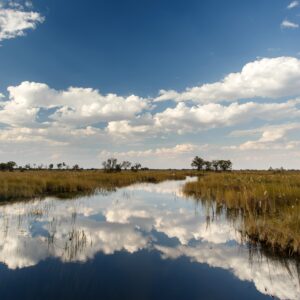
FLOODING ENHANCES THE VULNERABILITY OF WETLAND-DEPENDENT COMMUNITIES IN SOUTH WESTERN UGANDA
Phionah Orishaba, Project Assistant, Nature Uganda (NU), Endangered Wildlife Trust (EWT), and International Crane Foundation Partnership (ICF), PhionaO@ewt.org.za
In the 1950s, as a result of the growing population and resultant increased demand for food, communities in the Kabale region of south western Uganda began draining intact wetlands for agriculture. With their rich, fertile soils, wetlands, riverbanks, and lakeshores were considered prime areas for crop production. Natural wetland resources are also harvested for food, building materials, and craft construction. Intact, functioning wetlands provide critical ecosystem services, such as water absorption and storage, which reduce flooding in the rainy season. Wetlands also release stored water during the onset of the dry season, thereby delaying water shortages during times of drought. However, extensive wetland encroachment and degradation has impacted the ecological functioning of wetlands, including the regulation of flooding.
Prolonged rainfall events from March to May of this year, resulted in excessive flooding and landslides throughout most wetland areas in south western Uganda. Floodwaters carry substrates such as soil, stones and small boulders which endanger wildlife and degrade natural ecosystems. Resultantly, the floods impacted the survival and breeding success of local Grey Crowned Cranes, as they occurred during the peak of the crane breeding season.
The floods caused other forms of devastation, including the loss of crops and animals, and the destruction of buildings and roads. Maziba Primary School in Maziba Sub-County and Kakoma Church of Uganda in Katuna Town Council are among the buildings that were destroyed during the ordeal. Roads in Rubaya Sub-County were also ravaged. According to the District Natural Resources Officer of Kabale, Mr Rogers Akatwijuka, the floods resulted from increased rainfall, coupled with wetland encroachment and poor farming practices in the upslope regions. Mr Akatwijuka recommended that wetland restoration, and soil and water conservation initiatives be implemented to minimise the impact of future flooding events.
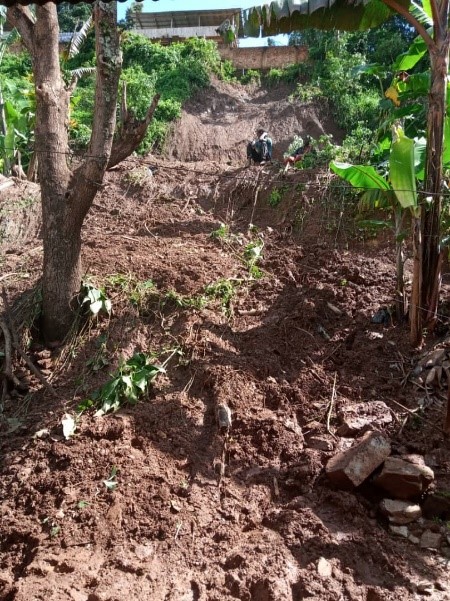
Ms Evas Asiimwe, the District Environment Officer of Kabale, said that economic activities such as agriculture, sand mining, brick making, industrialisation, infrastructure development, and wetland encroachment were the main drivers of habitat degradation. She continued, “Currently the region is facing weather-related challenges because most of the natural vegetation resources have been depleted, leaving the soils bare”. Ms Asiimwe emphasised that there is an urgent need to restore degraded habitats, guided by the national environmental policies and guidelines.
Mr John Zinkubire, the chairperson of the Kibuga Abarihamwe Community Group, and Crane Custodian Mr David Musinga reported that their crops were washed away by the floods and they are expecting that their community will face increased food insecurity and poverty. Amid the devastation, they did happily report that the six pairs of cranes, usually seen foraging in the wetland and cattle farms near their homes, survived the floods, and have been seen with juveniles. Similarly, Mr Francis Mwebesa, a community member of Mayengo Ward, Katuna Town Council, said the flooding this year was particularly extreme. The two families of cranes in the nearby wetlands are reported to have narrowly survived the floods. He witnessed the chicks floating on the water surface and navigating their way to safety.
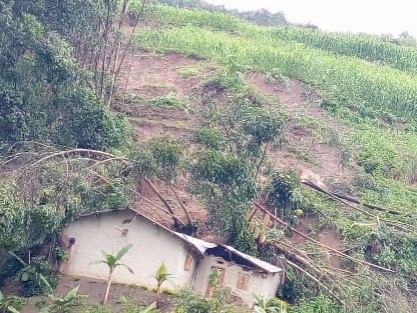
Unfortunately, not all crane families would have been so lucky. In an attempt to locate the two families of cranes in the wetland near Hakiheiga Trading Centre, Crane Custodians, Annet Tusiime and Jeniffer Tumuhimbise reported that, although the adult cranes were seen feeding near the flooded wetlands, none of their chicks were observed. They were unable to investigate further due to excessive flooding in the area. Mr Kamuzinzi Edward, a Crane Custodian from Kahungye Sub-County, reported that landslides had devasted his crops, and soil from the upland slopes had been washed into the wetlands. He feared that any eggs that had not yet hatched would have been unlikely to survive.
Lt Col Robert Nahamya of the Uganda Peoples Defence Forces and his army provided a helping hand to the families in Kaharo, whose homes had been affected by the flood. The Kabale LCV Chairperson, Mr Patrick Besigye Keihwa, extended comforting words to households whose properties were destroyed, promising to inform the office of the Prime Minister and the Ministry of Risks and Disaster Management, who would be able to provide additional relief services. Milton Kwesiga, the Executive Director of Africa Disaster Reduction Research and Emergency Missions, said that according to the constitution of Uganda, wetlands are protected areas. He continued that any agricultural activity in wetlands, except for recommended sustainable livelihoods, like apiary and harvesting of local materials for handicrafts, is illegal and should be punishable. He noted that wetlands provide essential ecological services, including water filtration, hydrological cycling, and flood control.
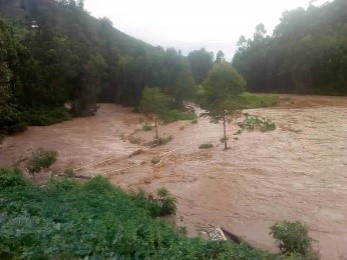
All Ugandans are called upon to curb wetland degradation by becoming conservation ambassadors and taking action to restore and conserve wetlands and reduce risks associated with climate change. There is an urgent need to implement environmental protection interventions, such as tree planting along wetland buffer zones, and soil and water conservation initiatives using bamboo and elephant grass. Most people in the Kigezi region depend on wetlands for survival and economic security. Thus, a collaborative approach between communities, government, and NGOs is essential to conserve wetland habitats for the benefit of both people and biodiversity.
KEEPING US CONNECTED DURING COVID-19
Bonnie Schuman, Nama Karoo Coordinator, and Esther Matthew, Specialist Conservation Officer, EWT Drylands Conservation Programme
Bonnies@ewt.org.za and Estherm@ewt.org.za
The EWT’s Drylands Conservation Programme (DCP) was thrilled to receive funding from the Lewis Foundation to support communities and individuals significantly impacted by the COVID-19 lockdown in the Karoo. There were ten recipients from Loxton, and three from Nieuwoudtville, who each received a router and a data package to support their studies and community work for one year, particularly when they needed to operate from home during the lockdown.
Fredeline Frieslaar, a qualified Edu Care teacher, was the first in Loxton to receive her router. Fredeline has made a significant positive impact in Loxton over the last two years, working as a teaching assistant for the EWT-Rand Merchant Bank Clever Rabbit learning support project. She is also Loxton’s adult reading facilitator and is currently tutoring four adults who are learning to read and write. Fredeline wants to study second year foundation phase education at NWU (long distance learning) and needs internet access to complete short courses online in preparation. Fredeline and two other women in the Loxton community have also been working tirelessly to provide food to community members in need, as the soup kitchen in Loxton was closed during the lockdown.
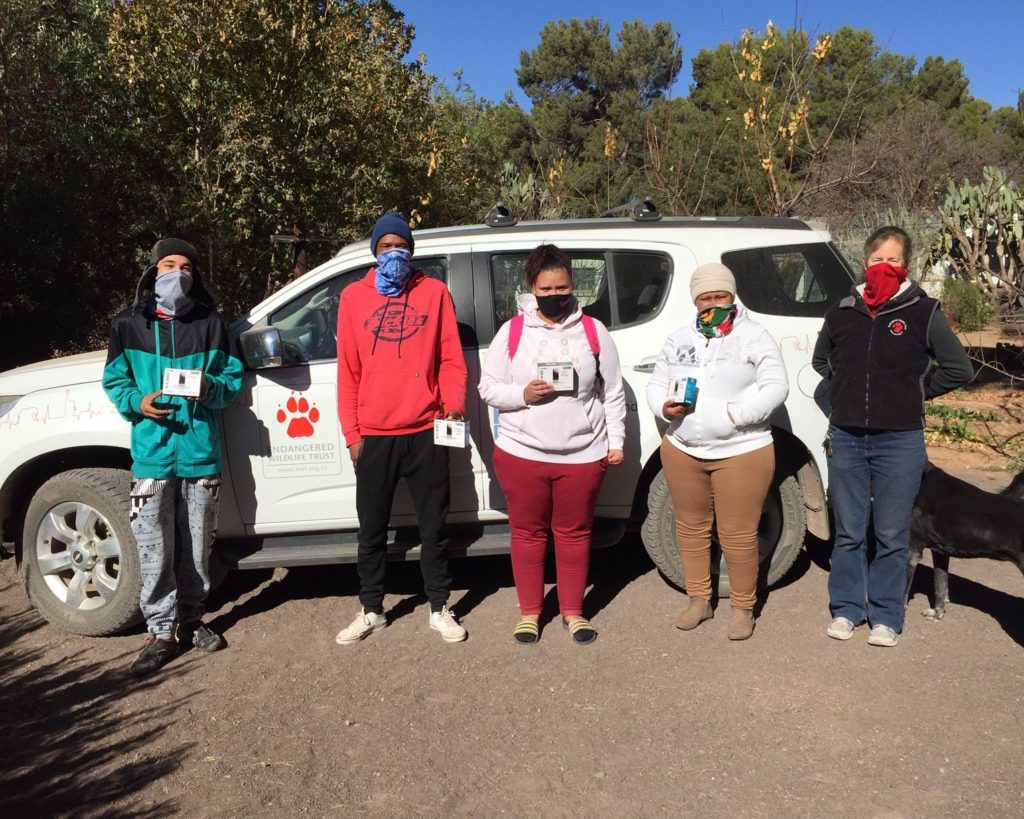
Seven young adults completing their diplomas in animal production through the DCP’s e-learning centre in Loxton also each received a router, so that they can complete their studies online. This made it possible for them to complete their assignments while the centre was closed during lockdown, and while EWT staff implemented the necessary health and safety measures before reopening the e-learning centre. The remaining router was allocated to a group of matric learners (Grade 12) to continue their education while schools were closed. Thank you to the Lewis Foundation for supporting our youth, so that they are better able to support others.
CONTINUING CONSERVATION’S SUPPORT FOR COMMUNITIES
Megan Murison, Project Officer, EWT National Biodiversity and Business Network
meganm@ewt.org.za
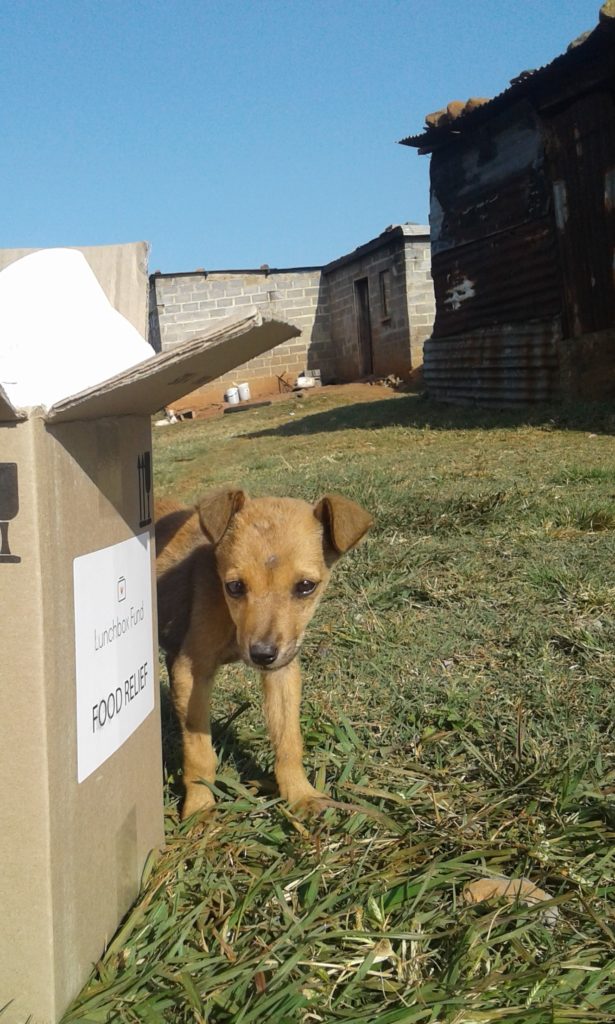
Adjusting to a new way of life during the lockdown period has been tough on all South Africans. While we are all enduring the same storm, we may not all be in the same boat. The COVID-19 crisis has hit many people hard, increasing job losses and further straining household resources. Many communities are currently experiencing extreme hardships through lack of basic resources. The Endangered Wildlife Trust (EWT) partnered with the HCI Foundation / eMedia COVID-19 Food Relief Fund to assist in eradicating hunger in vulnerable communities. The role of the EWT was to identify communities we have worked or are currently working with and ensure food parcels reached these groups.
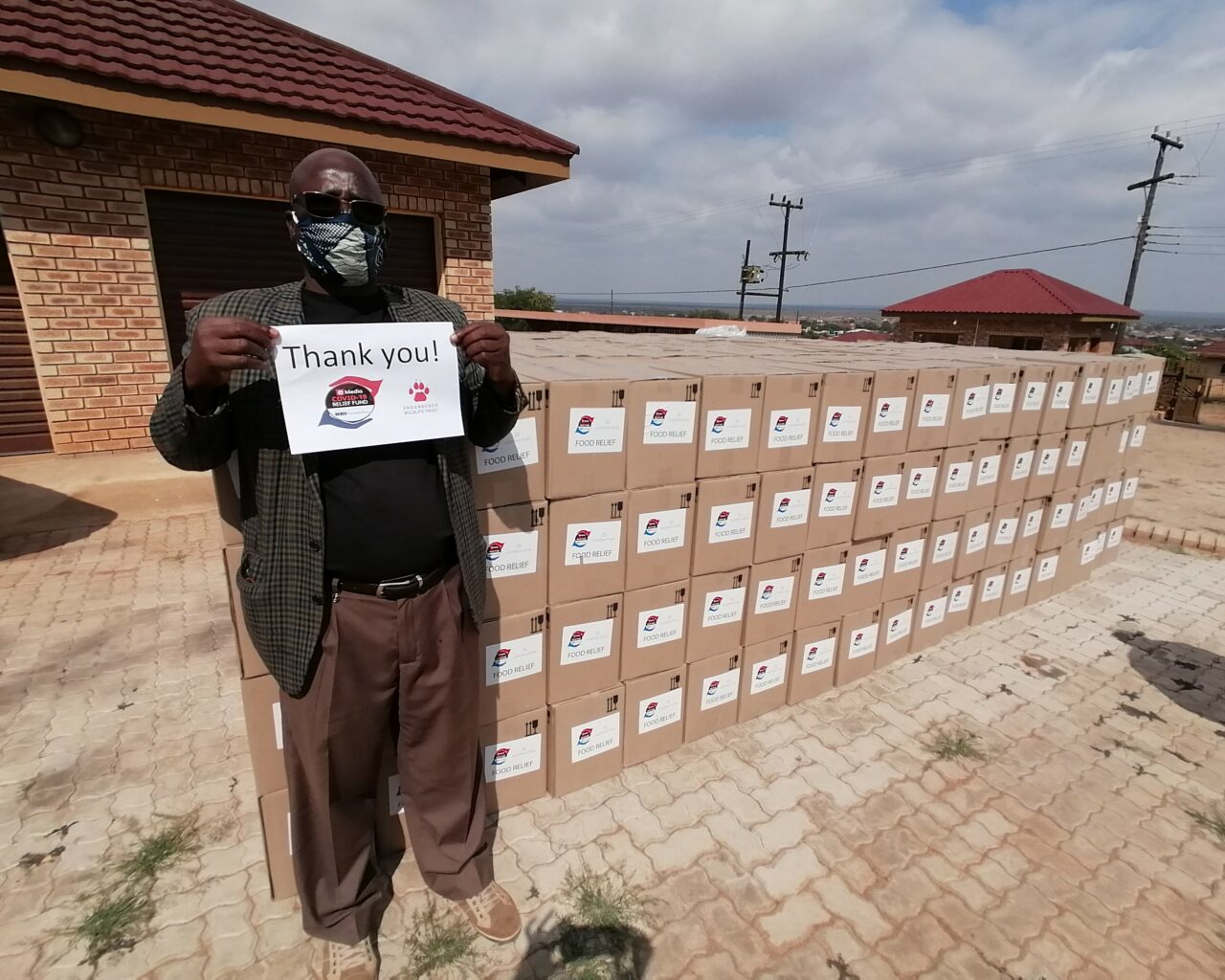
The communities that the EWT works with range across South Africa, from the Soutpansberg, to the KwaZulu-Natal (KZN) Midlands, and all the way to Loxton in the Karoo. At the EWT-owned Medike Nature Reserve in the Soutpansberg, it was deemed essential that we play a role n help our neighbours, with the closest village being only 4km from Medike. The EWT’s Soutpansberg Protected Area (SPA) and the EWT’s People in Conservation (PIC) teams jumped into action. In collaboration with the traditional leadership structure of the Ha-Kutama Traditional Authority, we were able to provide 700 families from nine villages with food parcels, supporting approximately 3,000 people. The delivery was made to Chief Vele Prince Kutama, Mr Gilbert Muofhe, Chairperson of the Development Committee, and the headmen of the villages. We provided the members of the tribal authority with face masks and hand sanitiser, and explained the health and safety protocols to safely distribute the food boxes to the families.

The EWT’s Drylands Conservation Programme (DCP) is embedded in the Loxton community of the Northern Cape. When the opportunity arose to be involved in distributing food parcels, the DCP team hopped into action. They involved the local social worker for the Department of Social Development, Rocco Olifant, as well as Fredeline Frieslaar who is the EWT-RMB Clever Rabbit learning support project assistant. Fredeline is currently feeding children from her home as the closing of the local soup kitchen left many families unexpectedly without any way to feed their children. The local SAPS office was approached for permission to go out and they offered to assist with the distribution. Because the community is small, and distances short, the team was able to do a door to door delivery of 60 food parcels to the 60 families identified. Bonnie Schumann, the EWT’s Nama Karoo Coordinator, explained that, “The crisis the community is in is very personal for the DCP staff as this is a small community and everyone pretty much knows everyone. The people needing help are not anonymous names on a list, but well-known members of our community. There are some initiatives to help within the community, but the HCI donation was a great boost, both in terms of food and morale”. Within KwaZulu-Natal, the EWT’s African Crane Conservation Programme (ACCP) and PIC worked with local tribal authorities to distribute food parcels to communities with whom we work closely. These communities partner with us to address catchment management issues, illegal poaching or hunting with dogs, and to raise awareness about the importance of a healthy environment for all. The food parcel deliveries were just a small way we could make people’s lives a little easier, and often involved our staff carrying boxes to the most remote of homes in each village. One particular community in KZN, KwaMkhize, ensured that the EWT team got their steps in. The rugged terrain and lack of roads meant that food parcels were hiked up to the houses. Ninety parcels were delivered over one and a half days! The team was assisted by the Chief Induna, Theo Sibisi, and two community members, Zinhle Ngwane and Londiwe Susibu.
Overall, a total of 1,203 food parcels was distributed. The distribution breakdown was as follows: 150 parcels in Loxton (Northern Cape), 700 parcels in the Soutpansberg (Limpopo), 240 parcels in the KZN Midlands, specifically Bulwer and KwaMkhize (KZN), 54 parcels in Mqatsheni (Southern Drakensberg, KZN), and 59 parcels in the Normandien area (northern KZN). The EWT’s third strategic imperative, Benefiting People, sees us working towards improving the lives and wellbeing of thousands of people who are often the most vulnerable, but who also act as custodians of the ecosystems they live in and rely on. We were proud to have been part of this initiative, which enabled us to give back to those communities we work in.