Help African Wild Dogs 

Donate today  

Blue Cranes uplisted to Vulnerable: A wake-up call for conservation

Blue Cranes uplisted to Vulnerable: A wake-up call for conservation
Blue Cranes uplisted to Vulnerable: A wake-up call for conservation


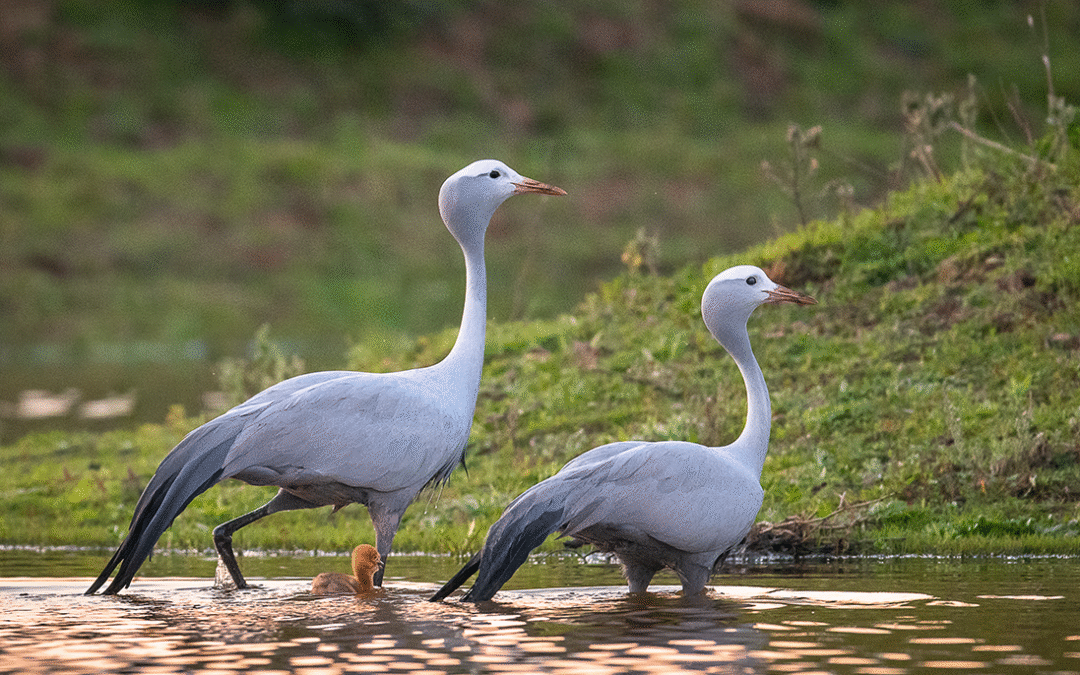
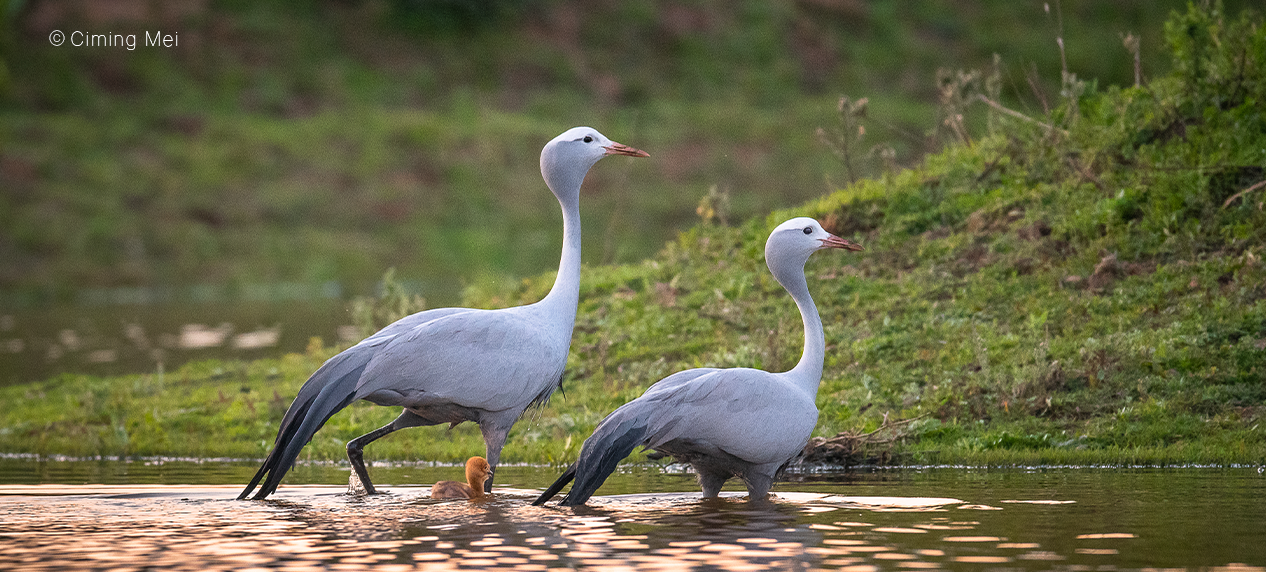
South Africa’s national bird, the iconic Blue Crane, has officially been uplisted from Near Threatened to Vulnerable in the newly published Regional Red Data Book 2025.

The uplisting of the Blue Crane to Vulnerable in South Africa means that it faces a high risk of extinction in the wild in the medium term.

This reflects growing concern about the species’ future. Although the Karoo boasts the highest number of Blue Cranes in South Africa, the species’ decline is of particular concern in the Overberg region of the Western Cape where Blue Cranes occur at higher densities than anywhere else in the country.

Data from the long-running citizen science project, Coordinated Avifaunal Roadcounts (CAR), shows that the Overberg has seen an alarming 44% decline in Blue Crane numbers between 2011 and 2025. These figures are especially concerning given that this region once had a thriving Blue Crane population.  Prior to the decline, CAR accounts indicated that Blue Crane numbers had increased by 261% between 1994 and 2010.

In the Karoo, CAR figures showed that populations had declined prior to 2017. But, this data is dated given that CAR counts are no longer done in this region. To remedy this, BirdlifeSA has formed a CAR working group with the Endangered Wildlife Trust/International Crane Foundation partnership (EWT/ICF), Overberg Crane Group (OCG) and FitzPatrick Institute to reinvigorate the project, particularly in areas like the Karoo.

The citizen science project is conducted twice annually. It relies on dedicated volunteers who count birds along fixed routes creating one of the most robust long-term datasets for large terrestrial birds in the country. This data underpins vital conservation decisions, including the recent uplisting of the Blue Crane.

Why are Blue Cranes declining?

The reasons behind the dramatic decline in the Overberg over the past 14 years are unclear, but research has revealed some clues.  Recent research by EWT Conservation Scientist, Dr Christie Craig, into the species’ long-term viability revealed that breeding success in the Overberg has halved since the last published study 30 years ago. On average, pairs now raise just 0.55 fledglings – far below what’s needed to sustain the population.

MSc student Michelle Bouwer has found that the key drivers of nest failure in the Overberg are disturbance and high temperatures. This is concerning given that climate change models predict significant drying and warming in the Western Cape. Fence entanglement also remains a threat to Blue Crane chicks that can’t fly yet.

Since 1991 the OCG, along with partners such as CapeNature and the EWT/ICF have driven Blue Crane conservation efforts in the Overberg, engaging actively with landowners to raise awareness and ensure that farming and cranes coexist peacefully. Similar programs were initiated in the Karoo and Drakensberg, under the auspices of the South African Crane Working Group. It is because of the success of these interventions that the Blue Crane population increased and was regionally downlisted to Near Threatened in 2015, based on data up until 2010.

Since the Blue Crane population was doing well, conservation efforts for Blue Cranes were reduced in the Western Cape, and Karoo. This can be attributed to the fact that conservation resources are limited, and work needs to be prioritised to species that need it the most.

The Drakensberg region features all three crane species in South Africa—the Blue Crane, Wattled Crane and Grey Crowned Crane. Because of ongoing research and conservation efforts, all three species are increasing in KwaZulu-Natal.

The uplisting of Blue Cranes has demonstrated that this species is dependent on ongoing conservation efforts, especially as they occur almost entirely outside of protected areas.

Within the Overberg, Blue Cranes occur primarily in wheatlands. As new technologies are implemented, cultivars are developed and farming methods are adapted, Blue Crane populations are being affected.  Indications are that an increase in the practice of minimum till and increased canola production may have reduced the availability of suitable feeding and breeding areas for cranes. But, more research is needed to confirm this.

Blue Cranes have also become the secondary or unintended victims of poisoning in the Overberg and Swartland regions—often from substances intended for other species, such as geese or rodents. This further highlights the importance of conservation presence in the landscape to ensure that illegal poisonings don’t go undetected, and to make certain that farmers have support to deal with crop damage problems.

Research showing that power line collisions in the Overberg had decreased in the last 15 years may be attributed to concerted efforts through the EWT/Eskom partnership to mark power lines. Nonetheless, collision with power lines remains the main threat to Blue Cranes, and ongoing mitigation is necessary, especially as new power lines are added to connect renewable energy to the grid. This is particularly a threat in the Renewable Energy Development Zones of the Overberg and Karoo.

The vital role of farmers

In order to ensure conservation success collective action including landowners, farmers, local municipalities, researchers, NGOs and community members, is required. Encouragingly, many farmers have already embraced their role as custodians of these birds, showing that agricultural productivity and biodiversity conservation can go hand in hand. Their commitment forms the backbone of South Africa’s Blue Crane conservation efforts.

It is important to note that because Blue Cranes have a strong association with agriculture across their range in South Africa, a variety of conservation expertise is required to conserve the species.

With the help of the IUCN Conservation Planning Specialist Group, the EWT/ICF has coordinated a multi-stakeholder conservation planning process for Blue Crane. The stakeholders also include the OCG, CapeNature, Wool Growers Association, Kogelberg Biosphere Rehabilitation Centre, Ezemvelo KZN Wildlife, Eskom and Birdlife SA.

This conservation plan specifies several actions that will be implemented in the coming years. Among these is mitigating the impacts of power lines and poisoning, working with the agricultural sector to reduce threats, and protecting natural habitats that support Blue Cranes. We are confident that with coordinated, evidence-driven conservation action we can turn around the environmental status of the Blue Crane.
Rediscovering Lost Species: A Key to Conserving South Africa’s Biodiversity

Rediscovering Lost Species: A Key to Conserving South Africa’s Biodiversity

Rediscovering Lost Species: A Key to Conserving South Africa’s Biodiversity

Dr Oliver Cowan, Conservation Scientist – Endangered WIldlife Trust
 

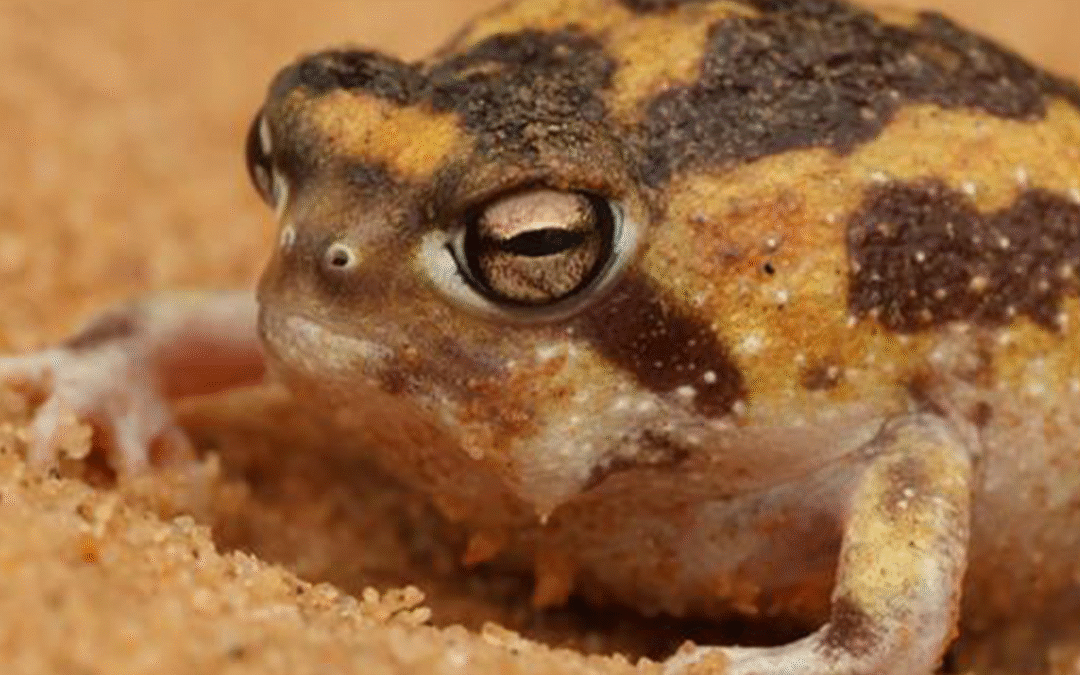
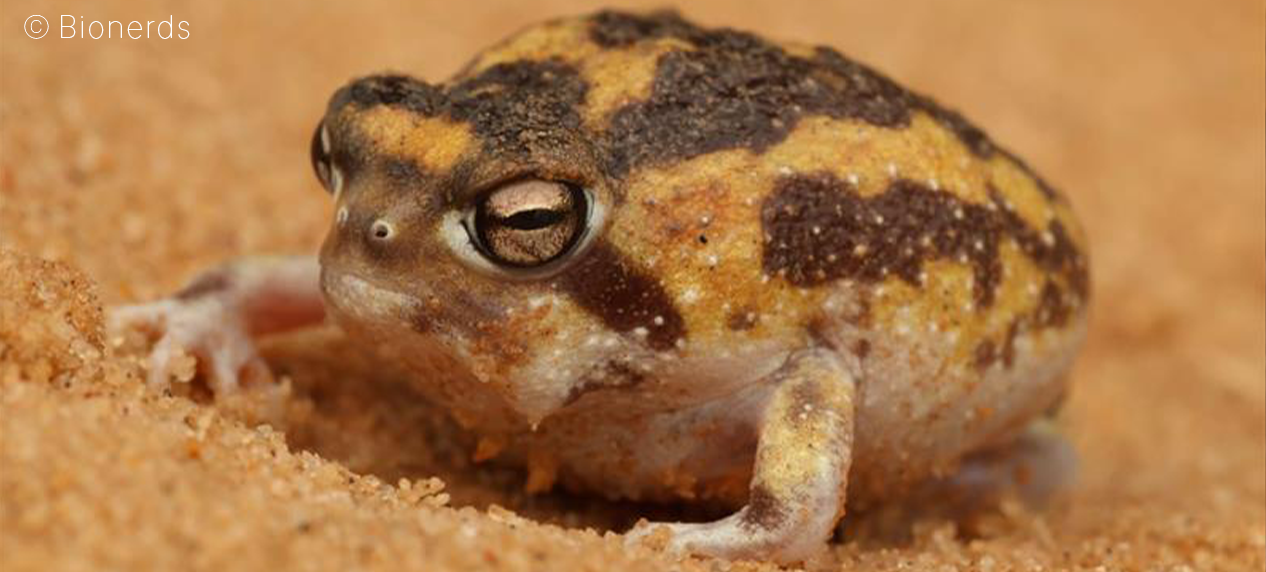
Breviceps branchi | Branch’s Rain Frog


Rediscovering “Lost Species” may sound like a pursuit of idealistic adventurers or a scientific box-ticking exercise but, in reality, it is a vital part of conserving biodiversity in South Africa and giving it a fighting chance.

How do you protect something if you do not know it is still alive? South Africa is home to a rich array of biodiversity with approximately 67,000 animal species and over 20,000 plant species – many of which occur nowhere else on earth. These numbers are not static, however, and increase when new species are discovered and formally described, and decrease should a species be declared extinct. The International Union for the Conservation of Nature (IUCN), through its Red List of Threatened Species, confirms a species’ extinction only when there “is no reasonable doubt that the last individual has died“. This is determined after exhaustive surveys across the species’ known range have failed to find any individuals. But what of those species in limbo? Known as “Lost Species”, they are defined by the re:Wild organisation as species that have not been recorded for ten or more years.

Although South Africa is relatively well surveyed in comparison to many other parts of the world, species occurrence knowledge gaps still exist. This is generally attributable to either geographic reasons – remote and inaccessible areas are hard to get to – or due to a species’ behavioural ecology such that standard survey efforts are ineffective at recording the species. For example, soil-dwelling species can be challenging to find, the most energetic and swift species can be hard to capture or identify from a distance, and morphologically cryptic species can be difficult to separate from similar looking species.

But why is it important to fill these knowledge gaps? Accurate and up-to-date knowledge of where a species occurs is a key component of assessing a species’ risk of extinction which, in turn, informs land-use decision making which enhances the protection of species of conservation concern. For instance, effective spatial planning for protected area expansion and the delineation of critical or key biodiversity areas must account for the distribution of threatened species.

Similarly, legislation intended to protect species of conservation concern from further habitat loss relies heavily on this information. For example, in South Africa the scoping phase of an Environmental Impact Assessment must include a screening report that flags the presence of species of conservation concern within the proposed development footprint. However, the data which informs the screening report’s high sensitivity layer requires occurrence records from the past 20 years. It is thus entirely plausible that knowledge gaps in the form of poorly sampled regions, and/or a lack of robust extinction risk assessments, result in species slipping through the cracks, whereby they lose important habitat simply because we did not know that they were there.

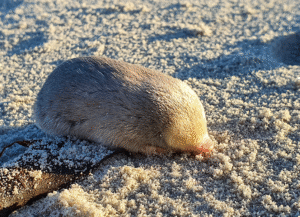
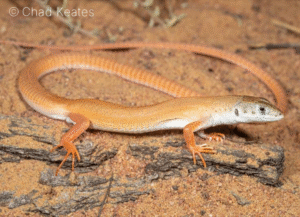
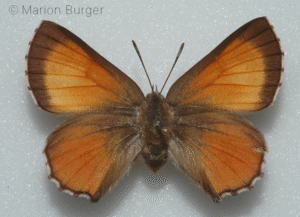
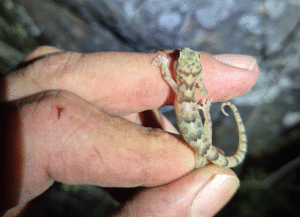
Conservationists know that targeted, species-specific surveys are essential to rediscover Lost Species. Unfortunately, the financial resources, time and effort needed to support these surveys are not insignificant. Nevertheless, in recent years there has been an uptick in the rediscovery of Lost Species. These include the rediscovery of De Winton’s Golden Mole (Cryptochloris wintoni) in 2021 after it was last recorded in 1937; Pennington’s Blue Butterfly (Lepidochrysops penningtoni) – rediscovered in 2021, last recorded in 1968; the Orange-tailed Sandveld Lizard (Nucras aurantiaca) – rediscovered in 2022, last recorded in 2005; Branch’s Rain Frog (Breviceps branchii) – rediscovered in 2023, last recorded in 2008; and the Blyde Rondawel Flat Gecko (Afroedura rondavelica) – rediscovered in 2025 after 33 years.

The Orange-tailed Sandveld Lizard is a prime example of the importance of targeted surveys. This charismatic reptile had miraculously only been captured once, in 2005 near Lambert’s Bay, and subsequently incidentally photographed on a camera trap in 2011. The habitat in which the species is known to occur has undergone substantial historical transformations, mostly due to agriculture, and in more recent years, a slew of mining developments have occurred along the West Coast. Indeed, in 2022, a right to prospect for phosphate ore was granted that encompassed both known localities of the lizard. However, due to the paucity of information on this Lost Species, it was categorised as Data Deficient. The animal’s rediscovery, and the data gathered during the week-long survey, will see the species uplisted to Endangered and it will need to be accounted for during future development proposals.

Although the aforementioned species were rediscovered thanks to expert-led surveys and supported by funding awarded to conservation NGOs, the potential role of citizen scientists should not be underestimated. With just a smartphone, apps such as iNaturalist allow anyone to upload photos and locations of species they encounter to an online database where taxonomic experts or fellow citizen scientists can identify them. In recent years, a hiker posted a picture of the Cream-spotted Mountain Snake (Montaspis gilvomaculata) from the Drakensberg, 22 years after it was last recorded, and two records of the Long-tailed Forest Shrew (Myosorex longicaudatus) were verified after three decades with no sightings.

Not all Lost Species end up being found. Despite a number of targeted surveys to rediscover Eastwood’s Long-tailed Seps (Tetradactylus eastwoodae), the species has not been recorded for over 90 years and is now officially extinct. This is a stark reminder of the pressures facing biodiversity in South Africa. The continued degradation and loss of natural habitat, combined with a rapidly changing climate will undoubtedly see an upsurge in extinctions in the coming decades. Nevertheless, directing the limited resources at our disposal to best conserve our country’s biodiversity requires robust and up-to-date information on species, and the importance of rediscovering Lost Species should not be overlooked. Rediscovering these species is not just about scientific curiosity—it is about ensuring they remain part of our shared natural heritage and whether through structured surveys, bioblitzes, or a well-timed iNaturalist post, we all have a role to play.


Greater awareness and action required to address desertification and restore habitats

Greater awareness and action required to address desertification and restore habitats

Greater awareness and action required to address desertification and restore habitats

By Zanné Brink (Drylands Strategic Conservation Landscape Manager)
 

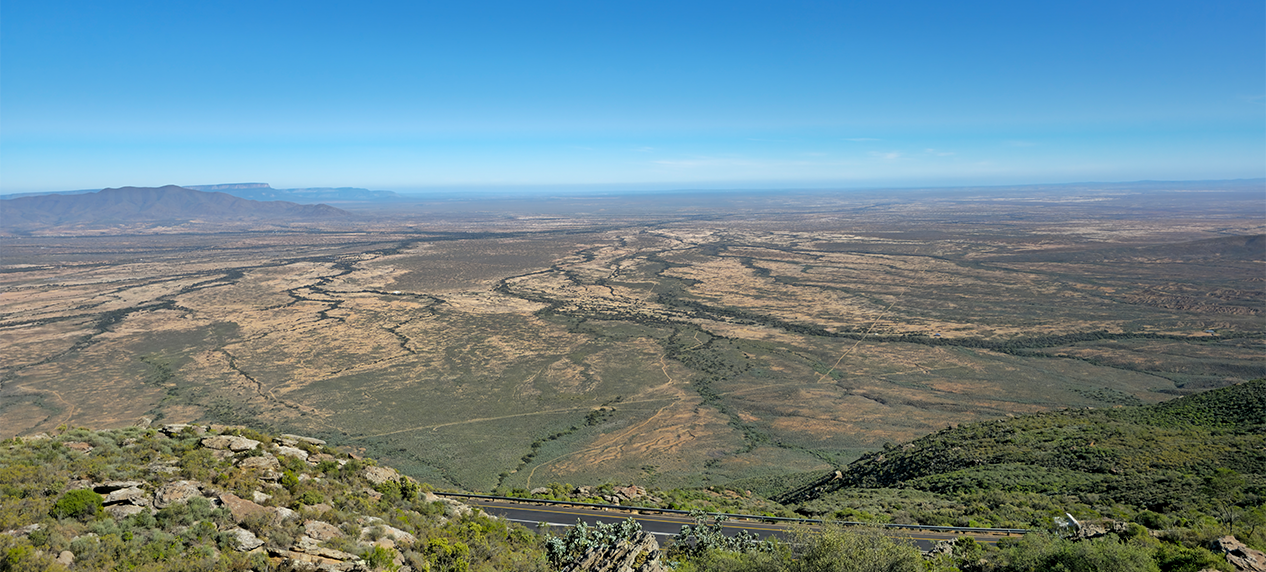
the Knersvlakte landscape

As a member of the Endangered Wildlife Trust’s Drylands Conservation Programme, I am confronted daily by the harshness of the arid regions in Western and Northern Cape and the vulnerability of the communities that live in this landscape.

It is during my interactions with communities and landowners that I often hear the words: “The land has been transformed”, or “this is degraded land”. 

But what exactly does this mean? 

Degradation, as a noun, refers to destruction or disintegration. When referring to land degradation, we speak to the process where land becomes less healthy and productive, or where the quality of the soil and environment has been reduced, due to a combination of factors, be these human activities, or destruction caused by natural disasters. 

Landscapes such as the Succulent Karoo, the Knersvlakte or the Kalahari regions are South Africa’s drylands. Each landscape holds a special beauty, hides a vast array of plant and animal species, and is a region where the unique and ancient culture of the people is expressed through their love of the land.

South Africa’s second National Action Programme to Combat Desertification, Land Degradation and the Effects of Drought states that desertification affects approximately 70% of drylands, and 73% of Africa’s agricultural lands are degraded.  Our country’s drylands cover approximately 400,000km2 – a landscape characterised by water scarcity, low and erratic rainfall, heatwaves, and occasional floods.

The United Nations Environment Programme (UNEP) states that about 91% of South Africa’s landscape is drylands, making the country susceptible to desertification. This creates several environmental challenges for South Africa in terms of food security, poverty and growing urbanisation, and is intricately linked to climate change and biodiversity loss. 

The Drylands of the northwestern part of the Western Cape and the Northern Cape are characterised by limited natural water resources and large open areas spotted with quiver trees and acacias, and where plants grow relatively low to the ground. The average annual rainfall in the landscape is between 50 to 300 mm per annum, making the arid regions very sensitive to climate variability, seriously impacting endemic plants and animals that have adapted to this environment. For the animals, survival here is dependent on evading drought or harsh periods through migration or endurance. For the plants, it is not only about durability, but also about soil, water and vegetation management.  This is a region that is constantly exposed to extreme weather and climatic occurrences, such as droughts and heatwaves, making it more vulnerable to rapid and devastating environmental change and land degradation.

In arid regions, even mismanagement that occurred 50 years ago remains visible in today’s landscape. This is a region where farming communities and town’s people speak openly about the effects of land degradation and the effects of climate change on their lives and the land, and the need to restore naturally degraded land and areas destroyed by man-made activities. They understand their exposure because of their dependence on the environment and natural resources to survive.

Natural scarring of the land caused by termites


But, it is not all doom and gloom. In this area, community-led conservation actions in collaboration with NGOs like the EWT have become the norm. Willing landowners and land custodians are working towards rehabilitation and changing historical farming practices to ensure the continued functioning of ecosystems. This restores fragile areas alongside the landscape’s cultural heritage.

Through the support of the Table Mountain Fund and the WWF Leslie Hill Succulent Karoo Fund we have been able to focus on biodiversity in areas previously overlooked, and raise awareness about the work being done in these areas as people learn more about the impact of the environment and climate change on their lives.  Through this work we are able to collaborate with the private sector, landowners, government and other NGOs to work towards adaptive management and, to a large degree, conservation through various Biodiversity Stewardship initiatives.

Awareness of endemic species allows greater understanding of the threats to species, habitats and ecosystems, resulting in a willingness to adapt management styles to ensure habitats are conserved. This is evident in areas where farmers have incorporated conservation into their management styles focusing much of their attention on how interconnected a community is with its land.  Through our work with the farming community and the community at large, the EWT has been able to assist in ensuring that unique areas and diverse endemic species are conserved and that the youth are educated about the fragility of the environment.

Best practice management is not an all-round solution for this landscape given the environmental and biological diversity of arid regions.  Examples in this landscape vary.  In some cases, minor changes to farming regimes to incorporate eco-tourism into their operations have shown success, while other properties are only suitable for farming. On the other hand, others may qualify as conservancies or protected areas.

Because a large part of South Africa is classified as semi-arid and will be severely affected by climate change and unsustainable developments and practices, greater attention needs to be given to the increased threats being faced by the Drylands. This is a landscape where the concept ‘survival of the fittest’ rings true—an area where the survival of Drylands species and ecosystems requires urgent and continuous collaborative conservation efforts to mitigate the impacts of drought, desertification and degradation.

The EWT’s efforts in the Drylands Strategic Conservation Landscape aim to promote, sustain, secure and/or restore the ecological integrity of unique Drylands biodiversity by working together with land custodians, communities and other stakeholders to conserve the habitats in which threatened, elusive and endemic species occur.  Our aim is to protect, conserve and restore our greatest heritage – the land. 

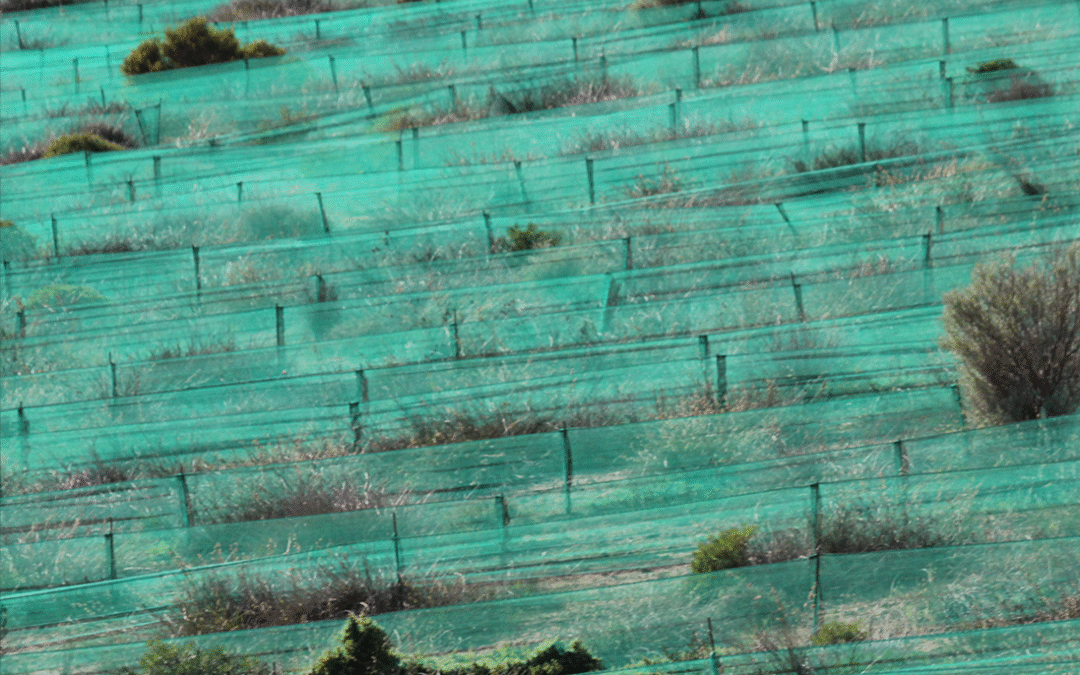
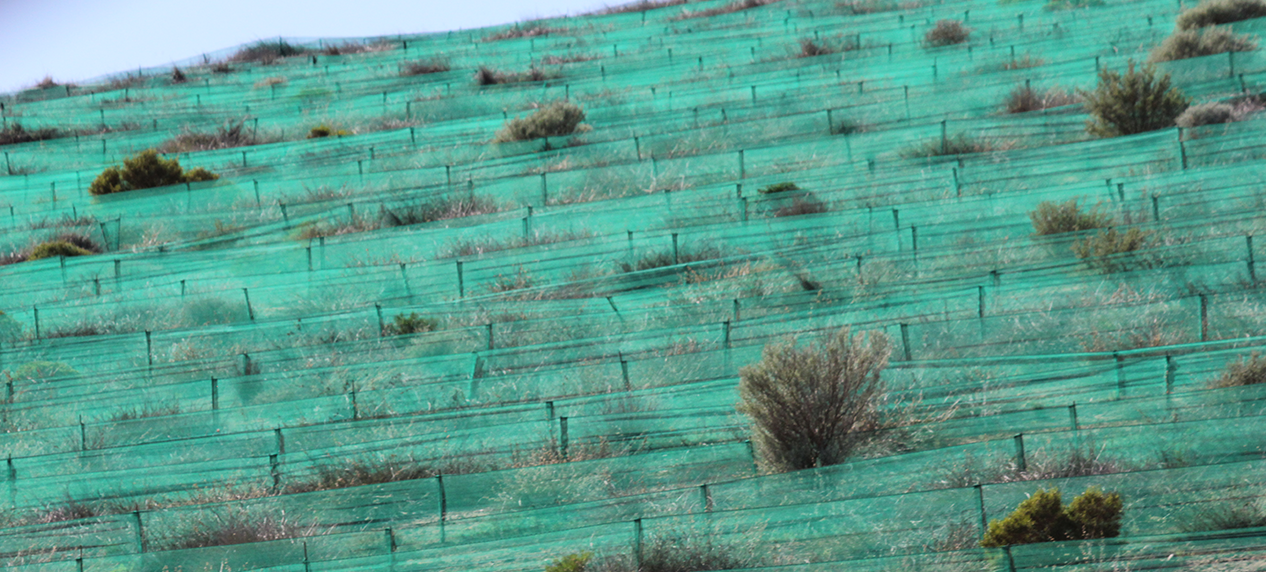
Landscape restoration methods to mitigate wind erosion, avoiding further degradation


Nandi’s Journey: Lessons from a Wattled Crane’s Rehabilitation

Nandi’s Journey: Lessons from a Wattled Crane’s Rehabilitation

Nandi’s Journey: Lessons from a Wattled Crane’s Rehabilitation

By Jacquie van der Westhuizen, Drakensberg field officer for the African Crane Conservation Programme, EWT and ICF partnership

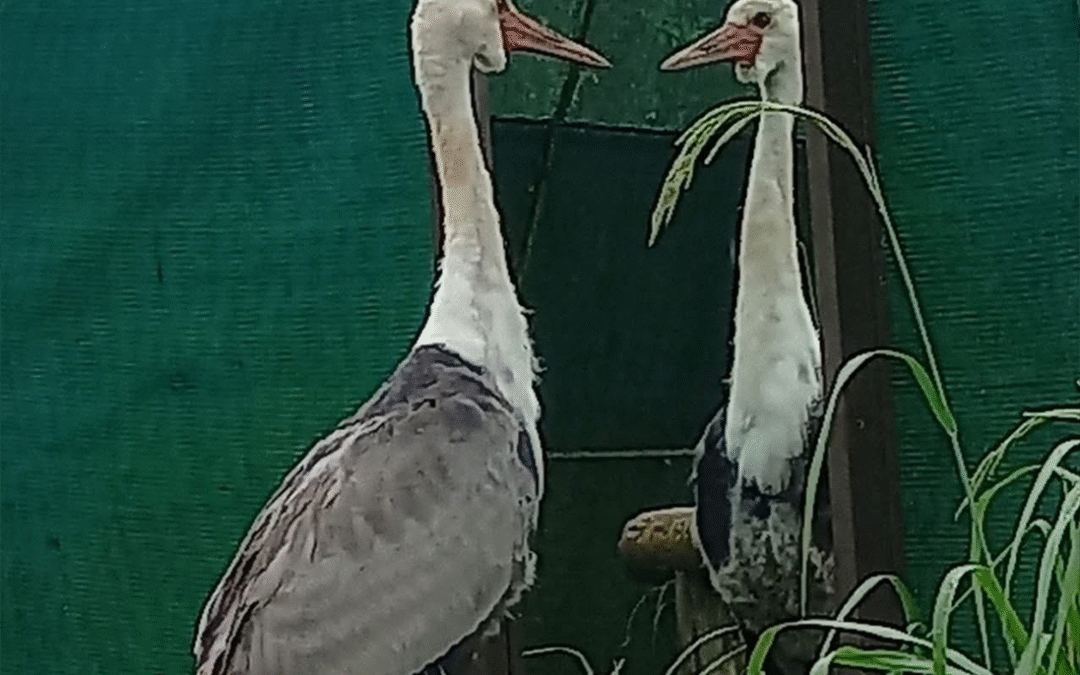
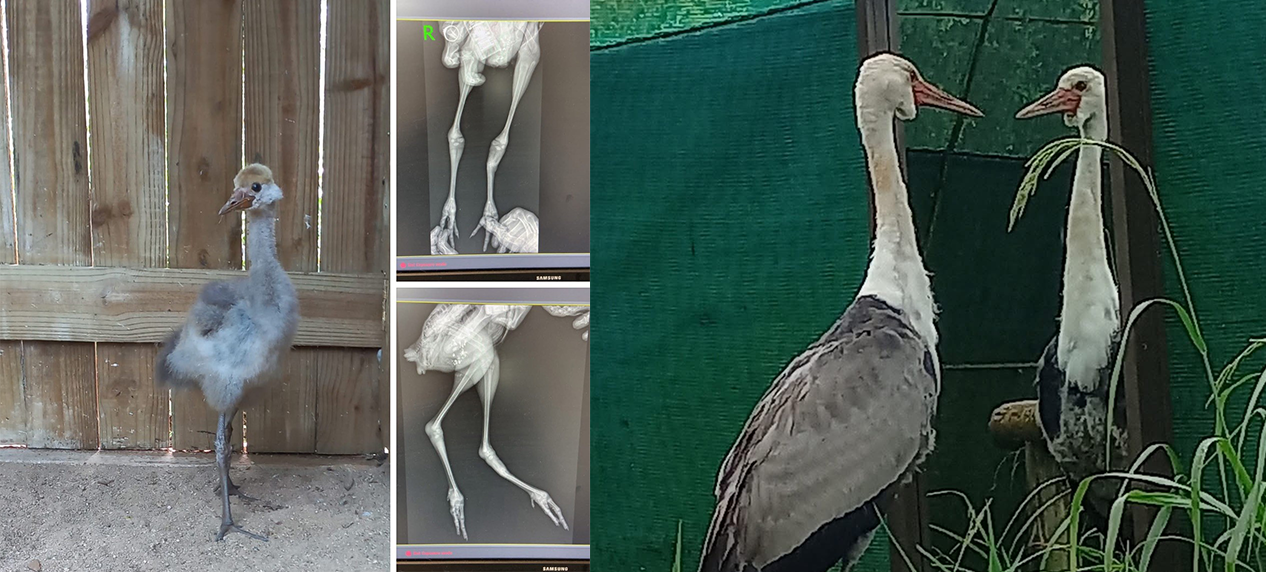
Left: This was the X-ray taken showing her broken leg just under the left “knee” Right: Nandi sees himself in a mirror and thinks it’s another wattled crane.


Nandi, in Zulu, means pure, pristine and enduring power. This couldn’t be more descriptive of what Wattled Cranes need to survive.  In an ideal world, a pristine habitat would’ve guaranteed longevity, and the power to endure would have cemented the survival success of the cranes. But we do not live in an ideal world, and things are not perfect.

In August 2024, we received a distraught call from a dedicated Wattled Crane farmer, who had restored his wetland to encourage Wattled Crane breeding, to inform us that his six-week-old Wattled Crane chick was not mobile. We went out to check on the chick with Brent Coverdale of Ezemvelo KwaZulu-Natal Wildlife to assess the problem.  As an Endangered species, every bird matters.  Once we determined that the chick was unable to walk, we decided to take it to the FreeMe Wildlife Rehabilitation Centre in Howick.

After having X-rays done, it was discovered that the chick had a serious fracture in one leg, very close to the growth plate. Dr Margie Roach determined that surgery would not be possible. In some ways, this was a good thing because as the chick grew, the break repaired itself in a process where the growth plate pushes out soft cartilage, which later hardens into bone.  This, in effect, repaired the break under the careful eye of the FreeMe team.

Nandi’s leg healed perfectly and straight.  You would never say she had had a broken leg!  While at the rehabilitation centre, Nandi was raised using the isolation rearing method, which prevents a crane chick from imprinting on humans.  However, she was still habituated to people, and so a team of 10 or so people met to discuss her future.

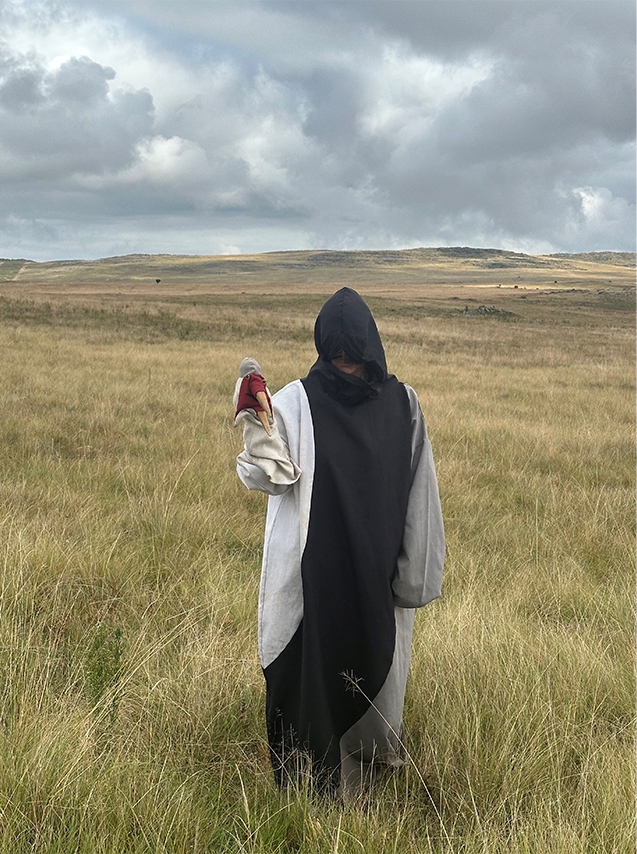
By then, Nandi had not seen another Wattled crane since she was six weeks old. She had been taught how to eat, forage and fly by a surrogate crane in the form of a human in a crane suit. In addition, she had not had much flight practice. Although the flight tunnel at FreeMe was available to her, there was not enough space for a true flight.

Wattled Cranes need to spend at least three to four years in the non-breeding flock to ensure that they learn about survival from the older birds. Although Nandi was from KwaZulu-Natal, we decided that because she was not flight fit and still had a naive outlook on life, it would be better to integrate her into a floater flock that was not too intimidating and where she would not face the variety of threats present in the local landscape.  A decision was made to move her to a pristine wetland in Mpumalanga to live with a bird that had been living alone for a decade or so.

Nandi was fitted with a backpack tracker and colour rings and released close to the wild crane when she was almost nine months old. Having none of this, the wild crane moved off to the top end of the wetland and kept his distance.

After her release, we monitored her every day, arriving at approximately 6.30 am with bated breath, hoping she had survived the night and hoping by some miracle that the two cranes were together.

Eleven days after releasing Nandi, we arrived at the wetland and to our absolute amazement, the two cranes were together.  Words cannot describe the feelings of overwhelming joy we felt after everything Nandi had been through.  My first call was to Lara Fuller, my colleague in the African Crane Conservation Programme, at about 6.45 am to tell her and the rest of the team the good news!

We watched them closely, monitoring the interactions between the two.  The wild crane’s mate had died a few years ago, and it had been alone in the wetland since.  So we weren’t sure how it would react to a new crane either.   The motive for releasing Nandi with the wild crane was not for them to pair up—firstly, Nandi was too young (Wattled cranes only start breeding between the ages of three and six), and secondly, we did not know the sex of the wild crane.  We hoped this was the start of a floater flock.

From their behaviour, it became apparent that the wild crane had become the parent, with Nandi following it everywhere.  Our daily observations were important for our crane research, as this was the first time that a rehabilitated wattled crane had been released back into the wild. This meant that everything she/they did was new and undocumented.

One night, we left them after dark; the wild crane looked like he had put Nandi to bed.  She had settled herself into a patch of long reeds in the wetland, with the wild crane looking on. Then it left and went to its normal roosting spot a few hundred metres from her.

The next morning, there was no sign of Nandi. The wild crane was also looking for her.  It was the saddest thing to see.  Nandi’s tracker had not moved for hours.   Tragedy had struck, and after searching for her, we found her.  She had been killed by a predator, most likely a caracal—we deduced this from the bite pattern. Predators are known to have a significant impact on the survival of crane chicks, estimated at a 50% mortality rate.


Disappointment for everyone involved.

Although the outcome was not what we had hoped for, we now have a greater understanding of how to improve techniques for future crane rehabilitation. Unfortunately, as the species has increased over the last two decades, we are likely to see more and more birds being brought into landscapes not ideal for the species and succumbing to possible threats.

Perhaps one of Nandi’s greatest legacies will be the inspiration that she brought to those working in conservation in Mpumalanga. Her loss has inspired further work within this region and may form a new strategy in the South African landscape to expand the Wattled Crane range in Mpumalanga.

Nandi’s quiet endurance may be her species’ future!


Lara Fuller (Drakensberg Project Coordinator) in a crane suit, walking Nandi to the wetland

Biodiversity is Everyone’s Business: Aligning Sustainability with Growth

Biodiversity is Everyone’s Business: Aligning Sustainability with Growth

Biodiversity is Everyone’s Business: Aligning Sustainability with Growth

By Catherine Kühn – Biodiversity Disclosure Project Manager, Endangered Wildlife trust


Marking the International Day for Biological Diversity in May was a reminder to all that business and biodiversity are deeply interconnected.

The theme this year was “Harmony with Nature and Sustainable Development”.

When ecosystems are damaged through harmful practices such as pollution, land degradation, and extraction of resources, the services they provide, such as clean water, fertile soil, timber, and crop pollination, are also affected.

Biodiversity loss is accelerating, driven by climate change, unsustainable land use, and overexploitation. Humanity has already exceeded six of the nine planetary boundaries, which provides a glaring narrative that if we don’t make significant changes to how we operate, our future is at serious risk. Biodiversity is deeply linked to the long-term resilience of businesses across all sectors. The loss of healthy ecosystems can disrupt supply chains, compromise resource availability and product quality, and expose companies to increased operational costs, regulatory pressures, and reputational risk.

In 2022, 196 countries, including South Africa, adopted the United Nations Convention on Biological Diversity’s Kunming-Montreal Global Biodiversity Framework (KM-GBF), a global framework with 23 targets aimed at halting and reversing biodiversity loss by 2030, and a goal to achieve “Living in Harmony with Nature” by 2050. For the first time in history, a global agreement in the form of Target 15 of the GBF calls on businesses and financial institutions to assess, disclose, and reduce their biodiversity-related risks, dependencies, and impacts, while promoting sustainable production and increasing positive contributions to nature. This marks a critical shift: biodiversity is no longer just a conversation about conservation; it is now a business mandate.

The Endangered Wildlife Trust supports this shift by working closely with South African businesses across sectors to understand their biodiversity risks, dependencies and impacts. The EWT’s Biodiversity Disclosure Project’s Biodiversity and Business Action Plan (BBAP) captures insights from South African companies, highlighting that while many businesses acknowledge biodiversity is important, most are still at the beginning stages of their biodiversity mainstreaming journey.

From many of the discussions held with South African businesses, we have been able to pinpoint some meaningful progress being made by leading companies. Some companies have started assessing and disclosing how their operations impact ecosystems and species, an essential first step in their commitment to transparent disclosure. Businesses are calling for practical tools and best practice guidance to help embed biodiversity into governance and operations. Others are recognising the need to invest in capacity-building, ensuring informed biodiversity decision-making across teams, from operational staff to executive leadership and boardrooms. And many others are exploring how investment strategies, incentives, and financial planning can support their nature-positive commitments and goals.

These shifts signal a broader realisation: Investment in biodiversity now means business resilience in the future. And in South Africa, the private sector has a critical role to play. With businesses managing or owning more than 25% of the country’s land. This is more than twice the land under formal conservation. That means that private enterprises play a critical role in identifying and managing land for biodiversity and are uniquely positioned to be part of the solution. From mining and energy operations restoring degraded land, to agricultural producers adopting regenerative practices, to retailers rethinking sourcing and packaging, each action brings us one step closer to restoring harmony with nature.

Biodiversity–deemed a global responsibility by the Convention on Biological Diversity–isn’t just about the pretty fynbos, or the lush savanna grasslands with roaming giraffe, wildebeest, and the odd African leopard hiding out in the Acacia tree; it’s about protecting the natural systems we all rely on and building a future where people, nature, and business can thrive in harmony.

Conservation Ego: The Cost of Disunity in Saving Africa’s Vultures

Conservation Ego: The Cost of Disunity in Saving Africa’s Vultures

Conservation Ego: The Cost of Disunity in Saving Africa’s Vultures

Kish Chetty, Executive: Head of Sustainability, Endangered Wildlife Trust


In the high-stakes world of conservation, one would hope that the shared goal of protecting our planet’s biodiversity would foster unity, cooperation, and mutual respect among organisations. Yet, the reality often tells a very different story. Across South Africa and globally, the conservation NGO sector is grappling with a deep-rooted problem: ego.


This ego manifests in unconstructive competition, persistent undercutting, and the co-opting of one organisation’s hard-won successes for another’s fundraising agenda. At best, this erodes trust, and at worst, it actively undermines the impact we are all striving for.

A recent tragic event in the Kruger National Park illustrates this challenge all too clearly. The mass poisoning of vultures, iconic species already teetering on the edge of extinction, demanded an immediate, coordinated, and skilled response. The Endangered Wildlife Trust (EWT), in partnership with SANParks and a handful of collaborators, was at the forefront of this effort. Our teams worked tirelessly to neutralise the poisoning site, rescue affected birds, collect evidence, and support law enforcement.

This was not a media stunt.  This was the grim, emotionally taxing, and technically demanding work of conservation triage.

And yet, other organisations, absent from the actual response, quickly began using the incident in their fundraising and communication campaigns. Photos and headlines were repurposed to tell stories in which they played no part. This is not only disingenuous, it is dangerous. It distorts public understanding, dilutes the visibility of the real work being done, and redirects much-needed funding away from those doing the actual work.

This behaviour is not unique to vultures, nor to this particular incident. It is systemic, and it is slowing our collective progress toward national and international conservation goals. If we are to solve the complex, transboundary challenges facing nature, we must  raise the bar for what collaboration really means in conservation:

  • Recognise and respect each other’s roles: Organisations have different strengths; some focus on field operations, others on policy, education, or innovation. Collaboration means leveraging those strengths rather than duplicating efforts or competing for the spotlight
  • Share credit, not just blame: When success is achieved, recognition should be distributed fairly. When things go wrong, responsibility should be shared. Trust is built in both moments.
  • Create and commit to joint strategies: Conservation partners should be aligning shared goals, defining clear roles, and working from integrated plans, especially when dealing with complex issues like wildlife poisoning, climate change, or habitat loss.
  • Be transparent with funders and the public: Clearly communicate your role in partnerships. Don’t overstate impact or appropriate the work of others. Funders should require evidence of collaboration and impact, not just compelling marketing.
  • Invest in relationship building: True partnerships take time. They require communication, humility, and a willingness to listen and adapt. Technical expertise matters – but so does trust.

If we are serious about saving species and ecosystems, we need to be equally serious about how we work together. Collaboration is not a buzzword, it is a prerequisite for success. But collaboration only works when the partners involved are reputable, ethical, and truly committed to long-term outcomes over short-term recognition.

The EWT has, for over five decades, led vulture conservation in Africa. We are not just responders to poisoning incidents.. We are leaders in developing tools and technologies for monitoring, reducing threats from power infrastructure, working with the wind energy sector, protecting habitats, shaping legislation, and delivering training to hundreds of conservation professionals.

We do this not because it is easy or popular, but because it is necessary. We do it in partnership with those who share our commitment to integrity, evidence-based action, and enduring impact.

The conservation sector doesn’t need more heroes. It needs more humility. More collaboration. And more accountability—to each other, to funders, and most of all, to the species we claim to serve.

It’s time to set egos aside and get back to what really matters.