Help African Wild Dogs 

Donate today  

IVAD 2025: Protecting Vultures, Nature’s Clean-Up Crew

IVAD 2025: Protecting Vultures, Nature’s Clean-Up Crew

IVAD 2025: Protecting Vultures, Nature’s Clean-Up Crew

By John Davies, manager of the Birds of Prey Unit
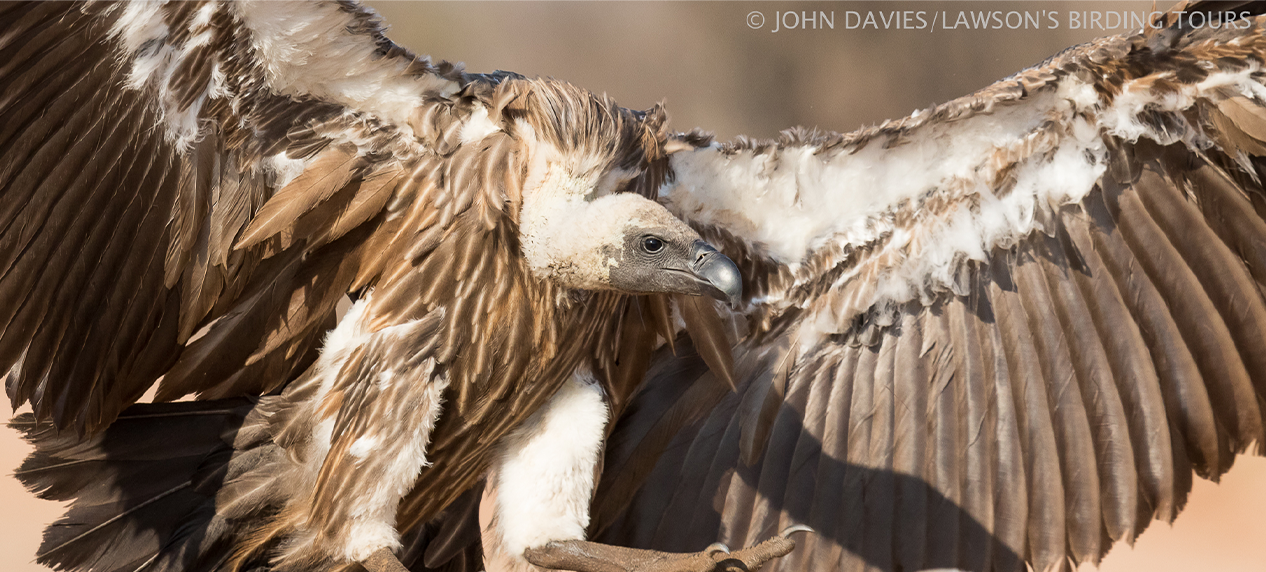


Vulture in flight over African savannah


The protection of vultures is critical for the role they play in our environment, as well as the irreplaceable ecosystem services they provide for all species.

Without vultures, Africa faces a silent crisis. These birds are nature’s most efficient clean-up crew, preventing the spread of deadly diseases that threaten wildlife, livestock, and people. Yet across the continent, vulture populations are collapsing at unprecedented rates, mainly as a result of intentional and unintentional poisoning, as well as the impacts of energy infrastructure. Species that are often thought of as widespread, such as the White-backed Vulture, have undergone population declines of between 63 – 89% over the last three generations, with much of this change having gone mostly unnoticed.

Earlier this month, the Endangered Wildlife Trust (EWT) joined organisations across the globe to mark  International Vulture Awareness Day (IVAD); a day initiated by the EWT in South Africa and the United Kingdom, and which has now grown into a global movement, shining a spotlight on these critically important, yet often misunderstood, birds. The purpose of IVAD is to raise crucial awareness about the plight of vultures and the urgent need to conserve them.

As nature’s clean-up crew, they consume carcasses quickly and efficiently, reducing the spread of deadly diseases to both wildlife and people. The Asian Vulture Crisis, spanning the 1980s and 1990s, saw declines of over 99% in the population of vultures in this landscape. Subsequent research has shown that the loss of these birds resulted in a four percent increase in total human mortality rates. Today, it serves as a warning of what may happen should Africa follow a similar path. Protecting vultures is, therefore, a matter of protecting biodiversity, ecosystems, and people.


The threats vultures face

Vultures are among the most threatened groups of birds in the world. Across Africa, their numbers are declining at alarming rates, driven largely by a range of threats. Although the impact of each of these is variable, wildlife poisoning consistently stands out as the most significant. Beyond the impacts of wildlife poisoning and energy infrastructure, additional contributing factors include:

Vultures are also threatened by: 
  • Persecution due to negative perceptions and belief-based use.
  • Loss of habitat as natural landscapes shrink under pressure from human expansion.
  • Disturbance of nest sites because of increased activity in protected areas.
  • Drowning in unsafe water points such as farm reservoirs.


Without urgent intervention, Africa risks losing these vital species within our lifetimes.

What the EWT is doing

The EWT is at the forefront of efforts to secure the future of vultures and other birds of prey in southern Africa. Our work spans a variety of focal areas, and during the last year has included:

  • Rapid response to poisoning incidents, where, with the assistance of our partner organisation, Moholoholo Wildlife Rehabilitation Centre, we have saved 104 vultures from near-certain death.
  • Through the application of technology, we have detected 20 significant wildlife poisoning incidents that otherwise may have gone unnoticed, as well as 11 poisoned bait sources that were found early enough to not result in further mortality of wildlife.
  • We’ve investigated and mitigated over 80 incidents on energy infrastructure, working towards these sites not remaining a threat within the landscape.
  • Monitoring and research to better understand vulture movements, breeding, and survival.
  • Proactively working towards improved policy and guidelines for vulture conservation, including the development of standard operating procedures for poisoning response, the treatment protocols of poisoned wildlife, and contributing to national implementation of conservation action through the National Vulture Task Force.

In the Karoo and Kalahari, we have worked with farmers to create what is known as Vulture Safe Zones.  The Karoo Vulture Safe Zone, which came into being in 2016 and includes three national parks and a protected environment, presently spans more than 700,000 ha, while the Kalahari Vulture Safe Zone now spans more than 271 204 ha.

However, the conservation of these birds is not something that should be looked at as something done by organisations in isolation. Everyone has a role to play in protecting vultures.

To join the EWT in ensuring a secure future for all vultures, one of the steps members of the public can take is to report any suspected poisoning incidents, injured birds, or wildlife crime to local authorities such as South African National Parks (SANParks), provincial nature conservation authorities or the EWT immediately.

By embarking on small but meaningful actions, members of the public can help ensure that vultures are celebrated, protected, and given the chance to thrive for generations to come.

The EWT calls on the global community to stand with us in celebrating and protecting vultures. Together, we can ensure that these remarkable birds continue to soar across our skies for generations to come.


** The EWT would like to that the Briandez Legacy Trust, Plum Foundation, Charl van der Merwe Charitable Trust, Blue Sky Society, Investec, Mohamed bin Zayed Species Conservation Fund and Global Affairs Canada for your ongoing support of our Vulture projects.
Hooded Vulture Conservation in Benin: New Study on Local Perceptions

Hooded Vulture Conservation in Benin: New Study on Local Perceptions

Hooded Vulture Conservation in Benin: New Study on Local Perceptions

By Dr Lindy Thompson, Birds of Prey Unit


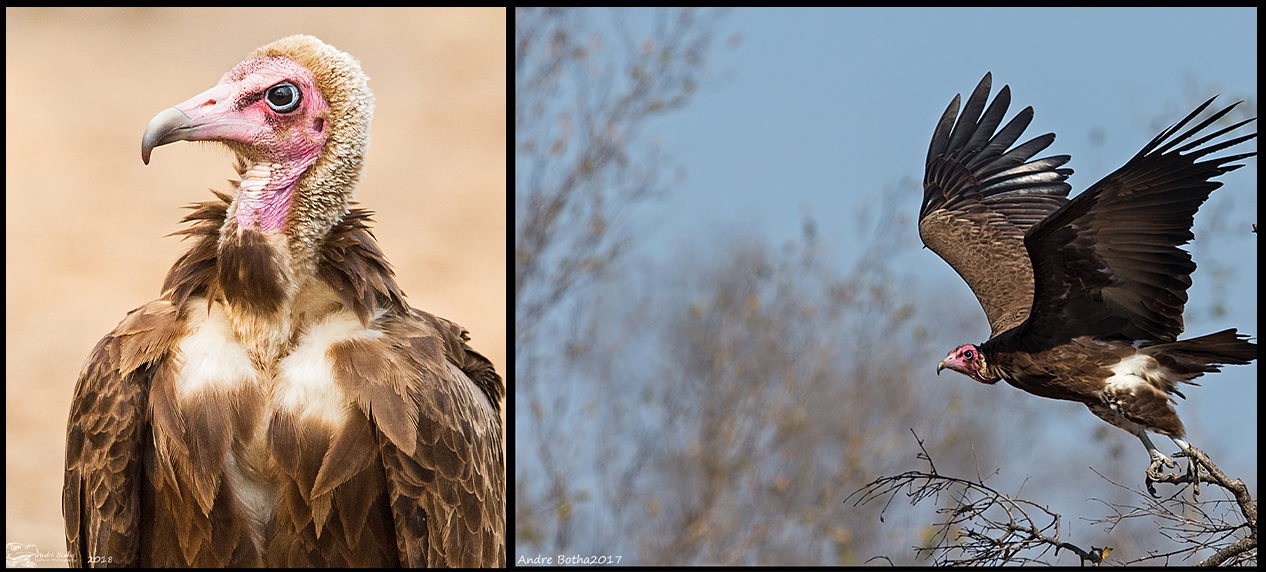
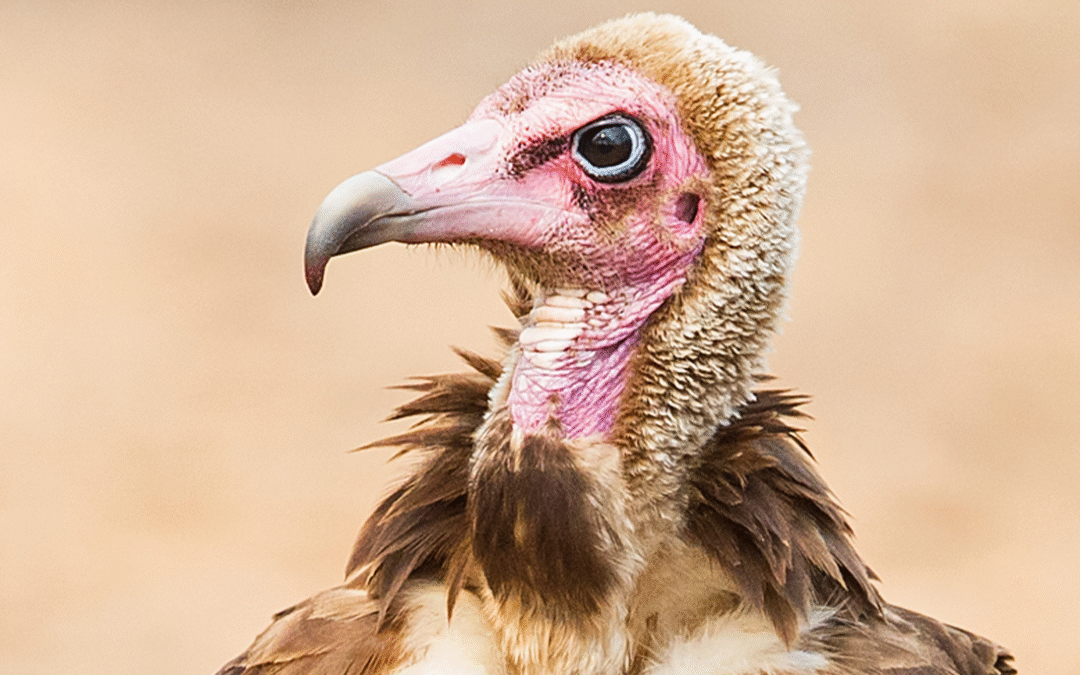
Hooded Vulture perched on a branch in Benin, West Africa


All across Africa, vulture populations are struggling because of various threats caused by people. One of Africa’s most widely distributed vulture species is the Hooded Vulture. This species is found in many countries in South, East and West Africa, although its stronghold is in West Africa.

Sadly, numbers of these birds are declining, mainly because of habitat loss, and because people poison them to get body parts for use in African traditional medicine. We wanted to better understand people’s cultural values and practices relating to Hooded Vultures, and we chose to do this in Benin, a small country in West Africa, where not much is known about people’s attitudes towards Hooded Vultures.

We were especially interested in people living in areas surrounding national parks, where they would presumably have more frequent interactions with vultures, and easier access to the birds. Our hope was that by learning about people’s perceptions, we can better understand their behaviour, which in turn can help to inform conservation policies.

Fidèle Ezechiel Hounnouvi interviewed 450 people living near three protected areas in Benin. He asked them questions about whether they get any benefits from having vultures around, and what are their beliefs about vultures. He also asked questions about why vulture body parts are used, and what might be causing the drop in numbers of vultures.

Fidèle worked with a translator, so the interviews could be done in the local language (Bariba). His results showed that most people (80%) had seen vultures recently, and the most commonly seen vulture species was the Hooded Vultures (with 48% of all vulture sightings), although people also saw White-backed, Lappet-faced and Ruppell’s Vultures. There was a big difference in how men and women viewed vultures; men were more aware of vultures, and more positive about vultures’ roles in carcass disposal and locating missing livestock. Most people (60%) associated vultures with superstition and witchcraft, and 70% had used vulture body parts for medicinal and spiritual purposes. Intentional poisoning was reported as the main cause of vulture population declines. Most people said vultures were valuable, because they remove carcasses from the environment, and they assist farmers with finding lost livestock.

When Fidèle asked people in Benin about conservation measures, they suggested various ways of protecting Hooded Vultures. These included protecting and restoring nesting habitat, raising awareness about threats to vultures, having ‘eco-guards’ to safeguard vulture nests, captive-breeding vultures, and enforcing strict penalties on people who poison them. Younger adults (aged 18–30) were much more supportive of conservation efforts than older adults (over 30), and this gives us hope for the future.

This study was funded by a Rufford Foundation Small Grant, and it was published in the Journal of Ethnobiology and Ethnomedicine. If you would like to read the full article, you can access it here.


** Fidèle Ezechiel Hounnouvi (Naben NGO naben.org), Stanislas Mahussi Gandaho and Jémima Lydie Obandza-Ayessa also contributed to this article.

Conservation, Cricket and Youth Development

Conservation, Cricket and Youth Development

Conservation, Cricket and Youth Development

By Joseph Razwinani, Medike Nature Reserve and Hospitality Manager


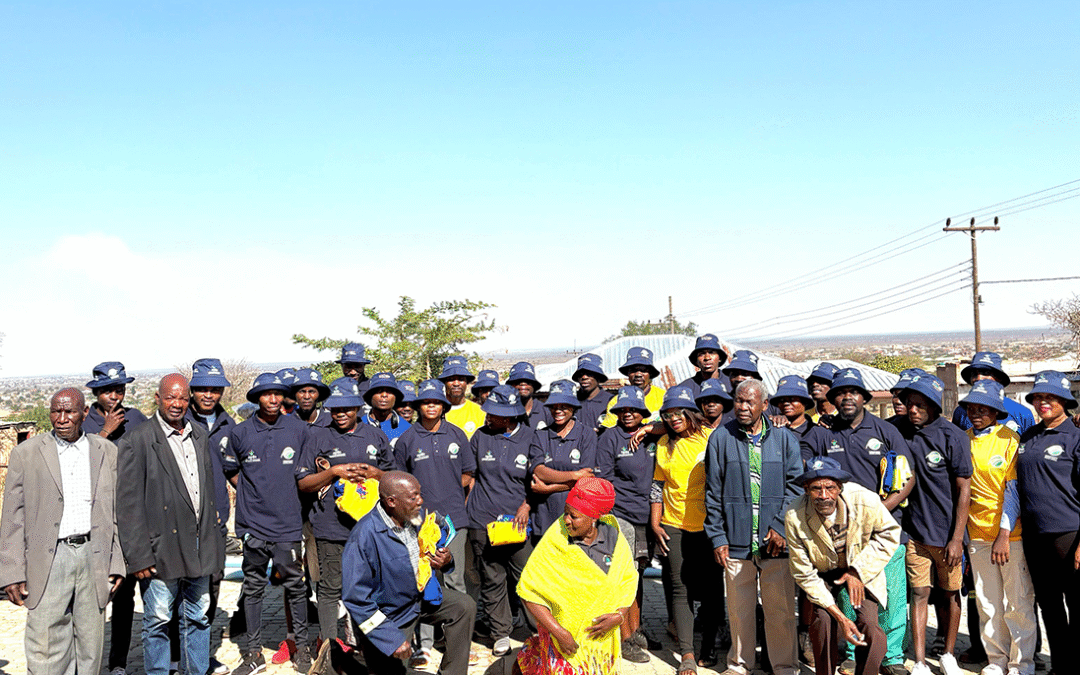
Community upliftment through cricket and conservation at Medike Nature Reserve

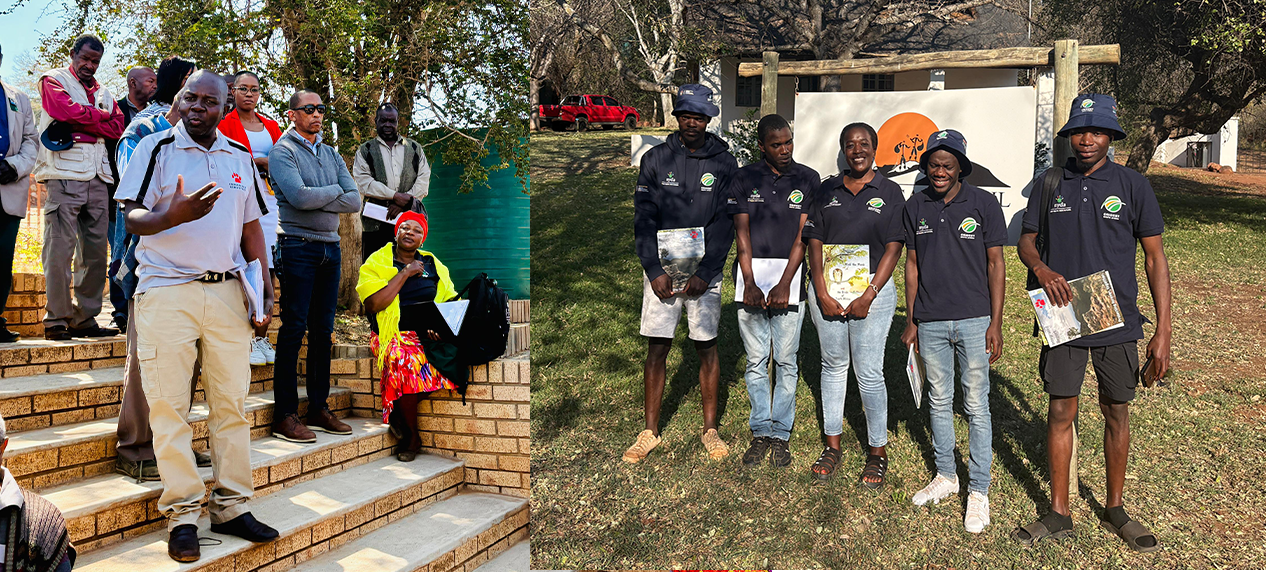
Left: Joseph addressing members of the local leadership, community and future cricketers. Right: cricket beneficiaries


At the end of August, a significant cricket development initiative was officially launched for underprivileged rural communities located adjacent to the Medike nature reserve.

This landmark programme is a collaborative effort between Cricket South Africa (CSA), the National Youth Development Agency (NYDA), and the Endangered Wildlife Trust’s Medike Nature Reserve. The initiative directly helps to reduce poverty, develop skills, and empower young people. This fits well with the EWT community outreach programme and government aims for service delivery, social unity, and giving youth valuable job skills.

The core objectives extend beyond cricket. It also aims to link sports development with conservation, eco-tourism, and broader community upliftment. Beyond job skills, it tackles unemployment directly and offers ways to avoid social problems like substance abuse and crime, while we get to expose the youth to an alternate, healthy environment on Medike.

Cricket SA has established 70 hubs countrywide, and one of its hubs is in the three villages adjoining the Medike nature reserve—Midoroni, Maebani, and Tshikhwarani.  CSA has committed R630,000 in stipends for the EWT hub over a six-month period. Each of the 75 beneficiaries, who are unemployed youth between the ages of 18 and 35, receives a monthly stipend of R1,400.00.

The beneficiaries will be trained in umpiring and scoring alongside additional skills like administration, computer literacy, electronic reporting, payroll management, event organisation, and problem-solving.

The EWT and CSA will continue identifying training needs for beneficiaries and educate them about the importance and value of the biodiversity in the Soutpansberg region.

Interestingly, three beneficiaries, Andani Mahanelo, Dungelo Maliaga and Portia Maliaga, who had earlier been trained by PIC as Health and Safety representatives, have been absorbed into the cricket initiative as first aiders, helping to develop their skills as they give back to the local community.  Another five beneficiaries who have shown an interest in eco-tourism joined Catherine Vise, Soutpansberg Protected Area manager, on a training hike during the weekend.

During the launch, the EWT highlighted the significance of linking cricket and the youth with conservation, positioning the initiative as a unique model for rural development.

The local ward councillor, Ishmael Madimabi, commended the programme’s potential in combating unemployment and substance abuse among young people. He also acknowledged the role of the EWT in attracting partners such as CSA to uplift local communities, and pledged his support to work with Medike Nature Reserve to improve the access road to the reserve to further enhance tourism potential. Traditional leaders endorsed the initiative and committed to overseeing its implementation at the village level.

CSA has undertaken to build modern cricket facilities at Midoroni village next year. This will allow them to host inter-provincial matches, which will bring visitors and help expand the local tourism economy. CSA aims to take on 450 beneficiaries from across the country to become trainers for new participants in this programme. This will create lasting jobs and ensure the continued use of the skills learnt.

This all-round approach, which relies on strong teamwork between CSA, local traditional leaders and the EWT, uses sport development not just for fun; it is a powerful way to improve the communities economically while conserving the environment, making it a unique model for transforming rural areas.

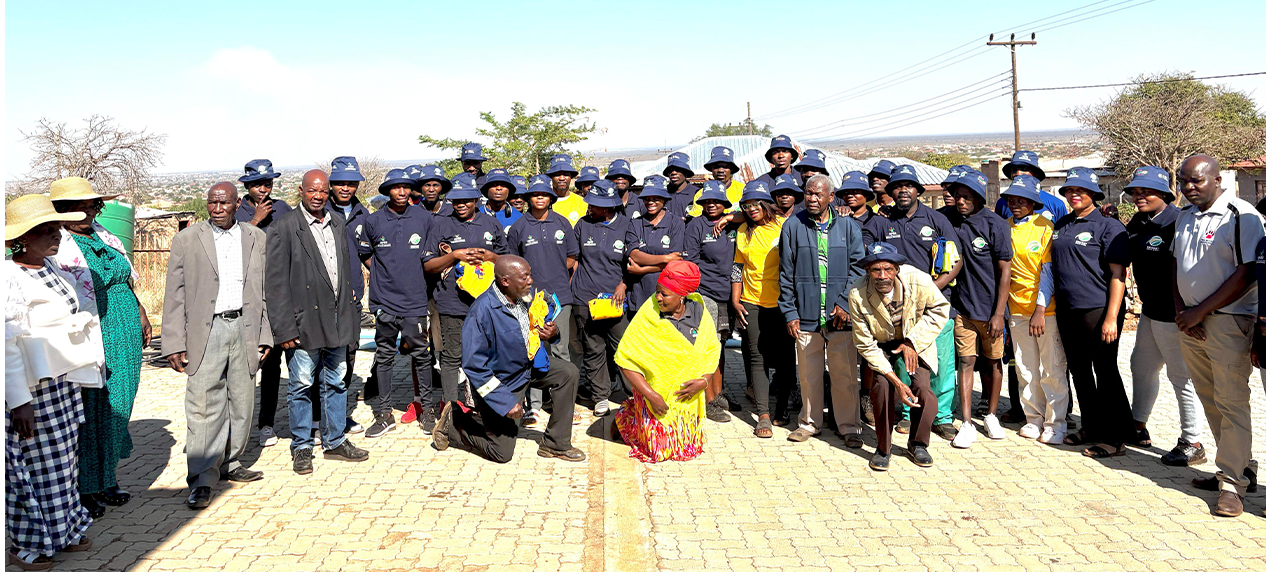
Conservation and youth development project linking cricket with biodiversity education

Cricket Initiative Group

EWT Conservation Canines show their worth during police operations

EWT Conservation Canines show their worth during police operations

EWT Conservation Canines show their worth during police operations

By Eleanor Momberg
 

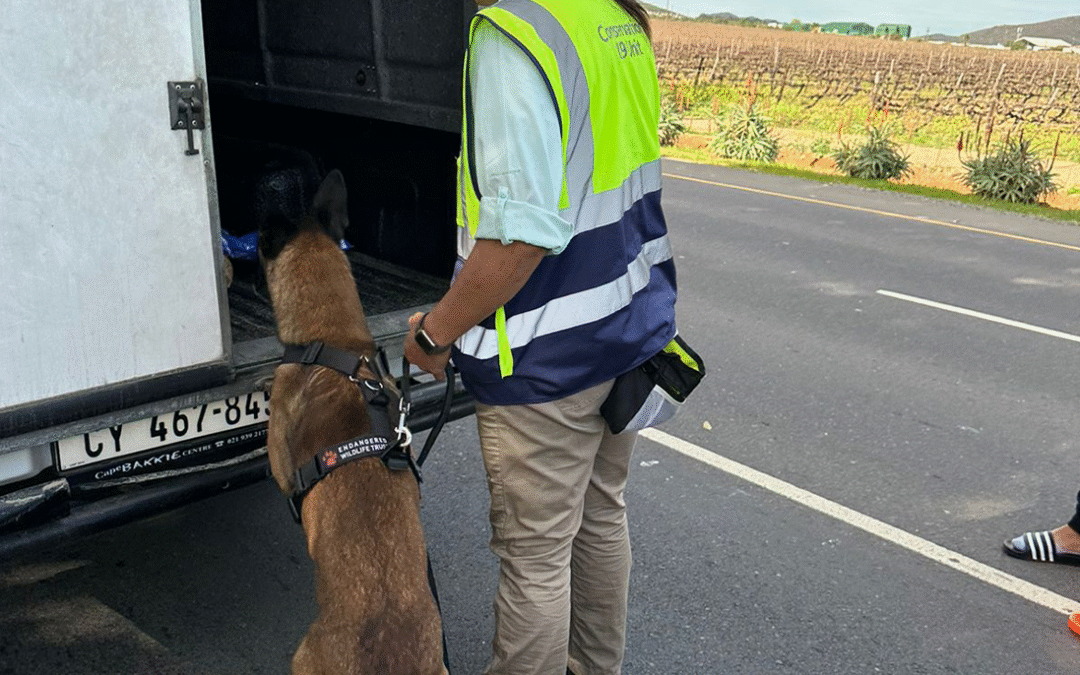
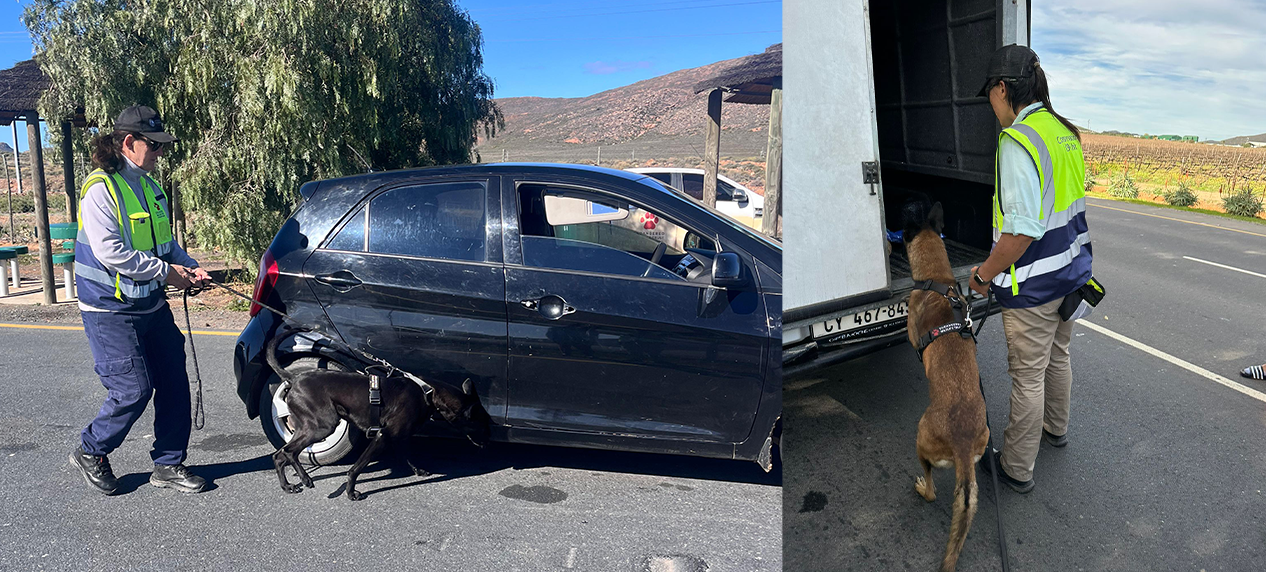
K9 unit dogs supporting police operations in Western Cape

Reaper and Shadi (left) and Mufasa and Cat (right) searching vehicles at Roadblocks


The Endangered Wildlife Trust’s Canine Conservation Unit recently showed their worth during a joint security operation in the Western and Northern Cape to address the illegal plant trade.

Between 24 June and 12 July, EWT dog handlers Shadi Henrico, Cliantha (known as Cat) Kay and Esther Mathew, accompanied by five working dogs—Ike, Reaper, Kisha, Mufasa and Delta—supported the SA Police Service, the Border Management Agency, provincial environmental departments and Green Scorpions in operations.

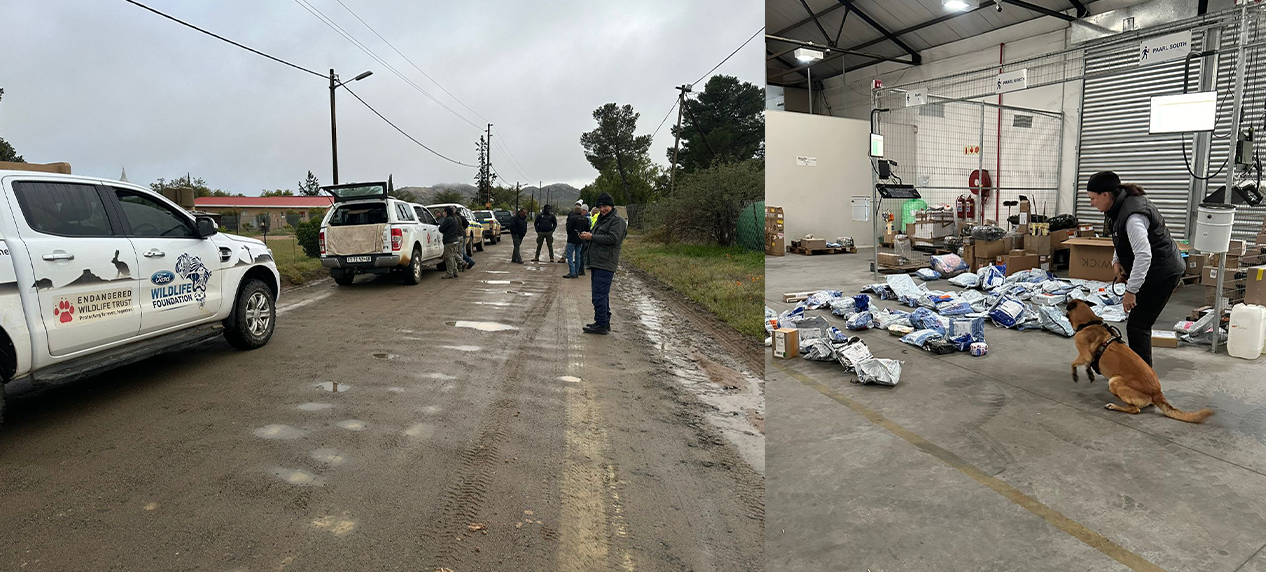
This involved travelling more than 7,000 kms in travel over the three-week period, during which they provided support at two vehicle checkpoints, five roadblocks and six vehicle patrols, searching more than 150 vehicles in areas such as Ashton, Touwsrivier, Kamieskroom and Garies.   During these roadblocks, they detected licensed firearms being transported by their owners, and a number of other plant species being transported across the provinces. They also search eight Courier Guy parcel depots and kiosks in Worcester, Swellendam, Robertson, Vredendal and Springbok.

The importance of efforts by the police, the Green Scorpions and provincial conservation bodies, supported by the EWT, cannot be overemphasised at a time when succulent and bulb plant poaching is on the increase in the Northern and Western Cape.   Saving succulent species from extinction is becoming more difficult, especially since many of the Conophytum species are hard to grow.

Information published by Traffic, the wildlife trade monitoring organisation, indicates that more than one million succulents have been illegally harvested in South Africa since 2019.  This represents “650 different species”  which have been seized by authorities.

The Succulent Karoo, spanning the Western, Eastern and Northern Cape, is the most diverse succulent hotspot in the world, and it is under significant threat from escalating poaching of endemic succulent plants that are prized by collectors in Asia and Europe.  It is home to more than 6,000 succulent species, of which around 40% are endemic.

These plants are small and inconspicuous and can be easily hidden in parcels and transported by road and air. Poachers are known to rely on existing postal networks, including private courier companies, to move poached plants across the country to ports of exit.

The EWT presently has five dogs trained and able to detect four of the 10 succulent plant species. But, they are able to indicate the presence of other Conophytum species targeted by poachers.

Plant poaching is often associated with other types of crime, including stock theft.  By remaining flexible and responsive, we were able to assist the SAPS with a variety of operations throughout the region, acting on the intel they received. Logistically, this meant a lot of packing up and settling dogs into new environments, something which our handlers did very well.

It must be mentioned that not all activity was linked to finding criminals.  During the first week in the Western Cape, the K9s received additional and refresher training to keep their noses primed for the detection of plant and animal species that are being illegally traded.

Besides a demonstration of their skills to detect tortoises and conophytums in McGregor,  Ike, Kisha, Mufasa, Reaper, and Delta refreshed their scent detection of conophytums, the succulent species most illegally traded in South Africa at present, during training at the Worcester Botanical Gardens.  The following day, the canines visited Exotic Animal World in the Western Cape to receive training on live Armadillo Girdled Lizards.  This was the first time Mufasa’s detection skills on a live Armadillo Girdled Lizard were tested, impressing Cliantha, his handler.

At the Namaqua National Park, Shadi, with Reaper and Ike, and Cat, with Mufasa and Kisha, assisted at roadblocks along routes regularly used by plant and reptile poachers, and supported in vehicle searches inside the Park.

The EWT K9 Unit will continue working our dogs on the most relevant illegally harvested plant species to support the authorities in the best way possible. We aim to reduce poaching activities through the interception of illegally harvested plants, thereby disrupting the supply chain, assisting law enforcement agencies in their duties and ultimately bringing criminals to justice.


EWT Canine Conservation Unit assisting law enforcement in South Africa

Right: Kisha doing parcel searches


The EWT’s Canine Conservation Unit (CCU) is a special project established to support the conservation efforts of the EWT through scent detection and tracking dog services. The unit is also available as a service provider to our conservation partners, private landowners and other stakeholders, where dogs can perform a variety of priority conservation-focused tasks. This is further supported by the EWT through handler training and certification. There are two types of work done by the EWT’s K9 unit. Anti-poaching dogs are trained to track people, locate snares, find arms and ammunition, and help with the detection of evidence at crime scenes. Our detection dogs are capable of detecting various plant and animal samples, and thus have a wide range of possible conservation benefits and applications.  In addition to working to detect the illegal export of particularly wildlife products at O R Tambo International Airport (ORTIA), we are continuously exploring new roles for our conservation canines to ensure that the EWT remains recognised as an industry leader in the field of working dogs.

Rugezi Marsh Report shows importance of scaling up transformational conservation Interventions

Rugezi Marsh Report shows importance of scaling up transformational conservation Interventions

Rugezi Marsh Report shows importance of scaling up transformational conservation Interventions

By Eleanor Momberg
 

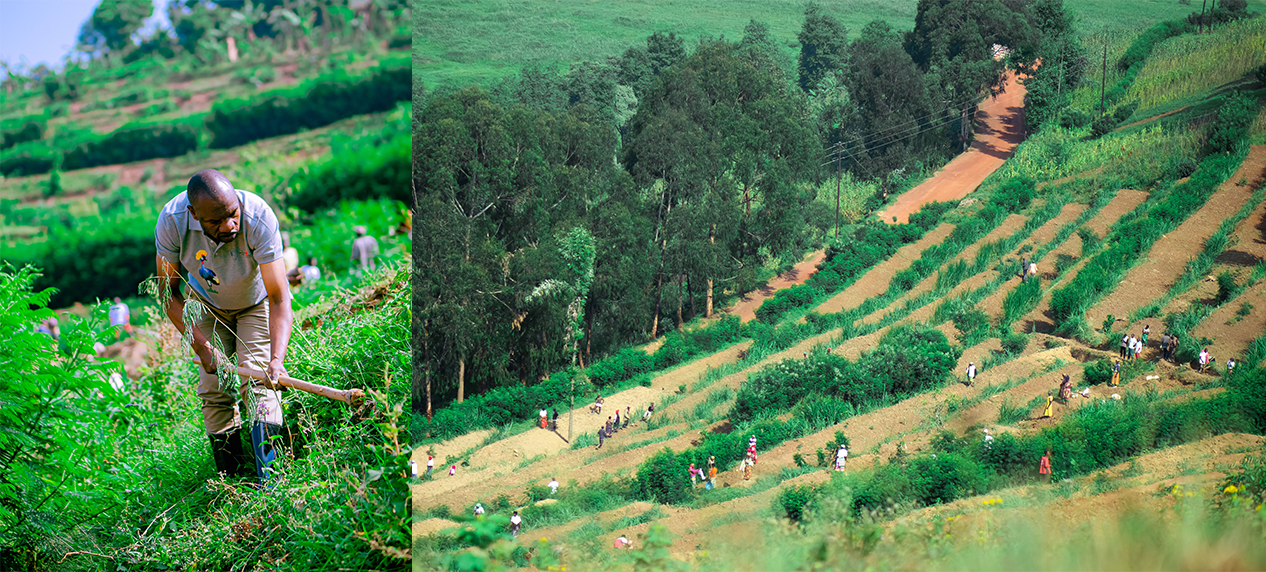
Sustainable agriculture practices at Rugezi Marsh to support conservation

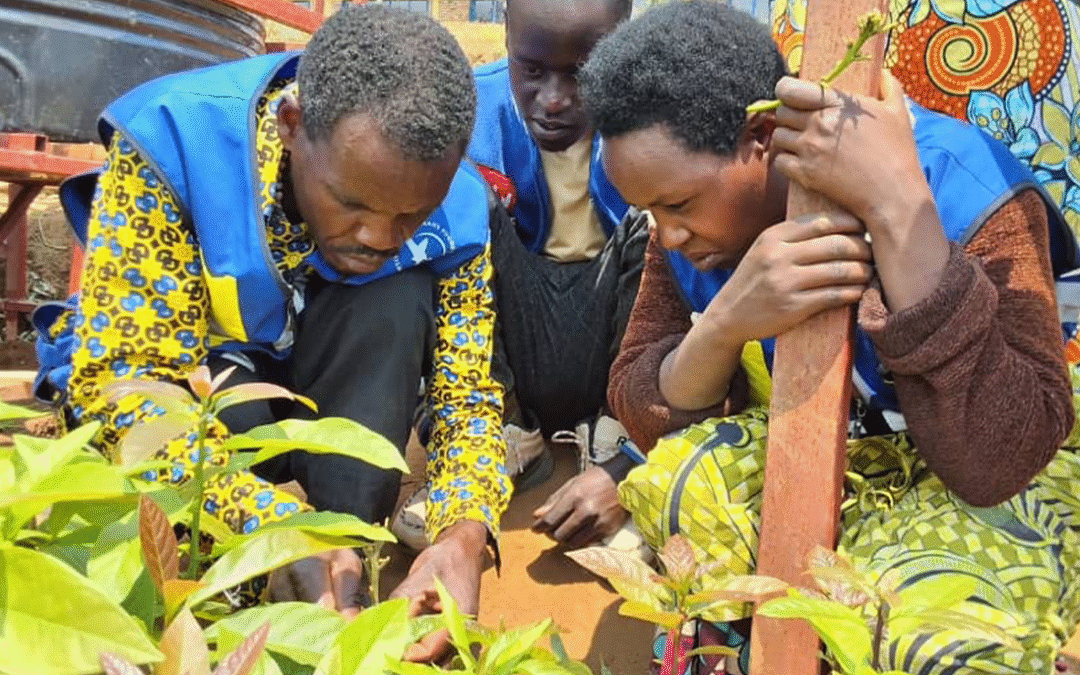
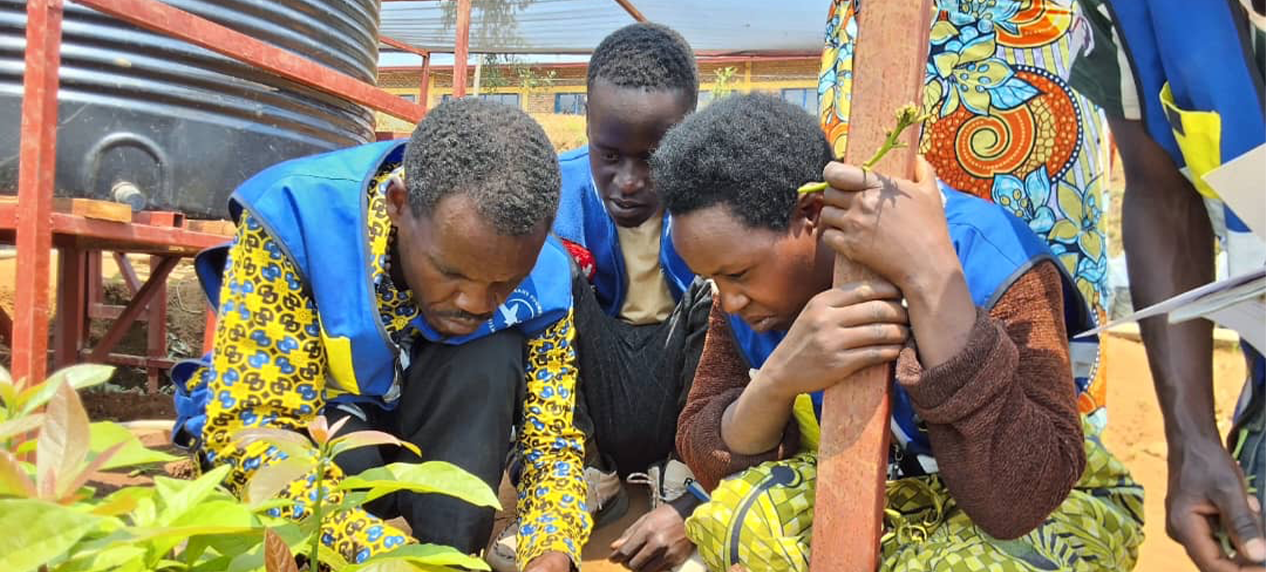
Avocado plants to promote Sustainable Livelihoods

Efforts by the International Crane Foundation, the Endangered Wildlife Trust (ICF/EWT)  and Rwanda Polytechnic – Kitabi College (former IPRC Kitabi) to ensure the conservation integrity of the Rugezi marsh in Rwanda have shown the importance of transformational conservation interventions.

The 12-year Report Rugezi Marsh, published by the ICF, has concluded that its future focus will be scaling up transformational conservation interventions to reduce threats to Grey Crowned Cranes, wetlands and catchments, while increasing the resilience of communities and landscapes.


Beginning

In 2012, the ICF/EWT Partnership entered into a hosting agreement with Kitabi College of Conservation and Environment Management (KCCEM)—today known as the Rwanda Polytechnic – Kitabi College (RP Kitabi)—to implement a project titled “Securing and improving the ecological integrity of Rugezi Marsh and other key wetlands under threat in Rwanda, for people, cranes and biodiversity”.

The project stemmed from the realisation that the remaining wetlands in the Central African country were under severe threat of degradation, or being lost, as a result of encroaching agriculture and unsustainable resource use driven by climate change and declining agricultural productivity on hillslopes close by.

The value of the ecosystem services that wetlands provide in this water- and wetland-rich country needed to be understood and managed sustainably by both local communities and national decision makers.

The project had initially covered Rugezi Marsh, Nyabarongo Wetland, and Akanyaru Wetland.  The work at Nyabarongo and Akanyaru wetlands was limited to community awareness, youth environmental education, crane monitoring, and generating baseline information through wetland assessments and socio-economic surveys.

In 2017, there was a scaling down in project activities with more targeted attention being turned to Rugezi as a hotbed of biodiversity supporting more than 40 resident bird species, including 20% of the country’s population of the Endangered Grey Crowned Cranes and 60% of the global population of the Endangered Grauer’s Swamp Warbler.

Moreover, more than 300,000 people depend on the 6,735-hectare wetland for their livelihoods by providing water, fodder for livestock, and plant materials for crafts and construction. In addition, Rugezi Marsh is a water source for three downstream hydropower stations, which generate 10% of the country’s energy, making it an integral component of the electricity supply to a developing country.

Despite its biodiversity and socioeconomic importance, Rugezi Marsh had been threatened with both widespread land degradation and loss of natural forest cover due to extensive hillslope cultivation and associated erosion and siltation.  Chronic poverty and population growth forced the local communities to utilise wetland resources in an unsound manner, including unsustainable harvesting of wetland products, clearing and drainage for crop production, overgrazing of livestock, and excessive wildlife poaching, among others.

As a result, approximately 56% of the wetland was degraded to some degree with no monitoring system or plan for equitable harvesting of wetland products, despite the wetland’s role in sustaining the livelihoods of local communities.

International Crane Foundation and EWT collaboration at Rugezi Marsh

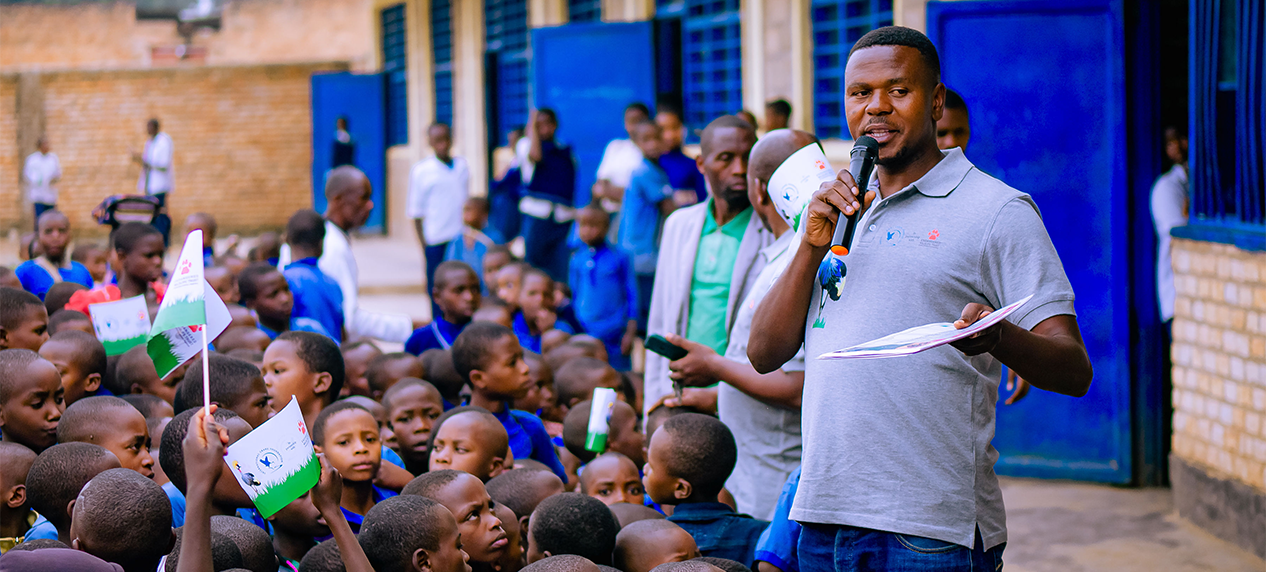
Education & Awareness spreading for World Wetlands Day


Our work

The  International Crane Foundation, the Endangered Wildlife Trust and the Rwanda Polytechnic – Kitabi College delivered very successful conservation outputs at Rugezi Marsh, contributing directly to numerous national priorities and global conservation agendas.

Nationally, the project responded to Rwanda’s 2016 National Biodiversity Strategy and Action Plan (NBSAP), which recognises the connection between wetland biodiversity loss and poverty alleviation. Internationally, the work aligns with that of, amongst others, the Global Biodiversity Framework (GBF), the African-Eurasian Migratory Waterbird Agreement (AEWA), the Ramsar Convention, and the United Nations Framework Convention on Climate Change (UNFCCC).


Generating Scientific data to inform conservation practice and policy

A cornerstone of our work at Rugezi Marsh was to document the plant and animal species inhabiting the wetland and its immediate catchments. This provided information on how best to manage and conserve the area and provided valuable data that could inform future ecotourism projects.

To this end, we conducted rapid biodiversity surveys (bioblitzes) to develop species lists. These revealed a total of 123 bird species, including two species listed as Endangered – Grauer’s Rush Warbler (Bradypterus graueri) and Grey Crowned Crane (Balearica regulorum) – and three Near-Threatened species – Bateleur (Terathopius ecaudatus), Martial Eagle (Polemaetus bellicosus) and Papyrus Yellow Warbler (Calamonastides gracilirostris). The 13 mammals recorded included the Vulnerable Delany’s Swamp Mouse (Delanymys brooksi), the Near Threatened African Clawless Otter (Aonyx capensis) and Rahm’s Brush-furred Rat (Lophuromys rahmi). A total of 13 amphibian and four reptile species were also recorded, as were 91 plant species from 50 families.

Based on its biodiversity value and contribution to hydropower, Rugezi Marsh was declared a RAMSAR Site (or a Wetland of International Importance) in 2005. However, the more than 120,000 people dwelling within its steep catchment historically relied on intensive subsistence agriculture to survive.

Following a series of studies to understand the extent of the human-induced and environmental problems faced by the wetland, a management plan for the area was devised and implemented.

International Crane Foundation and EWT collaboration at Rugezi Marsh

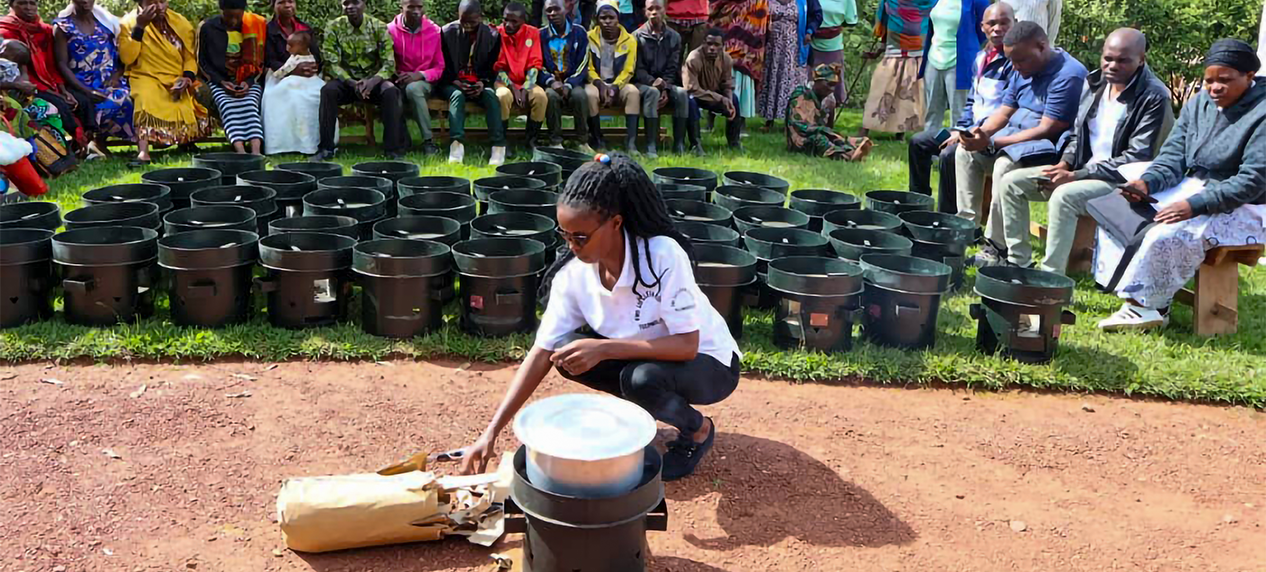
Alternative cooking stoves provided to communities to promote sustainable livelihoods

Among these are:

  • Awareness and education in surrounding communities, focusing on the Grey Crowned Cranes and wetlands conservation nationally.
  • The Crane Ambassador Programme, where 40 volunteer community members have been trained on how to effectively deliver the crane conservation message in their communities through different platforms, including community meetings, church services, or at schools.
  • The development of protocols for monitoring crane population trends, breeding site status, crane sightings, crane incidents and breeding success enabling us to collect long-term data and establish a database from which we can understand these aspects of crane ecology.

Among the most important initiatives has been the work to secure sustainable and resilient livelihoods. These promote alternative livelihood options to those relying on unsustainable resources, and resources and contribute to the improved health and well-being of children and adults.

These include:

  • A Beekeeping (Apicilture) project now boasts a beekeeping cooperative of 189 members each with a further 352 extended family members benefiting from the initiative. This addresses youth unemployment and reduces poaching.
  • Avocado production, which addresses malnutrition among children and meets the ever-increasing market demand for avocados locally.
  • Napier Grass cutting is being supplied to the community to plant on their private land to limit grass harvesting in the marsh for cattle fodder and other uses.
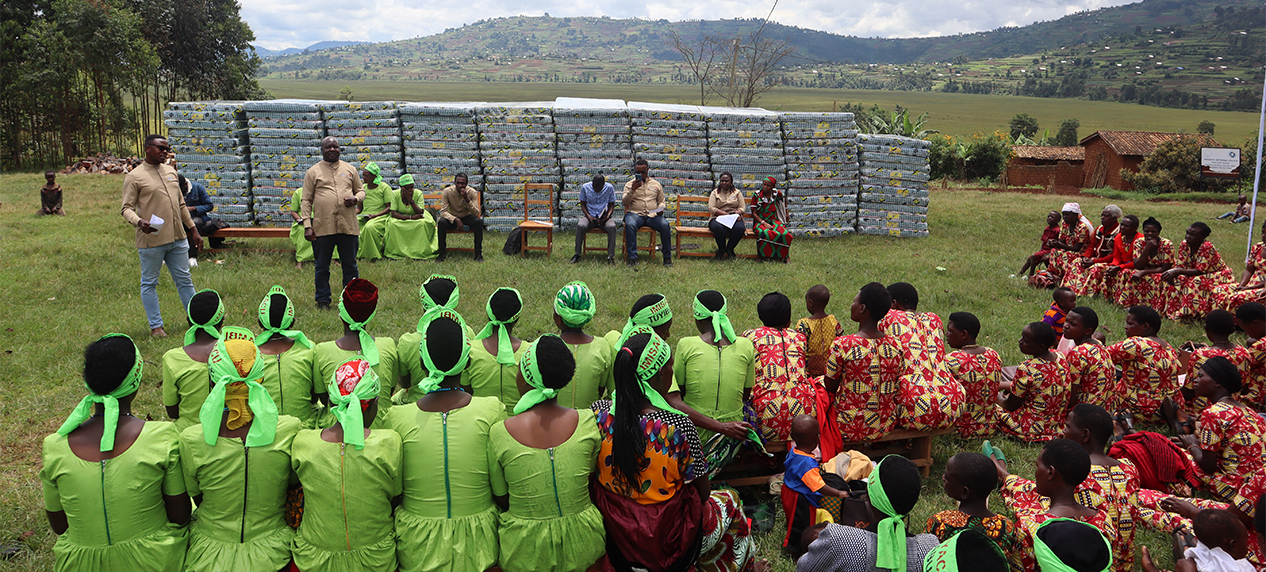
  • Supplying 600 mattresses to two women’s groups to limit grass harvesting to make traditional sleeping mats, which poses a key threat to the Grey Crowned Cranes breeding at Rugezi Marsh. This has also contributed to improved hygiene in beneficiaries’ homes and increased school attendance by children, and contributed to a reduction in gender-based violence
  • Energy-Saving Cooking Stoves have been provided to 40 families to reduce the amount of firewood used
  • Ecotourism initiatives are being investigated, given the fact that Rugezi Marsh is only 25 km from the Volcanoes National Park, a primary tourist attraction in Rwanda, renowned for its gorilla viewing.
  • Climate-Smart Agriculture practices are being promoted to help farmers increase their productivity and incomes sustainably while enhancing their resilience to and protecting against climate-related shocks.


Rugezi Marsh conservation protecting Grey Crowned Cranes in Rwanda

Providing community members with mattresses to promote Sustainable Livelihood

What we have learned

Throughout our projects, we have learned that the success of any livelihood enterprise depends on the degree to which local communities understand, own, and manage that enterprise and incorporate it into their community planning and vision. This has enabled us to focus strongly on strengthening local capacity to develop and manage livelihood options in a sustainable manner through training and mentorship.

Through interaction with community groups, we have learned that gender training and self-esteem training should be essential components of the early stages of any community livelihood intervention. Gender training enhances women’s participation and induces equal contribution from both women and men. We have also learned that integrating extension services in livelihood programs is paramount. It creates a strong link between communities and local governments that provide extension services.


The Future

Both the Rwanda Environmental Management Authority, the current custodian of the marsh as a Ramsar Site, and the Rwanda Development Board, under whom it would fall once declared a national park, have expressed full commitment to having the Rugezi Marsh declared a national park. Most of the community members around the marsh and catchment also support elevating its status to a protected area. The motivation for this is the anticipated benefits from increased tourism and livelihood opportunities that they believe will result from protecting the marsh and its wildlife.

Community members participating in Rugezi Marsh wetland conservation initiatives

Climate Smart Agriculture around Rugezi Marsh


** The International Crane Foundation and Endangered Wildlife Trust partnership would like to thank the Rwanda Development Board (RDB), Burera and Gicumbi local governments, as well as the Rwanda Wildlife Conservation Association to work with Ecorangers, aerial surveys and trade. We also had additional collaborations with Conservation

International for Conservation Agreements and with the ARCOS Network. The ICF/EWT/RP-Kitabi College acknowledges

the support from Kansas City Zoo and Aquarium, Rainforest Trust, Critical Ecosystem Partnership Fund, Leiden Conservation Foundation, and MacArthur Foundation, among others.

An African Wild Dog rescue mission that ignited Wild Dog Conservation in Namibia.

An African Wild Dog rescue mission that ignited Wild Dog Conservation in Namibia.

An African Wild Dog rescue mission that ignited Wild Dog Conservation in Namibia.

By Cole du Plessis, Project Manager: Carnivore Range Expansion Project
 

Wild Dog conservation mission in Namibia with veterinarians and volunteers

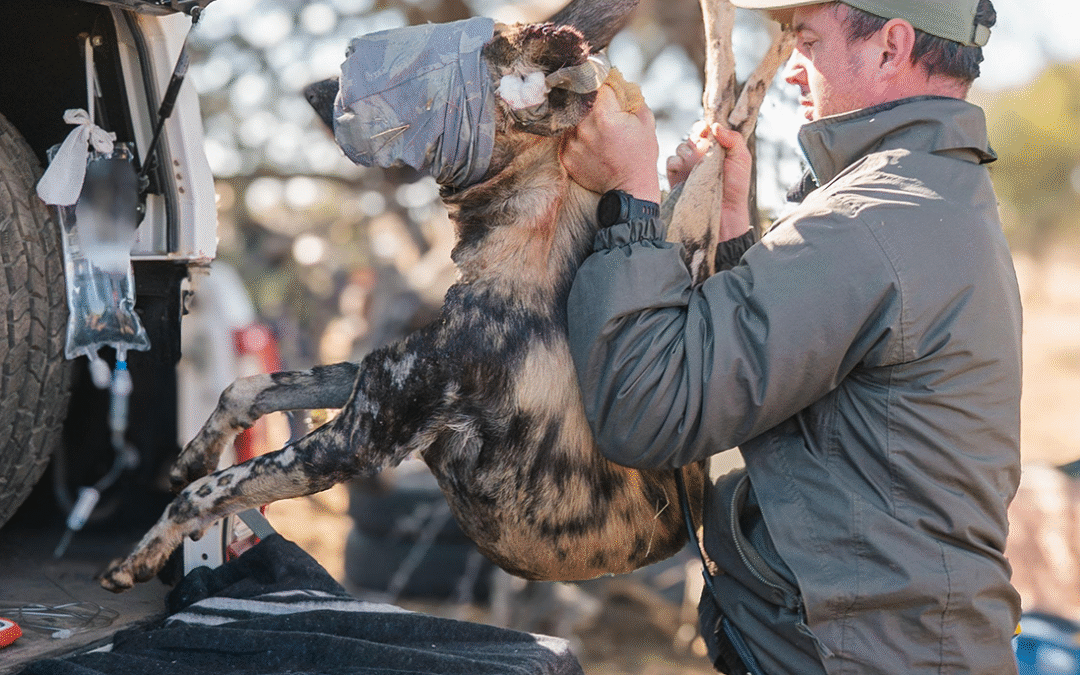
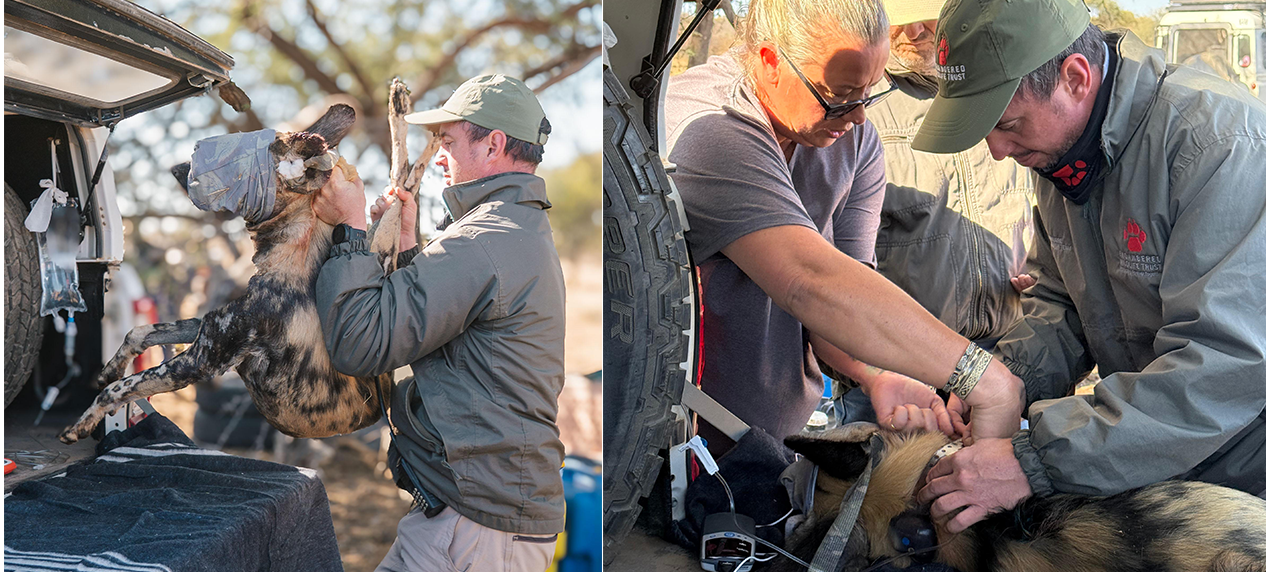
Relocating (left) and Collaring (right)


Working in the world of conservation is not easy.  Almost on a daily basis, we deal with animal welfare, multiple stakeholders, wide-ranging philosophies (and sometimes egos), legal requirements, decision-making processes, and the continuous urgency to fundraise in order to achieve high-impact results. The admin and emails slot in between these demands.

When we were travelling back from Botswana following a 24-hour African Wild Dog capture and relocation, we passed through the Martin’s Drift border post.  It had been an intensive stint that involved hours of driving. We were relieved to be back in South Africa and looking forward to some time to rest and recover, but the world of Wild Dog conservation had other plans.

In the weeks leading up to the Botswana mission, I had been in touch with the Kalahari Wild Dog Project—a new and emerging organisation working in Namibia.  They had informed me of a Wild Dog that had been captured in a gin trap  set out by a farmer. Having been alerted to the situation, the team had immediately travelled to the farm where this Wild Dog had been captured, fully expecting to have to euthanise it on arrival. But it wasn’t that simple.

Upon investigation, the team learned that the Wild Dog had, for three days, been contained in a cage outside a workshop area where there was a continuous flow of trucks and people. For a wild animal, this is nothing short of agonising.

To end the suffering, the veterinarian quickly immobilised the Wild Dog. A closer inspection revealed that the captured animal was a female—and she was lactating! This drastically changed the whole scenario, requiring not only the immediate treatment and relocation of the female to a clinic a few hours away, but also finding her pups.

Nadja le Roux, the founder of the Kalahari Wild Dog Project, phoned me and provided me with an update. In my time working with Wild Dogs, I have experienced some horrific physical injuries. However, my findings have shown that it is often emotional stress that takes the greatest toll on a Wild Dog. Physically, they are tough, but separate the individual from its pack, and it becomes weak.

This socially complex species suffers from ‘broken heart syndrome’. All our conservation efforts in dealing with Wild Dogs factor in this crucial detail. This is the reason that their emotional sensitivity has been incorporated into our Standard Operating Procedures, and the findings have been documented.

The gin trap had gripped the Wild Dog on her back leg. Her cold foot and zero sensitivity between the pads indicated that she had lost the use of her leg, and infection was already setting in. The leg needed to be amputated. She also had a cracked rib.

When Nadja called me for advice, I was less concerned about the physical injuries than the dehydration and stress she was suffering. Every effort and available physical aid would be required to save this Wild Dog—fluids, antibiotics, anti-inflammatories, and warmth. It was touch-and-go, and if she did survive, the next steps would be complex. At this point, this female needed her pack to survive as much as they needed her to ensure their own survival.

Tracking and releasing African Wild Dog pack in Namibia sanctuary

Image credit: Be Wild

Though it had by then been four days without Mom, there was a chance that the pups were still alive. Returning her to where she had been captured was also not considered wise. It was then decided that the only way forward was to release her with a tracking collar and convince the farmer that this would provide us enough intelligence so the whole pack could be captured and removed to the safety of a suitable habitat. This would be done on condition that the farmer would remove his gin traps and potential poison. He obliged and agreed to allow the Wild Dogs the freedom to roam, but only for a short period.

Following surgery, the Wild Dog was released running around two kilometres before settling down.  Everyone waited in anticipation, wondering whether she was going to die or whether she had been reunited with her pack.

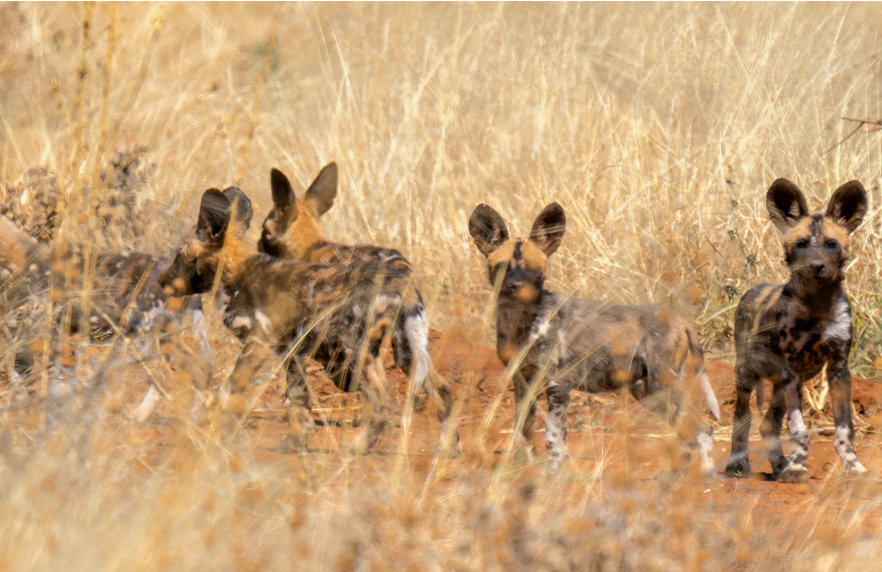
When Nadja returned to the area a few days later to survey the area using a drone, she found the female alive, with two other adults and what appeared at the time to be six pups.  It was a miracle.

After two weeks, the farmer was losing patience and one of the adult Wild Dogs had disappeared.  This raised concerns that the female would have to leave her pups to go hunting with the pack.  This was when Nadja called me for assistance.

Less than 24 hours later, I was on a flight to Windhoek.  A three-hour drive later, Nadja introduced me to the team comprising Namibian Government Officials, members of the Kalahari Wild Dog Project and the Cheetah Conservation Fund, veterinarians, a wildlife helicopter pilot and several volunteers.  After a briefing, we prepared to capture and move the adults and retrieve the pups the next day.

The aim was to move this pack to safety, away from threats such as gin traps, poisoning and snaring in a cattle farming area where conflict with people was inevitable.

This particular pack had had very little exposure to humans, and their den site was inaccessible. Because of their fear of vehicles, we opted to build a hide near the den and attempt to lure them in with ‘hoo’ calls and a carcass. But, this didn’t work.  So, we decided to dart them from a helicopter.  Within an hour, the Alpha male and female had been darted and secured, loaded into crates, and taken to the selected sanctuary. We then needed to focus on the pups, which appeared to be between six and eight weeks old.

Locating the pups proved to be a challenge.  After hours of excavating at the site where we had spotted the Alpha pair the night before, we realised that the pack may have moved during the night to a spot where we had earlier darted the Alpha female.

That was when we stumbled upon several pups lying outside their new den. Frightened by our presence, they disappeared into a nearby hole. Careful excavation was once again underway. It was a slow, tiring and gruelling task which became ever more difficult and dangerous as the tunnels deepened, and darkness fell. But by 11 pm, we had retrieved all the pups, eight in total, and had immediately taken them to the boma four hours away.

When we arrived at the sanctuary, we found that the two adults were doing well.  But, given how cold it was, it was decided that the pups’ crate needed to be taken to my room until sunrise.  At daybreak, we loaded the pups and the adults and took them to the boma, where the pups were placed into an artificial den (with sand from their old den and grass from their crates) before releasing the adults. The two adults and all the pups survived the mission. A live camera at the den has confirmed that the adults are feeding and bringing food back to the pups.

A hearty development during the rescue has been the change in the farmer’s outlook about Wild Dog after he voluntarily came to help the team locate and capture the pups.

Thank you to the wonderful Kalahari Wild Dog Project team, who never gave up on that little pack. Just this one critical experience has given rise to multiple major wins for conservation.  These include:

  • The survival of a heroic female Wild Dog and the rescue of her pack, which were saved from certain death.
  • This was the first capture of its kind in Namibia. The operational team, initially quite sceptical of whether the capture would work, were left feeling very excited, and we all learned and gained from this shared experience.
  • This was a collaborative operation with multiple Namibian partners eager to learn and contribute.
  • The Namibian government has indicated that it wants to do more for Wild Dog conservation and has promised representation at the Wild Dog Advisory Group.

A workshop is being held with numerous stakeholders to discuss the conservation and management of Namibia’s Wild Dogs, with some exciting initiatives on the table.

The team sent the farmer photos of the release, and he has asked for the final video so that he can showcase it to his farming community. This is possibly the biggest win of all, as knowledge and understanding of our wildlife and the critical role that they play in our world is essential to their survival through the generations.

African Wild Dog rescue Namibia female and pups

**  Thank You to the Painted Wolf Foundation for your support