THE FEMALE OF THE SPECIES IS DEADLIER THAN THE MALE
Wendy Collinson-Jonker, Programme Manager EWT Wildlife and Transport Programme, wendyc@ewt.org.za
Men have dominated our society and controlled our commerce for most of recorded history. Rudyard Kipling’s poem, written in 1911, implies that women are more dangerous than men, referring to animal species in which the female is more aggressive than the male. A prime example of this is sexual cannibalism, a behaviour in which a female animal kills and consumes the male before, during, or after copulation, common amongst insects. Female dominated societies, such as matriarchal elephant herds and hyaena clans, are also observed in the animal kingdom. Does this make the female more dangerous? Highly unlikely, but it may make her more vulnerable.
Historically, women have commonly been referred to as the “fairer sex”, usually based on their apparent vulnerability and appealing looks, and it seems this stereotype is hard to escape. Women’s beauty is another trait that some believe makes her more deadly, but most of the time, it just makes her more vulnerable. In other species, however, it is often the other way around, with the males much more appealing in appearance than the females. According to Charles Darwin, this was due to two characteristics related to sexual selection: those physical traits that serve as weapons, allowing males to fight for access to females, such as the impressive horns on Kudu bulls, and those ornamental traits that attract the attention of females, such as long tails and bright colours on male birds. As a general rule, birds typically have specific breeding periods (seasonal breeding) so that offspring are born or hatch at an optimal time. The same is true for amphibians and reptiles, also reliant on ambient temperature, precipitation, availability of surface water, and food supply to breed. Mammals, fall more into the category of opportunistic breeders, and are reliant upon other conditions in their environment (aside from time of year), such as prey or forage availability, and can have multiple litters in a year.
Understanding animal behaviour such as breeding habits is critical to understanding the specific threats to our wildlife. Not only does breeding behaviour place wildlife in threatening situations, but these threats, in turn, have an impact not only on the number of live individuals but also on the breeding success of species. A Giant Bullfrog, for example, emerges from hibernation after the first rains and migrates to a different area to breed. Giant Bullfrogs in Gauteng are often required to cross multiple roads to get to their potential mates, and they get killed in their thousands by vehicles, drastically reducing the number of breeding individuals. Of course, this is one of the reasons they are what we call “explosive breeders”, having adapted to emerge and migrate in their thousands, as many simply don’t make it to the other side.
The EWT’s Wildlife and Transport Programme (WTP) has been gathering wildlife road mortality in South Africa since 2013, not only to determine which species are most at risk but also to determine what impact this may have on their populations. One of the ways by which we do this is training route patrollers from three of the toll concessionaire companies (namely, N3 Toll Concession, Bakwena N1/N4 Toll, and TRAC N4) to gather roadkill data, which helps us understand what is happening on these highways.
To date, we have almost 20,000 data points, identifying species most at risk, but most of these do not include the gender of the animal, since it is quite challenging to determine in many species, especially if the animal is very squashed. We know from research undertaken elsewhere in the world that is important to ascertain whether it is males or females being killed on the roads. But why?
We know that male amphibians are very reliant on their vocalisations to not only protect their territory but also to attract a mate. A study in Brazil in 2017 showed that traffic noise affects amphibian calling behaviour, and if a female cannot hear the male call, then breeding is compromised. A collateral effect of this is that the females may spend longer trying to locate males, and her chances of being hit on the road are increased. A study in France showed that more male snakes were killed during their breeding period (especially in species where mate-searching males travel widely), while females in oviparous species are killed during their egg-laying migrations. In North America, male bears chose to avoid roads, while females elect to cross them, but in Australia, more male kangaroos are killed on the roads than females. No matter what the species, roads effectively create “invisible” barriers between wildlife populations, which is something we as humans have experienced during the COVID-19 pandemic, social distancing creating an invisible barrier between friends and families.
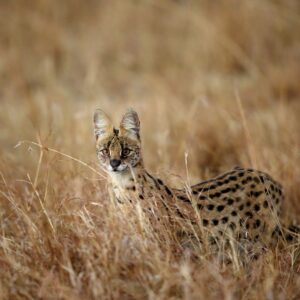
One of the mammal species most impacted on South African roads is the Serval, especially on the N3 highway, with almost 250 killed since 2014. The habitat along the N3 is very favourable for Serval, and we are working closely with N3 to implement some solutions to prevent Serval mortalities. However, information on the sex of the animals being killed is limited, and this information is key to understanding the effects of roadkill on the breeding viability of populations. For example, if more females are being killed, then this will decrease breeding success, while if it is young, dispersing males, this will have less of an impact. To expand on our knowledge and address threats to specific species. The WTP, where possible, will gather information about the sex of a roadkill specimen to understand more about species’ behaviour around roads.
Thank you to the loyal supporters of the Wildlife and Transport Programme, namely Ford Wildlife Foundation, De Beers Group of Companies, N3 Toll Concession, Bakwena N1/N4 Toll and TRAC N4.

WOMAN OF THE WIND
Megan Murison, Project Officer, EWT Wildlife and Energy Programme (WEP), meganm@ewt.org.za
Ju-Ann Joseph is a field officer for the EWT Eskom Strategic Partnership, stationed at the Sere Wind Energy Facility (WEF), located along the west coast of South Africa. The WEF became operational in March 2015, and biodiversity monitoring activities began in May 2015 by four local EWT staff members. Still working with a team on Sere WEF, Ju-Ann is one of the original four staff members and has participated in the full five-year post-construction impact monitoring at this site.
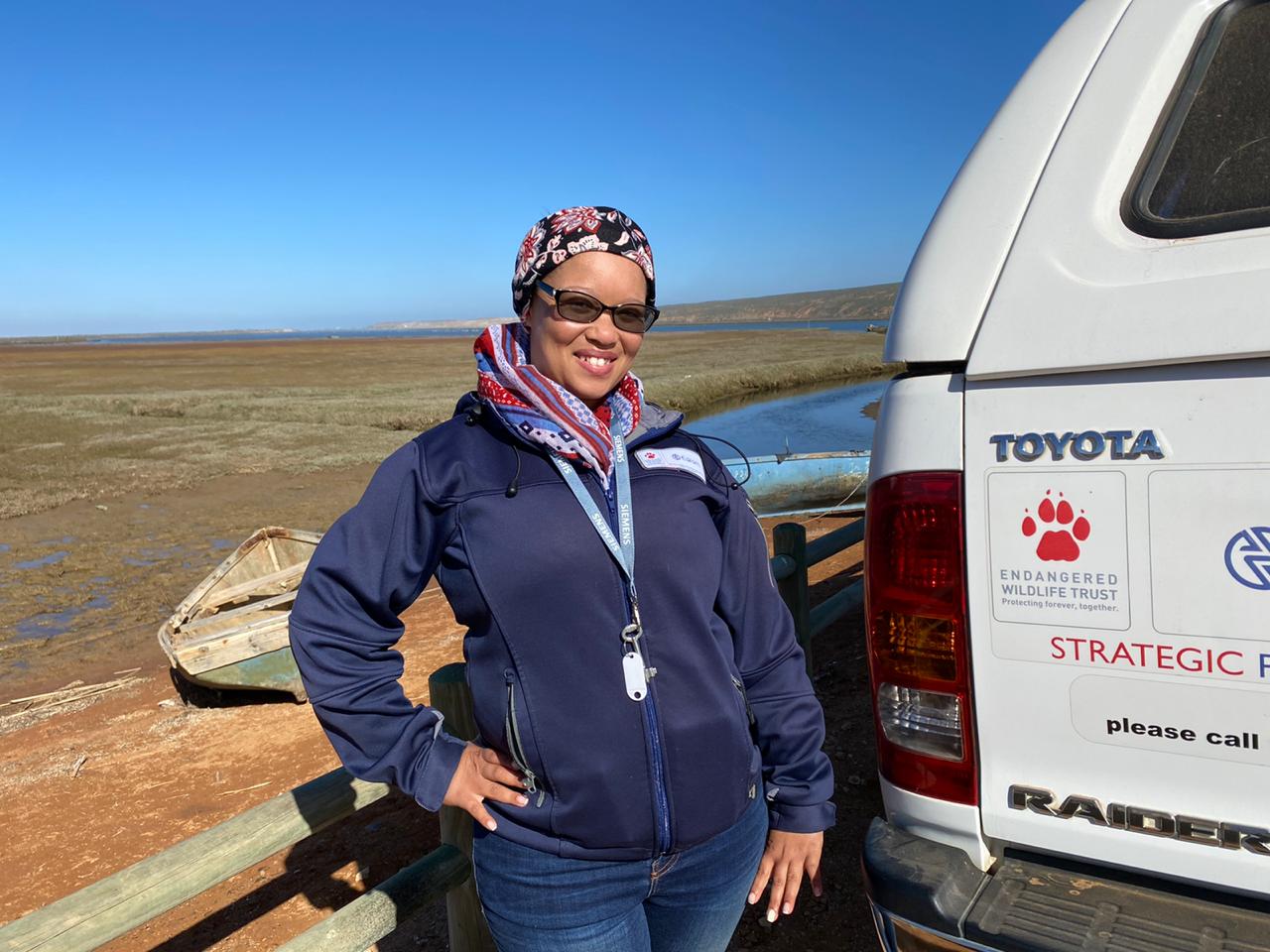
Ju-Ann hails from the small town of Lutzville and works alongside her female cohort on Sere WEF. Not only is the work being conducted by this team remarkable, but it is truly a feat in terms of the strenuous activity that the position requires. The job consists of repeated transects through dense, spiny vegetation on soft dune sand. Environmental obstacles are often encountered, such as the near-daily presence of snakes, howling wind, and extreme temperature variations (0˚C to 43˚C). But she doesn’t let this get her down. Ju-Ann’s positive attitude is evident when asked about her role at the wind farm: “We are always learning something new, and we are passionate about nature. A personal benefit is that our exercise is included in the work!” Ju-Ann’s dedication to conservation is living proof that a women’s place is everywhere and a much-needed part of conservation. As of June 2020, Ju-Ann has:
- Walked over 6,500 km under turbines during searches
- Completed 60 power line surveys (totalling 2 640 km on a sand track)
- Worked a total of 1,196 days
- Travelled 107,640 km between Sere and her home
- Completed various training courses facilitated by EWT:
- Bat and Bird Searcher Efficiency
- Snake Awareness, First Aid for Snakebites, and Venomous Snake Handling
- General office admin for computers and electronic devices
- First Aid Level One
- AND she received her Code 10 Drivers’ Licence!
A FRIEND INDEED
Vivian Nekesa, Western Kenya Field Officer, viviann@ewt.org.za
“It always seems impossible until it’s done.”
Nelson Mandela
“How do we change the world? One random act of kindness at a time.”
Morgan Freeman
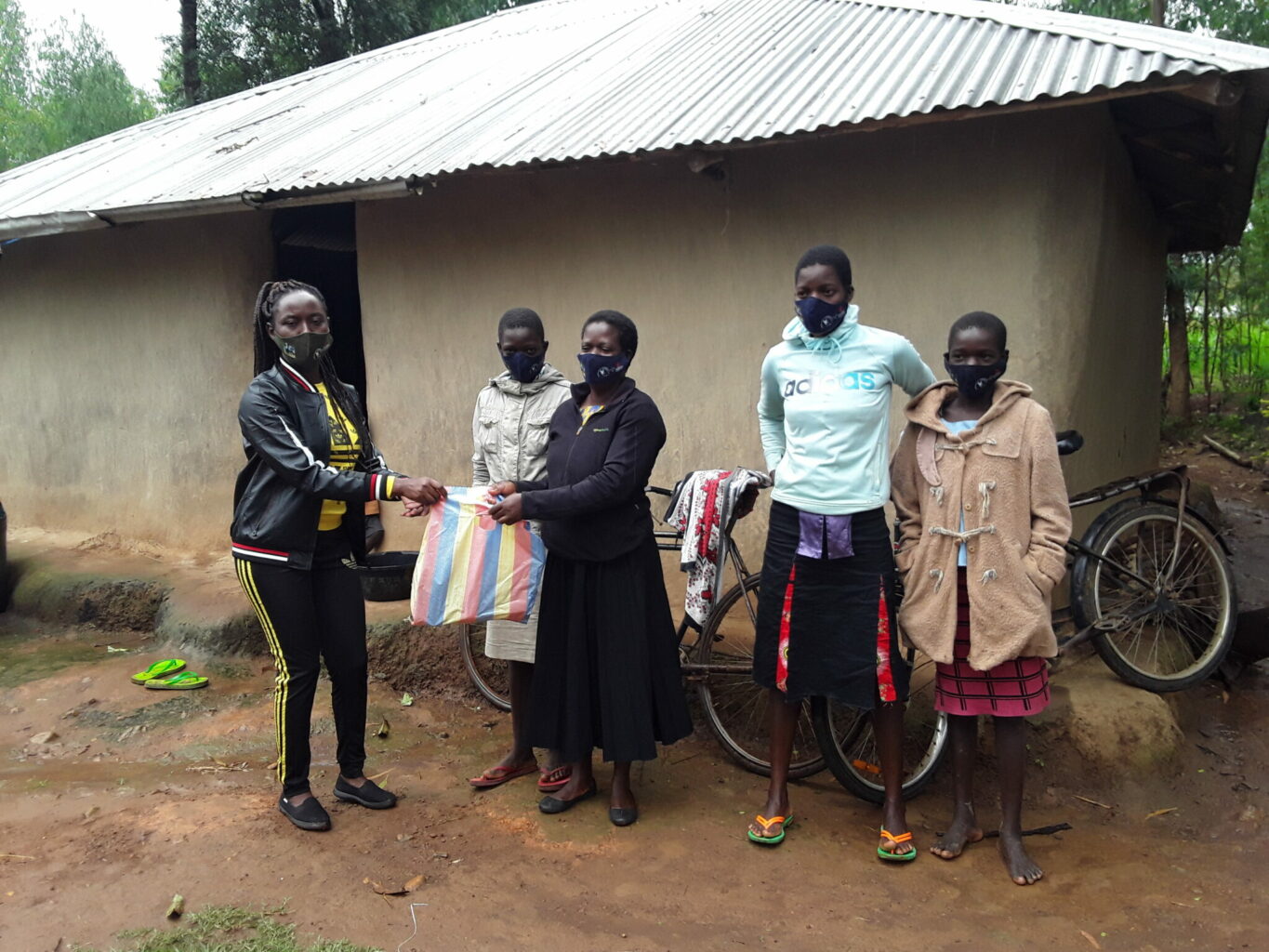
Like a devastating bushfire, the COVID-19 pandemic has spread with alarming speed, unleashing both an economic and health crisis, unlike any experienced in the last century. In March this year, Kenya reported its first case of Covid-19. The pandemic is much more than a health crisis as it is affecting the socio-economic life of every individual and country. The number of reported infections in Kenya is still rising, attributed to, among others, poverty, poor access to essential services such as clean water and sanitation, and poor hygiene practices. Measures put forward by the government to curb the spread of the virus have focused on ensuring basic hygiene and social distancing, requiring every individual to wash hands frequently, sanitise, and wear masks in public places. As currently being observed, disruptions caused by COVID 19 interventions are creating a significant reduction in household revenues to an already vulnerable society living under the poverty line. More than 80% of the community members we work with rely on subsistence farming and live from hand to mouth, barely earning enough to feed their families each day. Talking to the community members, most argue that hunger may kill them before coronavirus does. For these communities that we work with, access to soaps and masks is necessary for them, but not a priority as their availability is limited and they would rather focus on finding money to buy food, as the pandemic has interfered in the demand-supply chain and the prices of food commodities have gone up.
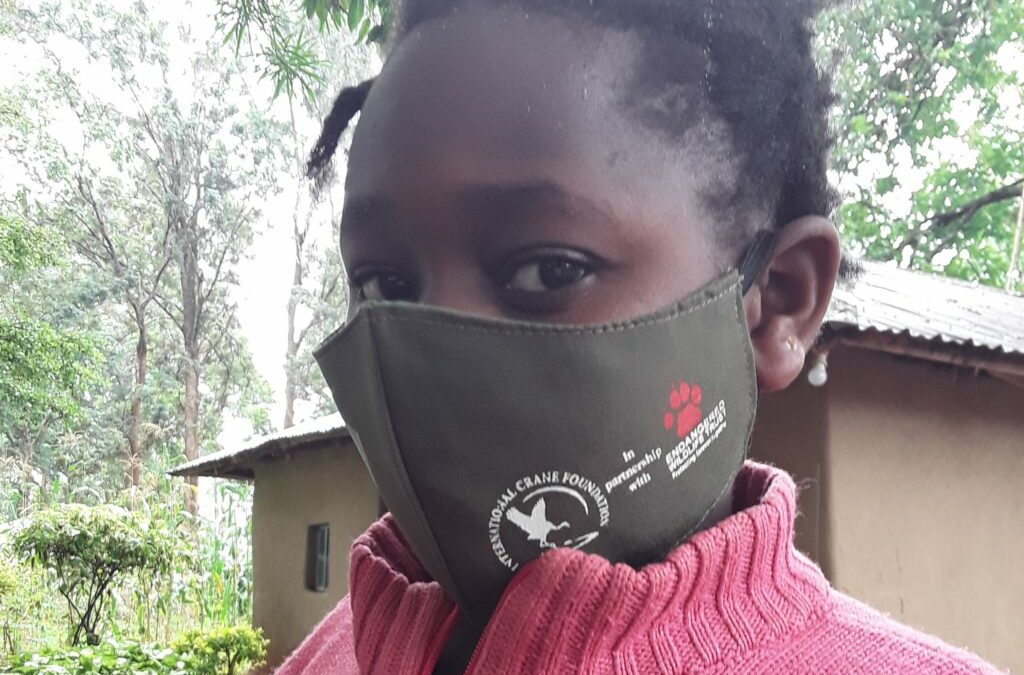
We chose to work with these groups because cranes flock, nest, roost, and breed on their farms. Therefore, we needed to do something for these communities that live in rural areas and have unstable incomes. Through the generous support of the Leiden Conservation Foundation, the Kenyan team was able to procure face masks, handwash and soap bars that were distributed to the households of the individuals we signed the Conservation Agreement with, and custodians outside the Conservation Agreement process. Each household received two bars of soap, two handwashes, and seven masks. With the help of the group leaders, we were able to coordinate the exercise and reach the community in their homes (house to house distribution), as there is a restriction on gatherings. Below is a summary of the total number of items distributed.
The Grey Crowned Crane is listed as Endangered in the IUCN Red List of Endangered species. The species’ population is estimated to have declined from over 100,000 individuals in 1985 to between 17,700 and 23,000 by 2016 (Birdlife International 2016; Morrison, 2015). The population of the species in Kenya stands at 7,776 (Wamiti et al., 2020). The Africa Crane Conservation Programme works under the International Crane Foundation and Endangered Wildlife Trust Partnership to conserve the Grey Crowned Crane species in Kenya. The Grey Crowned Crane faces several threats, the main one being habitat loss, which is fuelled by population pressure.
CONSERVATION CHAMPIONS – REZA JOSEPH
Tammy Baker, EWT Business Development Officer, tammyb@ewt.org.za
As a conservation NGO, we are reliant on the generosity and efforts of others to keep our staff in the field doing what they do best, conservation in action. Many of our corporate supporters are facing financial challenges as a result of Covid-19, and this affects us significantly. We need support now more than ever and appeal to you to become a Conservation Champion for the EWT by joining our fundraising pack.
Reza Joseph is the most recent addition to our league of Conservation Champions.
After following our work and joining our “Meet the Cheetah’s” Wild Chat, Reza realised how important the conservation of this cat is and launched a Back A Buddy campaign to raise funds for the relocation of Cheetah back onto Rietvlei Reserve. Check out and support Reza’s campaign here https://www.backabuddy.co.za/champion/project/cheetah-range-extension-project-rietvlei There are lots of ways in which you can help raise vital funds for conservation, in your own home or community.
Host an online dinner party or wine tasting just for fun or to celebrate a special occasion “donate” your birthday to the EWT by asking for contributions instead of gifts, organise a virtual race, or get creative and come up with a fundraising challenge of your own. By challenging yourself, or supporting others who do so, you will help to ensure that our work continues as it should. It’s free, and it’s fun, and you can make a real difference. We need you now more than ever to help us to continue to protect forever, together. To get started, contact Tammy Baker at TammyB@ewt.org.za
THE EWT FOREVER FOREST
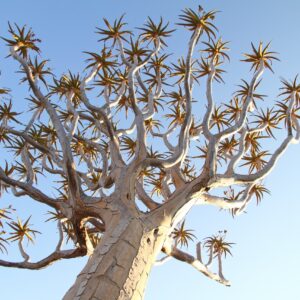
Over the years the EWT has been the recipient of numerous bequests or legacies. They have been gratefully received and have often been the reason for our ability to remain so productive during some very tough years. Upon the receipt of any bequest, the EWT management and staff ensure that the surviving families are thanked and acknowledged. However, we have always felt that as an organisation, we would like to do more to celebrate the legacies of life bequeathed to us, and the contribution they make towards protecting forever, together. The purchase of our magnificent forever home, the EWT Conservation Campus, presented an opportunity for us to do more to honour those who have contributed to creating a better future for their loved ones by supporting conservation. This property has allowed us to develop what we call the Forever Forest, where we can pay tribute to those who have committed to leaving a legacy for life, by helping us to protect the incredible wildlife and places that are critical to the future of our planet.
An Uplifting Memorial
Forever Forests are beautiful, tranquil resting places for our loved ones full of trees and life! We plant an indigenous Forever tree, providing a living memorial that will be cared for and continue to grow for generations to come!
Give Back
By planting a Forever Tree, you are giving back to the environment and future generations!
Watch the Tree Grow
Come to the Forever Forest to visit a loved one’s living memorial. We are creating a beautiful, serene space for friends and family to gather, pay tribute, heal, remember, and to celebrate all life. Do you yearn for a better future for your children? Create a Legacy for Life by including the EWT in your will and help us to secure a healthy planet with abundant wildlife, for years to come.