Help African Wild Dogs 

Donate today  

Conservation Canines Help to Combat Rhino Poaching

Conservation Canines Help to Combat Rhino Poaching
 

Conservation Canines Help to Combat Rhino Poaching


On 22 September, the Endangered Wildlife Trust’s joined countries around the world to mark World Rhino Day.

The Day has become synonymous with the plight of the white and black rhino as poachers decimated populations of this iconic member of the Big Five in the past 15 years.

It is during this onslaught that the EWT again sprang into action to save the pachyderms from extinction by founding and deploying our canine conservation unit to not only detect smuggled rhino horn, but also to track poachers within conservation areas.

World Rhino Day is marked annually to raise awareness of about the plight of the species, which has faced a poaching onslaught for more than a decade. South Africa is home to an estimated 79% of the world’s rhino population, of which approximately 2,056 black rhino and 12,968 white rhino are privately-owned. Since 2008, over 8,000 rhinos have been poached the country.
South Africa’s black rhino are listed as Critically Endangered and the white rhino as Near Threatened on the IUCN Red List of Threatened Species. Their biggest threat is the illegal wildlife trade.

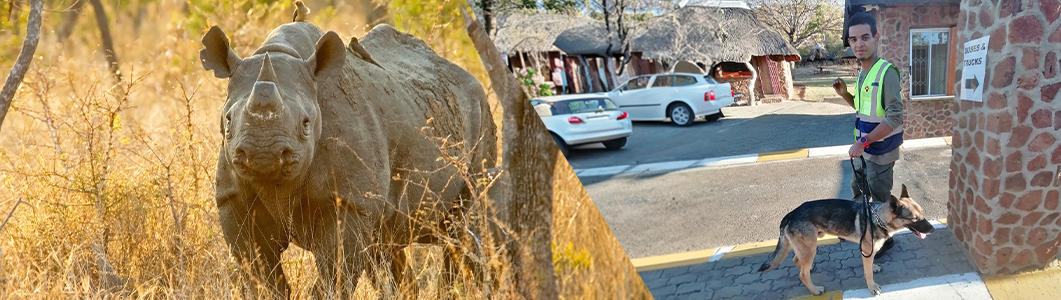
The EWT’s Canine Conservation Unit (CCU) is a special project established to support the conservation efforts of the EWT through scent detection and tracking dog services. Our Conservation K9s are certified and specially trained to fulfil two critical roles. Firstly, to support anti-poaching initiatives in game reserves using tracking and detection dogs, and secondly, to detect wildlife contraband before it is smuggled out of the country.

Anti-poaching dogs are trained to track people, locate snares, find arms and ammunition, and help with the detection of spent cartridges at crime scenes. Our detection dogs are capable of detecting various plant and animal samples as well as poisons and thus have a wide range of possible conservation applications. We are continuously exploring new applications for our conservation canines to ensure that the EWT is recognised as an industry leader in the field of working dogs.

Our work began with the deployment of Rico, a Belgian Malinois and wildlife sniffer dog, at the O R Tambo International Airport’s baggage and car sections in 2012. This new member of the EWT pack was deployed to sniff ou rhino horn, ivory, abalone and other wildlife products.


The EWT’s Canine members have been deployed successfully in reserves across the country since…

The North West Province is a stronghold for Black and White Rhino conservation during these difficult days of declining national populations. With the support of funding from the U.S. Fish and Wildlife Service, we are assisting the provincial authorities to prevent poaching and grow their rhino populations for the species’ long-term survival.


Besides the use of cutting-edge technology to track rhinos remotely, and the use of real-time camera technology to strengthen surveillance of roads, fence lines and reserve areas to aid in the detection of poacher incursions, a key contribution is that of the EWTs conservation canine and handler team in the Pilanesberg Game Reserve to detect wildlife contraband and to track poachers.

Our conservation canines are stationed at reserve gates, screening vehicles for illegal wildlife products like ivory, rhino horn, pangolin scales, and ammunition. Since 2012, the EWT’s Conservation Canine unit has been a vital part of wildlife protection in reserves across South Africa. Focused on preventing illegal firearms from entering protected areas, our dogs have also been instrumental in stopping wildlife crime. Our canines have frequently been used to locate illegal arms and ammunitions and this year alone, one of our conservation canines flagged a suspicious vehicle, leading to the discovery of hidden rifles and the successful arrest of the suspects.

The Conservation Canine Unit team will assist Pilanesberg management until the end of September 2025. Having our scent detection dog, Kisha, at the gate will deter and prevent poachers from bringing weapons into the conservation area, and transporting illegal wildlife products out of the reserve if they have succeeded in poaching an animal. Weekends are very busy and the team search up to 60 vehicles in a day.

Tracking dog, Ruger, is specifically used to patrol fences and follow tracks of poachers when reserve boundaries have been breached. A key role for Ruger is to assist anti-poaching security to determine entry and exit points and routes taken by poachers, which is critical in guiding optimal placement of field rangers.


While the EWT is assisting Pilanesberg with a range of other anti-poaching activities, detection and tracking dogs are considered a crucial part of the anti-poaching arsenal to keep Rhinos and other wildlife safe.


In the nearby Madikwe Nature Reserve, the EWT has provided cutting-edge night vision scopes to the two canine teams, giving them a massive strategic advantage during anti-poaching patrols. We have also funded the installation of additional License Plate Recognition cameras at prominent intersections around the reserve. Any vehicles passing through these intersections with previous criminal ties will be flagged, with notifications sent to local law enforcement, as well as the North West Parks Board anti-poaching operations centre housed at Madikwe.

Combatting rhino poaching requires a coordinated, multi-pronged approach, the cost of which can be prohibitive in some situations. We are confident that our support to the North West Parks Board is having a tangible conservation impact, echoed by the reduction in reported poaching incidents in the province.
Saving Vultures from poisoning and other threats

Saving Vultures from poisoning and other threats

Saving Vultures from poisoning and other threats

By John Davies, Project Coordinator: Raptor Conservation & Research

International Vulture Awareness Day is marked annually in September to raise awareness about a species that is often maligned despite their vital contribution to maintaining the health of ecosystems.

Known as nature’s cleanup crew or garbage collectors, vultures play a crucial role preserve the balance of our environment by disposing of carcasses and likely preventing the spread of disease. The benefits they provide go even further.

Vulture populations have plummeted across their range in recent years, with some species now listed as Critically Endangered. To ensure the future survival of this key species, a Multi-species Action Plan to Conserve African-Eurasian Vultures (Vulture MsAP) was released under the Convention on the Conservation of Migratory Species of Wild Animals (CMS) in 2017. Its main aims are to identify and implement key conservation actions designed to reverse recent population trends and restore the conservation status of each species to a favourable level and to provide conservation management guidelines applicable to all Range States within the plan’s scope. This includes South Africa.

The Endangered Wildlife Trust plays an important role within South Africa, and Africa, to protect vultures for their most common threat – poisoning.

Through our work, we not only monitor and track all vulture species within the southern African region, but also implement a number of applied interventions to conserve the Old World Vulture Species found in South Africa. Of the 11 Old World Vultures found in Africa, seven are on the verge of extinction. These include the breeding resident White-backed Vulture, Hooded Vulture, White-headed Vulture, Cape Vulture, Lapet-faced and the vagrant, less common Egyptian Vulture, as well as the Rüppell’s Vulture.

Besides addressing the increasing threat of wildlife poisoning, our work keeps in mind the situation that arose in India in the 1990’s when the local vulture population plummeted by 95% after vultures fed on livestock carcasses that contained and anti-inflammatory drug used to treat pain and inflammation in animals and people. All vultures died soon after feeding on the tainted carcasses and local scientists attributed their deaths to kidney failure caused by the effects of the drug diclofenac.

The near extinction of vultures in this region led to the death of nearly half a million people in subsequent years, because without these natural scavengers, carcasses pile up, and diseases including rabies spread more prolifically.

In South Africa, wildlife poisoning has become an increasingly prevalent and destructive threat over the last decade. Although this has for a long time been an under-studied and poorly-known concern, more recently, the severity of this has become more topical, particularly with the impacts on large carnivore populations being more notable. With a shift to more targeted poisonings that have a higher impact on these the charismatic species, the conservation focus has shifted to a point where the need to respond and deal with these incidents is finally getting more attention.

A sad outcome of much of this is that many species of avian scavengers, such as vultures, Tawny Eagle and Bateleur, have become the innocent bystanders caught in the crossfire. For most of these species, wildlife poisoning has become the most significant threat to their long-term survival. Unlike many other forms of poaching, just a handful of large events may be enough to cause a sever reduction in the population, particularly if no interventions are put in place.

The EWT’s Birds of Prey and Vultures for Africa Programmes focusses much of their work on developing key interventions that assist in reducing the severity of these losses. Although these by no means represent an exhaustive approach to solving the issue, there is little doubt that each of these instances provides another tool to work towards the long-term protection of avian scavengers from poisoning.


Eye in The sky

One of the most crucial aspects is the early detection of poisoning events, something that historically has posed a significant challenge in most conservation areas. We developed a pioneering rapid poisoning detection system called Eye in the Sky that harnesses vultures’ natural sentinel and foraging behaviour and pairs it with novel GPS tracking technology. This system closely monitors the behavioural signatures in GPS-tracked vultures to remotely detect the presence of poison sources and feeding events associated with potentially poisoned-laced carcasses. This system was built to enhance law enforcement and response team capacity and efficiency, while reducing the impact of wildlife poisoning in southern Africa.

With our partners, including the North Carolina Zoological Society and Contemplate Wild, we are also developing monitoring and technology solutions to make our alert system practical on the frontline. The system has been programmed to send notifications and near real-time information to monitoring software platforms (e.g. EarthRanger, SMART Conservation) used by those on the ground. In concert with this, we have set up an ever-growing network of GPS-tracked vultures across poisoning hotspots in southern and East Africa, actively surveying extensive wilderness areas that would otherwise be impossible to monitor.


Rapid Response and Treatment

With this early detection, comes the need to have skilled individuals to assist in the treatment of any live animals that may be found at these sites. As such, we have embarked on developing several approaches to make this a much more effective and efficient intervention.

First and foremost has been the training of over 2000 individuals across Africa in wildlife poisoning response and the inclusion of wildlife veterinarians that are able to assist when needed with the treatment of live patients. A vast number of veterinarians have little to no real-world experience working with birds of prey, especially Vultures, and as such, their involvement with these situations has been limited previously. The EWT has embarked on a process of upskilling key veterinarians working in key focal areas to become another layer of support when needed. Many large poisoning events are spread out over a large geographic area and having several individuals able to treat live patients, greatly improves the outcome for patients, particularly considering the time constraints associated with this.

Perhaps one of the most significant limitations to this work has been the effective transport and housing of patients. That is why the EWT developed the first transport and treatment solution for these specific events, which we call our Vulture Ambulance, launched in 2023. This has been developed from the ground up to be a complete solution to teams working in the field, to not only house patients that have been found, but also additional equipment that may be needed in the field during assisting with these events.

By creating a single solution that is permanently kept ready to go, takes a large amount of the preparation and planning away from the responders. To date, this novel solution has been used to assist in excess of 30 vultures and has improved the survival of live patients found at poisoning sites to 98% over the last year. This is a significant improvement from previously, where some animals may have succumbed due to the ineffective housing and transport to a rehabilitation facility.

As a newer addition to this, we have developed emergency treatment kits that are specifically designed to have all needed items for the in-field treatment of birds at poisoning events. These kits contain all the materials necessary to effective respond to emergencies, including headlamps, backup batteries and radios. These are all items that we have found through field experience to be necessary for an effective and efficient response. We’re currently working towards expanding this equipment to more areas, adding yet another dimension to assisting people who respond to these events.

By understanding the process and having teams that understand how to work effectively, as well as having all the required equipment needed on site, we know that we can give vultures and other avian scavengers have a fighting chance. The only way to achieve this is through large-scale collaborations, and we look forward to developing these even further in future.


Help from above: Feathered rangers take to the sky

Help from above: Feathered rangers take to the sky

Help from above: Feathered rangers take to the sky

By Dr Gareth Tate, manager: Birds of Prey Programme


A critical challenge in wildlife conservation is swiftly locating and responding to poisoning events. Early detection and prompt decontamination can dramatically reduce further wildlife loss, save surviving animals, and enable law enforcement to act quickly. To combat this threat in southern and east Africa, the Endangered Wildlife Trust (EWT) has harnessed the natural behavior of vultures and cutting-edge GPS-tracking technology to create a rapid poisoning detection system called Eye in the Sky.

This innovative system monitors the movements of GPS-tracked vultures to remotely detect poison sources and feeding events linked to poached or poison-laced carcasses. By reducing the time between detection and response, we aim to enhance the efficiency of law enforcement and response teams, ultimately protecting more wildlife.

Now in its third official year, the Eye in the Sky project leverages the extraordinary foraging lifestyle of African vultures and state-of-the-art GPS tracking technology to protect these vital scavengers and other threatened species. Our Birds of Prey Programme team monitors over 120 tracked vultures across the Greater Limpopo Transfrontier Conservation Area, using near-real-time alerts to respond to feeding events and immobility alarms. The impact of our feathered rangers has been remarkable.


The capture locations and GPS tracks of the GPS-tagged vultures, deployed as part of our Eye in the sky project, across poisoning hotspots of southern Africa.

Above: A heatmap showcasing the current coverage obtained from our GPS tracked sample of vultures deployed as part of our Eye in the sky project, across poisoning hotspots of southern Africa.

Above: Our Eye in the Sky system has reached a significant milestone with its seamless integration into the EarthRanger platform. Above is a screenshot of the EWT EarthRanger instance shared across partners, with a basic visual and geographic summary of partners set up and using the Eye in the Sky system effectively across our target project sites.


Over the past year, a significant effort has been devoted to detecting poisoning events and poison bait sources using our system’s immobility and feeding alerts. Since May 2023, we have identified 37 poison sources across our project sites. Early detection and prompt decontamination have been crucial in safeguarding many scavenging wildlife species. We have rescued, rehabilitated, and released over 80 vultures back into the wild — birds that would have otherwise succumbed to ingested poisons.

Despite these successes, challenges remain. In early March 2024, over 80 vultures were poisoned in northern Kruger National Park due to delays in response. This tragic event underscores the need for continued improvements in our rapid detection system and response protocols.


Results from follow-ups to alerts generated by our Eye in the Sky system from January 2023 to December 2023 offer compelling evidence of the system’s effectiveness in identifying crucial illegal wildlife activities and points of interest. This includes the detection of 37 poison sources/events,36 poaching camps, as well as the detection and removal of 3,049 snares across our project sites. Notably, 1,937 of these snares were found still set and untriggered, underscoring the potential threat posed to wildlife. The system has proven instrumental in mitigating harm, showcasing its vital role in conservation efforts.


However, the effectiveness of our rapid detection system has been demonstrated by our ability to intercept potential mass poisoning events. At eight vulture alert sites, poison sources were detected before any wildlife fatalities occurred, showcasing the robustness of our monitoring and alert systems in protecting wildlife.

Besides enhancing our ability to detect snare lines so they can be removed, we have in the past year also detected 36 poaching camps where rangers have seized bushmeat, equipment, and poisons, disrupting illegal activities and trade.

At a time when there appears to be an increase in the targeted snaring and poisoning of lions and hyenas for their body parts, used in traditional medicines, the Eye in the Sky system is making a significant impact on lion and hyena conservation efforts, either by augmenting or improving existing initiatives.

Throughout the past year, the Eye in the Sky system has led to the detection and removal of 3,049 snares across our project sites.

Our teams’ persistent presence in landscapes the Greater Kruger has led to a discernible reduction in illegal wildlife activities, marked by fewer instances of poisoning and snaring events. This ongoing commitment reflects our dedication to fostering a safer environment for the region’s wildlife and underscores the positive impact of sustained conservation efforts.

A significant emphasis has been placed on rescuing vultures that survive poisoning events within Kruger National Park. Thanks to a growing network of veterinarians and a partnership with the Moholoholo Animal Rehabilitation Centre in Hoedspruit, we have rescued over 120 vultures since 2017. Over the past year, we achieved a 100% survival rate for vultures rescued from poisoning events, demonstrating marked improvements in our response, treatment protocols, and rehabilitation processes. This success is complemented by our first vulture ambulance, currently deployed in the Greater Kruger.

The Eye in the Sky project is a testament to the power of innovation and collaboration in wildlife conservation, offering hope for the future of southern Africa’s endangered species.


** The EWT would like to thank our donors, the Mohamed bin Zayed Species Conservation Fund, National Geographic Society, Alu-Cab, the Charl van der Merwe Tryst and the Briandez Legacy Trust for your support on this programme.


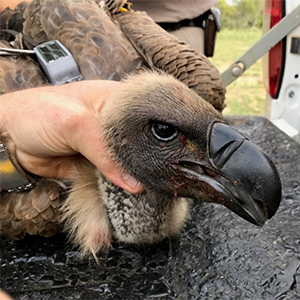
A white-backed vulture fitted with a tracking unit and deployed as one of our Eye in the Sky feathered rangers.

An adult Cape Vulture fitted with a GPS tracking device, ready to be deployed for the Eye in the Sky system

A white-backed vulture fitted with a tracking unit and deployed as one of our Eye in the Sky feathered rangers.

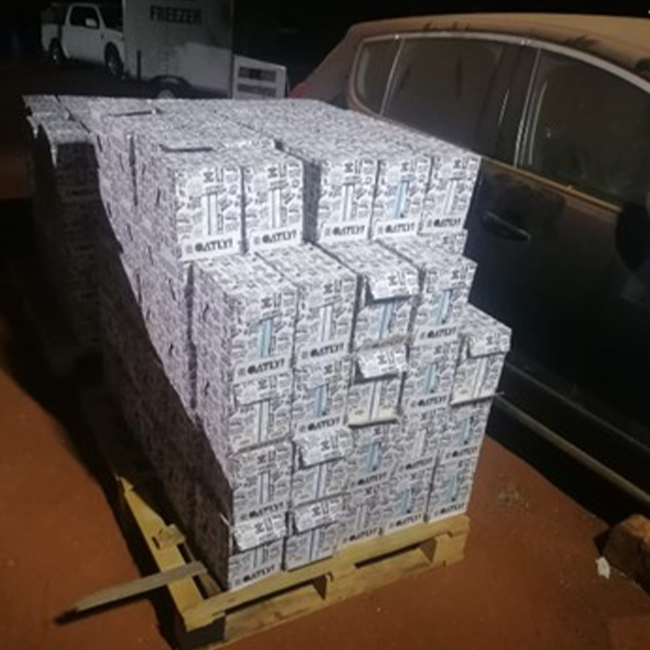
Addressing hunger, food insecurity, and under-nutrition through a reduction of food wastage and sustainable agriculture

Addressing hunger, food insecurity, and under-nutrition through a reduction of food wastage and sustainable agriculture


Addressing hunger, food insecurity, and under-nutrition through a reduction of food wastage and sustainable agriculture

By Dr Jenny Botha, People in Conservation Specialist

Globally, about 20% of the food that is produced each year is wasted or lost. This translates into about 1 billion potential meals a day!

At the same time, around 735 million people regularly experience hunger and a third of humanity faces chronic food insecurity. In South Africa, 15% of households did not have sufficient food in 2021, yet 10 million tonnes of food is wasted or lost each year. Furthermore, one third of human-induced greenhouse gas emissions is linked to food and 8—10% of emissions.

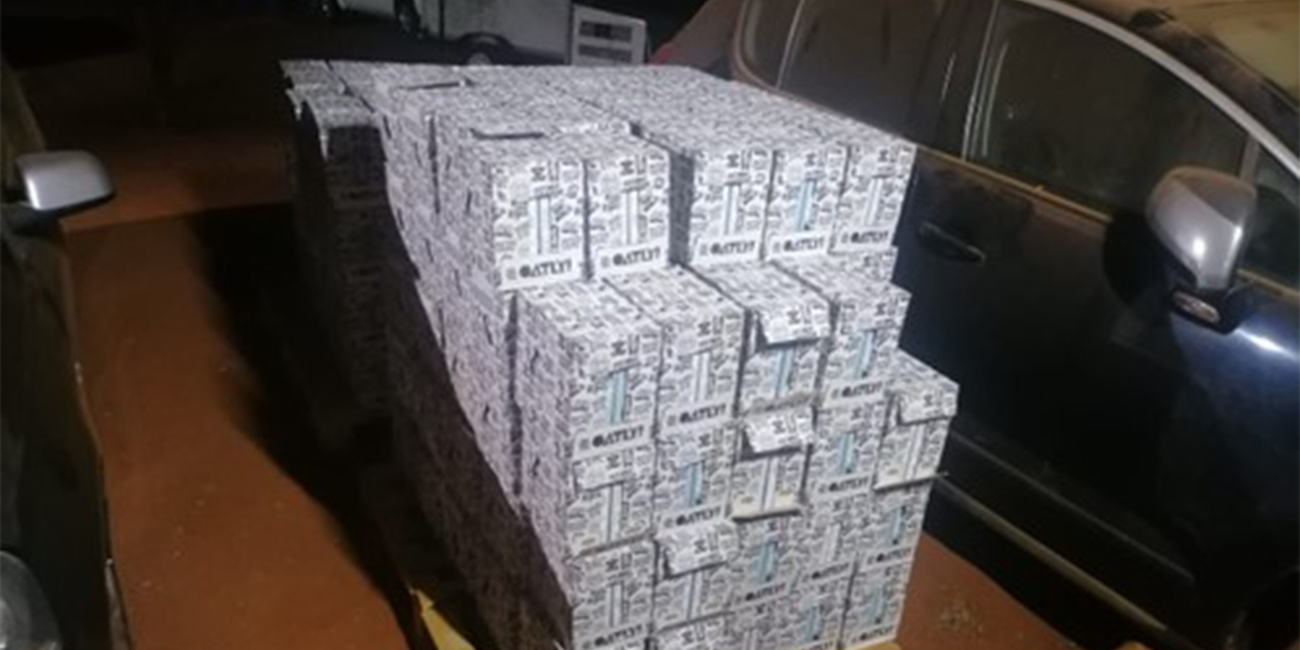
In August 2024, NEO (Natural Ethical Organic) Trading donated 1,200 litres of oat milk to families living in Kutama, adjacent to the Endangered Wildlife Trust’s Medike Reserve in the Soutpansberg Mountains. Oat milk is highly nutritious and, particularly if fortified, a good source of vitamin A, B2, B12, and D as well as calcium, phosphorous, iron, and other nutrients. It is particularly suited to vegans and lactose-intolerant individuals.

In addition, the Endangered Wildlife Trust works with local farmers in the Western Soutpansberg to transition to more sustainable agricultural approaches. Through this, we aim to strengthen local food availability and access in the region and contribute to the second Sustainable Development Goal to “…end hunger, achieve food security and improved nutrition, and promote agriculture”.

There has been limited progress in tackling hunger and malnutrition globally, but unfortunately, we still have a long way to go. For instance, before the Covid-19 pandemic, under-nutrition in children under five years of age was reduced by a third (55 million). Unfortunately, efforts to achieve Zero Hunger by 2030 have been severely curtailed since 2019 due to escalating food inflation, drought and other weather-related disasters, the pandemic, reduced production, conflict, civil insecurity, and other factors.

To significantly reduce food hunger and wastage, we need to:

  1. Transform food production and distribution systems to ensure that people across the society are able to afford and access healthy food. We also need to move to more sustainable farming practices that cut greenhouse emissions and other harmful environmental impacts, and develop or implement innovative technologies to maintain or improve water and air quality, soils, biodiversity, and the other vital ecosystem services we depend on.
  2. Reduce environmental and harmful social Impacts across distribution and value chains: Improve food storage, transportation, and retail systems and practices to reduce negative environmental and social impacts, including the exploitation of labour.
  3. Reduce food and water insecurity associated with environmental and humanitarian crises: Develop more effective emergency response systems and international policies and agreements that mimimize food and water insecurity during times of crisis.
  4. Strengthen global collaboration and cooperation across sectors to reduce poverty and inequalities: Collaborate with various stakeholders and ensure policies support food security and nutrition.

Clearly, this is a formidable task but if each of us contributes through the lifestyle choices that we make, the cumulative impact would be substantial.

How can you help?


  1. Sustainable choices when buying food
    • Plan meals, make lists, and buy seasonally available food. Support local markets and buy produce that is available locally. In addition to reducing environmental impacts, this can also decrease food bills.
    • Buy smaller amounts of perishable items to reduce spoilage.
  2. Store food properly
    • Store food in airtight containers and follow recommended refrigeration recommendations to extend the shelf life of produce
    • Try to avoid excess packaging where possible (packaging also prolongs the shelf life of food)
    • Understand Food Expiry Dates: Learn the difference between “use by” and “best before” dates to avoid throwing away still-edible food.
  3. Cooking
    • Prepare and cook appropriately sized portions only using the food that is needed.
    • Use leftover food creatively to avoid wastage.
    • Cook in bulk and freeze portions. Bulk cooking and freezing meals for later use reduces meal prep time and energy costs – a welcome relief for most of us in our fast-paced world.
  4. Adopt more conscious consumption habits
    • Start meals with smaller portions and take more if needed to reduce food wastage.
    • Increase the proportion of plant-based foods in your diet.
    • Understand food labels – understand the difference between “sell by” and “best before” labelling to ensure food safety and reduce waste.
  5. Participate in reducing food waste at a collective level
    • Share non-perishable and unopened foods with local community-based organisations, food banks, shelters or similar outreach programmes.
    • Support food rescue initiatives: Explore opportunities to support organisations that collect surplus food from retailers, restaurants, or the hospitality industry, and distribute it to those in need.
  6. Compost
    • Use vegetable scraps and other food waste to make compost and reduce the volumes of waste that reach landfill.
  7. Raise awareness and advocate
    • Raise awareness of the prevalence of hunger and food insecurity, our contribution to environmental impacts through our lifestyles and choices, and the steps we can take to change this.
    • Encourage corporates to adopt more sustainable approaches to business by buying ethically produced products as far as possible.
    • Support and advocate for policies and programs that promote food security, reduce waste, and reduce socioeconomic inequalities.
A Snaring Concern

A Snaring Concern


A Snaring Concern

By Lourens Leeuwner, Senior Conservation Manager: Business and Wildlife

Snaring for the bushmeat trade has become one of the most prominent threats to wildlife nationwide and is no longer a low-impact subsistence activity but the most common form of illegal hunting.

In other words, snaring is not necessarily driven by hunger but has evolved into a commercial business. To saturate demand, animals up to the size of an elephant are being poached. Usually set along game trails and around water points, these wire traps are set in areas with bountiful game with the intention to catch animals as they pass by. Snares are the silent drivers of extinction.

On 10 and 11 September, the EWT will be co-hosting the inaugural Snare Mitigation Symposium with the Cape Leopard Trust, the Department of Forestry, Fisheries and the Environment, SA National Parks and the SA National Biodiversity Institute in Pretoria to discuss and seek possible solutions to the pervasive threat to wildlife and the economy caused by illegal hunting with snares.

Snaring, which is essentially the use of a trap, is illegal in South Africa. Because of the nature of snaring, it is challenging trying to catch poachers red-handed and to present adequate evidence to link them to the crime and to successfully prosecute them.

Snares can be made from a variety of materials but fencing wire and cable is usually preferred. The materials are easy to obtain and snares are quick to manufacture, easy to set and difficult to detect. Their effectiveness and secret nature make them the perfect hunting tool.

Animals caught in snares experience great suffering caused by stress, injuries and mutilation, usually leading to their demise. Even when the caught animal manages to escape, the snare usually remains on its body and tightens with time. Being increasingly compromised, the animal’s condition tends to deteriorate until it can no longer continue.

Looking at the bigger picture, snaring can contribute significantly to changing the demographics and size of animal populations, ultimately contributing to the loss of biodiversity. Although, it is mostly game animals that are targeted by the poachers, the indiscriminatory nature of snares leads to what is known as bycatch: the capture of non-targeted animals such as snakes and other reptiles, mammals including predators, and even birds – many of which are Endangered.

Most conservationists and land managers find snares in the field on a regular basis and have to deal with the consequences of illegal poaching through the loss of not only valuable game, but also domestic animals along the line.

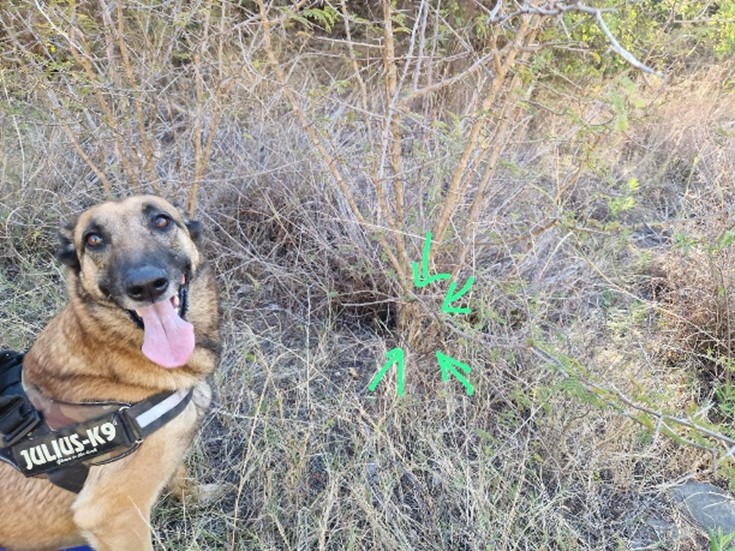
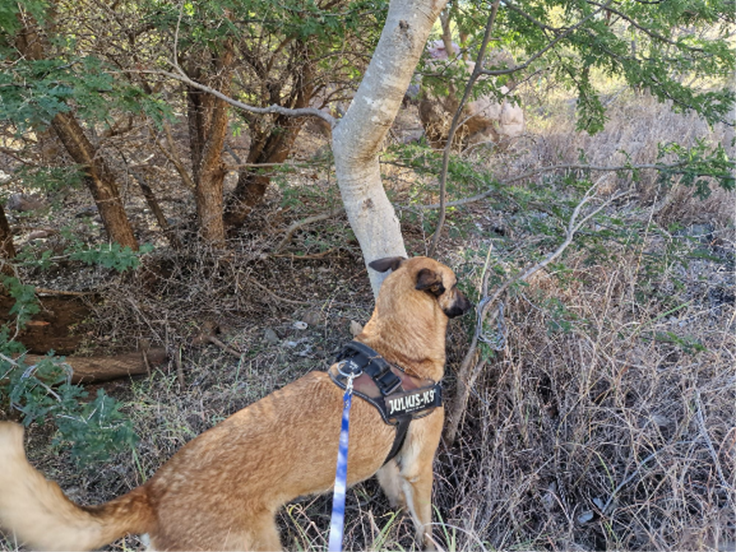
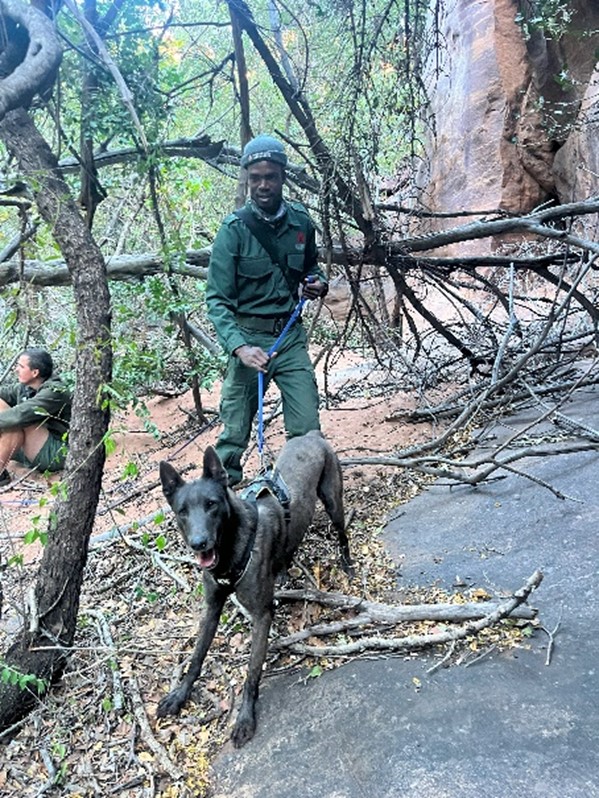
As a means to address snaring, the EWT recently undertook a project and proof of concept to determine to determine whether anti-poaching dogs could be used for snare detection. Thanks to funding from the Taronga Zoological Society in Sydney, Australia, our Canine Conservation Unit spent several days testing techniques to detect snares on Madike nature reserve in Limpopo. Using two EWT anti-poaching canines, Ruger and Kisha, the team set snares in the veld before sending out rangers to find the items. The trial was completed four times in different terrain with rangers only finding some of the snares and items dropped randomly in the veld. To prove this concept works, the rangers were again sent into the veld to find snares and the other items; this time with the dogs. In all cases, the canines successfully tracked the scent of the person who had planted the snares and other items, finding the majority of the snares. As further proof that this technique works, the dogs were taken on a routine patrol of a farm that has problems with poachers using snares to catch wildlife. During this patrol, Ruger discovered a snare that had been planted by a real-life poacher.

While there is a lot more work that needs to be done, this is proof that the concept works – an extra tool in the arsenal to combat poaching.


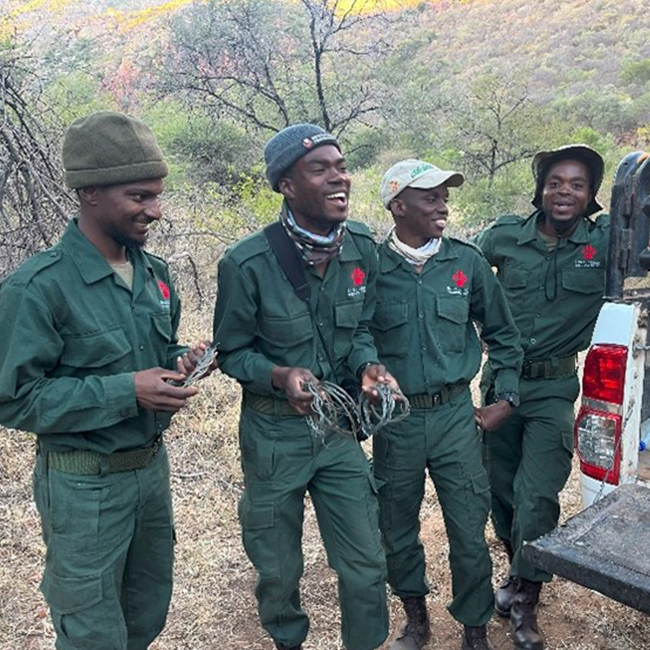
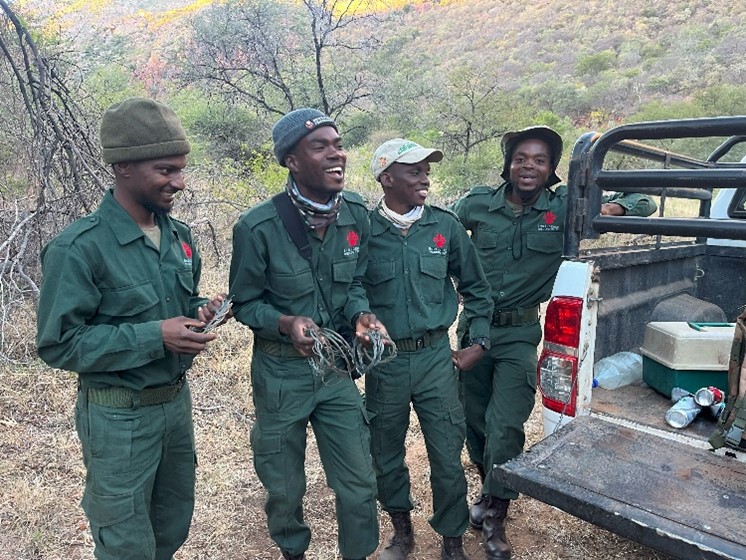
Rangers hold a variety of snares removed from the veld.

Kisha illustrating just how difficult snares are to see in the field

Locating a snare during the test phase of the proof of concept

Ruger and a ranger looking for snares at Medike

First Carbon Offsetting Project for 90,000 Hectares Registered

First Carbon Offsetting Project for 90,000 Hectares Registered

First Carbon Offsetting Project for 90,000 Hectares Registered

By Jodi Legge and Eleanor Momberg

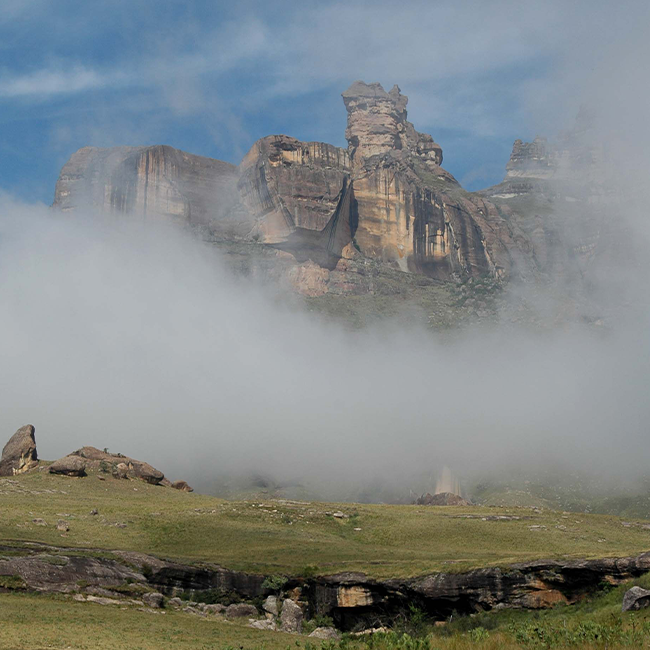
The Endangered Wildlife Trust and the International Crane Foundation have registered carbon offsetting project in the Drakensberg – one of only six registered carbon offsetting projects in the world using Voluntary Carbon Market Methodology and covering the widest geographical footprint in a country.

This is part of the EWT/ICF partnership’s long-term commitment to protect threatened crane habitat in the Drakensberg region. The project extends 90,000 ha, of which 88,500 ha is managed by the EWT/ICF partnership as the Carbon Management Entity with the developer, WeAct, from Australia. Further expansion is planned during the second half of 2024 and will be known as the second instance.

“Landowners are interested in joining at least another 45,000 ha for the second instance,” said Pieter Botha, ICF project manager.

Botha added that the partnership covered several critical areas under biodiversity stewardship agreements with crucial landowners. Information opportunities were created to discuss the project, objectives, and outcomes with our partner landowners.

The primary purpose of carbon trading is to channel finances towards a sustainable transition in limiting greenhouse gas (GHG) emissions and GHG sequestration. The cost associated with the removal of GHG needs to be recovered because the removal cost is potentially much lower than the cost of dealing with the consequences of global warming. Through the voluntary carbon market initiatives linked to the free-market principle are allowed as these achieve an incentive by pursuing the initiatives set out in the Paris Agreement reached at the UN Framework Convention on Climate Change’s talks in 2015.

Carbon offsetting is considered a sustainable financing option by providing investments that reduce or remove emissions, improve livelihoods and protect the environment. Carbon credits are sold on the market with revenue returned to landowners. Landowners are rewarded financially as they implement sustainable and improved land management practices that contribute to a healthier ecosystem, are friendly to cranes, and promote greater biodiversity.

The Drakensberg region is home to three species of threatened cranes – the Wattled, Blue and Grey-Crowned Cranes. It is a region that has been at risk from mining, infrastructure development, invasive species, uncontrolled fire and agricultural expansion. These factors have reduced habitat for cranes and other species, and pose significant challenges to landowners, threatening the livelihoods of thousands of people who live and work in this region.

“We know these are complex problems,” said Botha adding these required innovative solutions. “Exploration of the carbon trading market has been one of our key strategies to reduce greenhouse gas emissions through carbon sequestration, to improve the state of these fragile habitats.”

Botha said the cost associated with the removal of greenhouse gas emissions to improve the soil needs to be recovered as landowners cannot do it on their own. Removing CO2 from the atmosphere is a cheaper alternative than dealing with the consequences of global warming.

“Carbon trading is not frequently discussed among farmers as it is not part of their daily production cycle on the farm.,” said Botha. “For many landowners, this was a foreign idea, and careful negotiation and education is required to explain the complexities of the project. It takes a long time to engage with landowners, explain the benefits of participating in the project, and getting them to commit to an agreement.”

Farmers are custodians of large tracts of land, which is also home to many diverse species. The Foundation understands that farming has many challenges and no state assistance or subsidies are available in South Africa. This project aims to assist farmers by offsetting costs that come with conservation, creating an enabling environment for proactive conservation.

The project implemented a four-year cycle of carbon credit verification and issuance, with a goal to ensure a 30-year commitment to the project. Anticipated revenue is substantive.

“We believe this approach will mitigate the effects of global warming while creating resilient habitats for our crane population,” said Botha. “This pioneering approach will result in increased carbon in the soil, while providing relief to our resilient farmers to protect their livelihoods and create conservationists at the same time.”