CAREERS IN CONSERVATION – Hannah de Villiers
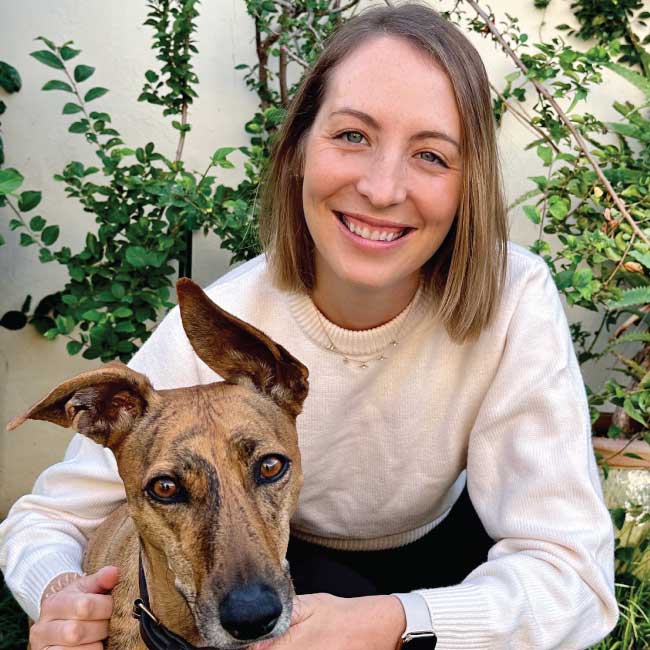
Hannah de Villiers has joined the EWT’s National Biodiversity and Business Network (NBBN). Here is a little bit about Hannah’s journey to a career in conservation.
Job title: Project Manager, NBBN
Location: Johannesburg
Where did you grow up? Cape Town
What are your hobbies/things you like to do in your spare time? Wildlife photography, hiking & dog walks, scuba diving, twitching, avid reader of detective mysteries, occasional half-hearted running.
Any pets? Two ‘real’ Africanis dogs, Tofu & Chickpea
Favourite animal and why: Pangolin: I got to meet a pup at the Johannesburg Wildlife Vet and have been obsessed ever since. My #1 goal in life is to find one in the wild.
Favourite food? Veggie curries (with garlic naan, of course)
Pet peeve? Things are not in the place they are supposed to be.
Why did you want to work for the EWT? To work with all the passionate and interesting people that I met through my MSc.
What excites you about this new position? Such a newly developing field to be working in, and one with the ability to create meaningful, sizeable impact – both in terms of reducing biodiversity loss and increasing biodiversity funding. It feels like I am using my time to do the right kind of work for the first time in my life.
What are you passionate about? Exploring southern Africa. Mastering LBJs and waders (yes, I’ve even been to Strandfontein Sewage Works). Good food and wine. All animals.
What’s the best advice you’ve ever received, and who did it come from? ‘Trust your gut, no matter what’ – I can’t remember who, but it has stood me in good stead throughout life.
CAREERS IN CONSERVATION – DR SAMANTHA MYNHARDT
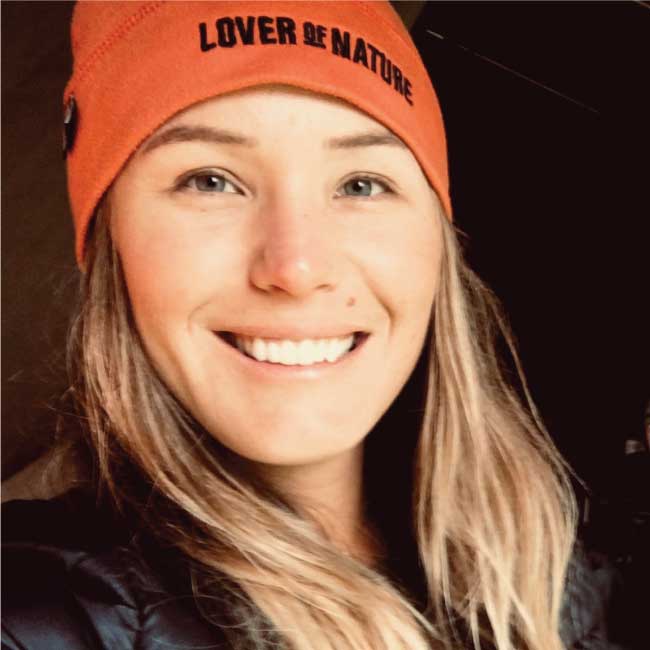
Dr Samantha Mynhardt is the EWT’s Drylands Conservation Programme new Researcher. Here is a little bit about Sam’s journey to a career in conservation.
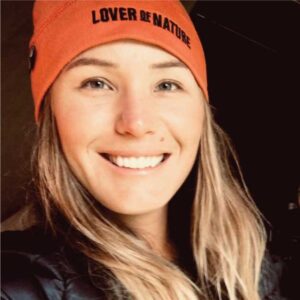
Dr Samantha Mynhardt
Job title: DCP Researcher
Location: Stellenbosch
Where did you grow up? Pretoria
What are your hobbies/things you like to do in your spare time? Hiking, trail running, cycling, guitar.
Any pets? Two cats (even though I’m more of a dog person)
Favourite animal and why: Dog. Dogs are just the best! I can’t resist them.
Favourite food? I’ll take pizza any day.
Pet peeve? Mouth noises. Especially when people make noises with their lips that make my lips itch! haha
Why did you want to work for the EWT?
I love EWT’s work and what the organisation stands for. I have worked alongside the Drylands Conservation Programme for three years now and have seen the passion and dedication with which this team works towards conserving our planet, its species, habitats, and people. I would like my life and work to contribute to such a worthy objective too.
What excites you about this new position?
I am excited to explore the unearthed potential of environmental DNA, both in species research and monitoring and in applied conservation. I am excited to learn more about the field of conservation generally because, as a geneticist and career academic, I haven’t had much experience in applied conservation, and this is where my research can add real value. So I am excited to bring my unique skills to the table to benefit the DCP team, the EWT, and the PLANET!
What are you passionate about?
I am passionate about South Africa’s unique biodiversity, its multitude of unique biomes, habitats, and species, and I am highly motivated to contribute towards protecting and conserving this biodiversity. I enjoy music, outdoor sports, exercise, and my two incredibly delightful children!
What’s the best advice you’ve ever received, and who did it come from?
It’s hard to say. My dad always encouraged me to stay true to myself, not compare myself to others, or allow others to define me. I know it’s pretty cliche, but it’s still the best advice ever!
What is your go-to feel-good song?
I feel better when I’m dancing – Meghan Trainor

Careers in Conservation Meet the newest member of our pack – Sizie Modise
Hi everybody!
My name is Sizie, and I would like to introduce myself to you all. I just joined EWT as head of Marketing, and I am excited to dive in.

Sizie Modise Head of Marketing for the Endangered Wildlife Trust
I have many years of experience across a variety of challenging, rewarding bucket list-type endeavours, ranging from working alongside international artists to heading up the marketing division for a unique ex situ conservation project in the heart of South Africa. I’ve raised two guide dogs and have a passion for wildlife photography when I get the chance. Music is in my blood, and I must admit my playlists are often an eclectic mix of various artists across genres. Always up for adventure, my mantra is “Great things never come from comfort zones.”
Here is a little bit about my journey to a career in conservation
Job title: Head of Marketing
Location: Johannesburg Head Office
Where did you grow up? I grew up mostly in Johannesburg but lived between Lagos, London, and Dubai for about ten years. I moved back to South Africa in 2014
What are your hobbies/things you like to do in your spare time? Reading, listening to music and horseback riding are big passions of mine, polo in particular, but I haven’t ridden much since the pandemic. Spending time with my loved ones is extremely rewarding as well.
Any pets? I don’t have any pets at present, although I have raised two guide dogs in recent times
Favourite animal and why: This is a difficult one to answer. There are so many incredible animals that exist, and some that unfortunately have been rendered extinct. I have many that I admire for different reasons. For the purposes of fulfilling this answer of giving just one as an answer, I would say the Gorilla because, to me, they personify the earth in terms of temperament, in a way. Gorillas are powerful and strikingly unique, not only for their size and force but also for their gentle demeanour.
Favourite food? Sushi on a hot day, and my favourite comfort winter meal would most likely be Egusi Stew with pounded yam (Nigerian dish)
Pet peeve? Tardiness in all its forms… also people chewing with their mouths open
Why did you want to work for the EWT? I believe that my professional background, combined with my passion for wildlife conservation, is a fantastic fit for joining the EWT team, which I believe is an organisation dedicated to the well-being of human and animal communities. I think I bring something different to the table and feel I can add positively to an already incredible group of incredible individuals that make up the pack.
What excites you about this new position? Literally everything! I am excited to work with some of the most incredible people in the conservation industry on the planet. I am so proud of the work the EWT does, and I’m ready to start climbing up the mountain tops and shouting it to the world!
What are you passionate about? Life. We are all so privileged to be alive and make a difference not only to the animals we are working towards protecting but changing how the world treats and perceives the wonderful wilderness we love and cherish.
What’s the best piece of advice you’ve ever received, and who did it come from? “ Don’t stop believing in yourself, keep going, be kind and help others along the way…” my beautiful mother, who sadly transcended at the end of September this year, was the most gentle, loving person- my cheerleader and counsel for all things. She was always ready to help the next person, so much so that many people who had the privilege of knowing her came to call her mama… I shared her with many.
What is your go-to feel-good song? Calvin Harris – Giant ft Rag n Bone man
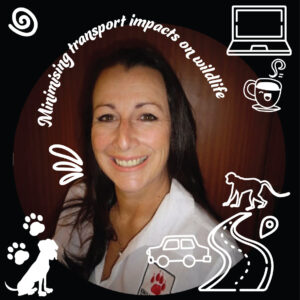
Careers in Conservation – the long way around
Wendy Collinson, EWT’s Wildlife in Transport Manager, wendyc@ewt.org.za
In my previous life, I was a physical education teacher at the Robert Clack School in the east end of London, United Kingdom, for 15 years. But I knew I needed a change and had dreams of working in Africa. And so, in 2005, I left to pursue a change of career in South Africa. A whole 17 years later, I am still living my African dream.
After some travelling, I spent six years working with large carnivores in the South African bush, firstly through Global Vision International (www.gvi.co.uk) and then with the Endangered Wildlife Trust. I worked alongside other researchers on carnivore species fitted with radio-tracking collars, which allowed us to follow them closely from the safety of our vehicle. Our goal was to better understand the animals’ movements and behaviour. A typical day would start just before dawn when we would start to track one of the collared animals until we found them. In some cases, this could go on well into the night if they were in hard-to-reach areas.
After six years of being involved full-time with carnivore research, I moved on to a new project in which I examined animal roadkill rates and the effects of road mortality on biodiversity in the Greater Mapungubwe Transfrontier Conservation Area (northern Limpopo). Studying roadkill might not sound very appealing (OK, at all appealing), but it’s important to know which species are getting killed on our roads and in what numbers. This project led me to a Master’s degree in Zoology through Rhodes University (based in Grahamstown, in the Eastern Cape, South Africa). A far cry from my previous degree in Education, with Dance and Art as my two main subjects!
I am now employed by the EWT’s Wildlife and Transport Programme, whose headquarters is in Johannesburg. I live near Durban but travel to Johannesburg to check in with the head office once every few months. The Wildlife and Transport programme looks not just at the impacts of roads on wildlife, but the whole transport sector – bird strikes at airports, increasing human safety, and train collisions with wildlife on the railway lines.