Help African Wild Dogs 

Donate today  

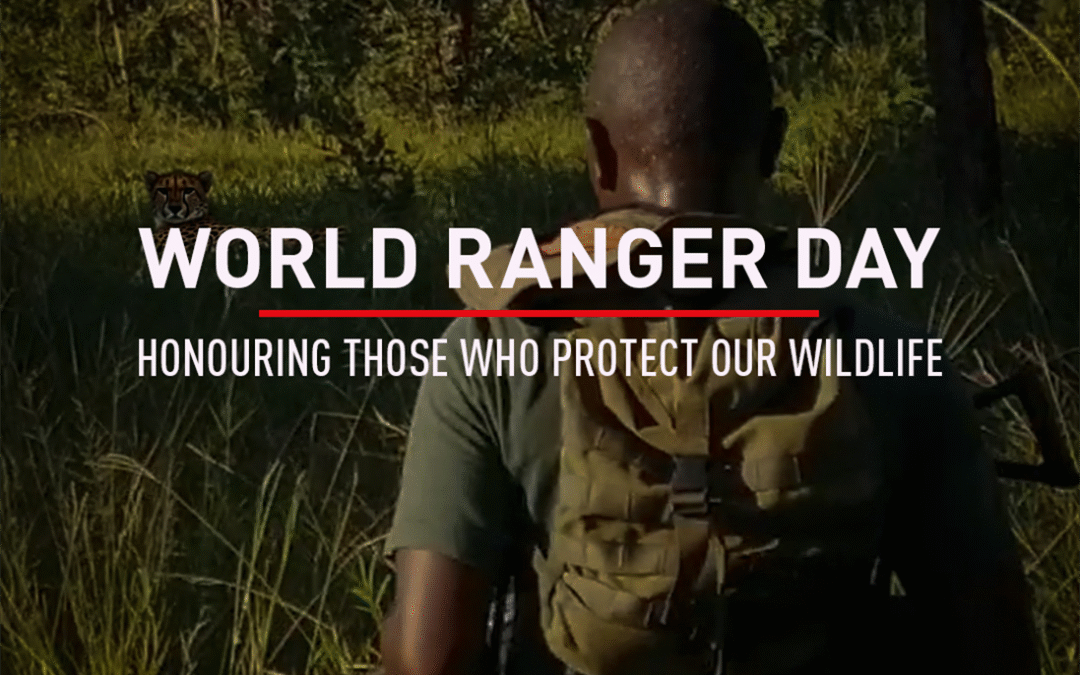
Saluting Rangers across the World

Saluting Rangers across the World

Saluting Rangers across the World

By Eleanor Momberg, EWT Communications Manager
 

Armed with years of experience and a lifelong passion, rangers are the boots on the ground at the forefront of conservation.

Because they spend their entire working day – and often longer – in the field, they are the eyes and ears of management. This means they are often the first to detect unauthorised entry into a protected area by poachers, medicinal plant harvesters, or even just inquisitive persons. They are also often the first to detect wildlife diseases or other potential issues, and are integral to monitoring and maintaining infrastructure such as artificial water points and pipelines.

Rangers are integral to the daily running of any protected area, and their daily tasks are as varied as apprehending poachers, burning firebreaks to safeguard infrastructure, assisting with management burns to achieve specific ecological goals, controlling alien plants, and guiding guests to ensure an absolutely unforgettable visit to nature, among a multitude of other tasks.

On 31 July, rangers across the globe take a moment to remember and pay homage to colleagues who have lost their lives in the line of duty. This year, the pause is to honour 175 colleagues in 41 countries who lost their lives in the last 12 months. 

The theme for World Ranger Day 2025 is “Rangers, Powering Transformative Conservation.” It is a reminder, says the International Ranger Foundation, that rangers are not only protectors, but changemakers.

“They are essential to achieving the world’s biggest conservation goals — from the Sustainable Development Goals to Target 3 of the Global Biodiversity Framework: protecting 30% of the planet by 2030,” says the Foundation.

Although rangers typically work in protected areas where their primary focus is conservation, law enforcement and wildlife management, the Endangered Wildlife Trust (EWT) rangers have a different, added, task – restoring the habitats needed for species and people to survive, protecting cultural heritage, and ensuring that the impact people have on the environment does not affect the ability of communities to benefit from their natural surrounds.  

Additionally, rangers’ work has become more holistic, and has seen the introduction of new technologies into their daily routines.  This includes the use of drones.  

Many rangers emanate from communities adjoining, or in close proximity to, the protected areas in which they work. As such, they are ambassadors for conservation – teaching children and adults alike why it is important to conserve both plants and animals. Rangers are a key resource with which to engage communities, ensuring that communities’ voices are also heard and, together with the protected area management, ensuring that common ground can be found and that protected areas and communities can find a mutually beneficial way forward.

As agents of transformation, rangers also look to the future addressing issues such as climate change in community education drives, highlighting the need to mitigate, and adapt to, a changing environment.  

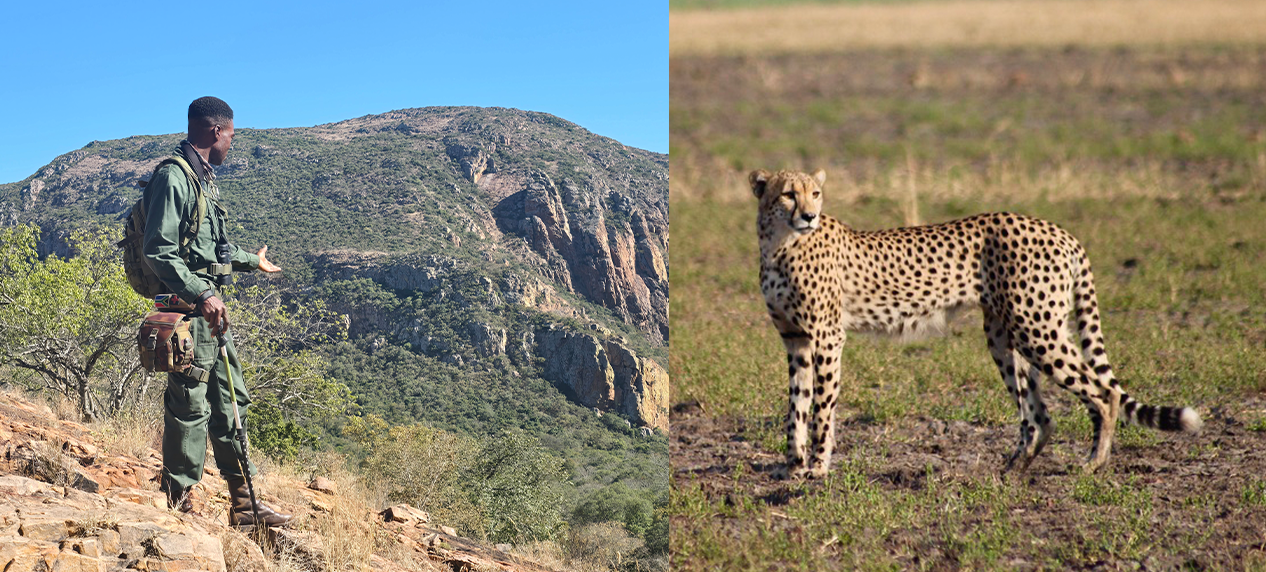
Among the rangers at the EWTs Medike Reserve in the Soutpansberg is Shumani Makwarela, a field guide in the Savanna Strategic Conservation Landscape. He says his work largely entails protecting the biodiversity of the Soutpansberg.  “I also assist to clear alien plants and then do game counts,”  he says.

The Soutpansberg, a recognised as a Centre of Endemism and Key Biodiversity Area, is also a Strategic Water Source Area for both ground- and surface water.  To address the threat of alien invasive species, a team of rangers has been working for the past seven years to remove invasive alien trees from wetlands and mountain catchment streams. 

This has required weeks of work on-site, often camping in remote locations away from their families. Many of these invasive tree strands were in extremely inaccessible areas, making the work even more challenging. Despite these difficulties, our rangers have successfully cleared over 60 hectares of Eucalyptus and Black Wattle from remote mountain areas, resulting in an estimated 30 million litres of water being replenished to the environment annually.

As part of the project, rangers have received training in invasive plant management and received accredited qualifications in First Aid, Herbicide Application, and Intermediate Chainsaw Operation.

But, EWT rangers are not limited to people.  Among these are our vulture “rangers” who, through the use of cutting edge GPS-tracking technology, assist in the location of poisoning events in order to dramatically reduce further wildlife loss, save surviving animals, and enable law enforcement to act quickly.

The Canine Conservation rangers not only work in protected areas to combat rhino poaching, but also support the police, national and provincial environmental authorities to detect illegally traded wild species of plants and animals.  In recent months, our dogs and their handlers have searches hundreds of vehicles for illegal succulents and reptiles at roadblocks, used their noses to sniff out weapons and ammunition and other illegal wildlife products at the entrances and exits to games reserves, searched thousands of parcels and detected numerous snares.

Rangers are an important cog in the business of conservation, and this International Ranger’s Day we salute the vital role that rangers play in the conservation of our natural heritage.


Fighting for South Africa’s Drylands: Conservation Amid Challenges

Fighting for South Africa’s Drylands: Conservation Amid Challenges

Fighting for South Africa’s Drylands: Conservation Amid Challenges

By Eleanor Momberg (EWT Communications Manager) and Zanné Brink (Drylands Strategic Conservation Landscape manager)
 

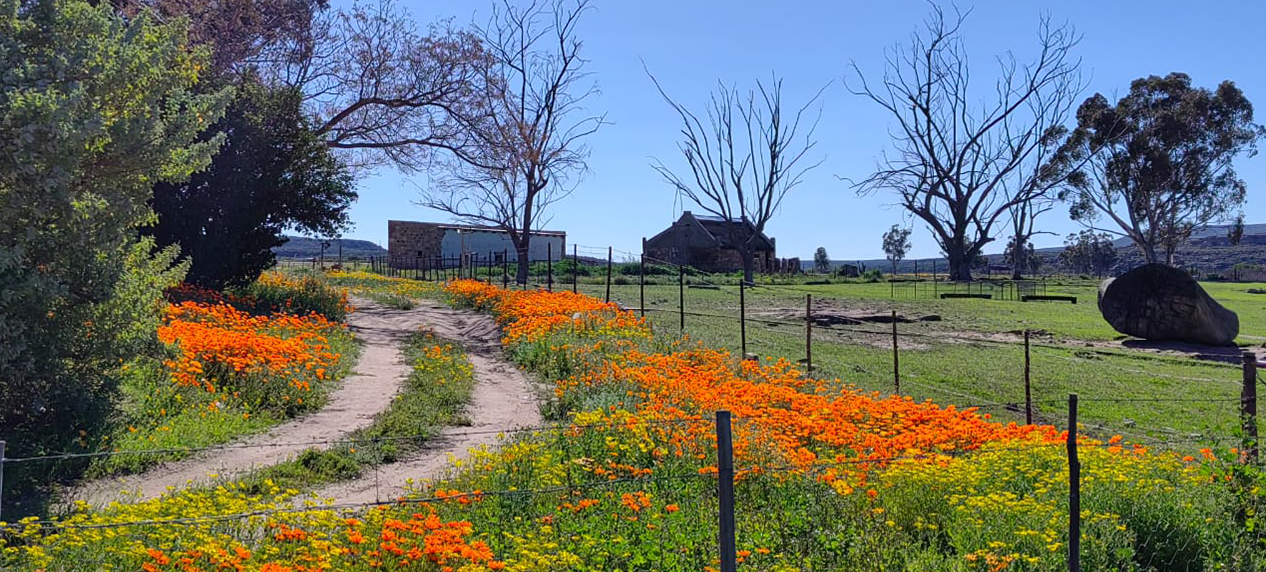
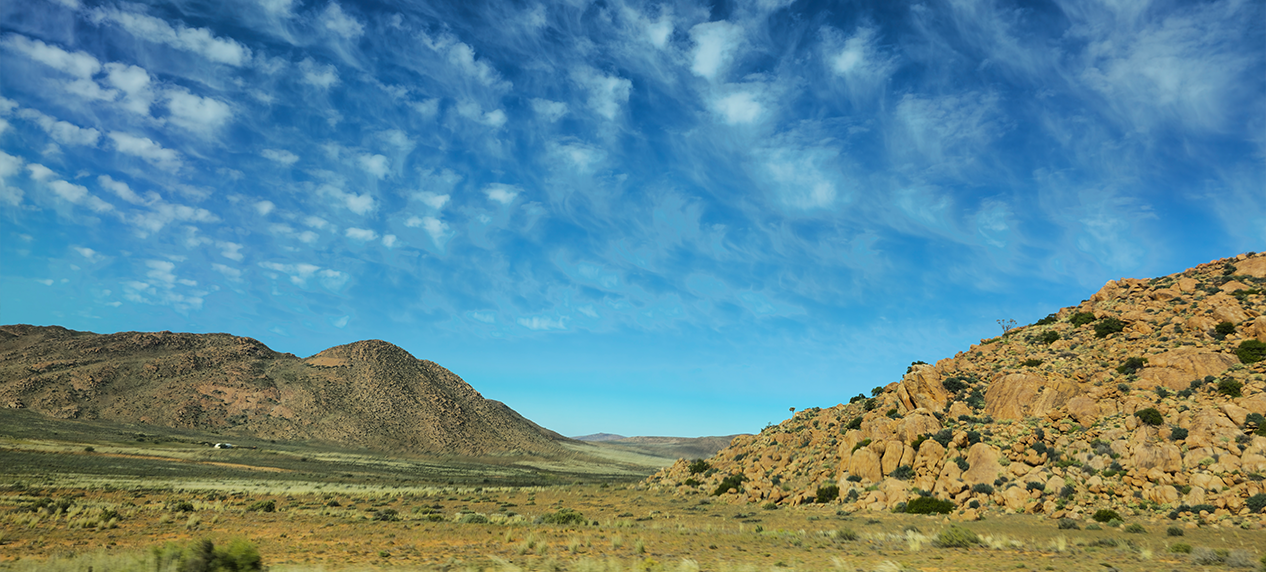
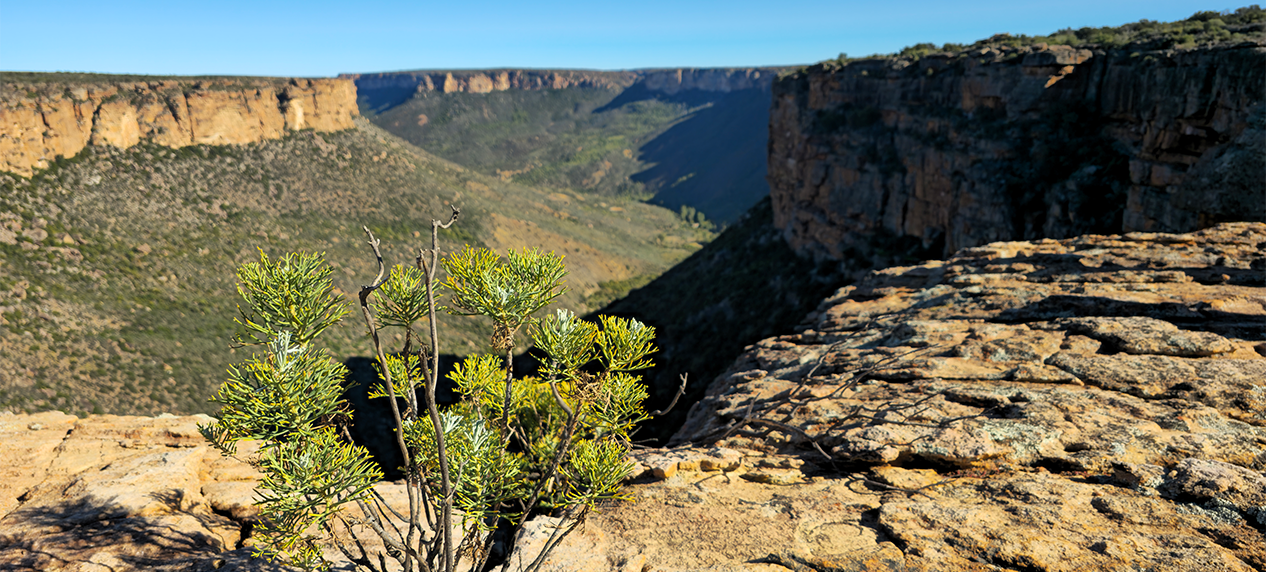
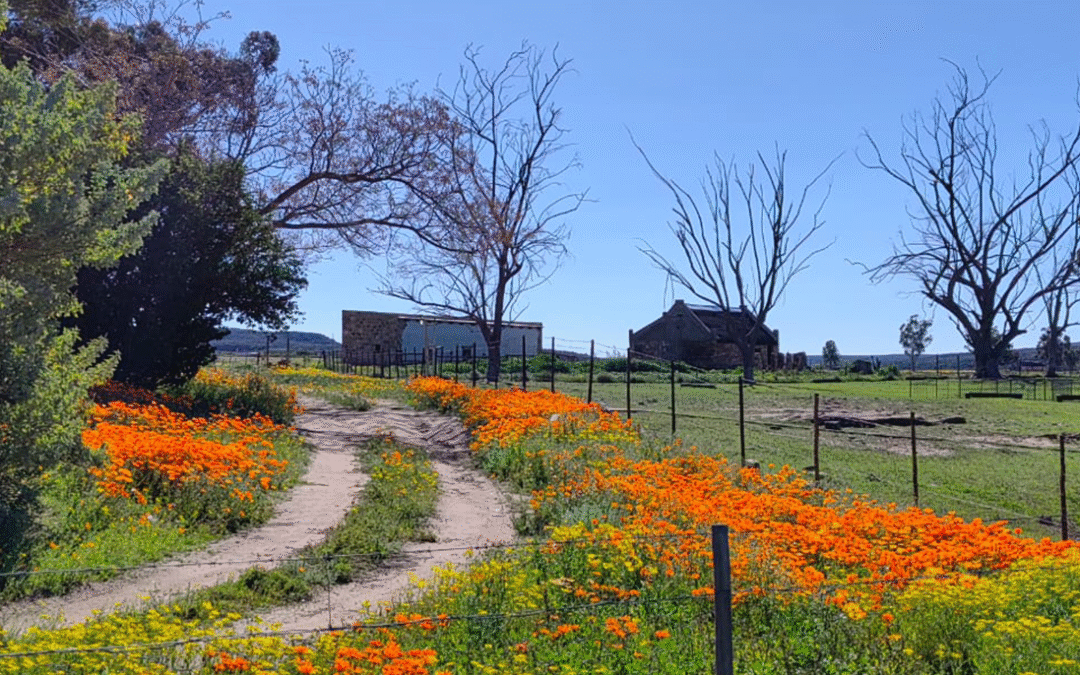
Driving north from Cape Town towards Namibia you enter a landscape that looks dry, inhospitable and unforgiving—an area known as the Knersvlakte and Namaqualand, or the Drylands.

This is a sparsely populated region of South Africa, but a landscape that hides an extensive biodiversity and a high number of endemic species.   It is a landscape where drought and low rainfall are part of the people’s lives; an area pock-marked by the destruction of natural habitats by mining along the coast and inland.

The far reaches of the Western Cape bordering on the Northern Cape, stretching from coastal towns such as Doringbaai to north of  Brand-se-Baai inland to areas like Gamoep and Kliprand, you will find  numerous mines. This includes the Steenkampskraal Monazite Mine, an important producer of rare earth minerals, and uranium, as well as South Africa’s Radioactive Waste Disposal Facility at Vaalputs.  Many mines have closed over the years with little rehabilitation, leaving damaged habitats in the landscapes.

It is here that the Endangered Wildlife Trust’s Drylands Strategic Landscape is working closely with farmers, landowners and communities to identify critical biodiversity areas that need to be protected while addressing the existing scars in the landscape due to historical and current prospecting and mining activities.  It is vital to ensure the long-term conservation of the Succulent Karoo, as any scarring or damage to the top layer of soil will result in a form of erosion.   Through continued research and support, the EWT aims to provide landowners with scientifically-based evidence of the unique and endemic species found on their properties.  As the drylands have very little documented information on the unique biota, it will ensure further robust specialist studies can be conducted if prospecting and/or mining applications are encountered. Continued work in the arid lands through rehabilitation will ensure more site specific information is available to implement arid land rehabilitation, and provide accurate rehabilitation costs to be considered.  Because prospecting applications are increasing, it is important to ensure that landowners and land custodians understand the value of the biodiversity found on their properties, as this knowledge could inform the outcome of a prospecting or mining application.

Namaqualand and the Drylands, are landscapes of united communities encompassing people living in small towns, on farms, in shelters and isolated homesteads, all interdependent on each other for continued survival.  The community is dedicated to conserving and maintaining the veld, while also restoring degraded lands because of the dependence on the veld for survival alongside their relationship with the endemic species found here. Landowners understand that decisions made today will have an impact for 50 to 100 years, and that they must farm smart to ensure a life for future generations.

Despite numerous challenges related to the approval of prospecting and mining rights on private properties, farmers in the drylands are adamant that they will not be forgotten or overlooked.

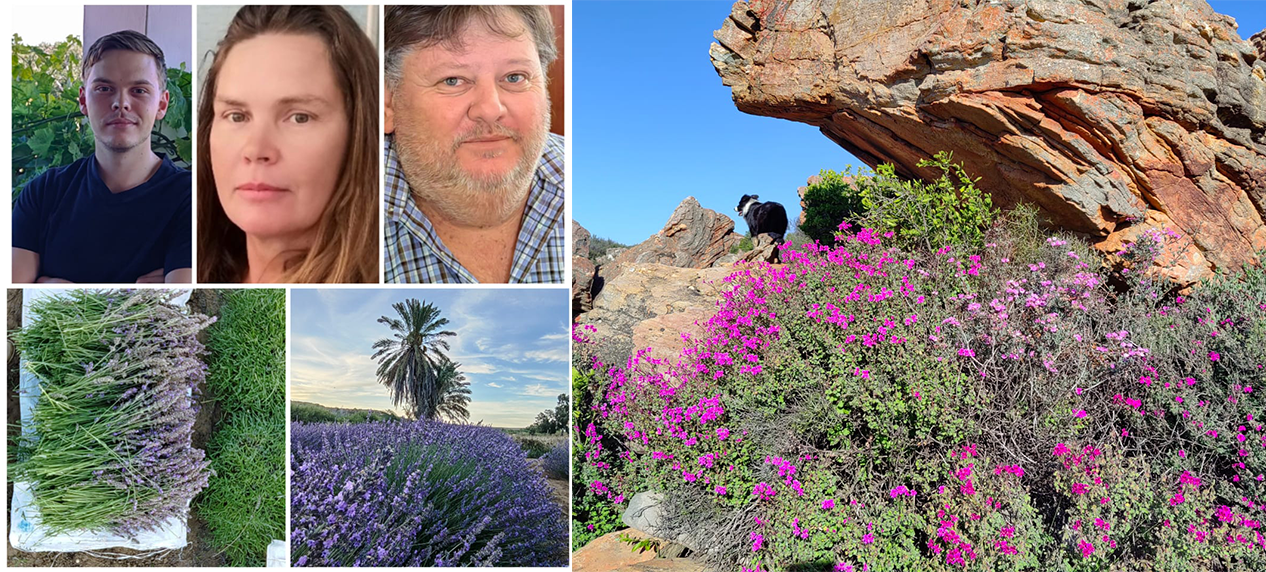
Local farmer Mari Rossouw believes their community is often overlooked because outsiders often question why anyone would want to live in this “unforgiving landscape”. Often applicants for mineral rights further underestimate the local knowledge and the power of the community.

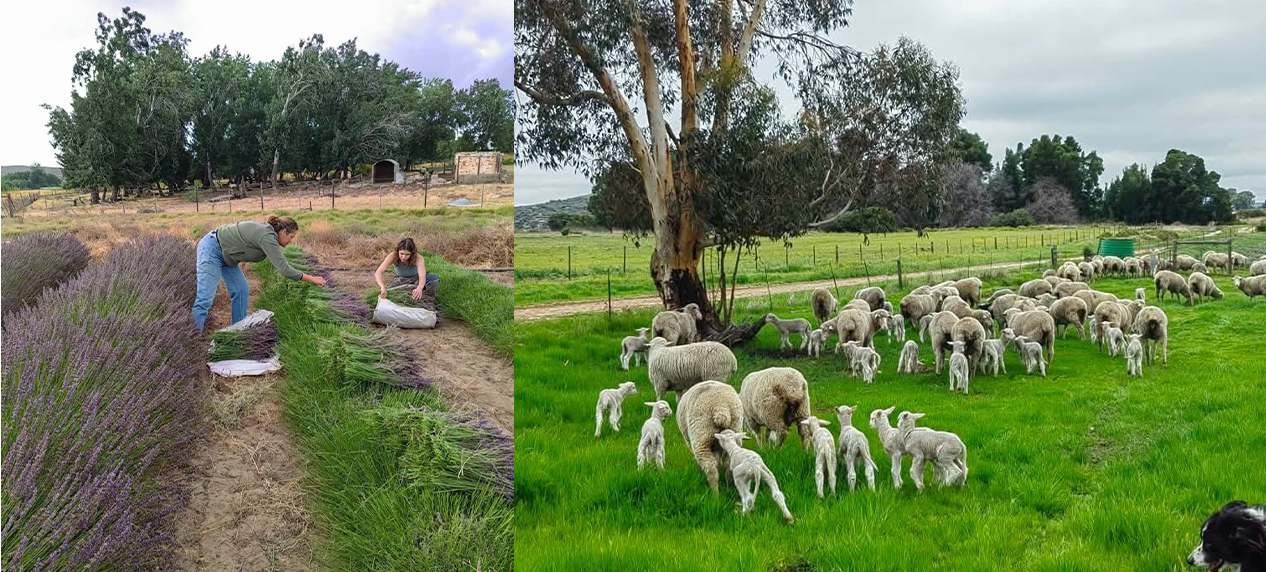
Kliprand farmer Sarel Visser feels the area is being exploited because of its low population density, the assumption that there will be no fight to protect arid lands.  He points out that mines in the landscape have a 10 to 15-year lifespan and are thus not viable.   Farming, tourism and conservation are the future, he argues.

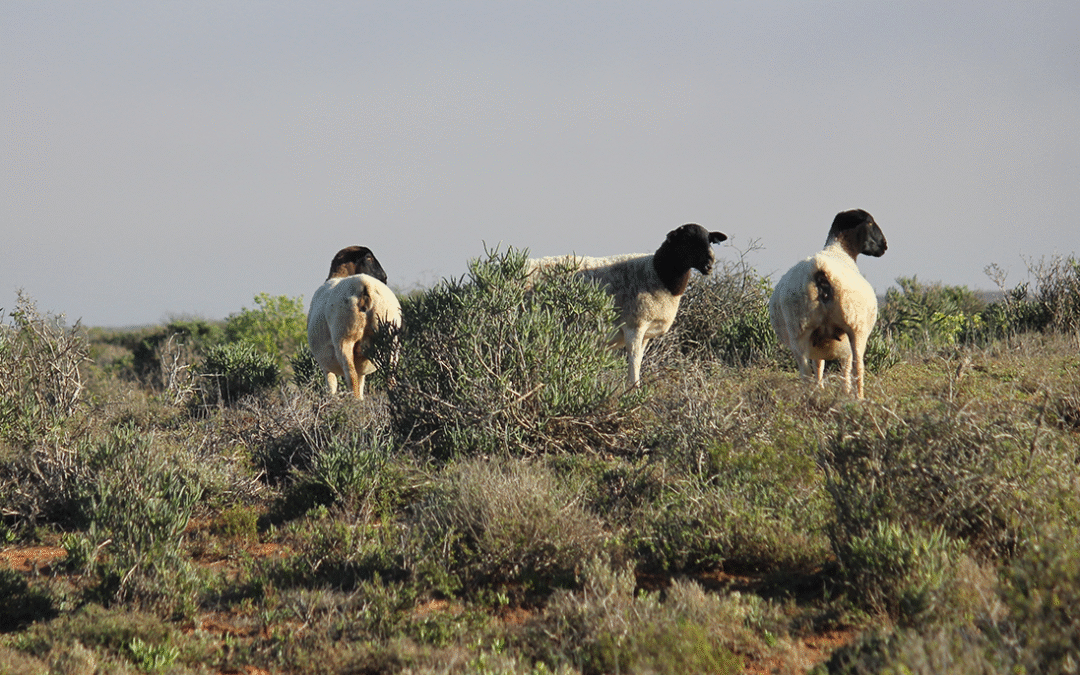
“They are destroying our entire ecosystem and destroying the lives of the people in a community that lives in constant uncertainty. We are already the last generation able to farm with sheep in this area,” he says.


What are the challenges?

Namaqualand and the Knersvlakte are drought-prone, with an annual rainfall of between 150mm and 300mm.

It is a landscape bent under the pressure of prospecting and the threat of further mining that will permanently scar the landscape. Communities living here are not willing to sit back and accept prospecting applications that are either factually incorrect or badly translated into the predominant language spoken in the region—Afrikaans. The community has had to upskill to ensure applications were commented on as part of the public participation process, and then how to appeal mining applications on their farms. Further challenges include prospecting applications being approved despite containing incorrect geographical and environmental information.

Among the community’s concerns is the fact that the Matzikama municipality’s 150km coastline, bar one kilometre, is being mined, or has mining rights allocated; a lack of rehabilitation and restoration of historical mining areas; a lack of adequate rehabilitation funds built into prospecting applications; the removal/destruction of topsoil; and not being able to sustain restoration. Another concern is the lack of financial means available to landowners to create and register a protected area on their properties.

Since 2019, there have been 54 prospecting applications on properties owned by 20 farmers in the Kliprand area alone.  While all have been denied, and three are presently under appeal,  three new applications were received in mid-June 2025.

Landowners become emotional when they speak about how the soil and the micro-organisms found in topsoil die when this is removed.  In an area where plant growth is already vulnerable, the veld never fully recovers as the topsoil becomes sterile when removed.

Chair of the Knersvlakte Conservancy Kobus Visser says that if you drive over or step on a plant you can kill it.  The damage caused to certain plant species is unique to this environment because of its complexity. Rehabilitation can take up to 100 years “or never”.

Seventh generation farmer Christiaan Pool says his farm, on which Vaalputs is situated, is a clear example of this.  Areas damaged in 1974 have still not been restored to their former state.

Sarel says an area last ploughed by his father in 1967 has not fully recovered either, while Magarieta Coetzee says an area on their farm damaged by historical over-grazing more than 60 years ago has also not returned to its original state.

Drought and damaged soil, they say, also affect the feeding value of the Kraalbos (Galenia africana), which has a higher nutritional value for sheep than lucerne.

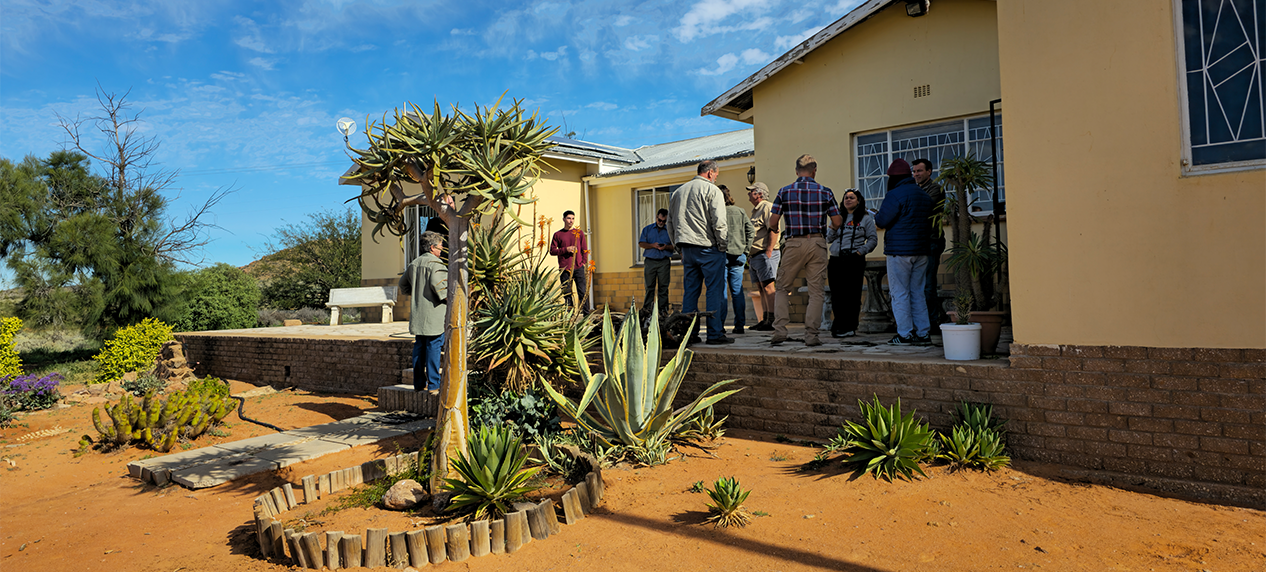
Farmers, landowners and community members gather together with the EWT to discuss solutions to the challenges facing the Drylands


Solving land degradation

Mari and a team of more than 60 local community members have been working closely with several mines and a State-Owned Enterprise in the last 24 years to rehabilitate degraded areas on the West Coast.

They have transplanted more than 4.5 million plants in degraded areas, in many instances augmenting the work being done by some of the mines. Rehabilitation costs are astronomical.

Once the sand has been stabilised, seeds of cultivars found in that particular area is transplanted, invasive alien species are controlled and rows of netting is installed for wind mitigation stabilisation.

Among these are succulents, a vegetation type largely threatened by illegal trade.  Saving these species is proving to be more difficult than previously thought “because we struggle to get the soil to a point where these plants will be able to survive,” says Mari.

They plant cultivars with strong rooting systems such as the Pelargonium, Wag ‘n Bietjie, Buchu, Papierblom, Pendoring (Pin Thorn) and Kapokbos between the rains in the winter to ensure they grow.  This, in turn, attracts birds and other small mammal species back to the area.

For Mari it is important that the aesthetic value of the environment “must remain for when we are not here anymore, in 30 years”.

Sarel believes that the longer-term employment and economic solution for this region is conservation, tourism and other land rehabilitation projects.

Johan Truter and Christiaan Pool add that conservation is the future, but that they don’t have sufficient funding to have their farms declared protected areas.   This is despite their properties already meeting the criteria for Biodiversity Stewardship in terms of vegetation units and the region’s unique biodiversity.

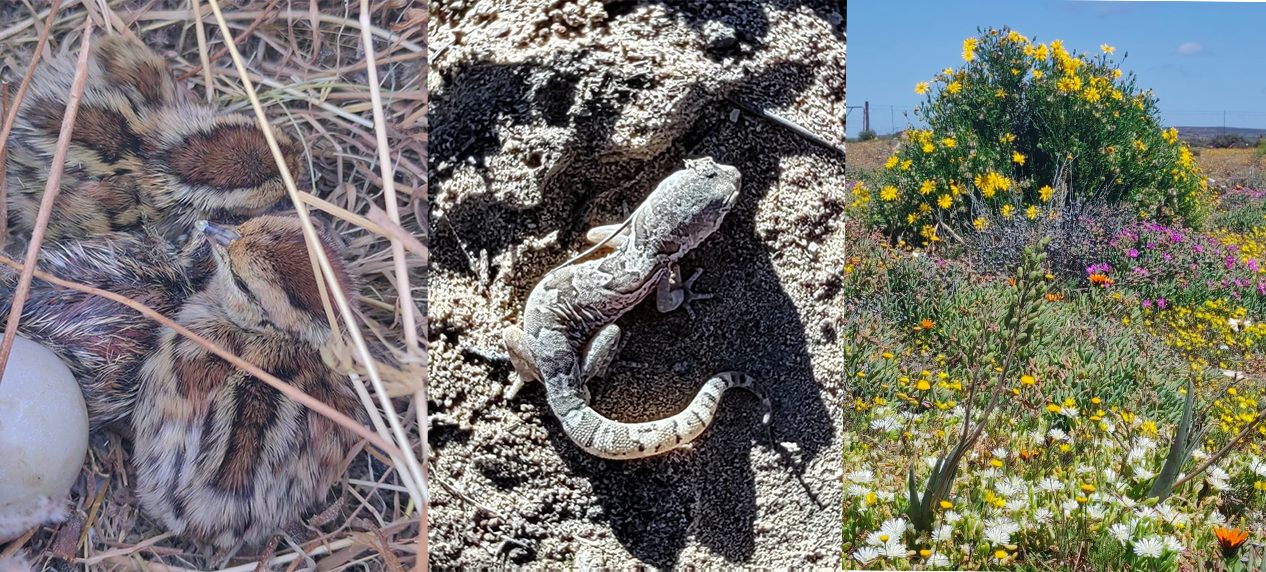
This community is calling for a moratorium on all prospecting in their landscape so that the EWT and other researchers can undertake a proper study of all the species found here.  In the past two years the De Winton’s Golden Mole, for instance, was rediscovered after an absence of 87 years.  The area is home to the Western (“Namaqualand”) tent tortoise (Psammobates tentorius trimeni), Speckled Dwarf Tortoise (Chersobius signatus)—two of the threatened reptile species in South Africa, the Endangered Black Harriers (Circus maurus), and a variety of Threatened and Endemic succulents and invertebrates.

It is also where the EWT is helping communities and landowners to explore alternative income streams to take the pressure off the natural resource base in terms of agricultural production. This includes the introduction of ecotourism activities that not only create jobs, but bring much-needed income to the region. In 2020 and 2024, we officially launched mountain biking,  trail running and the Via Ferrata routes on Papkuilsfontein, near Nieuwoudtville. These trails help diversify farming income through adventure tourism and balances nature-based income generation and farming activities.

Kobus Visser says to succeed as conservancies or protected areas, the Namaqua and Knersvlakte communities need to know what is on their land, thus the importance of working with NGOs such as the EWT.  It is through science and knowledge that success will be achieved, he says, pointing out that were it not for researchers such as Zanné Brink, or Renier Basson of the EWT they would not know that certain tortoise or insect species live on their farms.

He adds that the farmers have learned to live with global warming, adapting their farming practices to ensure the veld remains resilient to climate change.  The Knersvlakte Conservancy, he says, is an area that showcases this—the will of the community to establish something to ensure like-minded conservation outcomes.

“We have all our plans in place and are busy with a proposal to open an office before the end of the year. Then will be able to concentrate on physical projects to increase our knowledge, like insect surveys with the EWT,” he says.

Zanné, the EWTs Drylands Strategic Landscape manager, says continued efforts are ensured through working with provincial authorities to align provincial and national biodiversity legislation and regulations that would further ensure the safeguarding and extension of protected areas and informing Environmental Impact Assessment (EIA) practices.

“To establish a conservancy, other effective area-based conservation measures (OECMs) or a protected area, it starts with the land and the will to ensure the long-term protection of the environment. Within Namaqualand and the Knersvlakte, the community is ready for this opportunity that cannot be lost,” she says.

Saving 84 Vultures: A Landmark Poisoning Response in Kruger National Park

Saving 84 Vultures: A Landmark Poisoning Response in Kruger National Park

Saving 84 Vultures: A Landmark Poisoning Response in Kruger National Park

By Eleanor Momberg, Gareth Tate and John Davies

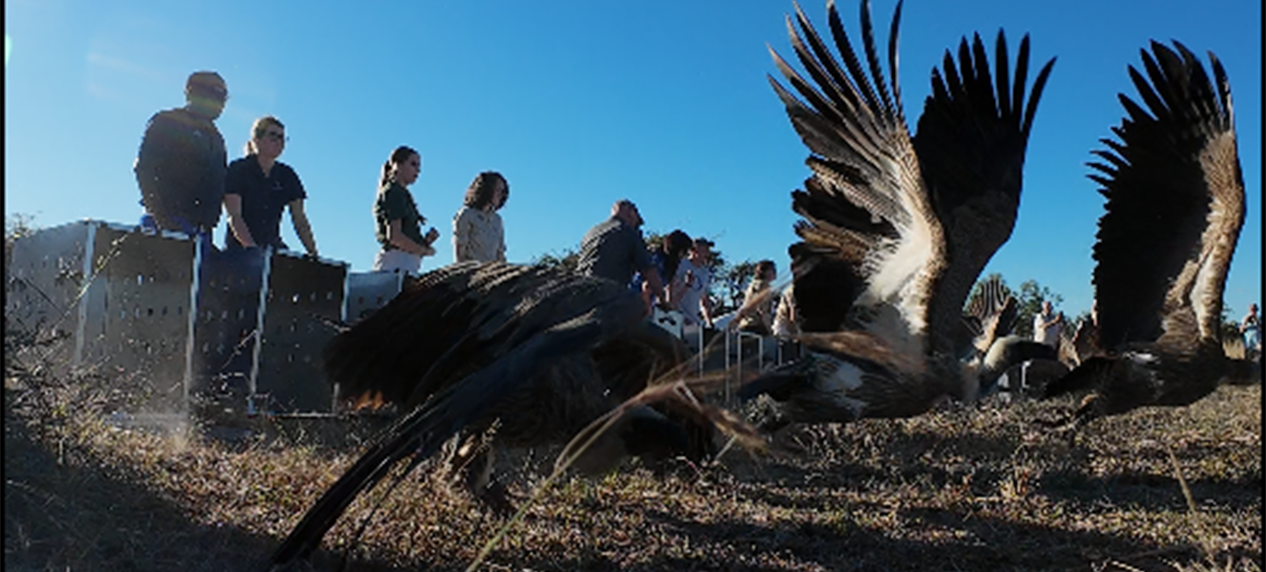
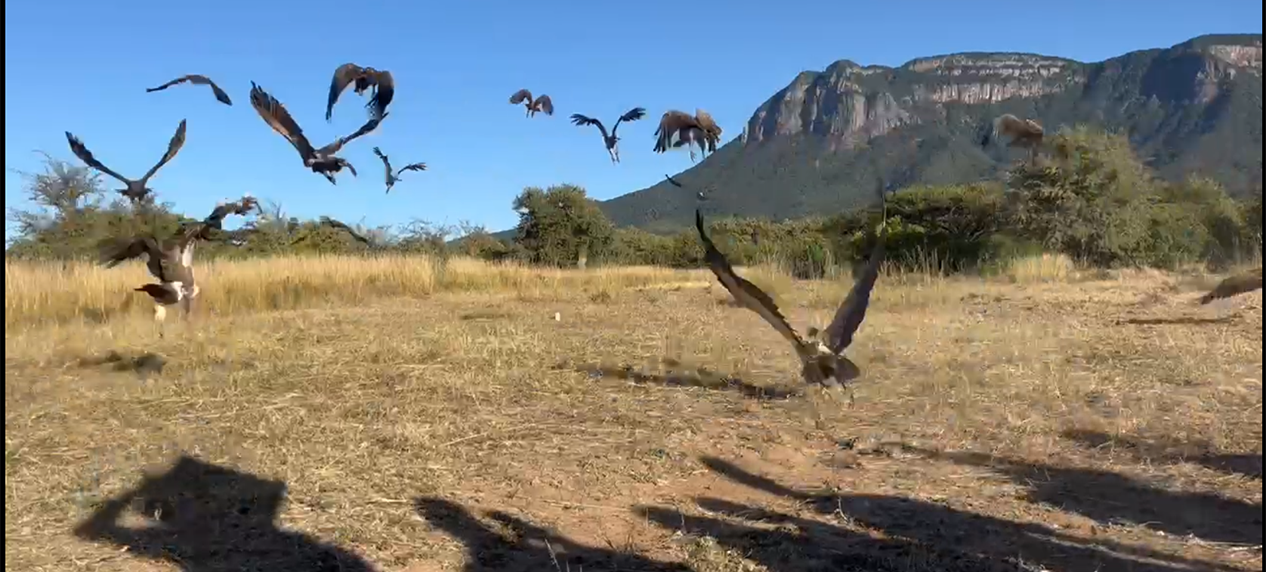
healthy vultures being release after mass poisoning event

Wildlife poisoning has become increasingly prevalent and destructive in recent years, placing pressure on conservation organisations to improve their response times in order to reduce the impact on particularly endangered species.

Because poisoning is a silent, swift, and brutally efficient killer, it not only affects specific animals but leaves a trail of collateral damage, killing thousands of unintended victims and pushing species closer to extinction.    This includes large carnivores such as lions and leopards, as well as hyenas, jackals, and avian scavengers, such as vultures.

It is because of a speedy response on 6 May that the Endangered Wildlife Trust, SANParks and our partners were able to rescue 84 vultures from a poisoning incident at the Mahlangeni Section in the Kruger National Park.

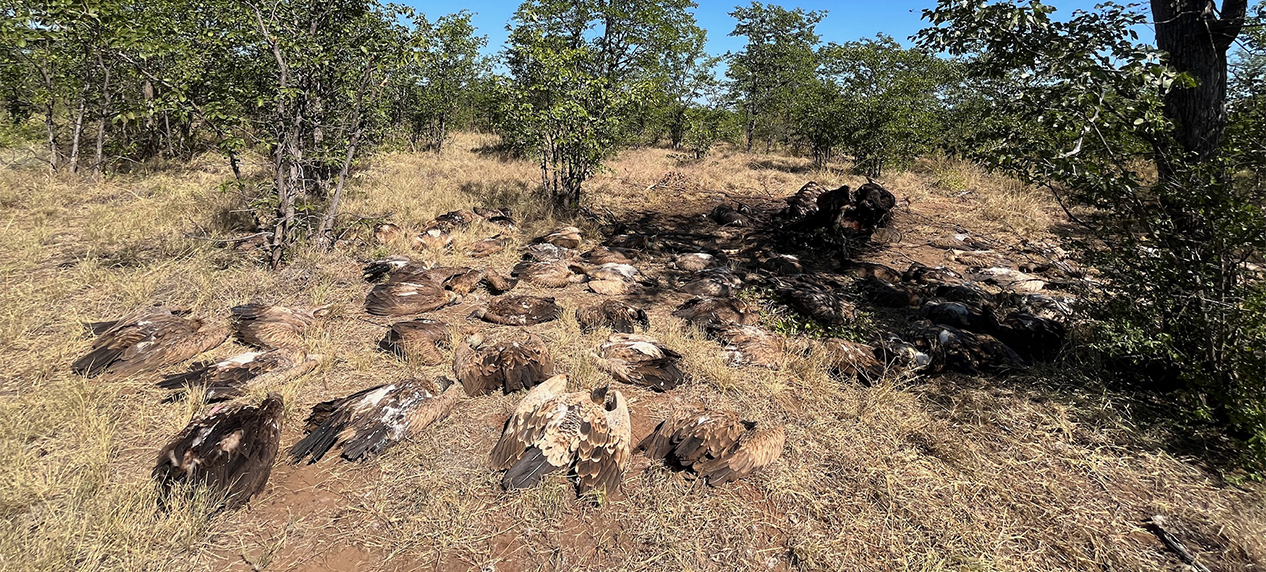
Although wildlife poisoning is an ongoing crisis, the severity of this incident was well beyond what has occurred in recent years.   When rescuers arrived at the scene, they discovered the grim reality: a mass poisoning event involving hundreds of vultures, the result of an elephant carcass laced with highly toxic poison laid by poachers.

In this specific incident, we noticed the previous evening through the EWT’s pioneering wildlife poisoning surveillance and detection system that there was suspicious activity in a high-risk area of the park.   The SANParks section ranger, who flies a Bat Hawk aircraft, was able to fly over the site at first light and immediately provide feedback, indicating that this was a serious incident.


A World-Class Wildlife Rescue Operation

Vultures found dead and alive at the scene of a mass poisoning event

Vultures found dead and alive at the scene of a mass poisoning event

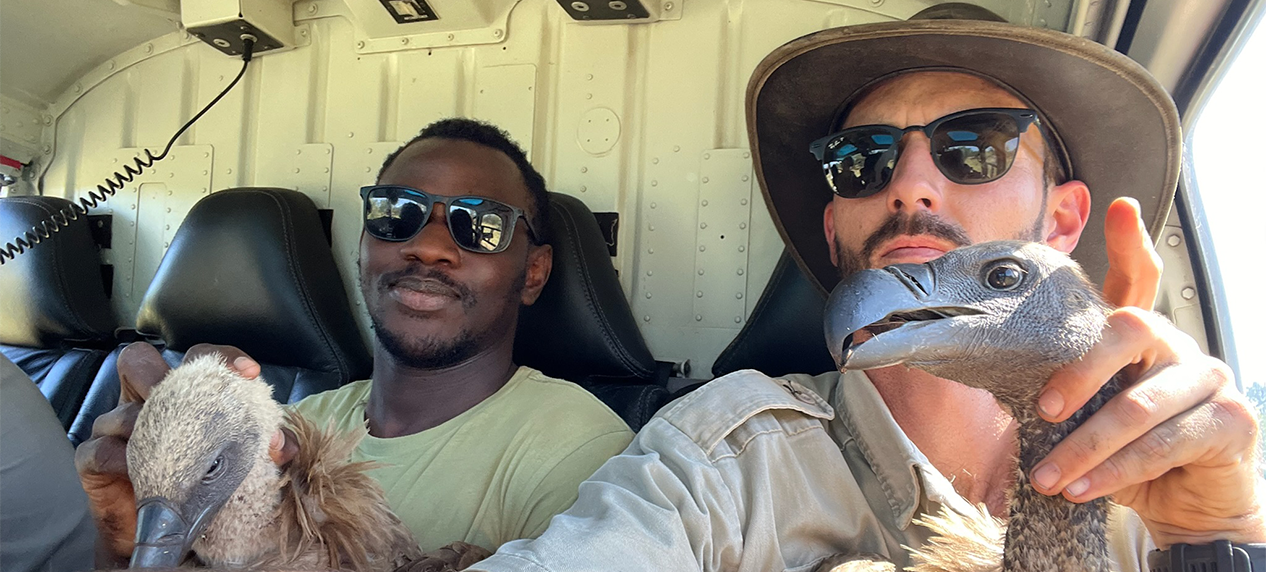
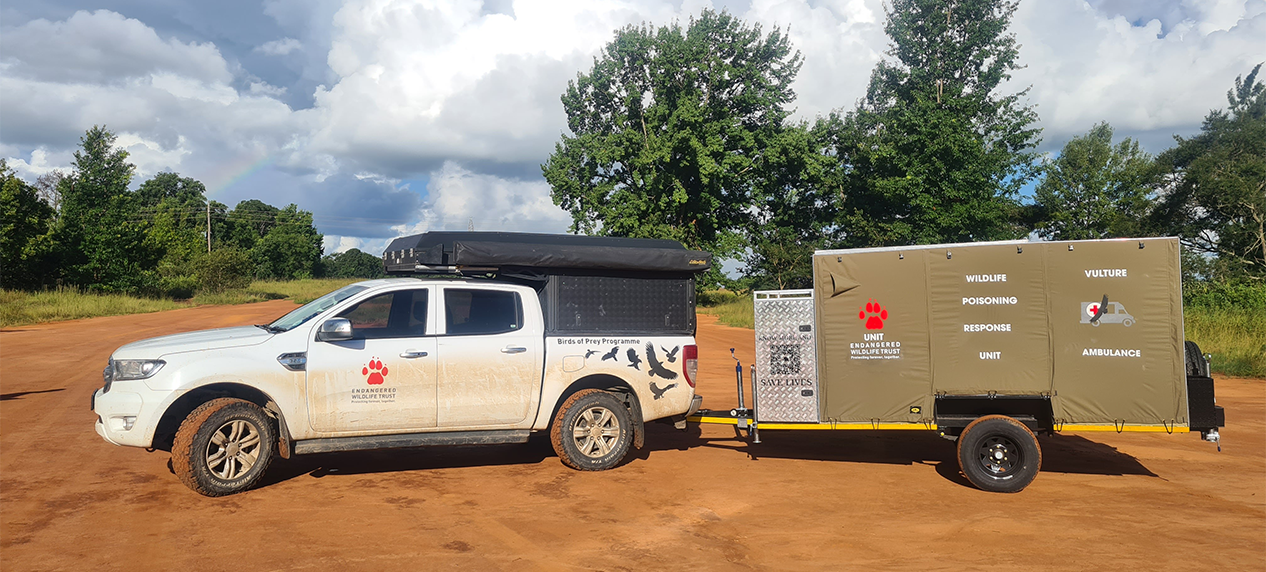
EWT field officer Kyle Walker and Birds of Prey Programme intern Dembo Jatta were ready to enter the Park by 6am and immediately made their way to the scene. In the meantime, the Programme’s senior manager, Gareth Tate, hooked up the EWT’s vulture ambulance, collected vets and rehabilitation staff and raced to an area as close to the scene as possible.

By then, we had already received two immobility alerts, which meant two of the tagged vultures had already died.

The support team included colleagues from the Moholoholo Wildlife Rehabilitation Centre, Briner Veterinary Services and Wildscapes Veterinary Services, SANParks rangers and aerial support and the Hope for Wildlife helicopter.  This was the first time that SANParks helicopters were formally used in a wildlife poisoning rescue of this scale, marking the beginning of similar collaborative rescue operations in future.


First-hand account

Kyle Walker and Dembo Jatta with vultures en-route to treatment facility

Kyle Walker and Dembo Jatta with vultures en-route to treatment facility

Although this was a very traumatic experience and crisis, the timing of everything was absolutely perfect.   There was already a helicopter on the scene, and some of the birds were being treated ahead of the arrival of Gareth and the support teams.

“When we arrived, it was almost like a movie scene when this helicopter appeared on the horizon and came bolting in and banked over us. The goosebumps I had on that day – everything just came together in a way that I could never have imagined into a worldclass rescue response,” said Gareth, adding that the helicopter collected him and the team where they had parked about 3km from the scene.

“My first experience was just live birds everywhere.  I did not even see the poison source and the event, and what Kyle and Dembo and some of the rangers who had never touched a bird in their life had done,” he said.

“Everything just fell into place – vets were treating the birds, getting the poison out of their systems, fluids were being administered, and then we were getting the vultures into the helicopters, which had never been done before,” said Gareth. “Everyone had a job and a role, and that saved 84 birds.”

The live vultures were immediately treated using emergency vulture first aid: atropine, activated charcoal, and fluid therapy.

The rescued vultures were flown either to the SANParks K9 unit in Phalaborwa for stabilisation, or directly to the vulture ambulance before being transported to the Moholoholo Wildlife Rehabilitation Centre in Hoedspruit.  En route, one of the vultures died.  Two others died subsequently.


Treatment and Rehabilitation

Ewt's Vulture Ambulance - a specialised vehicle designed to stabilize vultures en route to veterinary facilities

Ewt’s Vulture Ambulance

Fortunately, treating poisoned animals it is very simplistic, explained John Davies, Birds of Prey Programme manager, detailing the process followed by the EWT team five years ago to develop protocols for incidents such as this.  It was through that work that field officers and rangers carry poisoning treatment kits in backpacks and are able to provide initial treatment until support arrives.

“The first 48 hours are the most critical.  The birds are checked every two to three hours, which is time-consuming,”  says John, adding that he and Lindy Thompson got “bitten to shreds” overnight by birds being treated in cubicles in the ICU section.

Once they were deemed healthy enough, the vultures were released into enclosures in preparation for their release back into the wild, usually within a week.   The EWT Birds of Prey Programme boasts a 96% survival rate for poisoned vultures that are found alive in the last three to four years.

Reacting to poisoning scenes speedily remains the key to success.  This, said John, remained the only stumbling block.  And the only way to effectively respond in a practical time is through the reliance on strong collaborations, as well as technology.


Releasing the birds back into the wild

Vultures being released back into the wild


By the end of May, all the vultures had been returned to the wild.

The tracked birds are doing well, and one was back on its nest in a private reserve with its mate the next morning, and several others have returned to their nests in the Kruger National Park.

Releasing the birds back into the wild is a difficult step, but a necessary one, said Gareth and John.

“We can’t be moving towards a world where vultures are kept in enclosures in the name of vulture conservation.  These birds have gone through a lot of stress and… every bird released with a tracking unit is another layer of cover and another layer of information we can utilise to prevent this from becoming more severe.  We have a full commitment to that stance,” said John.

Fortunately, we’ve already seen an increased focus on dealing with these incidents from the government, and although conservation resources are often quite stretched, it’s an important factor, as high-level support is critical for success.

“It is little things like that that matter to us at the end of the day.  The start of the breeding season is a very risky time.  Some of the vultures haven’t laid eggs, but it is on that cusp.  May is very much the beginning of their breeding season, so a poisoning event such as this is catastrophic,”  said John.


A National Wildlife Tragedy

The scale of the tragedy was staggering: 123 vultures were found dead at the scene – 102 White-backed Vultures and one Lappet-faced Vulture, all listed as endangered or critically endangered species – and 20 Cape Vultures. Of these, 116 were already deceased when the team arrived.

This marked one of the largest vulture poisoning events in Southern Africa, and the most extensive coordinated response effort and rescues to date. Over 20 individuals across conservation, veterinary, and enforcement sectors played a role in the rescue and response. Without rapid detection by the EWT’s wildlife poisoning detection and surveillance system and the unprecedented cooperation between NGOs, rangers, vets, and SANParks aerial and ranger units, many more birds would have been lost.

Gareth and John hold their praise for not only Moholoholo’s team, but also Wildscapes Veterinary Services and Dr. Jessica Briner from Briner Veterinary Services, who has guided a lot of the EWT’s treatment protocols and continues to provide input.

“Without that sort of support, we would not be able to do the job we do.  It just gets better the bigger the pool is,”  said John.


The Growing Threat of Poison Poaching

This horrific incident is part of a broader crisis unfolding across southern Africa: the escalating use of poisons in wildlife poaching. Poachers increasingly use toxins to target high-value species – not just vultures, but also lions, leopards, hyenas and jackals

Although many believe the demand for animal parts for muthi is driving the mass killing of vultures,  the killing of nature’s clean-up crew is largely attributed to the fact that they are a sentinel species, exposing poaching scenes to rangers.  These killings are indiscriminate and ecologically devastating, wiping out entire scavenger communities, contaminating food chains, and risking human health. This is compounded by the bushmeat trade and the use of snares to target wildlife in large protected areas, also closely linked to poisoning events and use.

Police, who were on the scene, are investigating.


Urgent Call to Action

This is not just a conservation issue—it is a wildlife crime emergency. The EWT and its partners call for:

  • Stronger regulations to control the sale and storage of toxic agrochemicals.
  • Harsher penalties for wildlife poisoning offenders.
  • Increased awareness about the devastating impact of using wildlife in traditional medicine.

The public must understand the reality: poison is being weaponised in our protected areas. We are losing iconic species at a terrifying pace, with the local extinction of flagship species such as vultures becoming a sad reality in the near future.

We are heartbroken—but we are not defeated. Our teams are back on the ground, and the fight continues.

Communities and Cranes benefit from Spring Protection project in the KwaZulu-Natal Midlands

Communities and Cranes benefit from Spring Protection project in the KwaZulu-Natal Midlands


Communities and Cranes benefit from Spring Protection project in the KwaZulu-Natal Midlands

By Eleanor Momberg (Communications manager, EWT)  and Samson Phakathi (Snr Community Project Officer, Drakensberg, SA, EWT)

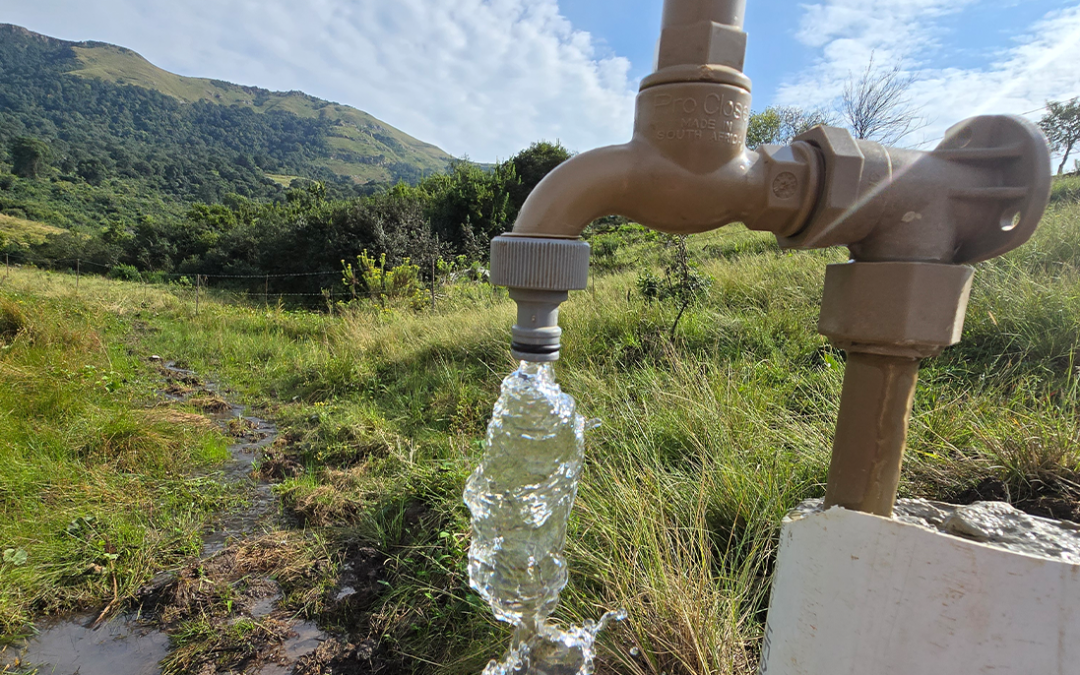
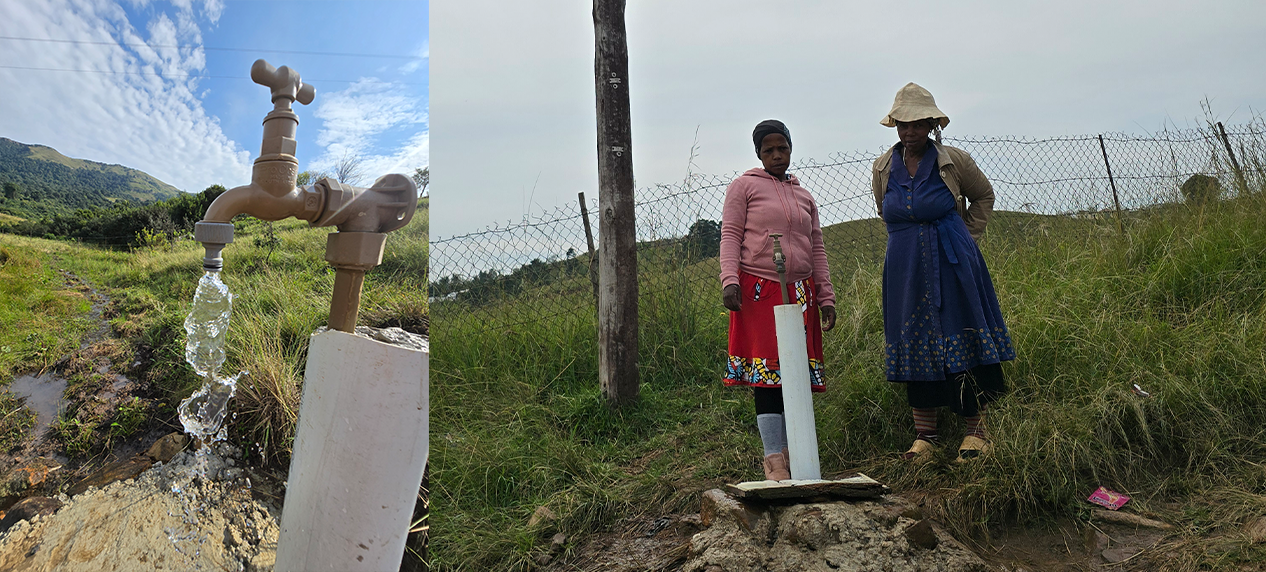
Left: Clean, high pressure water coming from a newly installed tap providing access to spring water otherwise accessed in a dense forest up the mountain. Right: Two women inspecting a second tap installed within the community.


Supplying water to the community of KwaMkhize in the KwaZulu-Natal Midlands not only benefits the people living in this mountainous area but also ensures that Crane species living in an adjacent wetland are protected.

KwaMkhize lies in the shadows of the Drakensberg mountains with Giants Castle looming large in the distance. It is an area of rolling hills and lush veld. It is also an area of extreme poverty, and an area which is difficult to access, given the state of access routes, which have been under construction for some time. The extreme rainfall in recent months has also not helped. But, that rain has fed the many springs in this area ensuring a continuous supply of water to the newly-installed water points in the village by the Endangered Wildlife Trust/International Crane Foundation Partnership(EWT/ICF), and filling the nearby rivers and streams that nourish the wetland home to the Grey Crowned, recently downlisted Wattled and Blue Cranes.

This catchment is home to an estimated 25% of South Africa’s Wattled Cranes and is a critical breeding ground for two of the three crane species – Wattled and Grey Crowned Cranes. But, Cranes are not the only reason the EWT/ICF Partnership is working in this area, also considered one of South Africa’s water factories—a source of water to cities like Johannesburg and eThekwini.
Samson Phakathi, senior community field officer for the EWT/ICF African Crane Conservation Programme, holds much praise for the KwaMkhize community, which has not only taken ownership of its water supply issues, but has, as a collective, worked with the EWT/ICF Partnership since 2016 to address numerous issues of concern. Of late, that has expanded to land use management, which includes planning to remove alien and invasive species such as the Natalie Bramble especially around rehabilitated springs and rangelands used for grazing of cattle, as well as the pollution of rivers and streams, the installation of pit latrines close to springs, and ensuring new housing developments don’t encroach on grazing lands.

Besides working as a collective to ensure all residents have access to clean potable water, the community is set to workshop a landuse plan for the area so that human development does not affect their primary activity—livestock farming.

Many rural areas receive limited access to governmentally supplied services due to the distance the communities are to main roads. Springs are, therefore, vital in these communities. Interacting with communities to better support natural resource management helps protect the landscapes in which cranes in South Africa live, primarily wetlands, grasslands and farming landscapes. Through our Springs project, the EWT/ICF Partnership has protected seven springs across two communities in the Drakensberg, KwaMkhize and Mqatsheni.

Overall, the implementation of the seven spring protection projects has served 2,445 individuals across 292 households, two schools and a clinic that services 150 people a day 365 days a year; therefore, a total of 54,750 individuals benefit from potable water at the clinic.

The key benefits of spring protection include clean potable free water, easy access, enabling children to spend more time in school, improved health of the community, especially the children and a secure water source. Furthermore, the protection prevents cattle from getting stuck in mud and either succumbing or becoming ill from polluted water.

The primary uses of springs were for potable water, cooking, cleaning and washing. However, some households use spring water for watering vegetable gardens and traditional medicines.

All the residents of KwaMkhize rely on springs as a primary source of water. Getting up the mountains to reach the water sources created an opportunity for the EWT/ICF Partnership to bring water to the community through the installation of pipes and taps in key sections of the expansive village.

Because KwaMkhize is a water factory area, it is important that the catchments are protected so that enough water of good quality can be captured to supply the cities, said Phakathi. “We thus need a constant supply of water, and this increases the importance of the area.”

One spring supplies water to hundreds of households. In the past, residents, particularly women and children, trudged to the water sources several times a day to collect water.


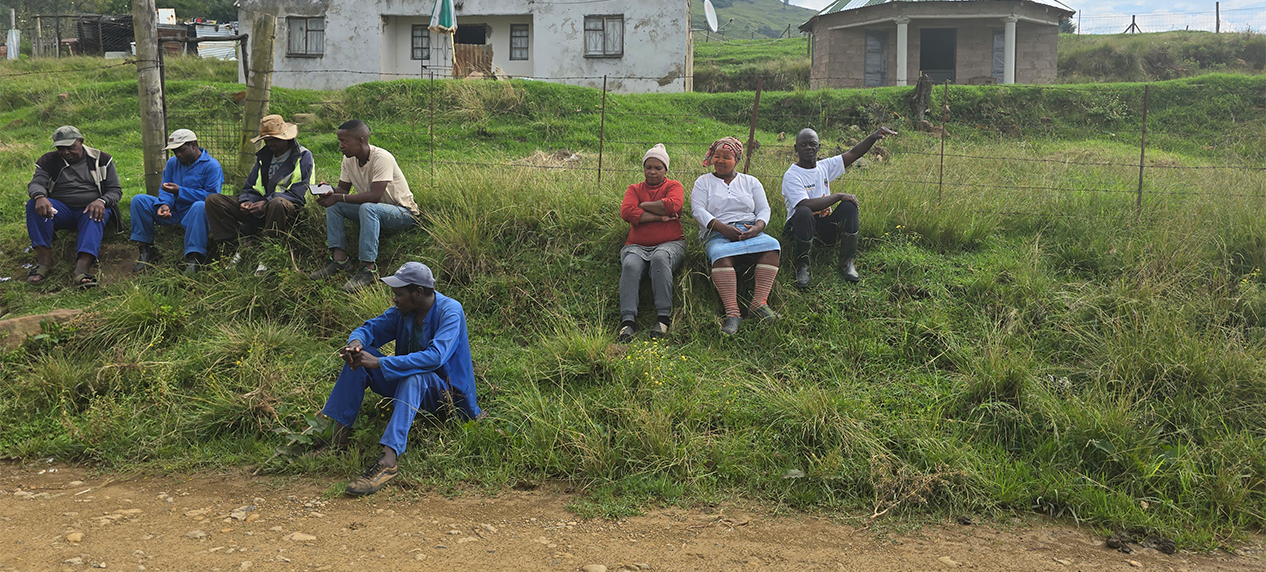
Community members discuss the benefits of the newly installed taps and how these have greatly impacted their lives and those of their families.


“In the past we had to wait two hours for a bucket to fill and then we had to wait because the water was polluted because livestock also drank at source, so we had to wait for pollutants to settle before could use the water,” said 20-year-old Nosipho shortly after she and her sisters had collected buckets of water from a nearby tap. “The water quality we have now is the greatest benefit.”

“This has made our lives much easier,” said an elderly woman as she inspected the recently installed tap.

Close to another spring is a spring silt box, which catches sediment before storing water for community use. This is maintained once every three years to ensure the water being supplied is not dirty.

The pipes from the spring, said Phakathi, are installed in such a way that they do not interrupt the flow of water to streams feeding the wetland. The aim is not to destroy or harm the environment while improving the lives of the community.

“This project has been an eye-opener to learn how a project of this nature has impacted people positively,” said Phakathi.

An important aspect of the EWT/ICF Partnership’s work has been to focus on encouraging the community to take the lead so that once the organisation withdraws from the area, the community is able to live sustainably and be self-reliant, critically important aspects in a rural area such as this.

“The communities are actually participating quite fully from the leadership to the people on the ground,” added Phakathi.

Projects such as this are extremely important, he said, especially since water is a human right but also forms part of one of the Sustainable Development Goals. A project of this nature not only addresses access to water, but also encourages people to sit down and discuss issues of concern and formulate measures, and draw on local capacity to solve problems through participation.
He believes this project is a step in the right direction when it comes to saving Cranes, as the EWT/ICF Partnership has not imposed its will on the people, but rather allowed the community to take the lead while the team advises on how best to manage the area and interact with their immediate environment.

“We are not here to impose on the community, but to work with them,” he said. “As much as we are a conservation organisation, when we approach communities, we don’t look at that as something that we should be pushing, but we look at the challenges that they are facing in order to address their challenges while addressing environmental issues at the same time.”

At a meeting with local indunas, access to water was highlighted as a key issue for KwaMkhize. But, the indunas pointed out, this project has brought with it a number of benefits, especially easier access to clean water. Waterborne diseases, they believe, may be a thing of the past if all community members could eventually have access to spring-fed water points.

The hope was also that the EWT/ICF Partnership could have the ability to mobilise more resources so that the entire community could be accommodated in the long term.

“A project of this nature can do a lot to improve the lives of people, and we are very thankful for a project like this,” said one local induna.

The EWT/ICF Partnership would like to extend a huge debt of gratitude to the Paul King Foundation and the HCI Foundation for providing funding for this important piece of work.

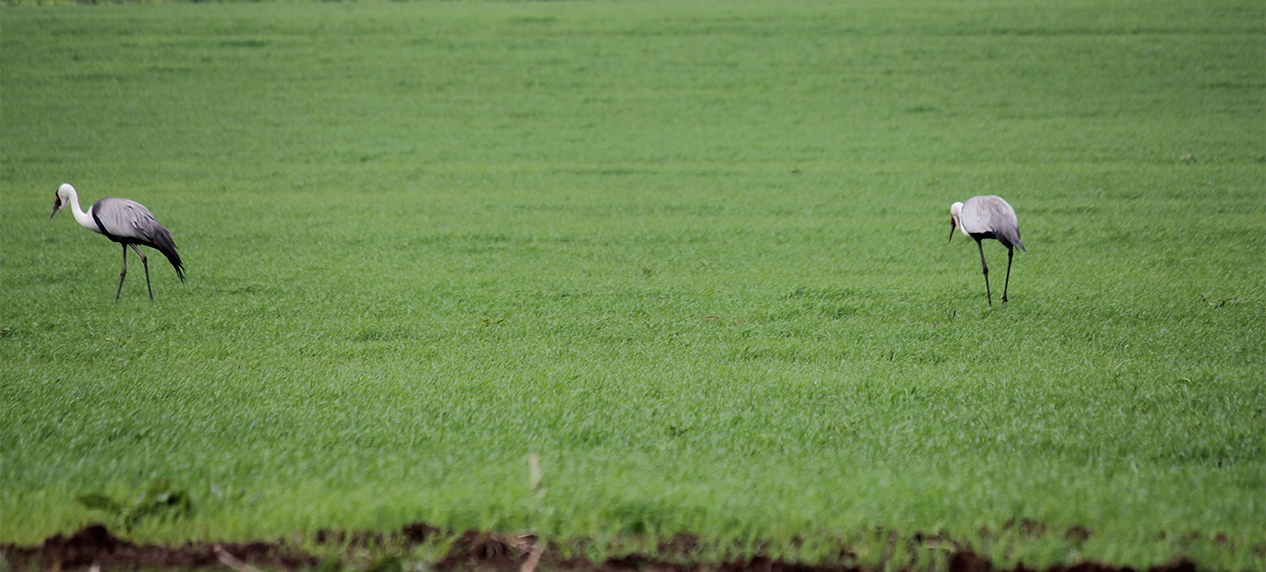
A breeding pair of Wattled Cranes just outside of KwaMkhize. 100 out of the 400 Wattled Cranes that take up residence in South Africa can be found around the KwaMkhize community.


Read more about how we are working to save cranes, conserve their vital habitats, and benefit the people living with them 

Biodiversity and Business Action Plan

Biodiversity and Business Action Plan

A South African business perspective – The EWT’s Biodiversity and Business Action Plan

By Catherine Kühn – Biodiversity Disclosure Project Manager, Endangered wildlife trust

The Biodiversity and Business Action Plan (BBAP) is a cross-sectoral 65-page document which culminates the 2 years of work with Business for Nature.


It is a guidance tool and a feedback resource for South African businesses which captures insights directly from companies to reflect their progress in biodiversity mainstreaming while also supporting them on their journey.


The BBAP offers sector mapping, a roadmap for biodiversity mainstreaming, and key indicators for integrating Target 15 into business practices.

Biodiversity loss is no longer a separate or secondary issue to climate change. It’s a very real and prevalent environmental concern and a business reality. The biodiversity crisis is an urgent and interconnected issue that threatens the stability of natural systems. It is waking up economies, industries, and businesses. As planetary boundaries continue to be pushed beyond safe limits, the consequences are becoming increasingly harder to reverse. If we don’t act collectively and decisively now, we risk tipping the scales beyond recovery. 

As the world moves towards sustainability, South African companies are beginning to recognise that integrating biodiversity into decision-making is not just about compliance – it’s about long-term resilience. Many businesses are already on this journey with some making steady progress; a few are emerging as leaders, while others demonstrate interest but remain uncertain about where to begin. And then there are those yet to wake up to this urgency. But the message is clear: biodiversity action is not optional—it’s a business imperative. 

Our Business Advisory Group (BAG) engagements confirm that businesses need support in biodiversity integration. The Biodiversity and Business Action Plan (BBAP), developed by the EWT’s Biodiversity and Business Unit (BBU), serves as a guidance tool and feedback resource, capturing insights directly from companies to reflect their progress and support their journey. 


Key findings 

There is strong business awareness of biodiversity’s importance—77% of our Business Advisory Group participants see it as extremely important to South Africa’s economy while 100% of respondents acknowledge biodiversity loss as a risk to their company, highlighting the urgent need for action. 

While most companies recognise biodiversity’s importance, 64% are still in the early stages of the journey towards biodiversity action. 

The top three focus areas of companies’ biodiversity efforts are 1. biodiversity initiatives at local sites, 2. employee capacity building and training around biodiversity and 3. meeting biodiversity compliance and reporting obligations. 

Companies are familiar with, amongst others, the International Financial Reporting Standards (IFRS), the King IV report for Corporate Governance in South Africa and the JSE Sustainability 

Disclosure Guidance, yet most lack a formal biodiversity strategy. A total of 60% said they did not have dedicated budgets for biodiversity, highlighting a gap between awareness and action. 

Many companies rely on biodiversity consultants for environmental work, while some have in-house sustainability teams. A total of 85% of respondents said their company needs additional biodiversity training and capacity-building. 

Discussions from the four BAG workshops in 2024 provided valuable insights into how businesses viewed their role in supporting biodiversity targets. The dominant Global Biodiversity Framework (GBF) themes that emerged were ‘Implementation and Mainstreaming’, followed by ‘Reducing Threats’ and ‘Sustainable Use and Benefit Sharing’. 

Notably, there is strong alignment with Target 15 (Business) and Target 19 (Finance), with recognition of Target 19 increasing significantly throughout the BAG process. This shift highlights the growing awareness of the need for financial mechanisms to support biodiversity integration, including investment in nature-positive solutions. 


What does this mean? 

Businesses recognise biodiversity’s importance and risks, yet most are still in early integration stages. Awareness is high, but action, reporting, and investment remain limited. There is a need to embed biodiversity into corporate decision-making, rather than viewing it as an additional expense and burden. With all the respondents recognising biodiversity loss as a risk means there is urgency to develop structured biodiversity strategies. Yet, with most companies still relying on consultants and lacking dedicated budgets for biodiversity, this remains a challenge. 

The reliance on compliance-driven actions rather than proactive biodiversity decisiveness suggests that many businesses are reactive rather than strategic. The high demand for capacity-building (85%) further re-inforces that businesses need more guidance to navigate this. Without adequate skills, knowledge, and funding structures, biodiversity commitments risk remaining future aspirations. 

The results also indicate a need for business-government cohesion, clearer policy direction, stronger incentives, and greater regulatory support to ensure businesses can effectively align with national biodiversity commitments. 


The road ahead 

While the BBAP is a milestone, real change will come from businesses taking ownership of their biodiversity strategies. Businesses must strengthen biodiversity knowledge and skills, supported by standardised reporting frameworks to meaningfully track progress.  There is also a need for collaboration across sectors – including government and NGOs.  Additionally, financial incentives and policy support are needed to encourage and incentivise biodiversity-positive practices. 

From referring to the many frameworks and tools that exist to “framework chaos”, our BAG members have been pivotal in providing honest, constructive and catalytic feedback when it comes to their specific needs, challenges and vision for their business and for their sector. 

Companies require clear roadmaps, sector-specific strategies, and the right tools to integrate biodiversity into operations. However, the lack of dedicated biodiversity roles, capacity and budgets indicates the urgency to make a stronger business case—one that highlights both the risks of inaction and the opportunities of nature-positive practices. 

This process has also proven that businesses have a voice in shaping government policy, contributing to the National Biodiversity Strategic Action Plan (NBSAP) and ensuring corporate commitments are reflected in national targets. This work is a call to action for businesses to take the lead—not just as participants but as pioneers of innovation and sustainability. The journey is challenging, but the opportunity to leave a legacy for generations to come makes it one worth taking. 

From Climate Risks to Community Resilience: EWT’s Impactful Action

From Climate Risks to Community Resilience: EWT’s Impactful Action


From Climate Risks to Community Resilience: EWT’s Impactful Action

By Jenny Botha and Eleanor Momberg

Climate smart agriculture training in schools


The Endangered Wildlife Trust (EWT) implements a range of initiatives that contribute to mitigating and reducing the impacts of climate change through our programmes across southern and East Africa. Among these are projects to address the impact of climate change on the health of communities.

Human health is inextricably linked to biodiversity and environmental health, with the World Health Organisation (WHO) confirming in a report published in October 2024 that climate change presents a fundamental threat to human health.

Climate change not only affects the physical environment and functioning of vital ecosystems that buffer us from extreme weather events and directly contribute to human health, but its effects on social and economic conditions are increasingly undermining human health and well-being. The WHO report states that climate change is a threat multiplier that is reducing and potentially reversing decades of health progress.

Humanitarian emergencies such as drought, heatwaves, wildfires, floods, tropical storms, and hurricanes are increasing in scale, frequency, and intensity. These weather and climate hazards affect health both directly and indirectly, increasing the risk of deaths, non-communicable diseases, the emergence and spread of infectious diseases, and other health emergencies.

In the past decade, extreme weather events have impacted approximately 1.6 billion people and cost the global economy over USD 2 trillion, according to a recent report released by the International Chamber of Commerce. The WHO reports an average of 489,000 heat-related deaths each year between 2000—2019, with these types of deaths having risen by 70% in people over 65 in two decades. The WHO conservatively projects 250,000 additional yearly deaths by the 2030’s due to climate change impacts, including increases in diseases like malaria.

Climate change is also exacerbating water insecurity globally, particularly as increasing populations and high demand are already stretching water allocations in most countries. Similarly, climate change heightens food insecurity, particularly in areas where people depend on dryland agriculture. In 2020, 98 million more people experienced food insecurity compared to the 1981–2010 average, with 770 million facing hunger, predominantly in Africa and Asia, undermining previous progress in addressing this challenge.

The Intergovernmental Panel on Climate Change’s (IPCC) Sixth Assessment Report (AR6) reveals that 3.6 billion people already live in areas highly susceptible to climate change. Despite contributing minimally to global emissions, low-income countries and small island developing states endure the harshest health and livelihood impacts. In vulnerable regions, the death rate from extreme weather events in the last decade was 15 times higher than in less vulnerable ones.

WHO data further indicates that 2 billion people lack safe drinking water and 600 million suffer from foodborne illnesses annually, with children under 5 bearing 30% of foodborne fatalities. Climate stressors heighten waterborne and foodborne disease risks. Temperature and precipitation changes enhance the spread of vector-borne diseases. Without preventive actions, deaths from such diseases, currently over 700,000 annually, may rise.

Climate change also adds to immediate mental health issues such as anxiety, as well as post-traumatic stress and long-term disorders, and compounds social instability, polarisation, and conflict, particularly in cases of human displacement.

Although no-one is safe from these risks, the people whose health is being harmed first and worst by the climate crisis are those who contribute least to its causes, and who are least able to protect themselves and their families against it: people in low-income communities and vulnerable countries and communities. Capturing risks like drought and migration pressures into climate modelling remains challenging, but there is little doubt that urgent, meaningful action is required at national and international level, focusing on the most vulnerable societies while also addressing the root causes of human-induced climate change.

Addressing climate change’s health burden underscores the equity imperative: those most responsible for emissions should bear the highest mitigation and adaptation costs, emphasising health equity and the priorisation of the vulnerable sectors of society.


What are we doing?

The EWT contributes to addressing climate change through multiple integrated strategies starting with the protection of critical landscapes and ecosystems that, in addition to providing habitats for diverse plant and animal species, also act as carbon sinks and contribute to water, air quality, pollination services, and other vital services that we depend on.

Across our programmes in southern and East Africa, we work with landowners and communities to improve the protection and management of their land, water, and other natural resources. These initiatives include expanding formal protection of areas of high conservation value; clearing of alien and bush encroaching plants; improved rangeland management; rehabilitation of degraded ecosystems; and supporting sustainable land use activities. In 2023-24, we supported landowners and communities to secure formal protection of an additional 180,282 hectares of land of strategic conservation importance across diverse landscapes. In many cases, this enables landowners to access carbon and other sustainable financing markets.

The EWT also contributes extensively to policy, planning, and development, including the energy sector, and implements numerous initiatives to strengthen climate resilience and adaptation. This includes partnering with communities to improve human health and resilience to climate change.

In the Western Soutpansberg, Limpopo Province, we collaborate with landowners, communities, and partners to implement diverse projects to strengthen food security and resilience to climate change, improve water management, and reduce the risk of water-borne diseases and contamination of soil and water.

Water, Hygiene and Sanitation (WASH)

The Soutpansberg mountains are highly biodiverse and play an important role in water security in the region. Less than 2% of the mountains were previously formally protected, leading to the EWT establishing the Medike Reserve in the Western Soutpansberg in 2017, and working extensively with landowners to secure protection and improve the integrity of the natural habitats through the removal of alien plants and other measures. To date, the EWT’s remarkable team of rangers has removed 70 hectares of alien and other encroaching plants from the mountains which, together with ongoing maintenance by the landowners, has led to the improved flow of streams and the restoration of a wetland in the area.

We work with primary and secondary schools to improve sanitation and hygiene through the development of interactive lessons and teaching aids on germ transmission and hand washing. As was instilled in all of us during the Covid-19 pandemic, regular washing with soap prevents diarrhea and the transmission of other diseases. To date, we have reached over 700 learners, but ongoing messaging is vital.

We work with secondary schools to reduce health risks and waste arising through the disposal of one-use sanitary pads. Through our Women’s Health project, we have provided over 800 girls and women from three schools with kits consisting of reusable sanitary pads and cleaning materials that will last them 3—5 years. Apart from the substantial reduction of these products into the environment, the project contributes to women’s dignity and helps reduce the costs of basic necessities for girls in communities where unemployment levels are high. Discussions and presentations on menstruation support the girls to gain access to accurate information and open up conversations with their teachers.

In the words of one of the girls who participated in an anonymous, voluntary evaluation of the project,

“They teach that when we going to monthly period, we shall not cry, and is helpful to us, because they teach us about our body and help us to get pads”.


Climate smart agriculture training in schools


Climate resilient agriculture

In 2023, the EWT held a five-day climate-resilient agricultural training course attended by 23 farmers from Kutama in the Western Soutpansberg. After the training course, 14 participants established the Ndouvhada Organic Farming Cooperative, and are now producing vegetables on the CPA’s land. Through this project, the Cooperative received irrigation material and other equipment as well as seeds and other inputs. The Cooperative has also been able to source funding for funding through a state grant facilitated by the Limpopo Department of Agriculture and Rural Development (LEDET).

We are also supporting a second project started by a group of young agriculture graduates in Kutama to provide Agri-Set accredited training to other community members to enable them to cultivate vegetables and improve animal husbandry. The number of participants has far exceeded our expectations, with 100—150 people regularly attending training every weekday morning over the last seven months. The EWT is supporting the group with equipment and seed packs, repair of water tanks, and other inputs, and we are exploring opportunities to strengthen this initiative in the future.

We are also supporting farmers in Buysdorp to improve the sustainability of their agricultural activities. In June 2024, we collaborated with the University of Johannesburg to hold a workshop to assess the extent of existing farming activities in the area and community members’ visions and future plans. Water security and management emerged as a key theme throughout the workshop, together with the need for training to enable farmers and other community members to reduce harmful agricultural impacts through pesticides and fertilisers, and to develop strategies to reduce loss of crops and livestock through human-wildlife conflict. We are now participating in a follow-up project with the University of Johannesburg and other partners to assess and provide recommendations to improve the sustainability and quality of groundwater in Buysdorp, particularly in light of additional demand to meet increasing urbanisation, agriculture, mining, and other human development needs throughout the region.

Working in partnership with organisations and service providers is vital to the success of all our initiatives. In addition to universities and other Not-for-Profit organisations, we collaborate with the Limpopo department of economic development, environment and tourism (LEDET) to enable us synergise resources and strengthen benefits and support to community partners over time. Building climate resilience is a long-term process and it is important to ensure that small-holder farmers are not left behind.