Communities and Cranes benefit from Spring Protection project in the KwaZulu-Natal Midlands

Communities and Cranes benefit from Spring Protection project in the KwaZulu-Natal Midlands


Communities and Cranes benefit from Spring Protection project in the KwaZulu-Natal Midlands

By Eleanor Momberg (Communications manager, EWT)  and Samson Phakathi (Snr Community Project Officer, Drakensberg, SA, EWT)
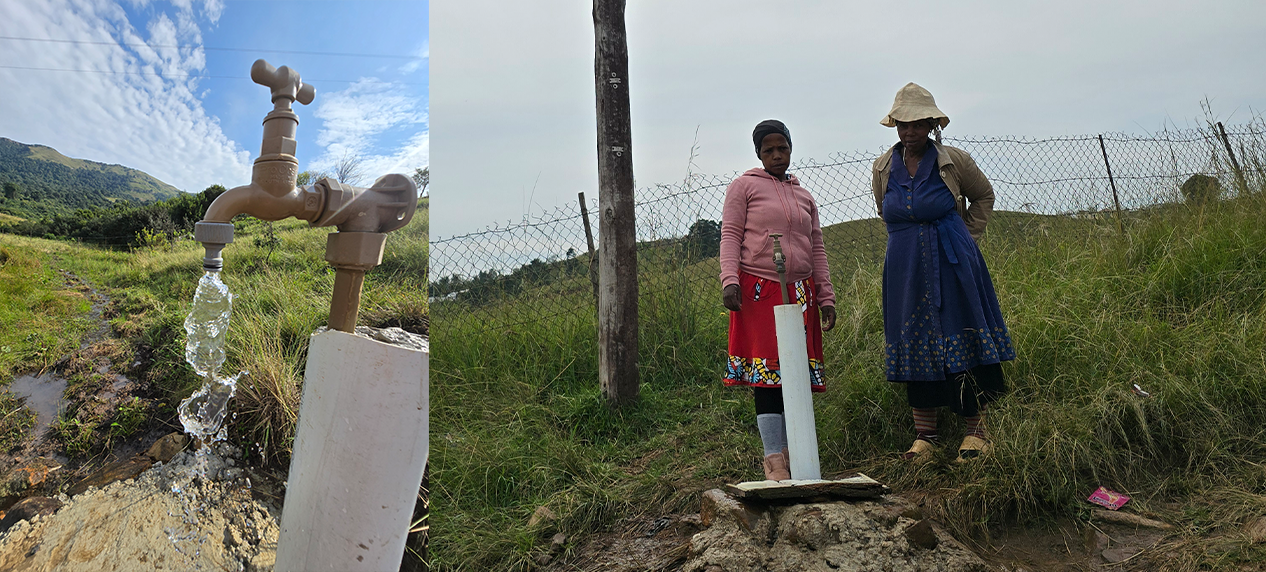
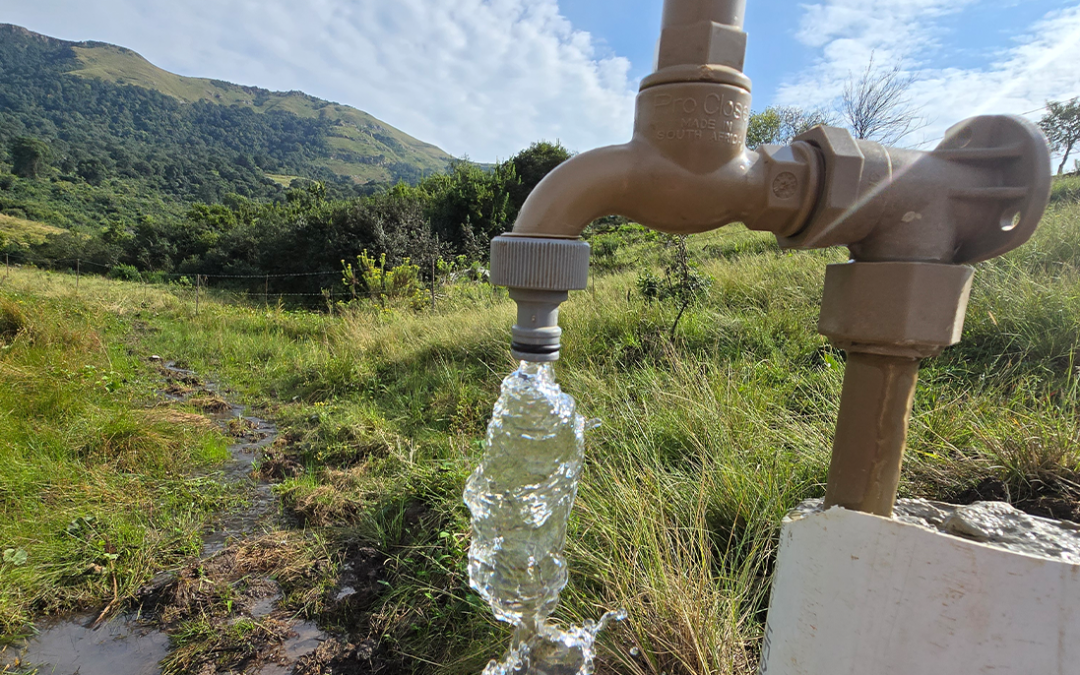
Left: Clean, high pressure water coming from a newly installed tap providing access to spring water otherwise accessed in a dense forest up the mountain. Right: Two women inspecting a second tap installed within the community.


Supplying water to the community of KwaMkhize in the KwaZulu-Natal Midlands not only benefits the people living in this mountainous area but also ensures that Crane species living in an adjacent wetland are protected.

KwaMkhize lies in the shadows of the Drakensberg mountains with Giants Castle looming large in the distance. It is an area of rolling hills and lush veld. It is also an area of extreme poverty, and an area which is difficult to access, given the state of access routes, which have been under construction for some time. The extreme rainfall in recent months has also not helped. But, that rain has fed the many springs in this area ensuring a continuous supply of water to the newly-installed water points in the village by the Endangered Wildlife Trust/International Crane Foundation Partnership(EWT/ICF), and filling the nearby rivers and streams that nourish the wetland home to the Grey Crowned, recently downlisted Wattled and Blue Cranes.

This catchment is home to an estimated 25% of South Africa’s Wattled Cranes and is a critical breeding ground for two of the three crane species – Wattled and Grey Crowned Cranes. But, Cranes are not the only reason the EWT/ICF Partnership is working in this area, also considered one of South Africa’s water factories—a source of water to cities like Johannesburg and eThekwini.
Samson Phakathi, senior community field officer for the EWT/ICF African Crane Conservation Programme, holds much praise for the KwaMkhize community, which has not only taken ownership of its water supply issues, but has, as a collective, worked with the EWT/ICF Partnership since 2016 to address numerous issues of concern. Of late, that has expanded to land use management, which includes planning to remove alien and invasive species such as the Natalie Bramble especially around rehabilitated springs and rangelands used for grazing of cattle, as well as the pollution of rivers and streams, the installation of pit latrines close to springs, and ensuring new housing developments don’t encroach on grazing lands.

Besides working as a collective to ensure all residents have access to clean potable water, the community is set to workshop a landuse plan for the area so that human development does not affect their primary activity—livestock farming.

Many rural areas receive limited access to governmentally supplied services due to the distance the communities are to main roads. Springs are, therefore, vital in these communities. Interacting with communities to better support natural resource management helps protect the landscapes in which cranes in South Africa live, primarily wetlands, grasslands and farming landscapes. Through our Springs project, the EWT/ICF Partnership has protected seven springs across two communities in the Drakensberg, KwaMkhize and Mqatsheni.

Overall, the implementation of the seven spring protection projects has served 2,445 individuals across 292 households, two schools and a clinic that services 150 people a day 365 days a year; therefore, a total of 54,750 individuals benefit from potable water at the clinic.

The key benefits of spring protection include clean potable free water, easy access, enabling children to spend more time in school, improved health of the community, especially the children and a secure water source. Furthermore, the protection prevents cattle from getting stuck in mud and either succumbing or becoming ill from polluted water.

The primary uses of springs were for potable water, cooking, cleaning and washing. However, some households use spring water for watering vegetable gardens and traditional medicines.

All the residents of KwaMkhize rely on springs as a primary source of water. Getting up the mountains to reach the water sources created an opportunity for the EWT/ICF Partnership to bring water to the community through the installation of pipes and taps in key sections of the expansive village.

Because KwaMkhize is a water factory area, it is important that the catchments are protected so that enough water of good quality can be captured to supply the cities, said Phakathi. “We thus need a constant supply of water, and this increases the importance of the area.”

One spring supplies water to hundreds of households. In the past, residents, particularly women and children, trudged to the water sources several times a day to collect water.
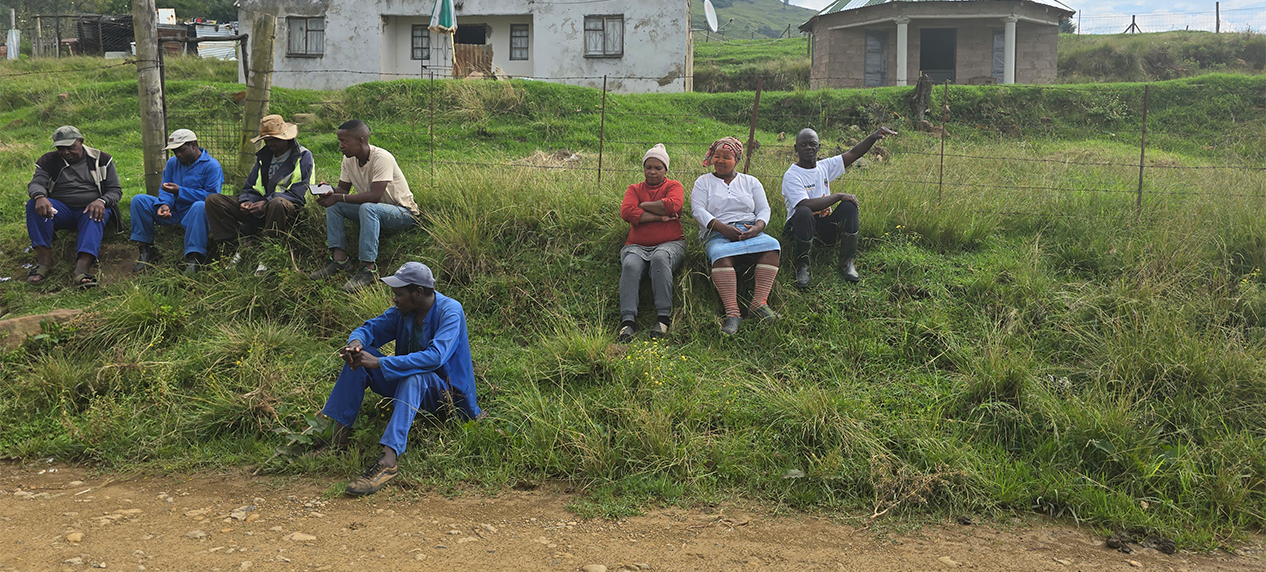
 

Community members discuss the benefits of the newly installed taps and how these have greatly impacted their lives and those of their families.


“In the past we had to wait two hours for a bucket to fill and then we had to wait because the water was polluted because livestock also drank at source, so we had to wait for pollutants to settle before could use the water,” said 20-year-old Nosipho shortly after she and her sisters had collected buckets of water from a nearby tap. “The water quality we have now is the greatest benefit.”

“This has made our lives much easier,” said an elderly woman as she inspected the recently installed tap.

Close to another spring is a spring silt box, which catches sediment before storing water for community use. This is maintained once every three years to ensure the water being supplied is not dirty.

The pipes from the spring, said Phakathi, are installed in such a way that they do not interrupt the flow of water to streams feeding the wetland. The aim is not to destroy or harm the environment while improving the lives of the community.

“This project has been an eye-opener to learn how a project of this nature has impacted people positively,” said Phakathi.

An important aspect of the EWT/ICF Partnership’s work has been to focus on encouraging the community to take the lead so that once the organisation withdraws from the area, the community is able to live sustainably and be self-reliant, critically important aspects in a rural area such as this.

“The communities are actually participating quite fully from the leadership to the people on the ground,” added Phakathi.

Projects such as this are extremely important, he said, especially since water is a human right but also forms part of one of the Sustainable Development Goals. A project of this nature not only addresses access to water, but also encourages people to sit down and discuss issues of concern and formulate measures, and draw on local capacity to solve problems through participation.
He believes this project is a step in the right direction when it comes to saving Cranes, as the EWT/ICF Partnership has not imposed its will on the people, but rather allowed the community to take the lead while the team advises on how best to manage the area and interact with their immediate environment.

“We are not here to impose on the community, but to work with them,” he said. “As much as we are a conservation organisation, when we approach communities, we don’t look at that as something that we should be pushing, but we look at the challenges that they are facing in order to address their challenges while addressing environmental issues at the same time.”

At a meeting with local indunas, access to water was highlighted as a key issue for KwaMkhize. But, the indunas pointed out, this project has brought with it a number of benefits, especially easier access to clean water. Waterborne diseases, they believe, may be a thing of the past if all community members could eventually have access to spring-fed water points.

The hope was also that the EWT/ICF Partnership could have the ability to mobilise more resources so that the entire community could be accommodated in the long term.

“A project of this nature can do a lot to improve the lives of people, and we are very thankful for a project like this,” said one local induna.

The EWT/ICF Partnership would like to extend a huge debt of gratitude to the Paul King Foundation and the HCI Foundation for providing funding for this important piece of work.
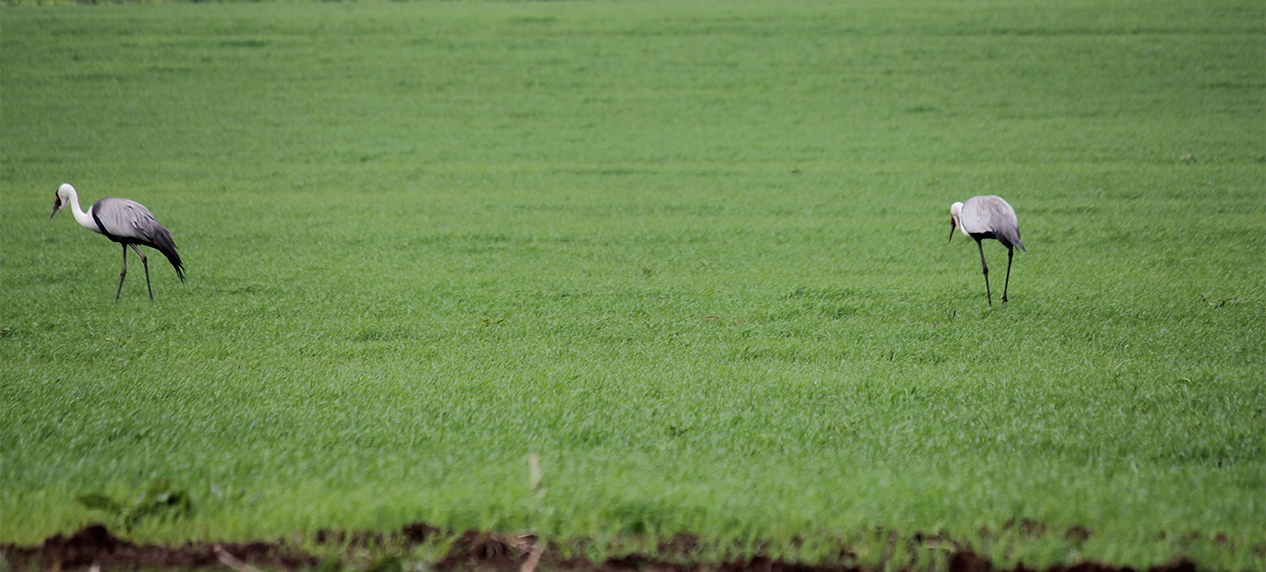
A breeding pair of Wattled Cranes just outside of KwaMkhize. 100 out of the 400 Wattled Cranes that take up residence in South Africa can be found around the KwaMkhize community.


Read more about how we are working to save cranes, conserve their vital habitats, and benefit the people living with them 

Biodiversity and Business Action Plan

Biodiversity and Business Action Plan

A South African business perspective – The EWT’s Biodiversity and Business Action Plan

By Catherine Kühn – Biodiversity Disclosure Project Manager, Endangered wildlife trust

The Biodiversity and Business Action Plan (BBAP) is a cross-sectoral 65-page document which culminates the 2 years of work with Business for Nature.


It is a guidance tool and a feedback resource for South African businesses which captures insights directly from companies to reflect their progress in biodiversity mainstreaming while also supporting them on their journey.


The BBAP offers sector mapping, a roadmap for biodiversity mainstreaming, and key indicators for integrating Target 15 into business practices.

Biodiversity loss is no longer a separate or secondary issue to climate change. It’s a very real and prevalent environmental concern and a business reality. The biodiversity crisis is an urgent and interconnected issue that threatens the stability of natural systems. It is waking up economies, industries, and businesses. As planetary boundaries continue to be pushed beyond safe limits, the consequences are becoming increasingly harder to reverse. If we don’t act collectively and decisively now, we risk tipping the scales beyond recovery. 

As the world moves towards sustainability, South African companies are beginning to recognise that integrating biodiversity into decision-making is not just about compliance – it’s about long-term resilience. Many businesses are already on this journey with some making steady progress; a few are emerging as leaders, while others demonstrate interest but remain uncertain about where to begin. And then there are those yet to wake up to this urgency. But the message is clear: biodiversity action is not optional—it’s a business imperative. 

Our Business Advisory Group (BAG) engagements confirm that businesses need support in biodiversity integration. The Biodiversity and Business Action Plan (BBAP), developed by the EWT’s Biodiversity and Business Unit (BBU), serves as a guidance tool and feedback resource, capturing insights directly from companies to reflect their progress and support their journey. 


Key findings 

There is strong business awareness of biodiversity’s importance—77% of our Business Advisory Group participants see it as extremely important to South Africa’s economy while 100% of respondents acknowledge biodiversity loss as a risk to their company, highlighting the urgent need for action. 

While most companies recognise biodiversity’s importance, 64% are still in the early stages of the journey towards biodiversity action. 

The top three focus areas of companies’ biodiversity efforts are 1. biodiversity initiatives at local sites, 2. employee capacity building and training around biodiversity and 3. meeting biodiversity compliance and reporting obligations. 

Companies are familiar with, amongst others, the International Financial Reporting Standards (IFRS), the King IV report for Corporate Governance in South Africa and the JSE Sustainability 

Disclosure Guidance, yet most lack a formal biodiversity strategy. A total of 60% said they did not have dedicated budgets for biodiversity, highlighting a gap between awareness and action. 

Many companies rely on biodiversity consultants for environmental work, while some have in-house sustainability teams. A total of 85% of respondents said their company needs additional biodiversity training and capacity-building. 

Discussions from the four BAG workshops in 2024 provided valuable insights into how businesses viewed their role in supporting biodiversity targets. The dominant Global Biodiversity Framework (GBF) themes that emerged were ‘Implementation and Mainstreaming’, followed by ‘Reducing Threats’ and ‘Sustainable Use and Benefit Sharing’. 

Notably, there is strong alignment with Target 15 (Business) and Target 19 (Finance), with recognition of Target 19 increasing significantly throughout the BAG process. This shift highlights the growing awareness of the need for financial mechanisms to support biodiversity integration, including investment in nature-positive solutions. 


What does this mean? 

Businesses recognise biodiversity’s importance and risks, yet most are still in early integration stages. Awareness is high, but action, reporting, and investment remain limited. There is a need to embed biodiversity into corporate decision-making, rather than viewing it as an additional expense and burden. With all the respondents recognising biodiversity loss as a risk means there is urgency to develop structured biodiversity strategies. Yet, with most companies still relying on consultants and lacking dedicated budgets for biodiversity, this remains a challenge. 

The reliance on compliance-driven actions rather than proactive biodiversity decisiveness suggests that many businesses are reactive rather than strategic. The high demand for capacity-building (85%) further re-inforces that businesses need more guidance to navigate this. Without adequate skills, knowledge, and funding structures, biodiversity commitments risk remaining future aspirations. 

The results also indicate a need for business-government cohesion, clearer policy direction, stronger incentives, and greater regulatory support to ensure businesses can effectively align with national biodiversity commitments. 


The road ahead 

While the BBAP is a milestone, real change will come from businesses taking ownership of their biodiversity strategies. Businesses must strengthen biodiversity knowledge and skills, supported by standardised reporting frameworks to meaningfully track progress.  There is also a need for collaboration across sectors – including government and NGOs.  Additionally, financial incentives and policy support are needed to encourage and incentivise biodiversity-positive practices. 

From referring to the many frameworks and tools that exist to “framework chaos”, our BAG members have been pivotal in providing honest, constructive and catalytic feedback when it comes to their specific needs, challenges and vision for their business and for their sector. 

Companies require clear roadmaps, sector-specific strategies, and the right tools to integrate biodiversity into operations. However, the lack of dedicated biodiversity roles, capacity and budgets indicates the urgency to make a stronger business case—one that highlights both the risks of inaction and the opportunities of nature-positive practices. 

This process has also proven that businesses have a voice in shaping government policy, contributing to the National Biodiversity Strategic Action Plan (NBSAP) and ensuring corporate commitments are reflected in national targets. This work is a call to action for businesses to take the lead—not just as participants but as pioneers of innovation and sustainability. The journey is challenging, but the opportunity to leave a legacy for generations to come makes it one worth taking. 

From Climate Risks to Community Resilience: EWT’s Impactful Action

From Climate Risks to Community Resilience: EWT’s Impactful Action


From Climate Risks to Community Resilience: EWT’s Impactful Action

By Jenny Botha and Eleanor Momberg

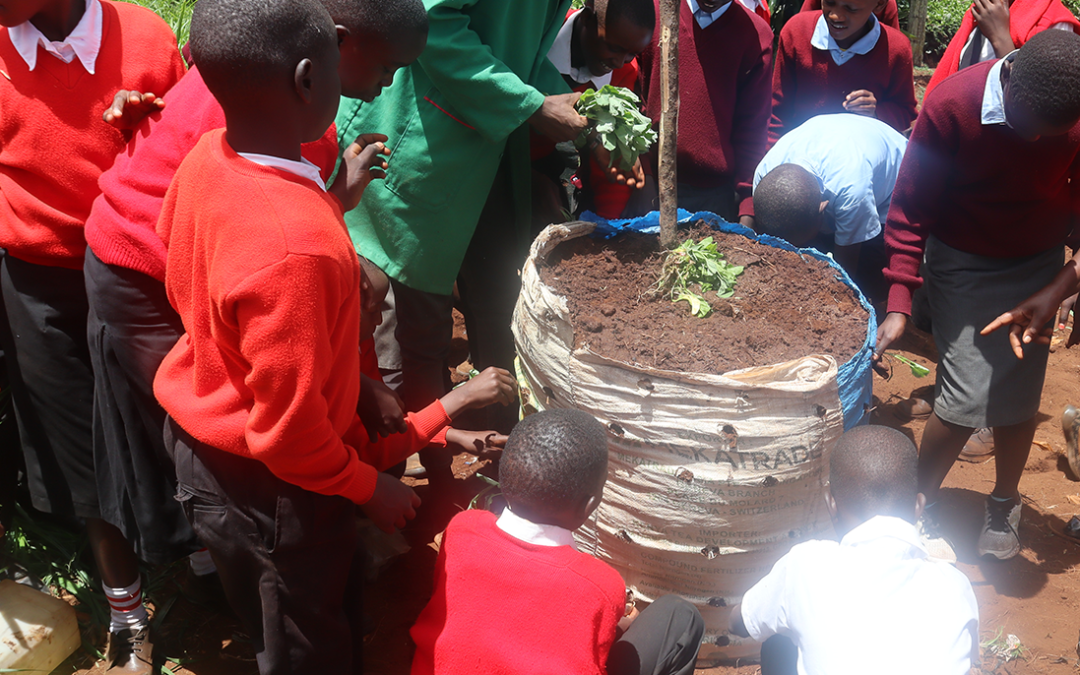
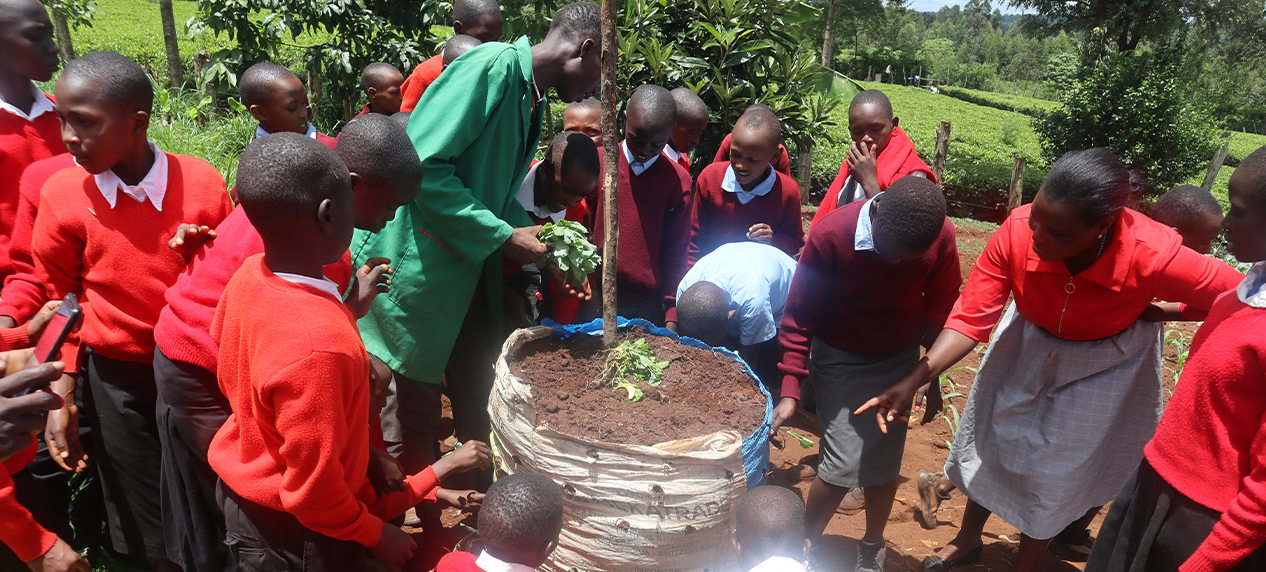
Climate smart agriculture training in schools


The Endangered Wildlife Trust (EWT) implements a range of initiatives that contribute to mitigating and reducing the impacts of climate change through our programmes across southern and East Africa. Among these are projects to address the impact of climate change on the health of communities.

Human health is inextricably linked to biodiversity and environmental health, with the World Health Organisation (WHO) confirming in a report published in October 2024 that climate change presents a fundamental threat to human health.

Climate change not only affects the physical environment and functioning of vital ecosystems that buffer us from extreme weather events and directly contribute to human health, but its effects on social and economic conditions are increasingly undermining human health and well-being. The WHO report states that climate change is a threat multiplier that is reducing and potentially reversing decades of health progress.

Humanitarian emergencies such as drought, heatwaves, wildfires, floods, tropical storms, and hurricanes are increasing in scale, frequency, and intensity. These weather and climate hazards affect health both directly and indirectly, increasing the risk of deaths, non-communicable diseases, the emergence and spread of infectious diseases, and other health emergencies.

In the past decade, extreme weather events have impacted approximately 1.6 billion people and cost the global economy over USD 2 trillion, according to a recent report released by the International Chamber of Commerce. The WHO reports an average of 489,000 heat-related deaths each year between 2000—2019, with these types of deaths having risen by 70% in people over 65 in two decades. The WHO conservatively projects 250,000 additional yearly deaths by the 2030’s due to climate change impacts, including increases in diseases like malaria.

Climate change is also exacerbating water insecurity globally, particularly as increasing populations and high demand are already stretching water allocations in most countries. Similarly, climate change heightens food insecurity, particularly in areas where people depend on dryland agriculture. In 2020, 98 million more people experienced food insecurity compared to the 1981–2010 average, with 770 million facing hunger, predominantly in Africa and Asia, undermining previous progress in addressing this challenge.

The Intergovernmental Panel on Climate Change’s (IPCC) Sixth Assessment Report (AR6) reveals that 3.6 billion people already live in areas highly susceptible to climate change. Despite contributing minimally to global emissions, low-income countries and small island developing states endure the harshest health and livelihood impacts. In vulnerable regions, the death rate from extreme weather events in the last decade was 15 times higher than in less vulnerable ones.

WHO data further indicates that 2 billion people lack safe drinking water and 600 million suffer from foodborne illnesses annually, with children under 5 bearing 30% of foodborne fatalities. Climate stressors heighten waterborne and foodborne disease risks. Temperature and precipitation changes enhance the spread of vector-borne diseases. Without preventive actions, deaths from such diseases, currently over 700,000 annually, may rise.

Climate change also adds to immediate mental health issues such as anxiety, as well as post-traumatic stress and long-term disorders, and compounds social instability, polarisation, and conflict, particularly in cases of human displacement.

Although no-one is safe from these risks, the people whose health is being harmed first and worst by the climate crisis are those who contribute least to its causes, and who are least able to protect themselves and their families against it: people in low-income communities and vulnerable countries and communities. Capturing risks like drought and migration pressures into climate modelling remains challenging, but there is little doubt that urgent, meaningful action is required at national and international level, focusing on the most vulnerable societies while also addressing the root causes of human-induced climate change.

Addressing climate change’s health burden underscores the equity imperative: those most responsible for emissions should bear the highest mitigation and adaptation costs, emphasising health equity and the priorisation of the vulnerable sectors of society.


What are we doing?

The EWT contributes to addressing climate change through multiple integrated strategies starting with the protection of critical landscapes and ecosystems that, in addition to providing habitats for diverse plant and animal species, also act as carbon sinks and contribute to water, air quality, pollination services, and other vital services that we depend on.

Across our programmes in southern and East Africa, we work with landowners and communities to improve the protection and management of their land, water, and other natural resources. These initiatives include expanding formal protection of areas of high conservation value; clearing of alien and bush encroaching plants; improved rangeland management; rehabilitation of degraded ecosystems; and supporting sustainable land use activities. In 2023-24, we supported landowners and communities to secure formal protection of an additional 180,282 hectares of land of strategic conservation importance across diverse landscapes. In many cases, this enables landowners to access carbon and other sustainable financing markets.

The EWT also contributes extensively to policy, planning, and development, including the energy sector, and implements numerous initiatives to strengthen climate resilience and adaptation. This includes partnering with communities to improve human health and resilience to climate change.

In the Western Soutpansberg, Limpopo Province, we collaborate with landowners, communities, and partners to implement diverse projects to strengthen food security and resilience to climate change, improve water management, and reduce the risk of water-borne diseases and contamination of soil and water.

Water, Hygiene and Sanitation (WASH)

The Soutpansberg mountains are highly biodiverse and play an important role in water security in the region. Less than 2% of the mountains were previously formally protected, leading to the EWT establishing the Medike Reserve in the Western Soutpansberg in 2017, and working extensively with landowners to secure protection and improve the integrity of the natural habitats through the removal of alien plants and other measures. To date, the EWT’s remarkable team of rangers has removed 70 hectares of alien and other encroaching plants from the mountains which, together with ongoing maintenance by the landowners, has led to the improved flow of streams and the restoration of a wetland in the area.

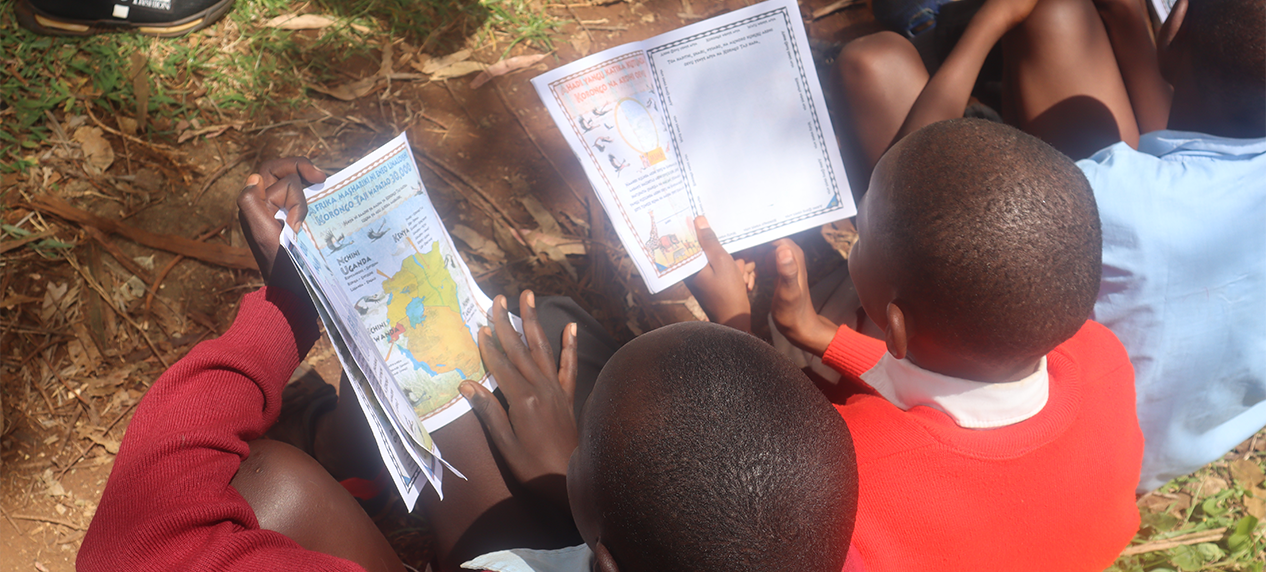
We work with primary and secondary schools to improve sanitation and hygiene through the development of interactive lessons and teaching aids on germ transmission and hand washing. As was instilled in all of us during the Covid-19 pandemic, regular washing with soap prevents diarrhea and the transmission of other diseases. To date, we have reached over 700 learners, but ongoing messaging is vital.

We work with secondary schools to reduce health risks and waste arising through the disposal of one-use sanitary pads. Through our Women’s Health project, we have provided over 800 girls and women from three schools with kits consisting of reusable sanitary pads and cleaning materials that will last them 3—5 years. Apart from the substantial reduction of these products into the environment, the project contributes to women’s dignity and helps reduce the costs of basic necessities for girls in communities where unemployment levels are high. Discussions and presentations on menstruation support the girls to gain access to accurate information and open up conversations with their teachers.

In the words of one of the girls who participated in an anonymous, voluntary evaluation of the project,

“They teach that when we going to monthly period, we shall not cry, and is helpful to us, because they teach us about our body and help us to get pads”.


Climate smart agriculture training in schools


Climate resilient agriculture

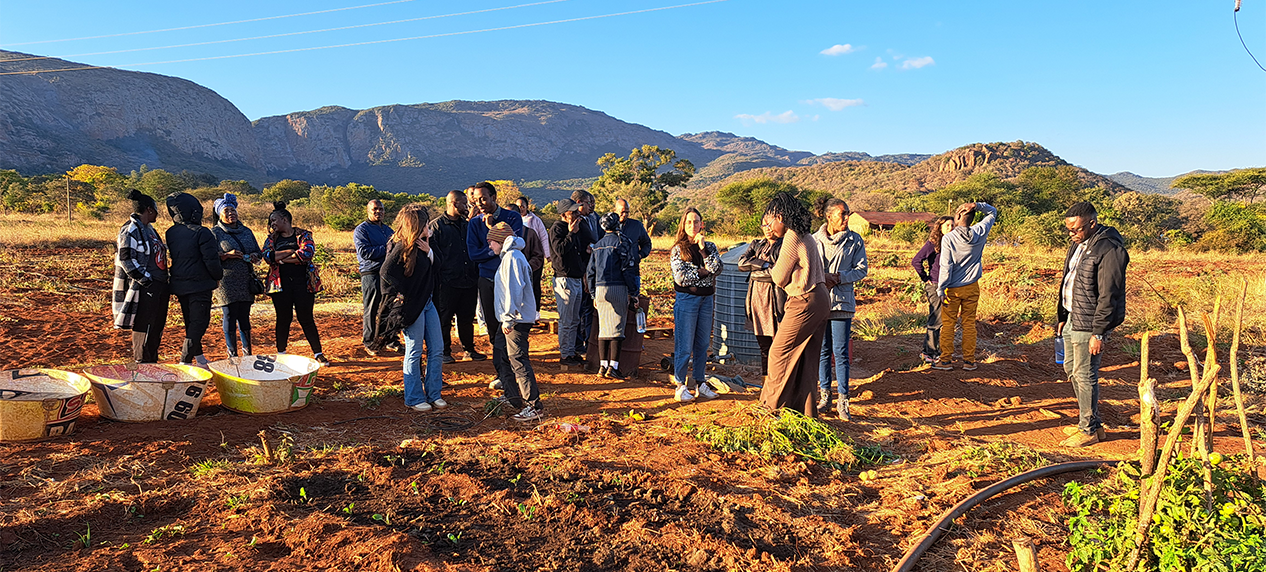
In 2023, the EWT held a five-day climate-resilient agricultural training course attended by 23 farmers from Kutama in the Western Soutpansberg. After the training course, 14 participants established the Ndouvhada Organic Farming Cooperative, and are now producing vegetables on the CPA’s land. Through this project, the Cooperative received irrigation material and other equipment as well as seeds and other inputs. The Cooperative has also been able to source funding for funding through a state grant facilitated by the Limpopo Department of Agriculture and Rural Development (LEDET).

We are also supporting a second project started by a group of young agriculture graduates in Kutama to provide Agri-Set accredited training to other community members to enable them to cultivate vegetables and improve animal husbandry. The number of participants has far exceeded our expectations, with 100—150 people regularly attending training every weekday morning over the last seven months. The EWT is supporting the group with equipment and seed packs, repair of water tanks, and other inputs, and we are exploring opportunities to strengthen this initiative in the future.

We are also supporting farmers in Buysdorp to improve the sustainability of their agricultural activities. In June 2024, we collaborated with the University of Johannesburg to hold a workshop to assess the extent of existing farming activities in the area and community members’ visions and future plans. Water security and management emerged as a key theme throughout the workshop, together with the need for training to enable farmers and other community members to reduce harmful agricultural impacts through pesticides and fertilisers, and to develop strategies to reduce loss of crops and livestock through human-wildlife conflict. We are now participating in a follow-up project with the University of Johannesburg and other partners to assess and provide recommendations to improve the sustainability and quality of groundwater in Buysdorp, particularly in light of additional demand to meet increasing urbanisation, agriculture, mining, and other human development needs throughout the region.

Working in partnership with organisations and service providers is vital to the success of all our initiatives. In addition to universities and other Not-for-Profit organisations, we collaborate with the Limpopo department of economic development, environment and tourism (LEDET) to enable us synergise resources and strengthen benefits and support to community partners over time. Building climate resilience is a long-term process and it is important to ensure that small-holder farmers are not left behind.

EWT TORTOISE CONSERVATION CANINES – NOSY FOR NATURE

EWT TORTOISE CONSERVATION CANINES – NOSY FOR NATURE


EWT TORTOISE CONSERVATION CANINES – NOSY FOR NATURE

By: Esther Matthew – Specialist Officer | Drylands Conservation Programme

Chelonians includes all tortoise, turtle, and terrapin species. For the purposes of this article, we will use the term “tortoises”.


South Africa is one of the most biodiversity-rich countries in the world and is home to no less than two of the world’s most well-known botanical “biodiversity hotspots”, the Succulent Karoo and Fynbos Biomes. However, few people are aware that South Africa also holds the title as the tortoise capital of the world. South Africa is home to no less than 13 tortoise species, most of which are endemic to the country.

The Endangered Wildlife Trust (EWT), in partnership with the Turtle Conservancy (TC) launched tortoise conservation research projects over the last two years to locate viable populations and implement conservation action for three of South Africa’s most Endangered tortoises in the dryland areas of South Africa, including the Karoo, which is home to nine of the 13 tortoise species found in South Africa.

There are five species of dwarf tortoise globally, four of which occur in the South African Karoo and one in Namibia. As their name implies, dwarf tortoises rank amongst the smallest of the tortoise species. South Africa also has one Critically Endangered tortoise species, called the Geometric Tortoise. Unfortunately, over the last 20 years researchers have started to notice an alarming decline in population numbers for all of three of the country’s Endangered tortoise species. This significant impact can be attributed to factors like habitat loss, poaching, and crow predation that has been specifically being observed.

Certainly, the human teams have struggled to find a single viable population of both the Karoo and the Speckled Dwarf Tortoise over the last two years of extensive surveys. More than 20 surveys have yielded depressingly few live animals, and in most cases only shell fragments are to be found. All these species are elusive and well camouflaged, making it difficult for even the well-trained eye to spot. As such, it has been vital for us to look at other survey methods, such as using scent detection dogs.

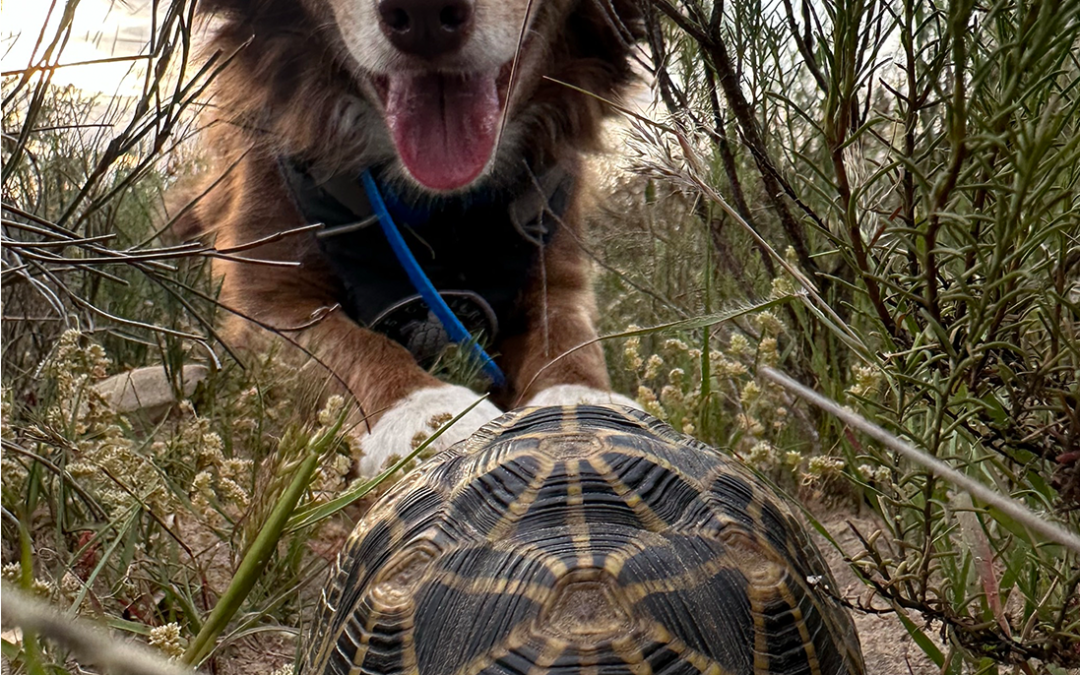
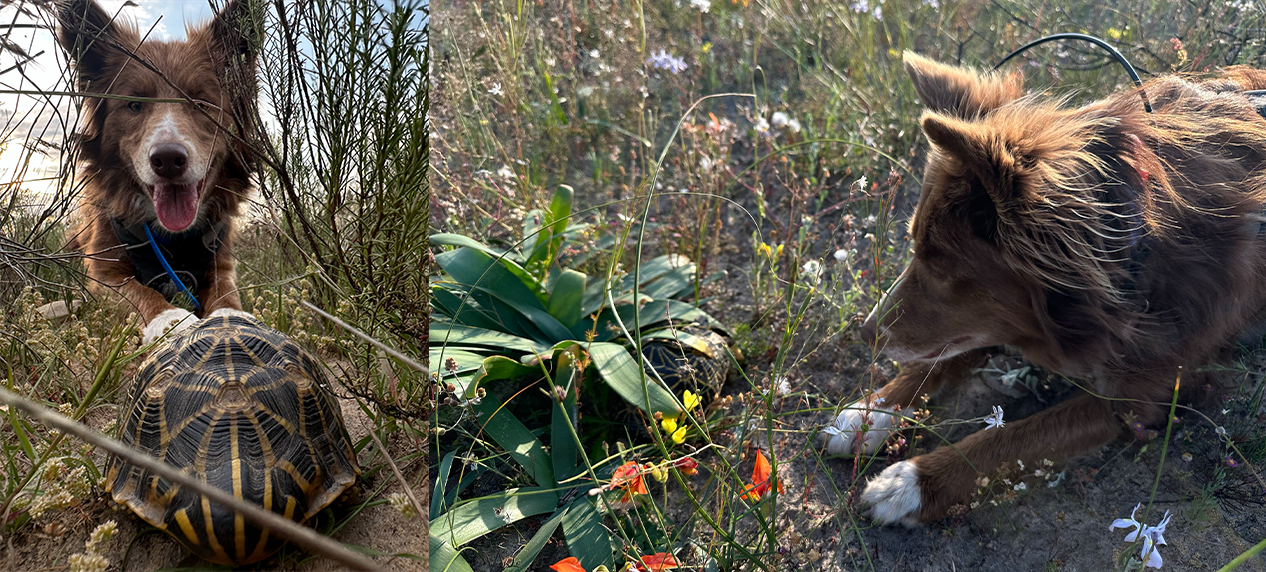
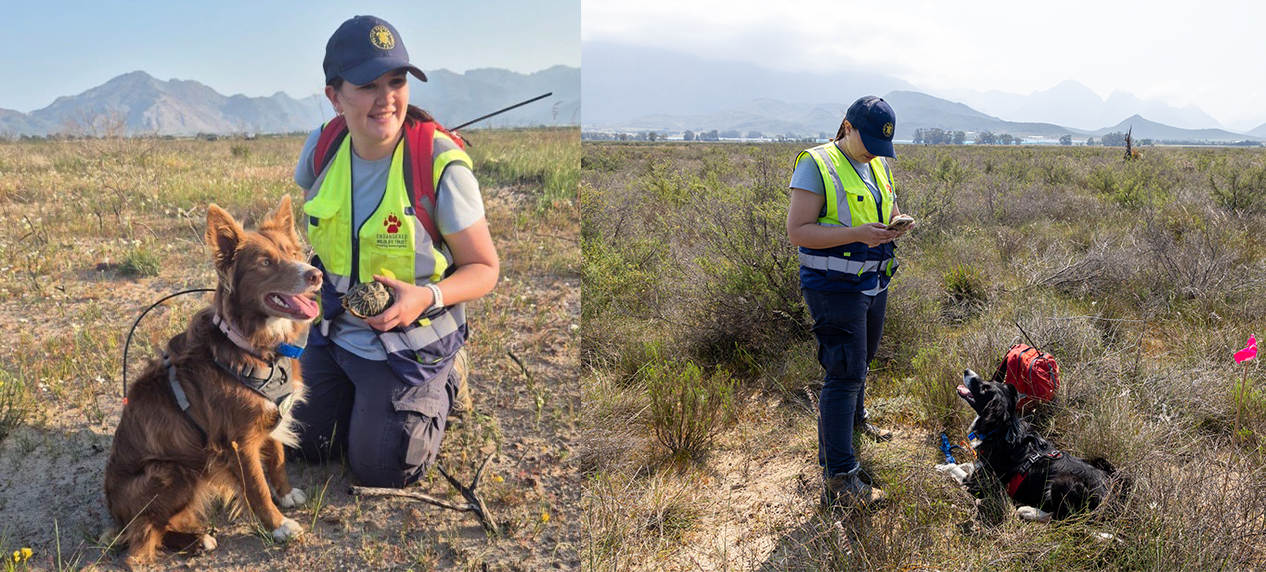
The EWT’s Drylands Conservation Programme, therefore, started training scent detection dogs to assist with tortoise fieldwork projects. Two Border collies, Delta and Dash, have been assisting our team in the field to help locate tortoises with a little guidance from their handler Esther Matthew. Delta has been contributing to this research for the last two years, while Dash only recently started helping after passing his certification. The dogs have helped increase the number of finds, with Delta almost setting a record of six tortoises found in 50 minutes for one of the species. The detection dogs make our search efforts a lot more efficient as we are able to move faster and find hidden tortoises we would likely have missed. Their assistance in the field contributes to data collection for species distribution mapping and monitoring the survival of species in the wild. We can’t wait to see how their “nose work” will continue to benefit the conservation of these unique tortoise species.

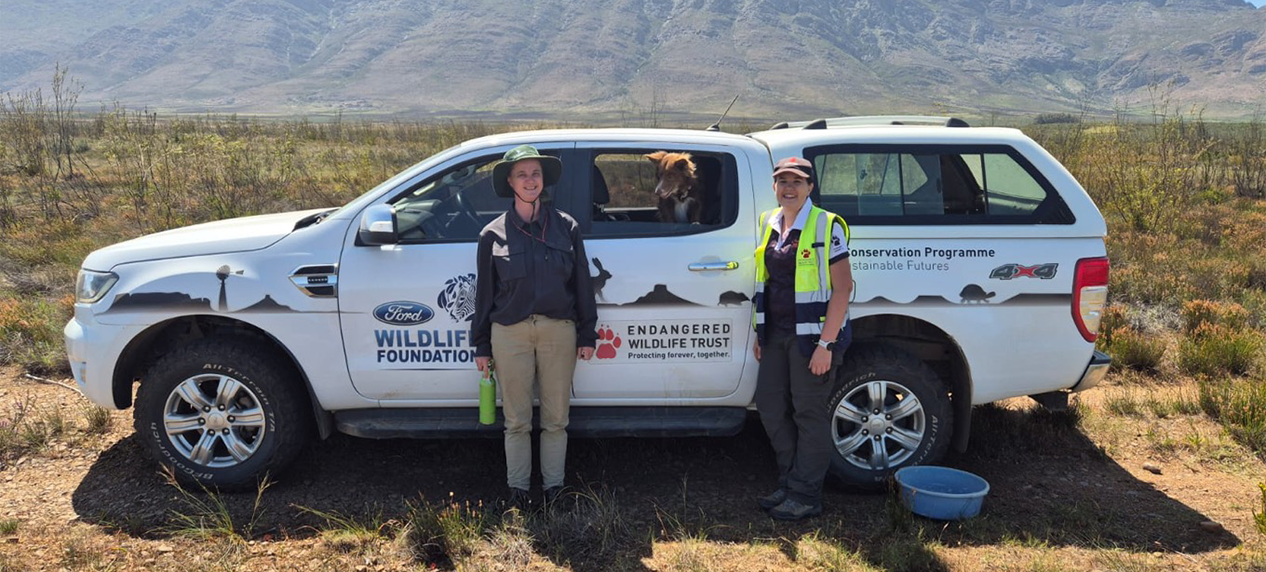
The EWT tortoise conservation work is supported by Turtle Conservancy, Dwarf Tortoise Conservation, Rainforest Trust and the IUCN NL. A special word of thanks to Ford Wildlife Foundation for the vehicles that safely gets our staff and working dogs to the remote locations across the Western- and Northern Cape, where we conduct our vital tortoise surveys.


Please note, that landowner permission and valid permits from relevant conservation authorities in each province are always required for the use of conservation detection dogs. Additionally, all tortoises are protected species and listed under the Convention on International Trade in Endangered Species (CITES) as well as provincial legislation such as the CapeNature Conservation Ordinance of 1974 and National Environmental Management: Biodiversity Act 10 of 2004. As such, it is illegal to collect any tortoise species in South Africa, and they may not be kept as pets without a permit. However, please report sightings of these rare species to us at ewt@ewt.org.za.


Creating a Thriving Wetland For All in Zambia

Creating a Thriving Wetland For All in Zambia


Creating a Thriving Wetland For All in Zambia

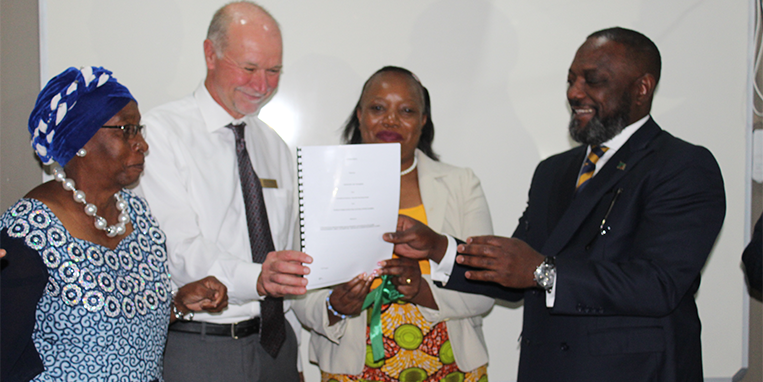
A major conservation milestone was achieved in Zambia on 10th October as the International Crane Foundation, in partnership with the Endangered Wildlife Trust (EWT), officially launched a 20-year collaborative management agreement for the Kafue Flats with the Ministry of Tourism under the Department of National Parks and Wildlife and the World Wide Fund for nature (WWF) Zambia. This groundbreaking initiative, the Kafue Flats Restoration Partnership, aims to create a “thriving wetland for all” by engaging local communities in the conservation and management of this vital ecosystem.

The Kafue Flats includes 6,500 hectares of wetlands, lagoons, grasslands, and floodplains including the Blue Lagoon and Lochinvar National Parks. This region is home to more than 470 bird species, among them the endangered Wattled Crane. Cranes and the lechwe antelope are key indicators of the health of the Kafue Flats ecosystem. More than 1.3 million people live in or around the Kafue Flats, and over 300,000 people rely on this area for freshwater, grazing, livelihoods, and cultural ceremonies.

Sadly, the floodplain is degrading under increasing pressure from unsustainable economic practices, population growth, and climate change. The 20-year agreement will tackle critical problems such as wildlife poaching, poor grazing, unsustainable fishing practices, unplanned settlements, and the impacts of flooding. The partnership will study these issues and manage the region by focusing on finding sustainable solutions that protect both the environment and the livelihoods of the local people.

At the launch, Minister of Tourism Rodney Sikumba emphasised the importance of balancing socio- economic needs with environmental protection of the Kafue Flats. This area is a wetland of international importance under the Convention on Wetlands, a key biodiversity area under Birdlife International, and a Man and Biosphere Reserve under the United Nations Education, Scientific and Cultural Organisation, UNESCO.

Recently, His Excellency, the President of Zambia, Mr. Hakainde Hichilima made a declaration during the Lwanza Traditional Ceremony in Bweengwa, Southern Province, outlining plans to boost cattle production through the establishment of cattle economic zones in the Kafue Flats south and north of the Kafue River. The focus on disease control and improved genetics is seen as a strategic move to enhance the quality of Zambian beef amid climate change challenges.

“We all know that climate change is real, hence the need for adequate adaptation and mitigation,” said Mr Sikumba. “Ecosystem based adaptation is an important option which implies that we manage the Kafue Flats especially in terms of the vegetation, water and fires, because we all know that a well-managed ecosystem is more resilient to the climate shocks such as drought and flood. Therefore, concerted efforts from all partners are needed to manage the Kafue Flats and I wish to reiterate the ministry’s support on this noble cause,”


“There is urgent need for sustainable solutions in the Kafue Flats for people and wildlife for a brighter future,” said Dr. Rich Beilfuss, President and CEO of the International Crane Foundation. “We must all work together to safeguard the future of the Kafue Flats and its incredible wildlife, including cranes and the endemic Kafue lechwes,”

The Kafue Flats Restoration Partnership will combine the efforts of these three institutions more vigorously with local communities to prevent further degradation in the Kafue Flats. The partnership’s vision will serve as a model for balancing ecological conservation and economic development in a protected area floodplain ecosystem for the benefit of both people and nature.


Collaborative Action to Address South Africa’s Snaring Crisis

Collaborative Action to Address South Africa’s Snaring Crisis


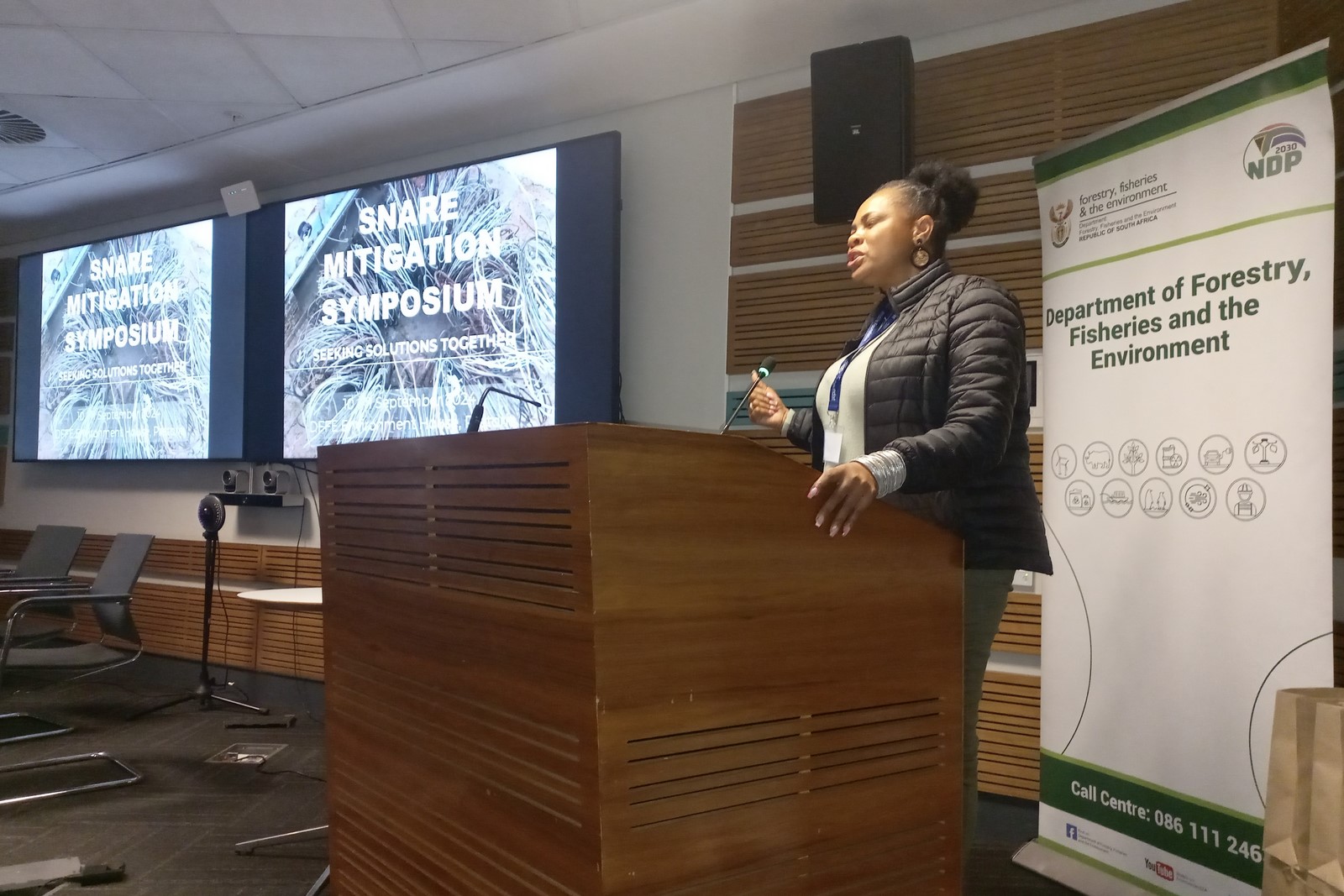
The EWT pledges less talk and more action to address South Africa’s snaring crisis at the inaugural Snare Mitigation Symposium

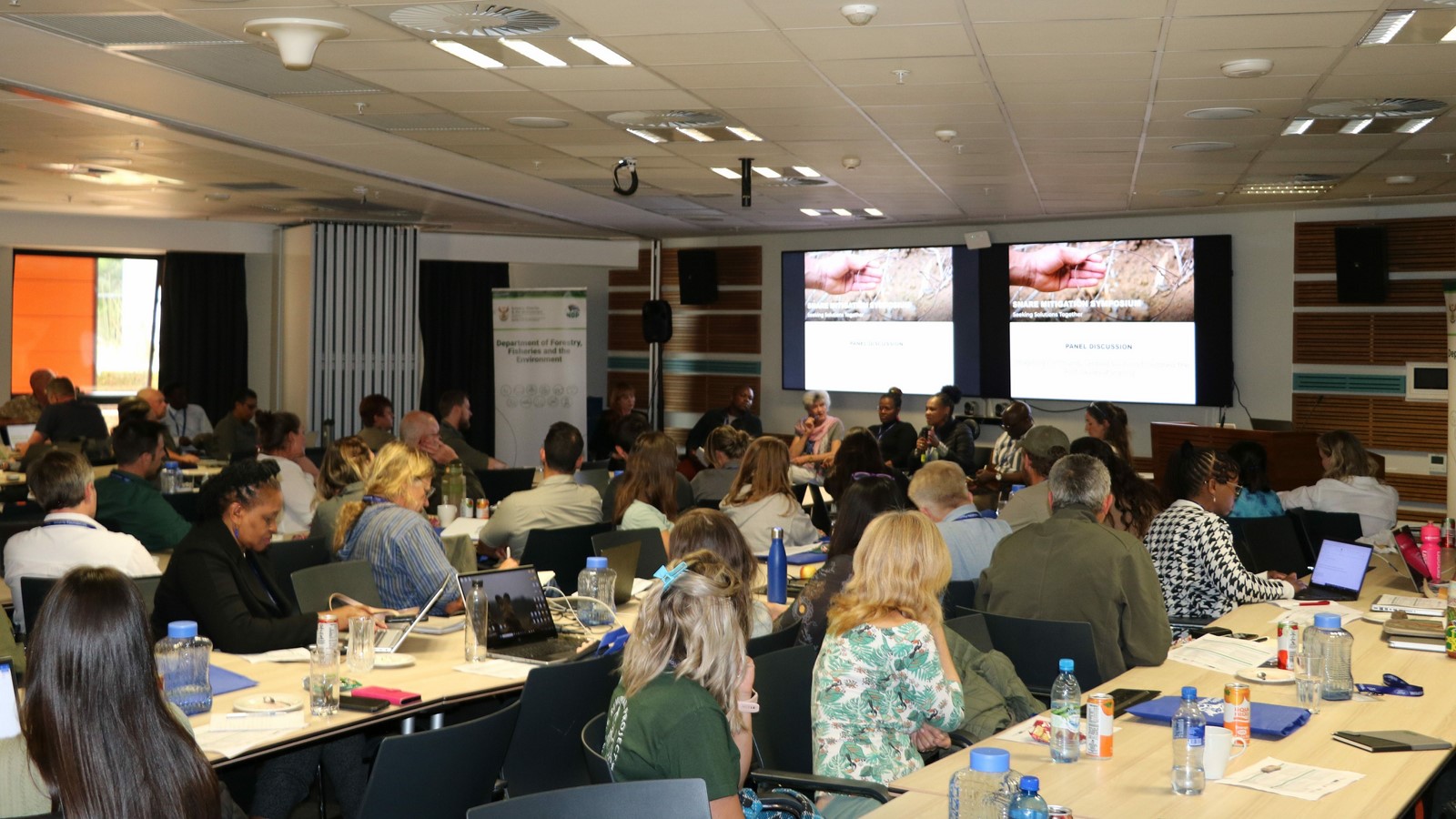
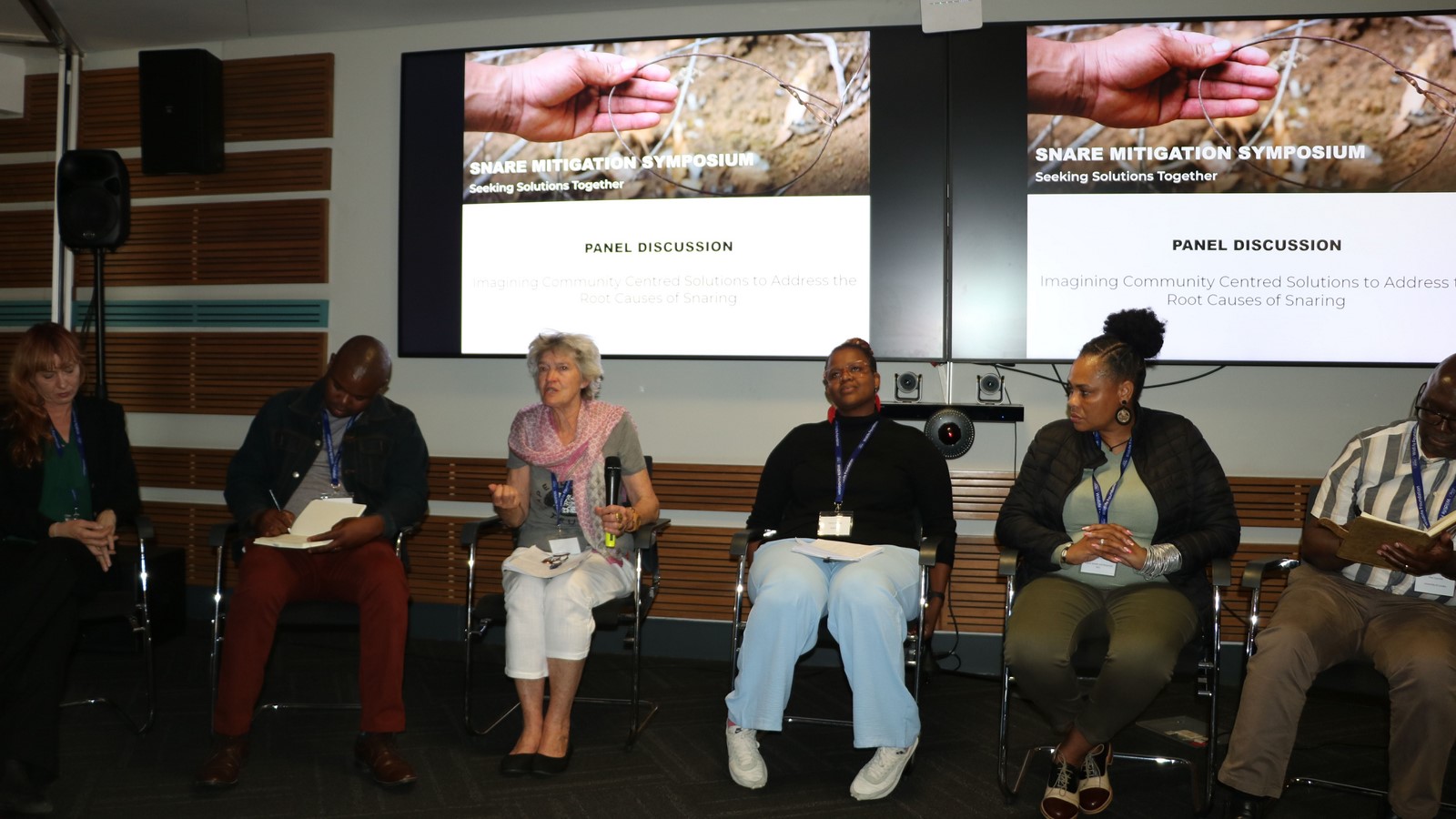
140 delegates attended the inaugural Snare Mitigation Symposium

Twenty-two speakers presented at the Snare Mitigtation Symposium

One of the Snare Mitigation Symposium panel discussions

WARNING: SENSITIVE IMAGES BELOW


The importance of less talk and more action to address the snaring crisis in South Africa is key to the conservation of all species.

This, and the need for greater collaboration and partnerships to address the negative impacts from the illegal snaring of wildlife, were among the outcomes of the inaugural two-day national Snare Mitigation Symposium in Pretoria.

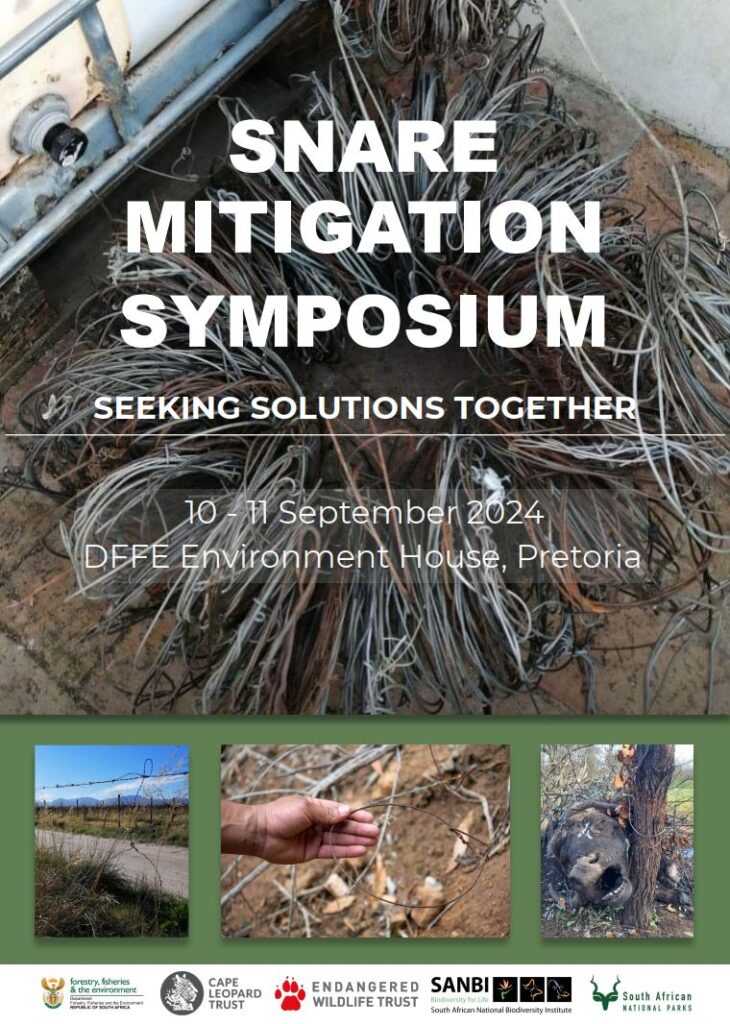
The meeting of 140 delegates delved into the impacts, drivers and solutions to this increasing threat to wildlife and the economy. Co-led by the Department of Forestry, Fisheries and the Environment (DFFE), the Cape Leopard Trust (CLT), the Endangered Wildlife Trust (EWT), the South African National Biodiversity Institute (SANBI) and South African National Parks (SANParks), the inaugural Snare Mitigation Symposium was held at Environment House on 10 and 11 September 2024.

It brought together leading experts in wildlife crime, government officials and representatives of numerous stakeholders across the sector to examine the multifaceted aspects of the snaring crisis. The purpose was to understand existing and potential new complexities, and to share experiences and knowledge to reduce the problem both inside and outside conservation areas, in order to identify and co-create workable solutions for the benefit of people and the environment.

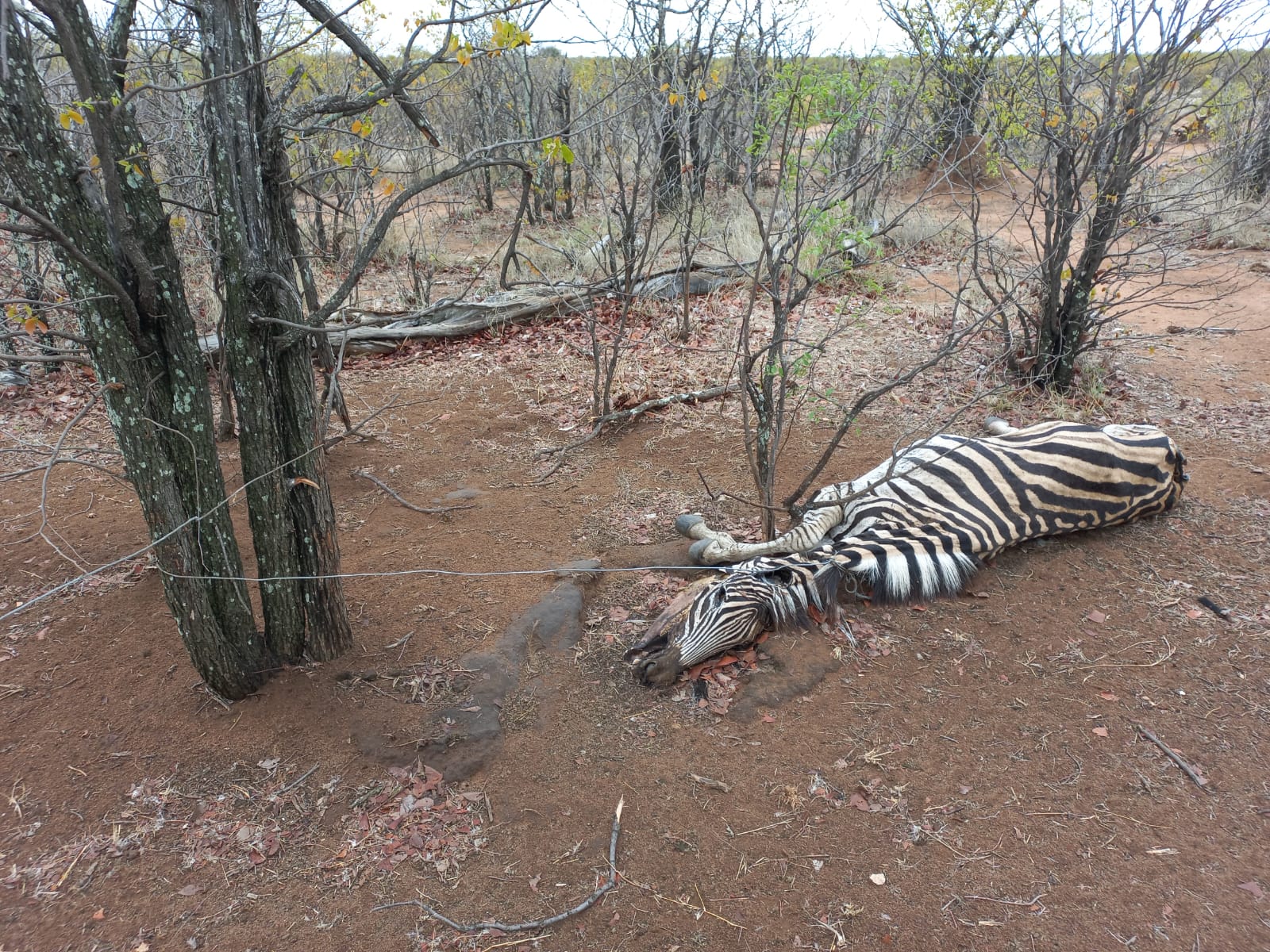
Snaring is motivated by complex socio-economic and cultural drivers and the symposium explored snaring from a myriad of angles and viewpoints. Information gained highlighted that animals are snared largely for personal or commercial use and is occurring at unsustainable rates across all provinces and in diverse landscapes. Sadly, many species including leopard, lion, hyena and other predators are killed as by-catch in snares originally set for bushmeat.

A key insight from the symposium is that we need more community interaction amongst stakeholders towards achieving positive outcomes for this threat to wildlife. Communities living with wildlife, and those linked to snaring, need to form an integral of the solutions being proposed, and to be undertaken, to address snaring.

No solution will be credible without the involvement of the relevant community voices in co-development of solutions. Solutions need to be diverse, purposely inclusive and tailored to, and by, the people living in the affected areas. Technological advances were showcased to improve snare detection and data collection.

Among the legal solutions highlighted by Ashleigh Dore, the EWT’s Wildlife and Law Project Manager, the need for legal reform to ensure laws applicable to snaring are the same across the country. Ashleigh also introduced a restorative justice approach to respond to snaring. Restorative justice is a holistic, inclusive and problem solving approach to justice that involves all parties involved in or impacted by the crime to (1) identify and respond to harm from the crime and (2) prevent reoffence.

Senior Conservation Manager Lourens Leeuwner, during his presentation on the threats of snaring countrywide, highlighted the results of the EWT’s recent project and proof of concept to determine whether anti-poaching dogs could be used for snare detection. The Canine Conservation Unit had spent several days testing techniques to detect snares in a farming and conservation area in Limpopo. Using two EWT anti-poaching canines, Ruger and Kisha, the team set snares in the veld before sending out rangers to find the items. While rangers only found some of the snares placed for the test, the canines had, in all cases, successfully tracked the scent of the person who had planted the snares and other items, finding most of the snares. As further proof that this technique works, the dogs were taken on a routine patrol of a farm that has problems with poachers using snares to catch wildlife. During this patrol, Ruger discovered a snare that had been planted by a real-life poacher. While there is a lot more work that needs to be done, this is proof that the concept works – an extra tool in the arsenal to combat poaching.


Among the key decisions adopted as outcomes included further research on the drivers and alternative livelihood solutions, more cohesive legislation to address snaring and other wildlife crimes, more centralised reporting and monitoring to ascertain the extent of the problem, and creating a greater understanding of the impact of snaring not only on biodiversity, but also on the economy and well-being of communities.

At a workshop following the event, the host organisations strategised next steps related to key themes and action points identified during the symposium that will include a wide range of stakeholders. Looking to the future, greater teamwork and communication between State, private sector and civil society will be cultivated to find sustainable long-term solutions for both people and wildlife.


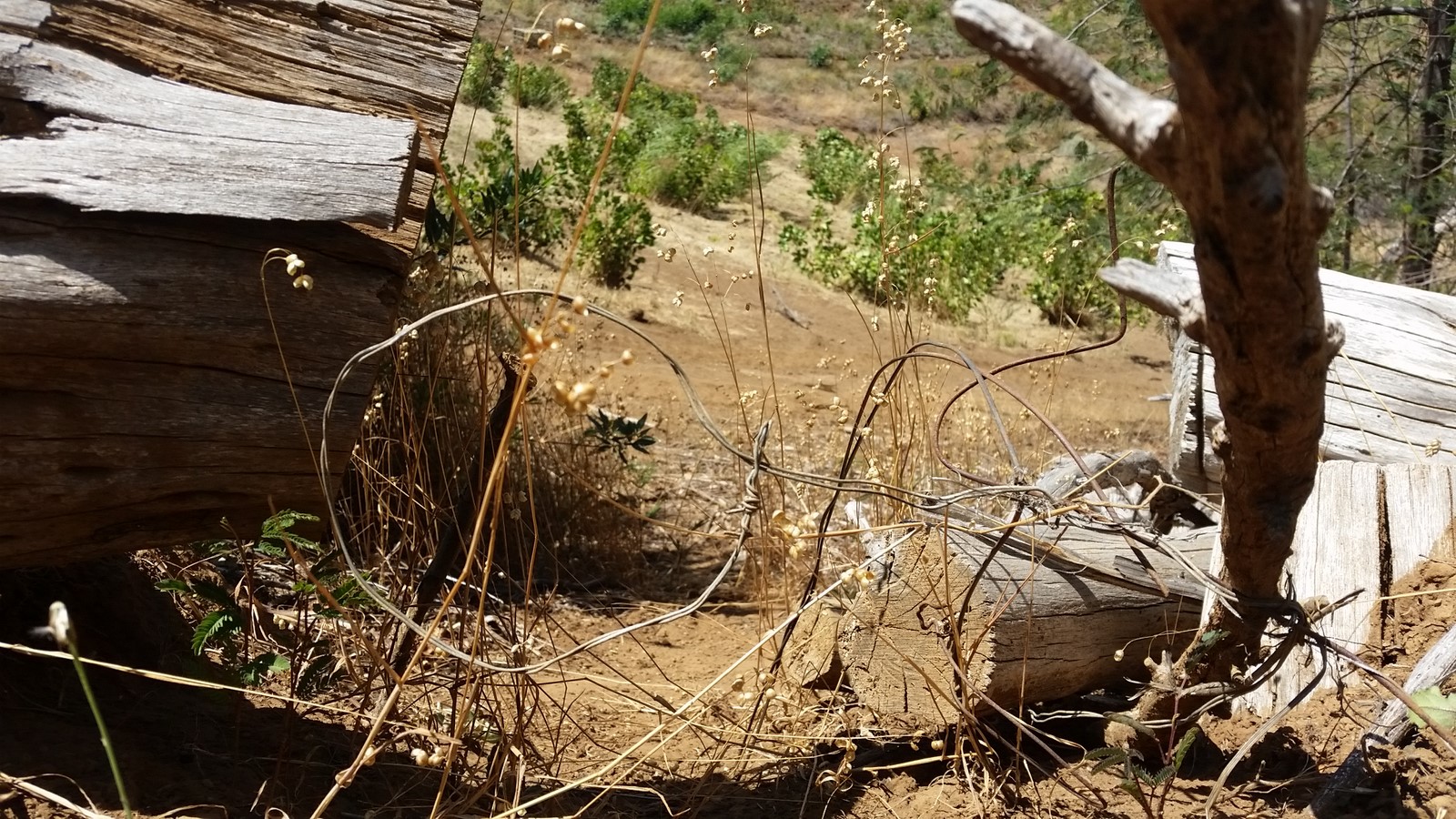
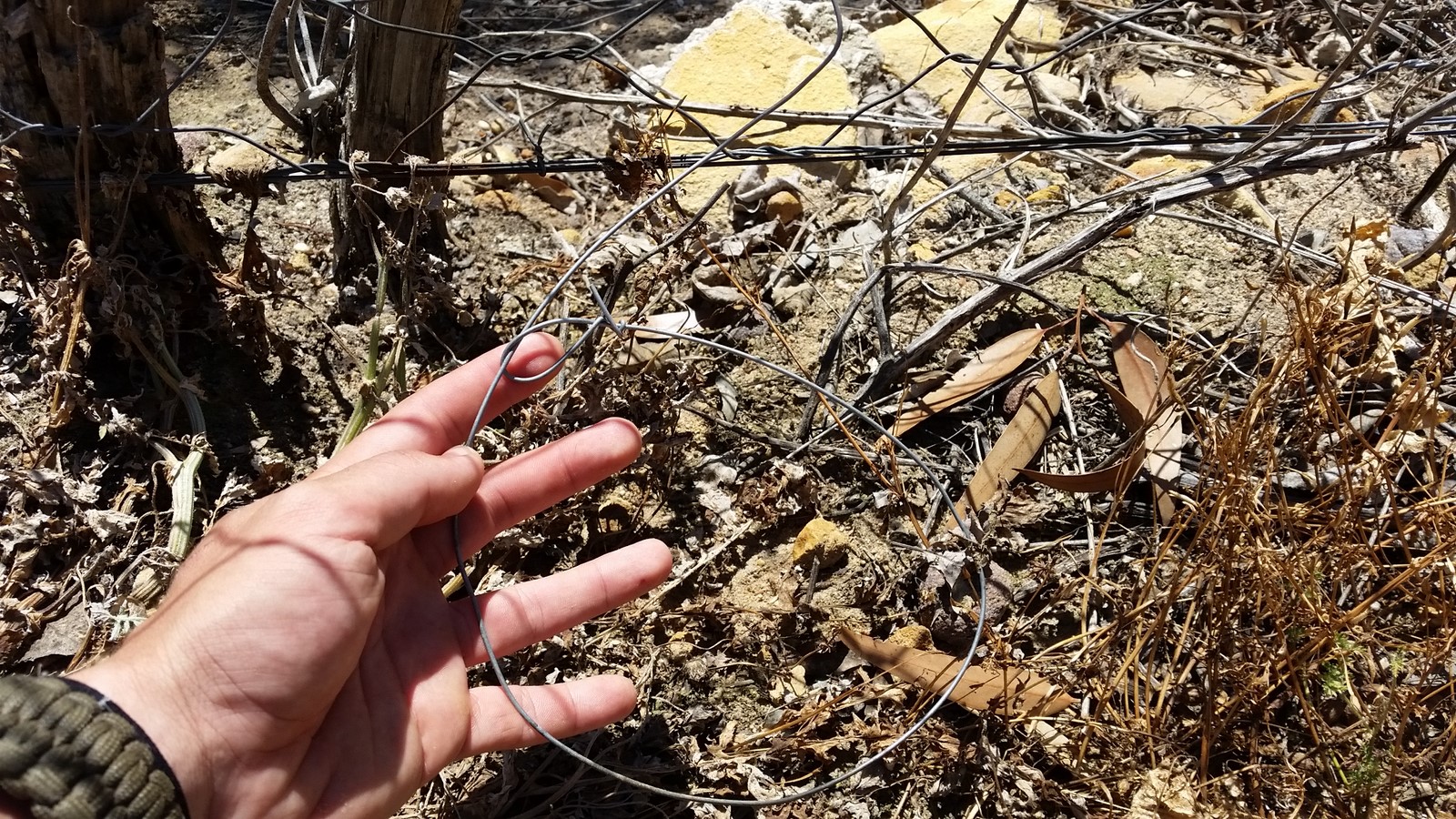
A wire snare set to catch animals by the neck. ©Cape Leopard Trust

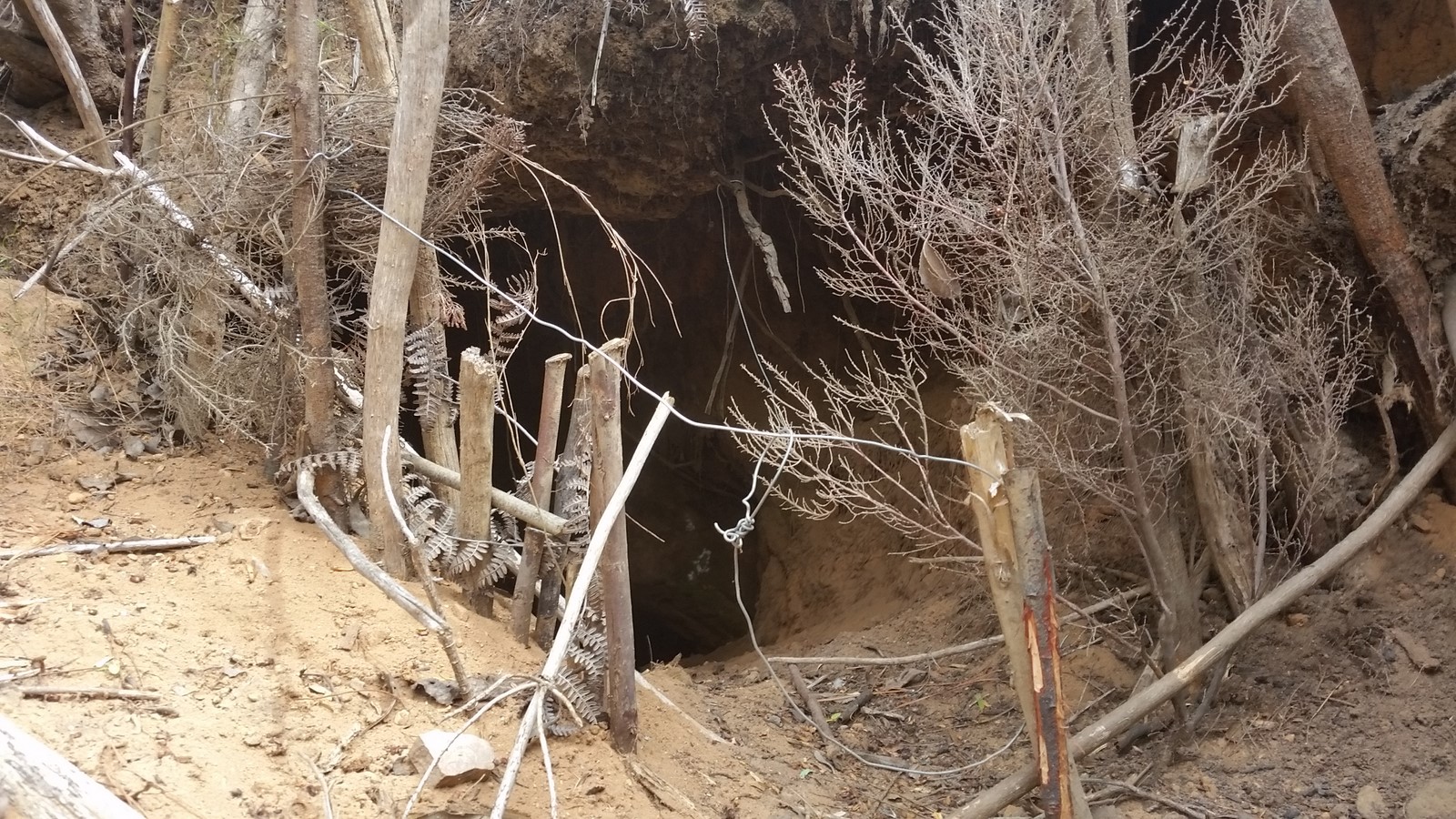
A snare setup in front of an animal burrow. ©Cape Leopard Trust

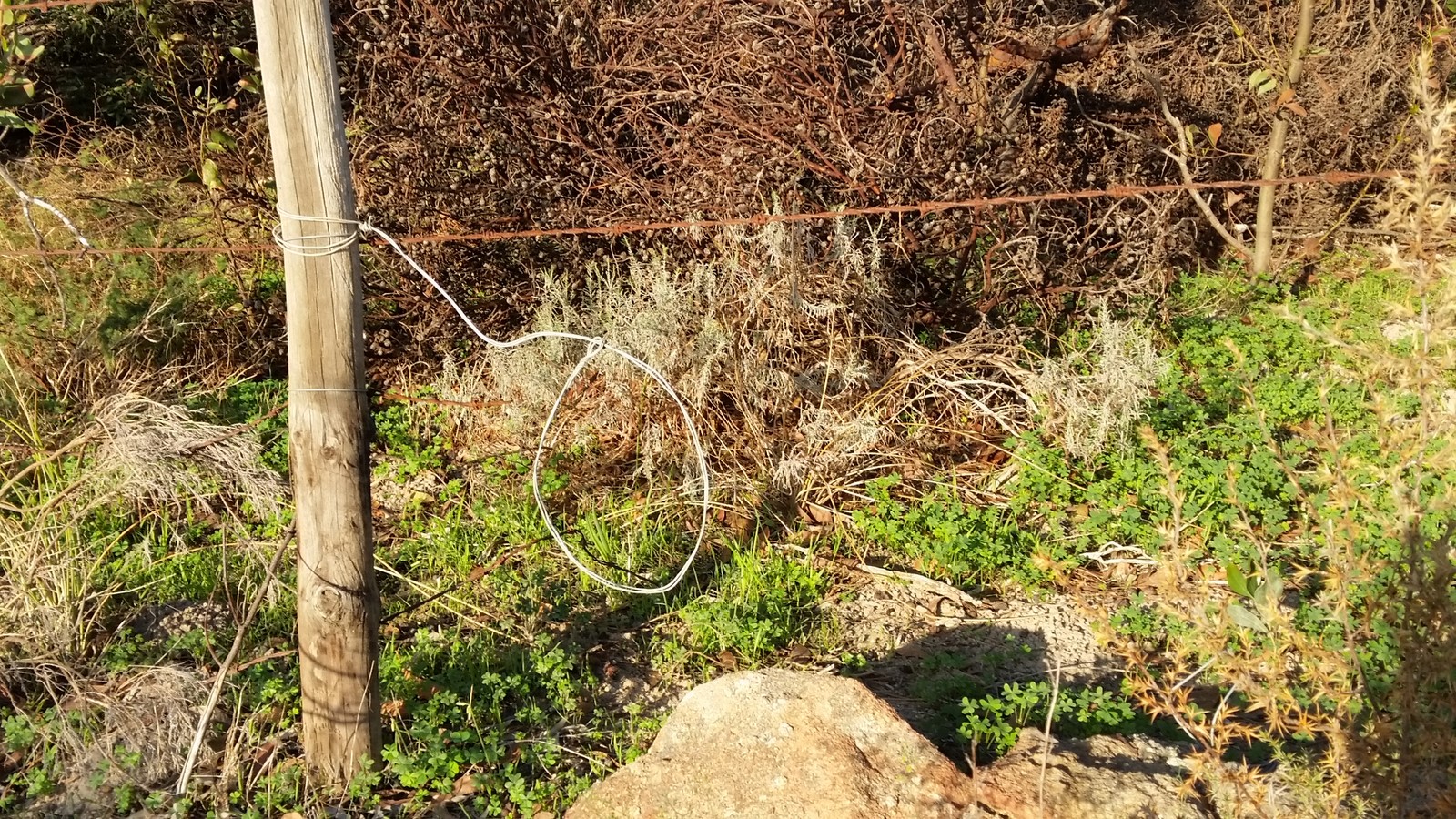
A wire snare along a fence line where many animals move. ©Cape Leopard Trust

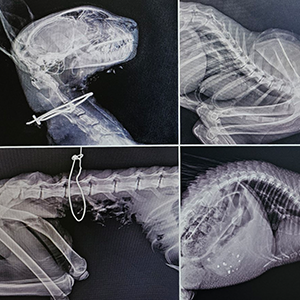
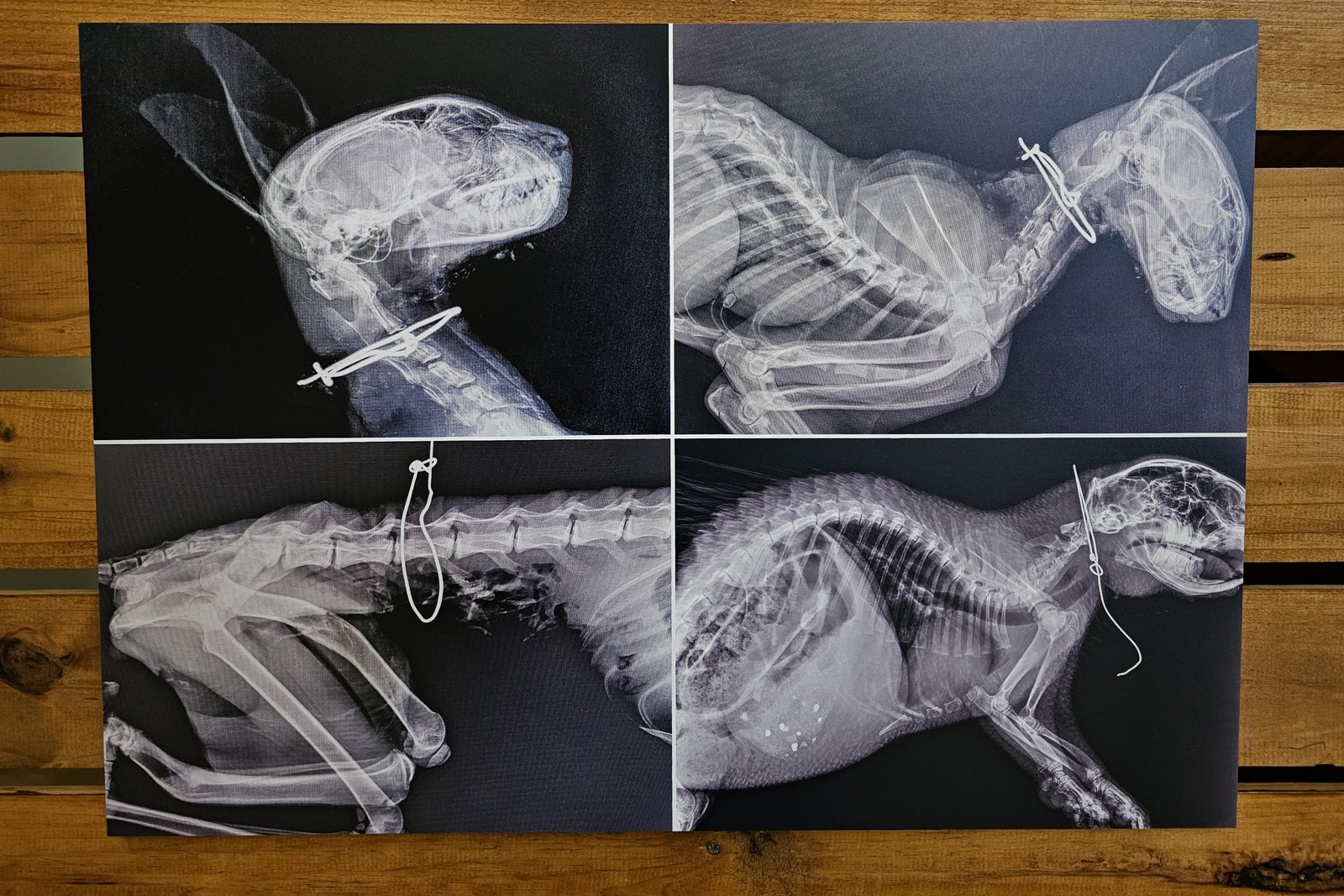
X-ray photos of a caracal and porcupine killed by snares. ©COGH SPCA

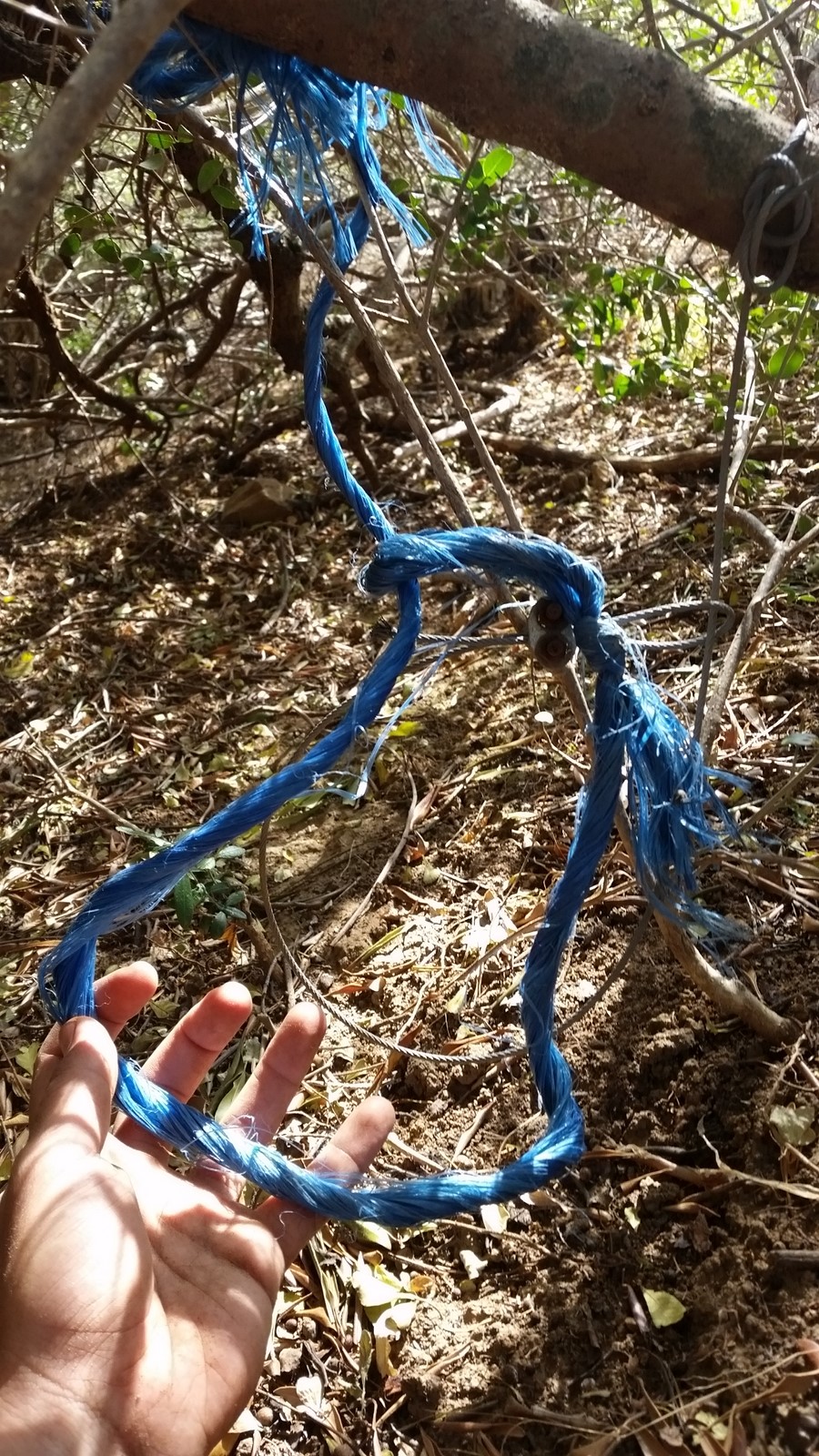
Most snares are made from wire but rope and cable are also used. ©Cape Leopard Trust

An example of a wire snare. ©Cape Leopard Trust

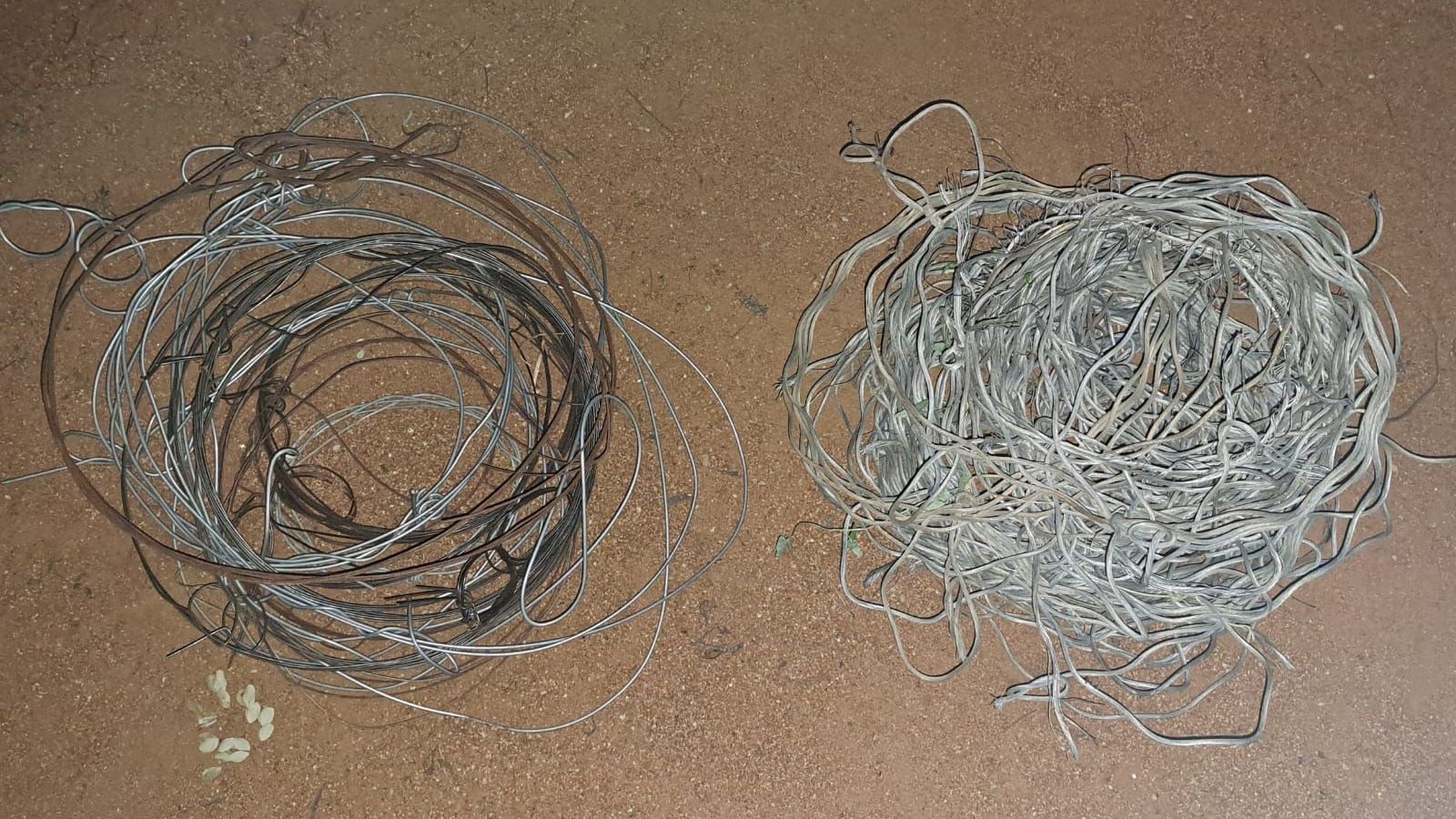
Collected snare material ©Endangered Wildlife Trust

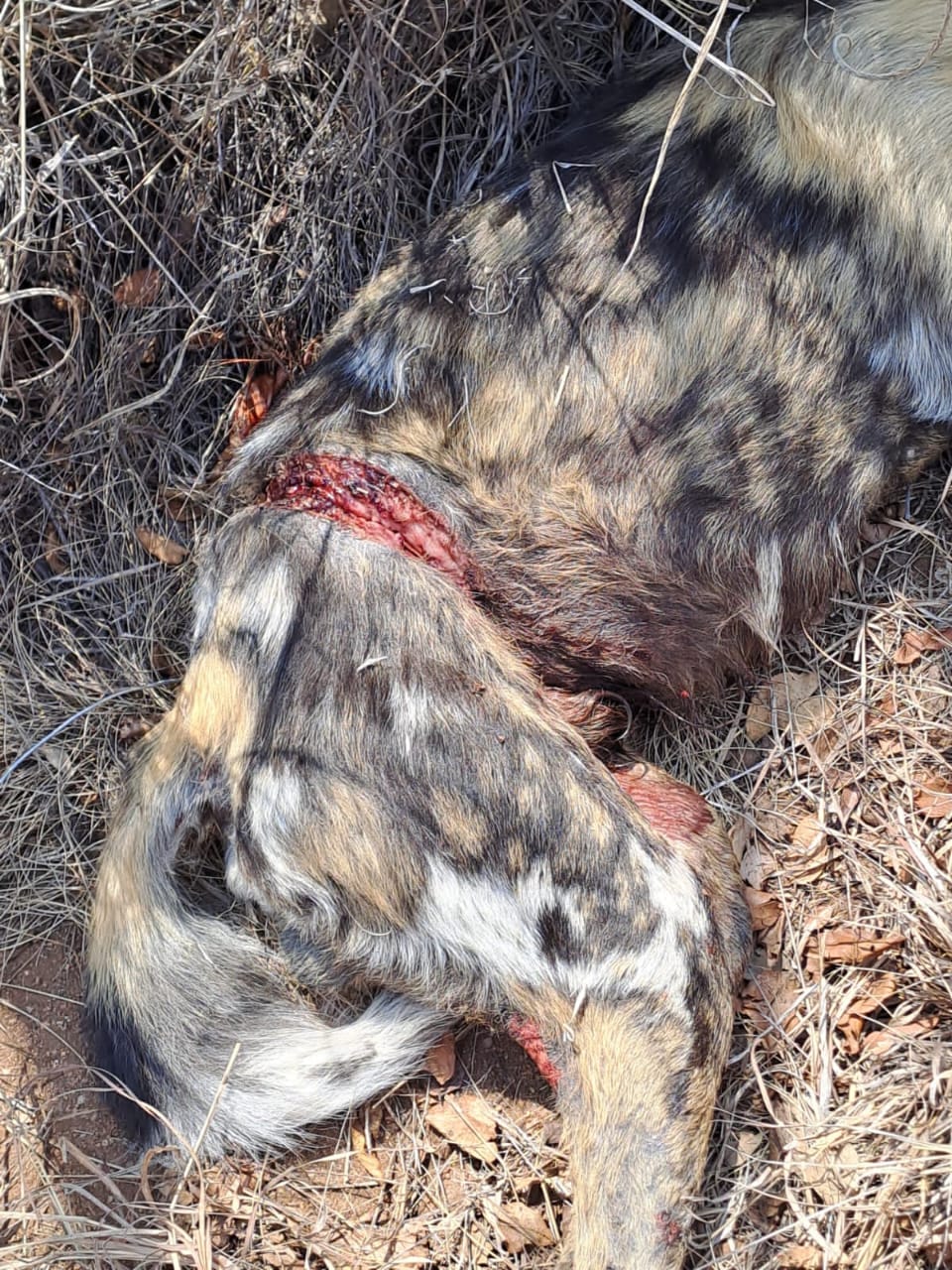
African wild dog found dead in snare ©Endangered Wildlife Trust

Spotted hyena found dead in snare ©Endangered Wildlife Trust

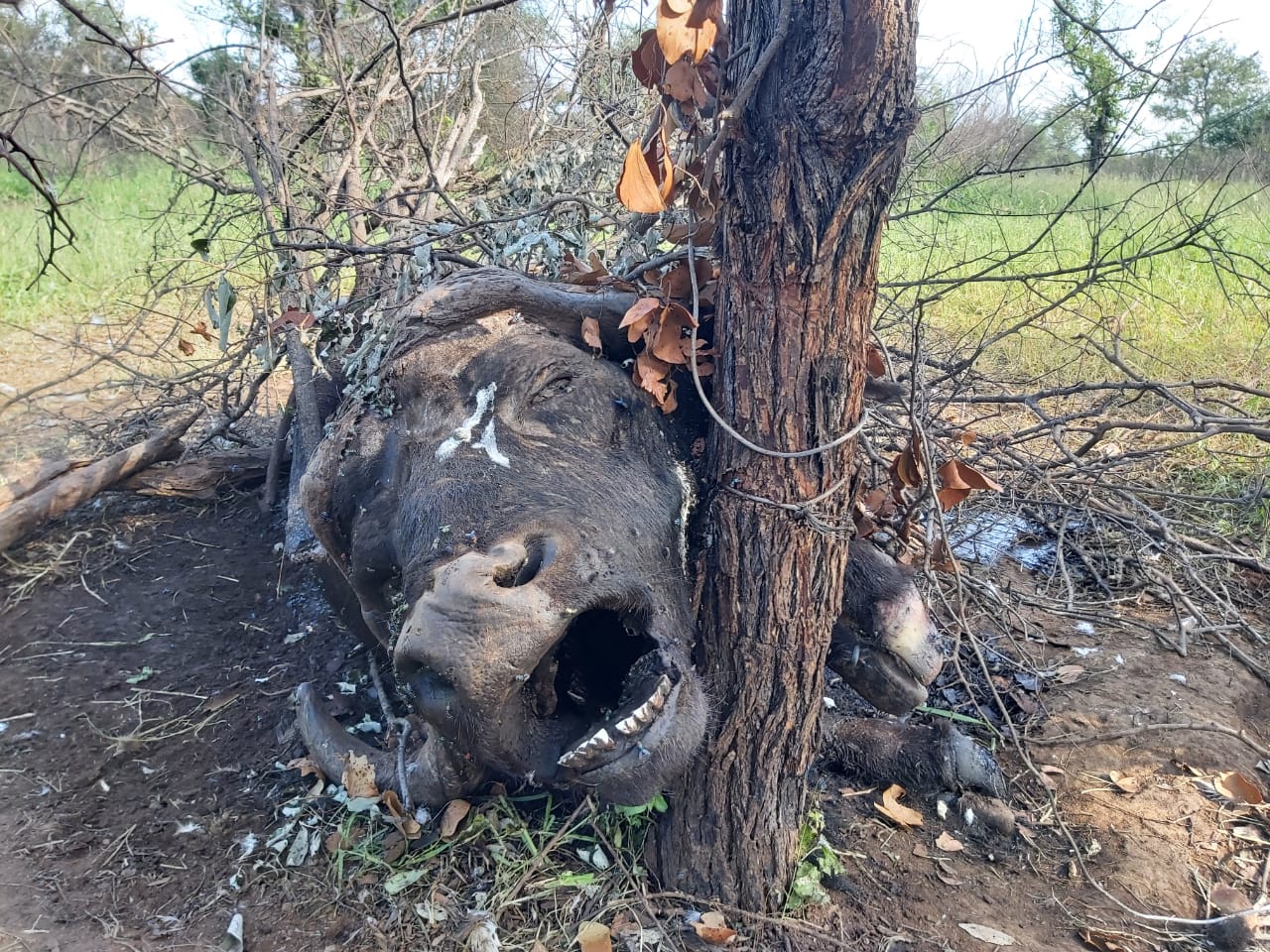
Buffalo found dead in snare ©Endangered Wildlife Trust