Help protect Africa's 

From Climate Risks to Community Resilience: EWT’s Impactful Action

From Climate Risks to Community Resilience: EWT’s Impactful Action


From Climate Risks to Community Resilience: EWT’s Impactful Action

By Jenny Botha and Eleanor Momberg
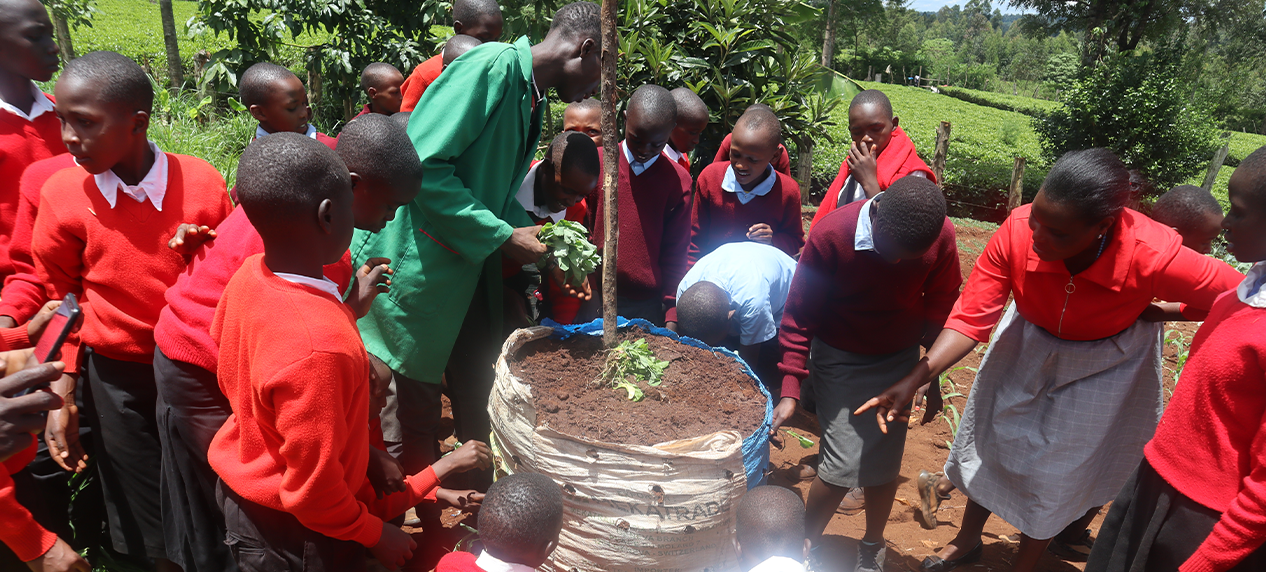
Climate smart agriculture training in schools


The Endangered Wildlife Trust (EWT) implements a range of initiatives that contribute to mitigating and reducing the impacts of climate change through our programmes across southern and East Africa. Among these are projects to address the impact of climate change on the health of communities.

Human health is inextricably linked to biodiversity and environmental health, with the World Health Organisation (WHO) confirming in a report published in October 2024 that climate change presents a fundamental threat to human health.

Climate change not only affects the physical environment and functioning of vital ecosystems that buffer us from extreme weather events and directly contribute to human health, but its effects on social and economic conditions are increasingly undermining human health and well-being. The WHO report states that climate change is a threat multiplier that is reducing and potentially reversing decades of health progress.

Humanitarian emergencies such as drought, heatwaves, wildfires, floods, tropical storms, and hurricanes are increasing in scale, frequency, and intensity. These weather and climate hazards affect health both directly and indirectly, increasing the risk of deaths, non-communicable diseases, the emergence and spread of infectious diseases, and other health emergencies.

In the past decade, extreme weather events have impacted approximately 1.6 billion people and cost the global economy over USD 2 trillion, according to a recent report released by the International Chamber of Commerce. The WHO reports an average of 489,000 heat-related deaths each year between 2000—2019, with these types of deaths having risen by 70% in people over 65 in two decades. The WHO conservatively projects 250,000 additional yearly deaths by the 2030’s due to climate change impacts, including increases in diseases like malaria.

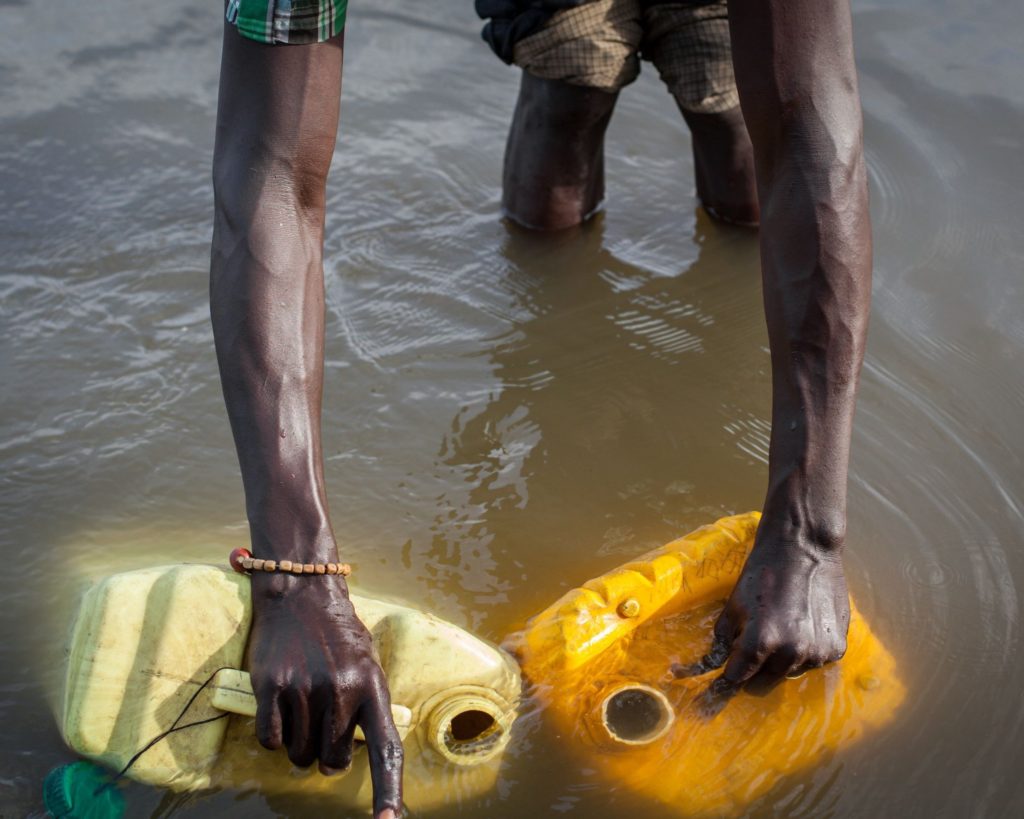
Climate change is also exacerbating water insecurity globally, particularly as increasing populations and high demand are already stretching water allocations in most countries. Similarly, climate change heightens food insecurity, particularly in areas where people depend on dryland agriculture. In 2020, 98 million more people experienced food insecurity compared to the 1981–2010 average, with 770 million facing hunger, predominantly in Africa and Asia, undermining previous progress in addressing this challenge.

The Intergovernmental Panel on Climate Change’s (IPCC) Sixth Assessment Report (AR6) reveals that 3.6 billion people already live in areas highly susceptible to climate change. Despite contributing minimally to global emissions, low-income countries and small island developing states endure the harshest health and livelihood impacts. In vulnerable regions, the death rate from extreme weather events in the last decade was 15 times higher than in less vulnerable ones.

WHO data further indicates that 2 billion people lack safe drinking water and 600 million suffer from foodborne illnesses annually, with children under 5 bearing 30% of foodborne fatalities. Climate stressors heighten waterborne and foodborne disease risks. Temperature and precipitation changes enhance the spread of vector-borne diseases. Without preventive actions, deaths from such diseases, currently over 700,000 annually, may rise.

Climate change also adds to immediate mental health issues such as anxiety, as well as post-traumatic stress and long-term disorders, and compounds social instability, polarisation, and conflict, particularly in cases of human displacement.

Although no-one is safe from these risks, the people whose health is being harmed first and worst by the climate crisis are those who contribute least to its causes, and who are least able to protect themselves and their families against it: people in low-income communities and vulnerable countries and communities. Capturing risks like drought and migration pressures into climate modelling remains challenging, but there is little doubt that urgent, meaningful action is required at national and international level, focusing on the most vulnerable societies while also addressing the root causes of human-induced climate change.

Addressing climate change’s health burden underscores the equity imperative: those most responsible for emissions should bear the highest mitigation and adaptation costs, emphasising health equity and the priorisation of the vulnerable sectors of society.


What are we doing?

The EWT contributes to addressing climate change through multiple integrated strategies starting with the protection of critical landscapes and ecosystems that, in addition to providing habitats for diverse plant and animal species, also act as carbon sinks and contribute to water, air quality, pollination services, and other vital services that we depend on.

Across our programmes in southern and East Africa, we work with landowners and communities to improve the protection and management of their land, water, and other natural resources. These initiatives include expanding formal protection of areas of high conservation value; clearing of alien and bush encroaching plants; improved rangeland management; rehabilitation of degraded ecosystems; and supporting sustainable land use activities. In 2023-24, we supported landowners and communities to secure formal protection of an additional 180,282 hectares of land of strategic conservation importance across diverse landscapes. In many cases, this enables landowners to access carbon and other sustainable financing markets.

The EWT also contributes extensively to policy, planning, and development, including the energy sector, and implements numerous initiatives to strengthen climate resilience and adaptation. This includes partnering with communities to improve human health and resilience to climate change.

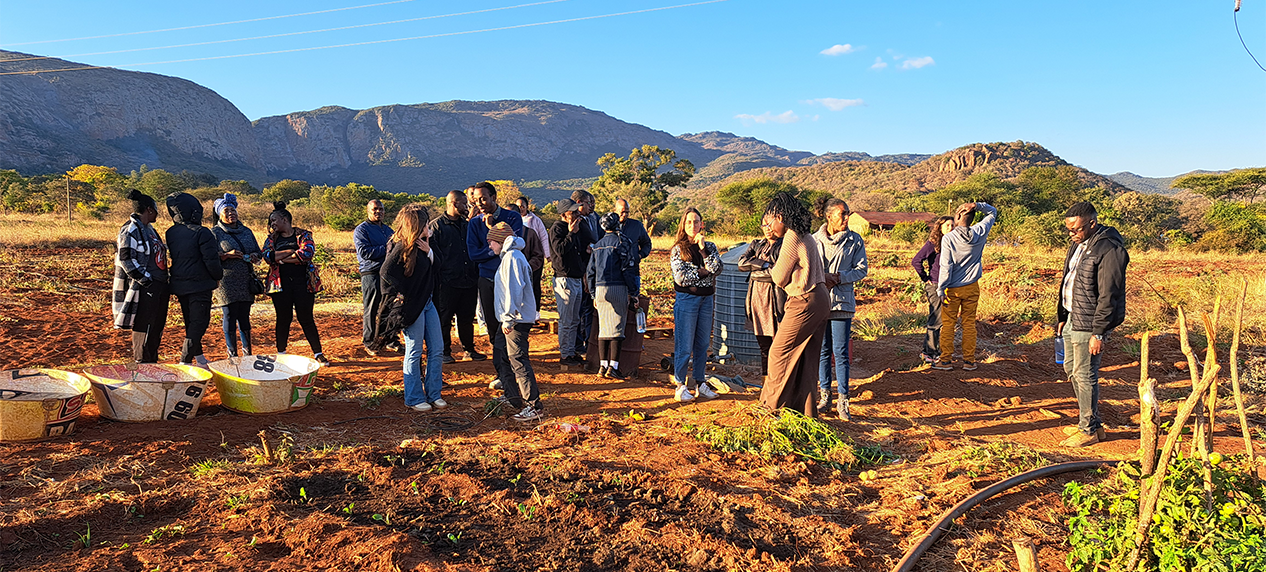
In the Western Soutpansberg, Limpopo Province, we collaborate with landowners, communities, and partners to implement diverse projects to strengthen food security and resilience to climate change, improve water management, and reduce the risk of water-borne diseases and contamination of soil and water.

Water, Hygiene and Sanitation (WASH)

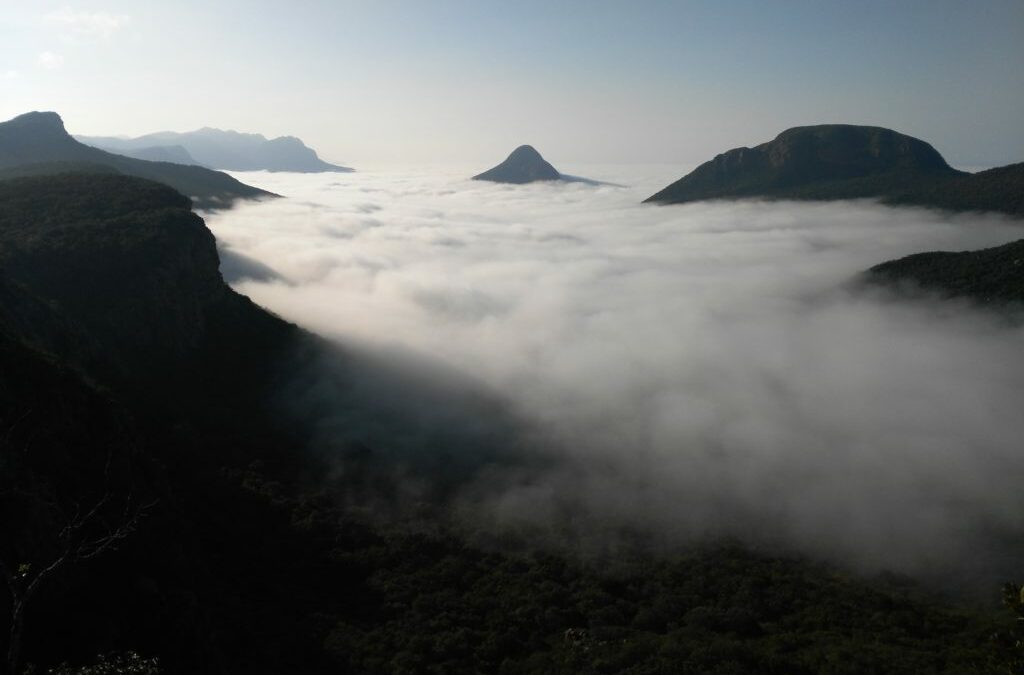
The Soutpansberg mountains are highly biodiverse and play an important role in water security in the region. Less than 2% of the mountains were previously formally protected, leading to the EWT establishing the Medike Reserve in the Western Soutpansberg in 2017, and working extensively with landowners to secure protection and improve the integrity of the natural habitats through the removal of alien plants and other measures. To date, the EWT’ s remarkable team of rangers has removed 70 hectares of alien and other encroaching plants from the mountains which, together with ongoing maintenance by the landowners, has led to the improved flow of streams and the restoration of a wetland in the area.

We work with primary and secondary schools to improve sanitation and hygiene through the development of interactive lessons and teaching aids on germ transmission and hand washing. As was instilled in all of us during the Covid-19 pandemic, regular washing with soap prevents diarrhea and the transmission of other diseases. To date, we have reached over 700 learners, but ongoing messaging is vital.

We work with secondary schools to reduce health risks and waste arising through the disposal of one-use sanitary pads. Through our Women’ s Health project, we have provided over 800 girls and women from three schools with kits consisting of reusable sanitary pads and cleaning materials that will last them 3—5 years. Apart from the substantial reduction of these products into the environment, the project contributes to women’ s dignity and helps reduce the costs of basic necessities for girls in communities where unemployment levels are high. Discussions and presentations on menstruation support the girls to gain access to accurate information and open up conversations with their teachers.

In the words of one of the girls who participated in an anonymous, voluntary evaluation of the project,

“They teach that when we going to monthly period, we shall not cry, and is helpful to us, because they teach us about our body and help us to get pads”.
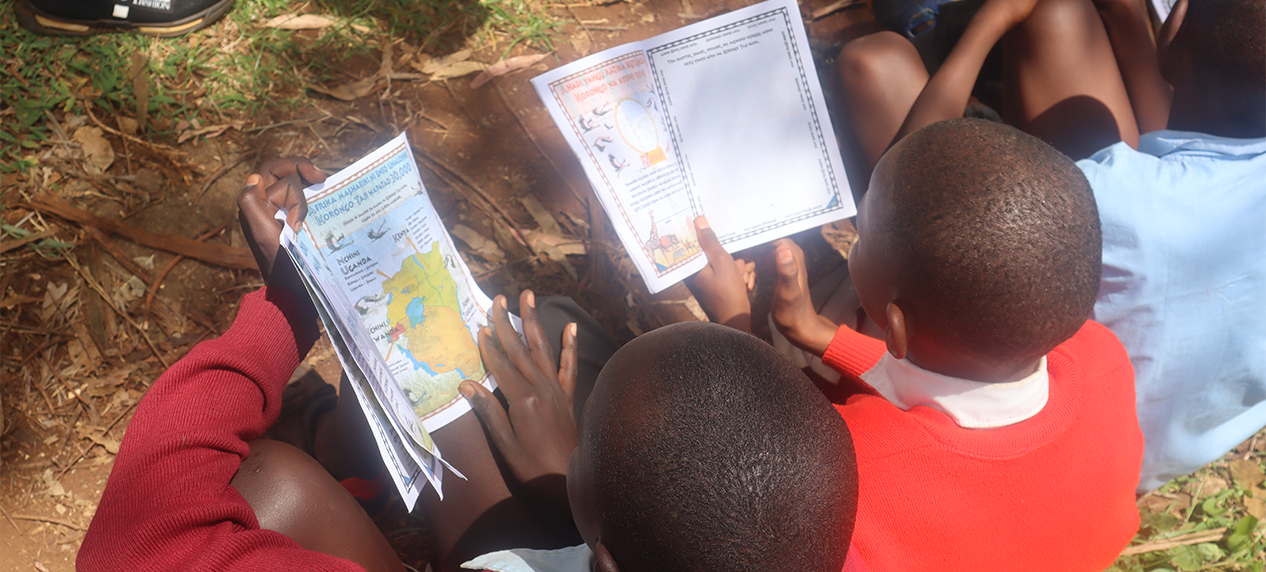
 

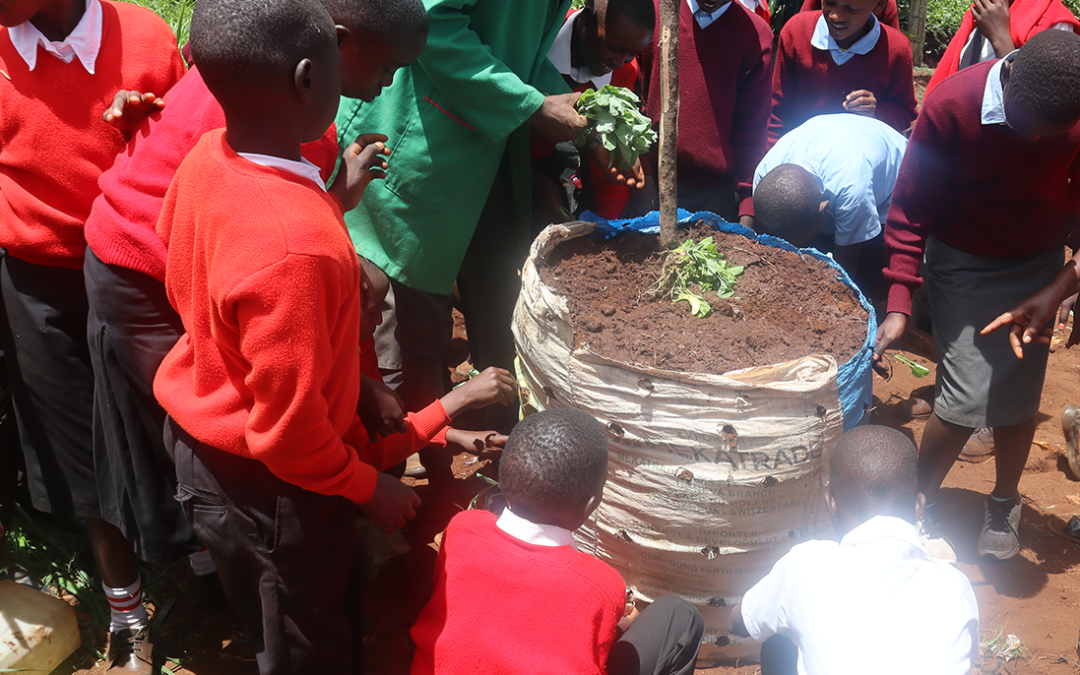
Climate smart agriculture training in schools


Climate resilient agriculture

In 2023, the EWT held a five-day climate-resilient agricultural training course attended by 23 farmers from Kutama in the Western Soutpansberg. After the training course, 14 participants established the Ndouvhada Organic Farming Cooperative, and are now producing vegetables on the CPA’ s land. Through this project, the Cooperative received irrigation material and other equipment as well as seeds and other inputs. The Cooperative has also been able to source funding for funding through a state grant facilitated by the Limpopo Department of Agriculture and Rural Development (LEDET).

We are also supporting a second project started by a group of young agriculture graduates in Kutama to provide Agri-Set accredited training to other community members to enable them to cultivate vegetables and improve animal husbandry. The number of participants has far exceeded our expectations, with 100—150 people regularly attending training every weekday morning over the last seven months. The EWT is supporting the group with equipment and seed packs, repair of water tanks, and other inputs, and we are exploring opportunities to strengthen this initiative in the future.

We are also supporting farmers in Buysdorp to improve the sustainability of their agricultural activities. In June 2024, we collaborated with the University of Johannesburg to hold a workshop to assess the extent of existing farming activities in the area and community members’ visions and future plans. Water security and management emerged as a key theme throughout the workshop, together with the need for training to enable farmers and other community members to reduce harmful agricultural impacts through pesticides and fertilisers, and to develop strategies to reduce loss of crops and livestock through human-wildlife conflict. We are now participating in a follow-up project with the University of Johannesburg and other partners to assess and provide recommendations to improve the sustainability and quality of groundwater in Buysdorp, particularly in light of additional demand to meet increasing urbanisation, agriculture, mining, and other human development needs throughout the region.

Working in partnership with organisations and service providers is vital to the success of all our initiatives. In addition to universities and other Not-for-Profit organisations, we collaborate with the Limpopo department of economic development, environment and tourism (LEDET) to enable us synergise resources and strengthen benefits and support to community partners over time. Building climate resilience is a long-term process and it is important to ensure that small-holder farmers are not left behind.
A word from the CEO

A word from the CEO


A WORD FROM THE CEO

Yolan Friedmann, EWT CEO

yolanf@ewt.org.za We have many challenges in our country, and one that plagues us all too often is poor decision-making on behalf of the authorities who have the mandate to safeguard our environment for current and future generations. We fully appreciate the fine balancing act that our decision-makers face, with millions of unemployed people needing jobs at all costs. But we cannot lose sight of the long-term devastation that can arise out of many developments that are, in fact, only opportunities for very limited, short-term gain for a select few. In cases like these, it behoves organisations like the EWT and our partners to fight for a greater good that considers not only the needs of future generations but those of the current as well. A case in point is the ongoing fight to protect the Mabola Protected Environment in Mpumalanga from inappropriate mining activity, which will destroy its critical biodiversity, its important contribution to water security, and its unique variety of threatened species.

The EWT is a member of a coalition of eight civil society organisations, which has been working since 2015 to prevent the development of the proposed Yzermyn coal mine near Wakkerstroom, Mpumalanga proceeding. Our reasons for wanting to stop this mine are based on our grave concern for the negative impact of this proposed coal mine, which would fall within a Strategic Water Source Area – one of only 22 areas from which more than 50% of South Africa’s freshwater originates. Protecting strategic water source areas is crucial for South Africa’s water security, provide water for people and economic activity, food security, and meaningful, long-term job creation.

There are currently five court challenges to various permits granted for the proposed mine, which are pending before the High Court, with more in the wings as decisions are taken which, in our view, are not in the interest of sustainable living and environmental protection to the benefit of all.

Whilst we await the courts’ decisions on the pending matters, the coalition went to court in March to seek an urgent interdict to halt any form of development. The matter went before the Pretoria High Court, which issued a ruling on 23 March that interdicts the coal mining company from commencing mining and related activities in a Strategic Water Source Area. The interdict was issued to allow the legal challenges of its various permits to be decided first before harm is done to this fragile system.

The EWT is not a litigious organisation by nature but takes seriously our commitment to ensuring a healthy planet and an equitable world that values and sustains the diversity of all life, so if we need to resort to the courts to help us secure critical water sources and fragile ecosystems, we will. The Mabola Protected Environment is one of these critical areas that cannot be lost to future generations for the unique and critically important life-giving services it provides. The other coalition members feel the same, and hence we joined forces to defend the Mabola Protected Environment along with the Mining and Environmental Justice Communities Network of South Africa, groundWork, Earthlife Africa Johannesburg, BirdLife South Africa, the Federation for a Sustainable Environment, the Association for Water and Rural Development (AWARD), and the Bench Marks Foundation, and we are all represented by the Centre for Environmental Rights in this critical and landmark case.

The EWT is pleased with the outcome of this court action, which builds confidence around the balancing role that our courts still play by upholding the rule of law in a country where competing interests can drown out the voices of many. We will continue to update you on this matter as the various court proceedings come to a head later this year.

The source of our survival

The source of our survival


THE SOURCE OF OUR SURVIVAL

Bradley Gibbons, EWT African Crane Conservation Programme, bradleyg@ewt.org.zaIf you think about water, what is the first thing that comes to mind? Is it drinking water or having a shower or perhaps washing clothes? Imagine not being able to do any of these things – a world without water. That is simply impossible to comprehend. LIFE depends on water.

When some people are asked, “where does water come from?”, often the answer is “from a tap” or these days “from a bottle”.  For many city dwellers, this may seem a logical answer, but many thousands of people living in rural areas must walk, sometimes many kilometres, to the closest river or stream to do their washing and take buckets filled with water back to their homes. They are very aware of the value of water, of its source, and the consequences of a river running dry.

It is probably a little-known fact that mountains, approximately 10% of the country’ s land area, supply water to about half of the country. These mountains are the “water factories” that feed their precious “blue gold” into rivers such as the Vaal, which carries it through the country to be syphoned off to supply towns and cities such as Johannesburg.

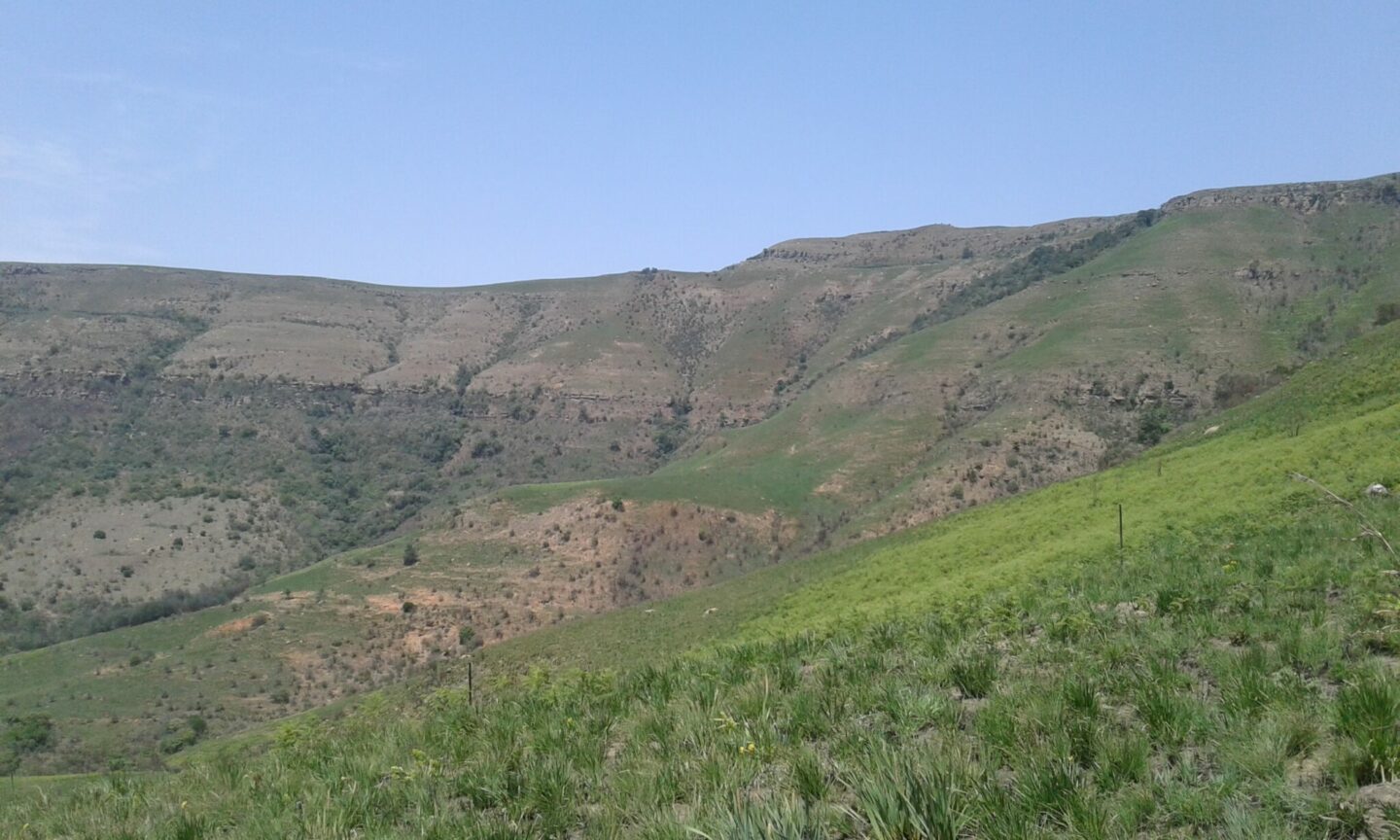
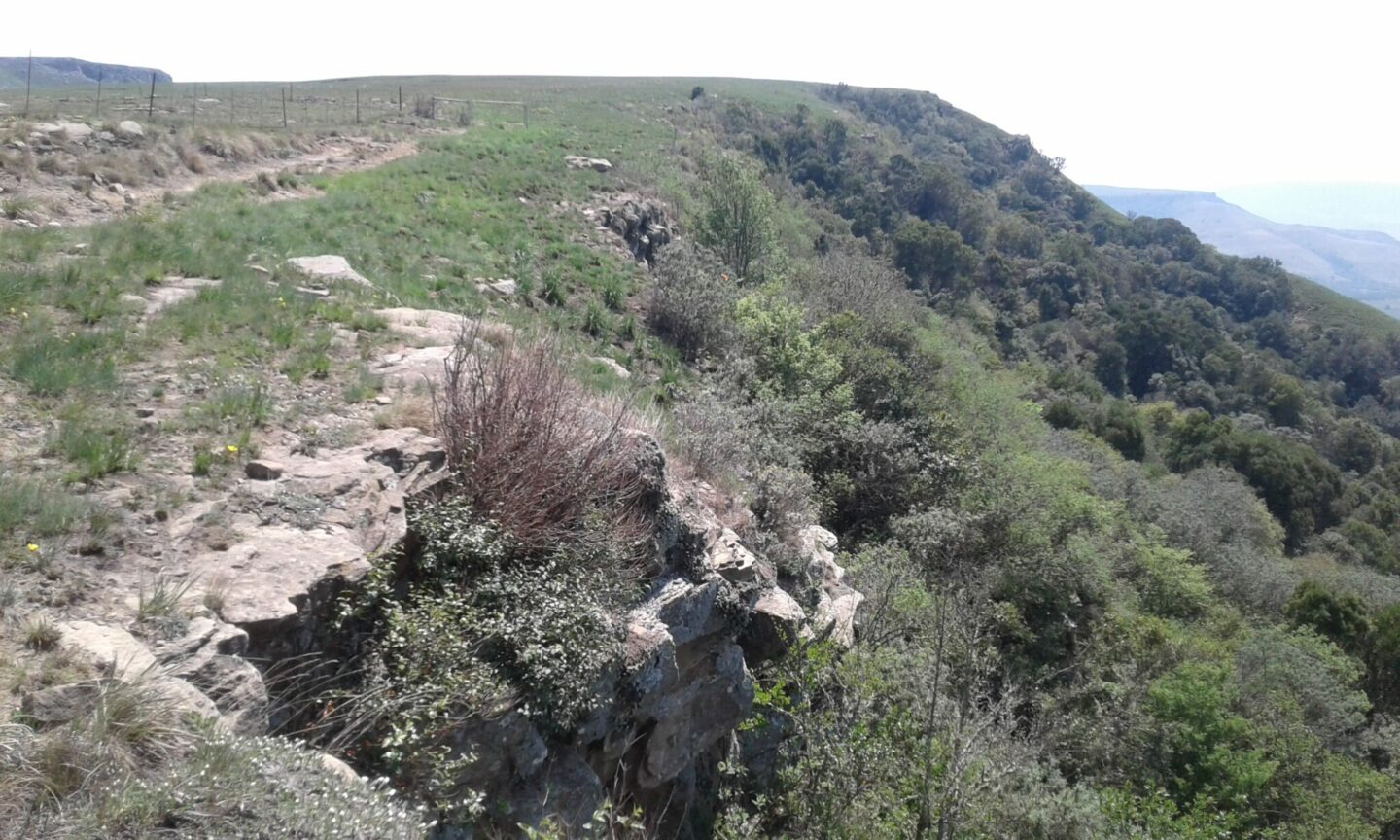
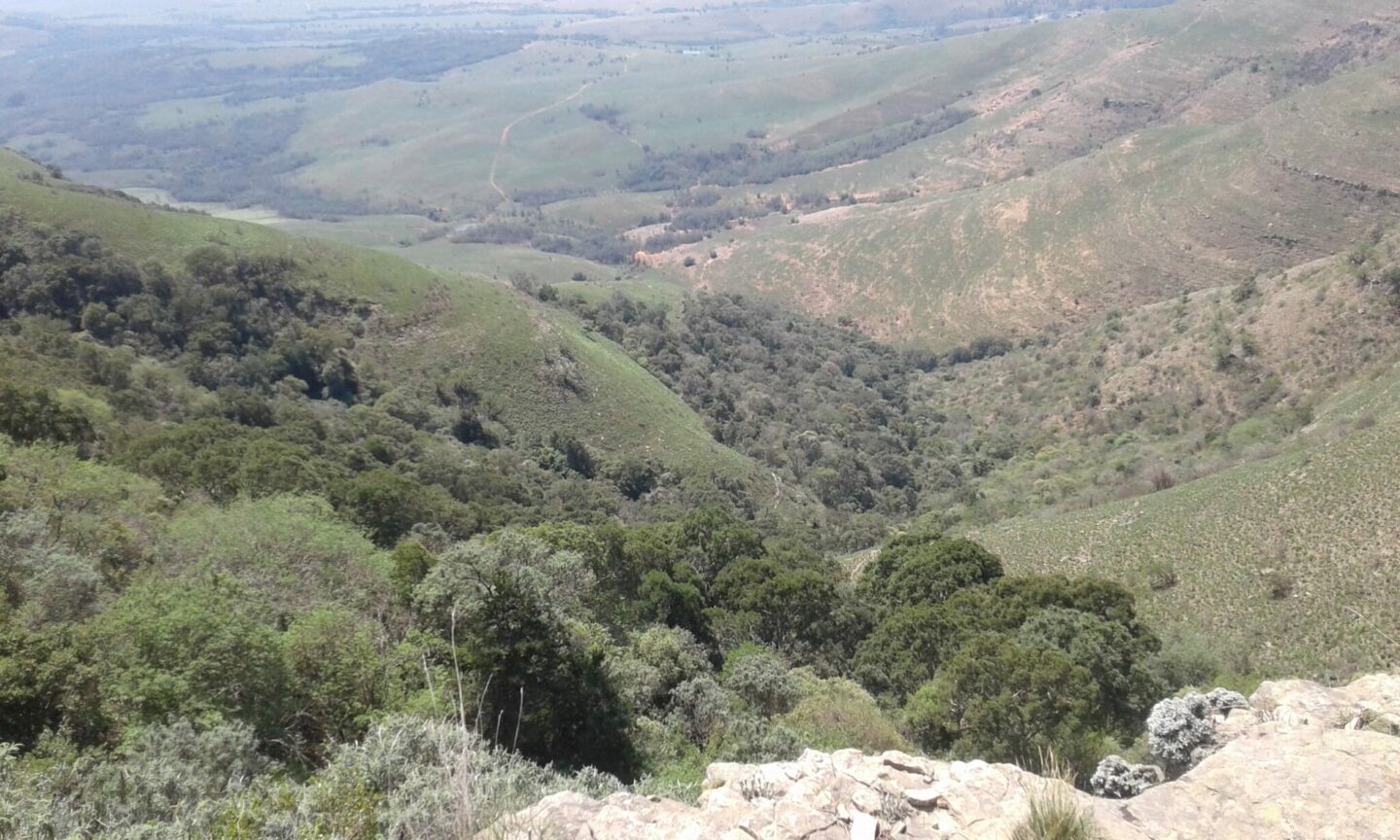
An example of a massive “water factory” is the Eastern Great Escarpment region found in north western KwaZulu-Natal and north eastern Free State that forms an important part of the Thukela and Vaal Rivers catchments. A water source area such as this one needs to be protected at all costs, not only for the supply of water for future generations but also for its biodiversity value. If these mountains are compromised in any way due to unsustainable developments or habitat degradation, there are massive impacts on the supply of fresh, clean water to many thousands of people.

The Endangered Wildlife Trust is engaging with landowners in the Eastern Greater Escarpment to get their commitment to conserving their farms through biodiversity stewardship, whereby their farms are formally proclaimed as Protected Environments or private Nature Reserves, depending on the biodiversity value of the farm. By doing so, farmers will help safeguard these water sources into the future. A classic example of a Biodiversity Stewardship site is the uMsonti Nature Reserve proclaimed in May 2019, located south-west of Newcastle in the region formally known as ‘Holkrans’ . Not only does this site safeguard the forest patches but also protects the source of the water for the Thirsti water bottling plant.

Please make use of water-saving tips to reduce your water usage and contribute in any way you can to the protection of the mountains and catchment areas that supply the water critical to our sustainability and continued quality of life in this semi-arid country.

Catchments: where communities and biodiversity meet

Catchments: where communities and biodiversity meet


CATCHMENTS: WHERE COMMUNITIES AND BIODIVERSITY MEET

Nkosinathi Nama
Nkosinathin@ewt.org.za

Water is a precious resource and as a water scarce country, South Africa needs to protect and manage its limited water resources, for the benefit of both people and the environment. With a rapidly growing population, emerging economy, and climate change challenges, a holistic approach to the management of our water resources is needed, encompassing social, ecological, and built infrastructure interventions to improve water availability to communities. At the same time, we need to maintain the critical services provided by rivers, wetlands and other aquatic ecosystems as well as biodiversity. These services include the mitigation of drought and floods, which can cost the country billions of Rands and lead to individual hardship and loss of life; reducing soil erosion; keeping our wetlands healthy; mitigating the impacts of pollution; and provision of food, medicine, fibre, building materials, and economic opportunities, including tourism.

Biodiversity is under threat globally with the rate of species loss higher than ever recorded before. Freshwater ecosystems, home to about 40% of fish species globally, are under threat and 20% of freshwater fish species have already gone extinct as a result of pressures such as over-extraction of water from rivers, pollution, overfishing, and climate change. In South Africa, more than 90% of our surface water is depleted or degraded by development or agriculture.

Catchment areas encompass land that is drained by a river and its tributaries, as well as other water runoff. They usually include areas with hills or mountain ranges such as the Drakensberg in KwaZulu-Natal and the Amathole Mountains in the Eastern Cape. Catchments are critical for biodiversity conservation and human survival, but are often severely impacted by mining, agriculture, forestry, and other human activities. To balance competing human needs, catchment management strategies need to take a multi-pronged and holistic approach, as mentioned above, considering both socio-economic and ecological objectives, and ensuring that the needs of communities living within the catchments are met. This approach, putting communities at the centre of biodiversity conservation within catchments, gives these ecosystems their best chance at survival, particularly if people are included in management strategies. Recognising that communities are important custodians of catchment areas, and ultimately of the biodiversity in these areas, the Endangered Wildlife Trust (EWT) has applied this approach in its projects in the Amathole (Eastern Cape Province) and Groot Marico (North West Province) water catchments, as well as through partnerships in the Mzimvubu catchment in KwaZulu-Natal.

The Amathole mountains in the Eastern Cape are recognised as a strategic water source area. Invasive alien vegetation is a significant threat to many of these ecosystems, including the Amathole, where widespread stands of species such as the Black Wattle occur. Indigenous to Australia, and without any natural control agents in South Africa, the Black Wattle is a prominent invader that is costly to manage and poses a serious threat to biodiversity and water provision. The species consumes a substantial amount of water and can alter flow rates of a river. Dense stands growing along river systems can change the ecology of the systems. For example, both water temperature and water chemistry can be altered by the shade of the trees, which in turn affects the diversity of aquatic species.

To address the impacts of Black Wattle and create much needed employment opportunities for people living in the area, the EWT collaborated with the then Department of Environment Affairs (DEA) to train and employ 150 contract workers to clear Black Wattle. The EWT also trained five local entrepreneurs as qualified Natural Resource Management contractors. They received training in computer skills, business management, plant identification, chainsaw operations, basic rangeland management, as well as health and safety, and basic first aid. Through this initiative, the EWT and the then DEA cleared 1,250 hectares of Black Wattle stands in the catchment.

To monitor the impact of alien clearing on the river health in the Amathole Catchment, the EWT implemented a biomonitoring programme in the Tyume River, one of the main rivers in the catchment. Water quality and flow rates are measured throughout the year, together with the status of indigenous and alien fish species.

Indigenous aquatic species act as good indicators of aquatic health, but many are under pressure through human activities. In the Amathole, the introduction of alien fish species such as the rainbow trout has significantly impacted indigenous fish species that they prey on. Biomonitoring has however shown early signs of improvement in the population status of two Endangered freshwater fish species, the Border Barb and the Eastern Cape Rocky, both of which only occur in this region. Local community members have also been trained in ecological monitoring techniques, equipping them to become citizen scientists. Through this and additional training, members of Tyume communities have gained insights into the dynamics of rangelands and aquatic ecosystems, as well as the need to maintain biological diversity.

As with the Border Barb and Eastern Cape Rocky, the Critically Endangered Amathole Toad is endemic, occurring only in the region. The habitat of the Amathole Toad includes Amathole Montane Grassland and Amathole Mistbelt Grassland, both of which are vegetation types that only occur in the Eastern Cape and are classified as ‘Poorly Protected’ . The site also supports Drakensberg-Amathole Afromontane Fynbos, which includes patches of unique Fynbos that have not yet been mapped in the Amathole Mountains. The EWT is working with private landowners towards obtaining formal protection of this important habitat and its unique species, which also contributes to securing reliable water provision for the Eastern Cape.

To further support local livelihoods in the Amathole water catchment, the EWT also provides training on climate smart agriculture, soil erosion management, and improved management of livestock. Climate smart agriculture enables farmers to adapt to drought, seasonal fluctuations, and weather patterns, and mitigate risks to their incomes. In the Tyume valley, farmers identified improved husbandry as a critical need to build the resilience and production capacity of their herds, particularly during times of drought. These efforts all contribute to improved natural resource management.

The EWT has also trained former contract workers in beekeeping. The Tyume Valley Beekeepers Association have had four harvests to-date and are collaborating with private landowners in Hogsback to increase the amount of fodder available to the bees. Through this type of valuable local support, the beekeepers will be able to grow a much-needed micro-enterprise and provide quality honey to residents, tourist lodges and other outlets in the Amathole.

By recognising community needs and involving people who live in the Amathole Catchment in conservation management strategies, as well as sharing skills, scientific feedback, and management experiences, the EWT and its partners have developed strategic interventions for improved water and biodiversity management in the region. This critical work cannot be implemented by one organisation alone. We are grateful to the Rand Merchant Bank for financial support of the project, and extend our appreciation for our ongoing partnerships to members of the Amathole Catchment Forum, the Department of Forestry Fisheries and Environment (DFFE, formerly DEA), the Department of Water, Sanitation and Housing, the Dept of Rural Development and Agrarian Reform, and the Amathole Forestry Company, amongst many others.

Make it rain

Make it rain

MAKE IT RAIN

Catherine Vise, EWT Soutpansberg Protected Area Water Conservation Project Coordinator CatherineV@ewt.org.zaWe are proud to announce an investment from The Coca-Cola Foundation (TCCF) into the EWT’ s Soutpansberg Water Conservation Project, through their Replenish Africa Initiative (RAIN). TCCF’ s investment is part of their ongoing support of watershed protection programs across the continent and demonstrates their commitment to driving progress on the sustainability development goals on the African continent. The Soutpansberg Water Conservation Project identified a large area of alien trees in Limpopo, which, once removed, will significantly contribute to the region’ s bulk water security. RAIN is the flagship programme under which TCCF implements its community water projects in Africa. To date, RAIN has reached more than 2.8 million people with improved water access, sanitation and hygiene (WASH) across 41 countries. By the end of 2020, RAIN aims to measurably improve the lives of at least six (6) million people in Africa through sustainable WASH interventions. The EWT is very pleased to be working with The Coca-Cola Foundation, through the RAIN programme, as the funding will expand our current work removing IAPs from upper catchment areas in the Soutpansberg, while at the same time empowering local people through the creation of jobs. What are IAPs? Invasive alien plants (IAPs) are plants introduced to a new location from elsewhere in the world. These introductions can occur purposefully, such as exotic plants introduced for garden plants or forestry and agriculture, or sometimes these introductions happen accidentally. Once introduced, IAPs are a species that naturalise, adapt and spread quickly in their new environment. With no natural predators the IAPs increase, which can lead to mass invasions of habitats. Consequences of this can be dire – from direct impacts on biodiversity through habitat displacement, to impacts on human livelihoods. Invasive alien species are globally recognised as the second largest threat to biodiversity, after direct habitat destruction. How do IAPs affect our water resources? IAPs also have a very high impact on water resources. Some species (e.g. Eucalyptus and Black Wattle) extract large amounts of water from both groundwater and river systems due to their much higher use of water than the indigenous vegetation. It is estimated that IAPs can lower water availability by up to 4% across the country, and if left unchecked this impact could increase to 16%. Dense stands of Black Wattle on river systems can also exclude indigenous vegetation (such as grasses and sedges) from growing on the riverbanks leaving the soil exposed and dried out. This can lead to soil erosion when it rains, further degrading the system. How have IAPs affected our Soutpansberg mountain region? The Soutpansberg Mountain range is a unique set of mountains in the far north of Limpopo, South Africa. This area offers a wide range of habitats, hosts incredible biodiversity, and is a known centre of endemism in the country. Some habitats high up on the mountain include grasslands and wetlands. These host a number of species and are important sources of water, particularly for the recharging of groundwater sources for downstream users. However, the relatively pristine Western Soutpansberg is threatened by the presence of IAPs. Dense stands of Black Wattle and Eucalyptus are invading wetland and riverine systems. There are also other isolated stands of Eucalyptus trees across the mountain, associated with river systems and impacting on water resources coming off the mountain. This is of particular importance as downstream the Limpopo Valley has important agricultural significance. Farmers are dependent on these ground and surface water sources for irrigation and rural communities rely on natural water sources for their livelihoods. The EWT initiated the Soutpansberg Protected Area Water Conservation Project in 2018. The project focuses on the removal of IAPs and has a dedicated team of Water Rangers recruited from local communities. In a country where water scarcity’ s importance has increased on the national agenda, it is vital that we preserve our water resources to the best of our ability. Investing in clearing of IAPs has been recognised by Department of Environmental Affairs’ Natural Resource Management as a key priority area – for water security, as well as the jobs that are created through this investment. In addition to removal of alien trees, the project will also work within the larger Soutpansberg Protected Area Programme on protected area expansion, targeting 4,000 ha of upper catchment mountain habitats for protection. In this area, we will work with landowners to commit their land to becoming a Nature Reserve through the Biodiversity Stewardship Programme. Our partnership with RAIN will include engagement with communities in the wider Soutpansberg area on water related issues, and especially water stewardship towards reduced consumption. This will be implemented by workshops on water, sanitation and hygiene to local people, fulfilling RAIN objectives of education on this important topic. We are looking forward to forging ahead with this project and making a real difference to conservation in the Soutpansberg Mountains.