Help protect Africa's 

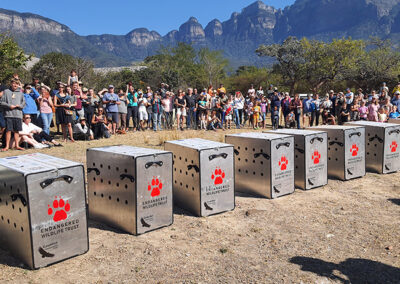
Two rehabilitated Vultures released by the Birds of Prey Programme in Mokala National Park

Two rehabilitated Vultures released by the Birds of Prey Programme in Mokala National Park

Two rehabilitated Vultures released by the Birds of Prey Programme in Mokala National Park

By Ronelle Visagie, Birds of Prey Programme.

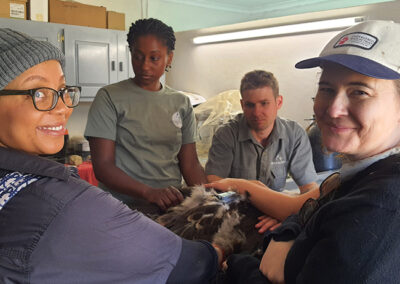
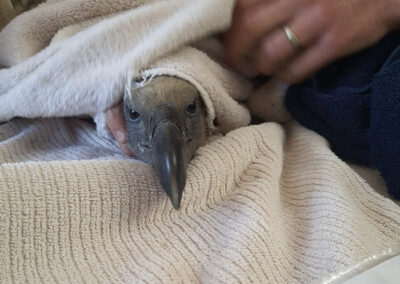
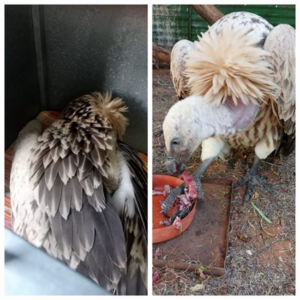
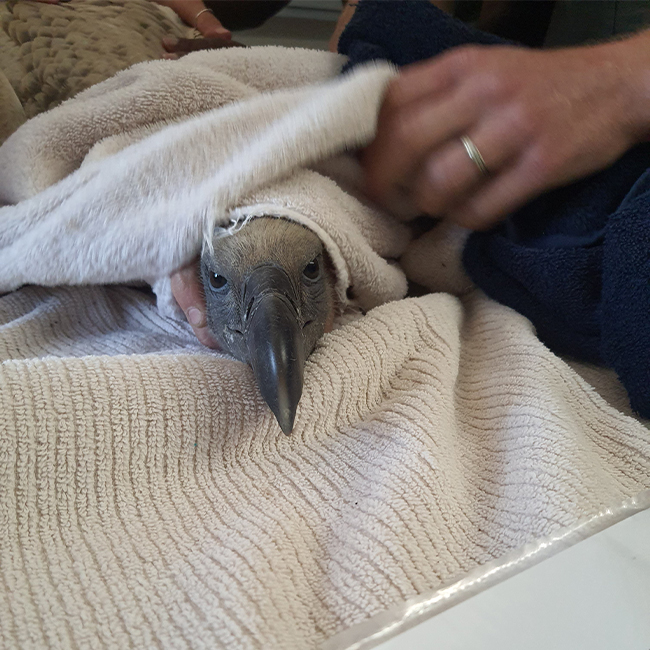
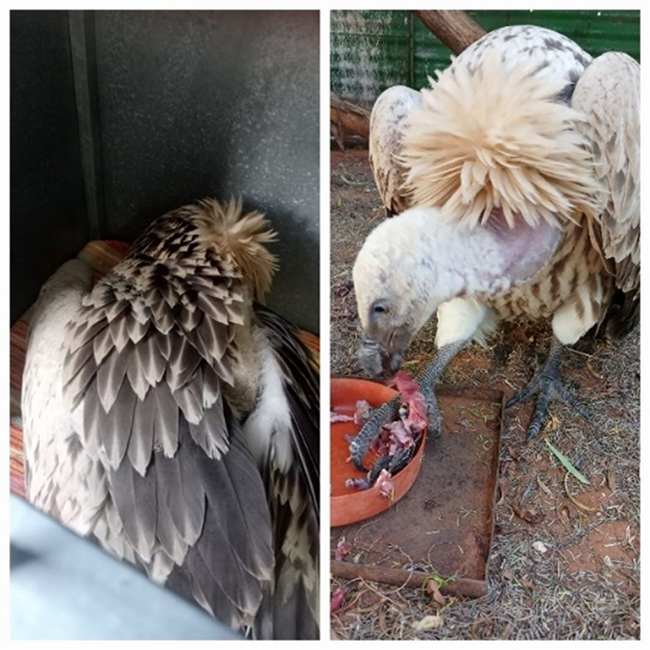
Neska on the day she was confiscated (13 January 2024) and a week later.

In December 2023, I fetched an injured White-backed Vulture from Kimberley Veterinary Clinic.  The bird was found somewhere in town and had a broken leg.  The bird was in an excellent condition and was eating well.  Its leg was pinned by Dr Burger.  From the start this vulture was very feisty so we decided to call her “Kwaaitjie” (bad girl).

Once home we put her in a deep crate as the orders from the vet were to keep her still. Two days later she was able to sit on the side of the crate and was ready to jump down so we moved her to a  small aviary where she could be on the ground and still not move too much.  Kwaaitjie must have decided it was too boring for her to be confined and not move around too much, so she took it upon herself to remove the pin from her leg – only eight days since the operation.

Because of this I contacted the Kimberley Vet Clinic and explained the situation.  Following a discussion, it was agreed that Kwaaitjie be left where she is as the risk of injury was too big if we transported or handled her.  I had also promised to take her to the Clinic if something happened to her leg.

An X-Ray of her leg two weeks later showed she was on the mend.  After being kept in a small enclosure for another two weeks, she was moved to the large aviary where she started to fly.

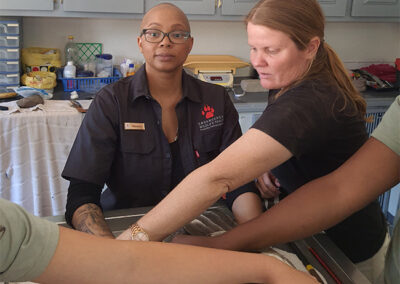
Barely a month later, in January 2024, I fetched a Cape Griffon from the Kimberley Veterinary Clinic that had been confiscated by police in a township near the Northern Cape town.  The police had taken the bird to Dronfield to be released. It was then that Aneska Almendro, working for De Beers at Dronfield, saw that the bird needed veterinary care and took her to the Clinic.  The Griffon was in a severely stressed condition, and the vets had to put her on at least two drips to save her life.


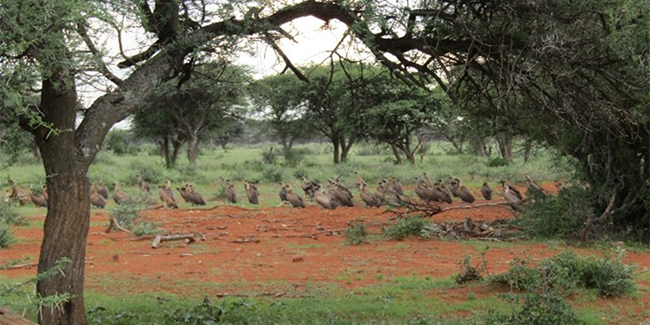
Part of a large group of vultures at the waterpoint.

Neska on the day she was confiscated (13 January 2024) and a week later.

After collecting her, I put the Griffon, which we had named Neska, in a large aviary so that she could walk and stretch her wings.  But, she refused to move for the first two days. This might be because of the way she was treated before she was confiscated.  It was exciting to see her finally start walking around and stretching her wings. She was also eating well after her ordeal.

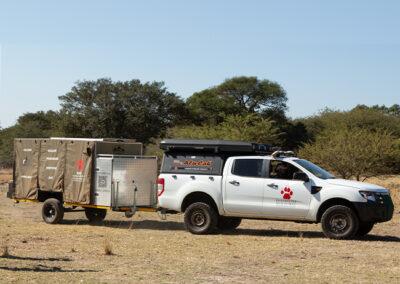
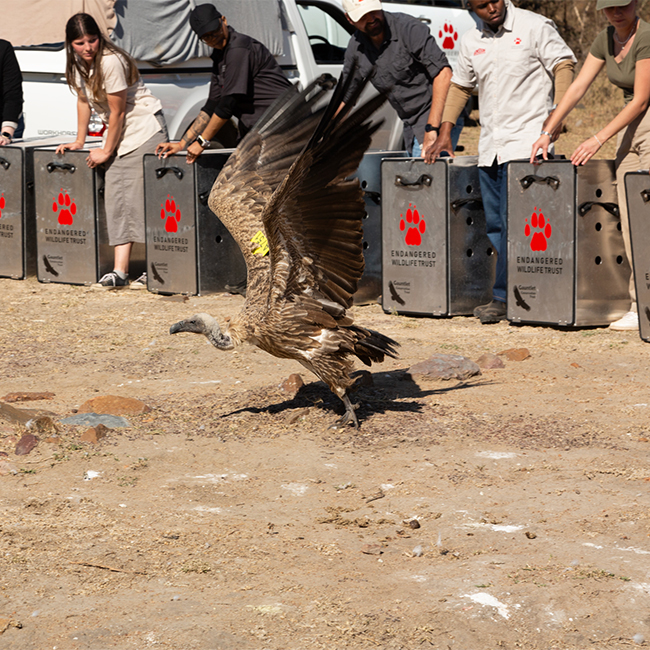
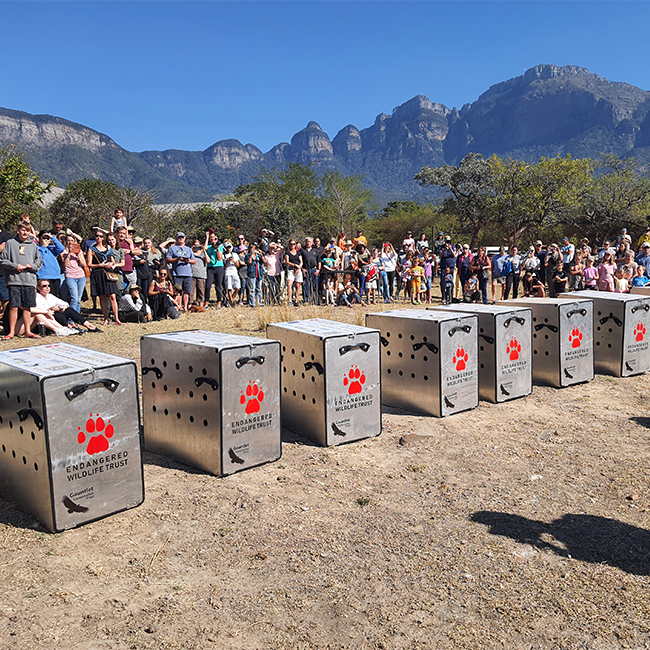
Both vultures recovered very well prompting our decision to release them back into the wild as soon as possible.  Kwaaitjie and Neska were ringed before being transported to their new home —  Mokala National Park.

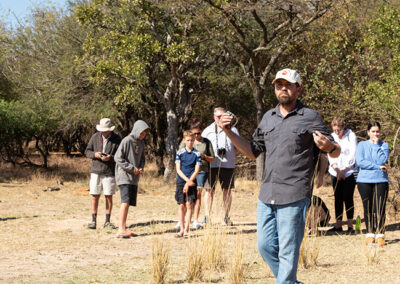
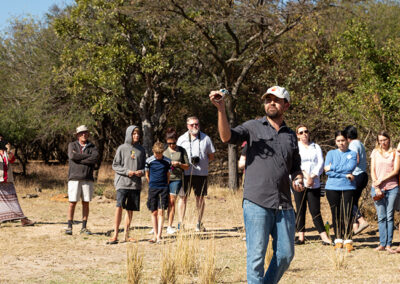
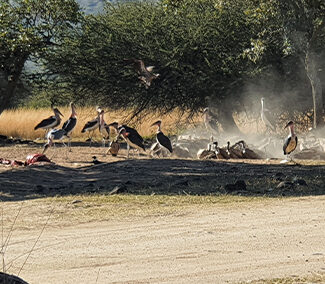
On our arrival at the watering hole where vultures usually bath and drink, we were met by more than 100 of raptors at the water and in the trees.  Most of them were White-backed Vultures and at least three Cape Griffons were also seen.

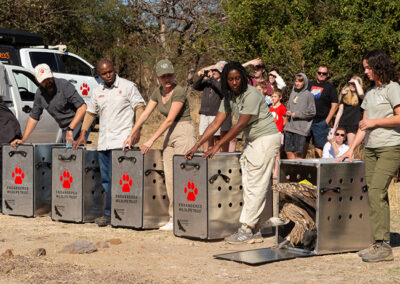
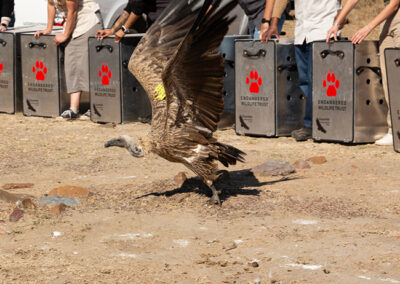
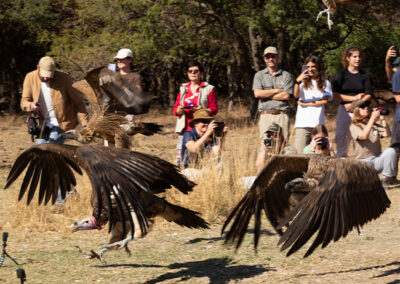
When we opened the transport crates, the two birds walked out, stood for a few minutes to take in their new surrounds and took flight.

** We would like to appeal to members of the public not to keep Birds of Prey as pets.  If you see an injured or poisoned bird, call your nearest veterinarian so they can receive the treatment needed.

Battle of the Bullets: The Lead-free awareness drive by South Africans for South Africans.

Battle of the Bullets: The Lead-free awareness drive by South Africans for South Africans.

Battle of the Bullets: The Lead-free awareness drive by South Africans for South Africans.

Danielle du Toit, Vulture Safe Zone Officer, Birds of Prey Programme.

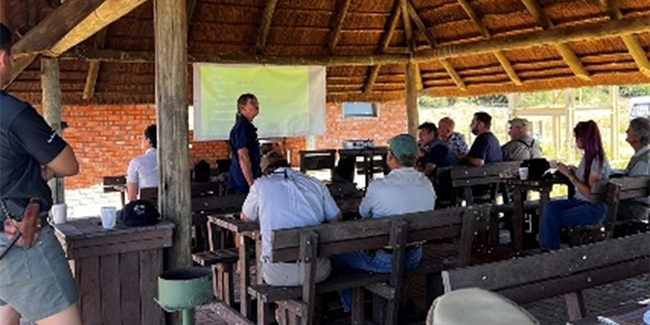
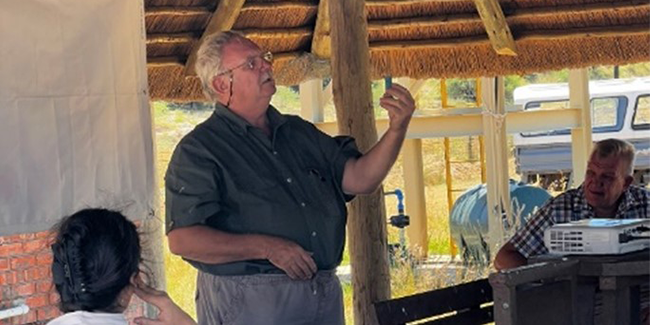
Ronelle Visagie speaking to delegates about vulture conservation

The EWT Vulture Safe Zone project objectives include reducing and ultimately eliminating the threats to vultures within project areas. Among many other dangers is lead poisoning; a serious threat to vulture populations and other species across the globe.

Poisoning in its many forms is the leading cause of population decline in vulture species. Although both intentional and unintentional poisonings have resulted in huge knocks to vulture numbers in single incidents, lead poisoning can be considered a quiet killer.  It is a  silent destroyer of which few people appreciate the serious impact it has on, for example, scavenging species like vultures.

Lead poisoning is caused when lead is ingested and allowed to enter the blood stream reaching vital organs and the animal’ s bones. It can cause an array of ailments including, but not limited to, decreased coordination, decreased fertility, bone fragility, organ disease and failure and eggshell fragility.

Vultures are usually slowly poisoned by lead when carcasses of animals shot with lead ammunition are fed on by these scavenging birds, either in the veld, at carcass dump sites or vulture restaurants. The skulls of animals harvested through head shots and which have been thrown into these dump sites are of particular concern as lead fragments are highly concentrated in those parts.

Vultures are also susceptible because their entire digestive system is highly acidic (unlike humans, which have alkaline mouths and saliva). This causes the lead to break down easily into  smaller particles which are quickly taken up into the bloodstream. Studies have shown that the lead causing this poisoning is indeed from lead ammunition.

(For more on this, read: van den Heever, L., Elburg, M.A., Iaccheri, L. et al. Identifying the origin of lead poisoning in white-backed vulture (Gyps africanus) chicks at an important South African breeding colony: a stable lead isotope approach. Environ Sci Pollut Res 30, 15059–15069 (2023). https://doi.org/10.1007/s11356-022-23209-z )

The EWT’ s Vulture Safe Zone project came up with Battle of the Bullets initiative to address what we call ‘the threat behind the threat’ . It was established to not be prescriptive in its nature, but has rather taken the form of a round table where all role players within the ammunition and conservation circles are brought together to determine how all can benefit, or be benefitted by, opening a conversation around the latest science in conservation and lead-free bullet ballistics.

In February 2023, the EWT and partners, BirdLife South Africa and SA Hunters, with major input from our ballistics specialist, Kobus du Plessis, hosted the 3rd Battle of the Bullets at the Rooifontein Shooting Range in Kimberley. This location was chosen because lead poisoning of the resident vulture populations was shown to be some of the highest in the country.


Attendees at Battle of the Bullets in Kimberley

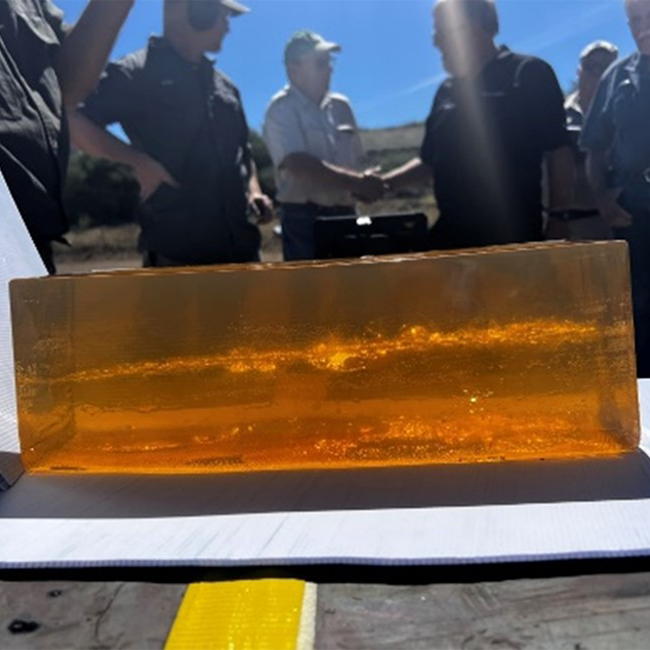
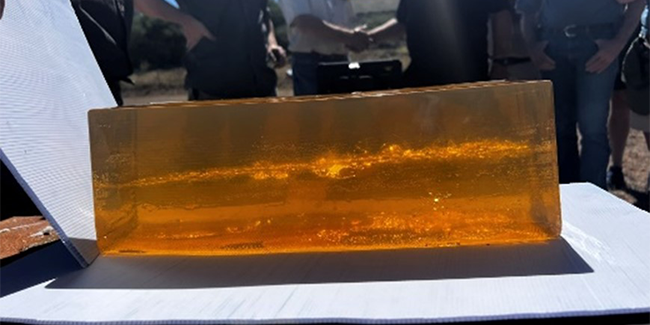
Gelatin targets are used to visibly show the bullet energy transferrence and trajectory

Ronelle Visagie presenting speaking to delegates about vulture conservation

The day started with presentations from the EWT’ s Ronelle Visagie who spoke about her work in vulture conservation in the Northern Cape, followed by Linda van den Heever of Birdlife SA who presented her study on lead poisoning in vulture species. Schalk van der Merwe, formerly of the Endangered Species Unit, discussed what to do if one came across a potential poisoning.

Linda van den Heever’ s presentation was hugely important as it not only simplified the jargon used in science for the average person, but also revealed just how bad the lead poisoning situation is. This then begged the question, if lead is so bad, what are the alternatives?

For many years, lead free ammunition and bullets have been assumed to be unreliable, costly, and inaccessible. Many have complained that the bullet does not perform according to what the user needs. However, we are now seeing a steep increase in the quality of lead-free ammunition. South African manufacturers are testing, retesting and constantly improving their products for the South African hunter and shooter — for South African conditions.

Kriek Bullets and Impala Bullets demonstrated different ammunitions on different targets to show just how well they performed under various circumstances – from distance, to accuracy, to impact. They tested lead ammunition versus lead free ammunition in each demonstration. It was easy to see that the bullets were performing well in every scenario presented and showed that users can have peace of mind when choosing to use lead free alternatives.

The Battle of the Bullets not only provides the latest information and science on lead poisoning and lead free bullets to attendees, but also highlights the link between vulture conservation and the hunter.  February’ s event once again proved that by leaving assumptions at the metaphorical door, and entering into the day with an open mind, we could all learn something new while supporting conservation efforts and local manufacturers.


Special thanks to Ekapa Mining, Esther van der Westhuizen, Ruan Maré and their team for hosting the day at Rooifontein Shooting Range and for your support of our event. 

Cobus du Plessis discussing the various types of ammunition

Science Snippets: Science through the 50 Years: the species we work on

Science Snippets: Science through the 50 Years: the species we work on

Science Snippets: Science through the 50 Years: The Species We Work on

Erin Adams and Lizanne Roxburgh, the EWT Conservation Planning And Science Unit

The Endangered Wildlife Trust (EWT) is celebrating its 50th anniversary, and we are reflecting on our remarkable contributions to scientific discovery over this period. Formed in 1973, the EWT was made up of species-focused working groups. These groups included the Vulture Study Group, the Carnivore Working Group, and the Elephant Survey and Conservation Programme (ESCP).
In the early 1980s, the EWT focused on elephant translocation into new reserves. The ESCP played a key role in relocating elephants from conflict areas in Namibia to the Pilanesberg National Park. Another study focused on the distribution and numbers of desert elephants in north-western Namibia. Towards the end of the 1980s, the EWT started working on cranes under the Highveld Crane Group. During the 90s, the EWT’ s crane work expanded throughout South Africa’ s important crane strongholds.

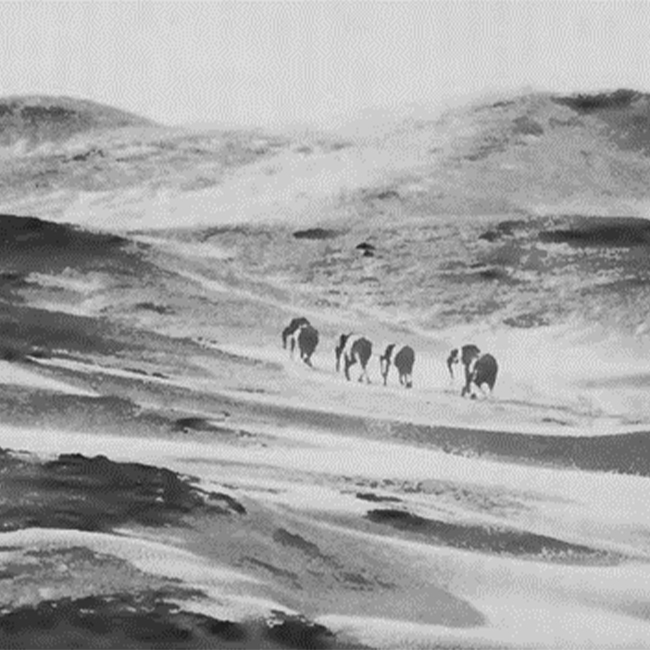
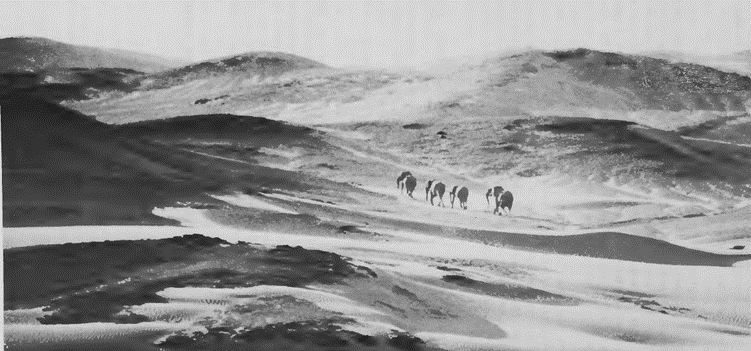
vintage photo of elephants in the desert

Figure 1. The desert-dwelling elephants of north-western Namibia (credit: C. Walker, 1982).

From the early 2000s, the EWT shifted its focus to carnivores, including Lions, Honey Badgers, Cheetahs, and Wild Dogs. Research on these species took place across southern Africa, including the Kalahari and Kruger National Parks. The EWT’ s crane work has also expanded through a formal partnership with the International Crane Foundation, and the crane group became known as the African Crane Conservation Programme.
In the 2010s, research and publication of our results became vital for the EWT, resulting in approximately 130 publications. The species of interest expanded to include frogs, oxpeckers, Riverine Rabbits, and Ground Hornbills. The Threatened Grasslands Species Programme, which studied grassland ecosystems and its resident species such as the Blue Swallow and the Oribi, was also prominent during this time. Other important topics investigated were the threats to species, including road mortalities, livestock predation, wildlife poisoning, and bird-powerline collisions.
Even though it is only three years into the 2020s, the EWT has already recorded 96 publications, highlighting the organisation’ s commitment to conducting valuable research and ensuring the dissemination of information to our audiences. The focus remains on employing robust sampling techniques to benefit the survival of threatened species. The EWT provides biodiversity data for scientific research and action and reviews environmental impact assessments in South Africa. We have also conducted studies on ranchlands to understand their biodiversity. Furthermore, the organisation has placed a greater emphasis on wildlife and law and business and biodiversity. It is also expanding into more cryptic but equally threatened species, such as Golden Moles, Dwarf Tortoises, and Colophon Beetles.
Throughout its history, the EWT has consistently prioritised the conservation of vultures. These birds remain a primary focus through the Birds of Prey and the Vultures for Africa programmes.

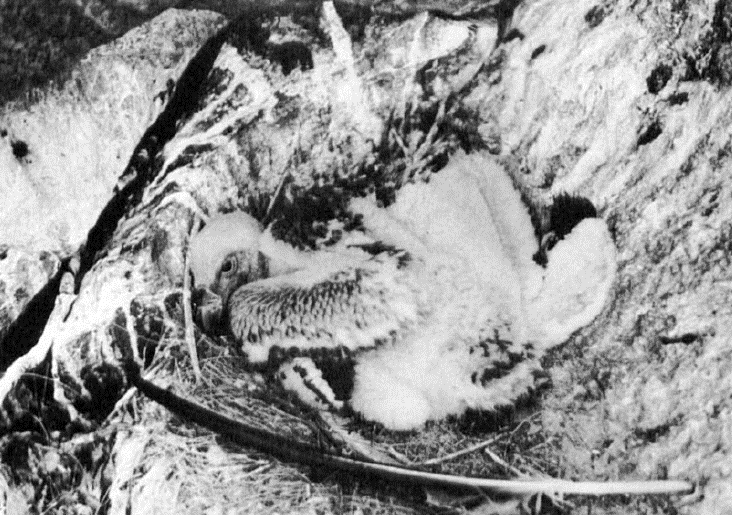
vintage photo of a cape vulture chick in the nest

Figure 2. A 51-day-old Cape Vulture chick (credit: P. Richardson, P. Mundy and I. Plug, 1986)

Poisoned vultures take to the sky

Poisoned vultures take to the sky

Poisoned vultures take to the sky

Emily Taylor, the EWT’ s Communications Manager

While we endeavour to bring our audiences positive conservation news, it is important that we also bring attention to conservation challenges and grave news. As the Endangered Wildlife Trust’ s Communications Manager, I hear the good and the bad, and it’ s my job to pass on the information to our supporters and to ensure that we increase awareness around the challenges our threatened species face and how we can all overcome them. The Endangered Wildlife Trust’ s Support Service staff don’ t get to go out into the field as often as we would like, but this time, my colleagues Sizie Modise (Head of Marketing) and Lesego Moloko (Governance Manager) and I did, and I could write the story first-hand. While I was not present at the events leading up to the moments I witnessed, they were devastating and in need of urgent attention, so I will give some background before I tell my tale.

Background

It can be bad out there, and our field officers are on the frontline of a critical battle we are fighting against the indiscriminate poisoning of our wildlife. The Great Limpopo Transfrontier Conservation Area (GLTCA), which includes the Kruger National Park and surrounding reserves, is a landscape rich in biodiversity, and vultures play an integral role in the functioning of its ecosystems. It is also a high-risk area for wildlife poisoning, with at least 796 vultures across five threatened species killed in the area since January 2019. In the GLTFCA, vultures are often poisoned and harvested for their body parts for use in traditional medicine. They also regularly fall as the unintended victims for poisons left out for other wildlife such as lions, hyaenas and leopards, which are also targeted and slaughtered for their body parts, or because they threaten local livestock.

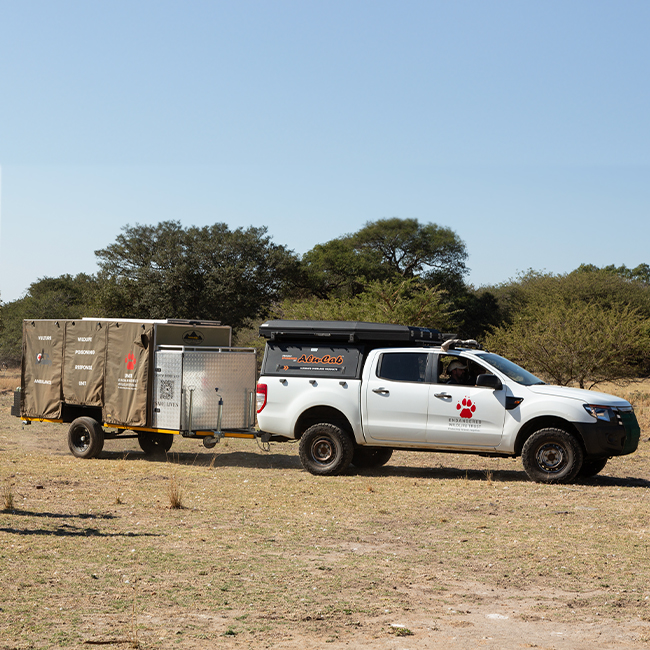
At 14:50, on Youth Day (16 June), the Endangered Wildlife Trust (EWT) Birds of Prey Programme Lowveld team, John Davies and Dr Lindy Thomson, responded to a call regarding a wildlife poisoning incident on a reserve in the Greater Kruger area. They were on the road in ten minutes and arrived just before sunset at a dismal scene with one dead and two live White-backed Vultures in grave condition. The team loaded the two surviving birds into crates in the EWT’ s custom-made Vulture Ambulance and rushed them to Moholoholo Wildlife Rehabilitation Centre near Hoedspruit – arriving at 11 pm.

The rescue

Determined that there were more lives to save, John and Lindy returned with the ambulance at 4 am the following day and, joined by SANParks rangers, Honorary Rangers, and Dr Joel Alves and Isabella Grünberger from WildScapes Veterinary and Conservation Services, they scoured the area for six hours, discovering and bringing more survivors back to the ambulance for treatment as they were found.

The main poisoning scene was deep in the bush, and after the vet, Dr Joel Alves and the EWT’ s John Davies treated each bird on site, a team member then carried the birds 3 km to where the Vulture Ambulance was parked. Another six vultures (one Hooded, one Lappet-faced, and four White-backed vultures) were critical but still alive. Sadly 45 vultures, a Bateleur Eagle, a lion, and three lion cubs did not survive the poisoning. The surviving birds were safely delivered to the Moholoholo Wildlife Rehabilitation Centre for treatment and rehabilitation in the capable hands of Dr Jess Briner and the Moholoholo Clinic team.

The release

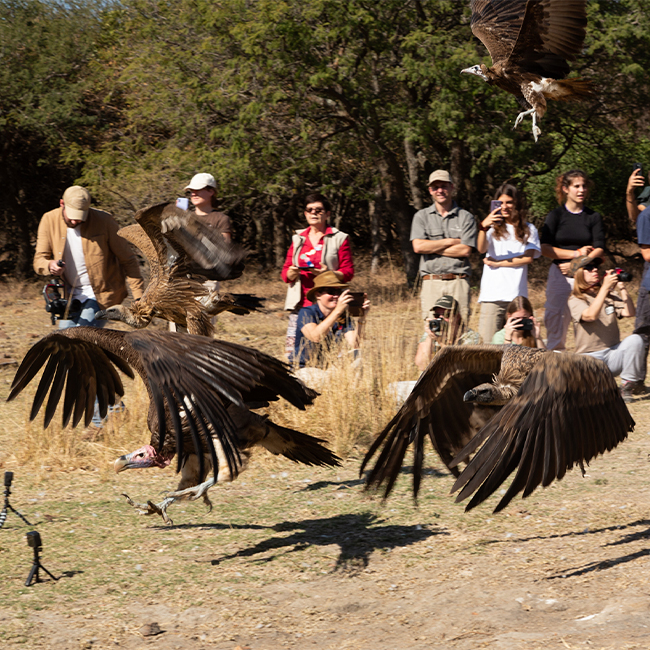
The eight rescued vultures that survived a mass poisoning incident in June, including six White-backed Vultures, one Lappet-faced Vulture, and one Hooded Vulture, were released back into the wild on 1 July 2023 after being successfully treated and rehabilitated over two weeks. I was honoured to be at the release of these rehabilitated birds in person on Saturday, 1 July 2023. It is humbling to see not only the resilience and grace of these magnificent birds but also the passion, determination, and care the EWT and the Moholoholo Clinic team show while saving their lives. We got there at around 10 am and were shown to the clinic where the vultures were being prepared for their return to the skies. We all got stuck in – immersing ourselves in as much of the process as possible to truly understand and appreciate it. It’ s not easy work, and we got to see the easiest part.

One after the other, the birds were brought through to the clinic, fitted with leg rings for identification purposes and their tracking devices – lightweight, solar-powered devices that have been custom-made for the EWT to ensure they are long-lasting, do not cause the birds any discomfort, and are able to transmit accurate location and flight path data of the birds post-release. This data will allow the EWT to monitor their movements and safety once they are released.

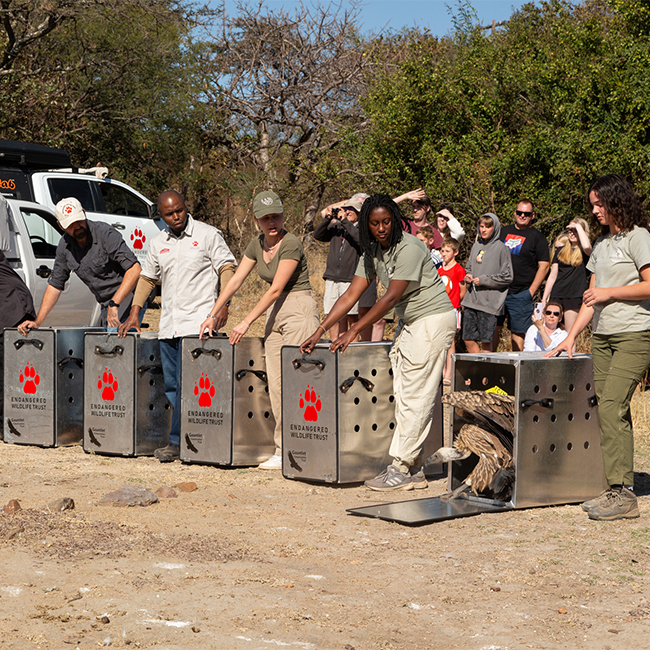
When all of the birds were prepared and loaded into the vulture ambulance, we headed to the Moholoholo Vulture Restaurant nearby, where we would send the birds on their way. These events are important opportunities for education and awareness raising, and so there were invited guests to witness the release. John Davies from the EWT’ s Birds of Prey Programme gave a talk on the essential role vultures play in ecosystems, the threats they face, and the necessary role of organisations like the EWT and Moholoholo Wildlife Rehab Centre in the long-term survival of our wildlife.

We then put meat out nearby to attract wild birds before unloading the crates and lining them up in sight of the food. One by one, we opened the crates, and in the blink of an eye, they were out. I opened one of the crates, and I could feel the wind from their powerful wings as they took to the sky.

I think that it must be quite stressful being in a cage for a few weeks when you’ve been a wild bird all your life. So I think they do get a little bit stressed, but with this release, what we did today at the Moholoholo Vulture Restaurant, we put food down and waited for the wild birds to come down and then opened the crates so that the released birds can see their buddies flying in the sky dropping down towards the food, and they join them.

Dr Lindy Thompson, the EWT Birds of Prey Programme

It is not only the release of the vultures that is critical. It is also important to monitor their movements using their tracking devices. The GPS data allows us to see where the birds are travelling and respond to any indication of unusual behaviours, such as immobility, for longer than normal periods, particularly in areas we know are at high risk for wildlife poisoning.

We have to evolve with the threats to vultures and with the situation around us, and technology and innovation are absolutely critical to this. From tracking birds across vast expanses using GPS telemetry to ensuring more poisoned birds make it to the rehabilitation centre in time using the vulture ambulance, which in the past has just not been available to people in severe situations dealing with many birds.

John Davies, the EWT Birds of Prey Programme

The tracking devices fitted to these vultures started transmitting immediately, and when we downloaded the data just a few days after the birds were released, we were astounded. It’s incredible to see the distance the vultures can travel in such a short time, especially when these birds were gravely ill from poisoning just three weeks ago! You can see a video showing these movements here.

From seeing the passion and dedication on the faces of our colleagues to feeling the wind from their wings as birds take flight – these experiences are what inspire us, give us hope, and keep us going in the fight against threats to our wildlife.

Science Snippets: Cape Vultures blowing in the wind

Science Snippets: Cape Vultures blowing in the wind

Science Snippets: Cape Vultures blowing in the wind

Modelling the threat of wind energy production plants for the vulnerable Cape Vulture

Erin Adams and Lizanne Roxburgh, the EWT Conservation Planning and Science Unit

Across Africa, wind energy offers opportunities to reduce national dependency on fossil fuels, increase energy security, and reduce greenhouse gas emissions. But what happens when these clean energy production sites cut through the distribution of a threatened species? In South Africa, wind energy farms overlap significantly with the flying patterns of Cape Vultures, and a recent publication* co-authored by EWT scientists quantified the risks posed by wind energy development facilities to Cape Vultures.

Wind energy is one of the fastest-growing forms of renewable energy, but it can result in the direct mortality of birds by collision with turbine blades. Large soaring species like vultures are particularly vulnerable to collisions. Cape Vultures are classified as Vulnerable on the ICUN Red List and are endemic to southern Africa. Using GPS tracking data collected from 68 Cape Vultures over twenty years, and the location of 167 core colonies and five roost sites, scientists could determine how at risk the Cape Vultures were to collisions with wind turbines. Complex modelling was done to see how the birds are likely to travel around their environment and determine the potential for collisions. Within this, they could measure how much the vultures overlapped with current wind farms and aimed to expand this to be used when planning future wind energy sites.

The scientists found that the models could accurately predict Cape Vulture movement patterns. The resulting maps produced were also able to quantify how much of a threat wind energy production plants posed to Cape Vulture colonies in South Africa. The results of this work can assist wind energy stakeholders in identifying high-risk areas and planning new developments accordingly. In future, the scientists recommend expanding this work into other regions of Africa to include other threatened vulture species, such as Rüppell’ s Vulture in East Africa.

*Cervantes, F., Murgatroyd, M., Allan, D. G., Farwig, N., Kemp, R., Krüger, S., Maude, G., Mendelsohn, J., Rösner, S., Schabo, D.G., Tate, G., Wolter, K., & Amar, A. (2023). A utilisation distribution for the global population of Cape Vultures (Gyps coprotheres) to guide wind energy development. Ecological Applications, e2809. https://doi.org/10.1002/eap.2809