Help protect Africa's 

Beyond Fences: How Vulture Safe Zone Alliance may be the missing piece to halting the rapid decline of Africa’s vulture populations

Beyond Fences: How Vulture Safe Zone Alliance may be the missing piece to halting the rapid decline of Africa’s vulture populations

Beyond Fences: How Vulture Safe Zone Alliance may be the missing piece to halting the rapid decline of Africa’s vulture populations

Danielle du Toit, Field Officer for the Birds of Prey Unit
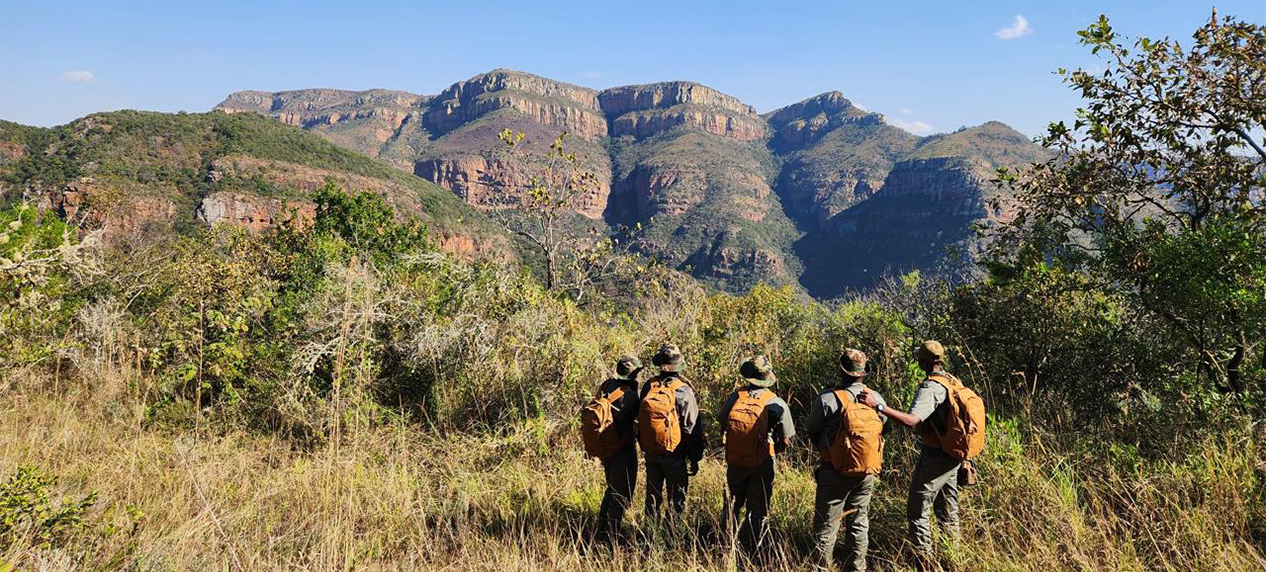
 

Vulture Safe Zones protecting threatened vultures across farms, reserves and communal land

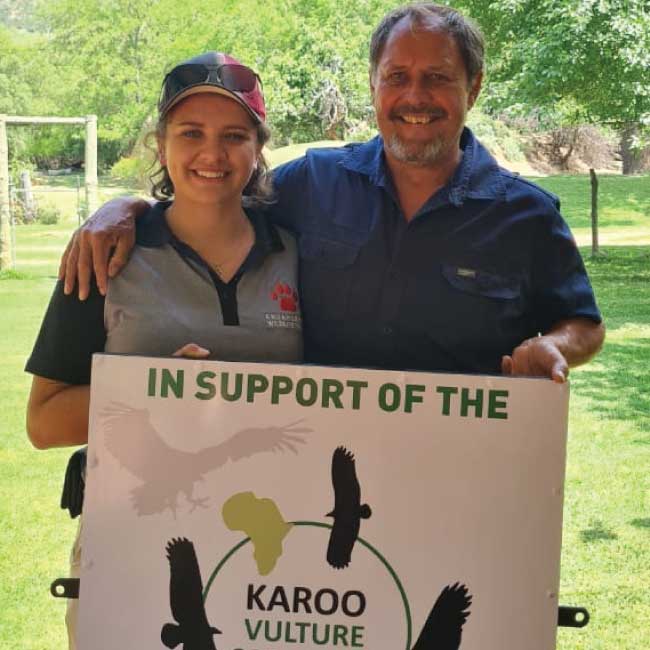
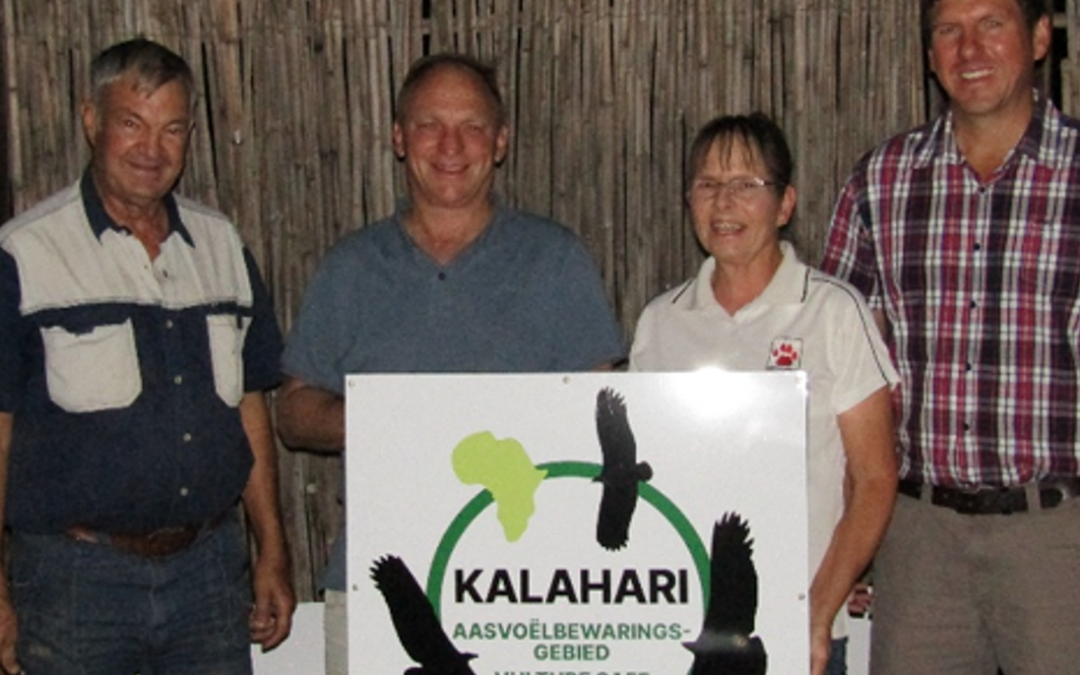
left: The EWT’s Ronelle Visagie handing over VSZ signboards

The image conjured up of nature conservation in Africa usually includes a reserve, fences, and rangers in camouflage uniforms. Powerful as that may be, Africa’s vultures need more.

Vulture populations across the continent have declined drastically over the last three decades, and several of these species are on the brink of extinction. The leading driver of these declines is poisoning, both direct and indirect. Poisons laid out on a carcass for various reasons can kill dozens, if not hundreds, of birds in a single feeding event. Add electrocution and collisions on power lines, drowning in cement reservoirs, unintentional poisoning through lead ammunition or veterinary drug contamination in carcasses, and the loss of nesting habitat, and what arises is an array of threats that turn up, either in total or individually on any type of land across Southern Africa.

The problem is that vultures on the wing can cover hundreds of kilometres in a day. They may roost on a power line on one property, bathe in a dam on another, and feed on a carcass on a third, crossing communal land, commercial farms, formally protected areas and even country borders. The fences between these properties play no role in where they decide to go, and yet, most of our approaches use protected areas as a core principle in the conservation of these species.

As such, conservationists need to address threats to these vultures at a transboundary landscape level to truly halt their declines, which has felt like an impossible task. Until now.

Vulture Safe Zones: They answer to landscape level threat reduction

A Vulture Safe Zone (VSZ) is an appropriately sized area where targeted conservation measures deal with the key threats facing the vulture species associated with that area. The goal is to support the survival of wild populations, by reducing threats, thus creating a landscape in which their numbers are sustained and, ultimately, increase.

The concept arose to address the Non-Steroidal Anti-Inflammatory Drug (NSAID) poisoning which caused the Asian Vulture Crisis. The foundational principles of these VSZs were to reduce the threat of NSAID poisoning in vultures through regional bans of vulture-toxic NSAIDs and shifts to safer alternatives. However, the threats to African Vultures are varied and require different mitigation approaches.

The requirements for the African context are:

  • The area must be poison-free, and carcasses must not contain harmful contaminants like veterinary drugs or lead;
  • Power lines and associated infrastructure must be retrofitted to reduce collision and electrocution risk;
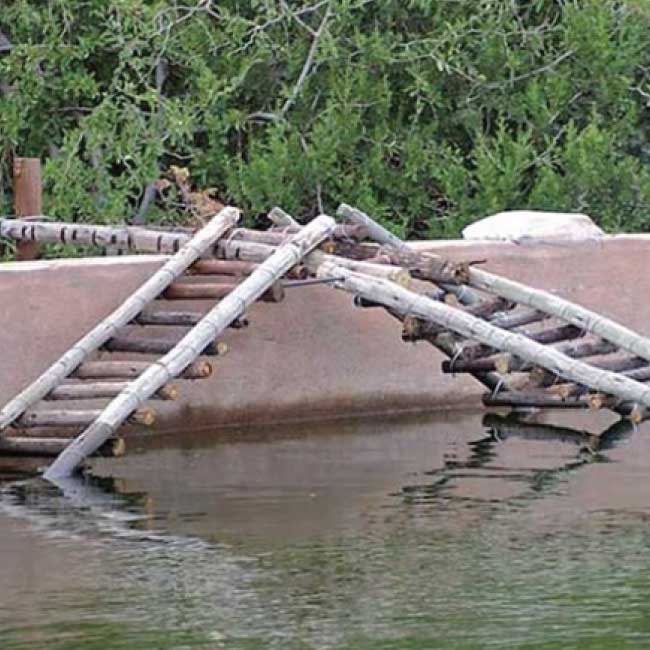
  • Reservoirs are covered or modified so birds, and other wildlife can’t fall in and drown and;
  • Breeding and roosting sites are protected from disturbance.

The core feature of a VSZ is that it isn’t defined by land tenure. A protected area like a national park or a private reserve can be a VSZ, but so can a patchwork of livestock farms, or tracts of communal grazing land. What counts is whether the threats are being dealt with. More than two million hectares of southern Africa are now covered by VSZs, and yet the approach remains one of the most overlooked tools we have.
Vulture Safe Zone Alliance connecting safer landscapes for vultures across southern Africa

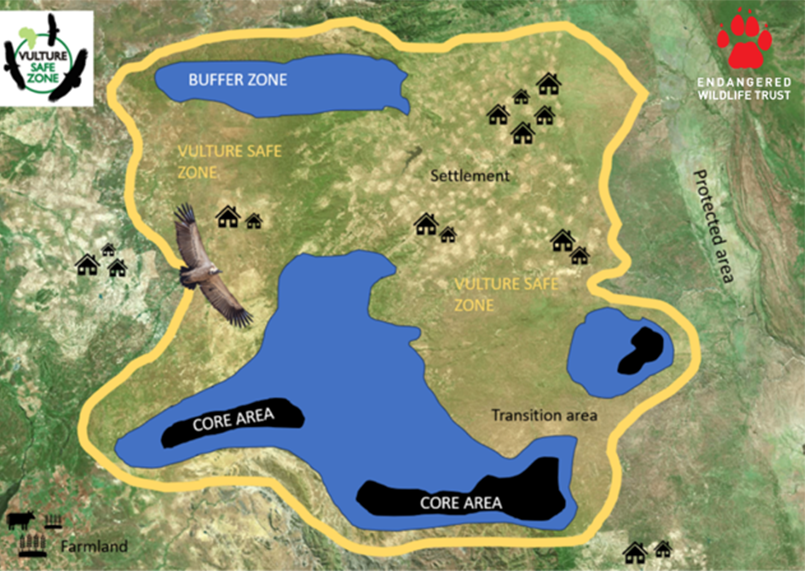
This image shows the spatial layout of VSZs. Black = Areas of high vulture importance (breeding or roosting sites) where formal protection to reduce risk of habitat disturbance or unsustainable development could be applied. Blue = Surrounding spaces where targeted threat mitigation must be prioritised and reduce likelihood of disturbances that can leak into core areas, but don’t necessarily require formal protection. Yellow = general demarcated area for VSZ certification under varying land use types. Threats should be identified and addressed as needed. 


The EWT is among a small group of NGOs that have spearheaded VSZs in South Africa, and our two flagship zones show how the approach works. The Karoo Vulture Safe Zone Project has more than 730,000 ha committed to becoming Vulture Safe, including three national parks and the Mountain Zebra Camdeboo Protected Environment. The Karoo VSZ has been built farm by farm as more and more landowners commit to reducing threats on their own land.

The Kalahari VSZ covers more than 271,000 ha of Vulture Safe land and monitoring there suggests that the African White-backed Vulture breeding numbers in the area are increasing. At the beginning of 2026, years of work with SANParks culminated in Mokala National Park being certified the first South African national park as a Vulture Safe Zone. In partnership with Eskom, we have ensured that power lines in the conservation area are safe, while SANParks Honorary Rangers has donated nets to cover dams and prevent drownings.
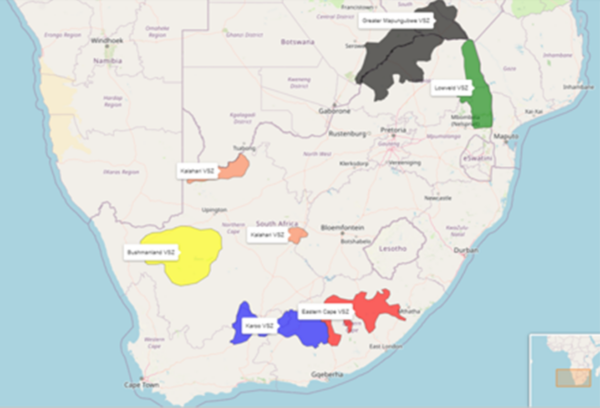
map showing The EWT Karoo & Kalahari VSZs, and other areas intended as future VSZs.

The EWT Karoo & Kalahari VSZs, and other areas intended as future VSZs.

The lesson from this is simple: vultures are conserved by relationships as much as they are by science.

Threats are reduced when farmers agree to cover farm dams or stop using poisons for predator control, when park management mitigates unsafe infrastructure, utility companies commit to retrofit powerlines to reduce collision or electrocution risk, or when communities report poaching or illegal activities. Science tells us where and what the threats are, but it is the actions by the people on the ground that actively reduce them and support the populations of vultures there.

The Vulture Safe Zone Alliance models the kind of collaboration that can achieve the landscape level threat mitigation needed to conserve vultures across the region.

The protected area model asks the question of how to safeguard a portion of land to conserve the species and processes that depend on it, but vultures force us to change our approach towards making a whole landscape survivable. A bird that ranges across dozens of properties can’t be saved by one well-managed reserve if it is poisoned, electrocuted or drowned the moment it leaves. Conserving vultures means tackling threats wherever they occur, whoever owns the land and however it is used.

Until recently, VSZs across the region were implemented by different organisations, each with its own approach. That flexibility drove innovation, but it also raised fair questions in conservation circles about what makes a safe zone genuinely safe, and whether zones are large enough to matter. This is where the Vulture Safe Zone Alliance (VSZA) comes in.

The EWT is one of nine organisations from six countries that have joined forces to solidify VSZs as the foundational approach to conserving our continents vultures. The VSZA’s first major product is a set of shared Vulture Safe Zone Guidelines, giving the region a common framework for identifying, establishing and monitoring these areas.

The members of the Alliance all agree that our conservation actions need to be aligned with the spatial utilisation of these birds and not driven by boundaries on the ground, and that can only happen through connected efforts, sharing what works (or what doesn’t), and linking safe spaces across large landscapes.

Vultures do not distinguish between protected or unprotected land, and neither should conservation. This reframing is what makes VSZs powerful, and the Alliance is what lets them scale. It treats farmers, communities and land managers as partners in conservation rather than obstacles to it. It gives every zone a shared standard, so results can be compared and trusted. And by linking zones, it starts building corridors of safety that match the spatial movements and land use of vultures, rather than cornering off certain areas in the hopes they might remain there.

It is not a silver bullet. Intentional sentinel and belief-based poisoning remain a serious problem in parts of the region, and no zone can fully stop a determined poisoner, because the sad reality is that all illegal activities continue despite the existence of the law. But the alternative, protecting isolated pockets of land while the spaces between them stay riddled with threats, is not working.

What does this Alliance mean for the public?

Vultures do work that people rarely notice. They clear carcasses quickly, helping to limit the spread of disease and the risks that decaying carcasses pose to livestock and communities. A BirdLife study valued the ecosystem services vultures provide in southern Africa at about $1.8 billion a year. When vultures disappear, someone pays the bill.

You can help by:

  • Reporting suspected poisonings and injured birds your local provincial conservation authority or the EWT.
  • If you own or manage land: cover reservoirs, use lead-free ammunition and make sure carcasses are free of contaminants and harmful drugs.
  • If you own property or farm in areas where vultures frequent, talk to our Birds of Prey team about getting involved in our VSZ projects by contacting danielled@ewt.org
  • Report injuries or mortalities caused by powerlines to our Wildlife and Infrastructure Unit at wep@ewt.org

The Alliance won’t turn the tide overnight. But for the first time, the region has a shared plan, a common standard and a growing network built on what the species needs to survive.
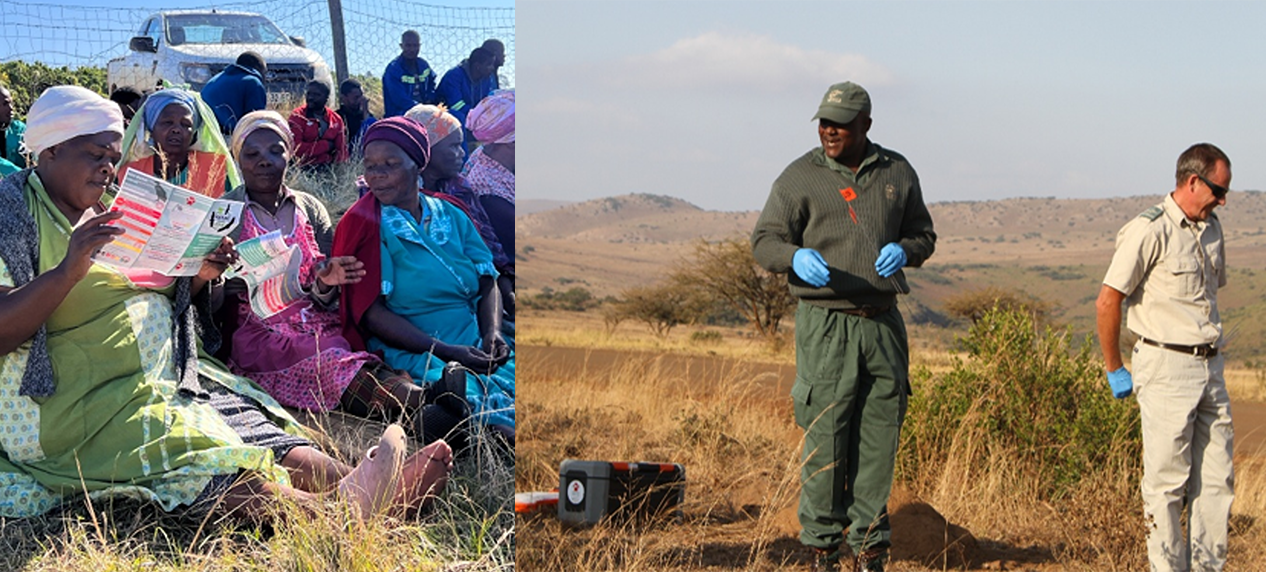
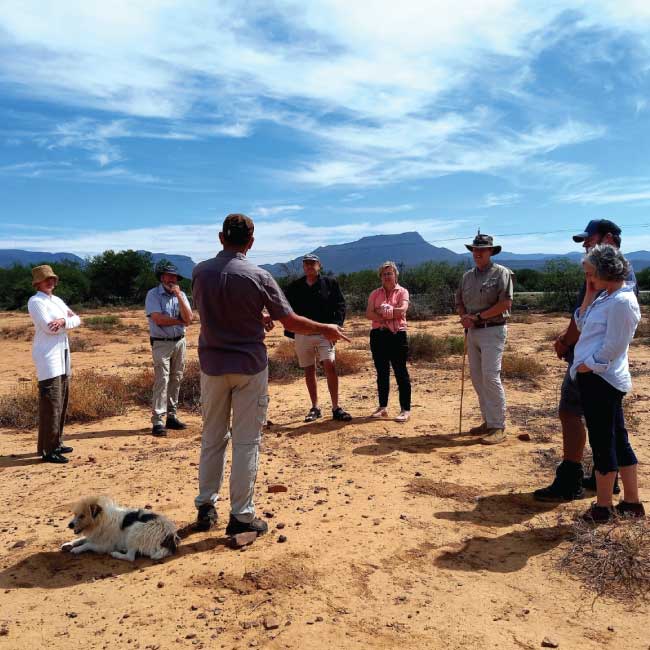
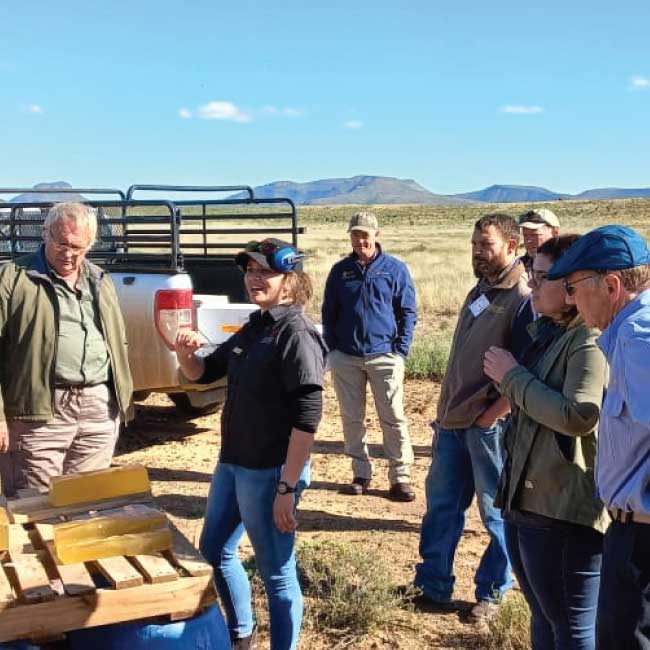
Community members working together to protect Afrian Vultures

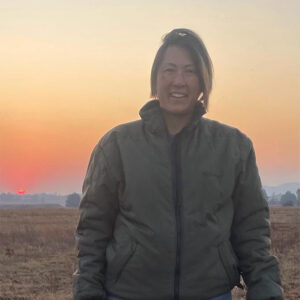
Careers in Conservation – Cliantha Kay

Careers in Conservation – Cliantha Kay

CAREERS IN CONSERVATION – Cliantha Kay

Cliantha is a Conservation Canine Assistant with the EWT’s Conservation Canine Unit. Here is a little bit about Cliantha’s journey to a career in conservation with the EWT.

Job title: Conservation Canine Assistant


What do you do in your day-day work?

I work hands on with our canines that are based at the head office conservation campus, assist in keeping those active minds stimulated and always ready to detect the next contraband item. We swim them, walk them, exercise them, and train them – and of course give them lots of love.

Location: Midrand Campus, but travel extensively

Where did you grow up? Johannesburg

What are your hobbies/things you like to do in your spare time? Catch up with friends and family, go walkabouts with my trusty doggos, a great day out on the lake brings me calm, reading, and hiking

Any pets? all the dogs! My beautiful German Shepherd princess Calla, and two other accomplices

Favourite animal and why:  I’d be lying if i didn’t say dog.

Pet peeve?  Rude People

Why did you want to work for the EWT? The EWT is a vibrant and dynamic organisation that provides wonderful opportunities to make meaningful differences to people’s lives and to conservation. And of course all the doggos.

What are you passionate about?  Changing the perception of the relationship between farming and conservation. I think that in the past, a few bad apples ruined it for many conservation-orientated farmers who manage their land in a way that is super beneficial to biodiversity and food security. I also really love finding different ways to approach and overcome challenges and seeing how we, as an organisation, can leave a positive and lasting impact on our environment and its people.

What’s the best advice you’ve ever received, and who did it come from? If you can’t control it – let it go. Life is short – worrying makes us old.

My parents and grandparents taught me that, and I still live by it. I always remind myself that I’m capable of anything I put my mind to, so long as I’m open to learning (and probably failing a few times) along the way! 

What is your go-to feel-good song? Robin S – Show me love

What excites you about this new position? constant learning, and the diverse and wonderful people I meet from all different walks of life. Working with Canines is a gift beyond measure.

What are you passionate about?  Being kind and genuine in everything I do – it costs nothing, yet is priceless.

Careers in Conservation – Danielle du Toit

Careers in Conservation – Danielle du Toit

CAREERS IN CONSERVATION – Danielle du Toit

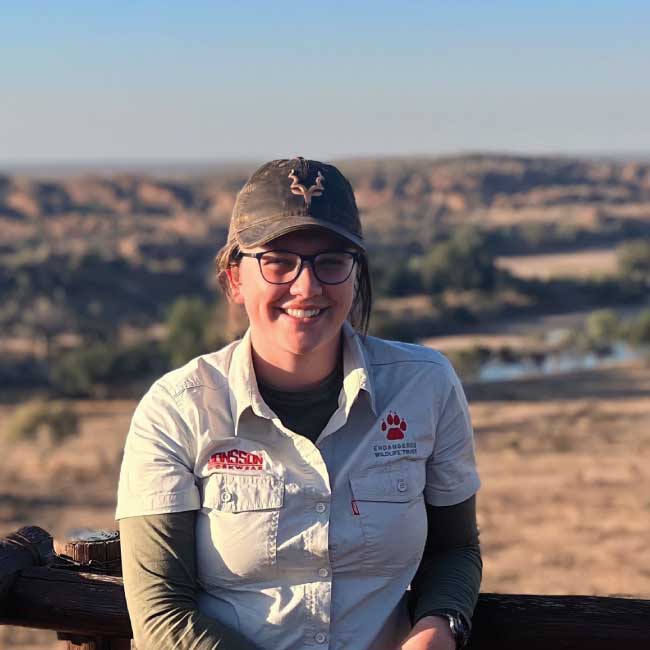
Danielle is a Field Officer with the EWT’s Birds of Prey Programme. Here is a little bit about Danielle’s journey to a career in conservation with the EWT.

Job title: Field Officer

What do you do in your day-day work?

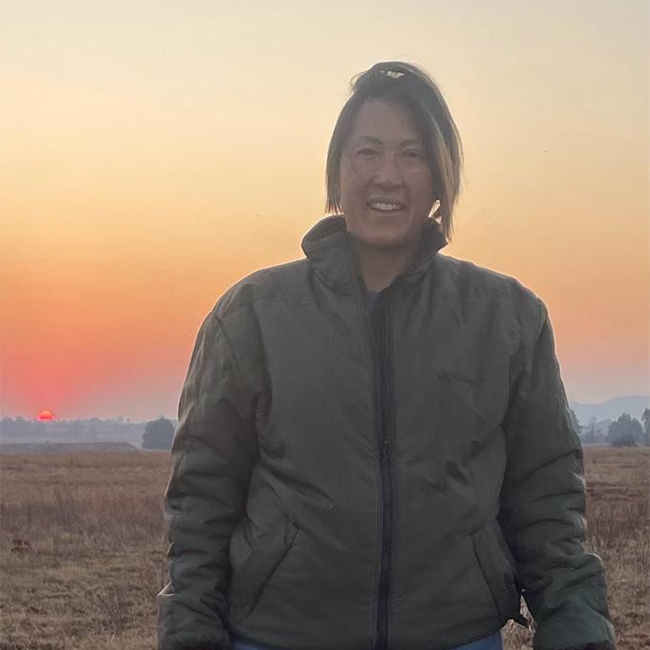
image of Danielle du Toit

I meet with farmers and other landowners to sign them on and assist them in making their land safe for vultures. I also work to mitigate threats to vultures and address the reasons behind the threats so we can ensure the longevity of the threat-free landscape. These include addressing livestock loss to predation through implementing non-lethal ways of predation management (mobile kraaling, livestock guardian dogs etc.), minimising potential lead poisoning from lead ammunition used by hunters, awareness campaigns, and working with ammunition industry professionals to promote a reliable and affordable alternative to lead ammunition. 

Location: I’m based in Graaff-Reinet (in the Eastern Cape) but work across the broader Eastern Cape and in the Beaufort West area. 

Where did you grow up? I grew up on a farm outside Graaff-Reinet 

What are your hobbies/things you like to do in your spare time? Anything that gets me outside and busy with my hands. I love to try my hand at gardening, woodwork and super basic home renovation projects – none of which I’ve quite mastered yet!

Any pets? One precious dog and three cats. 

Favourite animal and why:  This changes all the time. Although I’m supposed to say vultures, I think I’ll go with Meerkats (Suricates). They’re feisty things for their size. I just love their attitude. 

Favourite food? I love a good hearty meal – rys, vleis and aartappels, as my Ouma used to say. 

Pet peeve?  Jeans with fake pockets. Please, can the fashion industry stop selling me dreams?

Why did you want to work for the EWT? The EWT is a forward-thinking organisation with plenty of room to grow personally and professionally. 

What are you passionate about?  Changing the perception of the relationship between farming and conservation. I think that in the past, a few bad apples ruined it for many conservation-orientated farmers who manage their land in a way that is super beneficial to biodiversity and food security. I also really love finding different ways to approach and overcome challenges and seeing how we, as an organisation, can leave a positive and lasting impact on our environment and its people.

What’s the best advice you’ve ever received, and who did it come from? “There’s no such thing as can’t. You either don’t want to or don’t know how to. Either way, it’s your decision.” 

My parents and grandparents taught me that, and I still live by it. I always remind myself that I’m capable of anything I put my mind to, so long as I’m open to learning (and probably failing a few times) along the way! 

What is your go-to feel-good song? Feel it Still – Portugal, the Man. 

Kafue Lechwe numbers on a steep decline on the flats

Kafue Lechwe numbers on a steep decline on the flats

Kafue Lechwe numbers on a steep decline on the flats

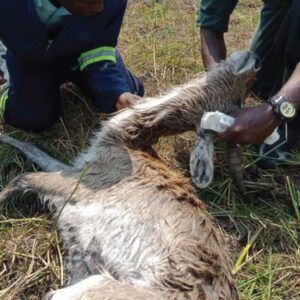
A dead Endangered Kafue Lechwe Antelope (Kobus leche kafuensis)

Saziso Moyo, EWT-ICF Partnership African Crane Conservation Programme

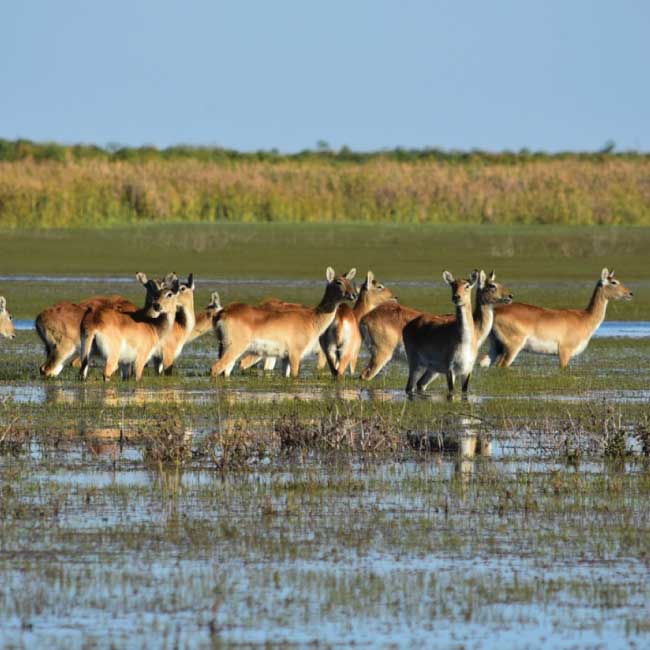
The Endangered Kafue Lechwe antelope (Kobus leche kafuensis) is the predominant antelope species of the Kafue basin. These lechwes are semi-aquatic, medium-sized antelopes that live in large groups close to water bodies or marshes. The antelope engage in competitive displays and courtship rituals, known as lekking, to entice visiting females who are surveying prospective partners with whom to mate. The lechwe population in the Kafue basin has steadily declined from an estimated 80,000 in 1975 to about 23,000 in 2018, leading to its inclusion on the IUCN Red List of Threatened Species. For this reason, the International Crane Foundation/Endangered Wildlife Trust (ICF/EWT) Partnership has, in addition to the crane species we focus on, included the Kafue Lechwe on the list of important species to monitor and conserve. To achieve this, it has become increasingly important to investigate all potential factors contributing to the decline of the Kafue Lechwe population.

During the dry season in 2022, the Kafue Lechwe were dying daily, sometimes as many as 10-20, with the females and young being among the most affected. The ICF/EWT research team and field patrol officers detected this during mandatory monitoring activities.

A team of veterinarians from the University of Zambia (UNZA), the Department of National Parks and Wildlife (DNPW), and the Central Veterinary Research Institute (CVRI) was put together by ICF/EWT to investigate the cause of the alarming mortalities. The DNPW permitted the team to hunt down three lechwes to collect substantial samples of the internal organs. The reports revealed that the lechwes had various health issues, including bacteria and endo- and ectoparasites. The vet team argued that the bacteria and other health issues uncovered were not enough to kill the lechwe, but a combination of the disease load and poor nutritional value of their remaining food source could be acting together to cause the high number of deaths observed.

The report specifically indicates the presence of bacteria such as E. coli, Moraxella spp, and Klebsiella spp. The E. coli is because of the open defecation practised in the fishing villages. The villages have open pit toilets released directly into the water during flood season, presenting a significant public health issue for the people living in fishing villages and for the lechwe that drink from these water holes. Other causes of high mortality rates in the lechwe are human encroachment and the competition for food with the cattle that now number around 80,000 on the Kafue Flats.

The next step will involve presenting these results to relevant stakeholders and authorities for further action. Solutions may include developing a sanitation programme for the villages and a comprehensive management plan for the Kafue Flats for the well-being of people and wildlife.

Additionally, this calls for a deliberate, aggressive monitoring programme of the Kafue Lechwe involving the institutions mentioned above. Monitoring will help us to understand the stress factors and the potential mitigation measures to implement to ensure a thriving wetland for ALL.

Vulture-safe Zones benefit biodiversity and people

Vulture-safe Zones benefit biodiversity and people

Vulture-Safe Zones benefit biodiversity and people

Danielle du Toit, EWT Birds of Prey Programme

Southern African vulture populations are declining rapidly due to threats such as collisions with and electrocutions by electrical infrastructure, drowning in farm reservoirs, and of course, poisoning in all its many forms. Vulture Safe Zones have been established to address these issues and conserve vultures. Vulture Safe Zones are appropriately-sized geographic areas in which threats to the vulture species present are identified and mitigated through targeted conservation methods. They are established through active engagement with landowners and assistance through Vulture Safe Zone Alliance parties to create safe spaces for vultures to forage, roost and ultimately breed.1,2

Unintentional poisoning occurs when vultures ingest toxic contaminants, including veterinary pharmaceuticals still present in a carcass after treatment3,4, lead fragments in carcasses or entrails from lead ammunition5–8, and agrochemicals used illegally to kill so-called problem animals such as Black-backed Jackal or Caracal. Vultures are sometimes killed intentionally in a direct link to poaching. Sentinel poisoning is the action of vultures being killed due to their behaviour when feeding, which indicates the presence of a carcass of an animal which has been poached. Poachers sometimes poison these carcasses to provide themselves with more time to escape, as vultures die after feeding and do not provide signs to anti-poaching officials that there has been an incident. In traditional medicine, vultures are often killed for their body parts – namely the heads. Some cultures believe that by eating vulture heads and brains, one could be gifted with foresight9.

Through the establishment of vulture safe zones, landowners and conservation organisations alike must address and ultimately remove all threats to vultures within the area, and although we identify these threats as they relate to vultures, they can negatively impact the health of the ecosystem and humans alike. For example, by using lead-free ammunition, meat harvested through hunting will not contain lead – a heavy metal proven to have serious health implications on those exposed to it, even in small amounts – and is thus healthier for humans to eat. Reservoirs fitted with safeguards to prevent drowning do not have to be drained every time an animal (such as a baboon or bird) drowns in it and contaminates the water supply, thus saving valuable water resources. By mitigating powerlines and energy infrastructure against collisions and electrocutions, we can save hundreds of other birds of dozens of species, not only vultures, and prevent or reduce power outages on these lines. When mitigating the threat of poisoning to vultures, we aim to assist landowners in using responsible non-lethal methods of predation management – which often goes hand in hand with a more hands-on approach to stock and land management. We aim to take a holistic approach – employing a decision-making framework rather than a single tool – to address livestock predation on properties.

Cattle herders are also crucial for the management of the predation of livestock. They are proven to not only be eliminate livestock losses to predators but, if following a grazing management plan, can also assist in regenerating otherwise unproductive soil and increasing ground cover. Simply put, increasing ground cover on otherwise barren landscapes reduces the impact of rainfall and allows the water to seep into the soil rather than run off and cause erosion. By implementing herding on properties, we can upskill and create employment opportunities for members of communities, as demonstrated by The SACT Herding Academy. By combatting desertification, landowners will be able to better withstand the effects of drought and build resilience to the impacts of climate change.10,11

The general market for agricultural products seeks sustainably and responsibly produced, traceable products12. By becoming Vulture Safe, a landowner can honestly present their practices and market to consumers while benefitting nature and the people around them. We encourage landowners and partners to use the Vulture Safe Zone logo for promoting their properties and products to generate interest and support for the cause and the landowners who are part of it. Vulture Safe Zones may focus on vultures, but they benefit all.

This work is made possible by the Charl van der Merwe Trust, IUCN Save Our Species Rapid Action Grant, Ford Wildlife Foundation, Alu-Cab, the Rupert Nature Foundation, and the Disney Conservation Fund

References:

  1. Mukherjee, A. & Galligan, T. H. Vulture Safe Zones to save Gyps vultures in South Asia Enhancing community-based vulture conservation in western lowlands of Nepal View project Vulture Safe Zone View project The Royal Society for the Protection of Birds. https://www.researchgate.net/publication/312315404 (2014).
  2. BirdLife International Vulture Safe Zone Fact Sheet.
  3. Plaza, P. I., Martínez-López, E. & Lambertucci, S. A. The perfect threat: Pesticides and vultures. Science of the Total Environment vol. 687 1207–1218 Preprint at https://doi.org/10.1016/j.scitotenv.2019.06.160 (2019).
  4. van Wyk, E., van der Bank, F. H., Verdoorn~, G. H. & Beans, H. CHLORINATED HYDROCARBON INSECTICIDE RESIDUES IN THE CAPE GRIFFON VULTURE (GYPS COPROTHERES). Camp. Btochem. Physiot vol. 104 (1993).
  5. Pain, D. J., Mateo, R. & Green, R. E. Effects of lead from ammunition on birds and other wildlife: A review and update. Ambio 48, 935–953 (2019).
  6. Gangoso, L. et al. Long-term effects of lead poisoning on bone mineralisation in vultures exposed to ammunition sources. Environmental Pollution 157, 569–574 (2009).
  7. Fisher, I. J., Pain, D. J. & Thomas, V. G. A review of lead poisoning from ammunition sources in terrestrial birds. Biol Conserv 131, 421–432 (2006).
  8. Garbett, R. et al. Association between hunting and elevated blood lead levels in the critically endangered African white-backed vulture Gyps africanus. Science of the Total Environment 630, 1654–1665 (2018).
  9. Ogada, D. L., Keesing, F. & Virani, M. Z. Dropping dead: Causes and consequences of vulture population declines worldwide. Ann N Y Acad Sci 1249, 57–71 (2012).
  10. LaCanne, C. E. & Lundgren, J. G. Regenerative agriculture: Merging farming and natural resource conservation profitably. PeerJ 2018, (2018).
  11. Gosnell, H., Gill, N. & Voyer, M. Transformational adaptation on the farm: Processes of change and persistence in transitions to ‘climate-smart’ regenerative agriculture. Global Environmental Change 59, (2019).
  12. Responsible Wool Standard (RWS) – Textile Exchange.