Help protect Africa's 

Release of two rehabilitated Vultures at Mokala National Park

Release of two rehabilitated Vultures at Mokala National Park

In the Field:

Release of two rehabilitated Vultures at Mokala National Park

By Ronelle Visagie, Field Officer in the Birds of Prey Unit


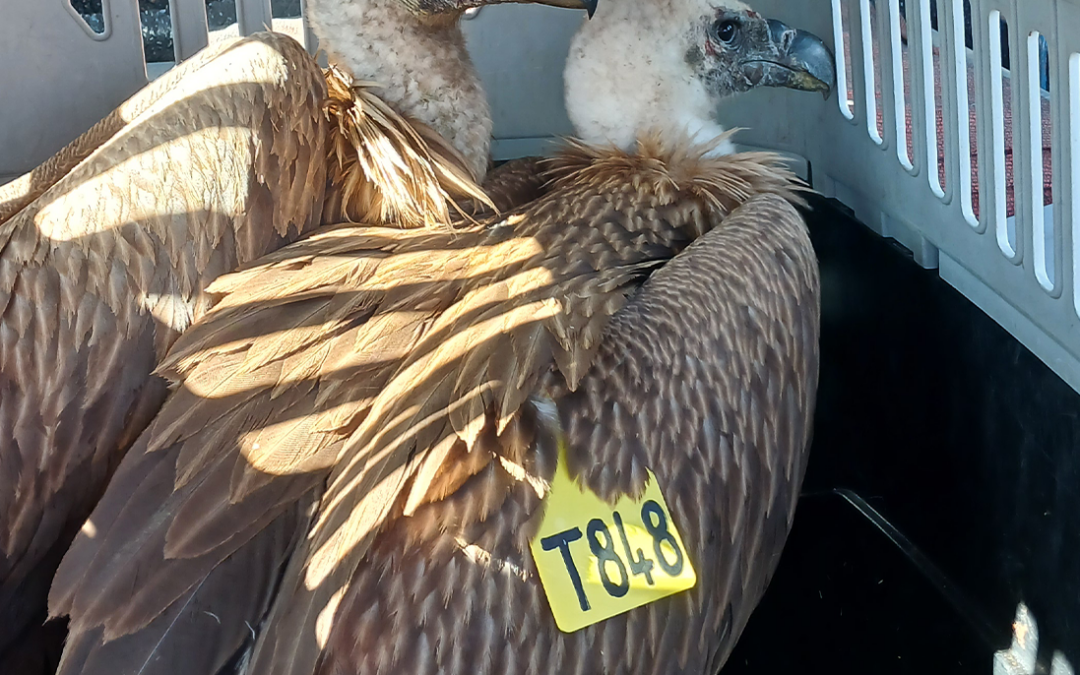
Two rehabilitated White-backed Vultures being released into the wild at Mokala National Park.

At the end of March 2026 a White-backed Vulture landed at a home in in Keidebees, Upington.  The owner of the house, Mike Knoetze, cared for the bird for a couple of days and fed it delicious steak while searching for someone to collect the bird. I was contacted about the bird and drove to Upington to fetch it.

On 22 April Danielle du Toit, Field Officer for the Birds of Prey Unit, was contacted in Graaff-Reinet about a White-backed Vulture that was sitting on the roof of a local church. When it landed on the ground Danielle was there to capture it. She took it to the veterinarian for a check-up and got permission from the local Nature Conservation authorities to transport it to the border of the Northern Cape where I could pick it up.

Both these young vultures were very hungry and had probably got lost from adult birds that could find food for them. When the juvenile vultures cannot find food, they quite often go to people or land at farmyards. If people feed them, they will follow them around and appear to be tame. But, when the juvenile vultures are properly fed and have gained enough weight, their natural wild instinct returns.

After two months of feeding the young vultures as much food as they could eat, they were ready to return to the open skies where they belong. They had become very restless in the aviary and wanted to get out.   Before their release back into the wild, both were ringed and fitted with wing tags for identification purposes and so that their flight paths can be monitored.

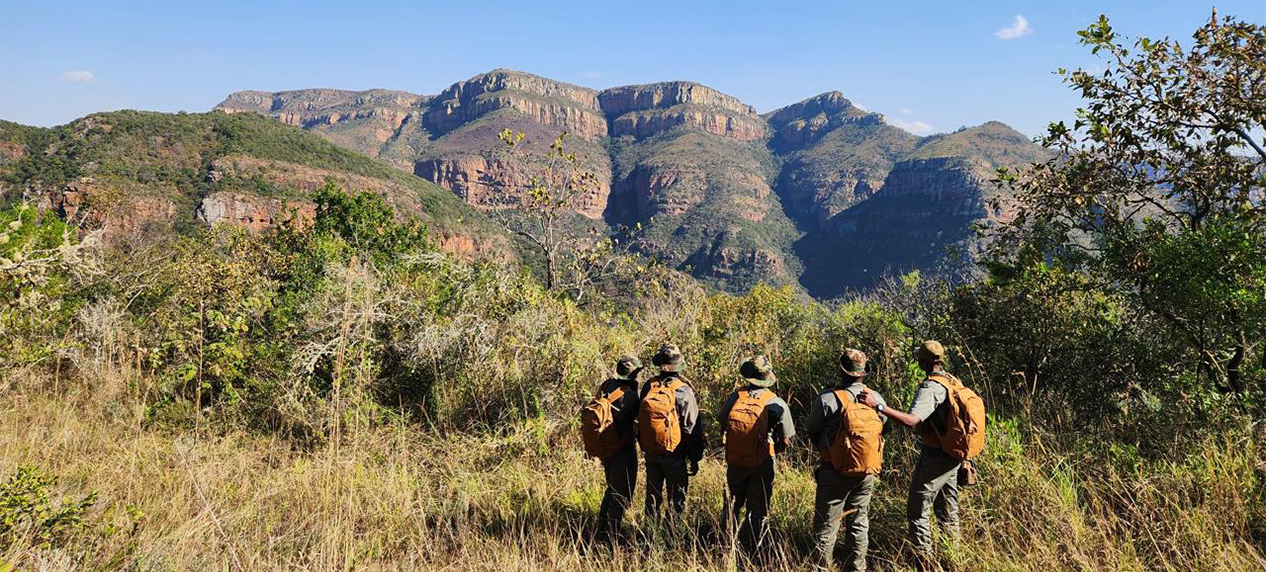
In early June I drove went to Mokala National Park near Kimberley and released both the vultures at the breeding colony where they could find adult birds to guide them.  

Note:  If people see tagged vultures, they can report them to Safring or on the email address resightings@ewt.org

South Africa’s Threatened Species XI: A World Cup Starting Lineup You Can’t Afford to Lose

South Africa’s Threatened Species XI: A World Cup Starting Lineup You Can’t Afford to Lose

The Soccer World Cup

South Africa’s Threatened Species XI: A World Cup Starting Lineup You Can’t Afford to Lose


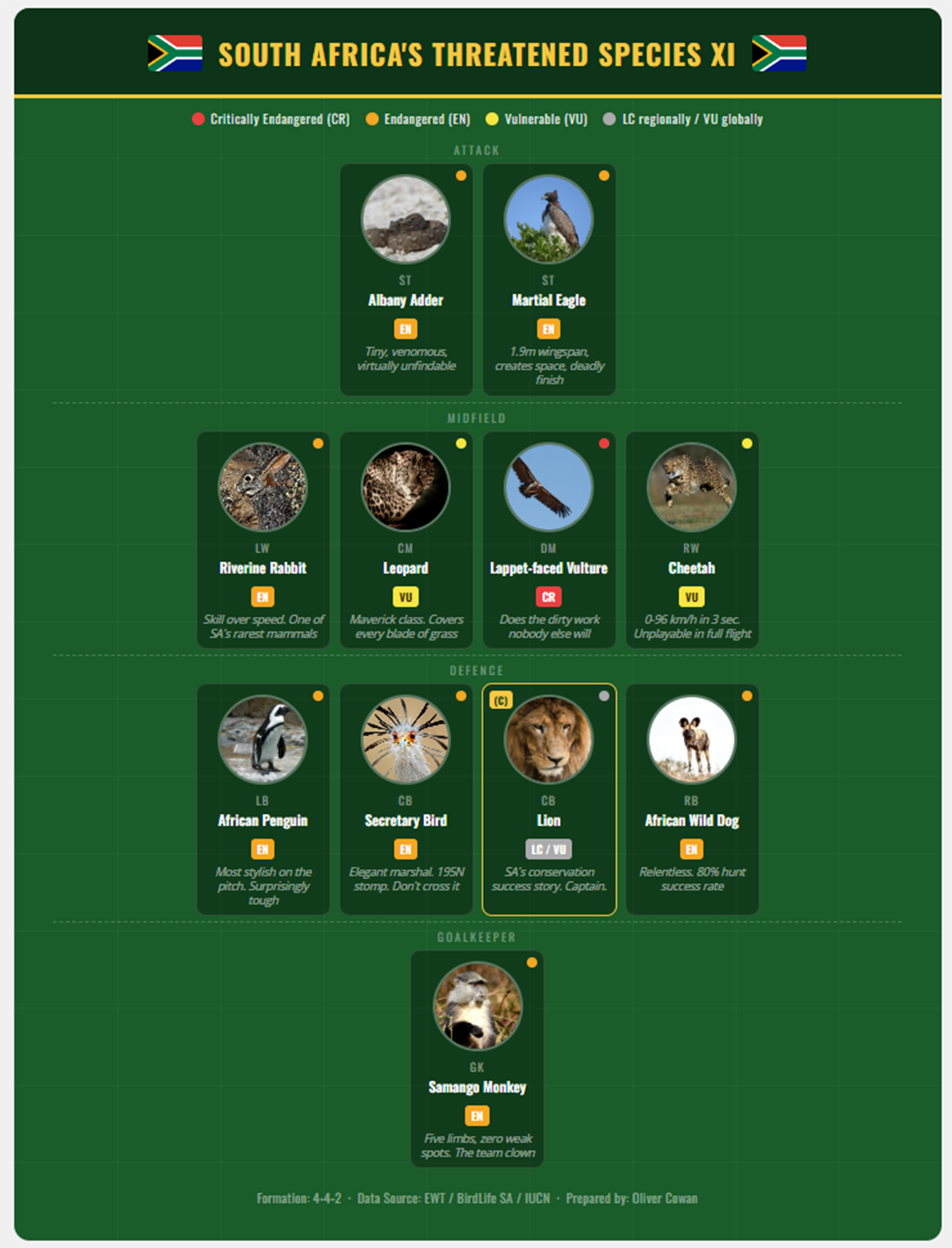
Formation: 4-4-2 | Manager: Mother Nature | Status: Urgently needs your support

Announcer:  Oliver Cowan, Conservation and Data Scientist (and keen Bafana Bafana supporter)

The FIFA World Cup has given us no shortage of dream teams, fantasy XIs, and heated debates about who deserves to wear the shirt. But, as football fever grips the globe, we’d like to propose a starting lineup that makes the Messi vs Ronaldo  debate look trivial by comparison (it’ s Messi, by the way). This is South Africa’s Threatened Species XI – eleven species that represent some of the most extraordinary wildlife on the planet, all of them fighting for survival against a very unforgiving opposition.

All eleven feature on South Africa’s Regional Red List of Threatened Species. The squad includes one Critically Endangered, seven Endangered, and two Vulnerable players, and is captained by one lion-hearted wildcard who leads the team by example. The bad news? Unlike a football team, there are no substitutes waiting in the wings; however, with your support the Endangered Wildlife Trust is actively working towards safeguarding their futures.

The Lineup 
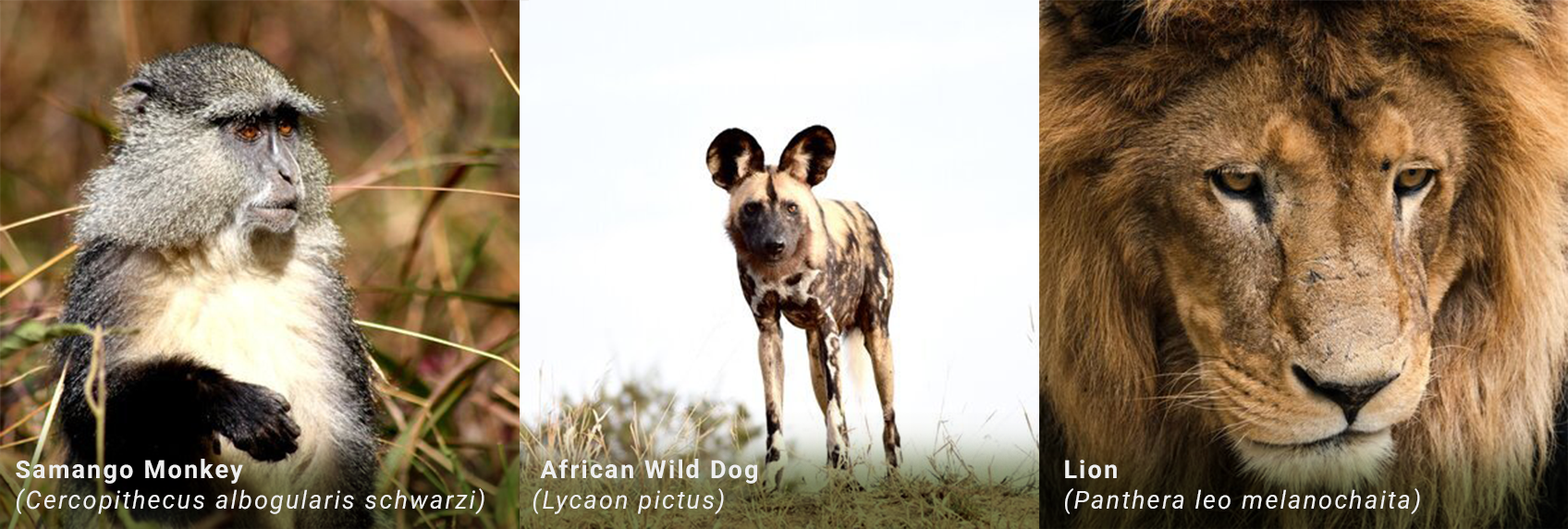
South Africa threatened species XI conservation football lineup concept

Goalkeeper: Samango Monkey (Cercopithecus albogularis schwarzi) – Endangered

Every great team needs a goalkeeper who makes the impossible look routine, and the Samango Monkey delivers in spades. Five effective limbs – four plus a tail a third of its total body length – give this forest-dwelling primate a range and agility that makes the goal look very, very small from the opposition’s perspective. A communicator of rare skill, the Samango reads danger before anyone else sees it coming and lets the whole team know about it loudly. The team clown between the sticks, and absolutely indispensable.

Right Back: African Wild Dog (Lycaon pictus) – Endangered

Energy. Loyalty. An 80% hunt success rate that puts every other predator on the continent to shame. The African Wild Dog is the perfect right back: relentless in covering ground, utterly committed to the team cause, and possessed of a work rate that simply does not stop. Painted Wolves, as they are also known, are Africa’s second most endangered carnivore, having disappeared from 25 of the 39 countries they once roamed. Fewer than 1,400 breeding individuals remain. The EWT’s own African Wild Dog programme has secured over 1.5 million hectares of safe space for the species across southern Africa – proof that conservation investment pays dividends.

Centre Back (Captain): Lion (Panthera leo melanochaita) – Least Concern (SA) / Vulnerable (global)

Not every captain needs to be the most embattled player in the dressing room. Sometimes the armband belongs to the one who has been to the brink and come back – the one who knows what the fight costs and what it looks like to win it. South Africa’s Lion population, decimated by hunting and habitat loss through the 19th and 20th centuries, has been managed so effectively that it now stands at around 2,007 mature wild individuals and is classified as Least Concern on South Africa’s Regional Red List of Threatened Species. That is a conservation achievement of genuine significance, and it earns the Lion its captaincy.

But the captain does not let the team forget the wider picture. Globally, the Southern Lion (P. l. melanochaita) is Vulnerable, its range having contracted by 33% over three generations. Emerging threats – the lion bone trade, poaching, retaliatory killing – require continued vigilance. This is not a species that has been saved. It is a species that is being saved, one protected area and one community engagement at a time. The armband is a reminder of both how far we have come and how much further there is to go.
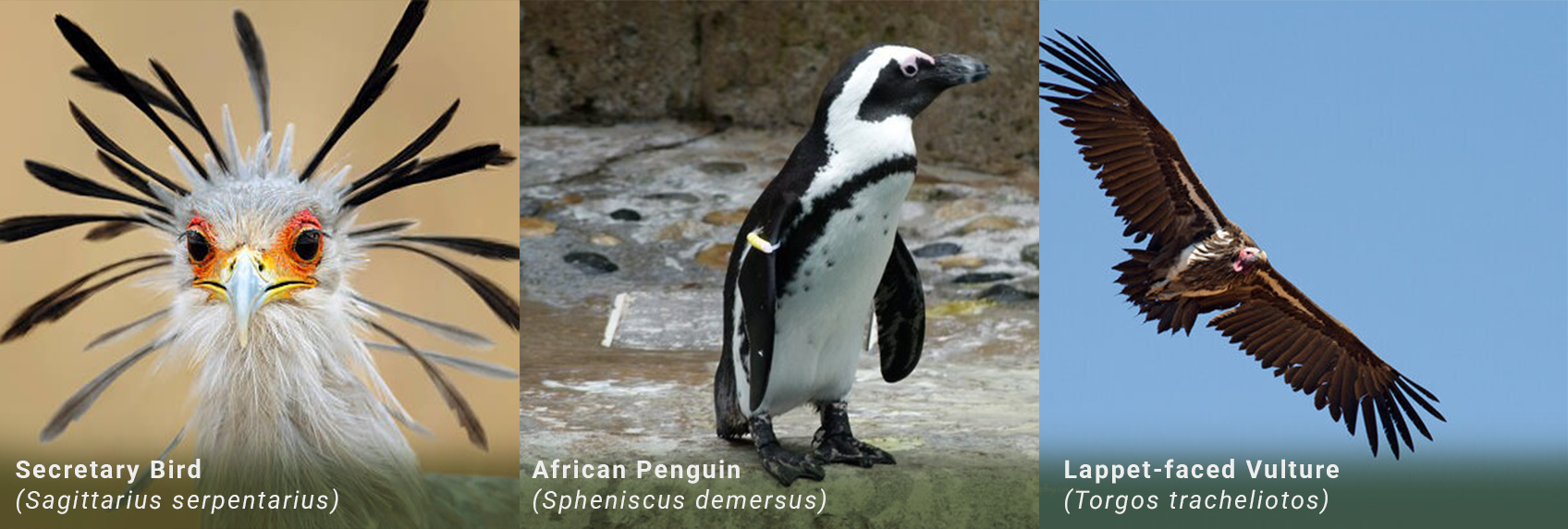
Wildlife conservation storytelling Red List species South Africa

Centre Back: Secretary Bird (Sagittarius serpentarius) – Endangered

The Secretary Bird strides the pitch on impossibly long legs with an authority that brooks no dissent, organising the defensive line with quiet, imperious calm. But cross it, and you discover that those elegant legs can deliver a stomp carrying up to 195 Newtons of force – enough to kill a cobra in a single strike. Uplisted from Vulnerable to Endangered in the 2025 BirdLife South Africa Red Data Book, this iconic raptor is declining across its range.

Left Back: African Penguin (Spheniscus demersus) – Endangered (regional) / Critically Endangered (global)

The most stylish player on the pitch, and that tuxedo is absolutely non-negotiable. What the African Penguin offers beyond impeccable dress sense is surprising toughness – capable of swimming at 20 km/h and covering enormous distances in pursuit of sardines and anchovies. Regionally Endangered in South Africa thanks to focused local conservation efforts, but uplisted to Critically Endangered globally by the IUCN in October 2024, with fewer than 10,000 breeding pairs remaining. A landmark High Court ruling in March 2025 secured 10-year fishing exclusion zones around six key breeding colonies. A rare piece of good news for a species that badly needed it.

Defensive Midfielder: Lappet-faced Vulture (Torgos tracheliotos) – Critically Endangered (SA) / Endangered (global)

Every great team has a player who does the jobs nobody else wants. The Lappet-faced Vulture is Africa’s largest vulture and the enforcer of this midfield – cleaning up, breaking up play, and doing the filthy, essential work that keeps the whole ecosystem functioning. There is no glamour in what it does. There is also no team without it. Uplisted to Critically Endangered in the 2025 BirdLife South Africa Red Data Book, decimated by poisoning, collisions with energy infrastructure, and habitat loss. Vultures are irreplaceable. So is this player.
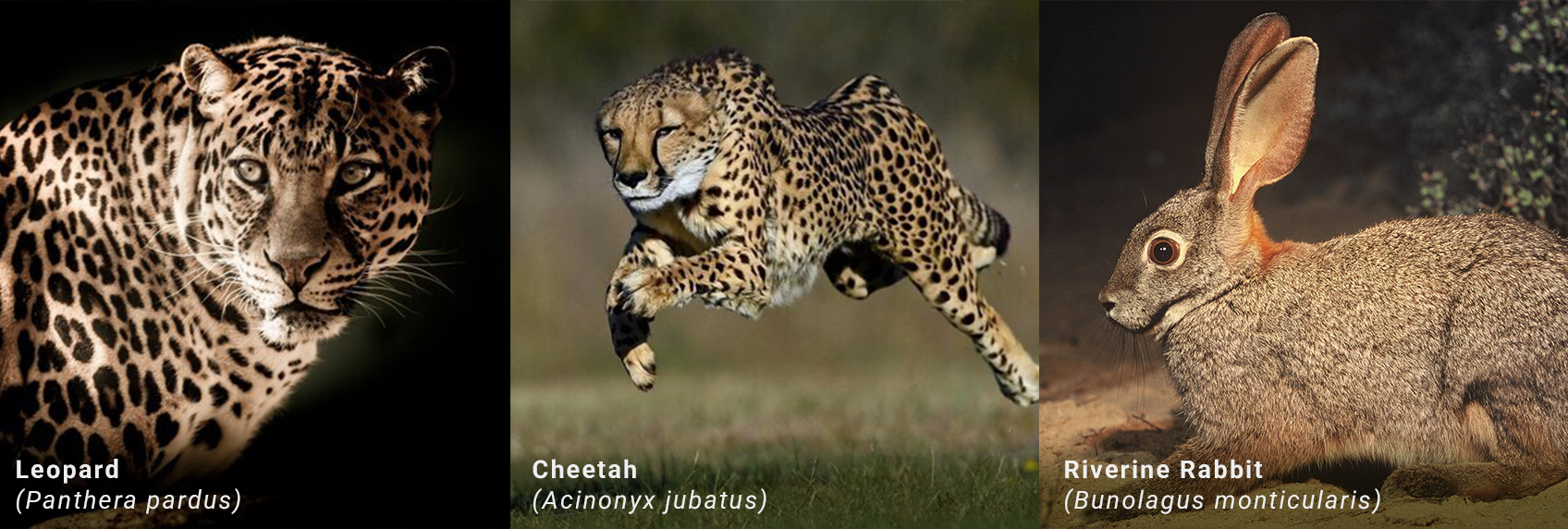
Cheetah sprinting in open grassland, Leopard resting in tree branch habitat

Centre Midfielder: Leopard (Panthera pardus) – Vulnerable

The maverick you simply cannot drop, no matter how many team meetings he skips. Famously solitary – don’t expect him at the post-match dinner – but the quality on the ball is undeniable. The Leopard is the most adaptable of the big cats, equally at home in dense bush, open savanna, rocky koppies, or suburban fringes; day or night; alone or outgunned. Regionally Vulnerable, with 68% of suitable habitat falling outside protected areas and ongoing pressure from retaliatory killing and illegal harvest for cultural regalia.

Right Wing: Cheetah (Acinonyx jubatus) – Vulnerable

There is nothing subtle about what the Cheetah brings to this team. Zero to 96 km/h in under three seconds. No defensive line on Earth handles that. The trade-off – it offers very little tracking back – is one the manager has long since accepted, because when the Cheetah gets the ball in behind, it is simply over. Regionally Vulnerable and under sustained pressure from habitat fragmentation, human-wildlife conflict, and loss of prey. A luxury player in the truest sense: irreplaceable, spectacular, and frighteningly easy to take for granted.

Left Wing: Riverine Rabbit (Bunolagus monticularis) – Endangered

Where the Cheetah relies on blistering pace, its winger counterpart on the opposite flank is all about skill. The Riverine Rabbit is elusive, deceptively explosive from a standing start, and almost impossible to pin down in tight spaces. A flagship species of the Karoo, threatened by habitat degradation and climate change. Every time the Riverine Rabbit gets the ball and ghosts past a defender, it is worth savouring. There may not be many more chances.
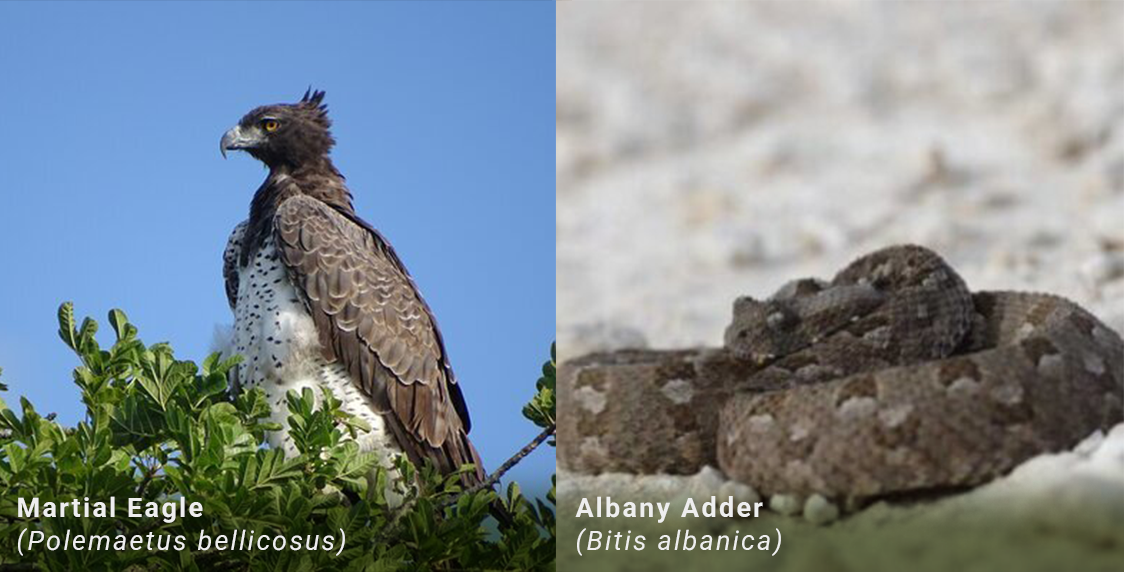
Albany adder rare snake Eastern Cape habitat

Striker: Albany Adder (Bitis albanica) – Endangered

We’ ve gone with the classic ‘big man, little man’ formation up front. If the Martial Eagle is the target man who fills the box, the Albany Adder is the striker who nobody sees coming – until it is far too late. South Africa’s most endangered snake and one of the rarest reptiles on Earth, the Albany Adder has an entire known range within the Algoa Bay area of the Eastern Cape. Less than 20 individuals have ever been recorded in the wild since the species was first described in 1937. It is virtually unfindable, and when it does strike, it does so with a precision that leaves no doubt. The EWT has led active conservation efforts for this species for years, just don’t bother asking for a photo – there are almost none.

Striker: Martial Eagle (Polemaetus bellicosus) – Endangered

The ideal striking partner for its diminutive front-line companion. A 1.9-metre wingspan keeps defenders occupied and goalkeepers permanently unsettled, creating the space that allows the Albany Adder to do what it does best. Deadly when given a sniff of goal. Occupies vast territories bud sadly declining even inside South Africa’s largest protected areas, with reporting rates in Kruger National Park having dropped by over 50% in the past two decades. Uplisted to Endangered in the 2025 BirdLife South Africa Red Data Book.

The Final Whistle

This team has everything: pace, power, elegance, industry, genius, and grit. It also has something no football team should ever have – a genuine risk of not making it to the next tournament.

South Africa’s 2025 mammal and bird Red Lists of Threatened Species make sobering reading. Twenty percent of the region’s mammals are now threatened with extinction. Thirty-nine bird species were uplisted in this year’s assessment alone. The threats are well understood: habitat loss, climate change, poisoning, persecution, and the relentless pressure of a growing human footprint on a finite natural world.

But the same science that documents the decline also points the way forward. The African Penguin’s court victory. The African Wild Dog population’s recovery. The Hartmann’s Mountain Zebra’s downlisting after genuine population gains. Conservation works – when it is funded, when it is evidence-based, and when people care enough to demand it.

These 11 species are worth caring about. Not just because they are extraordinary animals, but because the health of South Africa’s biodiversity – and ultimately the health of the ecosystems that sustain all of us – depends on keeping them in the game.

Support the squad. Learn the names and tell the story.

  •  
South Africa threatened species XI conservation football lineup concept
Raptors in Decline: What One Researcher’s Roadside Observations Revealed

Raptors in Decline: What One Researcher’s Roadside Observations Revealed

Raptors in Decline: What One Researcher’ s Roadside Observations Revealed

By Ronelle Visagie, Birds of Prey Unit


Left: Jackal Buzzards in Middelburg district. Right: Data tracking

Left: Jackal Buzzards in Middelburg district. Right: Data tracking

A study of long-term road surveys undertaken by Ronelle Visagie, field officer in the Birds of Prey Unit, has been referenced in a new research report revealing widespread declines in South Africa’ s raptors and other large birds.  Ronelle co-authored the report published by the University of Cape Town.

How did the survey come about?  Here is Ronelle’ s story:

I was recently asked to share the story behind a study I co-authored that revealed widespread declines in raptor numbers across South Africa. The data behind the research came from an unexpected source: the many kilometres I’ ve driven while working for the Endangered Wildlife Trust (EWT).

My work involves a lot of time on the road. I regularly travel long distances to investigate power line incidents involving birds, and in 2019 I began monitoring 400 vulture nests in the Kalahari. From my home to Askam—where that fieldwork begins—is about 600 km. Much of the monitoring takes place along the Kuruman and Molopo Rivers and near Van Zylsrus. I’ ve also spent years travelling through the region for the Vulture Safe Zone project.

Because I often drove the same long routes, I started looking for something productive to do while travelling. I realised that I could record the raptors I saw along the roads. Using the CyberTracker app on my phone, I began logging every bird of prey I encountered. The system is simple and effective: it allows you to record the species, age class and behaviour of each bird, while automatically storing the GPS coordinates.

From that point on, every work trip became an opportunity to collect data. Whenever I drove anywhere, I recorded the raptors I saw along the way. I also noted roadkills, which can provide insight into wildlife populations and threats. Interestingly, I’ ve noticed that roadkills seem to have decreased over time, possibly because people increasingly collect them for food.

Over the years, the kilometres added up. Between 2009 and 2025, I drove over 500,000 km for my work with the EWT. Along the way, I built up a large dataset of roadside raptor observations.

A few years ago, I presented this dataset at the EWT’ s Birds of Prey Conference in Swadini, Limpopo. In the audience was Assistant Professor Arjun Amar from the University of Cape Town. After the talk, he approached me and asked whether one of his students, Santiago Zuluaga, could analyse the data and develop it into a scientific paper.

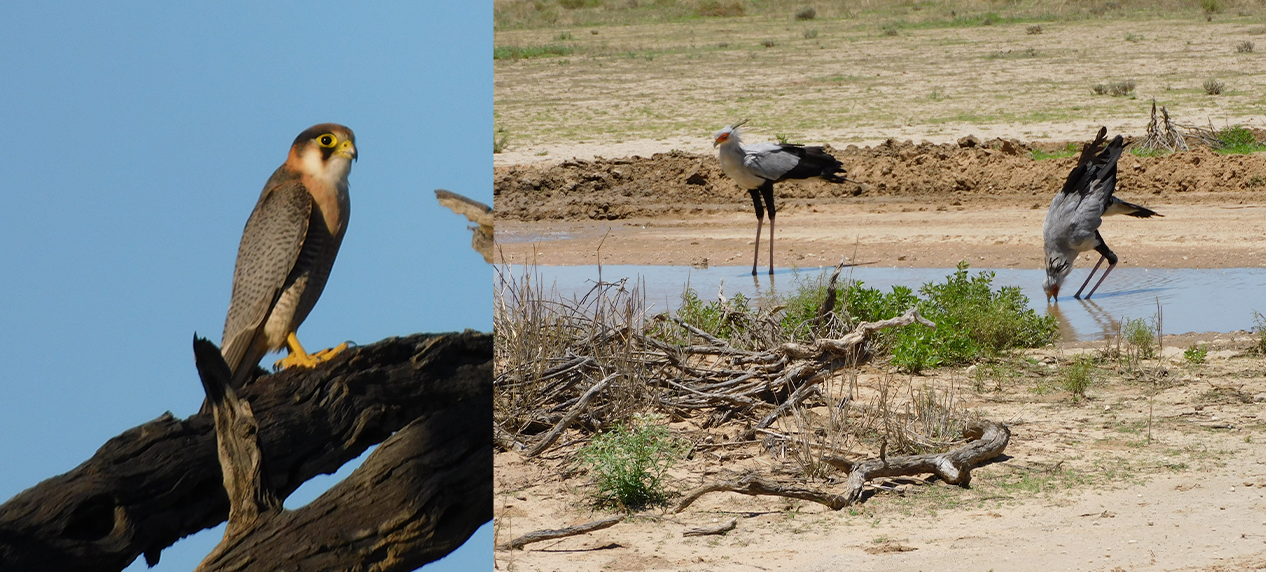
Red-necked Falcon in KNP and Secretary birds drinking water in the road

Left: Red-necked Falcon in KNP. Right: Secretary birds drinking water in the road

The results were sobering. The analysis showed that half of the raptor species I recorded had declined over the study period.

This matters because raptors play a critical role in ecosystems. They help regulate populations of animals such as rodents and dassies, preventing these species from becoming overly abundant. Vultures perform an equally essential service by removing carcasses from the landscape, helping to limit the spread of disease.

Some of the declines we observed are likely linked to human activities. In parts of the Northern Cape and Free State, certain raptors are persecuted because they occasionally catch chickens or lambs. Poisoning is also a growing threat, and unfortunately poisons are often easy to obtain. Owls appear to be particularly affected by this.

Addressing these challenges requires working with the people who share the landscape with these birds. When I travel through farming areas, I spend time talking with farmers to understand their concerns and look for ways to help reduce conflict. I also visit schools to talk to children about why raptors are important and the threats they face.

Studies like this help highlight the scale of the problem. Raptors are declining, and yet they provide vital services that keep ecosystems functioning. The more we understand these trends, the better we can work together to protect these remarkable birds.

The article can be accessed here: https://doi.org/10.1016/j.biocon.2026.111764.

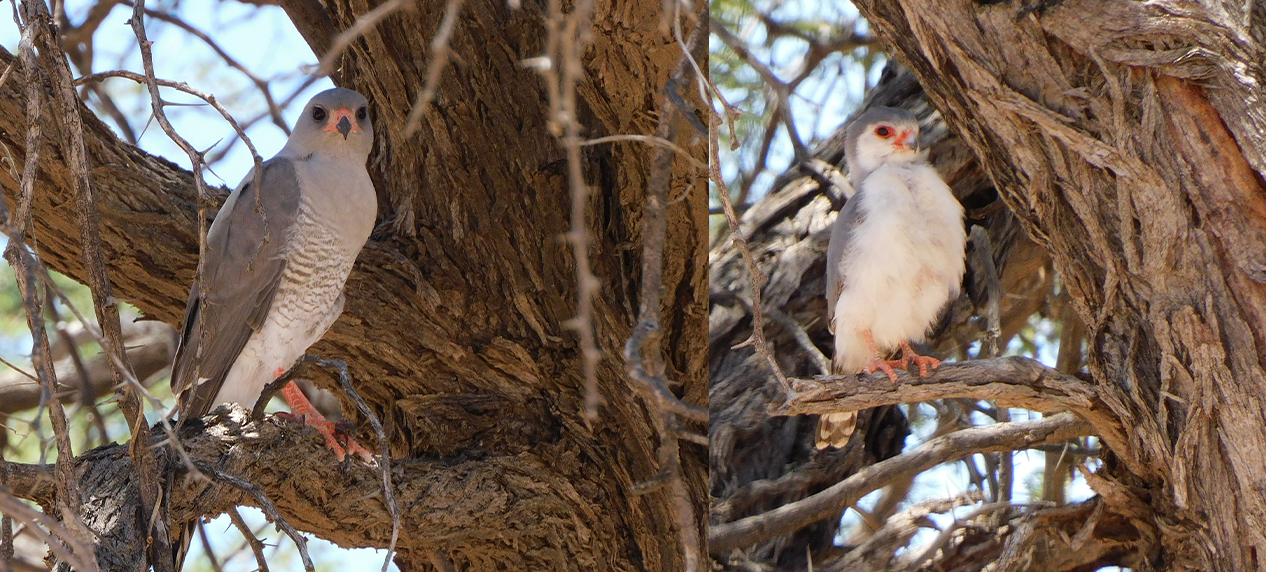
Left: Gabar Goshawk in KNP. Right: Pygmy Falcon in KNP

Left: Gabar Goshawk in KNP. Right: Pygmy Falcon in KNP

EWT-led Vulture Safe Zone certified in a national park

EWT-led Vulture Safe Zone certified in a national park

EWT-led Vulture Safe Zone certified in a national park

By Eleanor Momberg – Communications manager, Endangered Wildlife Trust 


EWT-led Vulture Safe Zone in Mokala National Park

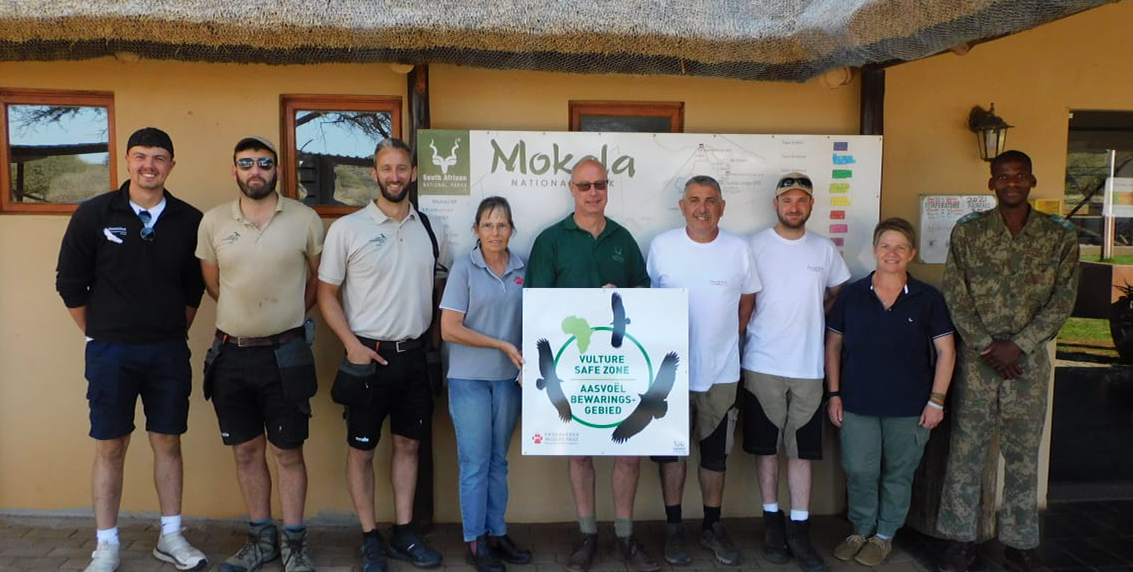
An Endangered Wildlife Trust-led Vulture Safe Zone has been certified in the Mokala National Park – a first for South Africa.

The national park, in the Northern Cape, is a stronghold for breeding White-backed Vultures (Gyps africanus).  It is the first SANParks national park to be certified a Vulture Safe Zone

“The certification is a further step in a working relationship between the Endangered Wildlife Trust (EWT) and SANParks to conserve threatened species and restore and preserve the habitats they require to survive,”  says the CEO of the EWT, Yolan Friedmann.

The EWT has been working in Mokala National Park since 2008, monitoring vultures and other raptors.  In the last three years, the EWT’ s Birds of Prey team and park management have been mitigating threats to vultures and related species on the 27,500ha property with the aim to certify it as a Vulture Safe Zone (VSZ).


What is a Vulture Safe Zone?

Vulture Safe Zones are an outflow of what is commonly known as the Asian Vulture Crisis, spanning the 1980s and 1990s, which saw declines of over 99% in the population of vultures in this landscape.  Subsequent research found that the mass die-off had been caused by the veterinary NSAID (non-steroidal anti-inflammatory drug), Diclofenac. The disappearance of Vultures in India led to the ecological tipping of scales, causing the death of tens of thousands of people due to the spread of pathogens because of the decline in vultures, known as the environment’ s clean-up crew.

The urgent need for action to stop the rapid decline of vulture species in Eurasia and Africa led to the development of the Multi-Species Action Plan to Conserve African-Eurasian Vultures (commonly referred to as the Vulture MsAP). Vulture Safe Zones are recognised in the Vulture MsAP as a means to encourage the responsible management of the environment by actively reducing threats to vultures in identified areas. In South Africa, the EWT has led the implementation of the Safe Zones, spanning the Karoo,  the Kalahari and the Eastern Cape.

Among the criteria for a VSZ is that the area must be poison free and carcasses may not be laced with NSAIDs, power lines are mitigated to prevent electrocutions and collisions by wildlife, breeding or roosting populations of vulture species are protected from disturbance; and that breeding and/or roosting populations are monitored annually.


The Mokala Vulture Safe Zone

Mokala is the first of many identified national parks to be certified as a Vulture Safe Zone. In partnership with Eskom, the project has ensured that all power lines are safe and, through a kind donation by the SANParks Honorary Rangers, the team was able to cover the dams with nets to prevent drownings.

Because the reserve is a stronghold for White-backed Vultures, a team led by the EWT has ringed and tagged over 1,100 vulture chicks in the park since it began working there. In October 2025 alone, 90 chicks were ringed and tagged, and 155 active nests were counted in the larger breeding area, which includes neighbouring farms.

“With the Vulture Safe Zone certification in place, Mokala National Park now has ample support to continue critical conservation efforts to protect their resident vulture populations, as well as other threatened birds of prey, including Martial Eagle and Tawny Eagle,”  said Friedmann.

** The EWT would like to thank our donors, partners and collaborators for their ongoing and much appreciated support for this important conservation initiative:  Charl van der Merwe Charitable Trust, Puy du Fou, Gauntlet Conservation Trust and Hawk Conservation Trust, as well as the SANParks Honorary Rangers  

My first close-up encounter with an elephant

My first close-up encounter with an elephant

In the field 

My first close-up encounter with an elephant

By Dembo Jatta, Birds of Prey Unit Intern
 

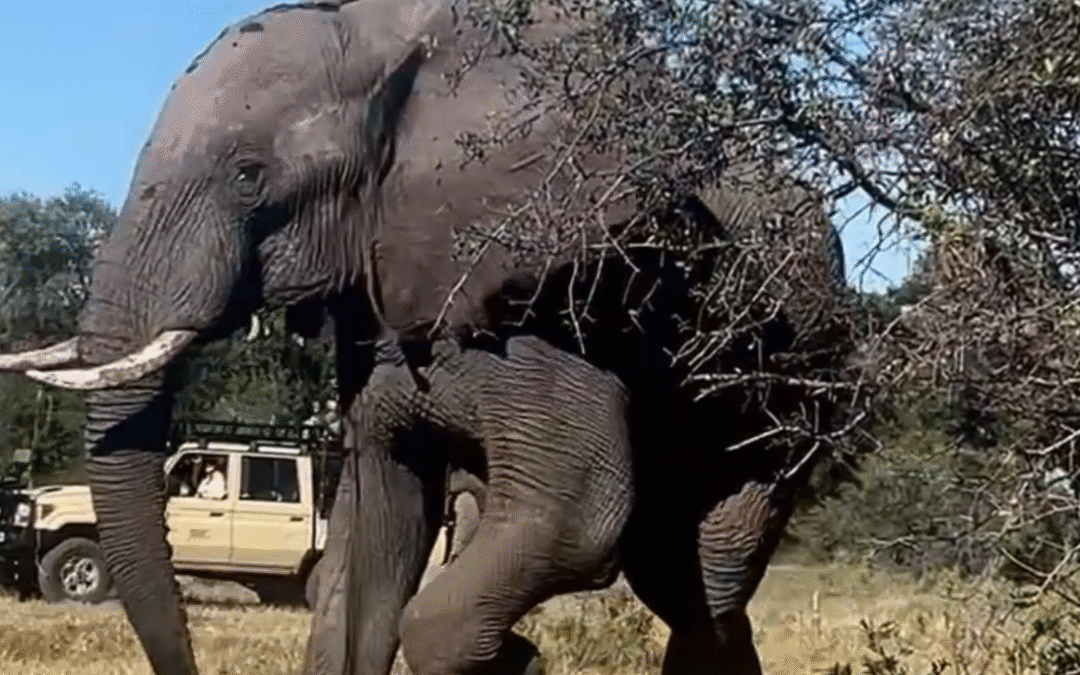
First elephant encounter in the Okavango Delta during EWT fieldwork

The drive from South Africa to Botswana felt like one long ribbon of tarmac stretching into forever, but the moment we rolled into the Okavango Delta, all thoughts of the road melted away. Our base for the start of the trip was the Anti-Poaching Unit (APU) camp, where we stayed in permanent tents. It was the kind of setup that instantly reminds you that you were properly in the bush, with just enough comfort to make you smile at the adventure ahead.

On this trip, we were collaborating with some of EWT’ s long-standing partners, including Raptors Botswana, the Kalahari Research Centre, and Connect Trust. All collaborating under the shared goal of vulture conservation in the Delta.

That first evening, we settled into camp, got our gear sorted, and took in the sounds and smells of the Delta under a blanket of stars. The next morning, we began trapping, catching four White-backed Vultures on day one and a few more over the next couple of days.

On the fourth day, we packed up and moved further into the Delta, just on the edge of where floodwaters from Angola spilled through the plains. This time, Kyle and I pitched our own tents, while Gareth opted for his beloved Alu‑Cab rooftop ModCAP camper. That evening, a herd of elephants wandered into camp, scattering us into the shadows as one of the laaitie browsed his way through our tents.

But that was not the only adventurous moment of the trip. The highlight for me came one afternoon while I was on vulture watch, tucked into a hide among the thorny branches. My radio crackled to life: “Dembo, you have got an elephant heading your way.” At first, it felt distant, but moments later, I caught movement through the fabric of the hide. About 10 metres away. That was all that separated me from several tonnes of browsing pachyderm. This was my very first encounter with an elephant while not sitting safely inside a vehicle. Not wanting to test my luck, I radioed back, suggesting a rescue mission. Maluki, in his wisdom, drove straight toward where the elephant was standing. It was almost comical watching the animal change course and head right for me instead. Strangely, I stayed calm in the hide. I even found myself filming, my phone poked out just far enough to catch the moment it stopped, sniffed the air towards me, and gave me a thorough once-over before ambling away.

Nonetheless, the nights in the Delta were unforgettable. The sky glittered with stars, lions and hyenas called in the distance, insects and frogs filled our surroundings with their own chorus, and it felt alive in every direction. I remember unzipping the top rooftop flap of my tent just to stare at the endless stars above me. It gave me chills and goosebumps, a feeling I will never forget. I had never seen so many fish eagles and bateleurs in one place in my life. It felt like fish eagle heaven, their calls and presence filling the Delta skies every day.

By the end of the trip, we had fitted GPS units and rings to 15 vultures, including a handsome White-headed Vulture. Across the days, I also added 12 new species to my life list, lifers I had never seen before. Seeing and hearing the calls of these birds amongst the floodplains was the perfect ending to what was more than just fieldwork. It was a wild, unpredictable and unforgettable chapter in my conservation journey.