Help protect Africa's 

A Race to Rescue Limpopo’s Vultures

A Race to Rescue Limpopo’s Vultures

In the Field

A Race to Rescue Limpopo’s Vultures

Dr Lindy Thompson, Birds of Prey Unit Research and Monitoring Coordinator
 

EWT Birds of Prey Unit releasing rehabilitated vultures on International Vulture Awareness Day

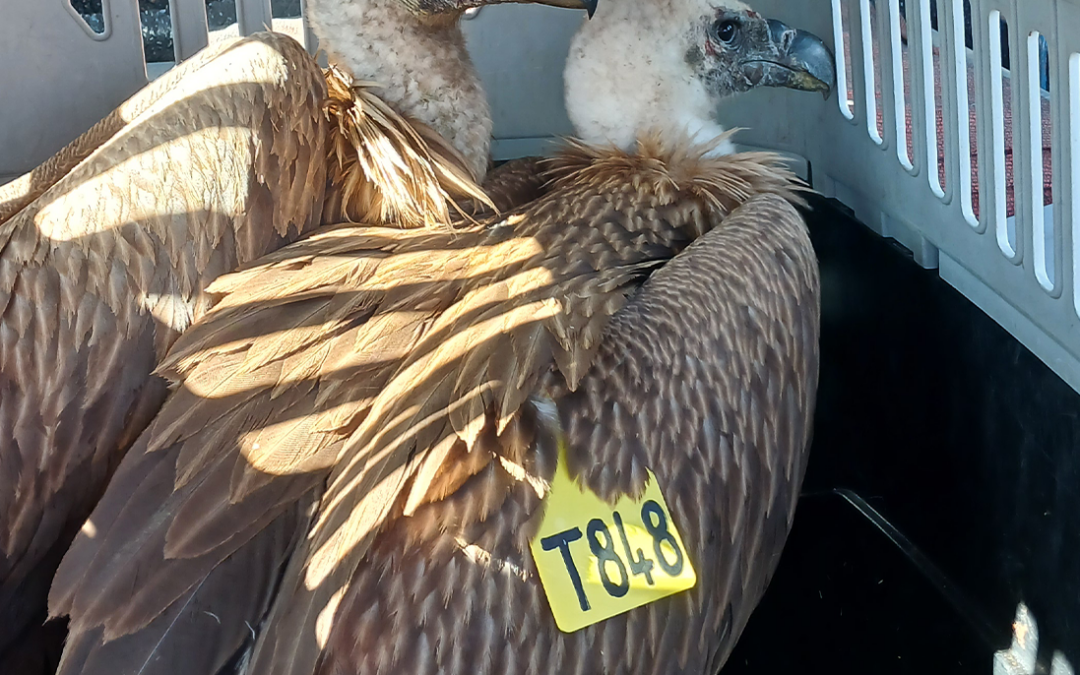
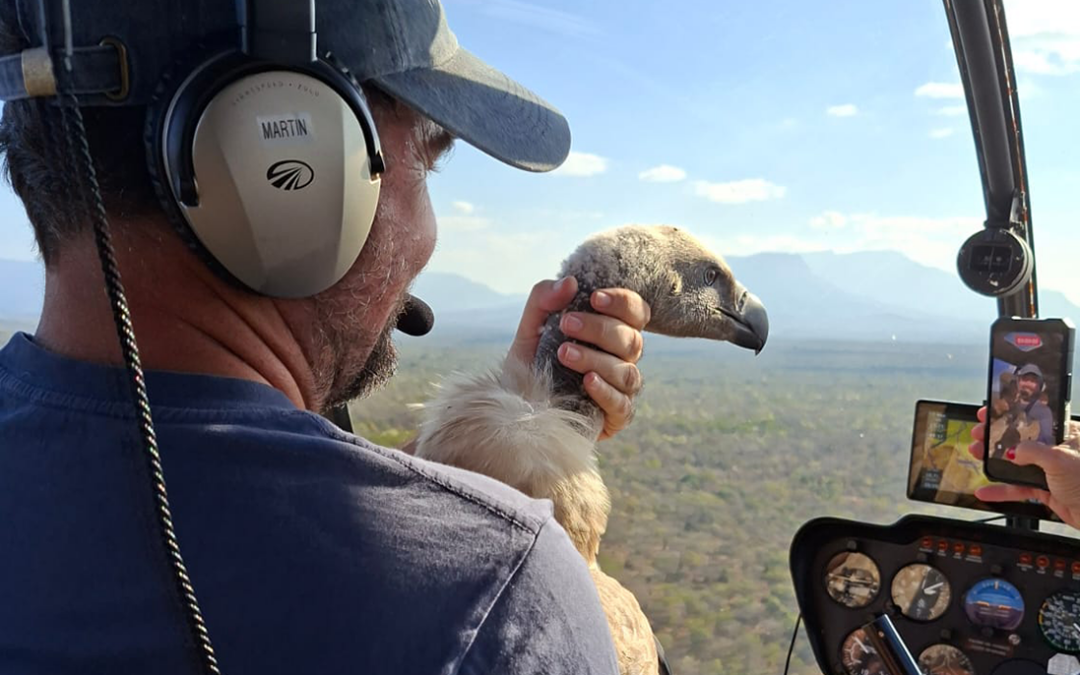
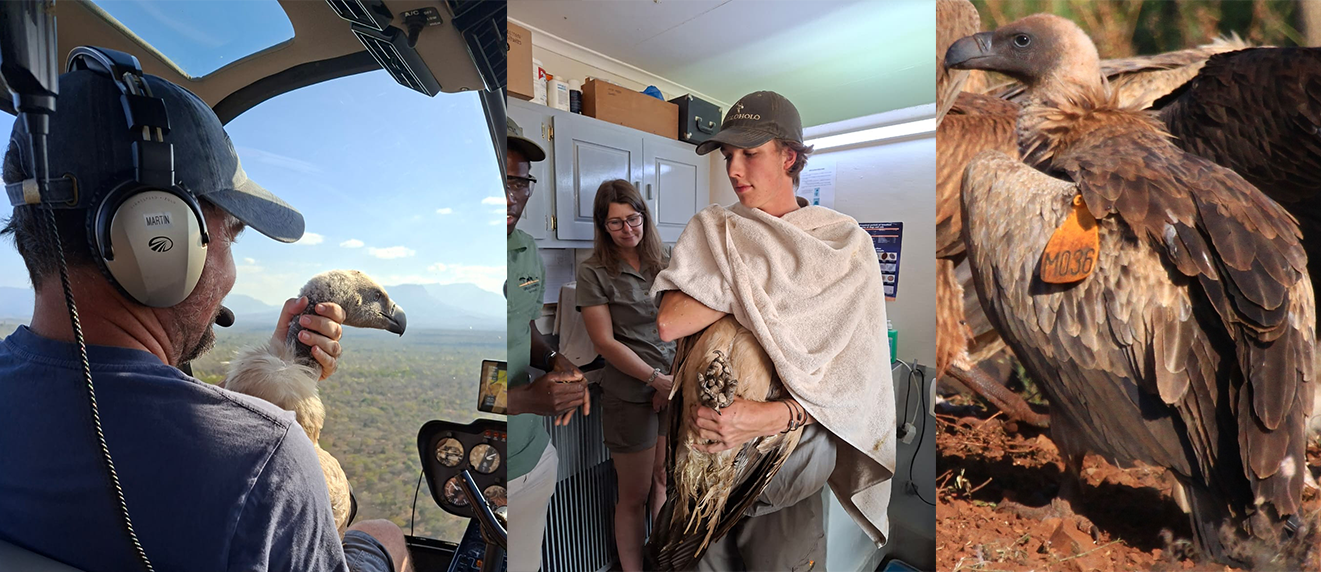
Left: A Cape Vulture being transported to Moholoholo Rehab Centre by helicopter. Center: Moholoholo clinic team treated the vultures.

On 28 August 2026, the EWT Birds of Prey Unit received an urgent notification that a number of vultures had been found unable to fly on a property in Limpopo.

With the assistance of the Hoedspruit Endangered Species Centre, these birds were quickly collected and transported to Moholoholo Wildlife Rehabilitation Centre.

Pilot Jana Meyer from Hope for Wildlife also joined the rescue effort, flying us in her helicopter to search the surrounding area for any other grounded vultures.

In total, 18 vultures were taken to Moholoholo, where they received first aid and expert care from the clinic team. Rehabilitating vultures is intensive work, requiring round-the-clock care during the first 48 hours while the birds are stabilised, until they are out of the woods. We have the greatest respect for the Moholoholo team, whose experience and dedication gave these birds the best possible chance of recovery. Sadly, one bird died on arrival and another died that night, but the remaining 16 recovered well and were ready to return to the wild about a week later.

The timing of their release could not have been more fitting: the 16 survivors (three Critically Endangered Hooded Vultures, 12 Critically Endangered White-backed Vultures, and one Vulnerable Cape Vulture)  were released at Moholoholo on 5 September – International Vulture Awareness Day.

To make the occasion even more special, the EWT supported 250 learners to visit the Cape Vulture Nature Reserve before travelling to Moholoholo to witness the release. For these young people, seeing the vultures take to the skies was a powerful opportunity to connect with these remarkable and highly threatened birds.

It was also particularly important that the adult vultures got home quickly, as winter is the breeding season and most of the rescued birds had brood patches, indicating that they had chicks waiting for them in their nests. Both male and female vultures share responsibility for incubating and raising their young, so every day away from their chicks mattered. Thankfully, the tracked birds gave us the best news possible: they returned to their nests straight away.

What began as an urgent rescue ended with 16 vultures back in the wild, their chicks waiting for them, and 250 young conservationists watching them take flight; a wonderful reminder of why every vulture matters.
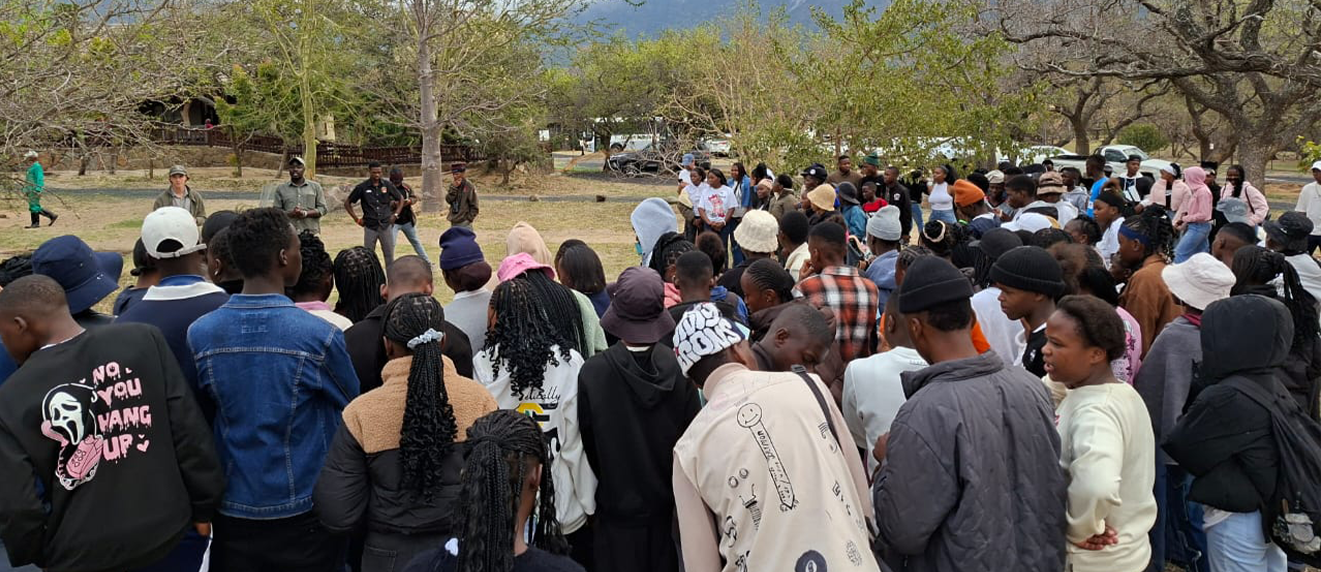
1. Young learners watching rescued vultures return to the wild at Moholoholo

The vultures were released at Moholoholo on International Vulture Awareness Day

** This work is made possible by Critical Ecosystems Partnership Fund (CEPF) Rapid Response to Conservation Crises (R2C2).
Disney SA team get their hands dirty for conservation

Disney SA team get their hands dirty for conservation

Disney SA team get their hands dirty for conservation


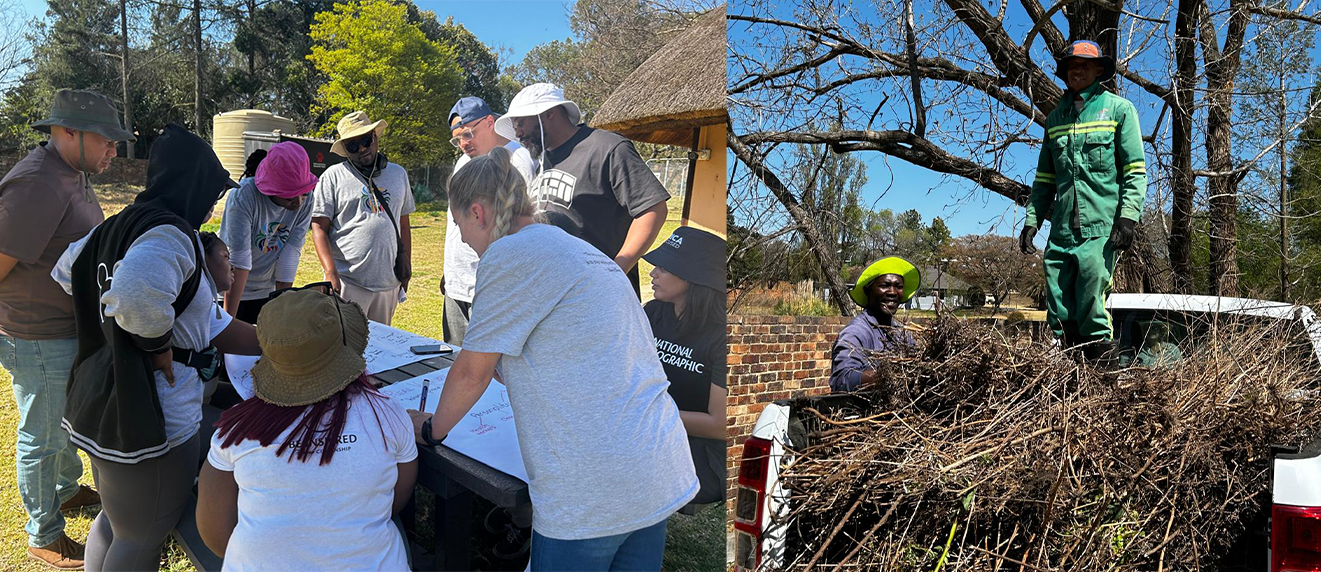
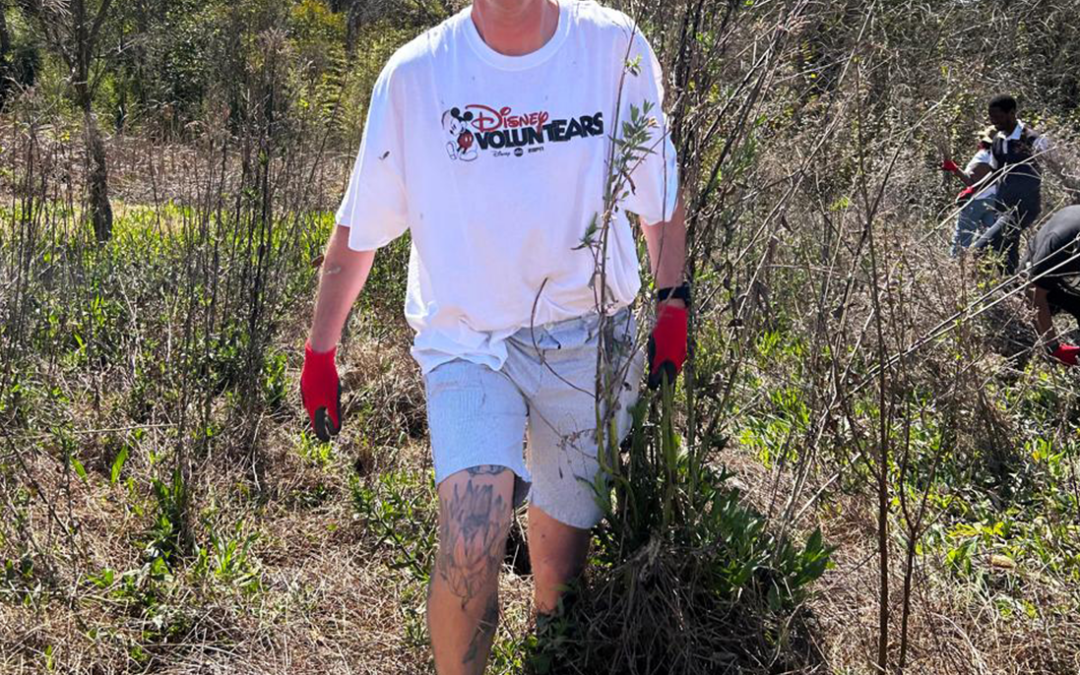
Disney Africa VoluntEARS supporting conservation at the EWT Conservation Campus

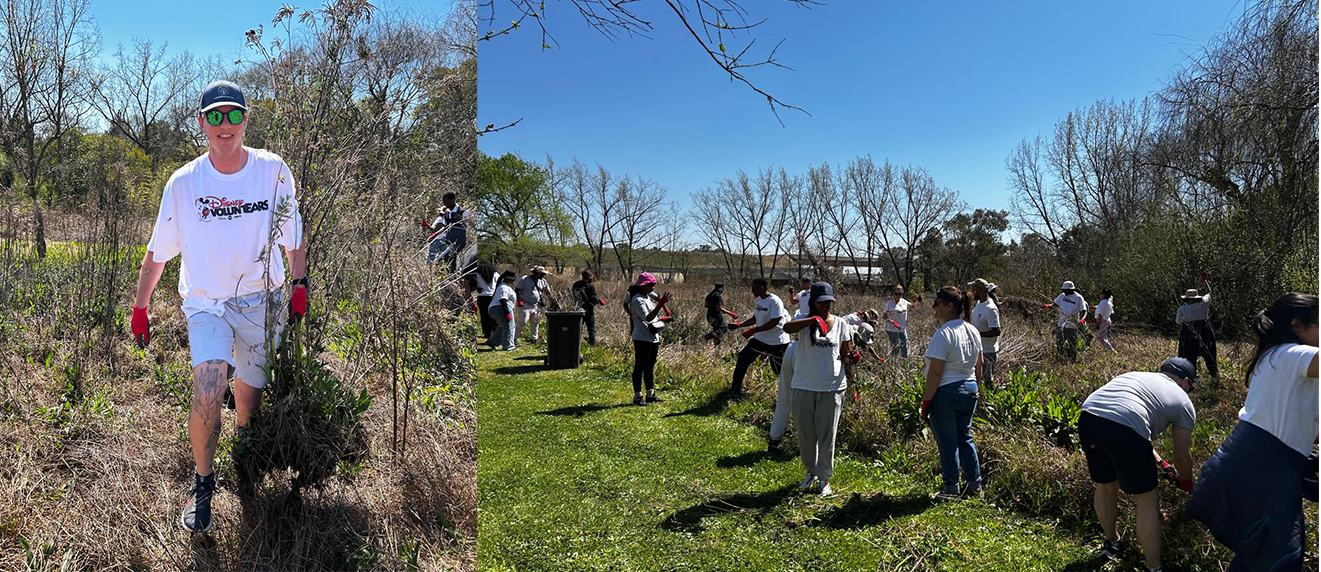
In September, a team of more than 50 Disney Africa VoluntEARS visited the Endangered Wildlife Trust’s Conservation Campus and the Cape Town office to perform community service.

Joined by a number of EWT headquarters pack members, the volunteers did a sterling job of clearing and beautifying an area below the Conservation Campus’s parking lot.

Volunteering is an important and enduring part of the Disney culture. Through VoluntEARS, local Disney Africa employees dedicate their time and professional skills to local community projects.  

Before getting their hands dirty at the Conservation Campus in Midrand, the Disney Africa voluntEARS were introduced to the story behind the EWT and the work that happens every day to conserve the habitats both species and people rely on, the protection of Endangered species, and the work to support communities so they can live in harmony with nature. 

The presentation traced the EWT’s beginnings with a single species, the Cheetah, to its broader conservation work today, while highlighting a simple but powerful message: conservation is a team sport.

This was followed by a safety briefing, and the team receiving gloves, spades and pruners from the EWT’s Campus management officials before getting down to the nitty-gritty of alien species removal. 

After spending the morning working in the area close to the wetland and enjoying a braai, the team participated in a creative workshop called Rebrand the Bad Guy: Can We Change the Story about Vultures? 

This session dealt with the vital ecological role vultures play and the threats they face. The Disney team then worked in groups to develop and pitch creative ideas that could help change the way vultures are portrayed and perceived. The concepts were judged and a winning team was selected. 

By giving their time and energy, the Disney Africa volunteers were reminded that even practical actions on the ground can be part of something much bigger, helping protect Africa’s wildlife, wild spaces, and the people who depend on them. We look forward to the Disney Cape Town Community Service Day later this year.

Disney Africa volunteers removing invasive alien plants at the EWT Conservation Campus

Camera Traps Monitor Bird Activity on Power lines

Camera Traps Monitor Bird Activity on Power lines

In the Field

Camera Traps Monitor Bird Activity on Power lines

By Amos Letsoalo, Wildlife and Nature Unit senior field officer


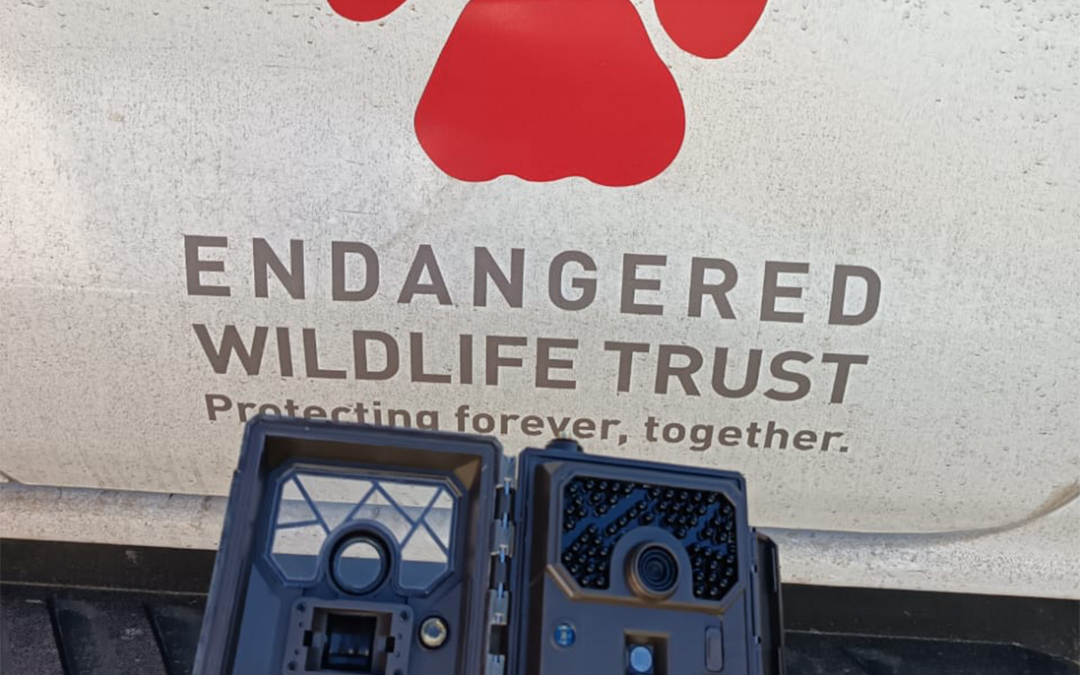
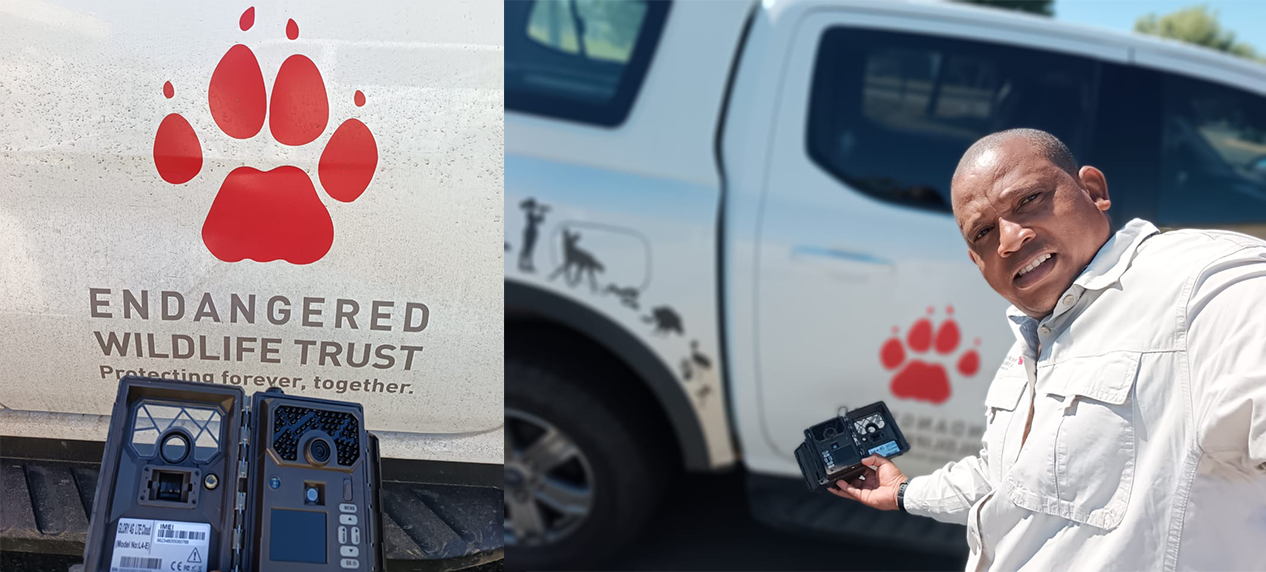
Wildlife monitoring camera installed on power infrastructure in the Northern Cape

The EWT’ s Wildlife and Infrastructure Unit (WIN), in collaboration with National Transmission Company of SA (NTCSA), has installed camera traps on a power line within a nature reserve In the Northern Cape to understand incidents involving birds along this section of line.

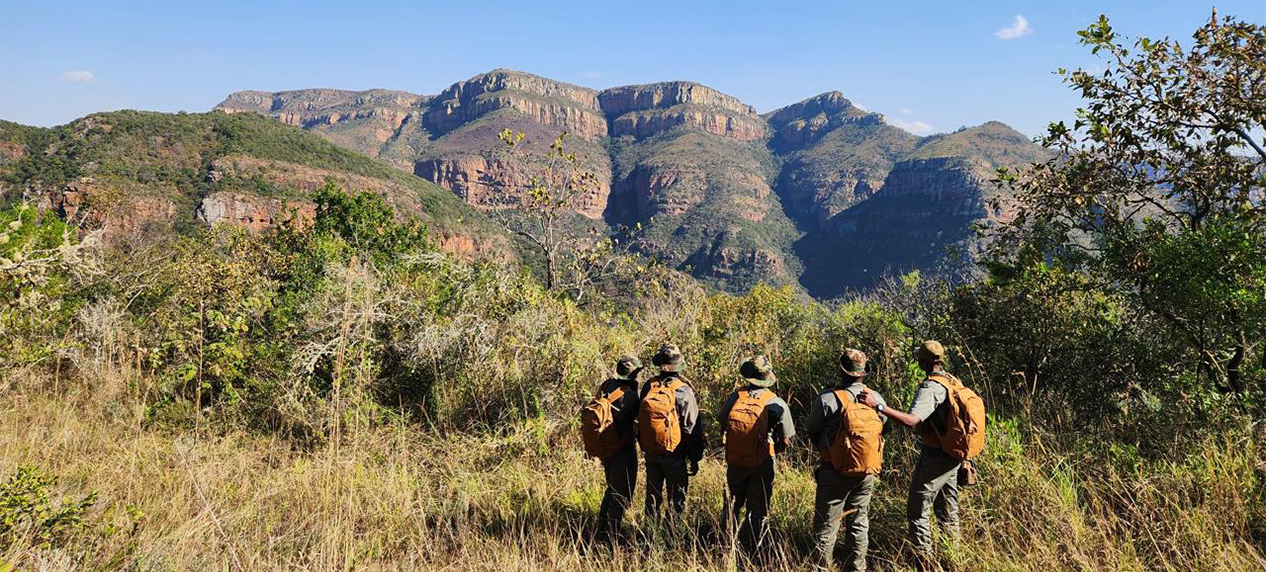
The use of camera trap technology will help us to monitor bird interactions with power infrastructure on a Boundary Olien 1 power line within the Dronfield Nature Reserve outside Kimberley.  This is because the power line has had several wildlife and electrical infrastructure incidents in the recent past, including vulture collisions.

Following the installation of three camera traps a few months ago, a fourth one was added to the line, to increase monitoring of the area. 

With these four technological eyes now monitoring the power lines, we hope to gather more data on how birds interact with the power lines. This   will not only help us better understand these interactions, but also assist us in applying relevant mitigation measures to minimise negative impacts on both wildlife and power lines and other electrical infrastructure.

Without this intervention the impact on vulture populations in the area will continue. The Wildlife in Nature Unit is appealing to the public to report any incidents involving power lines and electrical infrastructure to amosl@ewt.org so we can take the steps needed to protect the wildlife and power lines.


A Running Chance for Wildlife

A Running Chance for Wildlife

A Running Chance for Wildlife


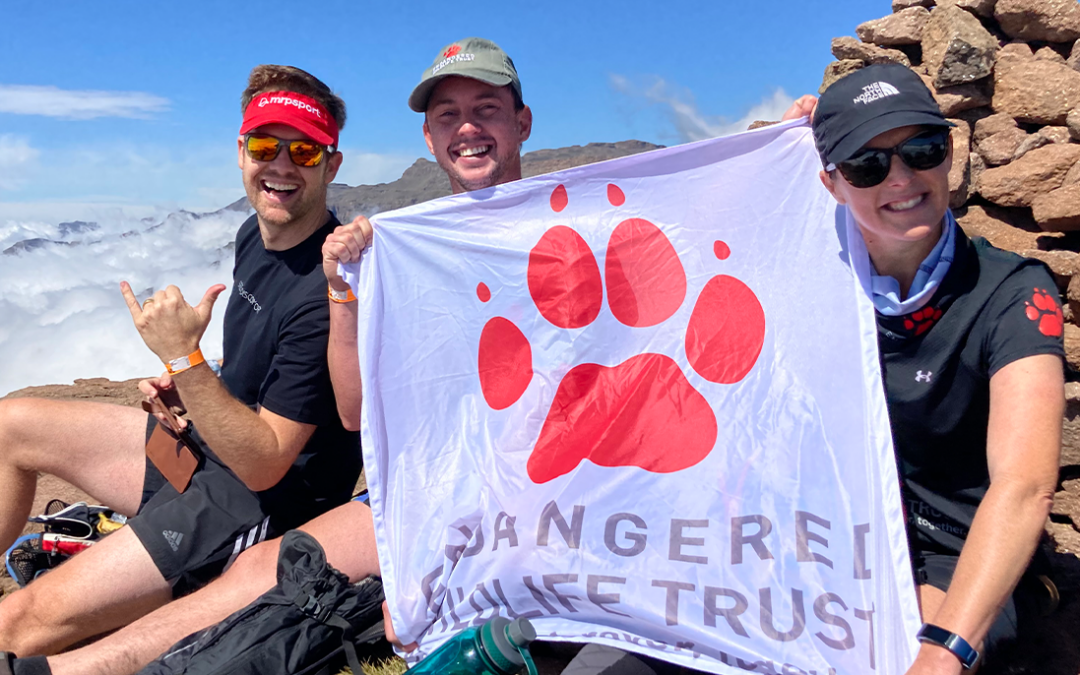
Rhino Peak Challenge participants running in Drakensberg mountains

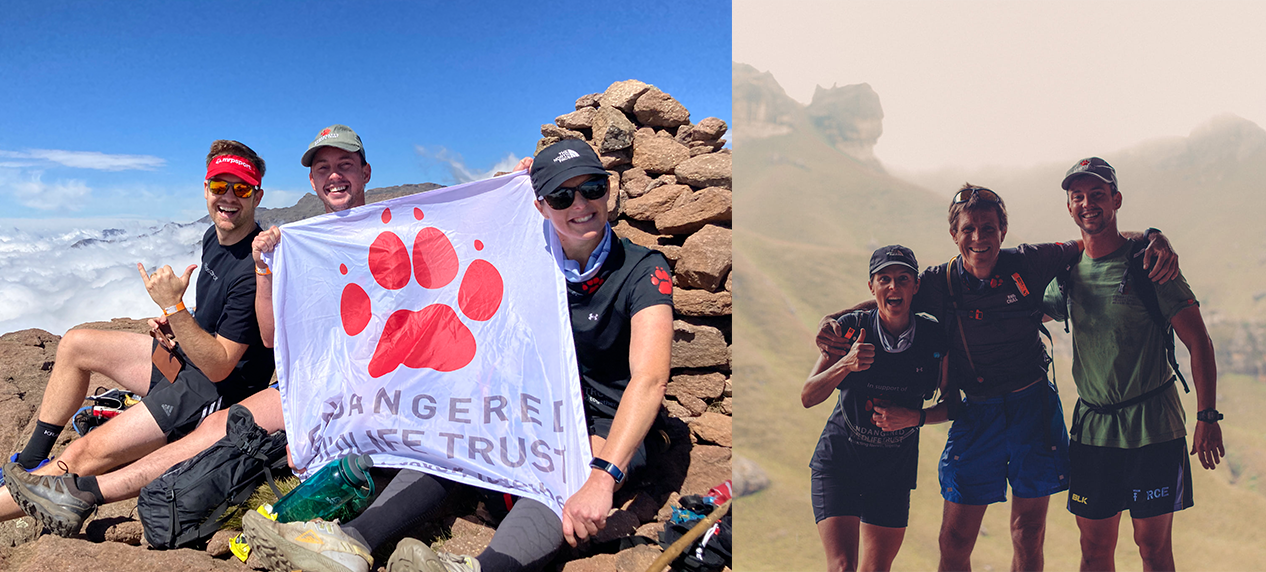
On 19 September 2026, 48 Endangered Wildlife Trust and Wildlife ACT ambassadors will be taking on the 11th Rhino Peak Challenge in the Maloti-Drakensberg Park World Heritage Site to raise money for conservation.

This bold group of conservationists, running and climbing enthusiasts, have joined an annual event that is dedicated to make a difference in nature and the environment.  Participants take on the 21 km challenge to reach the top of the 3,056 m Rhino Peak in the name of raising money for specific conservation projects to conserve cranes, rhinos and vultures.

With the race fast approaching, the EWT’ s team, led by Tammy Baker,  is inviting those who love the outdoors and believe that individuals can make a difference in our natural world, to join us for the adventure.   There are still several spots available for those feeling up to the challenge.  If not this year, then consider next year.

In three weeks Tammy will be taking on the Rhino Peak Challenge for the 8th year in a row. The EWT’ s team includes an intrepid collection of “desk jockeys” (the finance team), conservationists (the Midlife Crisis), friends and dedicated supporters of our conservation ethic.

The Rhino Peak Challenge (RPC)  conservation fundraiser raises funds for the EWT, Wildlife ACT and the Bearded Vulture Recovery Programme.    In the past decade more than R10 million has been raised through the RPC.

Tammy says beyond the physical test, the Rhino Peak Challenge offers an unforgettable weekend of adventure, camaraderie, and purpose. To secure one of these exclusive ambassador places, you have the privilege of raising a minimum of R20,000 in support of conservation. In return, you’ll enjoy a fully hosted weekend experience and the chance to be part of one of Southern Africa’s most inspiring conservation fundraising events.

Participation is deliberately limited to create a truly special experience for those involved, bringing together like-minded people who are passionate about protecting Africa’s natural heritage while making a tangible impact for conservation.

If this sounds like something you’d like to be part of, we’d love to hear from you.

To find out more, please contact Tammy at the Endangered Wildlife Trust at tammyb@ewt.org

Release of two rehabilitated Vultures at Mokala National Park

Release of two rehabilitated Vultures at Mokala National Park

In the Field:

Release of two rehabilitated Vultures at Mokala National Park

By Ronelle Visagie, Field Officer in the Birds of Prey Unit


Two rehabilitated White-backed Vultures being released into the wild at Mokala National Park.

At the end of March 2026 a White-backed Vulture landed at a home in in Keidebees, Upington.  The owner of the house, Mike Knoetze, cared for the bird for a couple of days and fed it delicious steak while searching for someone to collect the bird. I was contacted about the bird and drove to Upington to fetch it.

On 22 April Danielle du Toit, Field Officer for the Birds of Prey Unit, was contacted in Graaff-Reinet about a White-backed Vulture that was sitting on the roof of a local church. When it landed on the ground Danielle was there to capture it. She took it to the veterinarian for a check-up and got permission from the local Nature Conservation authorities to transport it to the border of the Northern Cape where I could pick it up.

Both these young vultures were very hungry and had probably got lost from adult birds that could find food for them. When the juvenile vultures cannot find food, they quite often go to people or land at farmyards. If people feed them, they will follow them around and appear to be tame. But, when the juvenile vultures are properly fed and have gained enough weight, their natural wild instinct returns.

After two months of feeding the young vultures as much food as they could eat, they were ready to return to the open skies where they belong. They had become very restless in the aviary and wanted to get out.   Before their release back into the wild, both were ringed and fitted with wing tags for identification purposes and so that their flight paths can be monitored.

In early June I drove went to Mokala National Park near Kimberley and released both the vultures at the breeding colony where they could find adult birds to guide them.  

Note:  If people see tagged vultures, they can report them to Safring or on the email address resightings@ewt.org