A cancelled event, storms, bad roads, no communication and vultures
A cancelled event, storms, bad roads, no communication and vultures
By Danielle du Toit, Birds of Prey unit – Field Officer
EWT pack members never let what could be a lost opportunity go to waste.
On a recent trip to the Pondoland region of the Eastern Cape, Senior Conservation Manager Lourens Leeuwner, and I almost swore never to embark on such a journey again.
I say almost—because you never know what the universe might throw at you.
We only discovered on arrival in Mbotyi that the Eastern Cape Avitourism Roadshow had been cancelled at the last minute due to severe storms. The conditions were grim: heavy winds had lifted roofs off houses, power lines were down, and cellphone towers were out of service. To top it off, the accommodation we had managed to find was leaking, mouldy, and filled with stray dogs that insisted on following me everywhere (what’ s new?).
Nevertheless, we persevered. We spent time in the surrounding forest searching for Cape Parrots, Hornbills, and other elusive species. Exploring the village—something that took all of 20 minutes—we watched the community rally to clear roads using broken chainsaws, a clapped-out 1988 Toyota Hilux, and a frayed tow rope. One young man worked barefoot with heavy machinery on a slippery tar road in cold conditions—a snapshot of the resilience (and recklessness) of local life.
With no way to book alternative accommodation online, we stumbled across a cottage during our exploration and begged the owner to take us in. Fortunately, her guests were leaving, and we found room at the proverbial inn. From there, we resumed our quest for cellphone signal. After hours of holding our phones in the air and running in circles on a cleared road, the universe humbled us yet again—no signal.
But then, luck turned. Our new home, Destiny Cottage, had satellite internet. The signal barely reached inside, but it was enough. A view of the ocean from the lounge and a supper of Salti-Crax and cream cheese (after Lourens’ s half-hour mission in the Lusikisiki Spar) lifted our spirits. Using the connection, we reached stakeholders and began to reschedule the cancelled roadshow meetings.
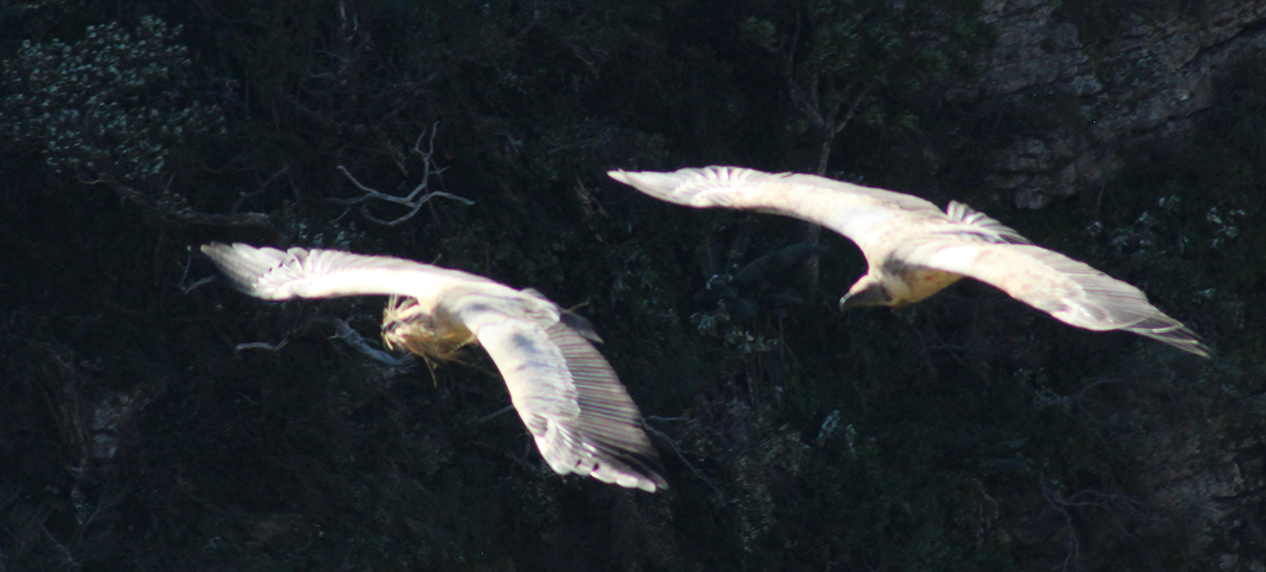
The following day took us to the Msikaba Vulture Colony. After a long drive, a missed turn, and a detour to a random campsite, we finally arrived. Hours drifted by as we watched Cape Vultures float effortlessly between cliff faces, rising on the thermals. Over coffee and Lourens’ s famous peanut-butter-and-berry-jam sandwiches, we felt the frustrations of the previous days slip away.
On our final day, before heading back to Graaff-Reinet, we met with officials from the Eastern Cape Parks and Tourism Agency in Mthatha to discuss a future Wild Coast recce.
What began as a cancelled event in the middle of storms and silence ended with vultures, resilience, and new opportunities—reminding us why we do this work, and why it’ s always worth carrying on, no matter the obstacles.
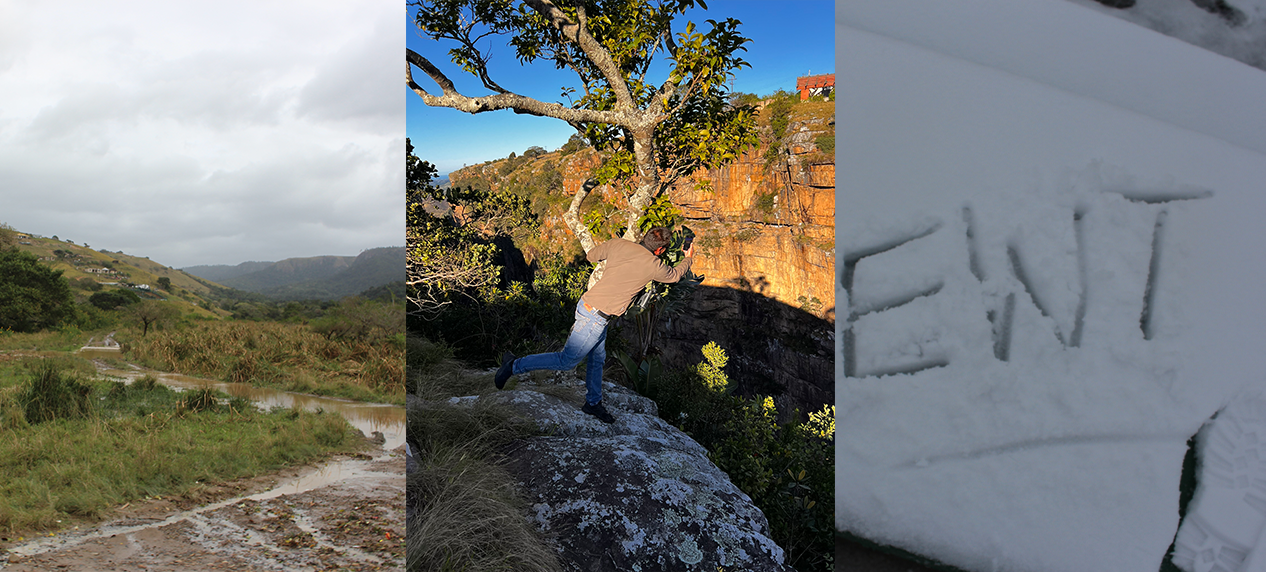
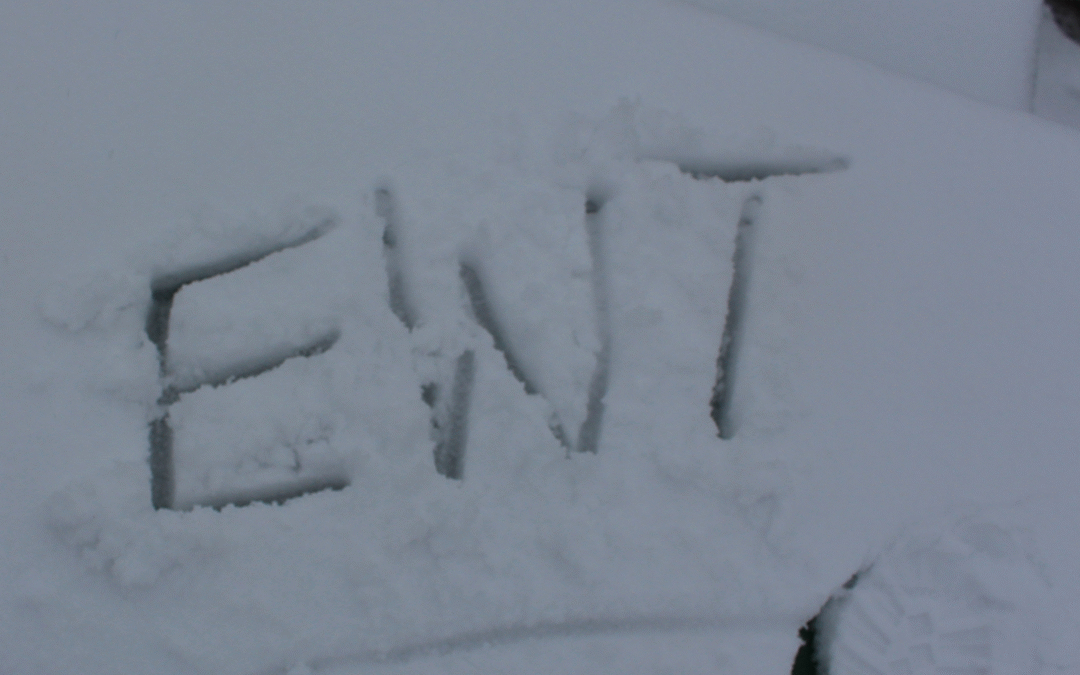
Left: state of the road. Centre: Searching for signal. Right: EWT in the snow