Help protect Africa's 

Following the Vultures of Badingilo

Following the Vultures of Badingilo

In the Field

Following the Vultures of Badingilo

By Kyle Walker, field officer, Birds of Prey and Carnivore Conservation Units
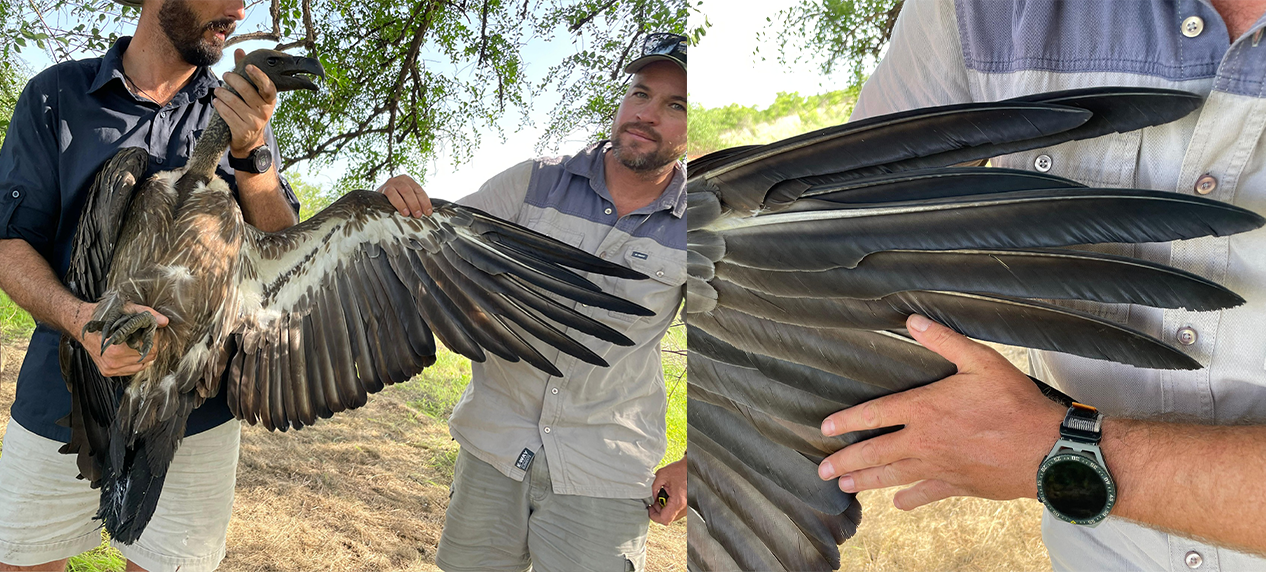
 

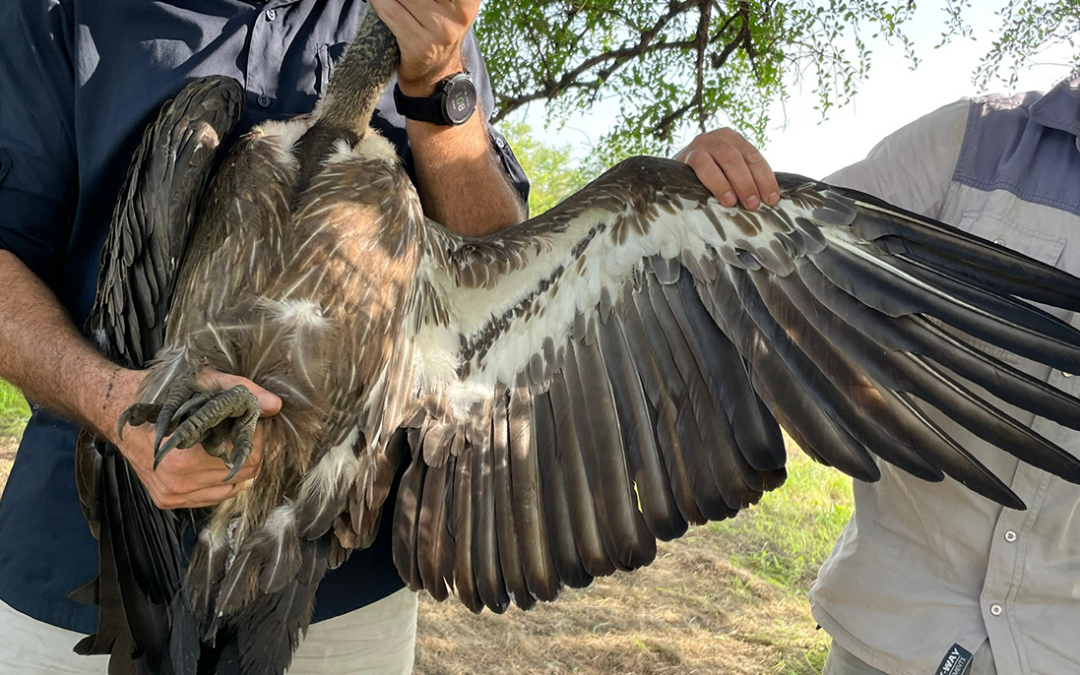
Field researchers conducting vulture conservation in Badingilo National Park

There are few places that make you feel quite as small as the vast landscapes of South Sudan. Endless horizons stretch across open savannas, floodplains, and scattered acacia trees, creating a wilderness that feels untouched by time.

It was here in African Parks’ Badingilo National Park, that the EWT’s Gareth Tate and Kyle Walker embarked on an adventure with a simple goal: to catch and fit satellite tracking units to vultures and learn more about their secret lives.

The plan sounded straightforward enough. By tagging 15 vultures, we hoped to gain valuable insights into their movements, breeding behaviour, habitat use, and the challenges they face. As with most field expeditions, however, the journey quickly became about much more than the original objective.

Over the course of the mission, we successfully tagged 15 vultures of three species: four Rüppell’s Vultures, two White-headed Vultures, and nine White-backed Vultures, all of which are listed as Critically Endangered on the IUCN Red List of Threatened Species. Every bird was handled with care, ensuring minimal stress before being released back into the skies. Watching a newly-tagged vulture disappear over the horizon is a moment that never loses its magic.

Of course, fieldwork rarely follows a script.

One of our ambitions was to extend the expedition into Boma National Park, but poor weather had other plans. After a brief flight, it became clear that conditions would not allow a safe landing. We turned back to Badingilo and focused on catching the remaining five vultures. It was another reminder that flexibility is just as important as preparation.
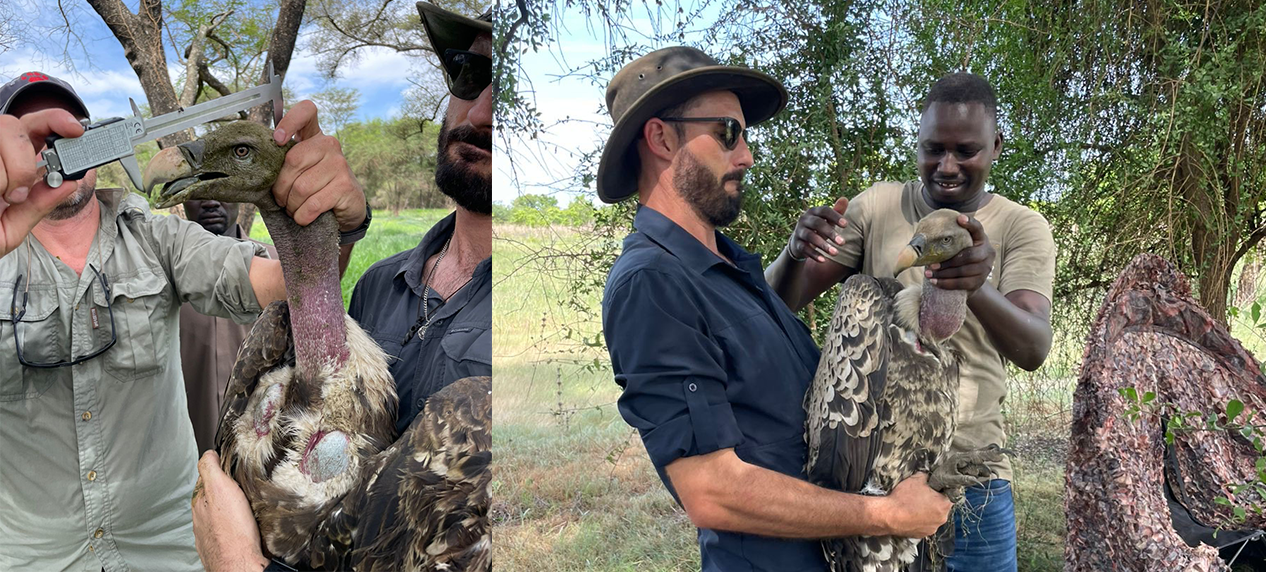
African Parks collaboration wildlife tracking expedition

Operating in Badingilo also highlighted the realities of conservation in one of Africa’s most remote protected areas. With few roads crossing the landscape, travel often relies on fixed-wing aircraft and helicopters. Distances that appear manageable on a map can become major logistical challenges on the ground.

Those challenges were brought into sharp focus by our aging Unimog. After faithfully carrying us across rough tracks along the White Nile River, it finally broke down far from camp. We found ourselves sitting beside the road waiting for assistance, surrounded by an immense wilderness that seemed to stretch forever. Out here, schedules are suggestions and patience becomes an essential field skill.

Adding to the adventure was a heightened security alert during our stay, a reminder that conservation work in remote regions often involves navigating far more than wildlife management.

Yet some of the most memorable moments had little to do with vultures.

Among the camp’s residents were a young Sitatunga and a Tiang calf, both eagerly awaiting their evening milk feeds. After long days in the field, these small routines became highlights, reminding us of the individual animals whose futures depend on healthy ecosystems.

One evening, we spent the night beside a village on the Nile River, gathered around a fire with community members beneath a sky filled with stars. Stories, laughter, and a shared dislike for mosquitoes, quickly turned strangers into friends.

The next day, the villagers came to see the vultures up close as we processed them. Although Hooded Vultures are a common sight around many communities, few people had ever seen some of the larger vultures at arm’s length. Curiosity turned into fascination as people asked questions and learned about the birds’ remarkable lives.

Through conversations with local communities and rangers, we also gained a deeper appreciation for the region’s cultural heritage. We learned about the Dinka and Murle people and their historic cattle-herding routes across these vast grasslands. Long before satellite tags and GPS units arrived, people had been reading and navigating this landscape for generations.

Now, with the fieldwork complete, the next chapter begins. The trackers are already revealing how these vultures move across South Sudan’s wilderness. As the data accumulates, it will help identify important habitats, movement corridors, and conservation priorities for the species.

But beyond the maps and data, this expedition left us with something equally valuable: a renewed appreciation for the people who make conservation possible. The African Parks rangers who guided us, the communities who welcomed us, the partners who supported the journey, and the birds that inspired it all, are part of the same story.

Looking back, Badingilo was far more than a tagging expedition. It was an adventure shaped by unexpected challenges, extraordinary landscapes, campfire conversations, breakdowns in the middle of nowhere, orphaned antelope waiting for their evening milk, and unforgettable encounters with wildlife.

As the vultures continue their journeys across the skies of South Sudan, their trackers will help us follow along, revealing stories that were previously hidden from view.

For now, we leave Badingilo with gratitude – for the birds, for the people, and for the privilege of being part of their story.
Conservation team releasing tagged vulture into wild

Launch of the SADC Vulture Conservation Strategy & Action Plan (2025-2035): A Regional Breakthrough for Scavenger Birds

Launch of the SADC Vulture Conservation Strategy & Action Plan (2025-2035): A Regional Breakthrough for Scavenger Birds

Launch of the SADC Vulture Conservation Strategy & Action Plan (2025-2035): A Regional Breakthrough for Scavenger Birds

By John Davies – Birds of Prey Unit Manager, Endangered Wildlife Trust


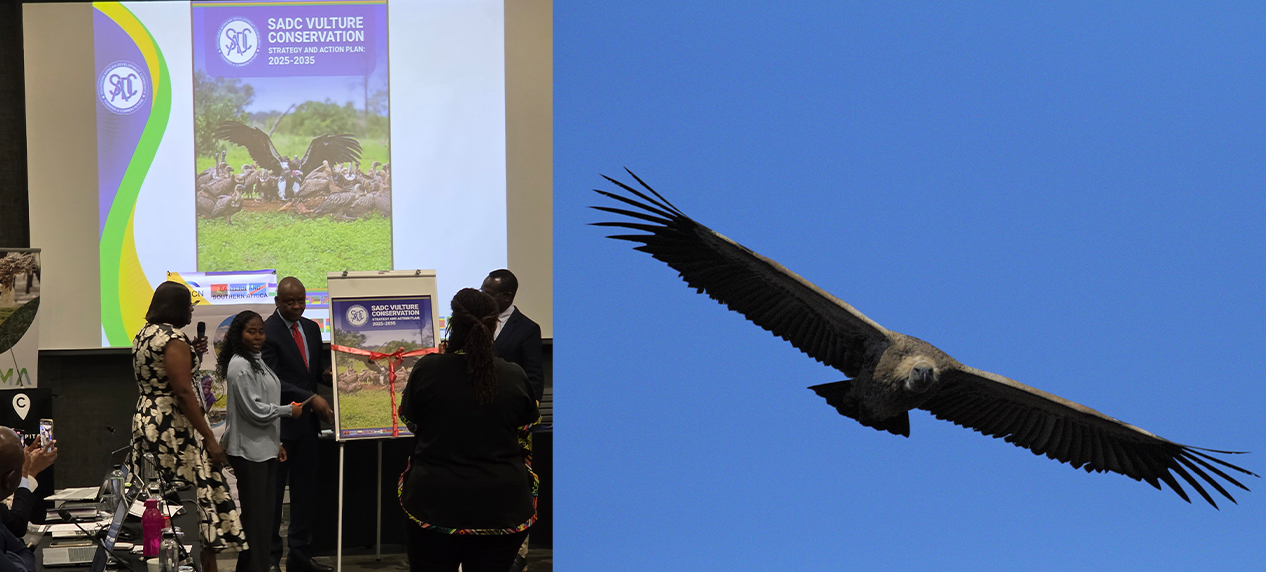
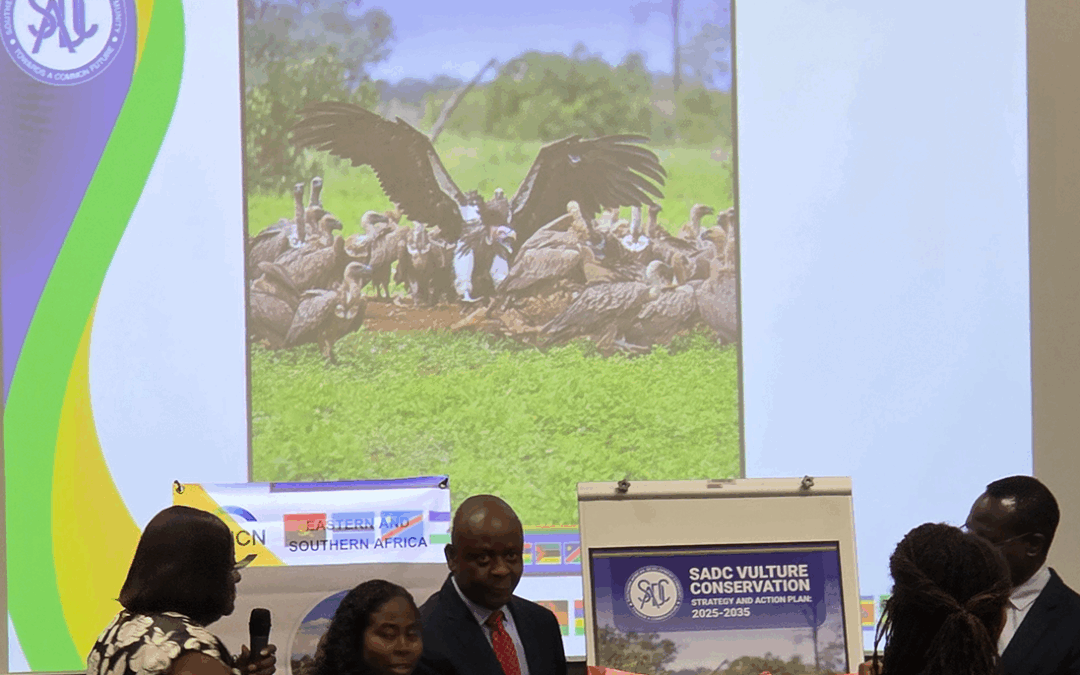
Cape Vulture soaring above cliffs in southern Africa, symbolising regional conservation success |  Delegates at the launch of the SADC Vulture Conservation Strategy 2025–2035

Left: Delegates at the launch of the SADC Vulture Conservation Strategy 2025–2035. Right: Cape Vulture soaring above cliffs in southern Africa, symbolising regional conservation success


The 26th of August 2025 marks the day that the southern African region took a significant step forward in protecting its disappearing avian scavengers.

Working closely with the International Union for Conservation of Nature (IUCN) and BirdLife International, the Southern African Development Community (SADC) officially launched the SADC Vulture Conservation Strategy & Action Plan, a 10-year regional framework aimed at reversing the catastrophic declines of vulture populations across southern Africa.

This strategy represents a unified commitment by range states to address shared threats, coordinate data and field actions, engage stakeholders across sectors, and embed vulture conservation as a cross-border ecological priority.


Why this strategy matters

Vultures play a vital role in African ecosystems, as efficient scavengers, they remove carcasses, limiting the spread of disease and controlling populations of other scavengers (such as feral dogs) that may pose risks to wildlife, livestock and people. The precipitous decline of vulture species in Southern Africa thus rings alarm bells not only for biodiversity, but for ecosystem health and human-wildlife coexistence.
Key threats across the region include:

  • Intentional and unintentional poisoning of carcasses (often from poaching retaliation, livestock-wildlife conflict, or veterinary drugs).
  • Electrocution and collision with energy infrastructure (power lines, wind turbines) as vultures soar widely and utilise large home ranges.
  • Habitat loss, fragmentation and disturbance of nesting or roosting sites (cliffs, large trees) and changes in carcass availability.
    Without coordinated regional action, national or piecemeal efforts risk being undermined by cross-border threats, migratory behaviour, and ecological connectivity. The new SADC strategy recognises that vultures don’t respect national boundaries.


Outline of the Strategy

The Strategy & Action Plan is structured around four main strategic pillars:

  1. Reducing Threats faced by Vultures – identifying, prioritising and addressing the major direct causes of mortality and decline, including poisoning, infrastructure, and habitat loss, with specific targets of reducing poisoning-related vulture mortalities by 75% by 2035.
  2. Enhancing Data, Monitoring and Conservation Efforts – improving baseline information on vulture populations, movements, threats, monitoring change over time, and sharing data among countries.
  3. Stakeholder Engagement, Awareness & Behaviour Change – involving communities, wildlife managers, the energy sector, the veterinary sector, private landowners, and the wider public, so that vulture conservation is understood and supported.
  4. Governance, Implementation and Coordination – establishing a regional steering group, aligning national policies and legislative frameworks, ensuring resources and capacity, tracking progress through measurable targets.


Over the 10 years ending 2035, each country will develop national roll-out plans aligned with the regional framework, enabling cross-border synergies. This will include information on poisoning hotspots, energy-infrastructure corridors and migratory routes. The strategy aligns with global frameworks such as the Convention on Migratory Species and the Kunming‑Montreal Global Biodiversity Framework.

Although there are significant complexities around many of these targets and objectives, their inclusion will guide a significant amount of work in future, as well as assist in creating financial and institutional capacity to tackle these as a collective undertaking.


Countries included and scope

The strategy targets 12 vulture-range states within the 16-member SADC region. These are: Angola, Botswana, the Democratic Republic of Congo, Eswatini, Lesotho, Malawi, Mozambique, Namibia, South Africa, the United Republic of Tanzania, Zambia and Zimbabwe.

These countries collectively host a significant portion of many of these species’ global range, and species like the Cape Vulture are completely reliant on the SADC region for their range.


Benefit to vulture conservation over the next ten years

With this strategy in place, the anticipated benefits over the coming decade include:

  • Reduced mortality and improved survival: By tackling the chief causes of vulture deaths (poisoning, infrastructure, habitat loss) in a coordinated manner, we hope to slow or reverse population decline trajectories.
  • Better data and evidence base: With improved monitoring and regional data sharing, conservation practitioners will be able to identify where interventions are most needed, measure progress and adapt actions accordingly.
  • Enhanced policy and legislative alignment: National laws, energy-sector standards and veterinary regulations will increasingly reflect vulture-conservation priorities. This coordination will reduce loopholes and ensure consistent protection across borders.
  • Stronger stakeholder networks and community engagement: With local communities, wildlife managers, power utilities and veterinarians engaged, the strategy fosters behaviour change and broad buy-in, all of which are essential for sustainable impact.
  • Increased funding, capacity and partnership: A regional strategy attracts greater visibility, encourages donor investment, fosters cross-country learning and boosts institutional capacity at national and local levels.
  • Ecosystem and human-community benefits: Protecting vultures means safeguarding their role as nature’s clean-up crew, reducing carcass decomposition risks, limiting disease spread, supporting livestock and wildlife health, and maintaining ecosystem functioning.
  • A measurable “turnaround” by 2035: By setting clear timelines and measurable milestones, the strategy offers the practical possibility of reversing the vulture crisis, by restoring populations, securing safe habitat and reducing threat levels across the region.


The launch of the SADC Vulture Conservation Strategy & Action Plan marks a watershed for the conservation of these highly threatened species in southern Africa. With the strategy in place, we must now help drive national implementation, integrate vulture conservation into sectoral policies (energy, agriculture, land use), support community-level action and track impact rigorously. The next decade is critical. If we succeed, we will secure a future in which vultures continue to soar across our skies, playing their indispensable ecological role. If we delay, the window of opportunity may close.

IVAD 2025: Protecting Vultures, Nature’s Clean-Up Crew

IVAD 2025: Protecting Vultures, Nature’s Clean-Up Crew

IVAD 2025: Protecting Vultures, Nature’s Clean-Up Crew

By John Davies, manager of the Birds of Prey Unit


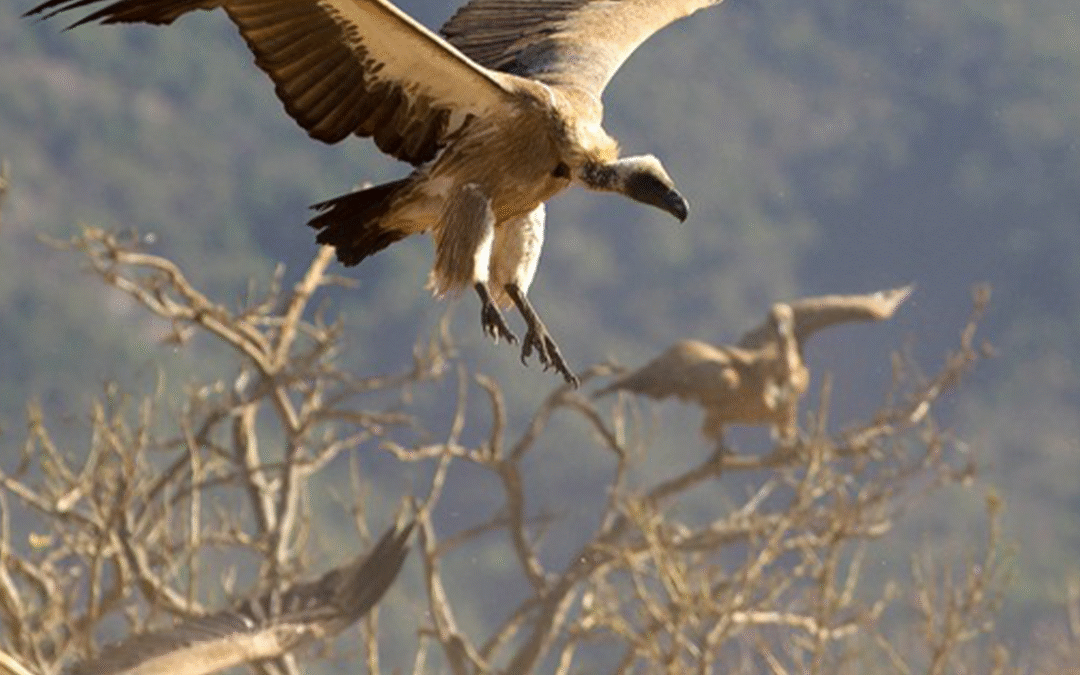
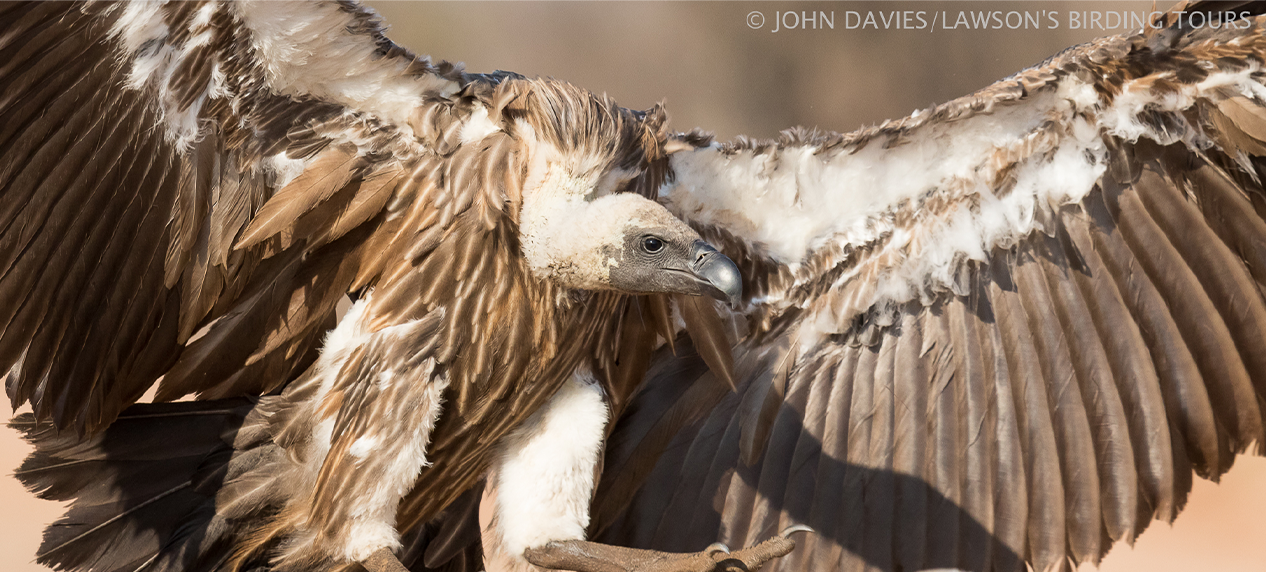
Vulture in flight over African savannah


The protection of vultures is critical for the role they play in our environment, as well as the irreplaceable ecosystem services they provide for all species.

Without vultures, Africa faces a silent crisis. These birds are nature’s most efficient clean-up crew, preventing the spread of deadly diseases that threaten wildlife, livestock, and people. Yet across the continent, vulture populations are collapsing at unprecedented rates, mainly as a result of intentional and unintentional poisoning, as well as the impacts of energy infrastructure. Species that are often thought of as widespread, such as the White-backed Vulture, have undergone population declines of between 63 – 89% over the last three generations, with much of this change having gone mostly unnoticed.

Earlier this month, the Endangered Wildlife Trust (EWT) joined organisations across the globe to mark  International Vulture Awareness Day (IVAD); a day initiated by the EWT in South Africa and the United Kingdom, and which has now grown into a global movement, shining a spotlight on these critically important, yet often misunderstood, birds. The purpose of IVAD is to raise crucial awareness about the plight of vultures and the urgent need to conserve them.

As nature’s clean-up crew, they consume carcasses quickly and efficiently, reducing the spread of deadly diseases to both wildlife and people. The Asian Vulture Crisis, spanning the 1980s and 1990s, saw declines of over 99% in the population of vultures in this landscape. Subsequent research has shown that the loss of these birds resulted in a four percent increase in total human mortality rates. Today, it serves as a warning of what may happen should Africa follow a similar path. Protecting vultures is, therefore, a matter of protecting biodiversity, ecosystems, and people.


The threats vultures face

Vultures are among the most threatened groups of birds in the world. Across Africa, their numbers are declining at alarming rates, driven largely by a range of threats. Although the impact of each of these is variable, wildlife poisoning consistently stands out as the most significant. Beyond the impacts of wildlife poisoning and energy infrastructure, additional contributing factors include:

Vultures are also threatened by: 
  • Persecution due to negative perceptions and belief-based use.
  • Loss of habitat as natural landscapes shrink under pressure from human expansion.
  • Disturbance of nest sites because of increased activity in protected areas.
  • Drowning in unsafe water points such as farm reservoirs.


Without urgent intervention, Africa risks losing these vital species within our lifetimes.

What the EWT is doing

The EWT is at the forefront of efforts to secure the future of vultures and other birds of prey in southern Africa. Our work spans a variety of focal areas, and during the last year has included:

  • Rapid response to poisoning incidents, where, with the assistance of our partner organisation, Moholoholo Wildlife Rehabilitation Centre, we have saved 104 vultures from near-certain death.
  • Through the application of technology, we have detected 20 significant wildlife poisoning incidents that otherwise may have gone unnoticed, as well as 11 poisoned bait sources that were found early enough to not result in further mortality of wildlife.
  • We’ve investigated and mitigated over 80 incidents on energy infrastructure, working towards these sites not remaining a threat within the landscape.
  • Monitoring and research to better understand vulture movements, breeding, and survival.
  • Proactively working towards improved policy and guidelines for vulture conservation, including the development of standard operating procedures for poisoning response, the treatment protocols of poisoned wildlife, and contributing to national implementation of conservation action through the National Vulture Task Force.

In the Karoo and Kalahari, we have worked with farmers to create what is known as Vulture Safe Zones.  The Karoo Vulture Safe Zone, which came into being in 2016 and includes three national parks and a protected environment, presently spans more than 700,000 ha, while the Kalahari Vulture Safe Zone now spans more than 271 204 ha.

However, the conservation of these birds is not something that should be looked at as something done by organisations in isolation. Everyone has a role to play in protecting vultures.

To join the EWT in ensuring a secure future for all vultures, one of the steps members of the public can take is to report any suspected poisoning incidents, injured birds, or wildlife crime to local authorities such as South African National Parks (SANParks), provincial nature conservation authorities or the EWT immediately.

By embarking on small but meaningful actions, members of the public can help ensure that vultures are celebrated, protected, and given the chance to thrive for generations to come.

The EWT calls on the global community to stand with us in celebrating and protecting vultures. Together, we can ensure that these remarkable birds continue to soar across our skies for generations to come.


** The EWT would like to that the Briandez Legacy Trust, Plum Foundation, Charl van der Merwe Charitable Trust, Blue Sky Society, Investec, Mohamed bin Zayed Species Conservation Fund and Global Affairs Canada for your ongoing support of our Vulture projects.